Tag Archives: Interiors

Day 76: Chicago to Santa Fe, NM and the Amtrak vs. TME Report


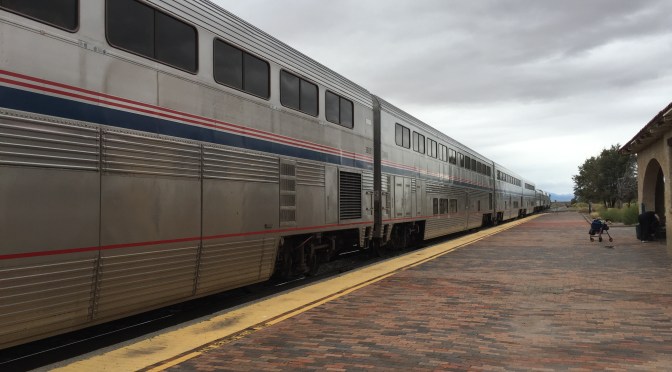
After setting off from Chicago late in the afternoon, we enjoyed an idylllic train ride plying the Midwest from Illinois through Missouri, Kansas, Colorado, and New Mexico. We passed the Mighty Mississippi and wheat fields to enjoy a peaceful sunset.

On arrival, we had a look around the city and enjoyed a sunset the following evening from our hotel roof deck. See view above.

Preliminary Evaluation of the Amtrak vs. Trans-Siberian Express (TSE)

As for the evaluation between Amtrak and the Trans-Siberian Express (TSE) a la Trans-Mongolian Express portion (TME), here’s my interim report below.

If you recall, on Day 71 I established a self-inflicted competition between the American Amtrak system and the Trans-Siberian Express (TSE). You may be confused when I refer to the Trans-Mongolian Express (TME). The TME is a significant portion of the TSE, and differs only in the start point. the TSE begins in Vladivostok on the eastern coast of Russia. The TME begins in Beijing and traverses through Mongolia to Moscow, where both the TSE and TME meet. See map below.

Transsiberianmap

If you are not particularly interested in either, skip this post as it will be a bit long-winded, self-admittedly, and only for those die-hard train afficinados.

Here are comments based on the original criteria I established:

1. On Time Record

So far, the two long haul trips we have taken on Amtrak (Philadelphia to Chicago, Chicago to Santa Fe (Lamy), NM) have been on time or early, and the shorter legs through New England have been on time or slightly delayed. Trains on the TME were either on time or early, but we were not able to verify the arrivals or departures due to fuzzy time zone changes (!!)

2. Comfort (Bed strength, ability to rock a baby to sleep and keep them there; access to lights, camera, action; no annoying overhead PA system used at free will for the comfort of the system and not the passenger; and good padding and ergonomics for blogging)

Beds on Amtrak are comfortable, non-formed foam pads over two seats pushed together in the roomettes, with an overhead bunk that does not allow you to sit up straight. One passenger complained about the pillows and beds being too flat, but seating ergonomics and padding seem fine in both systems. Beds on Amtrak are in the direction of travel, whereas the TME beds were perpendicular to the direction of travel. Not sure either makes much difference in terms of rockability, but the Amtrak trains definitely sway more at the top due to the double-height cars. Most of the sleepers were on the upper level so more passengers would experience the sway, so I’d give Amtrak a negative point for this.

There are more stops at night on Amtrak due to the higher population along the route, so it may appear to be slightly more disruptive at night. However, the train starts and stops are smoother on Amtrak compared with the Chinese bump-and-grind at each stop. The Chinese trains did not appear to have any or much cushioning between cars so they slammed into each other when the trains departed or arrived at each station.

Lighting and controls were sufficient on both systems so no particular comments. In contrast, the use of the PA system was notable on Amtrak. The dining car made repeated comments about availability, MIA’s, and hours of operation; there were none on the Chinese cars (perhaps because there were so few or no passengers! or the multiple languages spoken by passenger on the train would render the effort fruitless). We did take a Chinese train on a different trip last year that piped overly loud and annoying announcements and music on their PA system. At one point, the speakers were disconnected (i.e. ripped out) to our car by a passenger and it seemed to take care of the problem.

3. Service (attentive staff, no back talk or attitude–i.e. Courteous; visible but not obtrusive; professional but not hollow friendly delivery of information)

As you know, we found the service on the Chinese trains to be very good, but that’s because we spoke Chinese. I am not sure foreigners would find the staff as friendly. Surprisingly, the Amtrak staff have been generally friendly and attentive. They must have improved their customer service training since we took the trains a generation ago. There are still vestiges of the long-timer staff person here and there who crack canned jokes every now and then, or a raspy voice yelling out instructions by someone who cumulatively earned the distinctive voice quality. Overall, both appear to be genuine in intent and concern.

4. Cleanliness (no spit on counters; toilet paper unfailingly in supply; Windows you can see through; stainless upholstery and carpets)

Well, can’t say I went looking, so I didn’t find any gross evidence in either system. In general, the toilets in the Chinese trains were not well attended, but in defense of the system, we were only 2 of 3 passengers in our car. There were four toilets available in one Amtrak sleeper car for some 24 rooms; only one toilet and one washroom per car on the Chinese train. You can do the math.

Toilet supplies were plentiful on Amtrak, nada on the Chinese trains. Bring your own.

Windows were a little soiled on Amtrak. Hard to see through some windows on Chinese cars.

Upholstery on Chinese cars were old but clean; no carpeting in rooms.
I noticed a few stains on the blankets of the Amtrak, and maybe on the carpeting. The concierge announced that shoes are required on all Amtrak trains.

5. Food (real food; reasonable prices; no cheap shots using lots of salt and sugar; no bar codes on wrapping; cold beer; wine list; nuking; no plastic, polystyrene, or jewel boxes)

Food to date on Amtrak was decent, and better than I remembered. When you book a sleeper you get free meals. Dinner options included salmon fillet, steak, chicken, or pasta. The only disappointing aspect were the frozen vegetables.


Hard to compare the food from the Russian dining car. The food appeared to be freshly cut and prepared, and although small portions, the food was fresh, tasty and healthy. Gee Kin’s vote for the staff’s home-cooked pasta and meat buns unfortunately do not qualify for this evaluation of customer-consumed food. Interestingly, I asked Sean, our Amtrak attendant, what he did for food. He immediately remarked that the food on the train was unhealthy for service staff. Assuming that they ate it frequently, the food would take a toll on your weight and BMI. The food is included in their benefits, but he mentioned that he beats it over to Whole Foods whenever he gets in to Seattle. Staff stock up on their own food but are not allowed to bring anything requiring refrigeration. That poses some limitations, but he said they work around it (wink, wink). Occasionally the house chefs make family meals for the staff and they really appreciate it.

I am copying and pasting the earlier post comments for convenience and adding any additional notes or changes.

Pros of the Trans Mongolian Express:
1. Decent food in the Russian dining car at reasonable price
2. Service in the sleeping car was very good and attentive by the two attendants assigned to our car (even though we and one other woman were the only passengers in the car after Ulan Bator!)
3. The compartment was tidy and toilet at the end of the car was adequate.


Cons for the Trans Mongolian Express (TME)
1. The tracks are not universal in Mongolia thereby requiring wheels to be changed on every car going between China and Russia through Mongolia
2. The trains do not have Internet access
3. The schedule and arrival times at any station were a mystery due to fluctuating time zones

Pros for Amtrak trains
1. The trains are very comfortable
2. The trains have Internet access (10/7 correction: none on the long hauls!!)
3. The information for time, stops and scenic opportunities is helpful (10/7 update: excellent handouts available at every seat)


Cons for Amtrak
1. Service staff are surly (10/7 update: I would delete this comment that was based on historical experience)
2. Stations are antiquated (10.7 update: true, but they have installed First and Business Class lounges with internet access that overnight passengers can use)
3. Seating is not reserved (10/7 update: all seats are reserved on the long-hauls)

This report includes two long hauls:
1. Washington DC to Chicago on the Capitol Ltd.;
2. Chicago to Santa Fe, New Mexico on the Southwest Chief;

The last report will include the third and final leg:
Santa Fe to Los Angeles (continuation of the Southwest Chief), then the Coast Starlight train from LA to San Francisco.

Day 62: New York City, New York (continued)

Today was a continuation of yesterday’s whirlwind tour of galleries and museums, directed by two friends and ardent museum-goers. We started with a visit to the new Whitney Museum, that has been relocated from the Upper East Side to the Meatpacking District adjacent to the popular Highline. It was exciting to see an expanded display of America’s best that included many women and artists from different ethnicities. Galleries are organized and grouped by themes.

The featured painting above is entitled “Saigon” by Peter Saul, 1967. It shows the raping, death and destruction from that horrible war. You can go to the link below and find an audio presentation about it given by a museum guide.

The freshly minted building by Renzo Piano:


Photos above:
1. Sculpture by Ruth Asawa, San Francisco’s own
2. New York, 1955
3. Jackson Pollack
4. Rothko Painting indicating Tragedy, Ecstasy and Doom
5. Photographer in front of painting by Krasner, who was the wife of Pollack. After he died, she continued to paint but converted from small scale to large scale in his barn studio.


Normally, I roam the galleries looking for only the artists I recognize. Near the end of the visit, I made an effort to find three artists whose work I did not know. See those above for Cy Twombly, Alma Thomas, and Elizabeth Murray. So many contemporary artist represented in this vast collection can be intimidating and overwhelming, but I found that determining a small number for myself was manageable, energizing and educational. It didn’t stop me from continuing to look for those old shoes, however, for comfort’s sake!

IMG_9466
The Whitney specializes in American Art and has been a big supporter of providing classes for artists.

For more about this exhibition that closes on Sept. 27, “America is Hard to See” go to http://whitney.org/Exhibitions/AmericaIsHardToSee

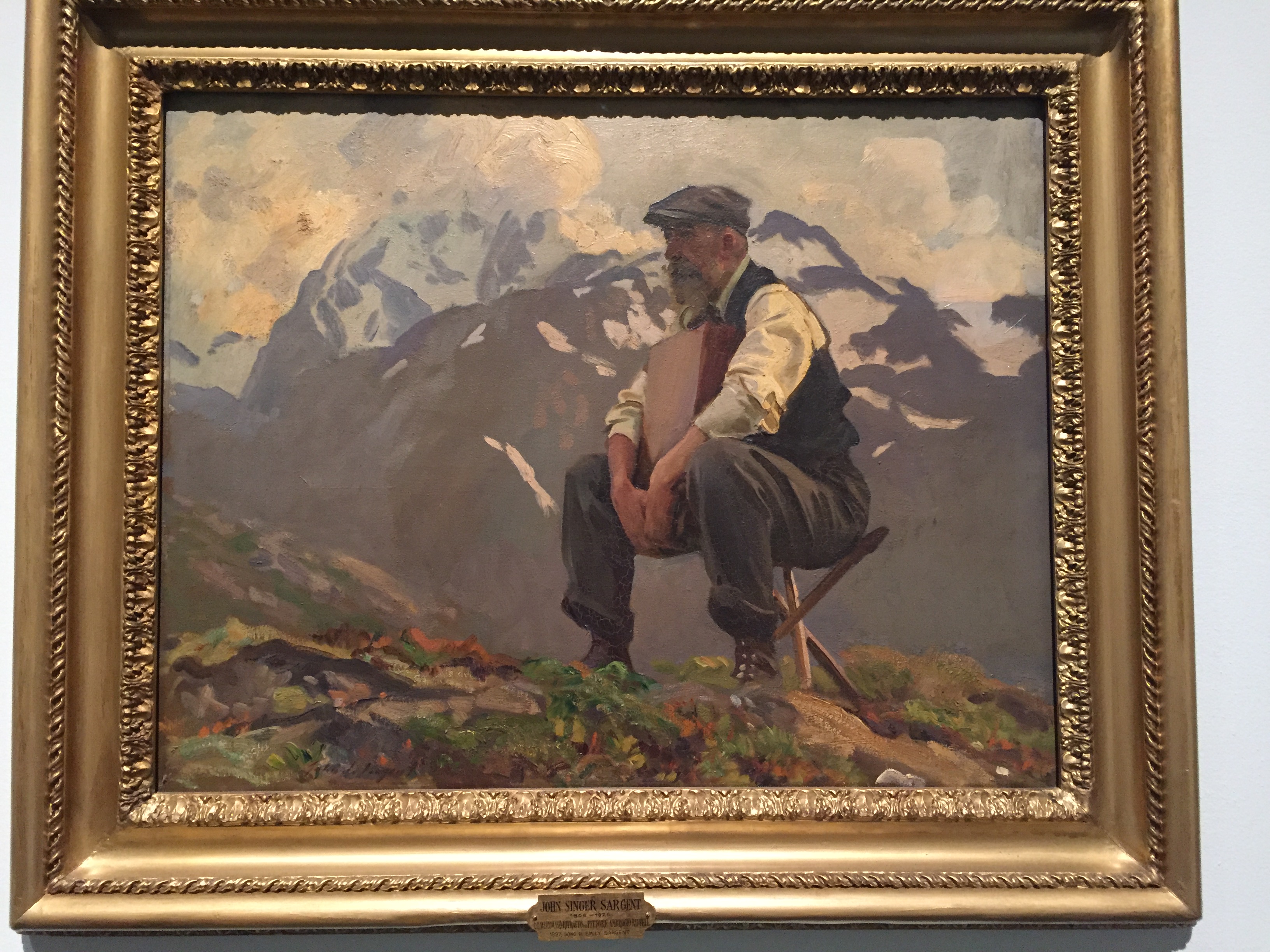
If this exhibition at the Whitney wasn’t enough, the gods must have been crazy to allow me go to another major museum in town. The Metropolitan Museum was having a major exhibition on John Singer Sargent’s “Artists and Friends”. He was born in Europe to American parents and had extensive connections to highly influential individuals, artists, and musicians in Paris, London, and throughout Europe.

Here are a few of my favorites. They are dedicated to Sargent fan Tony (if you are out there):

Full Size Portraits

Head Portraits

This one’s for you Helena:

Simplon Landscape
Simplon Landscape

For more about this exhibition “Artists and Friends”, go to http://www.metmuseum.org/about-the-museum/press-room/exhibitions/2015/sargent

And last but not least, for Isa who asked:
These are televised screen shots from the Pope’s visit last night at St. Patrick’s Cathedral. We weren’t there, but our host was late to dinner after attending the mass. We were watching TV and checking for him in the audience. The Pope seemed like a pretty nice person.

Day 60-61: New York City, New York

Attached are a few photos of the Picasso Sculpture Exhibit currently at the MOMA:

From a dozen gallery visits the following morning:

Lunch

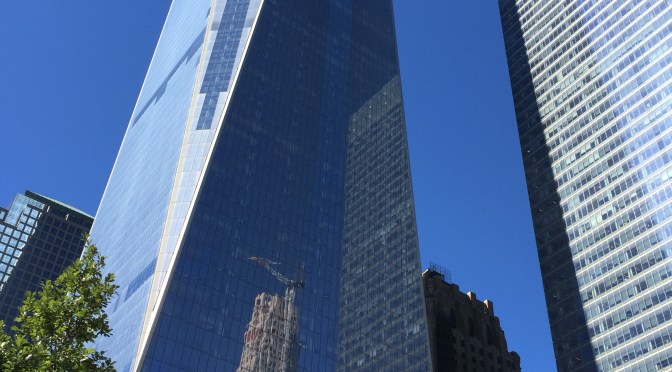
Tour of World Trade Center Area

Cruise on the Hudson in 130′ Yacht

Room with a View-New York City Skyline looking North

Day 52-54: Week Two, Schwäbisch Hall

The Goethe Institute students in our class are already embarking on the second week of the two-week language and cultural program at Schwäbisch Hall. It has flown by, with many activities, new friends, and mind busting German classes that test our memories and expectations of ourselves. It feels as if we are on the same boat, cruising down the river of life together.

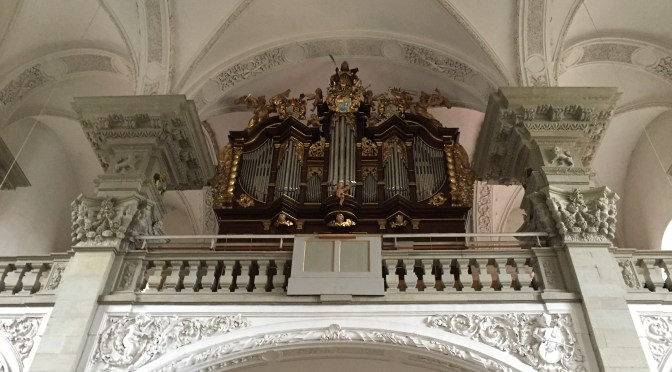
The Kloster Großcomburg and the Kirche St. Nicholas contains a rich collection of beautiful stone sculpture and elegant interiors. Clad with stone columns and capitals, plain ribbed walls and ceiling, and handsomely crafted wood pews, the Church interior and its materials seemed very modern and soothing to the eye. A beautiful stately organ was perched in the balcony ready to beckon its congregation. The church is at the top of a double-walled fortified hill, similar to the one at Schwäbisch Hall.

The ecclesiastical and royal stone figures possessed an air of confidence and stately manner. The king stands on the lions, a sign of royalty, but the queen is only allowed to stand on a dog as a sign of subordination. A stone knight looked poised, and ready to prance into the room. Its crisp, ribbed clothing was beautifully honed to perfection.

The day before, we took a full day excursion to Stuttgart and saw examples of historic buildings in the Altstadt area as well as modern, stately residential buildings with a strong Corbusier influence. With a population of 500,000, the city is built along a river and has steep hills with spectacular views similar those in San Francisco. Originally known as Bad Cannstatt, Stuttgart has a wine-growing region on the opposite side of the residential area and it was the impetus for Stuttgart’s growth. The city was bombed severely in World War II, so many of its original buildings no longer exist. Bosch, Porsche, and Mercedes-Benz are a few of its top companies.


In the afternoon we visited the Mercedes Museum. Daimler merged with Benz to create the world-wide brand of Mercedes-Benz. The classic three-pointed logo stands for the company’s products for land, sea, and air. The nine-floor, museum-quality ramped building was designed by Netherland’s Ben van Berkel and Caroline Bos’s UNStudio and features a timeline and modern history of the world since the development of the first Mercedes-Benz. Many of the classic automobiles, trucks and buses are also on display there.

In an outing the day before, a few of us were able to break into a small group and enjoy walking on one of the several Wanderwegs, or paths through and beyond Schwäbisch Hall. Despite drippy weather and overcast skies, our group encountered a field of sunflowers that brightened our day. It was a near-perfect day–only a rainbow was missing.

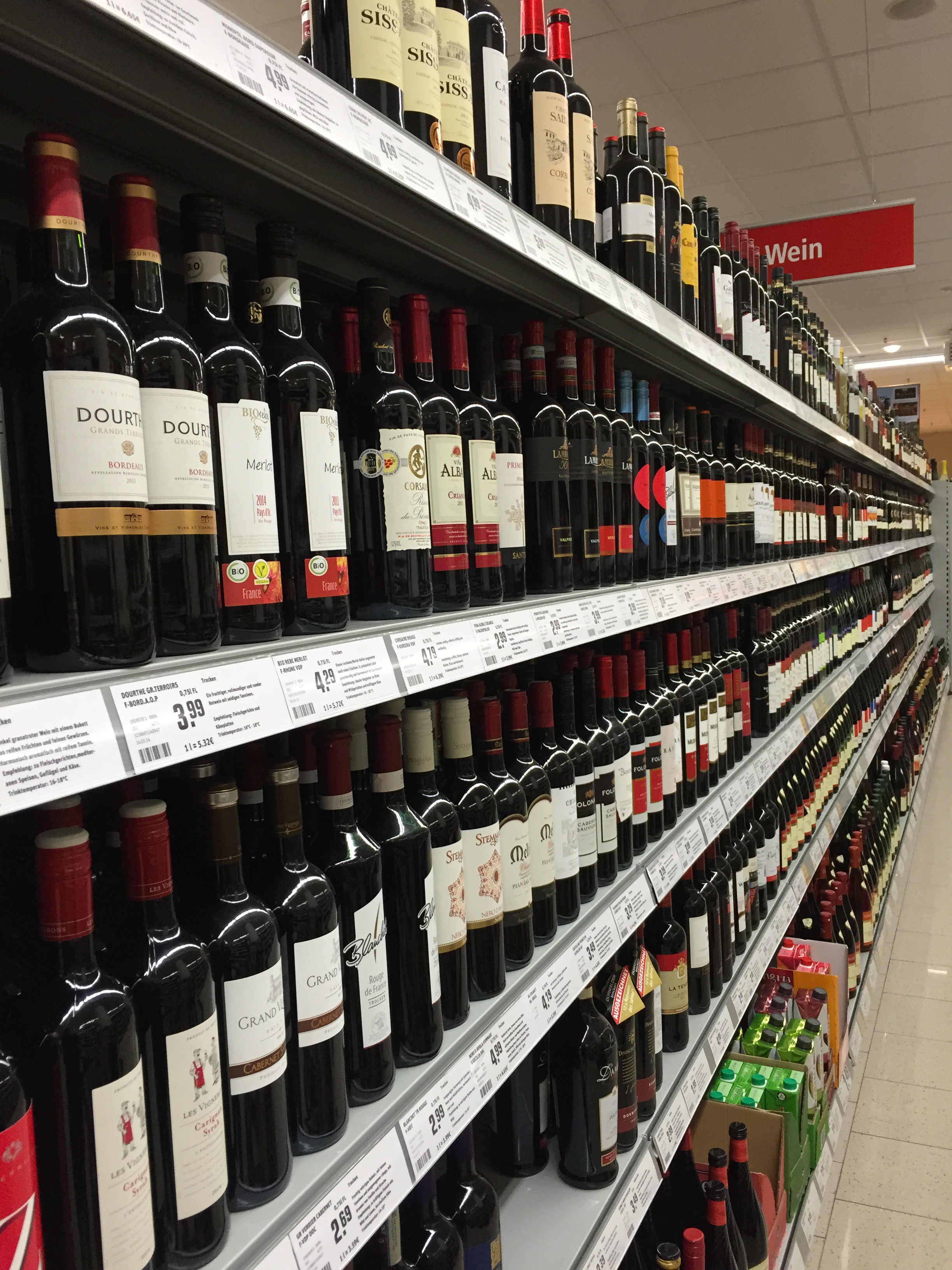
On a trip later to the supermarket, I found that wine is plentiful, with none over 6 Euros! The shelves were lined with a variety of locally produced wine. After a long search and at the end of the shelving in a “premium” section, I finally landed on a bottle of Hohenlohe Fürst Oehringen 2013 Lemberger Trocken (dry) for 9 Euros!! I tried, but I couldn’t find much for over 10 Euros.
IMG_8934

Day 47-48: Hohenlohe Lo and Behold

We were taken on an excursion this afternoon to Kirschberg, a medieval town in the outskirts of Schwabisch Hall. In typical fashion, the buildings were beautifully preserved, as Germany really appreciates the historical value and cultural significance of its past.

Our second stop was a visit to one of Germany’s model farms. It grows the maize and the hay to feed the cattle, and the cattle are grown for meat. It is cheaper to import beef from other countries to Germany, but the farmer can sell his meat at a higher price because of its flavor.

The farm used to produce alcohol but it became too expensive to produce. They have a new operation that processes methane for bio-fuel. Nearly every sloped roof I could see in the farming areas were packed with solar panels, and windmills are also located in the area to create electricity.

The second part of our excursion outside of town was at the Freilandmuseum of Schwäbisch Hall. Located in Hohenlohe, it is one of the seven open-air museums in the area. It is similar to Williamsburg, where period buildings are shown in their natural environment. Buildings were moved here from elsewhere to preserve them. We saw an early medieval farm house and a more recent one from the 19th century. We also visited a school house, where our instructor gave us a lesson on the present tense. He read us what the teachers would tell the students to discipline them. Corporal punishment was the name of the day–see “the White Ribbon”, a chilling film about a family in rural Germany by award-winning film director Michael Haneke.


The buildings showed the construction of the walls. Twigs were carefully cut and sorted to be consistently equal in size, and then they were placed between the posts and studs. The straw and mud plaster was used to fill in the gaps, and then plaster and paint was added over the walls. Early buildings were built of stone to avoid the eternal fear of fire, but eventually the materials were organized better to concentrate the use of stone in the basement for cooling and storage of food over the winter, and then placing the living quarters over the stone level to keep the house warm. Stone and iron were used in the cooking or hearth area to protect it from catching on fire.

If it wasn’t fire, the next greatest fear of any family was poor health. Of 15 children, half or more died in the 19th Century. Families had to live together for economies of scale and to look after the children. As mentioned in other historical tours, hygiene was very poor and people did not wash for a year. There was very poor sanitation and waste treatment. Like in the Rothenburg-ob-der-Tauber Midnite Watchman tour, Schwabisch Hall had its alleys full of waste that was thrown out the windows of the houses. Wealthier people lived at the top of the steep hill so all the waste washed or slid down the hill to the river. So the poor got the worst of the lot. This contributed to the disease and infestation that baffled and plagued generations of farmers and city dwellers alike. I woke up just in time to notice that tour attendees tend to get pretty lethargic, until the stories about gore and horror get mentioned. Everyone perks up and pays attention intently. It must be trick the tour guides use to give everyone a jolt and reminder to achtung. Unfortunately, I’d heard it before.

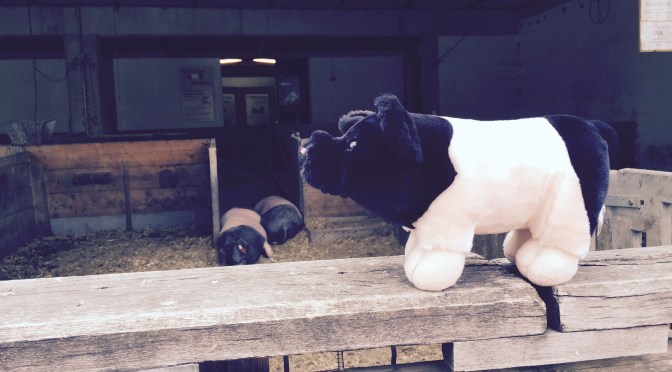
We were treated to a specialty of the area known as “Wibele”, tiny tiny waffle-like coated snacks that look like mini macaroons. I confess that they were more delicious than they look. Our teacher told us it was a highlight that he remembers as a child. The schwein shown in the picture below is also known to be a specialty of the area. Its black head indicates that it was bred from another pig and it yields a distinct and delicious pork flavor.

I’m trying really hard not to overeat, so I am buying food from the supermarket and even tried cooking in the guest house kitchen tonite. I buy the usual fruit, granola and yogurt for breakfast, and conjured up some twistee noodles with garlic, olive oil, and tomatoes for a tasty home-cooked meal. I have been making sandwiches for lunch with delicious aromatic schinken ham and Swiss cheese and arugula on a fresh brot. Sorry foodies, no pictures to brag about for awhile. You’ll probably have to wait until I get to New York.

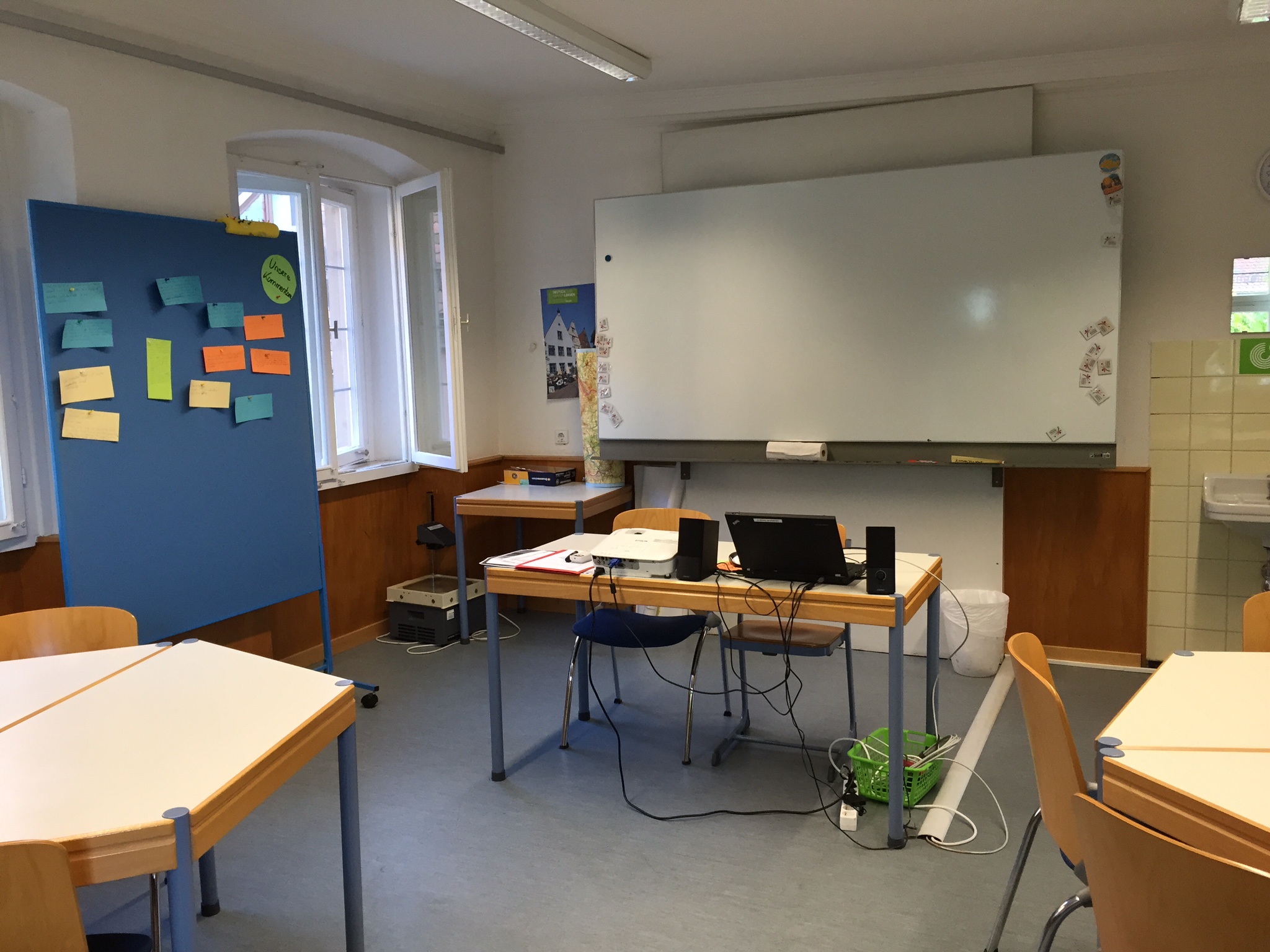
Finally, here’s a stray photo of our classroom, for those contemplating doing this program in the future:
IMG_8353

If you are the adventurous type, like meeting people, and living a spartan life, I highly recommend this program to you. You also get to learn a delightful language that is full of grace, elegance, and structure.

(Featured Photo, above: our class Mascot “Goethie”, from the Schwabisch pig shown in the background. They have black heads and bottoms, just like the stuffed one shown.)

Day 34: St. Florian, A Closer Look

Time to reflect on St. Florian, the Augustinian monastery outside Linz, Austria, where I spent my last three days. At first it seemed very grim and austere, but by the time I left I felt the urge to return. It has its undeniable charm, and the offerings in the area were far beyond my expectations. The biggest draw, although I did not do it, was the Bruckner Weg, or Symphonie Weg. I described it earlier, but it’s hard to describe how excited I was by it. It combines my love of walking and music!

It’s a great way to learn about the music of a composer who was so dedicated to organ music, he wanted to be buried under the church of St. Florian. And indeed, here’s a picture of his crypt in the basement!image

I was able to discover this grand old monastery and its historical treasures that are now under appreciated and forgotten. The library holds over 140,000 volumes and about 4,000 are original books before the printing press was invented.

image

Other treasures were the performances in the cathedral itself. I took many videos of the two daily performances and the mass at six jsut to record the music. I guess it wasn’t really a mass because the monks all came out and chanted for about 20 minutes and there was very little audience participation. I got really curious about the Augustinians. Here’s a description if what I read in Wikipedia:

https://en.m.wikipedia.org/wiki/Augustinians

The interesting part was about their psyche. It indicated that monks were high on the masculine scale but also had a very high preponderance towards female qualities of neuroticism and detail. Wow. What a combination. I wondered if I was material for monkhood??

In any event, that minor piece of information got me to thinking what could have motivated these men to join the order. I was surprised to learn that Martin Luther was an Augustinian before he protested against the Catholic order and the papal Bulls. Eventually, he got married.☺️
Others like him must have suffered some hardship or divine inspiration. The Augustinians also have hermits too, so their monastery is a perfect place to try out the lifestyle. I wondered how Herman’s Hermits picked their name.

As the monks left the cathedral, I couldn’t help but study each face. Hmm, older, tall, and pretty handsome for their age. Is that where all the men have gone? I’m searching for my single lady friends.

It all starts to come together. All the glorious trimmings at the expense of the people. But it was interesting to see the development of the environment and understand the conflicts that were subsequently caused by it.

Here are some more views:

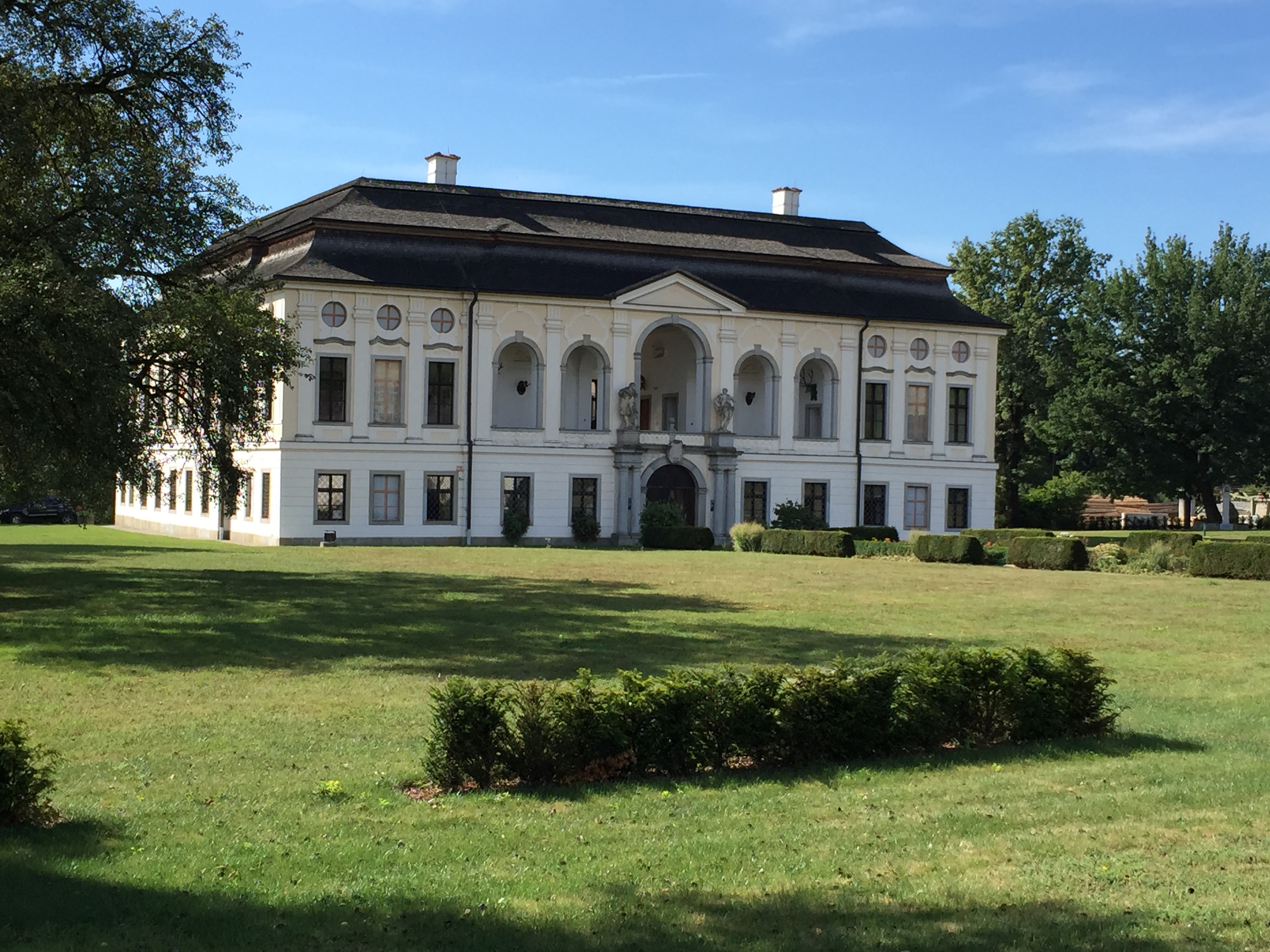
I mentioned some of the wonderful paths and “wanderings” available throughout Austria and Germany earlier. Switzerland probably has an awesome offering, but I haven’t heard about them yet. Although I was unable to do Jacob’s Way to Santiago de Compostela (my 19 days were already numbered), the Bruckner Way or the Symphonie Way (the museum at the far end was closed for the month of August), I took a short walk a mile away to the Hohenbrunn Schloss. It was blazing saddles, so I had to shade-spot along the path. Before arriving, I stopped to enjoy looking back at St. Florian in the distance beyond the road (pictured in the header).

Hohenbrunn, shown below, is some version of a hunting lodge built between 1722 and 1732. No one was there except me, and for a few quid I could see the entire place to myself, unaccompanied. At first it seemed a little creepy, as it felt like someone had just occupied it and left the water running somewhere. And all those guns. The one I took the picture of was one-of-a-kind. It actually is used for shooting ducks on a boat, so the boat supports the long barrel. I’ve captioned a few of the other photos that struck my fancy as I pranced through.

Front of House
Front of House

The up close and personal with the animals got a little weird. They all seemed to be having Gary Larson conversations with each other, wondering where all the human pets had disappeared to. I felt like Ben Stiller in “A Night at the Museum.”

Despite my digs at the culture in and around St. Florian, it was really pretty sweet. It took a bit of courage and good faith to come here on my own, but I stayed in contact with my support staff. I am nearly half way through my journey, and as many of you know it is not about the destinations but the process of getting there.

At times I wondered what I was doing. When I finally played my on-line music appreciation class that I brought along with me, I realized that this is real-time learning. I can hear and relate to music that is being performed. I ironically was at the point of learning about “Baroque” as in Bach vs. “Classical” music by Beethoven. That was awesome!

I hope I can convince any of you to come back with me to St. Florian. The surrounding area is luscious and vibrant, and you feel the freedom to explore at your own pace. It’s heavenly to hear the organ and Bruckner here. And yes, I am a little sad to leave.

Featured photo at top: Hoenbrunn Schloss, in St. Florian near Linz, Austria

Day 30b: Viennese Sights

1. In and around Vienna: St. Stephen’s Cathedral and Plaza area (also featured image), and a street scene near Mozart’s House in Vienna. Notice the wide contrast in architectural styles, right in the cultural center of the city.

2. The Albertina and a collection of Modern Art from Carl Djerassi

These are only a few of the works I liked in particular, from his extensive collection that include Lichtenstein, Warhol, Gerhard Richter, and Klee.

Read about Carl Djerassi’s possible connection to San Francisco: https://en.wikipedia.org/wiki/Carl_Djerassi, or better yet read this fascinating obituary in the Telegraph: http://www.telegraph.co.uk/news/obituaries/11384755/Carl-Djerassi-father-of-the-Pill-obituary.html. The Klees on display are part of the Djerassi Trust and has been promised to the Albertina. I wonder if there is a tug of war going on between the SF MOMA and the Albertina. It might be interesting to follow it as part of the art world’s pursuit of wealthy collectors and their endowments.

Gerhard Richter is one of Melissa’s favorite artists. The black and white portrait of a woman smoking was not obvious until I took a picture of it!

By the way, I discovered that Adolf Loos was Austrian (and Czech). Here’s some interesting information about him: https://en.wikipedia.org/wiki/Adolf_Loos.

3. The Vienna Opera House: from an evening of Mozart music.

Now, after three “variety shows” of operatic music and concert pieces featuring Mozart and Strauss, I can hear the difference. Strauss added alot of drums and brass but also contrasted these boomers with sweet melodies. They are a crowd pleaser and I admit I became mesmerized by the rhythm and tunes. Unfortunately, the opera is closed in August so there are no regular performances. If you come in August you are stuck with the tourist track.

Updated 8/23 11:10pm

Day 28: Schonbrunn to Apfel Strudels

Today’s adventure was to Schonbrunn Palace, the summer residence of the Hapsburgs. The featured image above is the SIDE of the palace, not the main elevation. That’s about 5 times the width of this view. As mentioned earlier, this tops Versailles in my mind. The Austrians, in the tour guide’s words: are “crazy”. The palace tour provided proof of the royalty’s propensity towards personality disorders. There were numerous amusing stories and morbid details. The guide repeated several times “don’t believe what you see in the palace—it’s all an illusion”, referring to the wooden chandeliers painted to look like solid gold, pictures of important dignitaries who were not present at an event, and elaborate settings that even the royalty couldn’t hack.


Among the many amusing stories were those about hygiene and infestation. Thanks to the Catholic Church, the priests promoted the idea that bad men smaller than the eye could see existed in the water. They could get into your pores through water and make you die. For thats reason alone and for 400 years no one wanted to wash. They only took baths once or twice a year. Slowly through a catholic edit they were able to wash once a month.

For that reason, so much death and dying occurred. Infant mortality was very high; the queen and women spent many years bearing children, many of whom died in infancy. Out of 15-20 children, only 2-4 would survive. During this time, someone you knew either died of smallpox, influenza, or the plague before 35. The fact that some people, let alone royalty, lived to 50 years old would be considered our present-day octogenarians or older.

The concept of the “flea Market” comes from one of the few activities that both rich and poor engaged in. During that time, monkeys were used to deflea and delouse inhabitants. All people were living and breathing biosystems infested with organisms that bred on the human body. The average person’s idea of a spa day was going to the market where they could get deloused or be rid of fleas in public. The monkeys ate the lice and fleas, and everyone was entertained in the process. The royalty didn’t do it in public venues, but had their own monkeys trained to do the same for them. It made me itching to watch someone I know partaking in this purging and richly satisfying event.

The pompadours and hair styles of the royalty often weighed more than several pounds, as they were from many years of growth from their own hair. In order to wash their hair, it took a lot of planning, help from others and a full day’s activity. Like washing, this was another once-to-twice a year event, because of the difficulty in organizing the cleaning (there were plenty of other distractions and more interesting things to do than this). They also had to wait an entire day for the hair to dry—sorry, no Vidal Sassoon dryers were on hand.

Obviously, I was inspired and paid more attention to this tour than others in the past. I guess this one of gore and filth really appealed to me and reminded me that I didn’t want to be one of the royalty anyway. I gave the tour guide 5 stars, though.


I’m attaching a few off-the beaten track photos I took while cruising the grounds.
image
I indulged in apple strudel at lunchtime and had that AHA moment. The dough is stretched like pizza to make it chewy, and they add breadcrumbs to the apples to soak up the liquid. I was reading the recipe from a cookbook I bought for that purpose and realized that I was eating what I was reading. So here it is to share with you. I am also attaching a recipe for Salzburger Nockerl for those of you who were wondering what I was talking about.


A few of VV’s Random, Spur-of-the-Moment World-Wise Travel Tips:

1. The supermarket is your friend. Find the nearest one as soon as you can, and buy fruits and vegetables for salads to maintain your diet. It can at least balance the rich foods you will be pigging out on in the restaurants. Eating out is often cheaper than eating healthy, so you have to swim upstream on this.
2. Do your own laundry. After not having any options in Russia, I finally started washing my own laundry. I managed to avoid this for a long time, even on all my travels. But now I am borrowing Gee Kin’s tips to use bath gel or shampoo to wash my underwear and even my designer jeans. I finally resolved that it takes less time to do this on Day 1 of a five-day hotel stay and have plenty of time for the items to dry out, than searching for and going to a laundry. You will find creative ways to hang garments on clothes hangers, such as any door knobs or projections in the hotel room—even on lamp shades!
3. Take public transit. Forget taxis, unless you are in a jam. I love cracking the entire bus and mass transit system if there is one.
4. Stay cool. Stay in the shade whenever you are at those palace grounds, walking 3 miles to the gazebo. Wear a wide brimmed hat and check your path before you move. Don’t follow tourists who are notoriously stupid about these types of things.
5. Save a screen shot of your arrival point to the hotel. Its often easy to forget. If you are taking public transit your phone is not often connected to wifi at the train station or airport. You can also show these at tourist information counters where you want to go, and point to it if you don’t speak the language.
6. Get a phrase guide for the country you are visiting off-line on your phone. Use it to practice while you are on the road.
7. Use wi-fi only in the hotels and turn off your cellular phone coverage. Check your provider in advance for options to cellular access but only if needed.
8. Bring bandaids for sore feet.
9. Find the biggest, flattest royal grounds to walk or run 3 miles every chance you can get.
10. Can’t make it to 10, so it’s the Top Nine.

Some are obvious, some are not. The ones at the top are from the fact that I have battled with these for years as a world traveler, tried to avoid them, and then finally resigned myself to facing the music. No magic bullets. Some learn faster than others.

Day 27: Vienna

My arrival in Vienna was punctuated by a performance at the Hofburg Palace, the winter residence of the Hapsburgs, to hear Viennese waltzes and Mozart arias. This was not before I made a deviation to a nearby exhibition in the adjacent building entitled: “Vienna: the World City”, that happened to be located in the Austrian National Library, one of the treasures of the world.

When Vienna was about to host a world exhibition in Vienna, Franz Josef decided in 1857 that it was time to demolish some of the old parts of the city center for a Ringstrasse, or Ring Road. As part of this development, he implemented a number of improvements for the city. Among them were the water distribution system and the Vienna Opera House. He set up a competition for the water system that was won by Suess, an Austrian geologist. Unfortunately, the architects who designed the Vienna opera house never saw its completion as one committed suicide after harsh criticism, and another died before the opera house was finished. It’s worth reading the text attached if you are interested.

You can also read a synopsis of Viennese and Austrian history that helped me get a better understanding here: http://www.vienna4u.at/history.html

The Hapsburg Empire lasted over six centuries, one of the longest reigns in European history. As a result, the grandeur of the royalty remains among the most opulent and excessive of any city I have seen. While it has been nearly 50 years since I was first in Vienna, I do not recall any other city with such a display of pomp and wealth as this one.

Ironically, back to my undeniable and insatiable consumption of culture generated by wealth and greed. That will take more than another long essay to reconcile. Maybe these travels will finally kick me of this addiction.

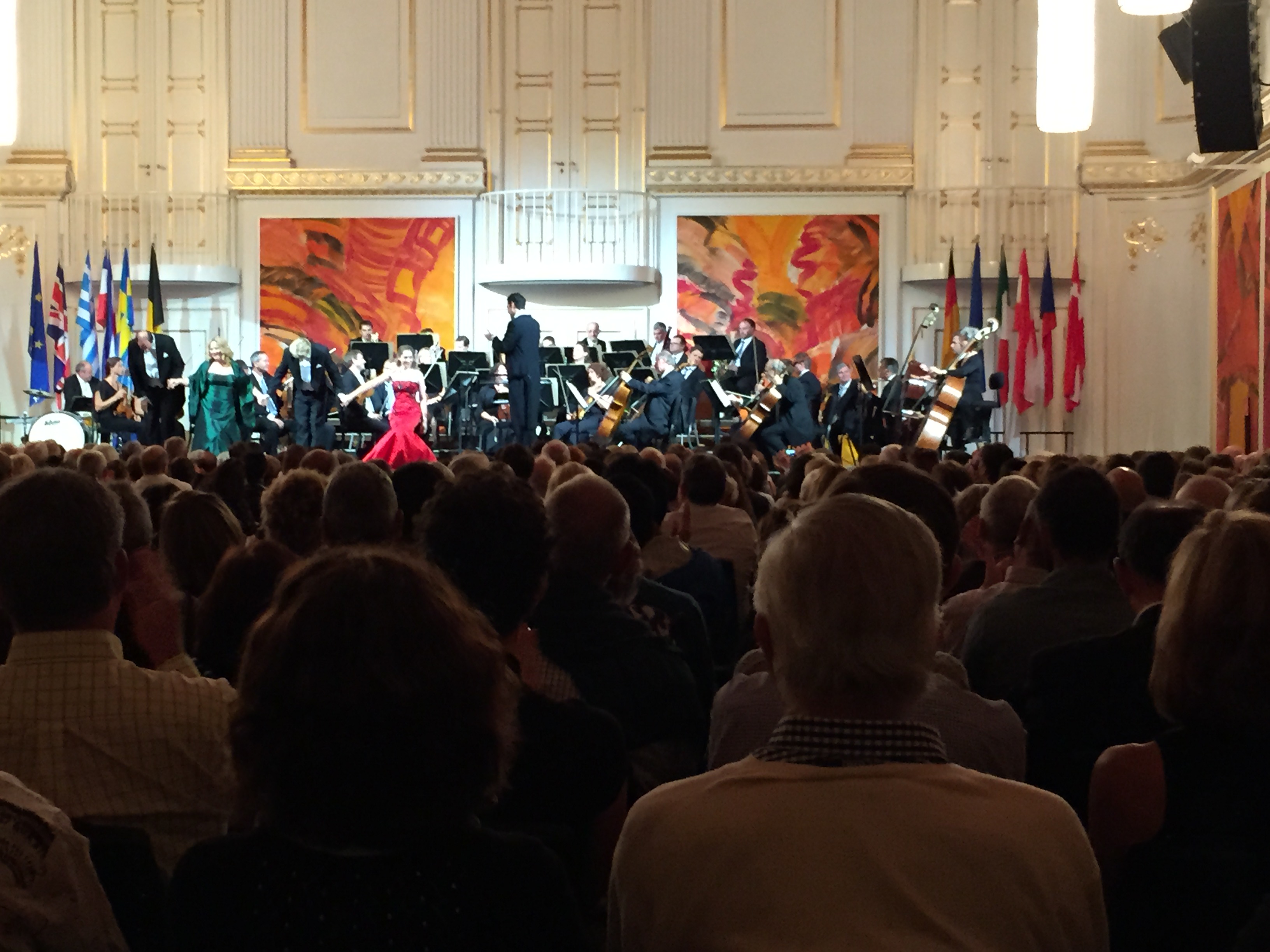
The performance was the perfect end to a long travel day: Viennese favorites Johann Strauss Walzes and Mozart operatic arias led a debonaire Andre Rieu-like conductor with a humorous flair.

IMG_7981

Days 24-26: Salzburger Knockouts

I’ve been trying to get my dose of Salzburger Nockerl, a famous local dish made from pure egg white meringue. Unfortunately, it has eluded me so far. I either wasn’t in the right cafe that serves it, or didn’t have the 20 minutes it takes to prepare it.

Despite this oversight, I finally struck gold in many other ways on my last couple of days here. I got it all and what I love about traveling: quality architecture, quality museums, quality music, quality food, and of course, quality people! The tag posts seem to tell it all.

I’m trying to reduce and concentrate the number of posts to only a few a week (Wednesdays and weekends) so I don’t flood your email boxes. Unfortunately, it makes the posts longer.

Here’s a spread of what this richly, well-endowed, and now much appreciated little city of Salzburg has to offer. To make it a little easier, I’m including a summary so you can skip to the parts that interest you:

1. Salzburg Fortress (Festung)
2. Mozart Houses (Birthplace and Living Quarters)
3. Performances (my raison d’etre for being here, but not necessarily the most exciting)
4. Food and People


1. The Salzburg Festung, or fortress, was very informative and an excellent excursion today. Gee Kin would be proud of me-I trooped up the hill and partook of the view from the top. Because Salzburg is so overrun with tourists, the city has managed to take tourists’ needs to heart. They provide excellent displays and explanations in English (for those of us brain-dead in German). They even had a electronic kiosk soliciting feedback at the end of the tour.

There were many architectural or design features I had not seen before. Those listed are not in any particular fashion. Follow the captions for specific items. You can hover over the photos now to see the captions.


1. Stone columns honed in a fashion the way wood is turned on a stile;
2. Matching metalwork
3. Torture elements–aha! can anyone venture a guess what this contraption is?? (see below)
4. A wooden threshold that was so old and worn that it exposed the “knuckles” of the knots from the tree, like aged knuckles on a centogenarian
5. A section of real arches that shows how they were constructed.
6. A display of how they created cranes to haul stonework up the mountain.
7. A latrine that was one of the first of its kind
8. Romanesque arch construction displayed

And a few morbid items from the torture storeroom to remind us of our mortality.

Since the fortress was built in the 11th century and over a period of hundreds of years, the museum was able to trace its construction history. It was an exciting architectural exhibition of walls, innovations and construction methodology. While most of the fortress was reinforced and expanded in the 15th century, it captures the various early periods from Romanesque beginnings to High Renaissance.
2. Mozart’s Birthplace and House:


3. Performances:

The star quality of these performances have been a bit mind-boggling. The interesting point is that my favorite opera star, Jonas Kaufmann, was not at the top of his game in Fidelio. The music was deep and entrancing, but his performance was weak. The opera performances shown here were much better. These performers can really deliver full-bodied voices and their skill and dedication really shows. Audiences were very responsive and clapped heartily.


4. Food and People: On my last day here, I decided to go for the two-hour lunch instead of the evening dinner option. My lunch was celebrated at the Heimer Specery. I took my time, had a small antipasti plate of eggplant, sun dried tomato and roasted red pepper with Prosecco, followed by the house specialty, a succulent full bodied pork chop that comes from the establishment’s own piggery. Along with a glass of rose, this was the chef’s recommendation so it had better be good. And it schmecked, or tasted delicious! I had just told Gee Kin that I thought pork was often disappointing as a dinner entree. I often found it dry and uninspiring. After your third bite you wish you had ordered the branzino. Well, I wasn’t disappointed this time. This little restaurant around the corner from the Festival Hall delivered to demanding regulars and I was a beneficiary.

The night before, I took my place at another restaurant (the one I went to for lunch today was fully booked 2 nights in a row, thus the lunch decision). As I was about to hog a table for four all by my lonesome, another gentleman was looking for a single at the same time. He asked if he could join me, the very exact same time another woman came along and did the same! I was very flattered, and didn’t mind the company at all. I was even more delighted when I learned that neither of them spoke English!

The three of us ended up with a very friendly conversation, and I had a chance to practice my elementary German. It was frustrating as I could ask basic questions but never “got” the answers. They drifted to fairly complex conversations about what the two dinner partners thought of the Greek Crisis, Angela Merkel, and the operas they were seeing. The gentleman’s nephew was performing in the opera we were about to see (Angela Georghiou in Werther). He was a baritone and did very well.

What I like about traveling is connecting the dots. I was flashing on how non-English speakers must feel when they are asked questions. After a few pleasantries, a zero-tolerance policy toward any non-English speakers seems to drift into the picture. Native English speakers tend to expect everyone to speak English, even in non-English speaking countries!

Well, the tables were definitely turned here. I felt stupid, unable to respond to simple political and economic questions. While it made me more determined to learn German, it made me reflect on how hard it is for many people in many countries to master English. I certainly came to that conclusion as I realized I could only sit and muse as the two native German speakers became very engaged and animated in their conversation. Sadly, I could only plaster a smile on my face and pretend that I understood everything.

German women seem to like short spiky hair, blow-dried behind the ears. Subtle platinum highlights, or jet red. Less Gothic these days. The woman who joined me was of the subtler version, and very svelt. She worked for a pharma company in Regensburg, and drove two hours each way to come to the performances this week. The gentleman from Innsbruck was a retired German teacher. It was, despite my misgivings, really fun trying out my German with no English back-talk.

Here are a few random street shots. The urban planning and insight for local Salzburgers and tourists alike are appreciated and well used in high density pedestrianized areas borne out of necessity. Delivery trucks and taxis drive right over the fountains and gutters, and everyone shares the paths in a symbiotic way.