All posts by VickieVictoria

Intrepid traveler. Architect and appreciator of design, art, language, opera, history, and anthropology.

Day 45 (a): Bokhara II

As a UNESCO World Heritage site, Bokhara has an extensive collection of Islamic Architcture.

Photos above, from top, left to right:

1. Map of the Great Silk Road: this week I am traveling along it from Tashkent to Khiva (Uzbekistan) and next week from Turpan in Northwestern China to Dunhuang.
2. the Ark (it wasn’t just Noah’s): the ceremonial grounds to the Fortress required visiting dig arises to back out after having an audience with the Amir. When the guest reached the wall in front of the exit, he knew he could turn around and leave.
3 and 4: the Ark from the exterior: big voluptuous corner and side wall fortifications
5 and 6: Samonid Mausoleum, one of the earliest remaining buildings in Bokhara, built between 9th and 10th C. Purported to be a masterpiece of world architecture and a perfect geometric form built of brick. Beautiful texture, but looked a little bit like an Irish fisherman sweater.
7. Interior Corner of Samonid Mausoleum: corner elements cleverly reconcile weight of circular dome over walls by being slightly smaller in diameter than width of square.
8. Samonid Mausoleum Tomb: both father, son, and grandson are buried in the tomb. he father’s tomb was originally in the middle, and the grandson was the third tomb, but they were they were all moved into one tomb and thus the offset position.
9. Kalyan Mosque is the largest mosque in Bokhara and second largest in Uzbekistan. The old wood columns are typical of the period and were periodically replaced.
10. Kalyan Mosque: Praying is conducted outside due to the mosque’s popularity. On Fridays, the mosque can hold up to 12,000 people. A electronic board indicates the times of prayer.
11,12, and 13: Courtyard and surrounding galleries of the Kalyan Mosque. (Header also shows overview of Courtyard, where worshippers pray)
14. Medressee Miri-Arab Madrasah: Opposite the Kalyan Mosque, this highly regarded spiritual Islamic University was built in the 16th C.

Day 44: Bokhara I


Fast facts: The population of Bokhara today is 280,000. Bokhara is the oldest city and predates the others at 2750 years old. Just for comparison, Samarkand’s population is 500,000 and Tashkent’s is 3 million.
The land is flat, considered steppe and not desert (a desert designation is devoid of vegetation, and steppe has some visible vegetation if sparse–you know, kinda like the Bay Area).

Photos, from top, left to right:

1.  Nodir Devon Begi Madrassah 1623. This is one of the later buildings dedicated not to the king but a lower ranking official. By the time the buildings were dedicated to others the central govt was already in decline. The phoenix birds show Indian or Chinese influence. The face at the top was not banned at the time in artwork and different interpretations are made as to whether images are acceptable or not. The use of multicolored tile and yellow is also a late development, compared with the earlier cobalt and turquoise monochromatic schemes.
2. trading market designed and as covered market at crossroads to two streets. There were 5 built-in the city but they didn’t work so well. The earlier strip markets developed organically around neighborhoods. These did not take into account where people lived and needed the services. These trading markets are now mainly tourist attractions after they were designated for specialized trades such as metalwork or arts and crafts. Open cross ventilation makes this a very cool and sustainable place in the summer though!
3.wood door detail inside trading center
4. the water system was crucial to survival of the cities. Bokhara was considered an oasis along the trade routes and served as the seat of many governments who conquered and ruled this strategic location. Water came from the river that separates Afghanistan and Uzbekistan, but is now piped from the mountains in Tajikestan.
5. the minaret, made of bricks, shows how creative their brick craftsmen were in designing and pushing the height of these lighthouses.
6. contemporary building using wood columns and doors decoratively.
7. The earliest building in Bokhara was built below grade and preceded the Mongol invasion around the 12th c. Most buildings, particularly Islamic structures were built on top of the sites of former sacred sites, so it is likely that an earlier building preceded this one. This building is devoid of tile decoration but shows how use of brick for both structural purposes and textured walls was used very successfully, prior to the introduction of tile.
8.Detail of brick work.

Day 43(d): More Islamic Architecture

Photos, from top, left to right:

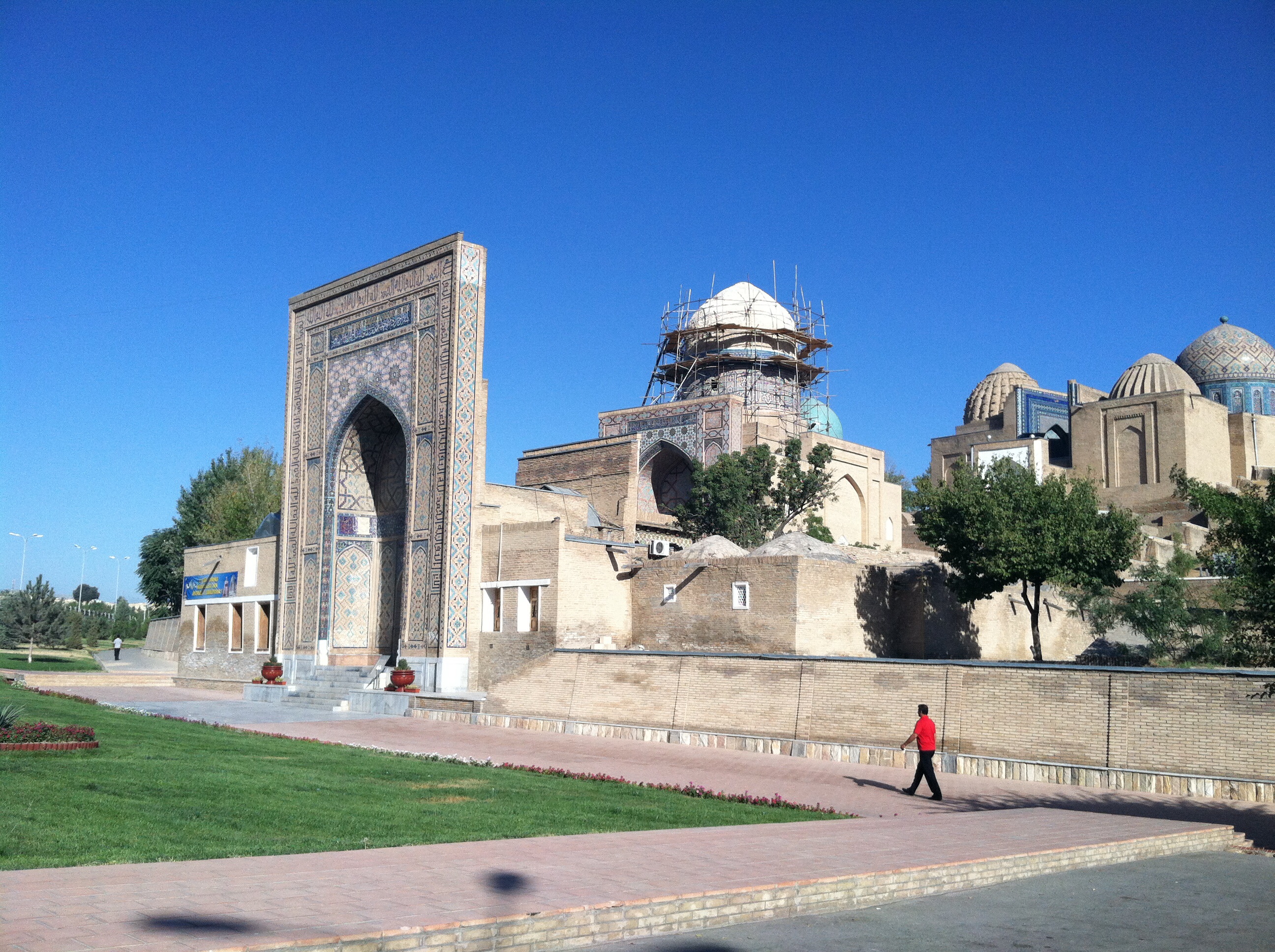
1. Exterior of Afrosiab Complex, built on a hill that was then ransacked by the Mongols. Tamar worked out that it was easier and more fortuitous to get water from the lowland rather than to transport it up the hill to the fortress, at the expense of having fortifications.

2. Steps leading to mausoleum complex. One is supposed to count the number up. If you count the same number coming down, you are a good and faithful person. If not, try next time. I went down the back-end so will never know my worth

3. “The City that Defies Death” consists of mausoleums dedicated to dignitaries with a street connecting all of them to each other.

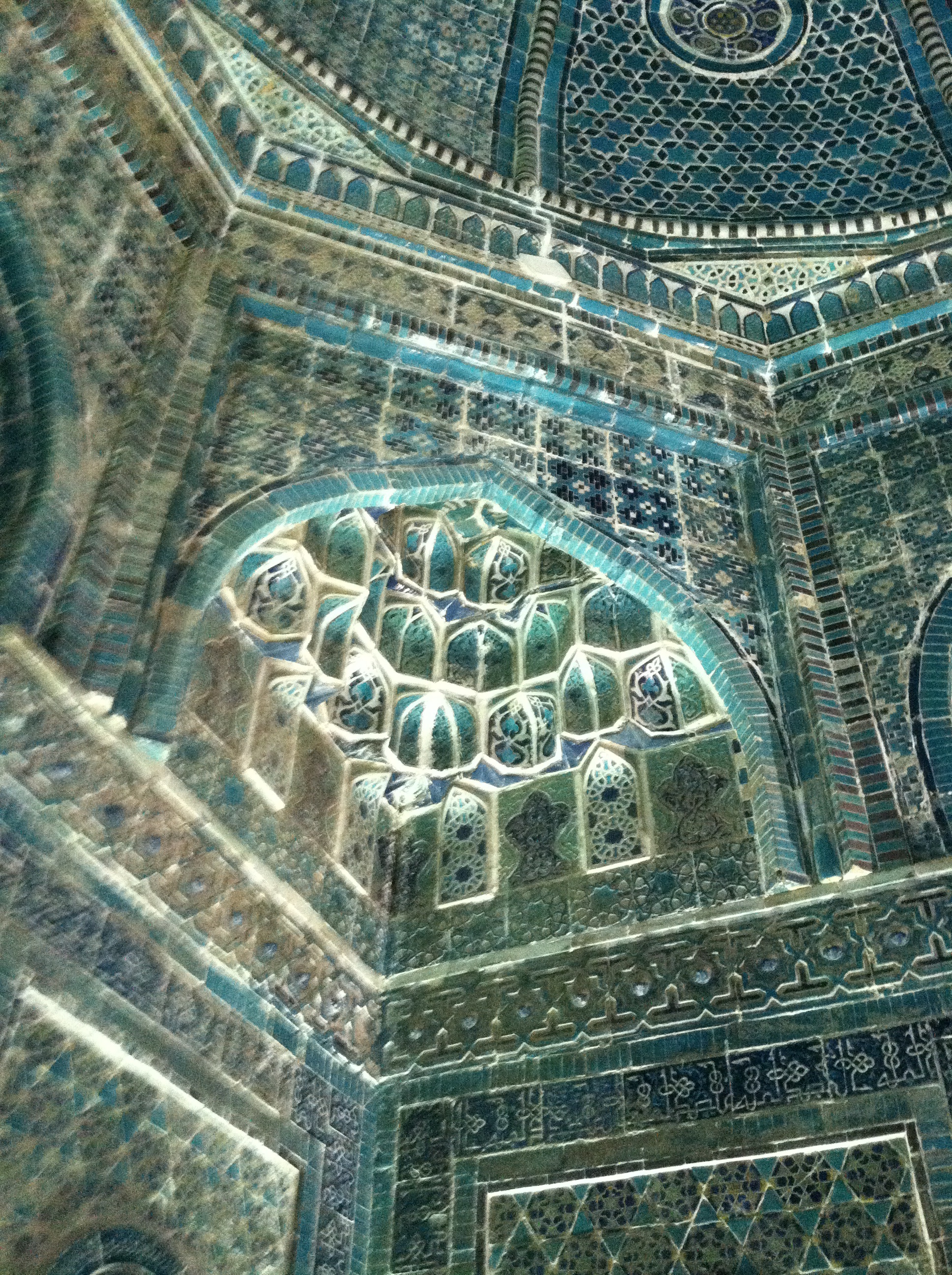
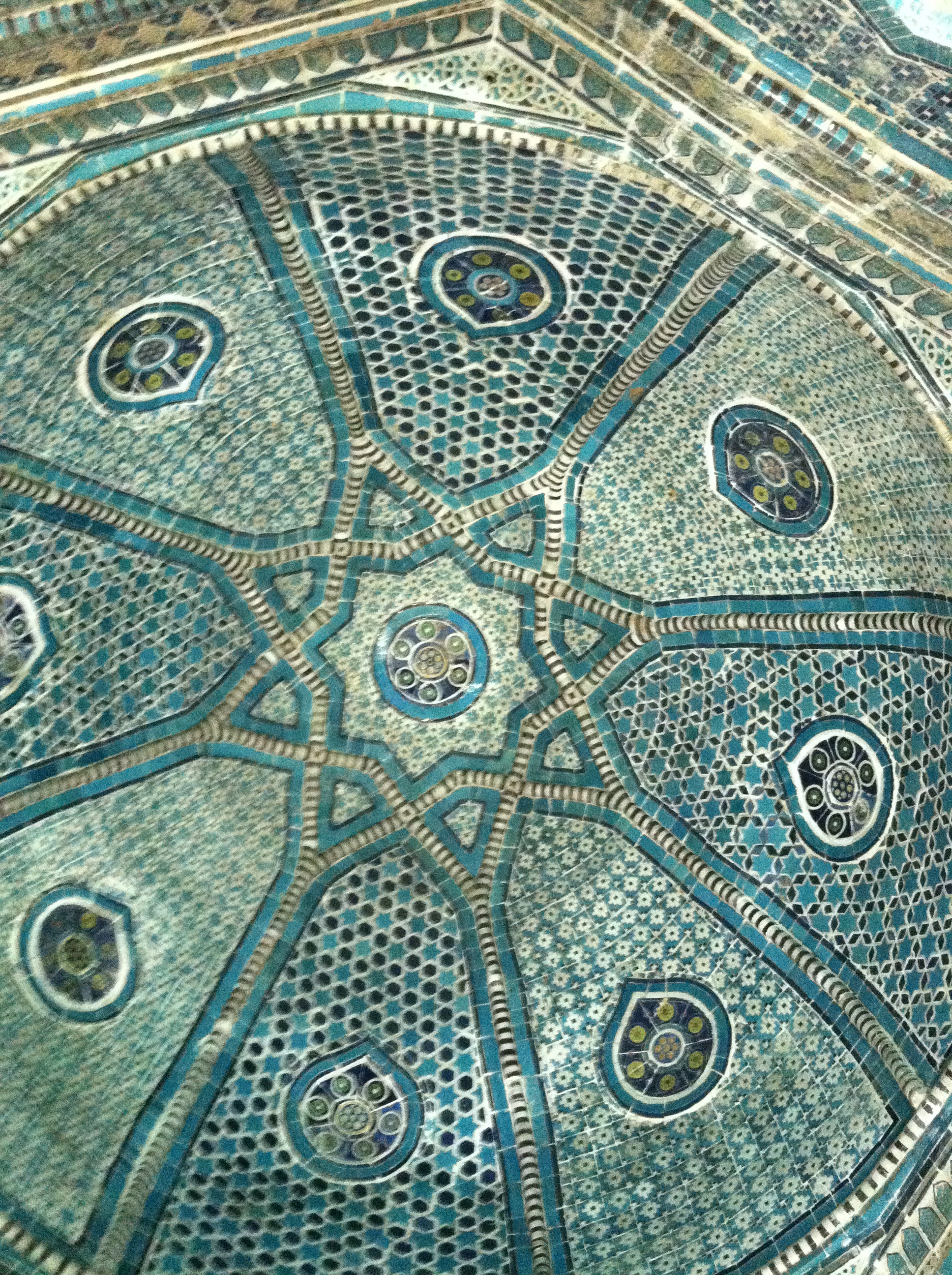
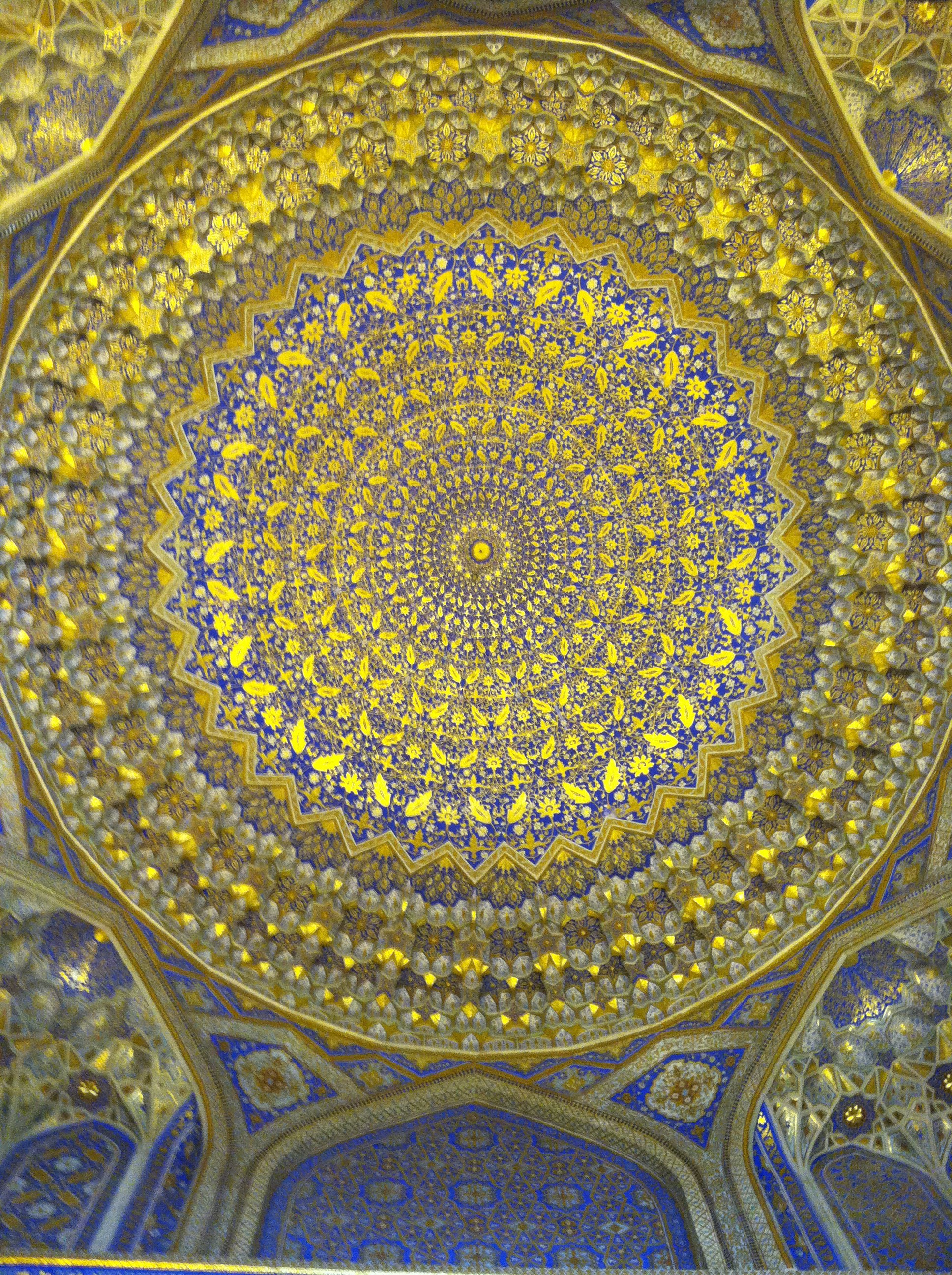
4. A decorative ceiling inside one of the domes.

5. The stalactites in the corners between the dome and the wall reinforce the dome support and provide clever decorative element to the room.

6. another dome interior, with more cobalt blue coloring.

7. Beginning of Chinese influence with fritted wood panels over windows and wall paintings

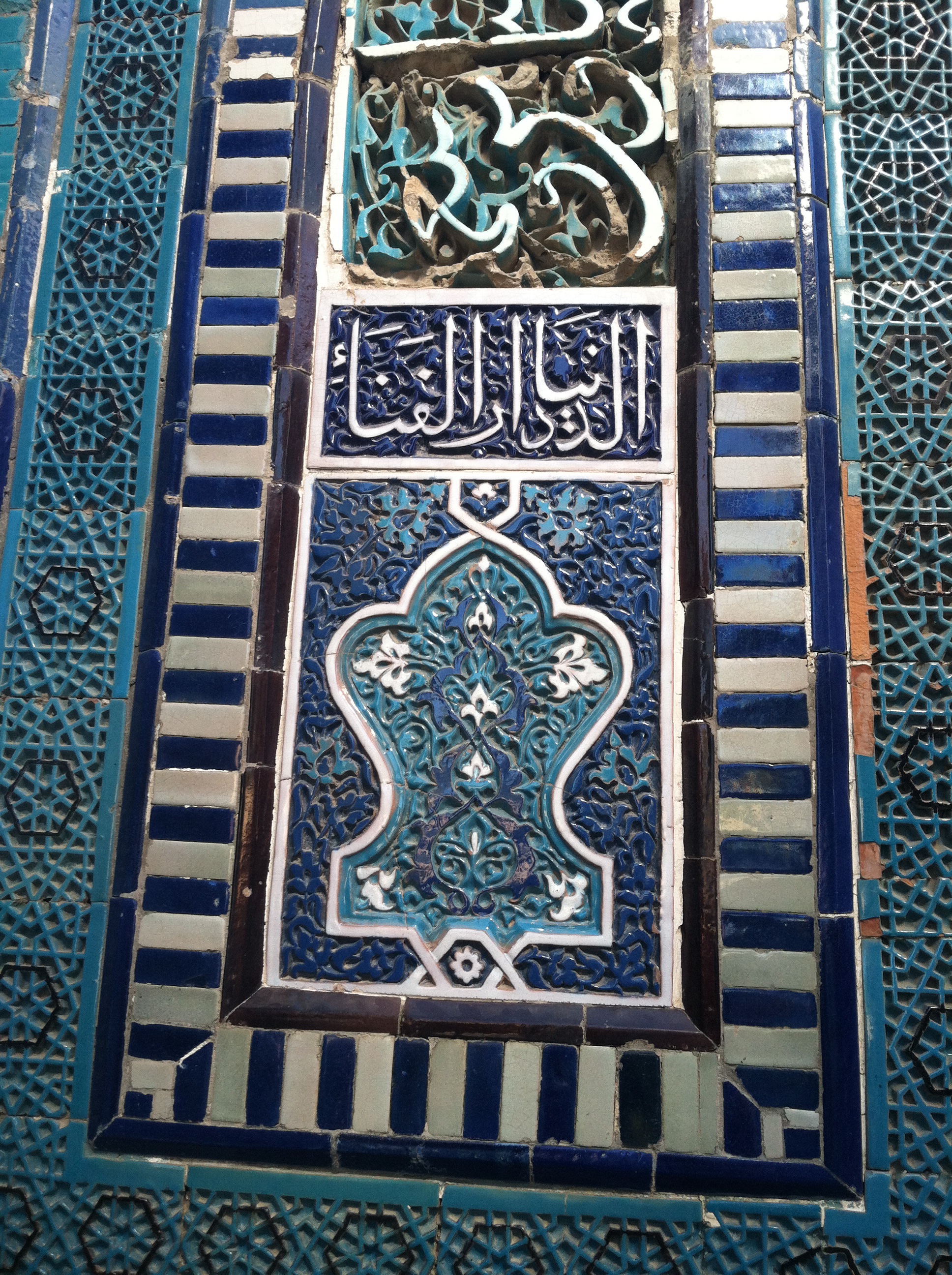
8.  Detail of stone Arabic lettering before tiles replaced in between

9. Another wall detail showing intricate floral, written and geometric patterns

Day 43(c): Food for Thought

image image image image

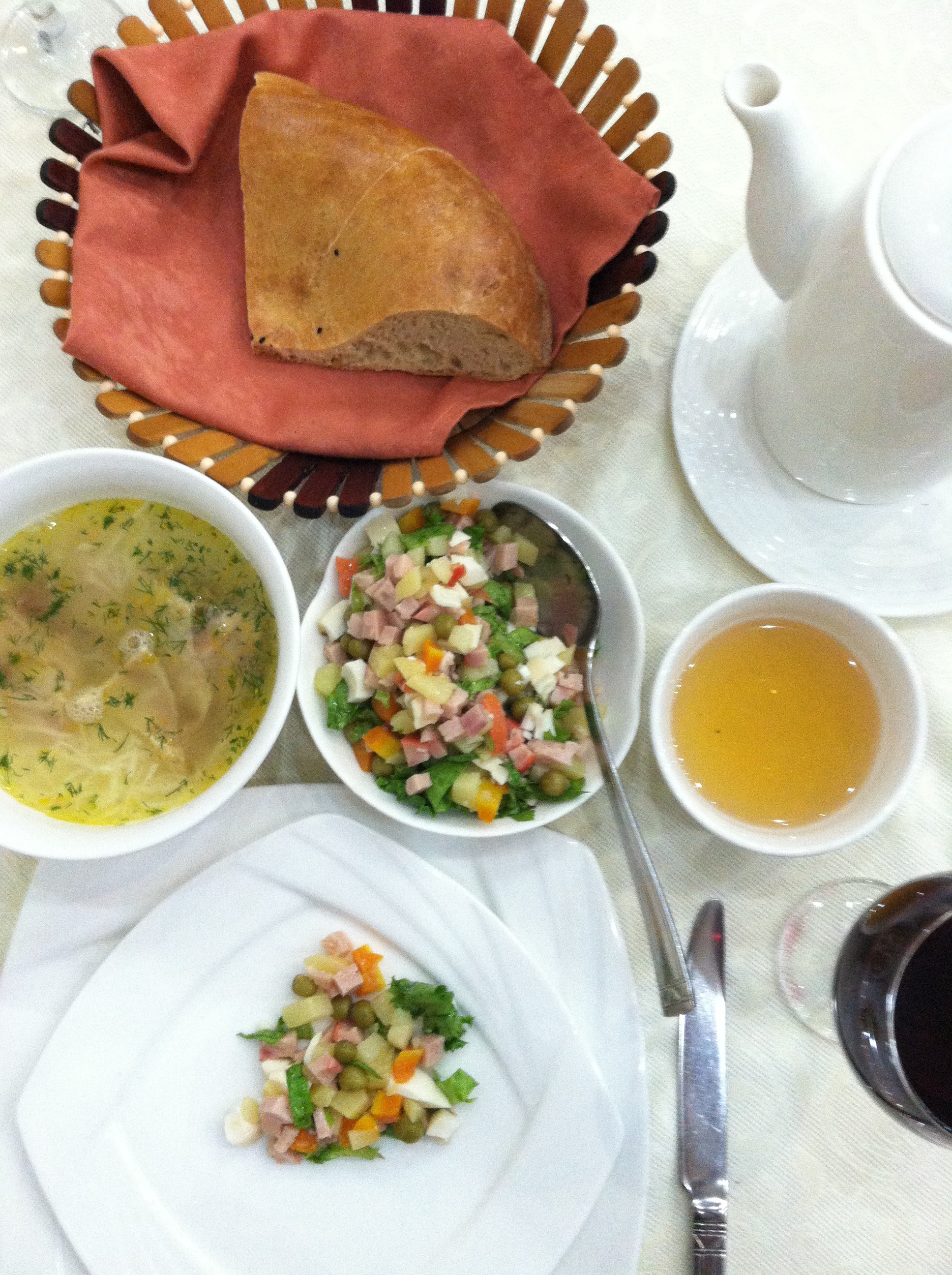
1. Similar to last nite: starter of veg salad with succulent carrots, fresh peas, bits of boiled egg white, tender potatoes, fresh lettuce, lightly flavored oil and lemon with dill–deliciously recognizable elements; chicken soup with fresh chicken chunks on the bone with rice noodle and dill; tandoori bread, and jasmine tea in chinese soup bowls. And yes, dry red wine. I could eat this as an entire meal!
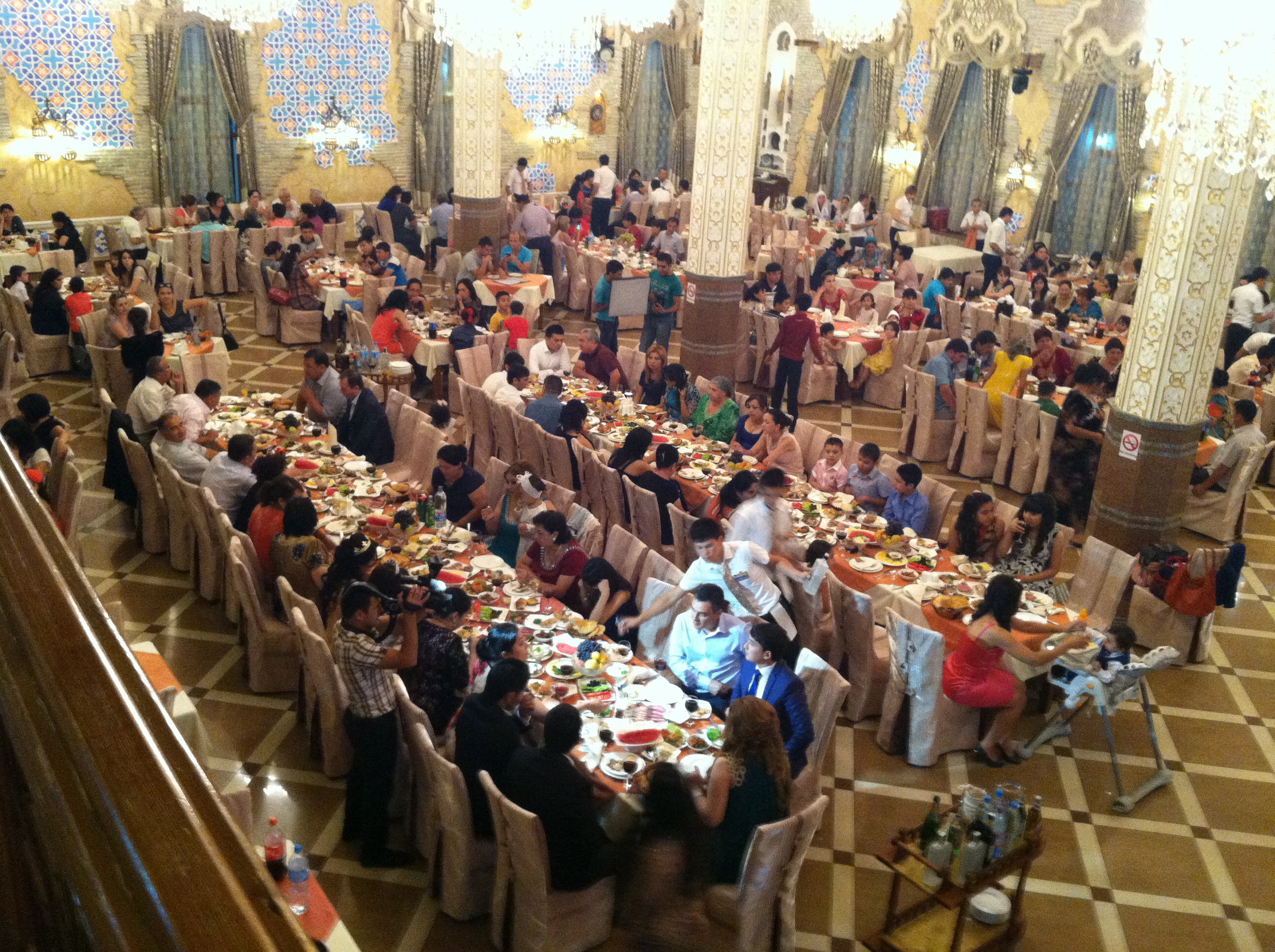
2. sorry, not my party. A banquet downstairs, with typical Uzbeki music and food.
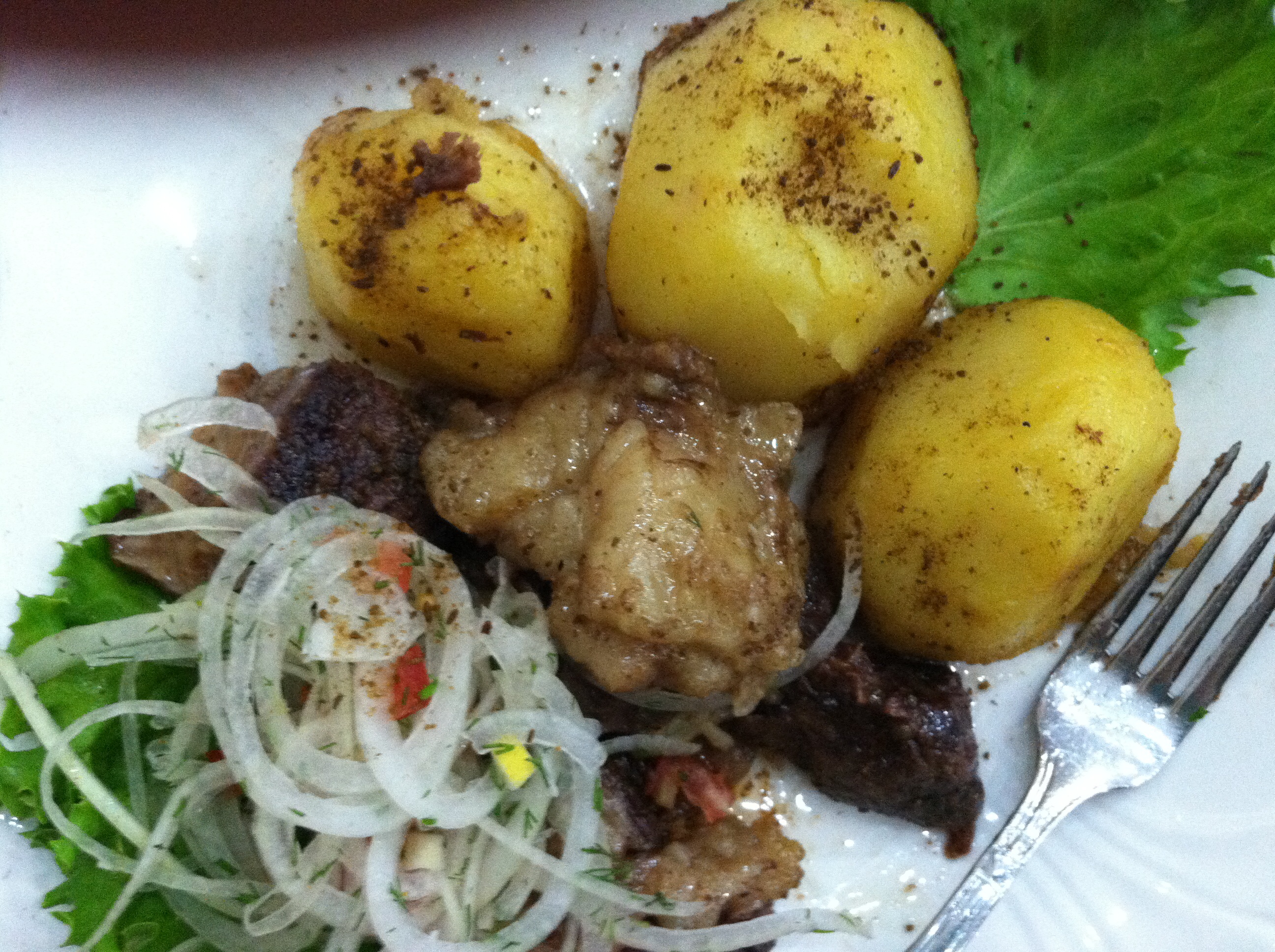
3. Perfectly braised lamb and potatos with lamb fat and marinated onions in lemon and dill on the side–piping hot and cooked to perfection–at the Samarkand Restaurant not far from my hotel.
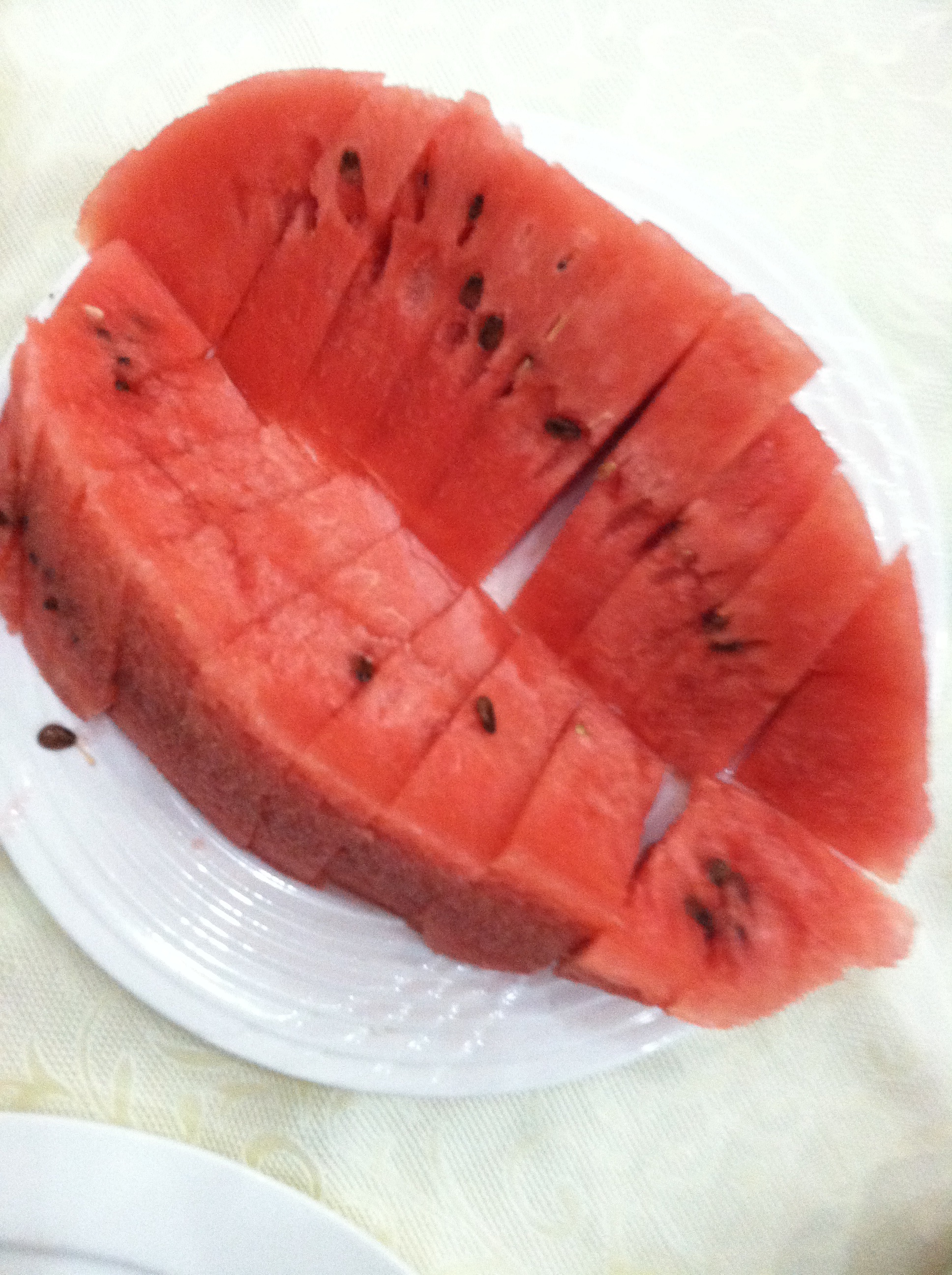
4. A whole half from the market the day before just for me! Why haven’t the Chinese figured this one out?!?

Day 43(b): Back Street Boys

imageimage

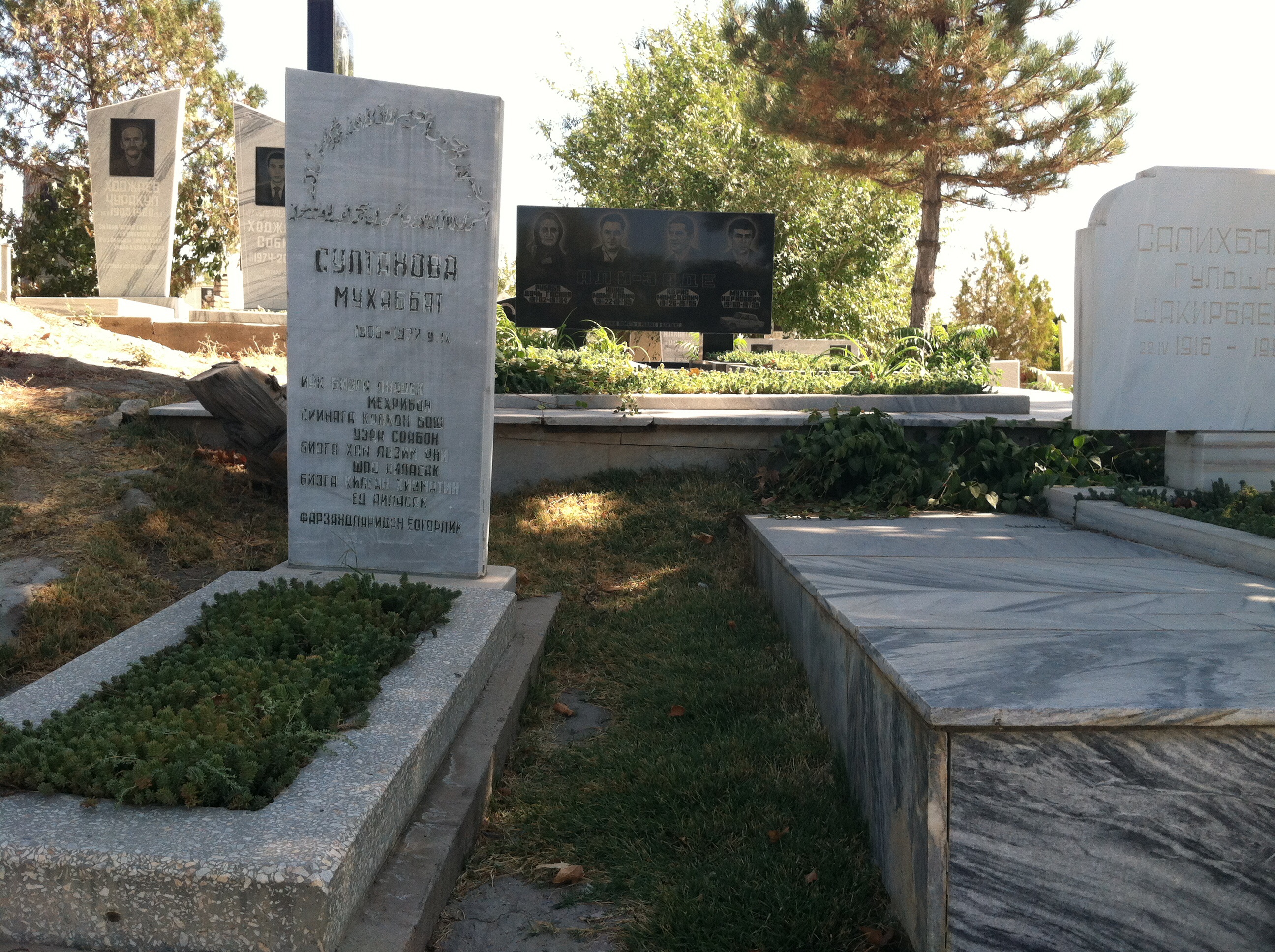
On the back of the low hill where the Mausoleums were clustered, was a contemporary cemetery. It proved to be a fascinating portrayal of how a society sees itself. The families of the recently departed wanted to make sure everyone knew how prominent their deceased relative was. Photographs are etched into tombstones: images of husband and wife, generals, academicians, politicians, and even a family of four caught in a car accident, all with the same date of death, left you with an empty feeling that you might have known these once alive individuals.

Day 43(a): Islamic Architecture

imageimageimage
image
image

Memories of Days Gone By

The Afrasiab Hill consists of a series of mausoleums developed between the 12-15th Centuries to dignitaries who lived in Samarkand. They were designed by architects and ornately decorated in a variety of stone carvings, mosaic patterns, and exposed brick.I felt like I was seeing all the European Gothic cathedrals all in one city. It’s no wonder so many pilgrims made their way through to Samarkand just to see so many beautiful buildings in one place.

There are many beautiful and moving stories about captured princesses and war campaigns plotted and lost. Some of the passion and beauty of the period are depicted in the intricate tracery patterns that are all different. The inscriptions appear to be wise, cautionary, and quite mild mannered and respectful of the multiplicity of religious beliefs at the time of Timur (ca. 1400), who was working on promoting Islamic religion.

Photos, from top:

1. Decorative tiles on interior
2. Detail of Dome
3. Entrance to complex on the Afrisaib Hill
4. Detail of exterior cut stone and mosaic tiles
5. Exterior view from back of hill

Day 42 (a): Samarqand

imageimage

image

image

The first day of this segment has overwhelmed me with history, jogging my brain and challenging all of those connections between Alexander the Great, the Mongols, and Tamir. Some of you may know this better, but for me, it’s learning on the job.

Lets start with Tamir and work back. Many of the madrasah photos shown here date from around the beginning of the 15th century. A madrasah was the focus of education, and included a library, classrooms and a place of worship. Tamir was from Samarqand and made a campaign to conquer India. His grandson was the scientist and developed an observatory and promoted a lot of concepts developed by the Arabs and and the Chinese.

2. When the Mongols struck in the 13th Century, they basically burned every town and village they encountered to the ground. Many of the relics predates this period, but the buildings are no longer standing. Alexander the Great conquered this area, but there is still some debate where and how long he ruled. He was physically here in the area with his army.

3. The complex of 3 madrassahs were built in two different periods: the one on the left was first developed in the early 1400s and the latter two that form a courtyard were from the 1500s. The later buildings were designed to form a symmetrical triad of buildings, but the domes are not symmetrically placed. There is a balance between symmetry and asymmetrical elements.

4. There were multiple religions operating at the same time, including Christian, Hindu, Muslim and Judaism. Sayings in Arabic on the entries to the building welcome all religions but only believers. These were sacred places of education held in high regard, and the eight major faculties each had their own rooms. Women were encouraged to learn in these institutions.

Extensive reconstruction of the tile work and buildings were made in the last few years. A bazaar used to be in the courtyard but the vendors have been relocated to preserve the structures.

Photos, from top:

1. Overview of Madrassah Complex, Samarqand

2. Map of Uzbekistan. My route is Tashkent-Samarqand-Bokhara-Khiva-Tashkent

3. Golden dome from inside, designed flat to reflect sound of prayer inside

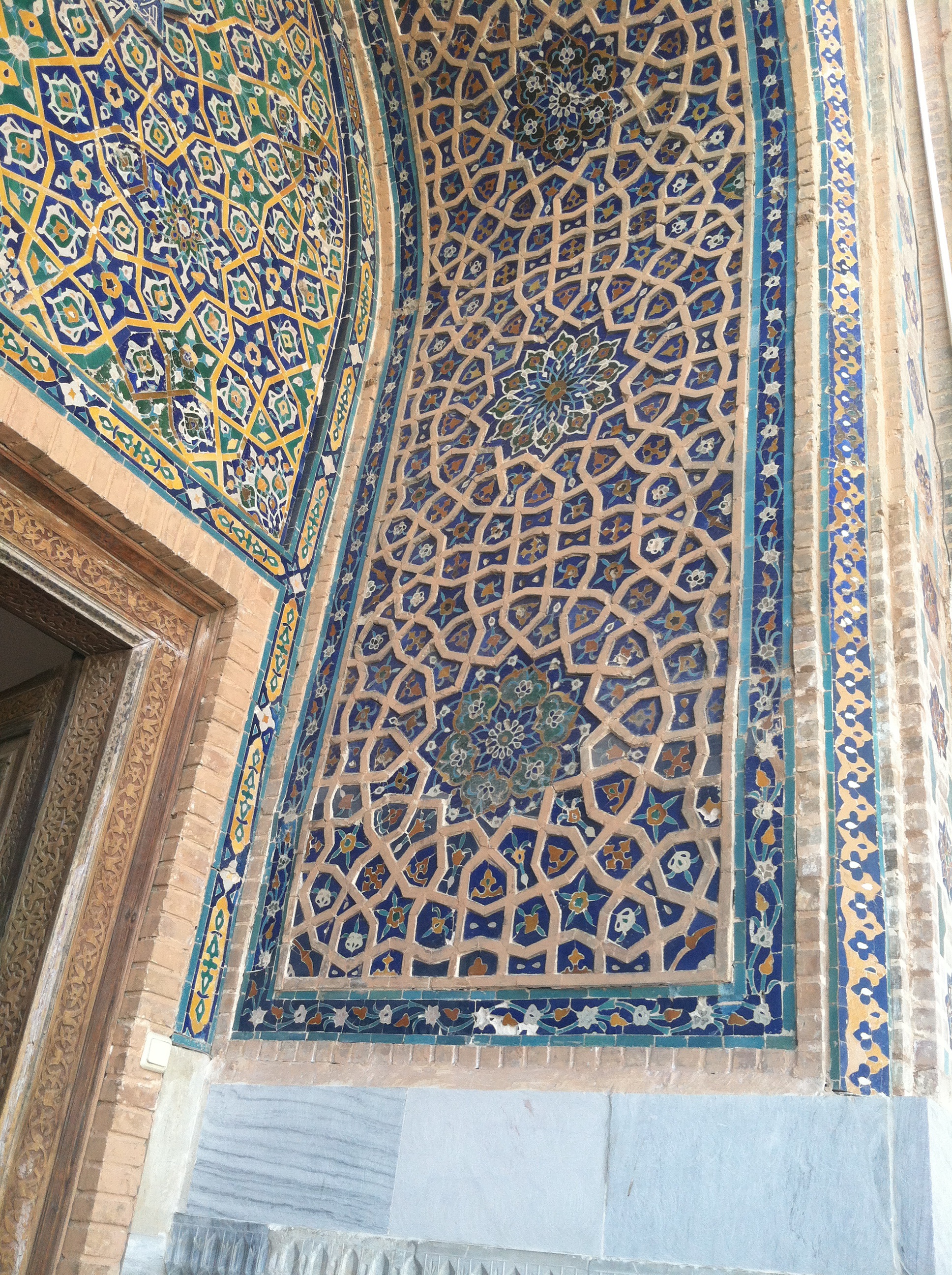
4. Detail of stone tracery integrated with mosaic tiles to create textured pattern

Note: Internet access getting sporadic and unpredictable, particularly as I go further inland into the country. Keep your fingers crossed. I have an excellent guide but it is difficult to catch everything as she is covering a lot of ground. I’ll try to fill you in as I go.

Day 41: Dresden to Frankfurt

image
A full luxurious day on the train, on the beautiful Deusche Bahn system. These are to me the best trains in the world: fast, efficient and reliable. All the best in German engineering. As I sit on this five-hour ride, I can’t help but ponder what’s ahead for me in the future.

I am pretty happy. I decided that happiness is relative, and of course a process, not a place. It’s those endorphins you get planning something and thinking about where you WILL be, and not so much about when you are there. I have to say the German class exceeded my expectations. Little did I expect or know whom I would meet or learn from them. But that was just a bonus.

I used to watch the happiness programs on PBS and based on their advice, make the lists of what I was grateful for. Maybe it was needed when you are inundated with stressful days at work to maintain perspective. I definitely have had a full and satisfying life so far. But will that get me through the next third of my life? Who knows?

Part of this trip is about seeking inspiration. And my quest in Germany is fulfilling that. Learning about Goethe gave me a big shot in the arm and a reading list. At the top is going to be Thomas Mann’s Lotte in Weimar. The movie I saw about Goethe helped me to see inside the German culture. Then get an annotated guide for Magic Mountain. (The train just went through Weimar, and I wanted to get off!) Before, during or after that, maybe more on Weimar.

Currently the book given to me from the Krasnos has entertained and consumed me. “the Orientalist” is NY Times best seller and the author, Tom Reiss, won a Pulitzer Prize. It’s the story about a journalist Lev Nussibaum aka Essad Bey. It takes place in pre-war Germany, but traces Bey’s life from Lake Baku, where he was born, to a saga of escape from crumbling regimes through Turkey to France, and then to a private high school on an island in the North Sea. He ends up in Berlin writing books about Germany.

The author casts a lot of historical information as the backdrop for this audacious character, whose true identity was challenged multiple times. He was married to a socialite for a short time and operated in and was followed by high literary circles. I haven’t finished the book yet but am savoring and parceling out every last word as I am running out of something to read on my way to Tashkent.

Without getting into detail, this has been the best book for my trip. I’m really glad I have it and hope to use this as my springboard to learning more about German history, and its complicated relationship to Russia. The book in part tries to tackle the prickly question of how Hitler comes to power.

I decided that you could customize your own academic degree. When you have the time, you don’t need to find a program, apply for it, get credits, take exams and prove yourself with a degree–you just do it!

Targeting Tashkent…lets hope the Internet works there.

Day 40: Farewell to Dresden

image

imageimage

imageAs I wind down this segment of my travels, I feel very sad to leave Dresden. Particularly having bonded with my German class, it is hard to say goodbye. Everyone has their lives to live beyond this momentary blip in the universe. I’m so grateful for having had the support and encouragement from family and friends to do this, at this time of my life, because it IS the time of my life.

I felt wistful about leaving out some shots that didn’t ever seem to fit into the theme for the day. This is a potpourri of architectural photos, a one-off sign, and some cultural relics. I’ll be leaving Dresden, overnighting in Frankfurt, then starting Segment 3 of the Silk Road this weekend.

Photos above, from top:

1. The Blood Center

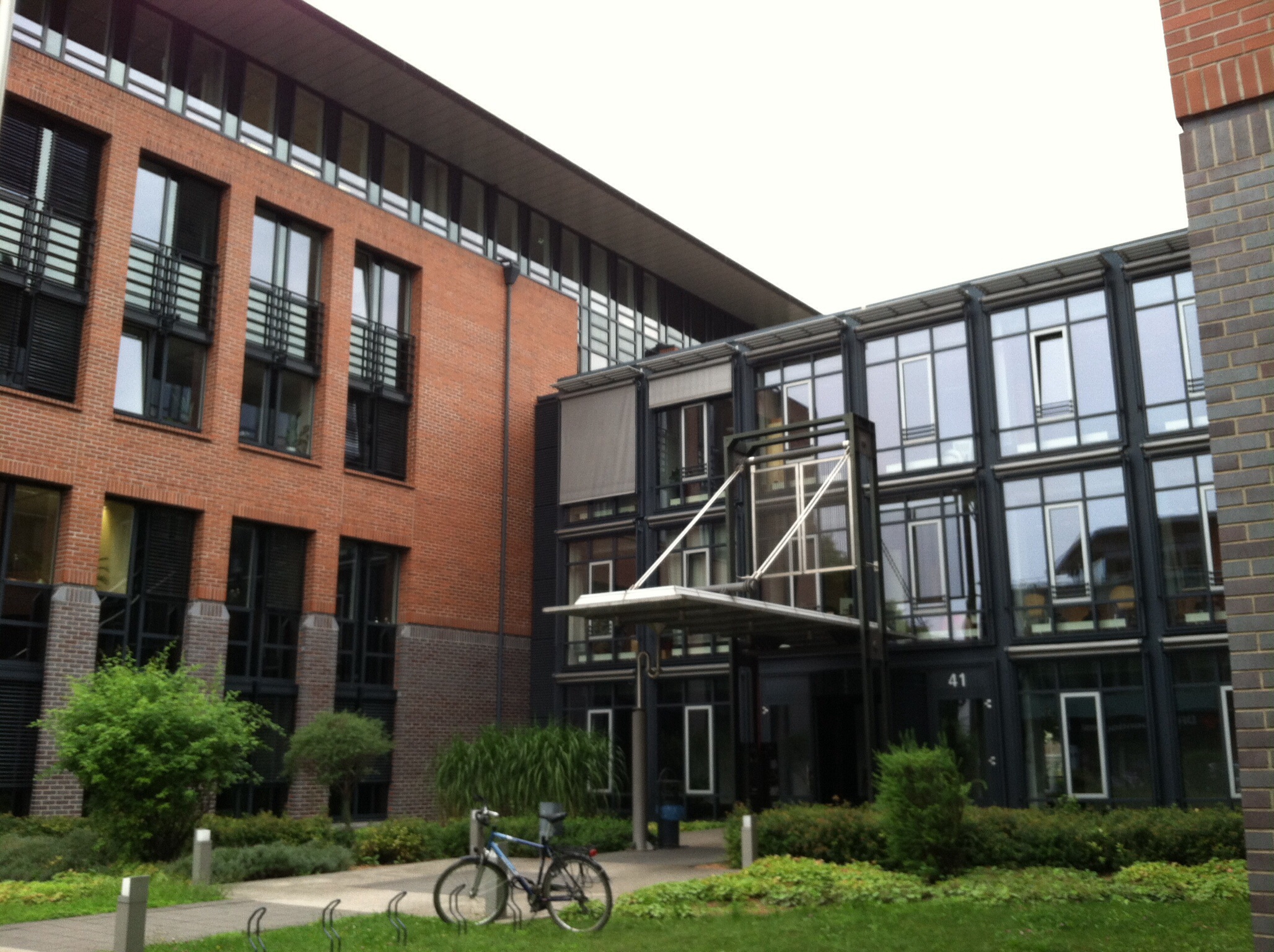
2. Clinical buildings in the medical center area of Dresden.

3. Another clinical building.

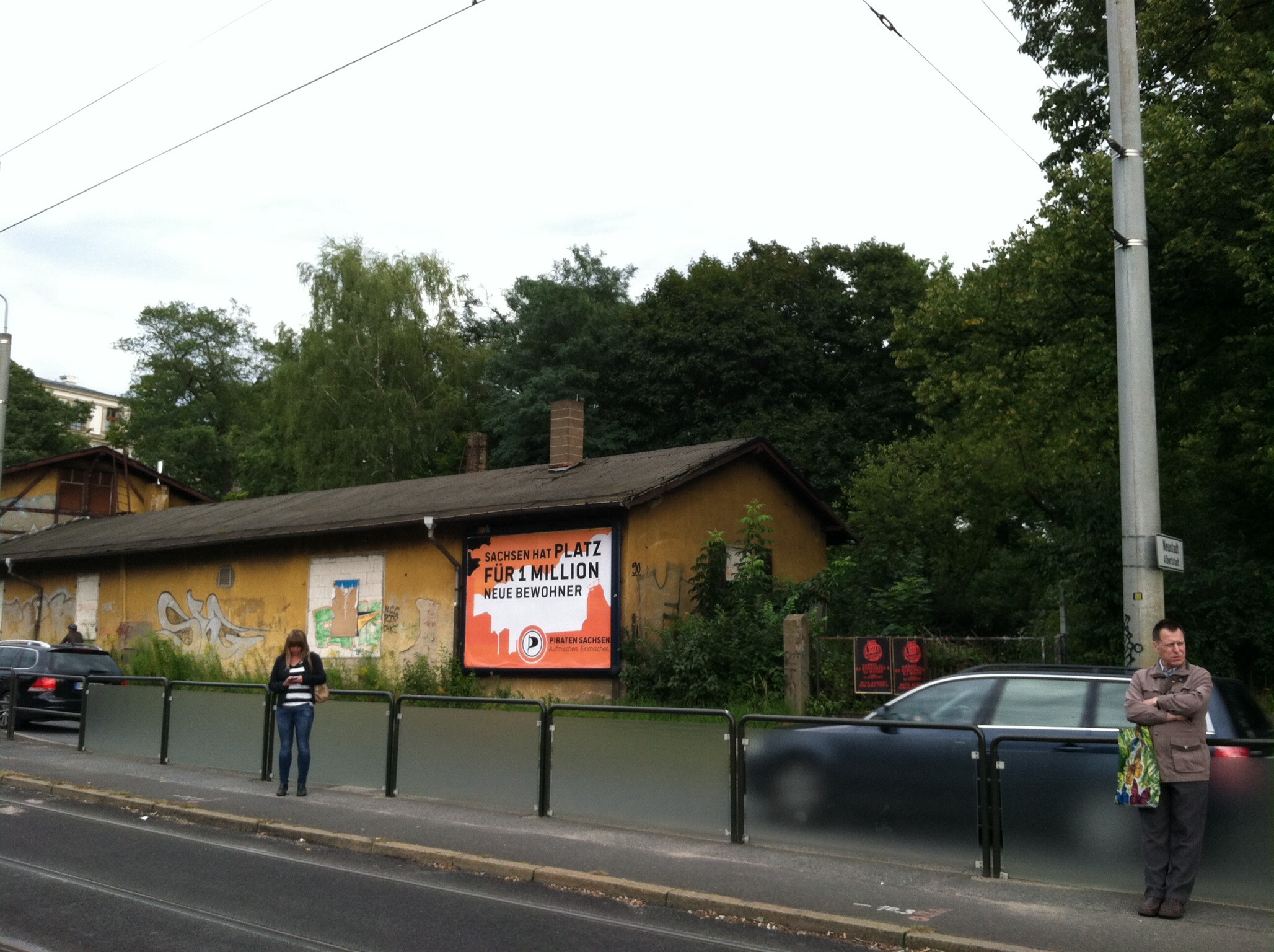
4. Sign indicating from the Pirate Party that there is room for another million residents in Sachsen, the state where Dresden resides. It also implies that mixing and matching population is good for Saxony. (tap up the scale to read text).

Party elections are coming up and Angela Merkel is scheduled to come to Dresden on Saturday. Unfortunately, I will be off before then, but I would have definitively gone to see her.

Photos below, from top:

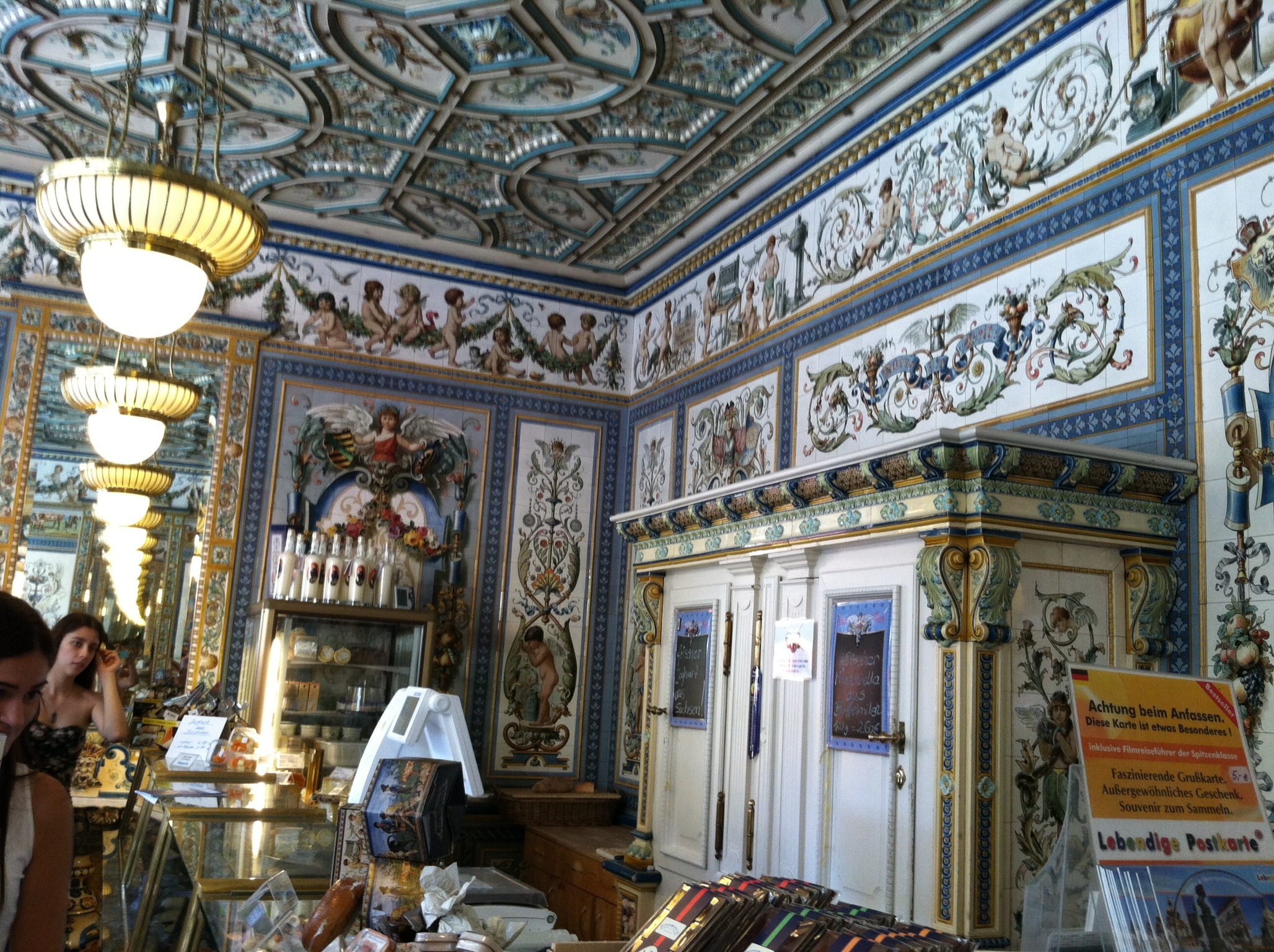
1. The Molkerei, a dairy and classic cheese shop that has been around for generations. The ornate decoration makes this a popular tourist stop.

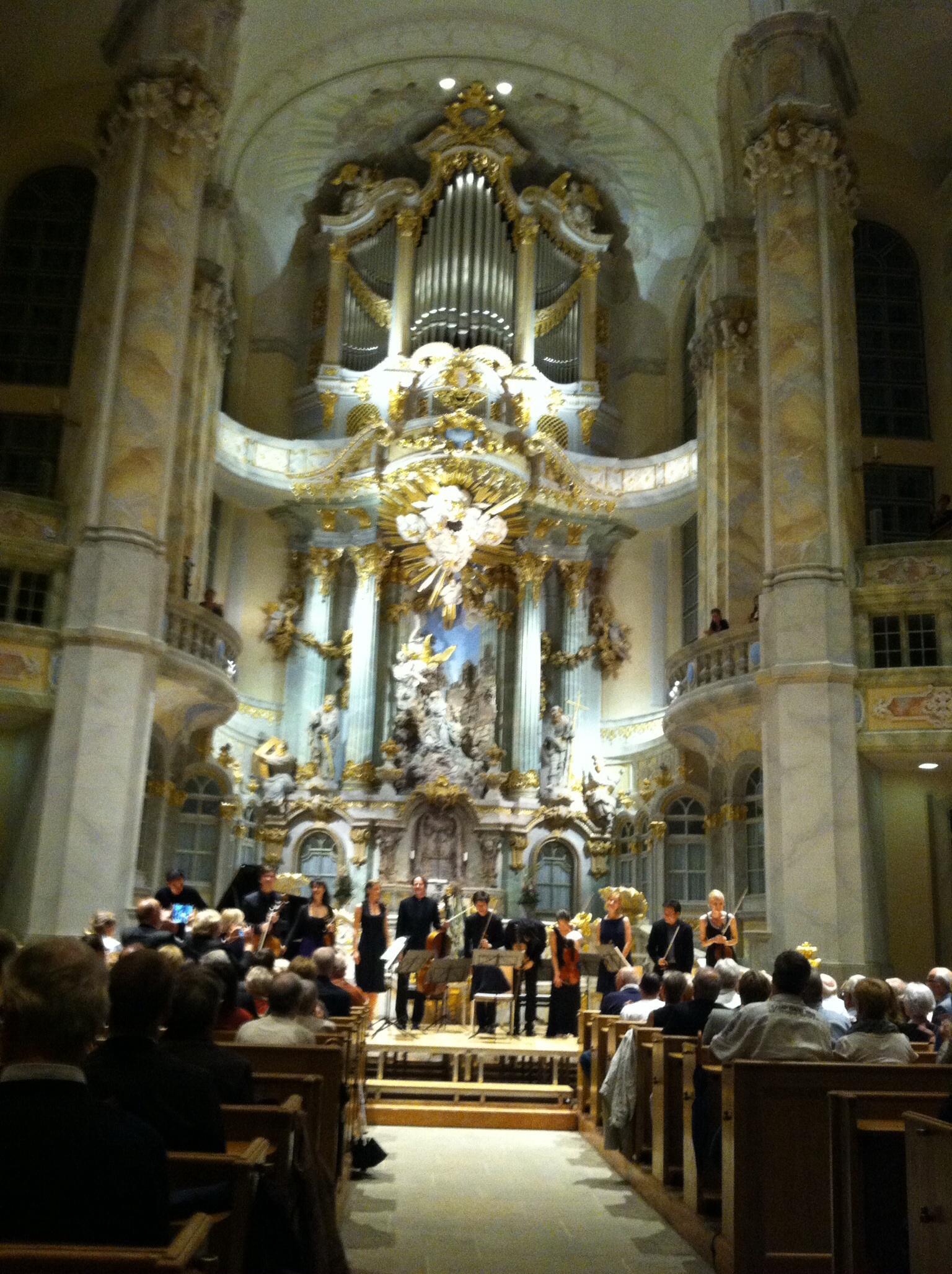
2. The interior of the Frauenkirche, where Helena and I attended a concert. Maria Baumer played the part of Bach’s wife in several readings between Bach pieces. The concert was sponsored by the Moritzburg Festival.

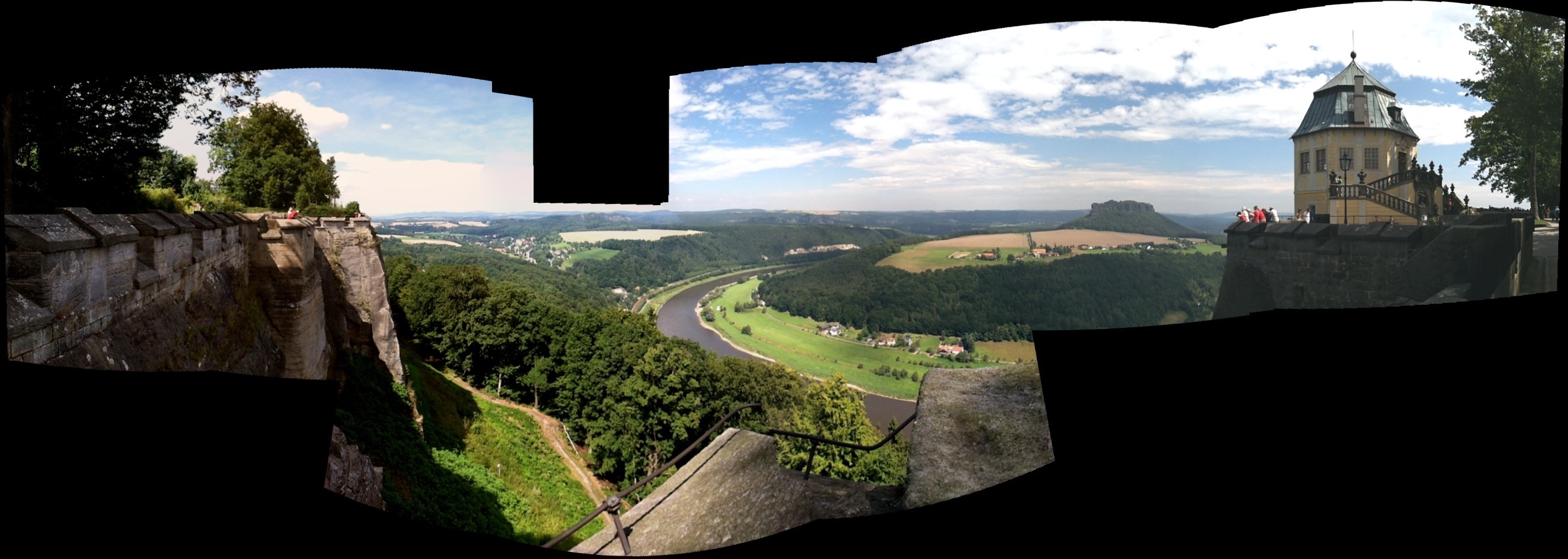
3. Another panorama shot of Dresden and surrounding area from the Konigstein fortress. Zoom up to appreciate the beauty of this area.

imageimageimage