Tag Archives: Museum artwork

Day 41-45: Bom Dia Lisboa!

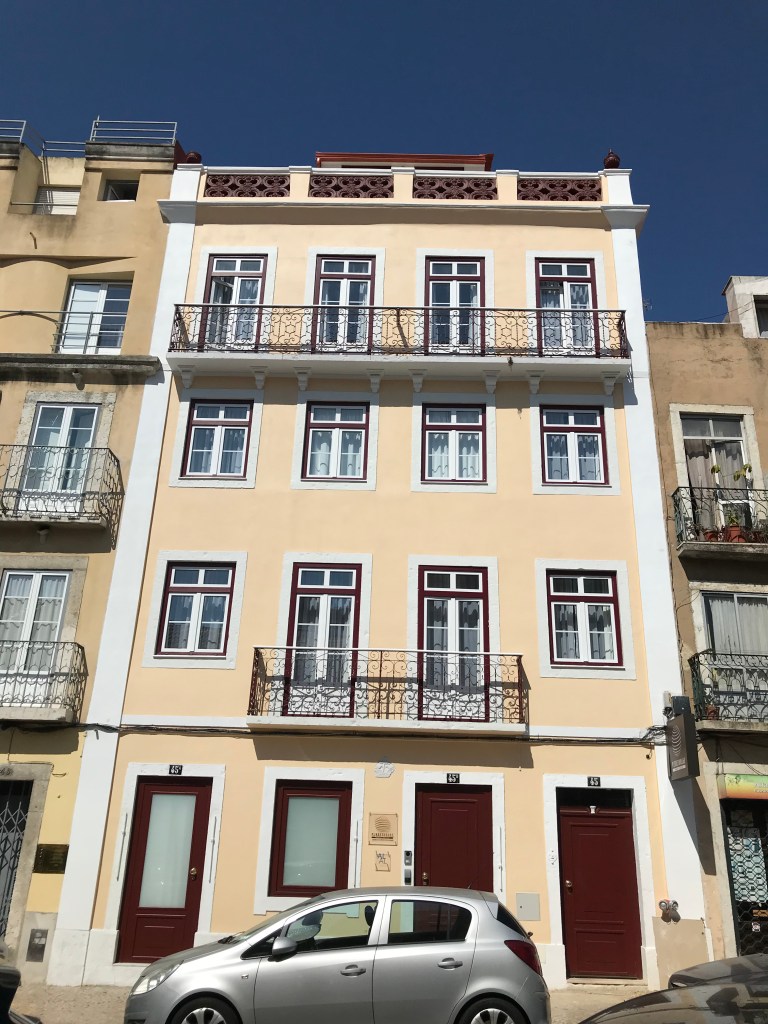
After spending a week with a dozen companions in the Algarve, it took a bit of adjustment to being alone again. Fortunately sketching buddy Karen accompanied me to Lisbon for her return flight to San Francisco. She adeptly led me to the Neya Lisbon Ecohotel where we were staying. The hotel promotes saving the environment, even if it’s just a marketing ploy.

Use of solar panels, thermal and acoustic windows, separated garbage bins in every room, and reusing towels are commonplace for most hotels, but they don’t advertise it. Every little bit helps, so his hotel has got the right idea. I’m not sure that I can quote any other hotel chain in the U.S. or Europe that includes it in their name. If nothing else, you end up with a younger and more conscientious clientele.

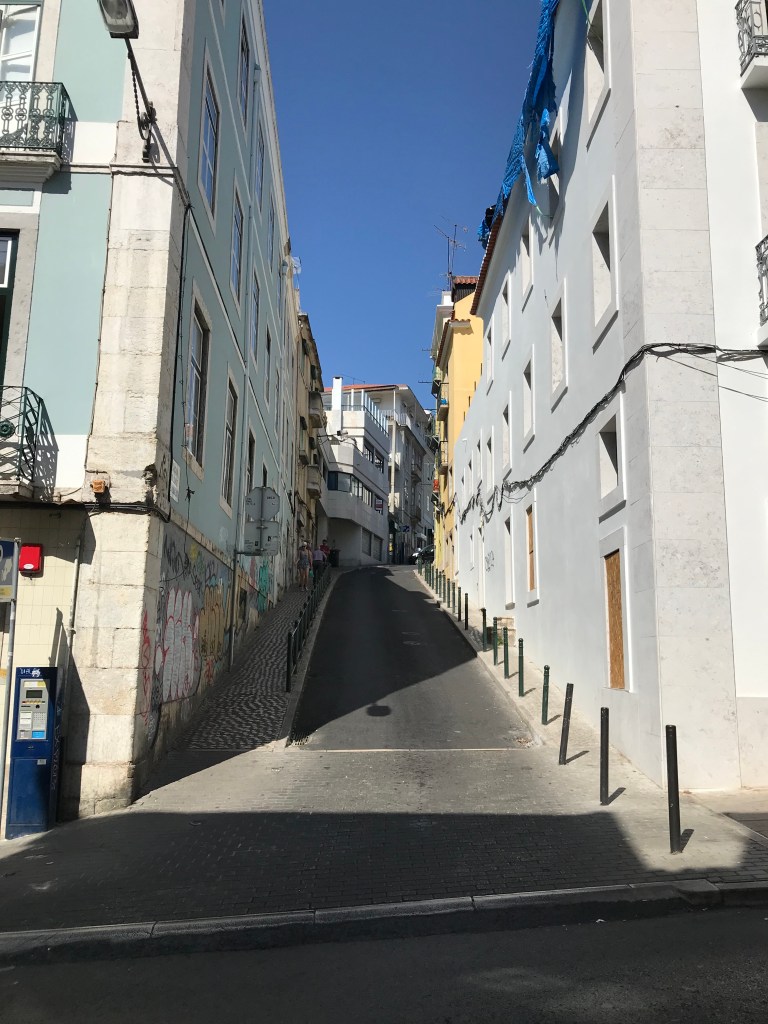
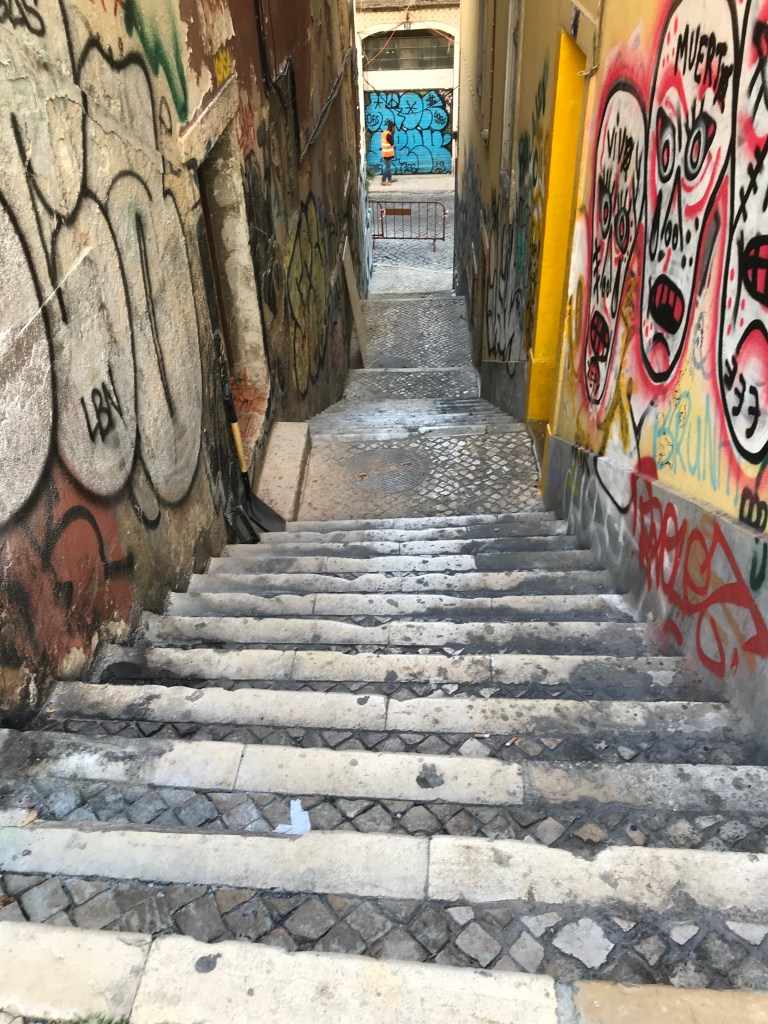
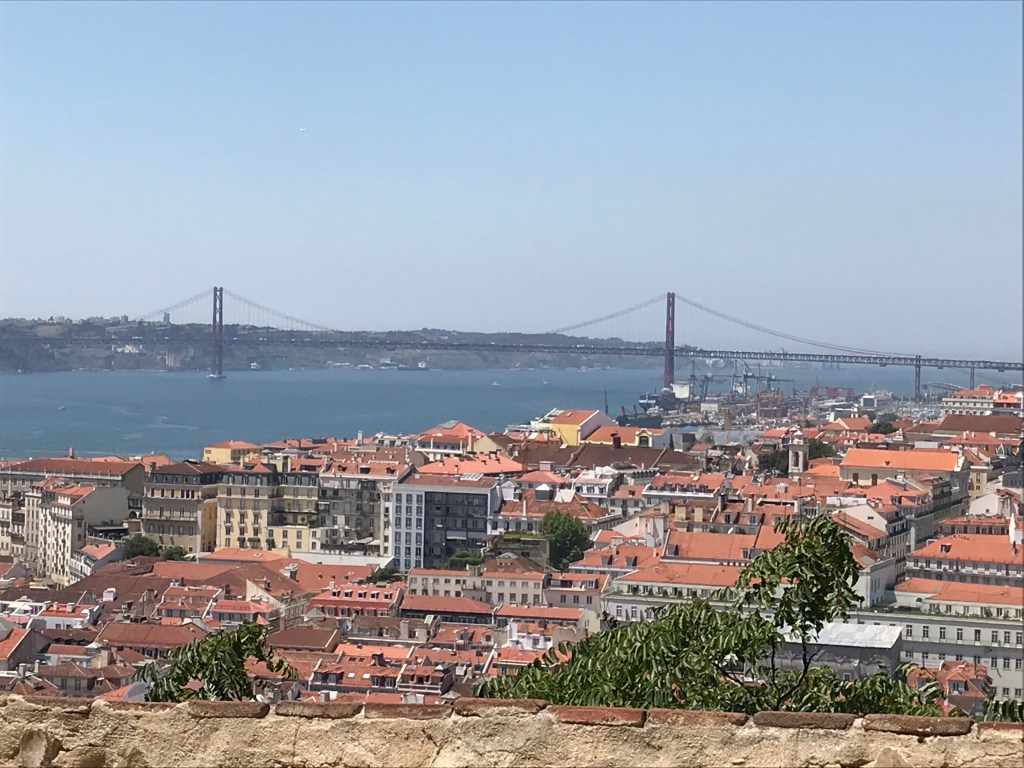
I’m spending a few days here exploring on my own. Lisbon city streets are narrow crooked alleyways that hug the steep hillsides until they burst at the seams with long strings of steps. You are reminded of Telegraph Hill or Montrmartre as you carefully scale the steep paths and are glad that you aren’t sporting five-inch heels from the Ott’s.

The paved cobbles are slippery from hundreds of years of footfall. I wondered how many souls (pardon the pun) it took to shine them. Occasionally a patch of roughed up cobbles provided relief to the attentiveness needed to descend them.

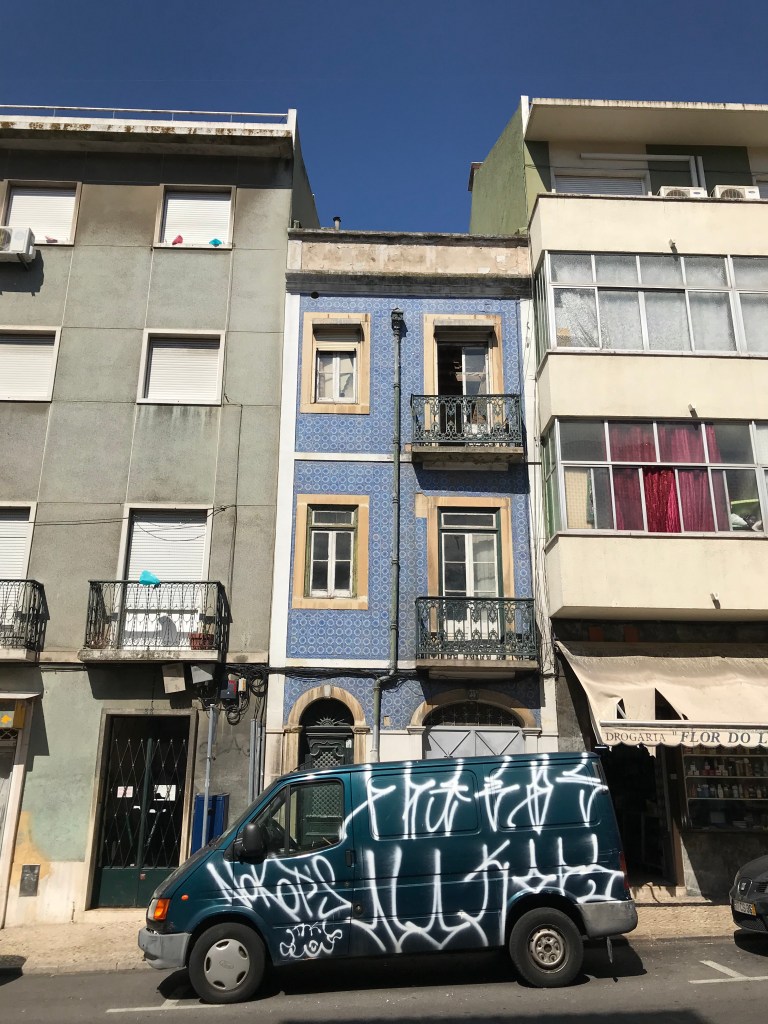
Mentally, I had no trouble skiing down the hill toward town and paused to savor the tiled facades and ironwork that were so compatible with each other. Even the laundry hung out to dry seemed to add an artistic swoop, as if to apologize for the untiled surface.

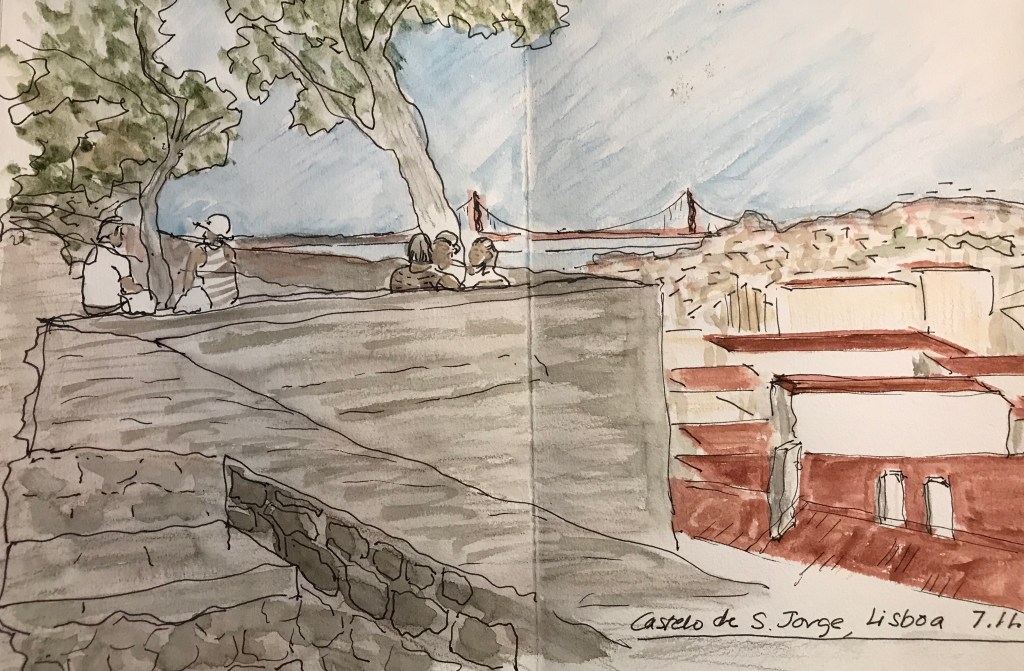
Castelo S. Jorge

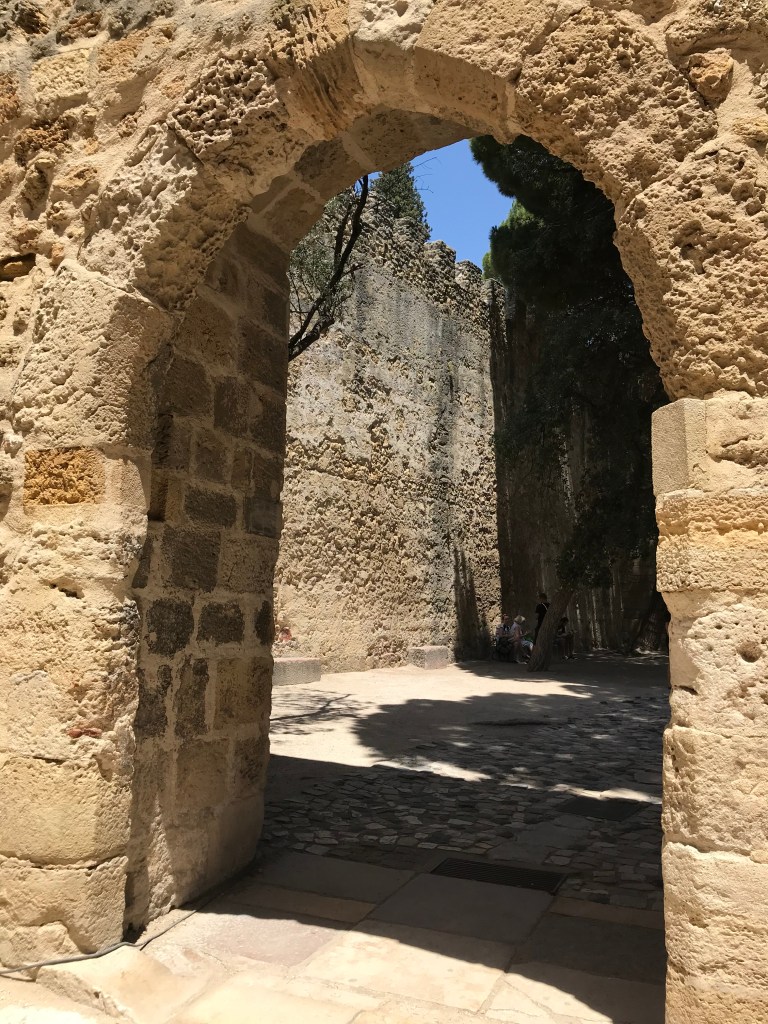
I scaled the top of the 11th Century fortress castle. It was crenillated with lookouts that made shooting from below a challenge. The views from the fort were spectacular and peeking through the openings made you wish could dodge target practice. Other than that…overrun with tourists like me.

Pena Palace, Sintra

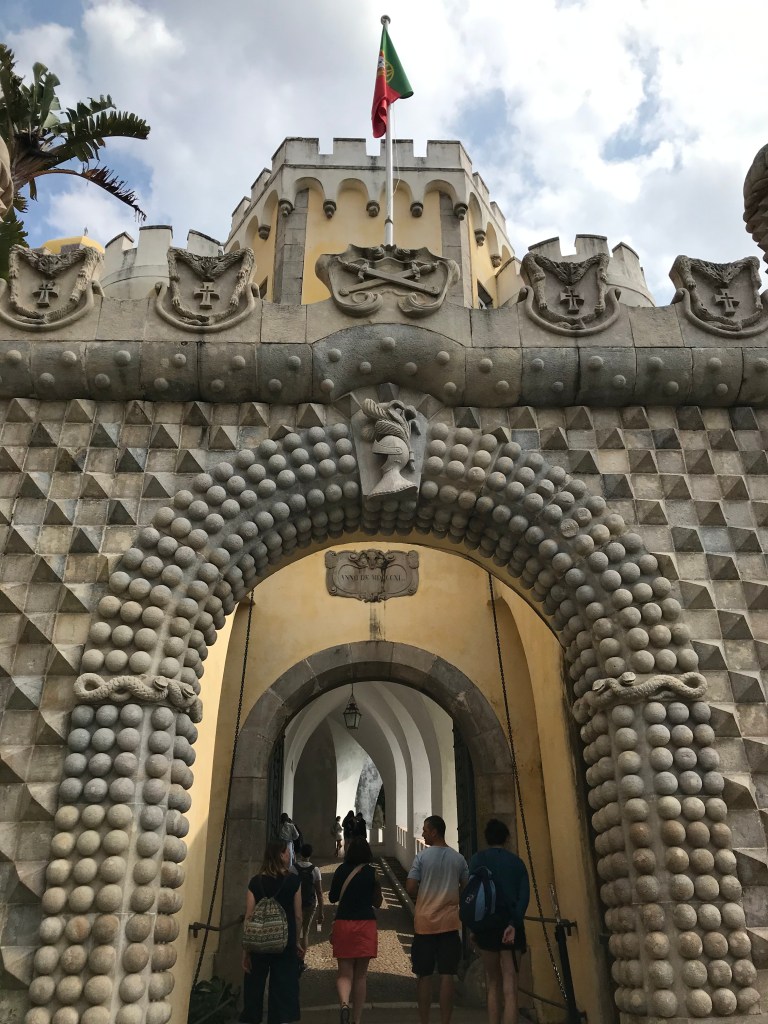
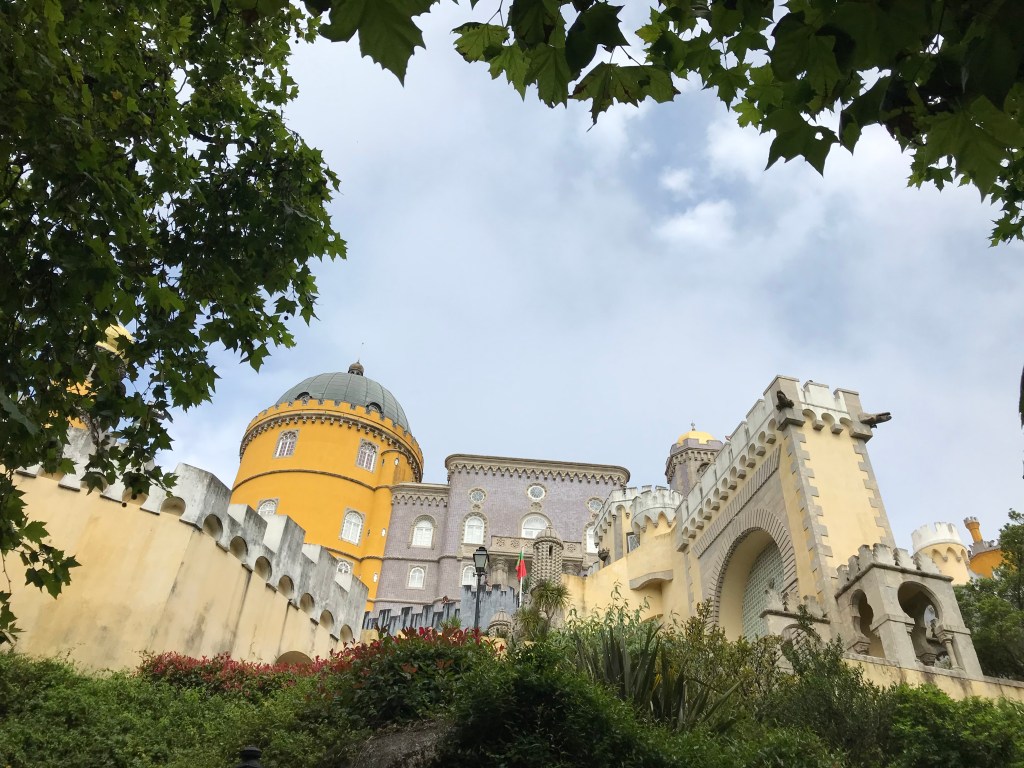
Despite being a world heritage site, Sintra was another destination overrun by tourists. It diminished my appreciation of the area’s man-made beauty. Tucked into the hills outside Lisbon, the national park was transformed from a barren hill to lush forest.

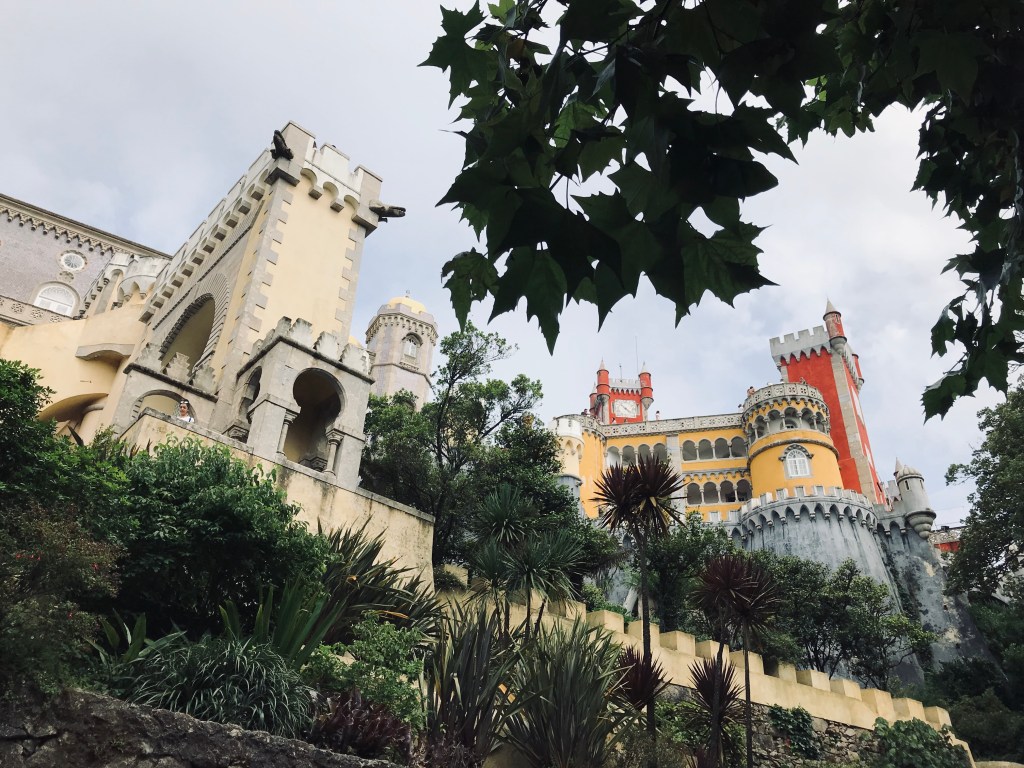
The palace itself looked a little bit like Disneyland, especially the bright colors. Its Moorish features and gardens were obscured by short rooms that lacked the high drama normally found in other European palaces. Pena was built by Ferdinand II, who ruled from 1837-53, and his two wives. One was an opera singer so you can imagine the level of high maintenance required on his part.

The Museum of the Orient

Okay, this wasn’t my first goal for museum googling. My first futile attempt was to the Archaeological Museum. The entrance was blocked by a parade for the 150th year of the Police Academy, who were out at least 150-strong: a great time to commit a crime!

The second attempt was to the Museum of Art, Architecture, and Technology, located on the port side of a four-lane highway and railway line with no pedestrian crossing. I finally settled on the Orient Museum, that was also on the port side of the same highway and railway line, but WITH a pedestrian crossing!
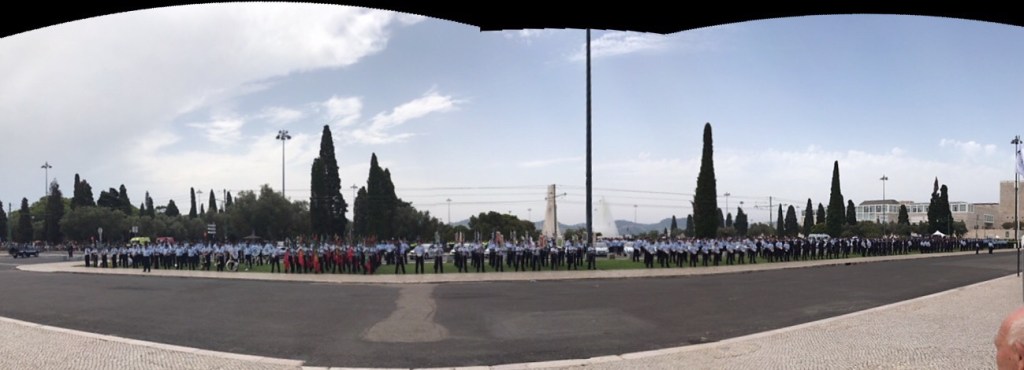
150th Anniversary of Police Academy

Thanks to Vasco da Gama, who was responsible for the world trade routes to Asia as early as 1511! Macau and the Straits of Malacca were discovered in 1515, so they overcame the Silk Road drudgery of camel packs, winter snows, and sandstorms.

Had I thought about it, my Silk Road research and adventures could have been supplemented by tracing the Portuguese sea routes. Ach! Earlier freighters would have charted a simpler course. But…scurvy and mutinies…water, water, everywhere, and not a drop to drink…which was worse–the vast desert or the vast ocean?!?

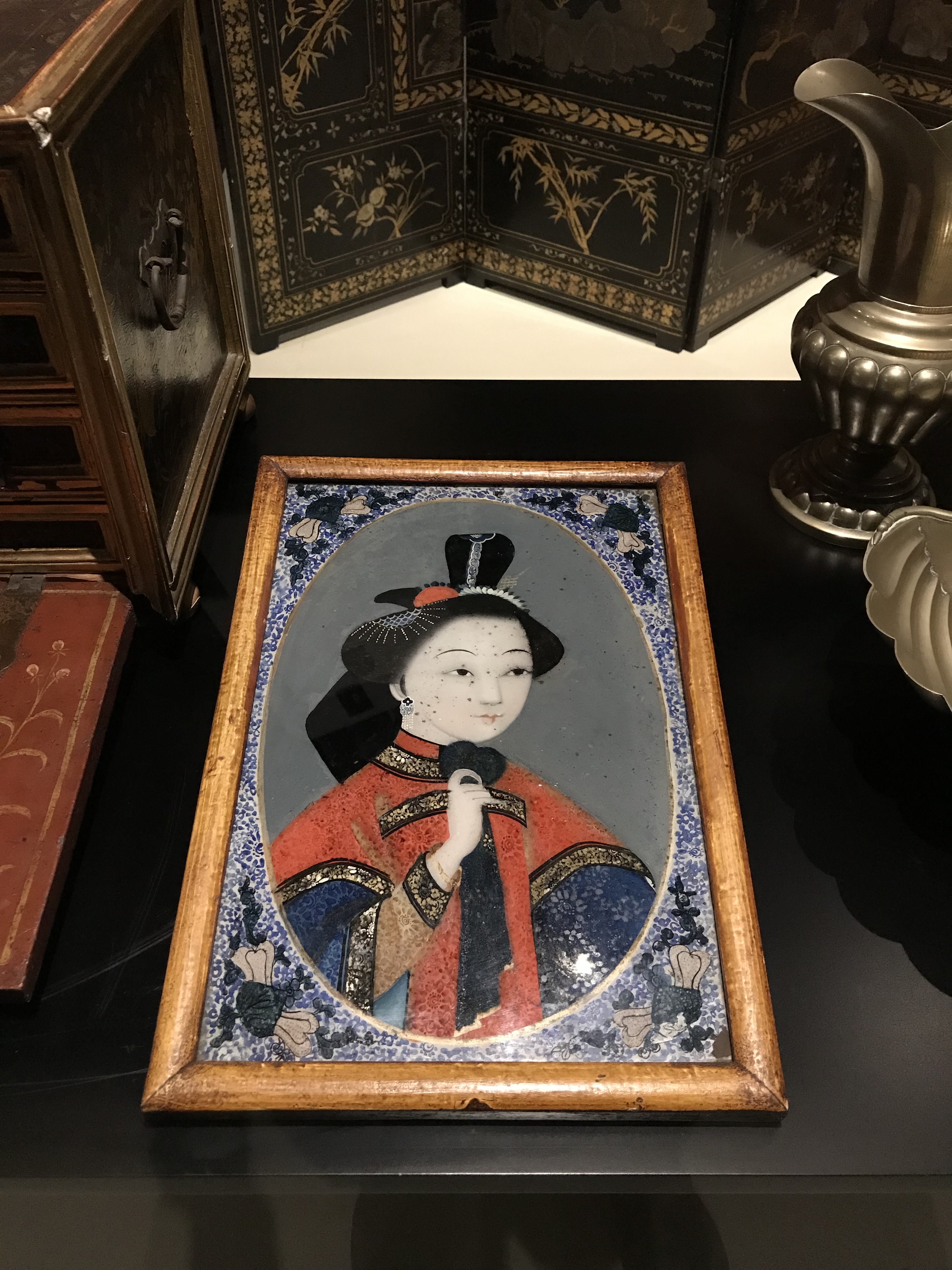
This museum held me captive for over three hours. I read nearly every caption, to absorb the stories they told on porcelain, between the traders and the traded. As the market developed for the silk and porcelains, so shifted original Chinese themes to Western ones. The hunters became the hunted, and vice versa. Maritime prowess, religion, love of nature, and paganism were common topics that eventually drifted into the images depicted.

The Chinese found a liking to tobacco for both medicinal and euphoric purposes. Snuff bottles became popular and coveted. Opium became the new normal.

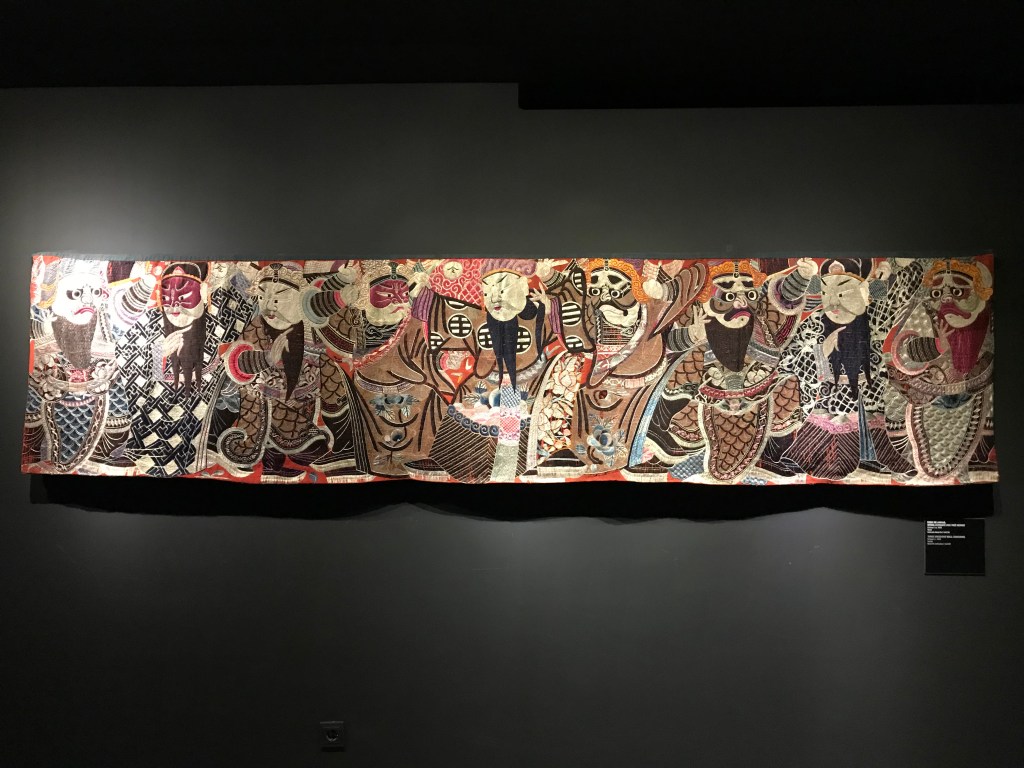
My HK friends will appreciate the material in this museum as it relates to Macau. Just north of Macau lies my family’s stomping ground in Zhongshan, China. It’s no wonder that the Southern Chinese were commercially influenced by 500 years of Portuguese presence, and they were already well into trading before the British arrived in 1851. A few of the well-curated artifacts are below.
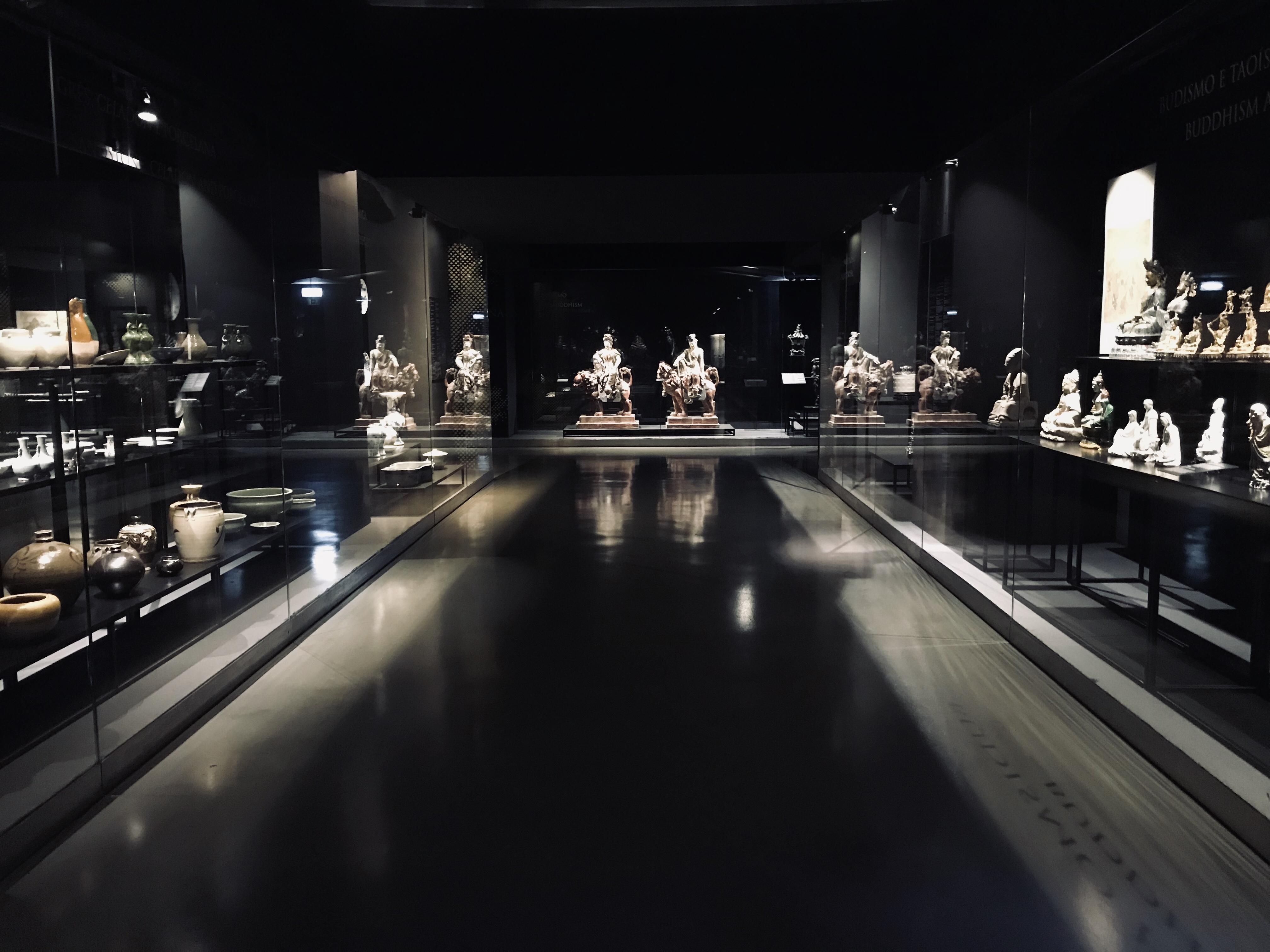
Chinese Opera Exhibit

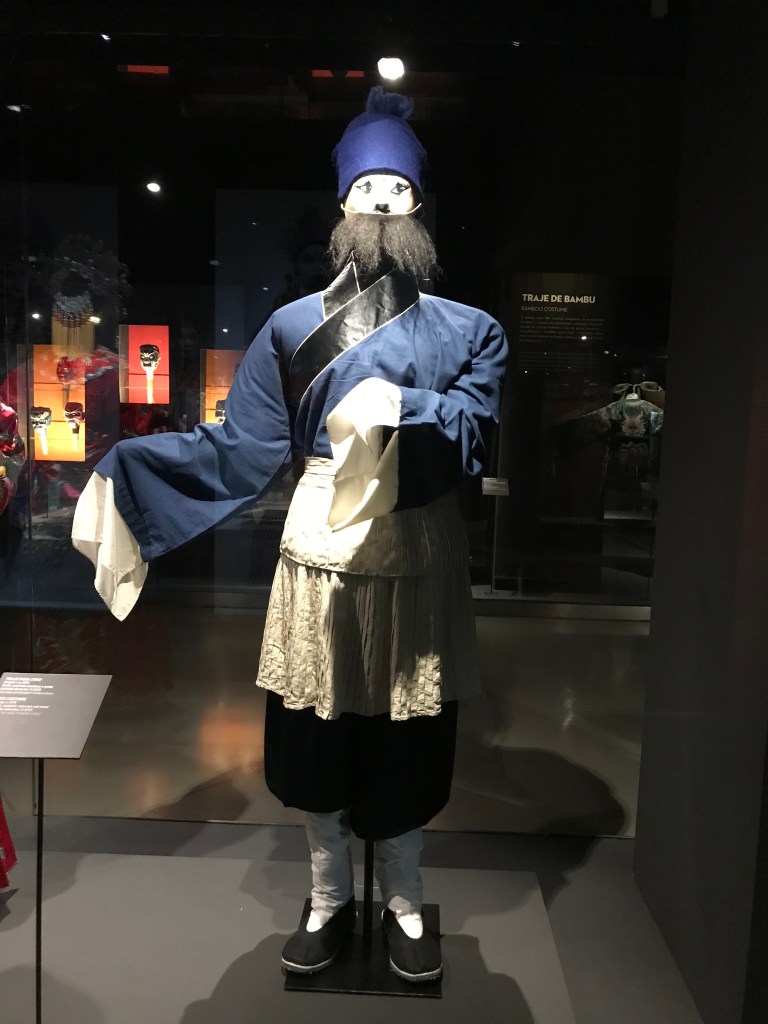
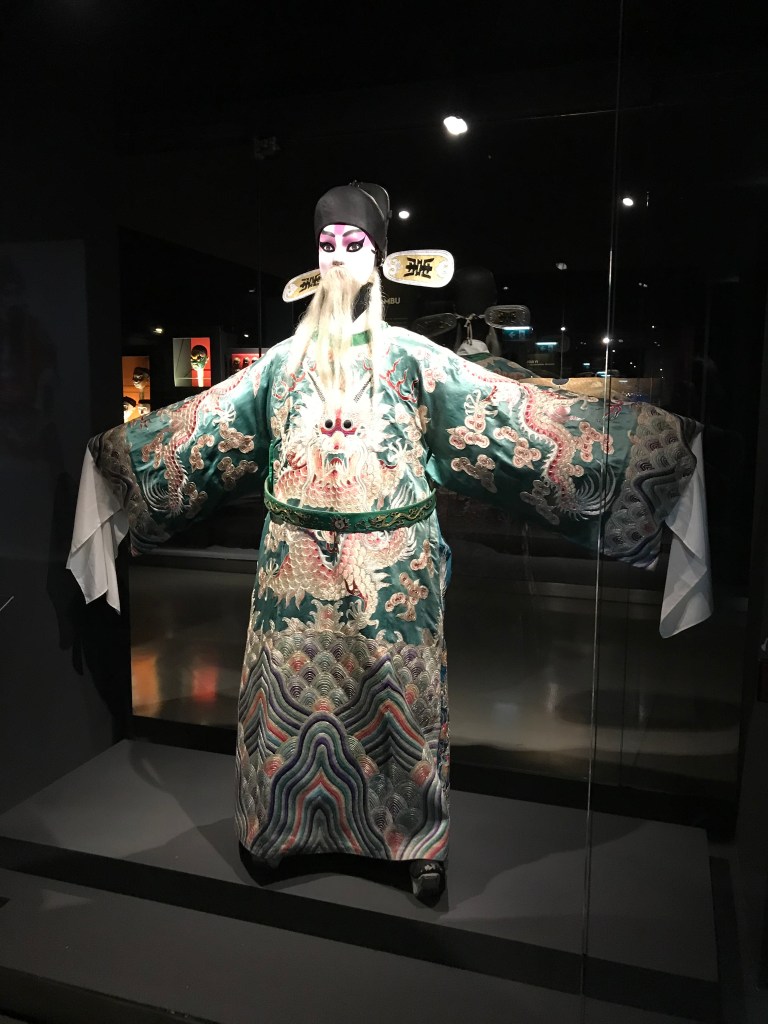
A separate permanent exhibit in the Museum of the Orient enhanced my research on Chinese Opera. The curators did an excellent job in presenting the topic to those unfamiliar with this form of integrated music and art. The costumes and descriptions were well preserved and comprehensive.

They clearly identified the four character types: the official, the maiden, the warrior, and the comic. The films that were shown were exemplary, not only of traditional opera, but one also described the complications during and after the Cultural Revolution by a ballet performer in the “Red Detachment of Women”. She was purged after the fall of the Gang of Four.

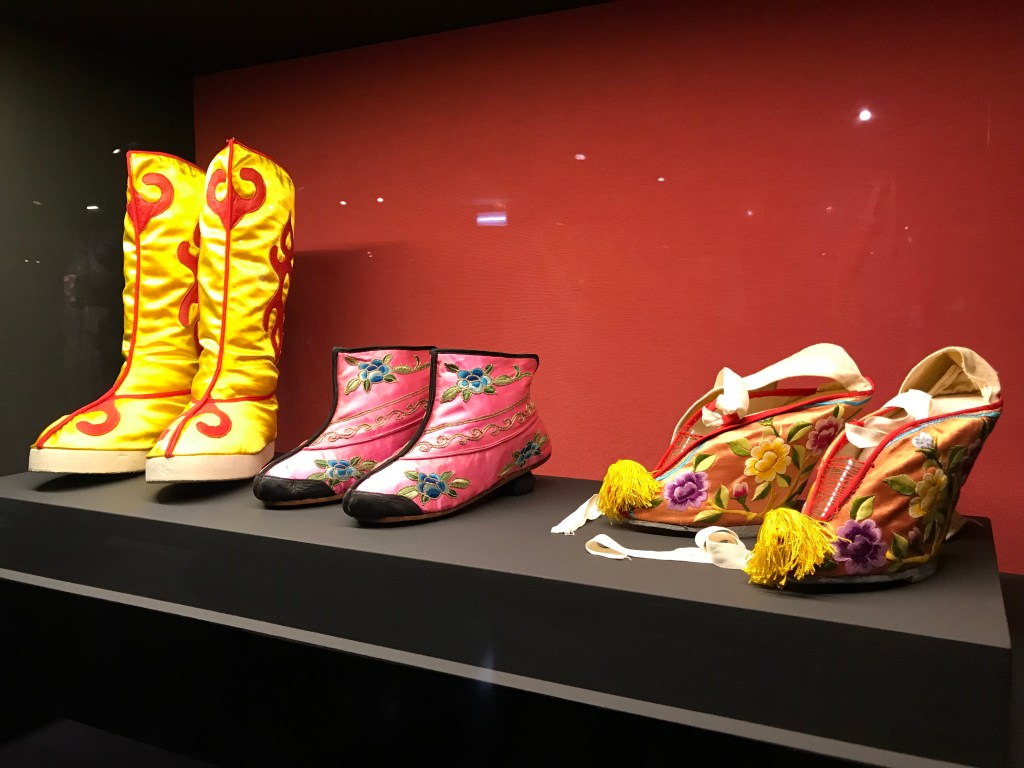
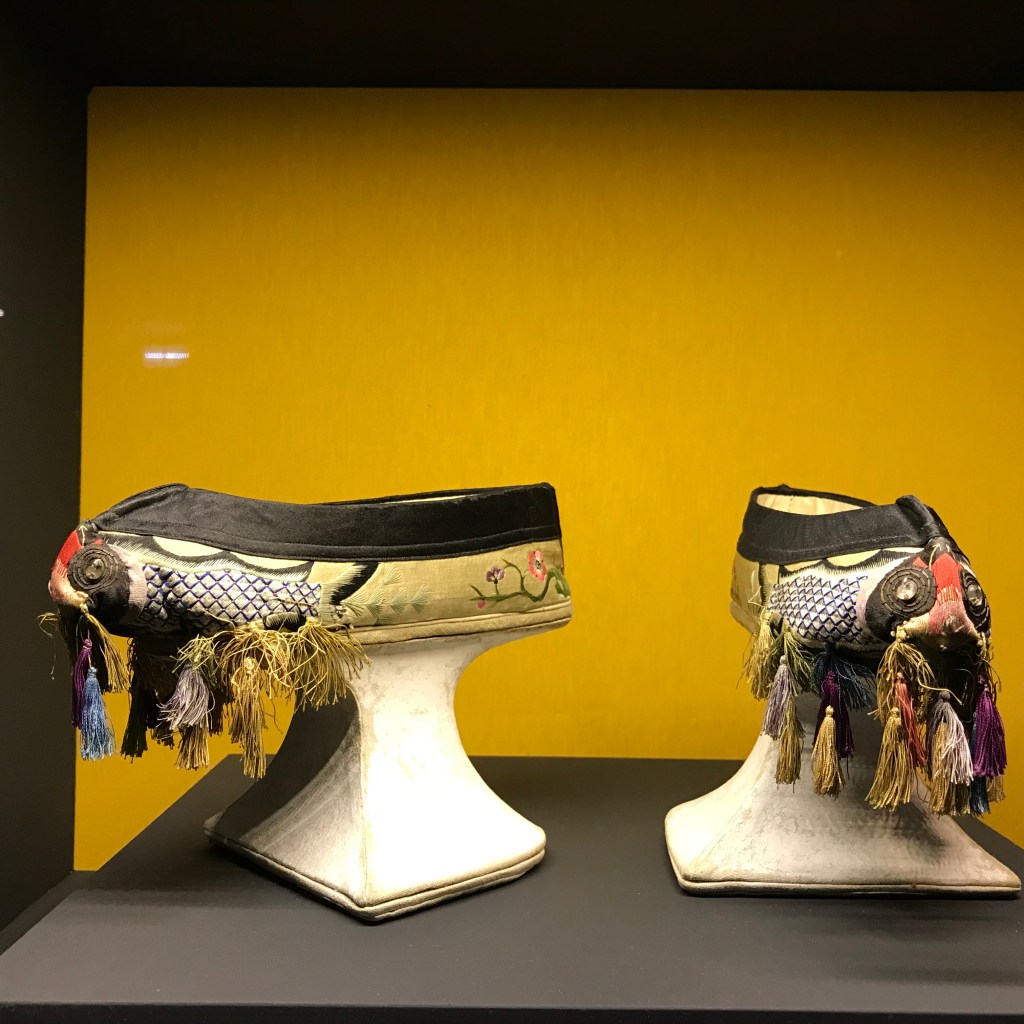
Shoes were of particular interest to me. Opera performers did not have bound feet, but they imitated those who did. They wore “high-heeled sneakers” with pedestals. If you wondered why Chinese opera performers were so deliberate in their actions, it’s because they couldn’t walk in those damn shoes! They had to balance themselves on platforms or pedestals and could easily trip on their costumes. The good news is that the pedestals allowed the fringes to flop over the edges and shimmy in a beguiling way.

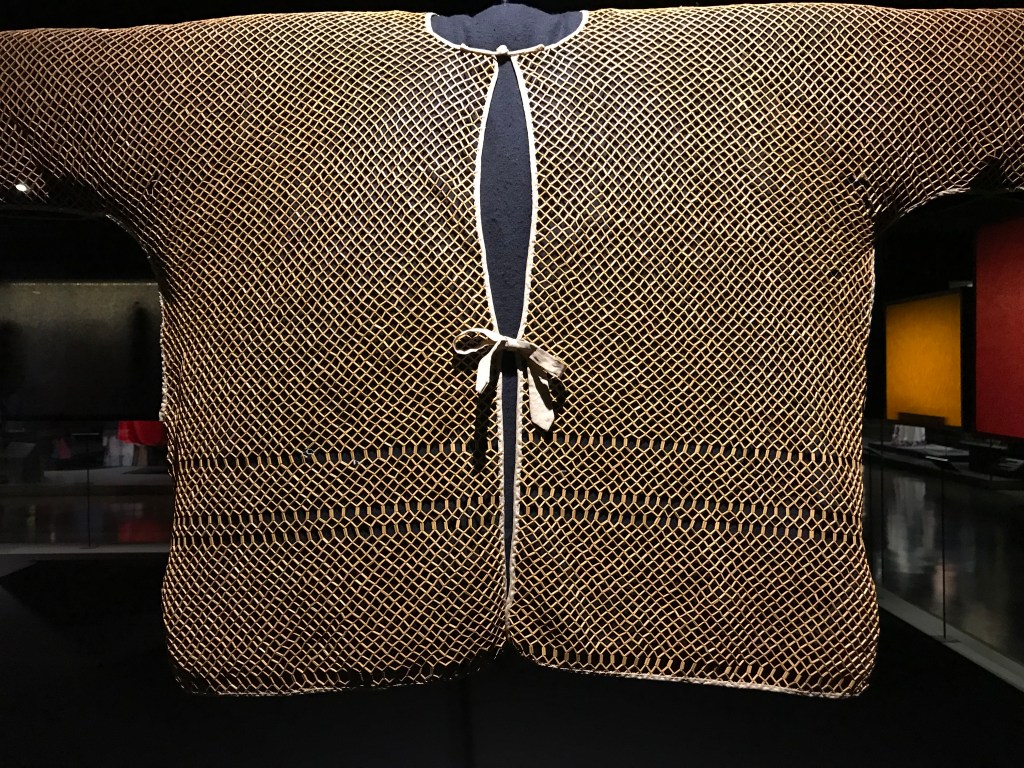
One other note about this fascinating exhibit. Because of their heavy costumes, performers wore a shield of bamboo in between, so their skin could sweat! Just like bamboo mats. See the bamboo curtain below.

There were many other artifacts that mesmerized me for an entire afternoon. Here were just a few of the artistic pieces presented:

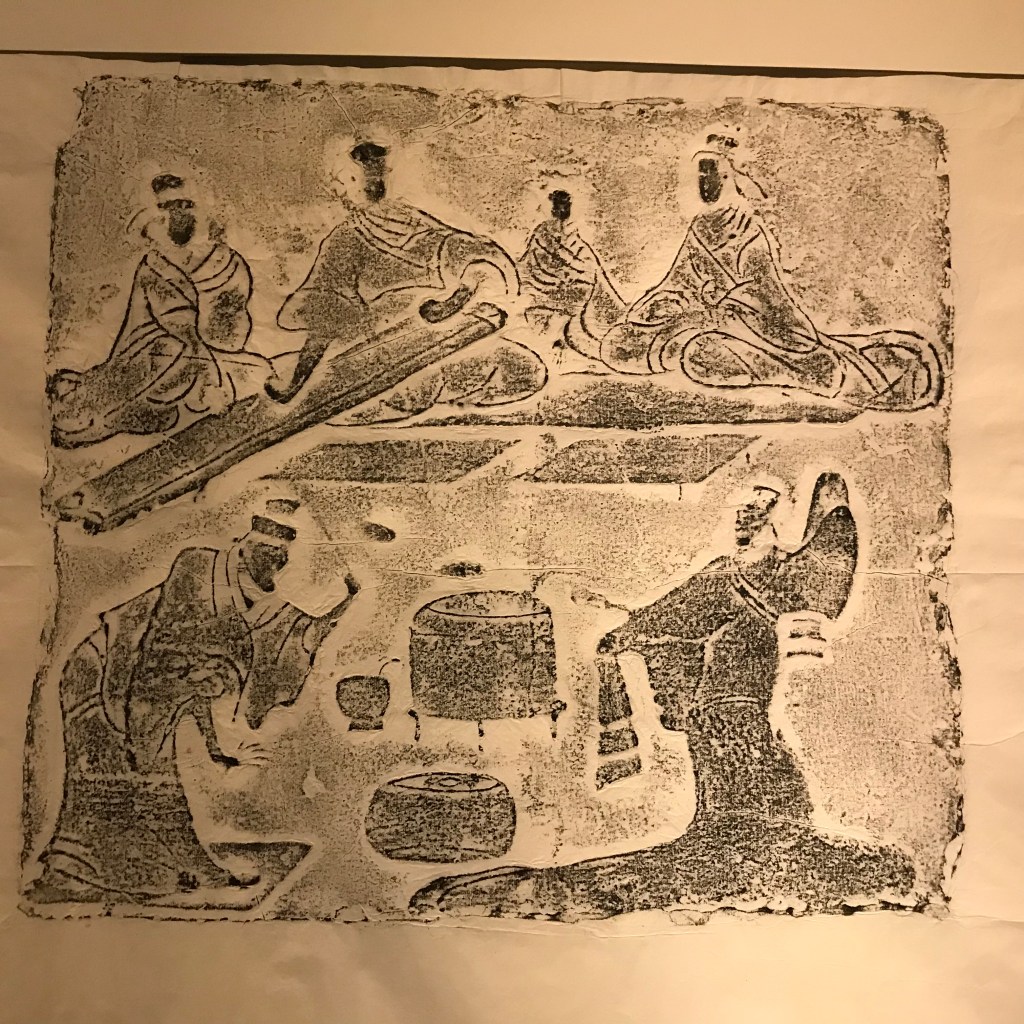
My apologies for this indulgence. They connect many dots in my historical knowledge of the Silk Road and the connection between East and West. Coming to Lisbon and seeing the artifacts at this museum was an unexpected delight. The museum gave me a deeper understanding of how two worlds collided and found a purpose.

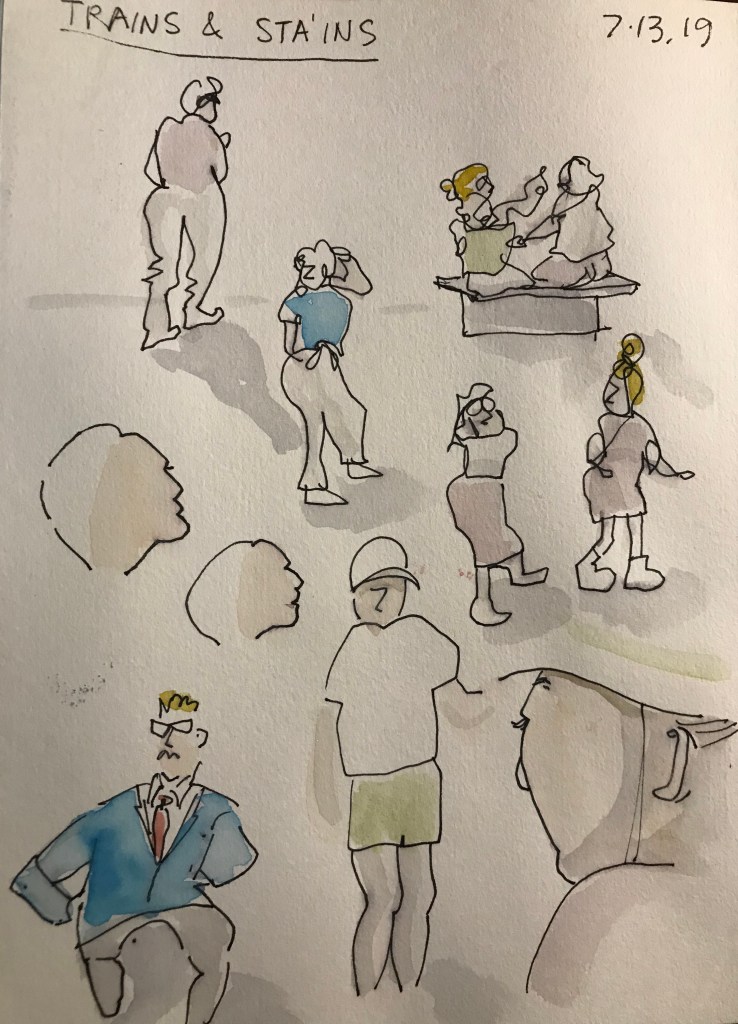
Etch a Sketch

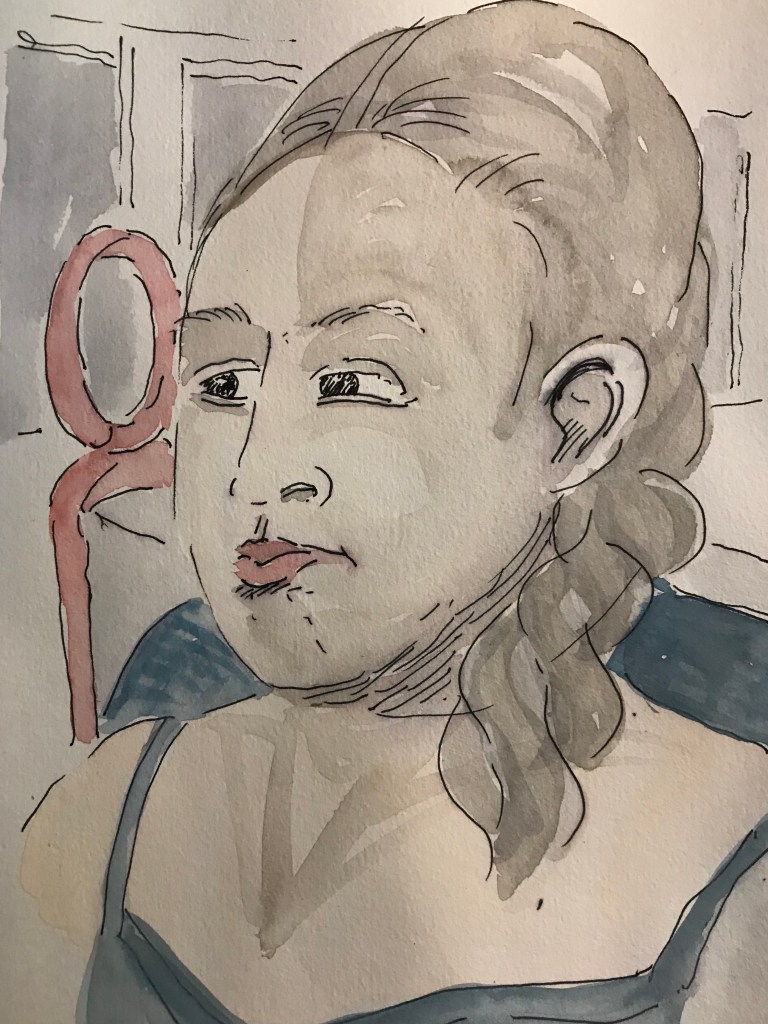
Just so you don’t think I have abandoned my sketching, here are a few from sitting at train stations and leftovers from Olhao:
Finale in Lisbon

An open air concert with the Portuguese Symphony outside the Teatro S. Carlo! The sound and film crew were more interesting to watch from behind. Apologies for the blocked view of the symphony. (Give the video some time to load).

I’m off to Vienna, so look for my posting from there mid-week!
Day 26-29: Armenian Rhapsody

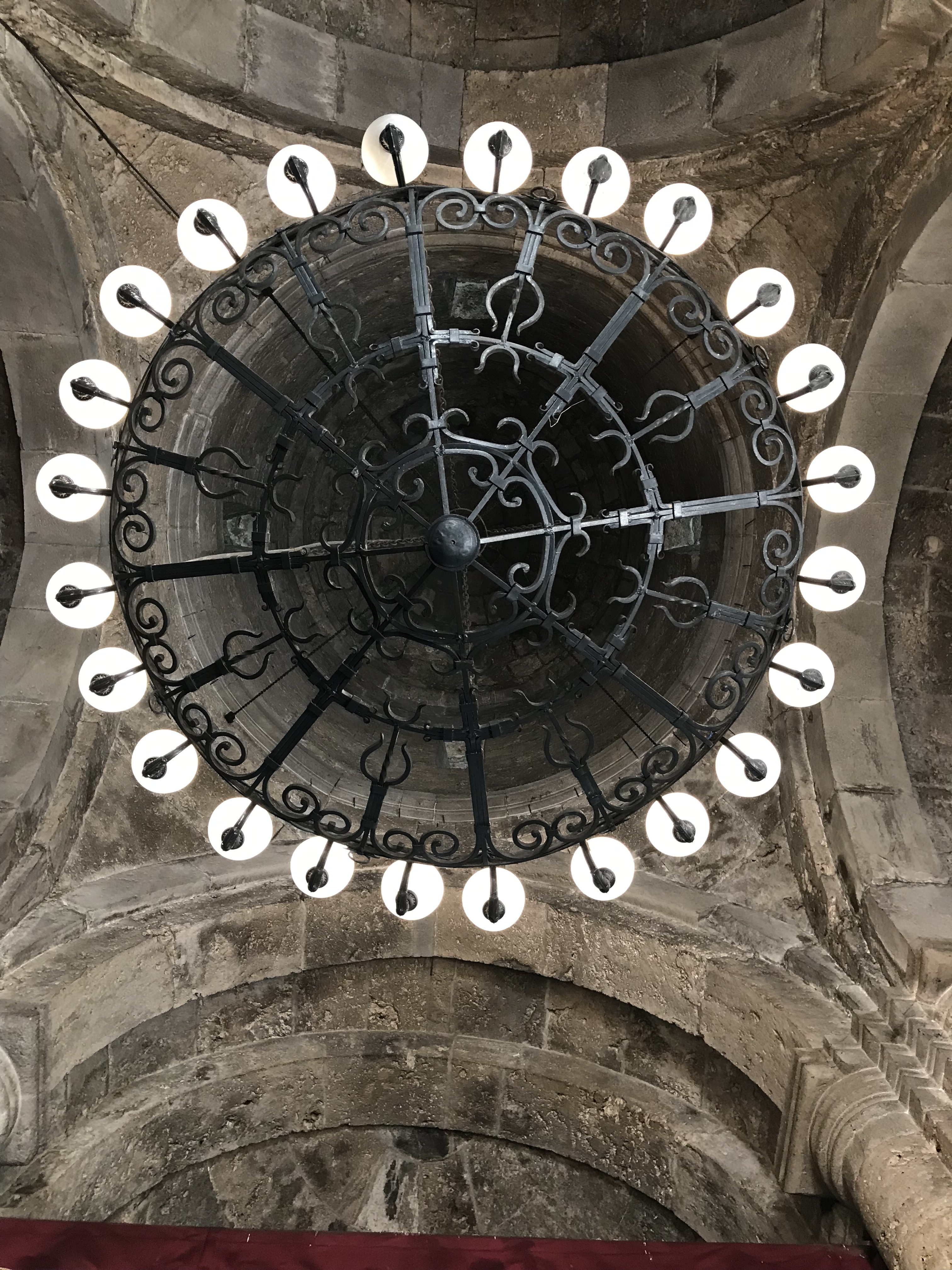
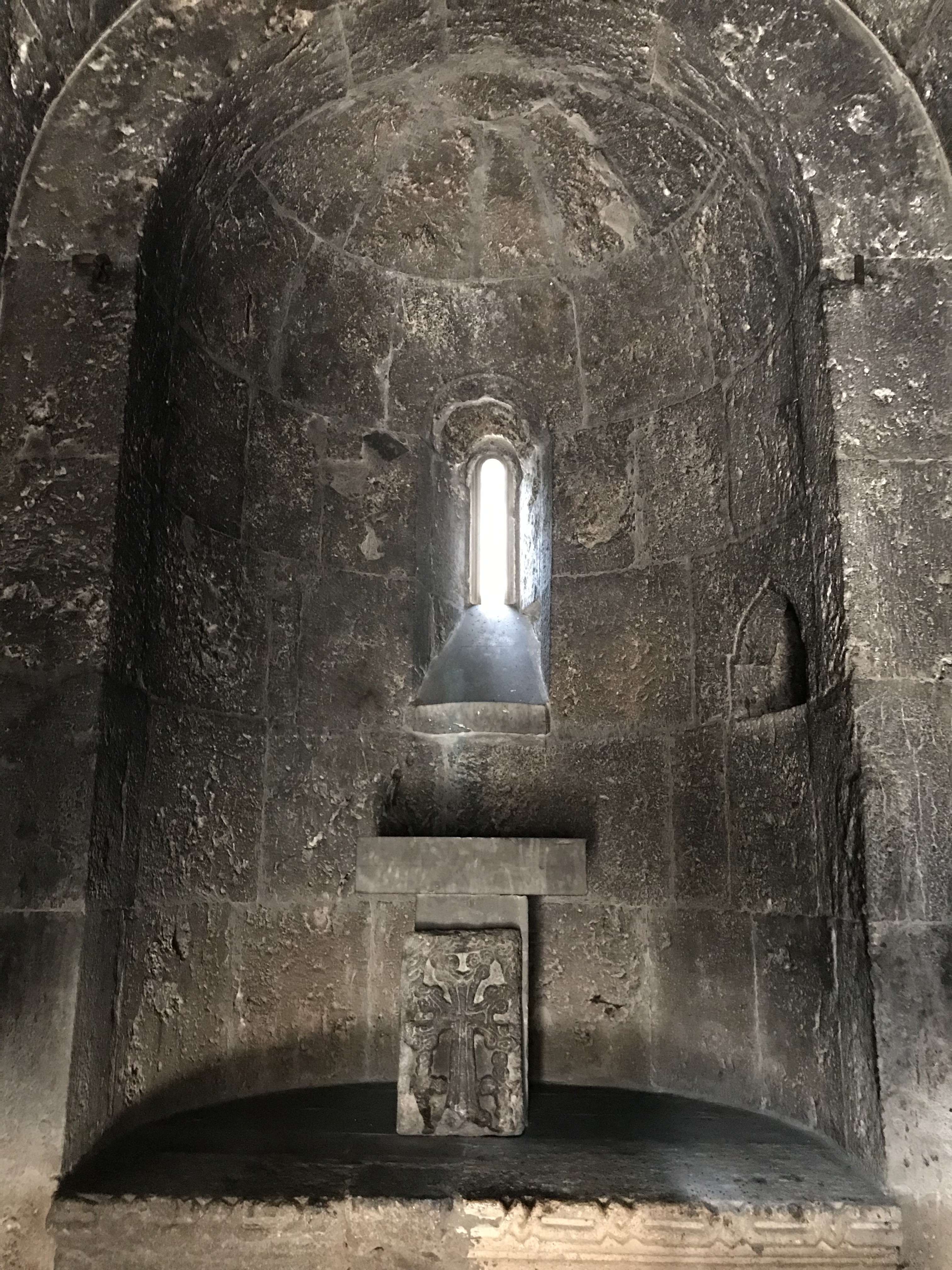
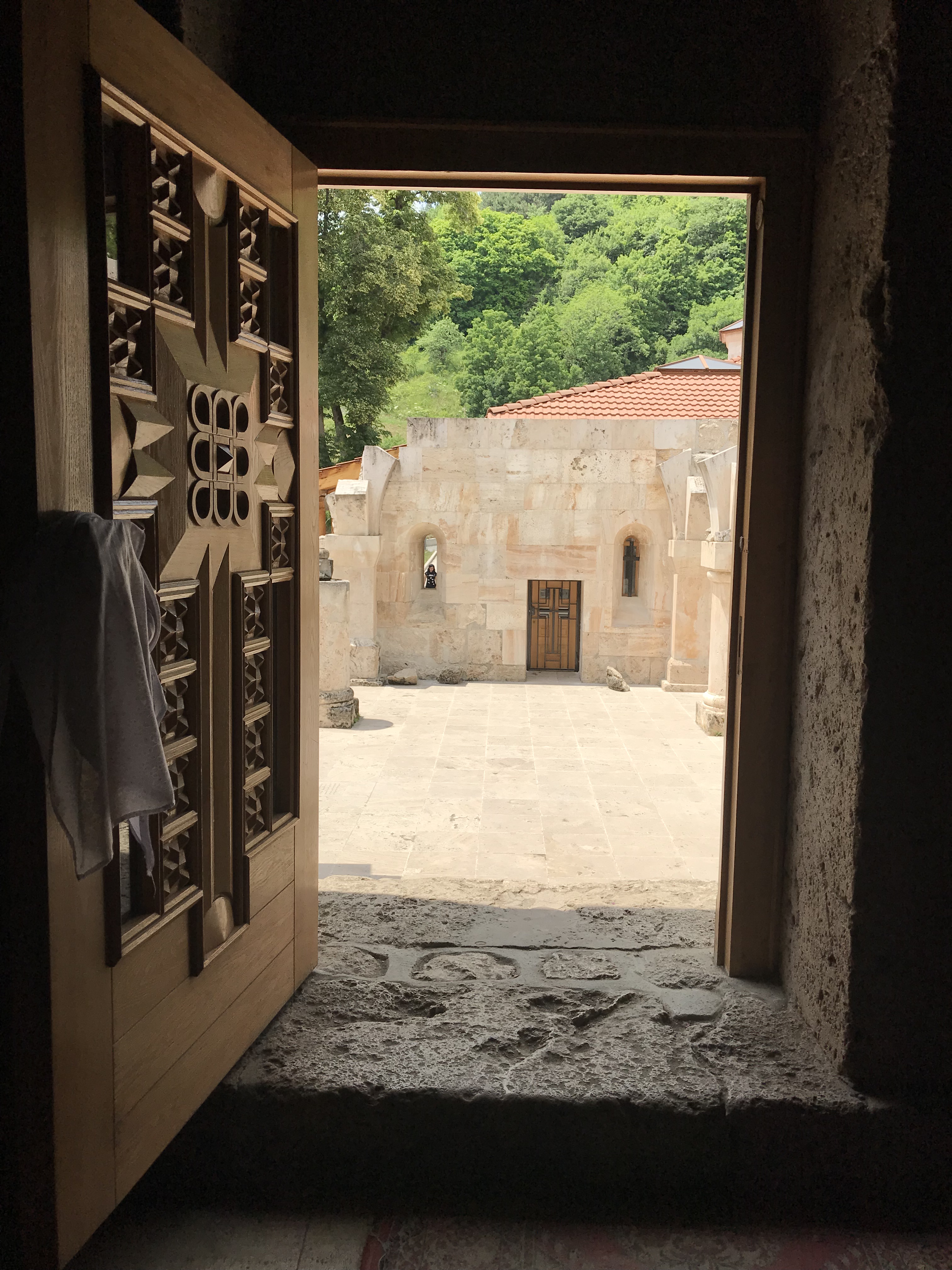
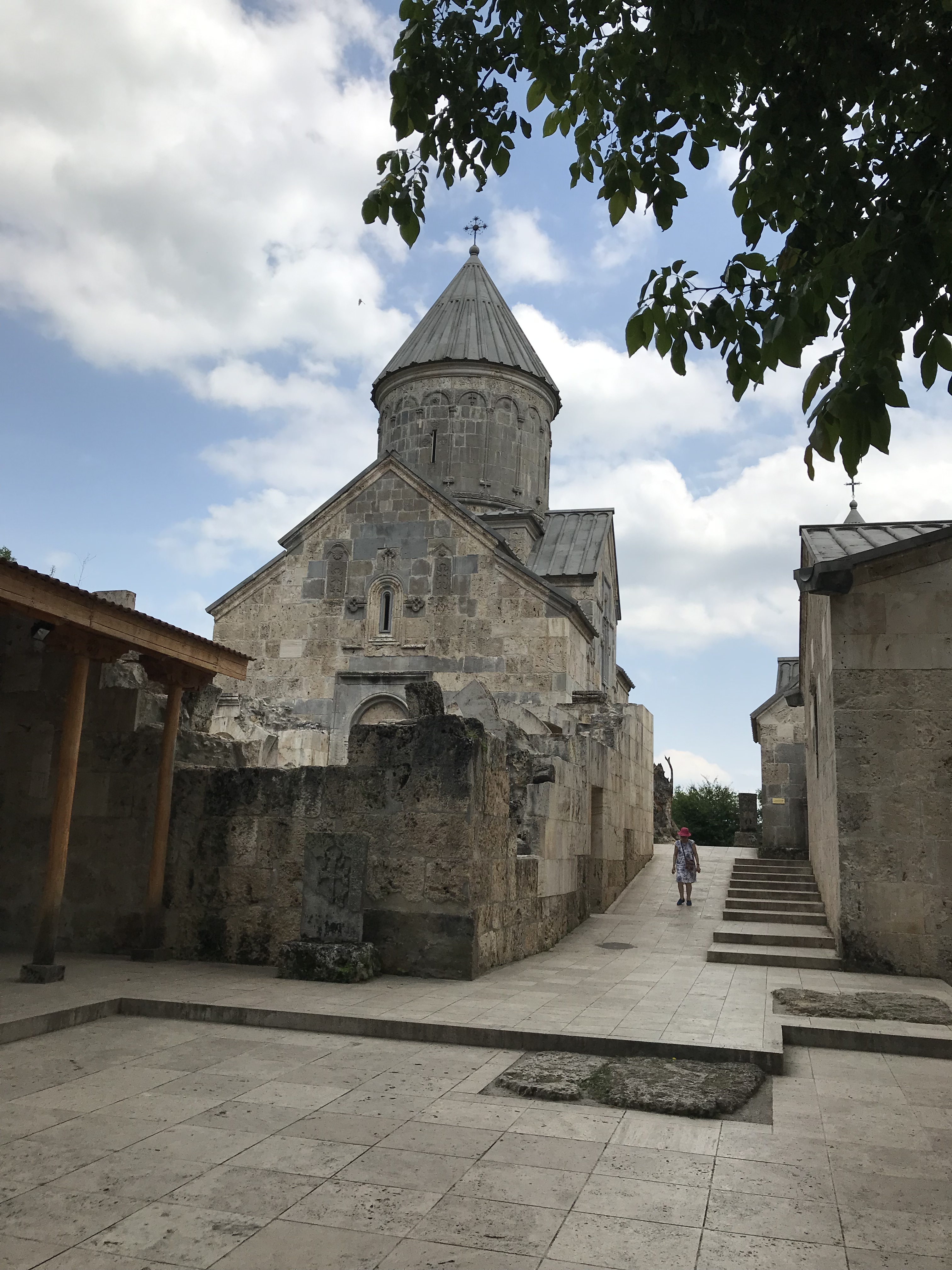
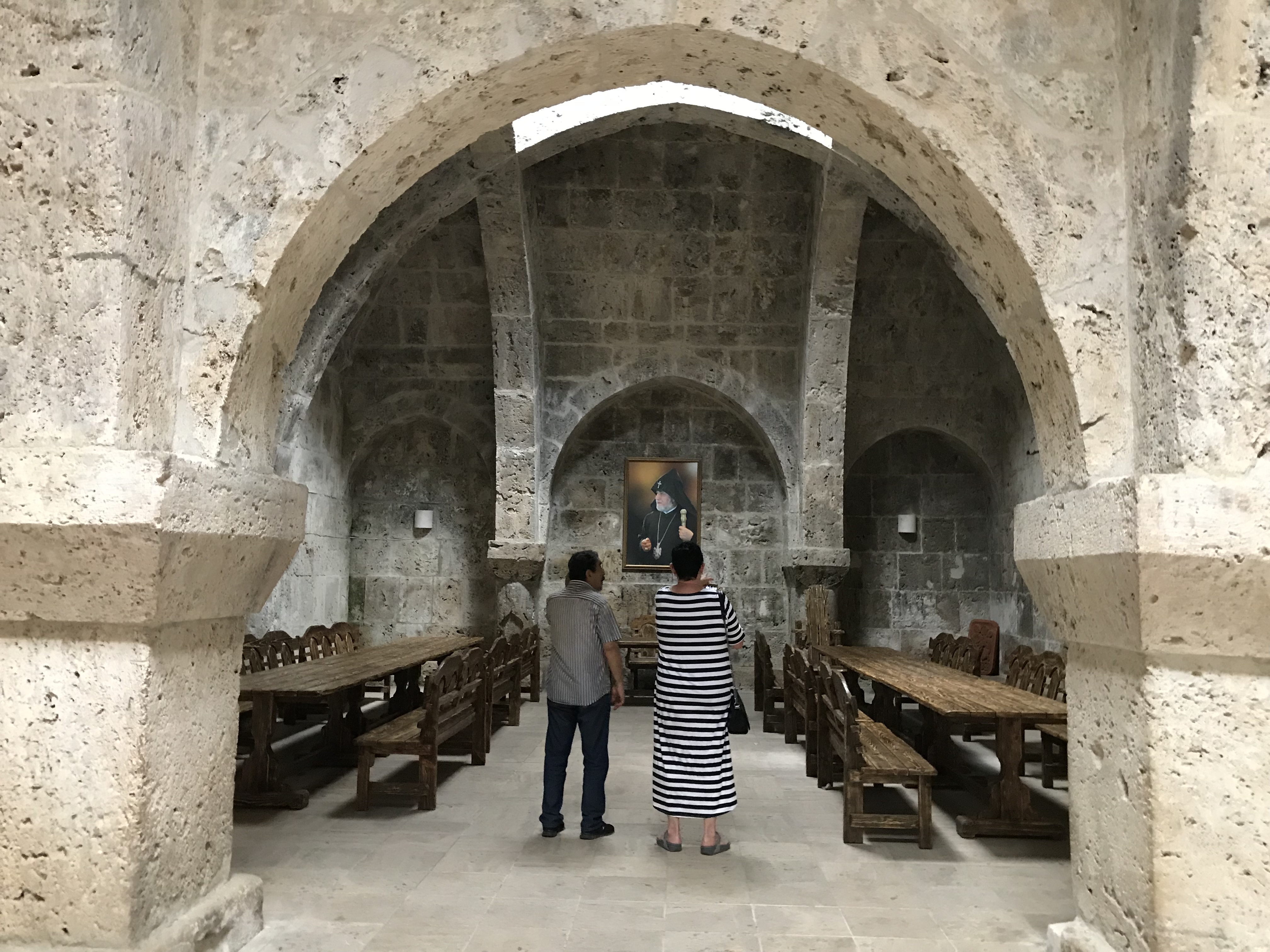
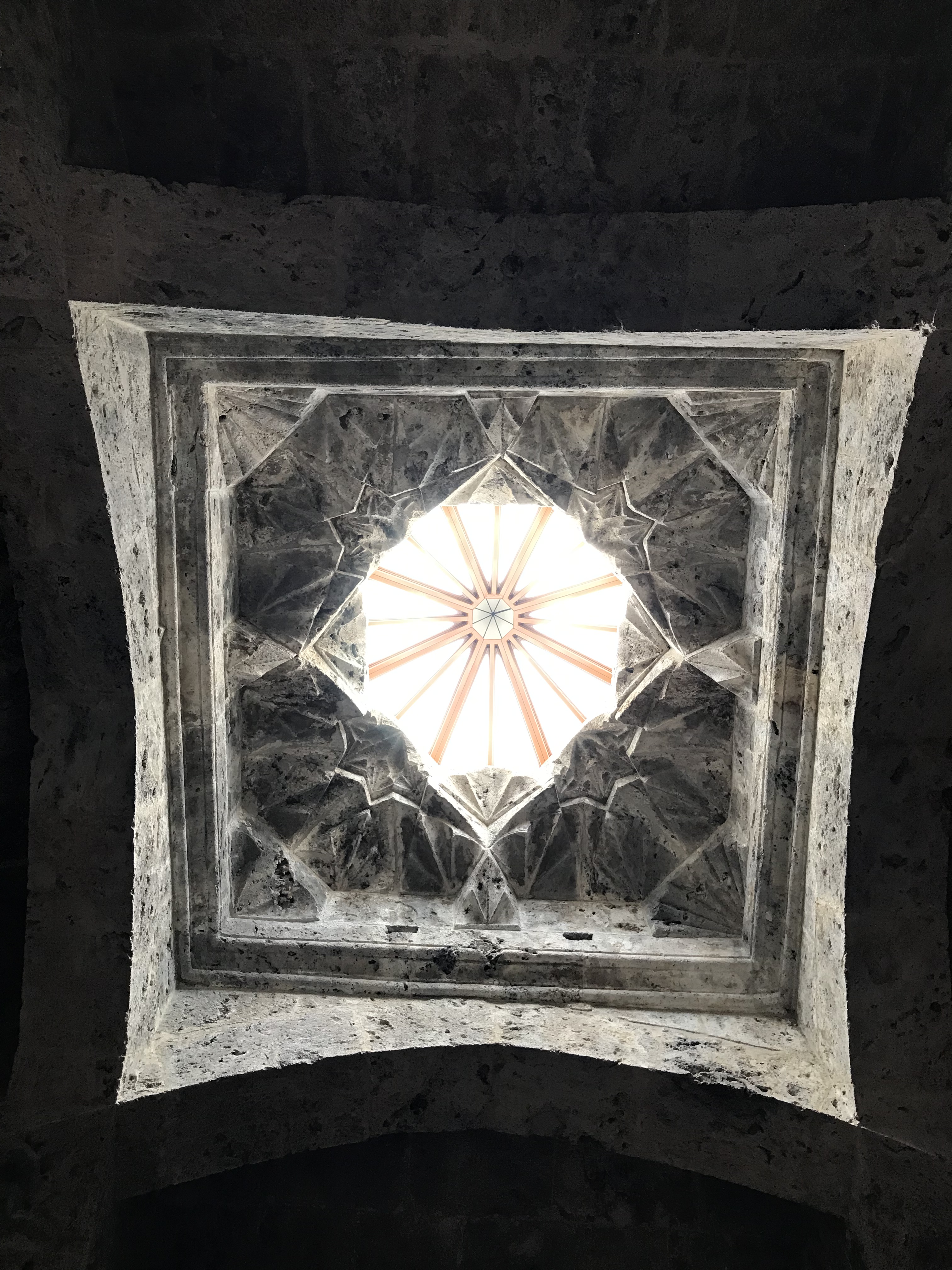
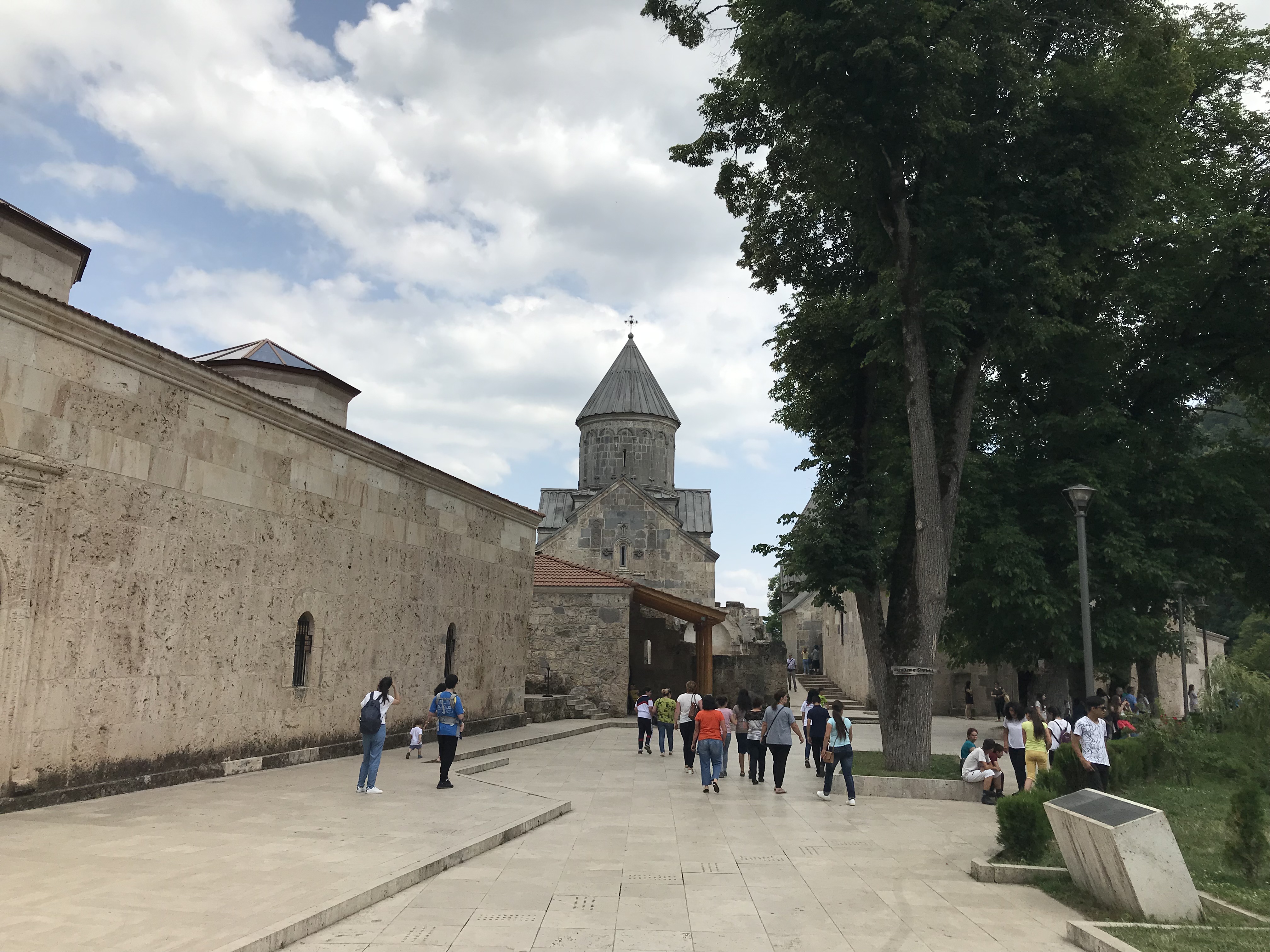
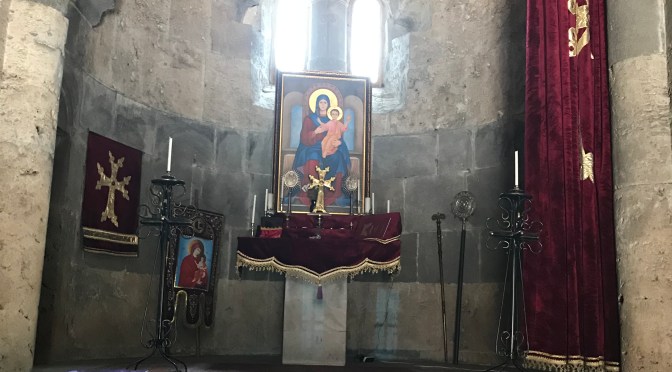
The Haghartsin Monastery and Churches range from the 10th-13th Centuries, and are a fascinating example of early medieval/late Byzantine architecture. The heavy basalt walls protected the churches from earthquakes, but a considerable amount of renovation and restoration work was still needed.

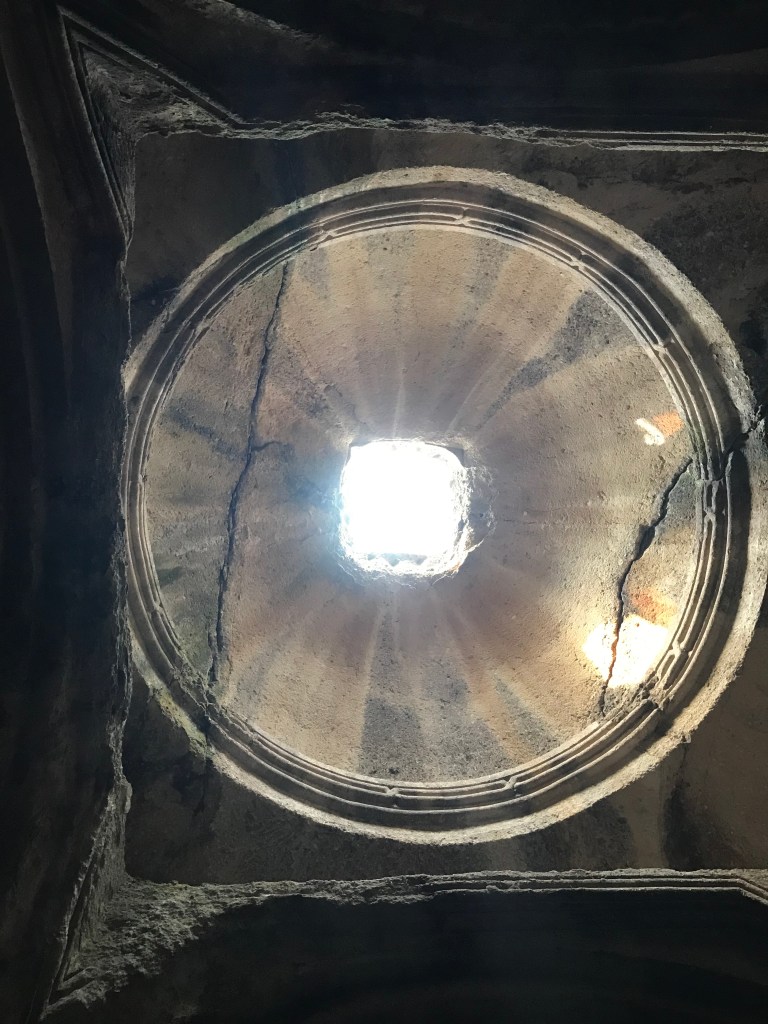
The thick walls supported small chapels with heavy domes made of stone. Nevertheless, the simplicity of the structures provided a timeless quality and soothing relief to the 90+ degree weather. The main church is dedicated to St. Gregory. You can read more about it here: https://www.advantour.com/armenia/tavush/agartsin-monastery.htm

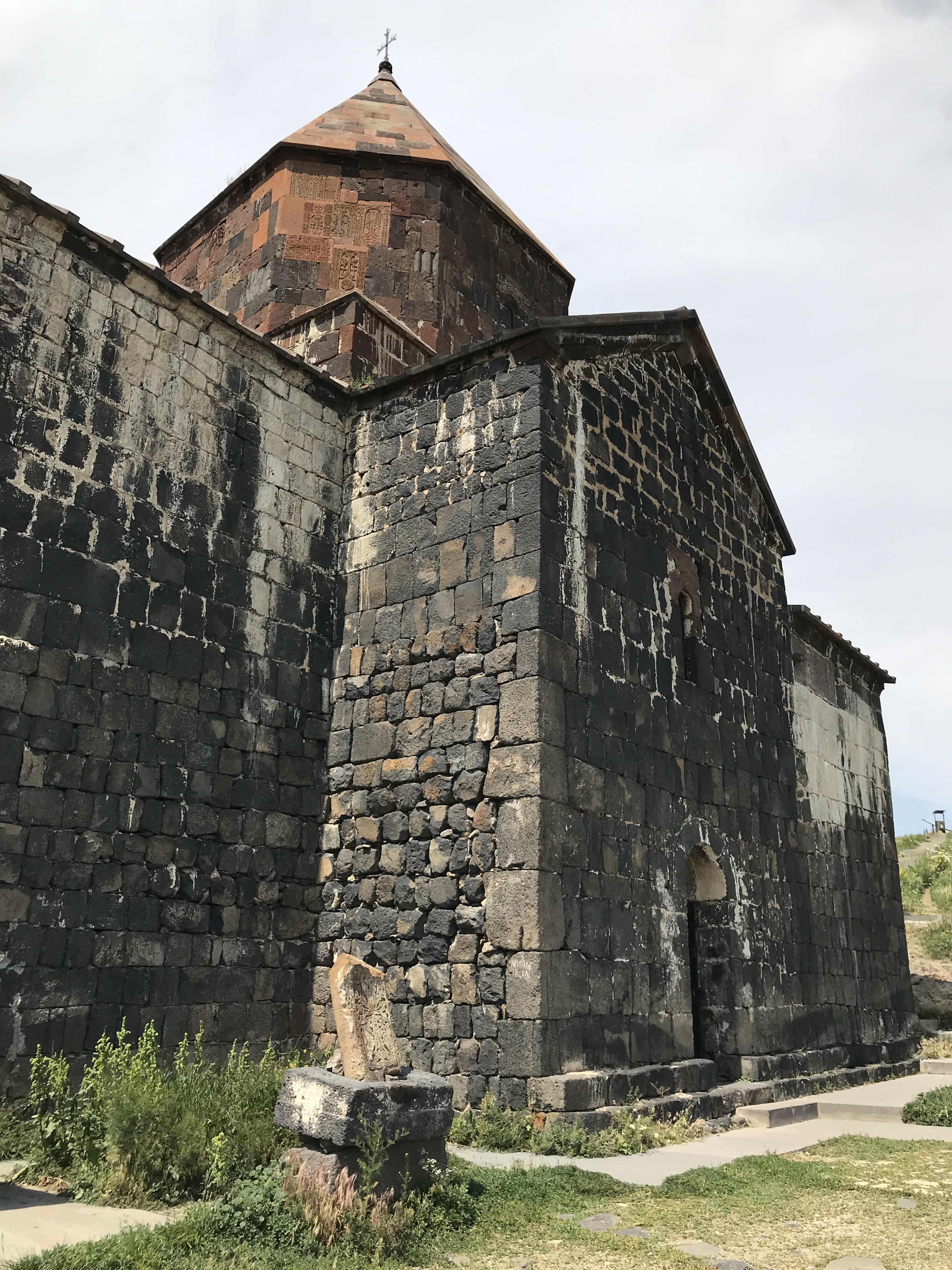
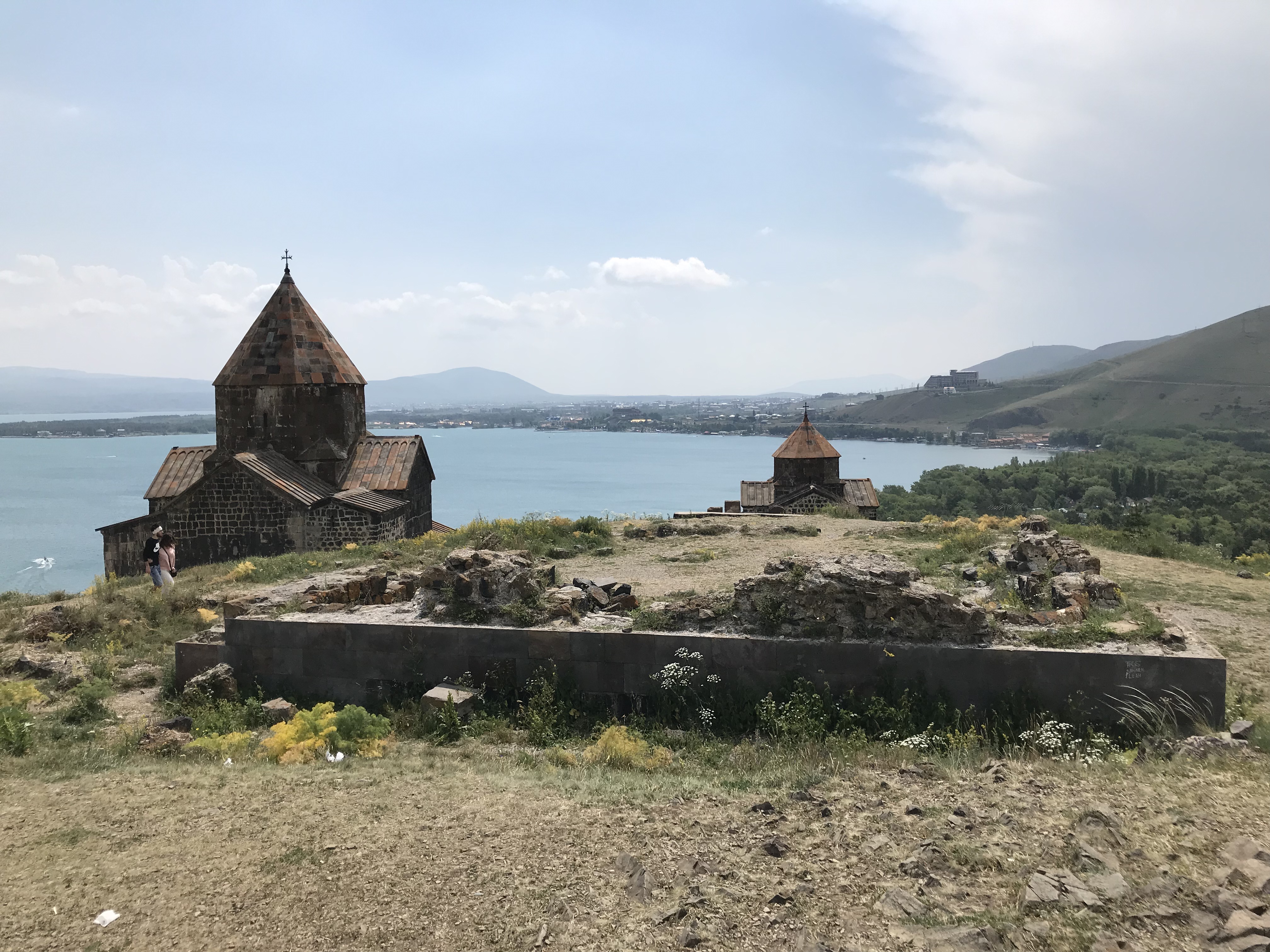
Along Lake Sevan, one of the largest fresh water lakes in the world, the Sevanarank Monastery was built in 874. It’s surprising to find these early examples of Christian architecture that never made it into the art history lectures. Our Eurocentric focus has neglected the early beginnings of ecumenical architecture.

I am now customizing my own studies of architectural history and history. By visiting the trans-Caucasus countries, I realize how little we have learned about these countries and the significant roles they played during the “Dark Ages” in feudal and medieval Europe. We could have been learning about what was developing in other parts of the world, especially where it was not “dark”.

Want people?

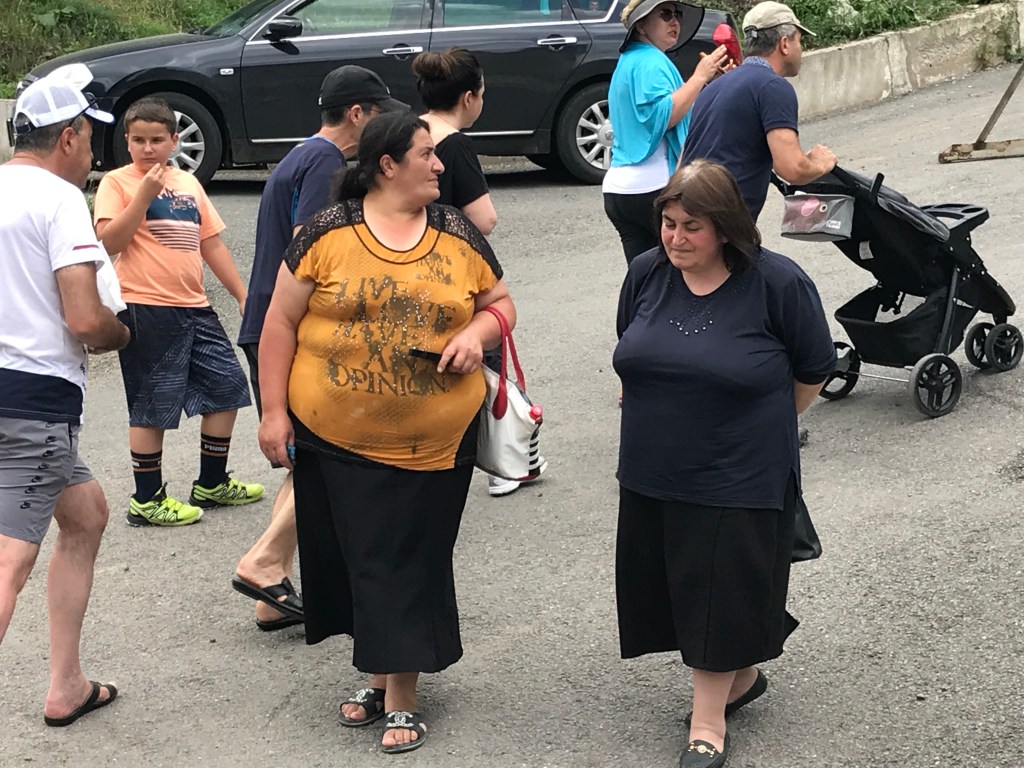
Followers have noted that my photos are strangely absent of people. I’m not sure whether it is a blessing or a curse, but I do tend to avoid inadvertent passers-by to preserve my architectural shots. It takes some patience but basically a stealth-bomber approach as soon as the coast is clear. That doesn’t mean that I don’t get distracted by interesting people who are the subject matter themselves. And don’t be misled. There are plenty of tourists wandering around everywhere, so I may in fact be distorting the scene. The good news: we have run into very few Americans along our route.

Groups of Tourists descend from the Cascade Monument, Yerevan, Armenia

Food for Thought

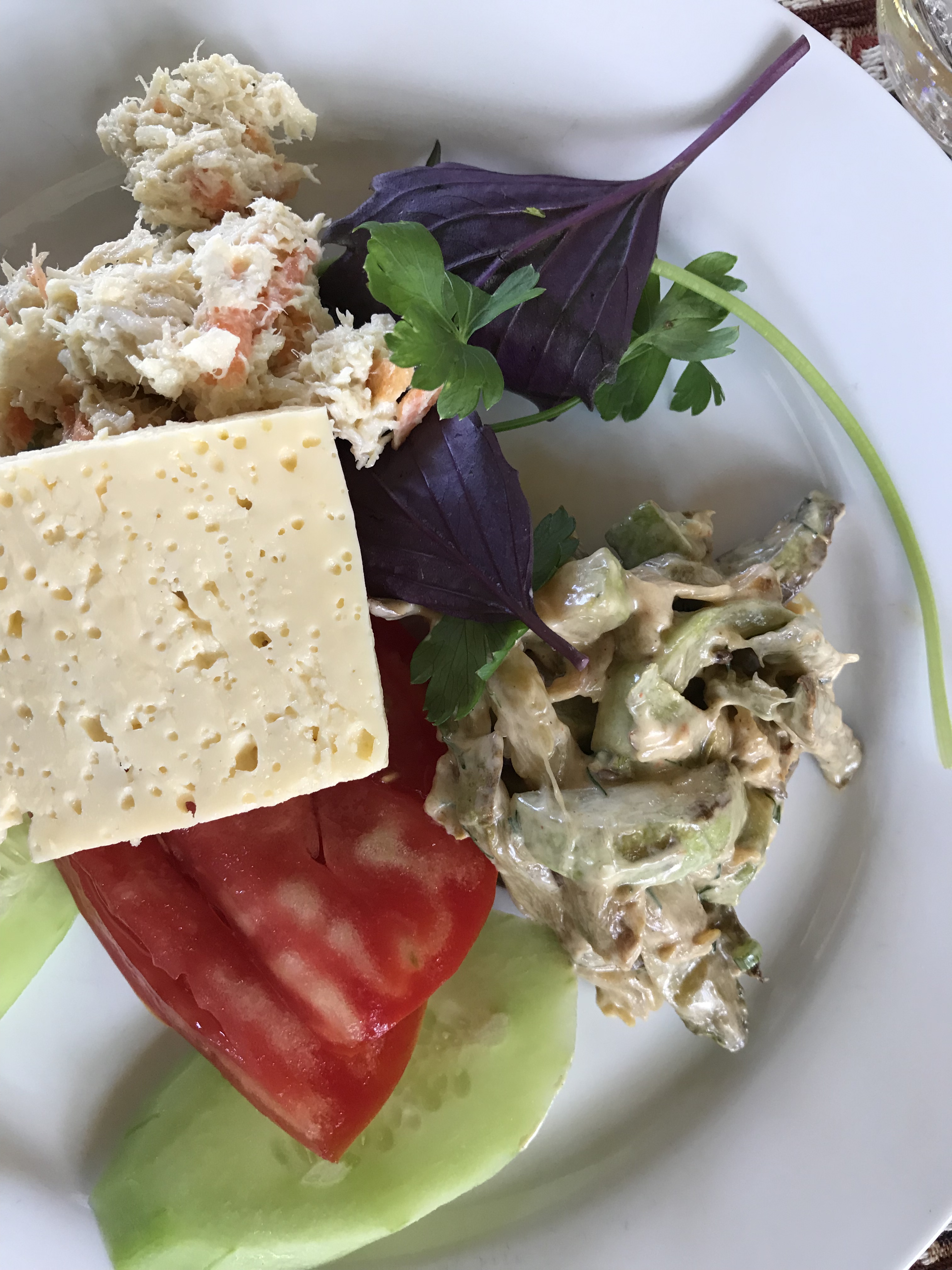
With a bit of effort, delicious healthy food such as vegetable plates with presentation flair are inexpensive and available.

Cafesjian Center for the Arts

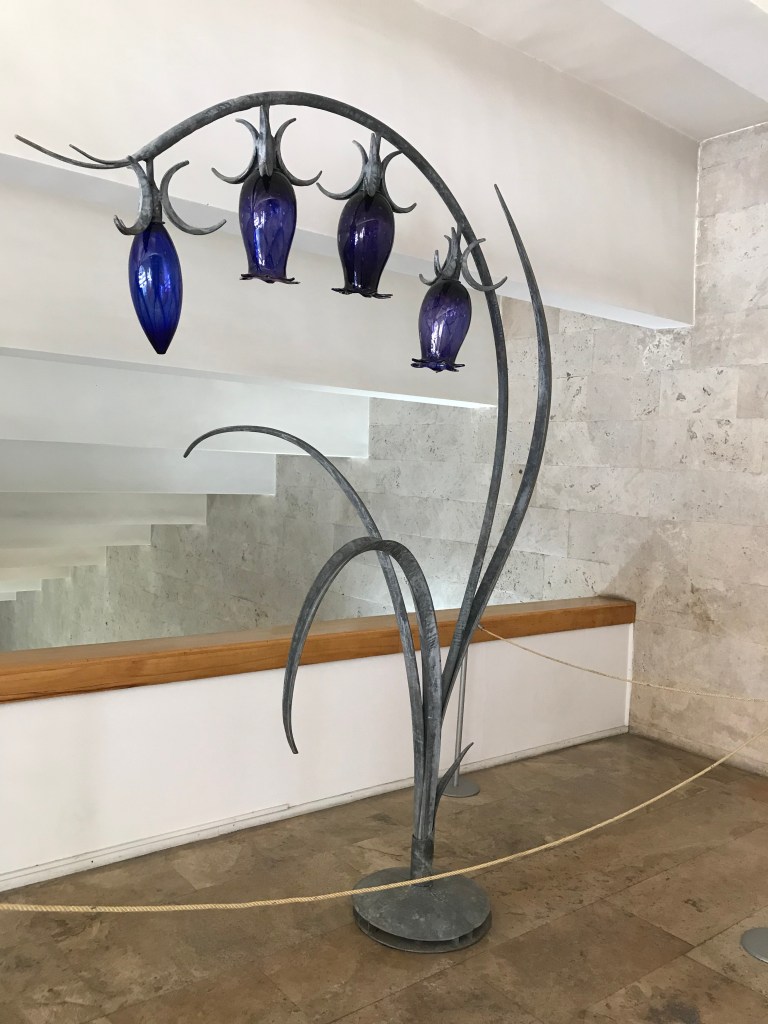
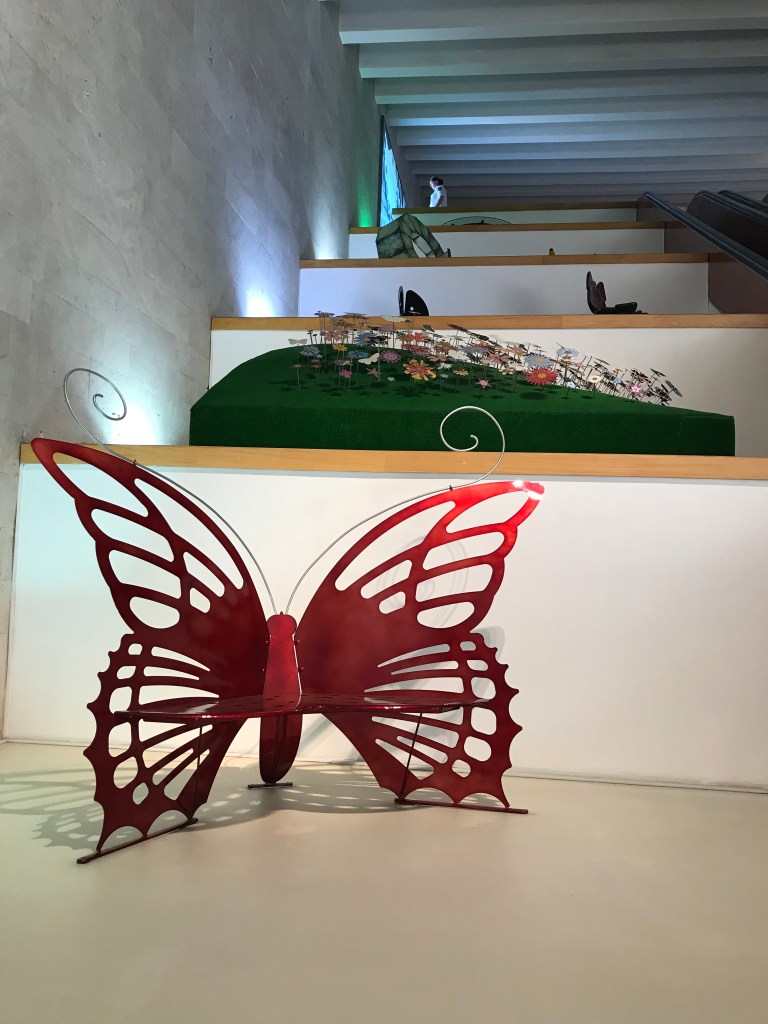
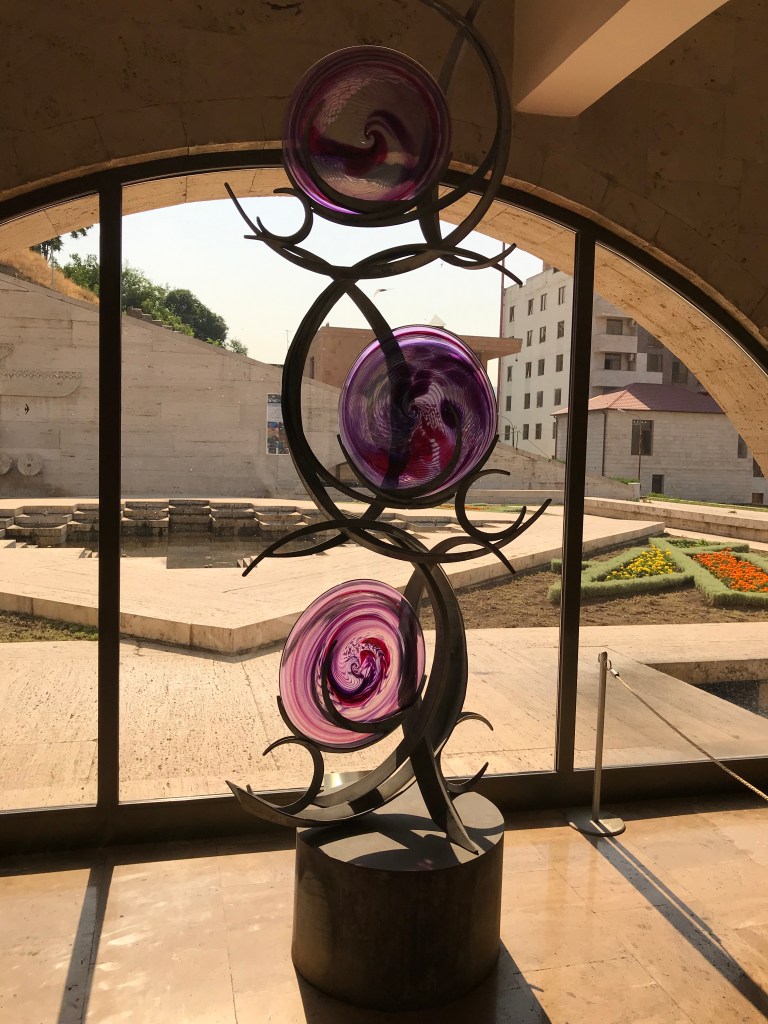
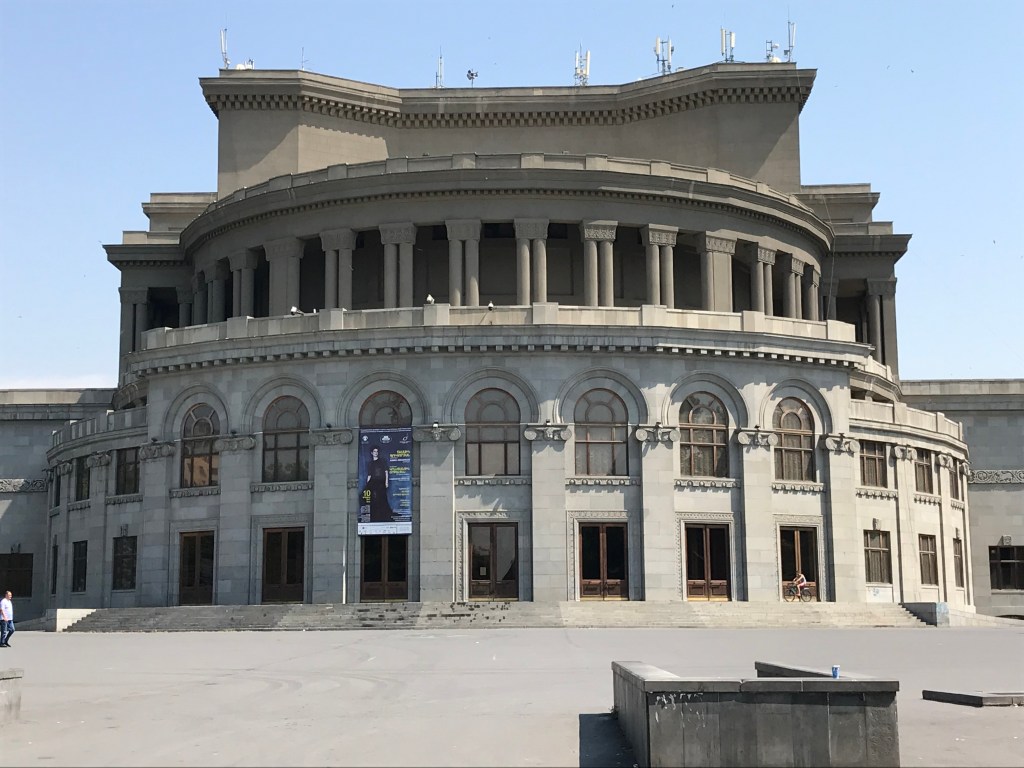
As part of the “Cascade”, an outdoor stairway system that ascends halfway up a steep hill in the middle of the city, an art museum is located adjacent to the escalator system serving the stairs. Sculpture is placed in layers as one moves along the escalators and views artwork at an enjoyable pace. The Cascade Monument was erected to commemorate the 2780th anniversary of the founding of Yerevan with an equal number of stairs.

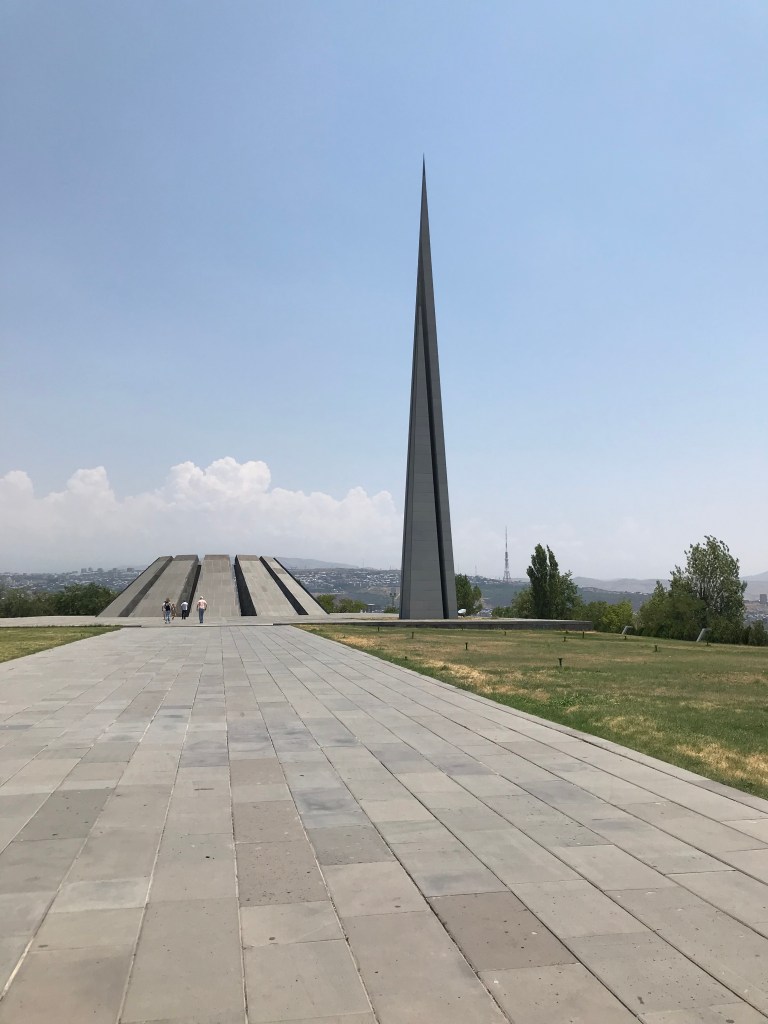
Genocide Museum, Yerevan, Armenia

No visit would be complete without learning about the Armenian Genocide in 1915-20. An estim 600,000 and 1.5 million people were systemmatically killed by Turks in three phases: first by forcing men into labor groups without means of survival; next, by decapitating intellectuals and leaders of Armenia; and third, by rounding up women and children and sending them into the desert. The Turkish government has yet to acknowledge its responsibility in causing so many deaths.

All Armenians (3 million) and the Armenian diaspora (approx. 8 million) know about this tragedy. Funds for public and private projects such as the Cafesjian Center are sponsored by Armenians living outside of Armenia to help support the country today.

Armenia was the first countries to adopt Christianity as a state religion. Unless you majored in Religion or Theological Studies, you probably would not be familiar with the numerous stories fron the Old and New Testament quoted when visiting the early Armenian Christian churches. They helped to shed light on the activities of about 1100 years between the 3rd C CE and the 13th C. CE of devout Christian belief and that continues today.

Coincidentally, Gregory “the Illuminator” had a lot to do with the designating of sites or inspiring a number of them.

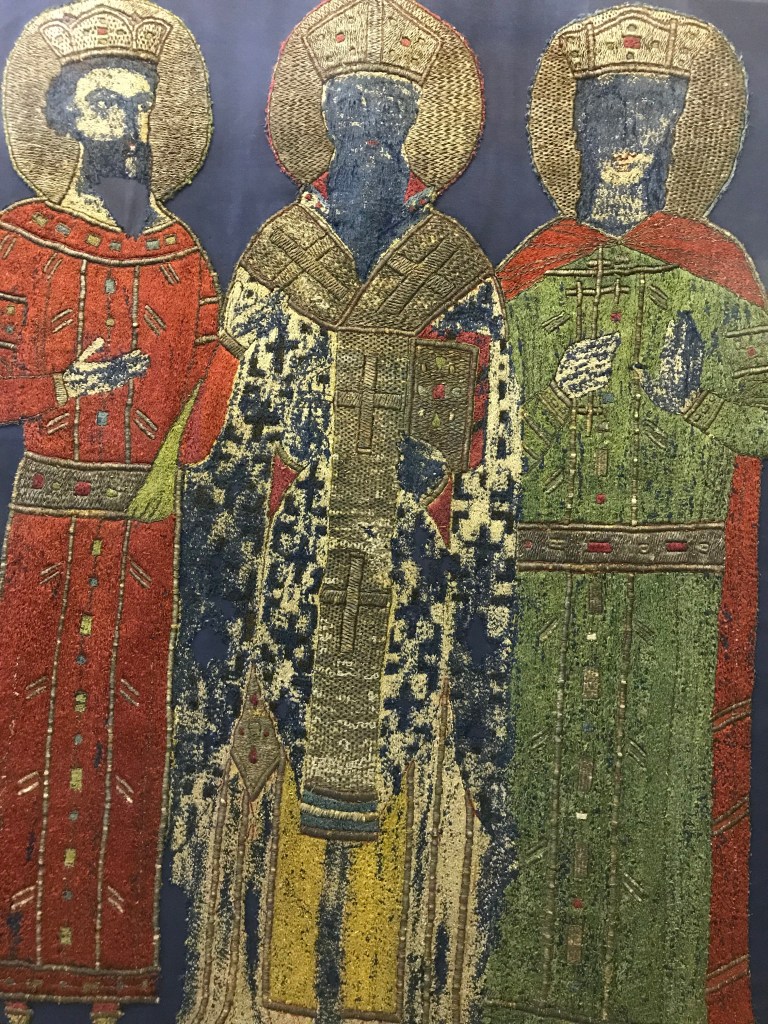
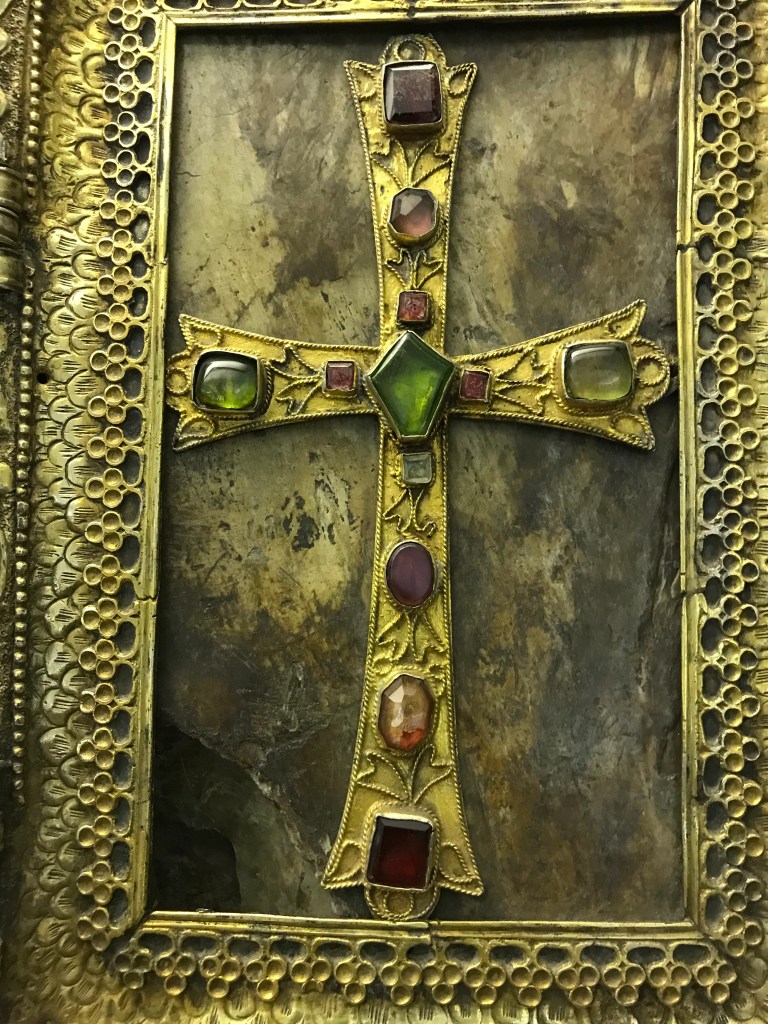
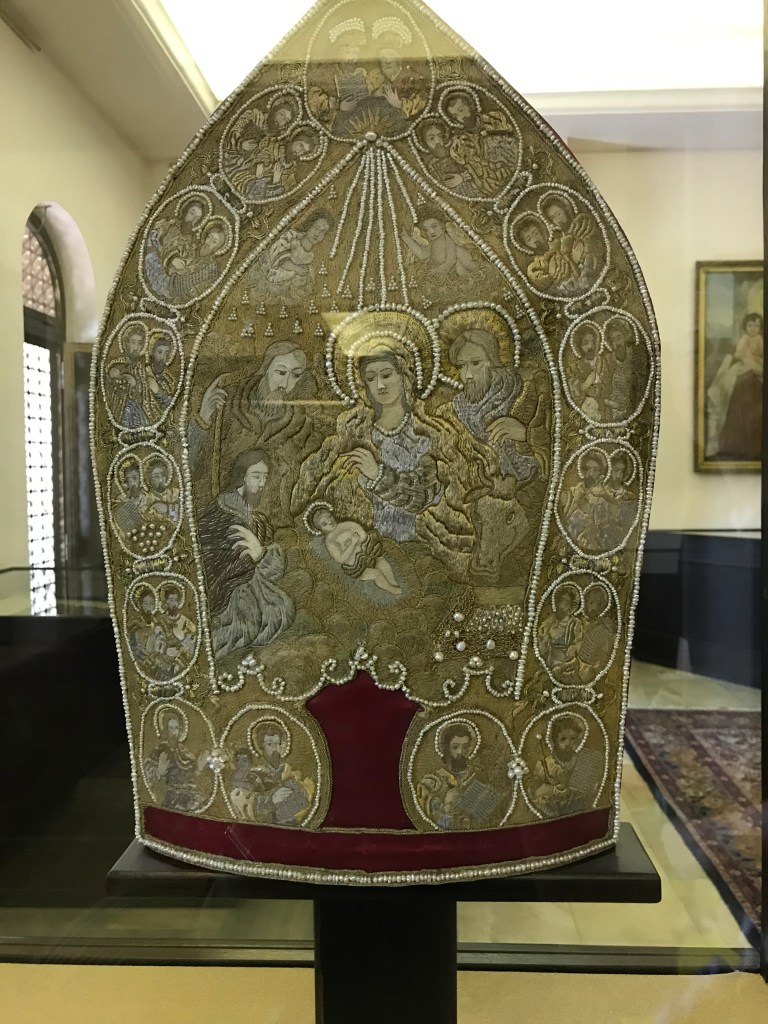
The Holy See of Armenia was the residence of the head of the Armenian Apostolic Church, a monastery, and cathedral. It contained a museum in which the hierarchical aspects of the Catholica, archbishop and bishop, such as vestments, decorative items and tapestries were preserved. One of the most interesting was a reliquary covered by a piece of petrified wood purported to be from Noah’s ark.

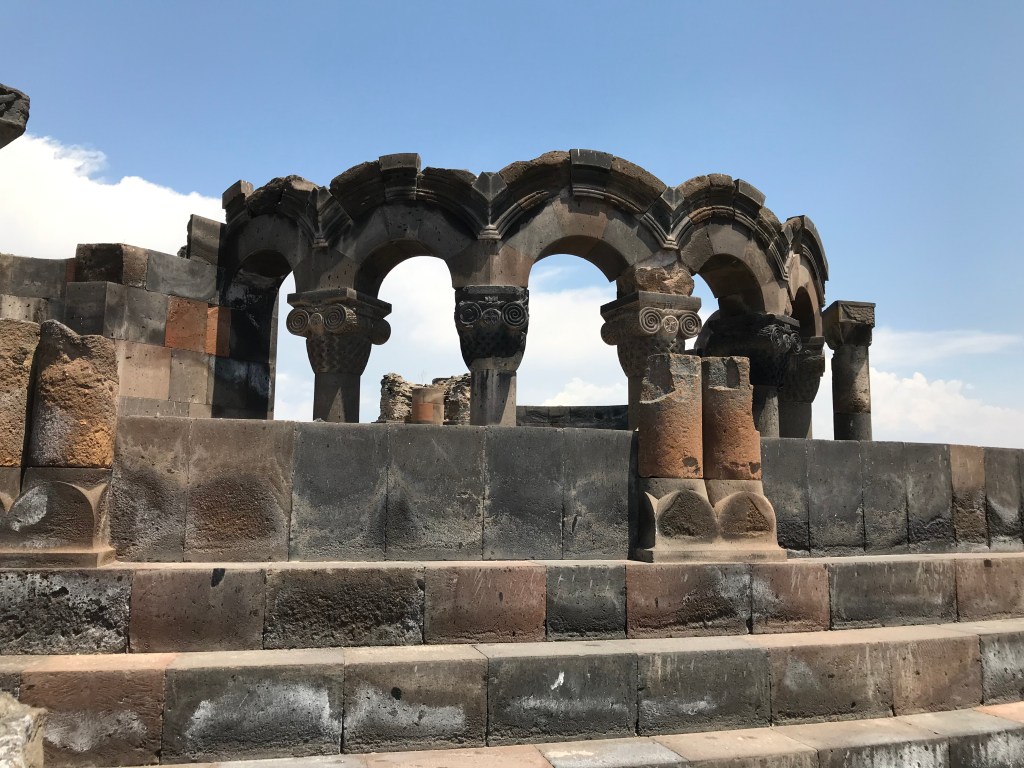
Zvartnots Cathedral

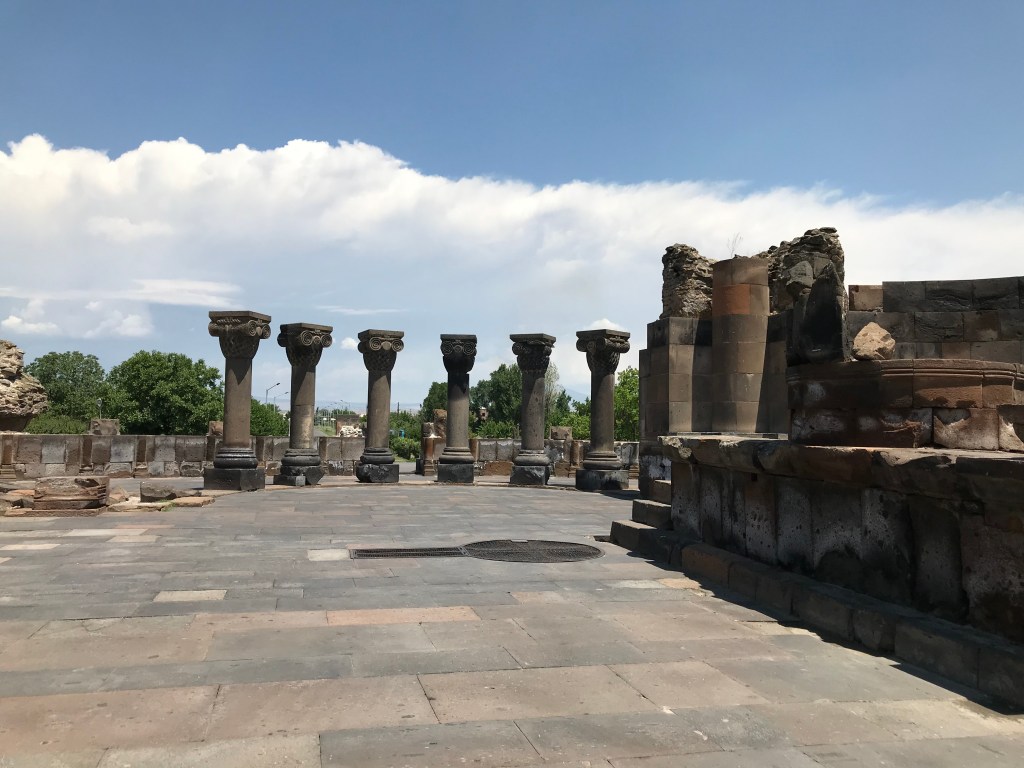
What appeared from a distance to look like a version of Stonehenge, the ruins of this round cathedral served as the holy see, until an earthquake collapsed the stone dome above it. Only the arches and columns remain, as well as remains of the dormitories for monks and communal spaces.

Geghard Monastery

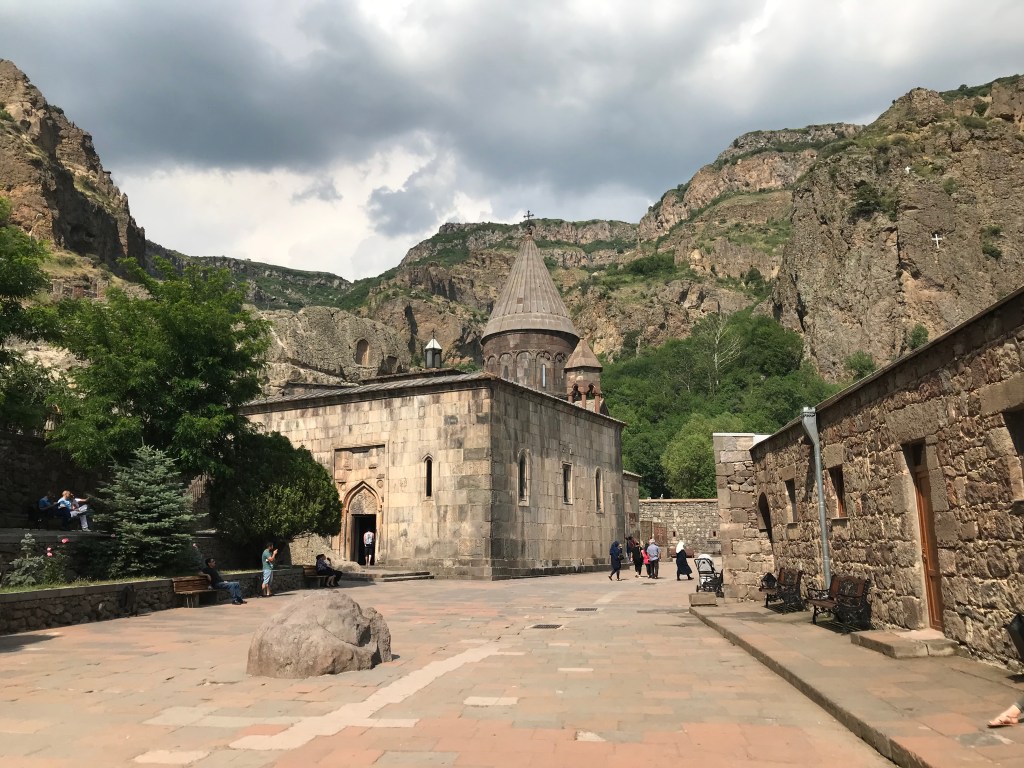
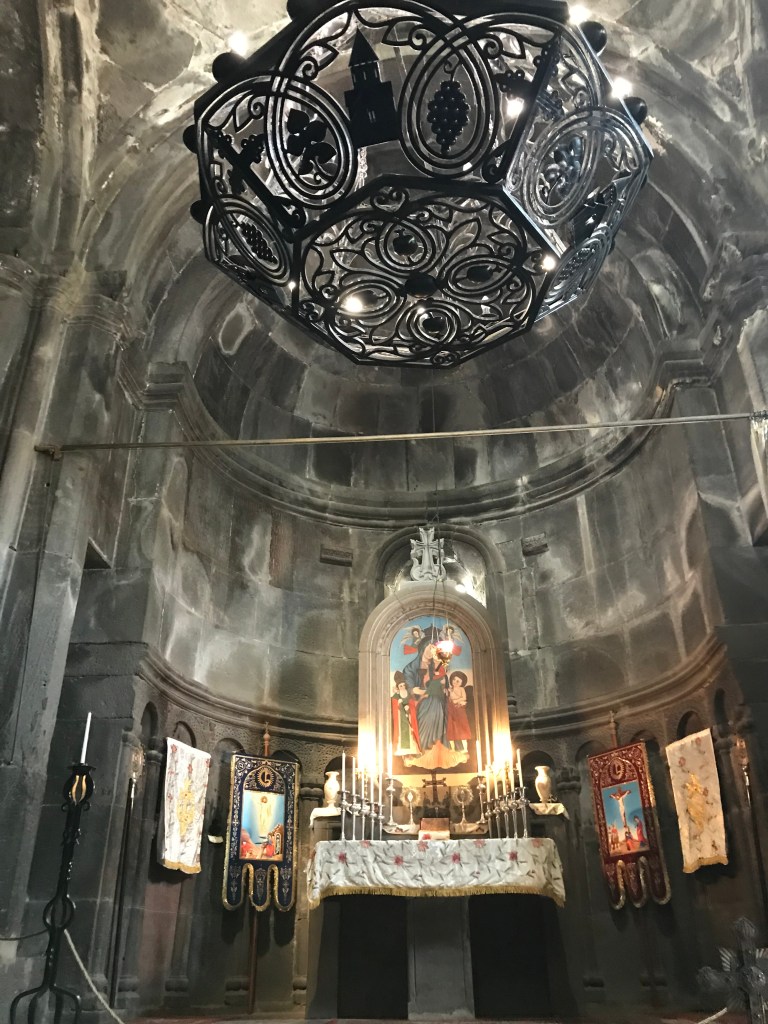
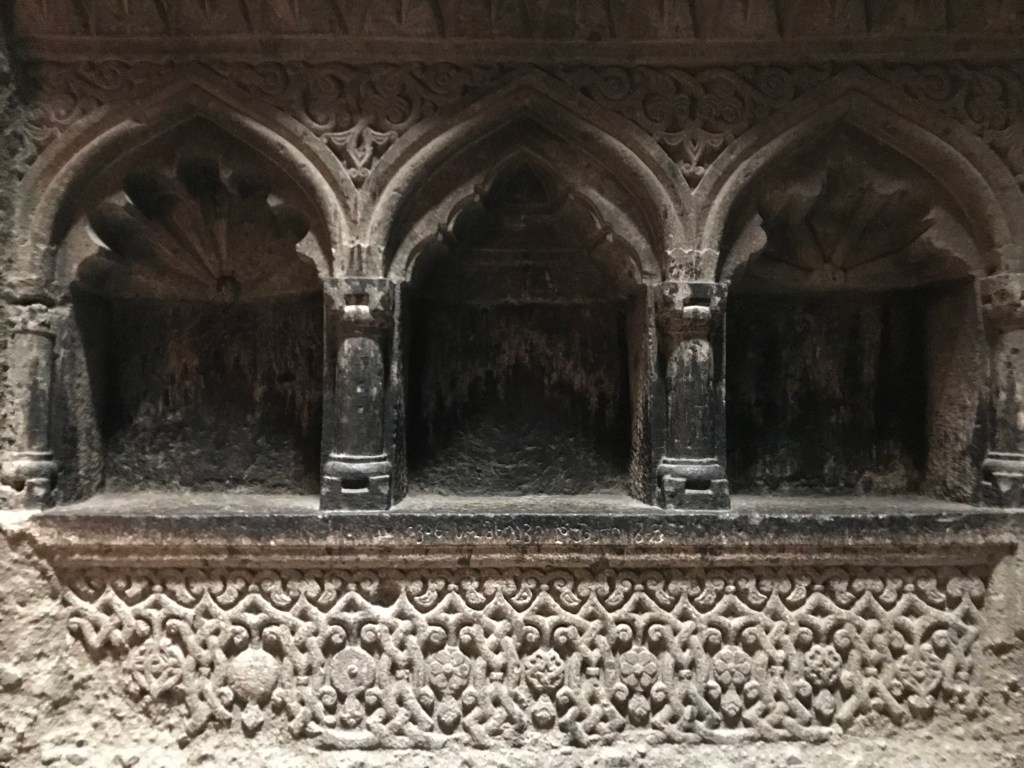
This UNESCO listed monastery and church complex was started in the 3rd C CE and was partly carved into the mountain. Many small caves behind the monastery were used by the monks for individual meditation.

We’re very sad to leave this part of the world behind. The wealth of UNESCO world sites speak for its significance in the development of mankind and societies. Politics reign above all and challenge our knowledge of these misunderstood countries. While we were only able to digest a few statistics and a small portion of its legacy, we are inspired to pursue further studies about the Caucasus.

Day 19: Baku, Azerbaijan

City Sights

We headed to the high point of the city for an overview of the city skyline. At -28m below sea level, it is inperceptible that the area was covered by water, then receded multiple times in the past. The Caspian is called a sea for this reason–that the salt water from what was once part of the ocean differentiates it from from a fresh-water lake.

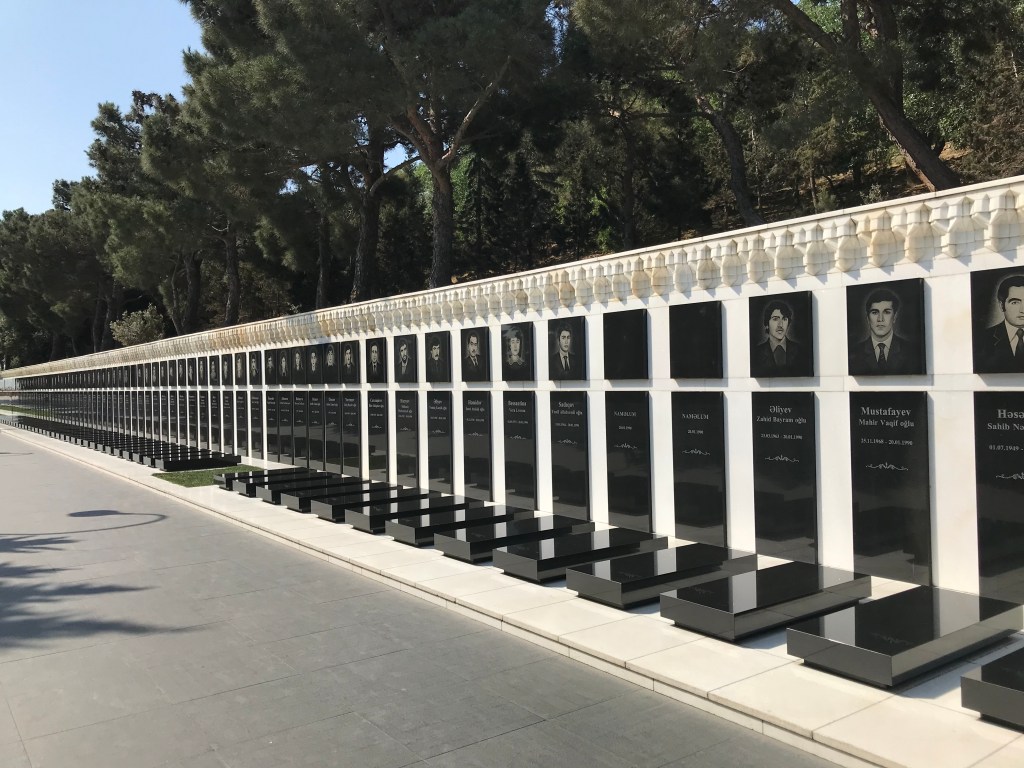
The Martyr’s shrine commemorates the 200 fallen rebels who led the second revolution in 1990. While being freed from Soviet rule and becoming independent, this was not the first attempt. Azerbaijan was established as a nation in 1920 as told by the Ali and Nino story I mentioned in the last post. Its success was short-lived however. The Russians came back and dominated the country for another 70 years before they relinquished power.

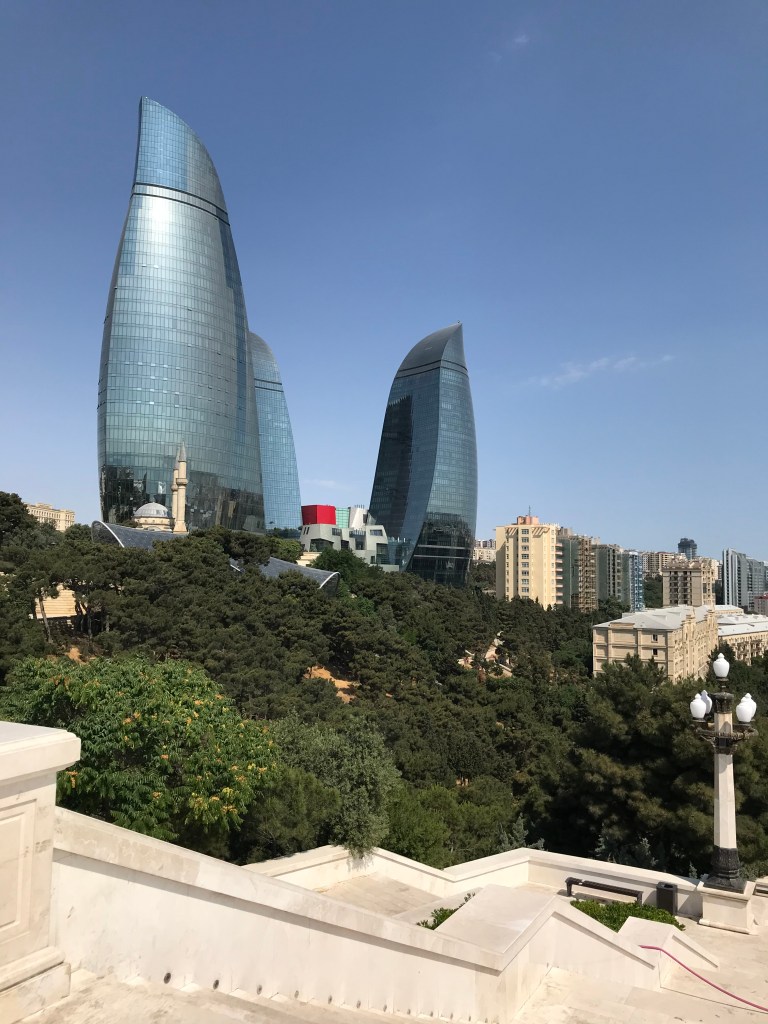
The Flaming Towers are Baku’s latest hotel, office, and condominium high rises that proudly display the city’s oil wealth and future. The capital of Azerbaijan was moved to Baku in the 12th century to this prominent peninsula on the west side of the Caspian Sea.

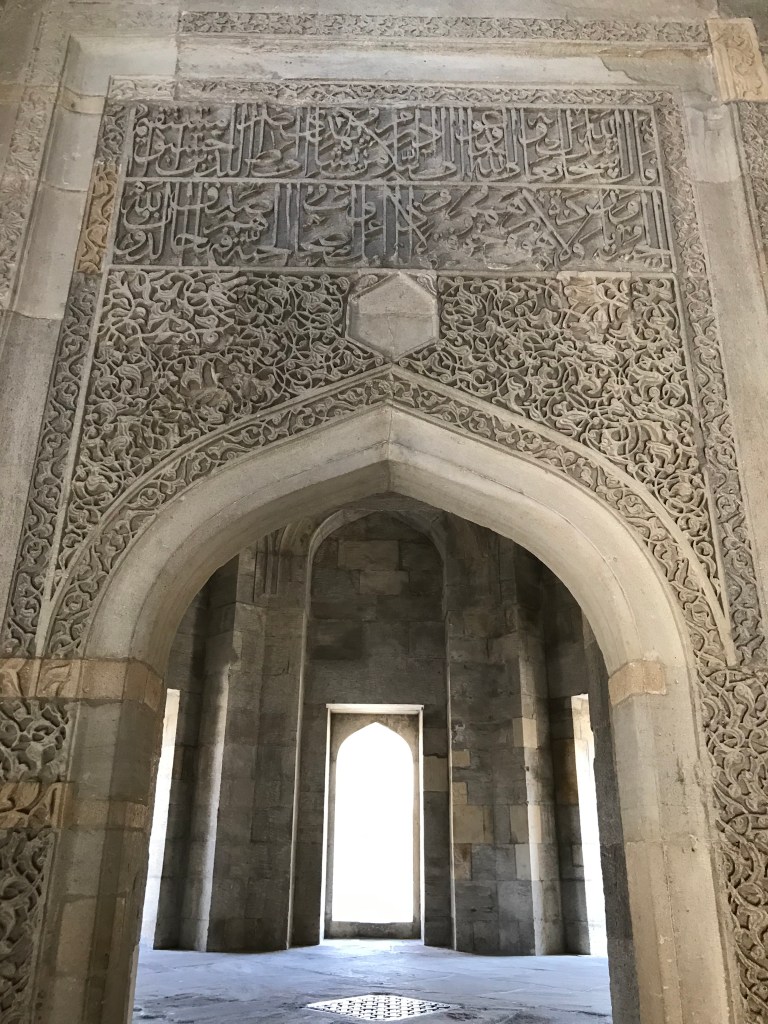
Shirvan Shah’s Palace and Museum

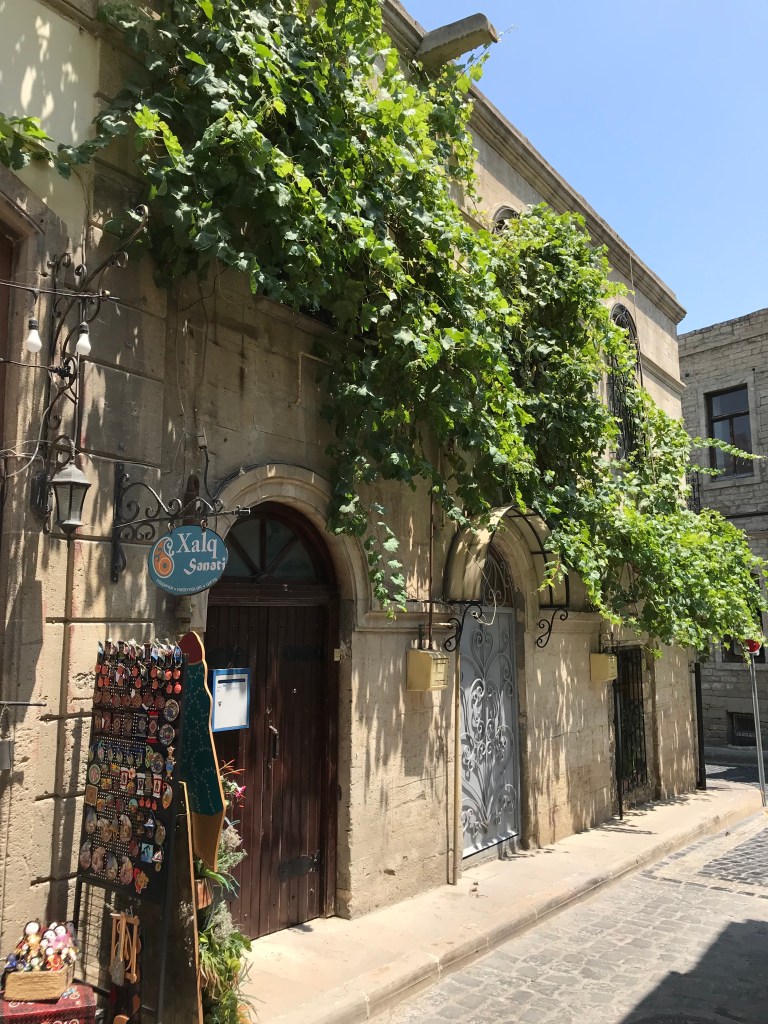
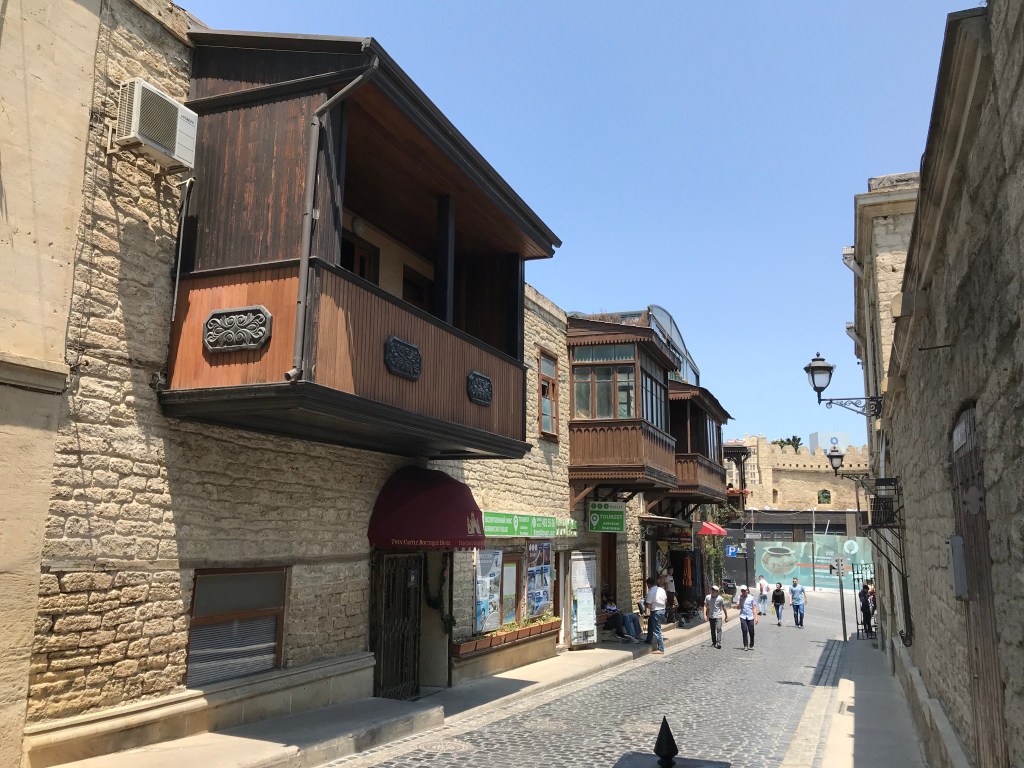
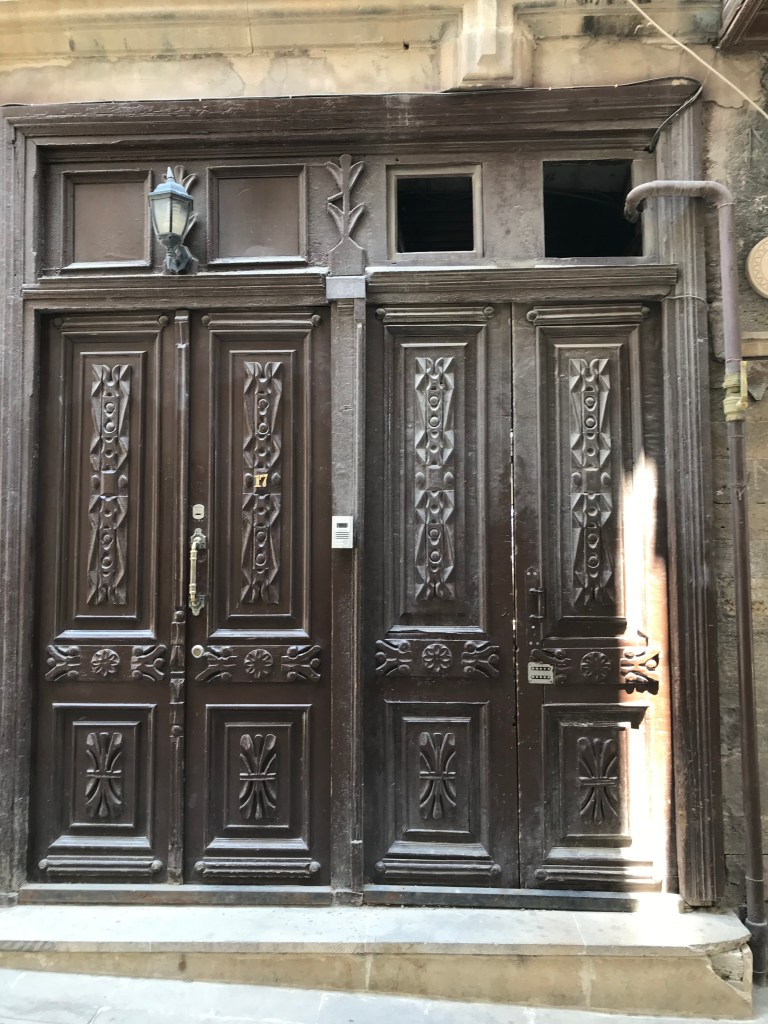
Architecture Inside Baku’s Old City Walls

Designated a UNESCO World Heritage Site, the old City in Baku has renovated its historic buildings for public view.

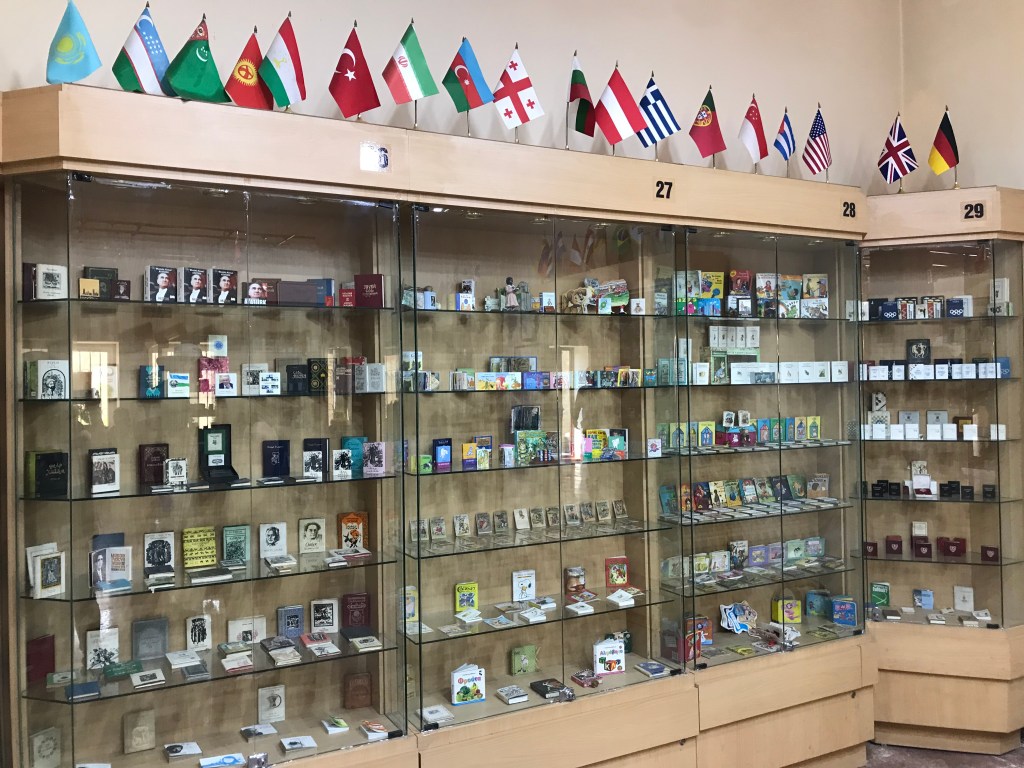
Miniature Book Museum

Founded by an Azerbaijani woman, this museum contains over 8,000 volumes of miniature reproductions from books collected throughout the world, including Western, eastern, and local literature. This museum is cited in the Guiness Book of Records!
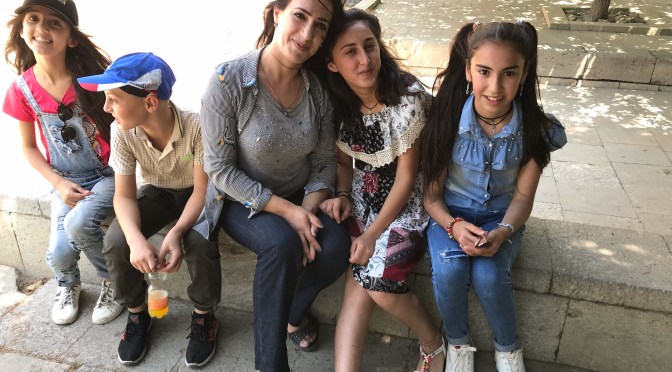
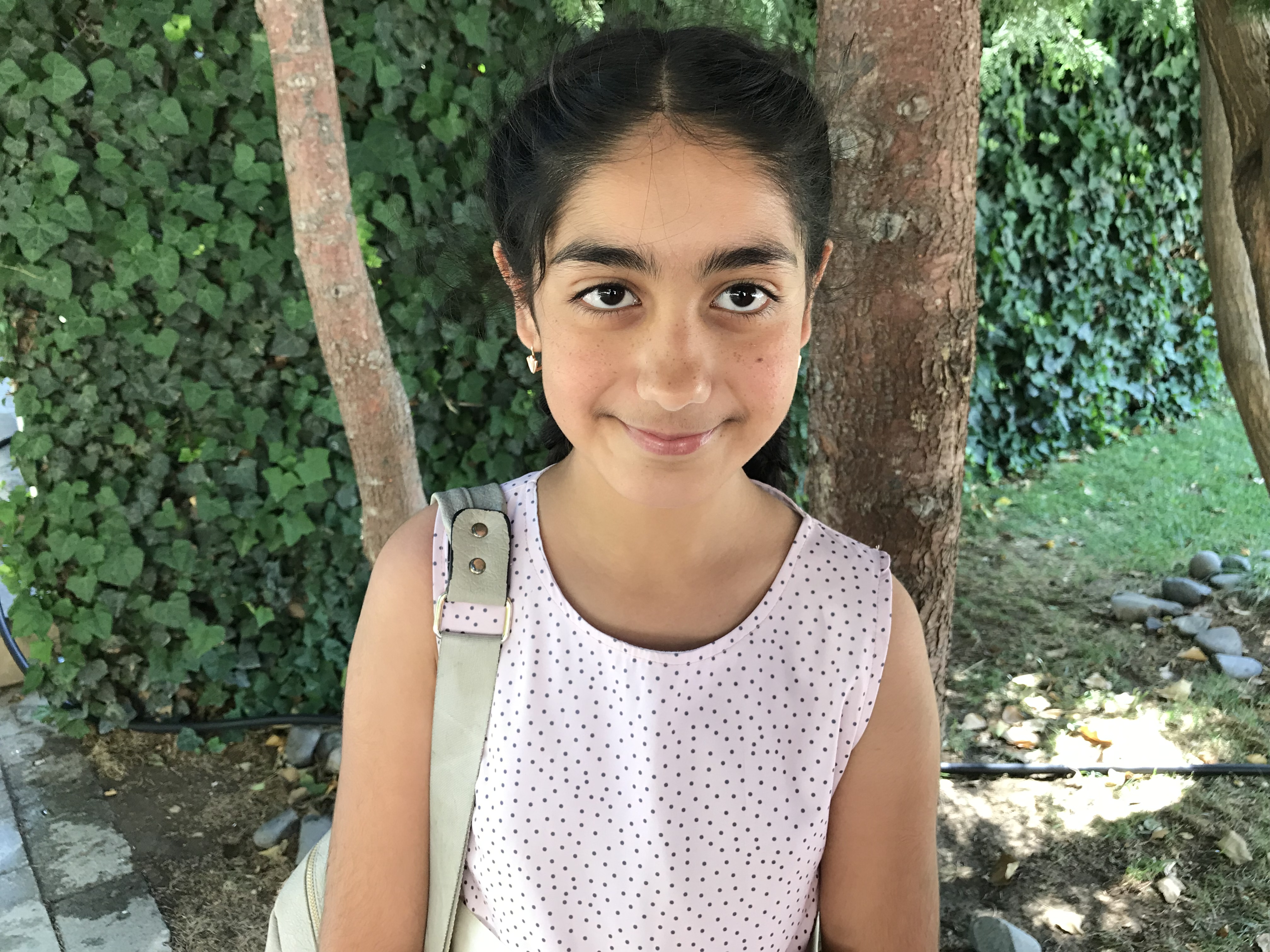
Baku’s Friendly People

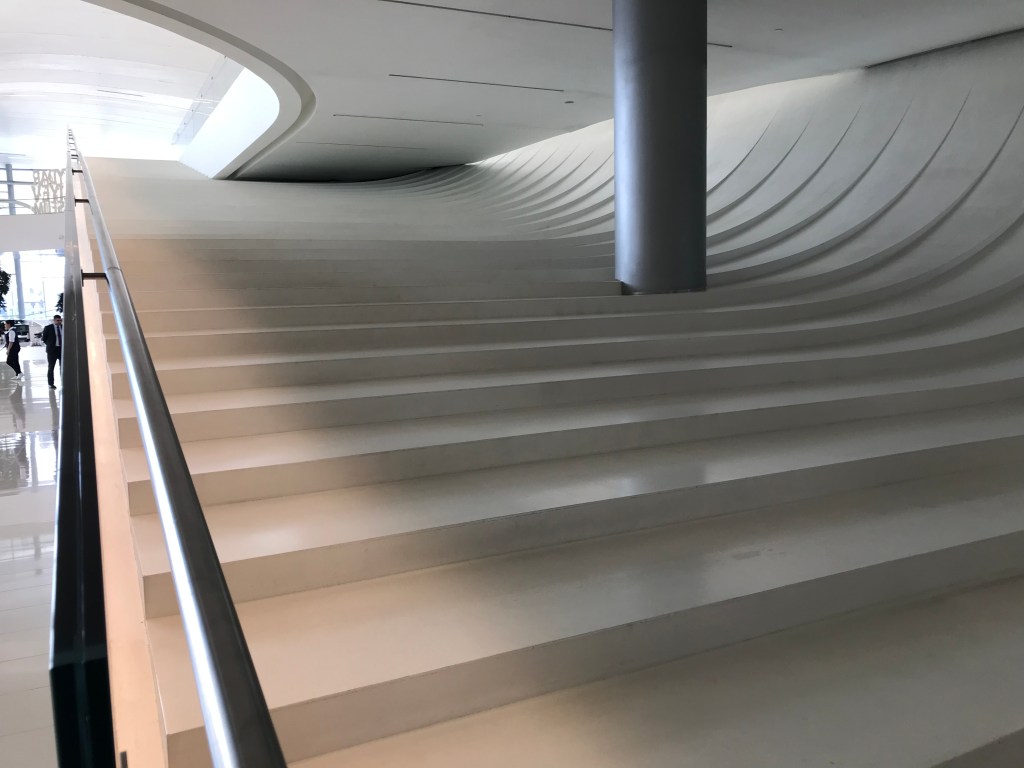
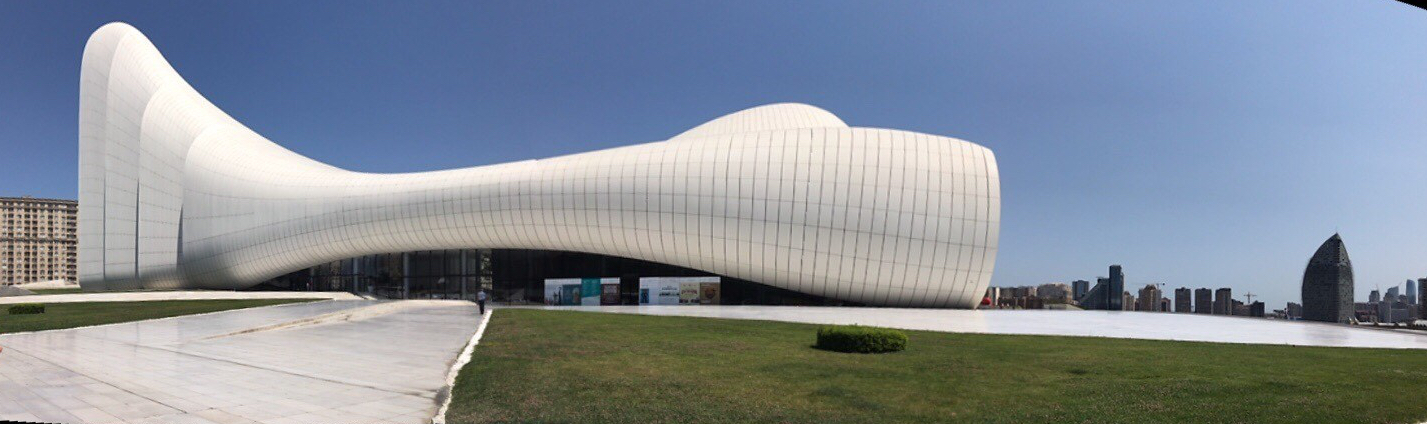
Heydar Aliyev Center by Zaha Hadid

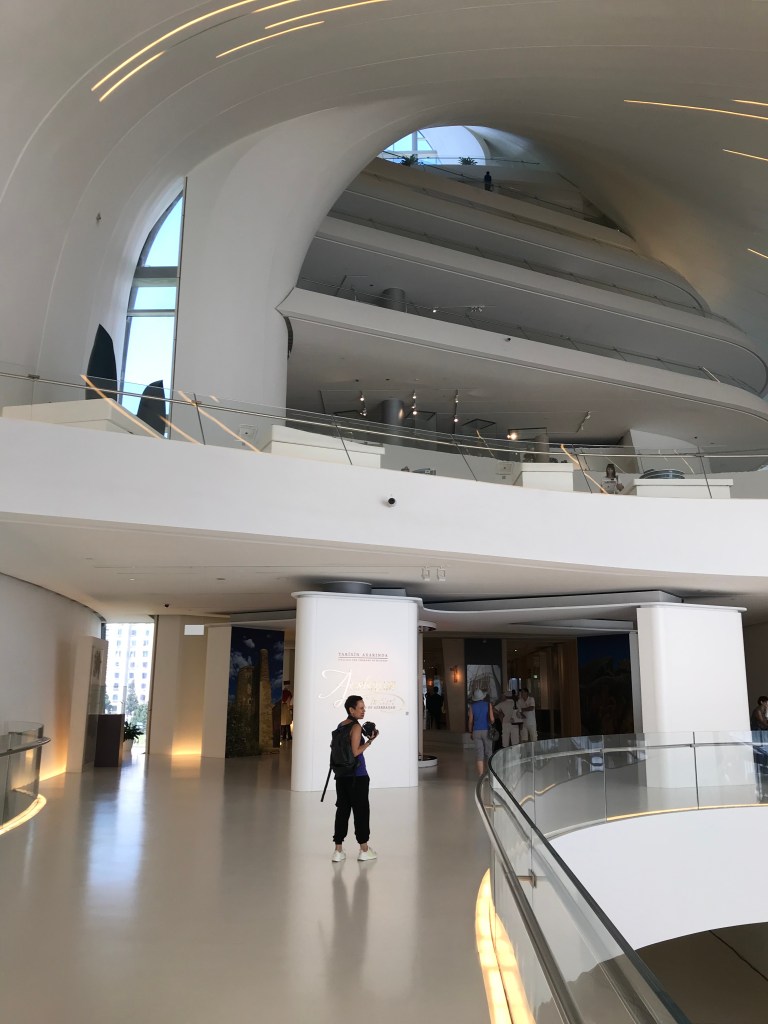
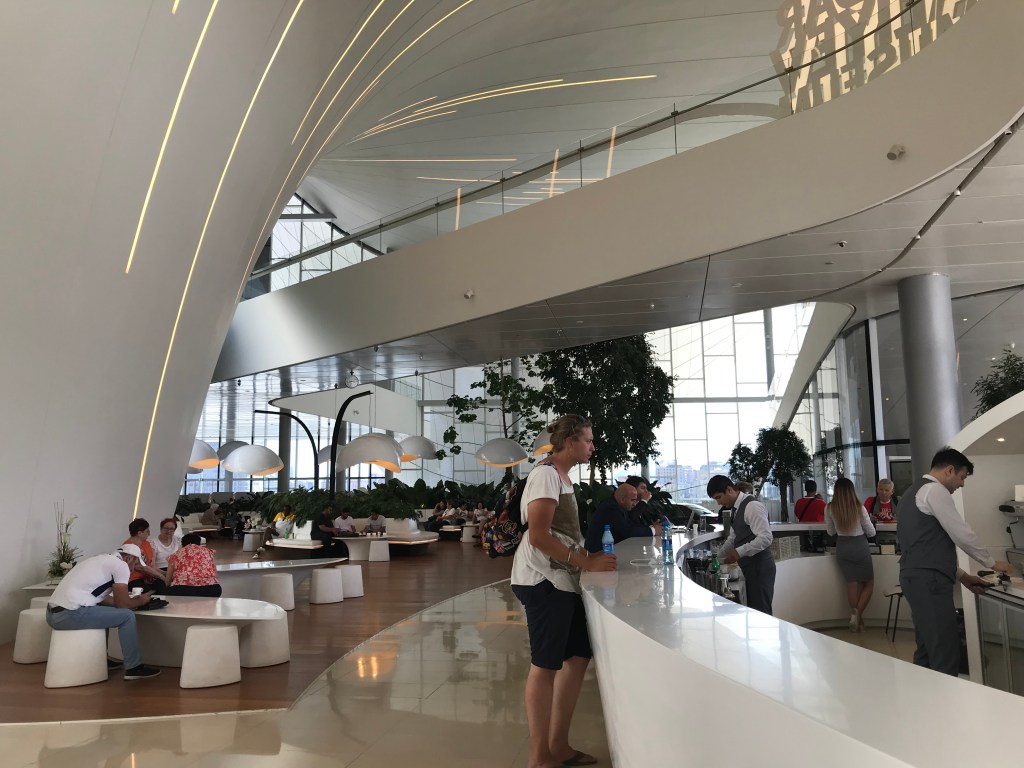
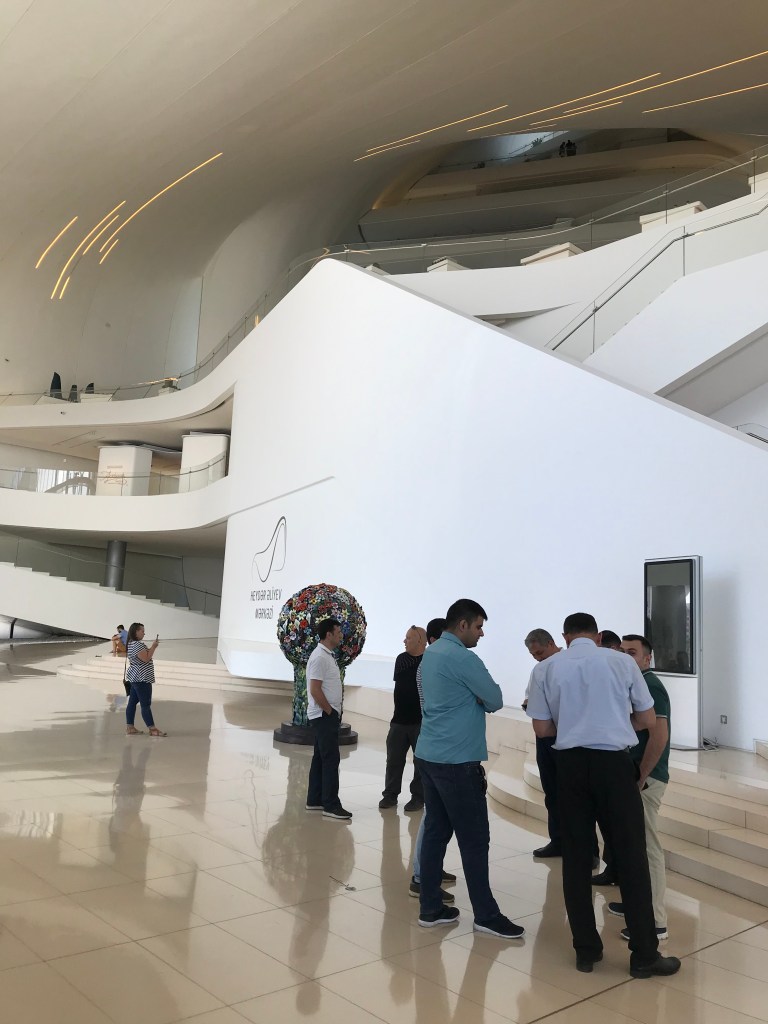
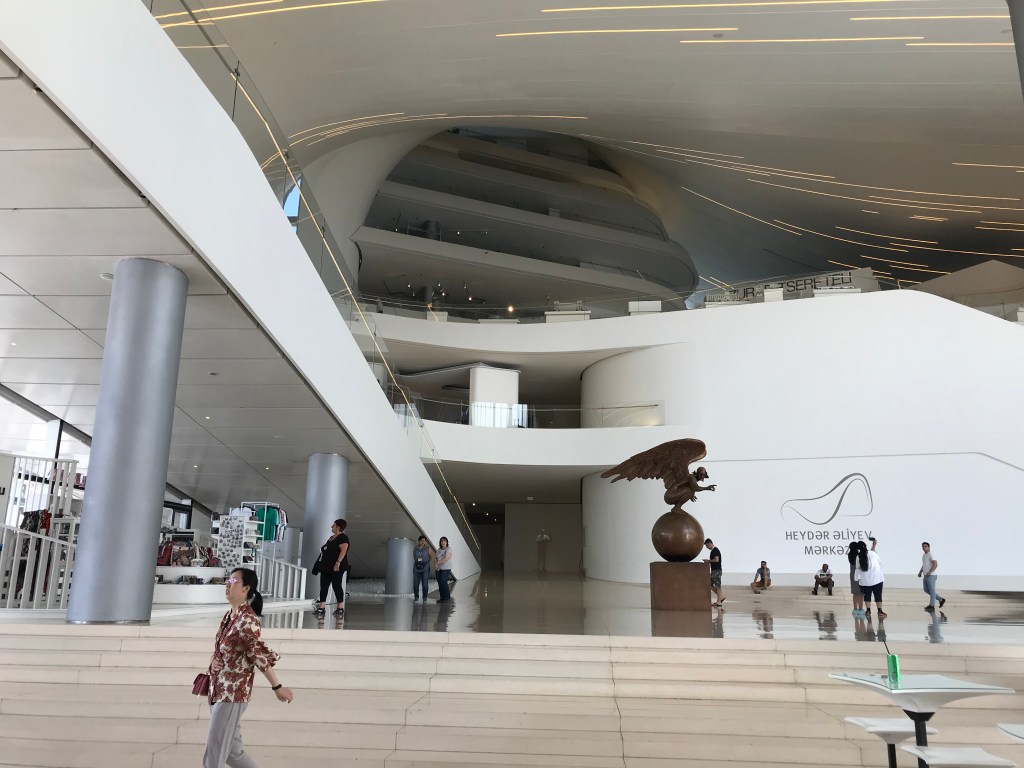
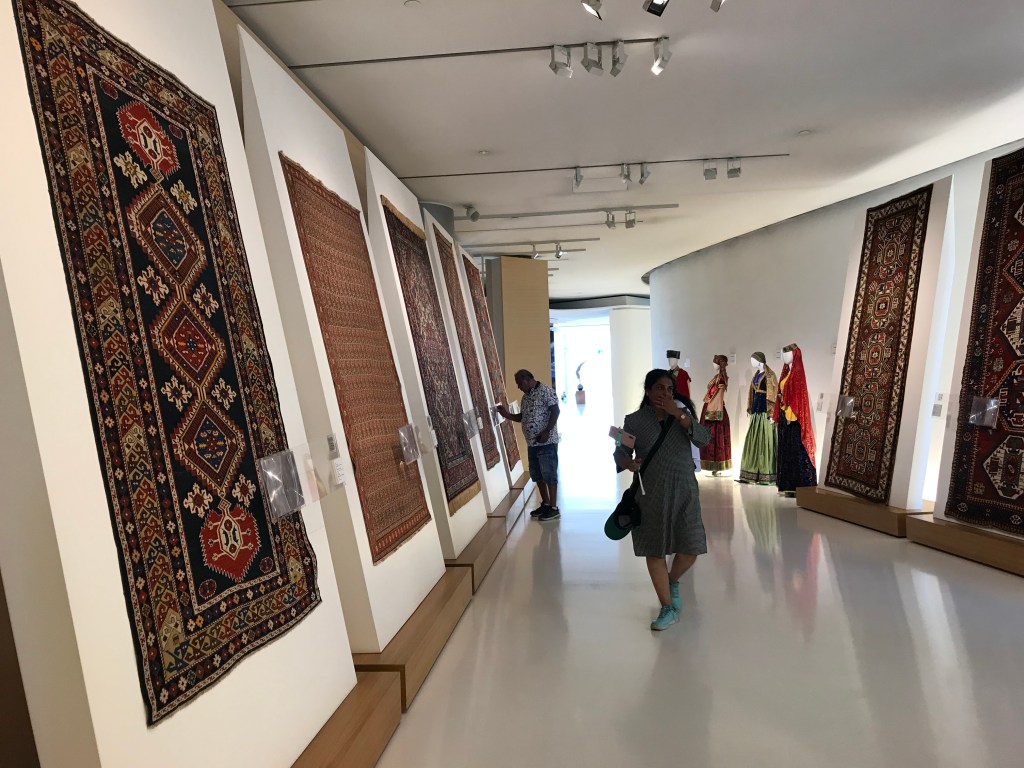
This new building designed by Zaha Hadid, the world-famous Iraqi architect, has won numerous international accolades for its sweeping bold design. The museum displays Azeri culture and commemorates Azerbaijan’s former president, Heydar Aliyev.

Hadid created a vision and inspiration for the next generation of architects. Its womby curves and vast proportions offers a three-dimensional fly-through in real time. From the exterior, the building looks like a huge beached whale.

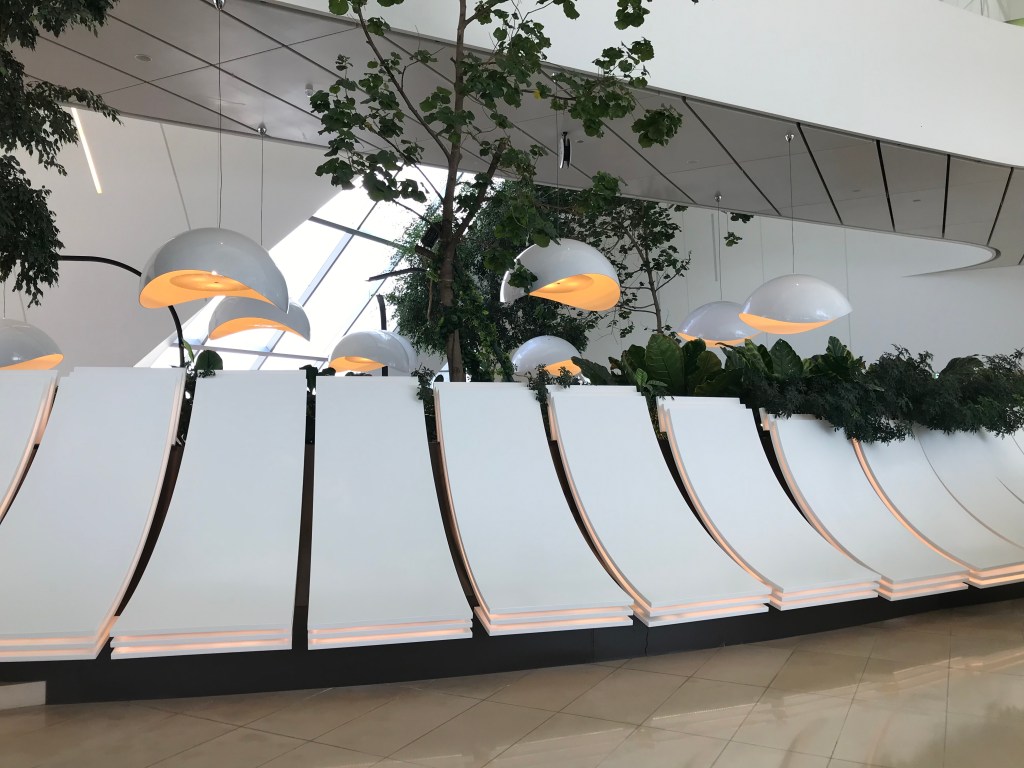
Museum Collection and Interior Details

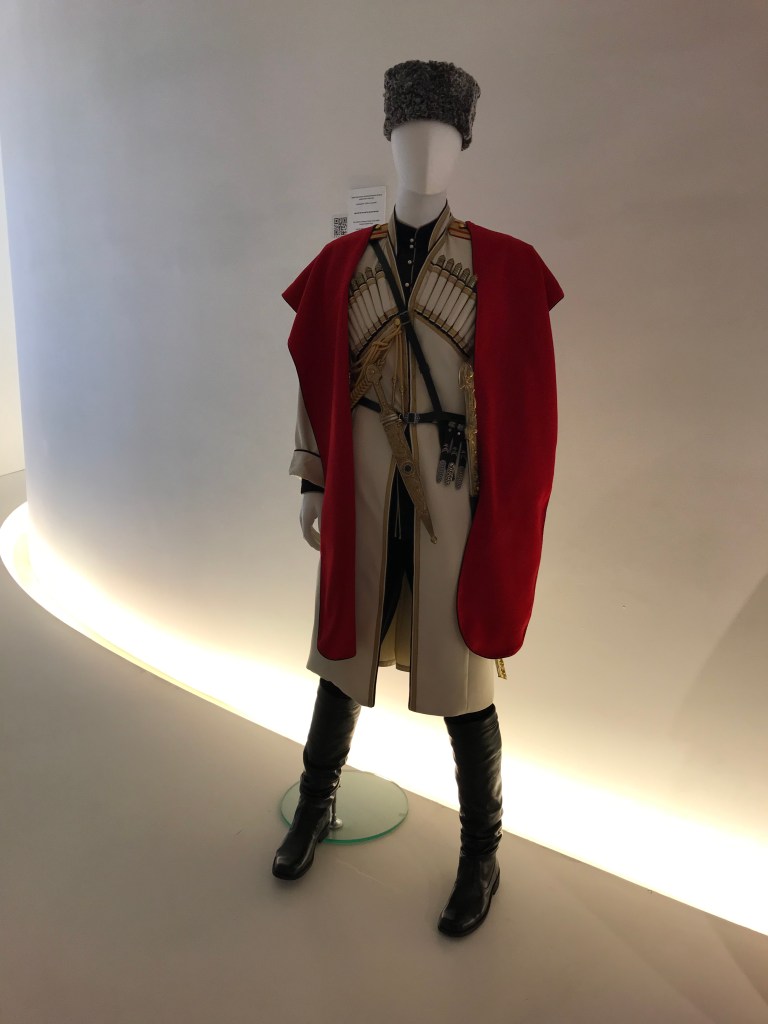
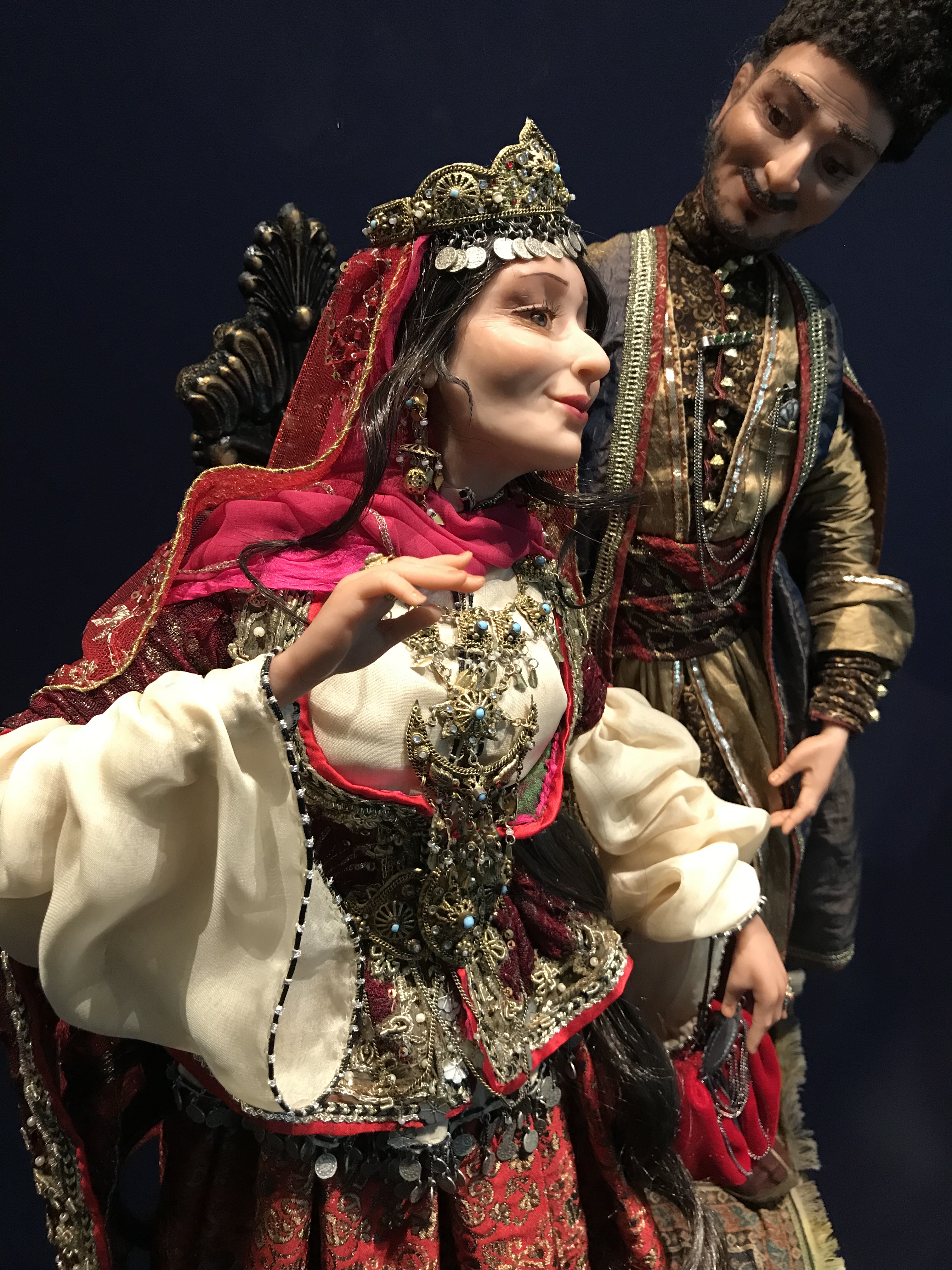
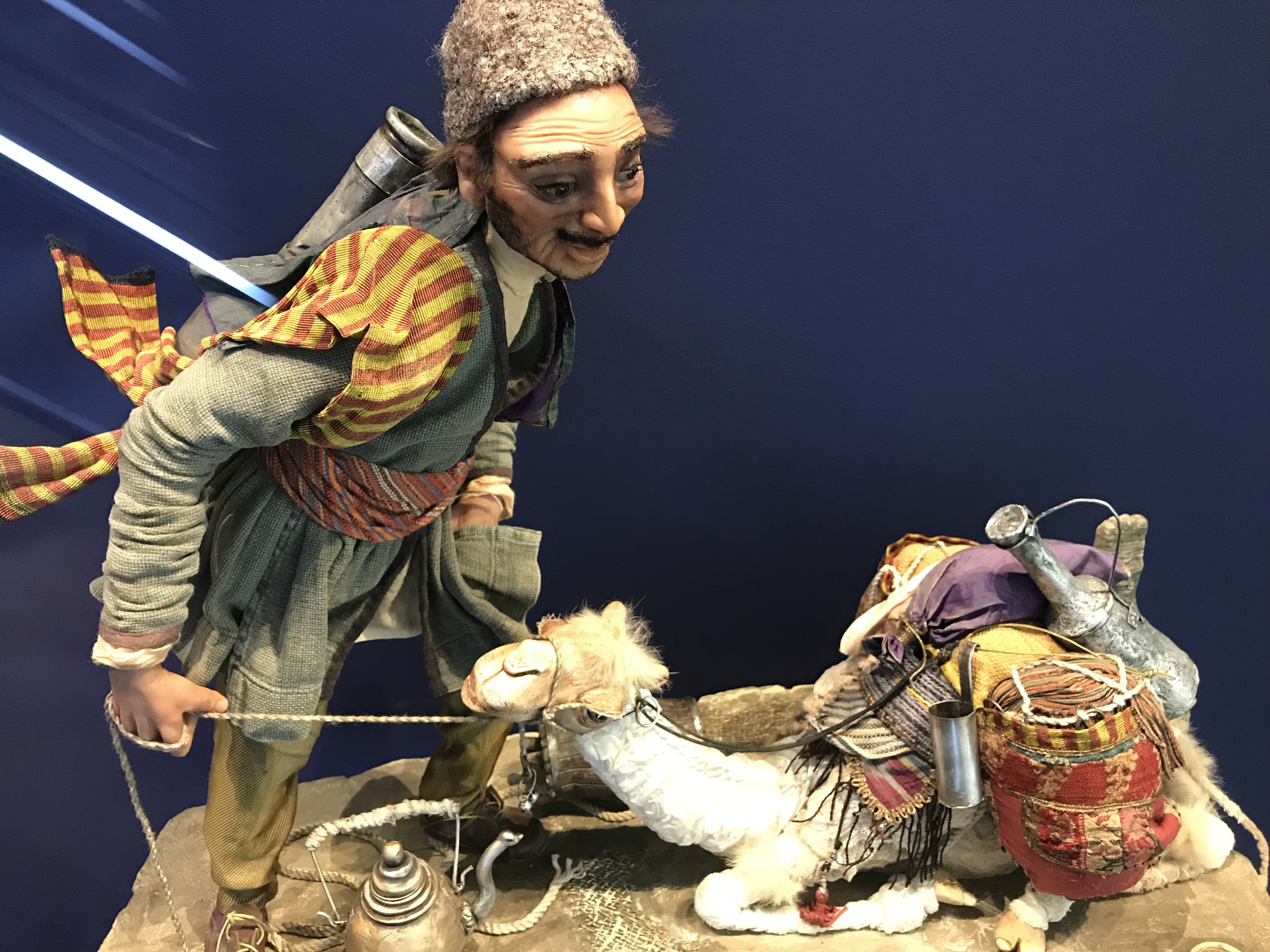
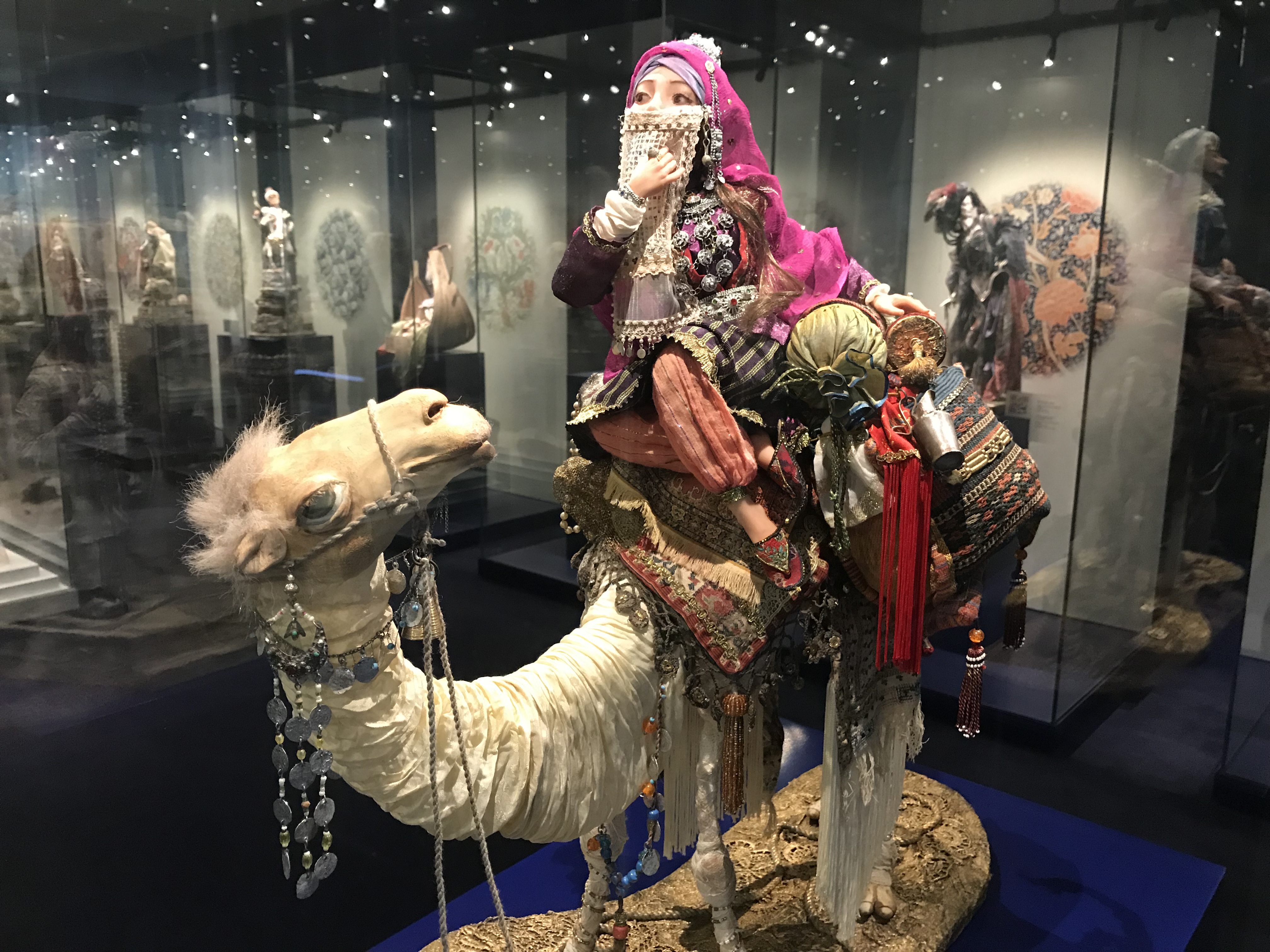
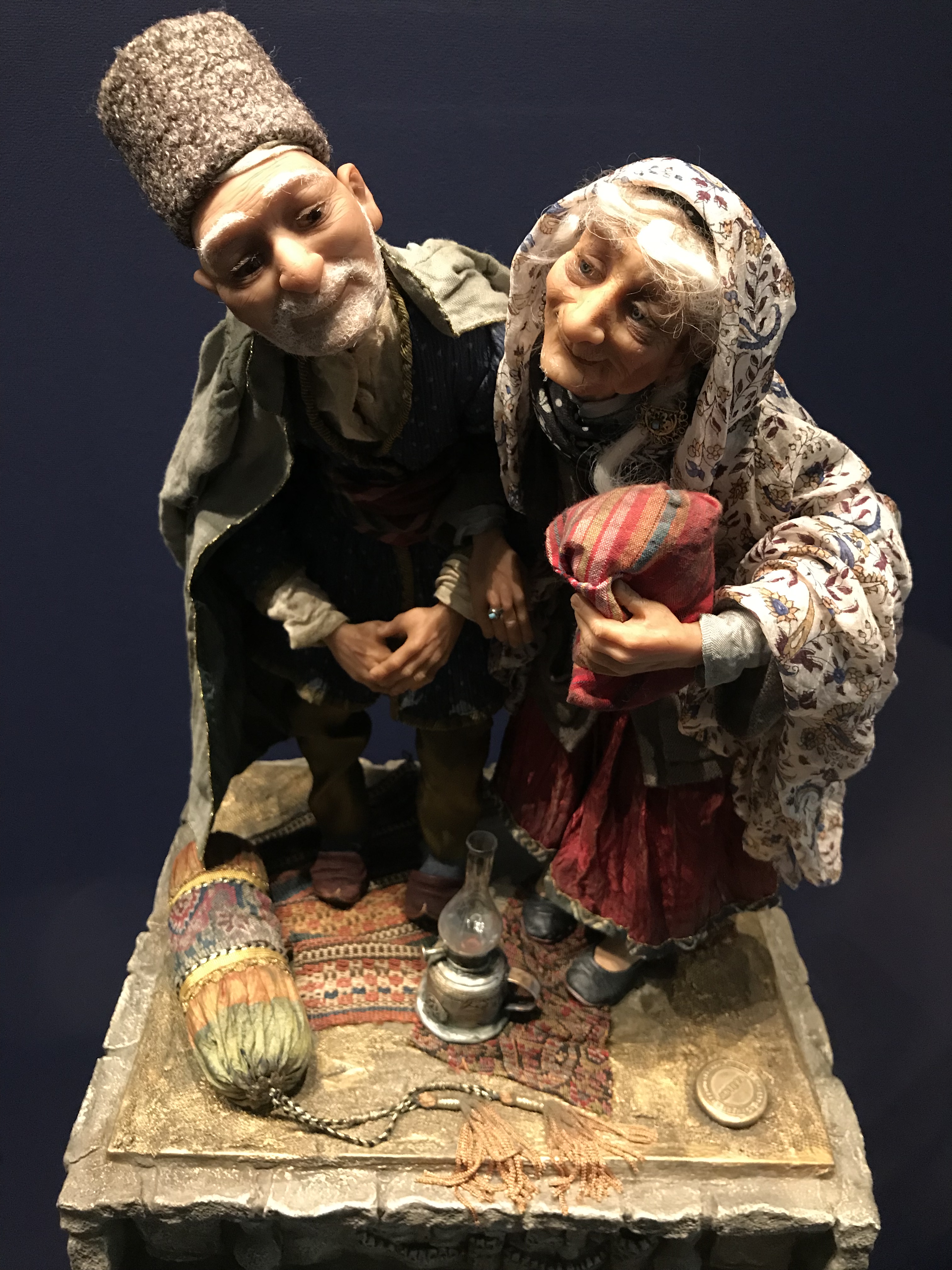
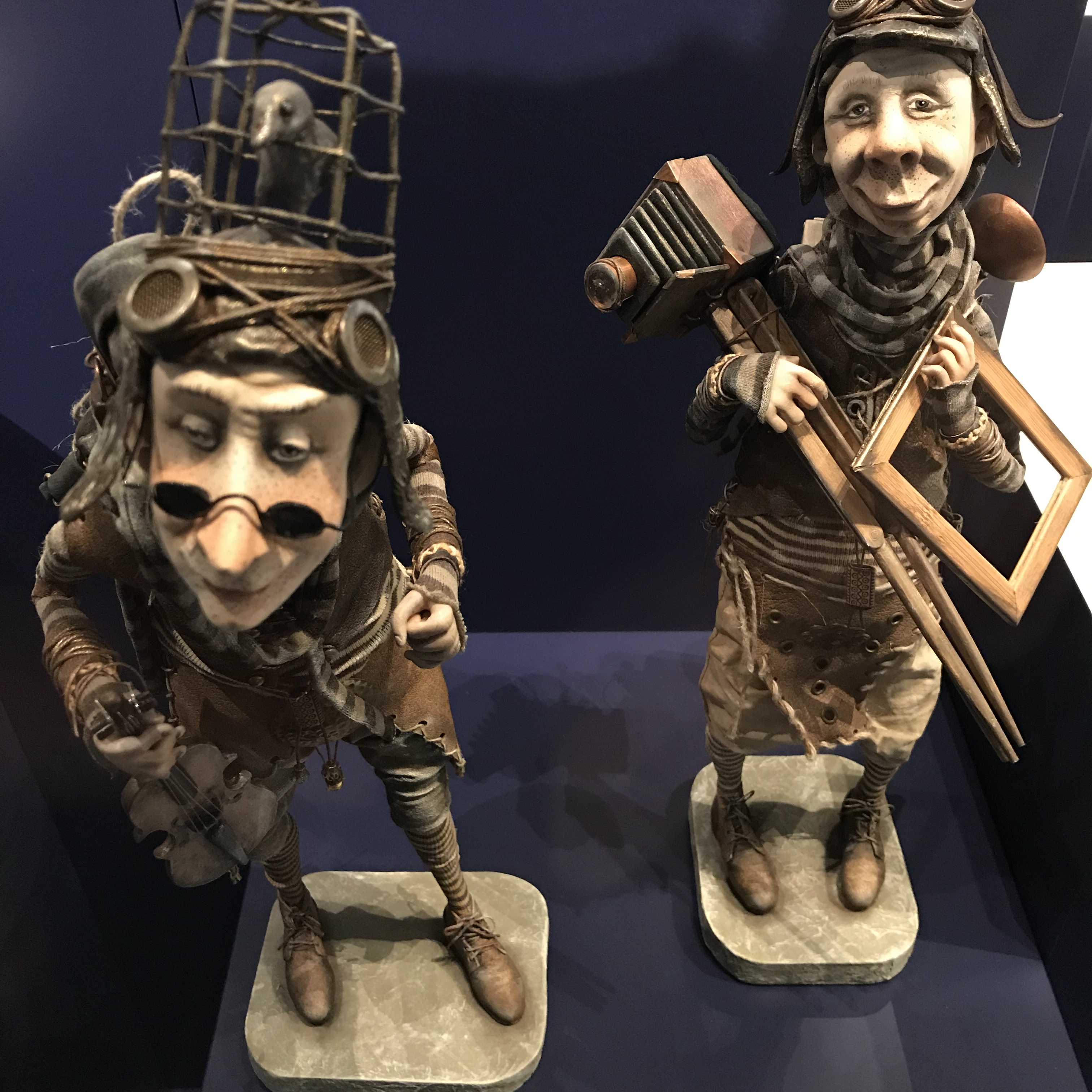
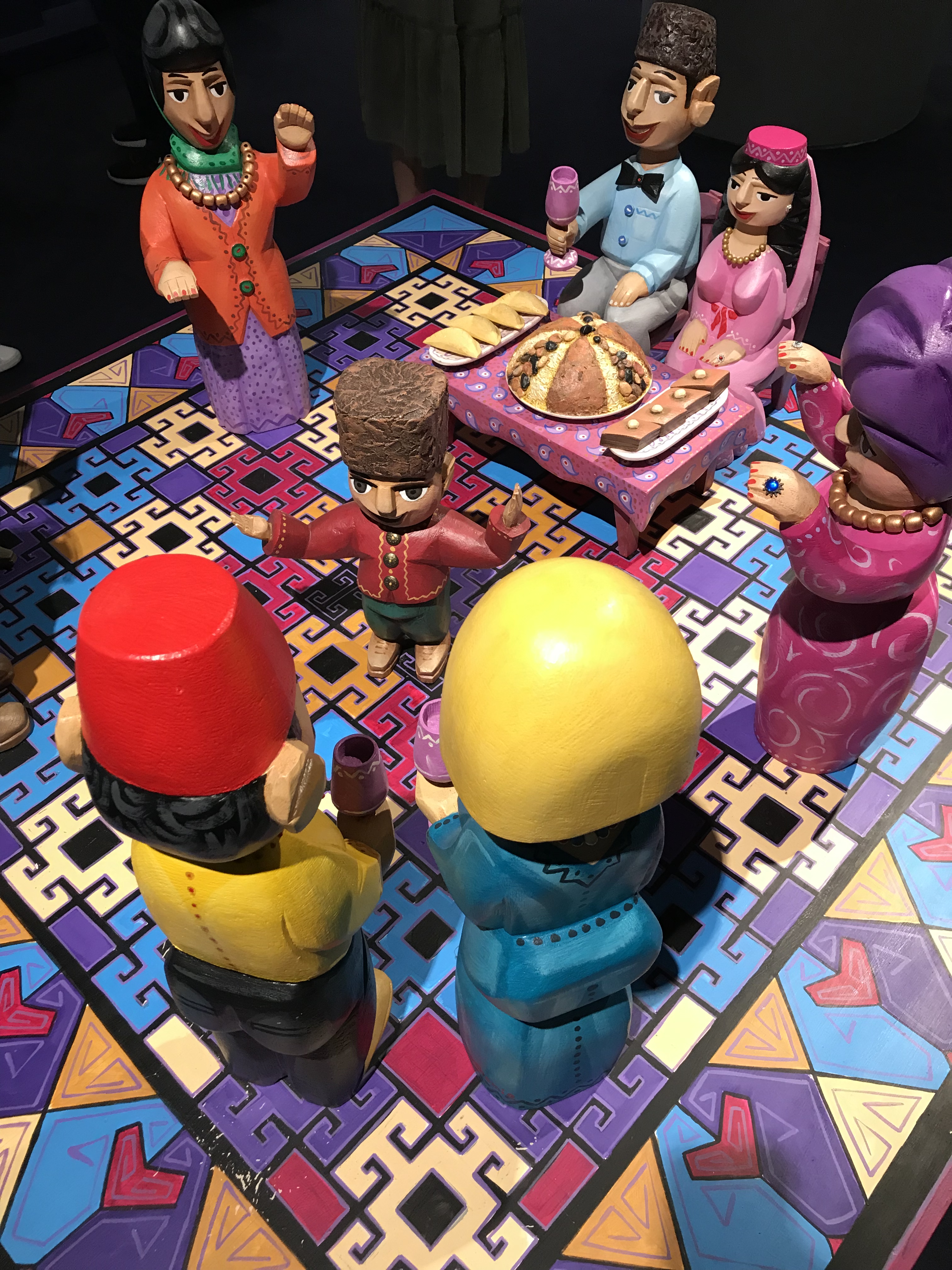
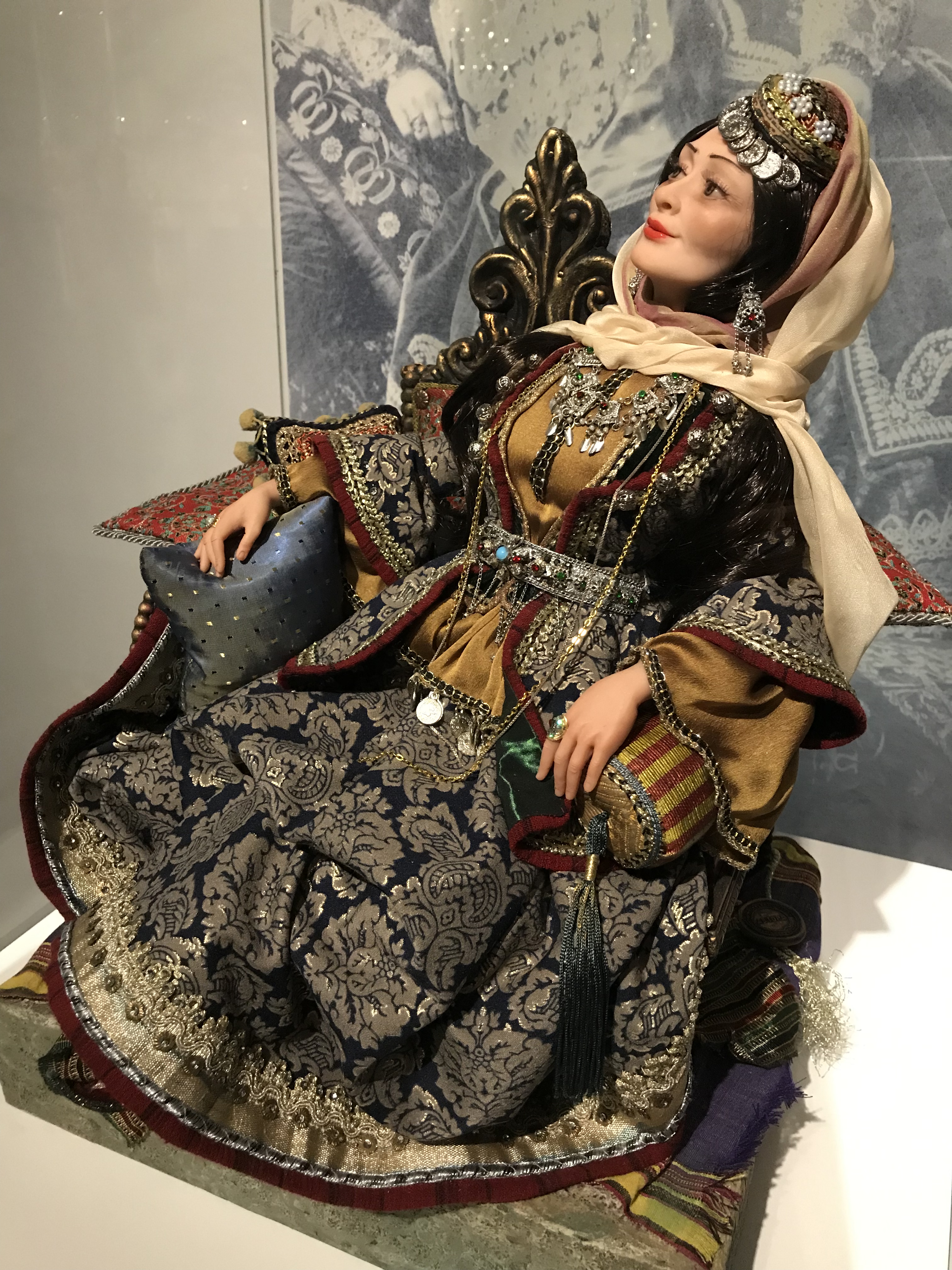
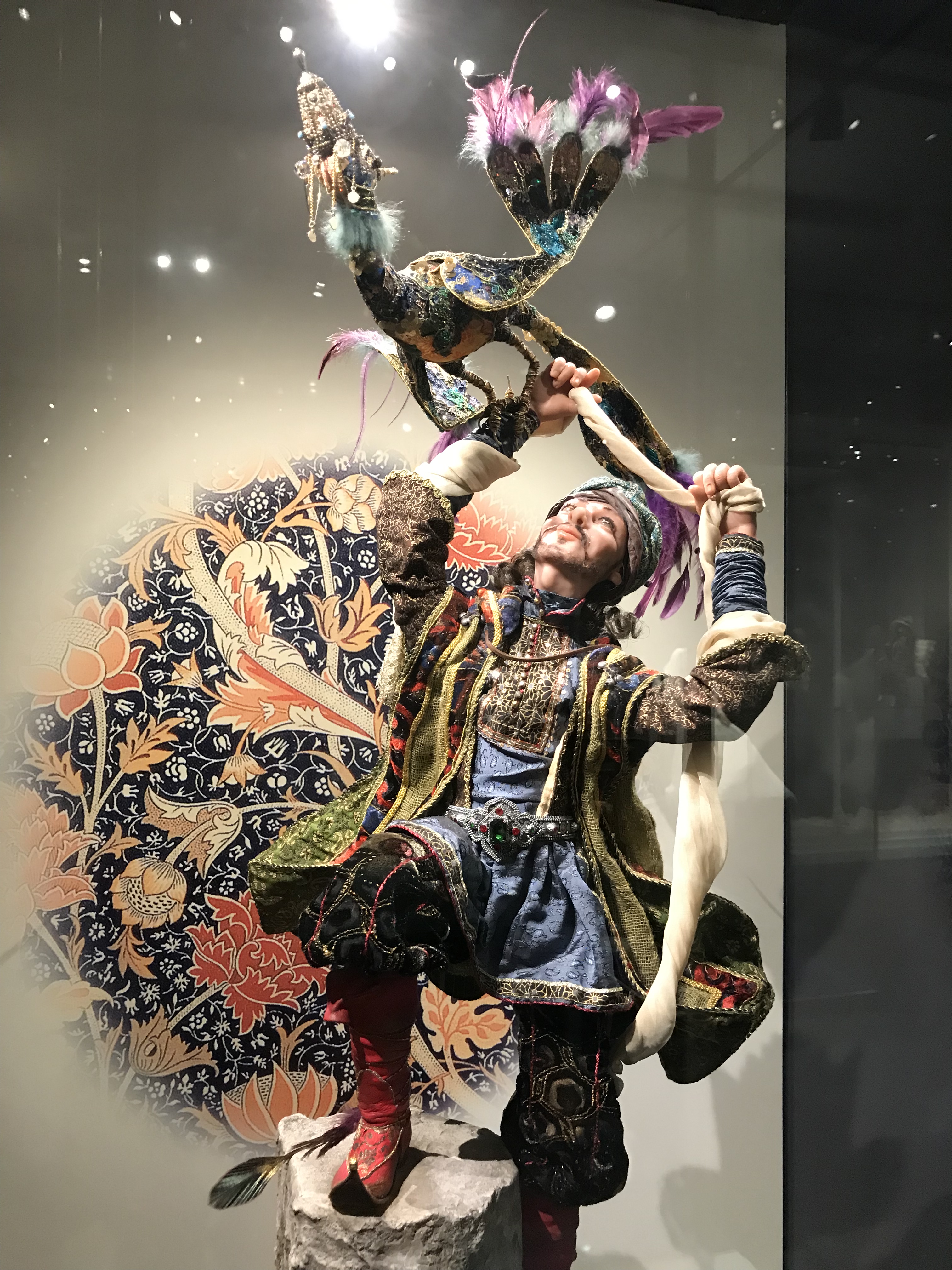
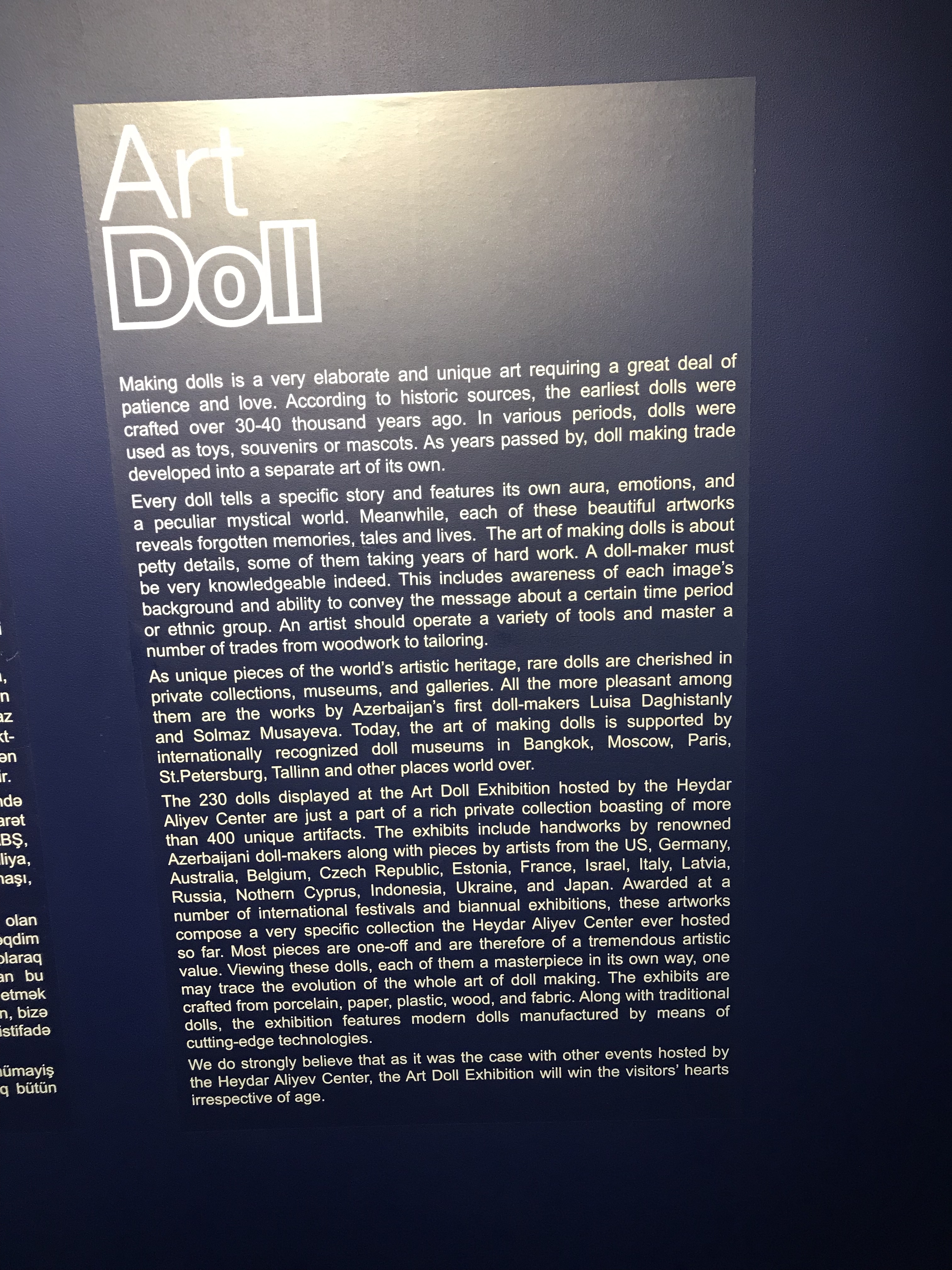
Art Doll Collection

I couldn’t help but become fixated not only by the historic costumes and expressive faces of the dolls in this collection, but also by the exquisite, life-like hand gestures.

Day 15-16: Buntes Republik Neustadt

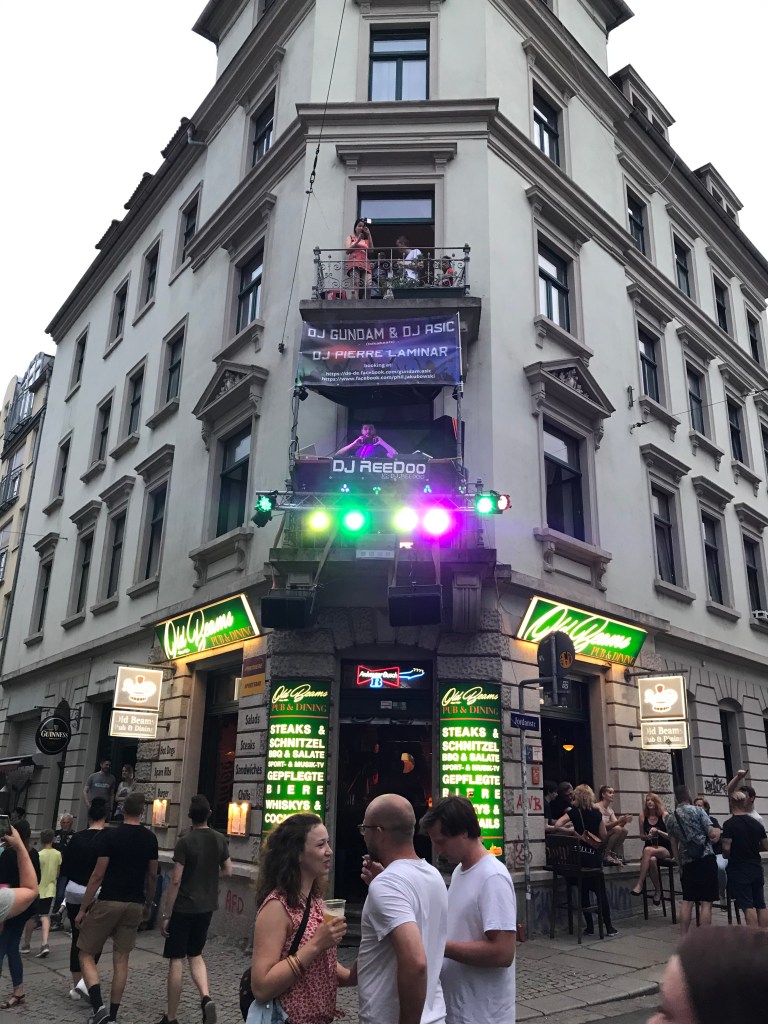
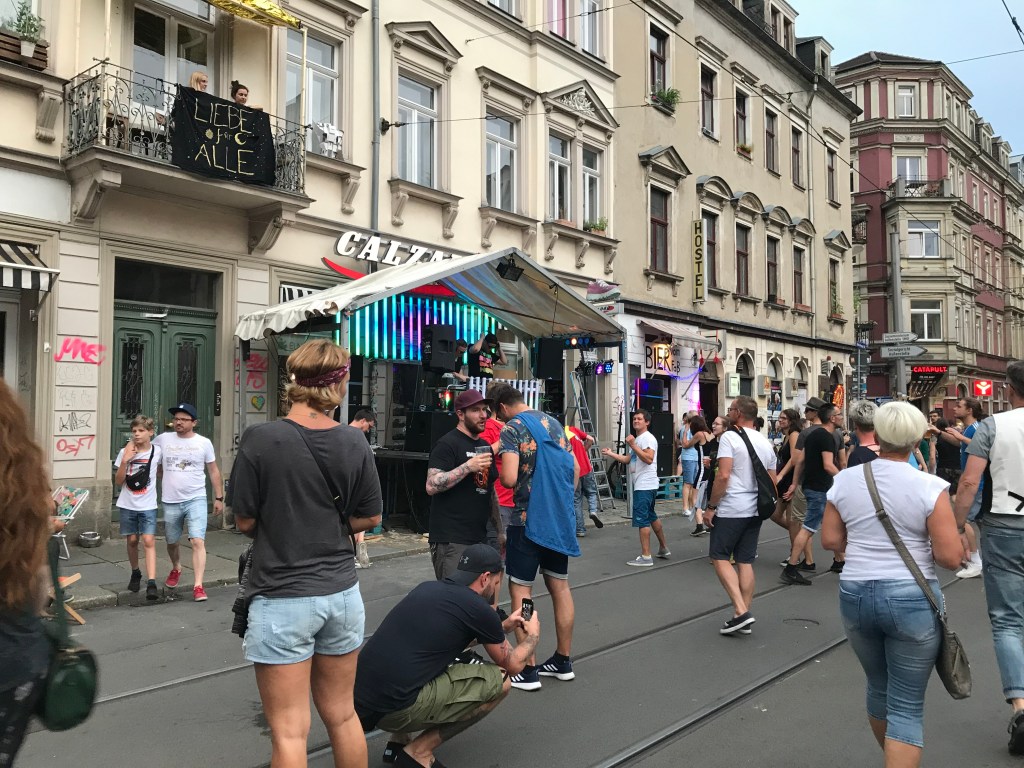
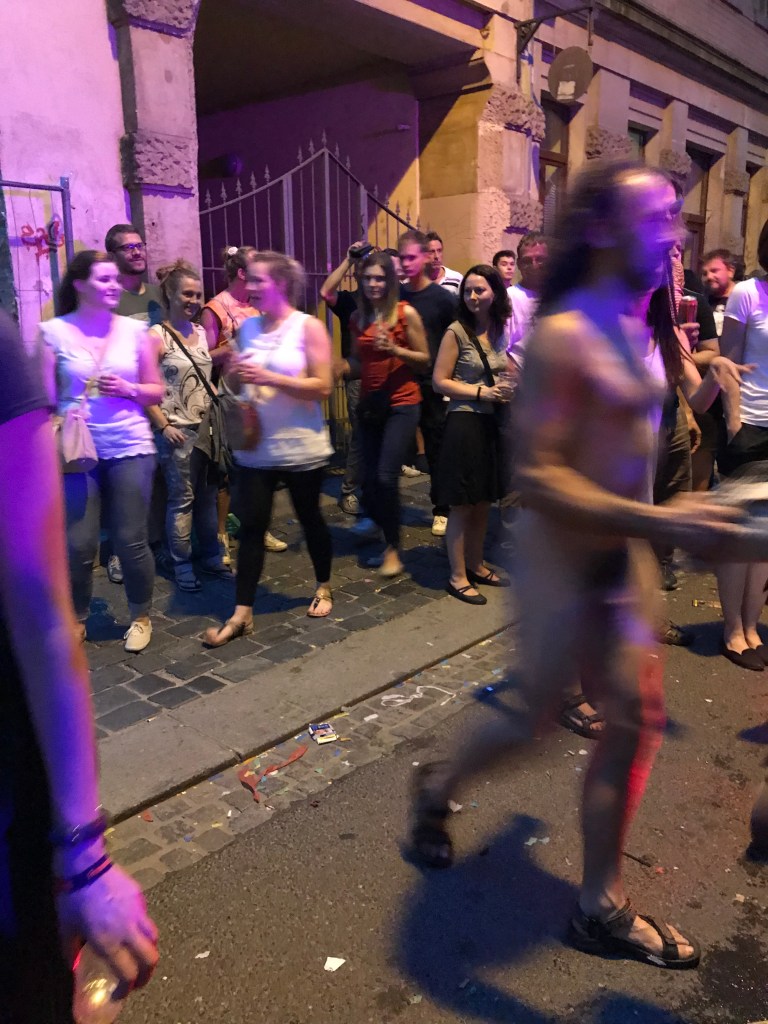
The hugest annual block party, known as the Neustadt United Republic, is happening this weekend in Dresden. I live in the midst of Neustadt’s six block radius, where three days of music, food, amusement, and dancing are rocking ’round the clock.

Families, old and young, sprinkle the age span of the predominantly young crowds. There are plenty of Goths and tattoed skins everywhere to offer endless studies of humankind. Cops discretely surrounded all street entryways and checked big bags, but you hardly noticed their presence once you passed the gauntlet from the edges.

Fortunately, my apartment is tucked behind a group of buildings in a cool, quiet courtyard that offers a quick and easy respite from the street action. I felt entirely safe and comfortable in “my hood.” The Neustadt “Buntes Republic” has been an amazing celebration of youth and a testament to good event planning.

Classicism and Romanticism in Dresden

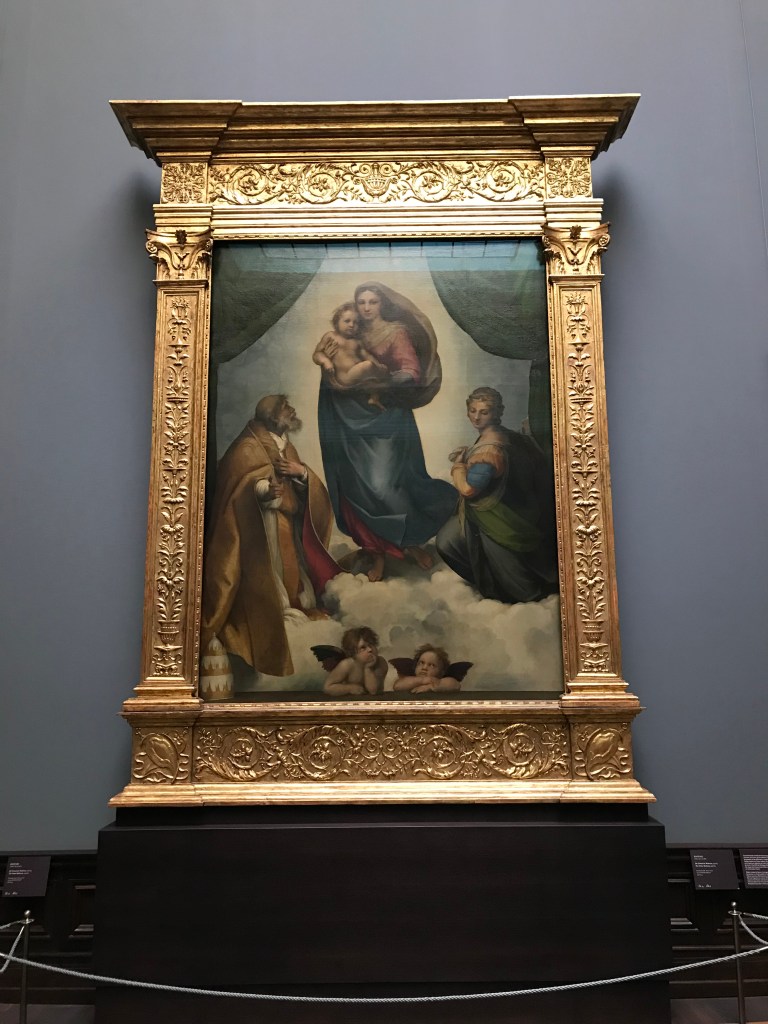
A free access museum ticket, with compliments of the Goethe Institute, gave me incentive to revisit all the Old Masters Galleries and beautiful collections of regental splendor in the Residence and Zwinger Museums. I found two masterpieces that I remembered from my art history class at UC Berkeley! I almost gasped when I actually saw the Raphael and Vermeer works. They were totally overlooked by other visitors. Cranach also made his way onto my radar, especially after seeing dedicated works in Weimar.

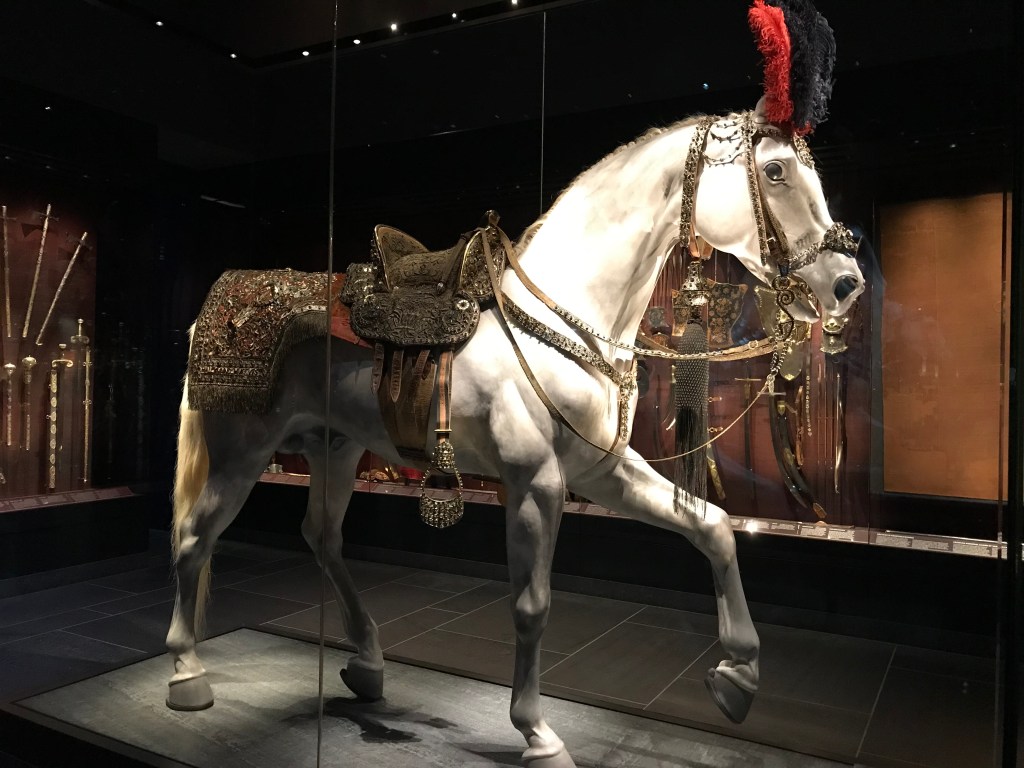
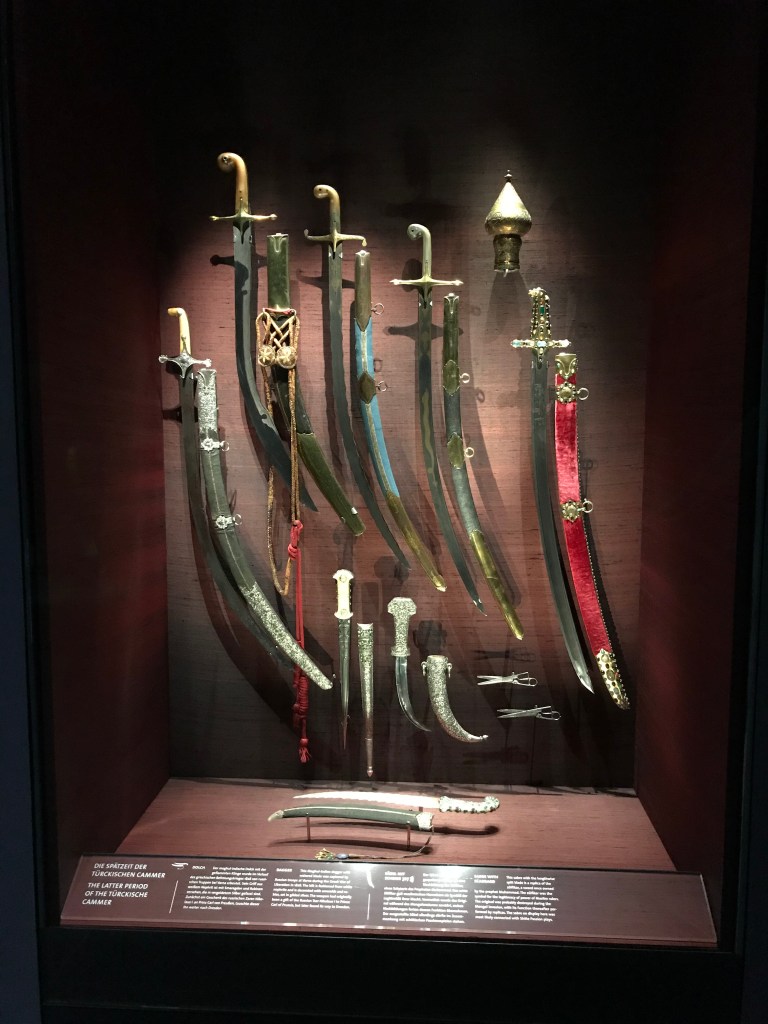
The Turkish Kammer, or Chamber, contains some of my favorite museum pieces. The horses with armor and saddles, the swords, and the huge tapistried tent gives you a flavor of the power of the Ottoman Empire in its heyday.

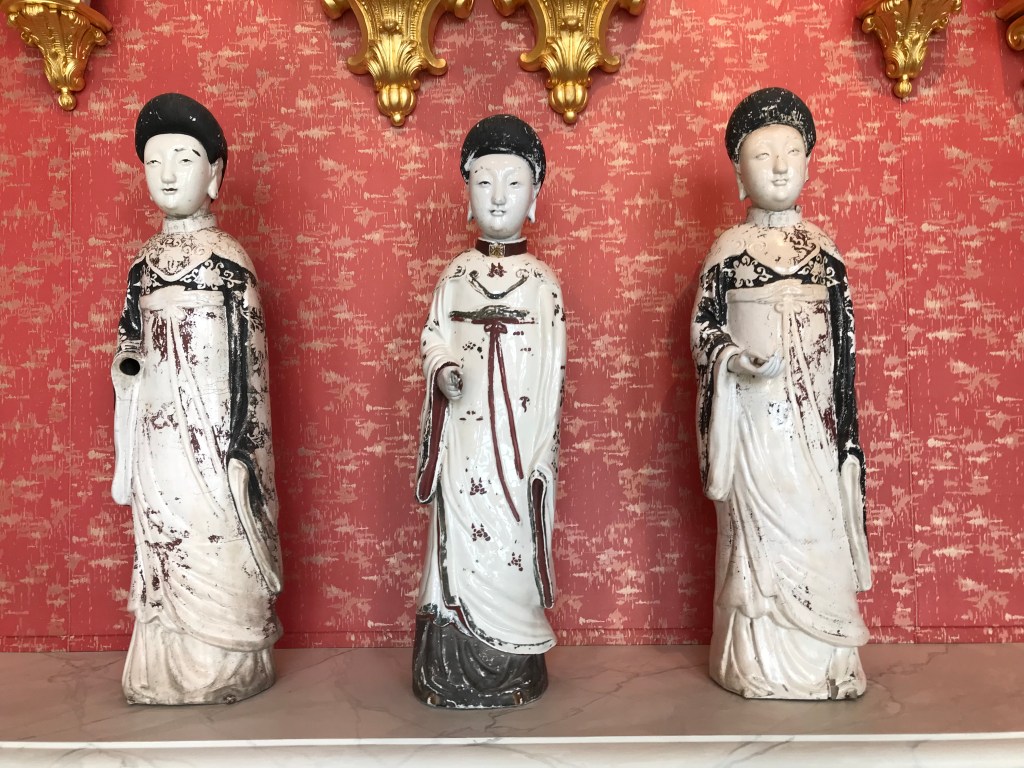
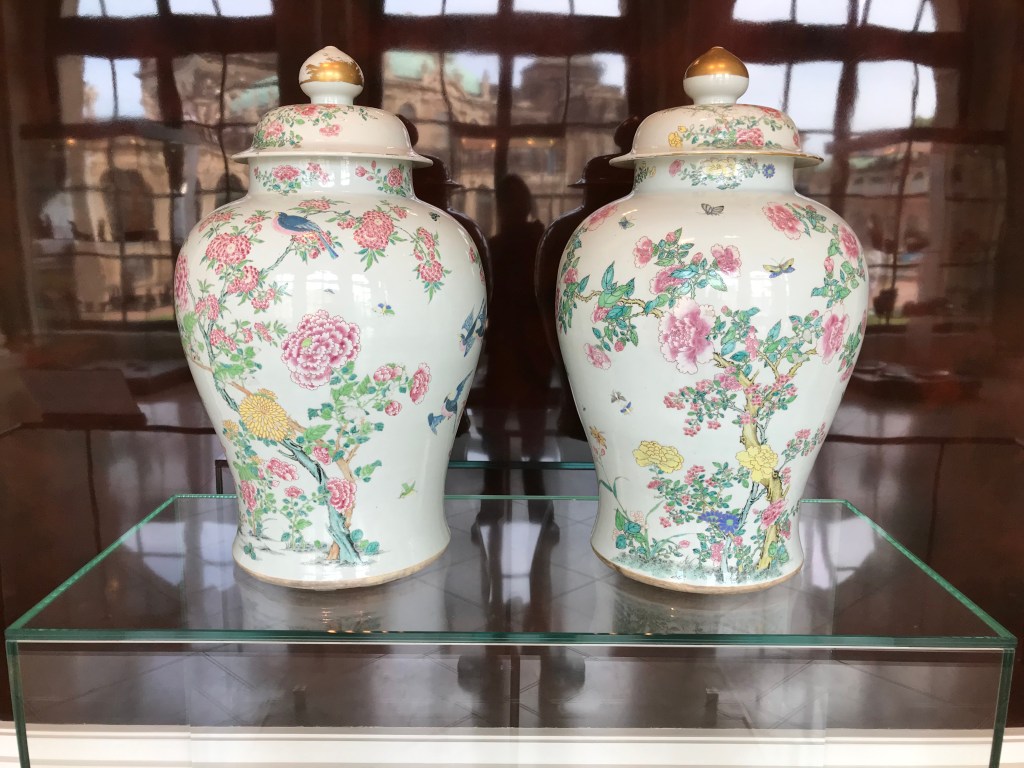
The porcelain gallery would have been a chore had it not been for a few of the early Qing dynasty pieces from around 1700-1730 that paralleled Augustus the Strong’s reign as King of Poland and as Elector in Saxony. Meissen porcelain was developed after studying highly admired and coveted Chinese porcelain techniques. The figurines reminded me of the early Han pieces from Dunhuang and Chengdu. These galleries, made to emulate Versailles, were fun to rip through, in perfect condition and with no visitors!

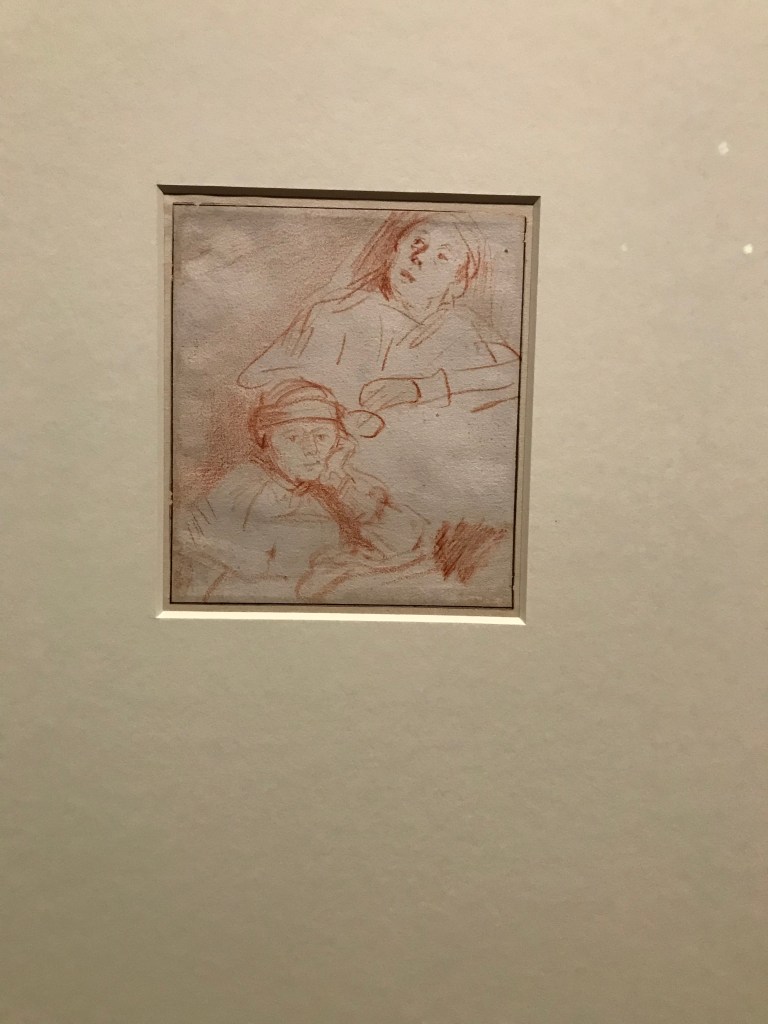
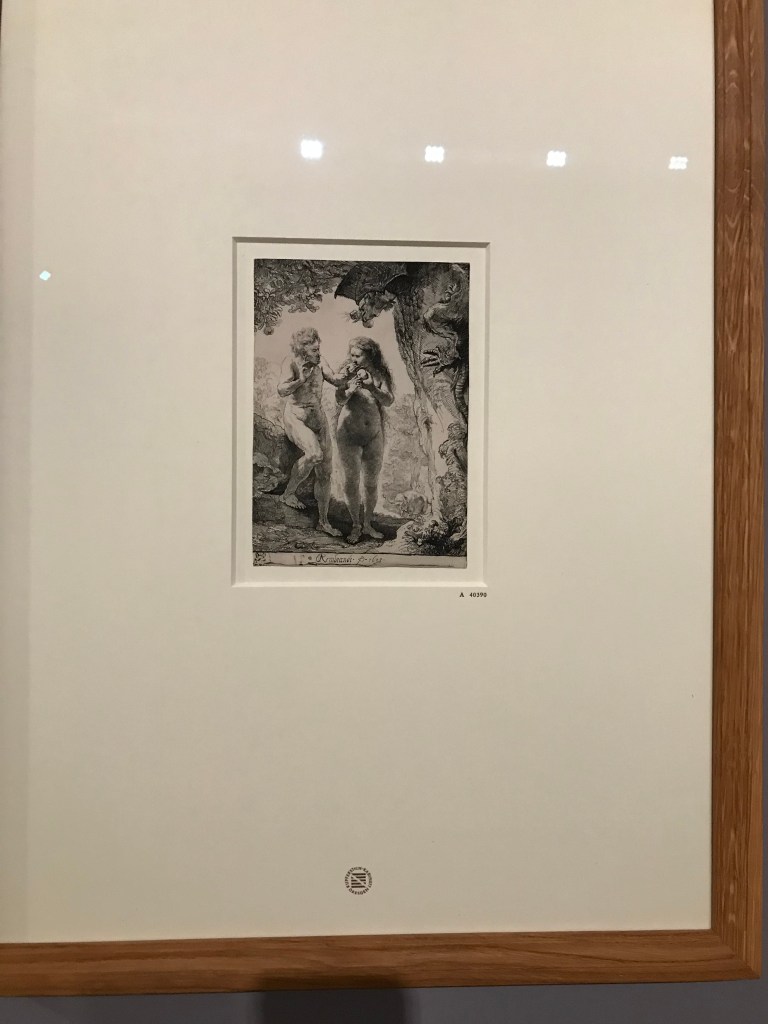
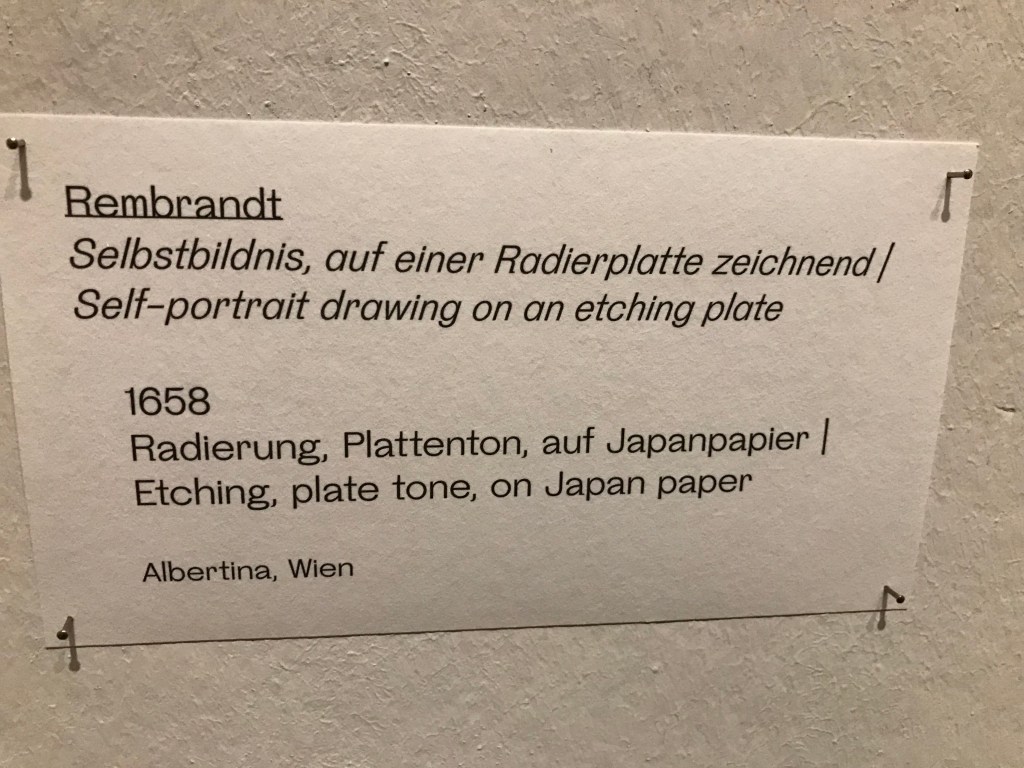
After seeing the Michelangelo drawing exhibition at the Met in New York City, I was drawn to the Rembrandt drawing exhibit in Dresden. The fine sketches and studies by Rembrandt were not only awe-inspiring to me, but a number of famous painters such as Goya and Max Beckmann took to imitating Rembrandt’s style.

Dresden beats “Florence on the Arno”

The image often used in referring to Dresden is “Florence on the Elbe”, especially after Italian master Canaletto painted the famous river that snakes artistically through the town. After gliding over the river on gleaming tram rails numerous times this week, I have grown fond of the impressive Baroque skyline, the dominating Frauenkircke and the serene Elbe backdrop.

My memory of the Arno was that it was hectic. We stayed as a family in a pensione with a room directly exposed to the river with the roadway alongside it. The scooters beeped and honked all night long. After leaving the windows open to catch the breeze, the residual night noise drove us into a daytime stupor.

Another time, another view painted by a follower of Canaletto

Dresden first hit my radar in an Art History class. Many of the Romantic era classical paintings were located in Dresden. The city stuck in my curiosity bucket until I matched intuition with knowledge.

Weekend Wrap

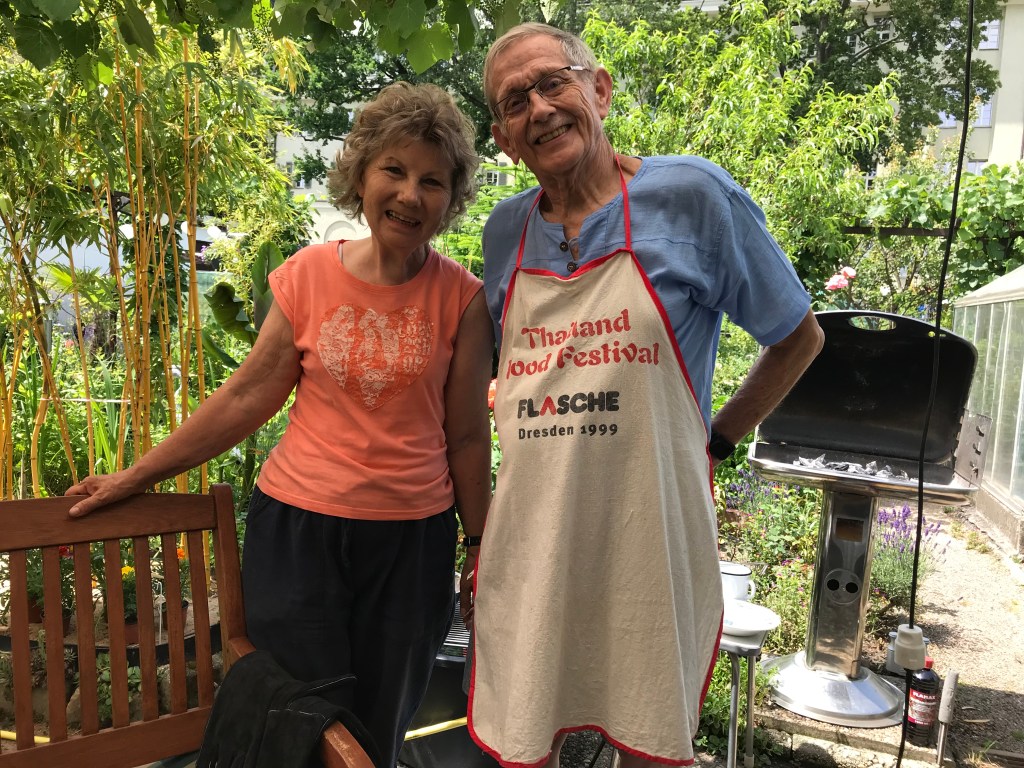
In the sleepy daytime I had a chance to catch up with German friends for a “Grill Party” in their garden. Germans are intimately tied to nature and passionate about their gardens. It was a relaxing afternoon closing out a busy week of German classes, museum visits and evening musical performances.

Days 10-14: Pfingsten Fling

Pfingsten stands for Pentacost, the Christian holy day celebrated on the seventh Sunday after Easter. Germans have a good excuse to enjoy the summer weather, join friends for barbeques in their community gardens, play music, and of course, drink beer. The extended three-day holiday gave me a chance to take day trips from Dresden, soak up more cultural events, and to hear music, music, music in the span of a whirlwind weekend between classes.

Hellerau, Germany

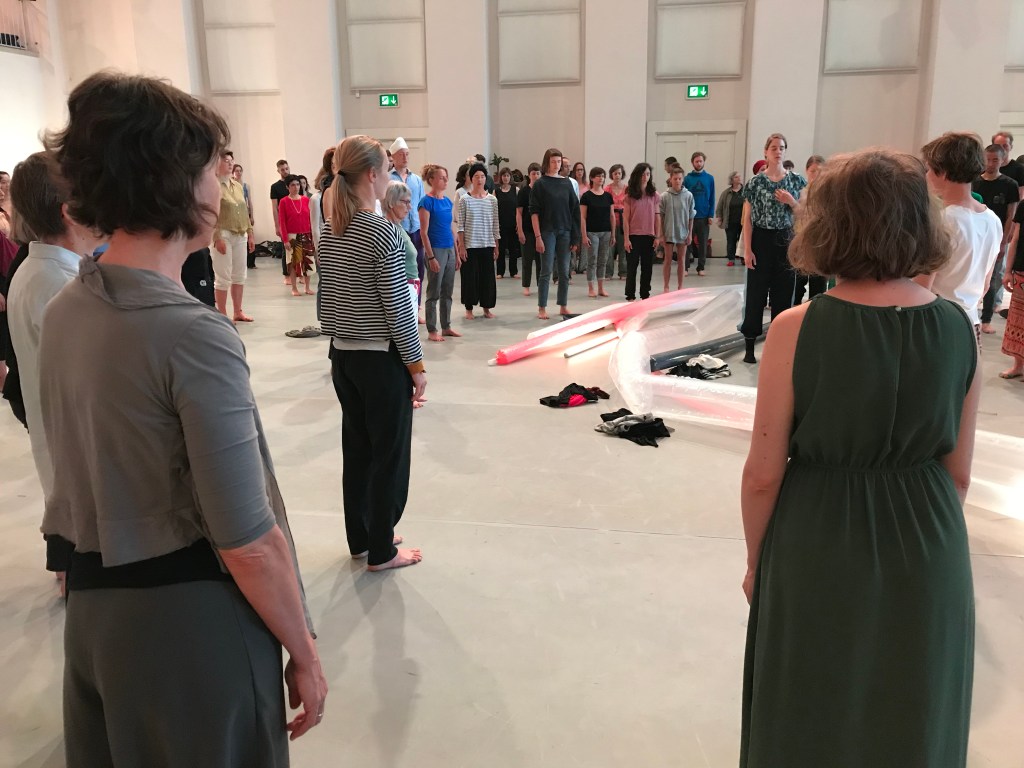
Hellerau, one of the first planned unit developments in the world, lies just north of Dresden. We found an excuse to visit there to celebrate the long holiday weekend and to see an open interactive dance performance in the festival hall.

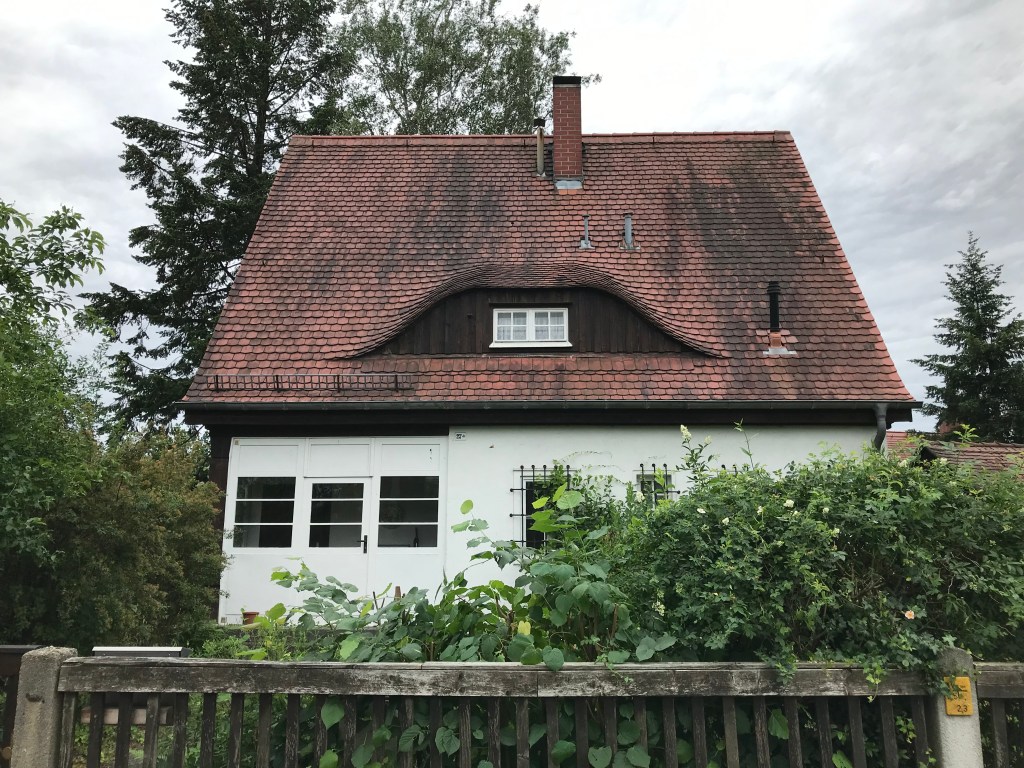
Generously proportioned single family houses are tucked behind tidy gardens surrounded by fences. Each prominent sloping roof was built with design and care. Skylights not only provide light into the deep interiors, but some are also roof hatches. Newer codes require a landing outside the roof hatch if it is accessible, and a ship’s ladder provides access to the rooftop chimney. It seems like alot of getup just to solve a maintenance issue. Older houses do not have such complicated construction. And newer modern buldings are, yes, a showpiece in the neighborhood.

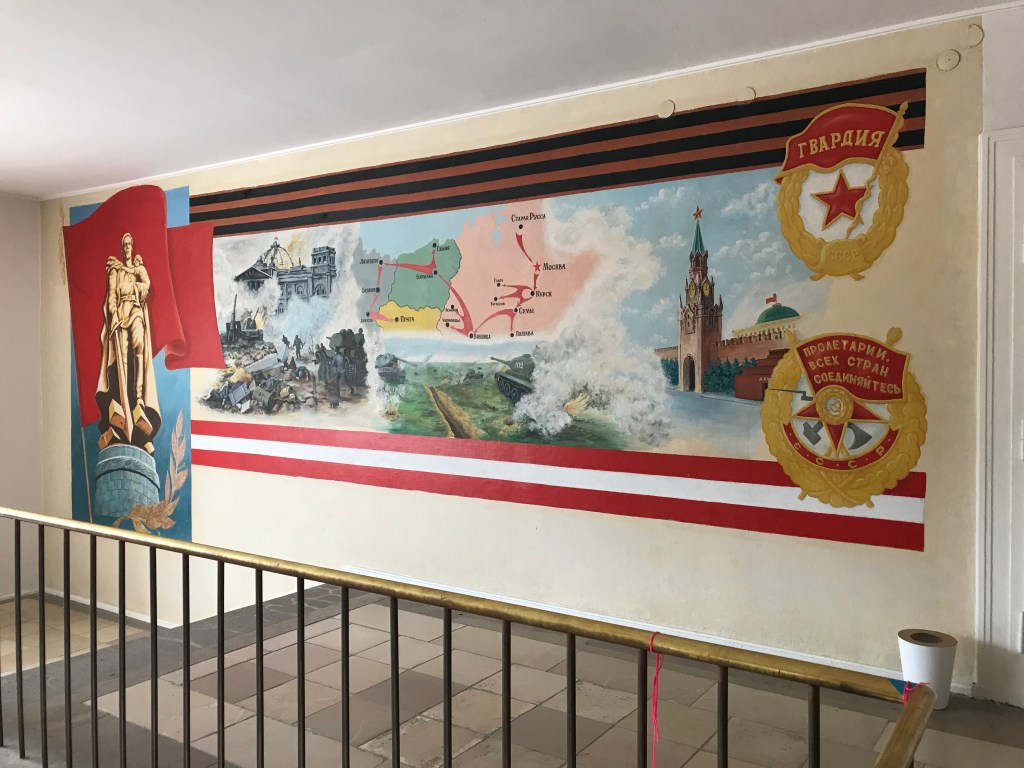
The Hellerau murals from the Forties show the Russian influence and the movement of troops through Moscow to Germany and Poland.

The Altstadt Music Crawl

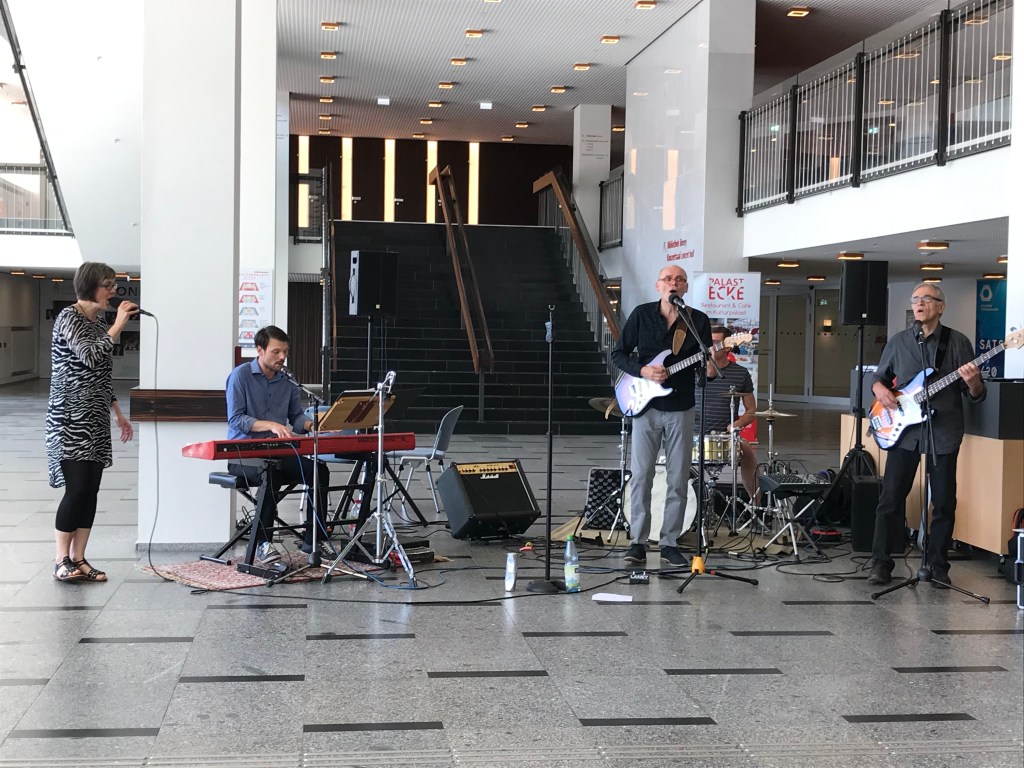
Performers at the All-Day Musical Event in Altmarkt during Pfingsten weekend showcased numerous musical groups and genres. Music is everywhere in Dresden and delightfully unavoidable. We raced around the Residenz Schloss, the Kulturepalast, and the Japanese Palace, all within a stone’s throw of the Elbe River, to see a Brass Ensemble, rock bands, and choral groups (including featured image above) making music throughout the city center.

Handel’s Birthplace in Halle, Germany

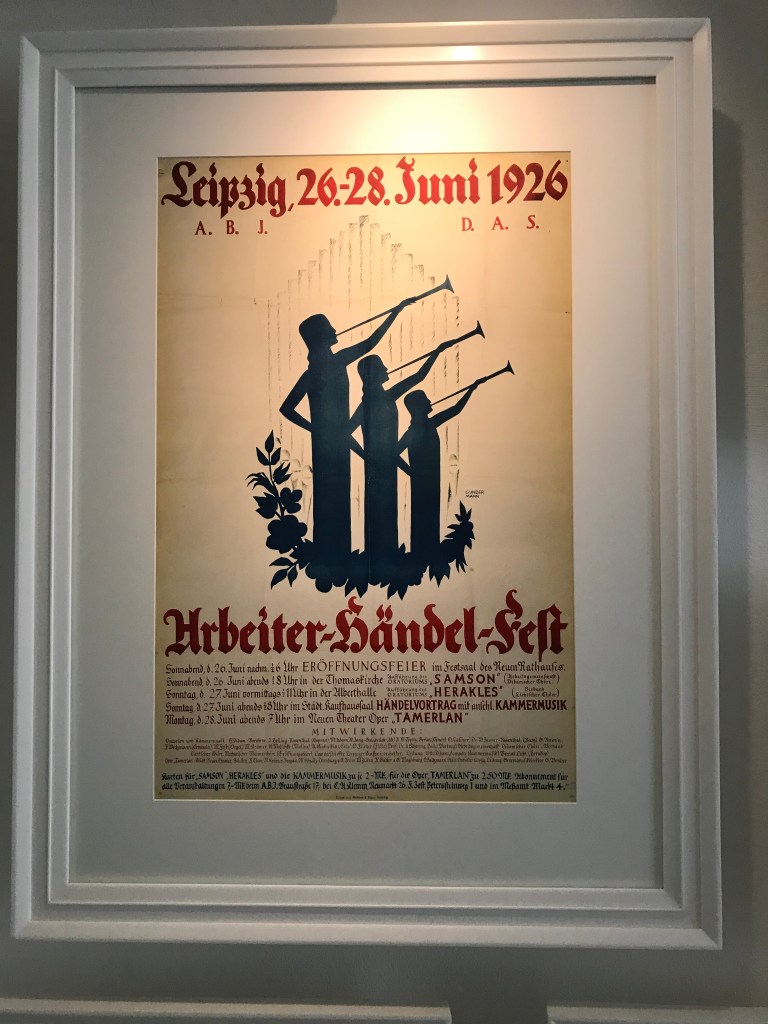
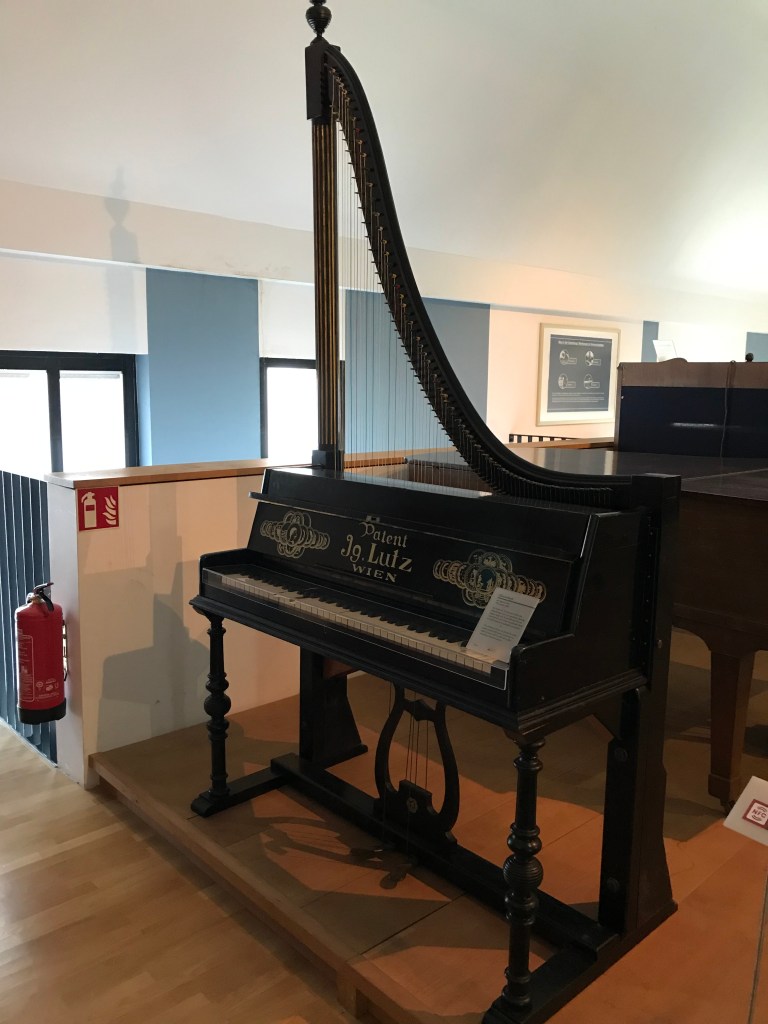
About two hours west of Dresden lies Handel’s birthplace. The Handel Museum contained many unique historic instruments including organs, pianos, and wind instruments. A stirring poster advertising Handel music demonstrated the simplicity and power of propagandistic advertising. While the museum is not as informative as those in Leipzig for Bach, Mendelsohn and Schumann, it was still a worthwhile and pleasant excursion.

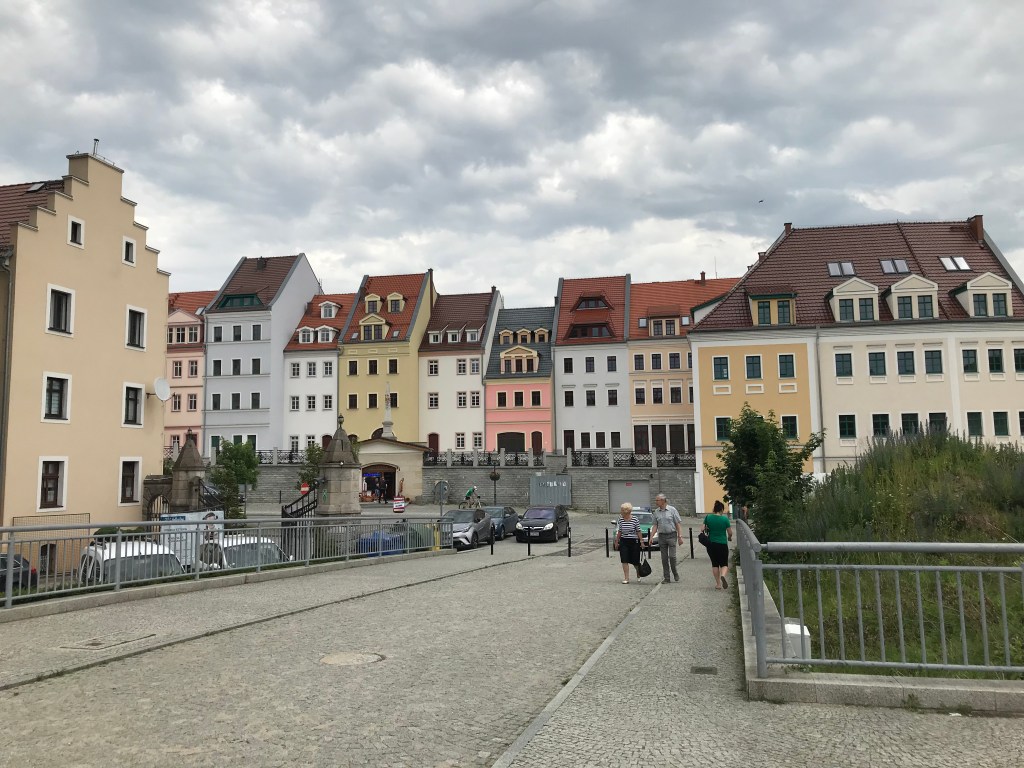
the Border between Poland and Germany (Görlitz)

Our German friends Hanne and Jens planned a special outing by car to Görlitz, about an hour east and outside of Dresden. They met me and Vladimir, a classmate from my first German class in Dresden, outside my Neustadt apartment. Being a holiday on Monday, it appeared that most of Germany was still working off the hangovers from too much beer the night before or was busy getting grills ready for the barby.

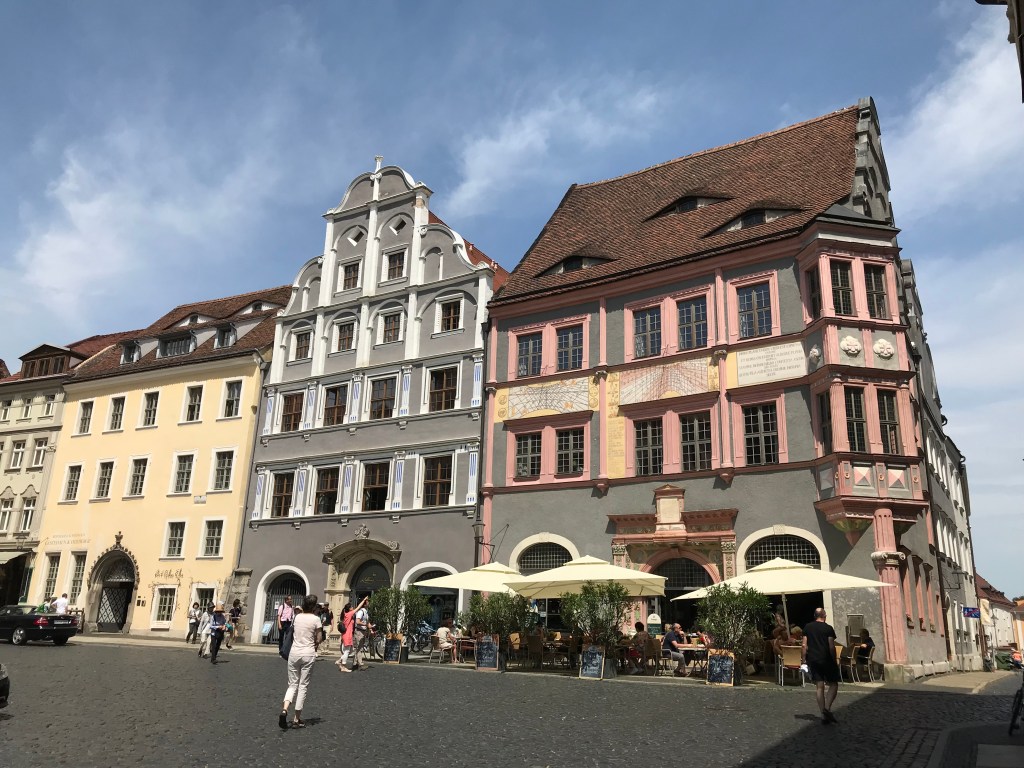
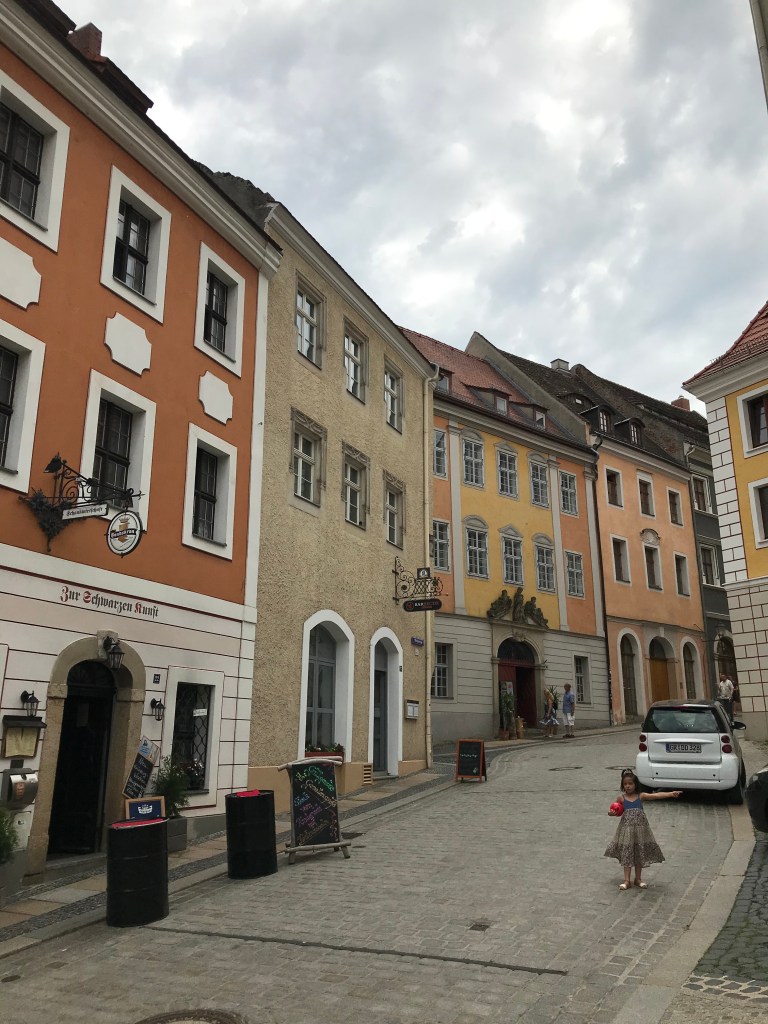
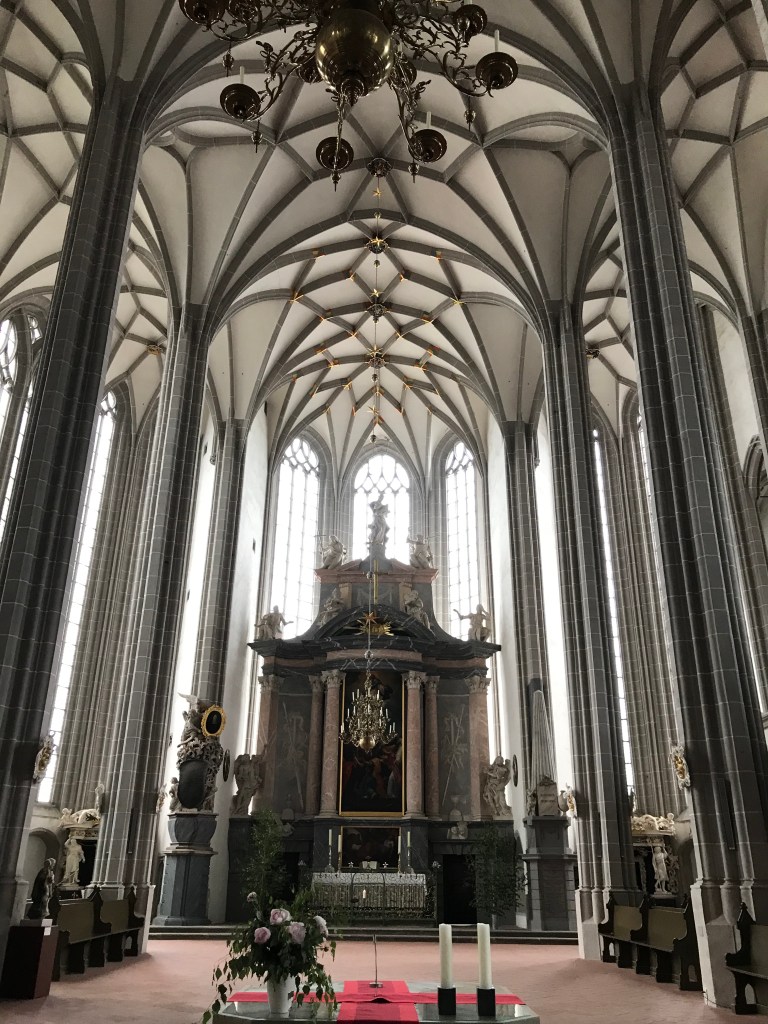
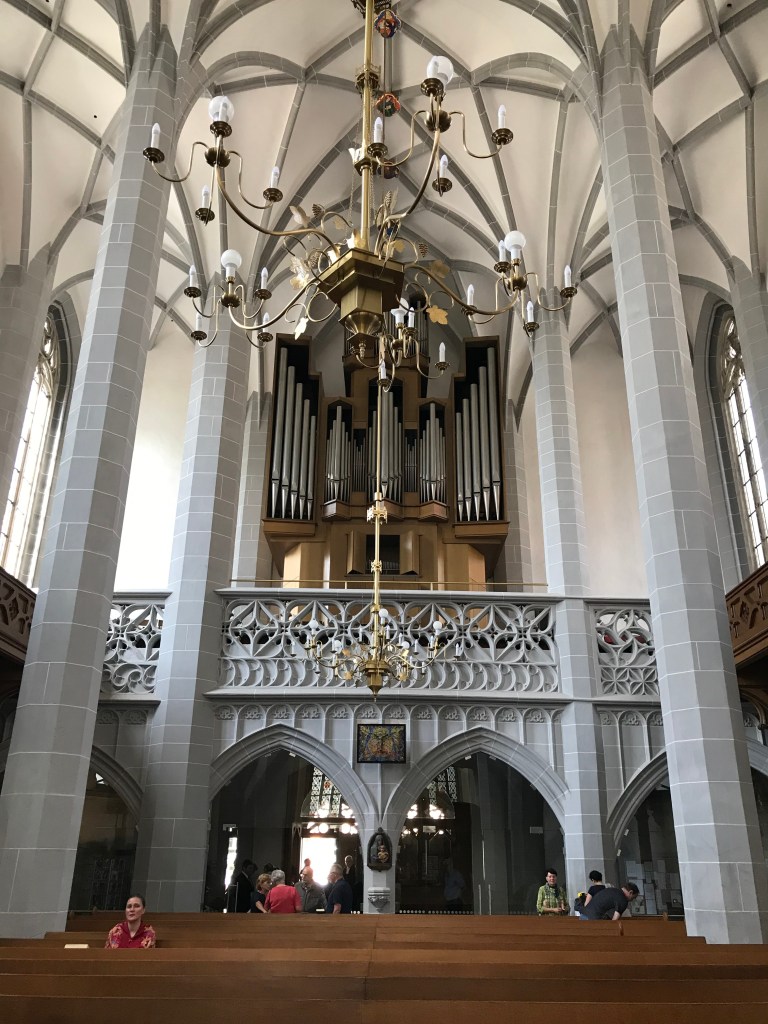
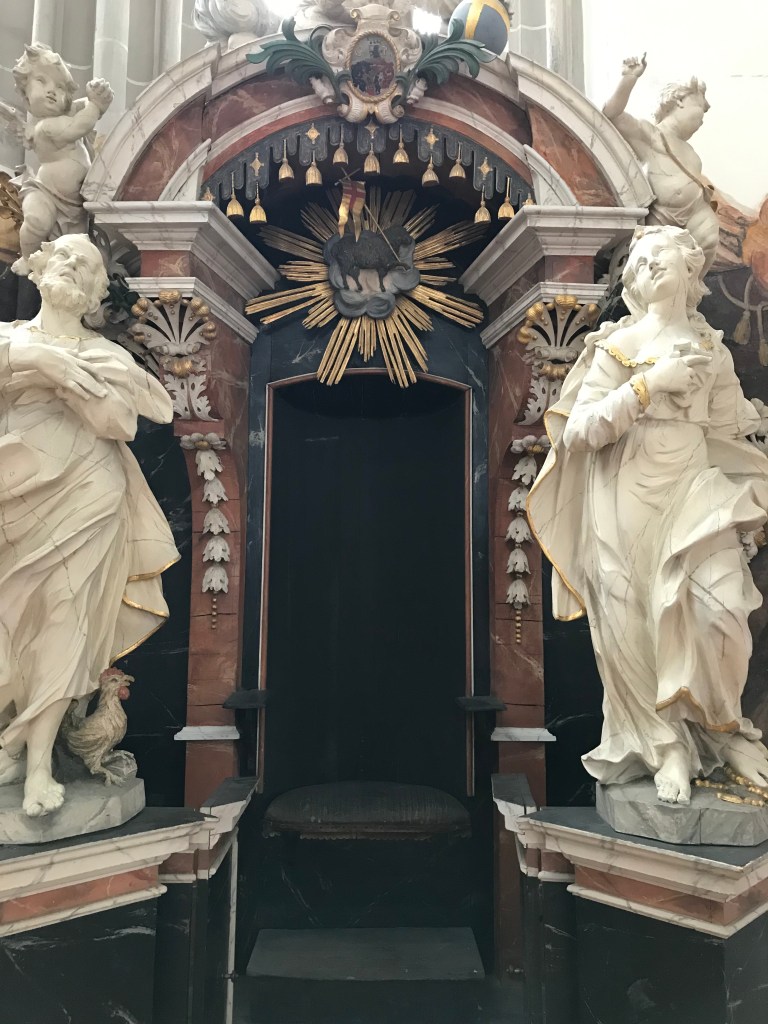
The town turned out to be a collection of historic buildings, lovingly restored to its 16th Century splendor. The St. Peters and Paul’s Evangelical Church on the German side was a massive building graced with many decorative elements. Artwork and sculpture complimented the sturdy structures thoughout the town.

Another Night at the Semper Opera, Dresden

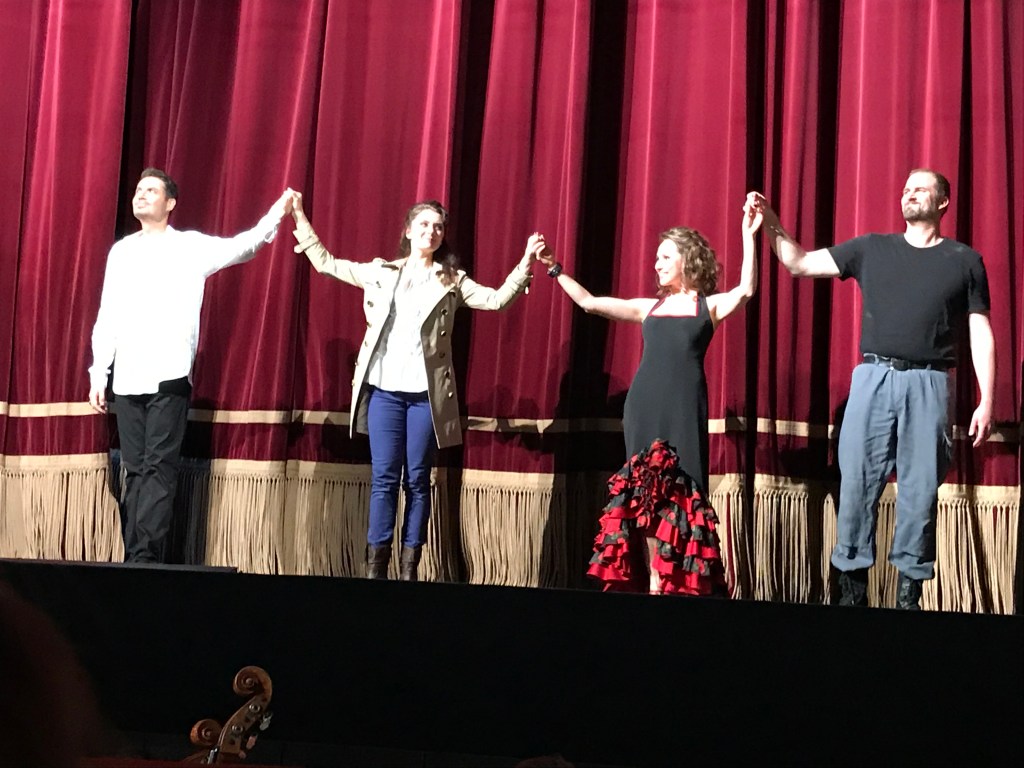
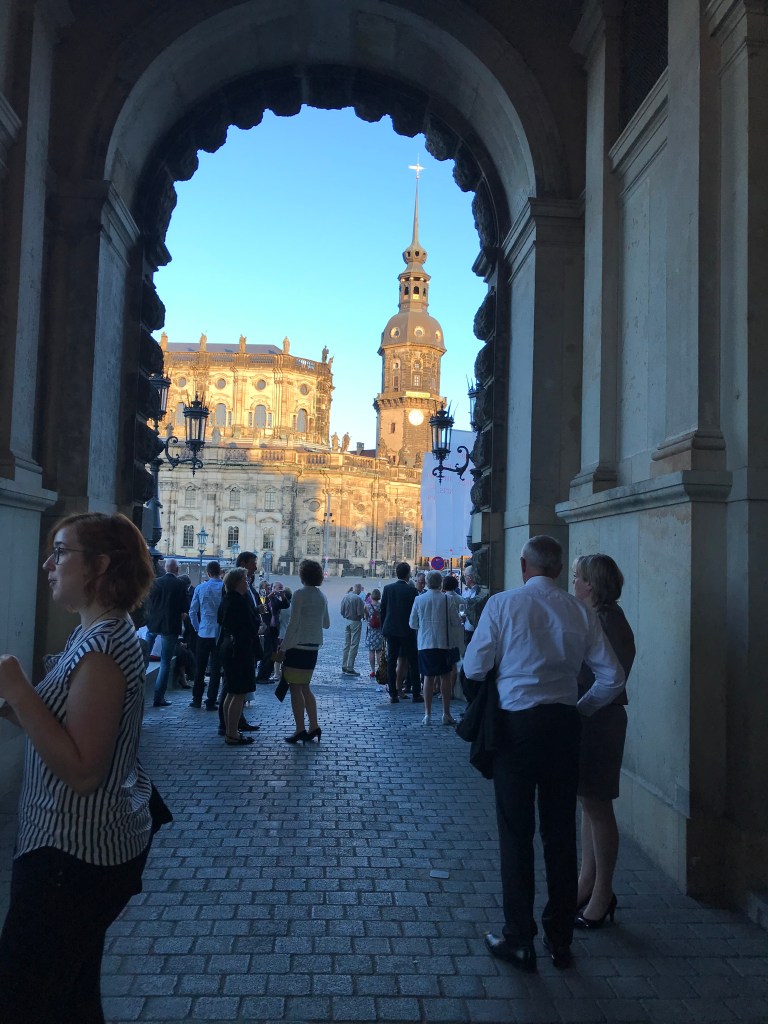
A final performance of Carmen at Semperoper included a cast of thousands, modern clothing, and lackluster singing. The evening air outside provided lovely views of the city center and a refreshing pause between acts.

The Albertinum Museum, Dresden

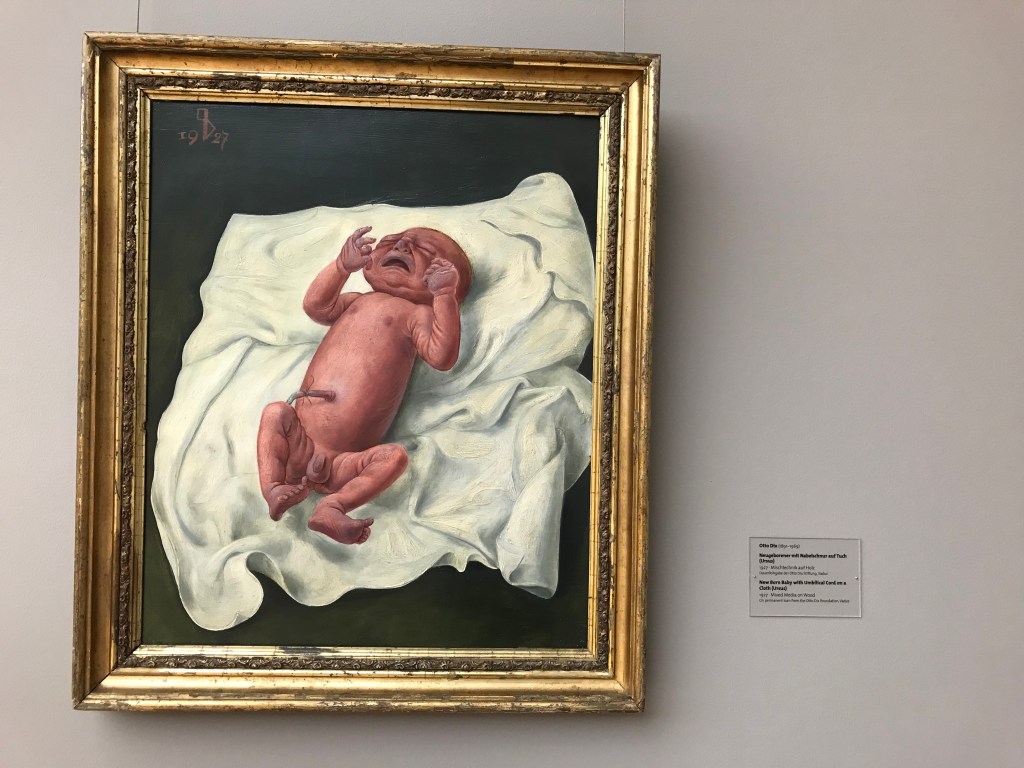
The Albertinum was one of my “Go-Backs”, after German partner Jim reminded me that this museum contains paintings by one of my favorite artists–German Expressionist Otto Dix.

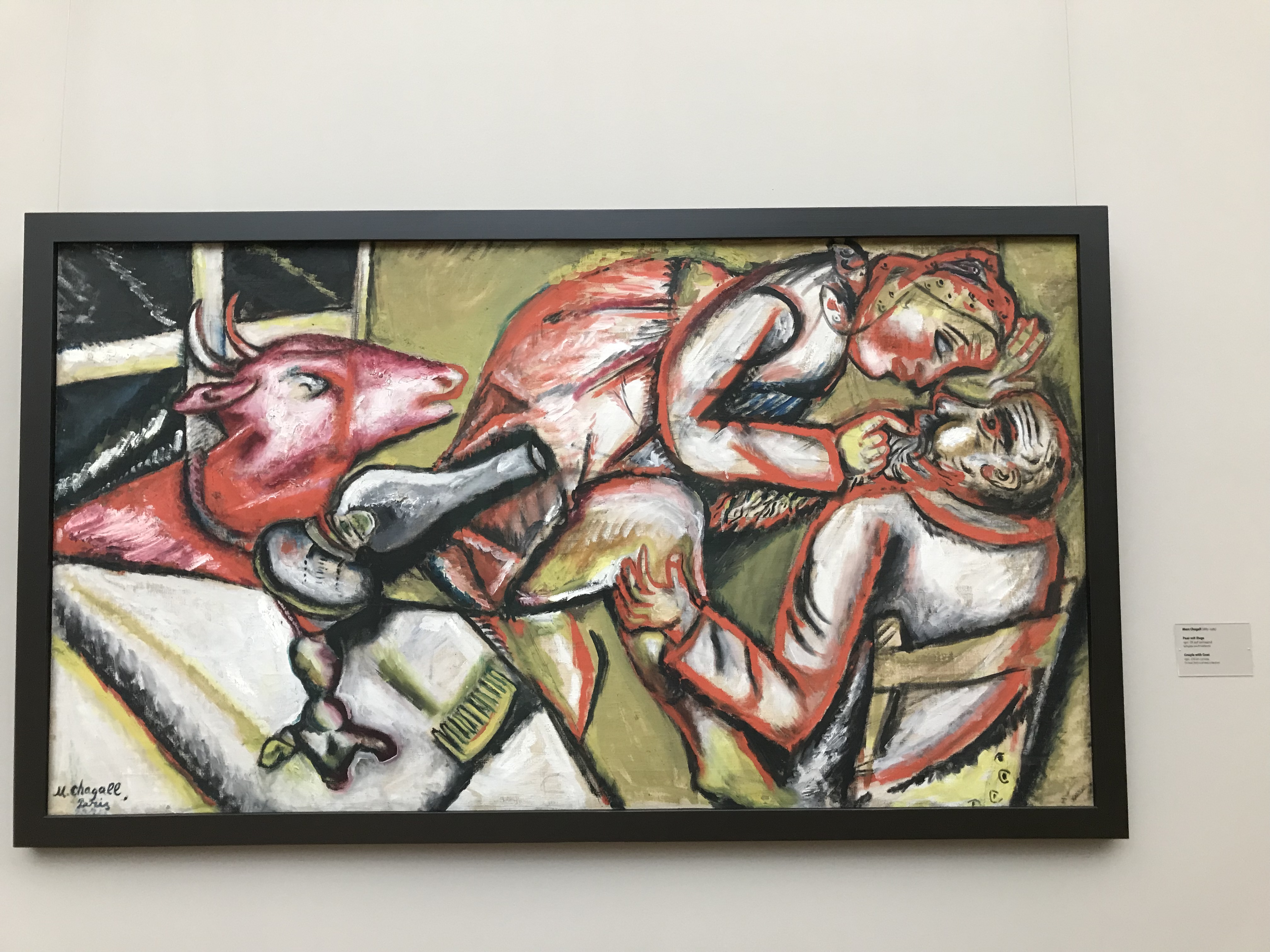
In addition, the Albertinum has impressive representative works of Chagall, Gauguin, Monet, Manet, Toulouse-Lautrec and Picasso, as well as those by German favorites such as Gerhard Richter and Max Liebermann. The slide show gives you a feel for each of these works.

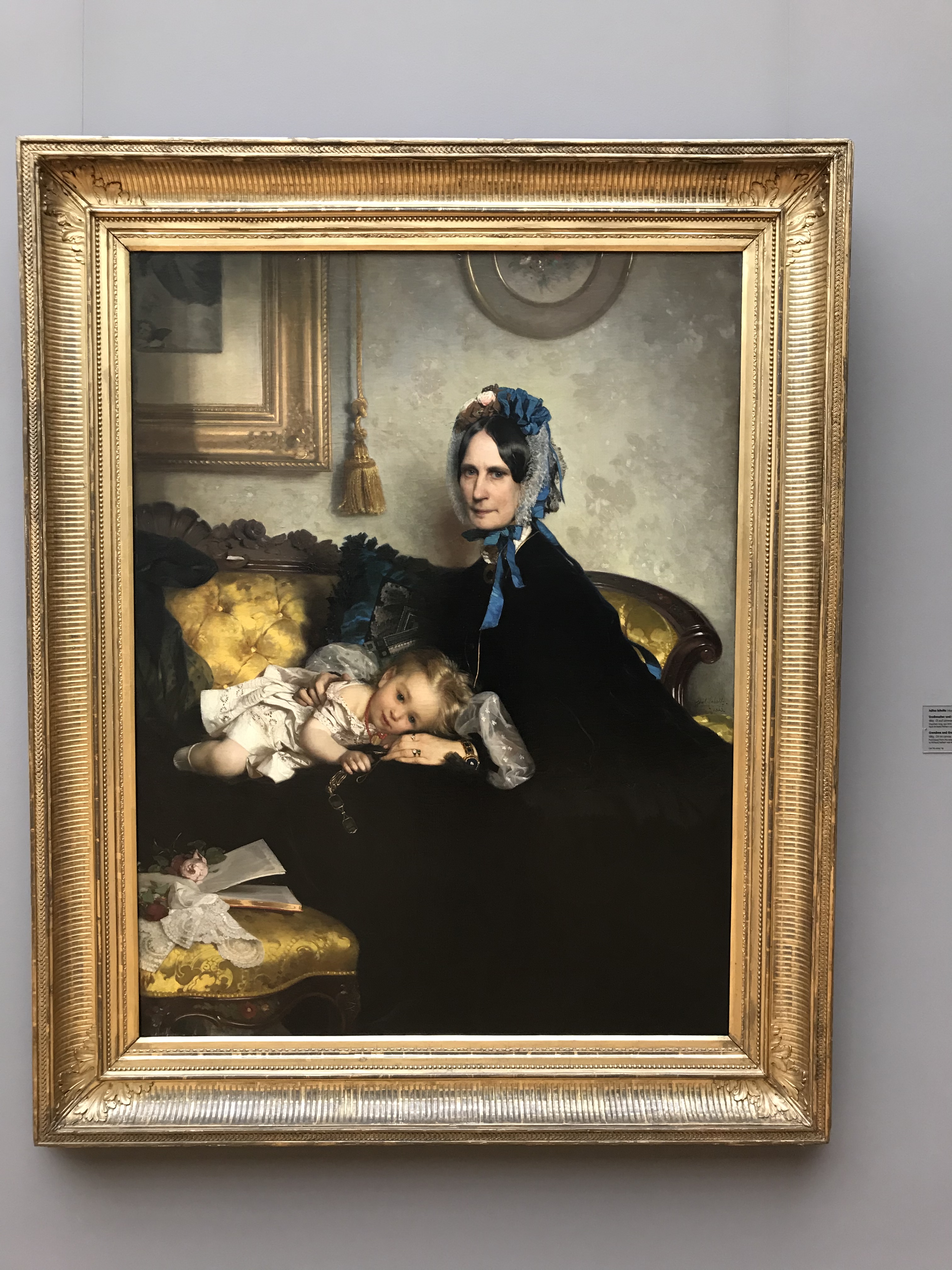
And below are just a few of the random collection of works that I particularly liked. Portraiture and hands are appealing to me as I learn to draw and study the human figure.

Day 4-6: Pictures at an Exhibition, Dresden

Although I am primarily here in Dresden for a German course, I feel like I am leading a double life. I have been researching Music Festival concerts being held for another week here, and I have managed to squeeze three in three days while attending classes. If you were ever contemplating how to take a music course by hearing performances, this is the place to do it.

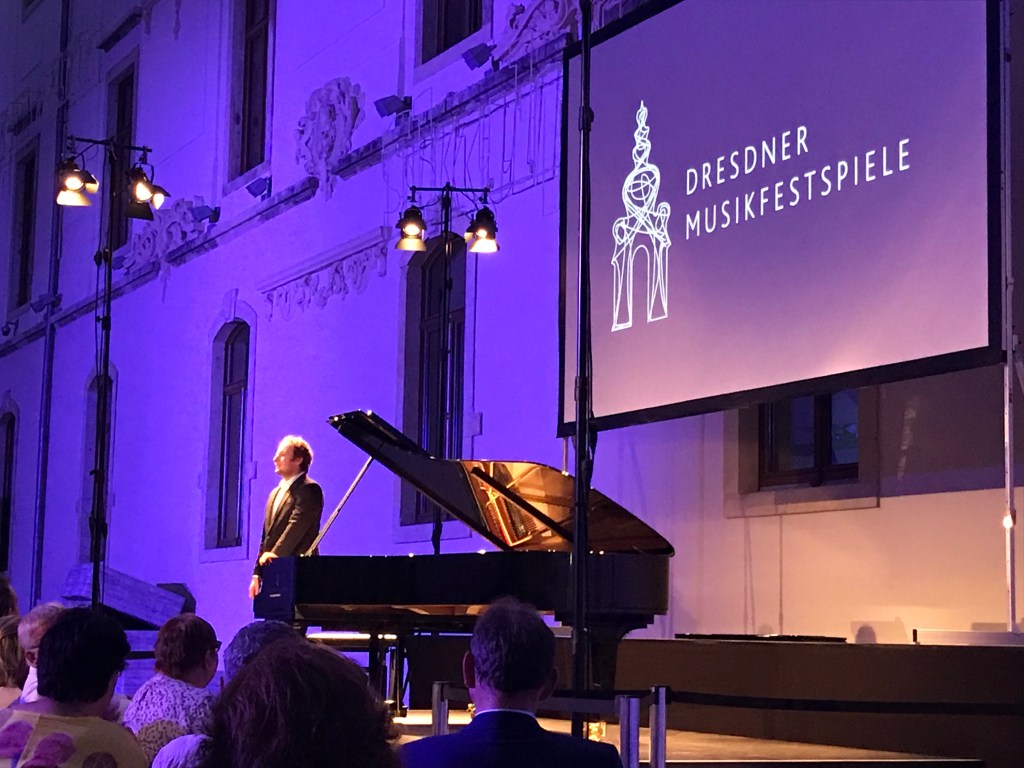
Prices are reasonable and with student “rush” tickets, you are in business. I paid 20 Euros for “Pictures at an Exhibition”, a piano recital at the Albertinum Museum. It turned out to be a double bargain, since access to the museum was free immediately before the performance. 

In a fascinating program combining music and art, Tokarev first  played Tsaichovsky’s  “Character Pieces for a Year” for piano. Each month’s themes portrayed different moods and feelings, from romantic songs to grand celebrations. The second half was followed by Mussorgski’s “Pictures at an Exhibition”. The tunes were skillfully enhanced by a video installation.

The program certainly increased my appreciation of the two composers and communicated the beauty in their work. Kandinsky’s “Large Gate from Kiev” painting from 1924 was featured in deconstructed movement and timing. Everything was seamlessly coordinated into an exquisite visual and musical experience.

Nikolai Tokarev, the soloist, has won numerous European piano competitions, performed alongside many European orchestras, and produced CDs interpreting beloved Russian composers. 

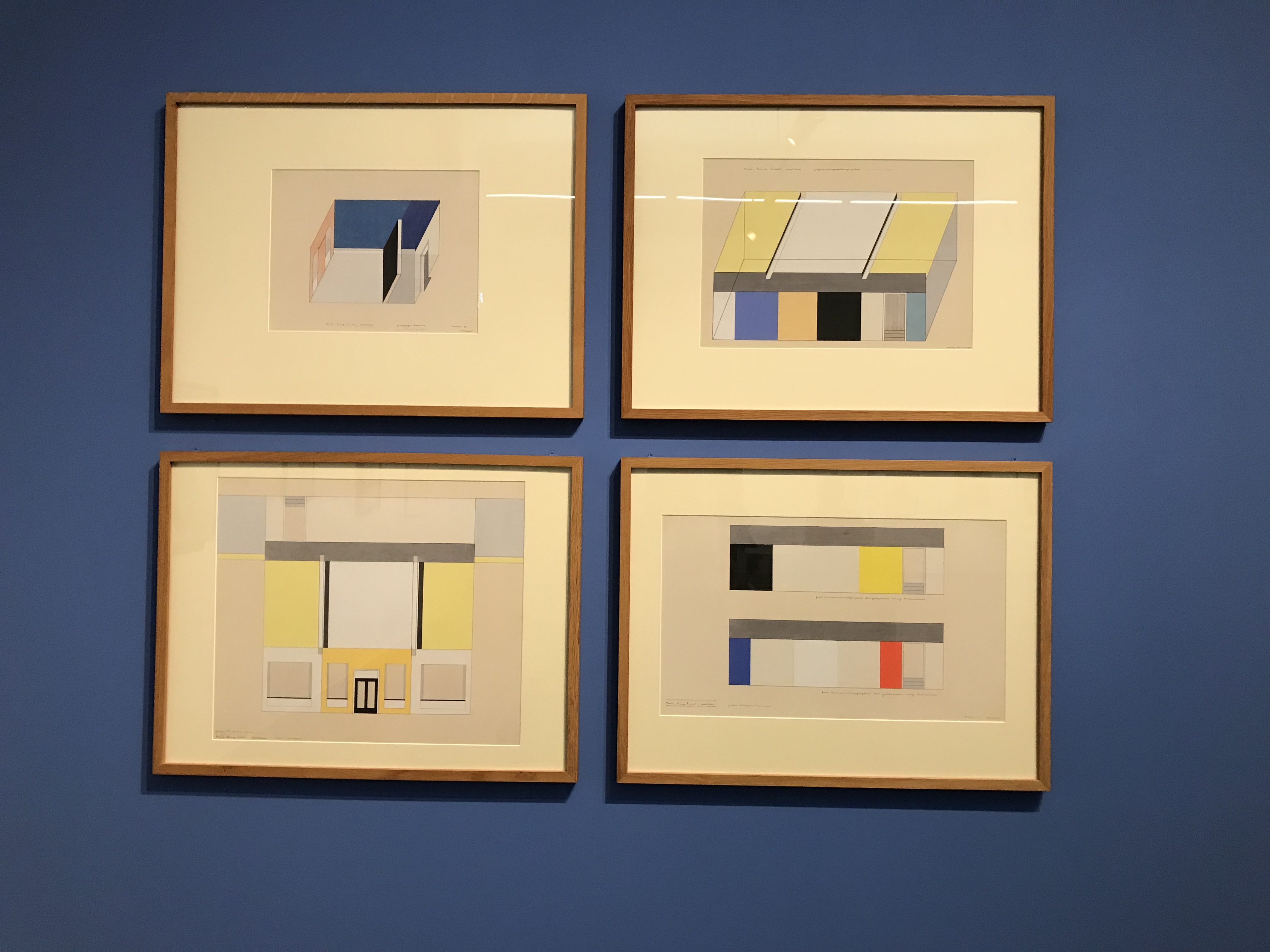
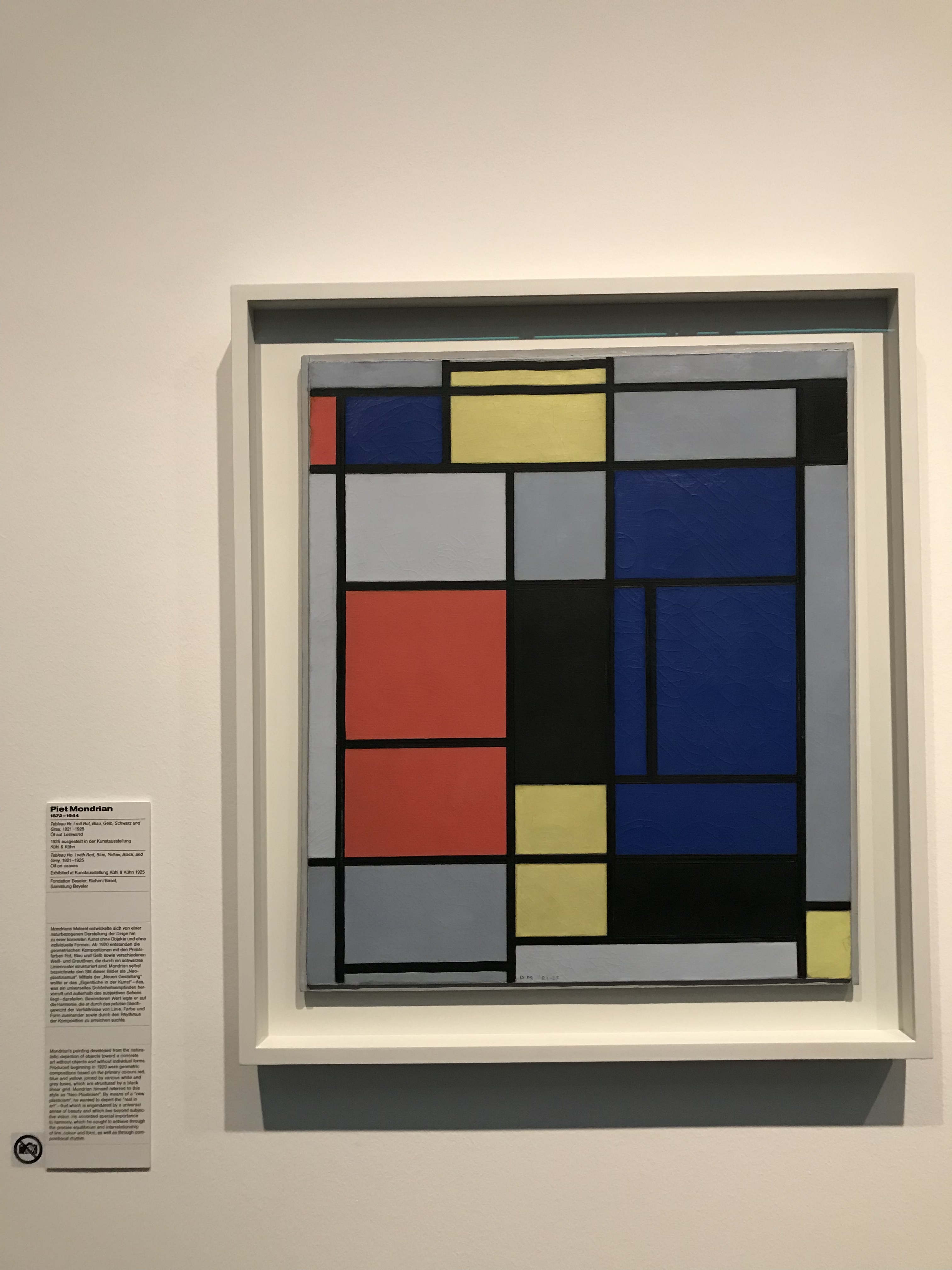
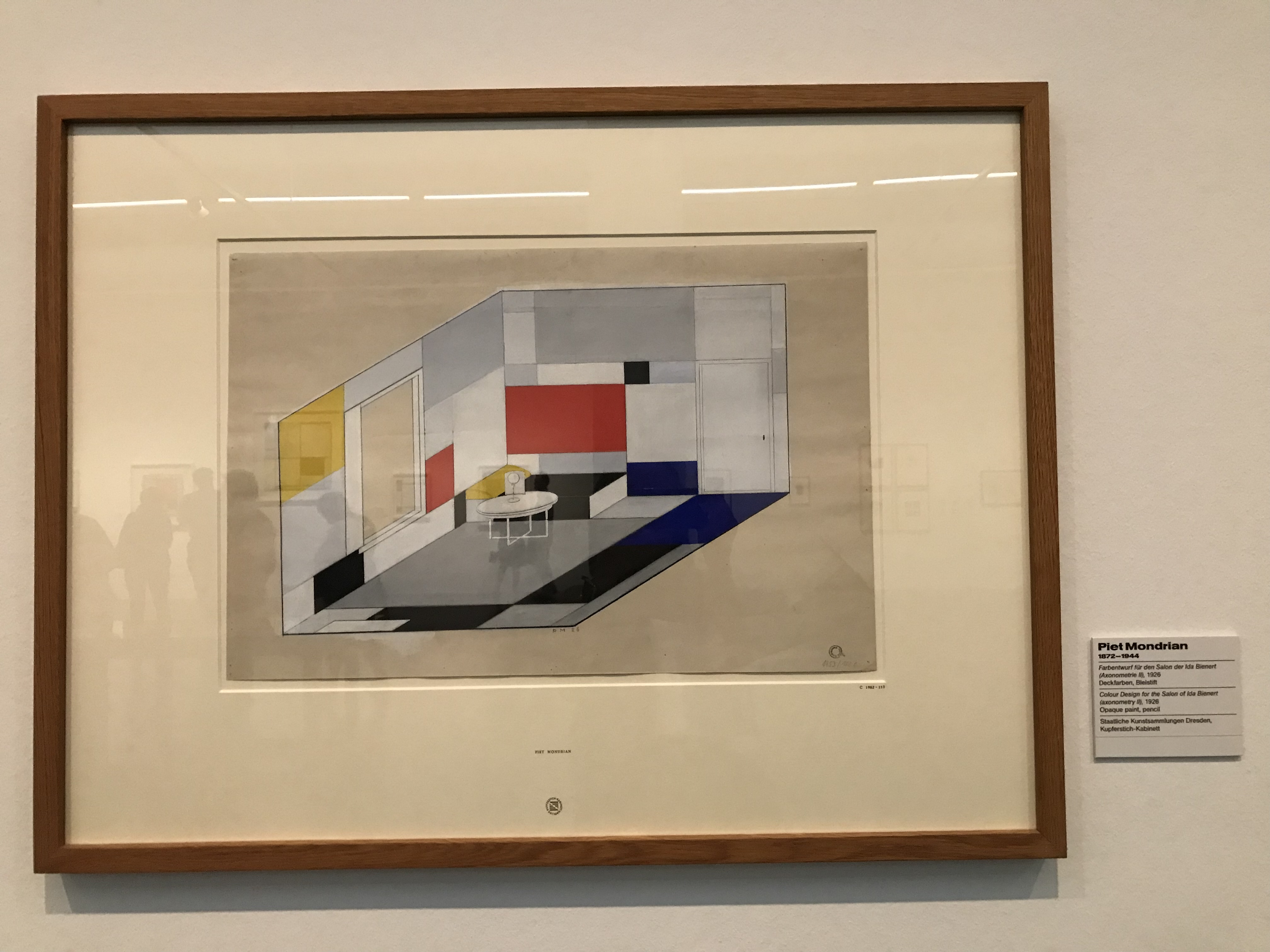
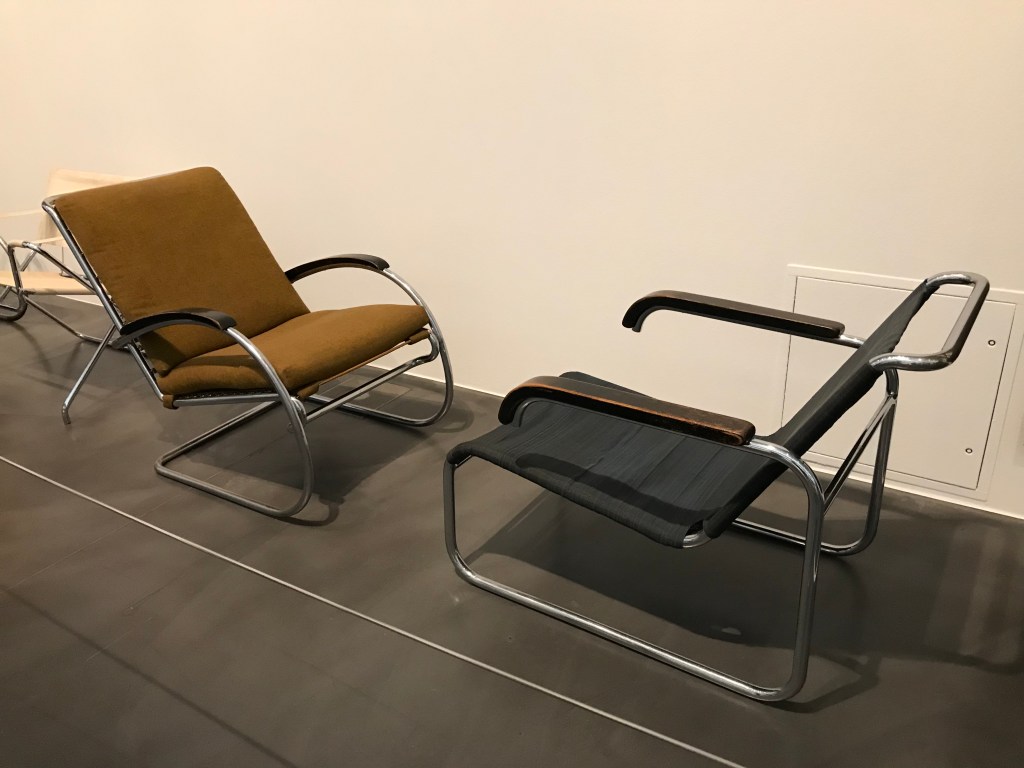
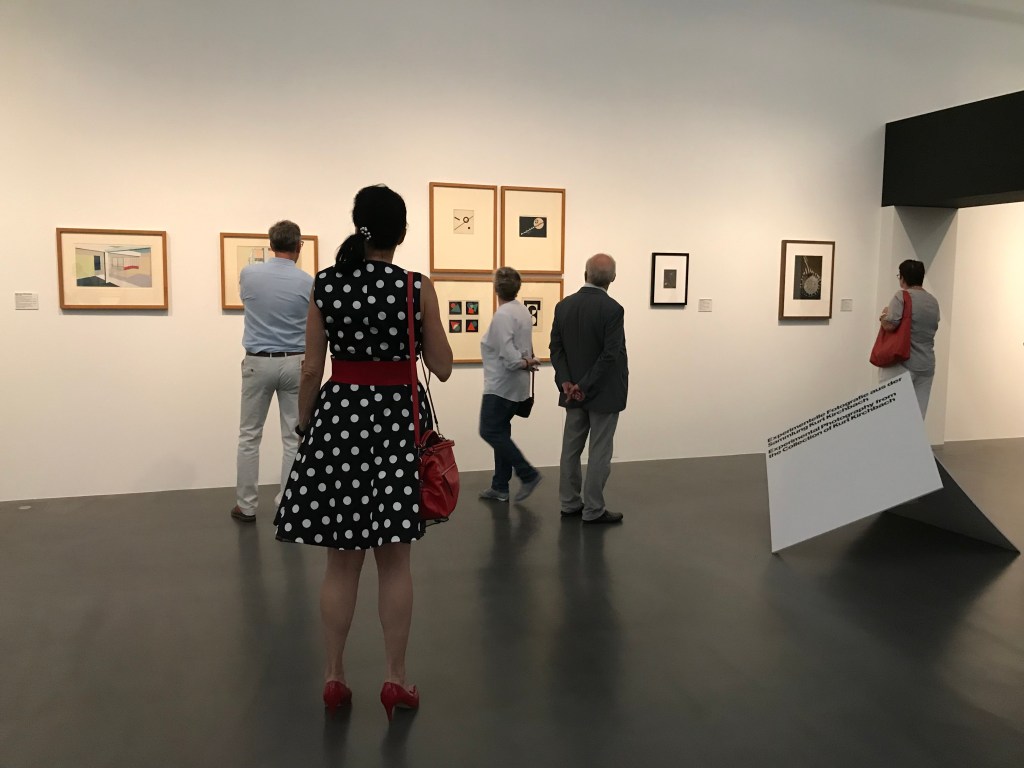
The Albertinum Museum exhibition, “100 Years of Bauhaus” was the second windfall. Created in Germany in 1920s, the Bauhaus included members shown in the exhibition such as Maholy-Nagy, Feininger, Klee and Kandinsky. It was a good warm-up to the performance.

The teachings of the Bauhaus formed the foundation for my undergraduate training in design at UC Berkeley. The Bauhaus developed design concepts and tools for mass production. Art, technology, architecture, painting, sculpture and construction were integrated from this movement.

Two-dimensional geometric lines and color like those by Piet Mondrian evolved into three-dimensional shapes. It is easy to see how industrial design and furniture like those by Marcel Breuer were an extension of isometric details and design.

The attendees at the exhibition of the Exhibition were exhibitions themselves. One woman wore a tastefully chosen black and white polka-dotted dress with red heels and accessories. Another more casually dressed gentleman clad in classic German black pondered in front of a textured wall. It served as a backdrop for artwork designed in the 20’s as part of the Bauhaus movement.

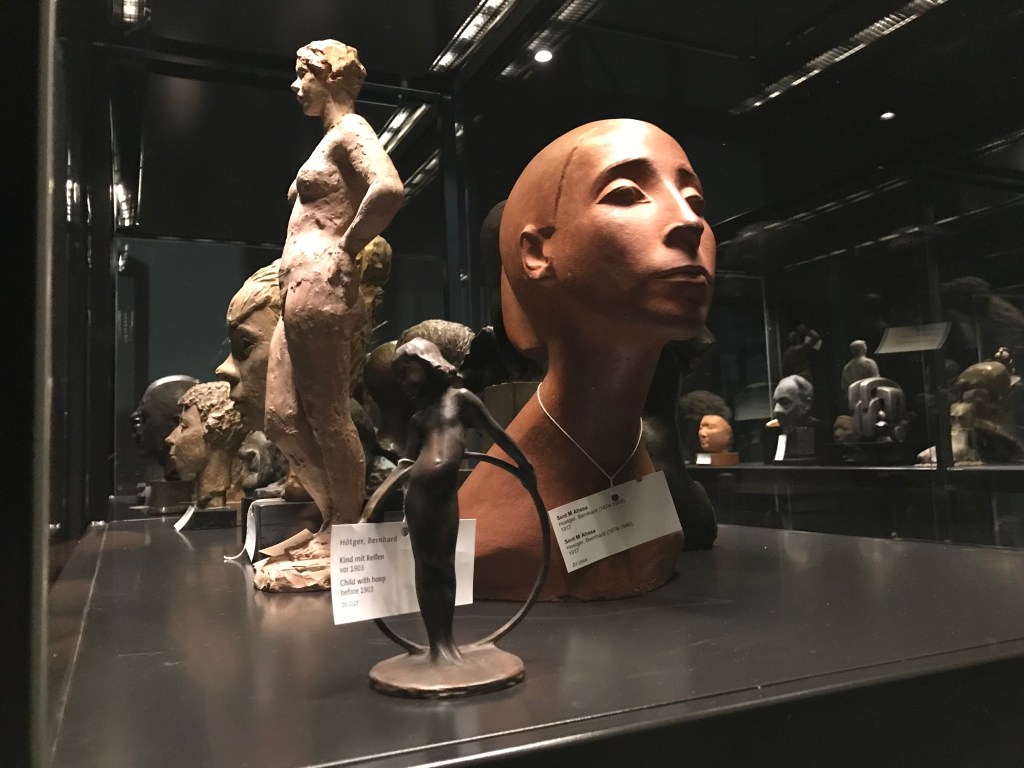
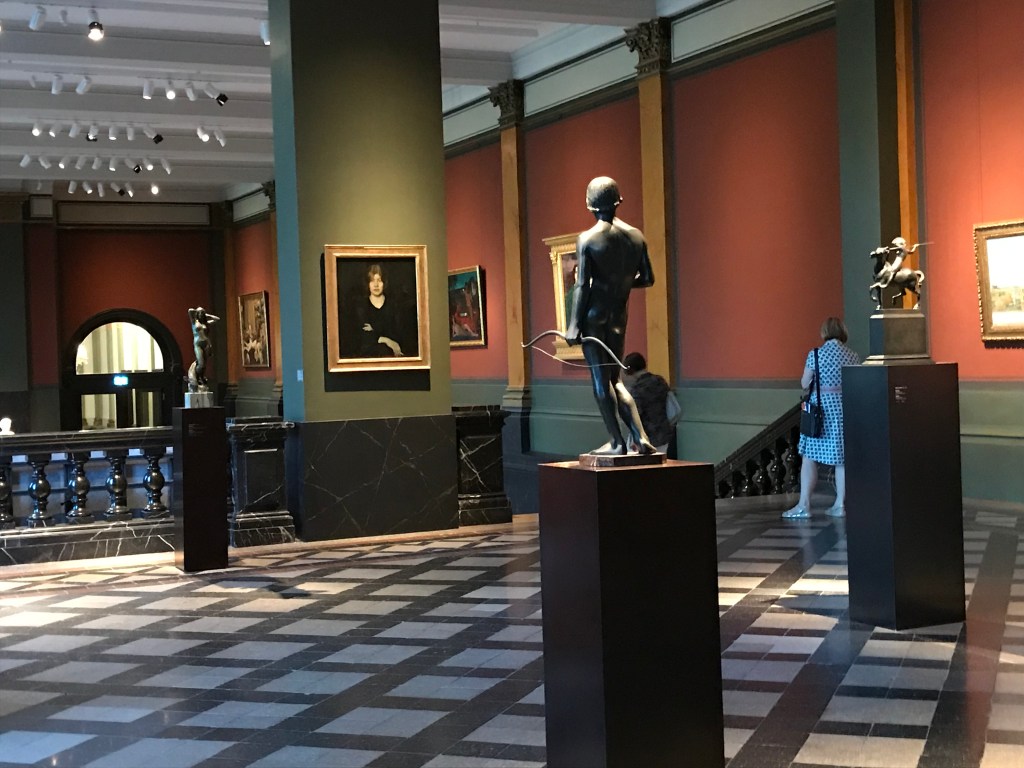
Last but not least, a quick rip through the classical section of the Albertinum revealed many forgotten items in storage and on display–a sad reminder of the dilemma of wealthy collectors.

After the end of the performance and three encores, the warm evening air outside reminded me of what a special place Dresden is in place and time. The view below is photographed from the Albertinum in Altstadt. Frederick Augustus, Elector of Saxony and the King of Poland, built most of Dresden’s original Baroque buildings here in the late 17th and early 18th Centuries.

Here are the other two concerts:

Grigory Sokolov Piano Recital

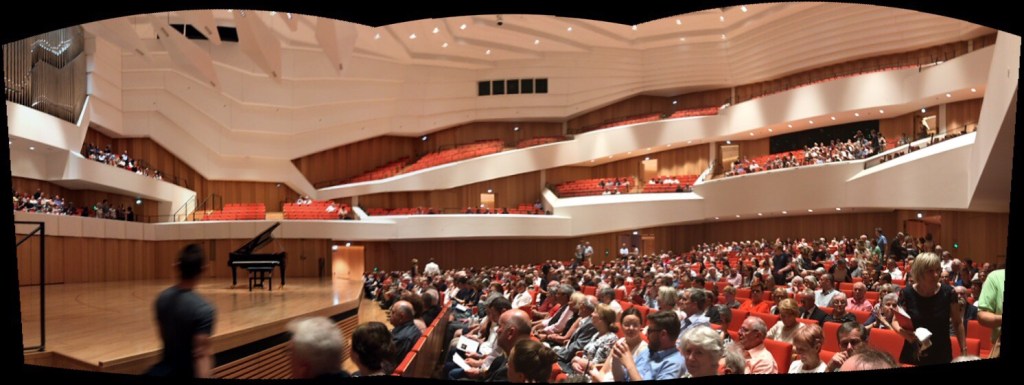
Born in 1950, Russian pianist Grigory Sokolov can still apply all faculties and fingers to a long and rare public performance. The audience was extraordinarily attentive, reflecting the pianist’s skillful yet delicate playing.

The Germans, as I have mentioned before, are stingy with kudos but you know you have seen something worthwhile when the audience gives multiple standing ovations (after stamping their feet). Sokolov showed his gratitude by performing several encores. It didn’t hurt that the newly renovated Concert Palace in the heart of Dresden is acoustically perfect. Musicians travel to the venue by bike and tourists arrive by public transportation at the front door.

Dresden High School for Music

The Dresden High School for Music demonstrated its mettle with a high quality string orchestra consisting of 11 to 19 year olds. The serious students and the attentive audience work hand in hand to promote a strong future for classical music in Germany. The building was beautifully and acoustically designed for occupants and visitors.

Sights and Sounds of San Francisco

If you were visiting me last month in San Francisco, I would have snatched tickets to an opera or symphony performance for us. As a city of nearly 900,000+/- techies, San Francico is graced with the highest quality music that can be managed by a small but loyal and enthusiastic following.

Many of the household names in opera today were trained in the local Merola or Adler Fellowship Programs here, including New York Metopera regulars Joyce diDonato, Susan Graham, Anna Netrebko, Patricia Racette, Deborah Voigt, and Delora Zajick; also Thomas Hampton, Brian Jagde, Quinn Kelsey, Ryan MacPherson, Lucas Meachem, Stuart Skelton, and the list goes on. Attending the concerts with current artists in training is an excellent way to familiarize oneself with fresh new talent.

 One of this year’s Adler Program presentations, the residency version of the Merola,  featured mezzo Ashley Dixon, soprano Patricia Westley, baritone Chris Purcell, and tenor  Zhengyi Bai. It’s great to see more Asians pursuing careers in opera. China and Korea seem to be particularly strong in gaining international recognition. I always look out for these talents and enjoy hearing their voices. Similarly, young composers and musicians from diverse backgrounds are flocking to the fields of music and opera in greater numbers, so neither opera nor classical music training are by any means static and uninspiring.

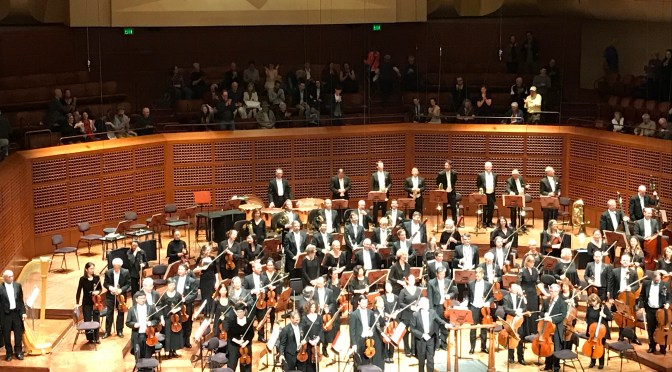
You can also catch superstars like Pianist Yuja Wang or Violinist Ray Chen performing annually at the SF Symphony, and a host of many other star performers. French Pianist Helene Grimaud was here for an afternoon performance at the San Francisco Symphony.  Tickets are relatively inexpensive and all seats have excellent acoustical sound quality at Davies Symphony Hall. International stars often sold out months in advance for higher prices in savvy European cities can be reasonably procured here.  I snagged a rock-bottom ticket priced at only $17 for Helene Grimaud at an afternoon performance.

For local charm, you can enjoy Chinese music performed by local high school and elementary school students once a year. Led by Sherlyn Chew, Chinese opera instructor at Laney College, she directed a score of Bay Area public school students in a joint end-of-the year performance of Chinese music for friends and family.

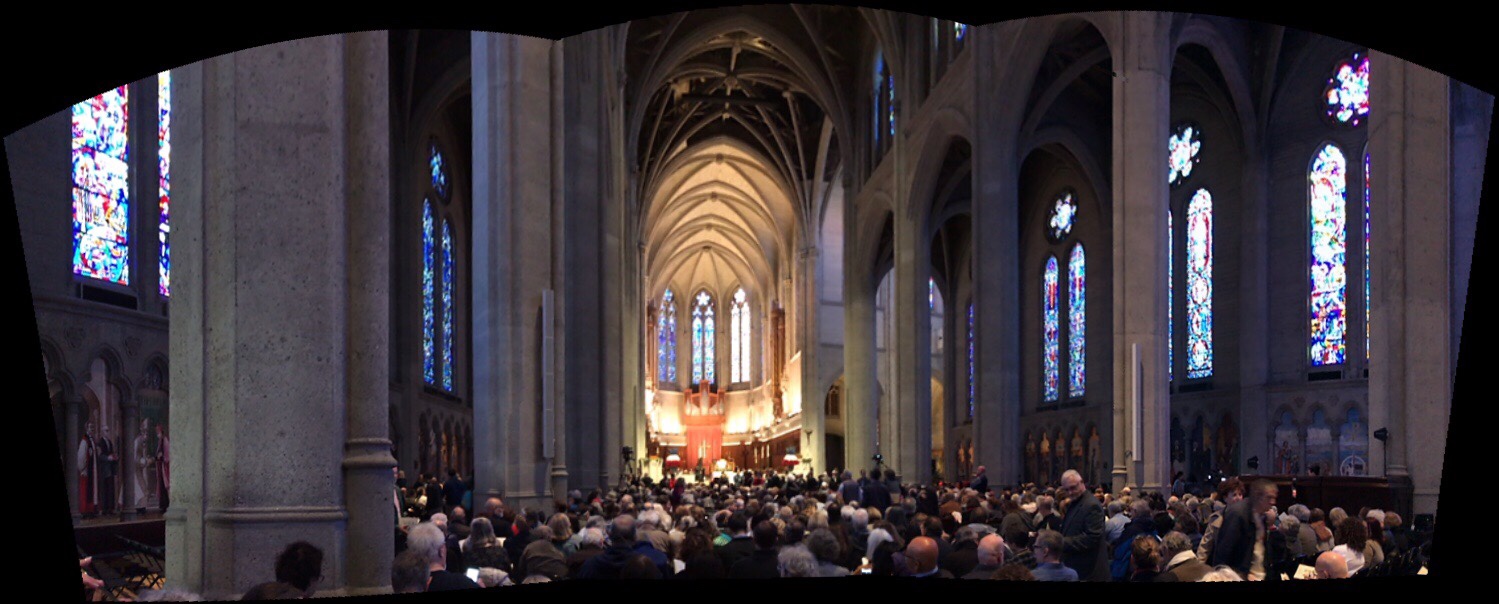
 In solidarity with the Notre Dame Cathedral, the San Francisco Symphony and local opera star Federica van Stade performed at Grace Cathedral.  As sister city to Paris, San Francisco and its French Community turned out to express its sympathy for the fire, as well as object to the attacks in Pittsburgh, PA and in the San Diego area.

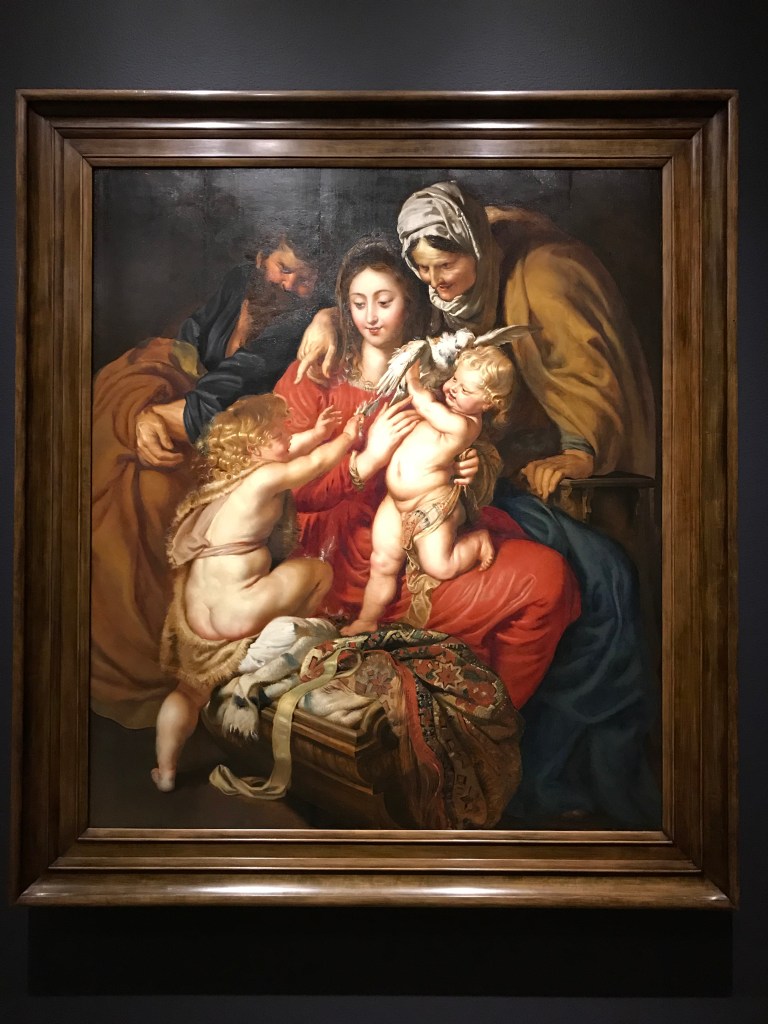
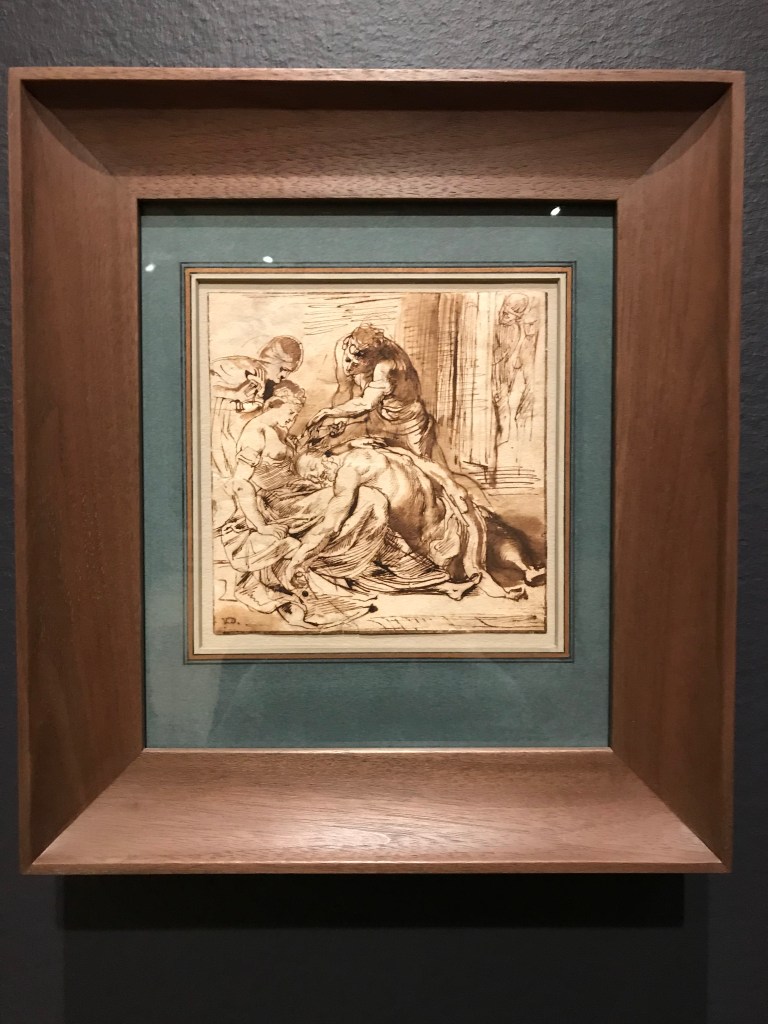
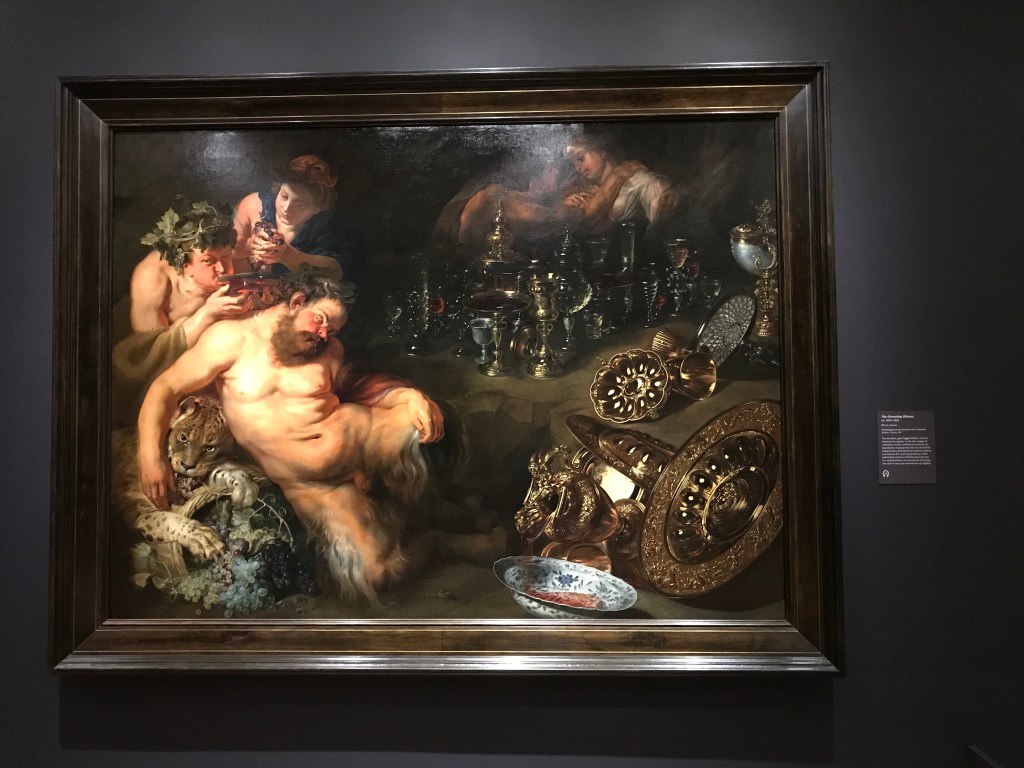
The small but informative early Rubens exhibition at the San Francisco Legion of Honor gave me and my fellow German language partner an opportunity to discuss and discover the wonders of the Belgian artist together auf Deutsch. We challenged ourselves with the artist’s life and work while practicing our German vocabulary.


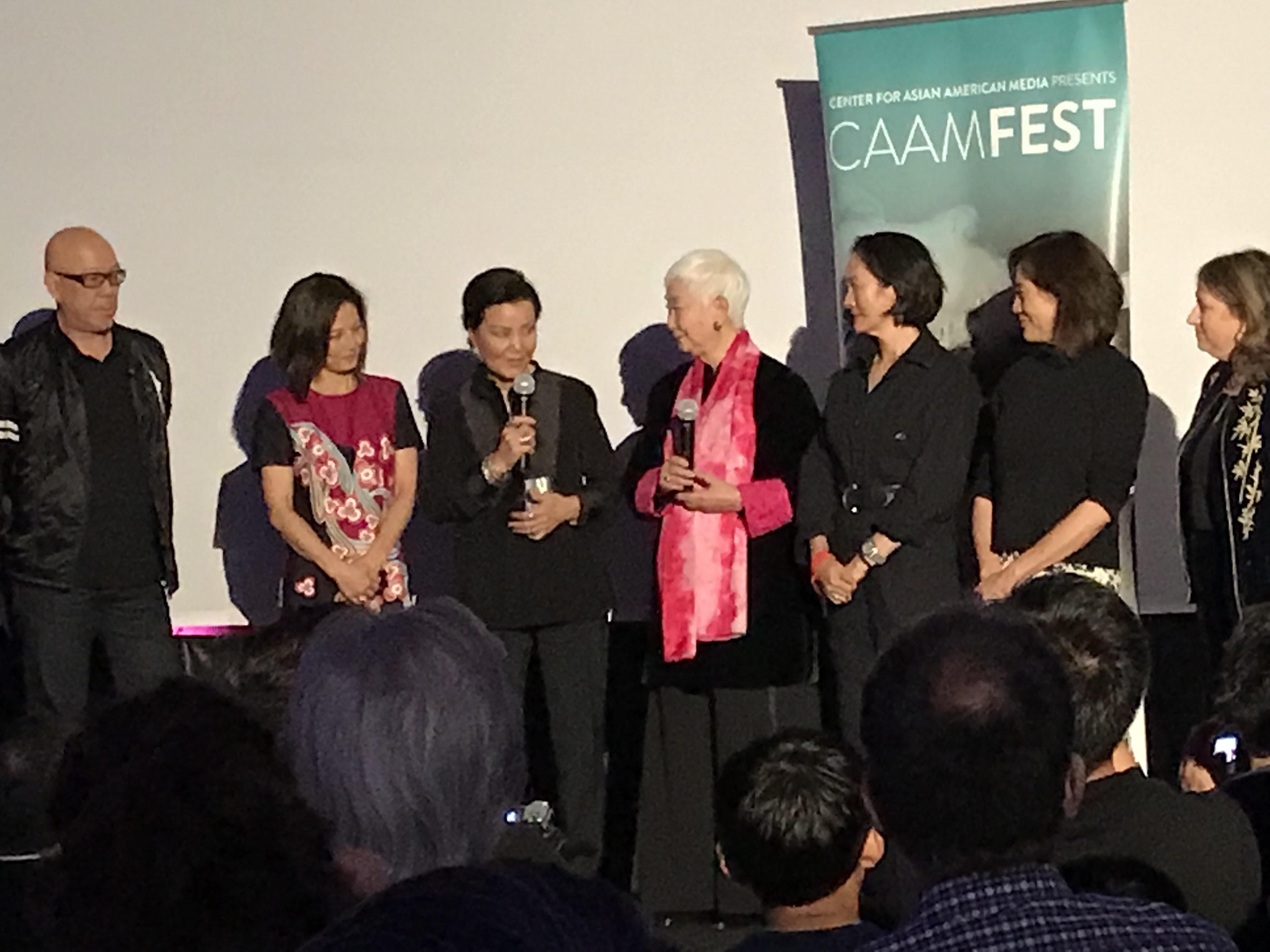
The annual Center for Asian American Media (CAAM) Festival held in May this year to coincide with the Asian Pacific Islander Month in San Francisco featured “Chinatown Rising”, a documentary by a Chinatown Presbyterian minister. He worked with his son to produce a film that showed the development of the Chinese community in the late 60’s and early 70’s. With his help and many local activists, Chinatown learned how to speak out about its housing crisis and poverty in Chinatown.

The second major film showing, was the now classic “Joy Luck Club”. After 25 years, the actors gathered together to celebrate their involvement in Amy Tan’s story about four women growing up in San Francisco and their mothers from China. Lisa Lu, now 90, was one of the featured actresses and a diva from traditional Chinese opera. She also played the grandmother in “Crazy Rich Asians”.


And a plug for Mister Jiu’s: an exquisitely prepared succulent pink trout stashed inside lotus leaves and baked in salt. The dish was perfectly paired with sides of parsleyed vinegar and trout roe. We satiated the rest of our greedy appetites with wild mushroom bao, first of the season apricot salad, crispy deep-fried shrimp, and stir-fried asparagus with black olives and smoked tofu for a leisurely two-hour meal. It was a monumental undertaking for two of us! We gladly indulged our brains and our stomaches bite by bite to the scrumptious end.

Don’t miss my upcoming, real-time travels to Germany, Azerbaijan, Georgia, Armenia, Portugal and Austria in two weeks!

Metopera on Broadway

Aside from the address of the Metropolitan Opera being on Broadway, the opera is looking and acting more like Broadway. The opera has been transforming itself to appeal to a broader and younger audience. In doing so, it is getting a glitzy makeover.

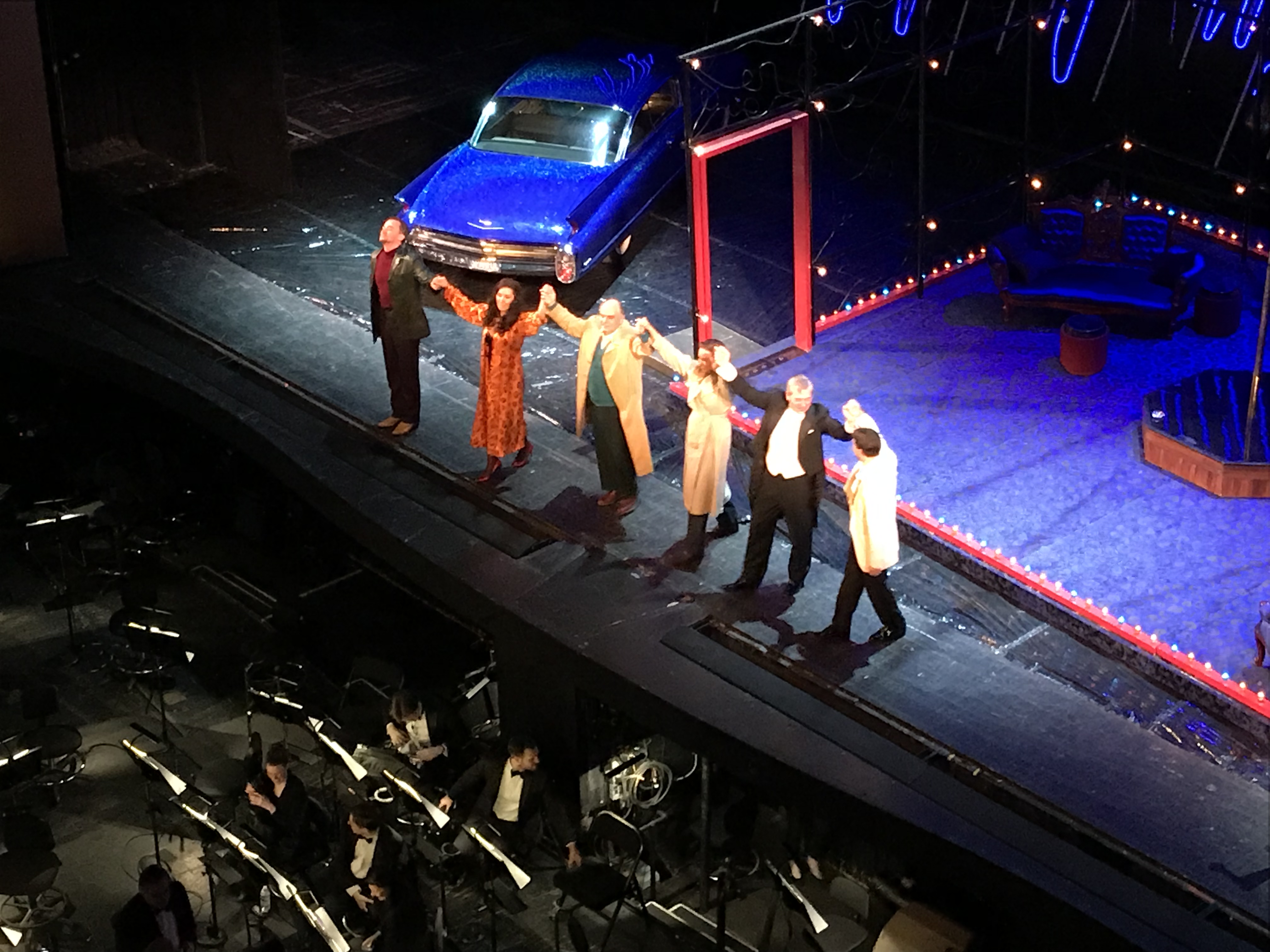
Tonight’s Rigoletto felt more like a Broadway show, complete with neon signs, showgirls and a casino set. The first act was set in Las Vegas, and although it sounds hyped up, the stage sets were sophisticated and appealingly campy. Once the familiar music started, along with the stellar singing, you knew you were back in the good old opera house territory.

Nadine Sierra is an upcoming new starlet who has won plenty of awards for her singing and beautiful voice. It was one of those rare moments. Throughout the evening, you could hear a pin drop as the audience held its breath at each singing pinnacle. Sierra chirped long luscious notes and kept the audience enthralled.

Stage sets, which are often quickly covered at the end of the performance, were left exposed during the curtain call. The designer must have been very proud of this production to showcase it.

Be sure to look out for this live broadcast if it is shown in cinemas in the near future. It was spectacular, exciting, and the singing was stellar. An excellent reinvention of a popular opera.

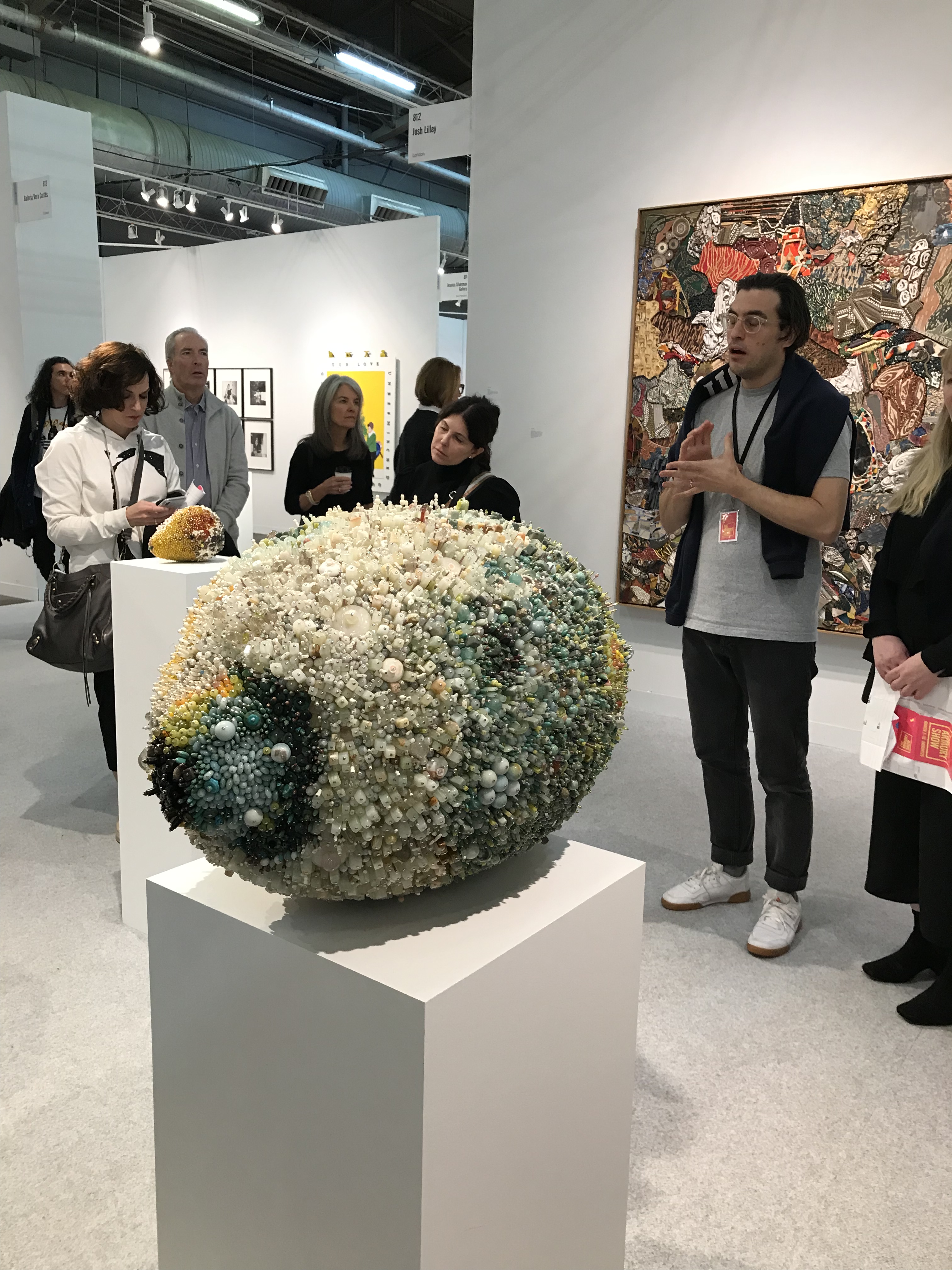
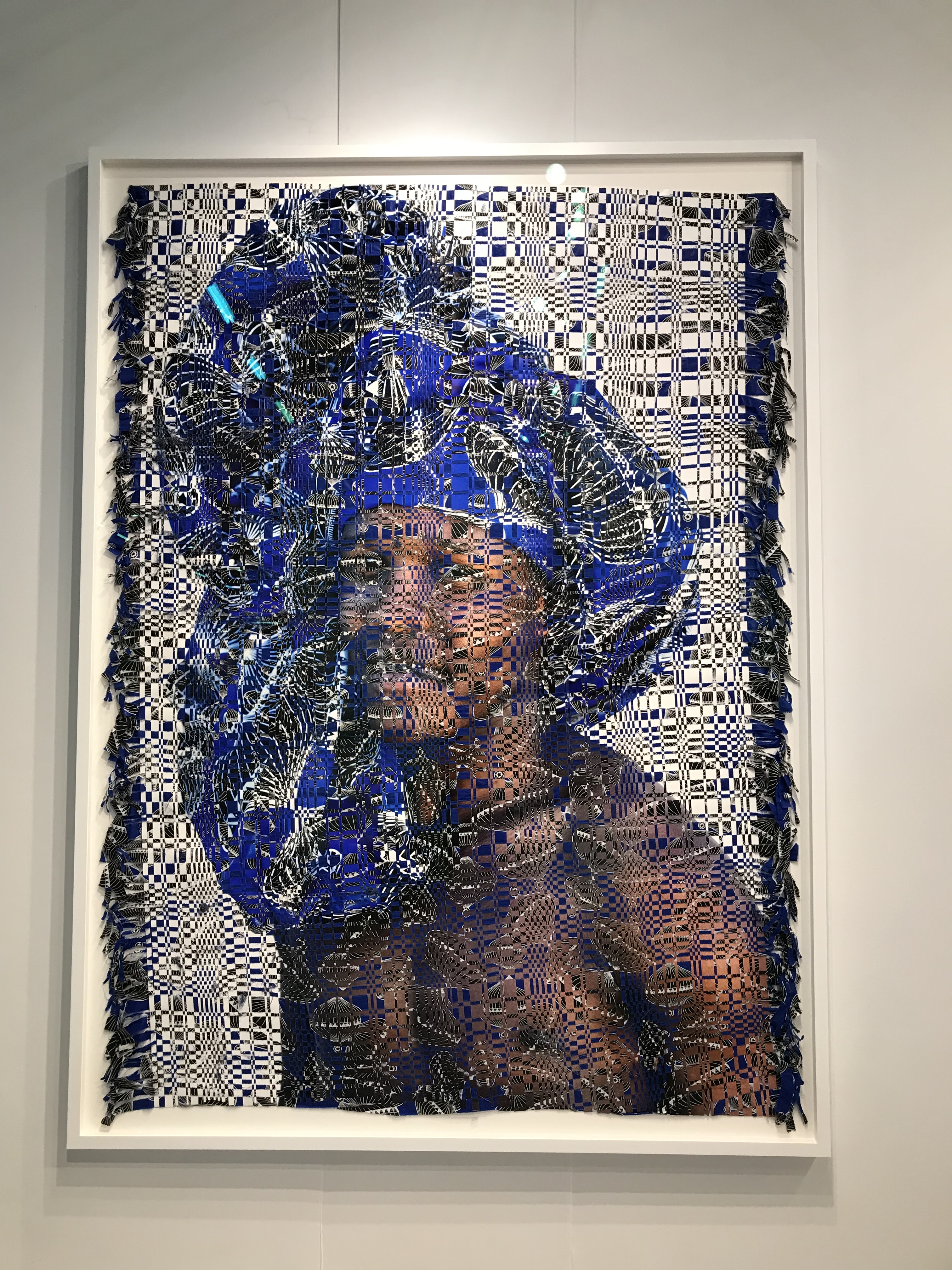
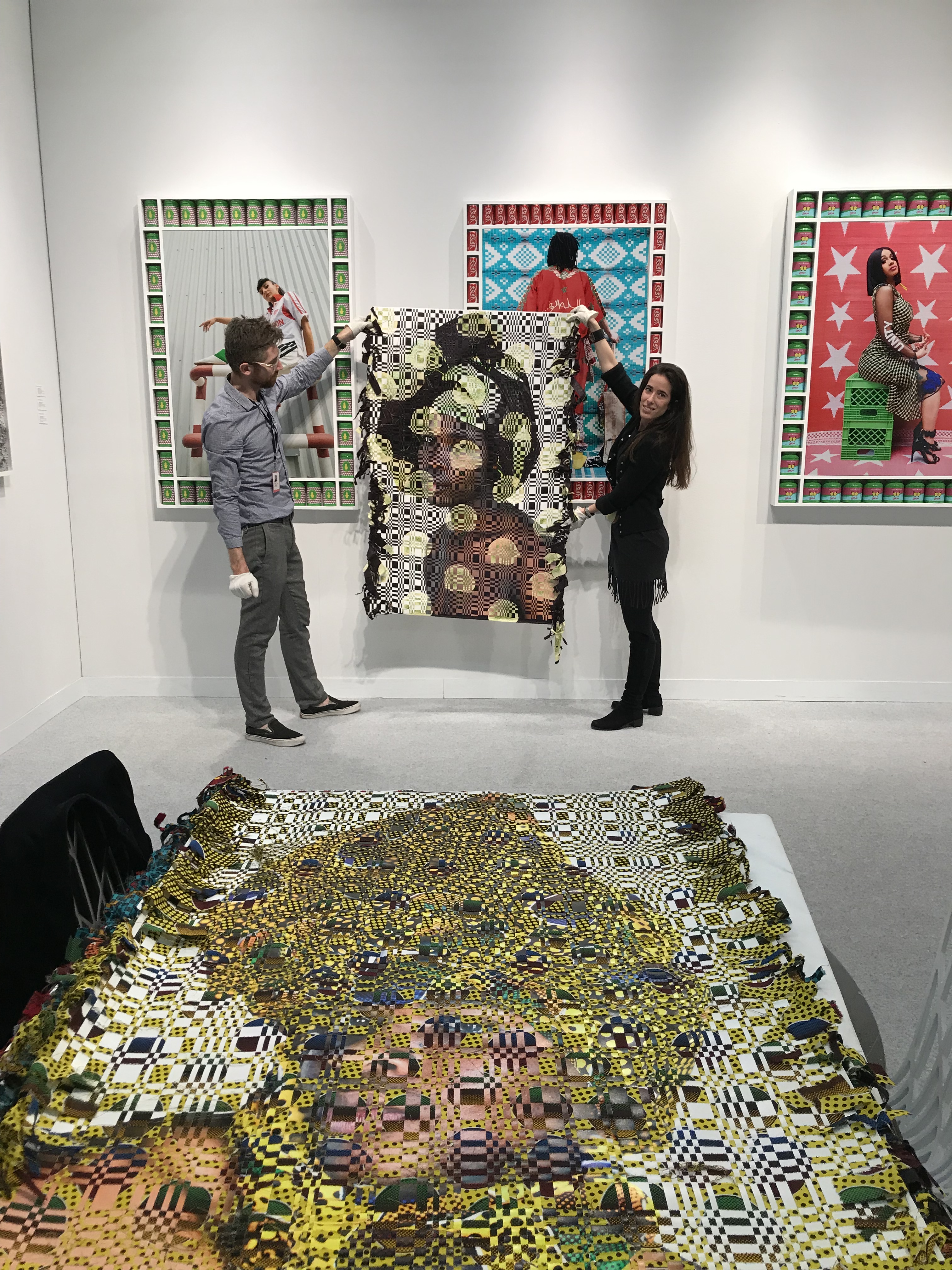
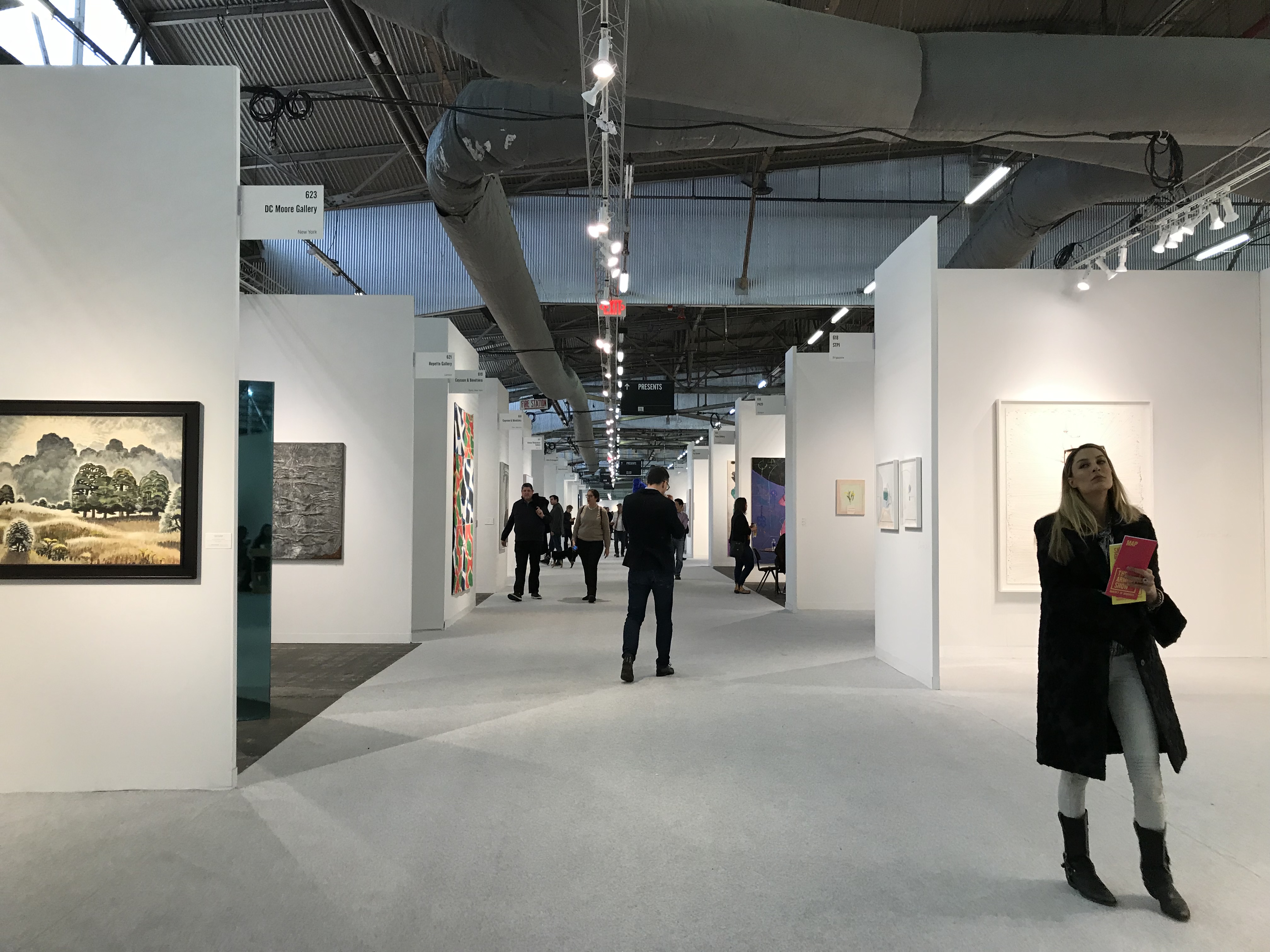
The Armory Art Show at Pier 94 reinforced the thriving arts scene in New York City. More than 250 exhibitors were represented in a show that started 25 years ago in the Gramercy Park Hotel. you can see some of the works by featured artists below.

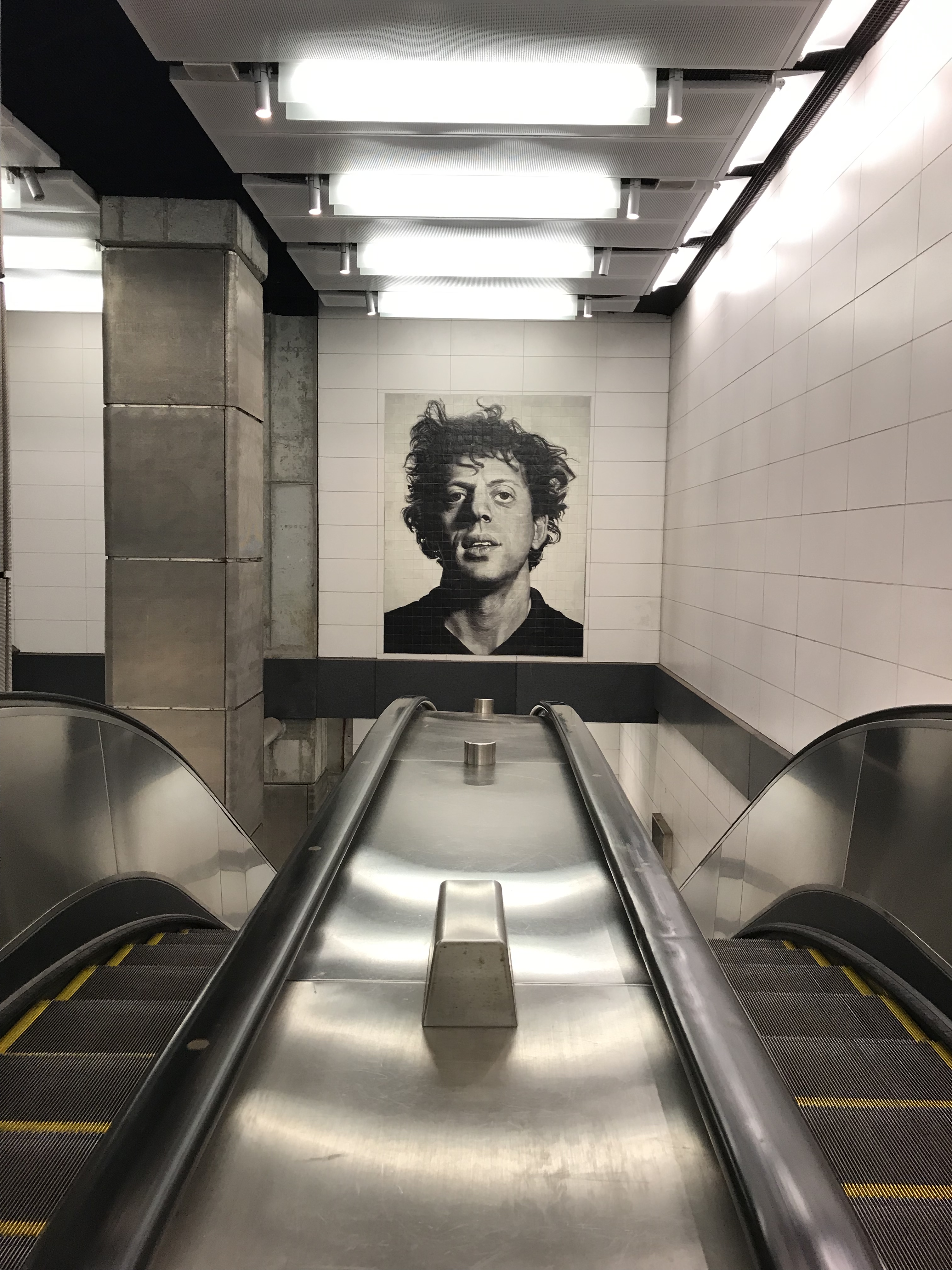
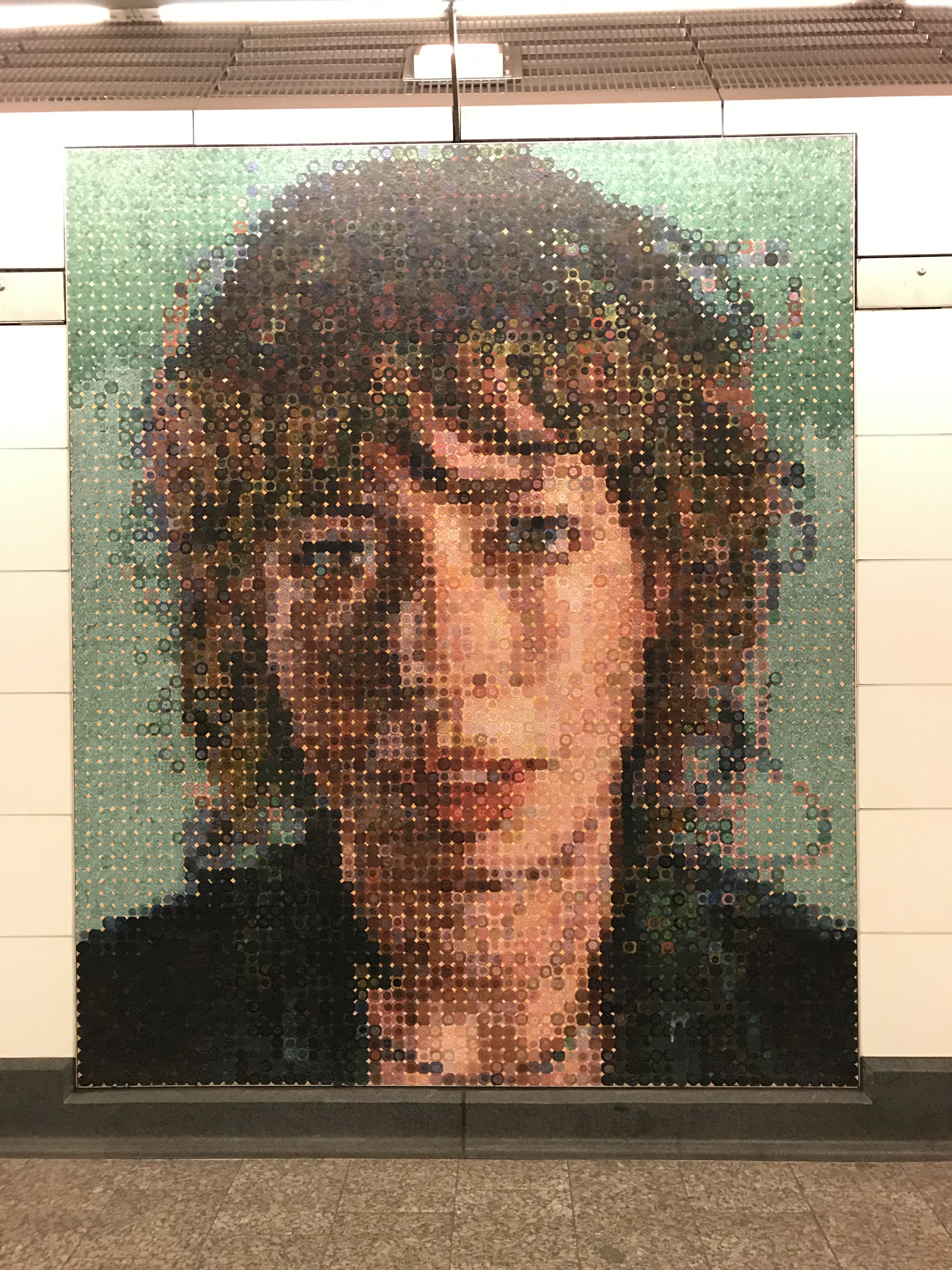
Traveling back and forth to Lincoln Center offered plenty of opportunity to view public art and hear a variety of musicians in the subway stations. They certainly enhanced the travel experience and gave plenty of inspiration. Can you guess the artist who produced the portraits?!?

The Art of an Arts Education

During this Winter lull I thought I would share a few of my favorite old and new resources for interesting cultural sites. It takes a bit of wandering around the Internet, but here are a few that I found to be helpful in my development and pursuit of an “arts and cultural” education.

One of the first places I started is the local community college website. For life-long learning at any age and an opportunity to interact with motivated students of all ages, you can find plenty of courses to inspire you and to keep your brain fit! If you are in the Bay Area, try https://www.ccsf.edu or https://laney.edu or any other local community college website. I have immersed myself in Art, Music, German, and Film classes and am very impressed with the quality of the teaching staff. You might find that it’s a cost-effective way to try out new topics. You won’t be disappointed by the City’s free system, still effective for the time being. So, San Franciscans, take advantage of it now! College fees in other cities are nominal.

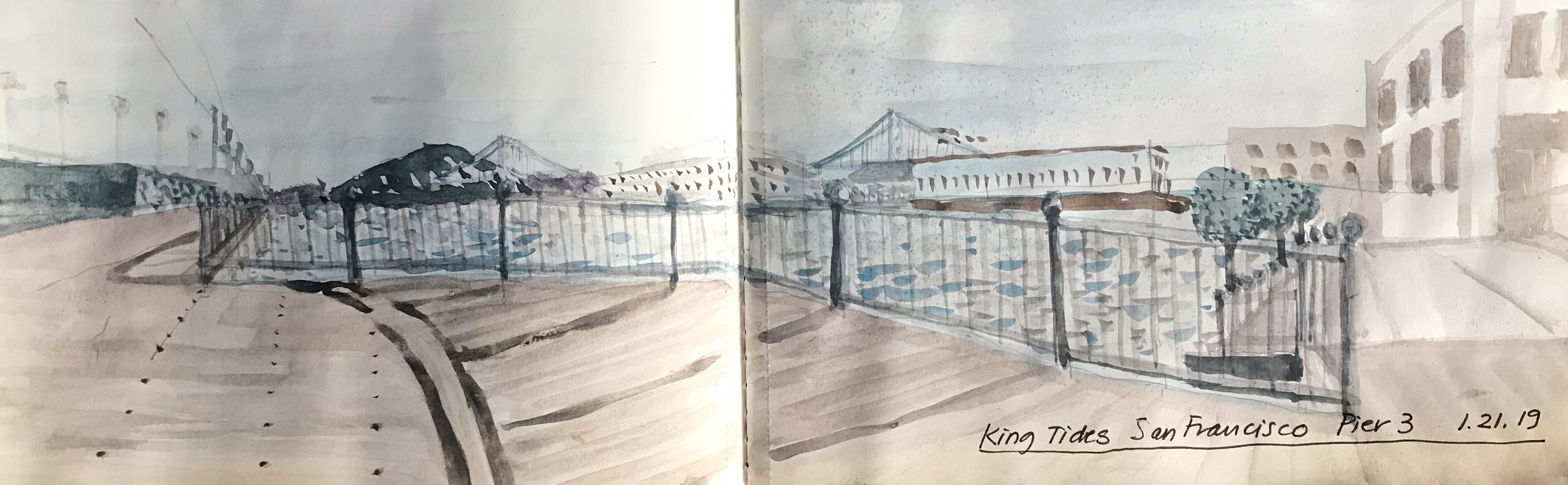
SF Sketchers is an active group of sketchers in San Francisco who connect at interesting locations such as going to the Embarcadero to sketch king tides, the Beach to sketch nude bathers, and the Global Climate Summit at the Civic Center. As an active participant, I look forward to Lauri Wigham’s creative ideas for a healthy morning or afternoon of sketching, both outdoors and in. An upcoming “Portrait Party” at Arch Supplies is a repeat from last year’s successful event, where small groups sit and sketch each other for five-minute poses. You can find out more about SF Sketchers at https://www.meetup.com.

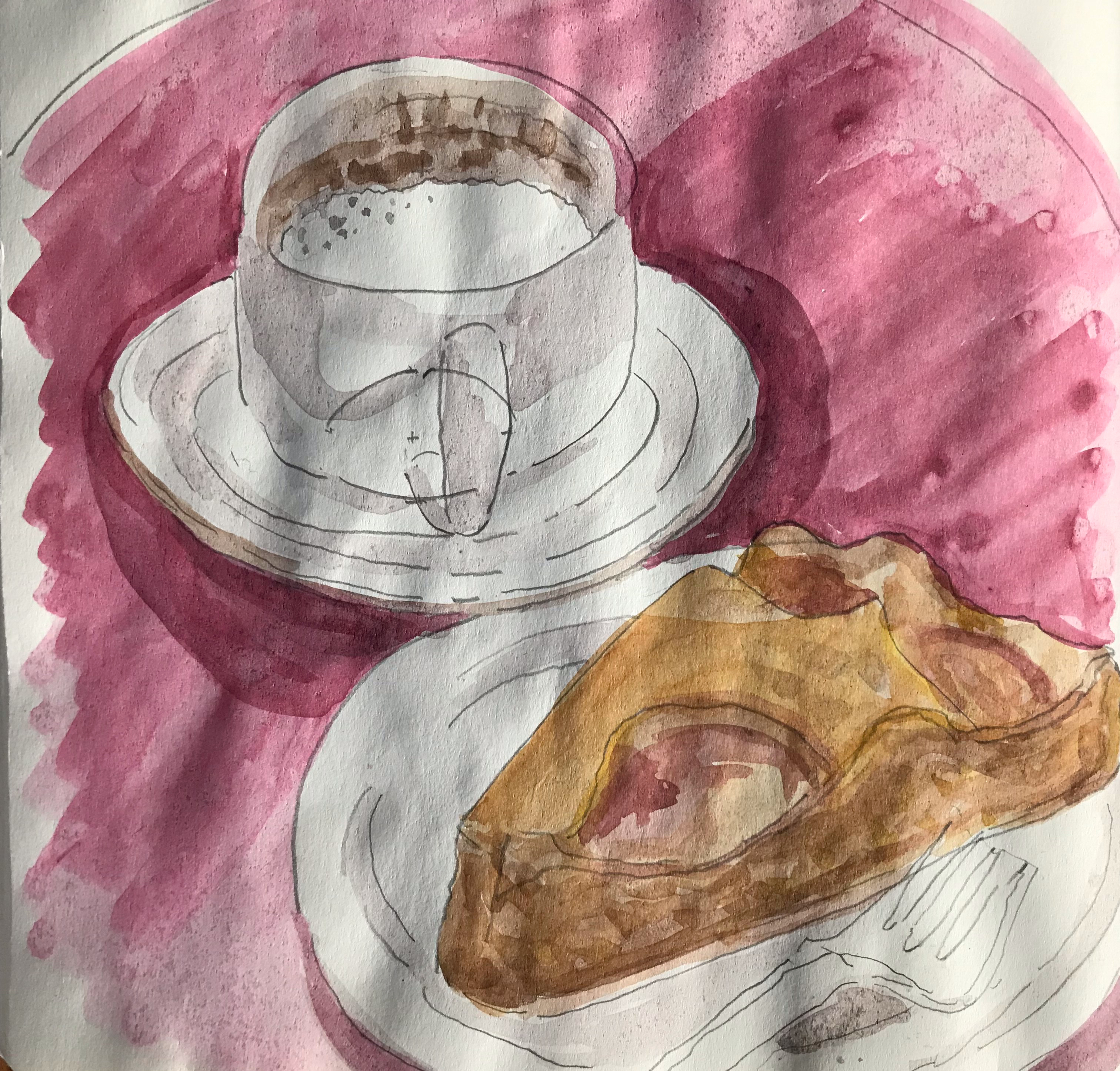
A smaller, neighborhood local sketch group meets regularly on Saturday mornings to sketch at cafes throughout the Sunset District. It’s a convenient time to roll down the hill or take a brisk morning walk towards the Beach, catch a cappuccino, and do a non-verbal brain dump on paper. The group is very active and you can find their future meetings at the same site above.

The Parks and Recreation Dept of San Francisco has a healthy list of activities and programs for all ages. I realized that these are some of my tax dollars being put to good use, for the benefit of everyone. Not everyone knows what they do, or the benefit they bring to the community, until you decide to get involved. Many of the arts are supported here, such as welding, pottery, photography, jewelry making, and other general art classes in addition to sports programs. See https://sfrecpark.org.

Music for the Mind

For both American and international friends, my absolute recommendation for opera and music festivals is www.https://operabase.com. It’s a complete database for opera singers, composers, performances and opera houses throughout the world. It’s a great way to maximize your time in Europe by joining a music festival the same time you plan to visit a European city. You will be pleasantly surprised! It will support and maximize your travels.

I also follow a classical music website called bachtrack.com, a UK based organization. It covers both opera and musical concerts. You can find it at https://bachtrack.com


My favorite opera house, the Bayerisches Staatsoper in Munich, Germany at https://www.staatsoper.de offers awesome opera productions. They just presented a thrilling livestream broadcast of Karl V. That may sound a bit obscure, until you realize that it’s Charles V, a descendant of Charlemagne. It gives you a chance to catch up on European history at the same time you hear the music. A drier, but nevertheless entertaining, version of Hamilton.

Speaking of Hamilton, I managed to get the last two tickets for a performance in San Francisco last week. It was only my second time seeing the musical, but it was a profound experience–hearing rap music condensing the founding history of the US into a mesmerizing array of song, dance and poetry in less than three hours. Lin-Manuel Miranda is brilliant.

And of course the Metropolitan Opera in New York is the grand dame in the US at https://www.metopera.org. for combining music, art, costumes and drama. You can catch Donizetti’s La Fille du Regiment next Saturday, March 3, and a followup Wednesday, March 6 in theaters near you. Pretty Yende is the star. The METOPERA’s new season is already posted, so plan an opera visit the next time you are in NYC!

Hopefully some of the resources and websites above will be useful to you. Let me know if you have trouble locating any of them or have comments.

LA Interlude

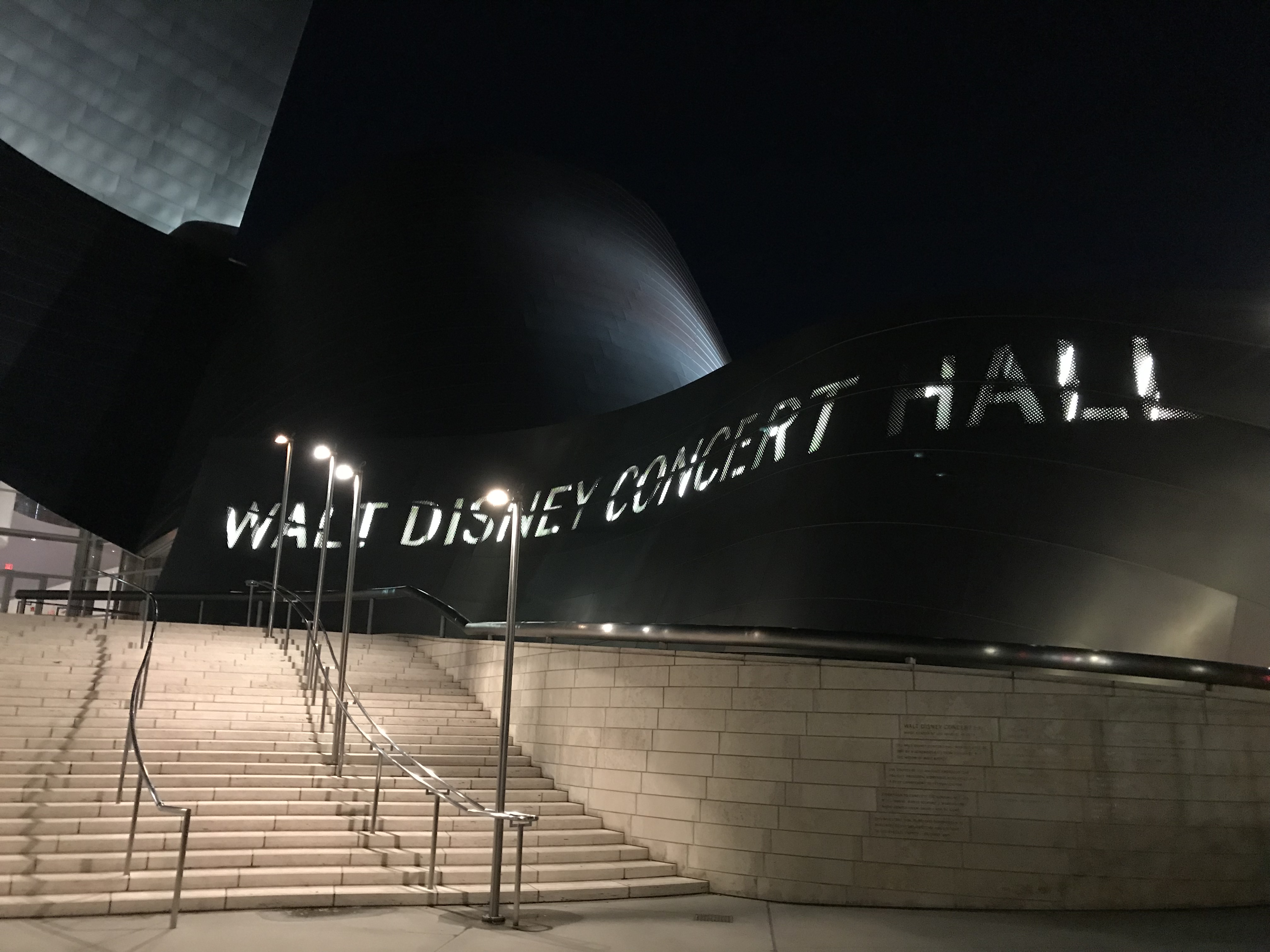
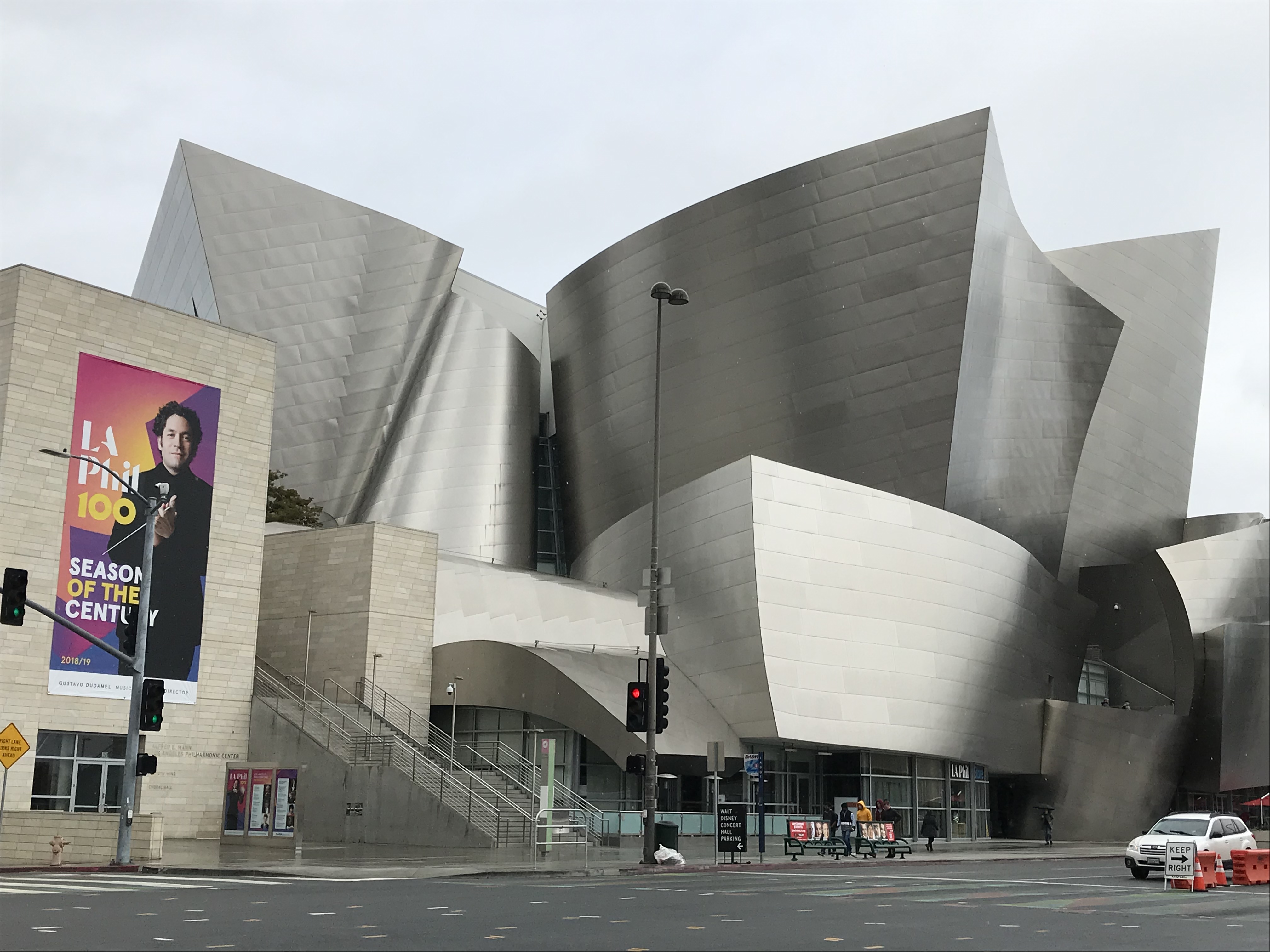
In a quick trip to Los Angeles a couple of weekends ago, we saw “Buddha Passion”, a stimulating premiere of Tan Dun’s opera concert featuring six Chinese performers. The choir and children’s chorus sang in Mandarin, and the music was beautifully reflective of the Dunhuang Cave environment in Northwest China. It was one of my first visits along the Silk Road a few years ago, so I had a particular fondness for the subject matter. I was surprised and delighted that Gustavo Dudamel led the orchestra for this new work by a Chinese composer.

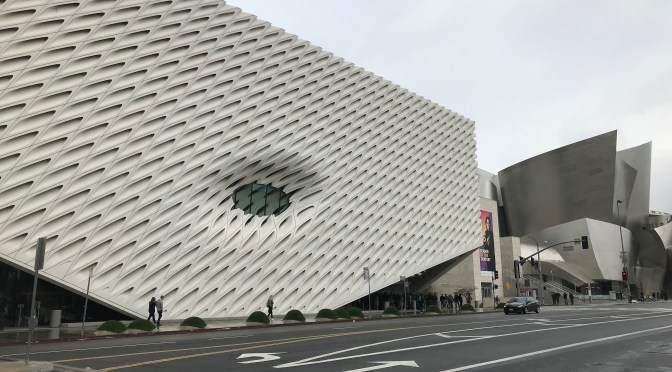
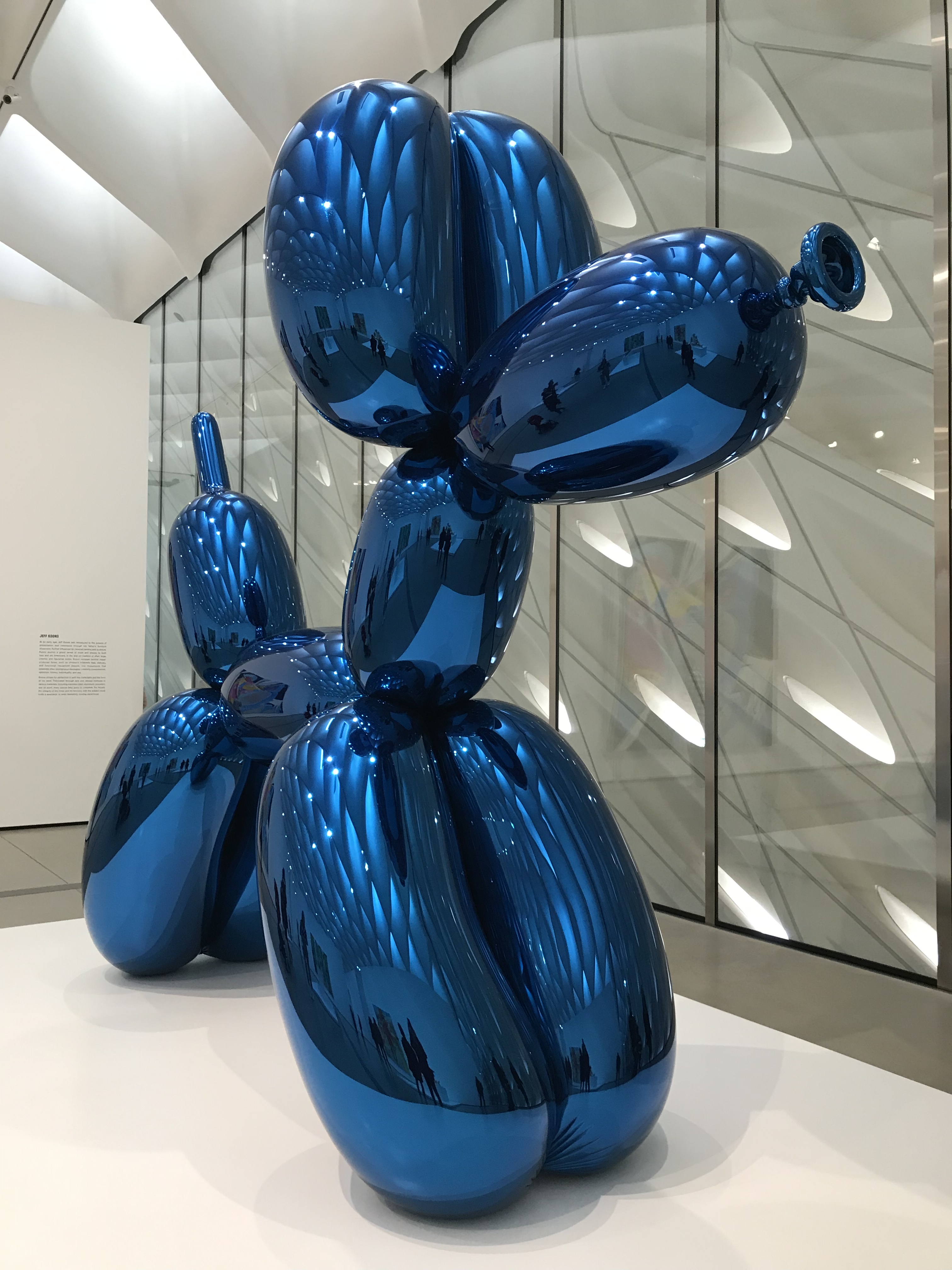
We had just enough time to slip into the Broad Museum the next morning to oogle at the wealth of big-name artists such as Beuys, Koons, and Roy Lichtenstein, and to admire the new museum. After all, what’s the point of doing art without seeing art?!?

Addendum: Check out these two food websites: https://www.chefsfeed.com and https://www.exploretock.com if you are looking for alternatives to opentable.com. They are more discriminating and provide a more professional approach to restaurant dining experiences from award-winning and innovative restauranteurs.