Day 27: Dresden City Festival

image

imageimage

The  City Festival, between  Friday and Sunday  August 15-17, was launched in earnest, casting a whole new dimension to the city I had never before seen.  Most events occurred late at night around 11pm, drawing huge crowds of young people to rock events, carnival rides and cheap food. Plenty of security police were around to maintain civil order despite lots of beer consumption.

The theme this year is the Canaletto Festival. Dresden is known as the Florence of the Elbe. Canaletto was known to have painted a famous scene of the Elbe River, and the scenery is forever tied to the romantic view of Dresden.  Naming the festival after the Canaletto painting pays homage to the city’s cultural and artistic heritage.

In our class Friday we were asked to work in groups to describe three recommended events for the festival. We had to defend our position on why we thought our recommendations were the best. My group recommended a rock band, Tai Kwon Do exhibition, and a rubber ducky competition between two teams. Natürlich auf Deutsch.

My friend Helena arrived from Zürich for the weekend.

Day 26: Sommerfest

image image image

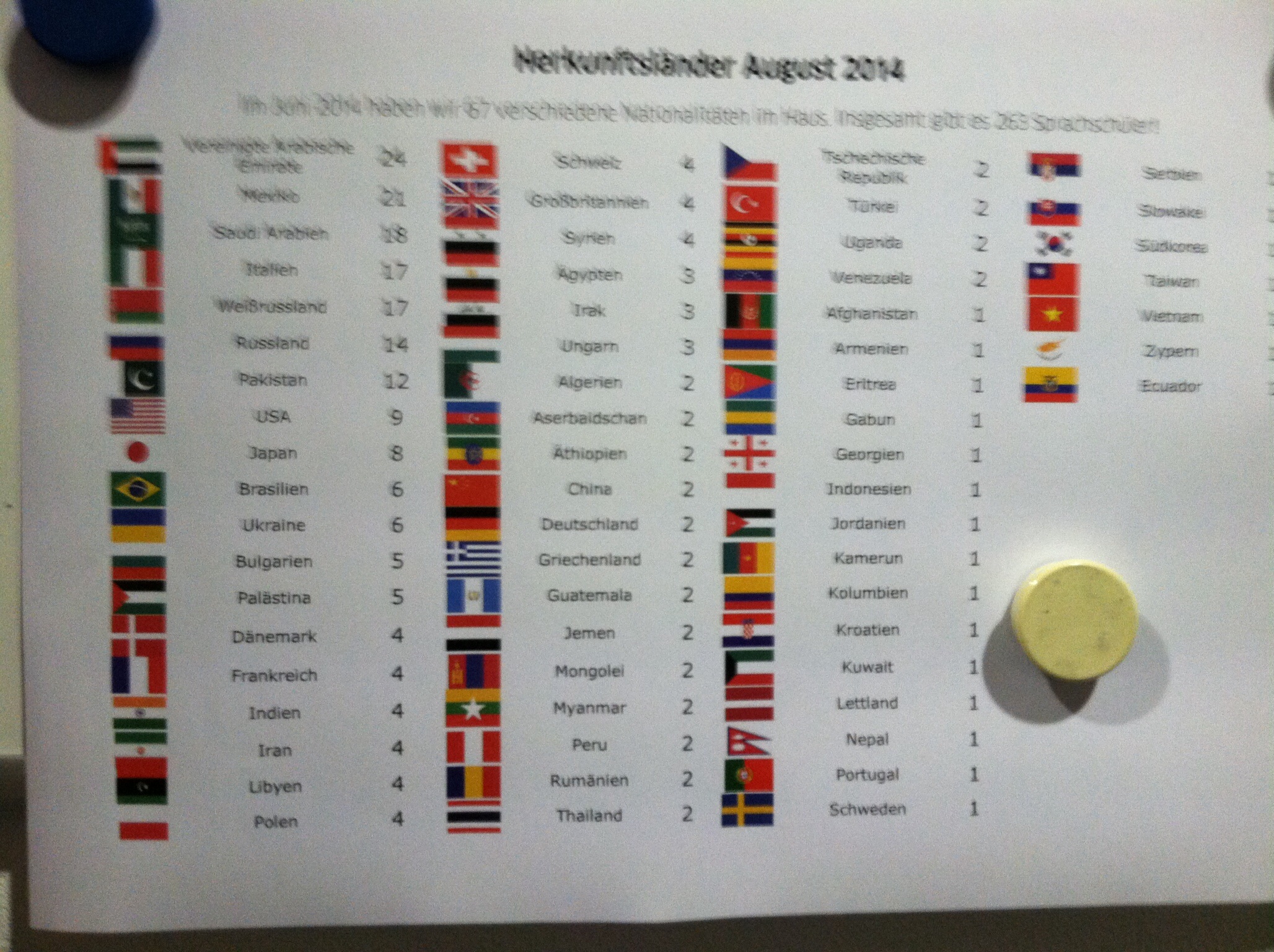
Last night was our class get together at the GI. The list of countries gives you a good idea of how varied the population is here–virtually one of each. The interesting point is that there are few Americans and a healthy contingent of Mexican students learning German for some reason. I heard that this might have to do with fewer students liking the U.S., but for whatever that means I like being in the minority here.

In case you are unable to see the list, there are 67 countries represented at the GI since June 2014. 21 from Mexico and 9 from the US. The largest group comes from the Union of Arab Emirates (24). It feels like the Eurovision version of American Idol–much more internationally oriented and with plenty of opportunities on both sides to either reinforce or dispel stereotypes.

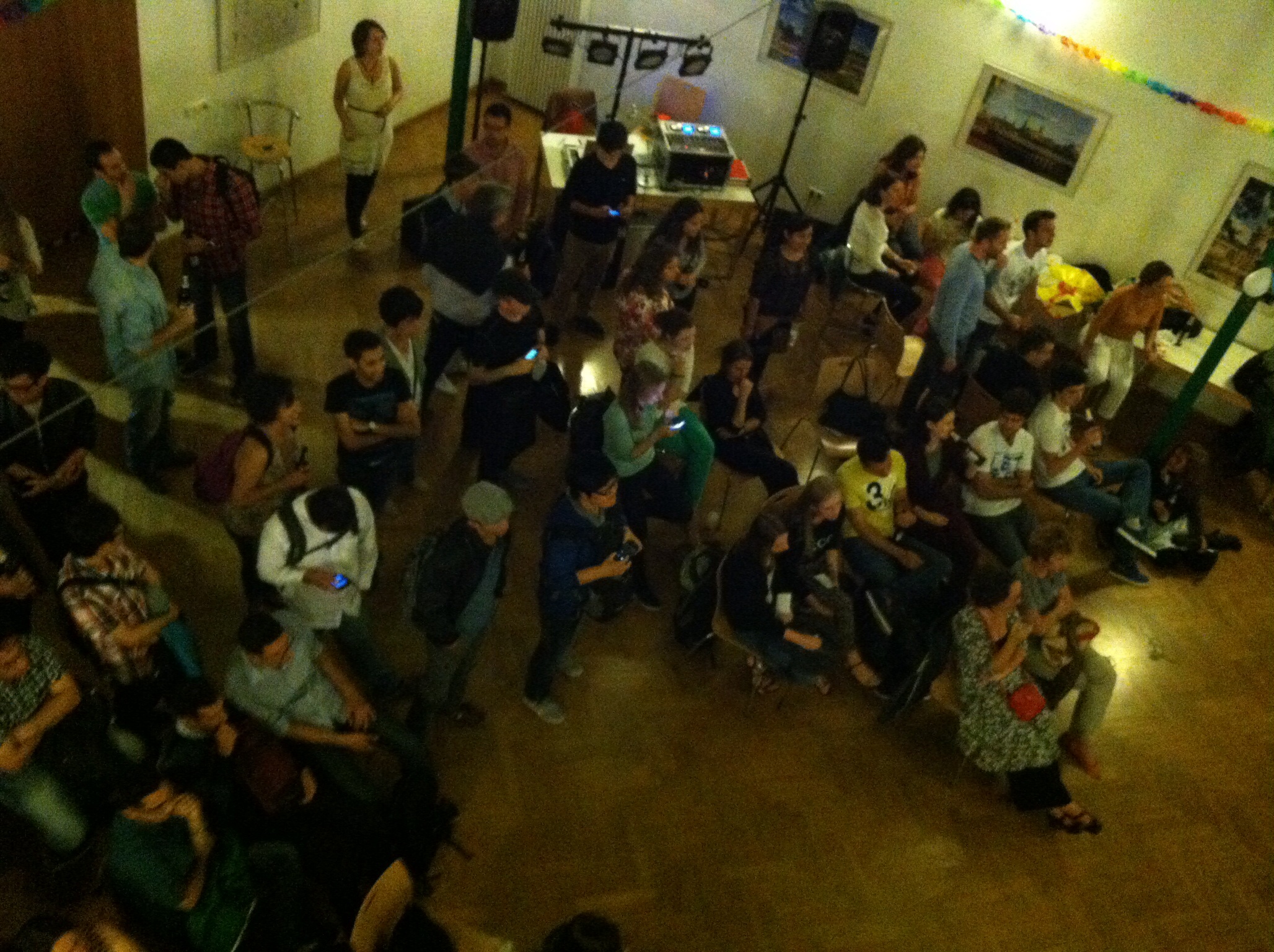
The evening began with wine for 2€ and Goulash, the specialty meal and top of the line for 3€. I burned a hole in my pocket paying 5€ for dinner. The program included songs sung by students, a Jeopardy game, and dancing. I enjoyed chatting with a German woman who has been hosting students for many years. (The older crowd in the picture is not representative of the age of students in the program!) She asked me to join her at the table  where she was sitting.

Day 25: On the Back Street Where I Live

image image image image image image

This isn’t sexy stuff, but I’ve been running around the neighborhood early in the morning and noticing a few things. The back street where I run is aligned with the railway line to the airport, a mere two or three stops away. Dresden is pretty small, so you can get from the center of town to the airport in about 20 minutes by train. My guesthouse is about halfway between stops.

I had noticed a lot of East German-like structures when I first rolled into town a few years back. They were pretty sorry and depressing. Well, they are finally being renovated. Thanks to my friend Hanne and the firm she worked for, they built the street where I run! The government also renovated the staunch old buildings–you can compare the before and after pictures. The buildings stand side by side with each other: one fully re-plastered with new storm windows, doors and foundations repaired, the other waiting for its turn. It’s an interesting historical comparison of two eras.

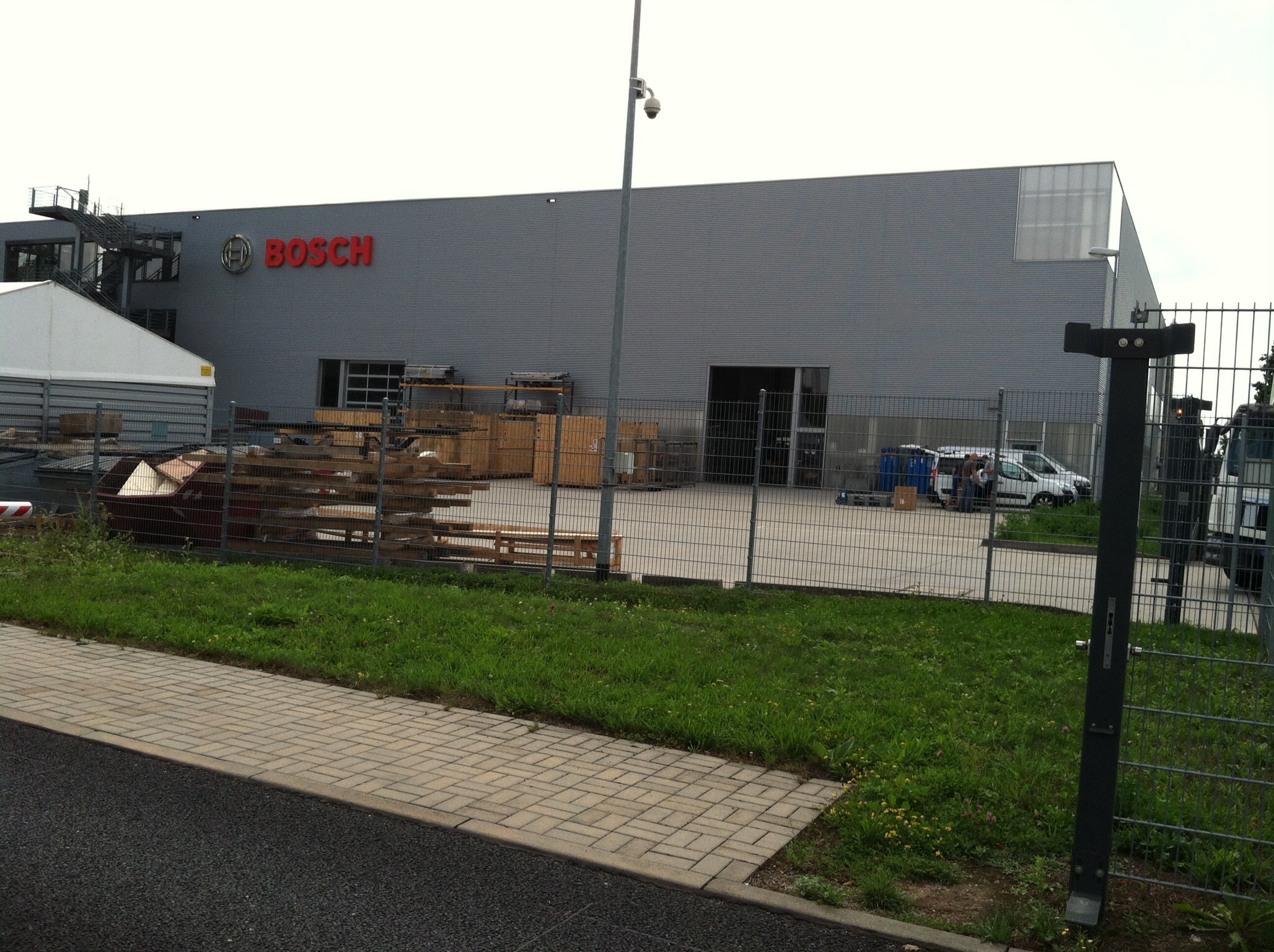
This industrial area includes new manufacturing and production facilities such as the Bosch pharmatech building adjacent to our guesthouse. The exterior to the guesthouse was renovated at the same time as the other buildings in (4).

Photos, from top:

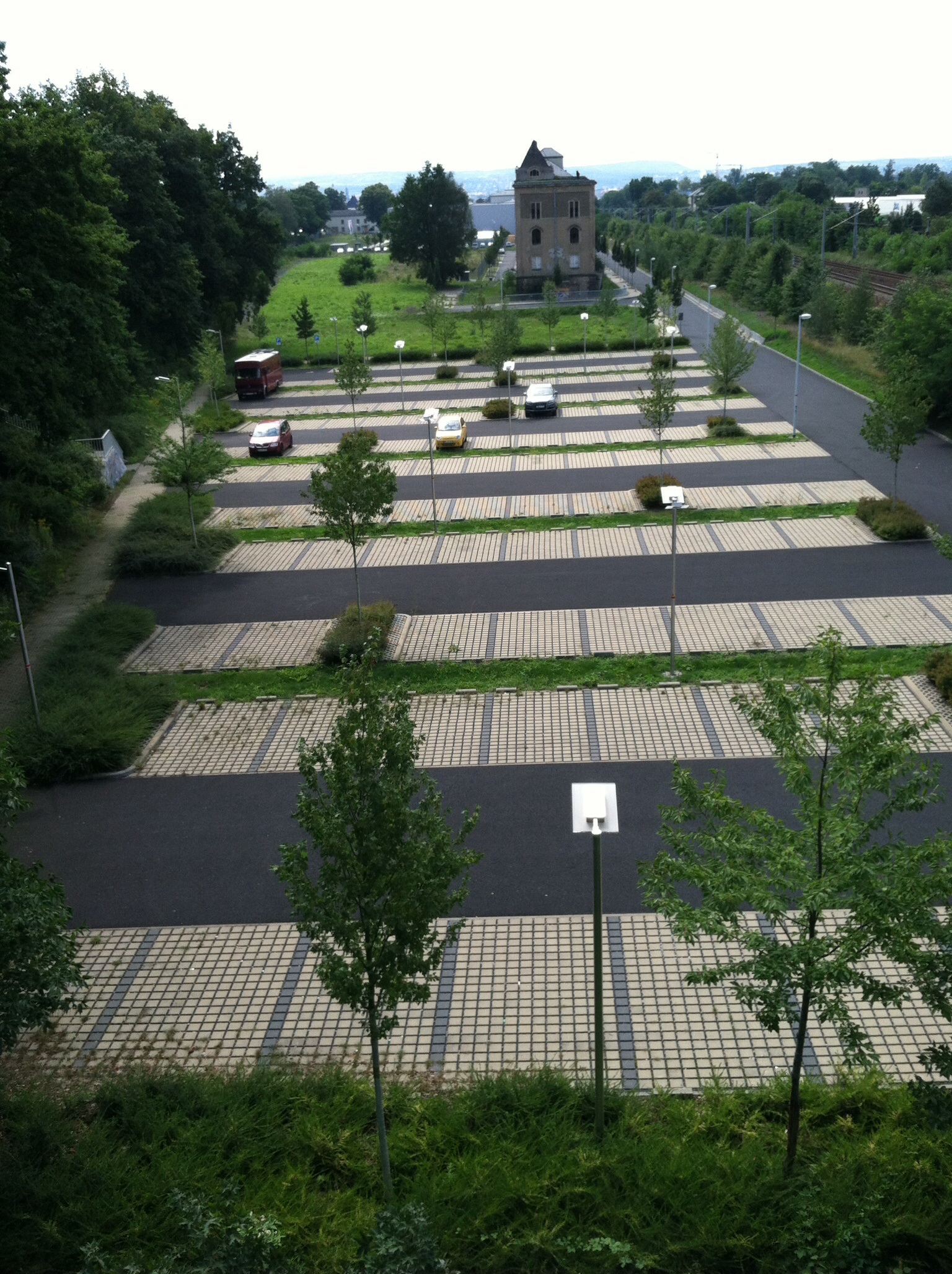
1. The parking lot for the Industriegelände stop. Germans are good at putting their words into actions. They provide means for water runoff and drainage in parking lots under the car park areas to reduce storm drainage problems. While we are trying in the US, there’s still a lot of lip service and no action. While this solution doesn’t provide full absorption across a large area, at least the runoff is reduced. The roadways still seem to need asphalt, the most economical and durable material.

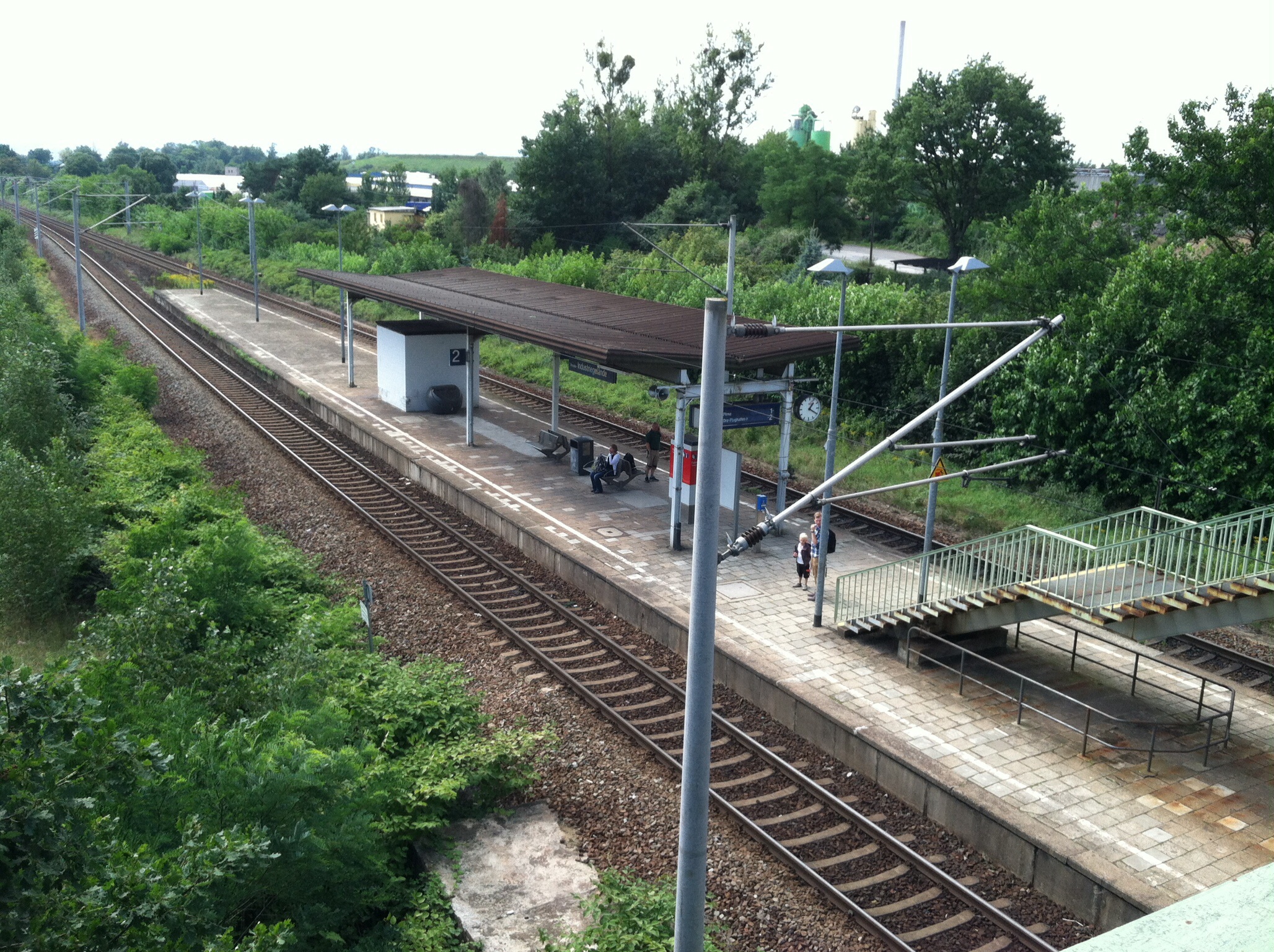
2. The Industriegelände train station. I didn’t think the noise was acceptable at first until I realized it was the route that I had taken from the airport to the city. It seems to pass every 15-30 minutes along with other night trains. I actually find the whirr comforting now.

3. The “Before” of a delapidated and unoccupied building, waiting for funding and a purpose.

4. The “After” version, ready for another 50 years of use. Buildings have good bones in Germany. In the book “the Orientalist” that I am reading now, the Germans were reknown for building solid cellars in their colonial holdings. This is a good example of the building’s stoutness and longevity.

5. The Bosch Pharmatech facility next to our guesthouse.

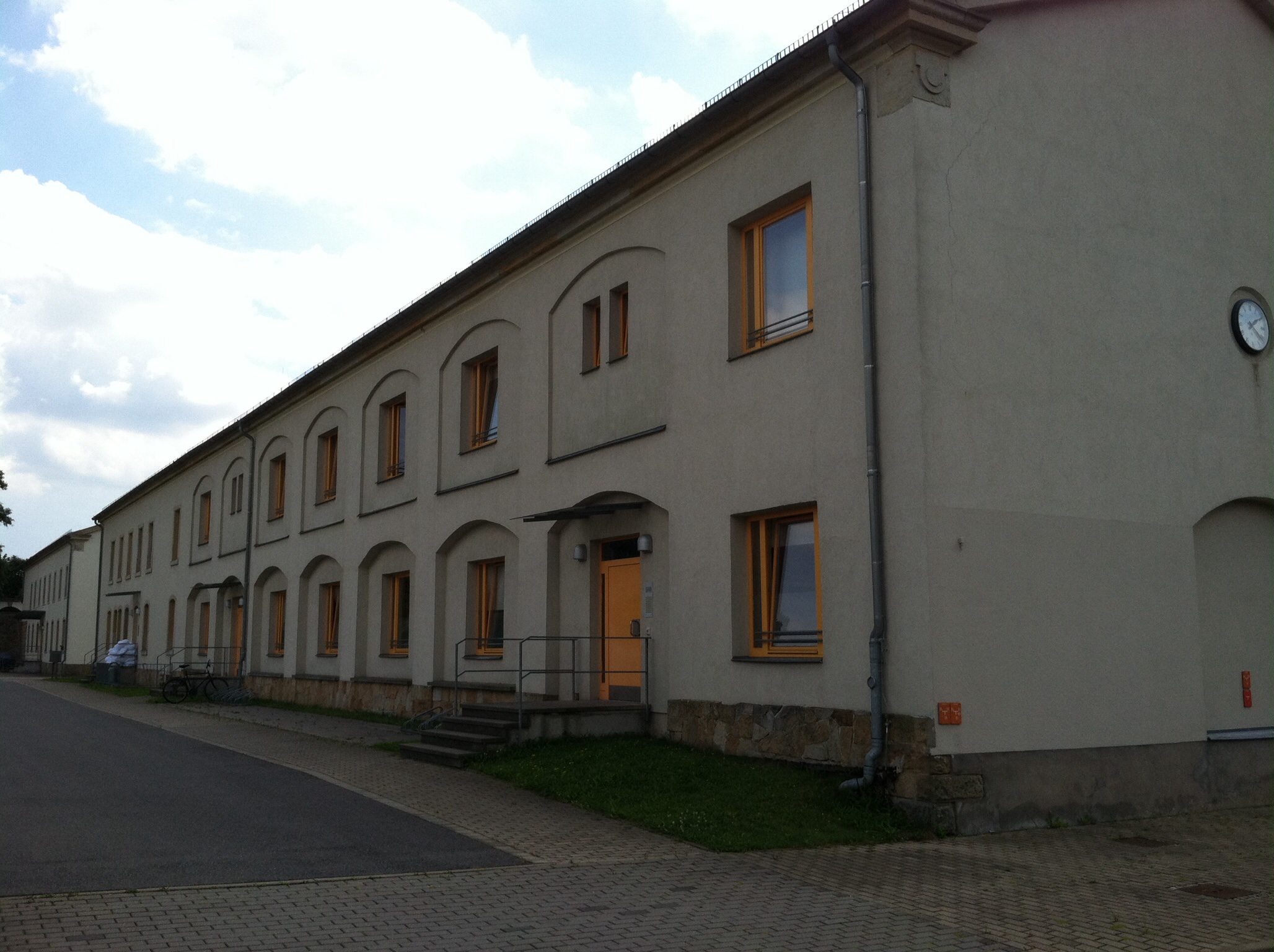
6. The Former Russian Military buildings used by the Goethe Institute for students.

Day 24: Third Eye Blind

imageimageimage

The Germans are among the best at designing rooftops of any people in the world. They seem to have mastered drawing your eye beyond the structure to the vanishing point leading to heaven. Maybe they had a lot of practice at it building all those Gothic cathedrals, where they pushed the boundaries of structure and visual drama. One of the tallest cathedrals in the world at the time it was built, Köln Cathedral, could certainly be attributed to German ingenuity and of course, its commitment to Christianity.

For residential buildings, what they do with those steep roofs besides letting the snow slide down in the harsh winters and how they manage volumes of space inside become interesting design problems. Many of the roofs are laden with gabled windows, dormers, and an encyclopedia of architectural terms that could keep a student of architecture googling all night (Julianne make note).

We toured Loschwitz today, a lovely upscale neighborhood in a very elegant part of Pre-war Dresden. Take a look at a sample of my photo survey of roofs. How clever can you get, satisfying the interior functionality and the need for light with the visual balancing act of the exterior?

Photos, from top.

1. One potato

2. Two potato

3. Three potato, blind?

Note: for a list of the tallest buildings in the world at the time they were built, including two in Germany, see http://en.m.wikipedia.org/wiki/List_of_tallest_buildings_and_structures_in_the_world

For more about Loschwitz, see http://en.m.wikipedia.org/wiki/Loschwitz

(Notes on the history of Luisenhof, the restaurant where Hanne and Jens took me last night, is covered in this article).

Day 23: My Dinner with Hanne

imageLast night my dear friends in Dresden came over before dinner and presented me with a delightful basket of fruits and vegetables from their garden. It contained tomatoes, cherry tomatoes, a cucumber, basil, parsley, and three types of berries. They also brought some wine from Hungary and chocolate, as well as a freshly made Kuchen! The original offer was to bring some jam, which they also duly delivered in a wide array of four types–strawberry, apricot and two local berry varieties. It really made my day with such treats!

Hanne and Jens are friends we met sitting at a small Vietnamese restaurant in the Alte Galleria a few years back when Gee Kin and I were attending one of the annual Dresden music festivals. They were kind enough to share one of their chairs with us and we developed a very friendly relationship with them ever since. They showed us some of the best sights in Dresden and took us to their garden.

Their garden is their pride and joy, and an attribute to German culture. People living in the city can have access to garden plots if they maintain it. They can grow and harvest their own fruits and vegetables, and are only allowed to have structures for day use. Neighbors pretty much manage each other to make sure that nothing too controversial is done on the plots and to keep things tidy.

We went to the Luisenhof Restaurant for dinner and had a tranquil and perfect evening. We watched the sun set overlooking the sweet hills of my favorite city in the world.

Day 22: Goetting Goethe

image

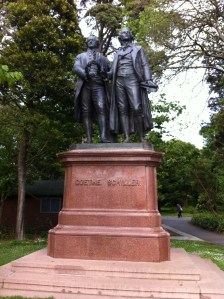
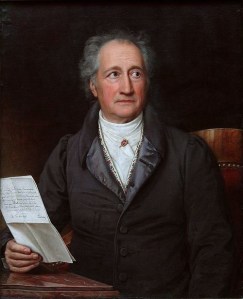
Okay, so what’s the fuss about Goethe anyway? Yeah, he wrote a book about dealing with the devil, and the Goethe Institute I attend is named after the dude. And of all things there’s a statue of him and his buddy Schiller of all things at Golden Gate Park. Being an architect and not a writer or a scholar, I have an excuse for not knowing about German writers and philosophers. So for you literary types out there, please give me a break, OK?

Tonite I went to a film night at the GI (not Gastro Intestinal, but Goethe Institute as I will henceforth refer to fondly as “GI”). The name of the film, Surprise! surprise! was “Goethe!”.  Despite getting there 15 minutes late (is this a pattern of mine?) I was quickly subsumed into the story line, despite the fact that the language AND the subtitles were in German. What is this anyway, a German class?

In the genre of the “Amadeus” movie by the Czech director Milos Forman or the other period piece “Beloved” about Beethoven, this story portrays Goethe as a frisky young guy who falls in love with a soon to be married young woman, Lotte. The twist to this story is that she sticks by her man and marries him (Kestner). Goethe is put in prison after a failed duel with Kestner. During the duel Goethe purportedly shot first, but missed. When it was the turn for Kestner, he shot into the air, saving Goethe.

But he got sent to prison anyway. Goethe did, for 6 months. During which time he used his time wisely and wrote the “Sorrows of Young Werther”.   Lotte pays a visit to Goethe in prison. Hurtfully, she tells him that she intends to marry Kestner after Goethe makes a last ditch pitch.  He writes feverishly as the wedding bells can be heard clanging outside his window. Heartbroken, he sends the finished manuscript to Lotte.

The final scene is Goethe’s release from prison and as he is going through the streets,  the throng of the crowds are heralding this fantastic new novel that has just been published. Guess what! It turns out to be the acclamation of his “Sorrows  of Young Werther”, that recounted is own story of Lotte, or the real life Charlotte.

I’m going to attach the Wikipedia (this is the first Wiki that has ever excited me) content at the bottom of this post so you can read accurate information for yourself and connect it with what you may already know about Goethe.

But three things for me:

1. He didn’t like “bugs, tobacco smoke, garlic, and the cross”.
2. He spearheaded the movement in Weimar, a city that I would love to visit more. Goethe foresaw the potential doom of the German people, that tragically played out in WWII. The Nazi shutdown of the Weimar Republic must have been related in part to Goethe’s writings. The Bauhaus movement began there too.
3. The opera “Werther” by Massenet is one of the most beautiful and passionate operas I have seen. (and the main singer Jonas Kaufmann, is an amazing new German opera singer–worth getting the DVD on the Met Opera movie). Tis was a takeoff on Goethe. No surprise that many writers such as Thomas Mann and composers pay homage to Goethe’s originality.
4. In 1774, Goethe was writing this novel  in the midst of the revolutions unfolding next door, in France, and in the US! Just imagine what a world that must have been. Of course no internet or Twitter, no Arab Spring, so news may not have even impacted Germany much at that time.
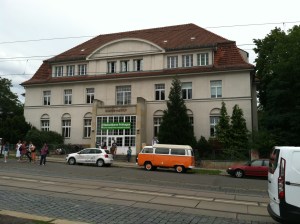
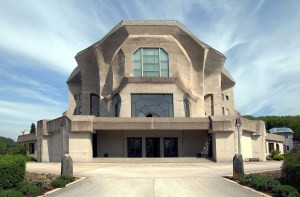
5. I am noticing a distinct similarity of the Goethanum mentioned in the Wiki article and the Goethe Institute here. Compare the photos.

That was more than 3. But I got inspired and couldn’t resist. Check this guy out. He’s worth it!

By the way, it looks like this movie is on YouTube. In English it is called Goethe in Love, produced in 2010 by a German director Philipp Stolzl.

http://en.m.wikipedia.org/wiki/Johann_Wolfgang_von_Goethe

Photos, below:

1. Hypothetical design for Goetheanum

2. Goethe Institute, Dresden

3. Statue of Goethe and his literary buddy Schiller resident in Golden Gate Park, San Francisco
imageimage

image

Day 21: Proschwitz Palace Picnic

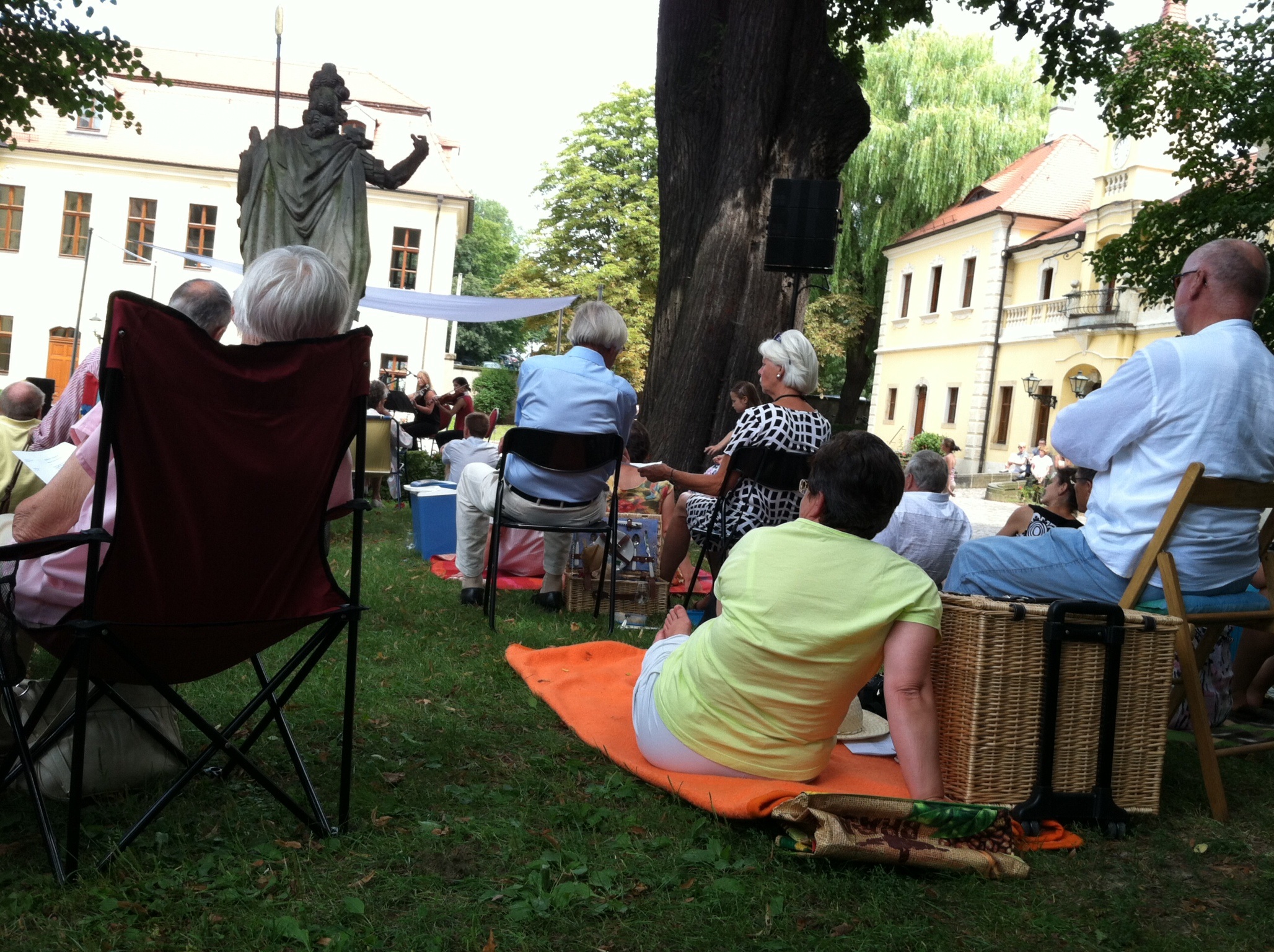
With an entire day free, I got brave and decided to go by myself to one of the outdoor classical music performances so ubiquitous in this area. It was part of the Moritzburg Festival for international music students and is directed by Jan Vogler. He also directs the annual Dresden Music Festival that Gee Kin and I attended the past three years.

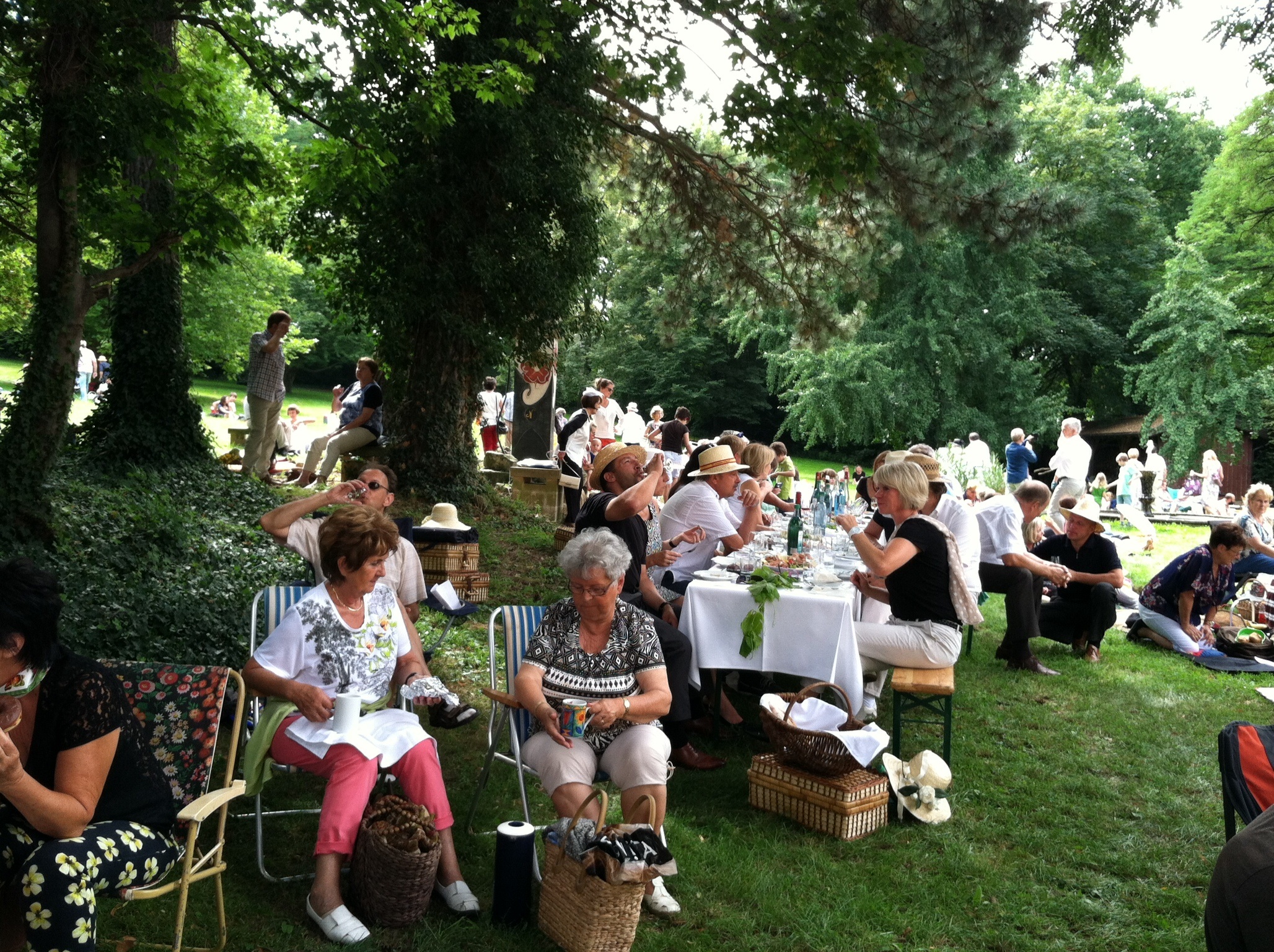
Everyone was encouraged to bring picnic lunches and when they say picnic, they take it to a whole new level. Granted, it was an older crowd, but each party had a fully equipped picnic basket complete with wine glasses. They did sell bratwurst on buns that took the standard back down but it was a definitely well-heeled crowd. I guess the 25€ entry fee left a few behind at the door, including me.

I tried negotiating in my lousy German that the reason I deserved a discount is that I got lost getting there and therefore couldn’t help it if I was a half hour late. I got passed over to the directrice and after presenting her with a choice of 50€ or 10€, I managed to convince her to take the latter. She looked exasperated, but didn’t want to disrupt the performance that was within earshot of the ticket table.

image

imageimageimageimageProschwitz is a palace on a hill near Meissen, about an hour from Dresden. I walked over 3 miles in each direction to the top of a shade-starved hill and back down in the blazing heat. The shady lawn was very luxurious. I would have paid the 25€ .
image

image

Photos:

1 and 2. Shots of crowd, with a fully outfitted linen table in the second picture.
3. Typical couple in foreground and upper crust couple behind them. Note proper picnic baskets for both, a prevalent theme here
4. Musicians under the canopy
5. The back yard of the palace
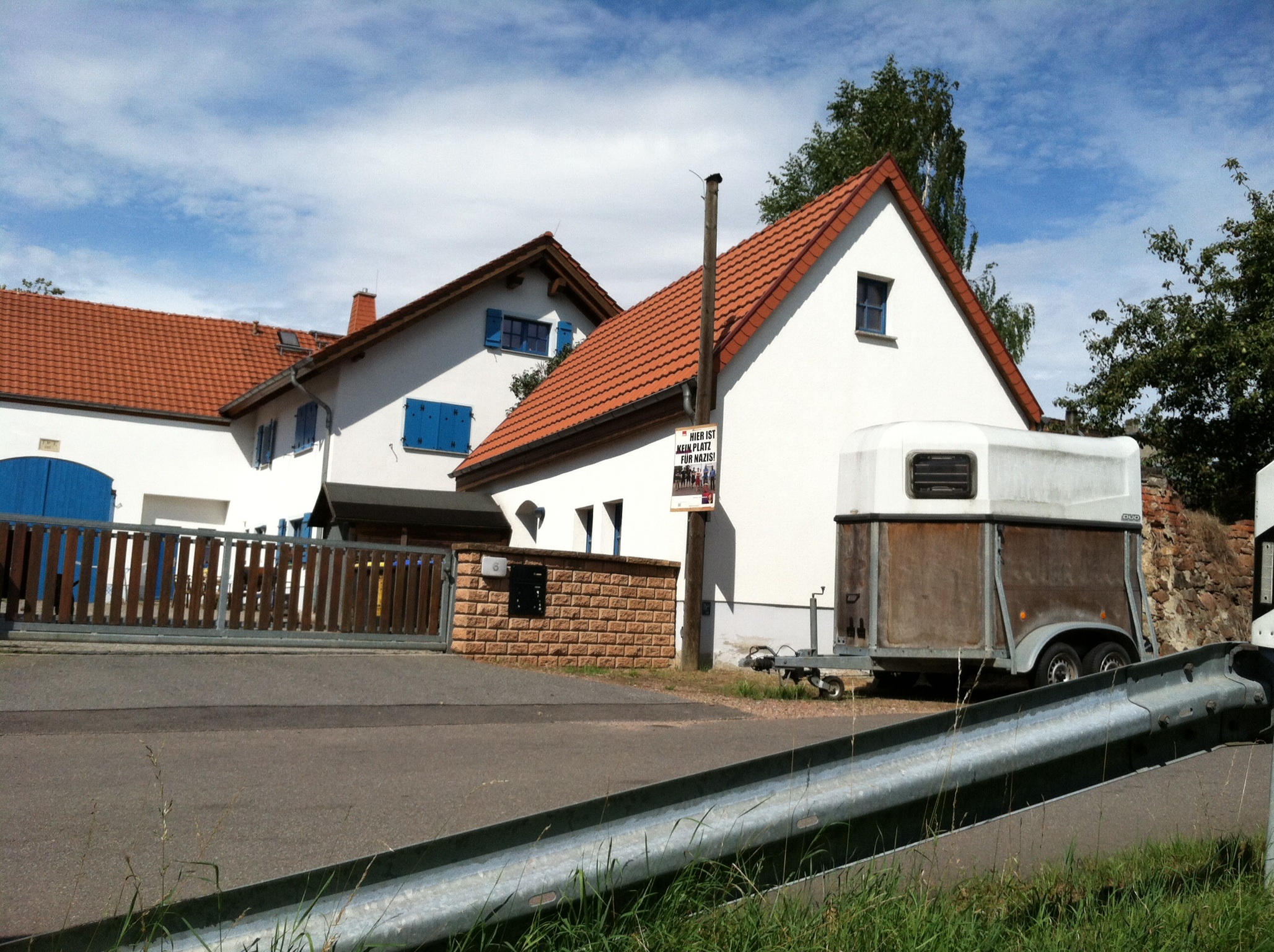
6. Sign indicating “Nazis Not Welcome Here”–evidence that the problem exists in the wine growing area around Proschwitz where I trekked
7.  View of the city of Meissen in the distance from the train station

Day 20: Konigstein

imageimageimage
image

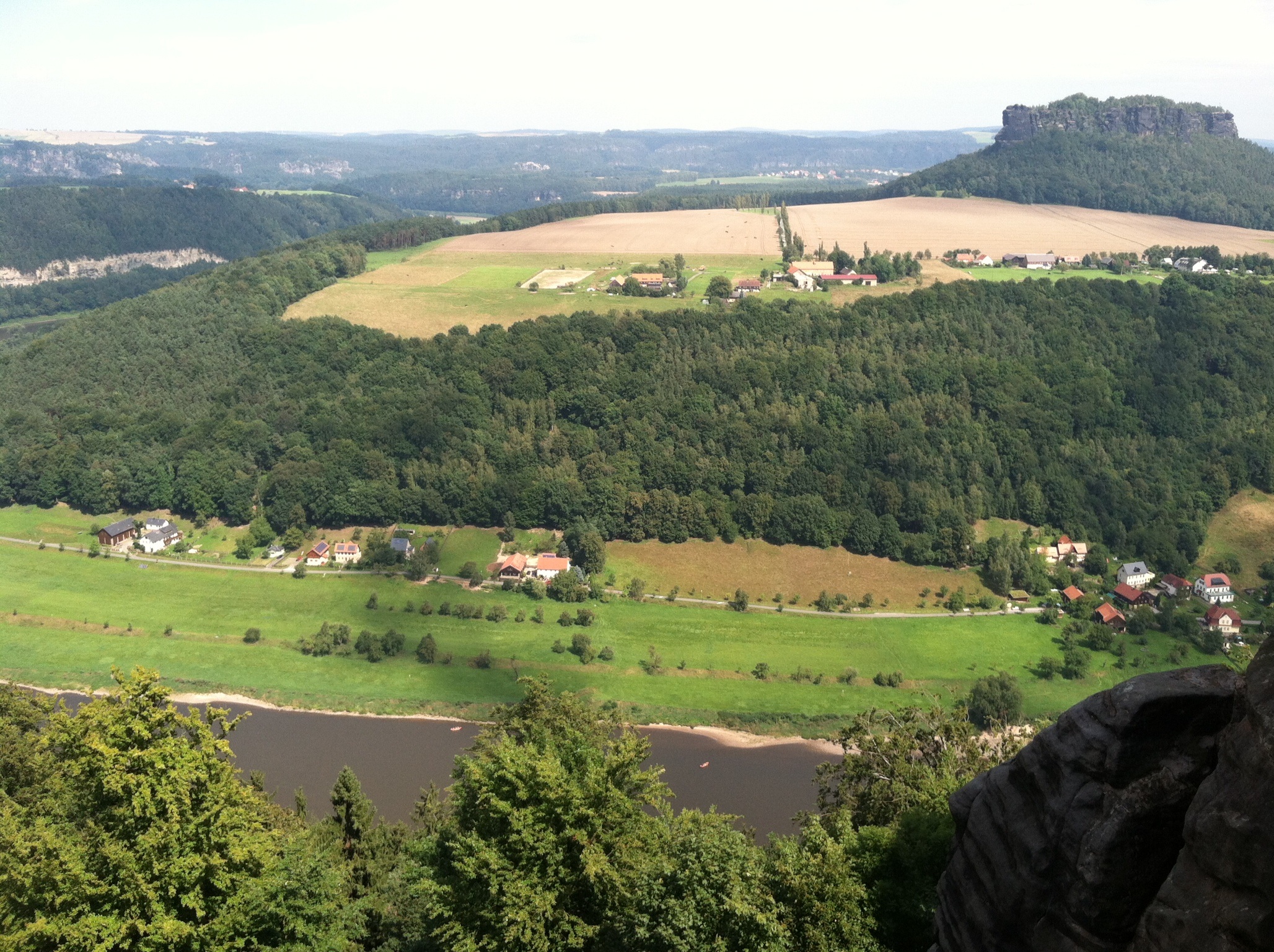
The Goethe Institute offered a weekend day excursion to one of the beautiful nature areas outside Dresden, near Bad Schandau, a resort, and near the Czech border. We hiked to the top of the fortress from the train station located at the river’s edge.

Water was pumped up to the fortress and it was a fully functioning camp during the early 18th century. Until recently, it was used as a prison.

Photos are taken from the top of the Konigstein Fortress:

1. Breathtaking views of the Elbe River below.
2. Butte on the other side of the river
3. View of the town below where the train station and start of climb is located.

For additional Reading, refer to:

http://en.m.wikipedia.org/wiki/Festung_Königstein

Day 18: Internet Access!!

This was somewhat a curse and a blessing. I had just acclimated myself to no Internet. I began to like the idea of writing letters, reading a book, taking walks and sleeping more. The funny thing is that we had this very discussion in our class and spoke (in German) about the pros and cons.

However, as soon as class was out, I made my way to the office that supplies the modems for our guesthouse. You pay a 100€ deposit to get the device, then install it in your room. The problem after having done that once a couple of days ago, is that you need a computer to hook it up in order to get Internet access. Without one, no deal, and I didn’t bring a computer.

Nicholas, a Ukrainian student, was in the office asking about the same problem I had. Apparently, with only an Ipad, a wireless device is also required. We learned this from Jose, a student from Mexico who had a bad headache on the day we called on him in the room next door to Nick’s. Jose had offered to help me connect my Ipad “with a cable” (he didn’t mention it was a MODEM that we needed to buy at Saturn, a store like Best Buy).
We finally straightened out the communication issue, and within the afternoon and schlepping to the mall downtown for the wireless port for another 25€, we were both connected in our rooms. That took a bit of teamwork, as I knew where the Galleria was and Nick knew how to connect the pieces together. Not that it was hard, just communication.

Whew! Now that I’m fully connected, I feel a little sad. It was fun being off the grid. But after being spanked I guess I have to go back to being good (or bad?) again.

A more interesting afterthought: Nicholas just arrived on the scene, with a scholarship to study in Germany. The language course was part of his offer to study Neurosciences here. He obviously was very bright and he was very resourceful from the get go. He worked out what needed to be done in a very short time for both of us.

On the train, we chatted and he told me about the situation in Kiev, where he lived. He said it was safe there, and everyone just goes about doing their daily activities without too much concern. Most of the disturbance is in the Eastern part of the country. He eventually expressed his disdain for the corrupted officials and explained how everyone had to be paid off for any favor or task.

No one pays taxes or wage earners pay a very token amount. There are very limited public services, so nothing works as a result. The average salary in the lab is $300 a month. It’s not enough to live on, so everyone is forced to leave if they want to get a decent salary. This sounded a lot like the story from the Bulgarian student in my class.