Day 14: Trekkin’ from Trier (to Dresden)


Photos above showing steep terrain of Mosel Valley taken from inside of train (white spots are reflections)

A full day of trains and transfers occupied us initially from Trier train station through the beautiful, vineyard-laden Mosel Valley. The terroir is obviously full of character and struggles, with rows of vines carefully oriented to capture the sun. It was incomprehensible how the very steep rows prevented erosion between the vines; some plants clung vicariously in lone stems at the tip of ancient stone walls and look very tired and agonized. We tried a number of Rieslings and White Burgundies at the Olewig Wine Festival and attested to the very delicious and flavorful variations produced in this area. We progressed from Koblenz to Mainz, then Leipzig, then to our final destination in Dresden at the end of a trainful day.

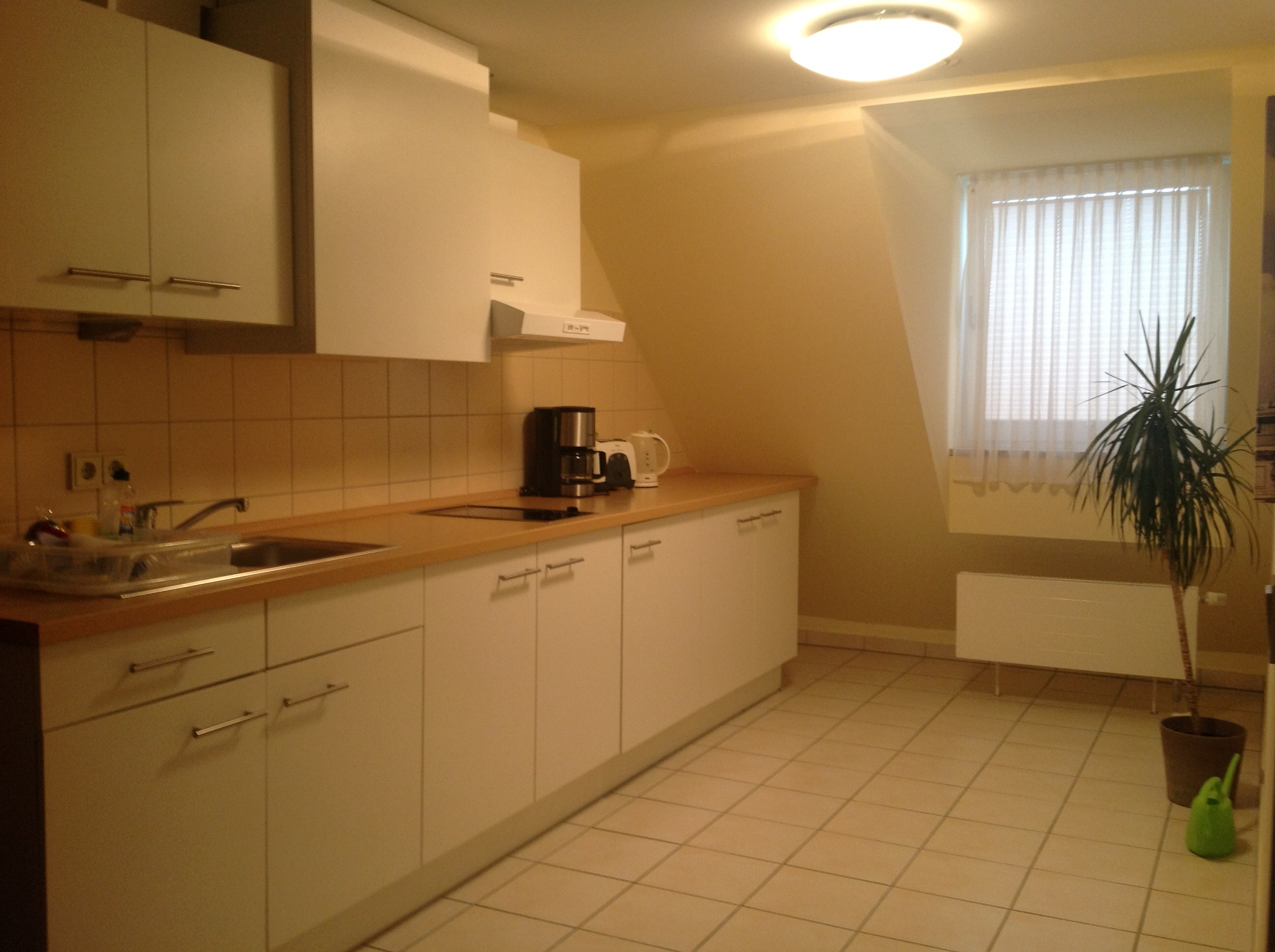
We ended up at my favorite accommodations at the Aparthotel Neumarkt, a stone’s throw from the famous Frauenkirche Church that was bombed in WWII and completely rebuilt with help from the British. The apartment is fully equipped and is very reasonable. My pick and recommendation for anyone coming to Dresden for a visit.

Photos below show Aparthotel Living, Kitchen, and Separate Dining areas


imageimageimage

Day 13: Trier, Germany’s Oldest City

image image image

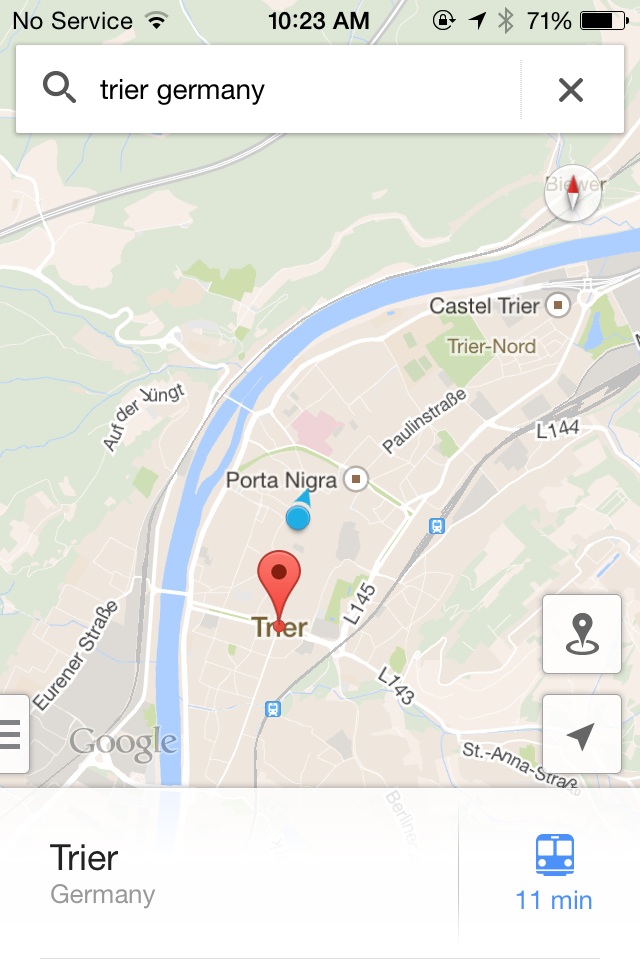
Trier’s history is one of the most fascinating stories in Europe. Beginning with the rule of Julius Caesar in 50 BC when he ordered Roman walls to be erected to protect its soldiers and citizens to destruction in World War II, it transcended the presence of Constantine, who held court in the reception hall in 300 AD; the monk who lived in medieval times in the Porte Negra; the rape, pillage and trading of the Vikings; and the arrival of Napoleon.

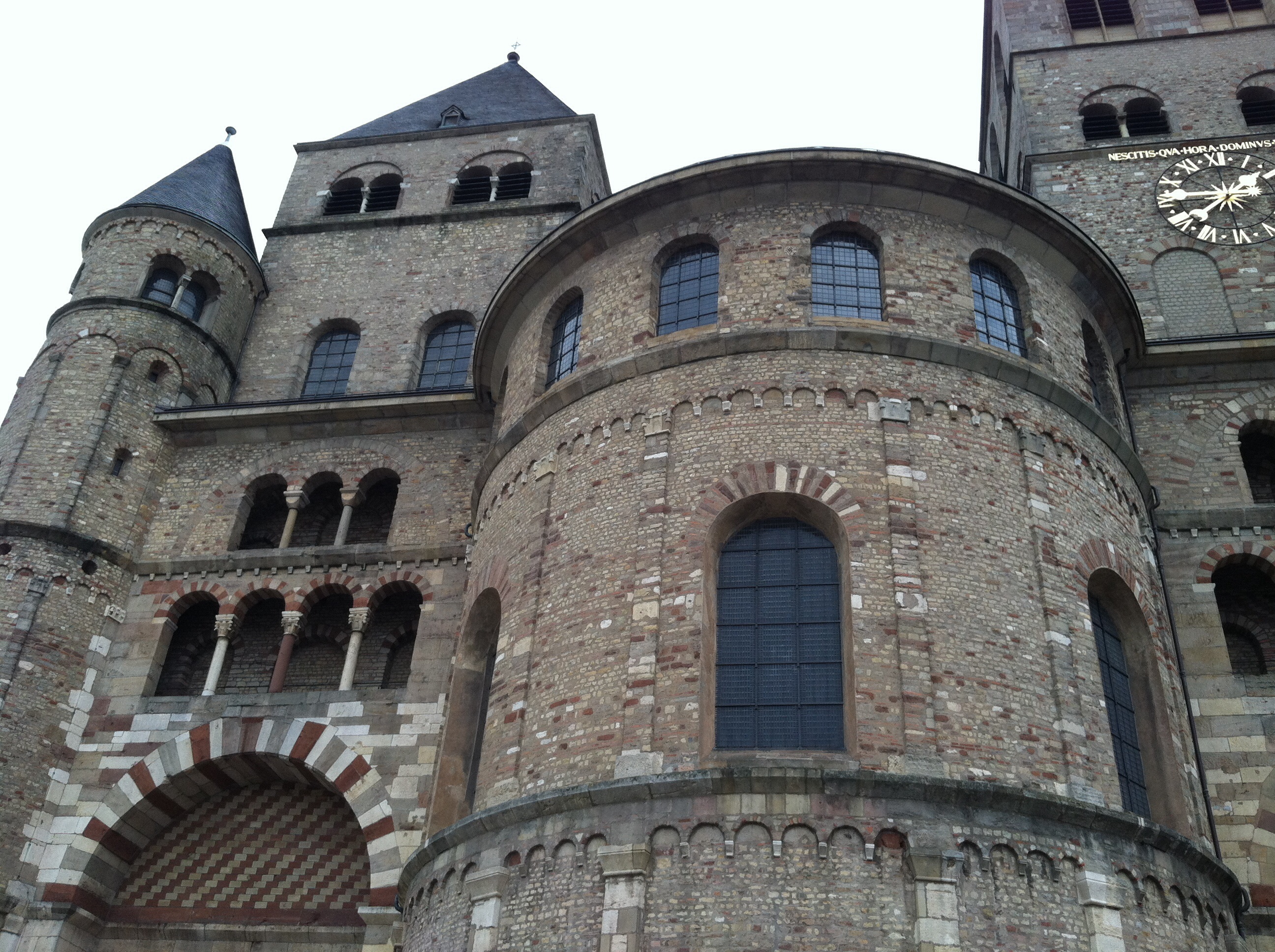
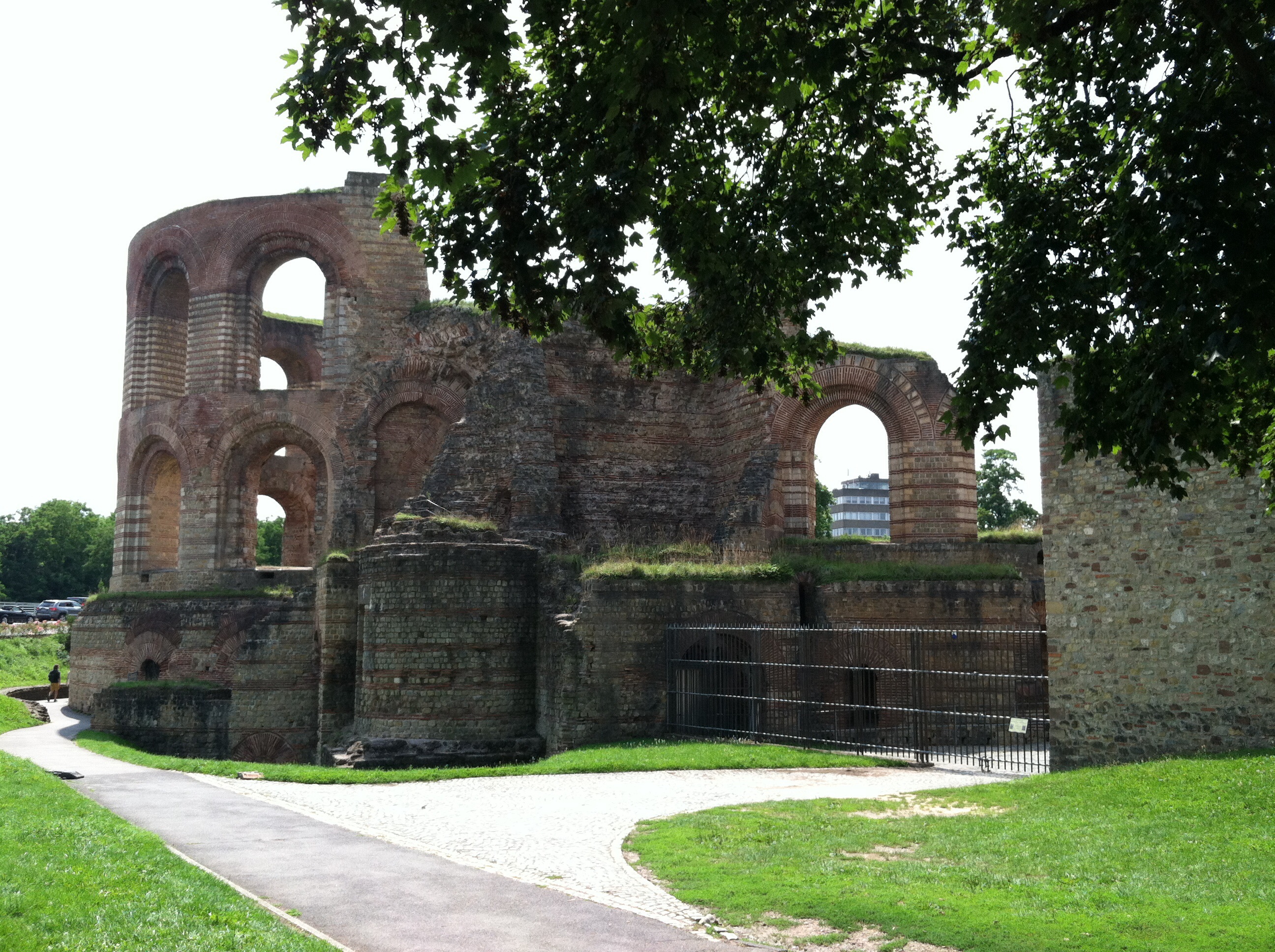
The major buildings include the Porte Negra, the only remaining Roman wall today; the Basilica, where it served as a pilgrimage church during the Crusades; and the Reception Hall where Constantine met his guests.

Photos from top:

1. Map of Trier, with the Moselle River inning through it;
2. The Basilica
3. The Konigstherme

Day 11: Reconstruction of Reims

image

image

image

image

image

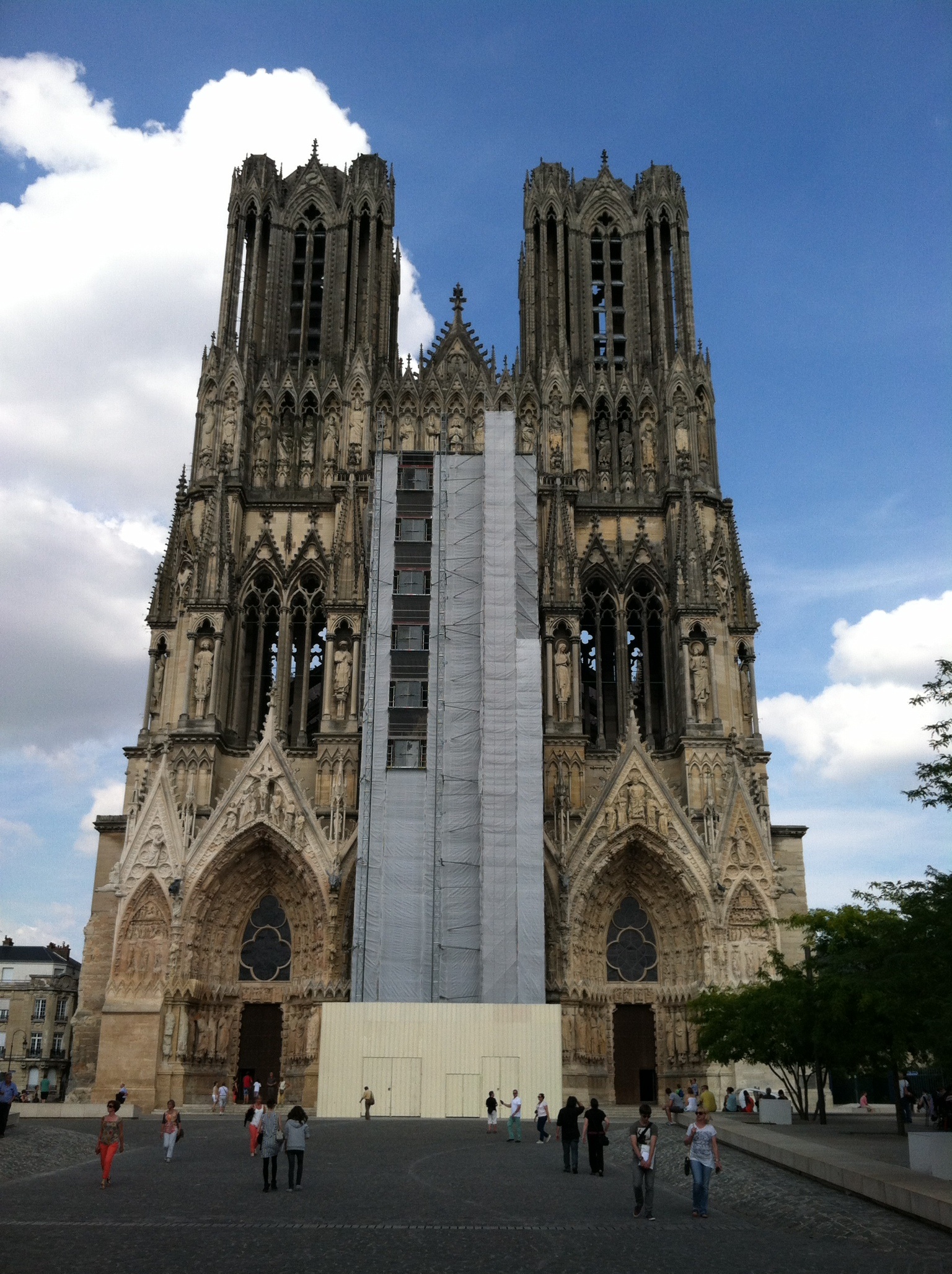
The magnificent Reims Cathedral is still under construction and funds continue to be raised to complete the portions that were destroyed in WW 1. The Rockefellers were big donors in the past.

Having just visited Westminster Abbey and the exterior of Notre Dame Cathedral in Paris on this trip, I can appreciate the scale and proportion of this Gothic cathedral.  The community of Reims must have been extremely proud and passionate about this monument. It is no wonder that any destruction of such an iconic value to a community is devastating and unrecoverable unless it is rebuilt in its entirety.

Being a champagne producing  area certainly fueled the economy of Reims and therefore its ability to fund such an elaborate structure. Walking through town, I noticed many fine patrician buildings dating from 1889 and earlier.

We did take a champagne tour at Casanova-Martell. Champagne is made from three grapes: Chardonnay, Pinot Noir and Meunière. The juice provides the sugar and the skin provides the yeast. We had a delicious tasting of three champagnes.

Photos, from top:

1. The exterior of Reims cathedral, still under construction.

2. The Nave of the cathedral

3.  The vaulted ceiling, of which portions were bombed in 1914-1918

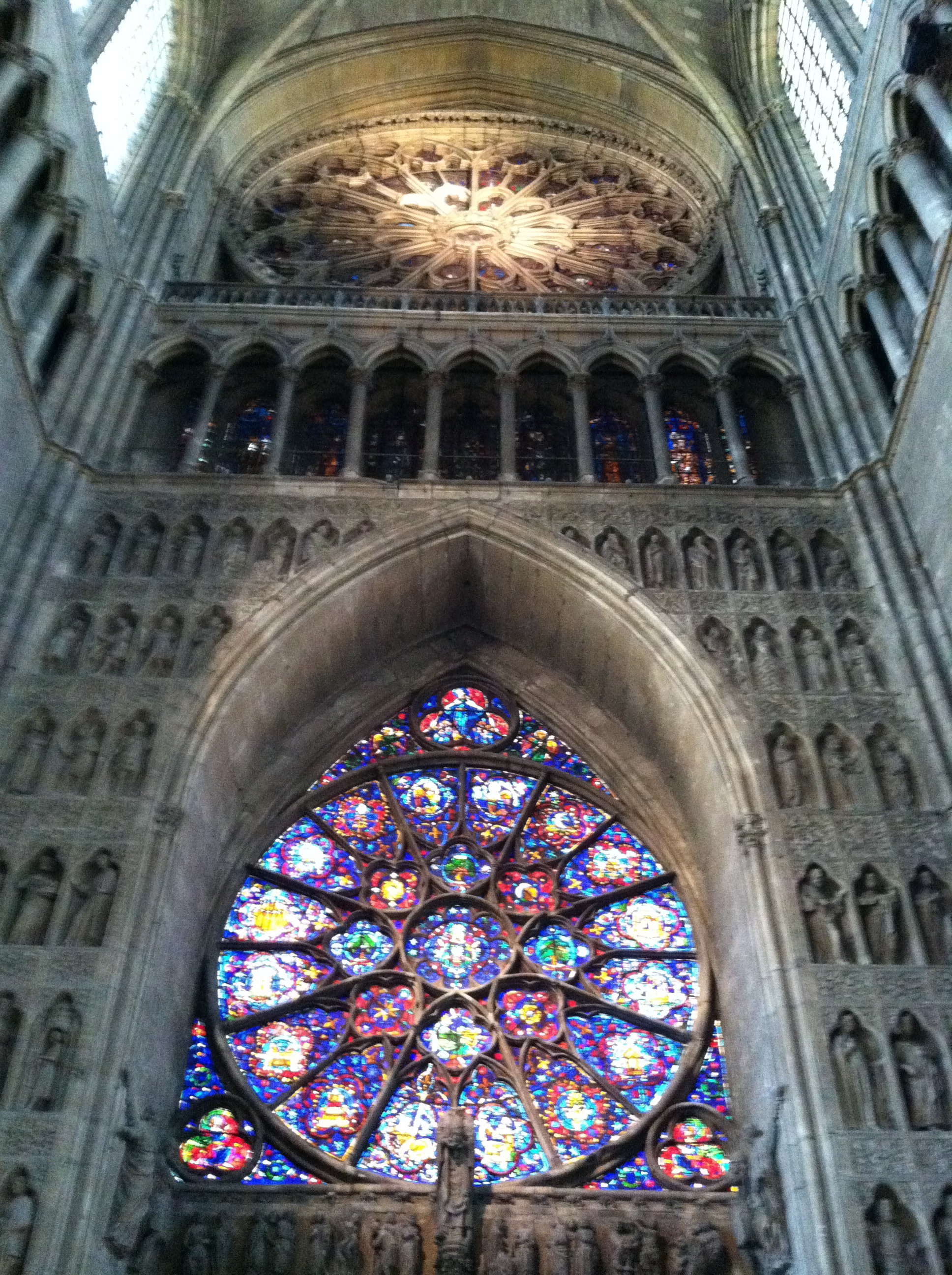
4. The Rose Window at the South end

5. The Marc Chagall windows at the apse