Tag Archives: planning

Day 31: VW Factory Tour

imageimageimageimageimage

Photos, from Top, left to right:

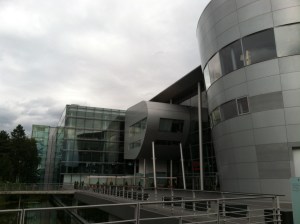
1. the Exterior of the VW Factory, designed by Gunter Henn at the end of 1998. While not necessarily the first of its kind to showcase the production of vehicles in Germany, the building is representative of the pride that Germany takes in one of its signature products and namesakes.

2. By using primarily glass curtain wall, the facility brings incredible light into the facility for its occupants. Located in the area around a major green space (Grosser Garten), however, presented different issues. Birds cannot detect the building due to its transparency. Special sound effects were added so birds think that the territory of the building is already claimed.

3.The conveyor belt for the “assembly line”. These cars were pre-assembled in other parts of Germany. Cars are transported here for final finishing to showcase the most interesting visual effects of the production line for customers. Unfortunately, we were not able to see the actual movement of the line due to the scheduled 3-week “Urlaub”. The maple butcher block flooring from Canada covered the entire ground floor area and is engineered perfectly with no gaps to the mechanical conveyor system. Work stations move with the line.

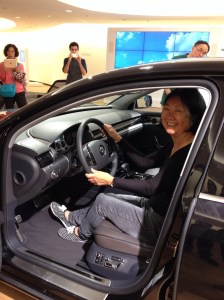
4. The showroom, where customers can test out and order custom made Phaetons.

5. How did VW know that black was my favorite color? 60% of the others who buy this car think it’s tolerable too. It’s only a cool 135,000€.  I couldn’t understand why so many people were taking pictures of me.
Day 25: On the Back Street Where I Live

image image image image image image

This isn’t sexy stuff, but I’ve been running around the neighborhood early in the morning and noticing a few things. The back street where I run is aligned with the railway line to the airport, a mere two or three stops away. Dresden is pretty small, so you can get from the center of town to the airport in about 20 minutes by train. My guesthouse is about halfway between stops.

I had noticed a lot of East German-like structures when I first rolled into town a few years back. They were pretty sorry and depressing. Well, they are finally being renovated. Thanks to my friend Hanne and the firm she worked for, they built the street where I run! The government also renovated the staunch old buildings–you can compare the before and after pictures. The buildings stand side by side with each other: one fully re-plastered with new storm windows, doors and foundations repaired, the other waiting for its turn. It’s an interesting historical comparison of two eras.

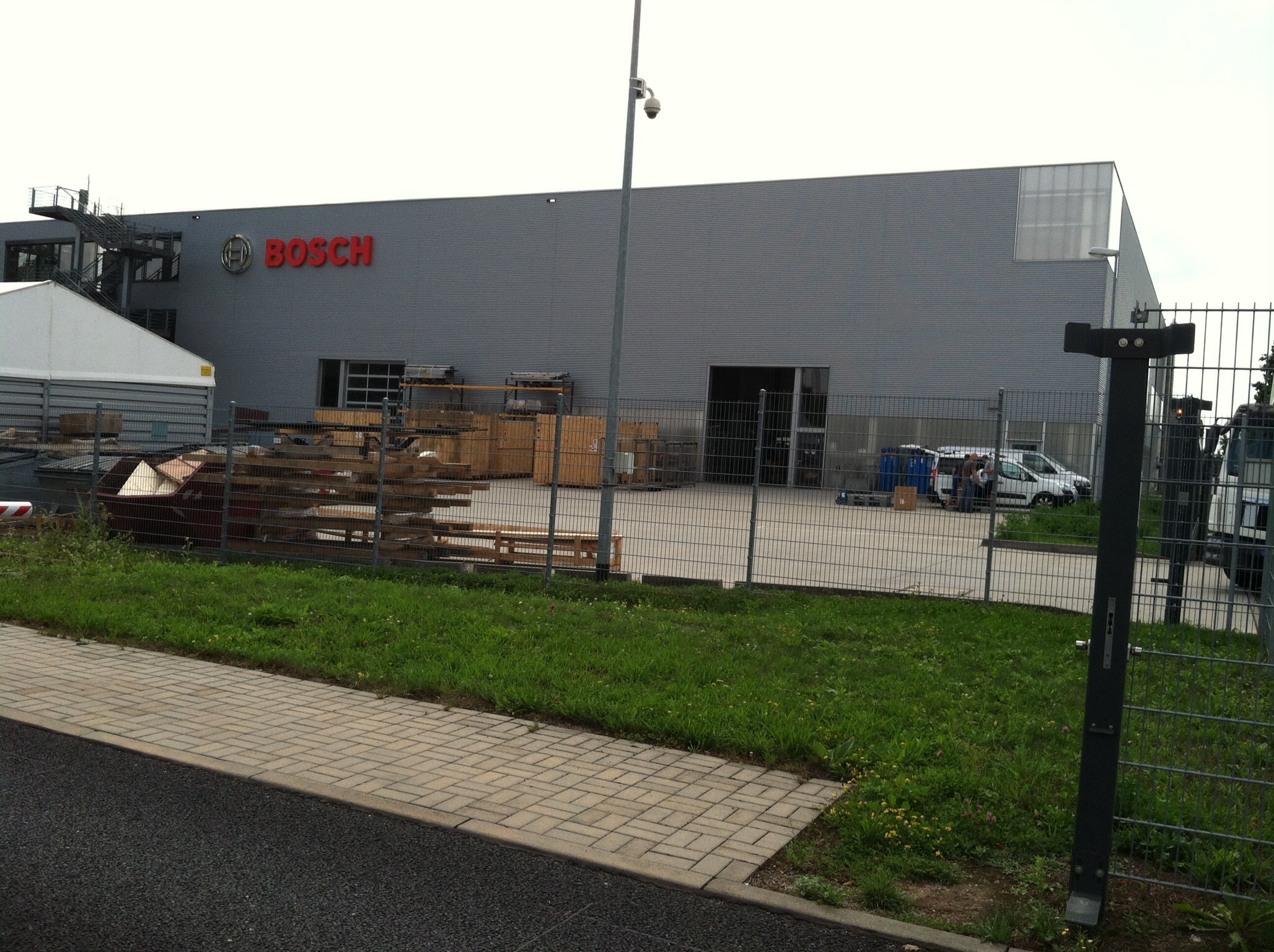
This industrial area includes new manufacturing and production facilities such as the Bosch pharmatech building adjacent to our guesthouse. The exterior to the guesthouse was renovated at the same time as the other buildings in (4).

Photos, from top:

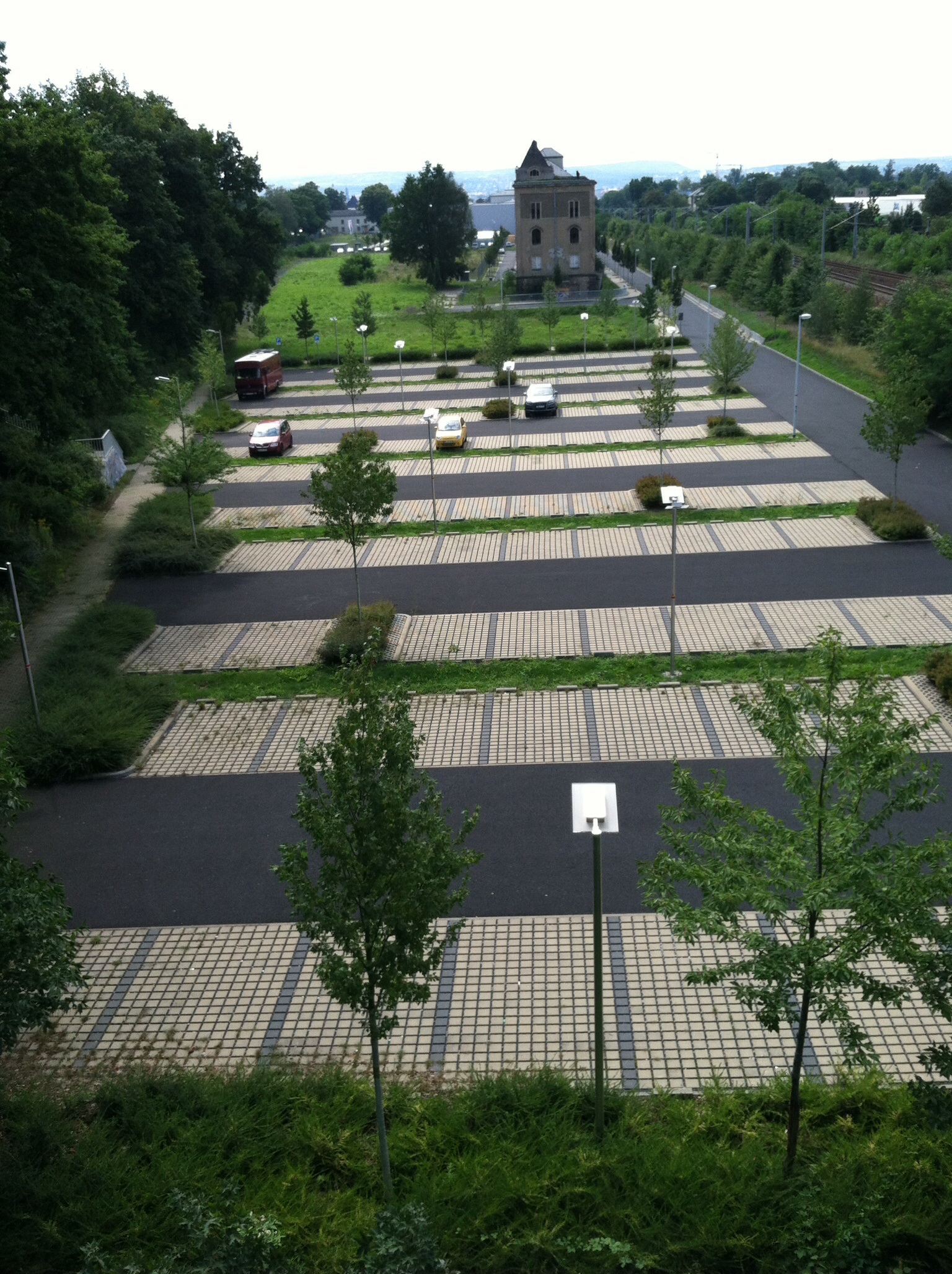
1. The parking lot for the Industriegelände stop. Germans are good at putting their words into actions. They provide means for water runoff and drainage in parking lots under the car park areas to reduce storm drainage problems. While we are trying in the US, there’s still a lot of lip service and no action. While this solution doesn’t provide full absorption across a large area, at least the runoff is reduced. The roadways still seem to need asphalt, the most economical and durable material.

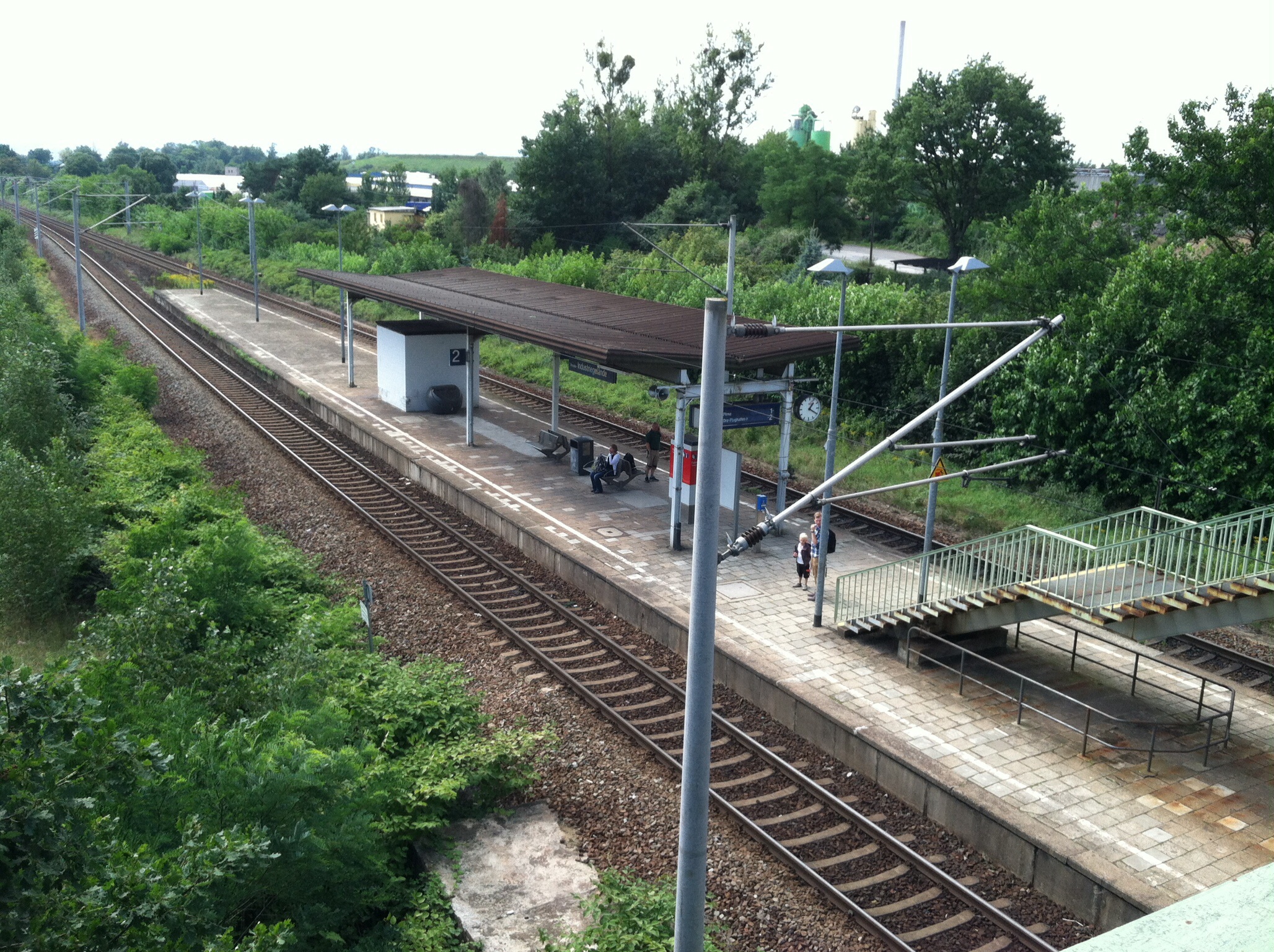
2. The Industriegelände train station. I didn’t think the noise was acceptable at first until I realized it was the route that I had taken from the airport to the city. It seems to pass every 15-30 minutes along with other night trains. I actually find the whirr comforting now.

3. The “Before” of a delapidated and unoccupied building, waiting for funding and a purpose.

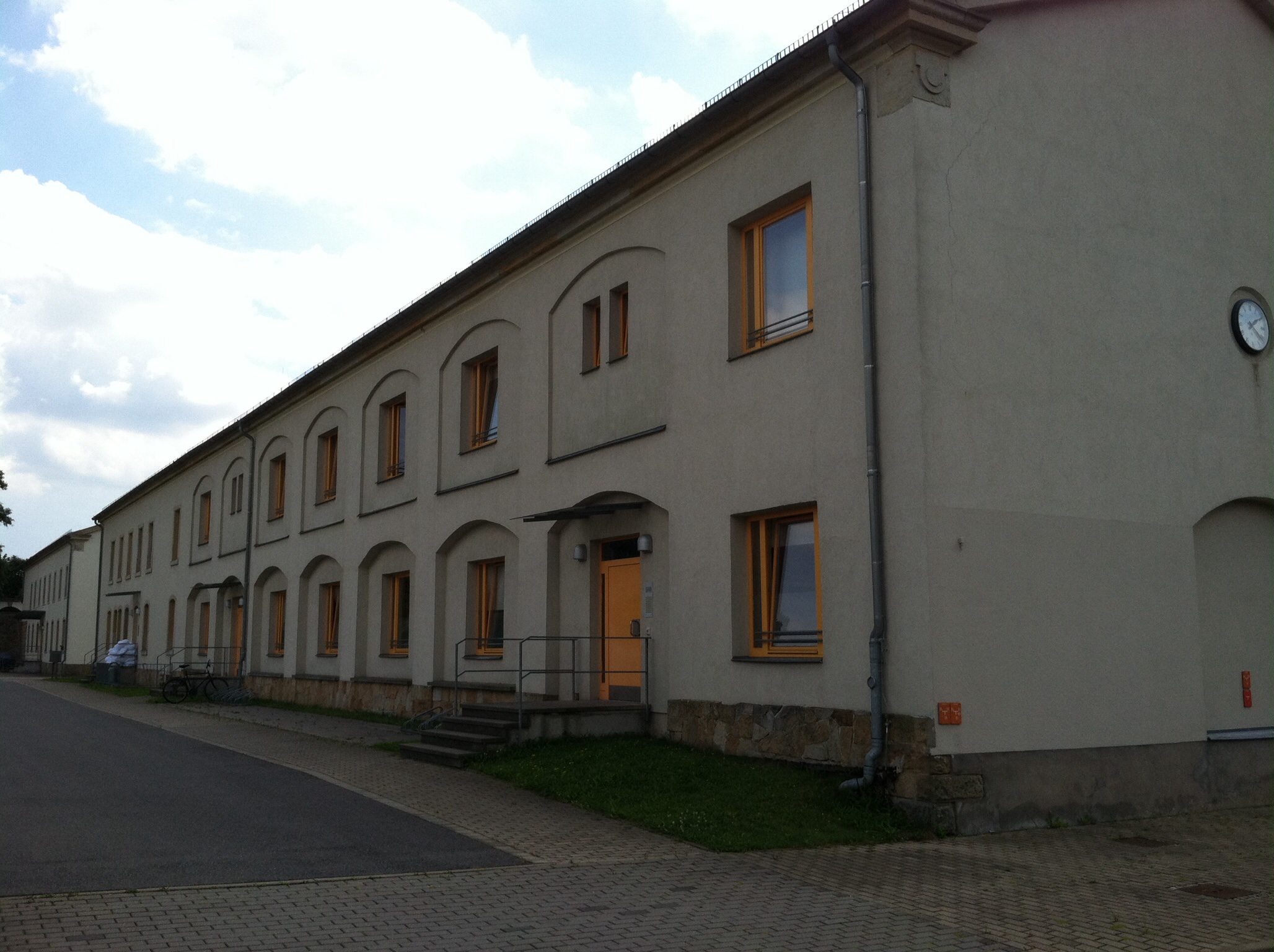
4. The “After” version, ready for another 50 years of use. Buildings have good bones in Germany. In the book “the Orientalist” that I am reading now, the Germans were reknown for building solid cellars in their colonial holdings. This is a good example of the building’s stoutness and longevity.

5. The Bosch Pharmatech facility next to our guesthouse.

6. The Former Russian Military buildings used by the Goethe Institute for students.