Tag Archives: Performances

Day 27: Vienna

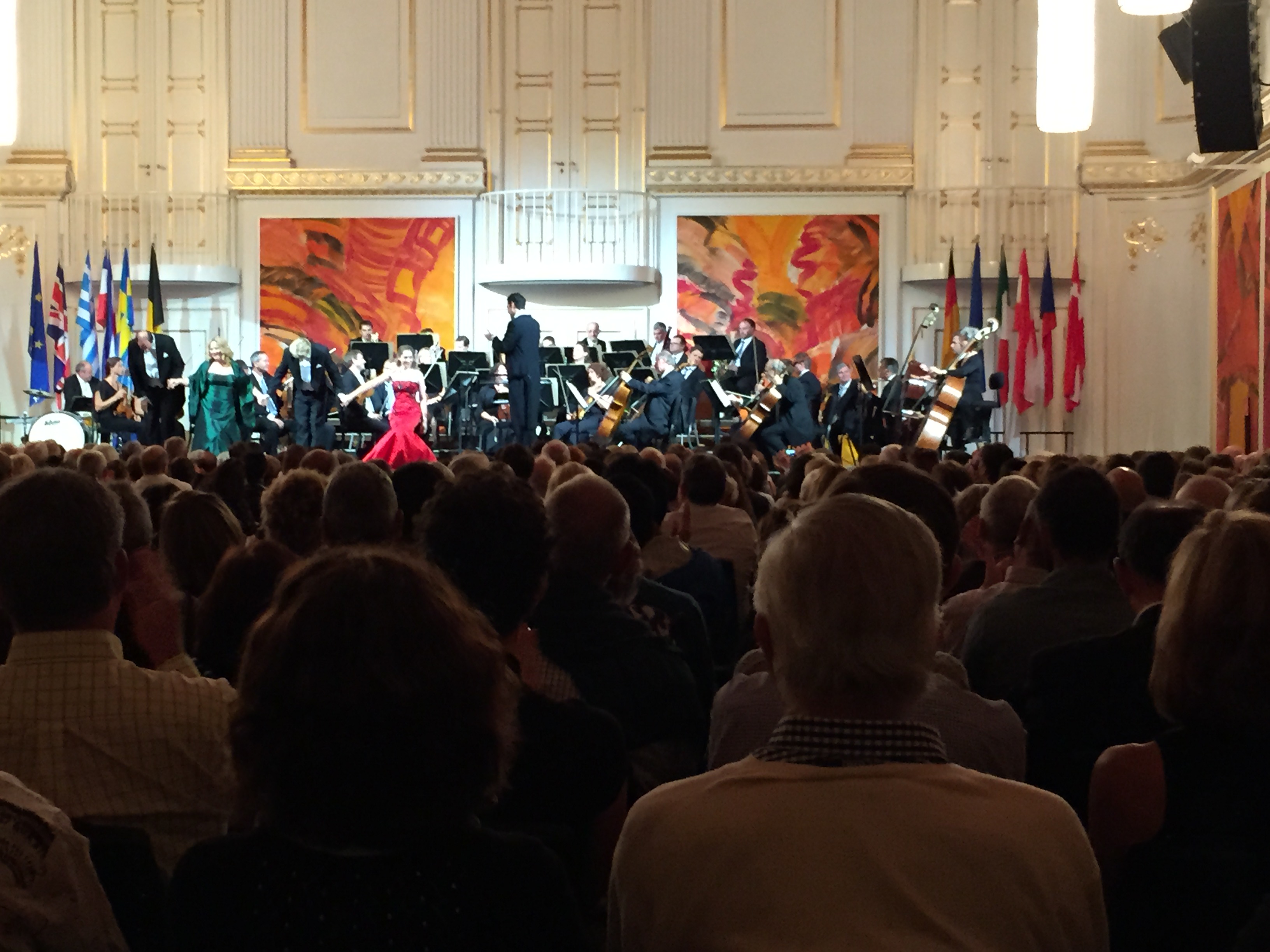
My arrival in Vienna was punctuated by a performance at the Hofburg Palace, the winter residence of the Hapsburgs, to hear Viennese waltzes and Mozart arias. This was not before I made a deviation to a nearby exhibition in the adjacent building entitled: “Vienna: the World City”, that happened to be located in the Austrian National Library, one of the treasures of the world.

When Vienna was about to host a world exhibition in Vienna, Franz Josef decided in 1857 that it was time to demolish some of the old parts of the city center for a Ringstrasse, or Ring Road. As part of this development, he implemented a number of improvements for the city. Among them were the water distribution system and the Vienna Opera House. He set up a competition for the water system that was won by Suess, an Austrian geologist. Unfortunately, the architects who designed the Vienna opera house never saw its completion as one committed suicide after harsh criticism, and another died before the opera house was finished. It’s worth reading the text attached if you are interested.

You can also read a synopsis of Viennese and Austrian history that helped me get a better understanding here: http://www.vienna4u.at/history.html

The Hapsburg Empire lasted over six centuries, one of the longest reigns in European history. As a result, the grandeur of the royalty remains among the most opulent and excessive of any city I have seen. While it has been nearly 50 years since I was first in Vienna, I do not recall any other city with such a display of pomp and wealth as this one.

Ironically, back to my undeniable and insatiable consumption of culture generated by wealth and greed. That will take more than another long essay to reconcile. Maybe these travels will finally kick me of this addiction.

The performance was the perfect end to a long travel day: Viennese favorites Johann Strauss Walzes and Mozart operatic arias led a debonaire Andre Rieu-like conductor with a humorous flair.

IMG_7981

Days 24-26: Salzburger Knockouts

I’ve been trying to get my dose of Salzburger Nockerl, a famous local dish made from pure egg white meringue. Unfortunately, it has eluded me so far. I either wasn’t in the right cafe that serves it, or didn’t have the 20 minutes it takes to prepare it.

Despite this oversight, I finally struck gold in many other ways on my last couple of days here. I got it all and what I love about traveling: quality architecture, quality museums, quality music, quality food, and of course, quality people! The tag posts seem to tell it all.

I’m trying to reduce and concentrate the number of posts to only a few a week (Wednesdays and weekends) so I don’t flood your email boxes. Unfortunately, it makes the posts longer.

Here’s a spread of what this richly, well-endowed, and now much appreciated little city of Salzburg has to offer. To make it a little easier, I’m including a summary so you can skip to the parts that interest you:

1. Salzburg Fortress (Festung)
2. Mozart Houses (Birthplace and Living Quarters)
3. Performances (my raison d’etre for being here, but not necessarily the most exciting)
4. Food and People


1. The Salzburg Festung, or fortress, was very informative and an excellent excursion today. Gee Kin would be proud of me-I trooped up the hill and partook of the view from the top. Because Salzburg is so overrun with tourists, the city has managed to take tourists’ needs to heart. They provide excellent displays and explanations in English (for those of us brain-dead in German). They even had a electronic kiosk soliciting feedback at the end of the tour.

There were many architectural or design features I had not seen before. Those listed are not in any particular fashion. Follow the captions for specific items. You can hover over the photos now to see the captions.


1. Stone columns honed in a fashion the way wood is turned on a stile;
2. Matching metalwork
3. Torture elements–aha! can anyone venture a guess what this contraption is?? (see below)
4. A wooden threshold that was so old and worn that it exposed the “knuckles” of the knots from the tree, like aged knuckles on a centogenarian
5. A section of real arches that shows how they were constructed.
6. A display of how they created cranes to haul stonework up the mountain.
7. A latrine that was one of the first of its kind
8. Romanesque arch construction displayed

And a few morbid items from the torture storeroom to remind us of our mortality.

Since the fortress was built in the 11th century and over a period of hundreds of years, the museum was able to trace its construction history. It was an exciting architectural exhibition of walls, innovations and construction methodology. While most of the fortress was reinforced and expanded in the 15th century, it captures the various early periods from Romanesque beginnings to High Renaissance.
2. Mozart’s Birthplace and House:


3. Performances:

The star quality of these performances have been a bit mind-boggling. The interesting point is that my favorite opera star, Jonas Kaufmann, was not at the top of his game in Fidelio. The music was deep and entrancing, but his performance was weak. The opera performances shown here were much better. These performers can really deliver full-bodied voices and their skill and dedication really shows. Audiences were very responsive and clapped heartily.


4. Food and People: On my last day here, I decided to go for the two-hour lunch instead of the evening dinner option. My lunch was celebrated at the Heimer Specery. I took my time, had a small antipasti plate of eggplant, sun dried tomato and roasted red pepper with Prosecco, followed by the house specialty, a succulent full bodied pork chop that comes from the establishment’s own piggery. Along with a glass of rose, this was the chef’s recommendation so it had better be good. And it schmecked, or tasted delicious! I had just told Gee Kin that I thought pork was often disappointing as a dinner entree. I often found it dry and uninspiring. After your third bite you wish you had ordered the branzino. Well, I wasn’t disappointed this time. This little restaurant around the corner from the Festival Hall delivered to demanding regulars and I was a beneficiary.

The night before, I took my place at another restaurant (the one I went to for lunch today was fully booked 2 nights in a row, thus the lunch decision). As I was about to hog a table for four all by my lonesome, another gentleman was looking for a single at the same time. He asked if he could join me, the very exact same time another woman came along and did the same! I was very flattered, and didn’t mind the company at all. I was even more delighted when I learned that neither of them spoke English!

The three of us ended up with a very friendly conversation, and I had a chance to practice my elementary German. It was frustrating as I could ask basic questions but never “got” the answers. They drifted to fairly complex conversations about what the two dinner partners thought of the Greek Crisis, Angela Merkel, and the operas they were seeing. The gentleman’s nephew was performing in the opera we were about to see (Angela Georghiou in Werther). He was a baritone and did very well.

What I like about traveling is connecting the dots. I was flashing on how non-English speakers must feel when they are asked questions. After a few pleasantries, a zero-tolerance policy toward any non-English speakers seems to drift into the picture. Native English speakers tend to expect everyone to speak English, even in non-English speaking countries!

Well, the tables were definitely turned here. I felt stupid, unable to respond to simple political and economic questions. While it made me more determined to learn German, it made me reflect on how hard it is for many people in many countries to master English. I certainly came to that conclusion as I realized I could only sit and muse as the two native German speakers became very engaged and animated in their conversation. Sadly, I could only plaster a smile on my face and pretend that I understood everything.

German women seem to like short spiky hair, blow-dried behind the ears. Subtle platinum highlights, or jet red. Less Gothic these days. The woman who joined me was of the subtler version, and very svelt. She worked for a pharma company in Regensburg, and drove two hours each way to come to the performances this week. The gentleman from Innsbruck was a retired German teacher. It was, despite my misgivings, really fun trying out my German with no English back-talk.

Here are a few random street shots. The urban planning and insight for local Salzburgers and tourists alike are appreciated and well used in high density pedestrianized areas borne out of necessity. Delivery trucks and taxis drive right over the fountains and gutters, and everyone shares the paths in a symbiotic way.

Day 23: The Hills are Alive…

Yesterday’s travel ended me in Von Trapp land. Out of curiosity, I googled it and got not only the history of the family from the Sound of Music fame, but also its website for their mountain resort in Vermont. I was just researching some places to stay for my upcoming Fall Foliage tour of New England and thought I’d check it out. The rooms start at $399, so I decided to pass this time around.

Back to the ranch in the Austrian Alps. Salzburg is jammed with tourists, not just for the festival, but for its stunning beauty. This small little town around the size and shape of Sausalito is having a hard time keeping up with demand. Nevertheless, it draws a huge crowd every year for this annual musical event. It is laden with big names for opera and classical music. All my favorites are here, and I can see Jonas Kaufmann, the new Andrea Bocelli-like opera divan (is that the male version of a diva?!?)

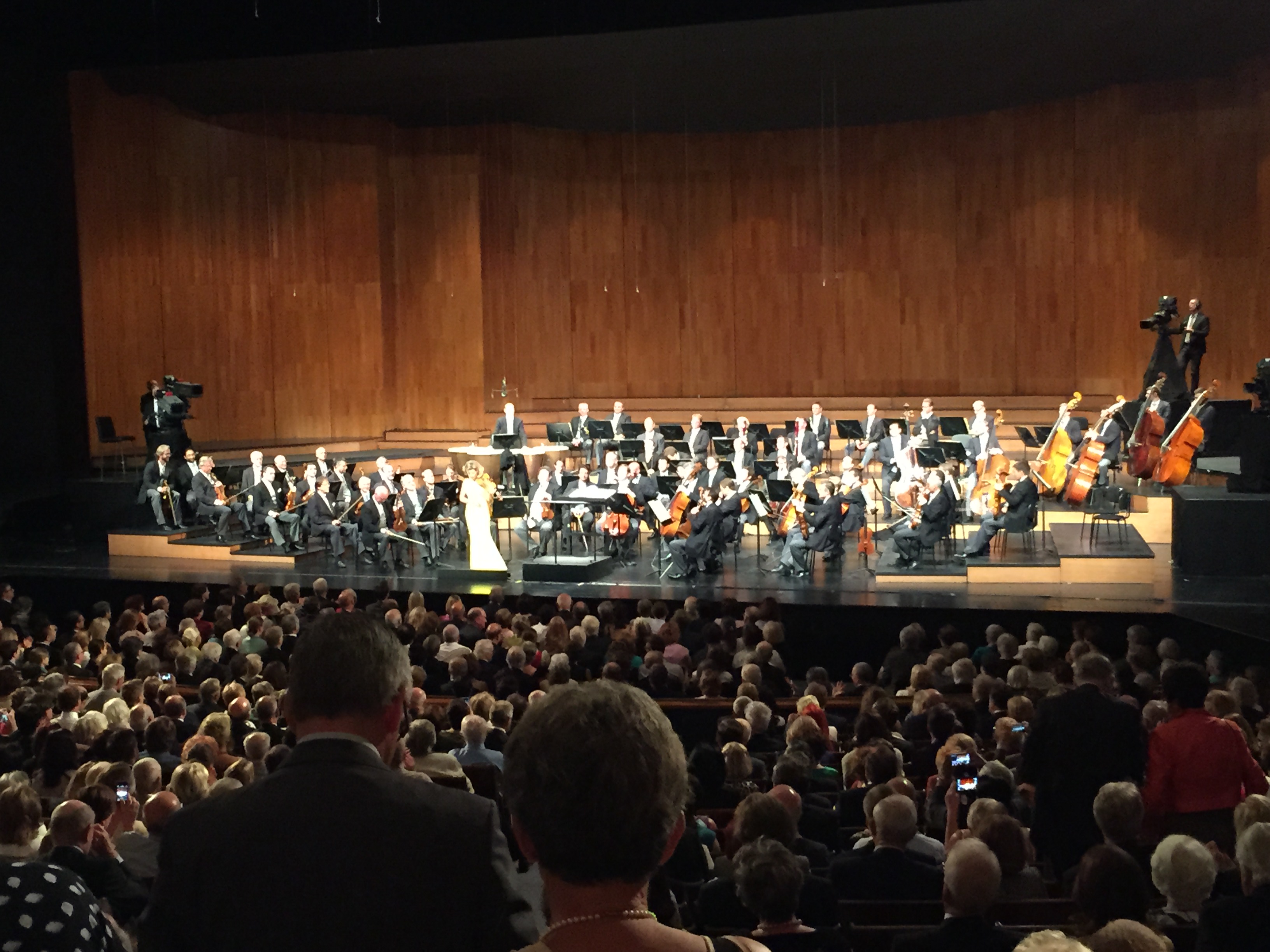
Today, the Vienna Philharmonic, Ricardo Muti and Anne Sophie Mutter are sold out. The program includes Tsaichovsky’s Concerto for Violin and Orchestra, and Brahms Symphony #2. I felt very smug to have ordered tickets before they were issued last year. It was so thrilling to see Mutter. Like others, I was sweating from holding my breath at the end. She was enrapturing and you could hear a pin drop as she reached a series of crescendos. She partnered with Muti to lead the orchestra as well as play beyond perfection.

IMG_7761She eventually earned a standing ovation, but not because the audience wasn’t sure. In true European style, the audience very deliberately withheld letting her know that they approved of her performance. And, in reply, she responded with a delayed second piece. Do you know how hard it is to get European audiences out of their seats? Unlike the Americans who are easy to please, the Europeans are very grudging with their compliments. You have to really earn your stars here.

Well, the well-healed (no typo, I mean there is alot of spa time going into this crowd) got up on their feet and gave her an ovation you would not believe. Maybe that was the reason for the delay. But that’s after they spend three minutes stamping their Bruno Maglis on the hard floor. Anne was lovely and gracious as could be. This was her kind of crowd, honed to perfection themselves. You could tell this was a huge honor to her.

Other observations of this thrilling performance…there are strictly Tattinger-sponsored champagne breaks here…no beer and pretzels. The Austrians tastefully dress to convey their age-appropriate super-wealthy reserved style. I think of myself as reasonably self-aware in my black concert dress but I felt like a slob. The 11:00am Sunday performance (ok let’s miss church today) gave the older crowd (hey, that’s me too) at least 12 hours sleep beforehand to stay awake, so everyone was frisky.


The aftermath of the concert consisted of weaving my way through the fleet of 30+ Audi S8s in front ready to whisk patrons away to an after-event. I looked for my name but they were only by number. Unfortunately, I had forgotten to retrieve the code beforehand.

Days 20-22: Planes and Boats and Trains

Such has been our busy week of flying from Moscow to Berlin, taking a hydrofoil to Peterhof from Moscow, and the train from St Petersburg to Moscow. We enjoyed the Sapsan train the best, which turns out to be the same as the ICE train I am taking from Berlin to Salzburg. We assumed the Russian premier long distance train was its opportunity to showcase Russian engineering, but it looked suspiciously similar to the German trains.
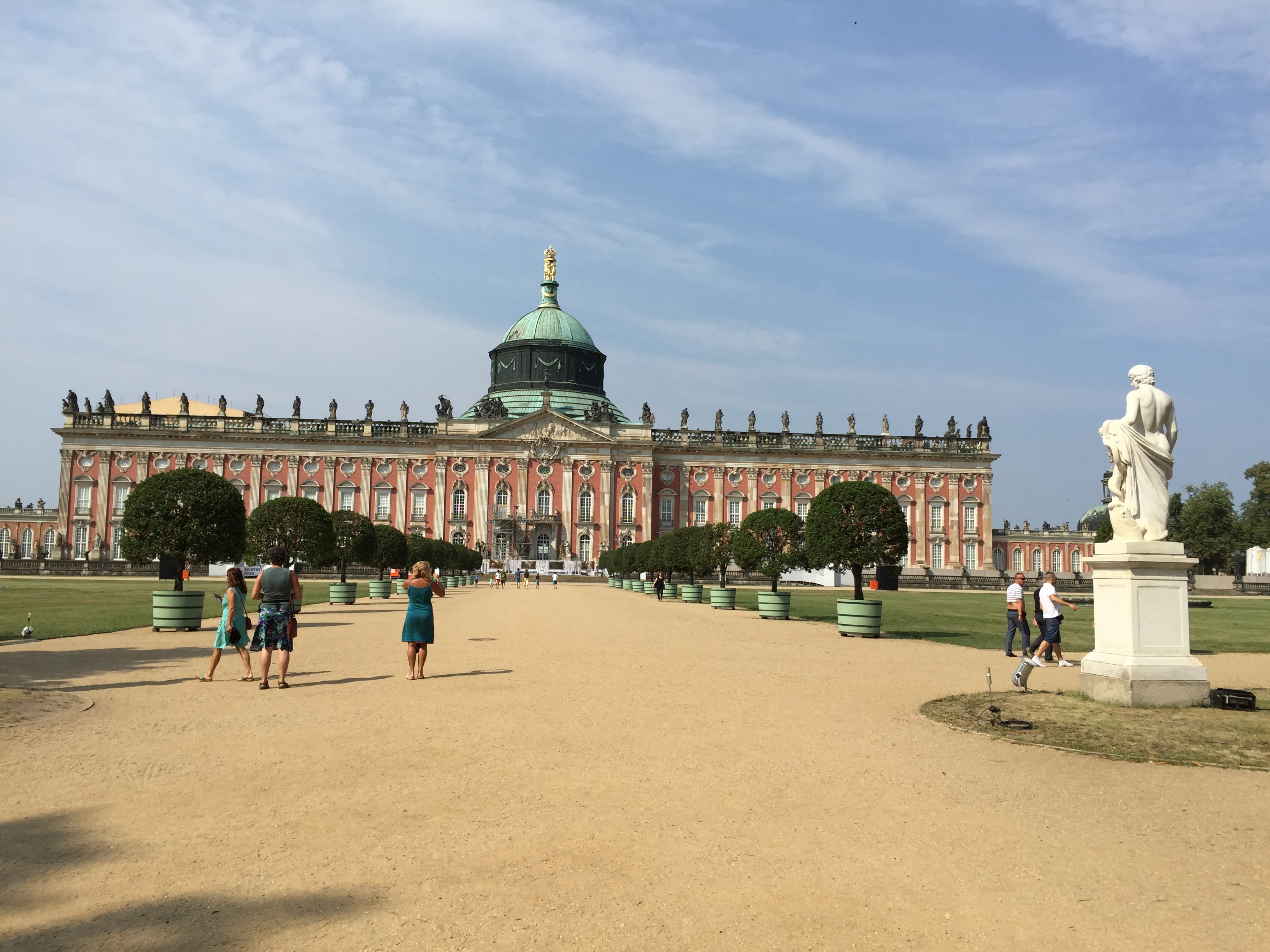
IMG_7686Yesterday, on Gee Kin’s last full day in Berlin, we took a day excursion by local train to Sans Souci Palace in Potsdam. We didn’t visit the palace as most visitors do, but took a three-mile walk between Sans Souci and Charlottenborg Palaces in the scant shade of 99 degree weather. A UNESCO world heritage site, Potsdam was the chosen site for the summer palace of King Friedrich. Here’s a Wiki link: https://en.wikipedia.org/wiki/Sanssouci

The event planners were preparing for the Sommernacht at the palaces the following day. It sounded like a wonderful celebration of German classical music in a beautiful venue, but unfortunately we were leaving. It would be worth coming back one day for the festivities and fireworks in this elegant location.

In our 36 hours in Berlin, we had launched our stay with a leisurely walk in the neighborhood of Potsdamer Platz, through the zoological garden in the middle of the city. It was calming and provided time for us to reflect on all the Siberian landscapes we had just traversed.

Those of you who know us are aware that we like long urban walks, 5-10 miles a stretch. This was yet another “walk in the park”. (For the curious, I have a website, http://www.crazyladywalks.com, that provides detailed information on Bay Area walks). It may seem pricey to go halfway around the world for a walk, but these are the most memorable and enjoyable ones to us.

We managed to balance the rest of our three days with local tours and attractions. We found a good Turkish restaurant in the more local area around the Zoo. Gee Kin slugged out on the museum track so we did a Young European concert with the Kiev Orchestra last night.

Sandwiched in between our morning walk and the evening concert, we visited the Reichstag dome. Being one of the hottest days ever in Berlin, we wondered how we got ourselves into this predicament. Masses of local tourists had come from all over the world to the Reichstag for their German civics lesson, on this one day. We not only fried at every pit stop, but then we were sous-vide under the dome, which resembled the George Forman griller.


Nevertheless, it was still fun to see and experience Norman Foster’s masterpiece. Luckily for you, the photos can never effectively convey temperature. But I guarantee you, the open vents in the building were insufficient ventilation for the once-in-a-hundred years heat wave. My dead straight hair went curly and the wood on our paper fans are permanently warped from this day at the Bundestag.

Three activities in one day’s 99-degree weather may be asking for trouble. Gee Kin’s alternative was to go to some delightfully soothing, air-conditioned art museum and he picked this?? Granted, the tour to Reichstag was pre-booked. We had failed to do this a few years back on our first trip to Berlin around 2012. And I was a day off on the booked date. Being our last day, we were not going to forego these paid-in-advance commitments so we had no choice but to go. So our last day was a bit of a marathon but it was penance for our lethargy the first 48 hours.

As mentioned, we went to a concert at the Konzerthaus Berlin, in a renovated building in a lively area in the middle of the city. But that’s not saying much, as everything seems to be in the middle of the city. Rome and San Francisco feel intimate like this, but not Moscow or Paris. Those are honking huge BIG cities, that dwarf your existence. That may be due to the six-plus-lane wide ribbons of thoroughfares used for pomp and circumstance.


I am at this very moment passing through Bamberg, where Gee Kin and I first discovered Cameron Carpenter. He is an amazing Curtis-trained contemporary organist who can do both classical and popular music. Some of you saw his performance at the SF Symphony Hall last year. He is one of our favorite new artists.

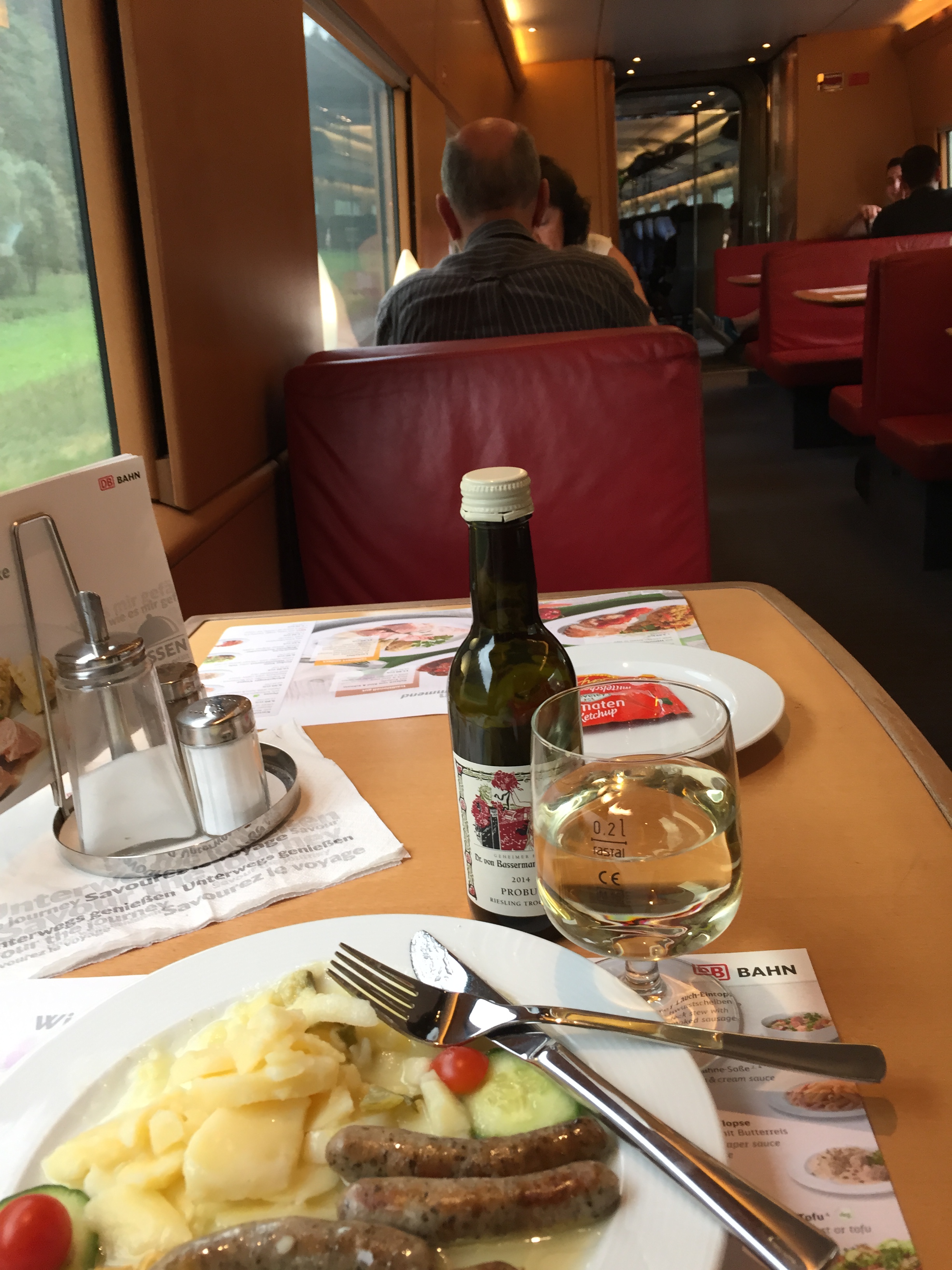
I am sitting in the dining car for lunch, noshing on bratwurst and cold potato salad. (See photo). IMG_7743The quality of food is less important to me thanthe total experience–environment, ambience, and PEACE. This was it, enough for me to write all of this discreetly in a maple-veneer and leather-lined carriage. Prices were reasonable by American standards. I had my .2ml wine (a bit more from the split bottle but you can measure if you want from the mark on the glass), entree and dessert with coffee, with a priceless view and free opera music via my IPhone to boot! To me, this beats a table at French Laundry.

Am heading to the Salzburger Festival and will post from there in a few days. Til then, stay wet (not dry
for SFers) and cool (for Deutschers). Clouds on the horizon.

Day 13: Moscow Camera Roll Continued

Yesterday’s events yielded far too many photos to post. I have chosen among my favorite children and am posting them for your viewing pleasure below. Moscow has been an amazingly inspirational visit–far too few Americans have been here to partake in its rich history and treasures. I feel badly that I didn’t come sooner.

And for Moscow by Night, here are a few shots of Moscow after a brilliant performance of “La Traviata”, the ballet, we caught. Moscow is totally safe in the tourist areas we walked at night, in beautifully balmy summer, late light weather. The lights really showcase the architectural detailing of each building in its pride and splendor.

And finally, for the foodies, our dinner menu. We tried the Holodet, an aspic of chicken and duck with dill that was delicious! Apparently, it is a local creation. You can read about its history on the menu page.

It’s probably worth mentioning that I have been revising and cleaning up the early Day 1-10 posts. I renumbered the days in successive order from the beginning, added photos that should have been in the posts, and fixed typos or information that was incorrect.

If you see any major bloopers, please email me and let me know! The website should be more stable going forward, once I am in Europe and the States, so hopefully you won’s see the fits and starts from the beginning of the trip. Once again, my apologies to those who may have been confused by incomplete information.

Thanks to all for the comments and support. Once Gee Kin returns to the US, I will be traveling on my own. It feels like you are all traveling with me, especially when I hear from you! It keeps me motivated and I keep you in mind when I am looking for interesting things to post. I hope they capture your attention too!

BFF (Best Friends Forever)

Returning to Dresden is like my home away from home. I have been here five times in five years, to soak in the grossly unknown treasures of music, architecture, and art available in this restored city.

IMG_0550

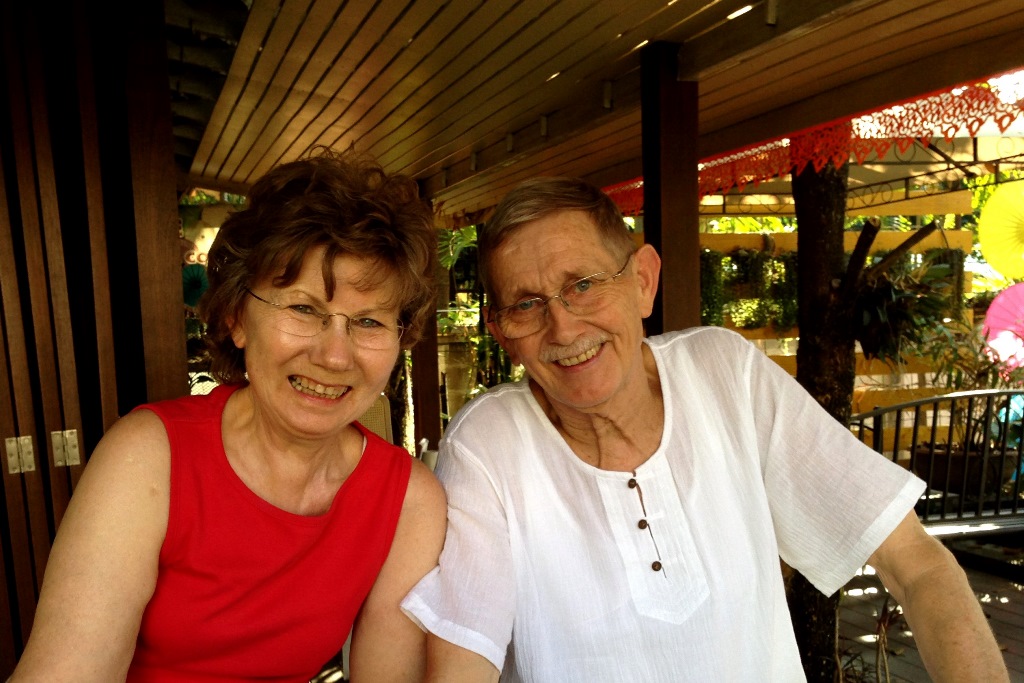
First we reconnected with our friends Hanne and Jens (shown above), who are residents of Germany. They just returned from world travels snorkeling in Thailand on a private junk and tours of Kweilin, Suzhou and Shanghai. We went to dinner at a Chinese restaurant to continue our research on the Chinese diaspora and to compare Chinese-German food with the real thing.

image
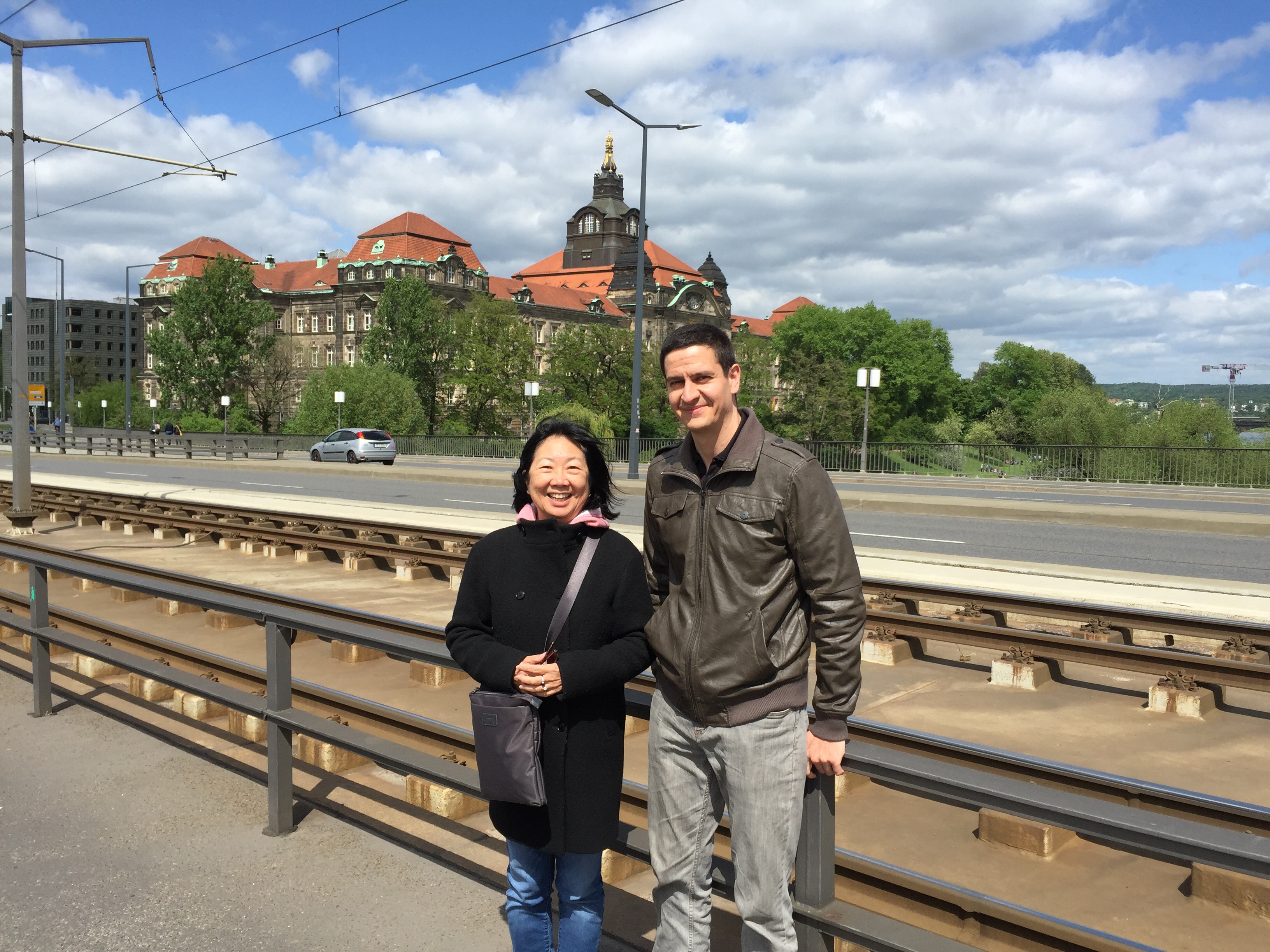
Our next highlight was meeting Vladimir (above, with me), one of my classmates from the Goethe Institut last year. We lamented our lack of progress learning German, discussed Bulgarian history and politics, and future plans. The time was too short but we made the most of the afternoon. We walked to the Blaue Wunder Bridge and back.

In the late afternoon our friends Helena and Hans arrived from Switzerland. (Gee Kin met Helena over 40 years ago from the Beijing Foreign Languages Institute). After Helena and I met in Dresden last August, we made plans to attend the Musikfestspiele together this year. It was really exciting to attend the Opening Gala together at the Dresden Messe.

image

Our short visit to Dresden was topped off by a meeting with Meilina (photo below, an der Frauenkirche), another dear friend from the Goethe Institut.

image

She is studying Forestry here in Dresden and is a foreign student from Indonesia. I admire her dedication to her studies as she is away from her husband and two boys at home. She told me a very moving story about how each of her family members supported her studies in Germany, and thought that it would be a good thing for Mommy to do to further her career.

I will miss all my new and old friends, and especially BFF Dresden. In case you were wondering, Dresden has beat the contest with Prague. This was of course a completely subjective approach to favoring the known and emotional attachment to the little city that could.

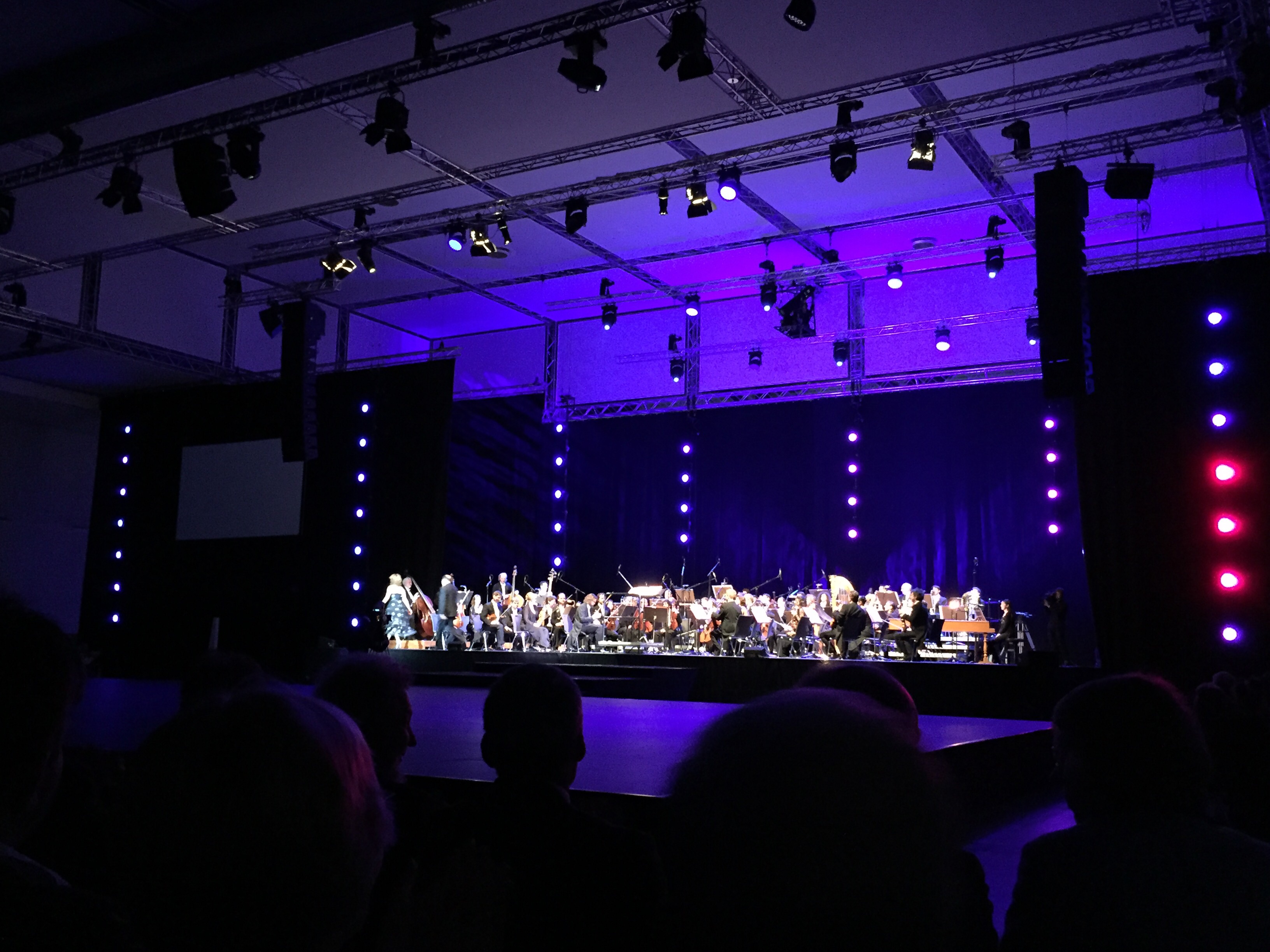
An example of this amazing city is the performance we attended last night at the Dresden Messe. Simone Kermes, an operatic solo, performed with the Dresden Festival Orchestra, followed by L’il Buck. Nothing could be culturally further apart. Jan Vogler, the cellist and festival director, played the Swan Lake solo while L’il Buck did his amazing interpretation of a Swan.
image
I admire both the director immensely for his visionary approach to blending classical and modern forms of music and performance, as well as L’il Buck for entering into a completely new audience. I challenge any other American or international city to provide this breadth of entertainment in one concentrated music festival period or single performance.

Prague is a major city capital and can offer many handsome historical and cultural activities to visitors. While being only a provincial city, Dresden offers a more intimate and simplified experience. Along with its great new airport, safe and spotless transportation system, access to a wealth of cultural activities, and a language that I feel comfortable in, Dresden wins hands down.

image
The Finale, and View of the Frauenkirche from our apartment window

Liszt-less in Weimar?

One of the true pleasures of coming to Germany is to hear great classical music, not only by inspired young musicians, but to hear performances in the composers homes where they lived. We had such an opportunity yesterday, when we attended a performance by the Hoch Schule for Musik Franz Lizst (Franz Lizst Music High School). Seven advanced piano students performed pieces by Chopin and Lizst.

Their performances were passionate and stirring. The very room where Lizst trained his students was where these students played these masters’ compositions. (See drawing room photo above, left, and dining room adjacent to drawing room, right)

Liszt Hochschule for Musik

Earlier yesterday and this evening, we attended performances at the Hoch Schule around the corner across the back alley to our hotel. We could slip into free performances by a guest harpsichordist from Prague and other Hoch Schule cello students. What a treat it was to hear high quality music so conveniently located–virtually in the back yard–and for free! Photo above shows Festival Hall where performances are held)

This morning before our activities in town, we took a brisk walk 4 km. to the Belvedere Castle outside of town and back. The bus easily could have taken us there, but we decided to get some exercise and see the countryside. We walked through the Park Ilm, another historic UNESCO world heritage site. There are about a dozen sites in Weimar that form a collection of UNESCO-recognized cultural treasures.

Later in the day, we visited the Schiller House. Although Schiller wrote the stories about Don Carlo and William Tell, we are more familiar with the music set for them by Verdi and Rossini. Beethoven also wrote his Ode to Joy based on the poem by Schiller. An exhibition at the Schiller House showed how instrumental the Artist Lucas Cranach and his son were in promoting the teachings of Martin Luther through their woodcuts, graphic arts, and paintings.

Our evening was topped off by a performance at the Weimar Hall with a solo pianist performance. (see header and photo below). It was a full day that filled our brains with deep thoughts, our ears with beautiful music, and our eyes with inspiring visions. We were definitely not bored or looking for amusement today.

Lizst Hochschule Festival Room

Thank You Very Mucha

image

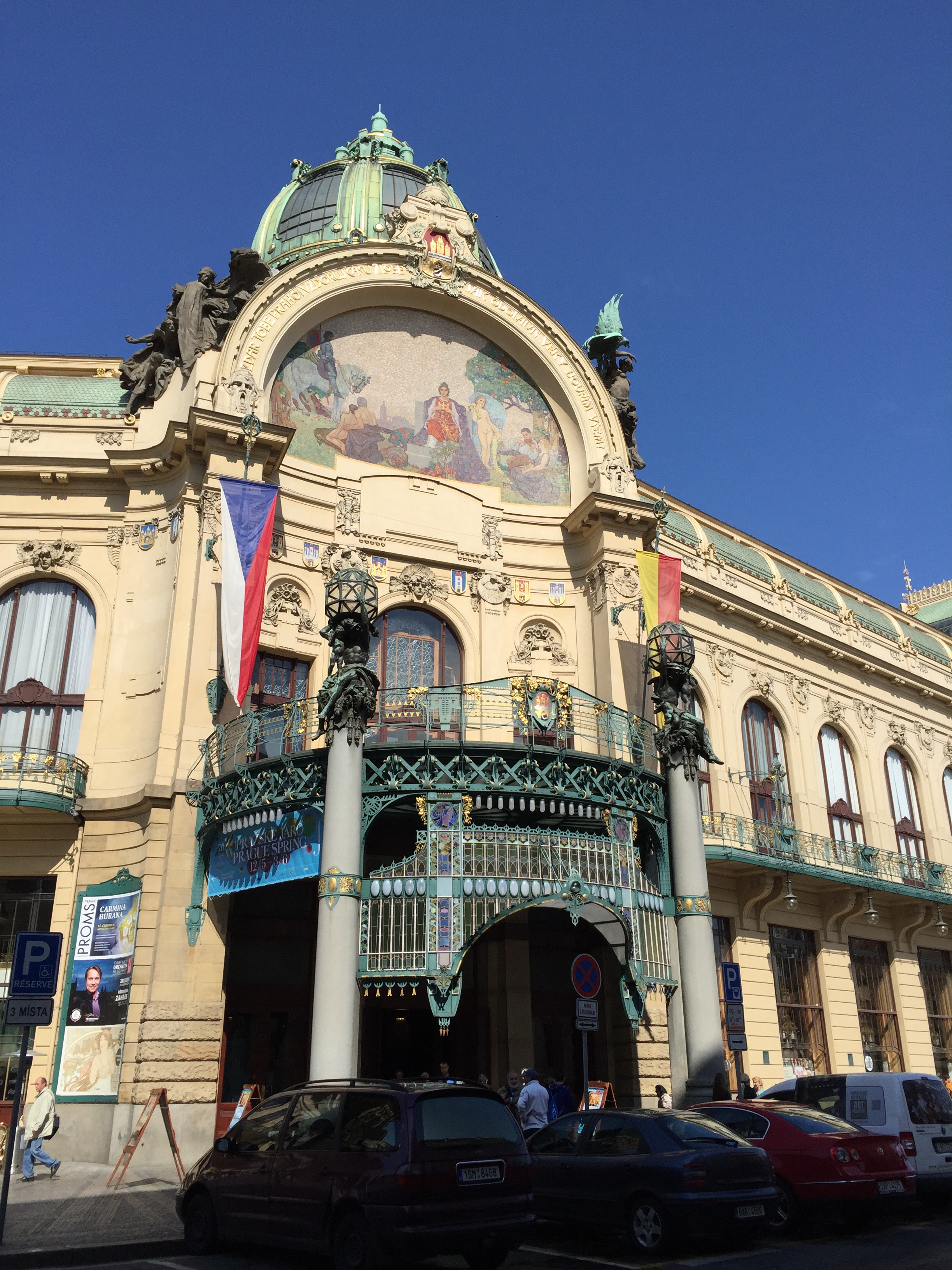
Exterior of Municipal Hall with murals by Mucha

Alfonse Mucha was a Czech graphic designer who was known for his advertising posters of Sarah Bernhardt, and for his signature designs that were instrumental in the Art Nouveau movement. After a successful career in Prague and New York, he decided to return to his Czech roots. He dreamt of helping to record the saga of the Slavic nation after WWII. Through his benefactor, he was able to depict the Slav Epic in 20 murals, now housed in the National Museum.
image

The museum was closed, but we were able to see three of his works in the National Gallery. The poster framed in gold was one of the pieces. The Mucha Museum showed most of his work and an informative video produced by the Mucha Foundation presented the life of this artist. He was prolific as one of the first advertising artists of his day, and became famous in Paris. He hob-knobbed with famous artists and patrons, and eventually made his way to New York.

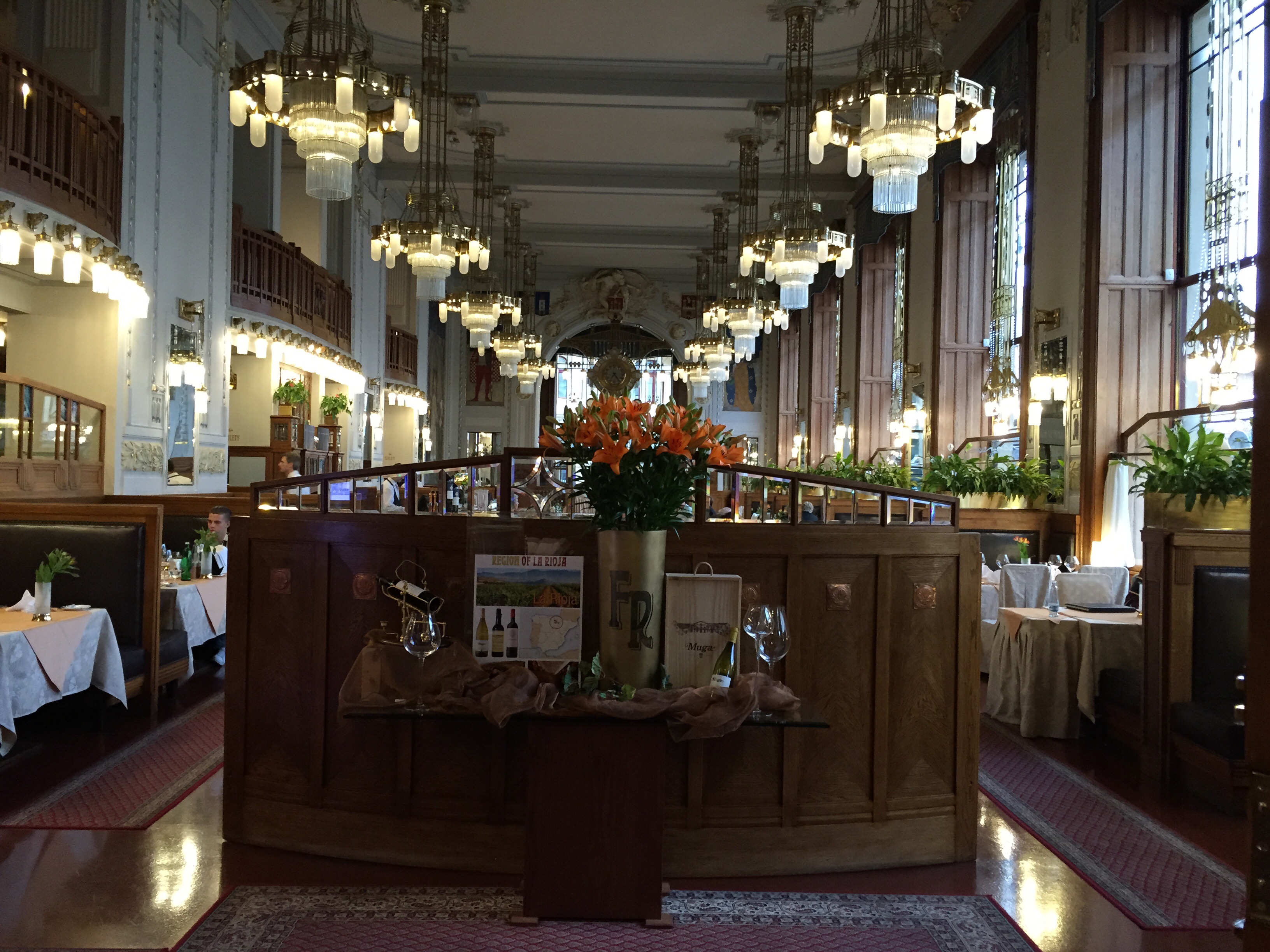
Upon his return to Prague, he was commissioned to decorate the Municipal Hall where the concert we attended last night was held. The interior was ornately decorated with etched glass, brass trim, and murals by Mucha. The view of the stage with the organ, the dome, and the interior photos you see are taken inside the hall.

More impressive was the musical performance. Despite my initial trepidation about hard sellers barking on the street to us, we were glad that we succumbed to their pleas. The music itself was delightful and the quality was very high. We heard a Mozart Concerto in C Major with a violin soloist, and Beethoven’s triple Concerto in G Major for Violin, Cello and Piano. The highlight was Dvorak’s New World Symphony, a stirring reminder of the Czech Republic’s early beginnings.

With 60 musicians performing for a small audience of less than 200 people (mostly tourists), I wondered how they were able to break even. It was great value, and I even felt a bit guilty paying so little for such a fine, ovation-warranted performance. To top it off, we continue to enjoy visiting and attending performances in beautiful and historic buildings. This particular building reminded me of the Palacio des Belles Artes in Mexico City. (See posts and video in December 2014 on Mexico City Art and Architecture).

It was particularly thrilling to reflect on the day’s exposure to Mucha and his commitment to the Czech People, followed by stirring music by Dvorak and the conductor of the North Czech Philharmonic Orchestra, in a venue decorated by Mucha himself! The visual and sound effects conveyed the passionate feelings of the artists and made the experience very moving and emotional.

As for the competition between Dresden and Prague, two musically inclined cities, I can only be politically correct and say that they are similar and different. Dresden has the Semper Opera House, the Schiller Theater, Frauenkirche and many other smaller venues that provide seasonal programs including the annual Music Festival.

Prague has its counterparts in State-supported venues such as the National Opera House, National Theater, Municipal House, Rudolfinum and many churches. With a larger population, Prague seems to rely on a pattern of daily, year-round performances for tourists who expect to hear music on demand. I’m sure there are performances catered to local music lovers, but I wasn’t able ascertain whether the tourist-oriented events were also for local residents.

I’ll continue this debate and decide after the musical events in Dresden this week as to which city I prefer (I have a hunch already–what’s your guess?). It will be strictly subjective, determined by many factors such as weather, what I ate that day just before the performance, how easily I got to the venue, and who’s in the audience! Assume all the music in both cities is the best quality and value that can be found anywhere in the world.

image
Entrance to historic restaurant in Art Nouveau splendor
image Detail of hall interior

Prague Architecture & Promos


Like Dresden, Prague has a Disneyland-ish quality to it. We think of the SoCal American counterpart as fantastical, whimsical, and totally pedestrianized, and this city seems to match those descriptions. Like Disneyland, it also has hoards of tourists. For this city’s economy, tourists are no plague for Prague.

The buildings are impeccably maintained as are the streets (at least in the old town–I haven’t seen the real world by daylight anywhere yet!). It’s best to succumb to the lovely lures of the inner city and not overly scrutinize what may be beyond just yet.

Photos, from top left, counter-clockwise:
1. Tattooed Building
2. Baroque Beauty
3. Another Baroque Beauty outside hotel
4. Town Hall and Astronomical Clock in city center
5. Stone Relief on side of building
6. Effigy decorates confluence of crooked streets; impressions of Prague in 3GS: gruesome, gnarly, and Gothic.

image
Jewish Synagogue (above)

As for Prague being a musical city, it definitely is well endowed, with a twist. Tourists must run the gauntlet of mass advertising for concerts and performances held at virtually every available venue. Catholic and Protestant churches competed in the past for parishioners and compete today for music patronage. Like canned tours, it is impossible to avoid the bombardment of flyers and hawkers (not for sex, but…music???). I felt a bit sorry for those disinterested in music, like the feeling you get when you’re not a sports fan and everyone around you is a fanatic. What’s all the fuss about?!? It’s a different world.

Fortunately for us, I was a bit unprepared and the readily at-hand research saved my ogling-going on Google. Instead, we physically stumbled into an ideal performance at the Municipal Hall. Dvorak’s New World Symphony will be performed with 60 local musicians of the Czech orchestra for around 40 euros each. (Quantity, not quality matters here) It’s also easy to compare choices when ads are at every street corner.

We are about to go to a Prague State Opera performance of “Nabucco” tonight. Keep your fingers crossed. Although I bought tickets online, I wonder how many tourists got coerced into going to something at the last minute that they really didn’t want to see. As for performances in Dresden and Leipzig, they haven’t capitalized on music or pandered to tourists to the extent done here (unless I missed something before). Maybe by choice, or less desperation. Stay tuned….

Update: the Prague Opera did not disappoint…in fact, it fully redeemed my faith in coming here. The performers were stellar, the staging straightforward, and the kudos were appropriate to the performance (not overinflated as they are in the U.S. with standing ovations the norm rather than the exception).

*I couldn’t help but add a panoramic of the interior of the beautiful opera house here. The acoustics were the best of any house I have visited. It’s small, intimate, and perfectly balanced. Maybe it was sitting in dead center of the parterre that did it, but for $55 for best seats in the house it beats the Met hands down on acoustical quality and value.

imagePrague State Operahouse interior