It’s been a month since we moved into the the new ADU (accessory dwelling unit). Despite the heavy rainfall and intermittent delays, our spirits were not dampened!
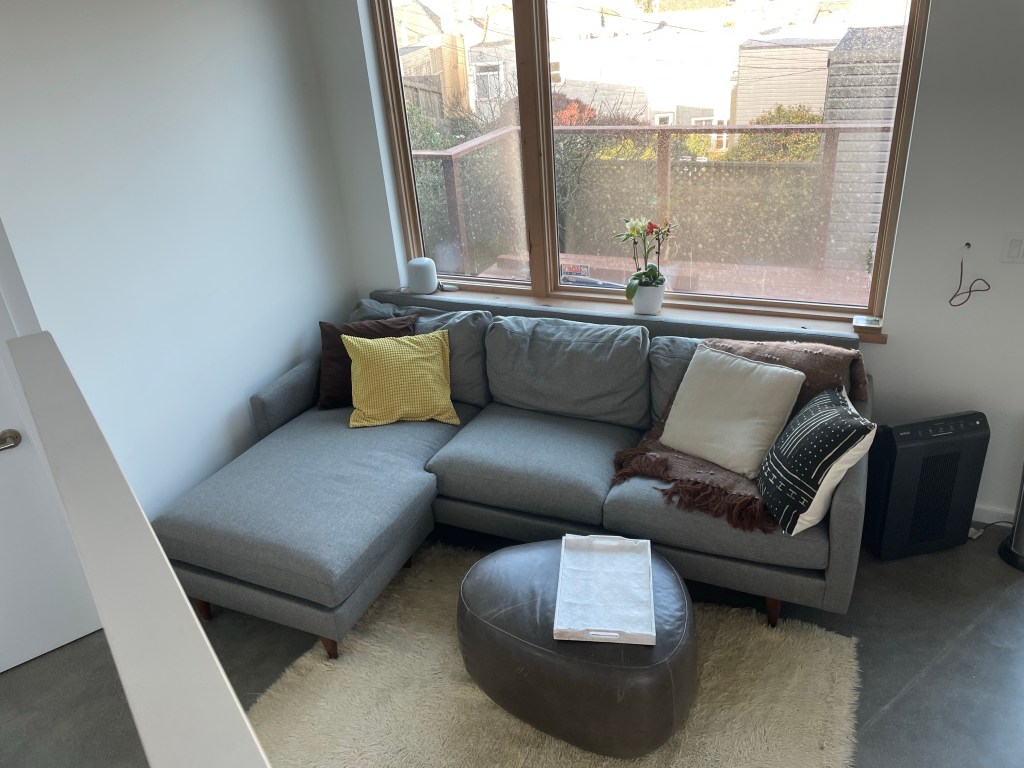
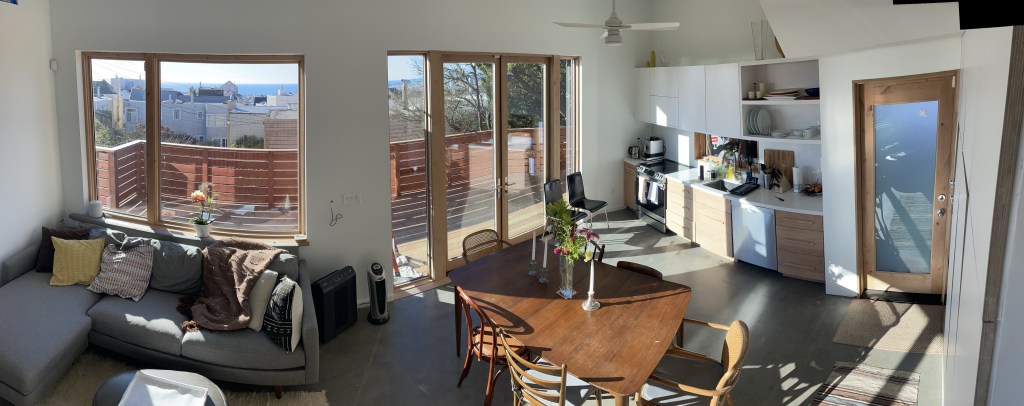
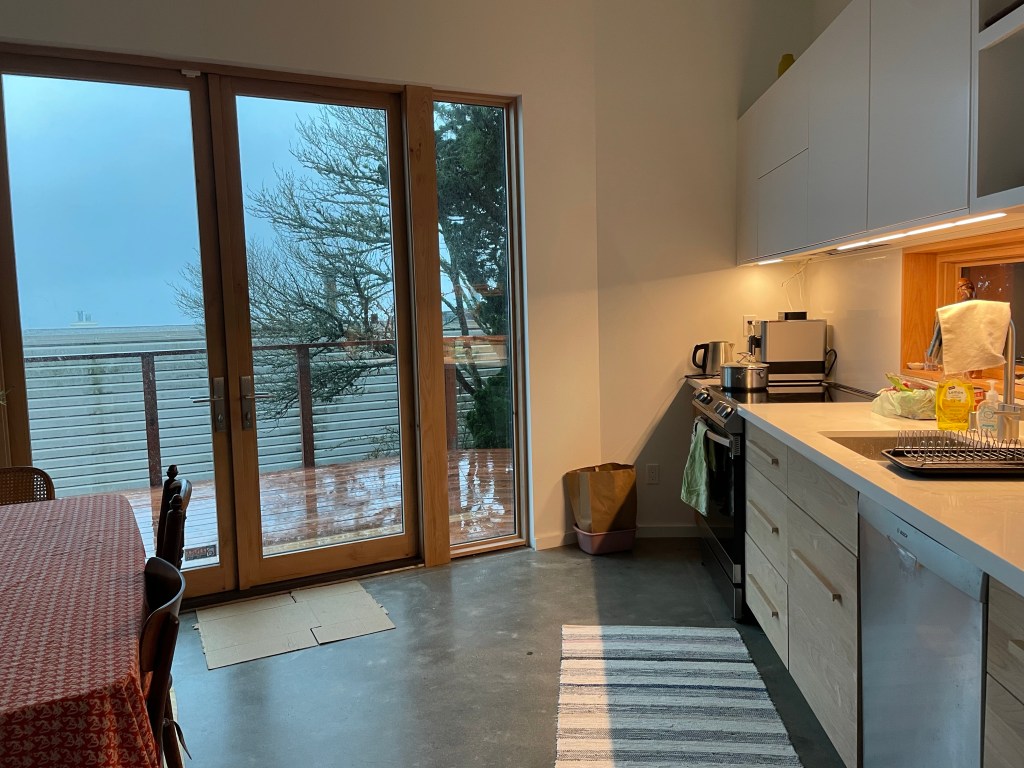
After waiting anxiously for 18 months, this big baby was delivered! The wedge-like irregular shape created by the rear yard setback integrates a kitchen, dining and living area on the ground floor. The main windows facing west provide generous natural light and ventilation. Combined with high 11′ ceilings, these public areas feel open and spacious. A double patio door leads to the exterior redwood deck expands public spaces for outdoor entertaining.
Naturally finished wood windows, shelving and details are used throughout the unit to complement sealed concrete flooring on the ground floor and wood flooring above. Walls are painted white throughout both levels.
The kitchen service area combines overhead matte gloss cabinets with wood base cabinets. A cozy picture window frames a 70-year old juniper tree outside. Painted wood shelving displays dinnerware and a large display space is reserved for a future surfboard!
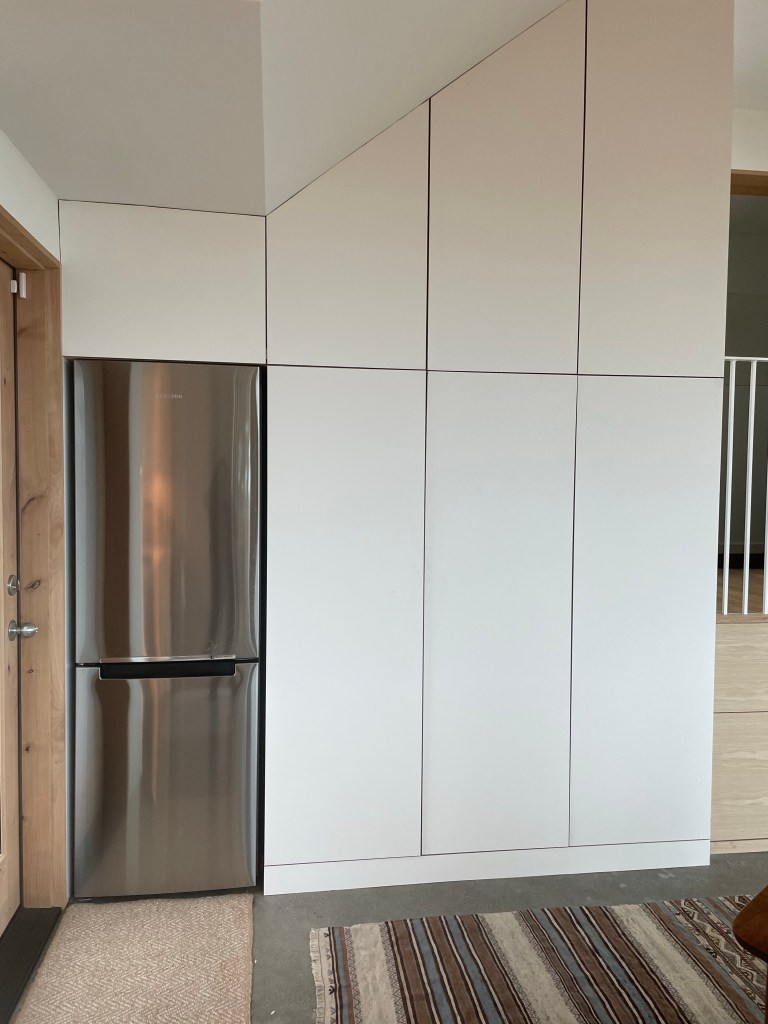
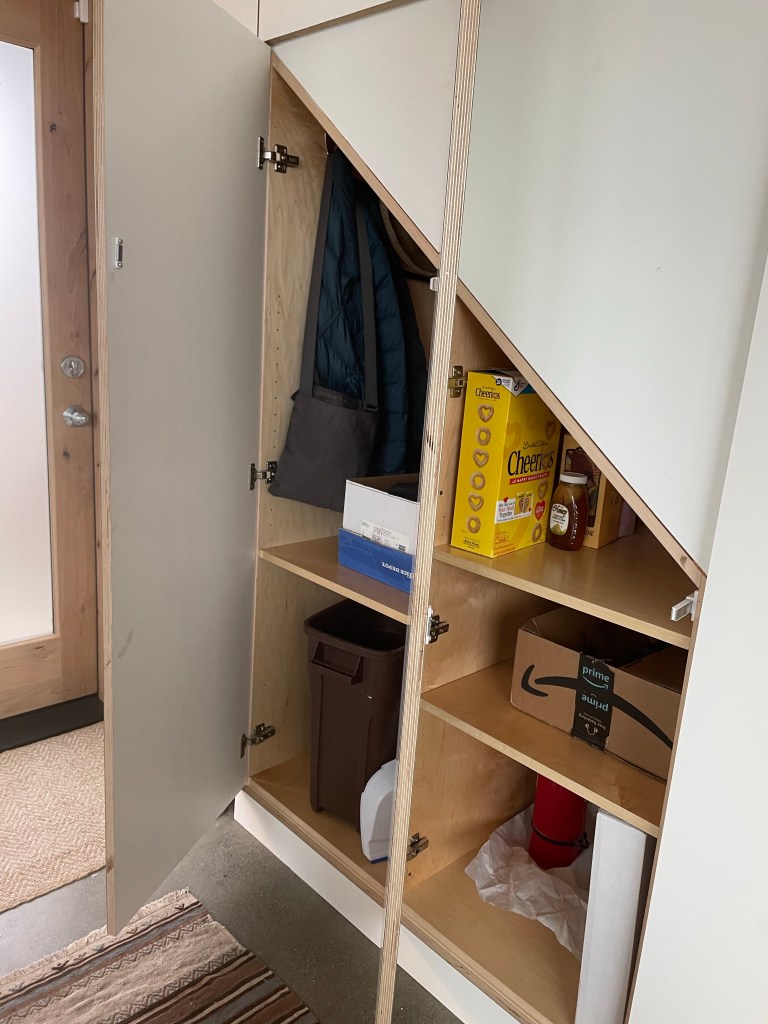
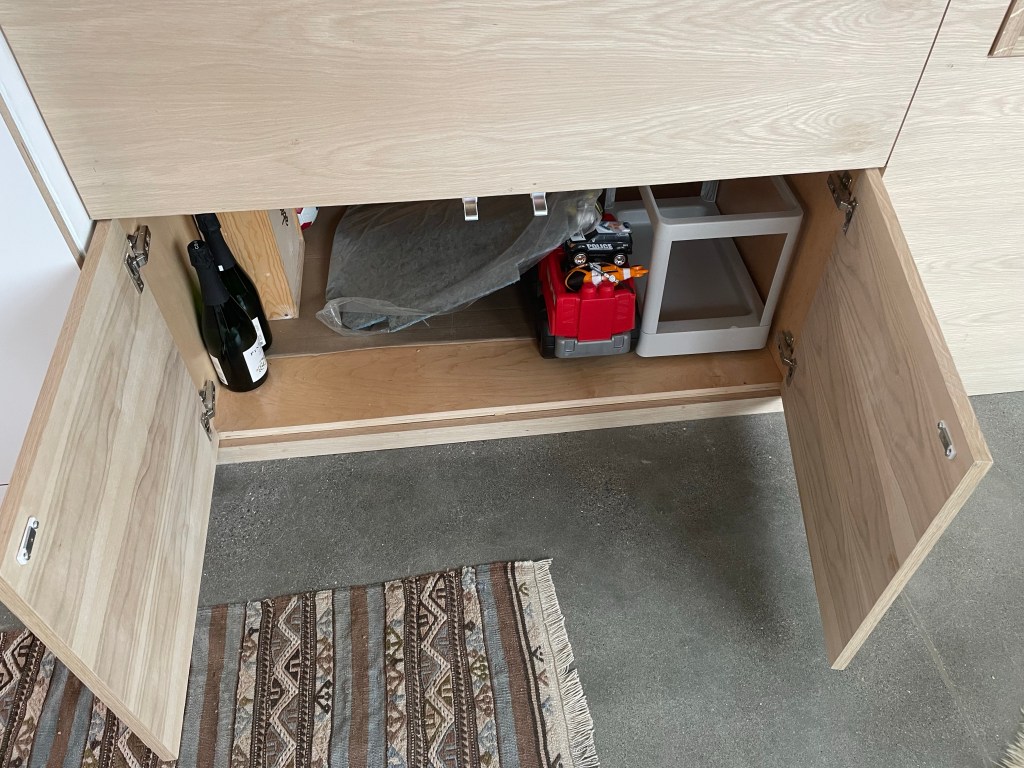
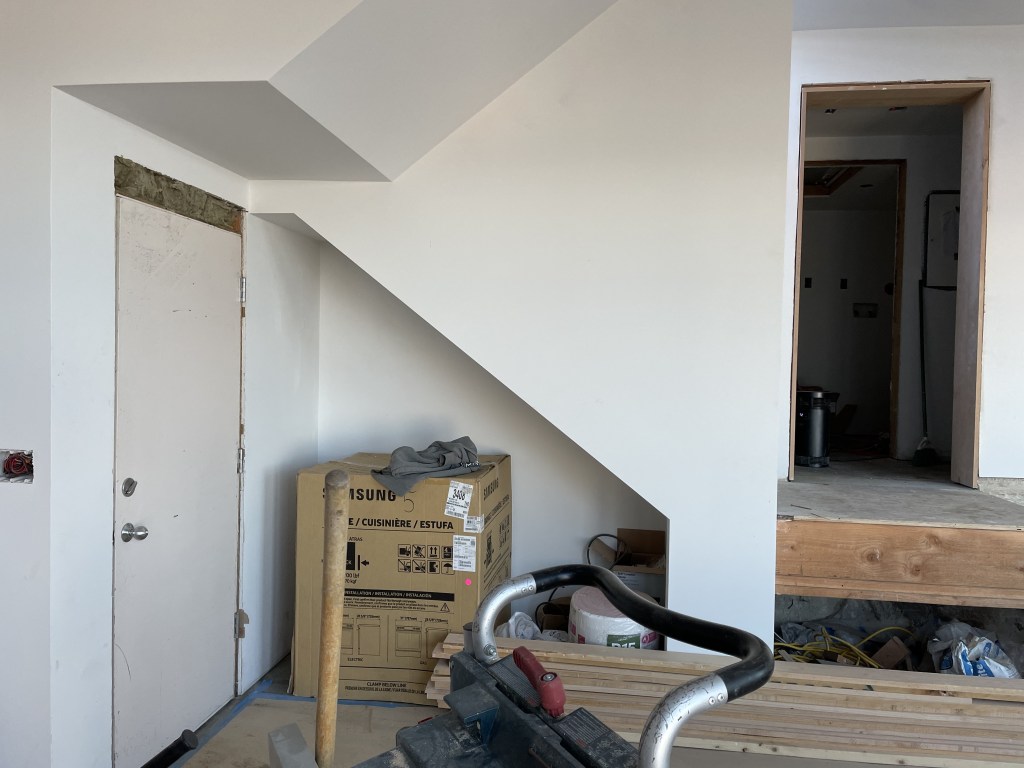
Opposite the entry door are built-in cabinets that maximize unused space under the stairs. Coats, pantry, recycling bins and additional storage are tucked behind blind doors. Special attention was paid to proportions, materials, and craftsmanship.
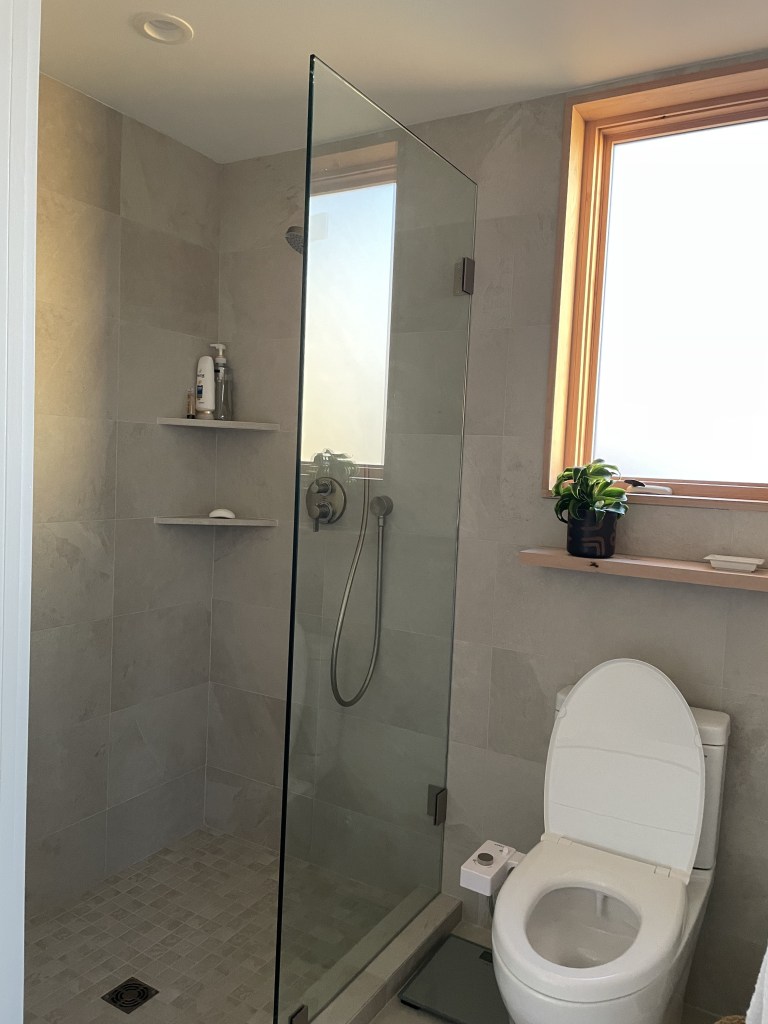
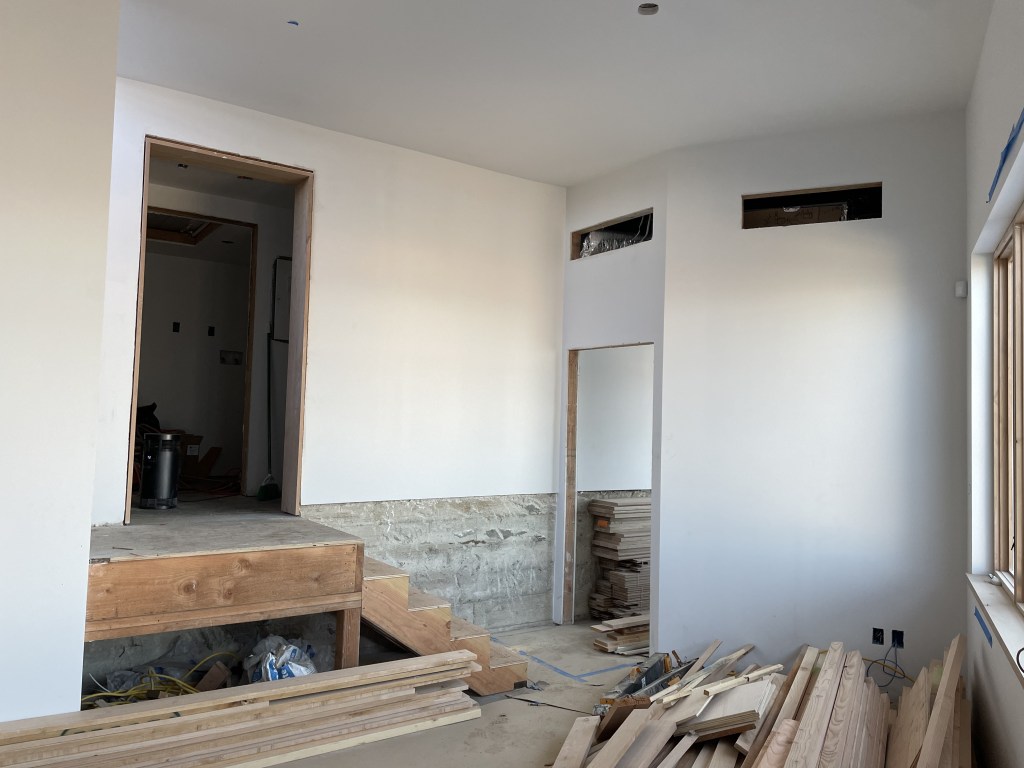
Half a landing up, the basement room inside the original house was converted to a bedroom and bath suite. the bedroom ” inner sanctum ” may be used in the future as a mini- screening room. Both bathrooms in the ADU utilize radiant floor heating. Wood shelving adds a luxurious spa-like touch to each.
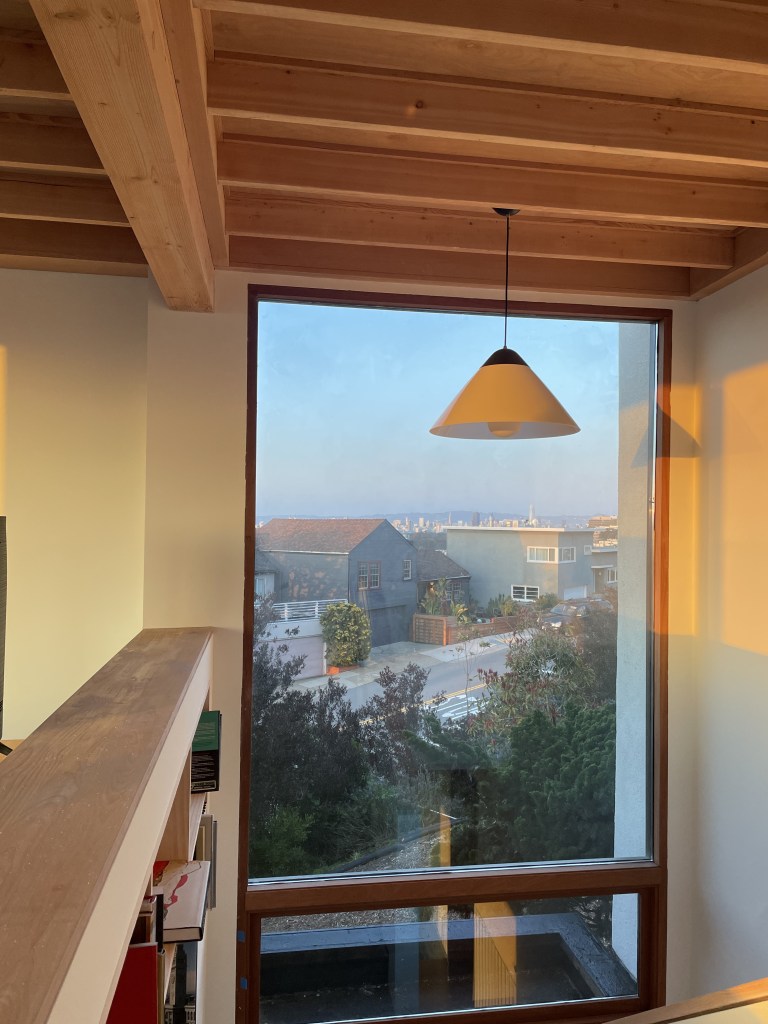
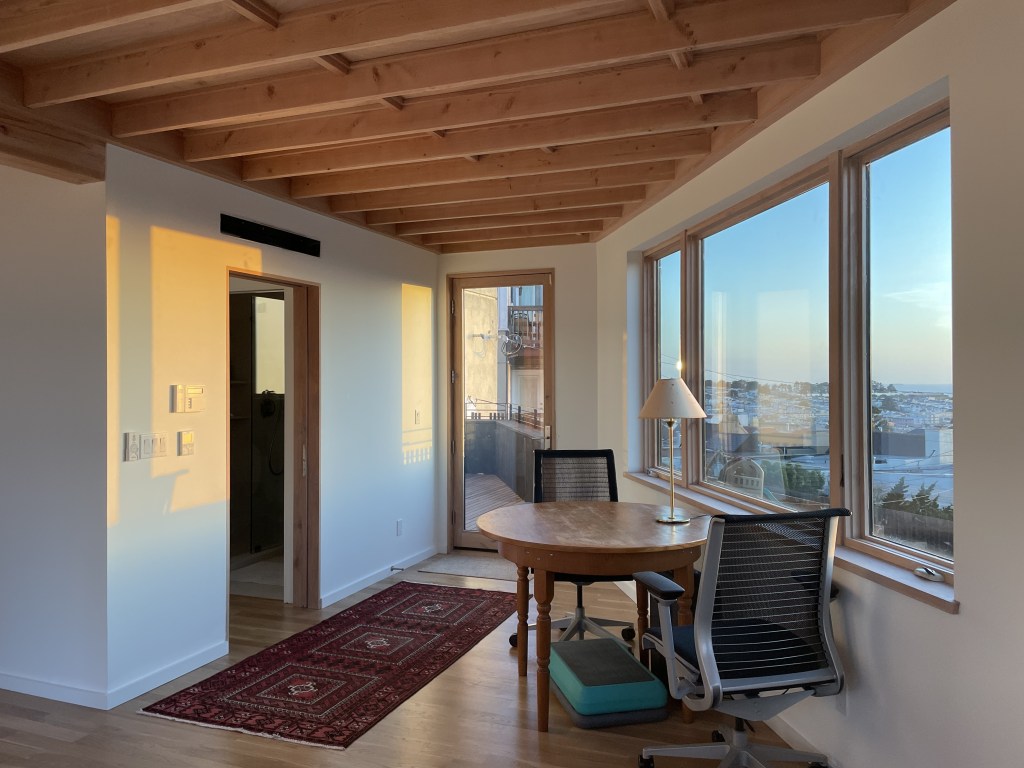
An open, double-height stair provides a view towards Parnassus Heights and Downtown San Francisco. The master bedroom/bath suite and large sitting area connects to an upper patio deck. In turn, it connects to the kitchen dining area of the original house. Large windows catch an abundance of natural light and spectacular views of the Pacific Ocean, Richmond District, and the Golden Gate Bridge. Like those from penthouses over New York City’s Central Park, this view captures Golden Gate Park and the greenery from above its tree canopies.
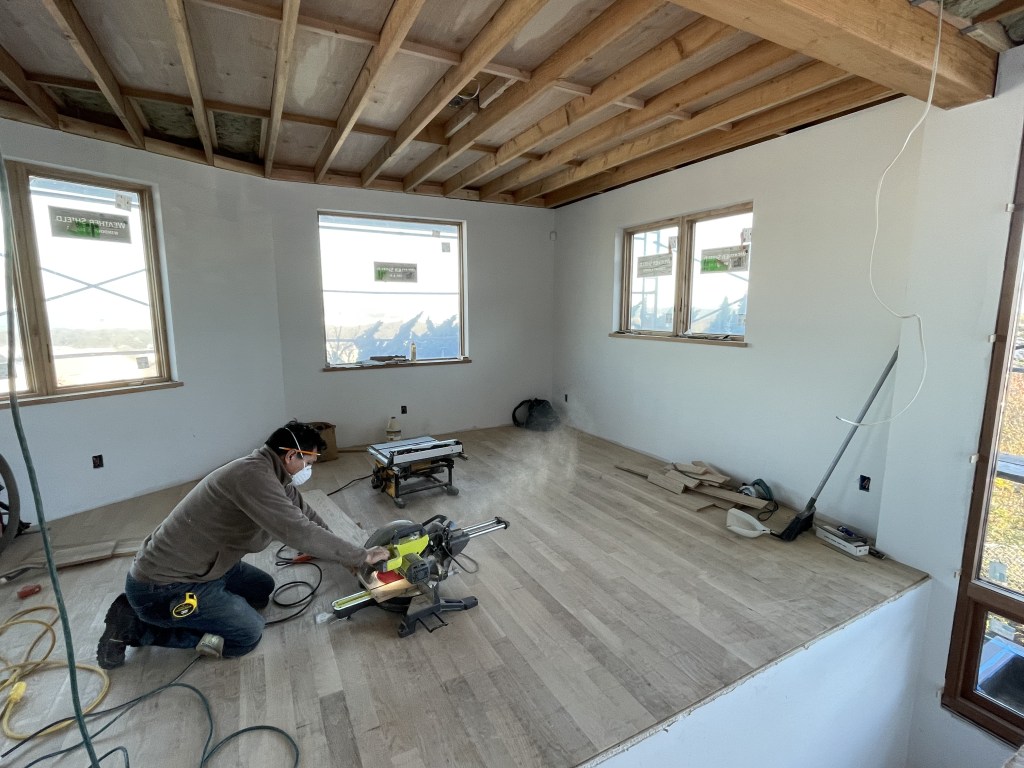
Window trimmed in natural wood finishes and natural oak flooring complement the 9′ high exposed wood joist ceiling. It’s a reminder of the extensive rough carpentry work on the building performed by J&J.
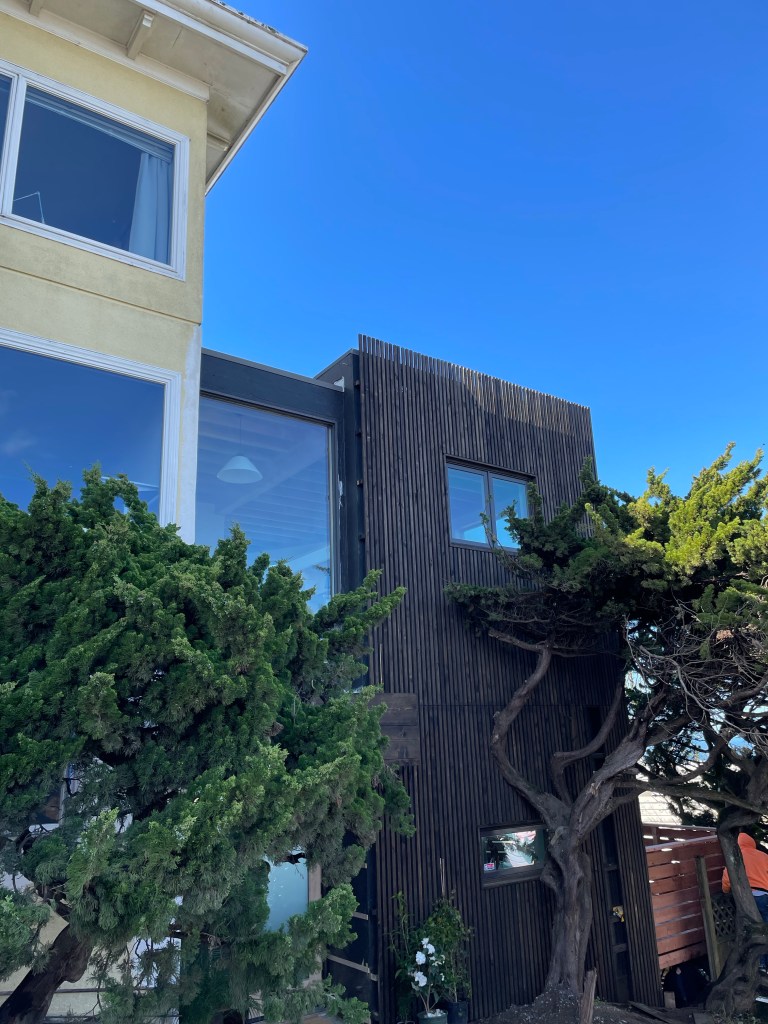
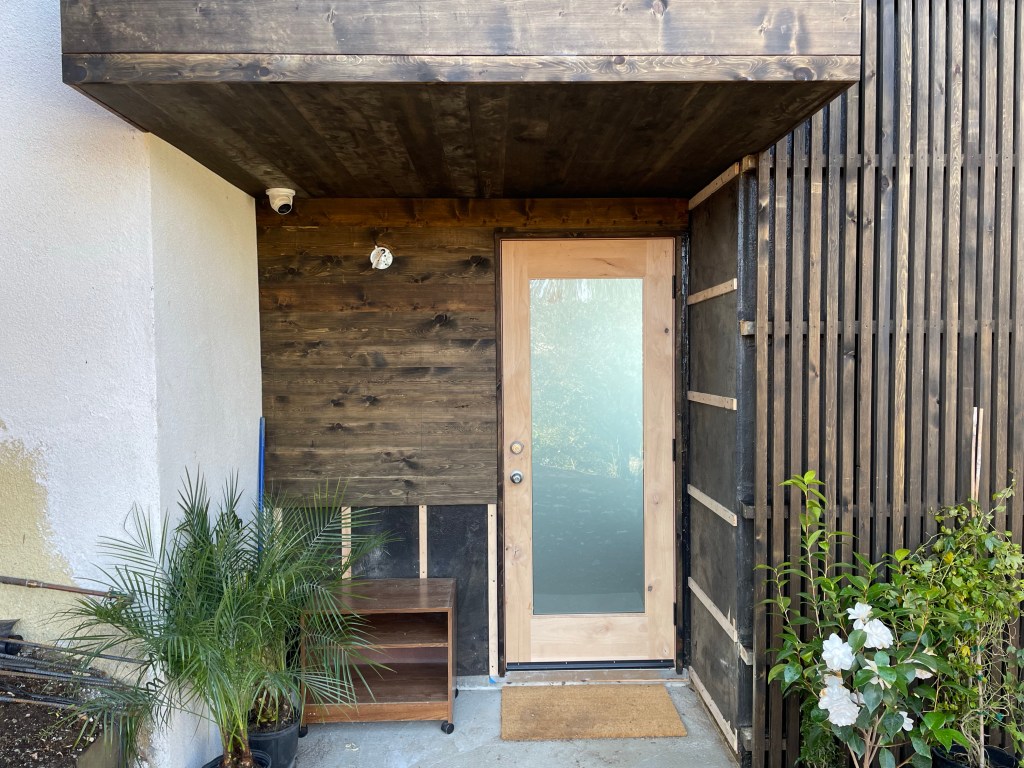
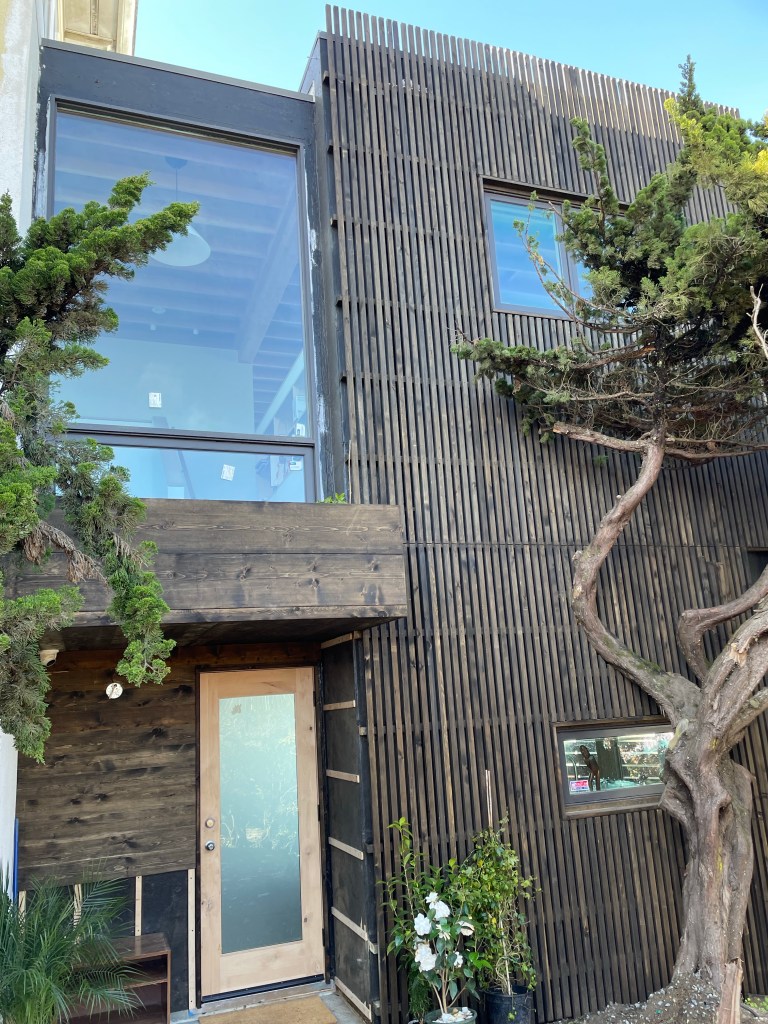
The exterior of the addition is clad in exposed wood vertical strips stained in black and walnut finish over cedar. Each window is framed with similar wood finishing. The redwood deck connects to the ground floor living space.
An example of the myriad details and instructions that make this project so remarkable is shown below. Jeff marked up plans and photos to explain the design intent. Here, he describes guard rail spacing to provide wind protection, natural ventilation and visual relief all in one solution.
This example is only a small indication of the dedication and care that was taken to create a beautiful and timeless design. Harking back to the three goals for the project–to develop a rental unit; to create multi-generational housing; and to enable future aging-in-place–all were met and our expectations were exceeded.
This post is dedicated to Julianne, the Daughter of Fong & Daughter, for her tenacity, commitment, and relentless desire to go above and beyond the call of duty. We love and cherish you Julianne, and partner Jeff, for your work that will last for many generations to come!! Dear Felix is one lucky and happy fella with you as his parents!! With Love and affection from the Fong of Fong & Daughter.
Late Bake
Here’s a quick video of both floors of the ADU and the bedroom suite at the half landing. Let me know if you have questions or comments!
For those of you who miss my point about why I love traveling to Germany, I’ll give you a quick refresher. I can see and do much better opera more cost effectively there. The transportation system is a dream. It’s safe, clean and informative. The historical, cultural and social offerings are well presented and provide context for a fulfilling experience.
Most tourists prefer to travel to Italy, France, or England for a European holiday. Few people I know travel to Germany. But I discovered that many people from the German diaspora return to learn about Germany in ways that many Chinese Americans go to China to discover their roots. We struggle to learn and retain the language, just as many German-Americans do. I found that similar pattern strangely comforting.
So this trip was a make-up for the years lost during the pandemic and the house construction. I managed to travel at the beginning of 2020 to London and returned on March 12 just before the lockdown. At the other end of 2020 I went to New Zealand and spent nearly a half year there with family waiting for COVID-19 to subside in the U.S.
2022 was the dry spell until September when I made my way to Bayreuth to see the Ring. Only Wagnerian fans will understand the obsession with the composer. He is the only one who has successfully combined both music and poetry into a total, integrated work. My German language training helps me to appreciate and love this unique artistry.
A refreshing and tasty salad
While food is not one of the reasons for going to Germany, I do have to comment on a few items. I discovered an extensive Portuguese food haven in the neighborhood where I stayed in Hamburg. Getting whole fish and a hearty meal was inexpensive, hearty, and healthy.
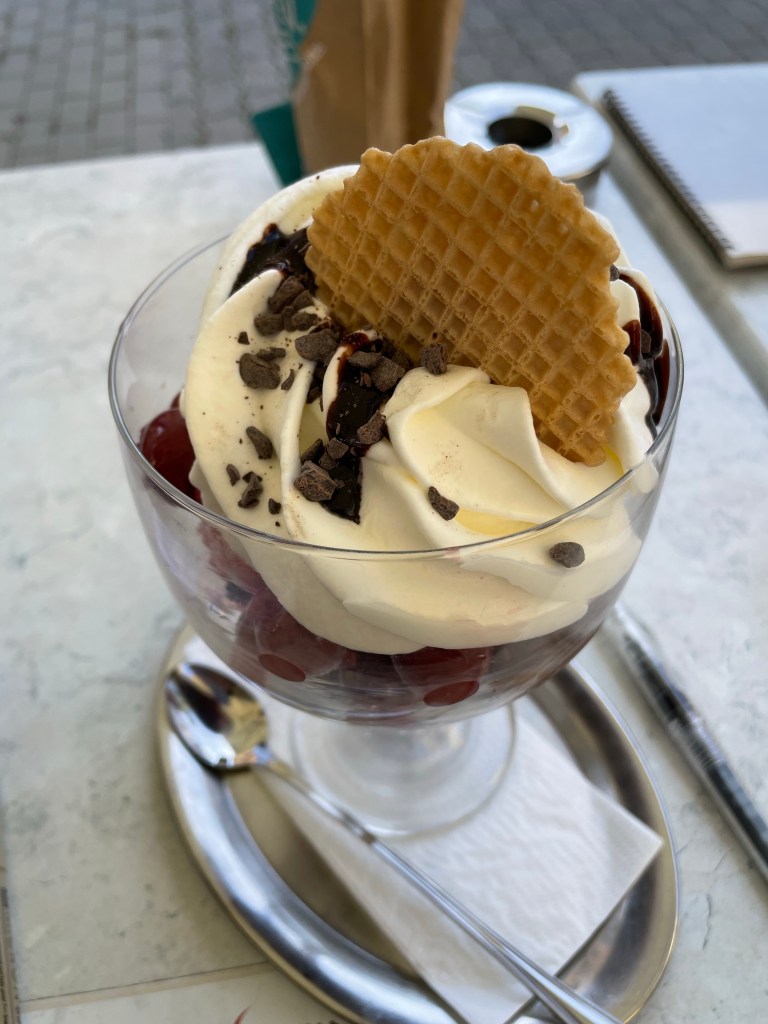
Leberkase and Bratwurst are not exactly culinary orgasms but the desserts are still to die for– particularly anything Black Forest and in season. The layered dessert with cherry topping was bedded with chocolate and crunchy puffed nougat sprinkles. And you already saw the Schwarzwald Ice Cream bomb in Leipzig–some food porn I couldn’t resist repeating. German buddy and vet here in San Francisco immediately recognized it and was jealous she couldn’t join me in Leipzig.
Berlin
My well-behaved intentions were eroded by…
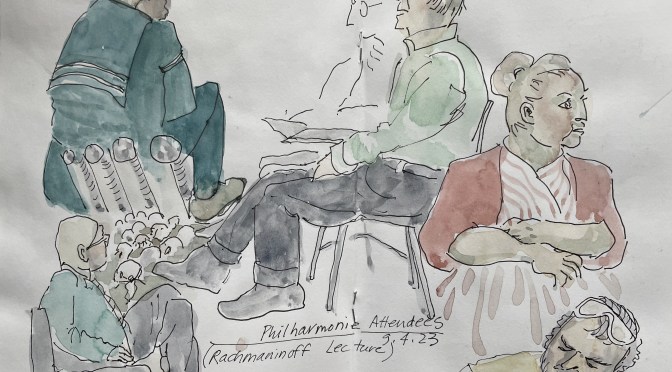
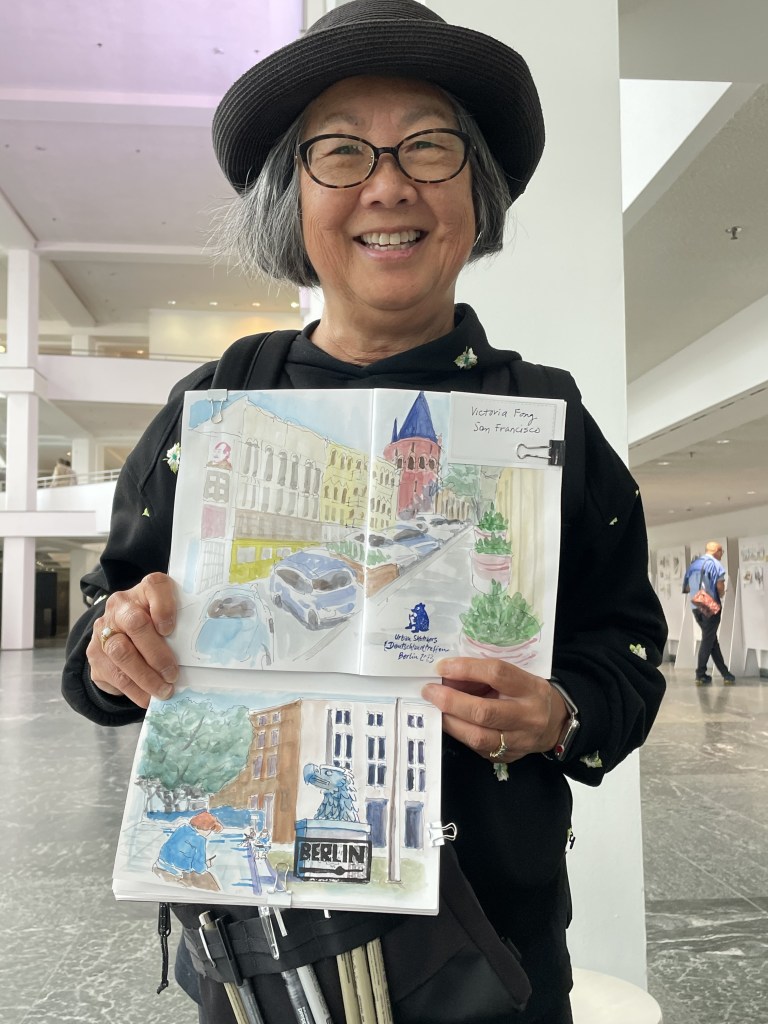
The Berlin Sketchfest, intended for German sketchers, was my initial impetus for traveling to Germany this year. However, attending the opening season concert at the KONZERTHAUS in Berlin the night before was an even more thrilling experience. It overshadowed the sketching event. The new conductor, Joana Mallwitz, was stunning in her debut and delivery of beautiful music. Her gestures and love of music were so expressive. You couldn’t help but feel her joy and delight in every note as she guided the orchestra.
Cameras following Joana Mallwitz after debut performance conducting Konzerthaus Orchestra
After the performance, I had an opportunity to meet her. The lights and camera crew following her through the adoring crowds were spell-binding. I even reconnected with her operatic partner Simon and hotel owner Ralf from Nurnberg, both of whom I had met the year before!
Reception for Joana Mallwitze at the Konzerthaus after performance
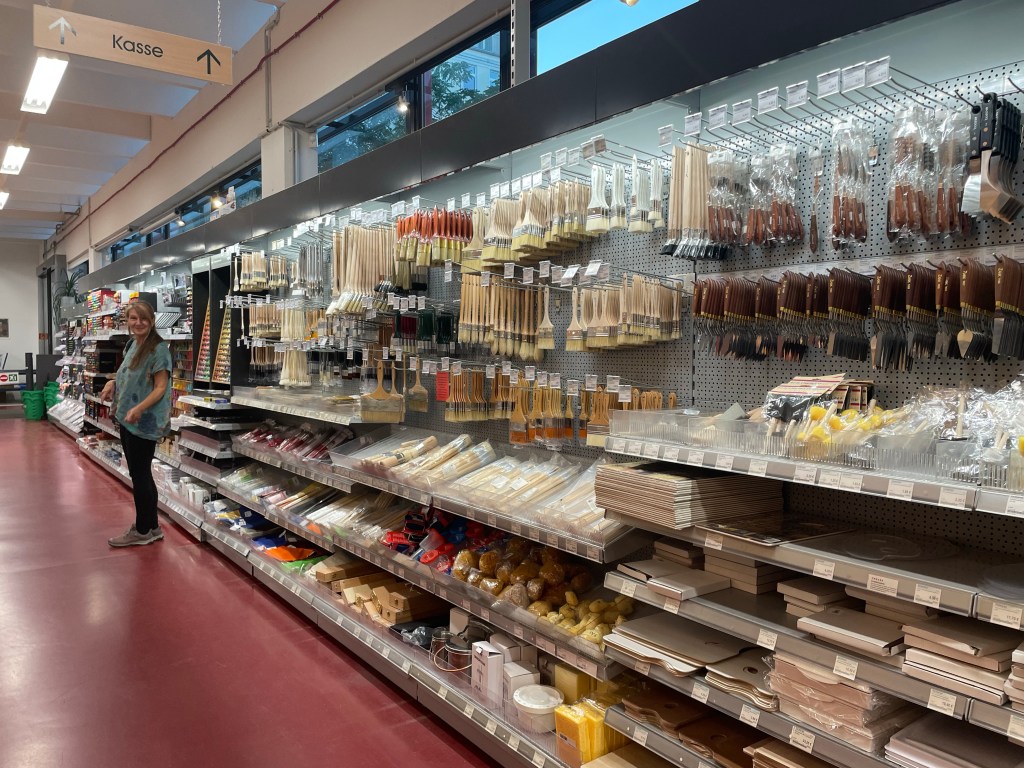
Staying in Prenzlauer Berg near Alexander Platz was a good bet. The local scene was filled with families, cafes, and trendy shops. I dropped some hefty euros at Boesner, the local art store filled with an extensive collection of paper, brushes, paints and artists’ supplies.
My Air BNB host recommended booking early for the visit to the Reichstag. The English tour at sunset was a double bonus while learning about how much the Russians were a part of the building’s history. An added bonus was seeing the Berlin skyline twinkling at dusk.
Reichstag at Dusk
Carefully picking only one museum in the Museum Island (Museum Insel) saved me from becoming overwhelmed by the wealth of artistic treasures in the city. An exhibition featuring Uzbekistan, with its fascinating history and UNESCO world heritage sites, was my irresistible choice.
Leipzig
The musical influence of Bach, Mendelssohn and Schumann drew me back to Leipzig for a third visit. This time, however, was even better. Meeting two friends, Hazel from Heidelberg and Vladimir from Meissen, made it all the more exciting. Hazel and I first joined a zoom sketching class and then made our pilgrimage to the homes of the city’s famed musicians.
When Vladimir joined us later in the week, we toured the new Modern Art Museum together and sauntered through the city in the warm, 85 degree weather. We ate Asian food outside the hotel and celebrated at Auerbach’s, where Goethe is purported to have written Faust.
Hamburg
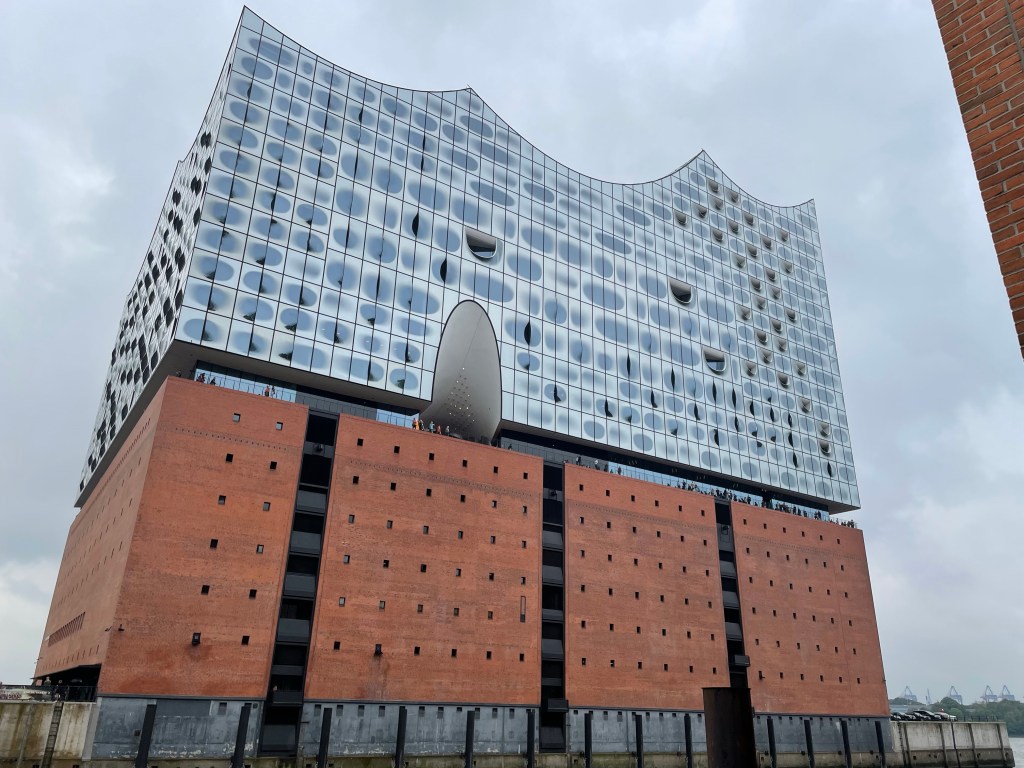
The Elbphilharmonie was the most stunning building I have seen for a long time. There are few buildings that meet my approval from BOTH the interior as well as exterior perspective. Having studied interior design as an undergraduate and architecture as a graduate student, I look for the perfect balance of both.
It was hard not to compare recent visits to the iconic Berlin Philharmonie and the Leipzig Gewandhaus. The concert houses in Germany were just as compelling as their opera houses. Sound and the music were paramount.
So I lost my wallet. That was very distressing. It coincided with buying a ticket for the Elbphilharmonie without any money. After the transaction, I met Annemarie, whom I have described in the previous post. She was a godsend and made the lost wallet inconsequential.
Annemarie at dinner on the deck of restaurant across from the Philharmonie
I did, however, make an excursion to see whether I could recover my wallet. And in classic German efficiency, the lost items were all carefully categorized for lost owners at the Lost and Found Bureau. Mine hadn’t shown up yet, but I surreptitiously enjoyed seeing the disasters of others. I’ll have to wait until I get notified of a data breach to get my day of reckoning.
Sketchfest in Germany
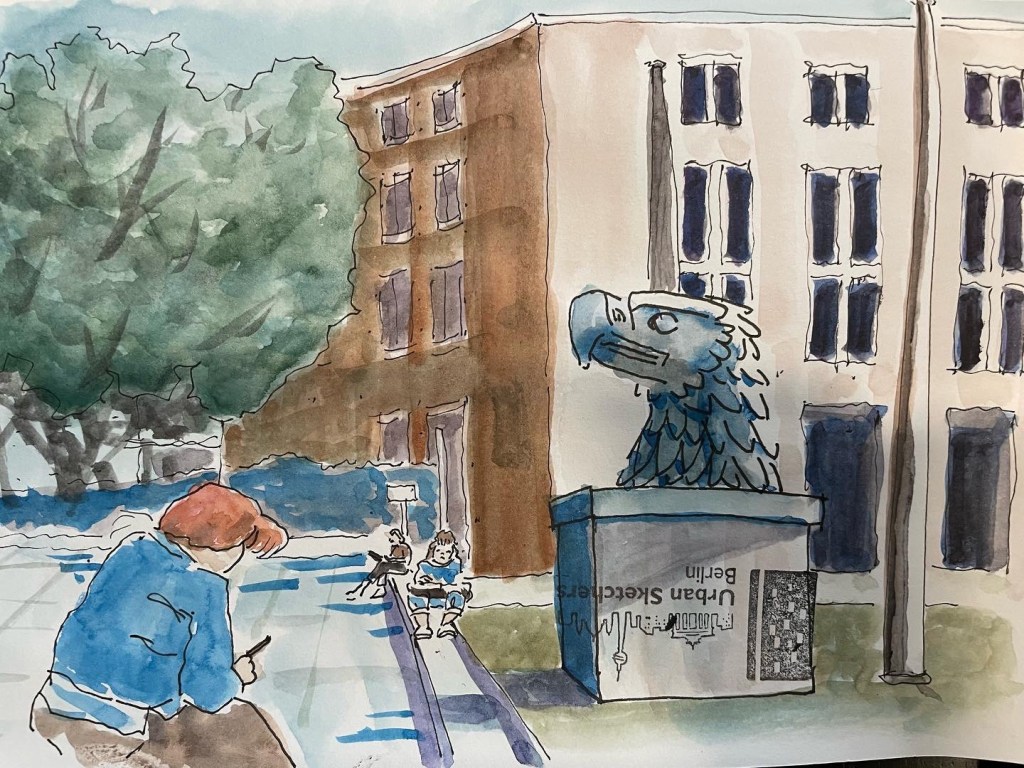
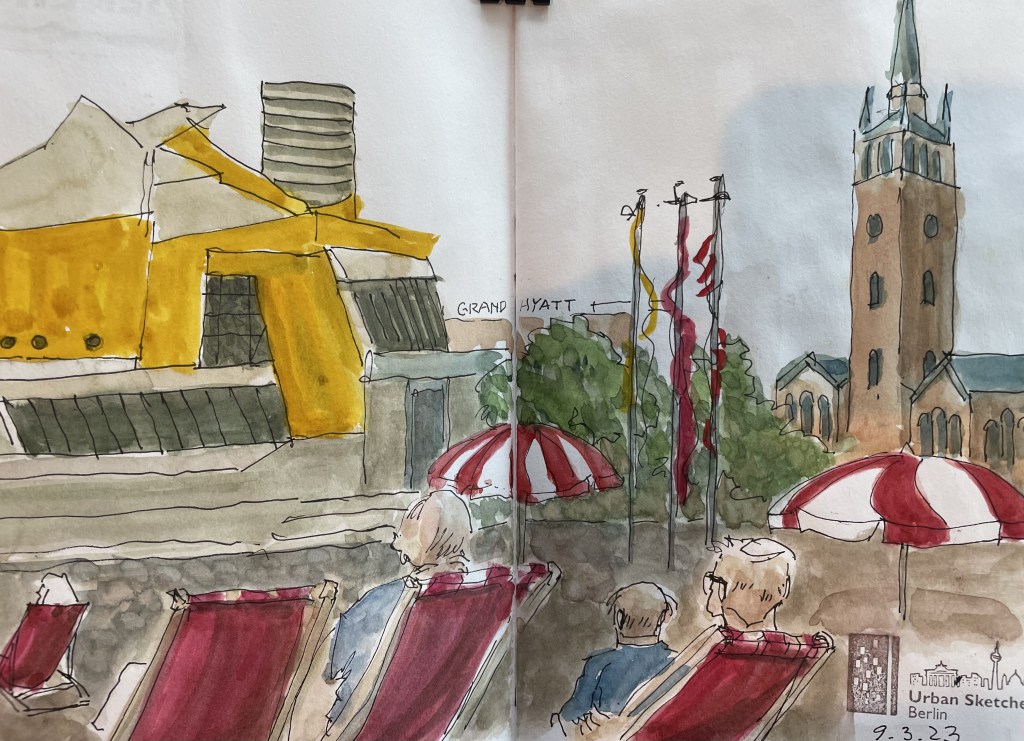
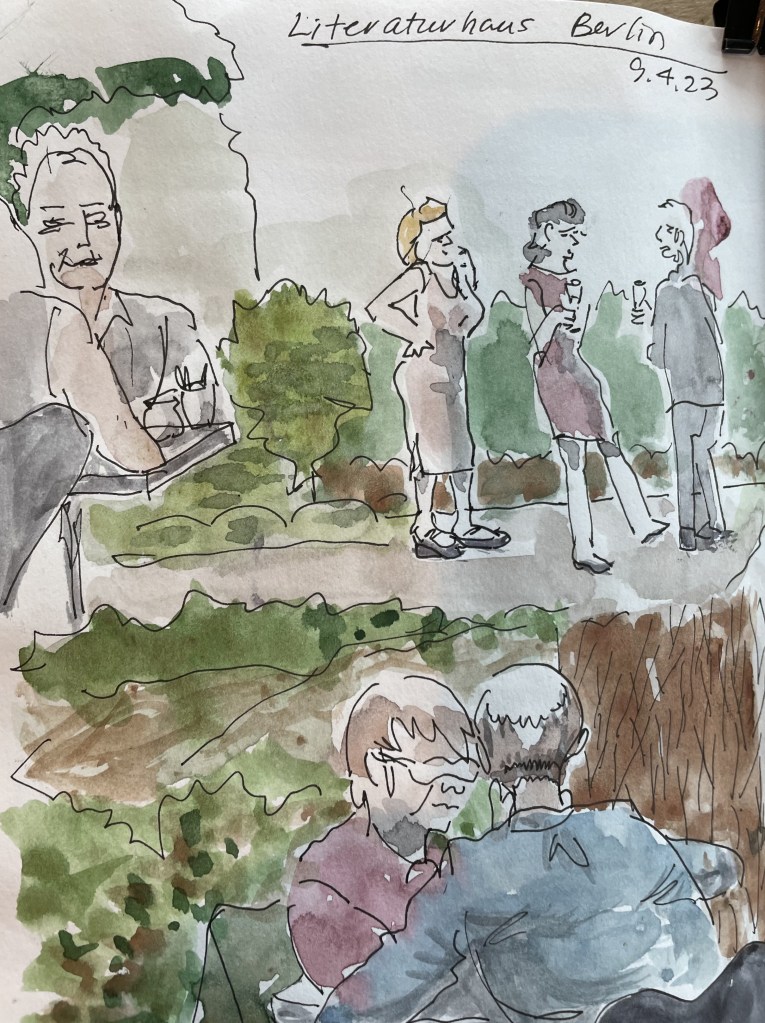
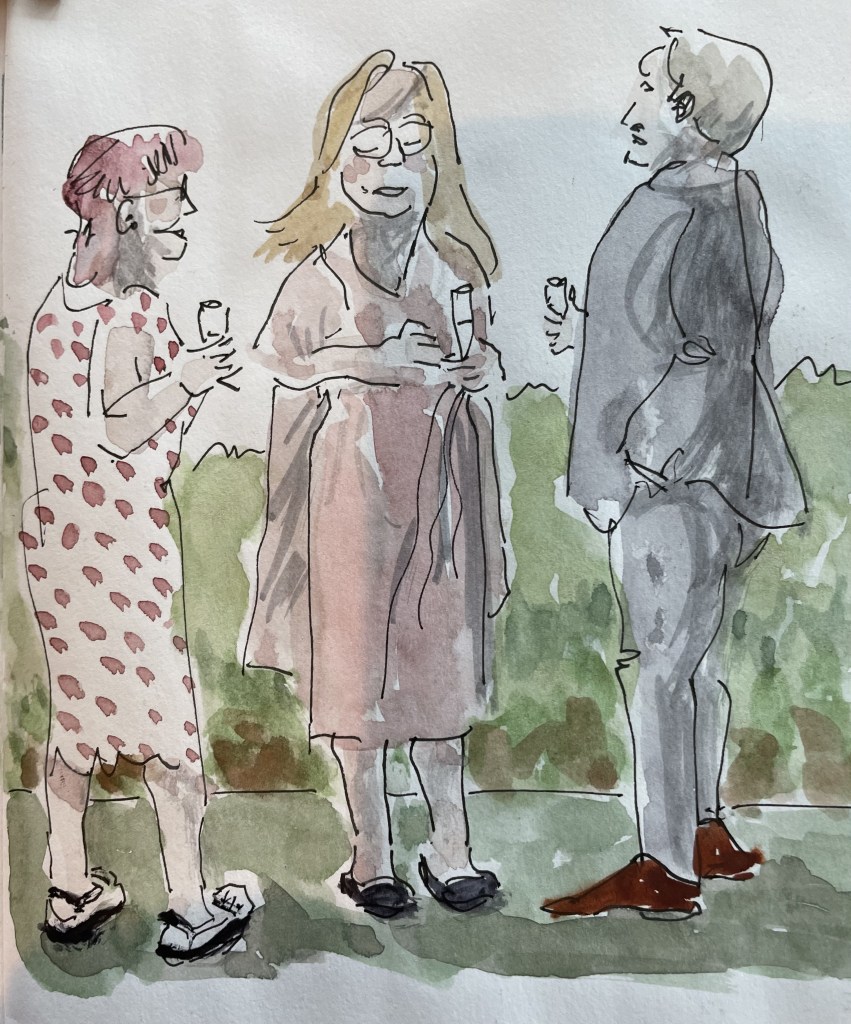
From Berlin to Leipzig, Hamburg, and Lübeck, I captured another dimension of Germany through sketches that fold the edges of people, places and things.
Environmental Boomerang
A noon time protest in Lubeck reminded me of our climate crisis.A Demonstrators of all age groups marched peacefully through the middle of town. When I posted this video on instagram, I immediately got negative comments. It made me very sad that there are such outspoken reactions in denial of the need to focus on a concern that affects everyone on the planet.
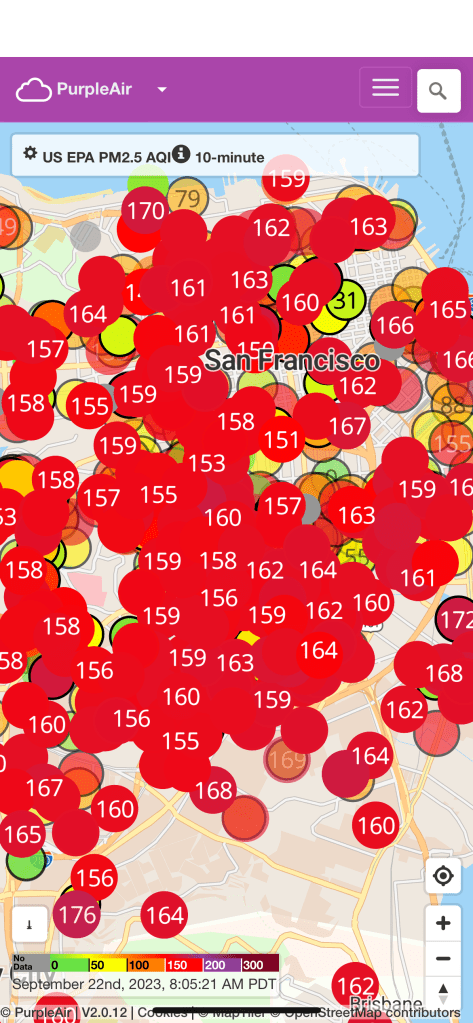
Before arriving in Hamburg on this trip, I learned that the pollution index was over 100. I don’t normally check air quality in cities during trips. But the app on my phone exists because San Francisco provided real-time air quality monitoring during the fires a year ago in California.
When I inquired about it to my Air BnB host in Hamburg, he dismissed it as a non-event. So I went. Ironically, the day I returned to San Francisco, the pollution index was over 150. That was the worst in the world on that day. Fires in Oregon and Northern California had drifted down to the SF Bay Area and were trapped there.
Screenshot of the air quality index in the Bay Area on 9/22/23
A Post-Mortem
Some of you may have read in my 2023 summary that I am closing down my website at the end of the year. After seven years of traveling around the world from 2014-2020, two years of pandemic insomnia, and two years of babbling home construction, it’s safe to say that I have exhausted my creative wanderlust!
Knowing me, I’ll no doubt still sneak in a few trips here and there. I miss my German friends terribly. For my local friends, I need you too! For now, I’m looking forward to zooming with my two precious grandsons and recording the stories that Felix tells me about his favorite camper van and his day at the farm.
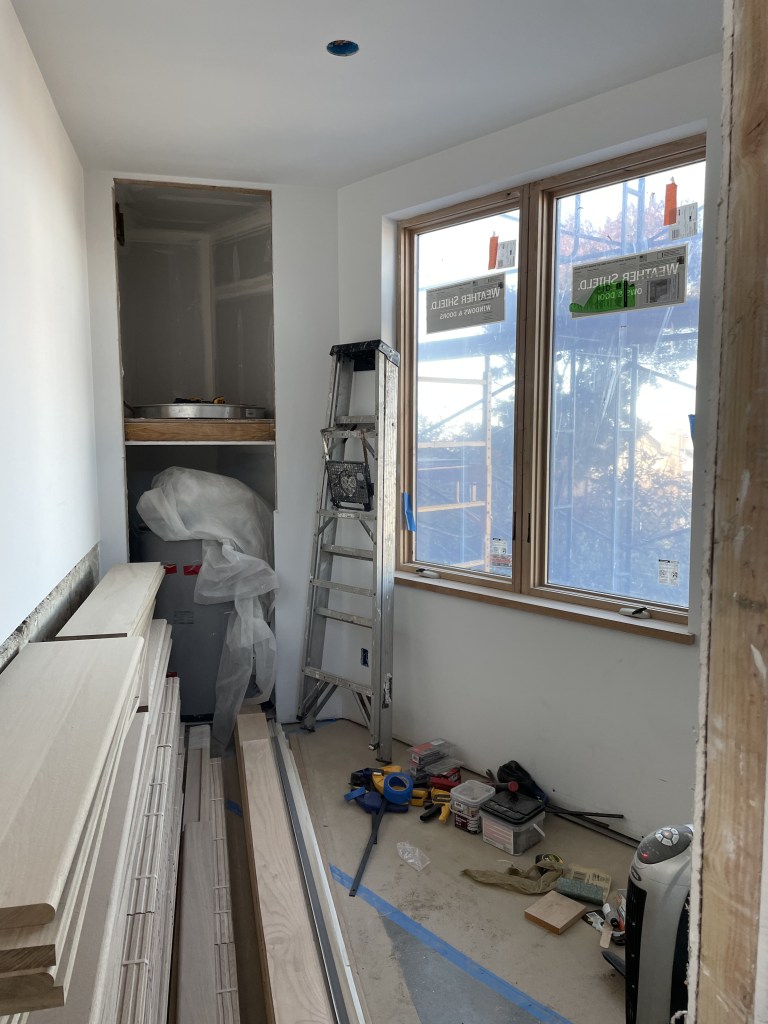
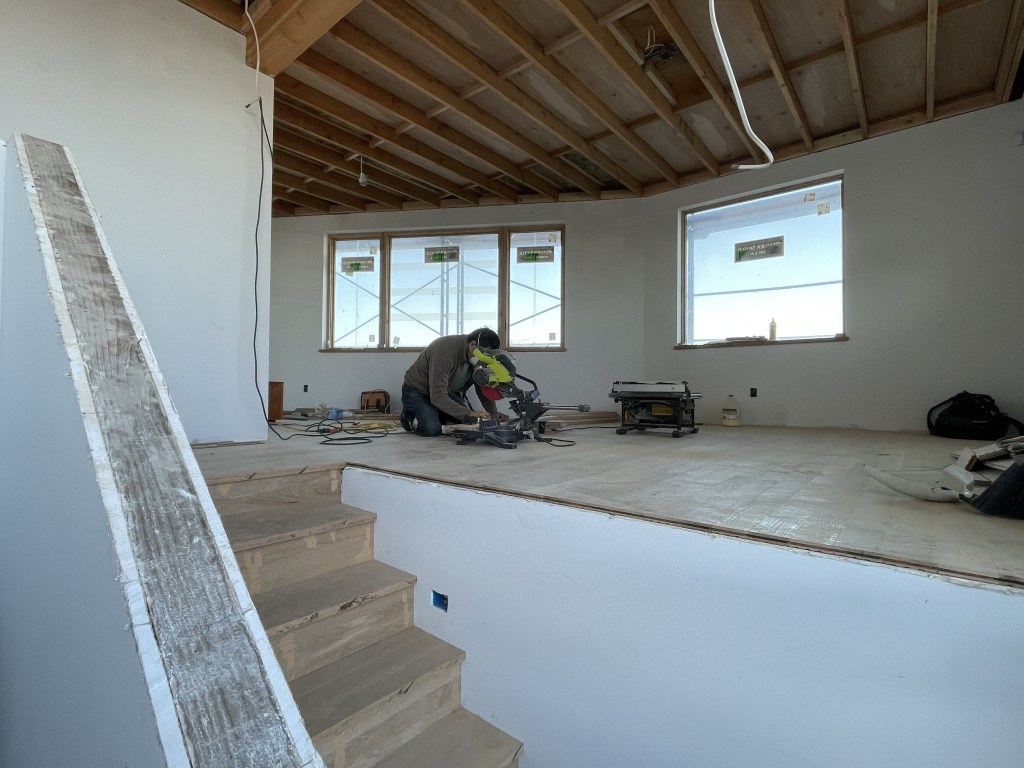
It’s hard to believe that our ADU project will be completed next month! The latest photos below are captioned and describe the finishing process for the third and final phase of construction for the interiors.
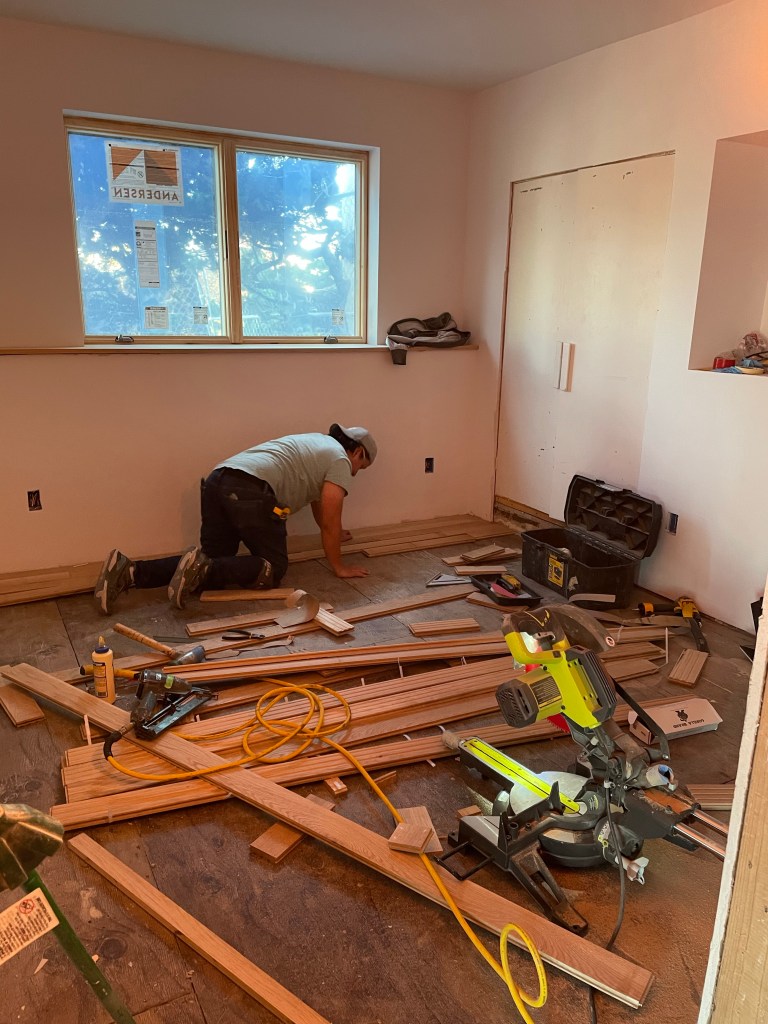
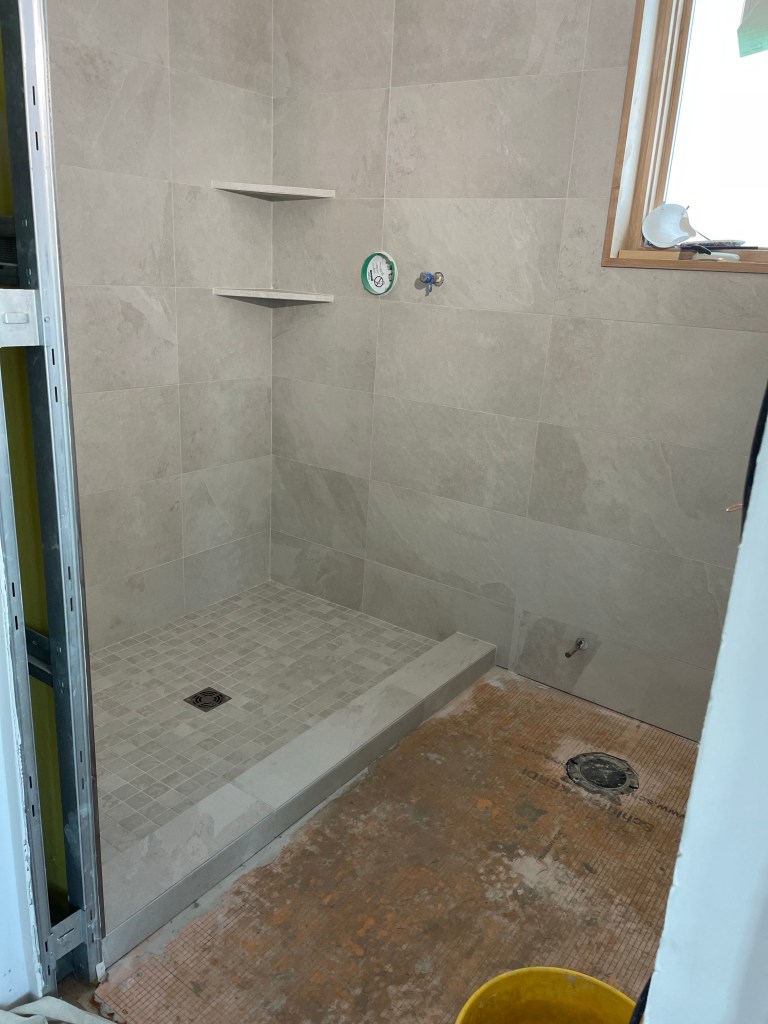
Installation of Hardwood flooring Picture window at StairInstallation of Hardwood flooring in BedroomInstallation of Hardwood flloringTile work in Master Bath Showerinstallation of picture window at stair hallwayDining and kitchen areaArea inside officeArea under stairPatio Door and Living/Dining AreasHalf Landing to Bedroom SuiteBedroom 1Bedroom 1Master BedroomMaster Bedroom flooring being installedMaster Bedroom from Stair
With final inspection and a few finishing touches left to complete, we plan to move in by the end of January 2023! Thank you all for following our progress on this once-in-a-lifetime experience! We hope you have enjoyed the ride!
Together with J&J (Design/Build team) and Fong & Daughter (Planning and Design), we planned, designed, and physically built this entire 1000 sf addition to our existing house. Each member of the Fong & Chou Family are grateful for the opportunity, manageable weather, and our good health to finish the project.
Dear Felix deserves a special mention. He endured the trials and tribulations of mom’s intermittent absence from the homefront to the battlefront. Initially he could watch all the action from the dining room window, as many of you have witnessed in early posts. But as time progressed and the walls were enclosed, he lost his viewing stand and parental supervision. (that is, his supervision of his mommy and daddy!)
Nevertheless, he was a total professional and cooperated with us wherever he could. He observed the daily development and progress as his parents built a home for his family, his grandparents, and generations for years to come.
Spoiler Alert: Next month you may see a regular post of Travels with myself and Others in ….Paris!! Until then, Happy Holidays!
If you followed the last couple of posts, I took a hiatus from the construction of the ADU and went to Germany for a couple of weeks. The main event was the Bayreuth Festival, where I sat through 17 hours of The Ring Cycle amidst a primarily German crowd. Check out the posts if you are interested in Germany and opera.
But this week it was back to the grind. Progress on the ADU project continues slowly, but surely. With the challenging first two Foundations and Rough Framing phases behind us, we are now energized by the advent of the third and final phase for Infrastructure and Interior Work.
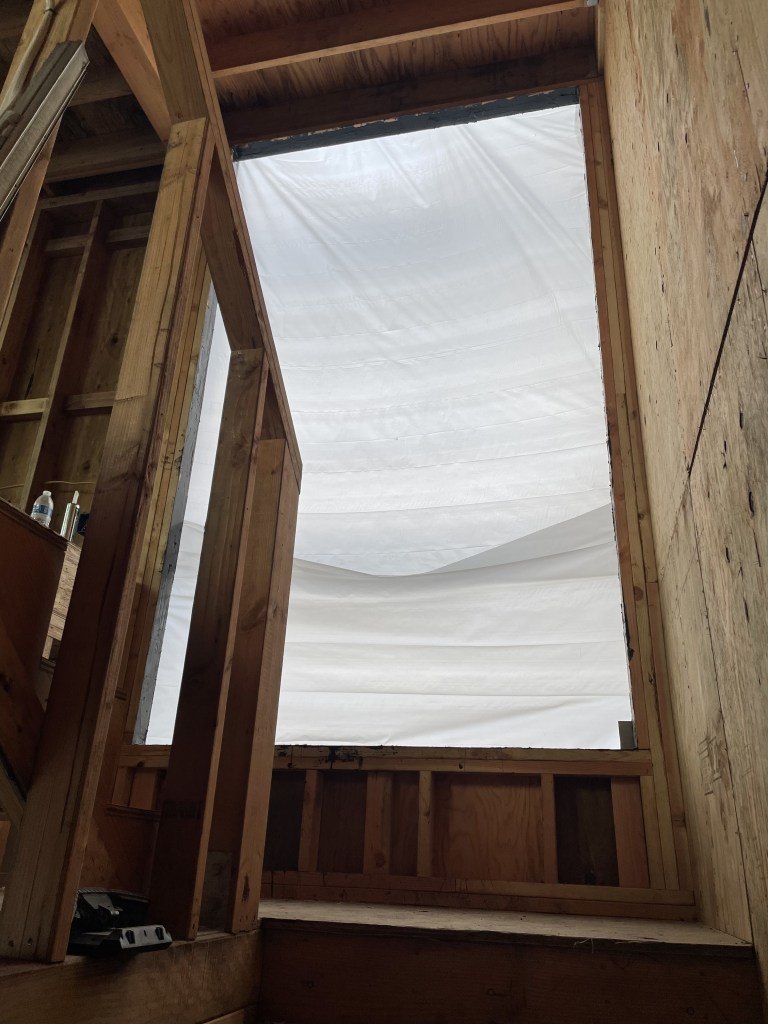
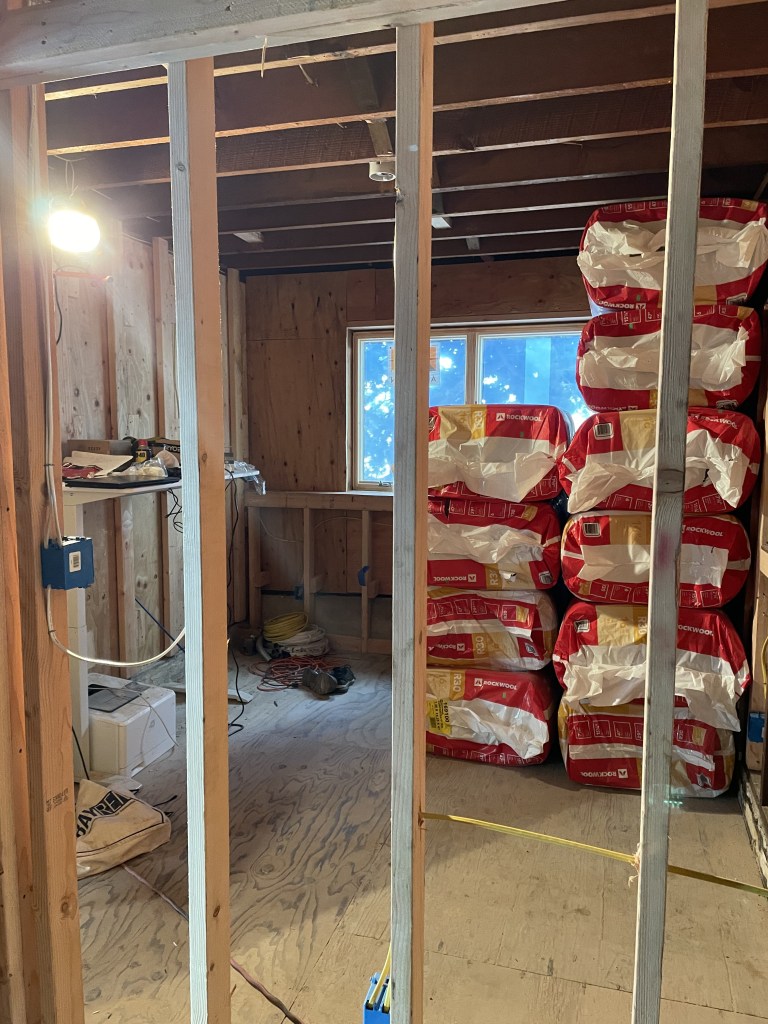
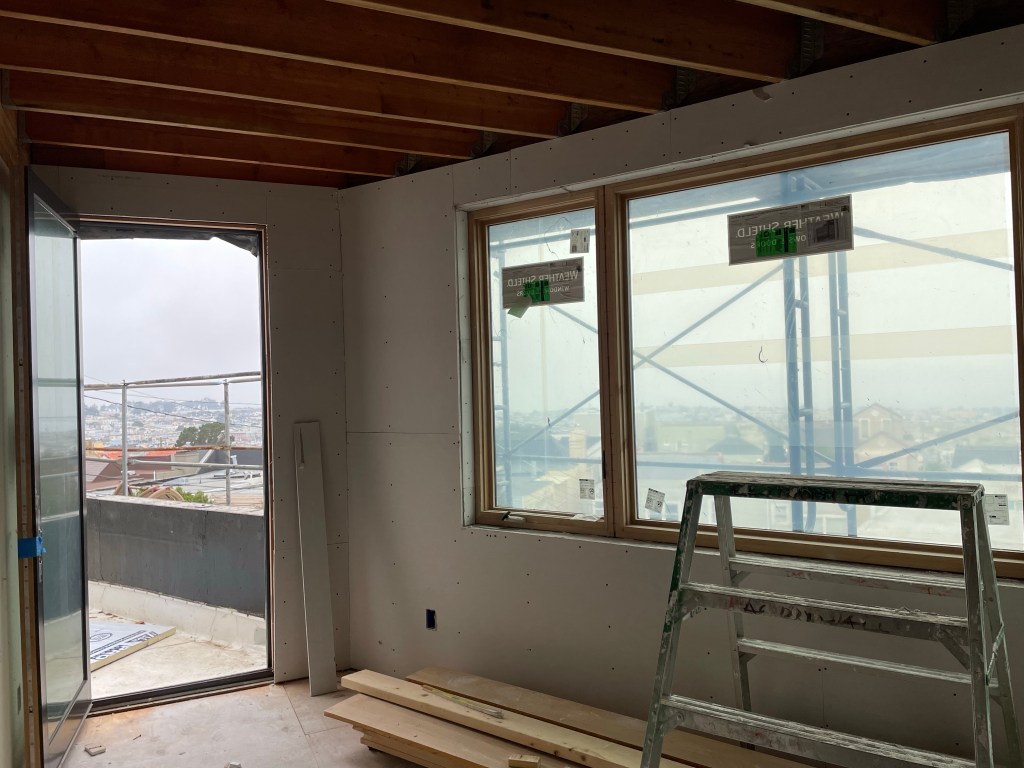
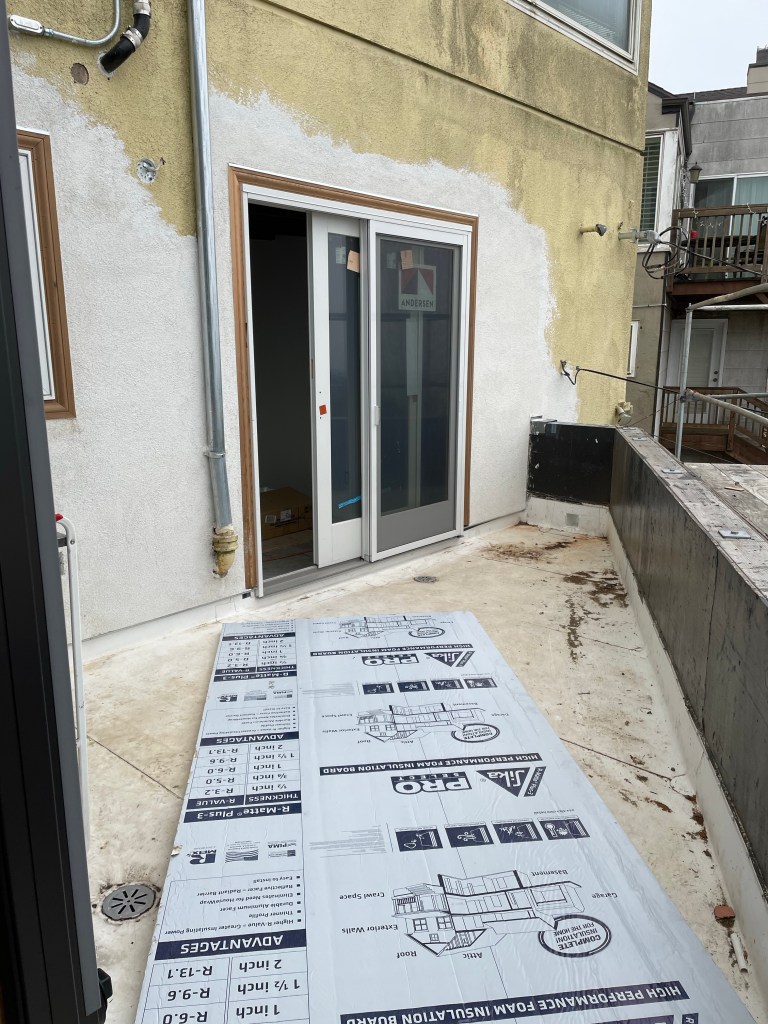
Major Living Area Patio Doors installed!Rain Protection for Hall Window added insulation stored and ready for installation
There is only one exterior opening outstanding before the project can be officially deemed “sealed and weather-tight”. The two-story hallway picture window was temporarily covered in plastic, then hoarding used to cover the large opening. All the rest of the windows have been installed, including the large French patio doors to the exterior deck and the sliding doors to the breakfast nook. Additional weather-proofing details, such as roof and window flashing, will be applied following the stucco patching on the original house.
The Building’s Respiratory, Digestive and Circulation Systems
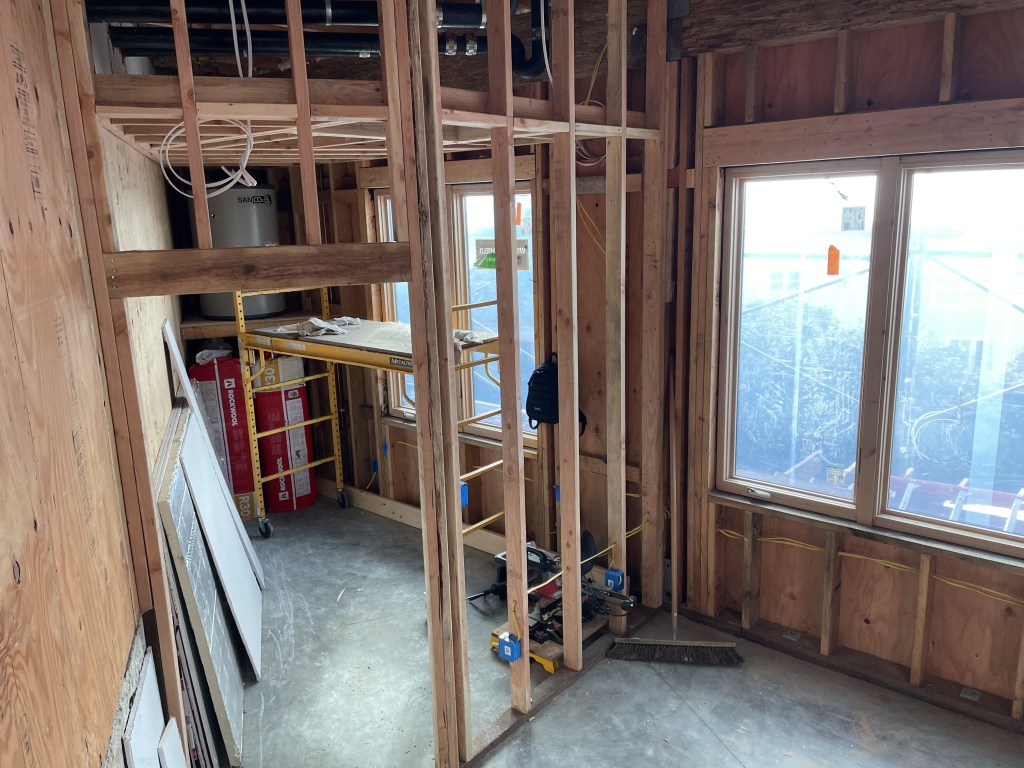
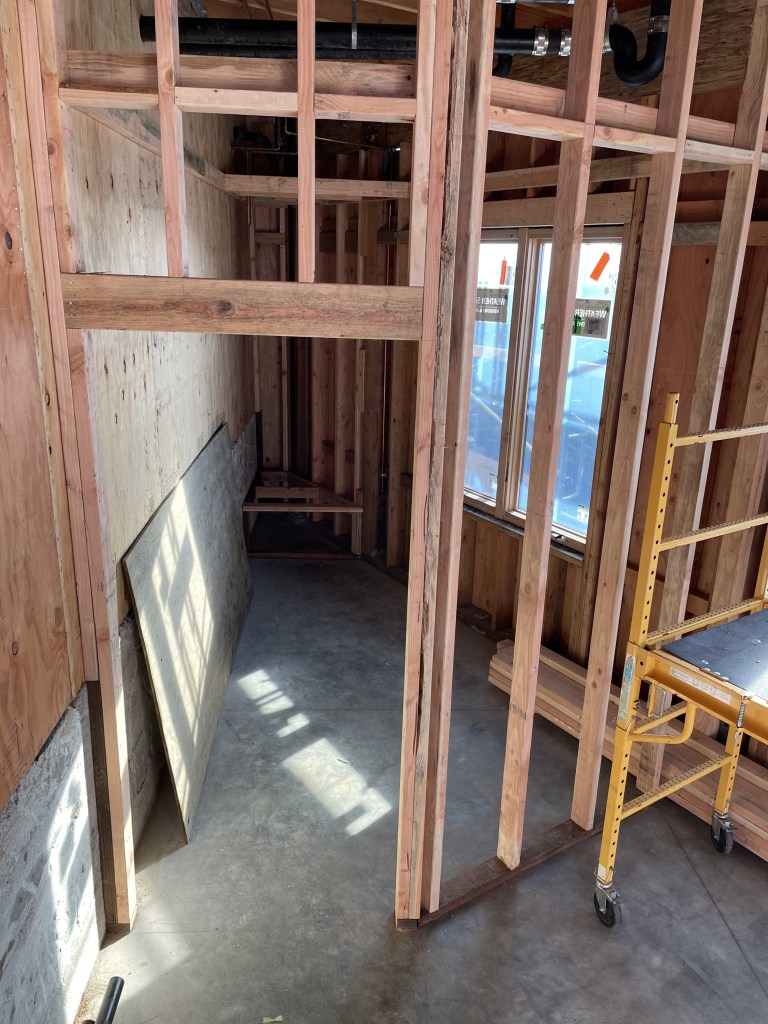
Like the human body, a building is reliant upon its respiratory (heating, ventilating and air conditioning system), digestive (plumbing) and circulatory (electrical) systems to function properly. Once the skeletal system (structure) is formed, the other layers are added.
Infrastructure defines our modern-day living standards but is seldom seen or appreciated. Without the effort of HVAC mechanics, plumbers and electricians, we would still be living in caves. These contractors were now front and center stage.
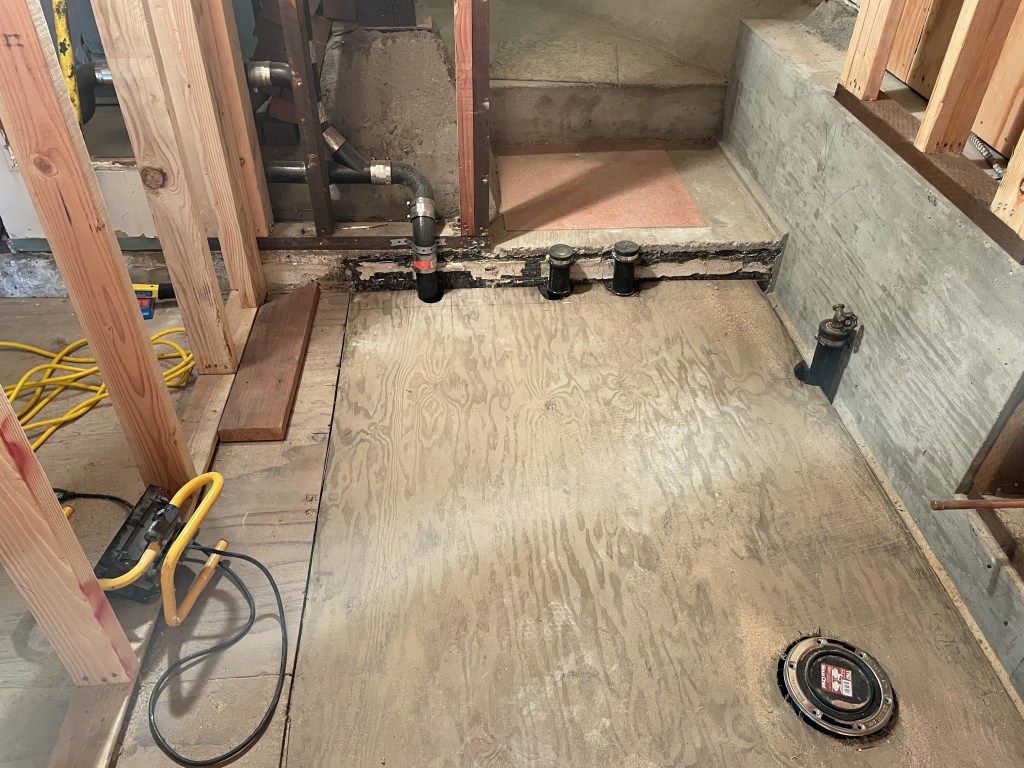
They drilled and sawed through and between stud walls to place plumbing pipes, vents and electrical outlets. Their work is grueling as we watched them twist and screw sewer lines, vents and ductwork in between walls and in awkward crawl spaces. We depend on their ingenuity to fit conduits, connectors, and pipes within confined spaces to provide us with essential juice and means of discharge.
Pipes squeezed behind the bathroomSewer lines under the plywood floor for tub and toiletBlue Box Electrical outlets and switches
We seldom think about how crucial these elements are until they are missing or misplaced! And of course, the brains are stored in the controls, meters and sacred electric panel.
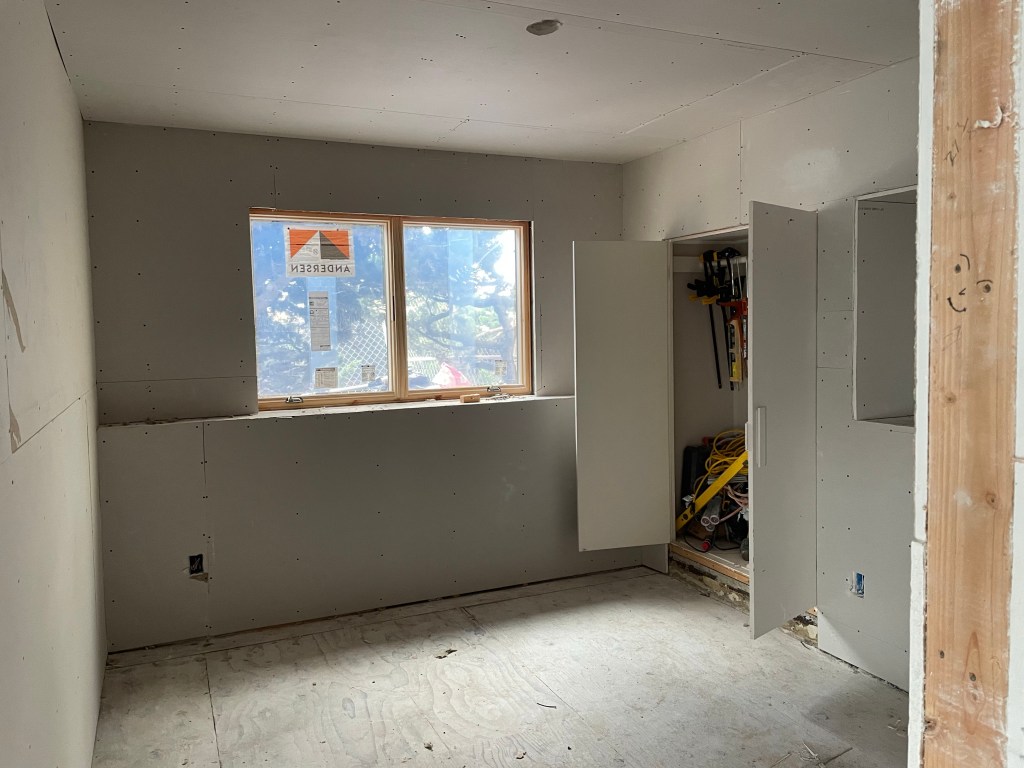
After the plumbing and electrical work, blanket insulation was installed. Upon successfully completed inspections, sheetrock was placed on both sides to form walls, with cutouts for electrical outlets and switches.
Rockin’ and Rollin’
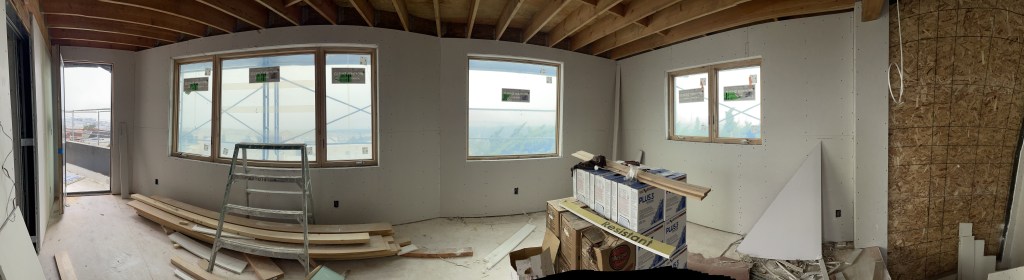
Before we were able to pause and catch our breath, the drywall was quickly put throughout the unit. It left a marked visual change to all the spaces– we could no longer telescope through the rooms! The windows were suddenly framed by opaque walls and views popped out of each space. What a joyful sensation after such a long wait!
The drywall scope is quite an intricate process. After the drywall is installed over stud walls packed with blanket insulation, gaps between panels are taped, “mudded” or sealed with wet plaster, troweled, and allowed to dry for a couple of days. The mud is sanded to a smooth finish so there are no flaws on the surface of the sheetrock. Despite having seen this process over hundreds of commercial and residential projects over the course of my career, it’s not the same as watching it unfold in front of you real-time. The swiss cheese gouges in sheetrock are no longer visible to the naked eye. It can be gratifying but only after endless hours of what feels like watching the grass grow.
The Kitchen Renovation
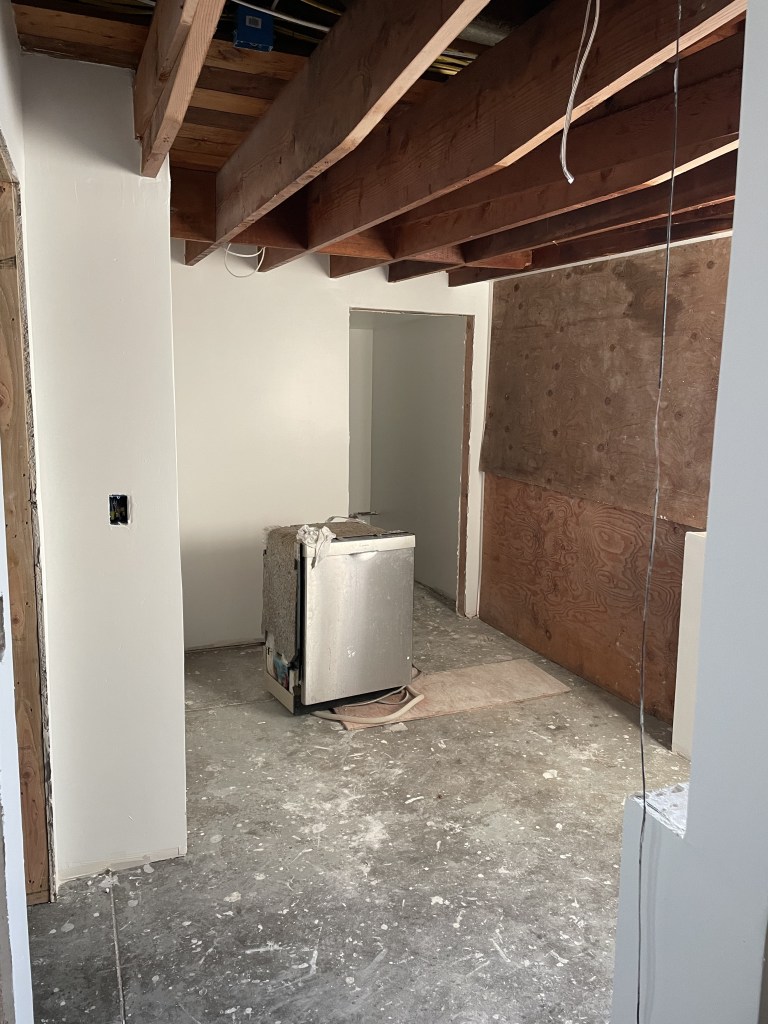
Without a functional kitchen, the stress and anxiety built to fever pitch . Washing dishes in the bathroom vanity sinks and avoiding clogging food particles in the narrow 2″ pipes was a daily brain bender.
Kitchen wall and ceiling paintedView from Garage to West wall before paintingNew Breakfast Nook with new laundry beyond
Following drywall wetting and drying processes, the primer and paint was then applied. Different paint finishes, such as flat, eggshell and high gloss, determine the amount of light reflectance and resilience. The higher the sheen, the higher the light reflectance. In the kitchen, we wanted to maximize the light reflectance due to the limited amount of natural light. If you remember from one of the earliest posts, we sacrificed the kitchen window to maximize the ADU.
The kitchen now has no natural light. Using higher light reflective paint helps to capture as much light from elsewhere as possible to mitigate limited daylighting. Most of the walls were going to be covered by high gloss overhead and base cabinets so the wall color was moot.
Laundry flooring led me into the world of engineered products. You can now buy vinyl floor tiles that do not require grout. They are “keyed”, or grooved to the next piece as you would expect Pergo or thicker simulated wood flooring. The profile of the vinyl tile is less than 1/4″ thick, but manufactured with a laminated surface, a composite sandwich in between, and then with a plastic backing. These new engineered products command a premium price, but it is worth it for ease of installation and a more durable material.
After considering products at Home Depot or Lowe’s, I decided to purchase the product at Floorcraft, an “old school” retailer down on Bayshore. A sales rep waxed poetic and shared his years of experience as a flooring installer with me. As a real-time responder to my endless questions, he sold me on his recommendations. There’s still something to be said for customer service where you can see the whites of their eyes.
In progress photo, still with film on the surface of high gloss white cabinets and no tile backsplash
Coming Soon….
Watch for the next post to see the finished kitchen and more steps to the finish line for the ADU! Don’t forget to comment or let me know if you have questions about the design and construction process!!
Completing interior spaces provides great satisfaction in experiencing each room after many months of planning, design, and construction.
“Fly’through” of Second Floor Master Bedroom and Deck
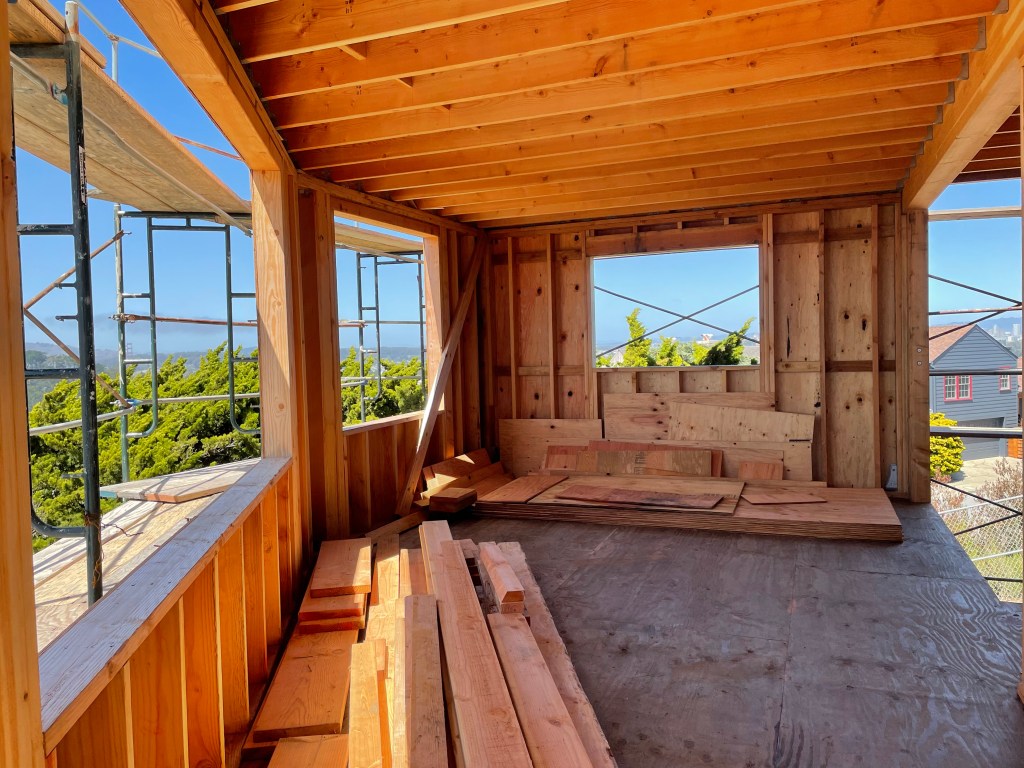
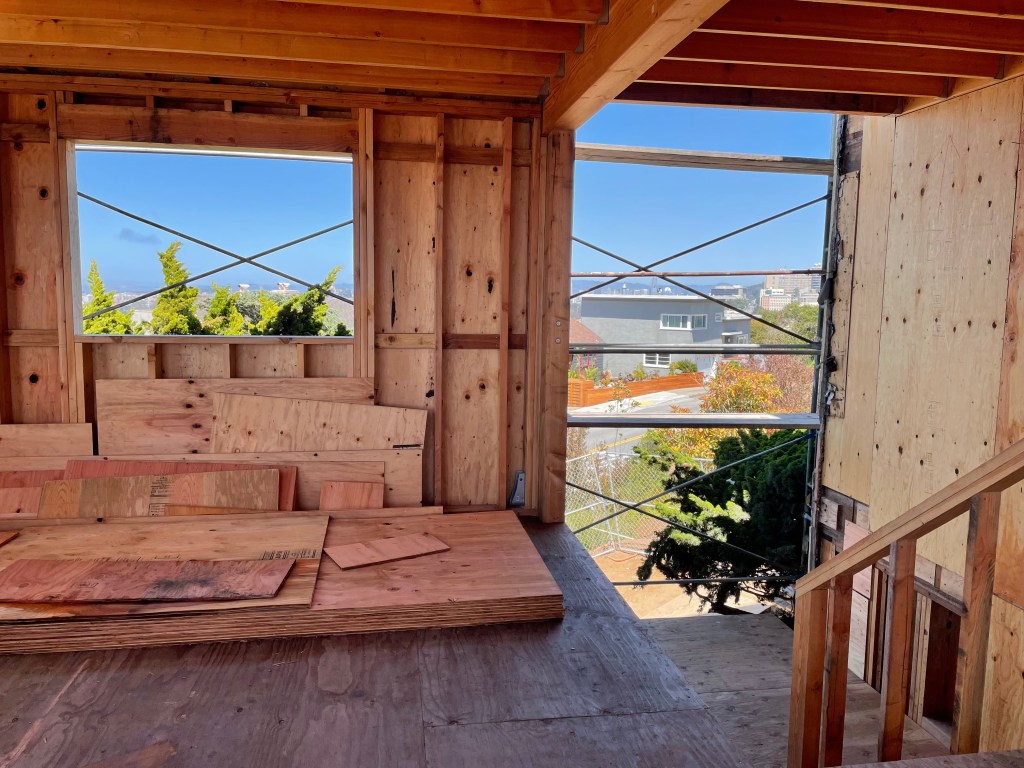
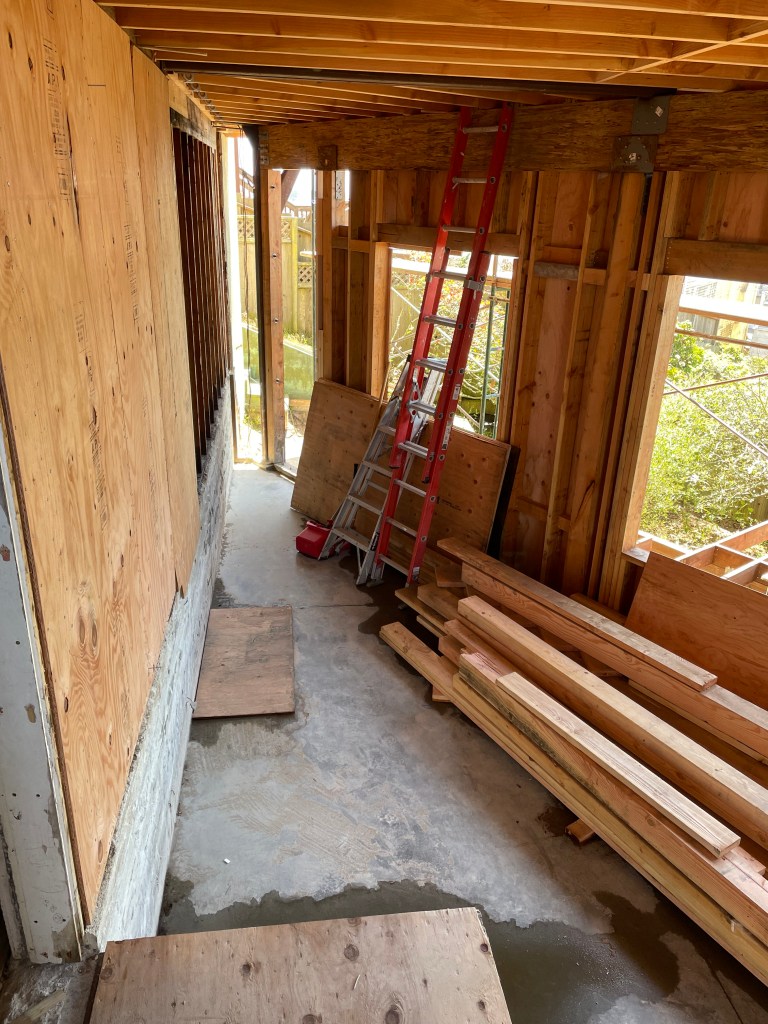
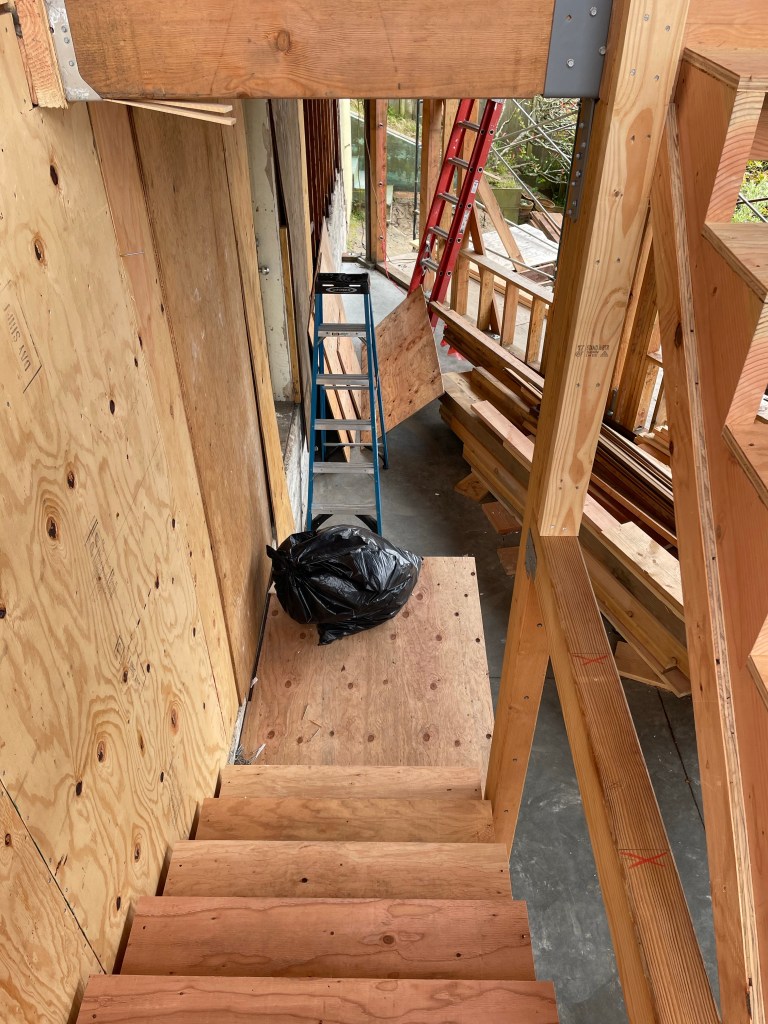
The new challenge is to work efficiently within confined spaces. Temporary storage of materials and equipment occupy space to be finished, so careful logistics and organization are needed to save time and effort. Lumber is very heavy and cumbersome to move!
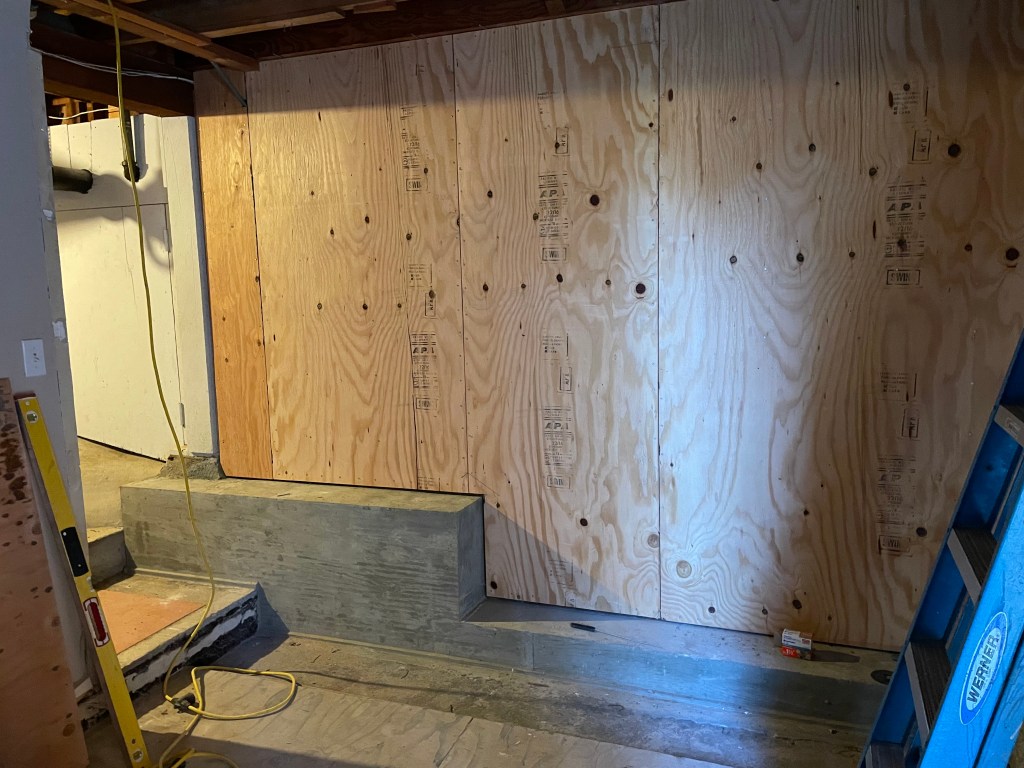
View from second floor master bedroomView from master bedroom facing northMaster Bedroom, Bathroom and DeckLower level office areaStairs to lower levelShear Wall at Basement
Parapet Construction
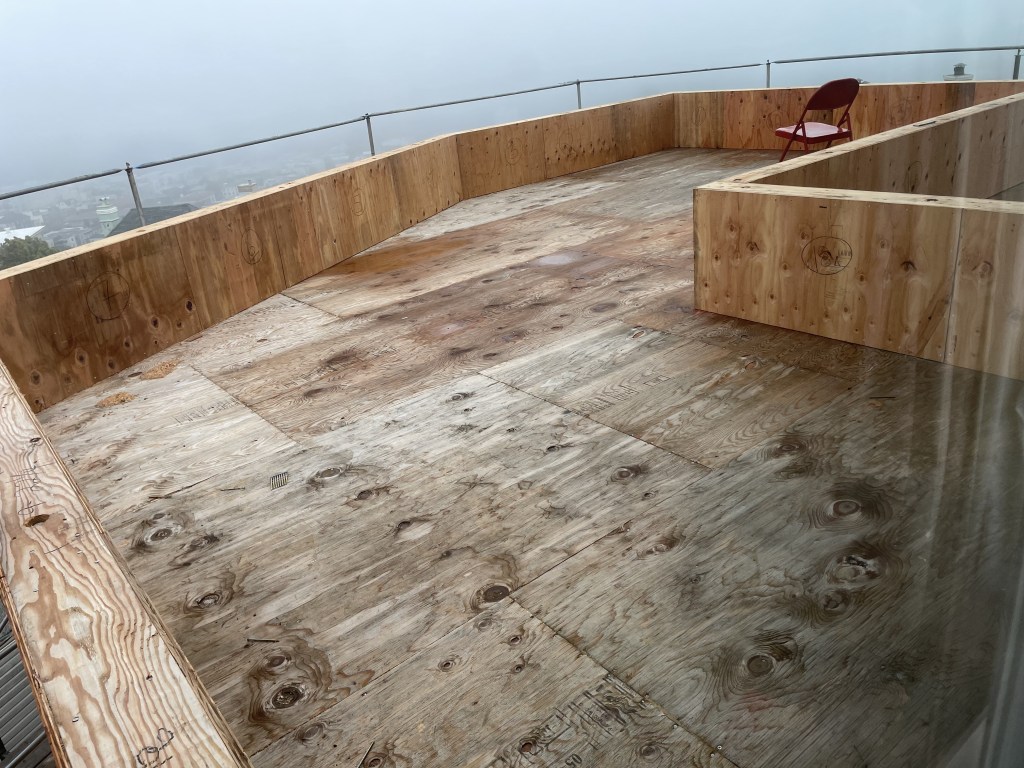
Designing the roof parapet was part of the permit submittal and approval. It was important to make sure that the assumptions for the design were correct. The height of the roof parapet had to be confirmed before waterproofing could be applied to the roof.
In order to maintain minimal impact on the neighborhood and balance proportions viewed from all sides, we checked the height of the parapet from across the street. It didn’t hurt to get some friendly input from our neighbor.
Felix tries to figure out what Mommy and Daddy are doing outside!
One loop thrown at us was wet weather–not the kind of driving rain that predictably hampers a construction site in the winter–but “the coldest winter I ever spent was a summer in San Francisco” kind of weather. The pebbly fog hung around for weeks in late July and early August–forcing us to delay finishing the waterproofing and window installation.
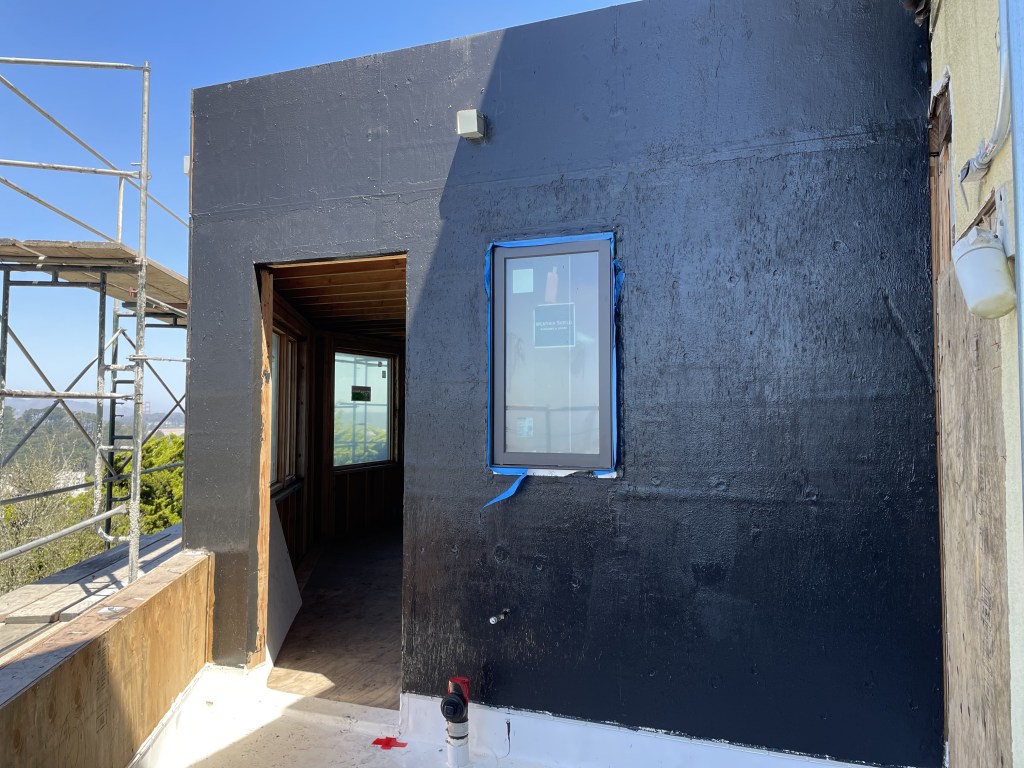
Finally, the skies parted and the grayness dissipated. The roofing insulation and waterproofing membrane were added after completion of the roof and parapet. Note the difference in the weather from the photos!
Roof Before and After Foggy Weather
Material Delivery
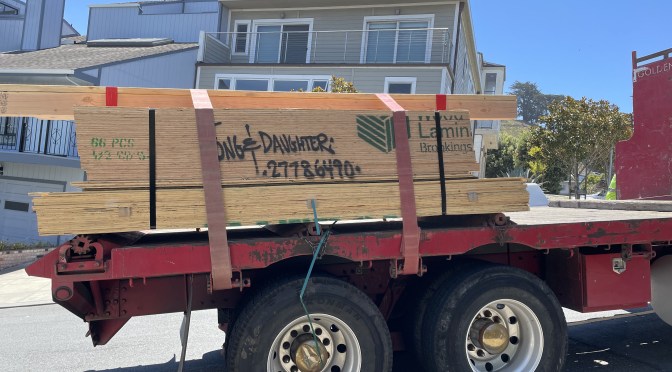
Being located in the rear yard was ideal for the ADU, but it posed temporary challenges for providing delivery access. Fortunately, the side of the house was just level enough for large trucks to move supplies as close as possible to the back. Felix had a field day watching the speed and skill with which drivers were able to shunt and offload heavy loads.
how trucker offloads lumber at side of house
Part II The Core (Weeks 48-54)
With the end of Rough Framing and the start of the third and final phase for Interior Finishes, we happily shifted gears. Previously, it felt painfully slow as we hurried and then waited for action. With multiple possibilities and combinations of skilled labor and materials, we were often faced with making decisions that could impact the project later.
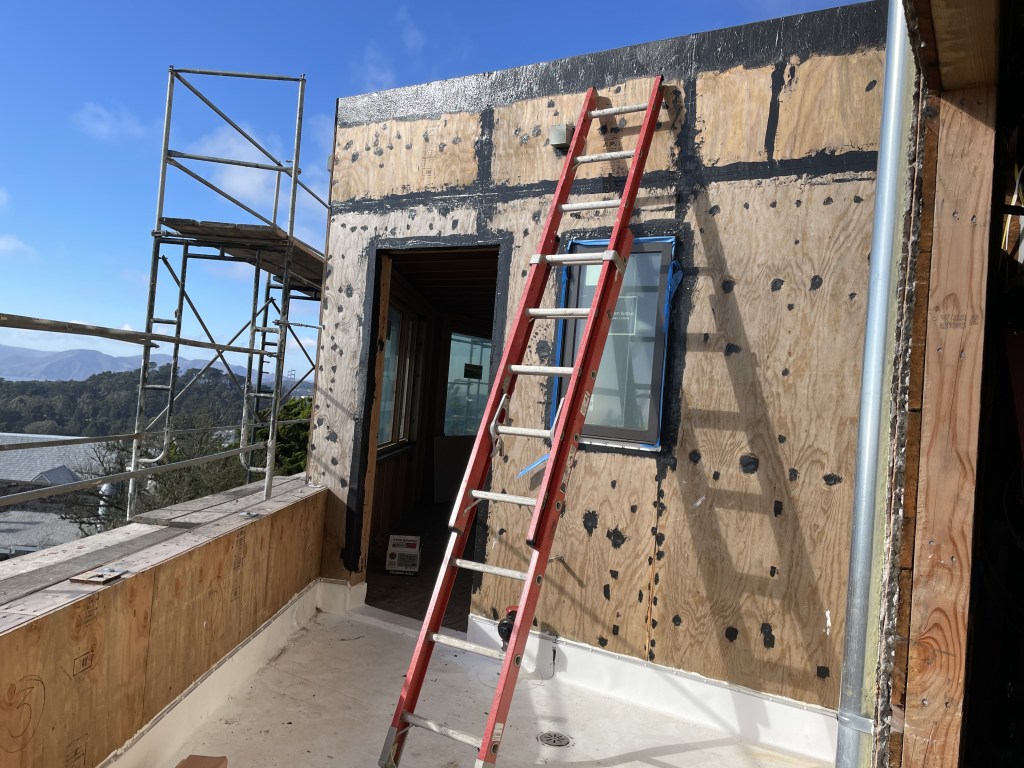
For the exterior walls, waterproofing was smeared over the nails and knotholes forming scabby polka dots to allow for the inspector’s scrutiny. Then, the rest of the waterproofing was applied to the exterior walls to form the underlayment for wood siding.
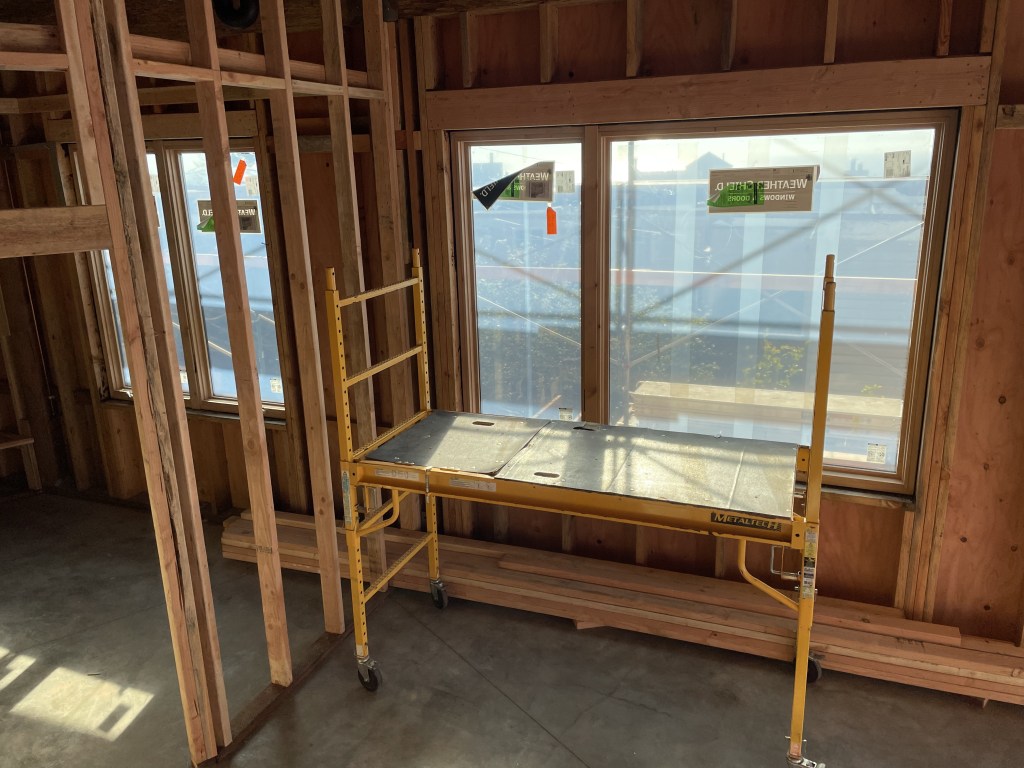
After the windows were installed, it no longer felt like a shell. We could really visualize being occupants in the space!
South Wall facing OfficeWest Wall facing oceanNortheast wall facing downtownUpstairs Master Bedroom windows
Passing rough inspection was a red-letter day. It officially determined the completion of the second of three construction phases. With rough framing behind us, we could proudly identify ourselves not only as owner and architects, but builders as well.
Coming Up: A diversion to…Munich and Bayreuth, Germany next!!!
During the early days of the pandemic and restrictive travel in 2020, I republished earlier Silk Road travels taken between 2014 and 2019. They started in Mongolia and China, and followed a string of Eurasian countries through Uzbekistan, Iran, Azerbaijan, Georgia, Armenia, and Turkey. Like ancient traders, Europe was the final destination.
In November, 2020, I started a Pandemic Diary that traced five months of travel in New Zealand. Our family enjoyed the luxuries of a COVID-free country, that bit the bullet early with strict lockdowns in the Spring of 2020. We went to the cinema, restaurants, performances and indoor shopping the same as we did in the States pre-COVID. As reported, being in a bubble felt strange and lonely. We were not able to share our experience with others as the rest of the world suffered.
Until now, I have recorded events and activities surrounding physical travel. We aren’t likely to see the end of the pandemic soon, so what’s next? In addition to continuing the Pandemic Diary, I’ve decided to switch to a different kind of adventure. I’m going to share Travels with Myself and Others through a building project on our property.
Like travel, construction involves planning, design, a budget, and a schedule. You meet new people, and learn about their social, political and cultural habits. These individuals impact our lives. And of course, many decisions need to be made, and changed. Stories will be hatching and churning as we continue to live in our house during construction.
What is an “ADU”?
Commonly referred to as an “in-law” unit, the ADU (accessory dwelling unit) we are building is an opportunity for residential owners to provide direly needed housing. Cities want landlords to legalize non-conforming spaces or to develop units to increase the housing supply. Both cities and the State of California offer favorable legislation to homeowners and even offer permit fee waivers to build more housing units.
Our goals for the project are to develop multi-generational housing, allow seniors to remain in place, and to provide rental housing. After two years of planning, design, and final permit approval, construction is underway. The project adds two bedrooms, two baths, and an office to the rear of our existing home on two levels.
THREE ARCHITECTS AND A BABY
My daughter, an architect, is acting as the construction manager for the project. She is job-sharing her daily tasks of looking after her one-year old baby with her partner (an architect) and me (also an architect). As Owner-Design-Builders, we are multi-multi-multi-tasking! I’ll be posting some observations through the eyes of Grandson Felix who is watching all the construction unfolding before his very eyes.
PROJECT KICK-OFF
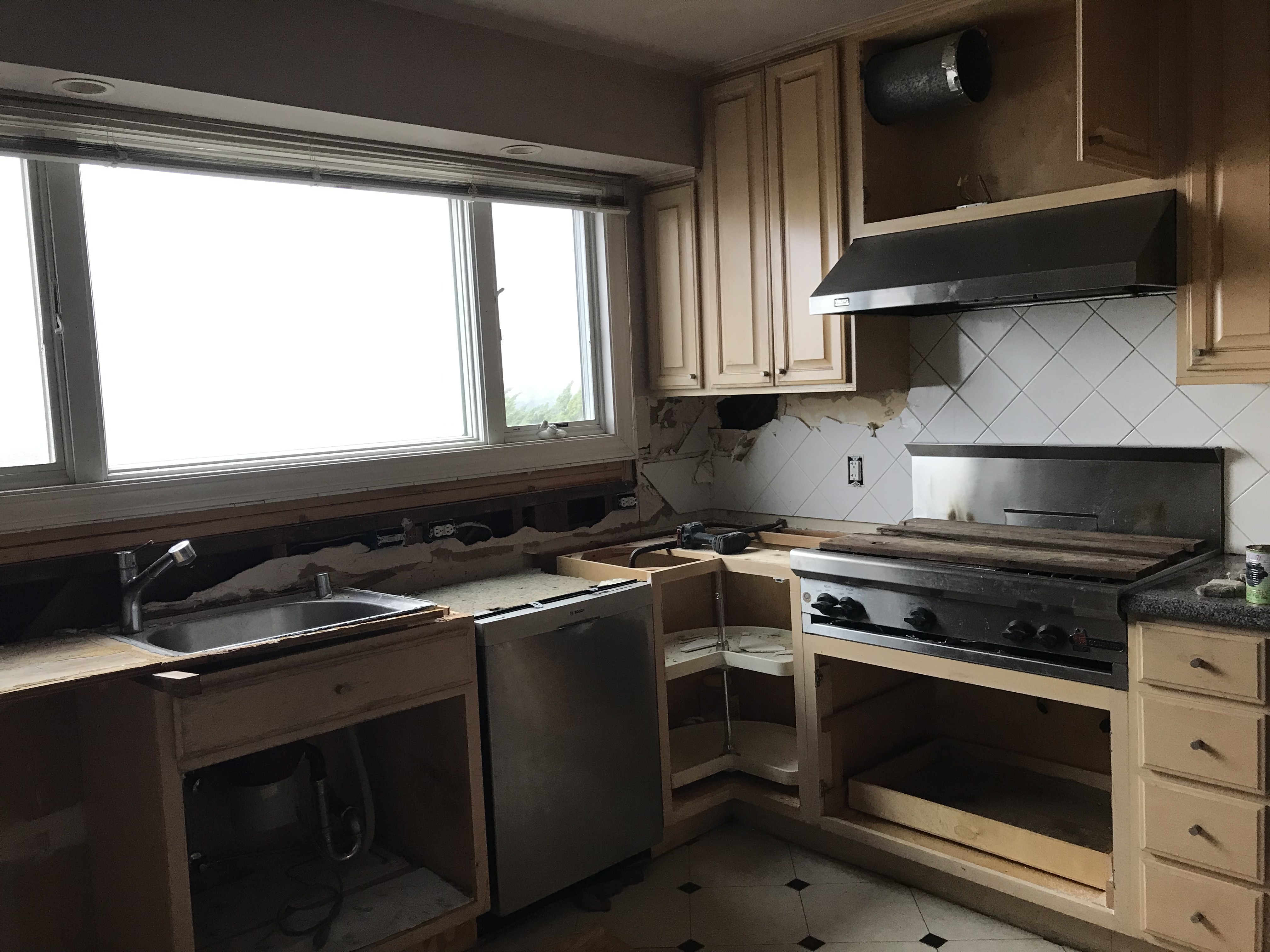
7:45am: Demo contractors showed up on time to start the demolition of the existing kitchen. We needed to remove a “pop-out” projection that will be displaced by future ADU space. I explained what appliances would be kept, and which ones would go. The two workmen wanted to make sure that the temporary toilet was functional.
Portable Toilet tucked under the trees
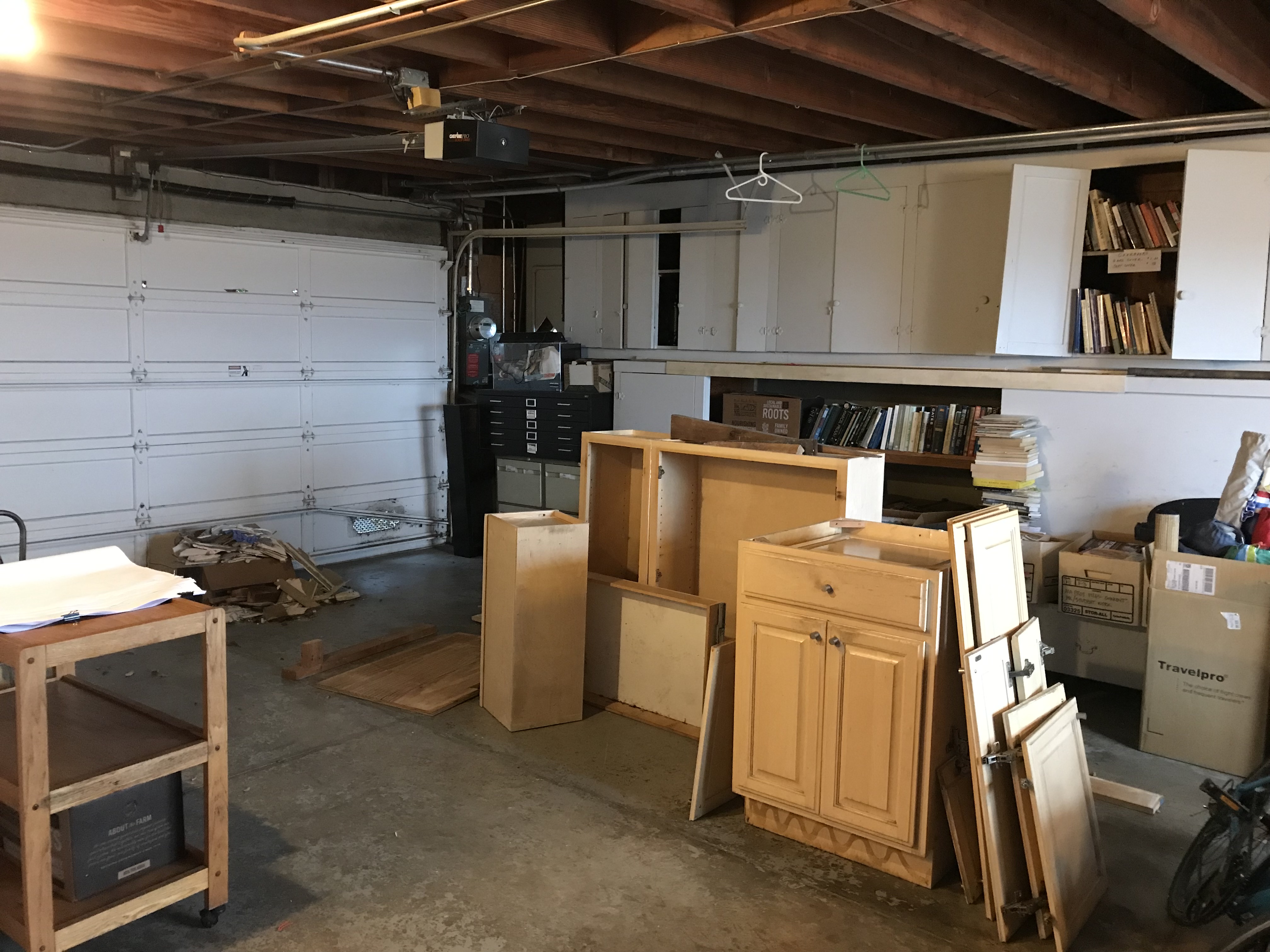
8:30am: Project Supervisor arrived to confirm where the appliances were going to be moved. They demolished the granite countertop and removed each section of cabinetry. They moved the refrigerator into the dining room. The existing cooktop and dishwasher were moved into the garage The vent hood and the sink were discarded. We were undecided about the double oven so kept it in place for the time being.
Noon: The two workmen took a lunch break and slept in their cars. There was the occasional banging from the tile or granite being cracked into pieces for removal.
4:00pm: They removed the doors to the casework and a portion of the vent duct. The plumber showed up to cap the gas and water mains to the kitchen.
When I asked the plumber for his name. He blurted out “Fong!” so of course I delighted in telling him that his last name was the same as mine. He asked me if I was from Hoi Ping (a densely populated agricultural district where many local Chinese Americans families in San Francisco are rooted). I detected a slight disappointment when I told him that I was from another district, Zhongshan. That was the end of our brief conversation in Chinese.
5:30pm: The work stopped. The photos show the countertop removed and the remains of the kitchen at the end of the day.
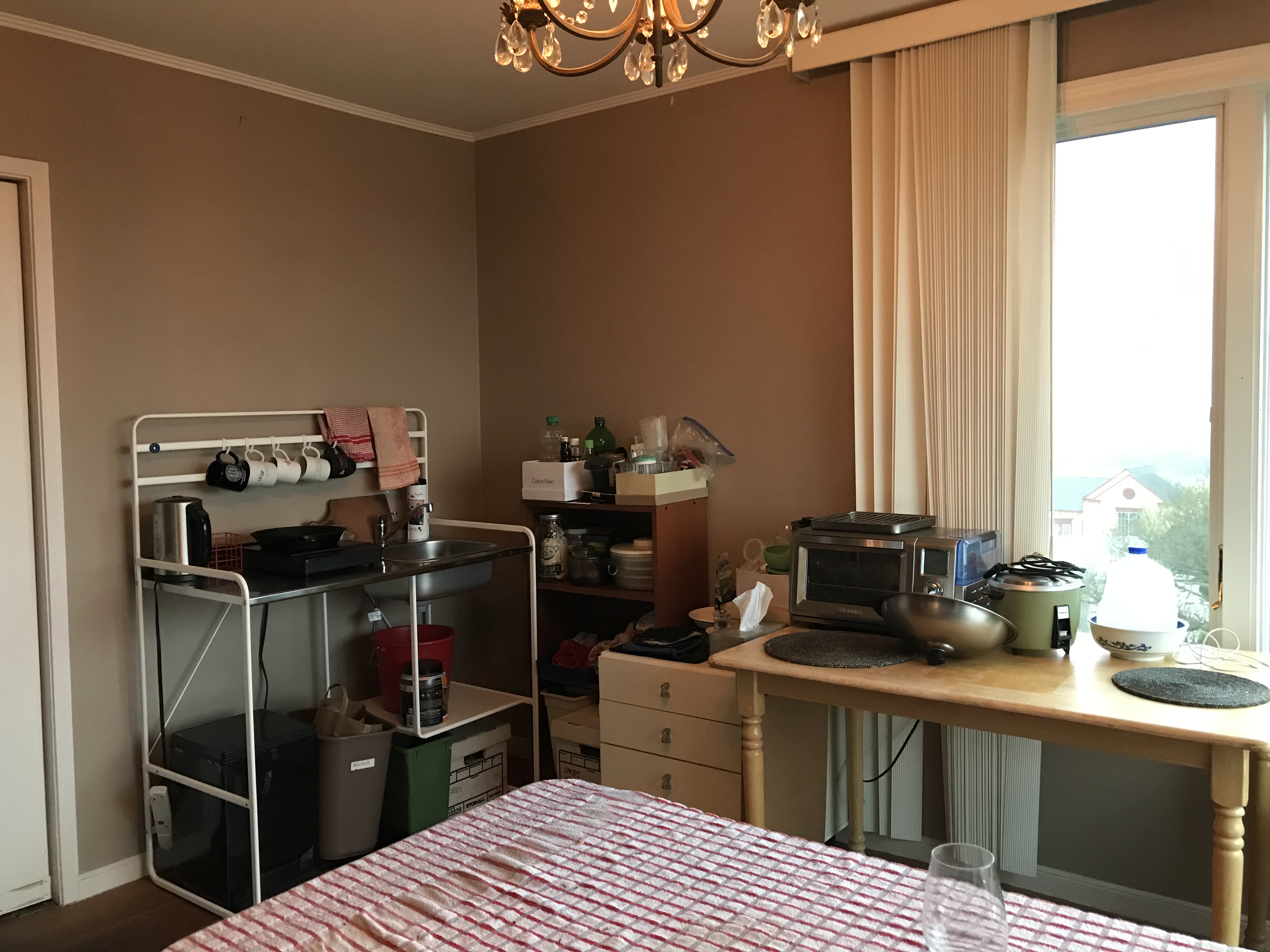
Since the kitchen was going to be “down” for at least awhile, we converted the dining room to a makeshift kitchen. We purchased a used hot plate and convection oven from Facebook, an Ikea sink for $127, and recruited four existing rice cookers for active duty!
Tracing the steps along the Silk Road– Samarkand, Bokhara, Isfahan–the namesakes of Oriental carpets–has formed the basis for my travels through Central Asia. Throughout Azerbaijan, the trail of the ancient route is evident, as traders plied the same track we are traveling, between Dagestan (part of Russia) and Iran.
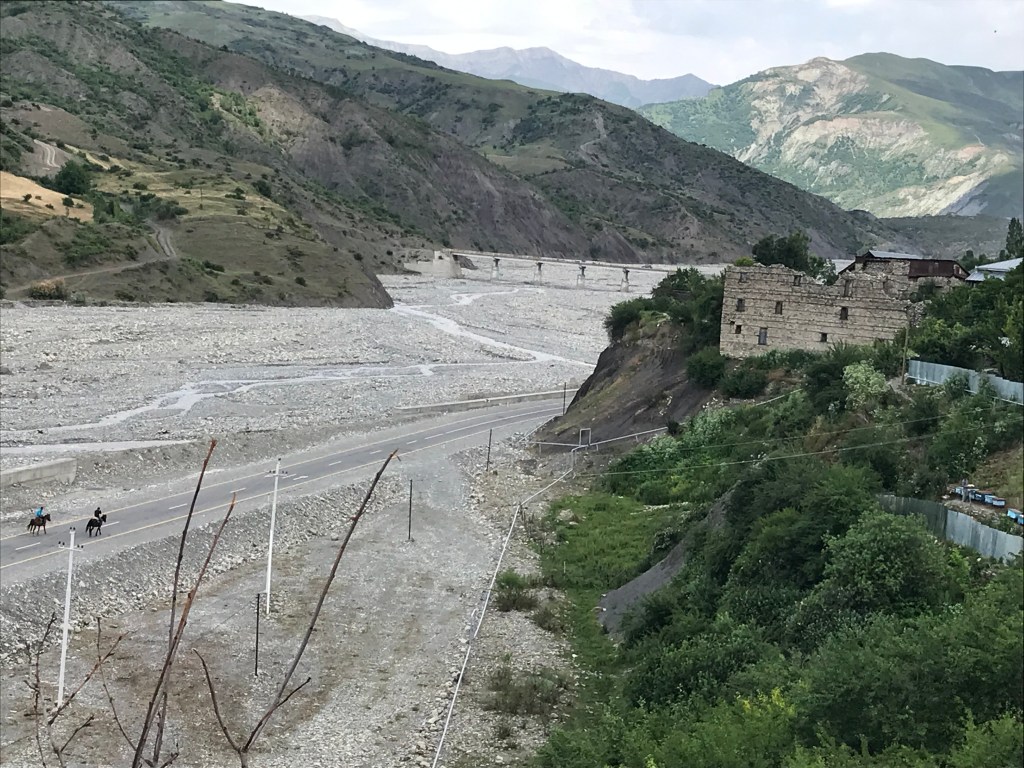
We traveled through the baby Caucasus mountains northwesterly towards Georgia. Because of border disputes between Armenia and Azerbaijan, neither jurisdiction will allow direct access across their border. Tourists must transit through “neutral” Georgia to the other country. What’s bad for Armenia and Azerbaijan is good for Georgia.
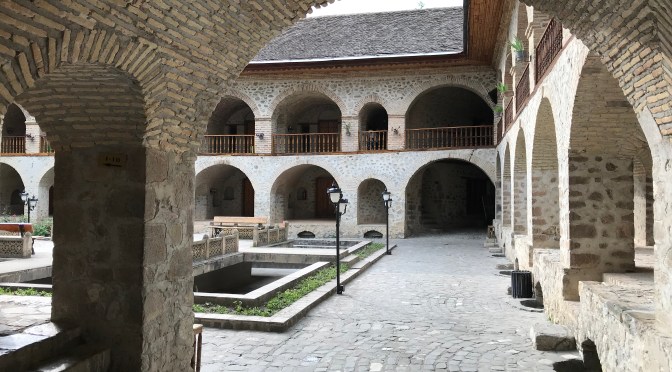
Silk Road Caravansary
Similar to those in Iran and Uzbekistan, the caravansaries were stopping points for traders along the Silk Road. Camels were housed on the lower floor and provided heat for travelers who lived above. The central water fountain was used for cooling the space and was connected to the ventilation system. Traders could set up instant pop-ups to sell and barter their wares, before moving onto the next station.
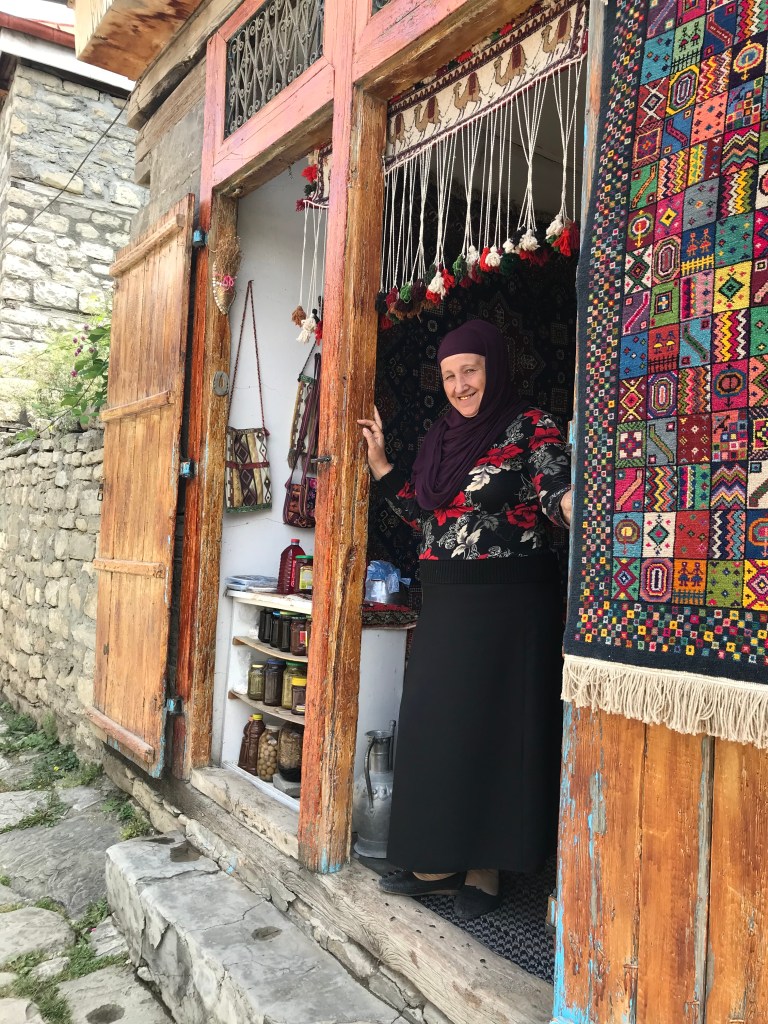
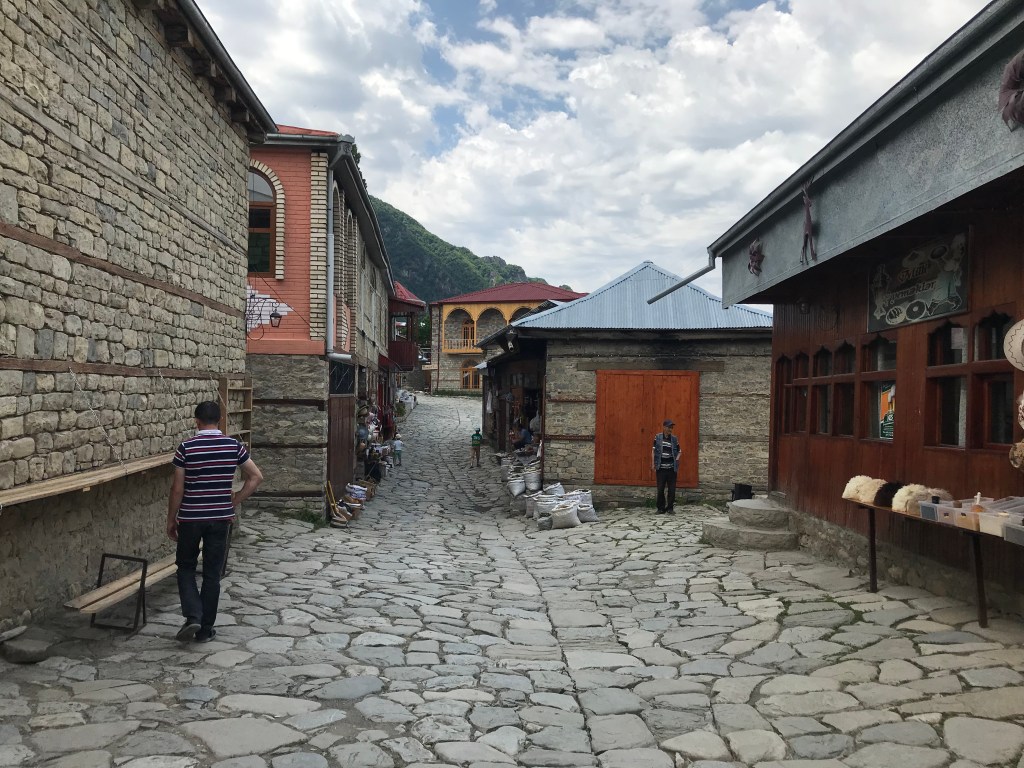
In the nearby town of Lahij, local items made of wool, herbs, and copperware are sold similar to those traded along the Silk Road in the 5th Century.
Lahic Shopkeeper
Lahic Shop
Lahic Storefront
Herb Shopkeeper
Window Dressing
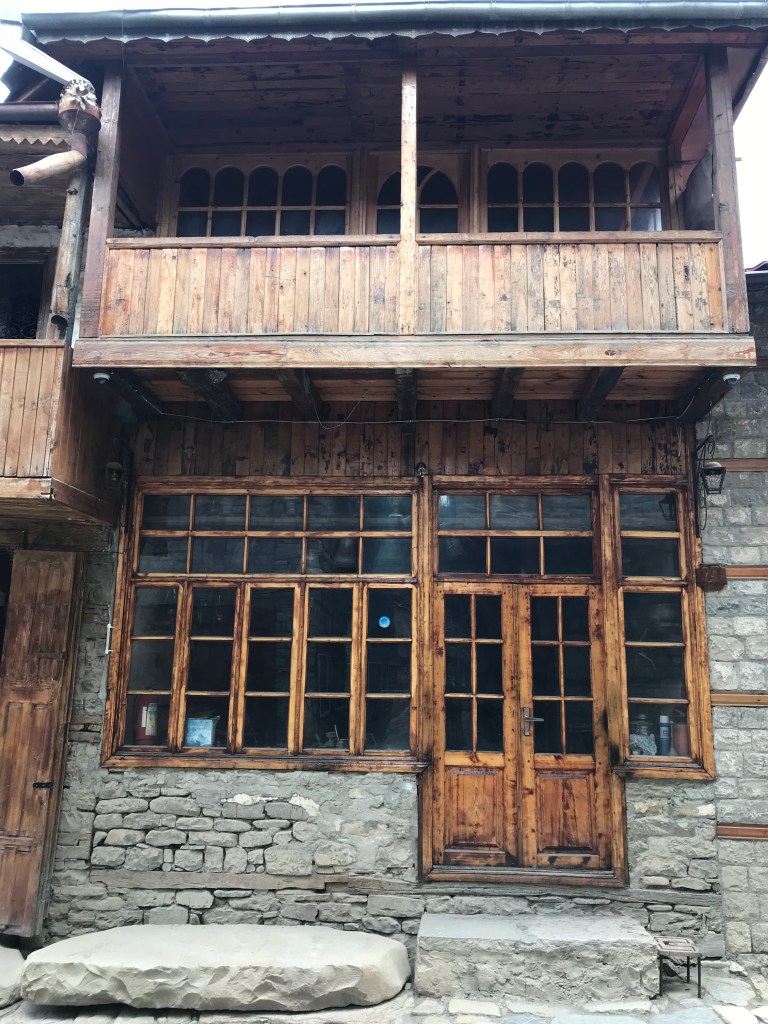
Wood Door
“Antiques”
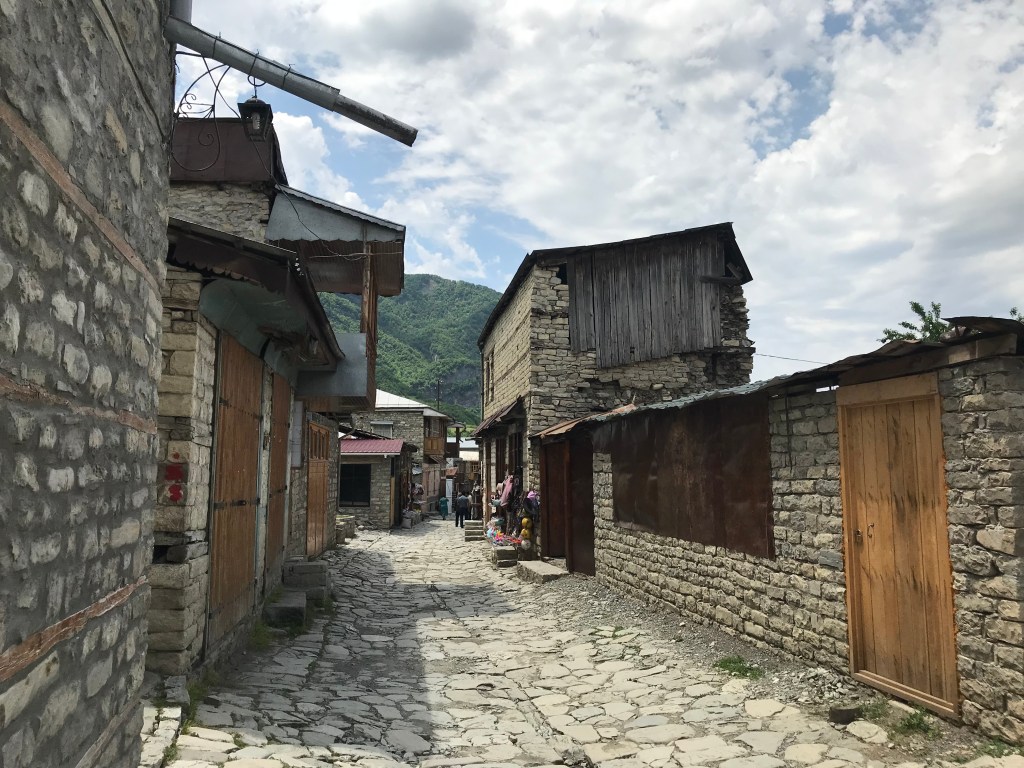
Cobbled Road
Typical Buildings
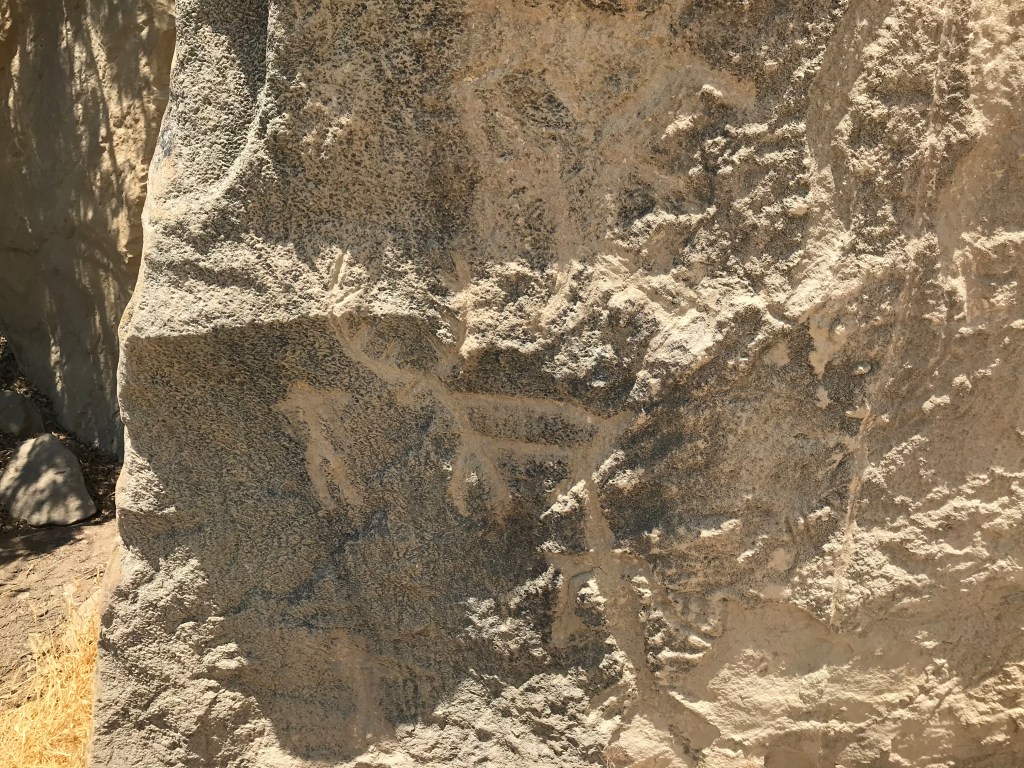
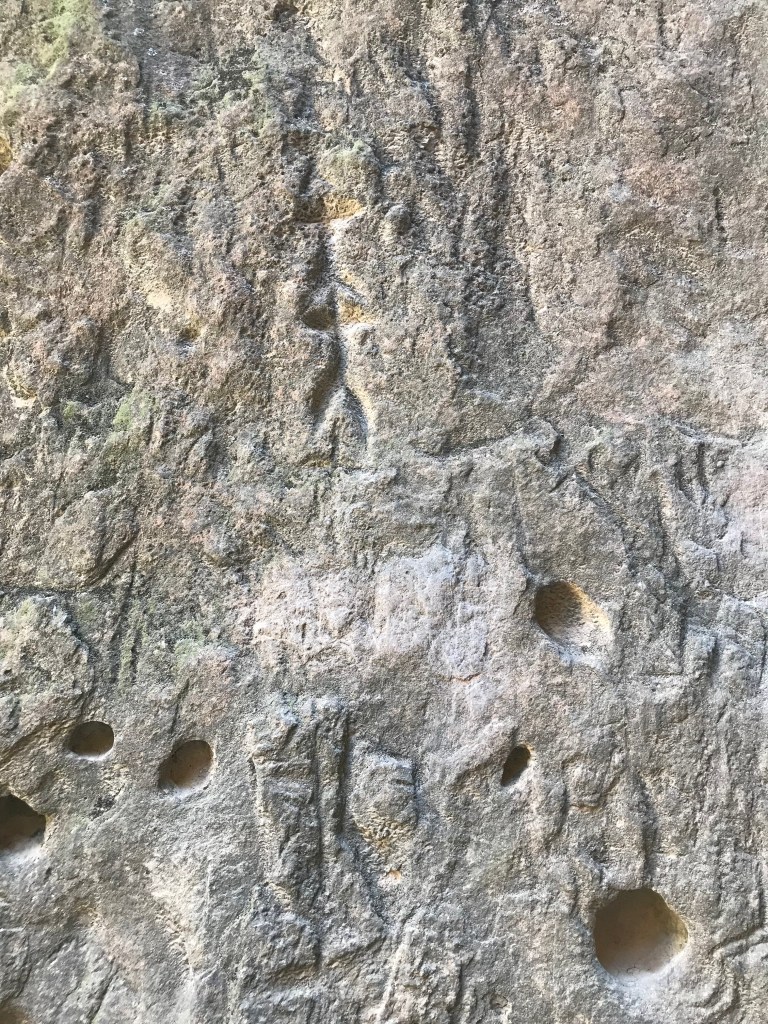
Petroglyphs, Gobustan National Park (a UNESCO World Heritage Site)
from the Neolithic period, these petroglyphs may not be as elegant as those in Alta Mira or Lascaux, but the 6,000 petroglyphs in this area certainly were evidence of man’s need to communicate. Animals being hunted, a focus on females for child bearing and men hunting were typical images carved into the sandstone rocks where they lived.. I was excited by the chance to see these markings by our ancient artists, carved en plein air in a spectacular setting.
Yanardag Mountains
For several hundred years, natural gas burned openly and continuously in the Yanardag Mountains. It’s not surprising that religious rites sprung from man’s early encounter with these unexplainable phenomenon. In the town of Surakhany, the Ateshgah Temple was used for fire worshippers. Zorastrians and HIndus travel from India to visit the temple. You can read more about it below.
Zorastrianism is still practiced in India today
This temple reminded us of our first introduction to the Zorastrian religion in Iran (Thus Spake Zarasthustra!) as well as the Fire Temple in Yasd.
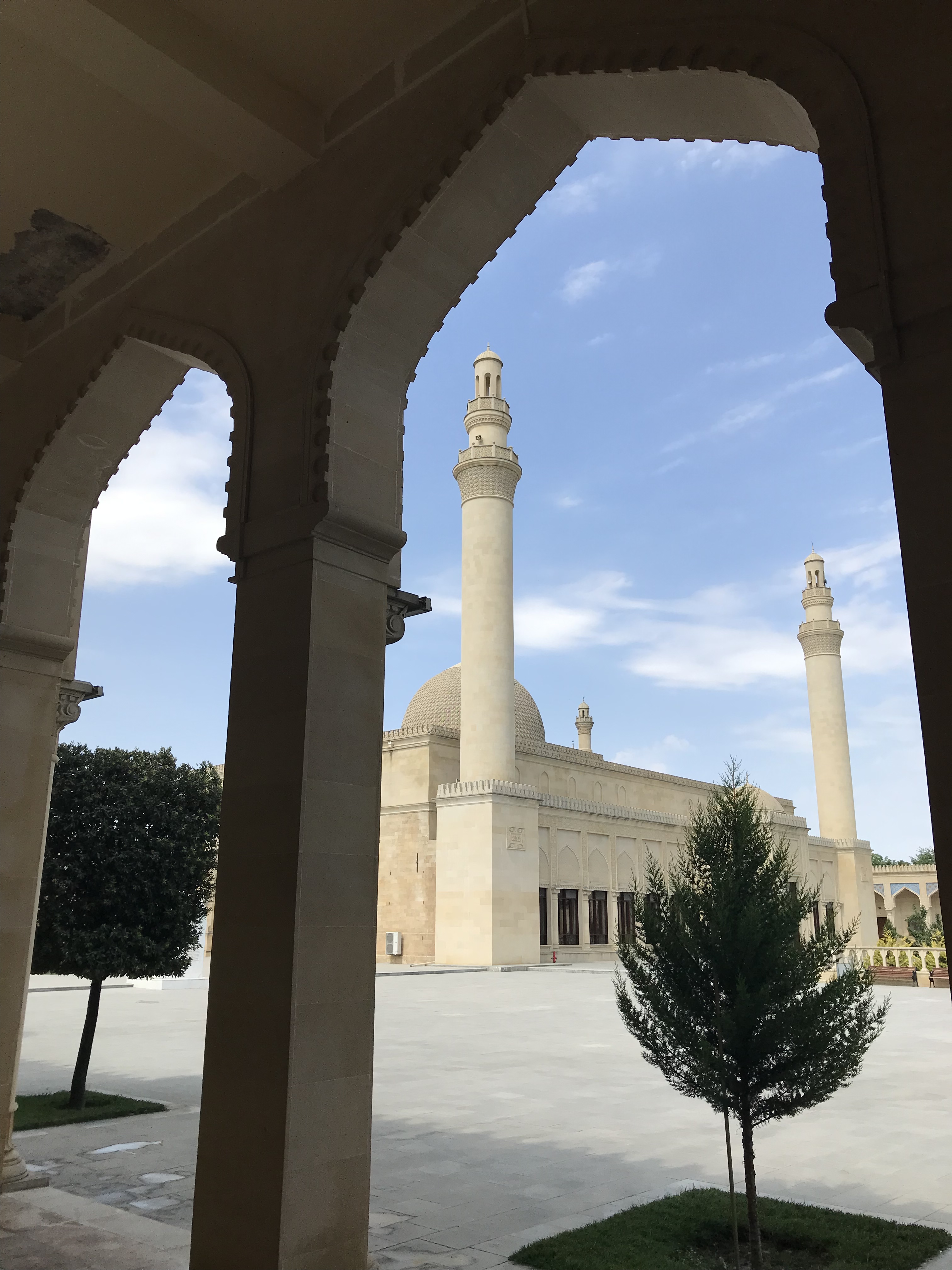
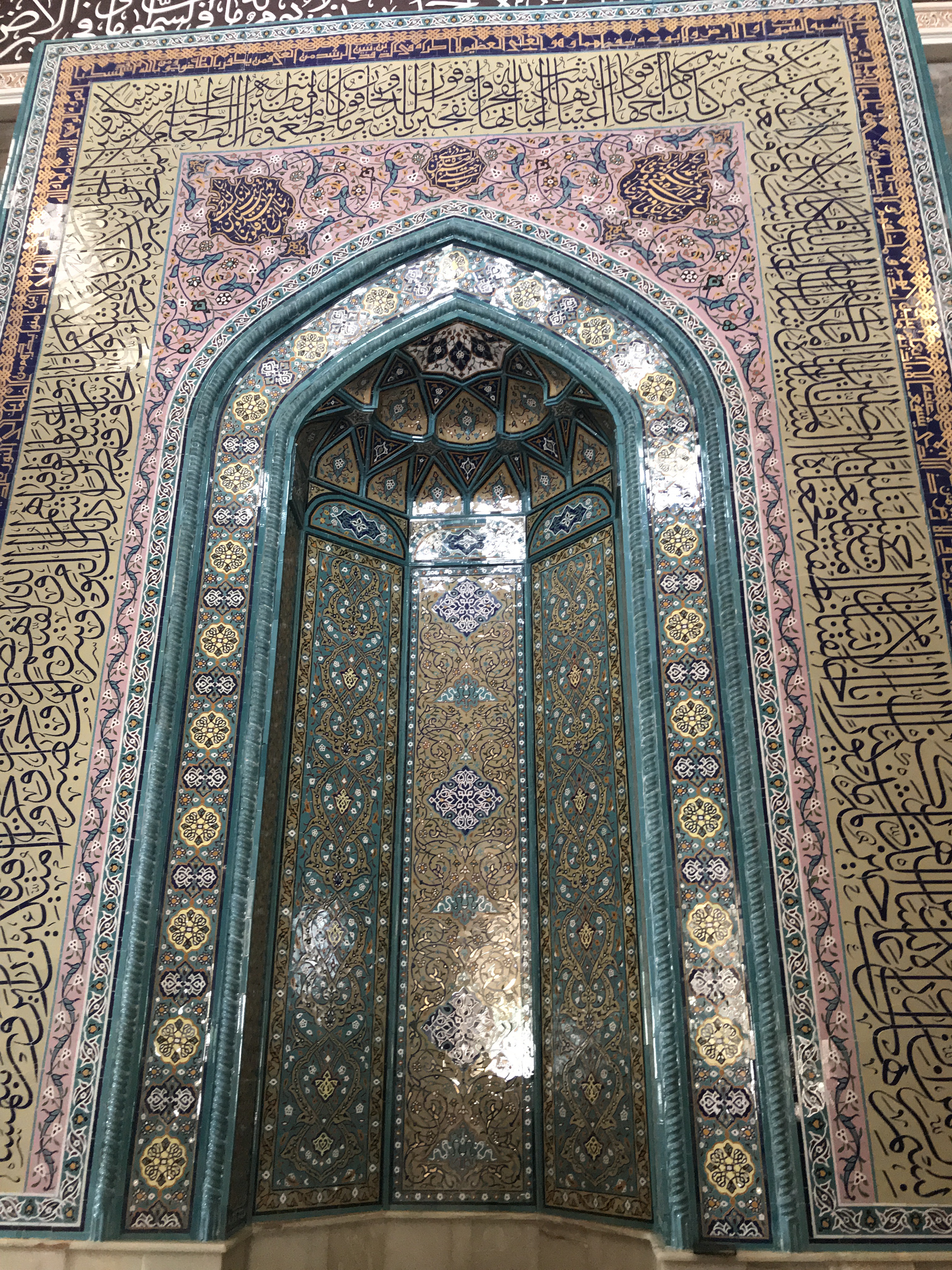
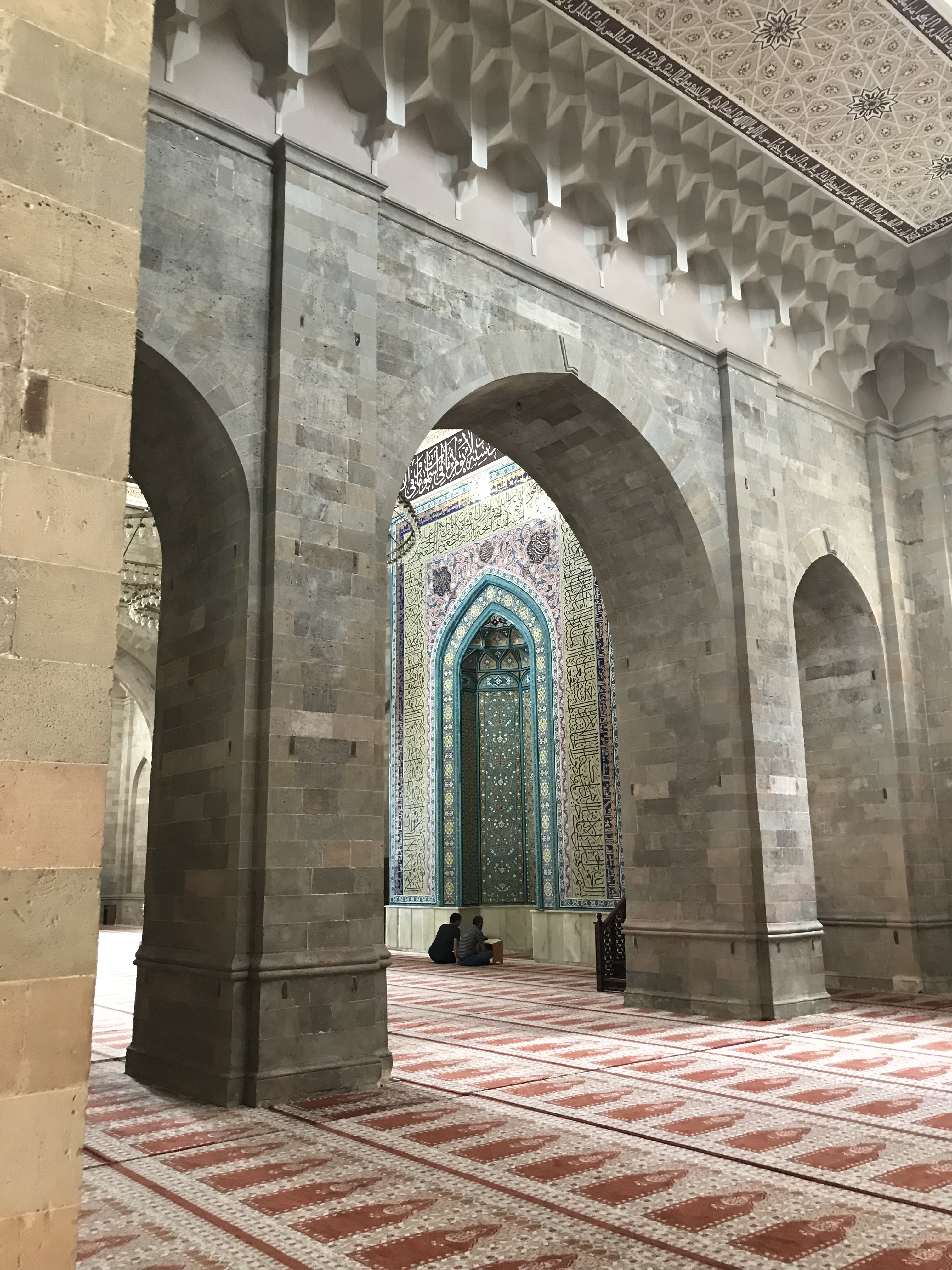
Juma Mosque
Juma Mosque, largest in Azerbaijian
Juma Mosque interior
Dome of Mosque
Considered the largest mosque in Azerbaijan, its sandstone walls were a contrast to the blue mosaic decorations more commonly used in mosques I visited in Iran and Uzbekistan. The mosque was rebuilt after earthquakes and fire damaged the building.
In light of this week’s tragic events over Iran, I felt compelled to share a video I produced at the end of 2018. It captures my current thoughts and feelings about Iran (in conjunction with other countries visited that year). My heart goes out to the Iranian people and their uncertain future.
Here’s the video:
(The notes below are an edited version from the original post, “Wring out the Old”, from December, 2018.)
Before the year closes out, I wanted to combine a number of videos and photos that I collected during this year’s travels. The selection includes a life-changing trip to Iran, first-timers to Korea and Hungary, and regular mainstays in Germany, Austria and China.
While most of the visits were with those who follow or are aware of my intrepid travels, fresh new friends taught me bout the hardships and endurance needed to survive the complicated political and economic world we live in. Shared laughter helped to offset an arduous year and to renew hope for the future.
I hope you will enjoy this quirky video. I’ve culled material from travels this past year, based on Barbara Streisand’s moving song, “Imagine/What a Wonderful World”, from her album “Walls”. Let’s hope that we can resist building walls and find ways to build trust and friendship instead.
The video includes clips from Shiraz, Persepolis, Isfahan, Yasd, and Tehran in Iran, as well as a few from Seoul, Korea. There are clips from my month-long sojourn at the Goethe Institute in Munich, Germany.
If you are interested in reading more about Iran, you can find the blog posts from April 2018.
Tracing the steps along the Silk Road– Samarkand, Bokhara, Isfahan–the namesakes of Oriental carpets–has formed the basis for my travels through Central Asia. Throughout Azerbaijan, the trail of the ancient route is evident, as traders plied the same track we are traveling, between Dagestan (part of Russia) and Iran.
We traveled through the baby Caucasus mountains northwesterly towards Georgia. Because of border disputes between Armenia and Azerbaijan, neither jurisdiction will allow direct access across their border. Tourists must transit through “neutral” Georgia to the other country. What’s bad for Armenia and Azerbaijan is good for Georgia.
Silk Road Caravansary
Similar to those in Iran and Uzbekistan, the caravansaries were stopping points for traders along the Silk Road. Camels were housed on the lower floor and provided heat for travelers who lived above. The central water fountain was used for cooling the space and was connected to the ventilation system. Traders could set up instant pop-ups to sell and barter their wares, before moving onto the next station.
In the nearby town of Lahij, local items made of wool, herbs, and copperware are sold similar to those traded along the Silk Road in the 5th Century.
Lahic Shopkeeper
Lahic Shop
Lahic Storefront
Herb Shopkeeper
Window Dressing
Wood Door
“Antiques”
Cobbled Road
Typical Buildings
Petroglyphs, Gobustan National Park (a UNESCO World Heritage Site)
from the Neolithic period, these petroglyphs may not be as elegant as those in Alta Mira or Lascaux, but the 6,000 petroglyphs in this area certainly were evidence of man’s need to communicate. Animals being hunted, a focus on females for child bearing and men hunting were typical images carved into the sandstone rocks where they lived.. I was excited by the chance to see these markings by our ancient artists, carved en plein air in a spectacular setting.
Yanardag Mountains
For several hundred years, natural gas burned openly and continuously in the Yanardag Mountains. It’s not surprising that religious rites sprung from man’s early encounter with these unexplainable phenomenon. In the town of Surakhany, the Ateshgah Temple was used for fire worshippers. Zorastrians and HIndus travel from India to visit the temple. You can read more about it below.
Zorastrianism is still practiced in India today
This temple reminded us of our first introduction to the Zorastrian religion in Iran (Thus Spake Zarasthustra!) as well as the Fire Temple in Yasd.
Juma Mosque
Juma Mosque, largest in Azerbaijian
Juma Mosque interior
Dome of Mosque
Considered the largest mosque in Azerbaijan, its sandstone walls were a contrast to the blue mosaic decorations more commonly used in mosques I visited in Iran and Uzbekistan. The mosque was rebuilt after earthquakes and fire damaged the building.
Before the year closes out, I wanted to combine a number of videos and photos that I collected during this year’s travels. The selection includes a life-changing trip to Iran, first-timers to Korea and Hungary, and regular mainstays in Germany, Austria and China.
These travels entailed detailed planning and visits to friends and family. While most of the visits were with those who follow or are aware of my intrepid travels, fresh new friends taught me bout the hardships and endurance needed to survive the complicated political and economic world we live in. Shared laughter helped to offset an arduous year and to renew hope for the future.
I hope you will enjoy this quirky video. I’ve culled material from travels this past year, based on Barbara Streisand’s moving song, “Imagine/What a Wonderful World”, from her album “Walls”. Let’s hope that we can resist building walls and find ways to build trust and friendship instead.
Here’s the video:
The video includes clips from Shiraz, Persepolis, Isfahan, Yasd, and Tehran in Iran, as well as a few from Seoul, Korea. There are clips from my month-long sojourn at the Goethe Institute in Munich, Germany. Featured friends include Lisa from New York City, Alberto and Miki from Crema/Elba/San Diego (our fellow travelers to Hungary and Austria), Helena from Lucerne/Wallins in Switzerland, and former student Xiao Lin and his wife Susan, who live in Guangzhou.
If you are interested in reading more about Iran, you can find the blog posts from April 2018.
I’m still debating about whether I will extend the blog into 2019. Traveling to Italy with daughter Melissa starting on New Year’s Day may help to inspire me to continue, so stay tuned if you are interested. We are also planning to go to the Caucasus in April (can you guess which three countries?)
Have an overwhelmingly, delightfully unexpected, fruitful, and HAPPY NEW YEAR!!!



















































 travelswithmyselfandothers.com