


Sustainability in Germany
Photos above, from top:
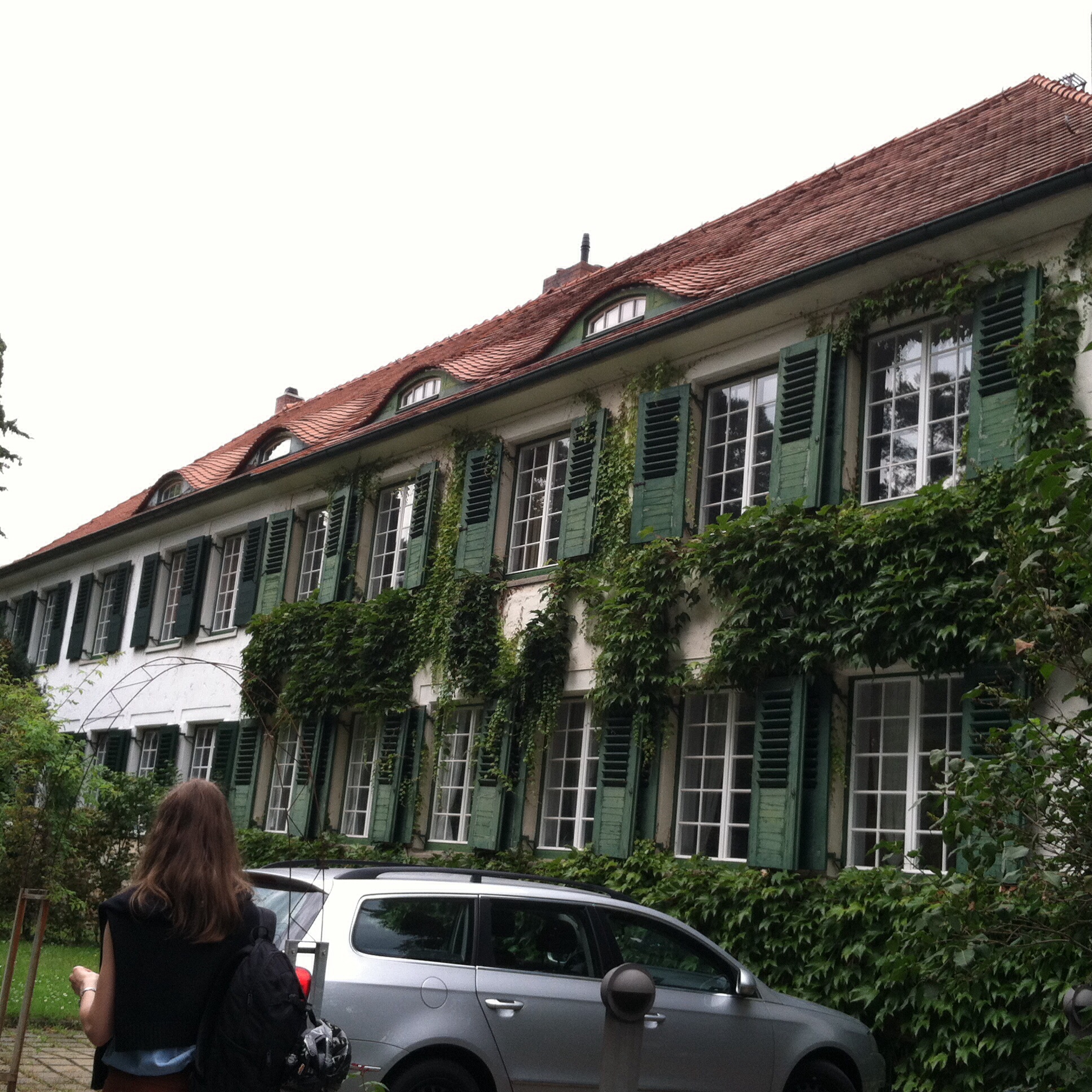
1. Older buildings utilized exterior louvers to provide sun shading for buildings to reduce heat gain. (Refer to lower bottom right of photo).
2. Customers return bottles at supermarkets and receive instant cash receipts. These can be used at the counter when paying for groceries.
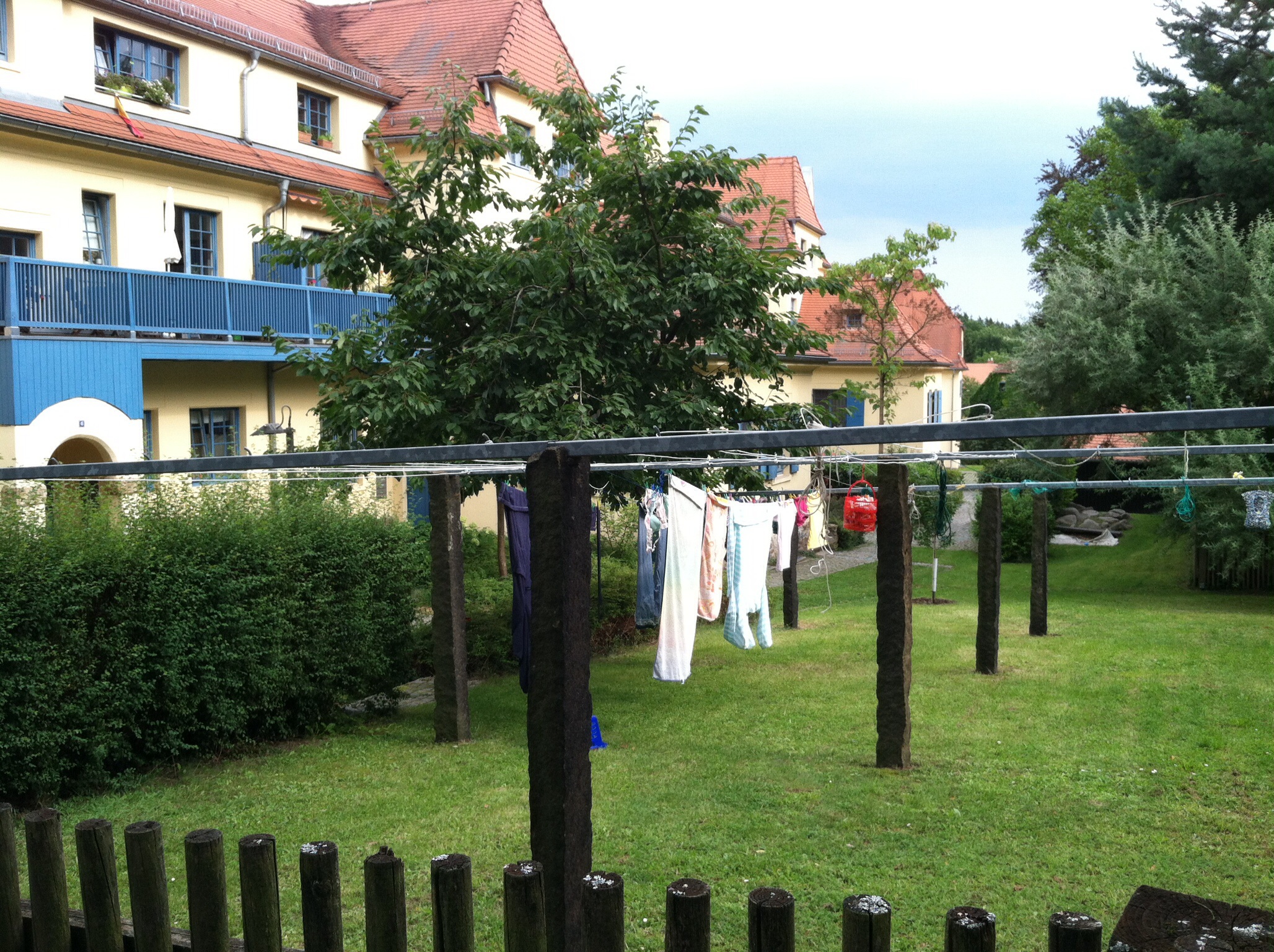
3. Photo from an earlier post (at Hellerau) showing how drying clothes outdoors has never really gone out of style in Germany, even in up-scale neighborhoods.
The only thing I didn’t see to any degree were solar panels, at least not as visible as in the Bay Area. Given the direction Germany has taken historically to provide steep roof lines for snow load control, it may be facing an uphill battle. The widespread use of penetrations for gabled roofs and attic windows don’t help matters. And there seems to be a lot of cloudy days here.
Considering how Germany attempts to lead the world in sustainability and zero carbon footprint, this might hamper their reputation in solar energy development. Perhaps China has already pulled the carpet out from under Germany’s lead on industrial production of solar energy by now.
There has been a lot written about Germany’s endeavors to be sustainable, but it seems to come more from the traditional conservation methods than by innovative technology. Perhaps it’s not yet that evident, and it occurs in newer buildings. But for now, at least in Dresden, it hasn’t quite taken taken hold. Its historical use of reducing waste is a far better bet for the future than what the US is able to do for the time being.
Transportation
The Dresden transportation system is one of the delights in coming here. I have managed to get around the city and all the sights I have posted, with few exceptions. It’s safe, clean, and efficient. There’s respect and even affection for public transportation. Why can’t we get it together?
Buses, cars and bikes are all in symbiotic relationship with each other here. You don’t do stupid things, wait for the lights to change, and minimize the impact on the environment. With taxes being out to good use, the Germans reap the benefits of their efforts.
Photos below, from top:
1. A bus shelter, that posts the full schedule for weekdays and weekends. It’s reliable, practical and clearly identified. Bikers often use the system and bike in between.
2. Interior of the tram system is kept clean and tidy to make it a pleasure to use and appreciate.
3. Window graphics indicate that areas near doorways are for wheelchairs and strollers.
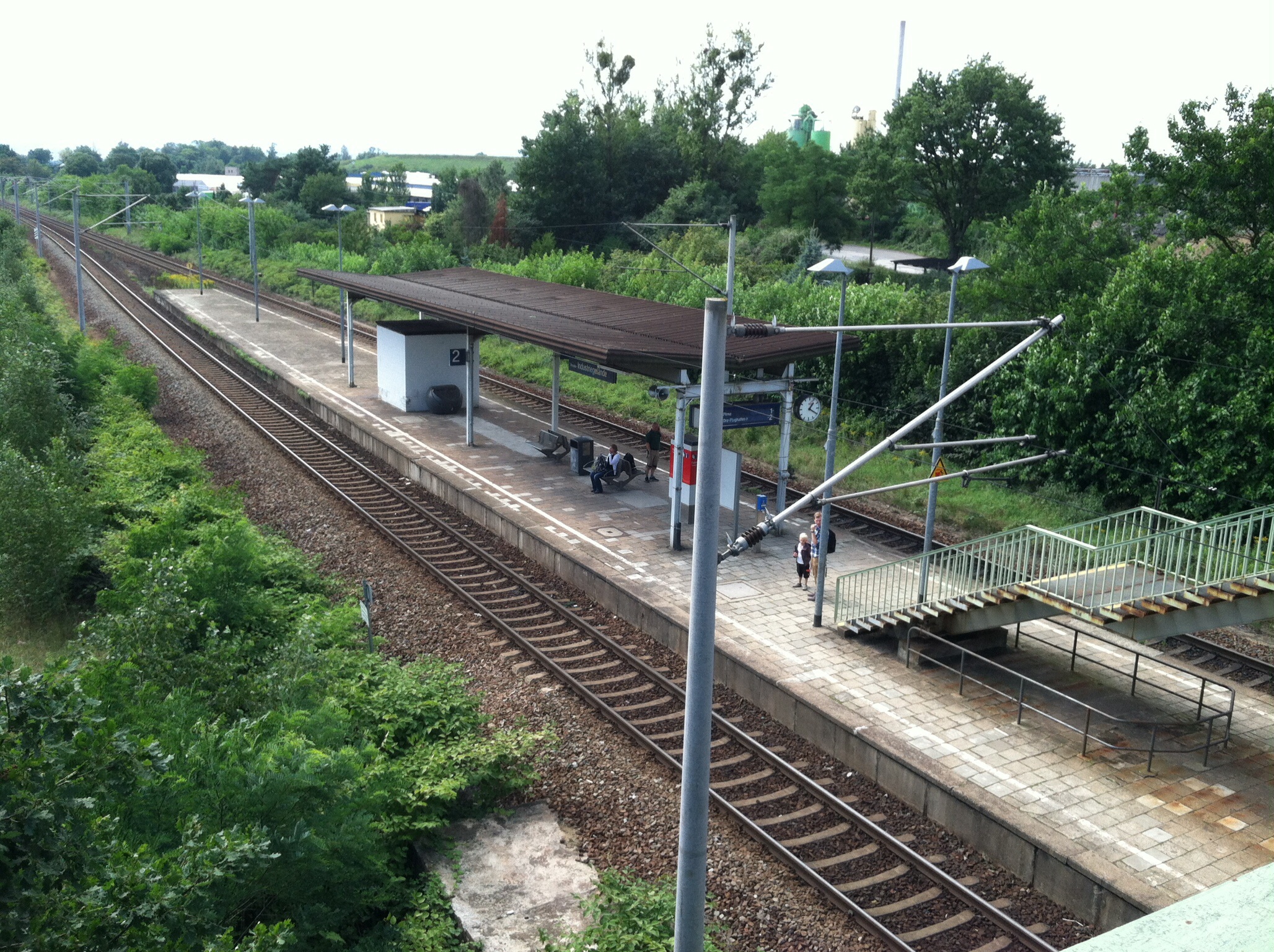
4. The train system has been developed throughout Europe and thrives. Stations like this one up the street from where I live make it easy to get to virtually any point in Europe, or to regional spots. Safe, clean, and efficient.

>












 travelswithmyselfandothers.com