Tag Archives: Sights

Day 26-29: Armenian Rhapsody

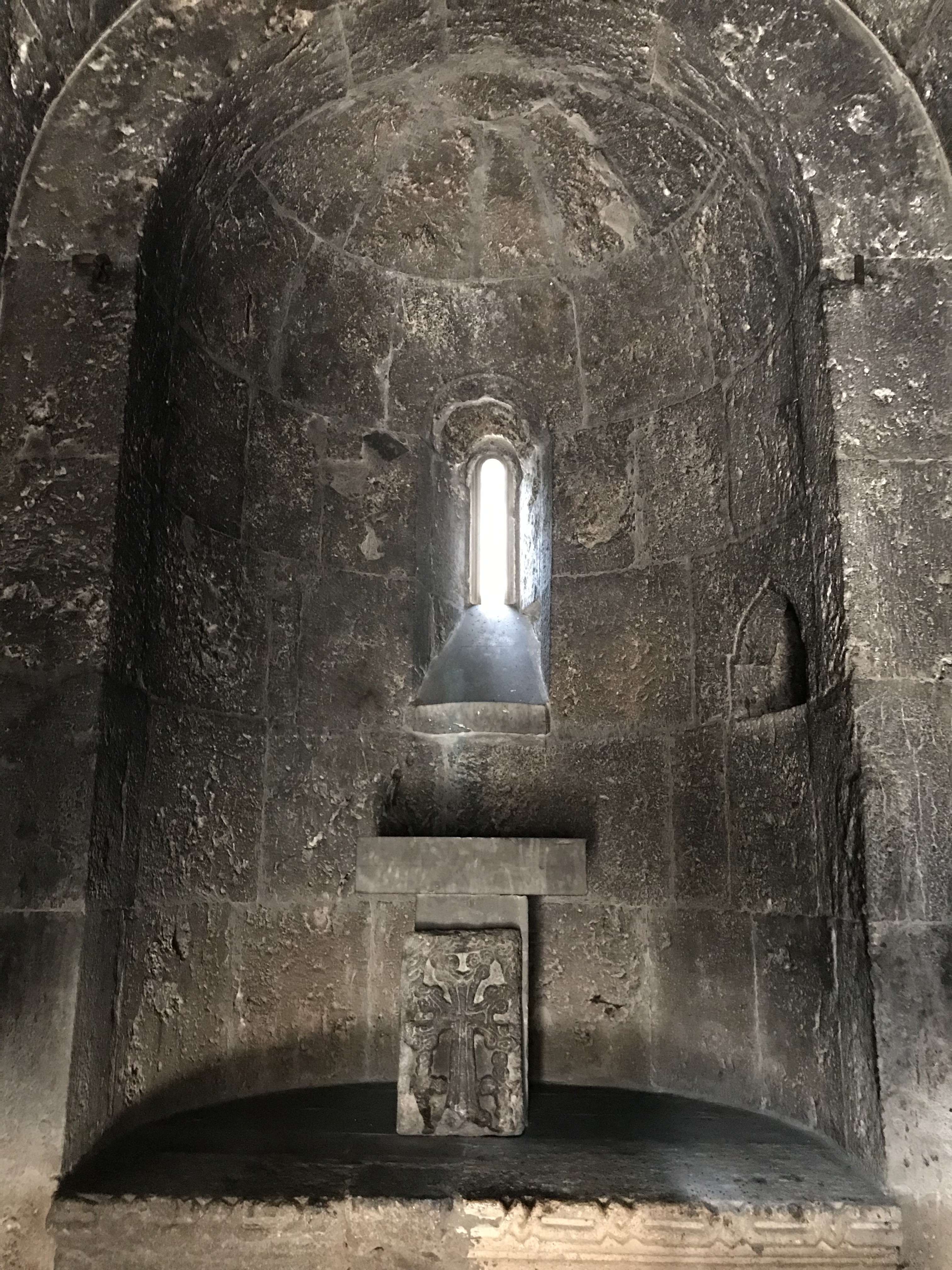
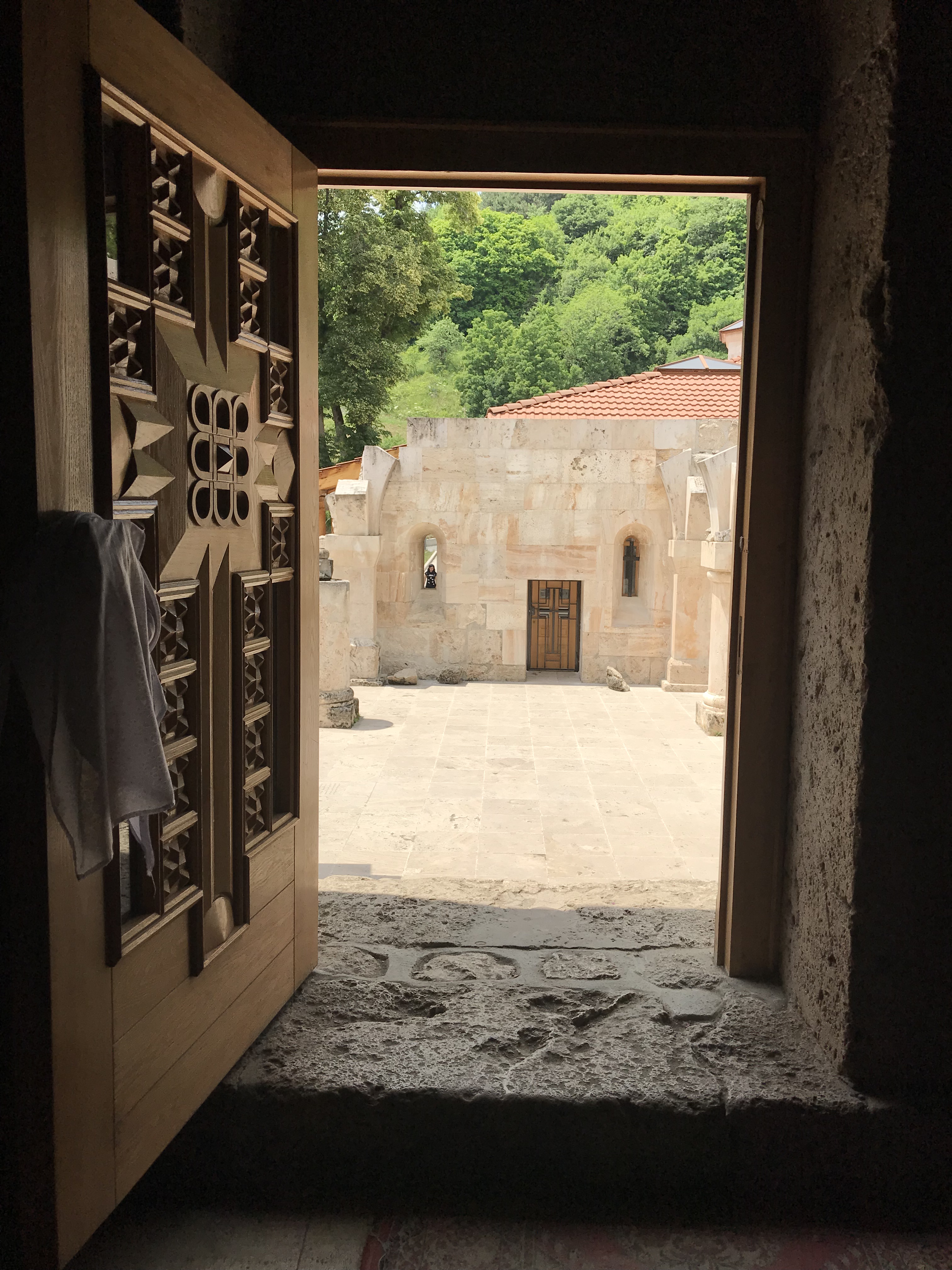
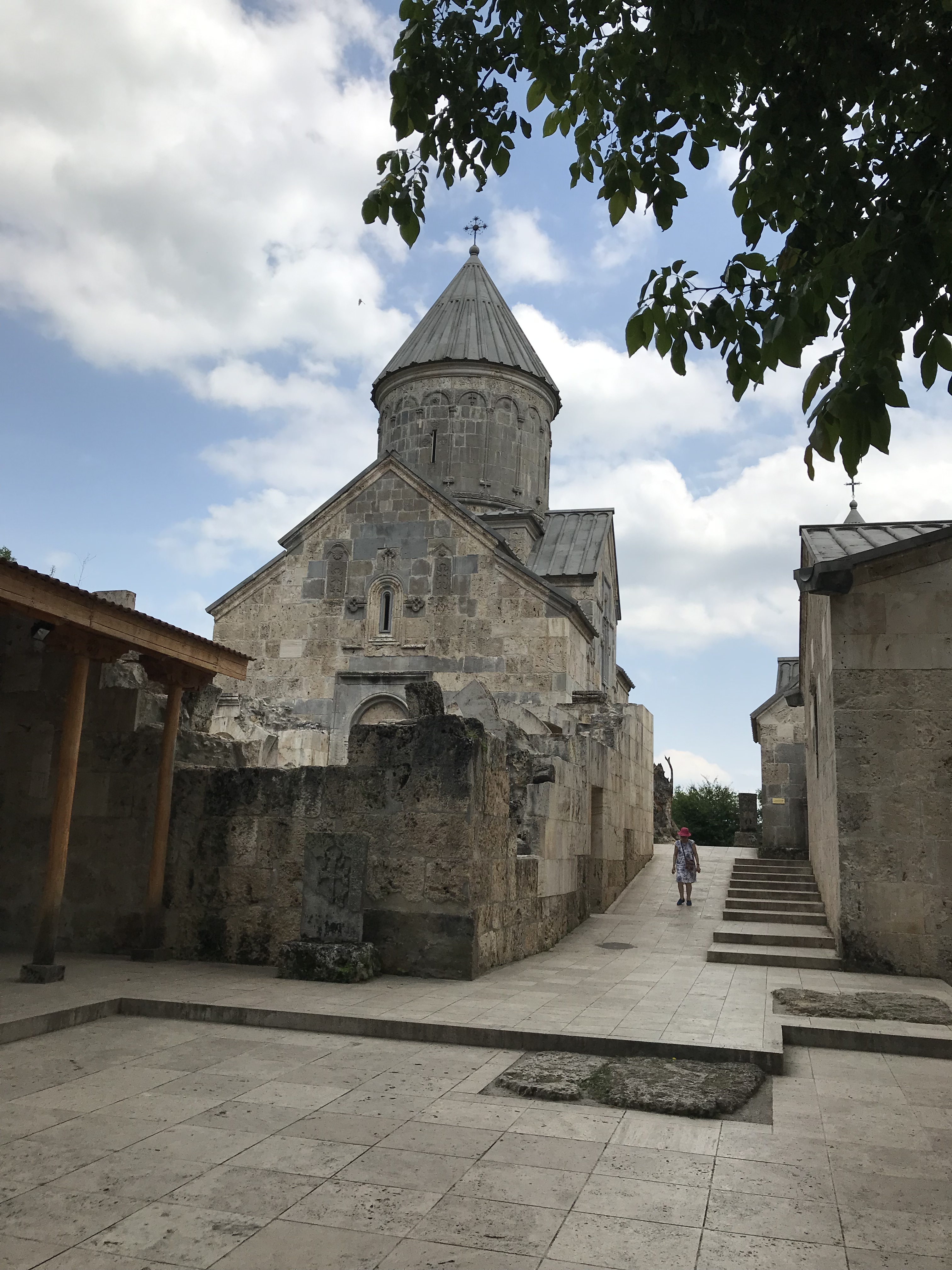
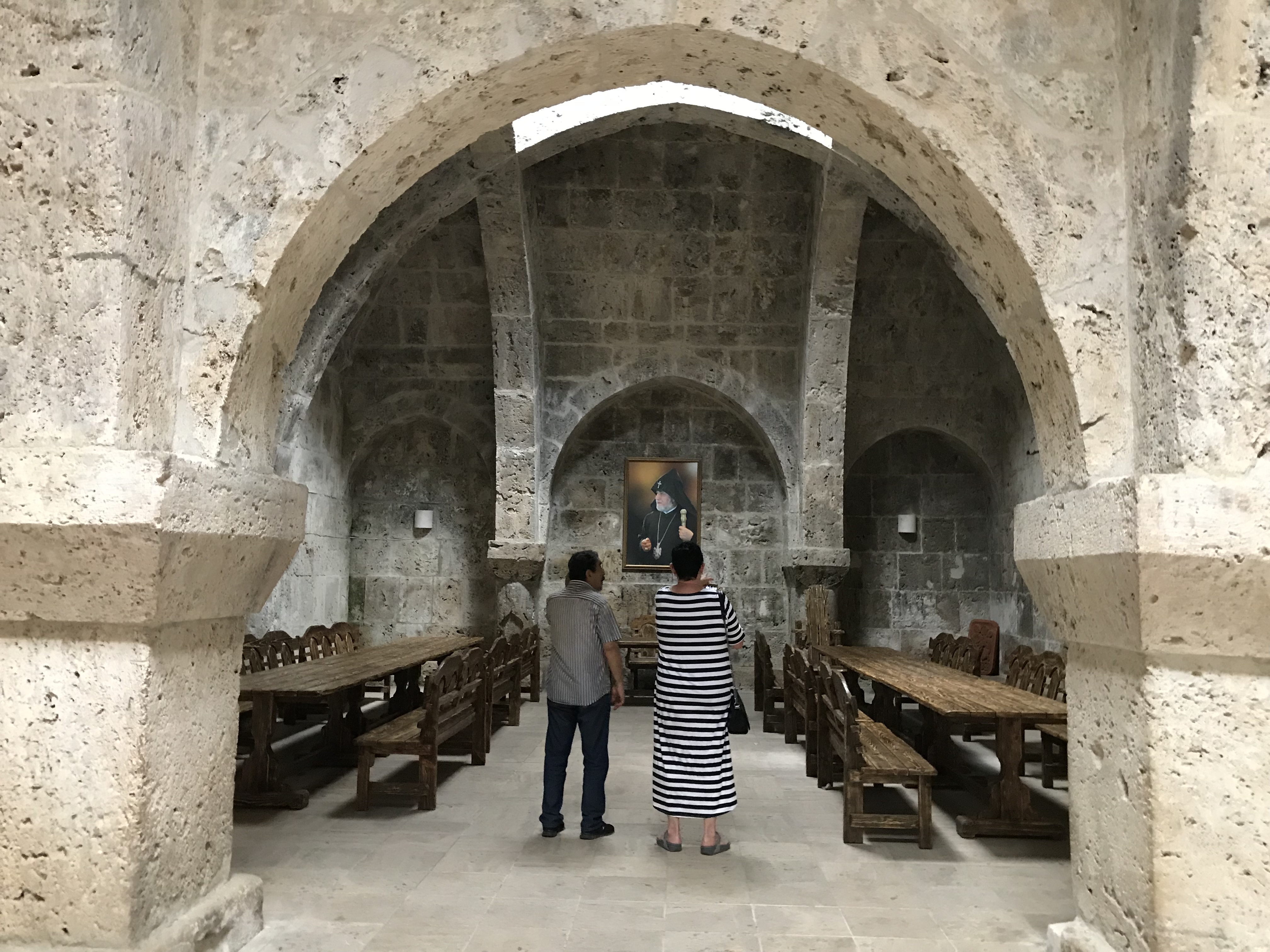
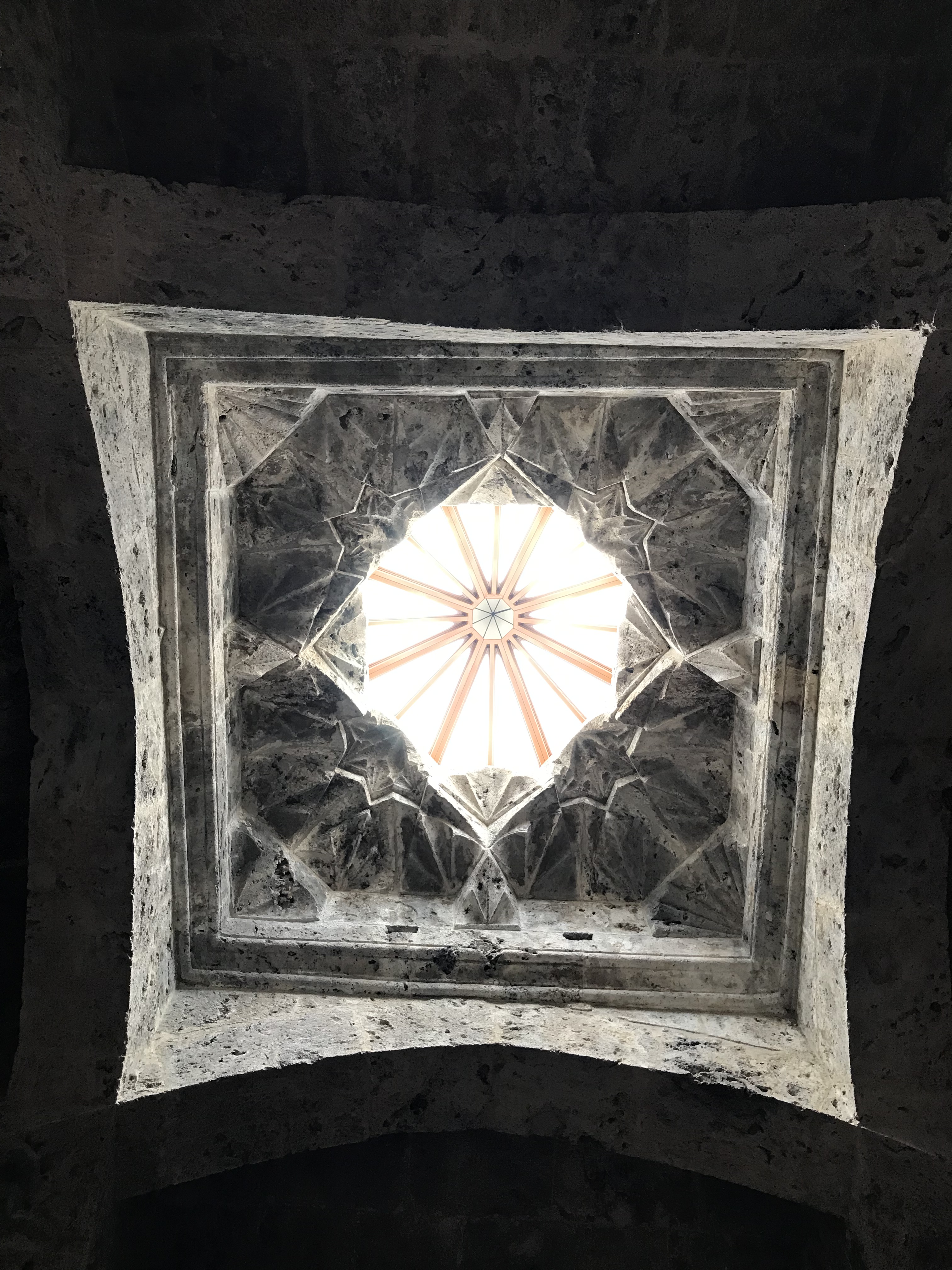
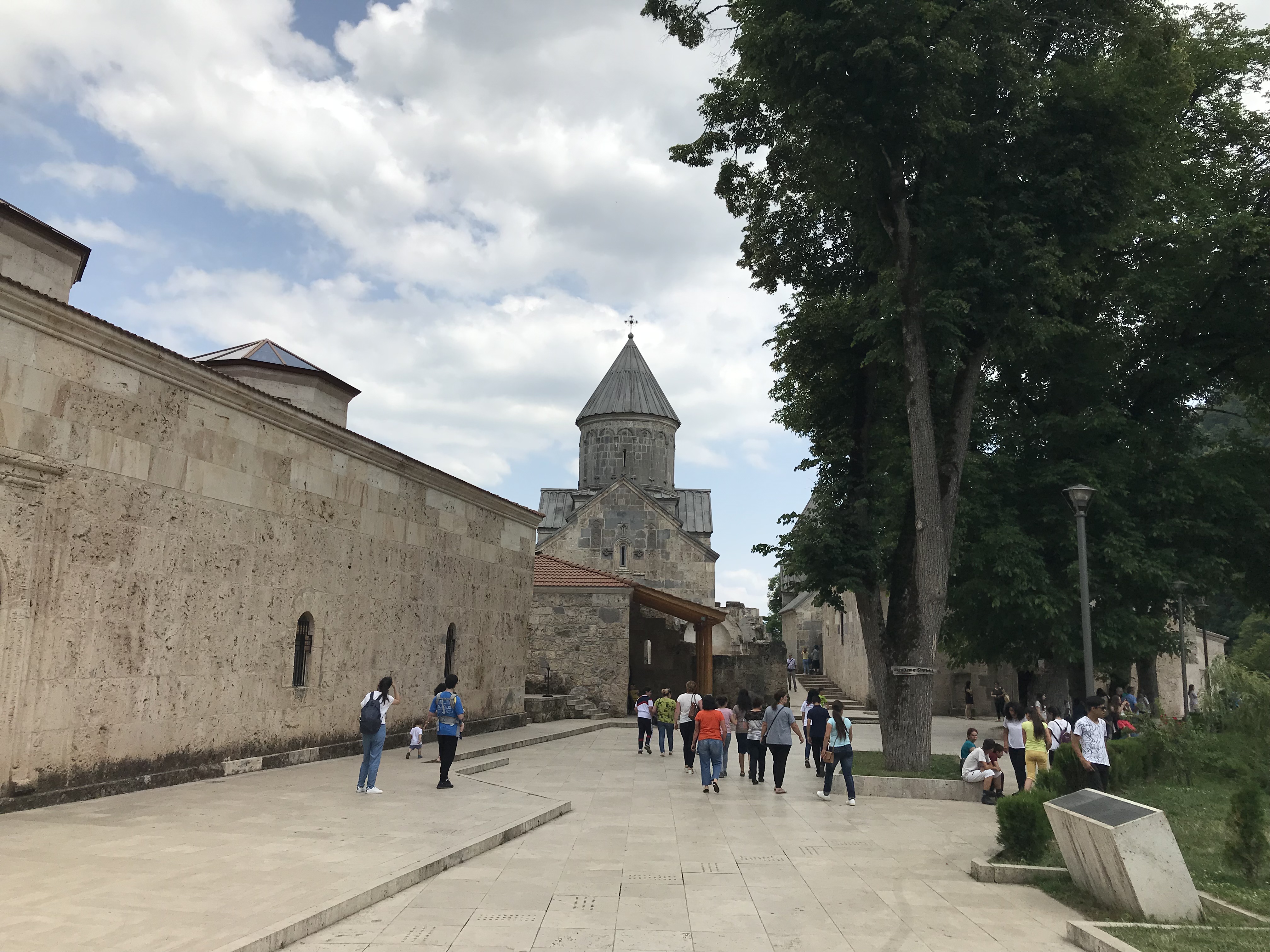
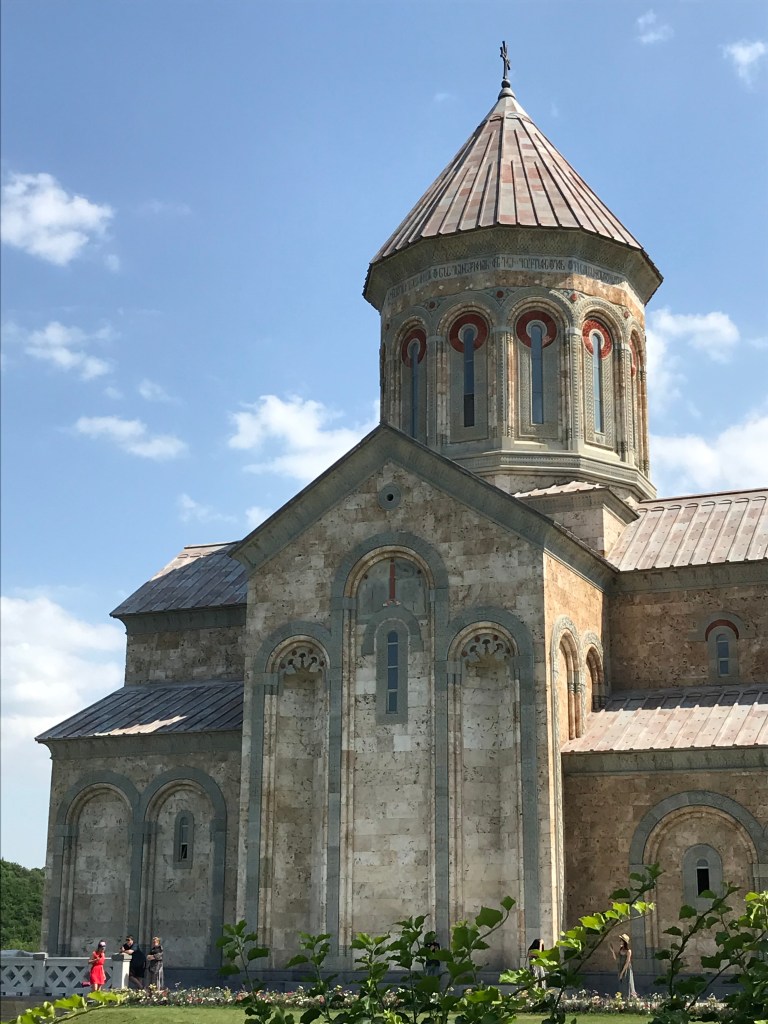
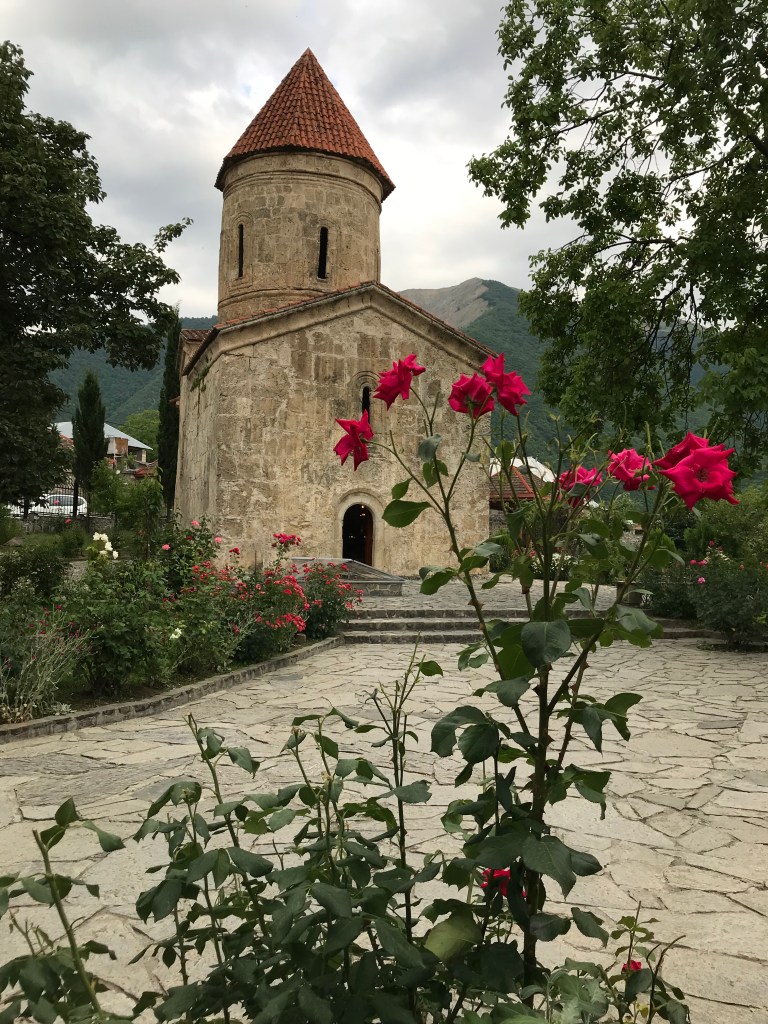
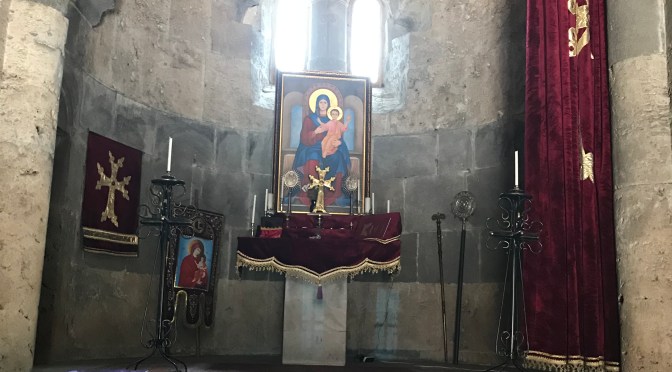
The Haghartsin Monastery and Churches range from the 10th-13th Centuries, and are a fascinating example of early medieval/late Byzantine architecture. The heavy basalt walls protected the churches from earthquakes, but a considerable amount of renovation and restoration work was still needed.

The thick walls supported small chapels with heavy domes made of stone. Nevertheless, the simplicity of the structures provided a timeless quality and soothing relief to the 90+ degree weather. The main church is dedicated to St. Gregory. You can read more about it here: https://www.advantour.com/armenia/tavush/agartsin-monastery.htm

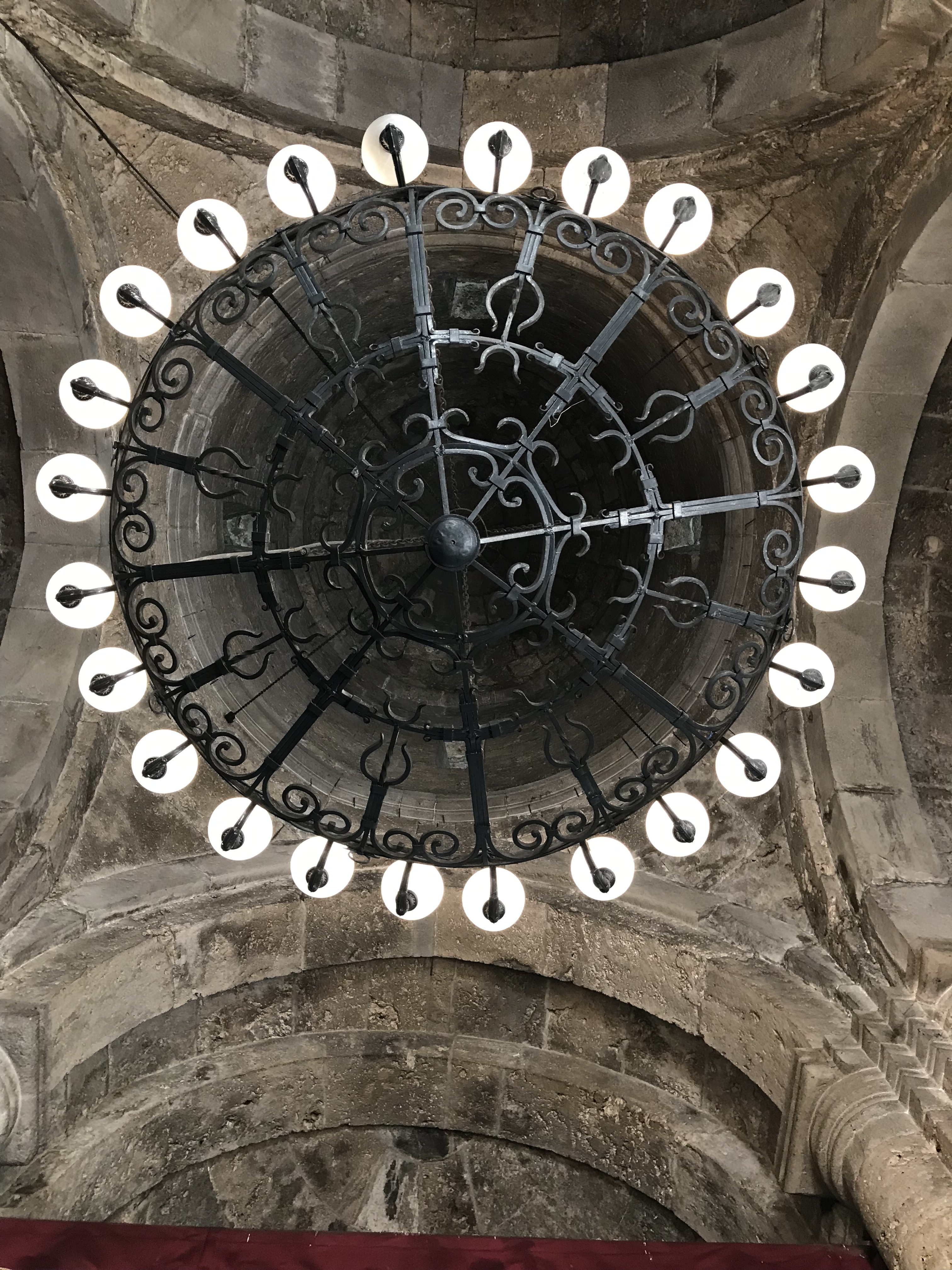
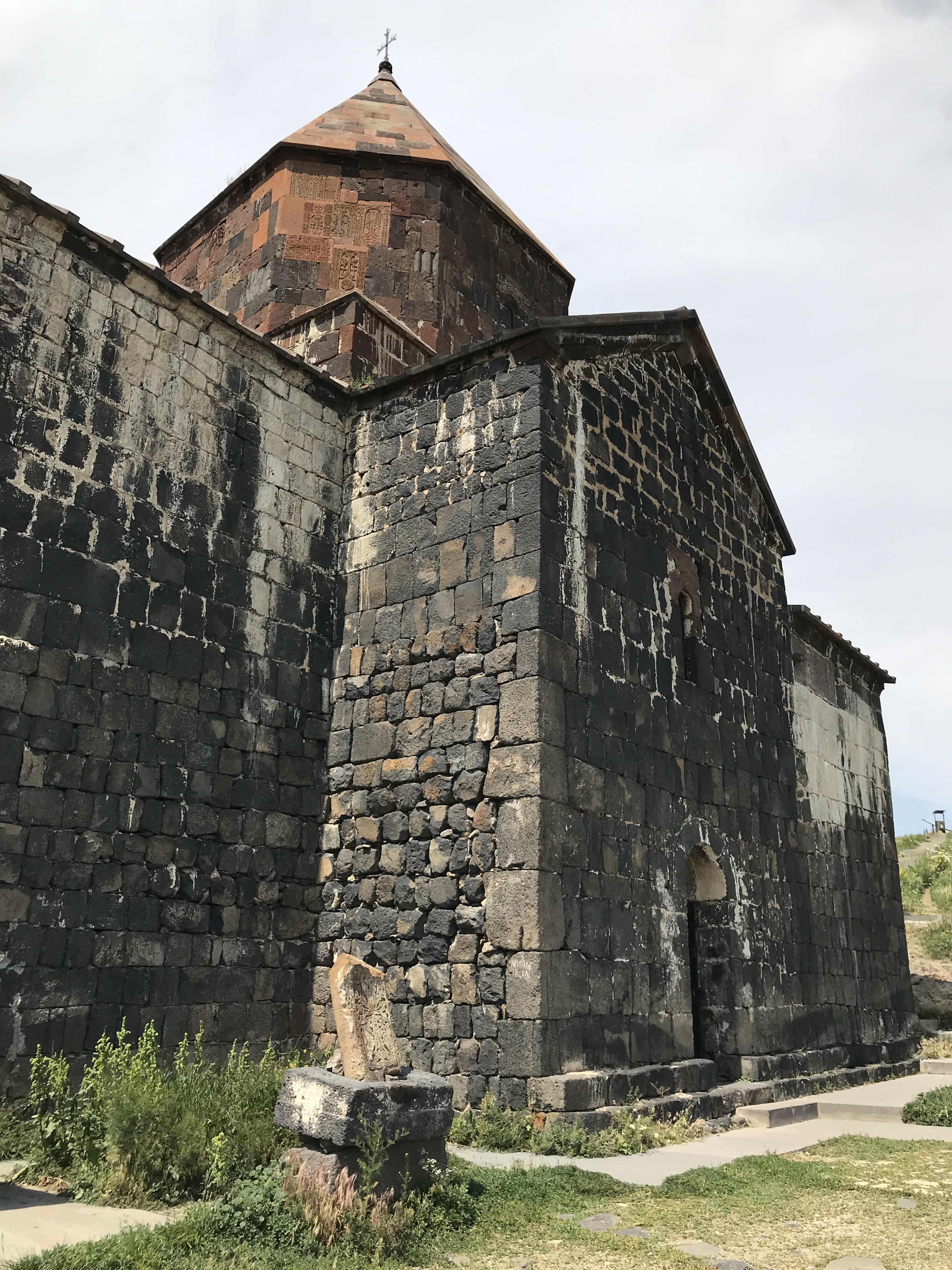
Along Lake Sevan, one of the largest fresh water lakes in the world, the Sevanarank Monastery was built in 874. It’s surprising to find these early examples of Christian architecture that never made it into the art history lectures. Our Eurocentric focus has neglected the early beginnings of ecumenical architecture.

I am now customizing my own studies of architectural history and history. By visiting the trans-Caucasus countries, I realize how little we have learned about these countries and the significant roles they played during the “Dark Ages” in feudal and medieval Europe. We could have been learning about what was developing in other parts of the world, especially where it was not “dark”.
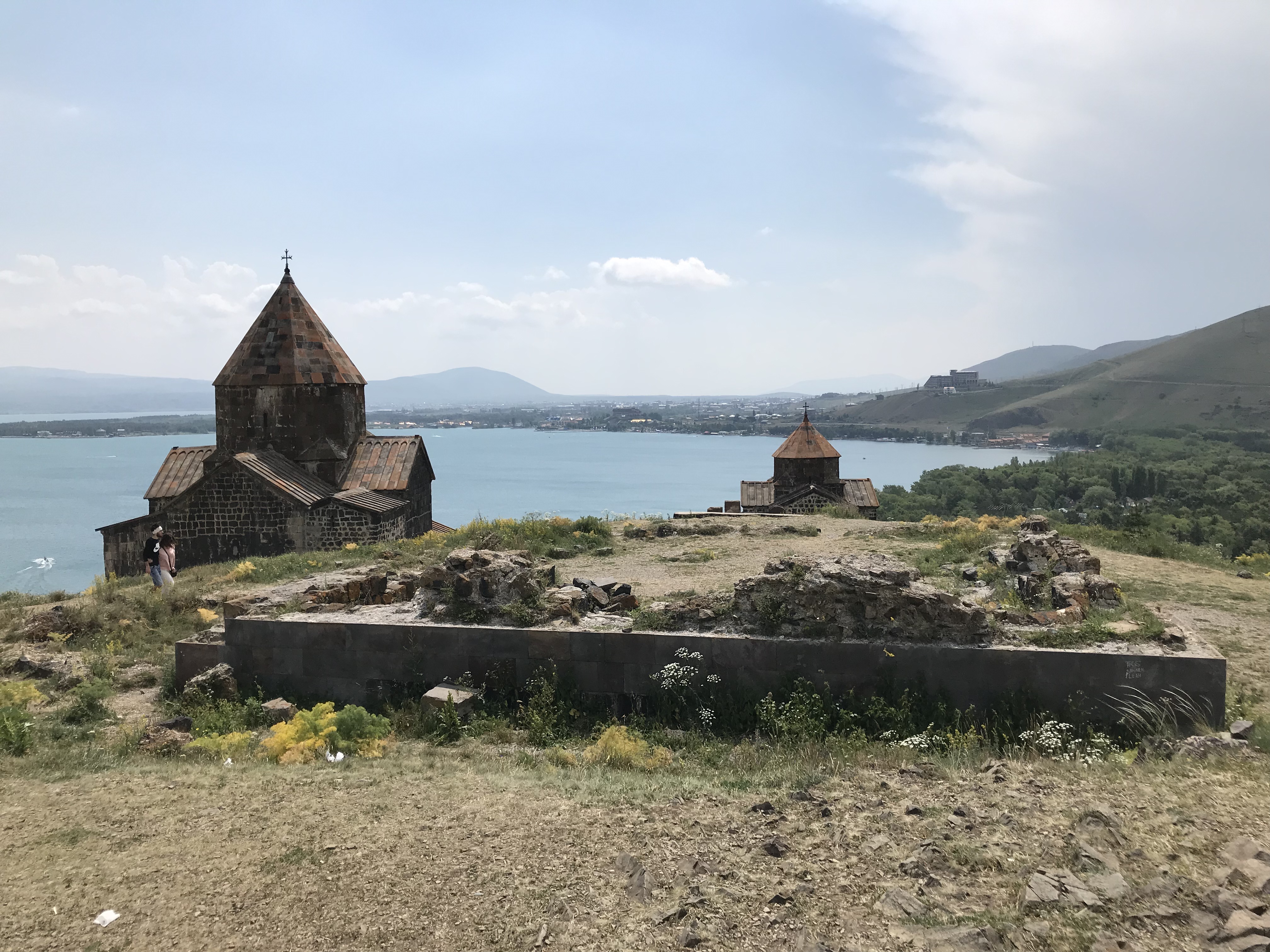
Want people?

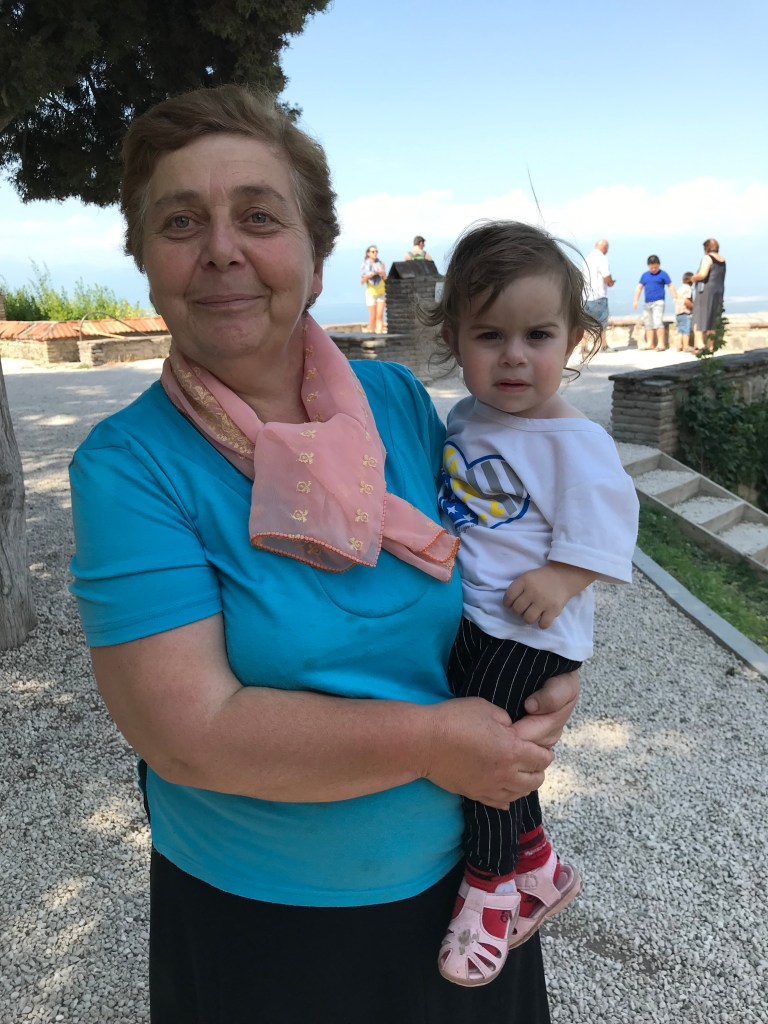
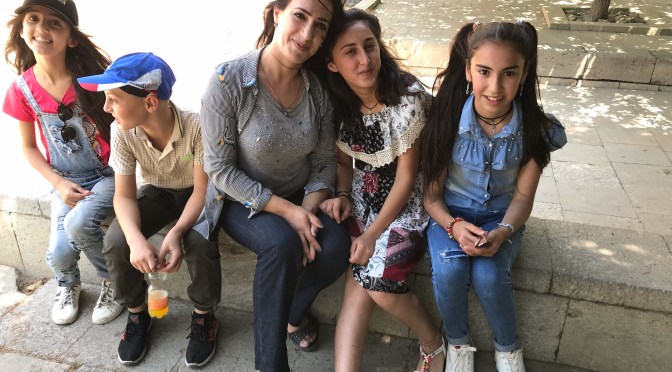
Followers have noted that my photos are strangely absent of people. I’m not sure whether it is a blessing or a curse, but I do tend to avoid inadvertent passers-by to preserve my architectural shots. It takes some patience but basically a stealth-bomber approach as soon as the coast is clear. That doesn’t mean that I don’t get distracted by interesting people who are the subject matter themselves. And don’t be misled. There are plenty of tourists wandering around everywhere, so I may in fact be distorting the scene. The good news: we have run into very few Americans along our route.

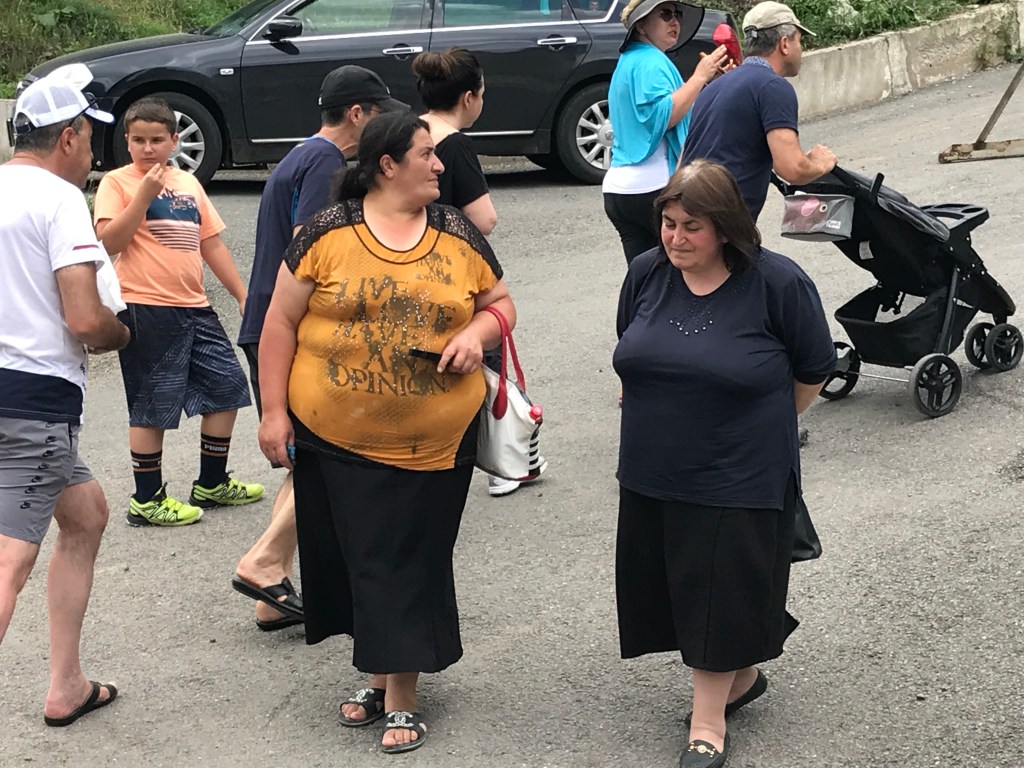
Groups of Tourists descend from the Cascade Monument, Yerevan, Armenia

Food for Thought

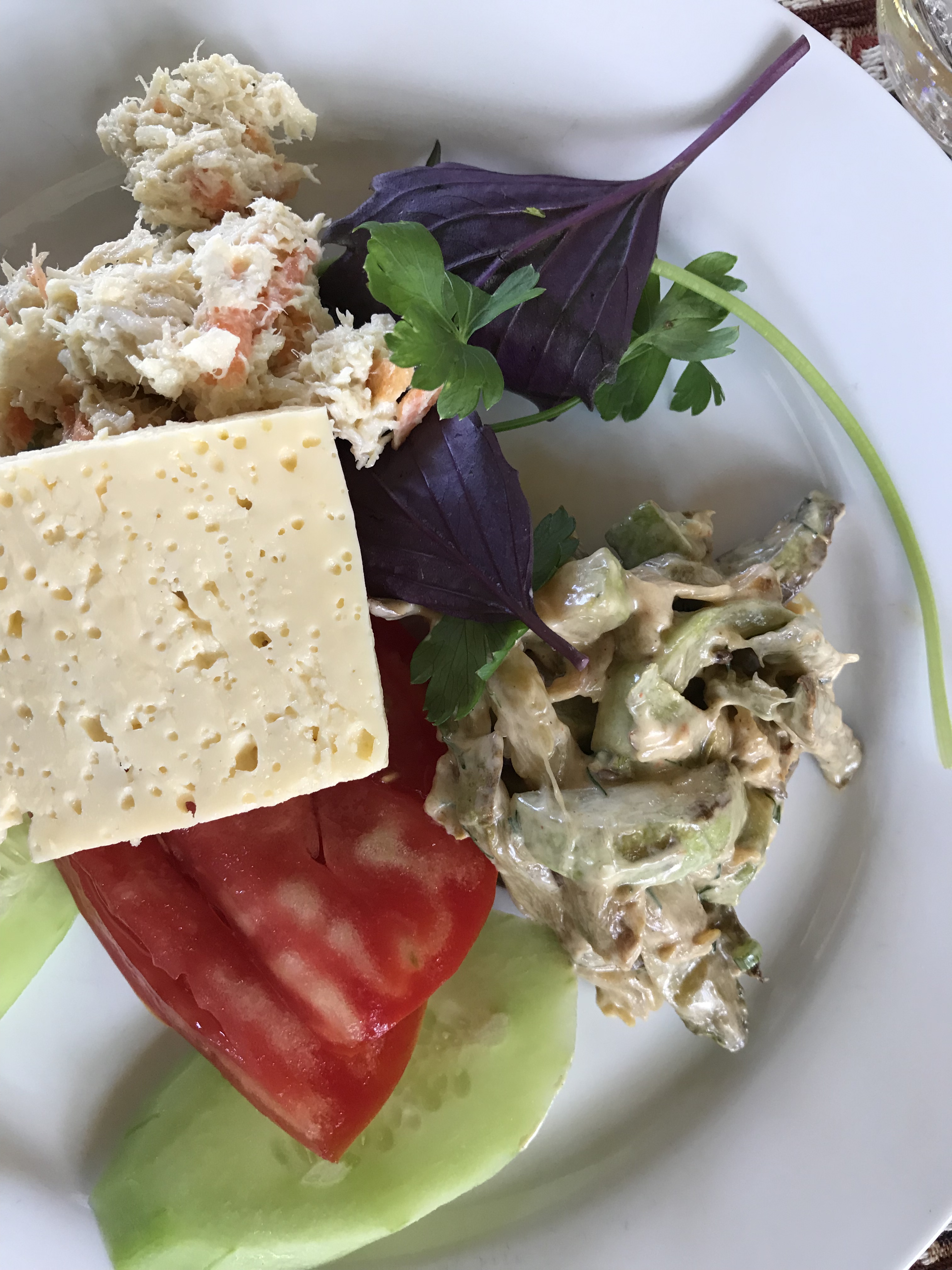
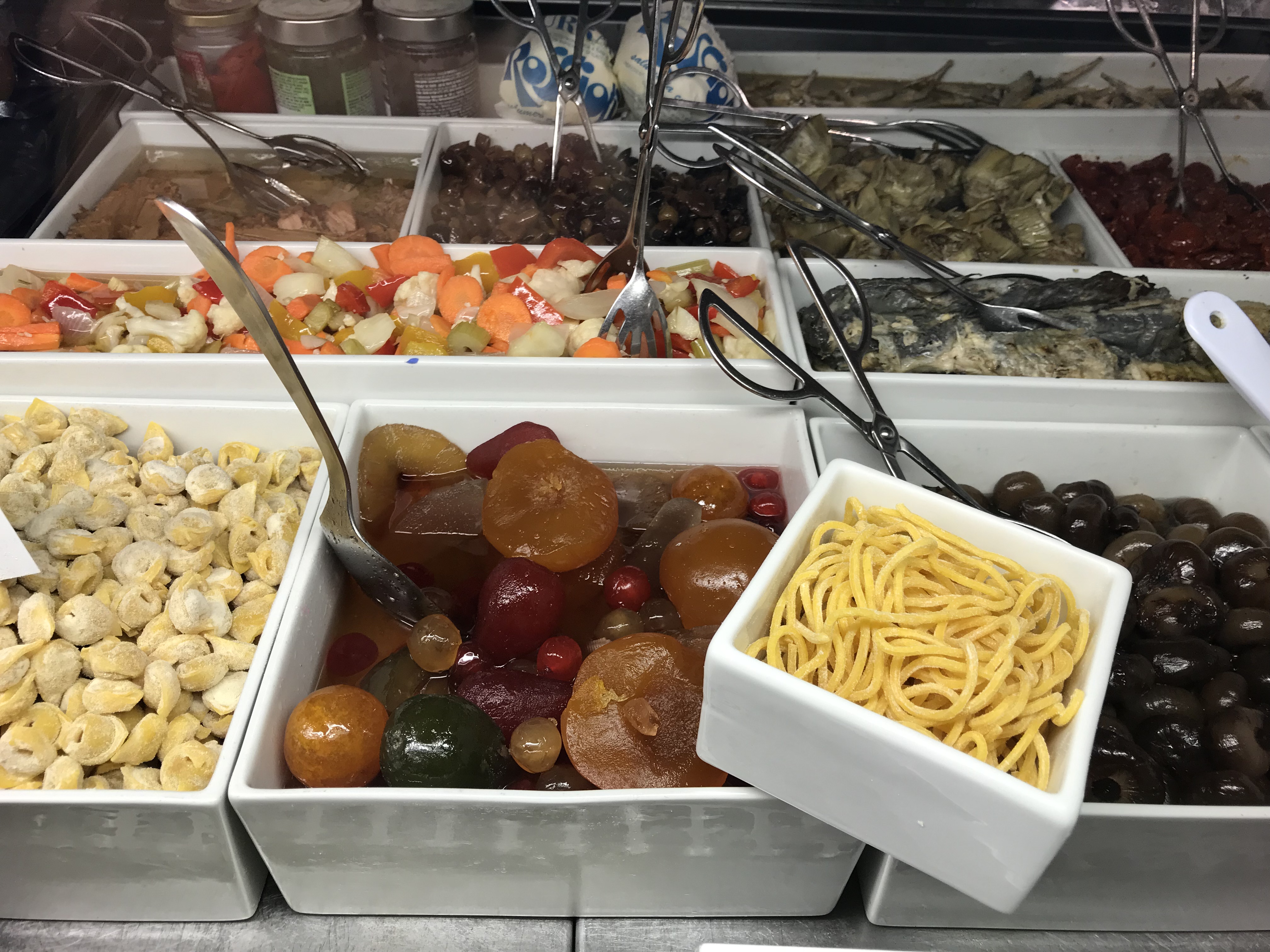
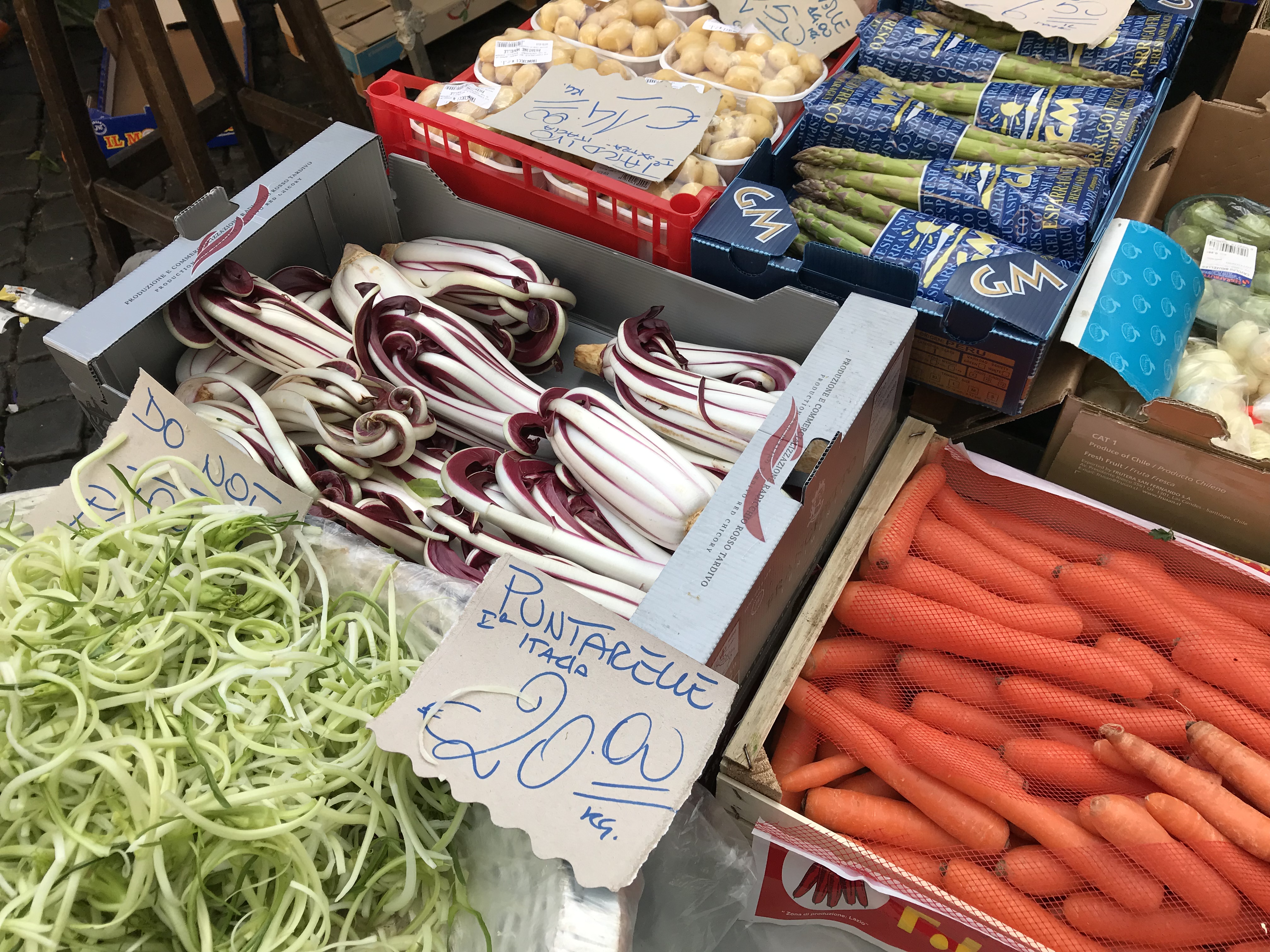
With a bit of effort, delicious healthy food such as vegetable plates with presentation flair are inexpensive and available.

Cafesjian Center for the Arts

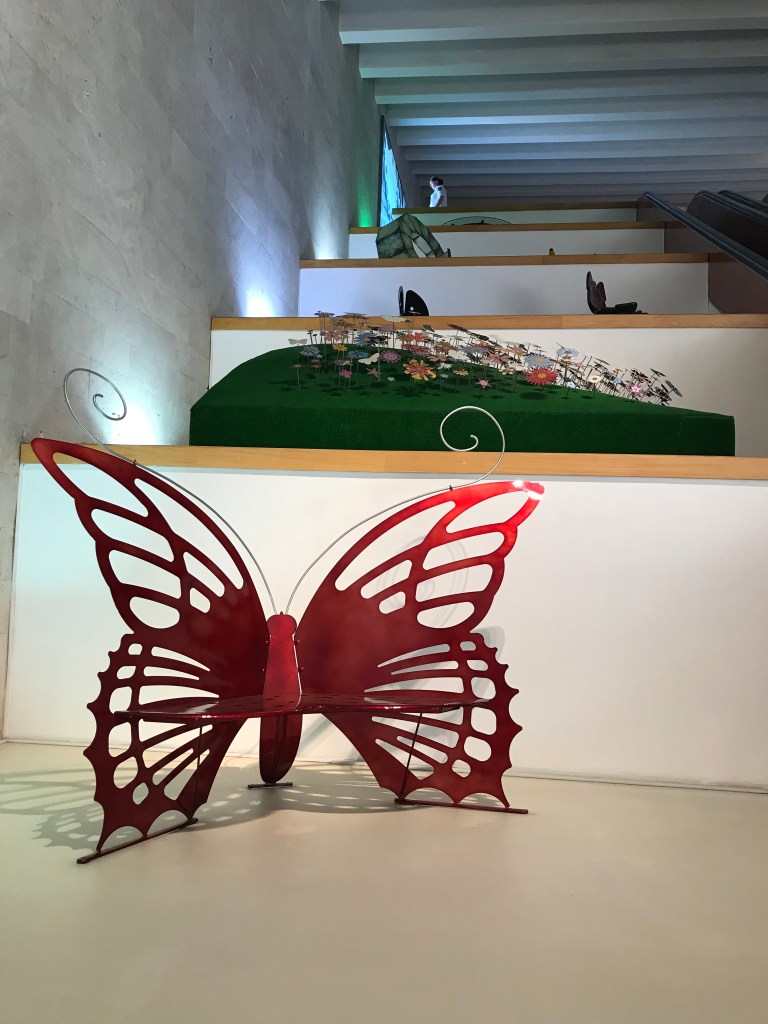
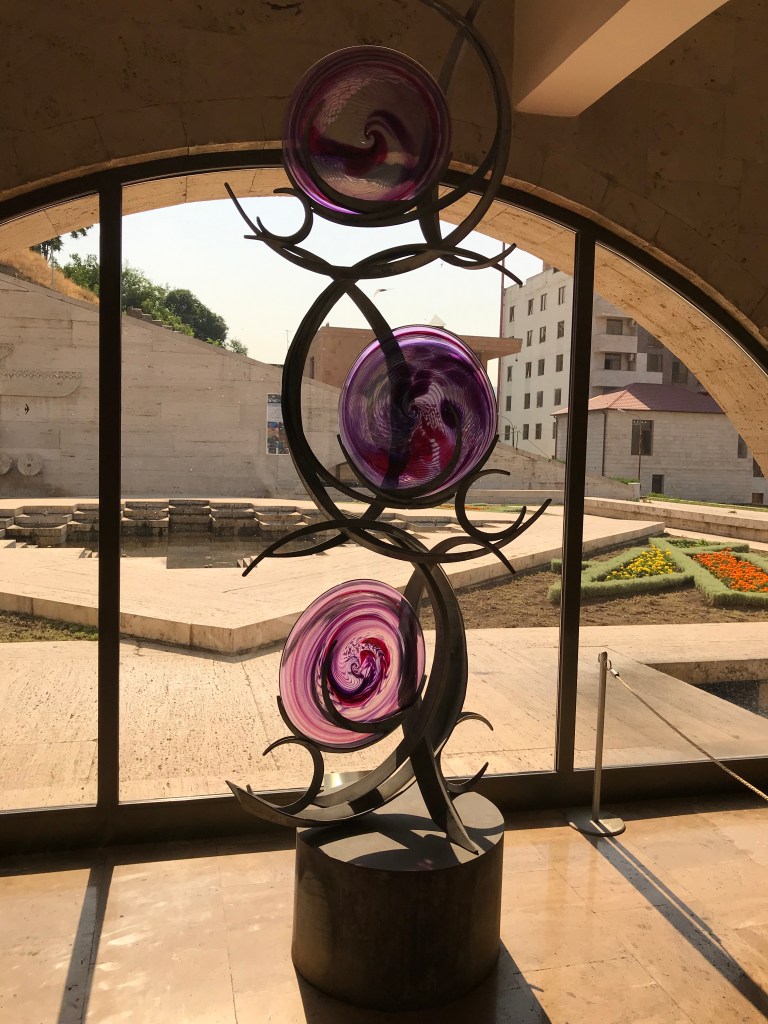
As part of the “Cascade”, an outdoor stairway system that ascends halfway up a steep hill in the middle of the city, an art museum is located adjacent to the escalator system serving the stairs. Sculpture is placed in layers as one moves along the escalators and views artwork at an enjoyable pace. The Cascade Monument was erected to commemorate the 2780th anniversary of the founding of Yerevan with an equal number of stairs.

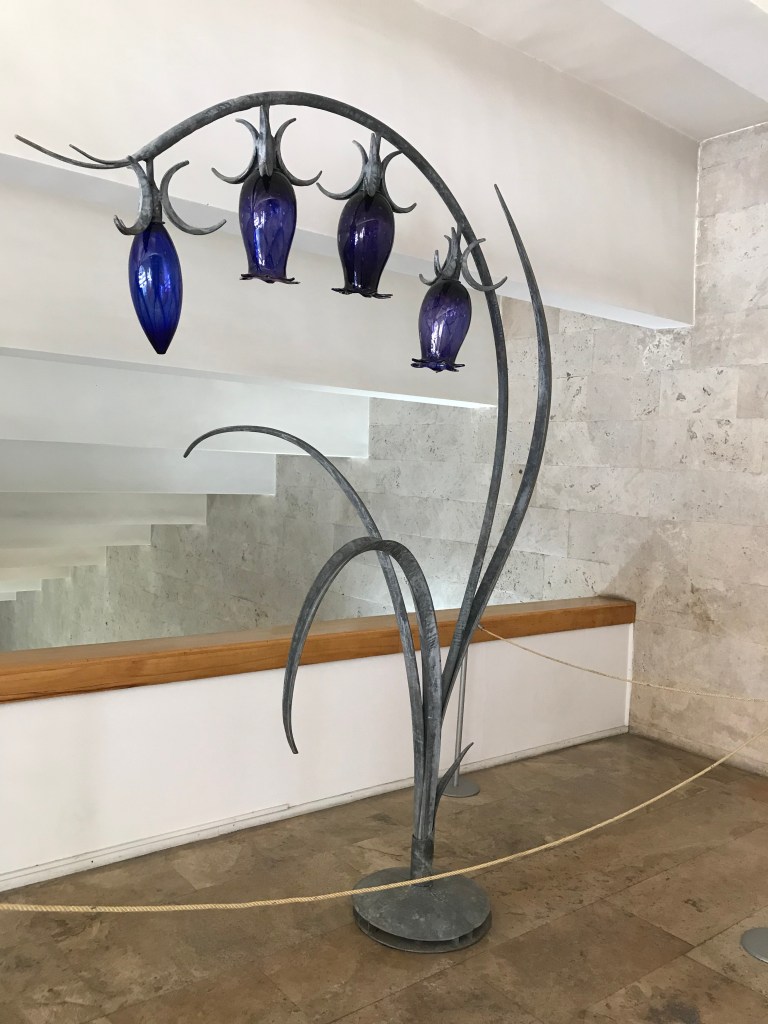
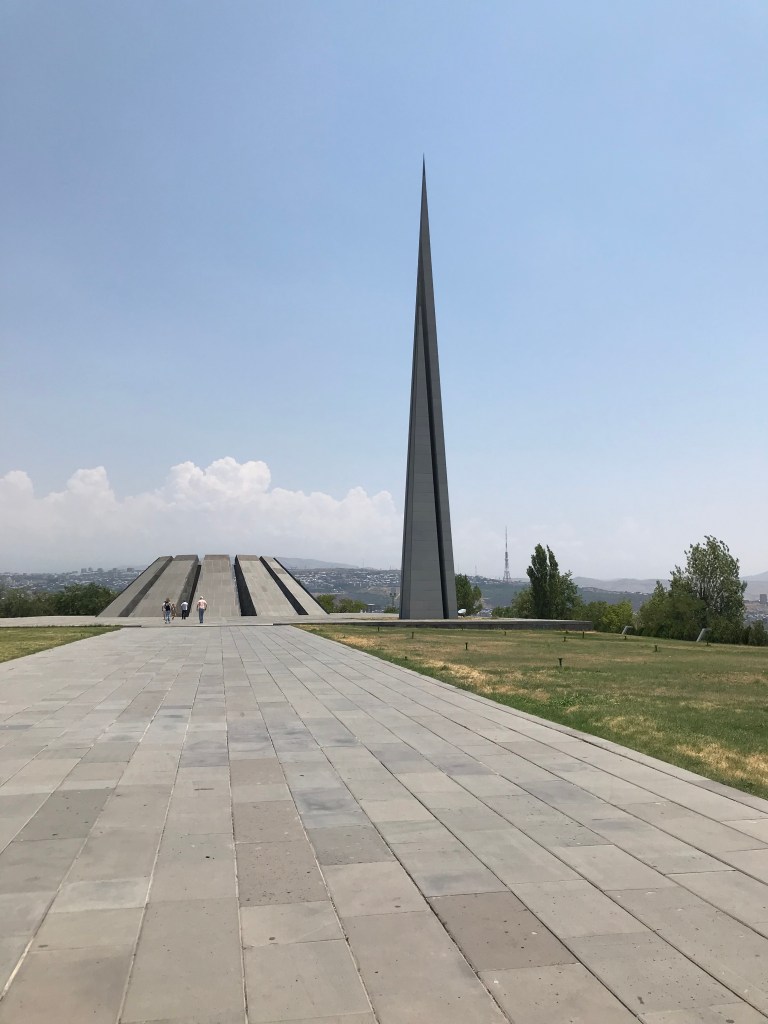
Genocide Museum, Yerevan, Armenia

No visit would be complete without learning about the Armenian Genocide in 1915-20. An estim 600,000 and 1.5 million people were systemmatically killed by Turks in three phases: first by forcing men into labor groups without means of survival; next, by decapitating intellectuals and leaders of Armenia; and third, by rounding up women and children and sending them into the desert. The Turkish government has yet to acknowledge its responsibility in causing so many deaths.

All Armenians (3 million) and the Armenian diaspora (approx. 8 million) know about this tragedy. Funds for public and private projects such as the Cafesjian Center are sponsored by Armenians living outside of Armenia to help support the country today.
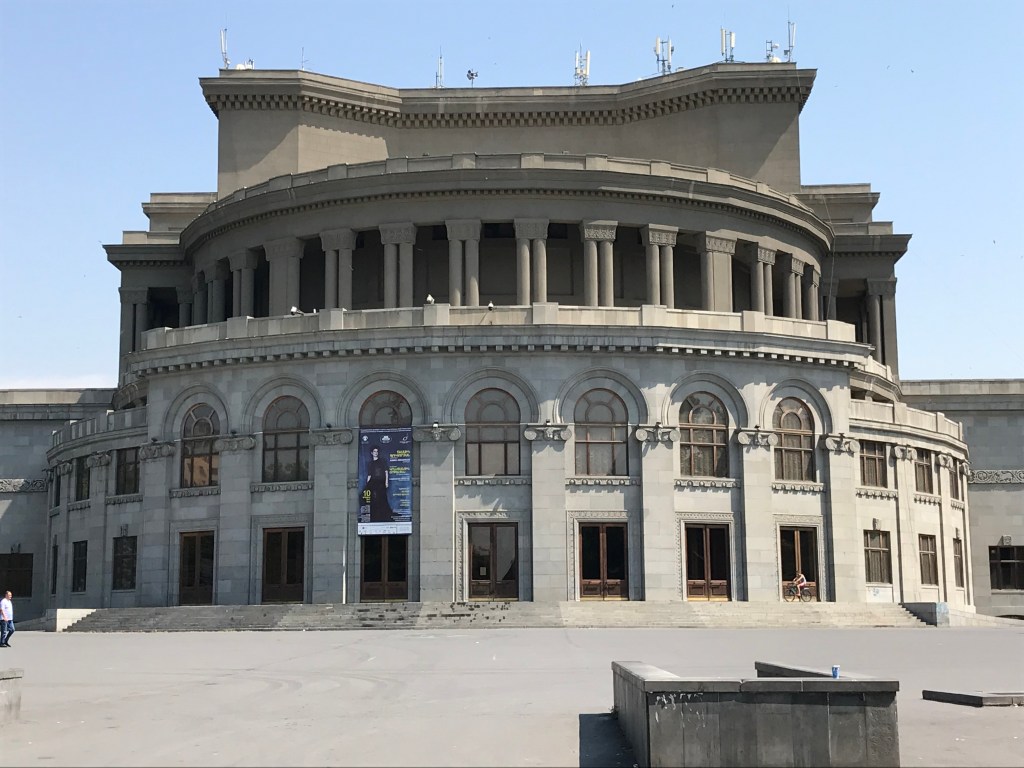
Armenia was the first countries to adopt Christianity as a state religion. Unless you majored in Religion or Theological Studies, you probably would not be familiar with the numerous stories fron the Old and New Testament quoted when visiting the early Armenian Christian churches. They helped to shed light on the activities of about 1100 years between the 3rd C CE and the 13th C. CE of devout Christian belief and that continues today.

Coincidentally, Gregory “the Illuminator” had a lot to do with the designating of sites or inspiring a number of them.

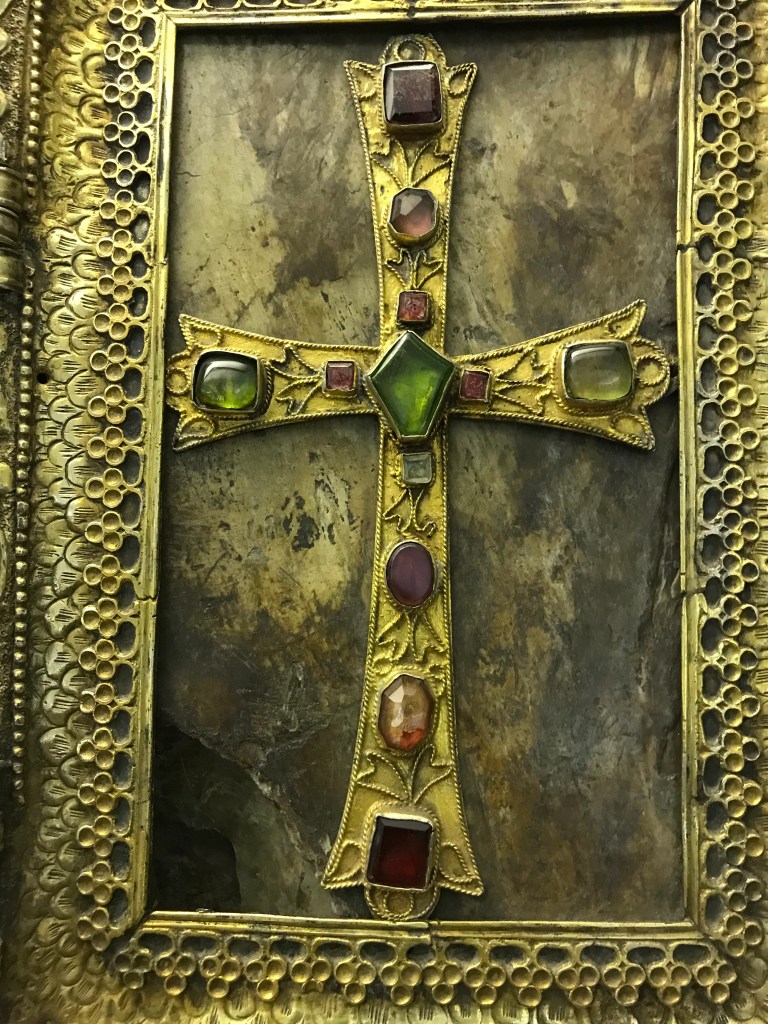
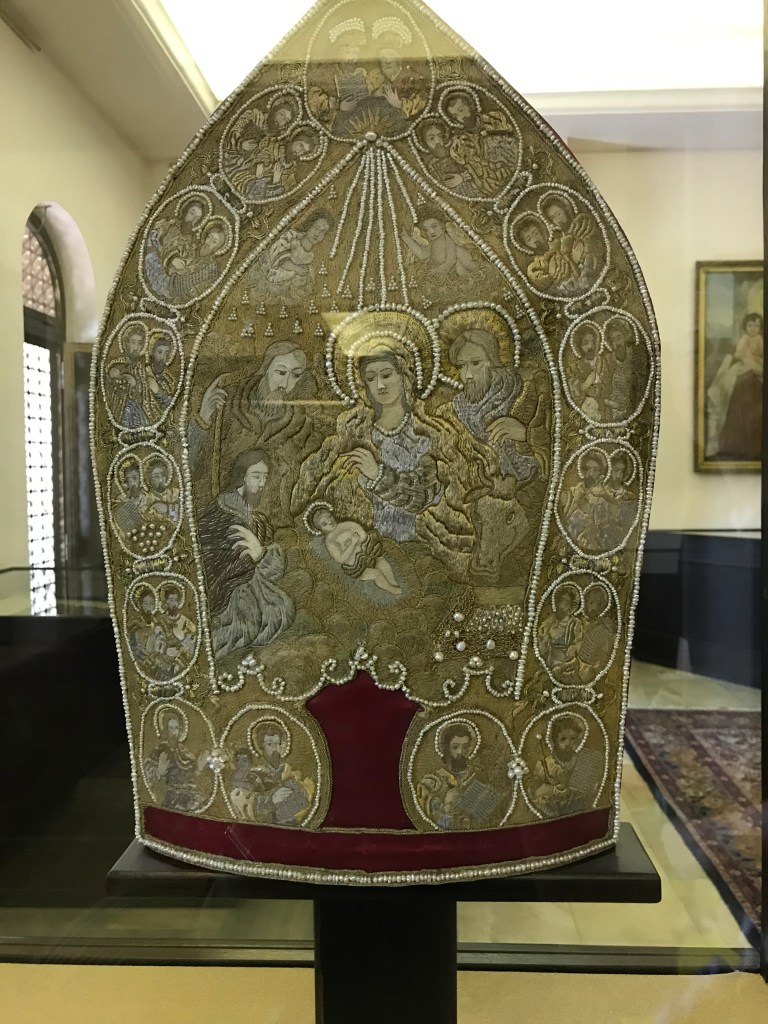
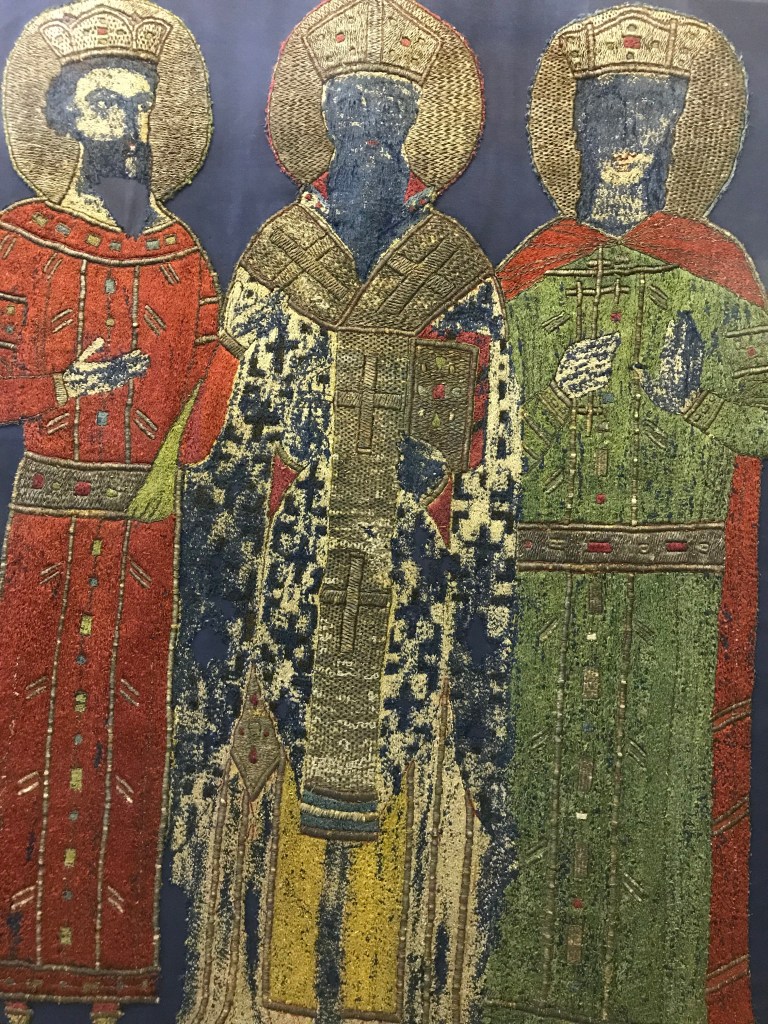
The Holy See of Armenia was the residence of the head of the Armenian Apostolic Church, a monastery, and cathedral. It contained a museum in which the hierarchical aspects of the Catholica, archbishop and bishop, such as vestments, decorative items and tapestries were preserved. One of the most interesting was a reliquary covered by a piece of petrified wood purported to be from Noah’s ark.
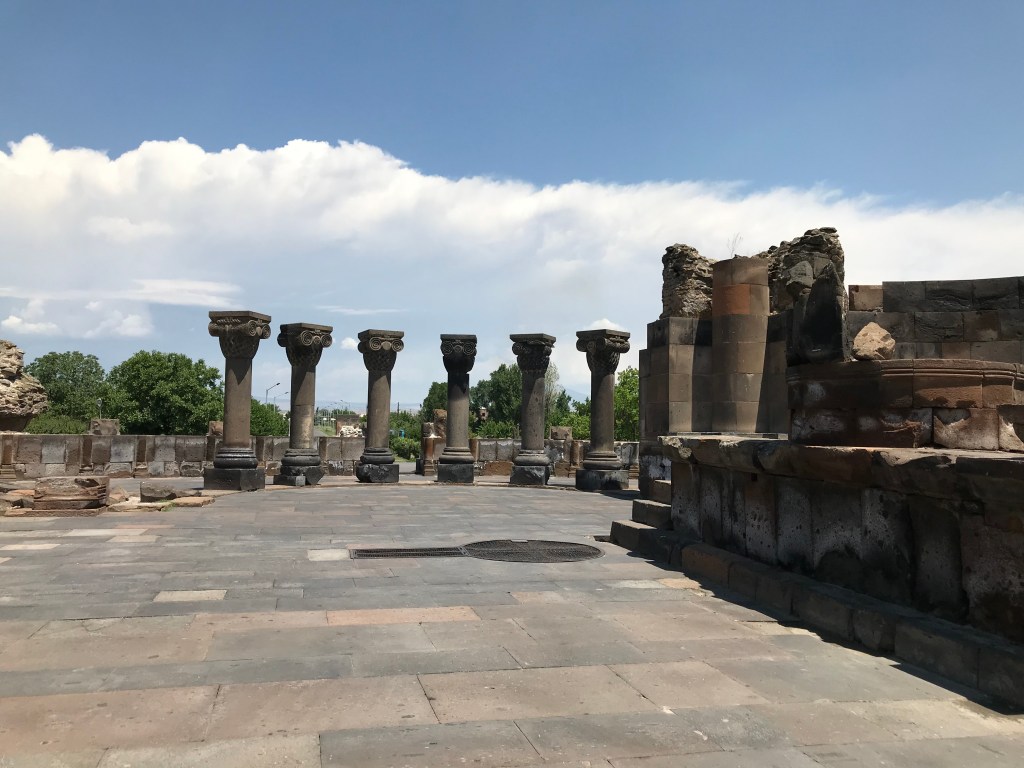
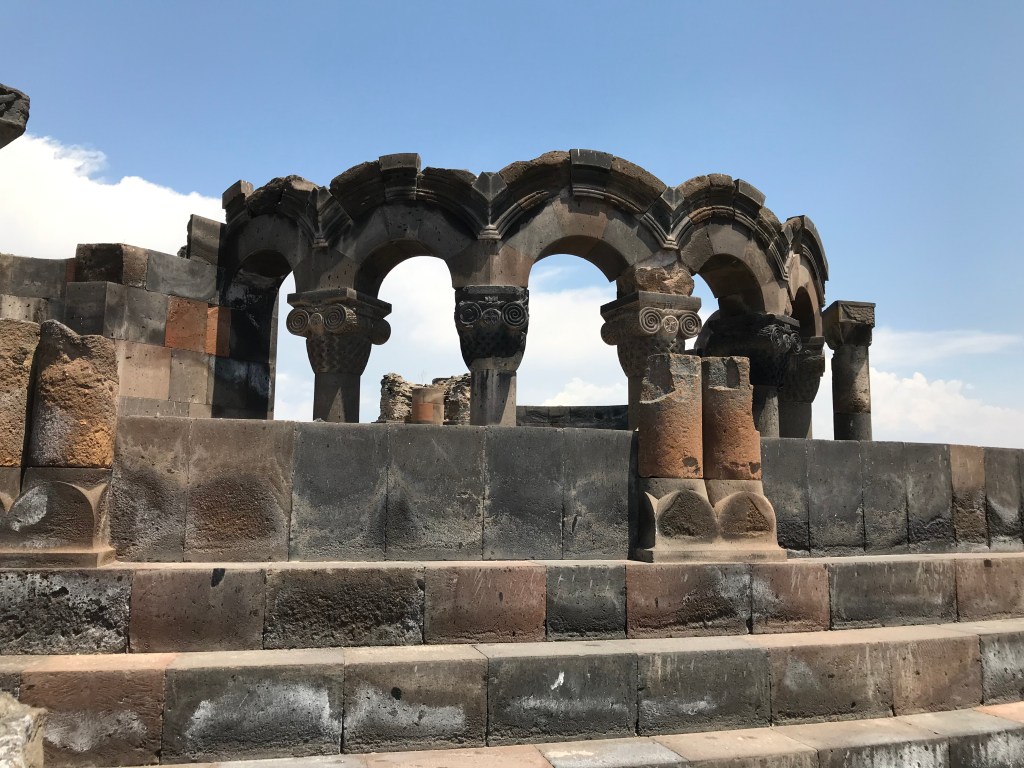
Zvartnots Cathedral

What appeared from a distance to look like a version of Stonehenge, the ruins of this round cathedral served as the holy see, until an earthquake collapsed the stone dome above it. Only the arches and columns remain, as well as remains of the dormitories for monks and communal spaces.
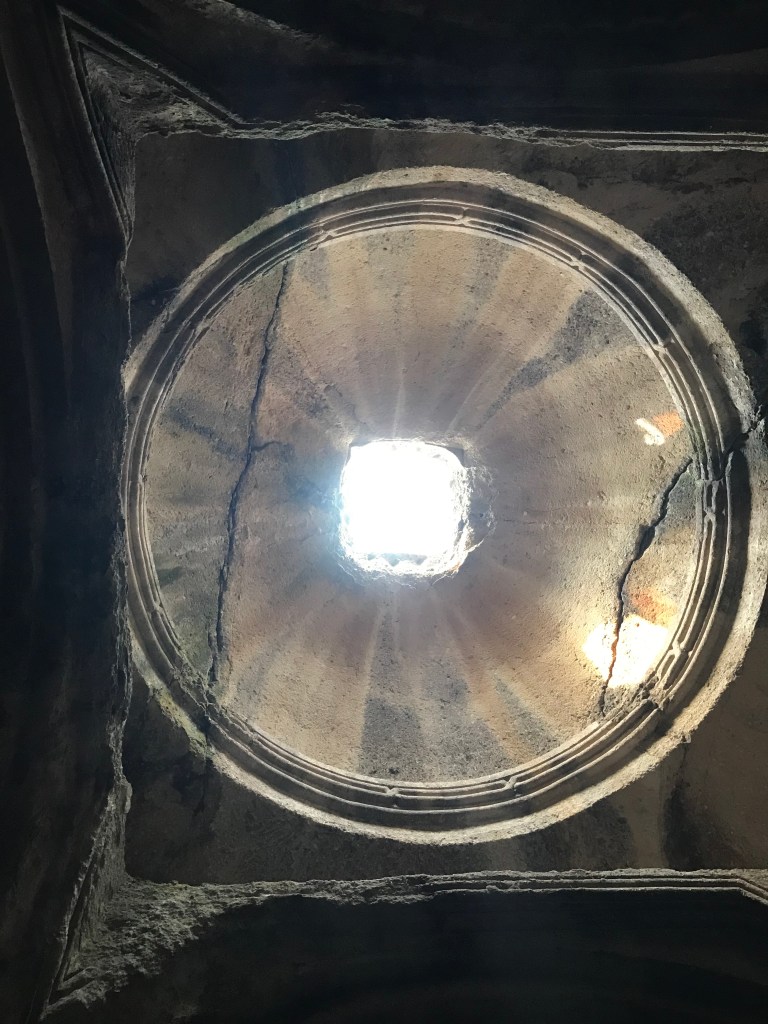
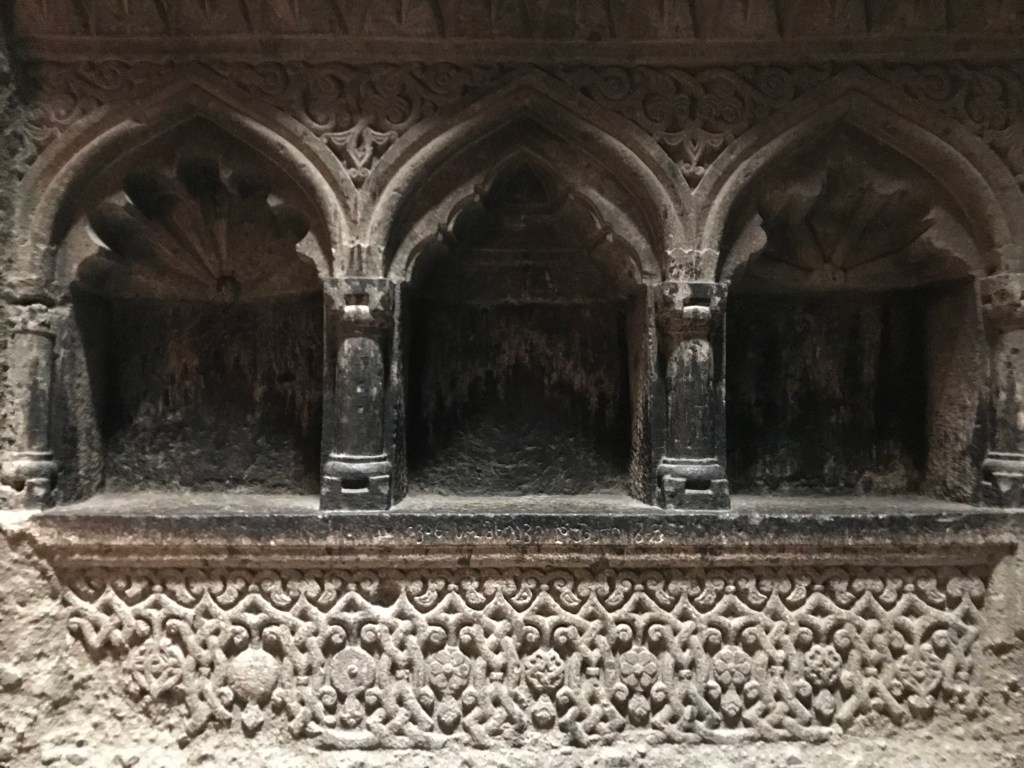
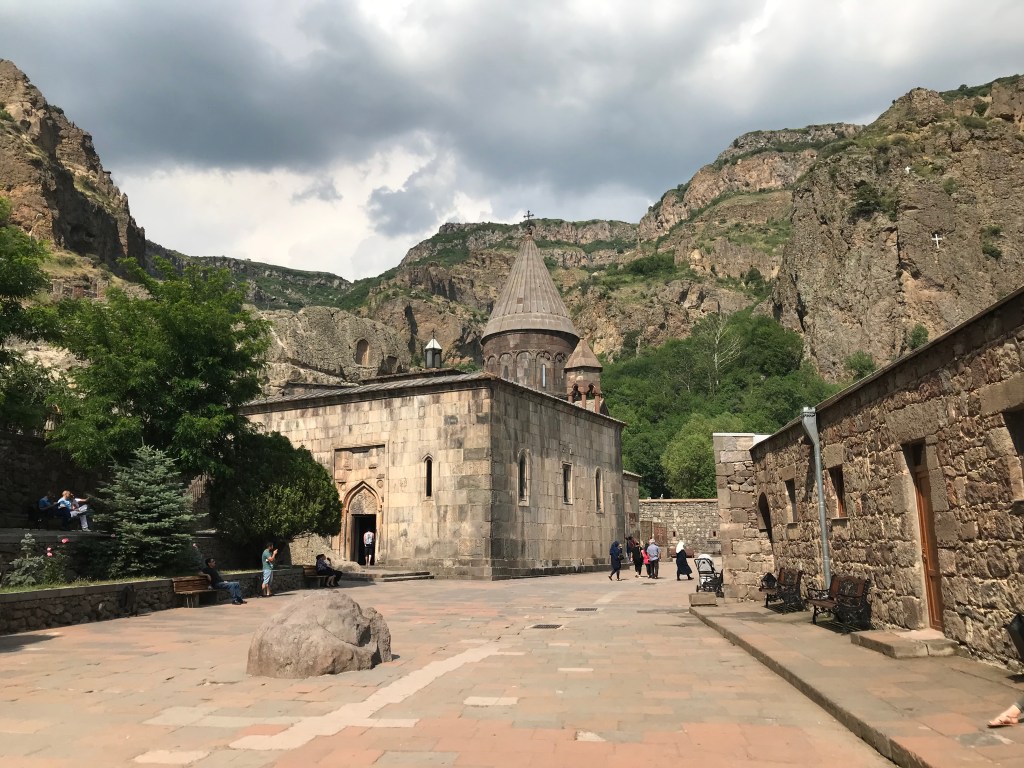
Geghard Monastery

This UNESCO listed monastery and church complex was started in the 3rd C CE and was partly carved into the mountain. Many small caves behind the monastery were used by the monks for individual meditation.
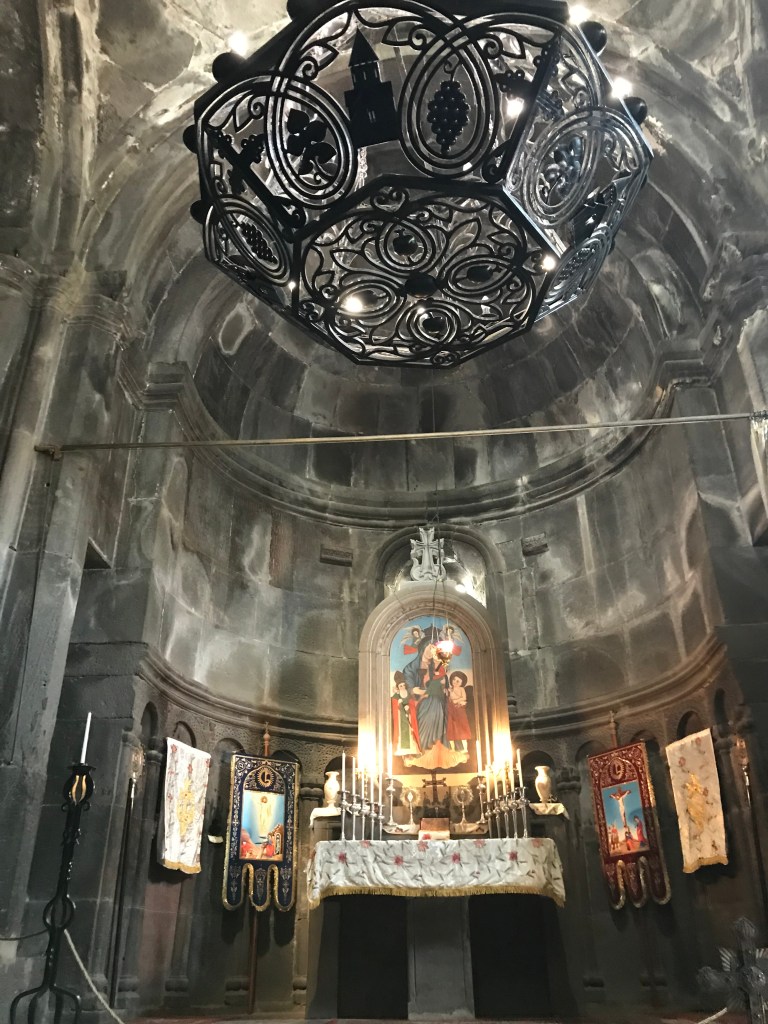
We’re very sad to leave this part of the world behind. The wealth of UNESCO world sites speak for its significance in the development of mankind and societies. Politics reign above all and challenge our knowledge of these misunderstood countries. While we were only able to digest a few statistics and a small portion of its legacy, we are inspired to pursue further studies about the Caucasus.

Day 23-25: Georgia on My Mind

Sandwiched between Turkey, Armenia, Azerbaijan, and the Russian Federation lies the country of Georgia. We nearly crossed the entire country in a day trip east to west, stopping in a couple of significant Georgian Orthodox churches and towns along the way.

Gelati Academy

Built by King David the Builder in the 12th Century, this UNESCO protected pilgrimage site served as a scientific and spiritual life in Georgia. The church has been rebuilt with private funds after the earthquake.

Mtskheta Cathedral

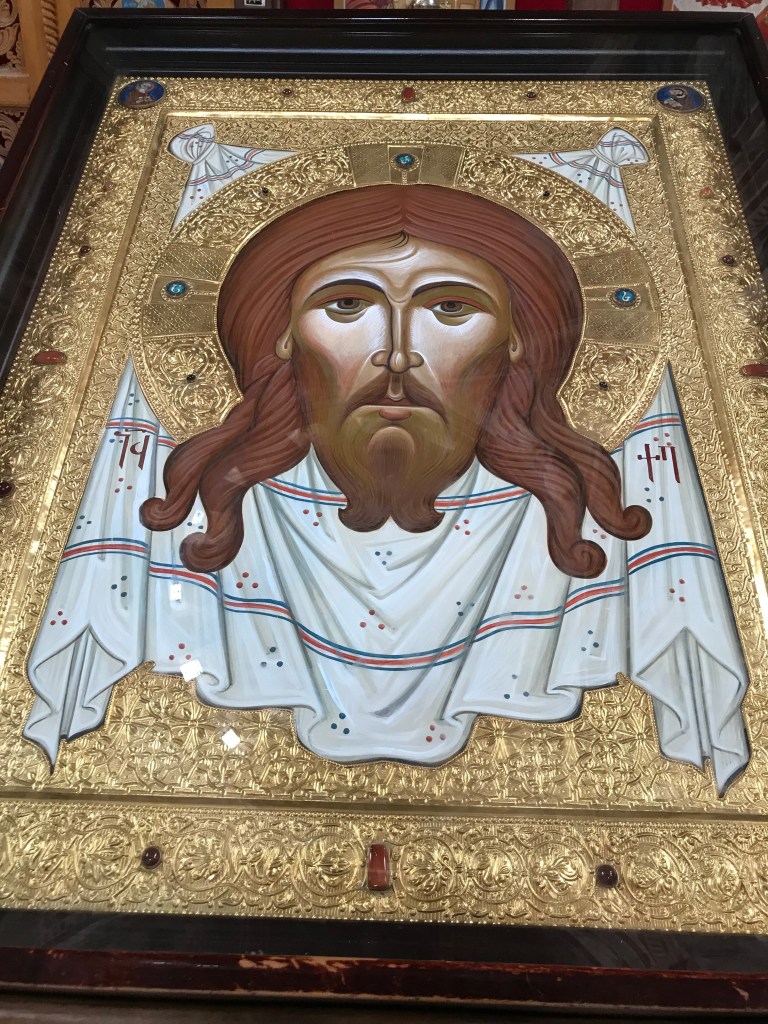
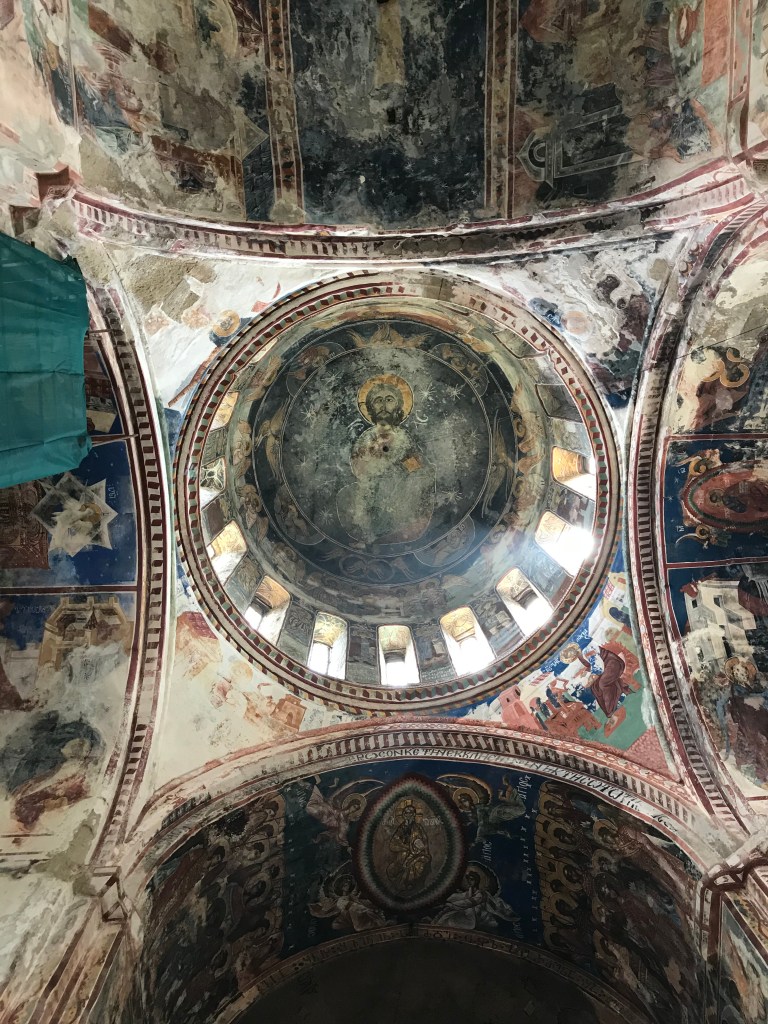
The robe of Christ is purported to be buried here, after a Jewish monk purchased the garment and brought it to Georgia. Many pilgrims come here to worship and consider this 12th Century Cathedral a sacred place. The impressive Byzantine frescoes told the story of Jesus and his disciples on the walls of the main apse. The Mtskheta religious buildings are designated a UNESCO world heritage site.

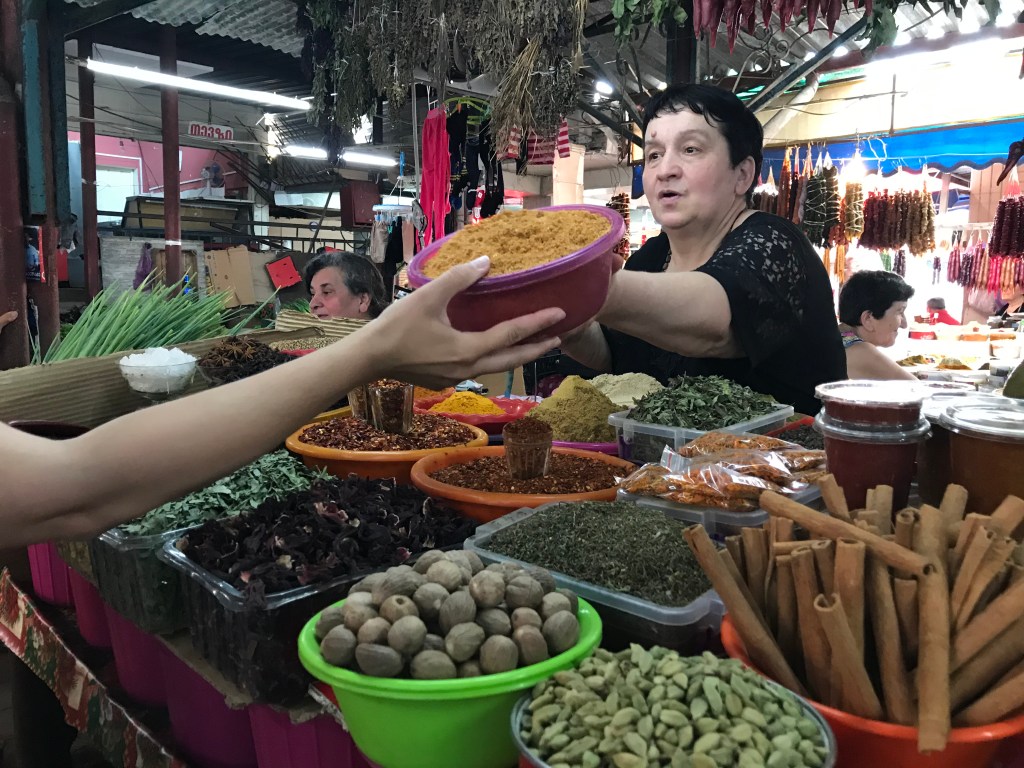
Kudaishi Market

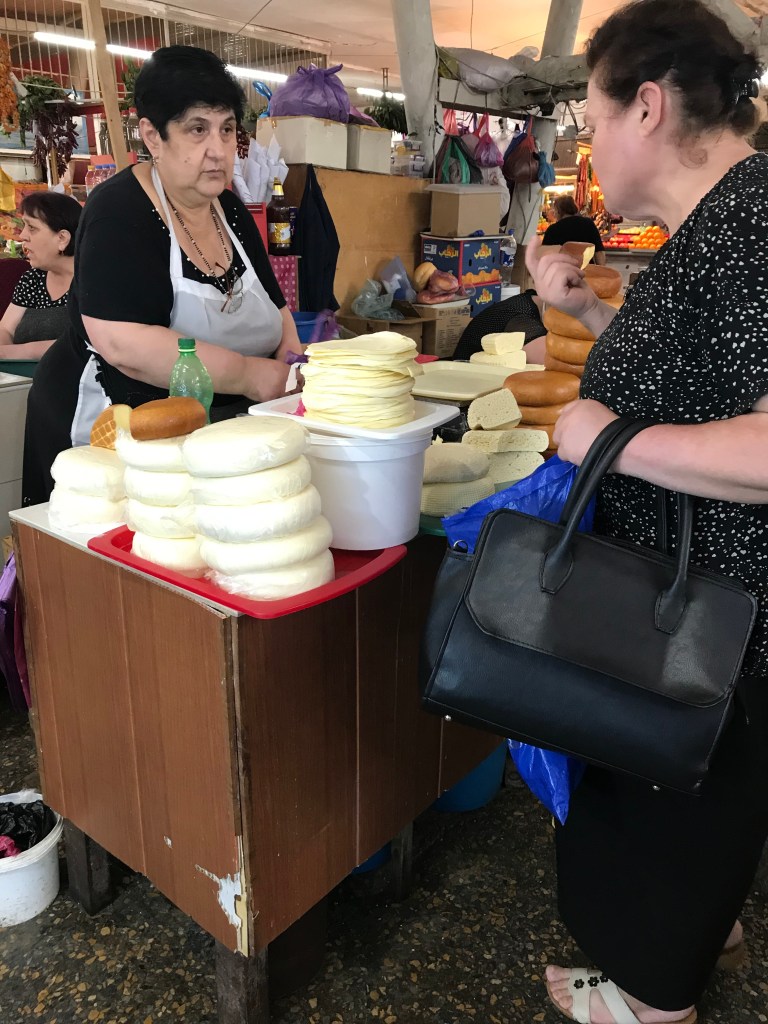
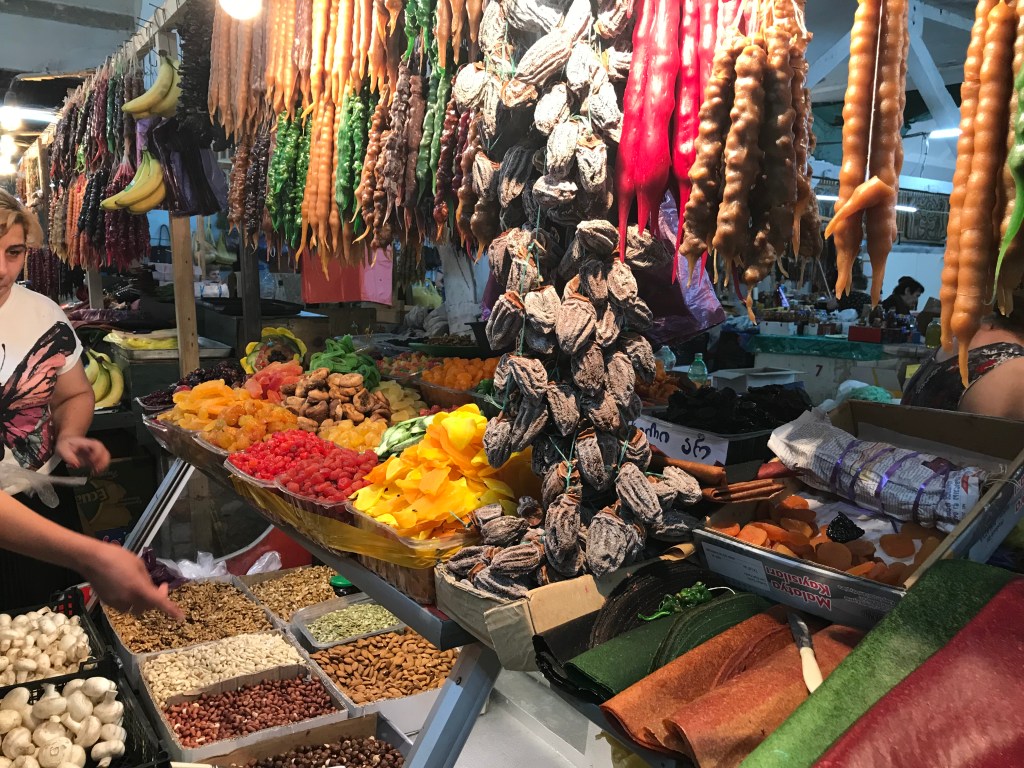
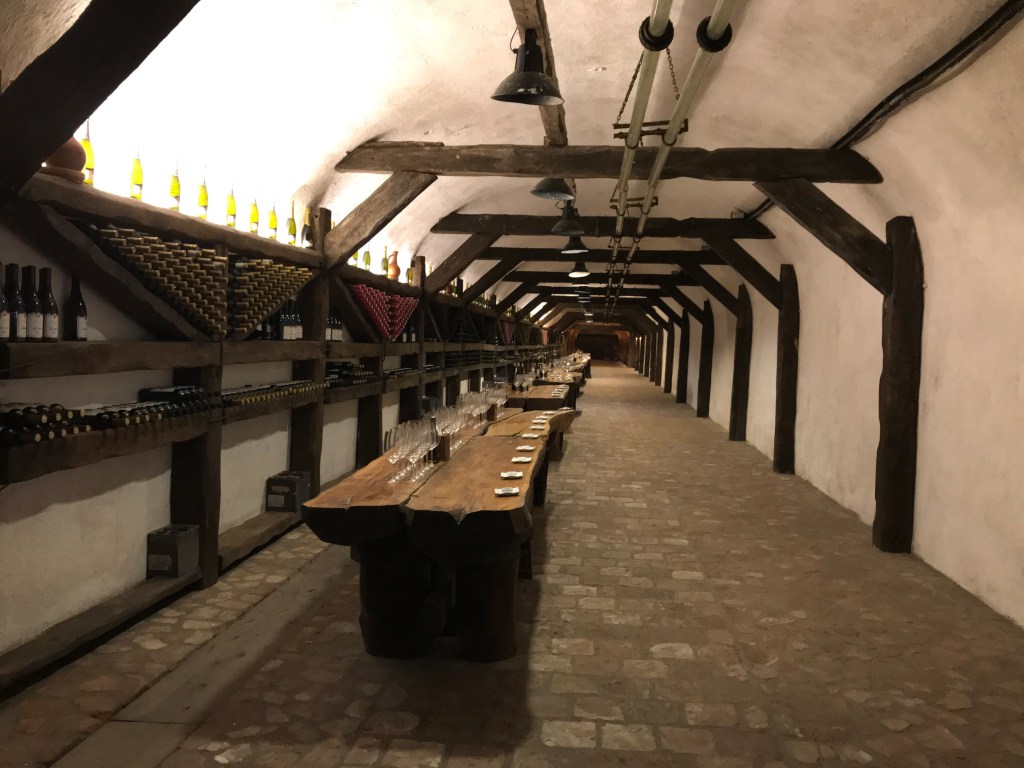
Sandwiched between a visit to the local food market, we were able to stop along the highway to try Georgian homemade bread and cheese. Earlier, we tasted wine in the famous Georgian wine at Khareba Winery in the massive valley that bisects the country.

Soviet era mural outside the market

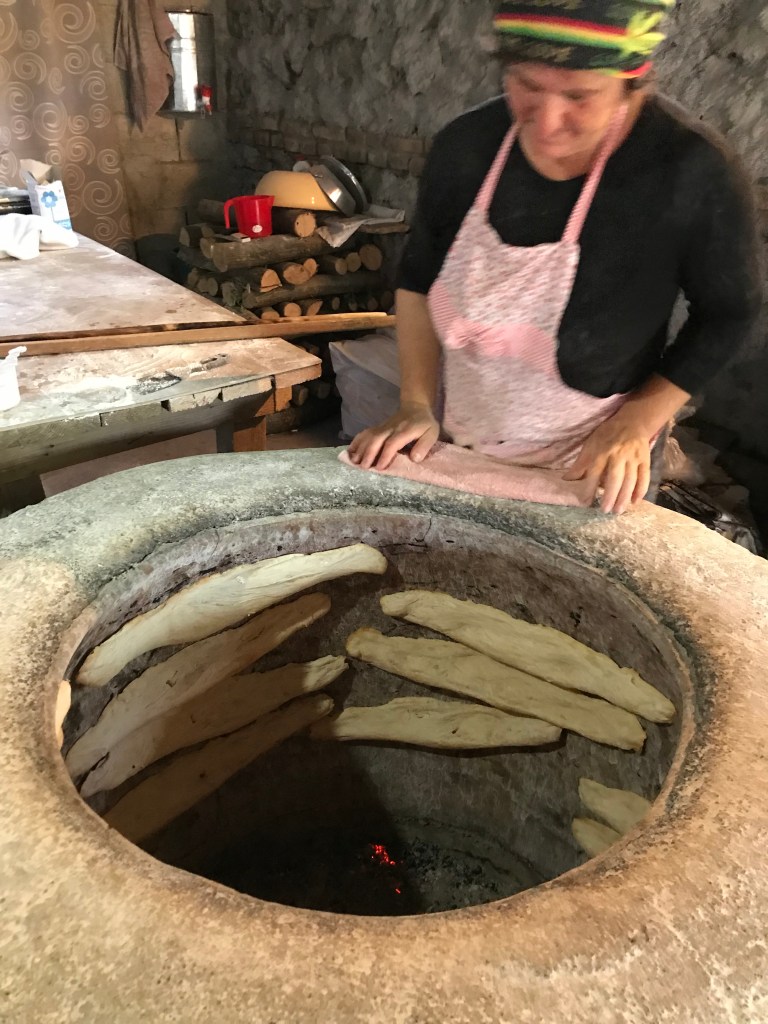
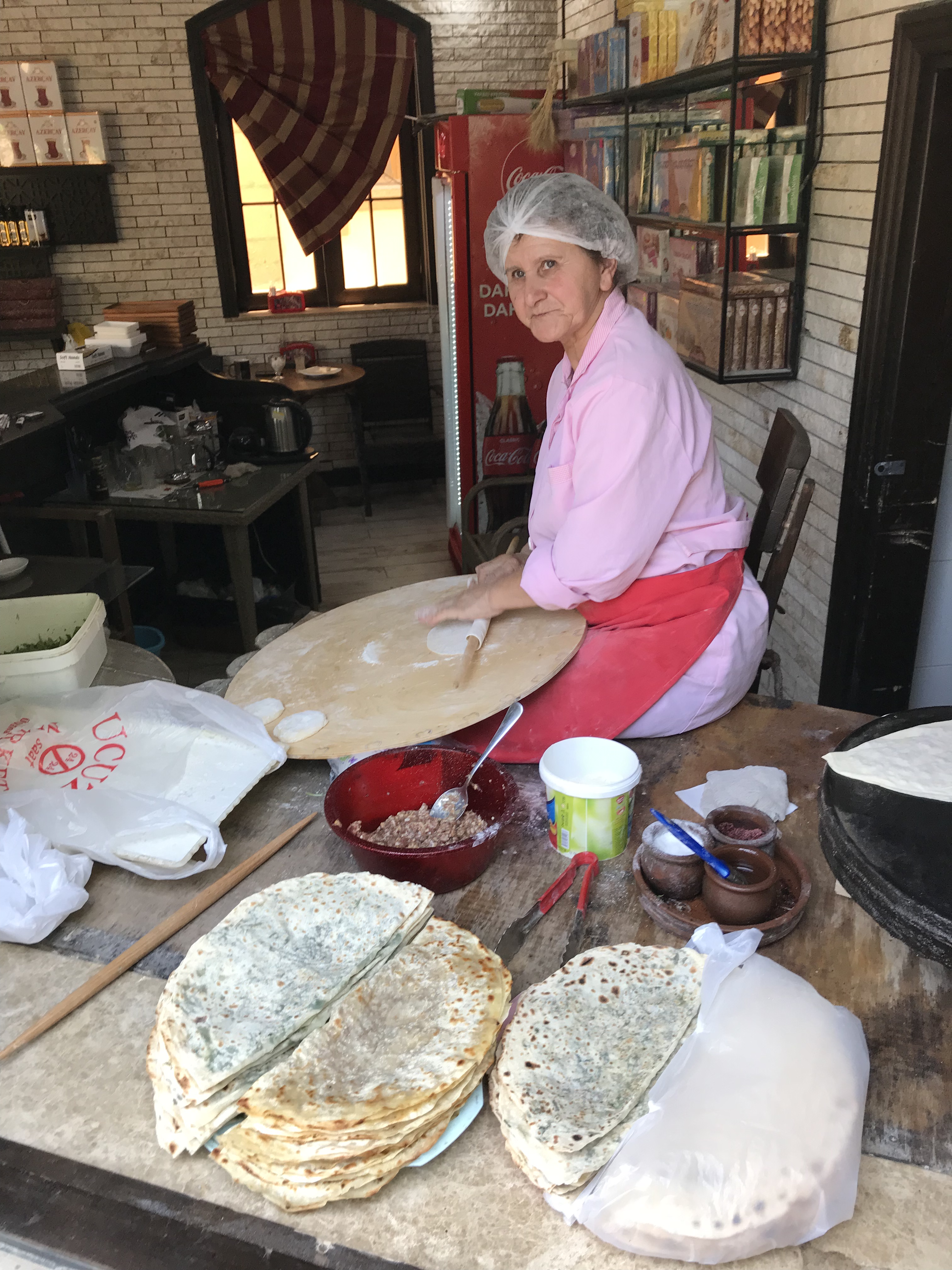
Our car slammed its brakes to stop in time for bread and cheese being sold along the highway. Bread stuck on the sides of concrete ovens took about 15 minutes to cook. Wheels of fresh sheep’s cheese were wrapped in plastic bags ready for purchase. Our second roadside stop was another version brushed with honey and egg before it was covered with an old coat and blanket and cooked.

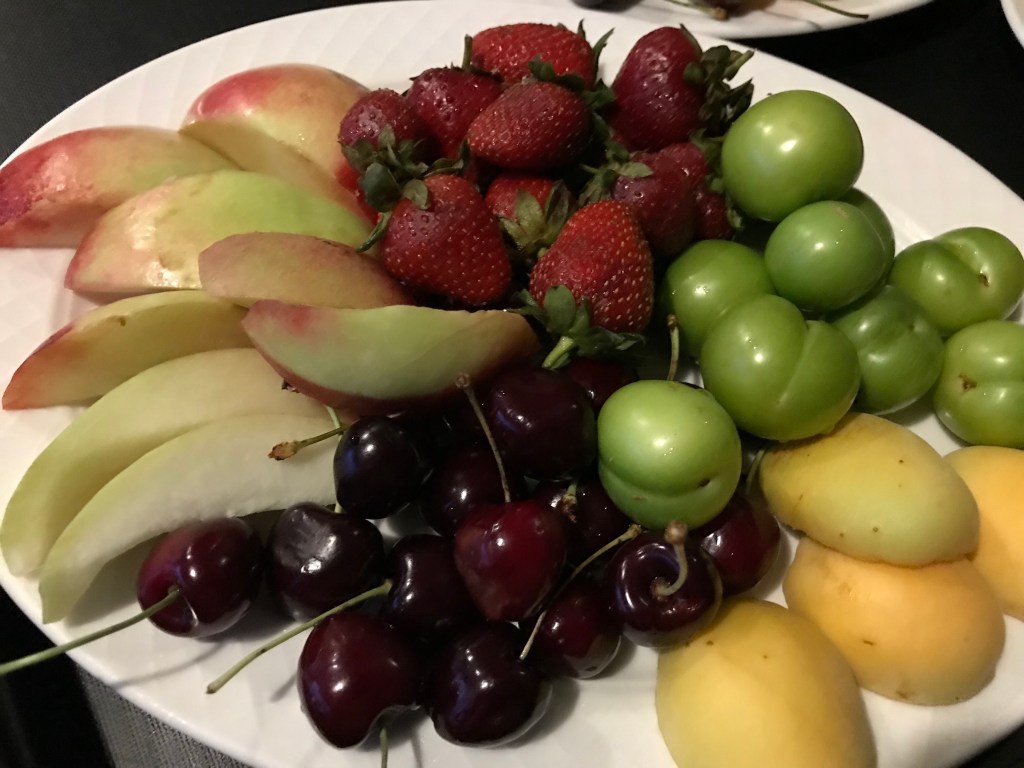
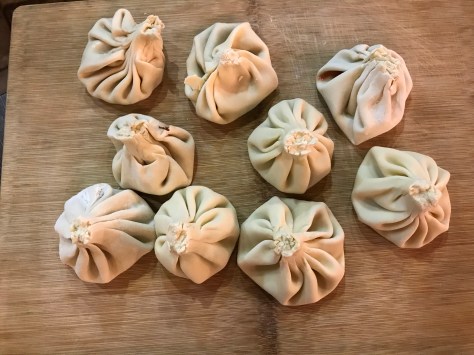
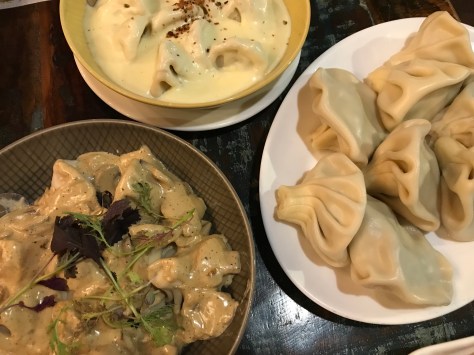
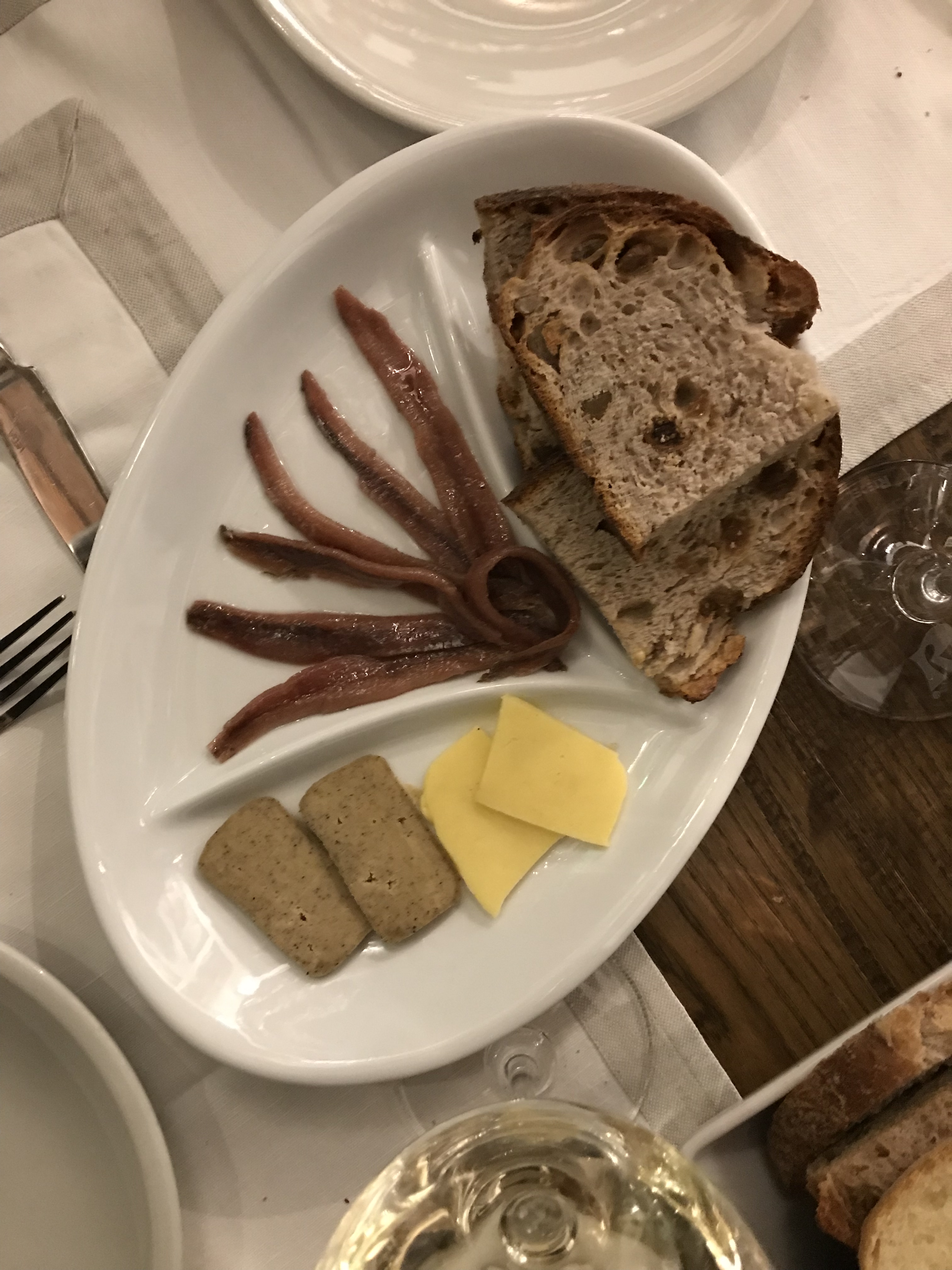
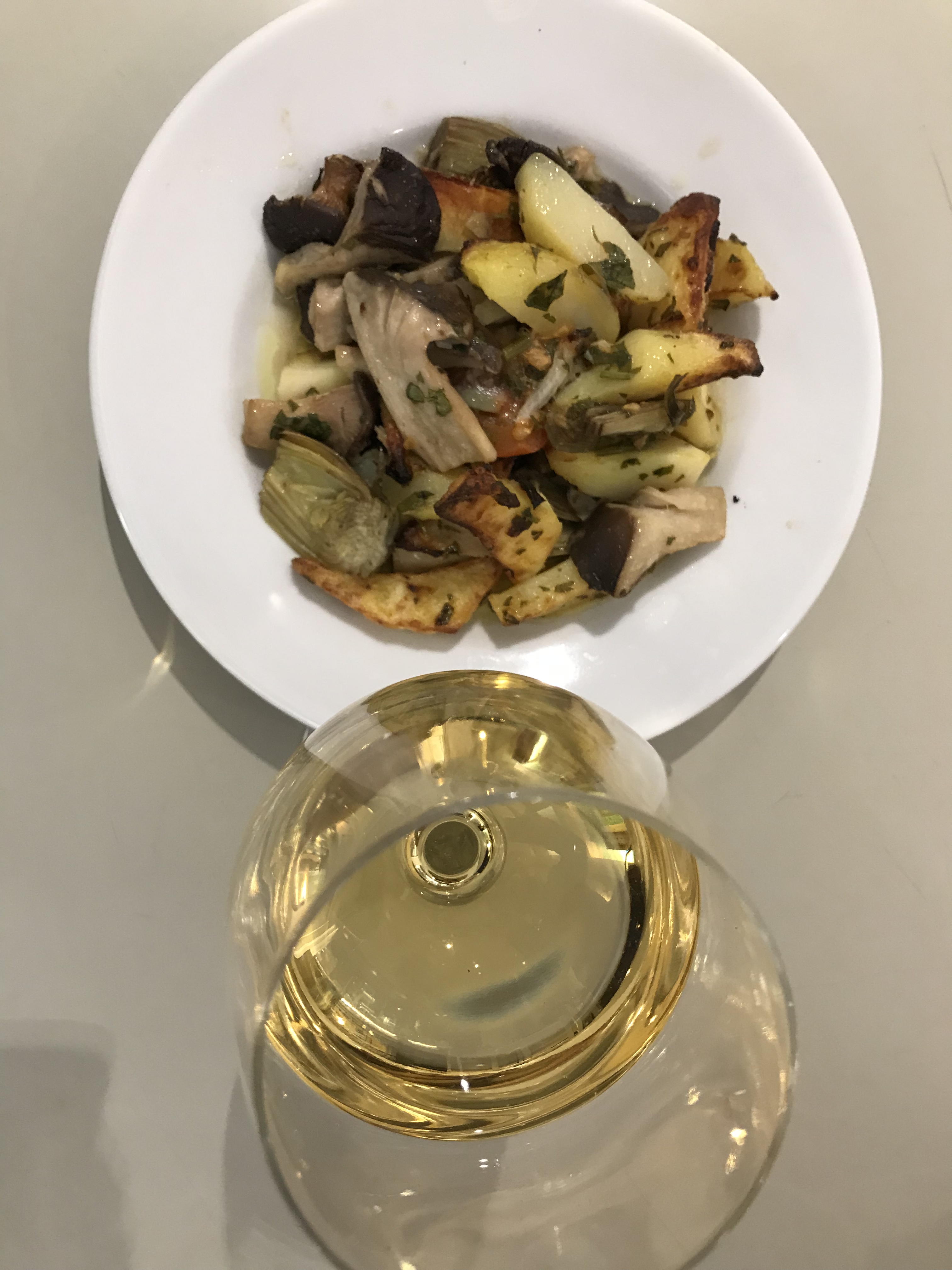
Georgian Dishes may leave the culinary skills behind flowery English descriptions. Our order for “Mushrooms in Clay Pan” was….mushrooms in clay pan. Fruit plates are….fruit plates. No inflated language necessary.

Master Cooking Class in Tbilisi

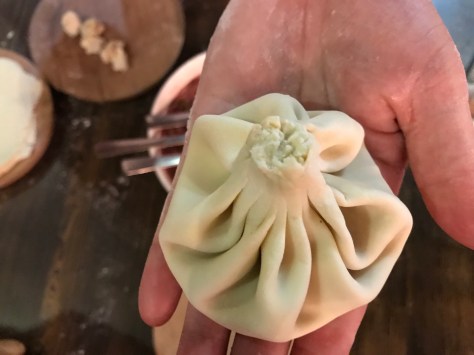
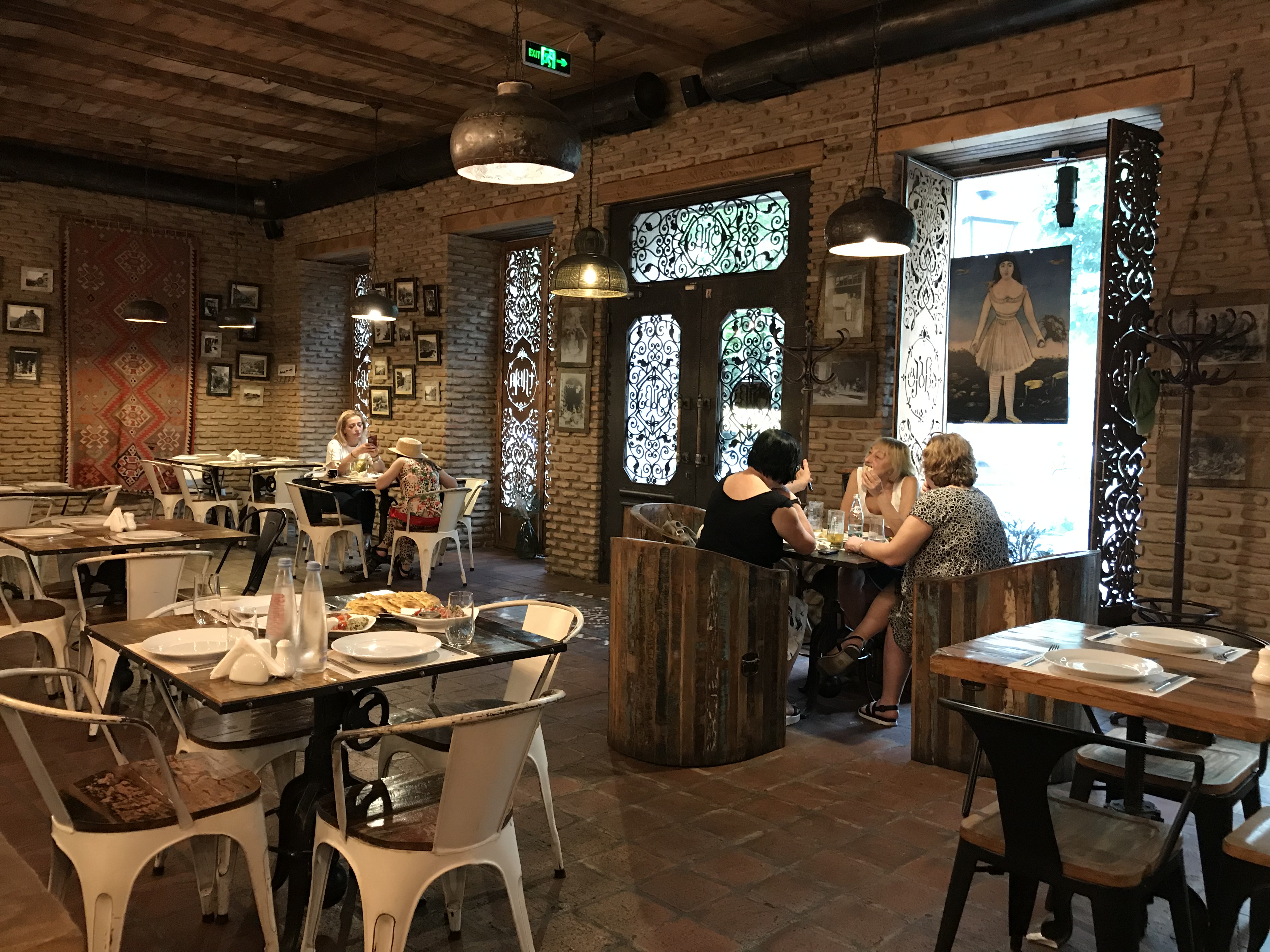
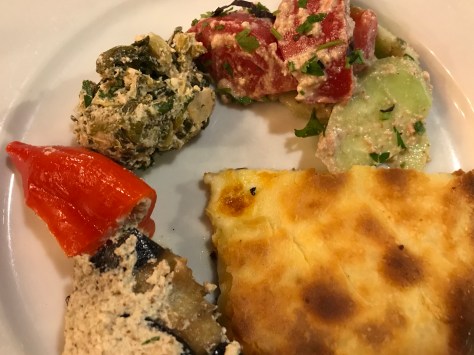
Our master cooking class at the Tabla Restaurant introduced us to a few classic Georgian dishes that we had already tried. Starters with walnut paste rolled in red pepper and eggplant were supplemented by walnut paste patties mixed with beet leaves, leeks, and spinach

Architecture and the Streets of Tbilisi

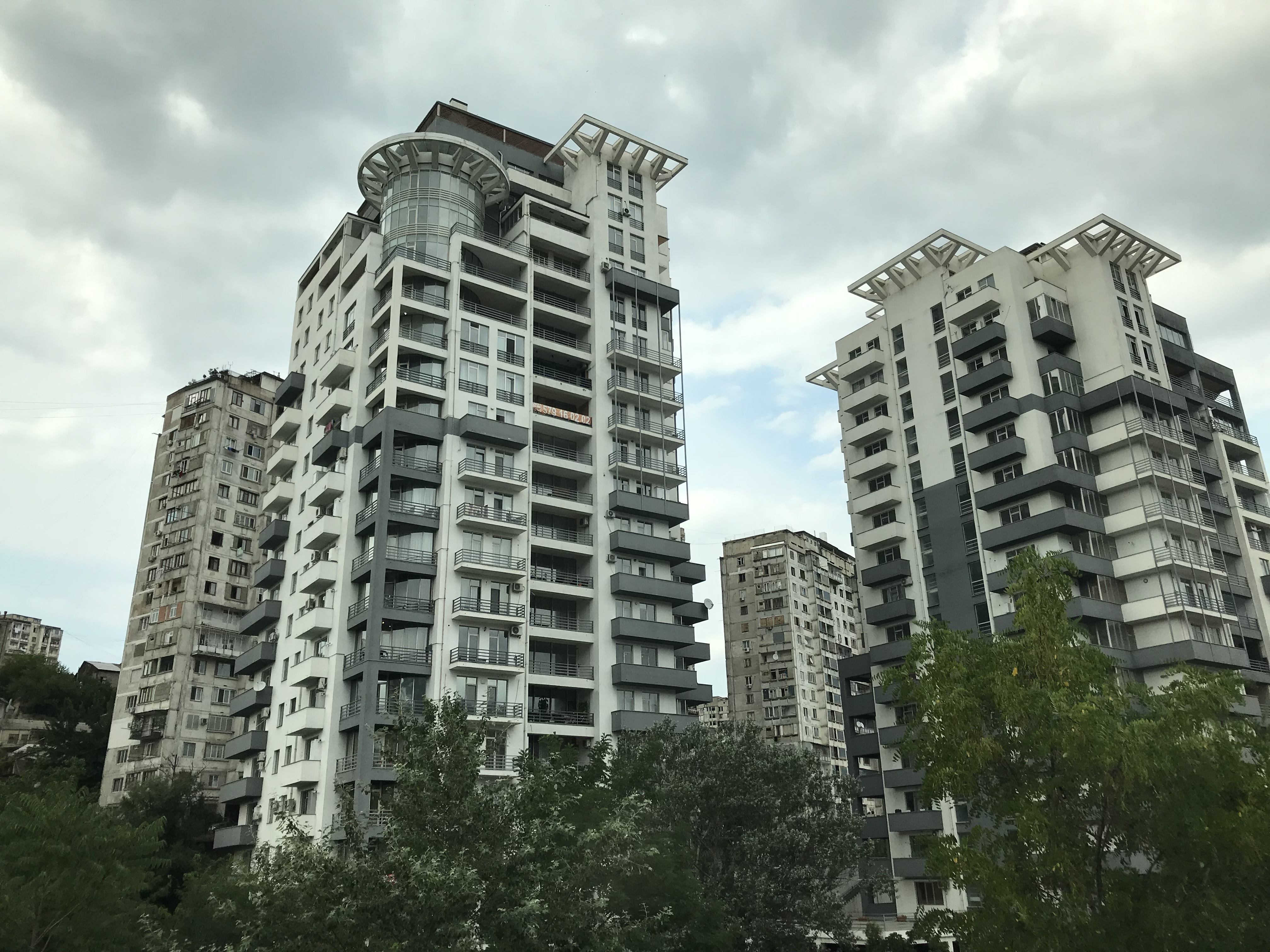
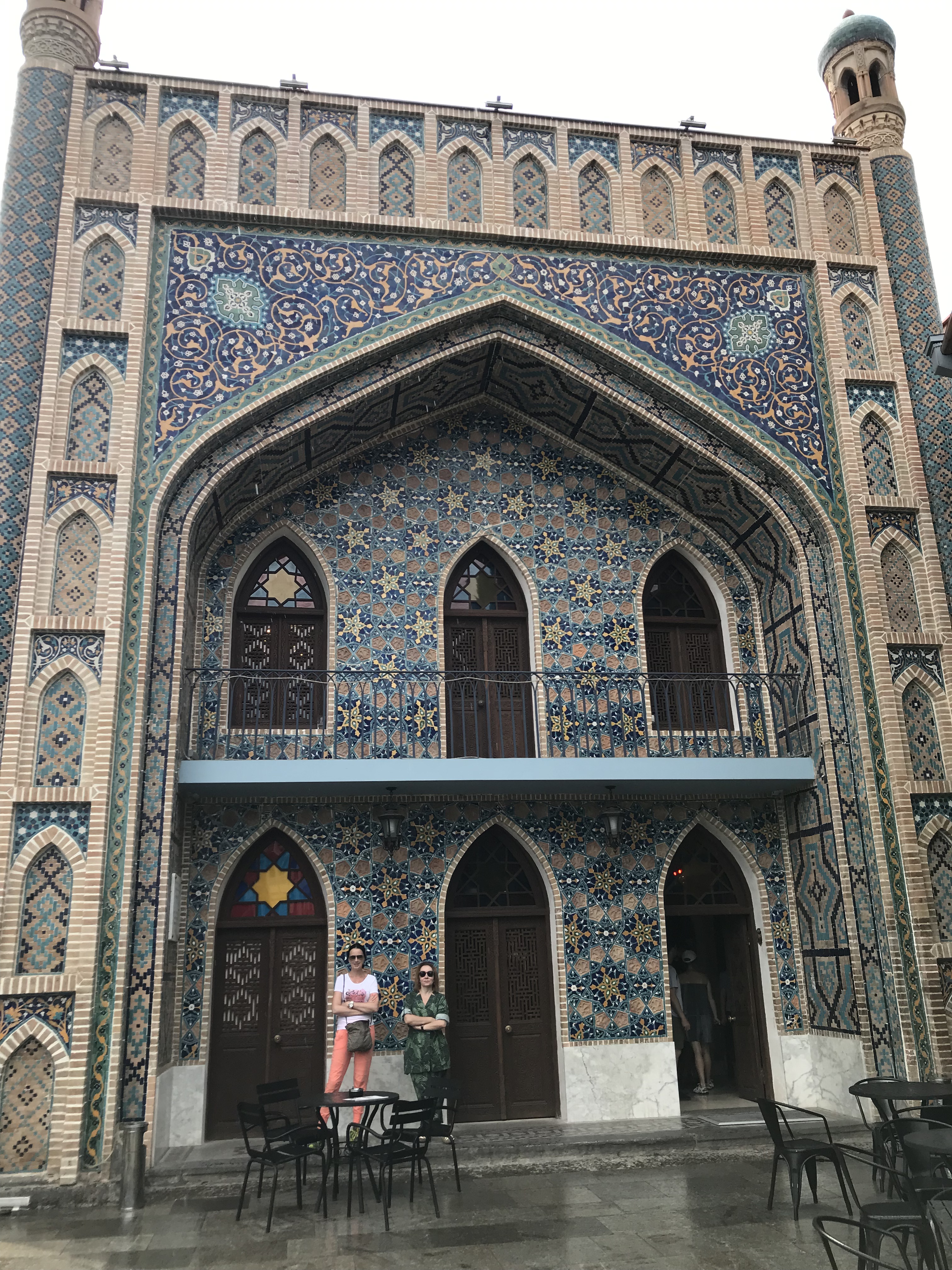
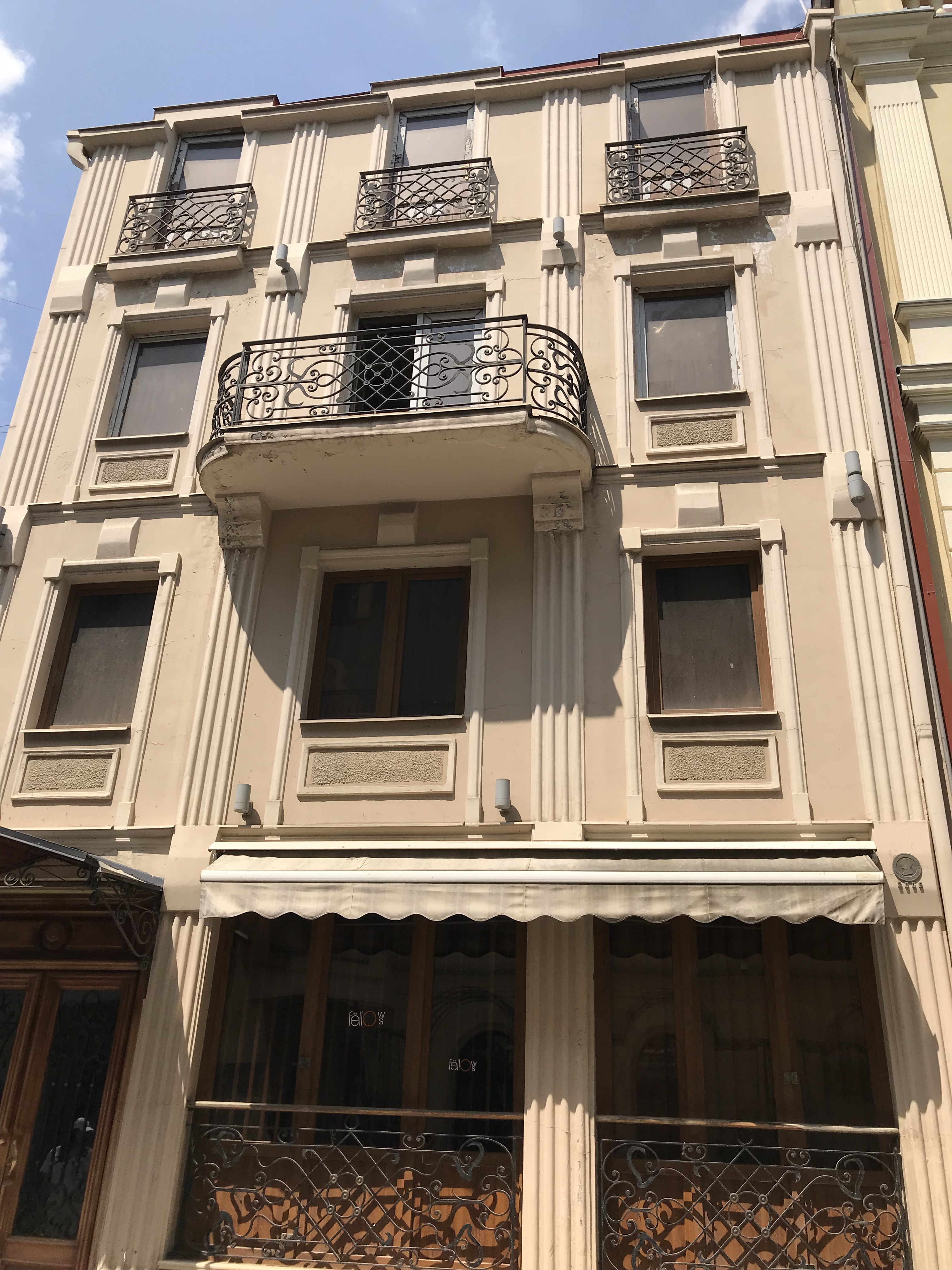
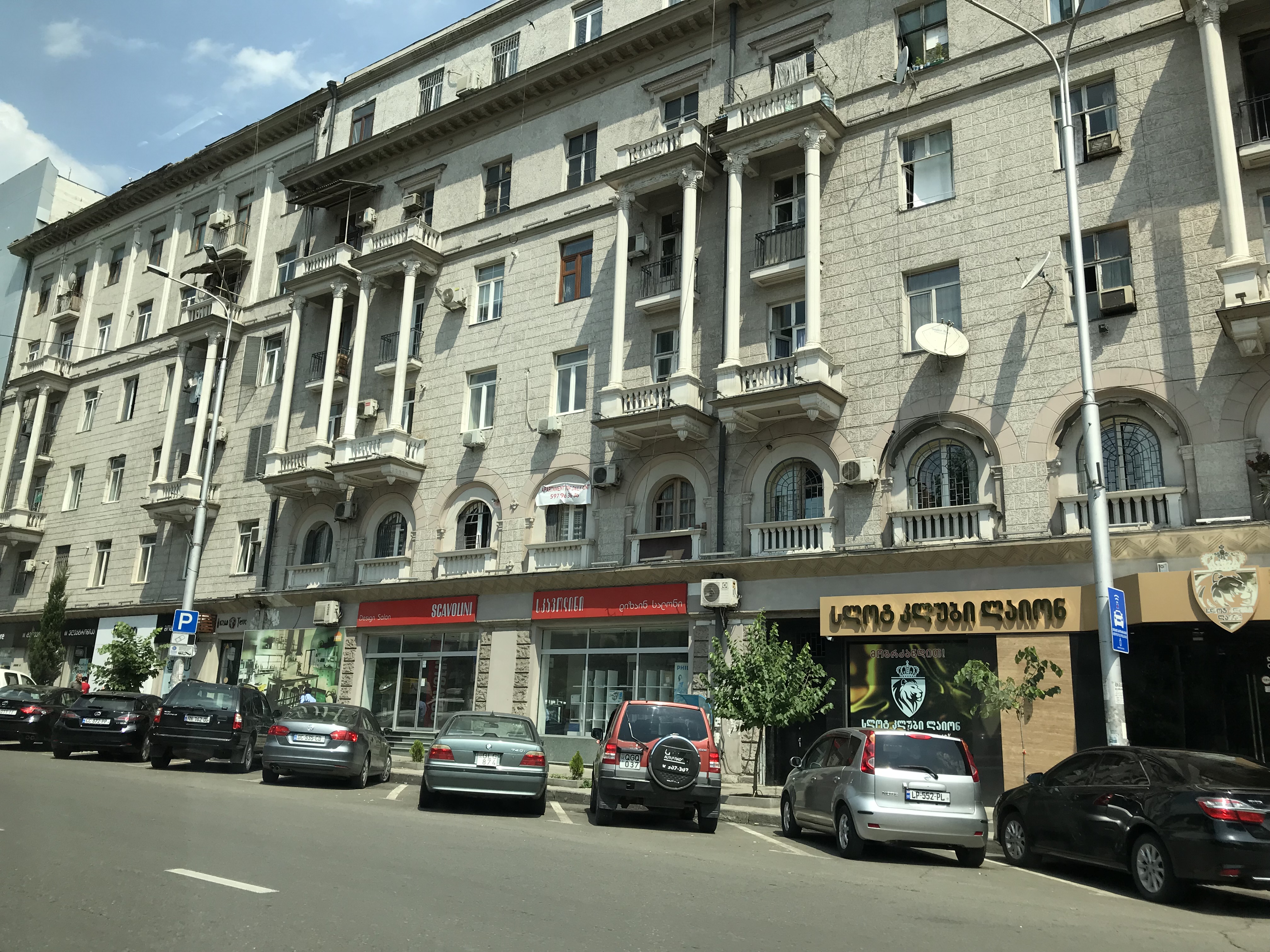
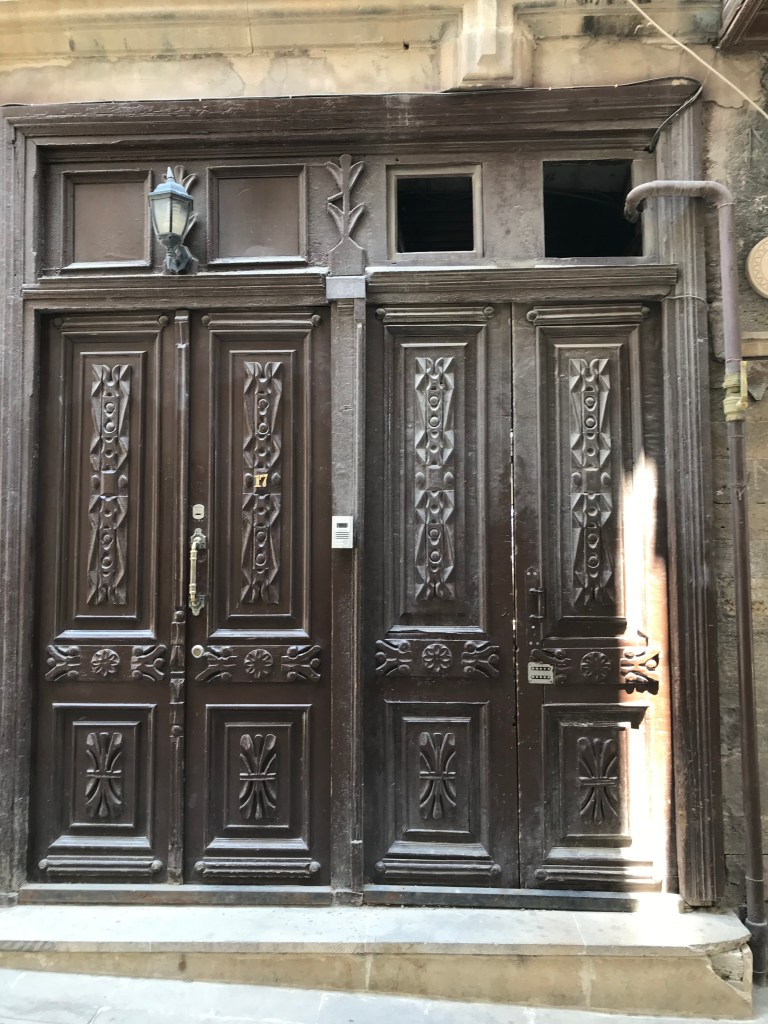
The huge time expanse transcends everthing from the 4th C. BC to the present-day, so many buildings appear to be dilapidated, neglected, or poorly maintained. There are a healthy addition of modern buldings that are flamboyant and daring to contrast with the crumbling old ones.

It didn’t help that there was a major earthquake of about 7.0 in 2003, leaving many of the cracked brick structures in the Old City crumbling and in dire need of attention. Owners and their descendants hold out for the big hotel developer to make them an offer to make them rich for the rest of their lives. In the mean time, the neighborhood suffers with blight and tenants who continue to risk their lives for cheap rent.

With over 1 million people, Tbilisi is home to nearly one quarter of the country’s population of 4 million people. There’s much work to be done to develop the city, and I remind myself not to expect all the conveniences and solutions of more well-developed countries.

We are able to see the country before major development take over. And yes, there are still many evident flaws and cracks in the system such as broken sidewalks, collapsed structures, and traffic accidents. The Georgians have suffered from failed and impovershed governments.

Georgia has been bombarded with invasions and systemmatic loss of its borders at the whim of leaders inside and outside the country. It is a small country that has been used as a political football for its neighbors. The capital city of Tbilisi has been sacked 27 times since it was moved from Mtskheti. Despite that, its people look to its future and hope that Georgia can soon join the EU and NATO. You can read more about this fascinating country in https://en.wikipedia.org/wiki/Georgia.

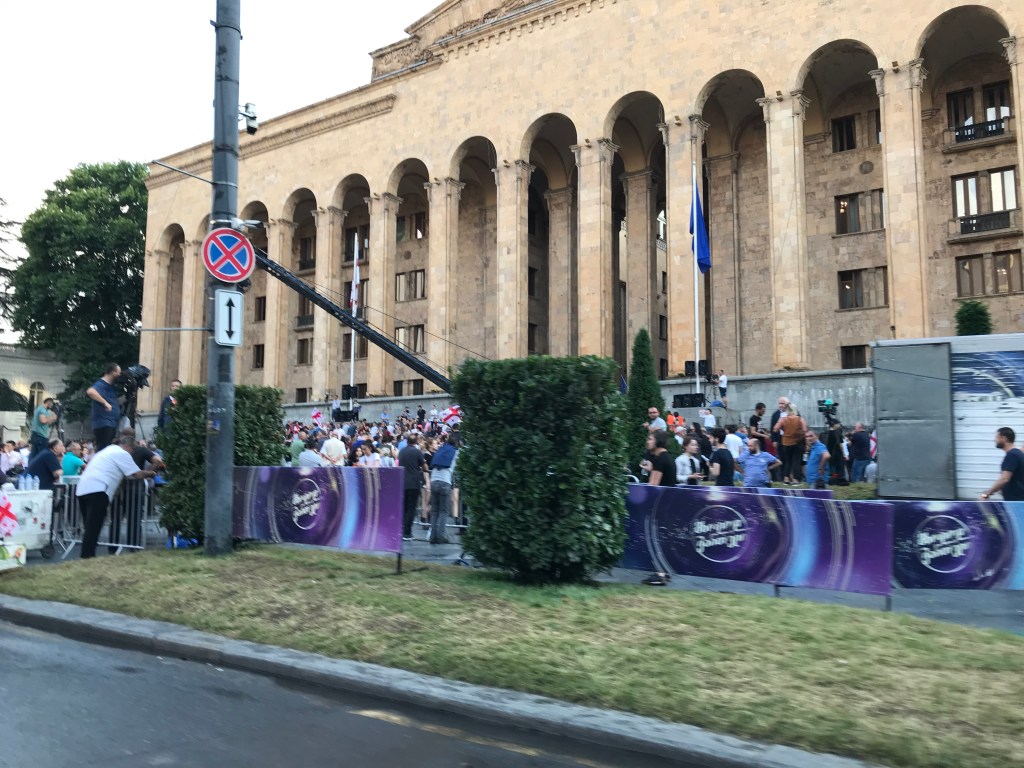
Addendum: We had been hearing about the active protests against the government after the Chairman of Georgia’s Parliament allowed a Russian MP to sit in his seat and deliver a message in Russian. Georgians were protesting the government for succumbing to Russian influence.

Day 20-22: On the Trail of the Silk Road

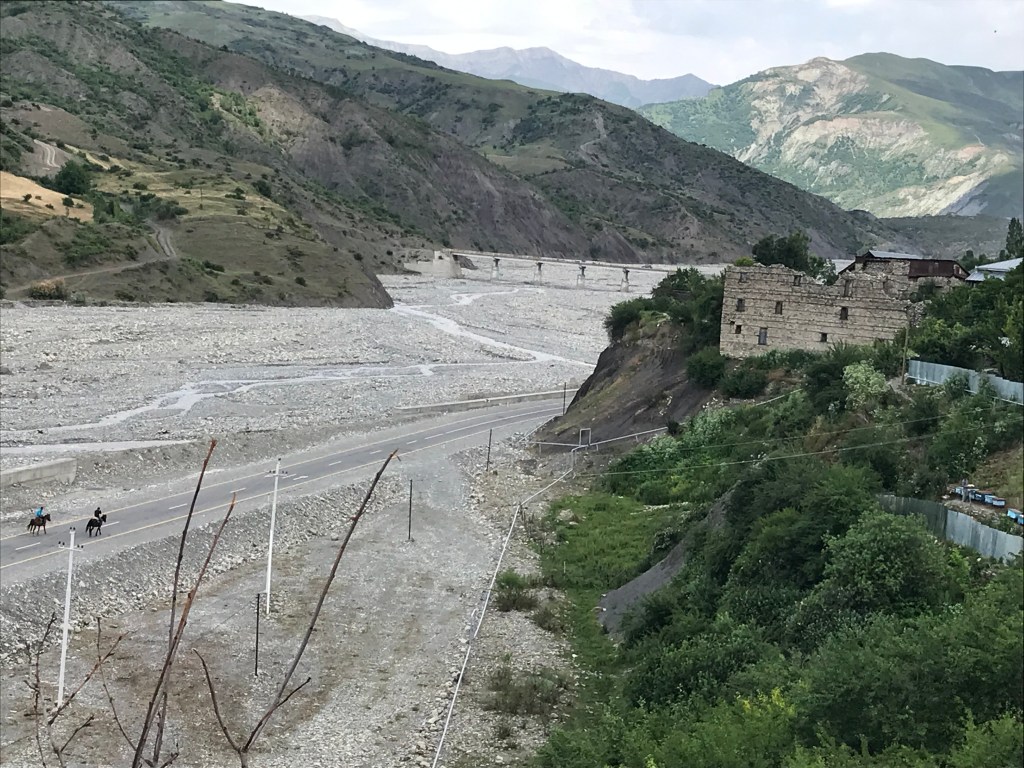
Tracing the steps along the Silk Road– Samarkand, Bokhara, Isfahan–the namesakes of Oriental carpets–has formed the basis for my travels through Central Asia. Throughout Azerbaijan, the trail of the ancient route is evident, as traders plied the same track we are traveling, between Dagestan (part of Russia) and Iran.

We traveled through the baby Caucasus mountains northwesterly towards Georgia. Because of border disputes between Armenia and Azerbaijan, neither jurisdiction will allow direct access across their border. Tourists must transit through “neutral” Georgia to the other country. What’s bad for Armenia and Azerbaijan is good for Georgia.

Silk Road Caravansary

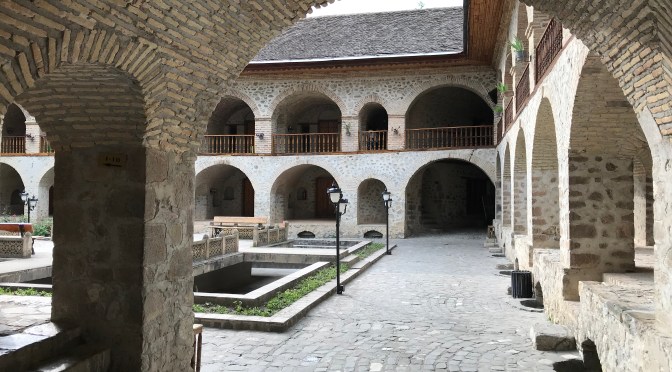
Similar to those in Iran and Uzbekistan, the caravansaries were stopping points for traders along the Silk Road. Camels were housed on the lower floor and provided heat for travelers who lived above. The central water fountain was used for cooling the space and was connected to the ventilation system. Traders could set up instant pop-ups to sell and barter their wares, before moving onto the next station.

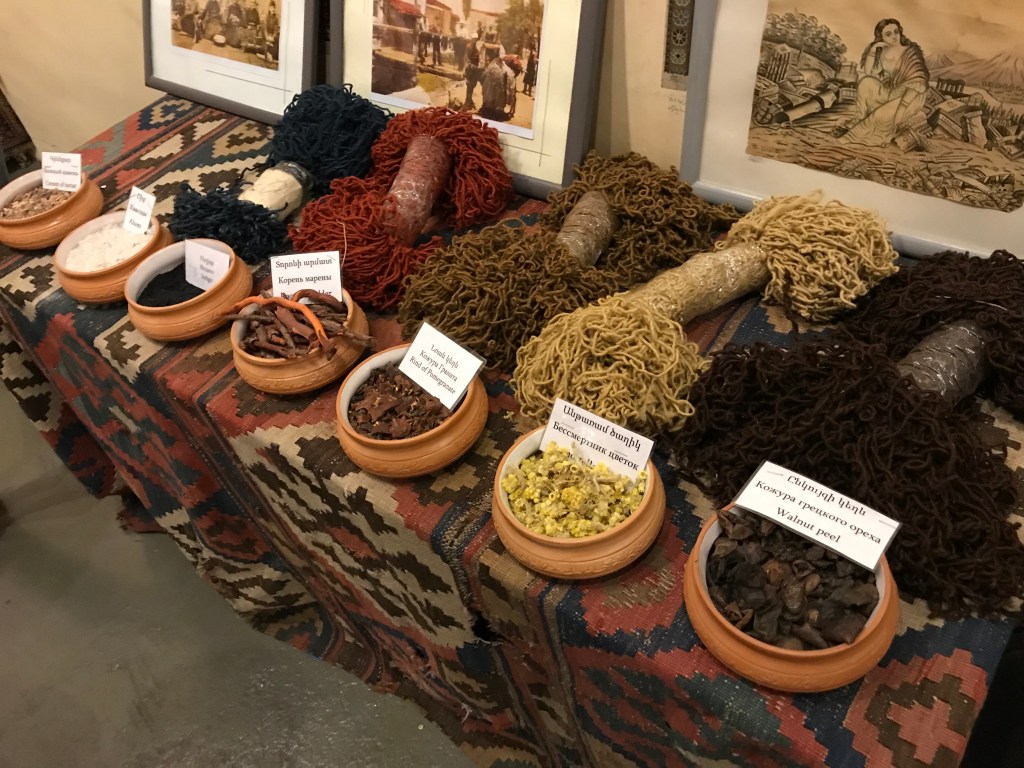
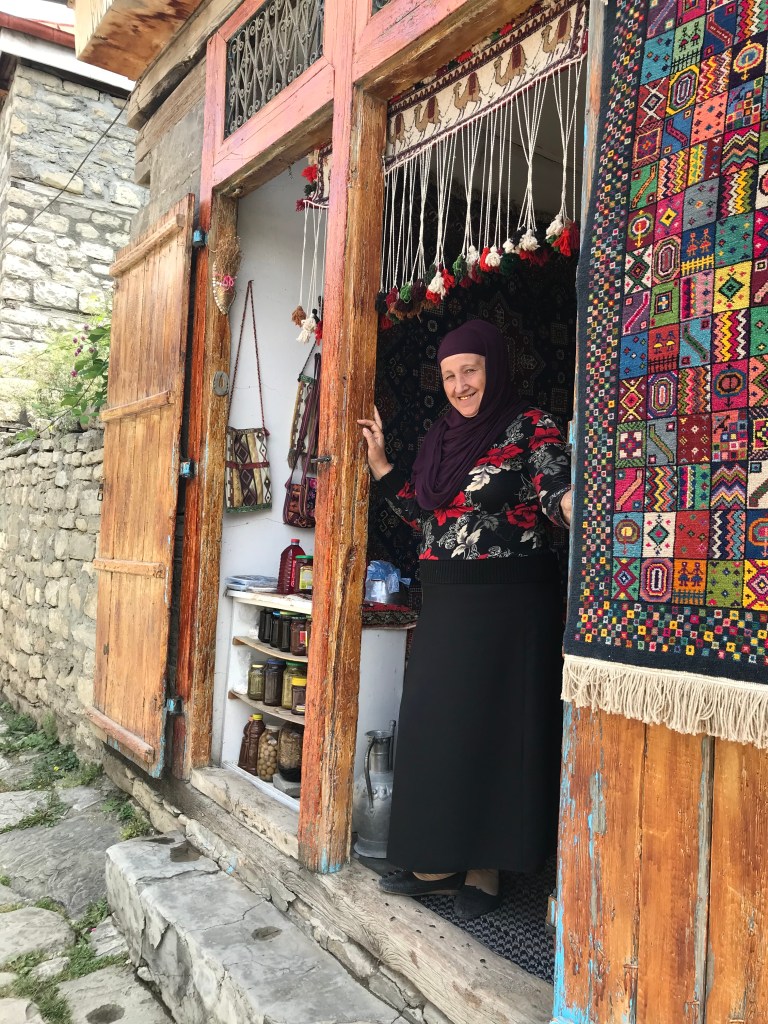
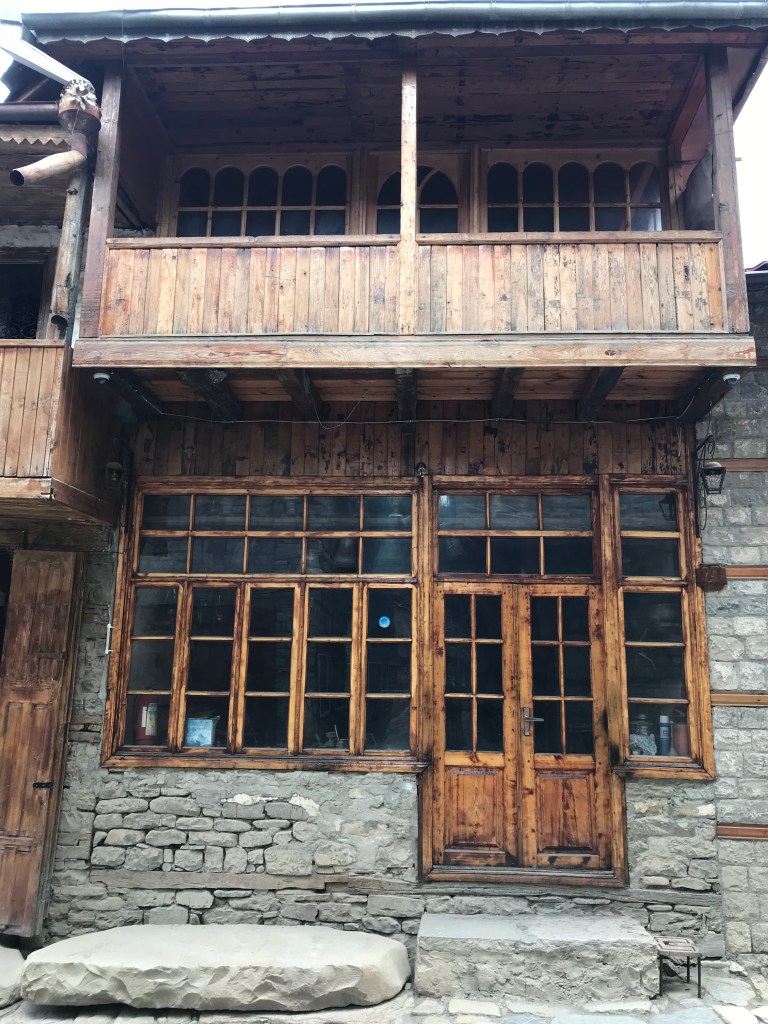
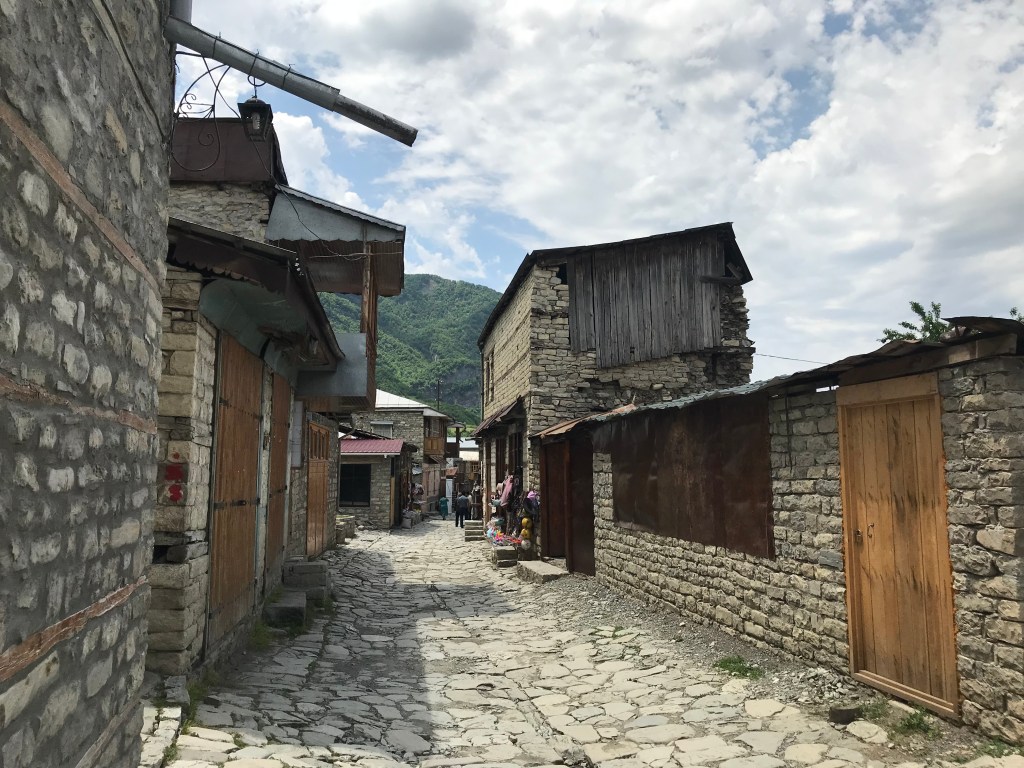
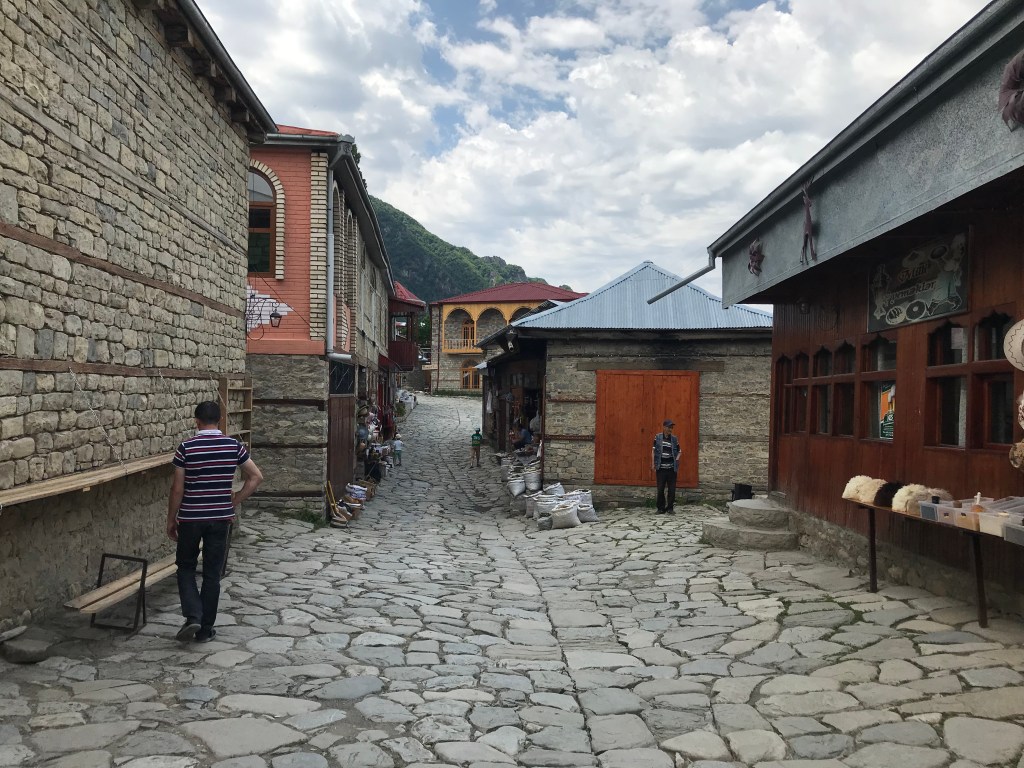
In the nearby town of Lahij, local items made of wool, herbs, and copperware are sold similar to those traded along the Silk Road in the 5th Century.

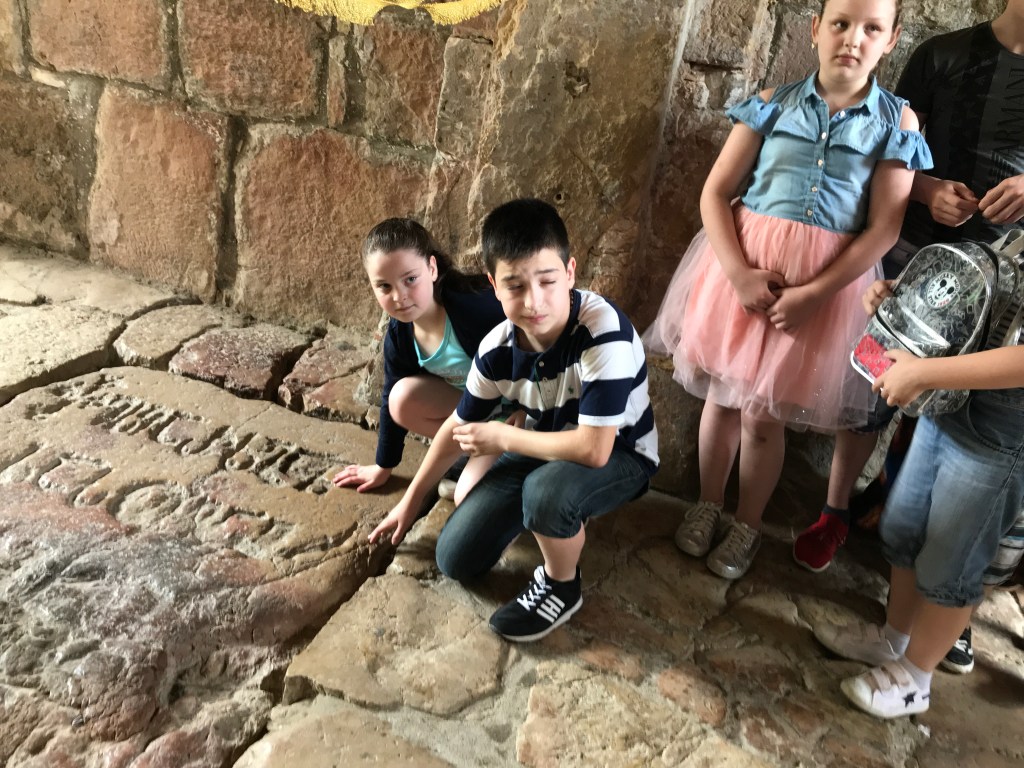
Petroglyphs, Gobustan National Park (a UNESCO World Heritage Site)

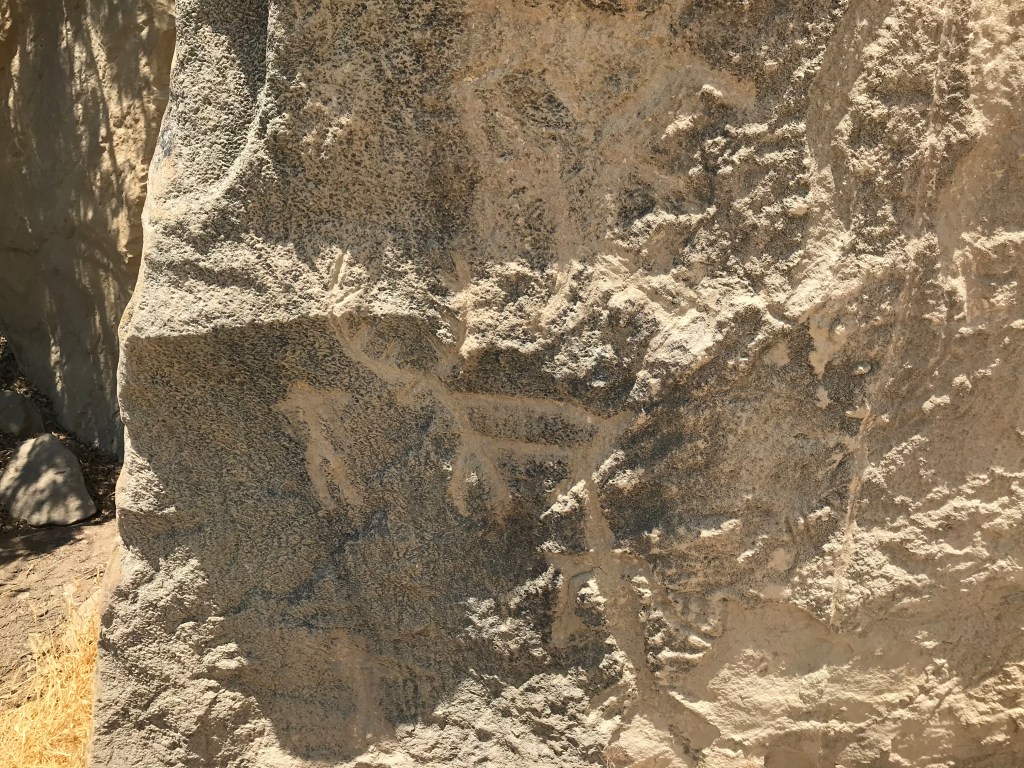
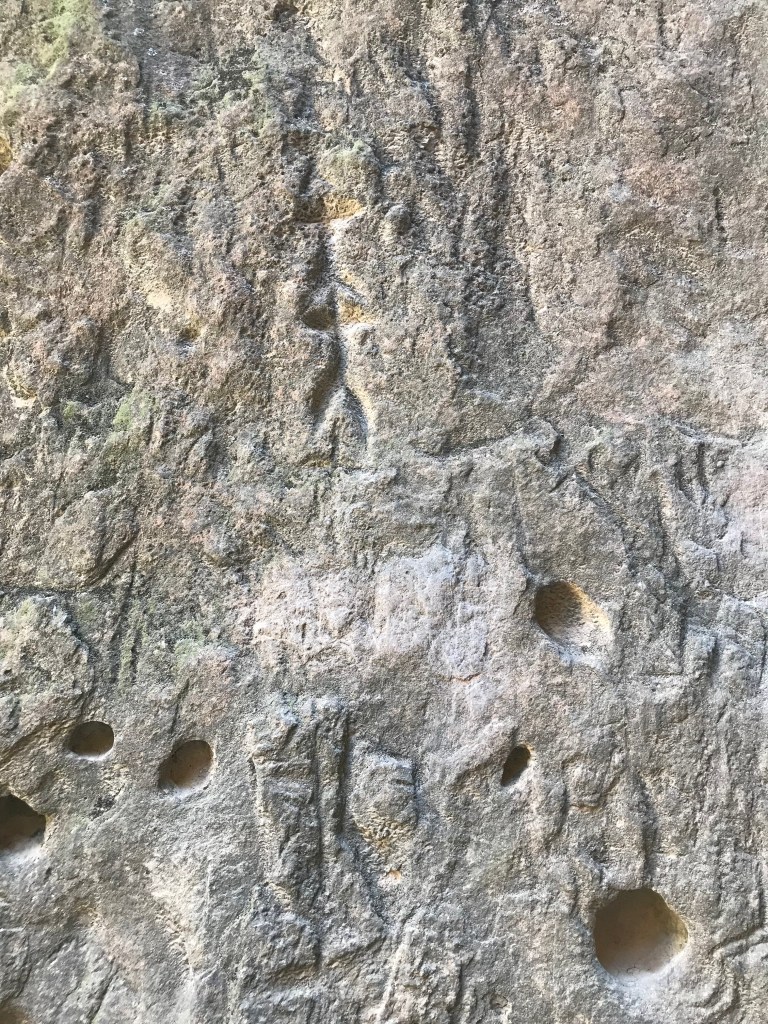
from the Neolithic period, these petroglyphs may not be as elegant as those in Alta Mira or Lascaux, but the 6,000 petroglyphs in this area certainly were evidence of man’s need to communicate. Animals being hunted, a focus on females for child bearing and men hunting were typical images carved into the sandstone rocks where they lived.. I was excited by the chance to see these markings by our ancient artists, carved en plein air in a spectacular setting.

Yanardag Mountains

For several hundred years, natural gas burned openly and continuously in the Yanardag Mountains. It’s not surprising that religious rites sprung from man’s early encounter with these unexplainable phenomenon. In the town of Surakhany, the Ateshgah Temple was used for fire worshippers. Zorastrians and HIndus travel from India to visit the temple. You can read more about it below.

This temple reminded us of our first introduction to the Zorastrian religion in Iran (Thus Spake Zarasthustra!) as well as the Fire Temple in Yasd.

Juma Mosque

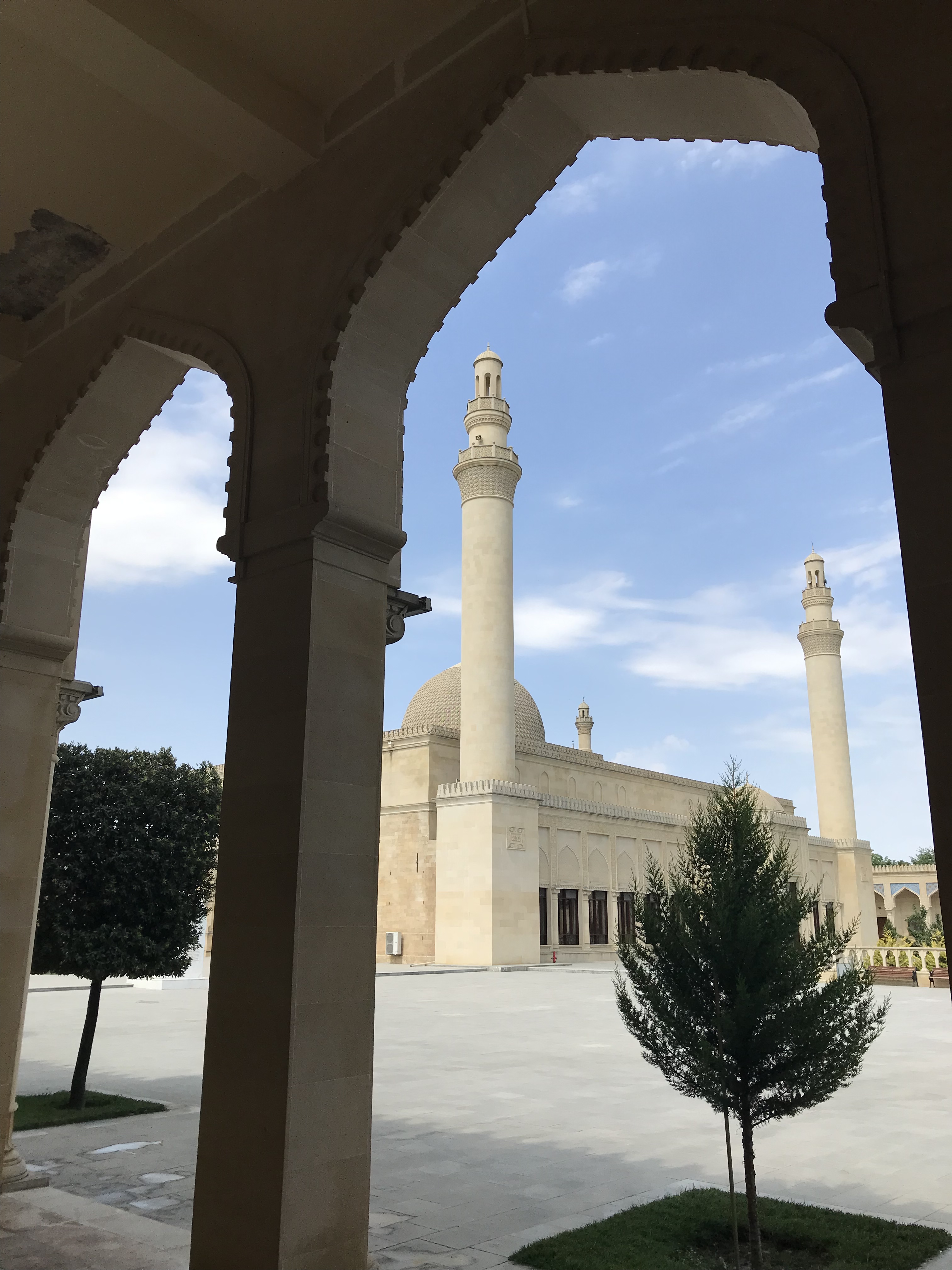
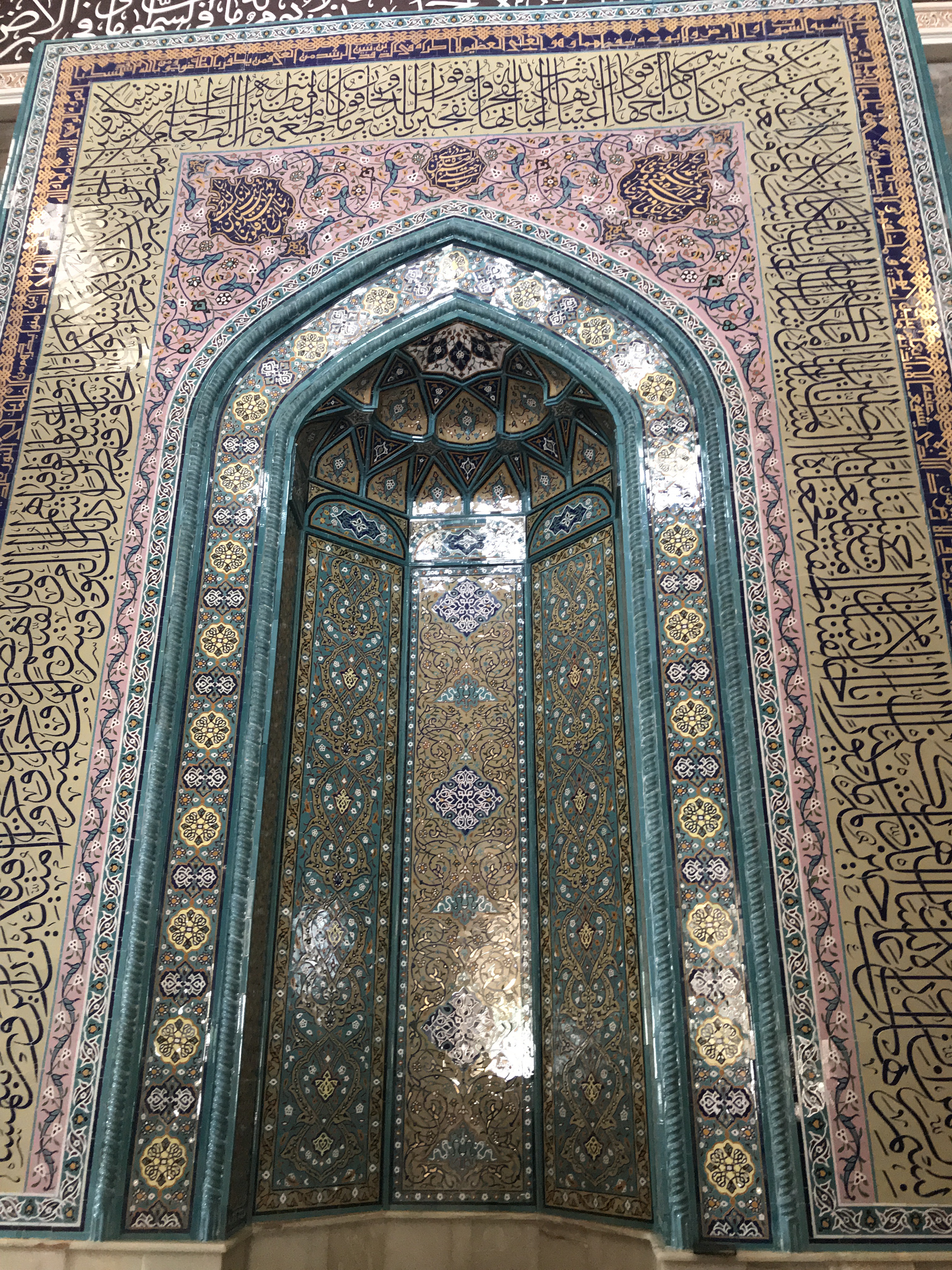
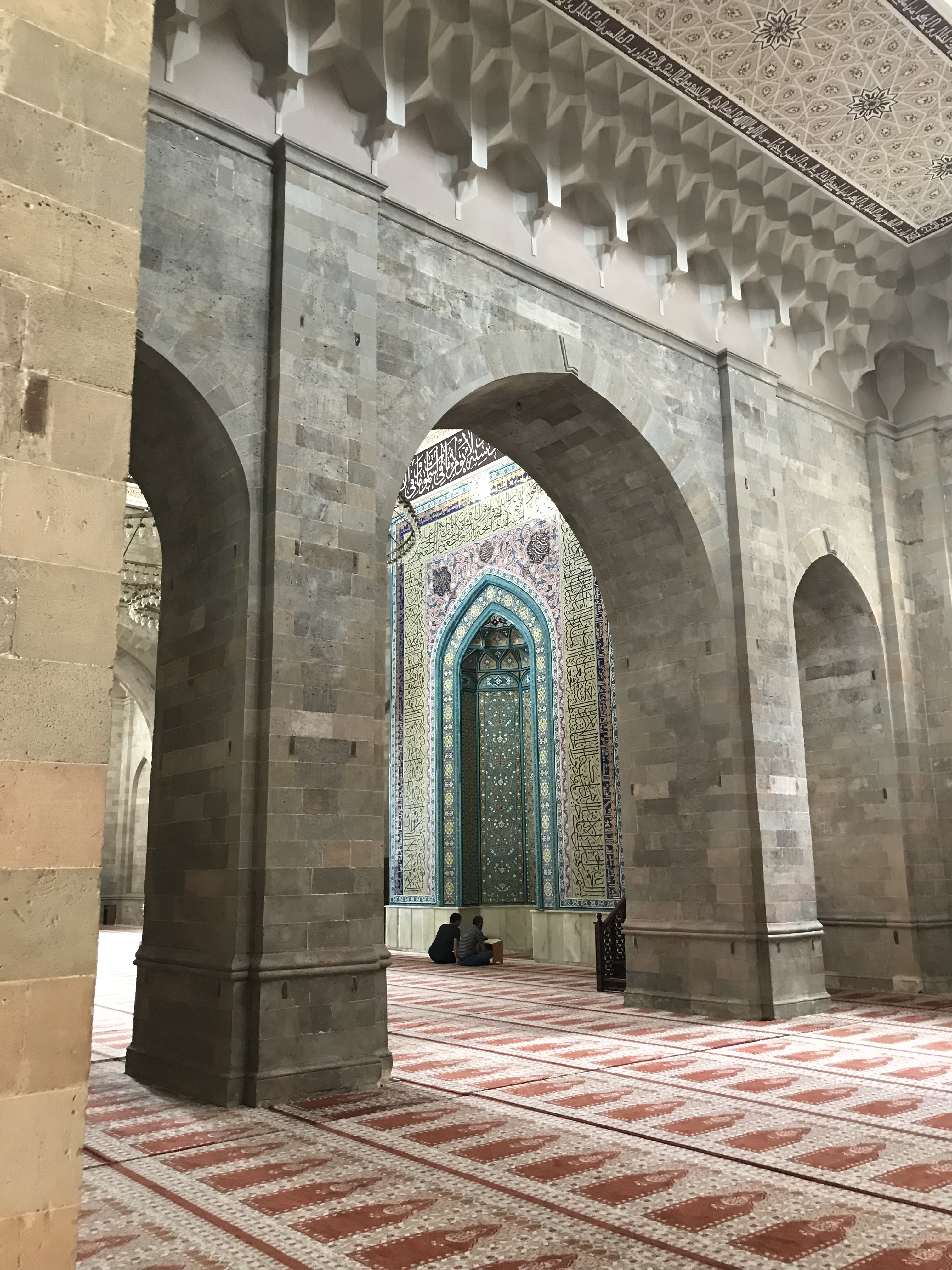
Considered the largest mosque in Azerbaijan, its sandstone walls were a contrast to the blue mosaic decorations more commonly used in mosques I visited in Iran and Uzbekistan. The mosque was rebuilt after earthquakes and fire damaged the building.

Miscellany

Day 19: Baku, Azerbaijan

City Sights

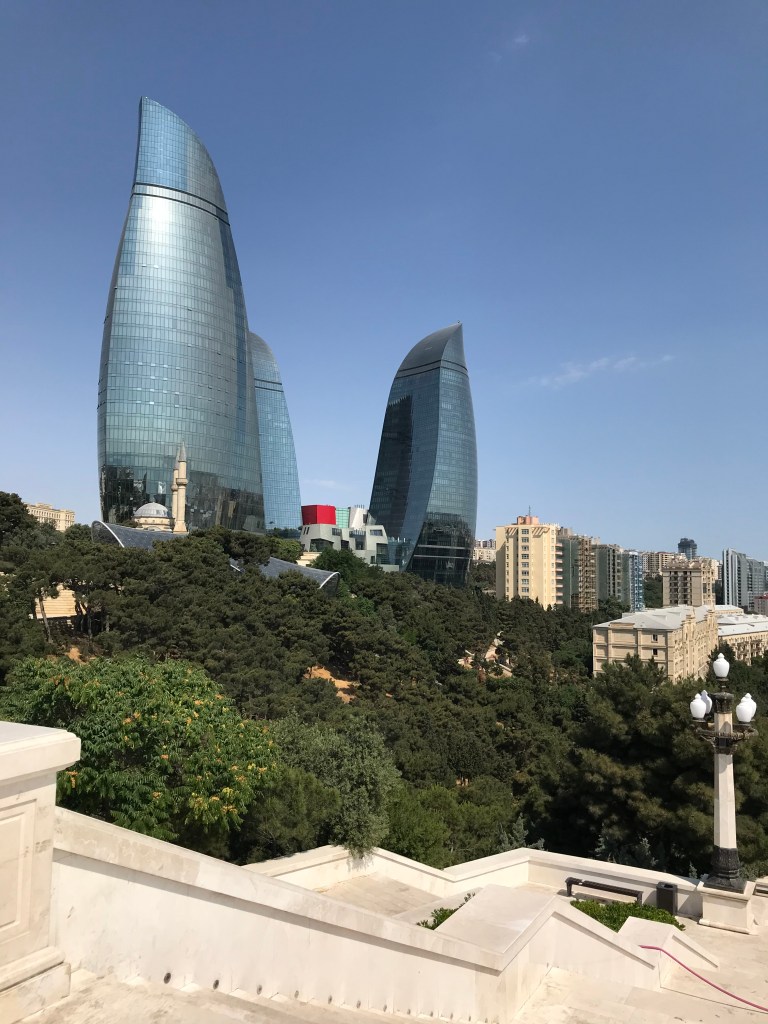
We headed to the high point of the city for an overview of the city skyline. At -28m below sea level, it is inperceptible that the area was covered by water, then receded multiple times in the past. The Caspian is called a sea for this reason–that the salt water from what was once part of the ocean differentiates it from from a fresh-water lake.

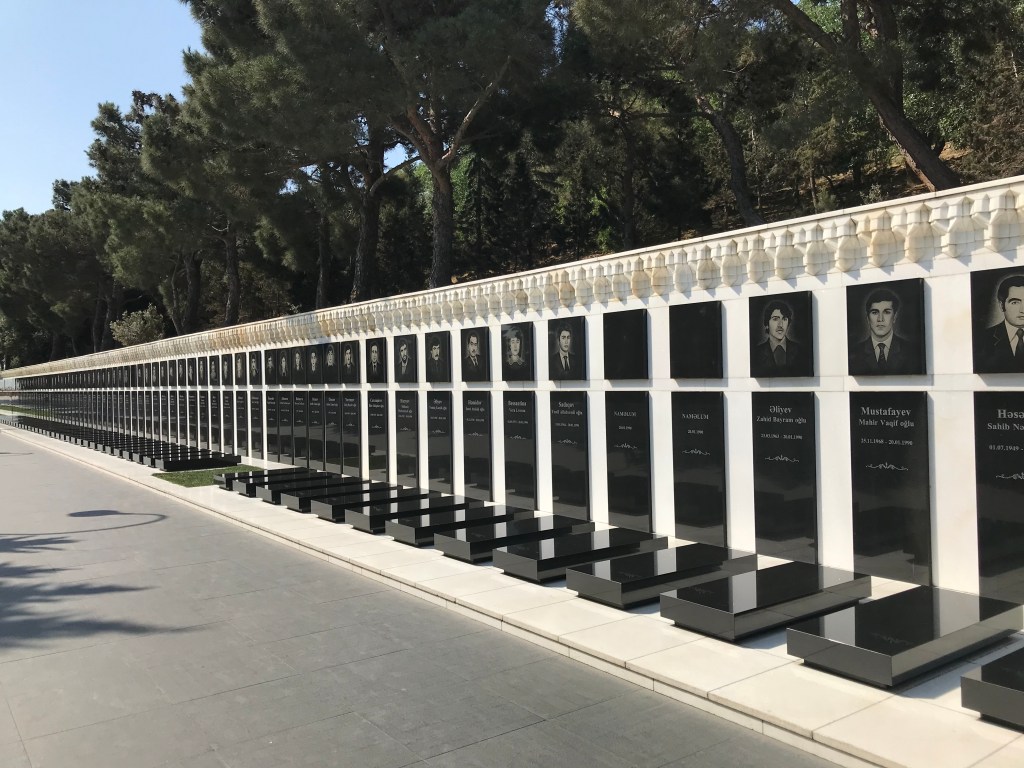
The Martyr’s shrine commemorates the 200 fallen rebels who led the second revolution in 1990. While being freed from Soviet rule and becoming independent, this was not the first attempt. Azerbaijan was established as a nation in 1920 as told by the Ali and Nino story I mentioned in the last post. Its success was short-lived however. The Russians came back and dominated the country for another 70 years before they relinquished power.

The Flaming Towers are Baku’s latest hotel, office, and condominium high rises that proudly display the city’s oil wealth and future. The capital of Azerbaijan was moved to Baku in the 12th century to this prominent peninsula on the west side of the Caspian Sea.

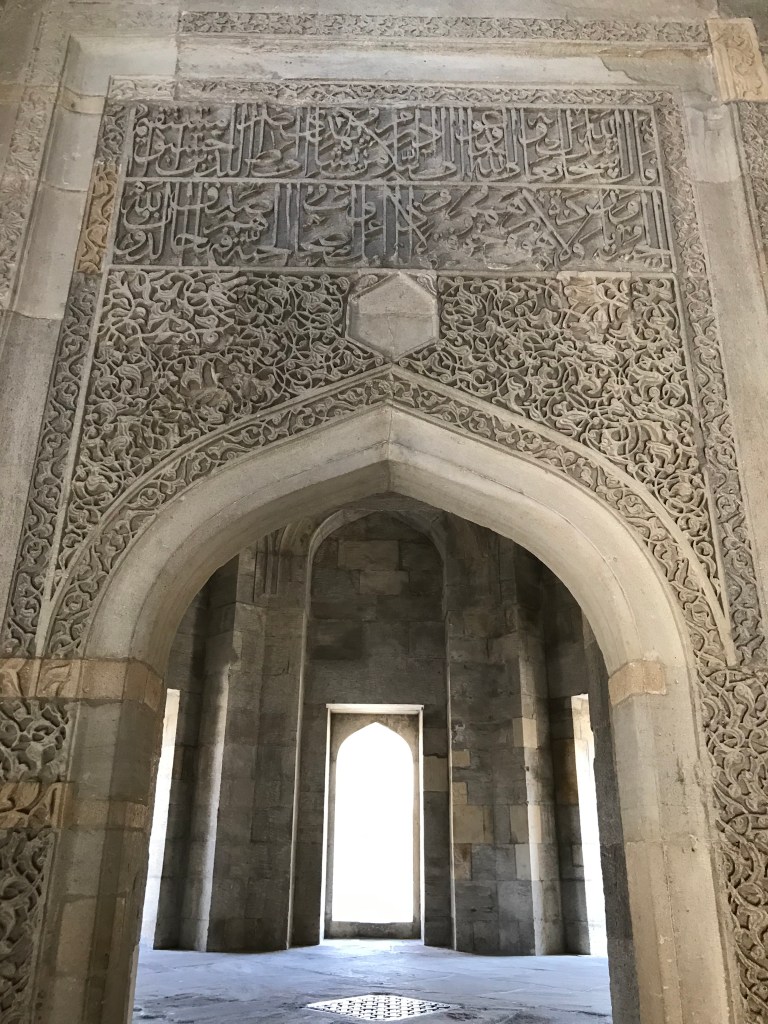
Shirvan Shah’s Palace and Museum

Architecture Inside Baku’s Old City Walls

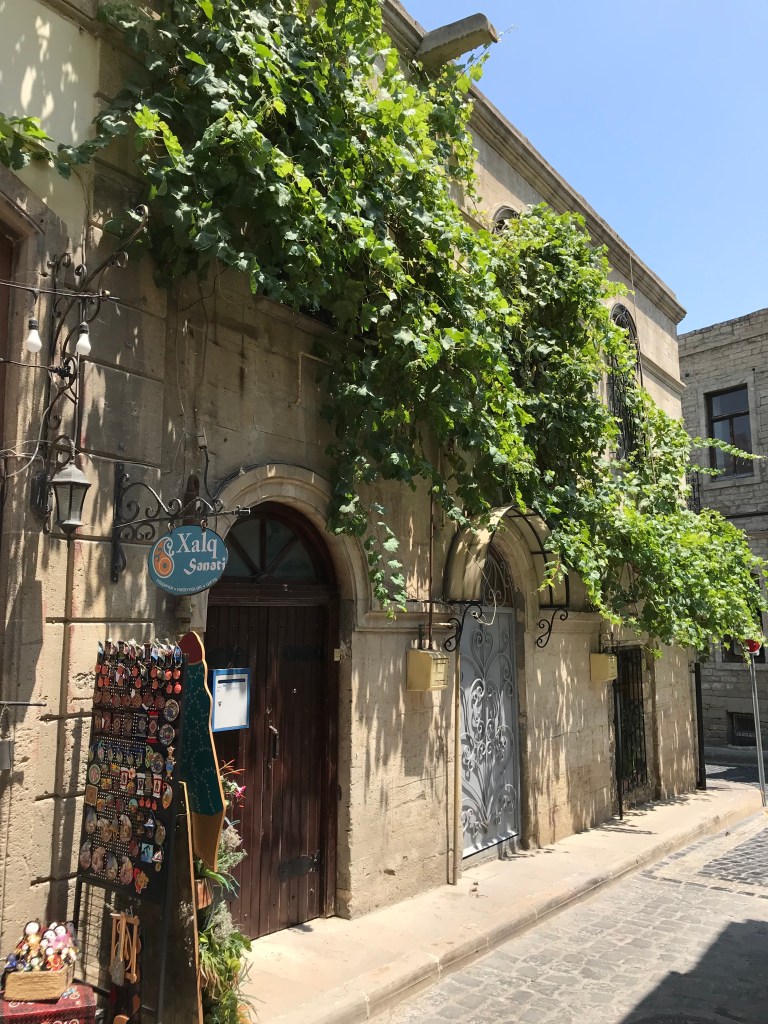
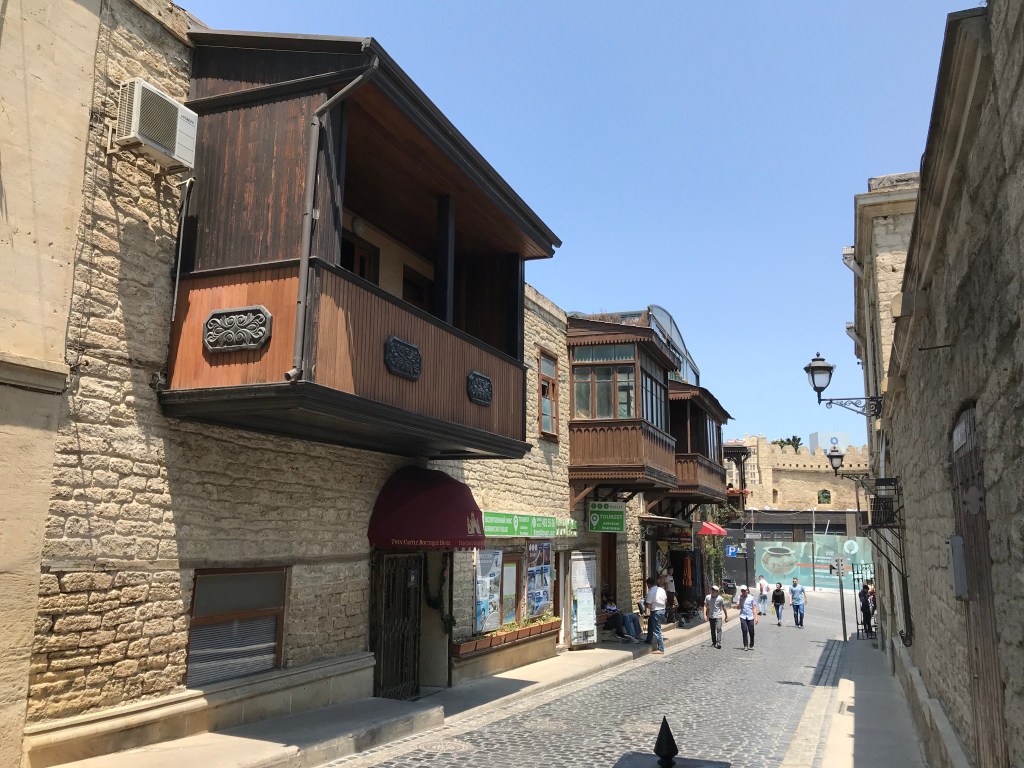
Designated a UNESCO World Heritage Site, the old City in Baku has renovated its historic buildings for public view.

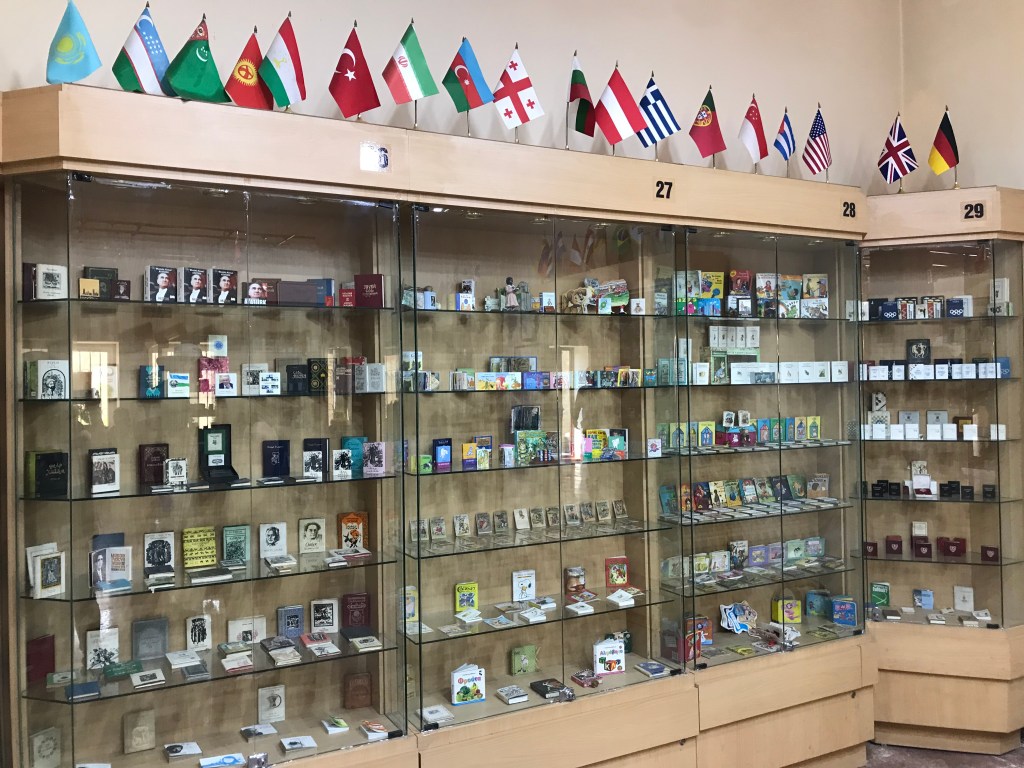
Miniature Book Museum

Founded by an Azerbaijani woman, this museum contains over 8,000 volumes of miniature reproductions from books collected throughout the world, including Western, eastern, and local literature. This museum is cited in the Guiness Book of Records!

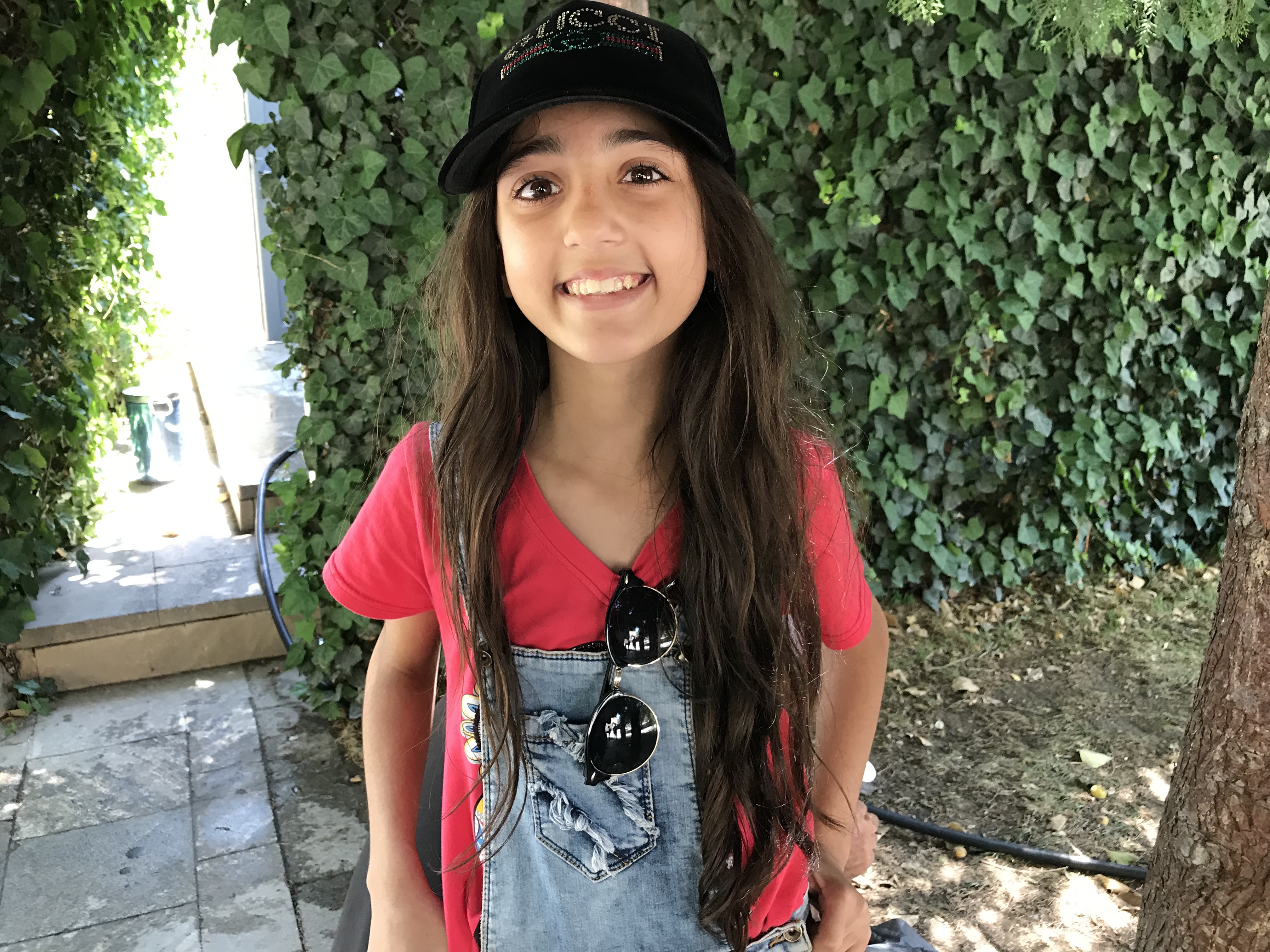
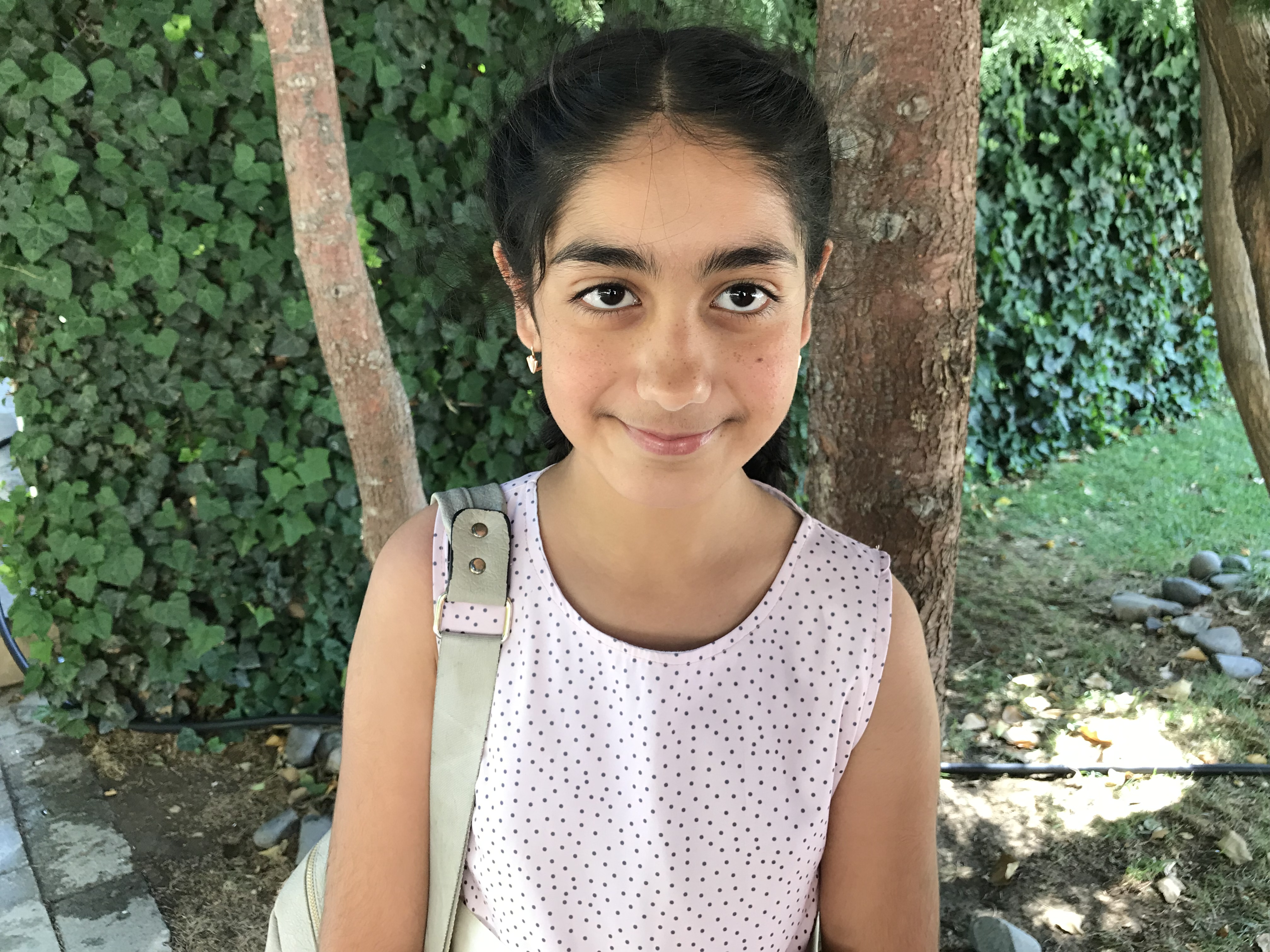
Baku’s Friendly People

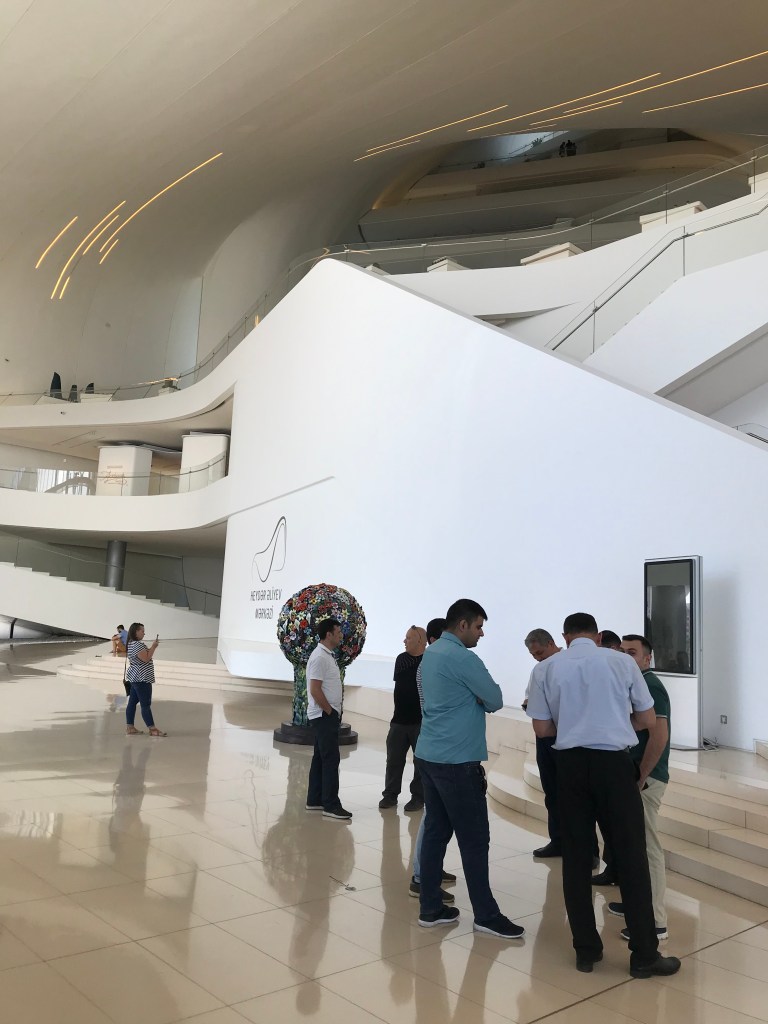
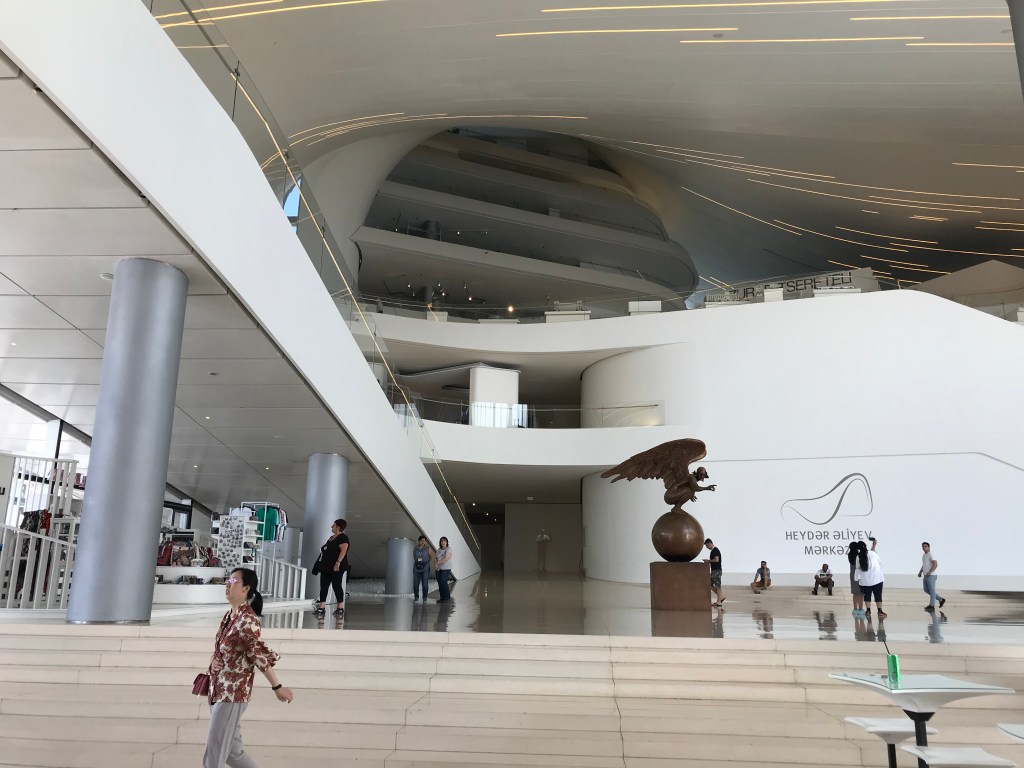
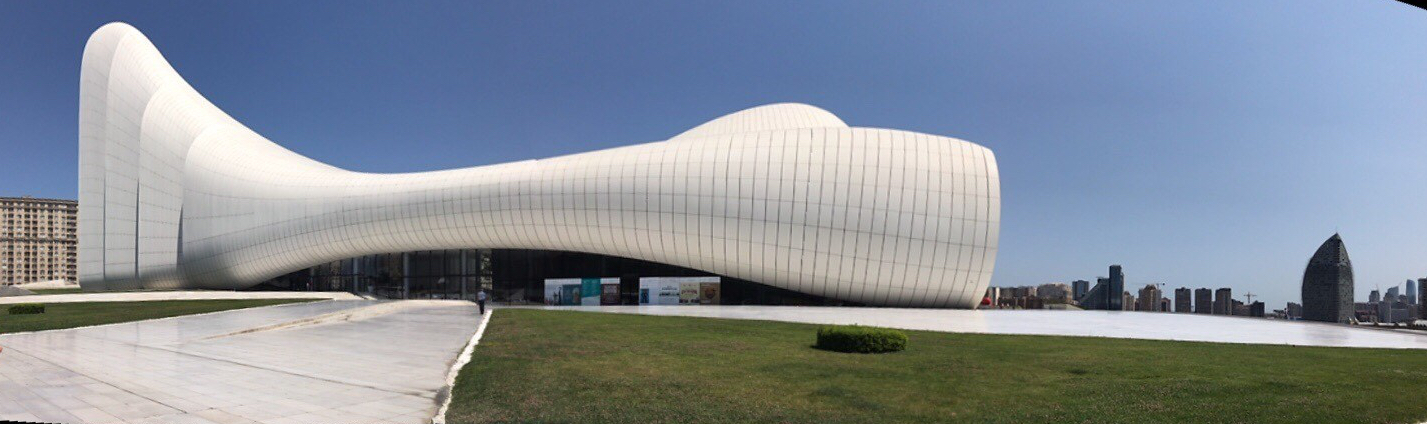
Heydar Aliyev Center by Zaha Hadid

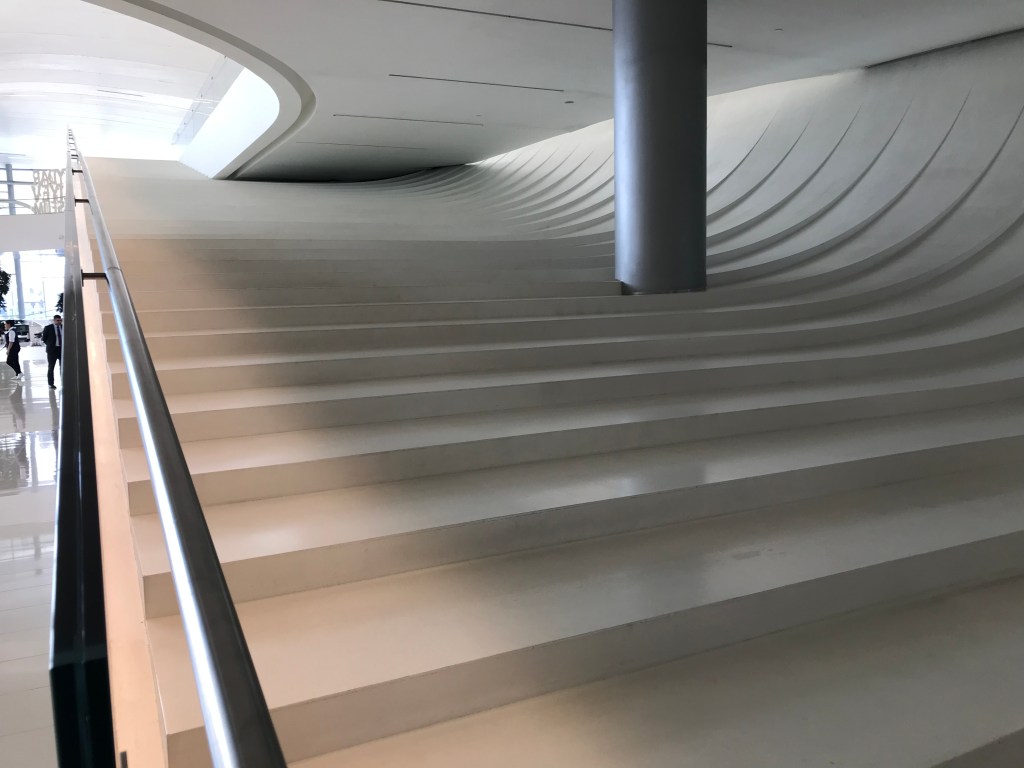
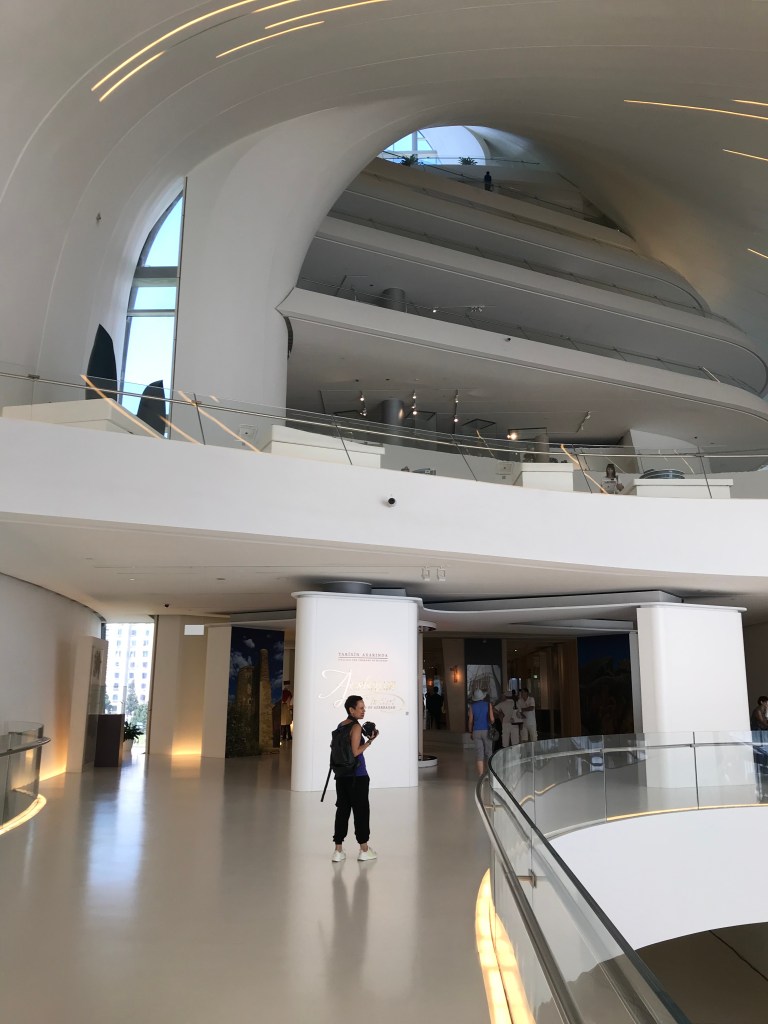
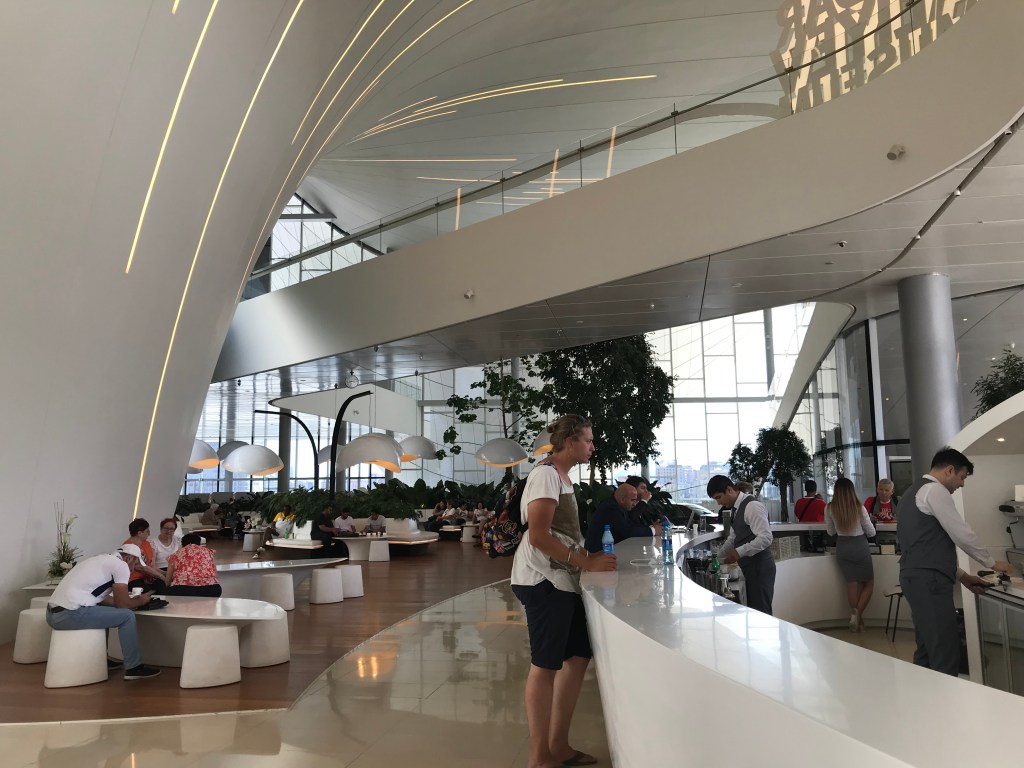
This new building designed by Zaha Hadid, the world-famous Iraqi architect, has won numerous international accolades for its sweeping bold design. The museum displays Azeri culture and commemorates Azerbaijan’s former president, Heydar Aliyev.

Hadid created a vision and inspiration for the next generation of architects. Its womby curves and vast proportions offers a three-dimensional fly-through in real time. From the exterior, the building looks like a huge beached whale.

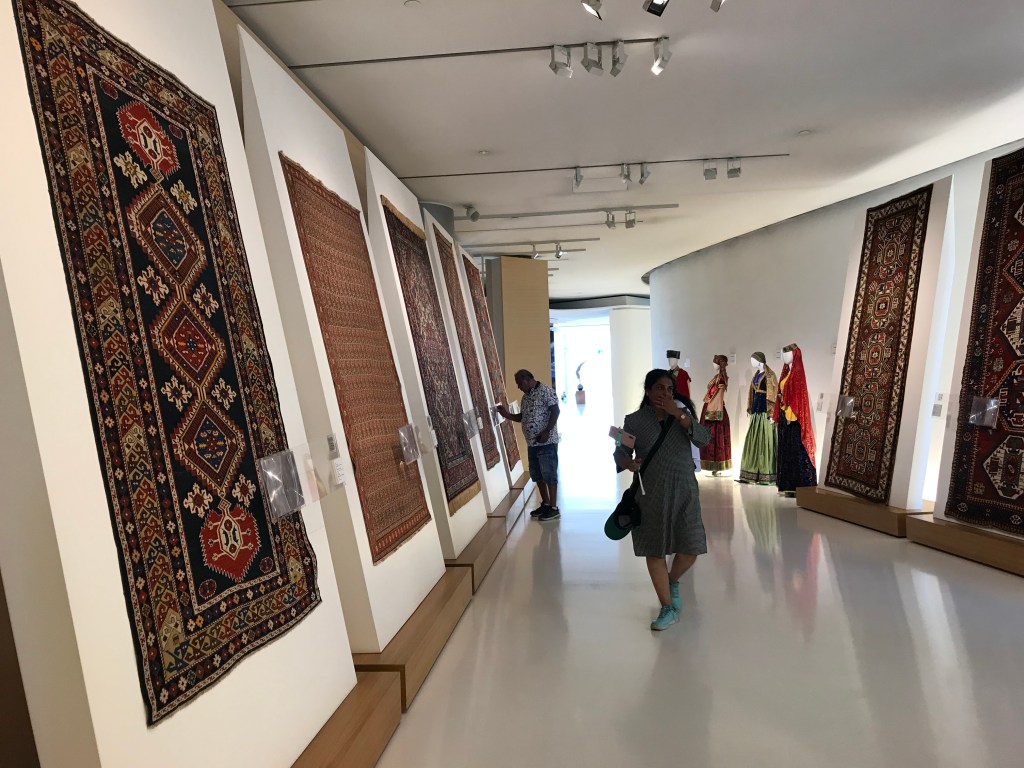
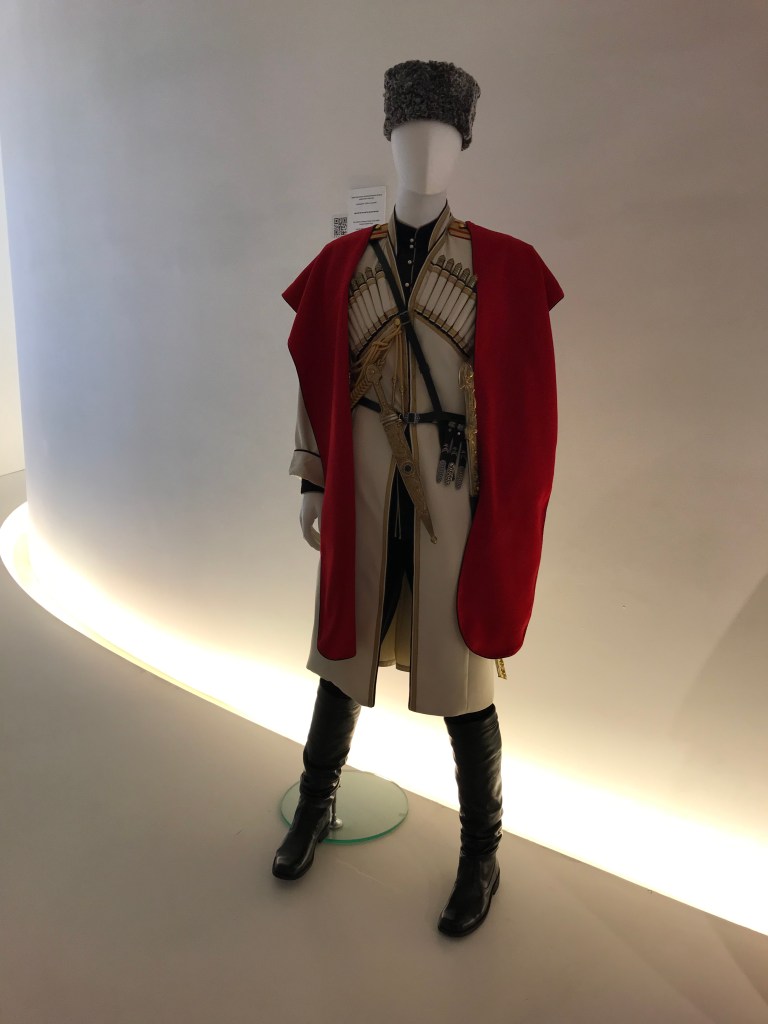
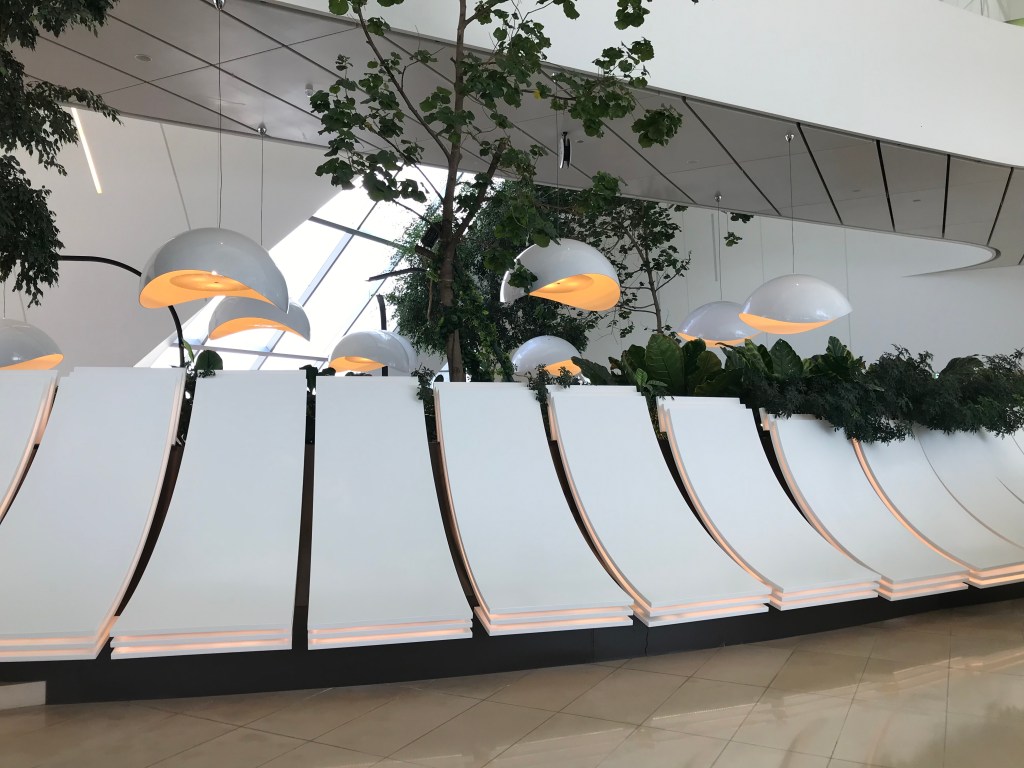
Museum Collection and Interior Details

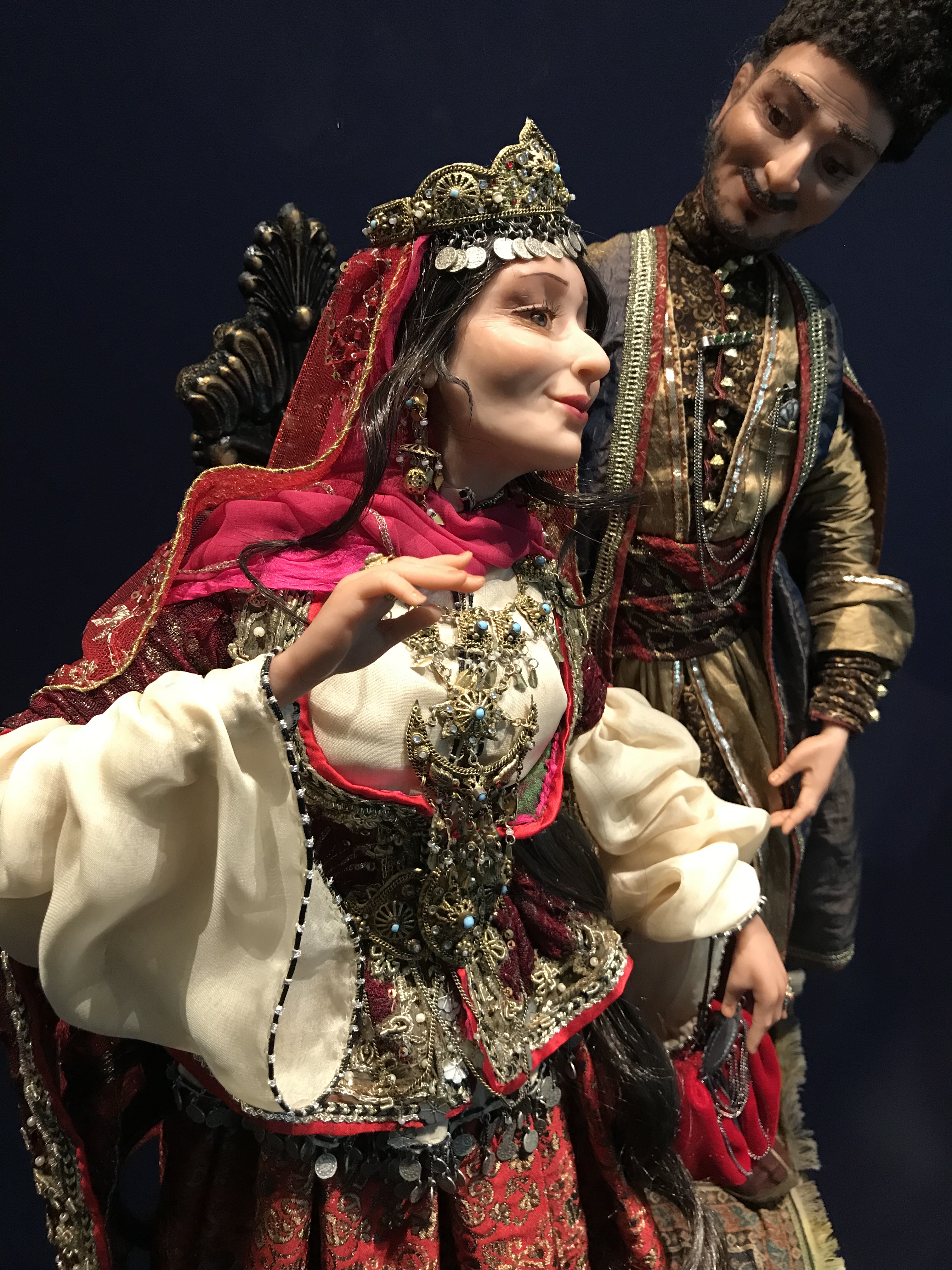
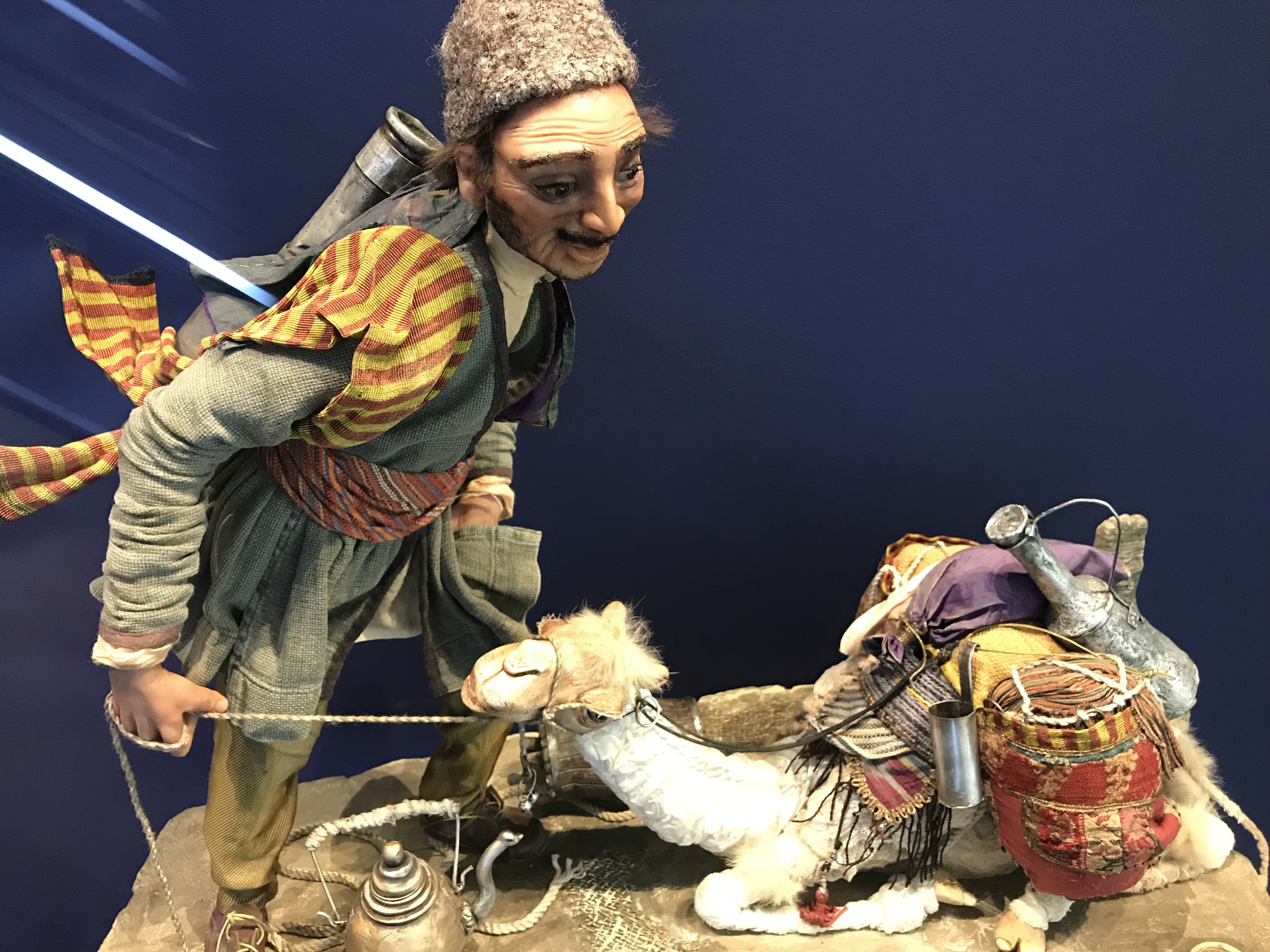
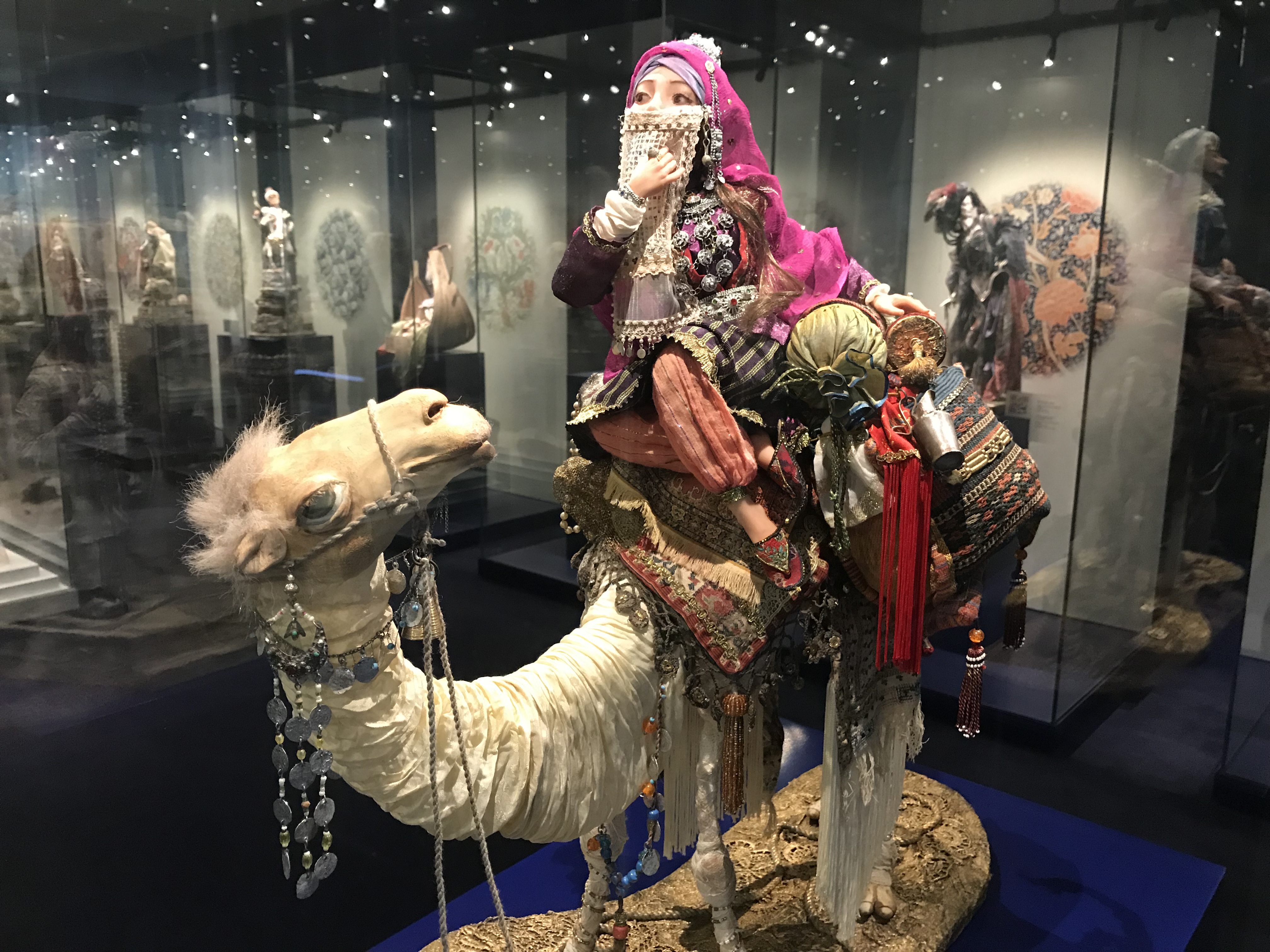
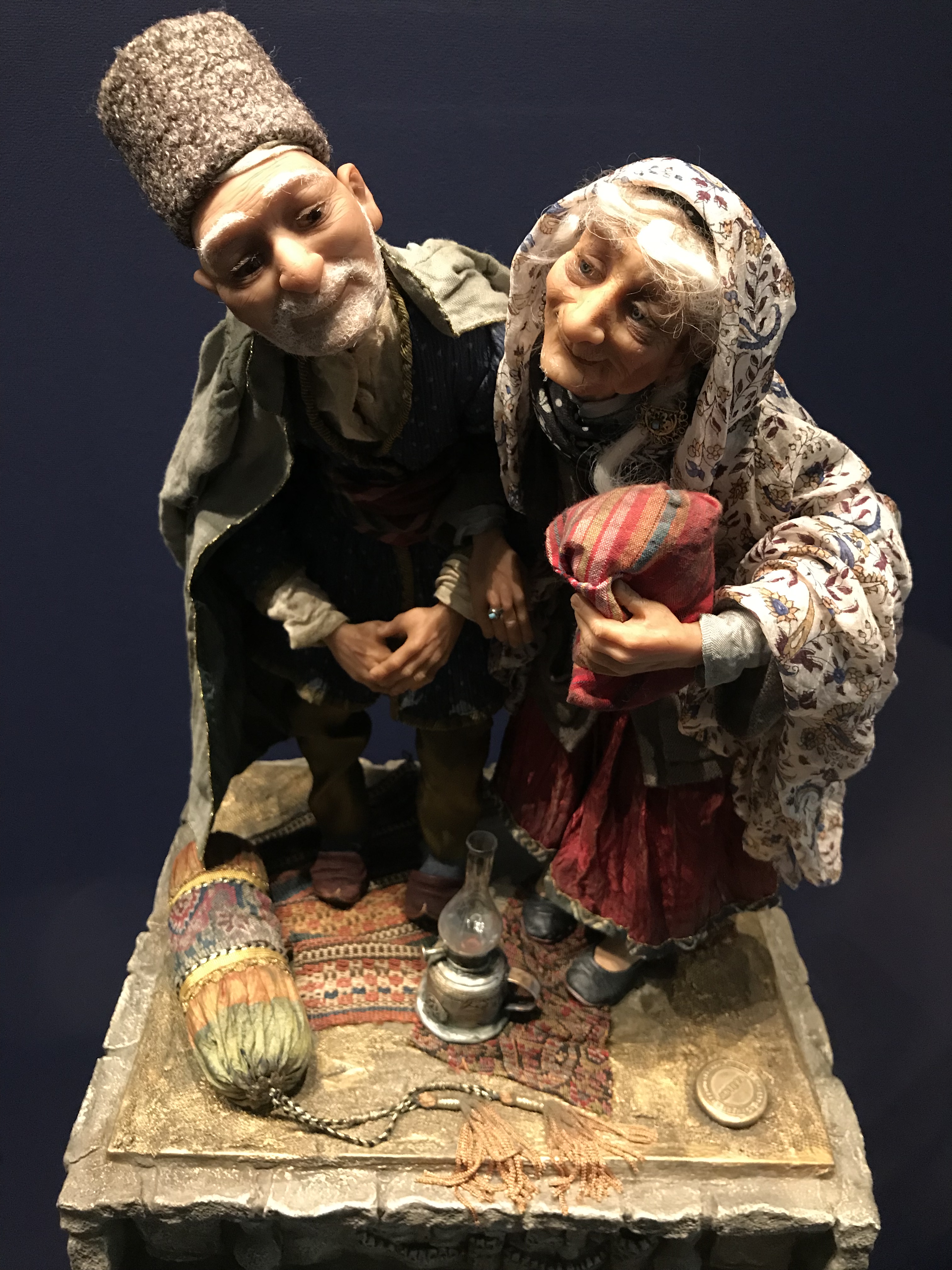
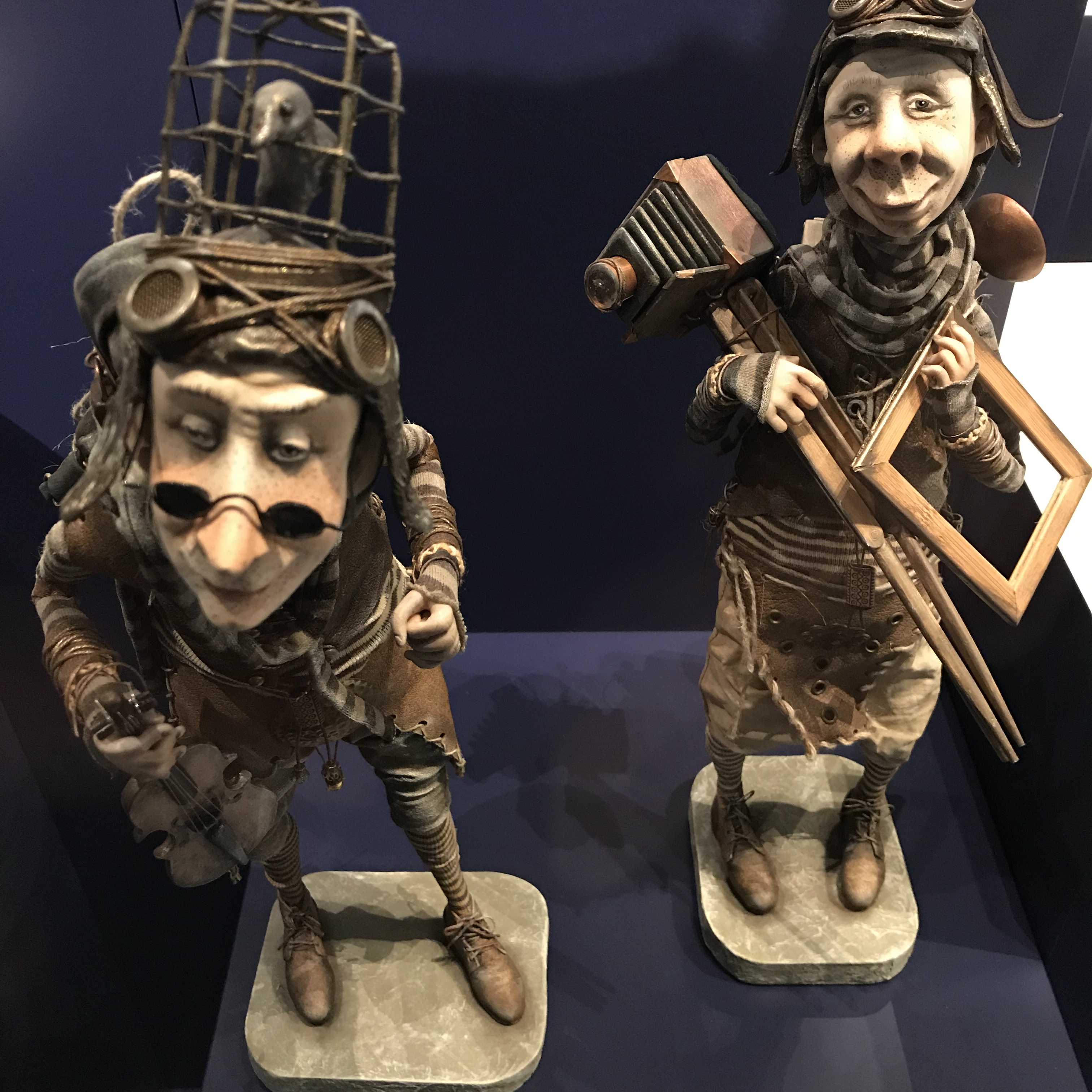
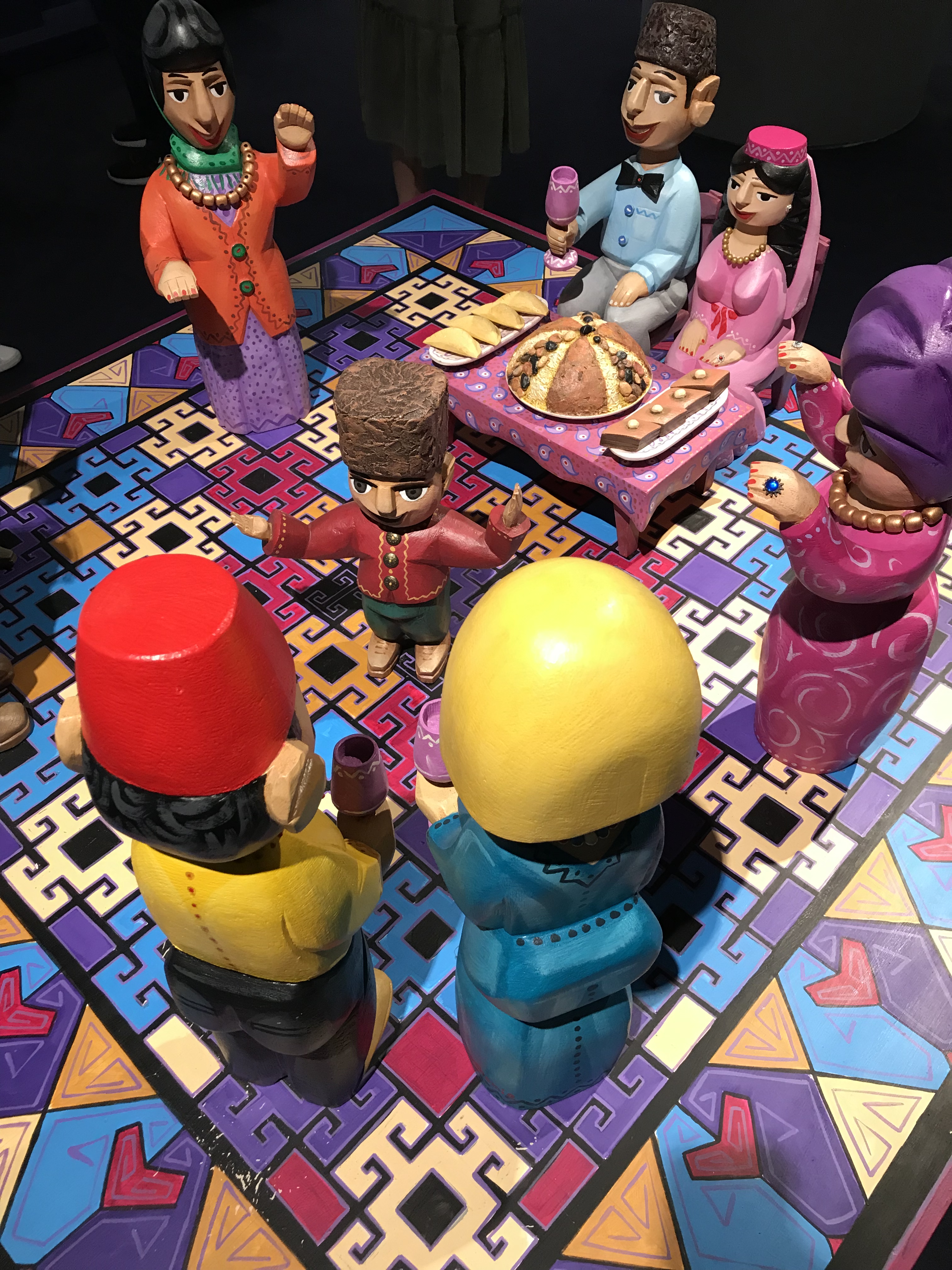
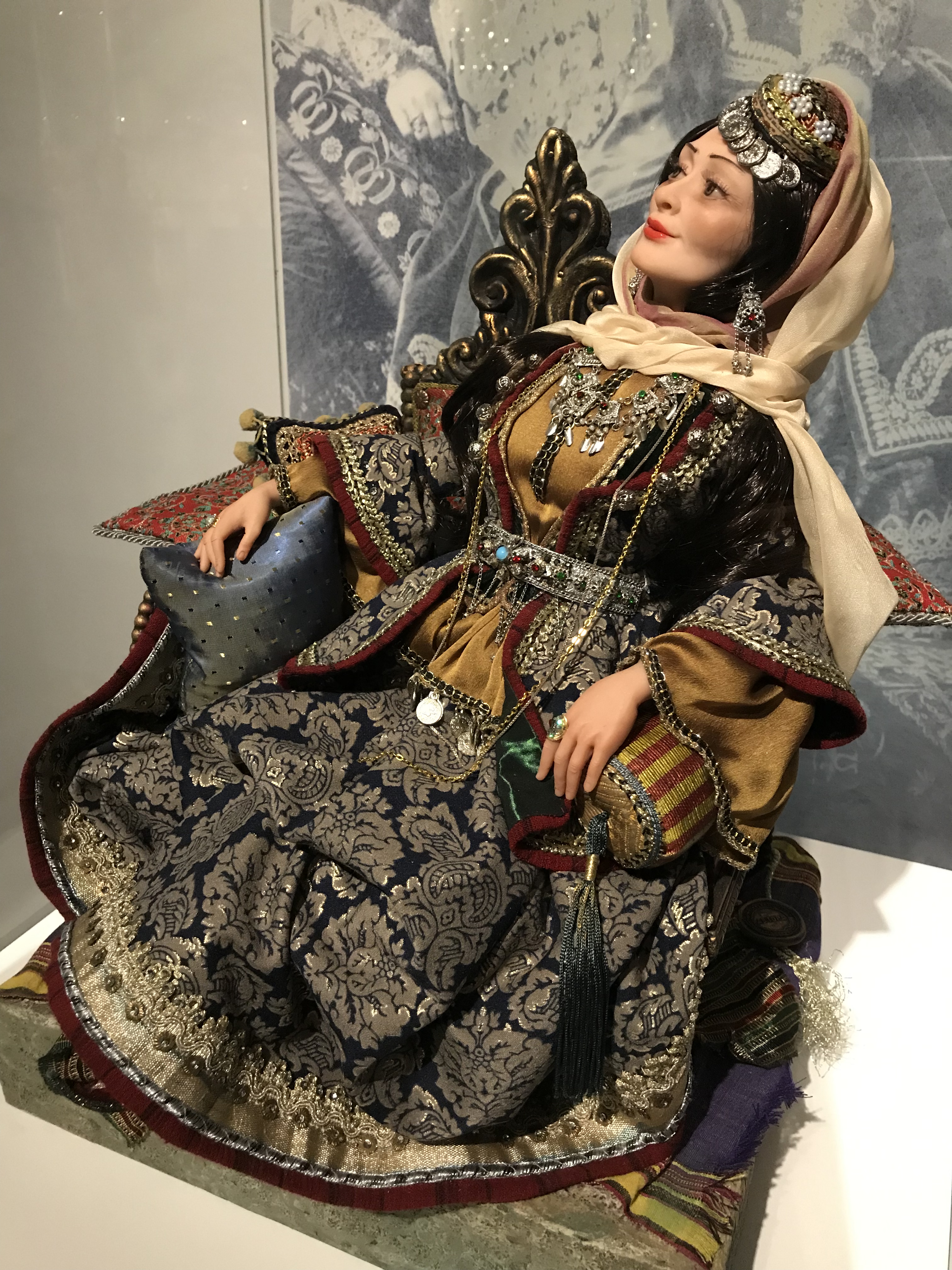
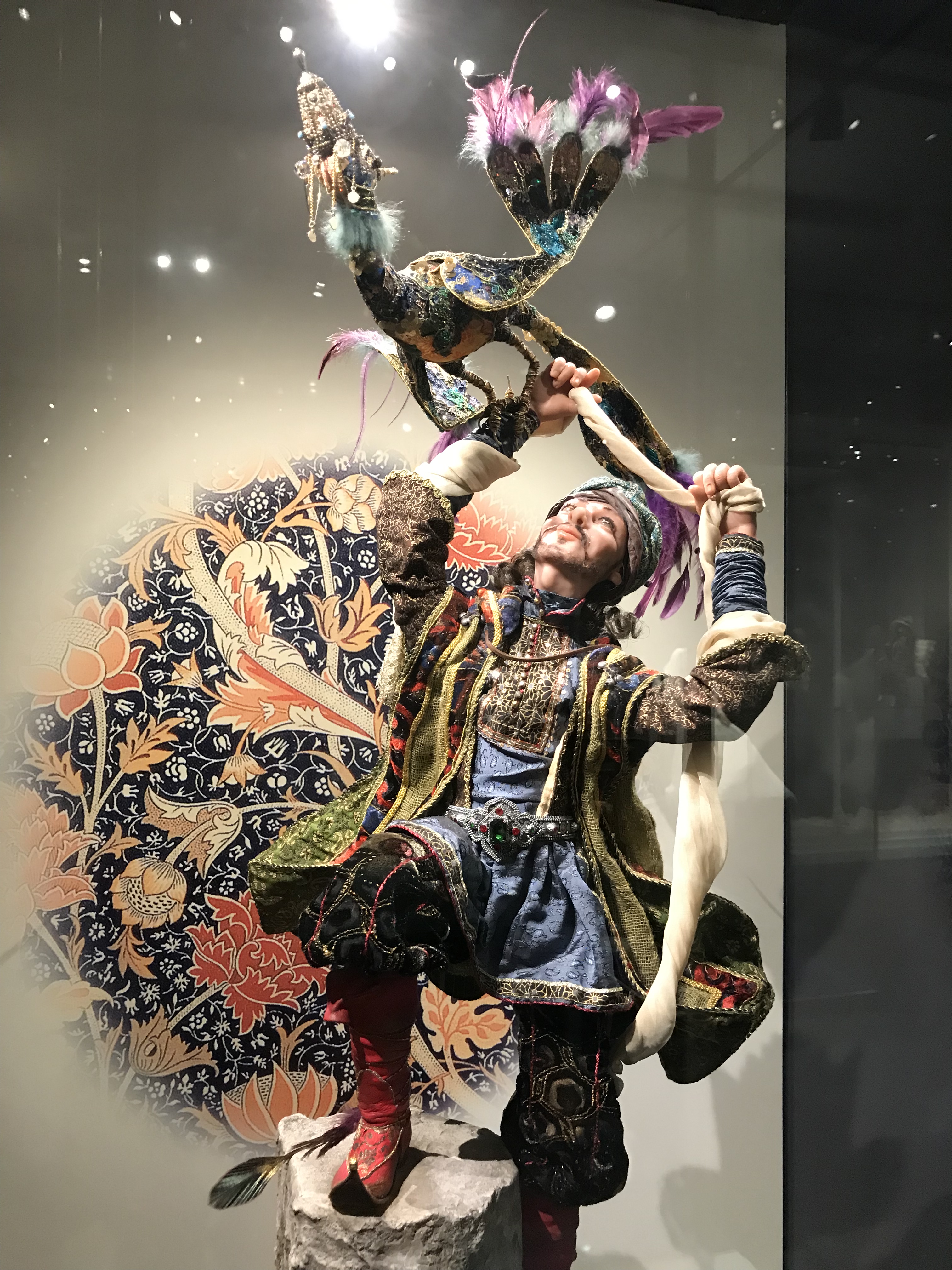
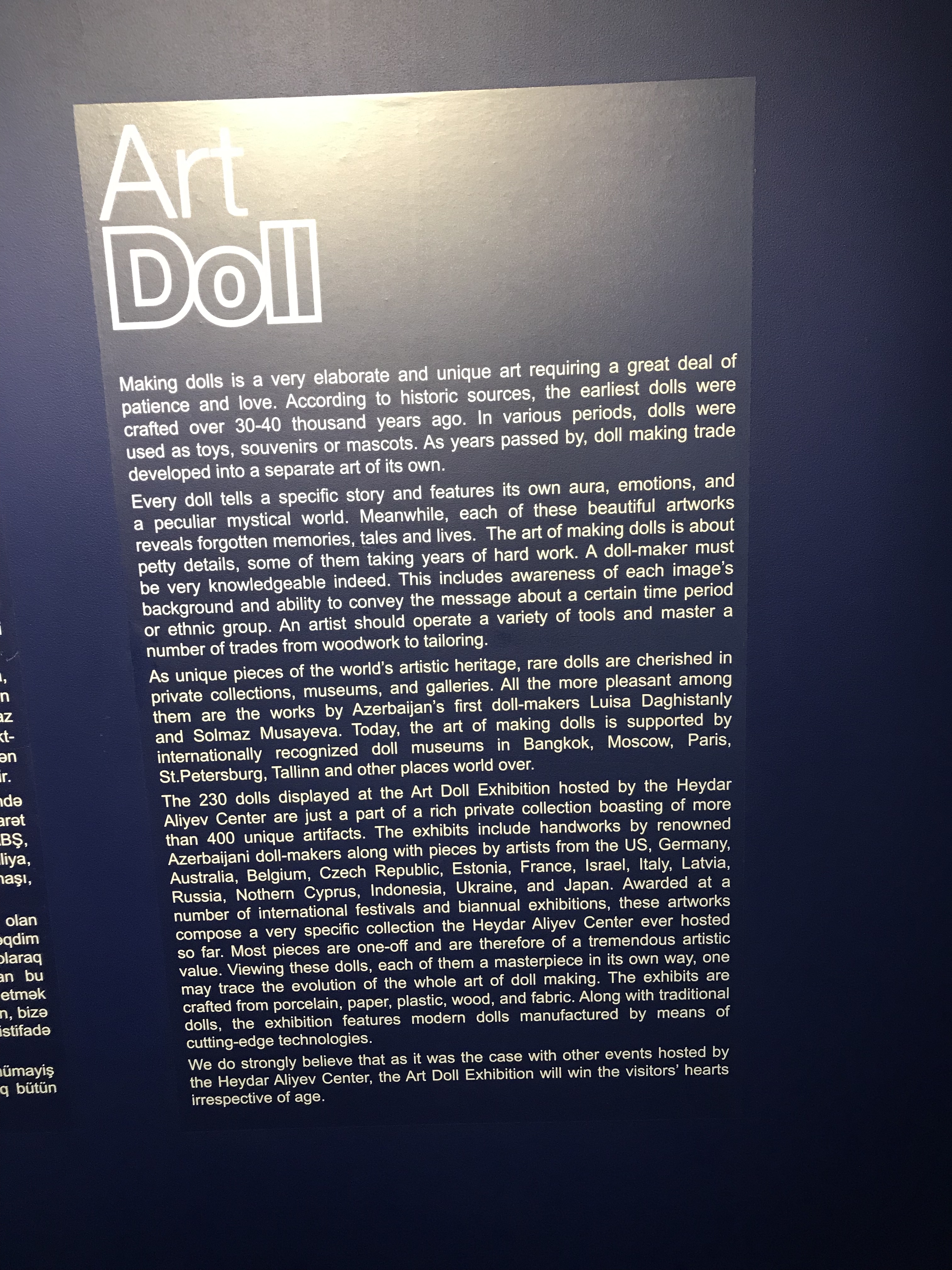
Art Doll Collection

I couldn’t help but become fixated not only by the historic costumes and expressive faces of the dolls in this collection, but also by the exquisite, life-like hand gestures.

Metopera on Broadway

Aside from the address of the Metropolitan Opera being on Broadway, the opera is looking and acting more like Broadway. The opera has been transforming itself to appeal to a broader and younger audience. In doing so, it is getting a glitzy makeover.

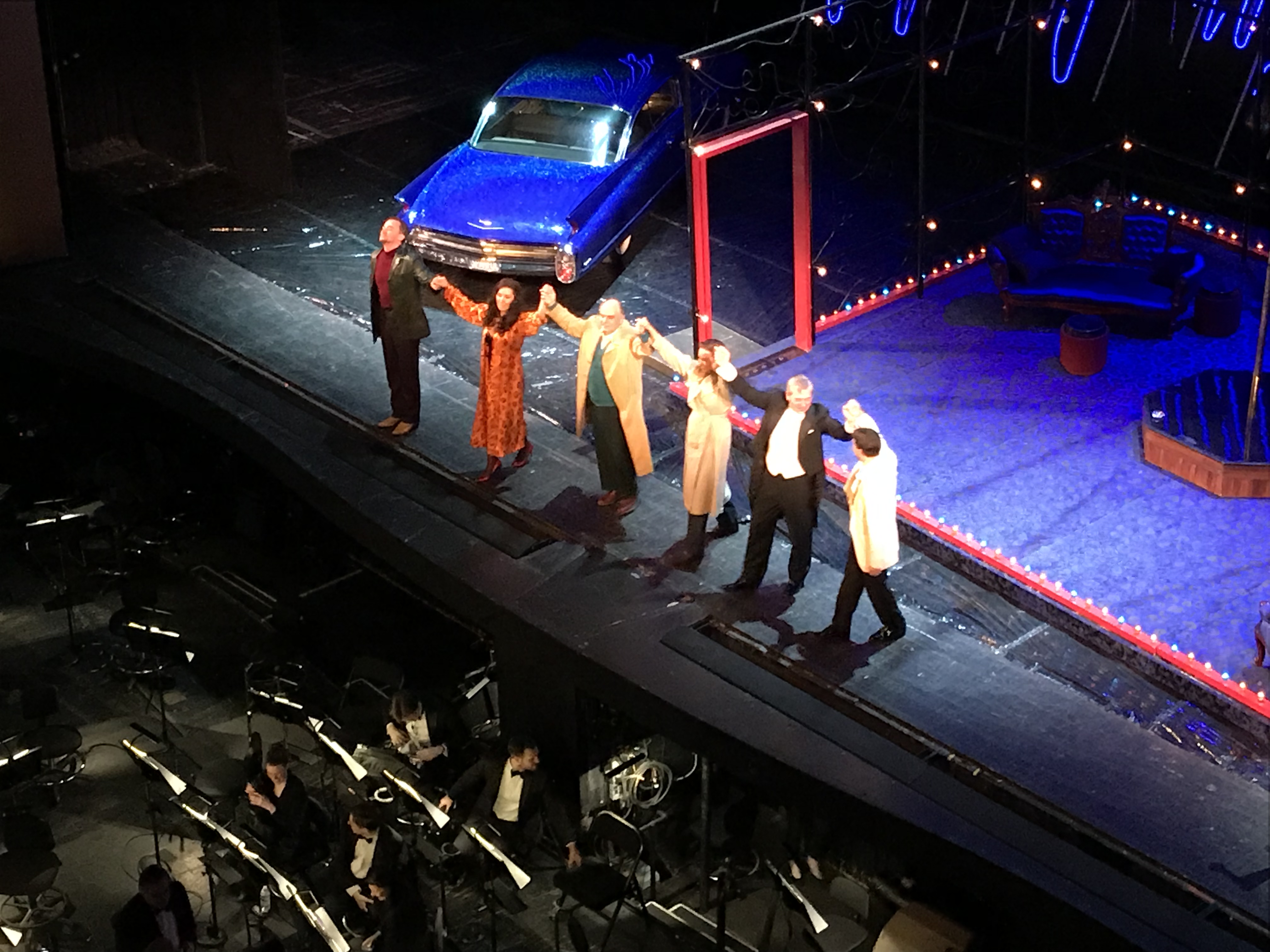
Tonight’s Rigoletto felt more like a Broadway show, complete with neon signs, showgirls and a casino set. The first act was set in Las Vegas, and although it sounds hyped up, the stage sets were sophisticated and appealingly campy. Once the familiar music started, along with the stellar singing, you knew you were back in the good old opera house territory.

Nadine Sierra is an upcoming new starlet who has won plenty of awards for her singing and beautiful voice. It was one of those rare moments. Throughout the evening, you could hear a pin drop as the audience held its breath at each singing pinnacle. Sierra chirped long luscious notes and kept the audience enthralled.

Stage sets, which are often quickly covered at the end of the performance, were left exposed during the curtain call. The designer must have been very proud of this production to showcase it.

Be sure to look out for this live broadcast if it is shown in cinemas in the near future. It was spectacular, exciting, and the singing was stellar. An excellent reinvention of a popular opera.

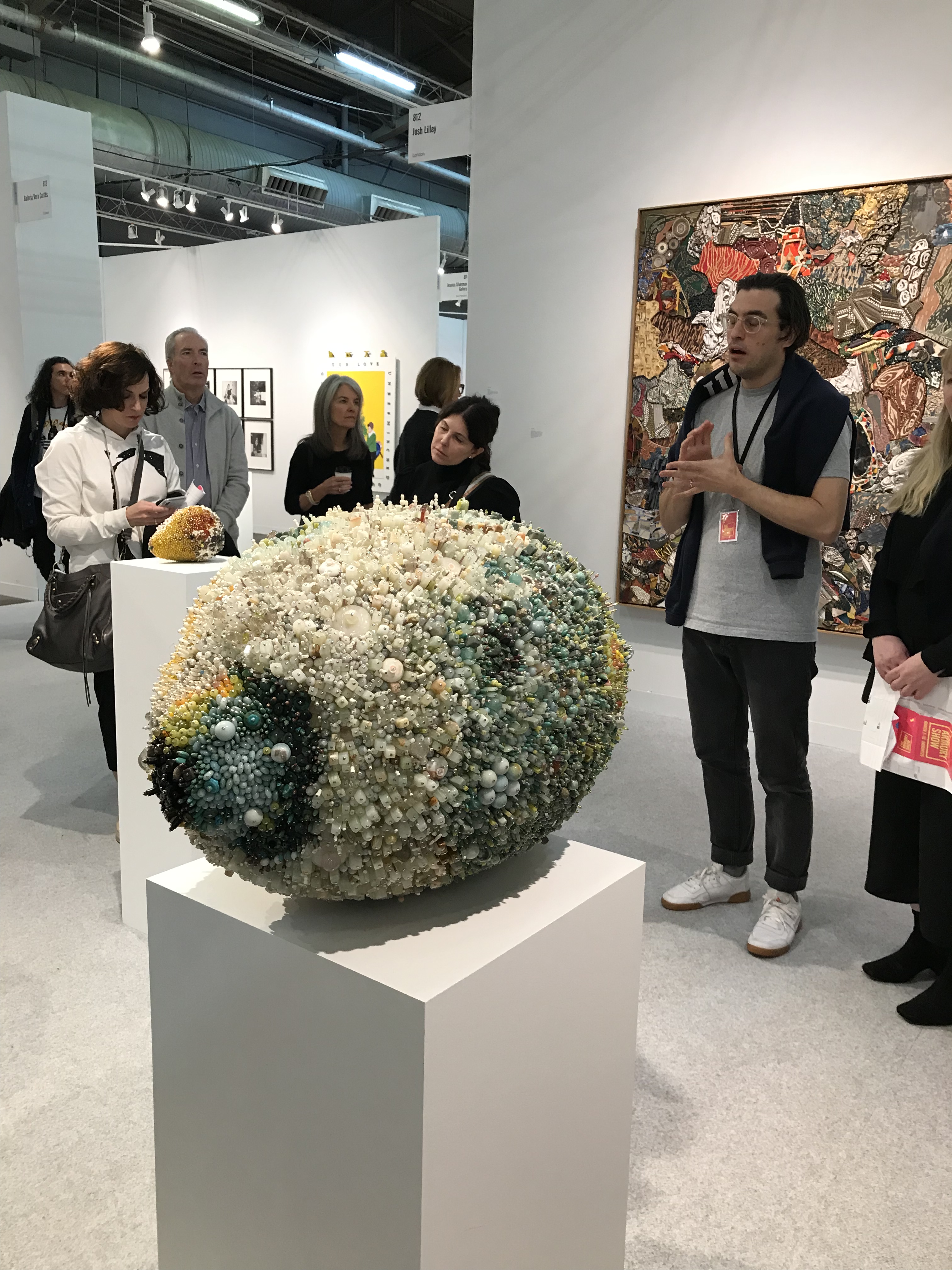
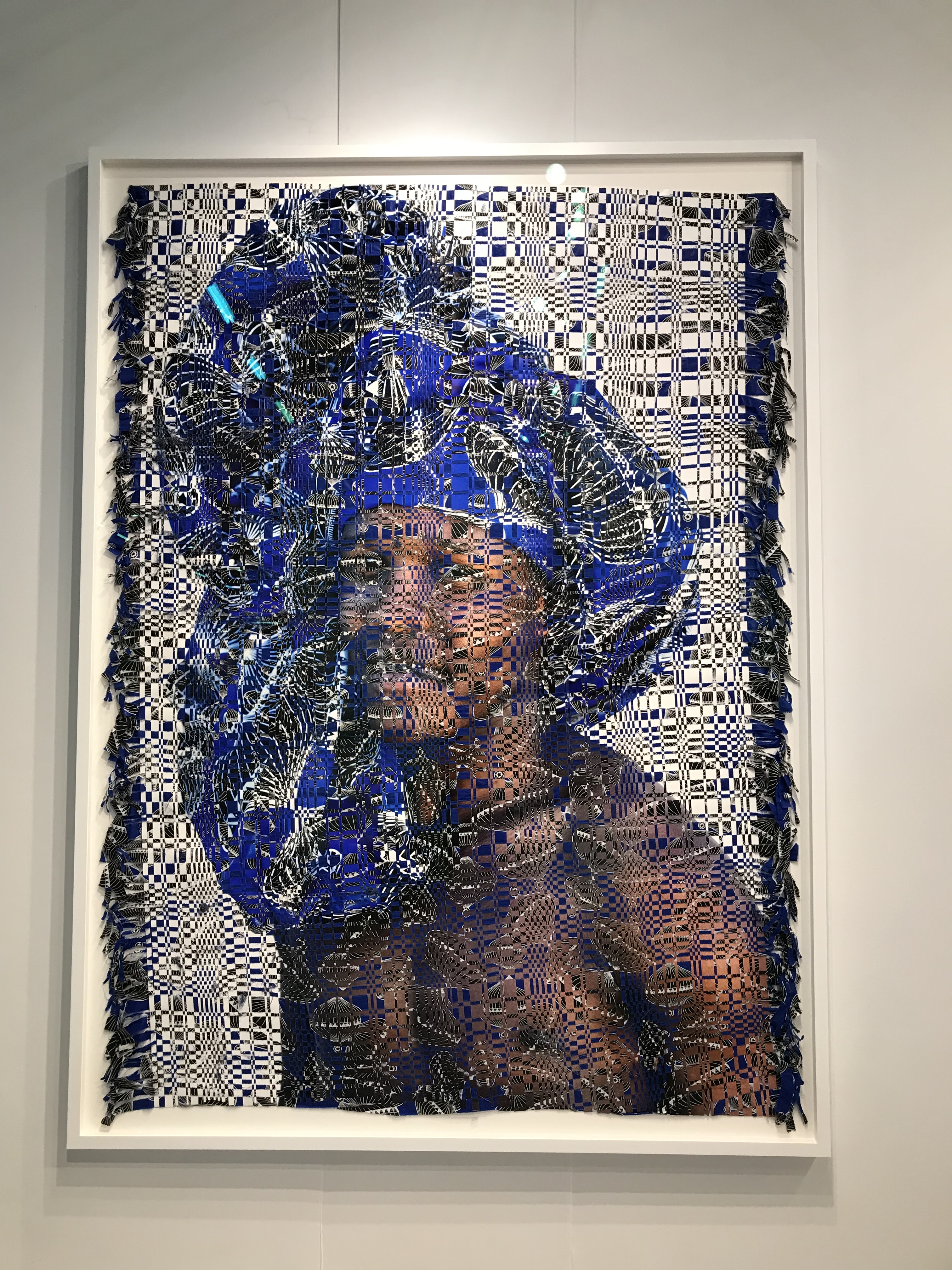
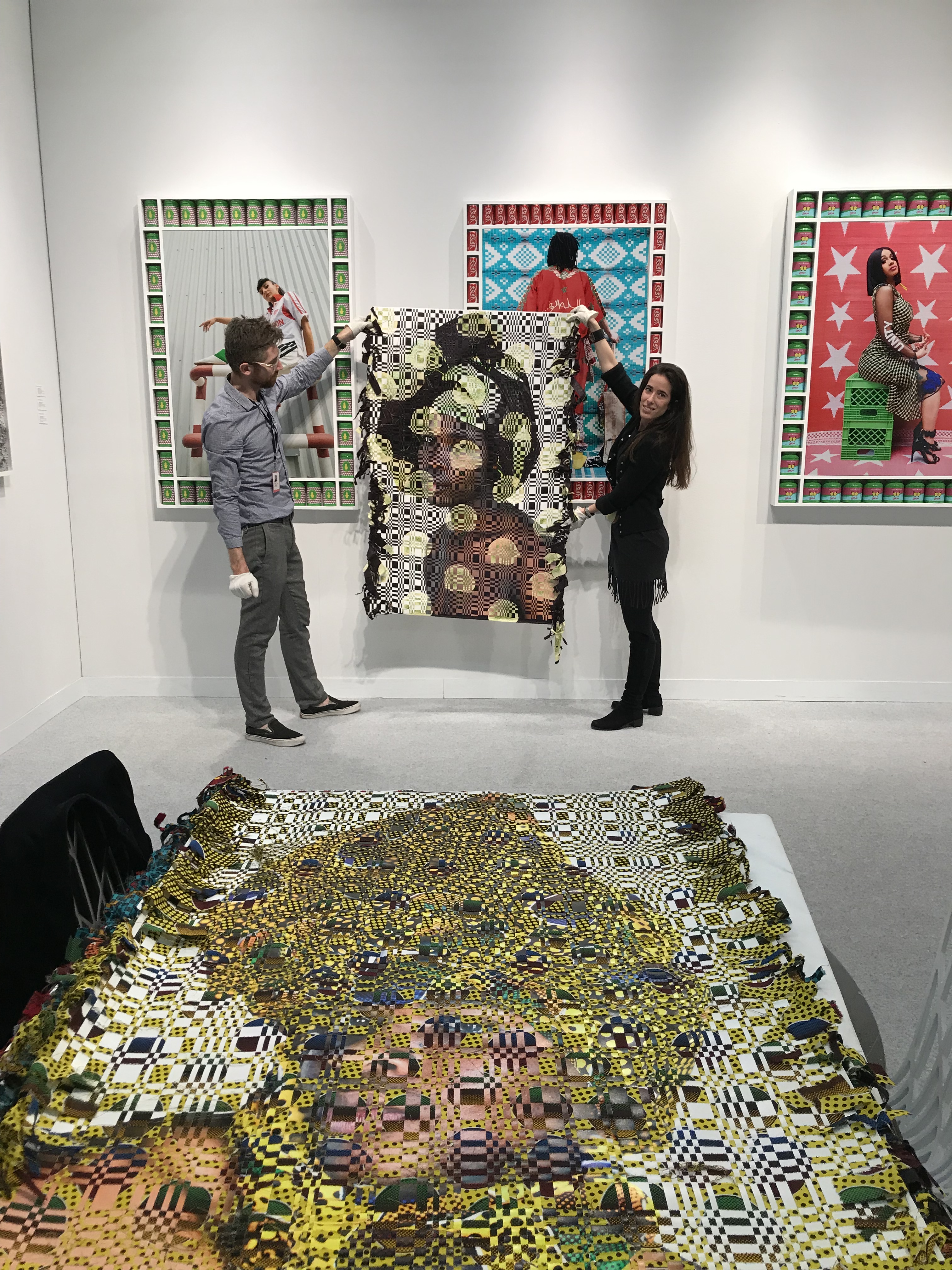
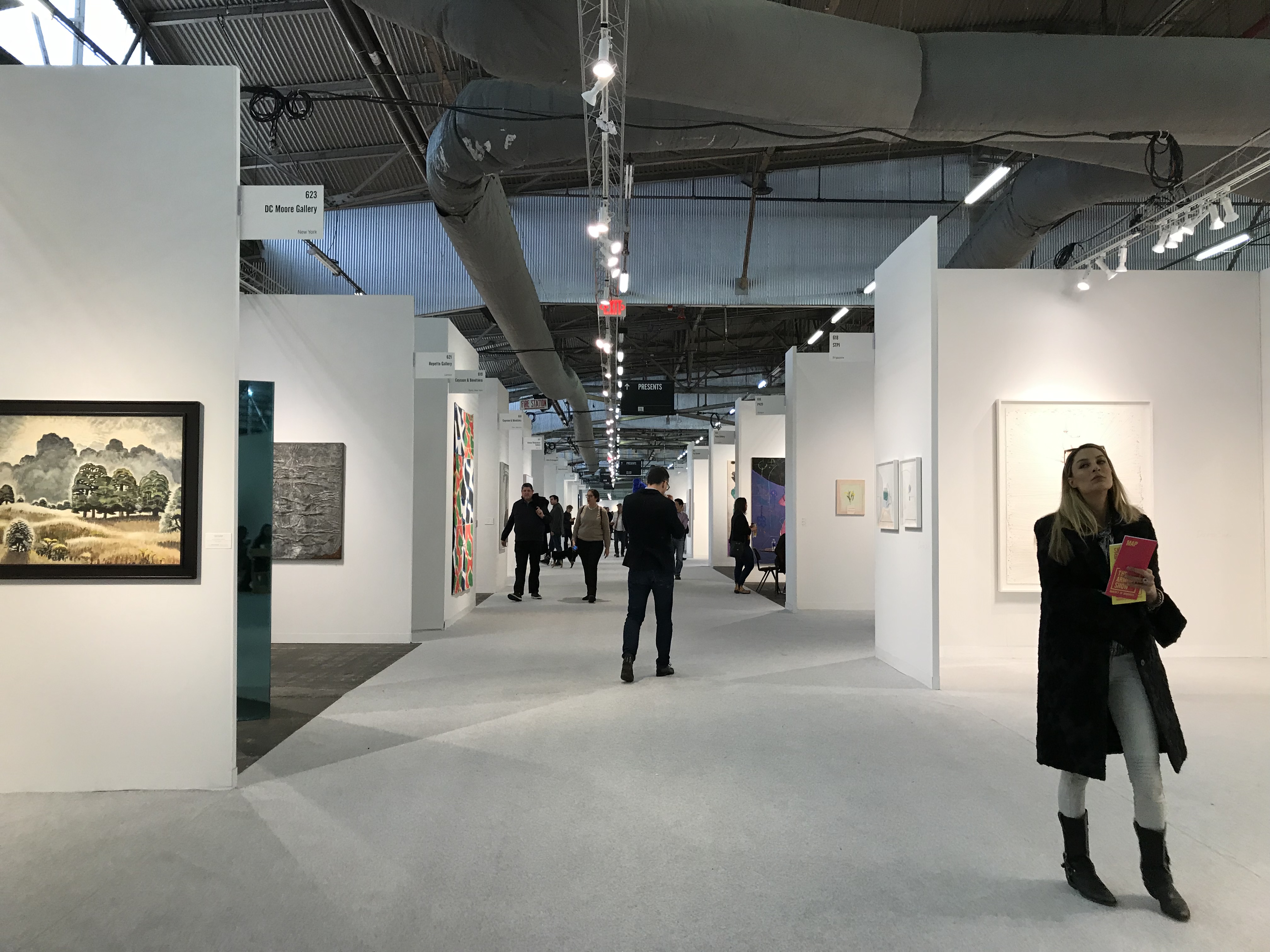
The Armory Art Show at Pier 94 reinforced the thriving arts scene in New York City. More than 250 exhibitors were represented in a show that started 25 years ago in the Gramercy Park Hotel. you can see some of the works by featured artists below.

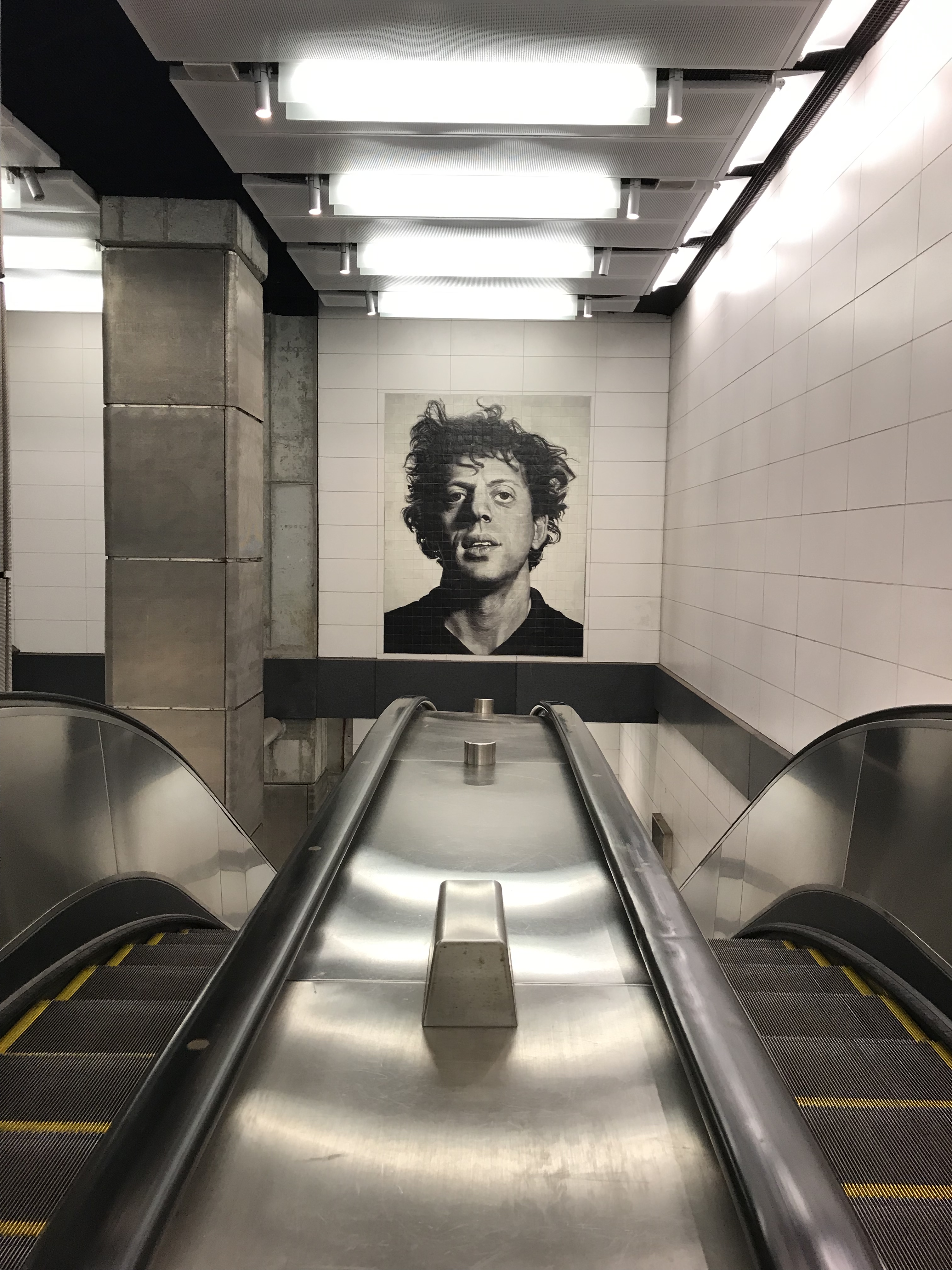
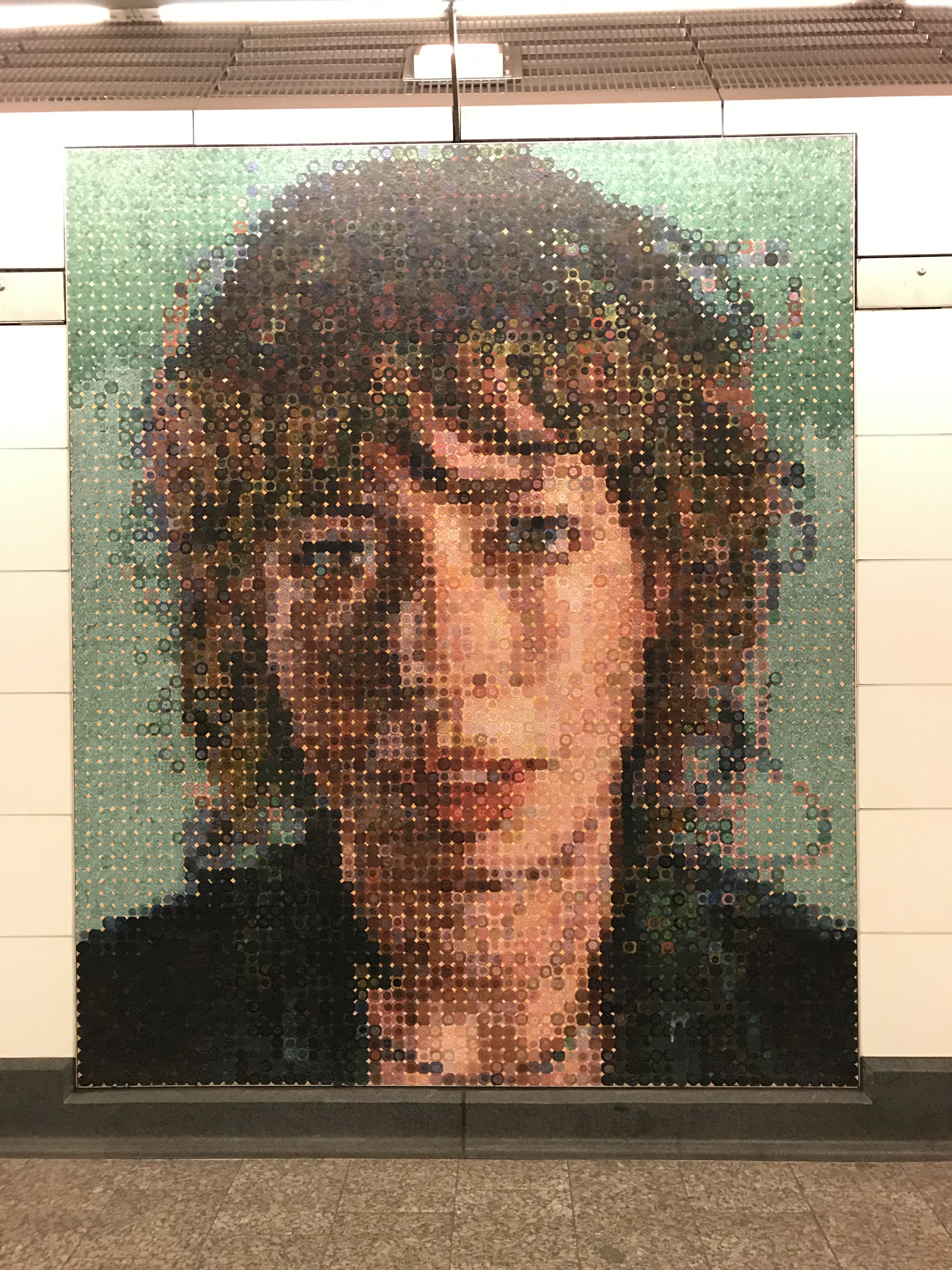
Traveling back and forth to Lincoln Center offered plenty of opportunity to view public art and hear a variety of musicians in the subway stations. They certainly enhanced the travel experience and gave plenty of inspiration. Can you guess the artist who produced the portraits?!?

Zaha has Deeds

It may have been a shock back in 1975 when Zaha Hadid, a world famous Iraqi architect who died recently, won her first international competition in Hong Kong. Hadid proposed to place a hotel on the top of Victoria Peak by polishing the hilltop granite down to bedrock. Appalled as I was at the idea of this self-inflicted environmental disaster, Hadid managed to convince the jury that her bold move would, as it was, be a world-wide attention-getter. Fortunately the project was never built. Needless to say, nor was the project I entered with two other architectural students a winning entry.

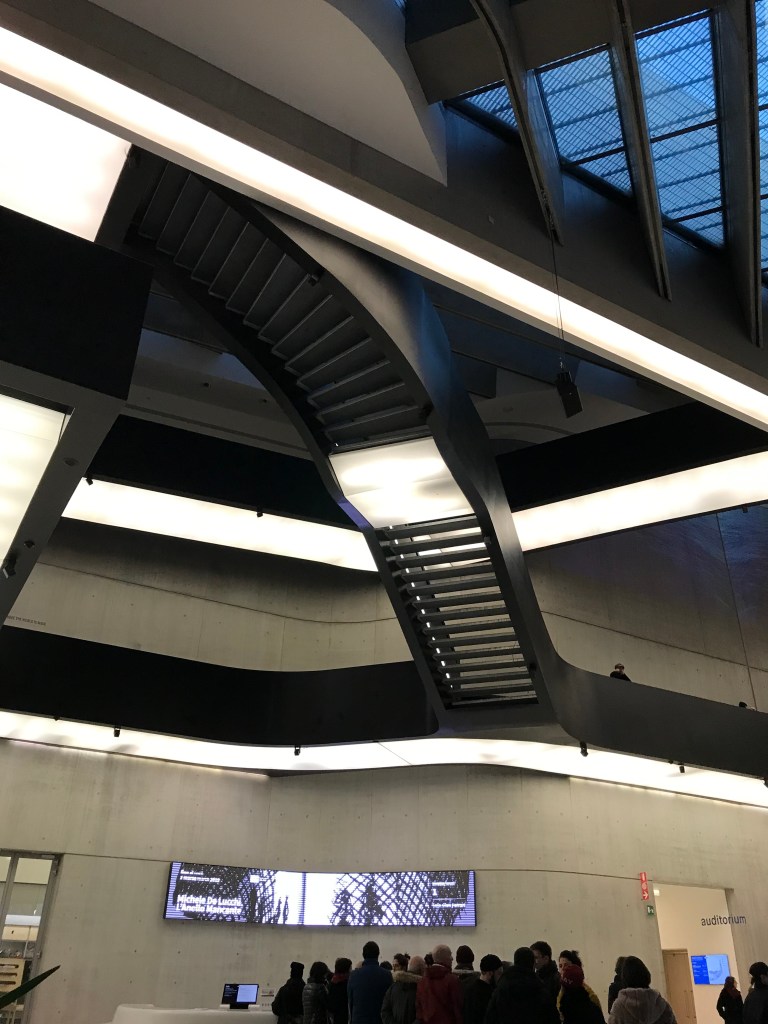
Despite a spate of unbuilt designs from crazy-rich ideas, Zaha Hadid eventually settled down and managed to complete some sizable design projects. Among them are the Guangzhou Opera House, the BMW Factory in Leipzig, a museum complex in Baku, and the Maxxi Museum in Rome. Below are photos of the Maxxi Museum we visited last month.

Her wavy gravies were never among my favorite buildings and trended toward the Gehry-esque camp. But I have to admit that the staircase in the Maxxi Museum was impressive and much more successful that Snohetta’s version at the SFMOMA. The overall design seemed well suited for the video installations displayed in the museum. I missed posting these last time, so I hope you enjoy seeing the interiors. Make a plan to go there next tine you are in Rome. It’s a refreshing antidote to the Renaissance and ancient architecture.

Matera and Plovdiv starring as EU Capitals of Culture

The cultural heritage cities designated by the EU for 2019 are Matera and Plovdiv. Each year, they highlight undiscovered gems. Do you know where these cities are in Europe?

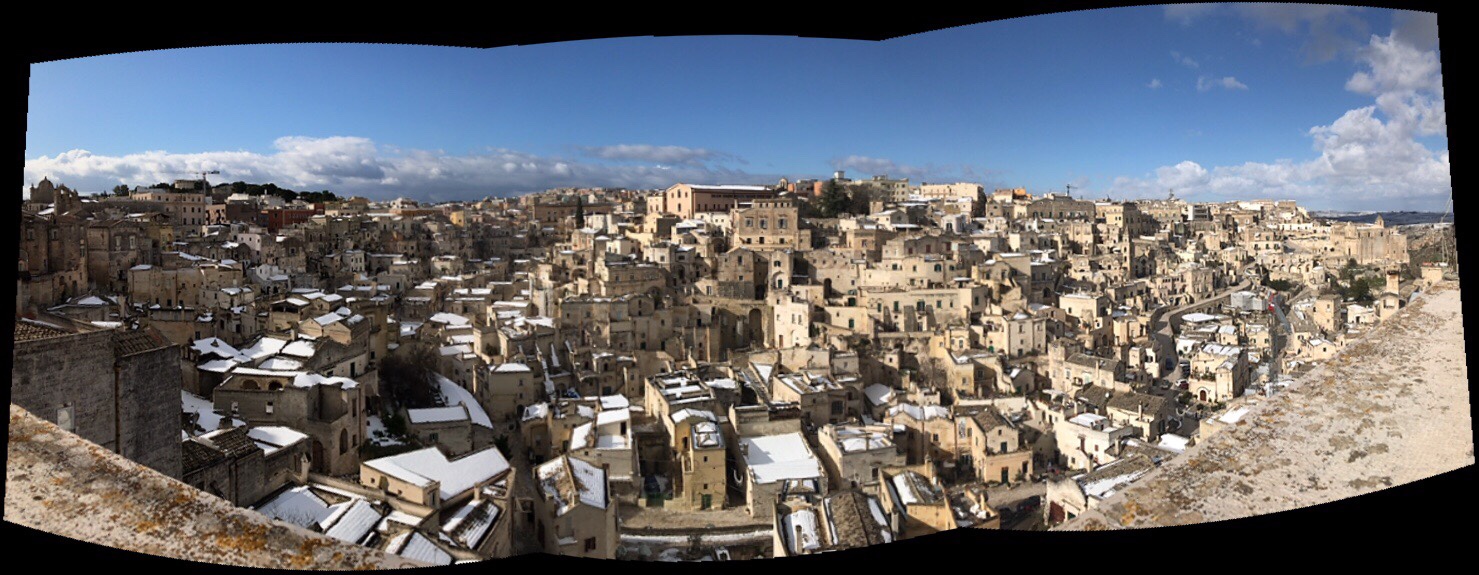
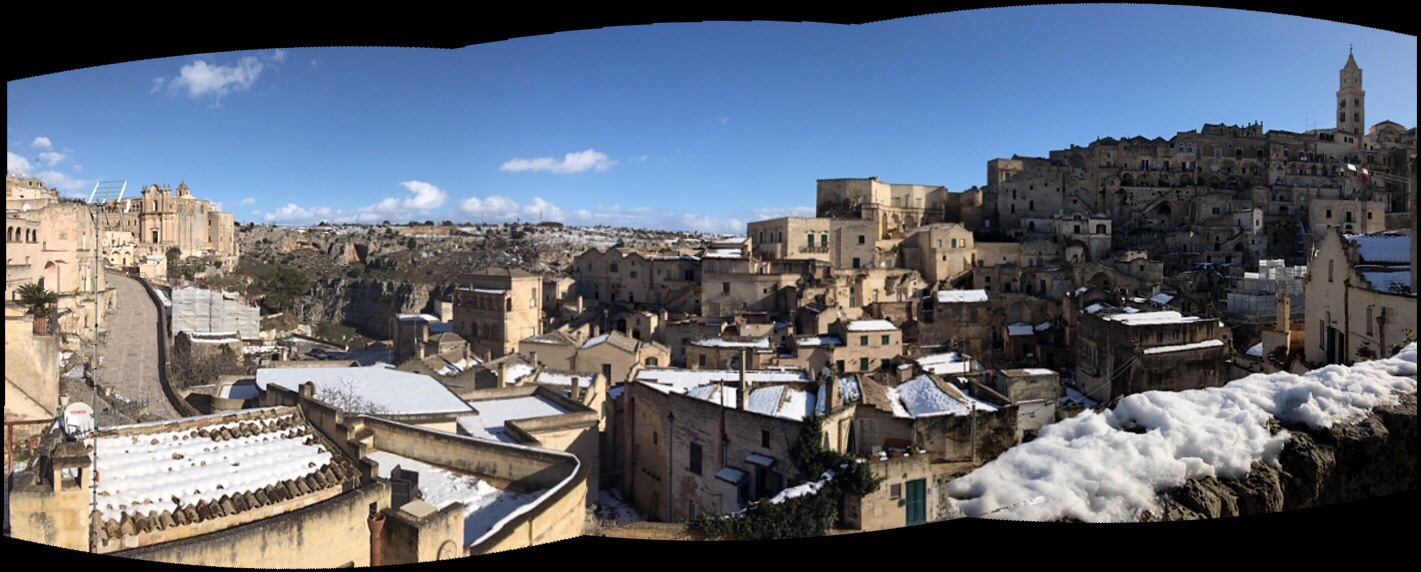
Panorama of Matera, January, 2019

Daughter Melissa learned about Matera just before we flew to Rome, so we carved a day from our itinerary and flew to Bari. After that, it’s only an hour away by car. We covered most of the main hill town by walking. Locals are intent on managing tourism responsibly to preserve the natural beauty of the area developed over many centuries. You can see more photos of Matera in the previous post.

Both Plovdiv and Matera will feature open-air operas this summer. One of my favorites, Cavallera Rusticana will be presented in Matera in August, and in July the Roman Amphitheater in Plovdiv will present Aida and Rigoletto. This is a good chance to visit either city or both as they are filled with fascinating history and architecture. Here’s a good resource to learn more about both cities: https://europediplomatic.com/2019/01/04/matera-and-plovdiv-starring-as-eu-capitals-of-culture/

Ralph Steadman Restrospective–San Francisco

Back in San Francisco and thanks to SF Sketchers, I found my way to the Ralph Steadman retrospective presented by the Haight Street Art Gallery. Although primarily a political cartoonist, Ralph was highly appreciated for both his skill and wit. Although I had never heard of this artist before, I loved learning about his life’s work. I particularly liked the typically dry humor in the sketch about the Pastry Chef!

Steadman was fascinated by famous artists or political characters and traced their footsteps meticulously. He became the characters as he absorbed their psyche. Each scene he depicted seemed to represent a play he had written in his mind. He imagined Michelangelo throwing a fit in the Sistine Chapel, Nixon “discharging” Spiro Agnew, and one of Freud’s clients receiving therapy on the couch in the stuffy office where the psychoanalyst practiced. He even lampooned Trump.

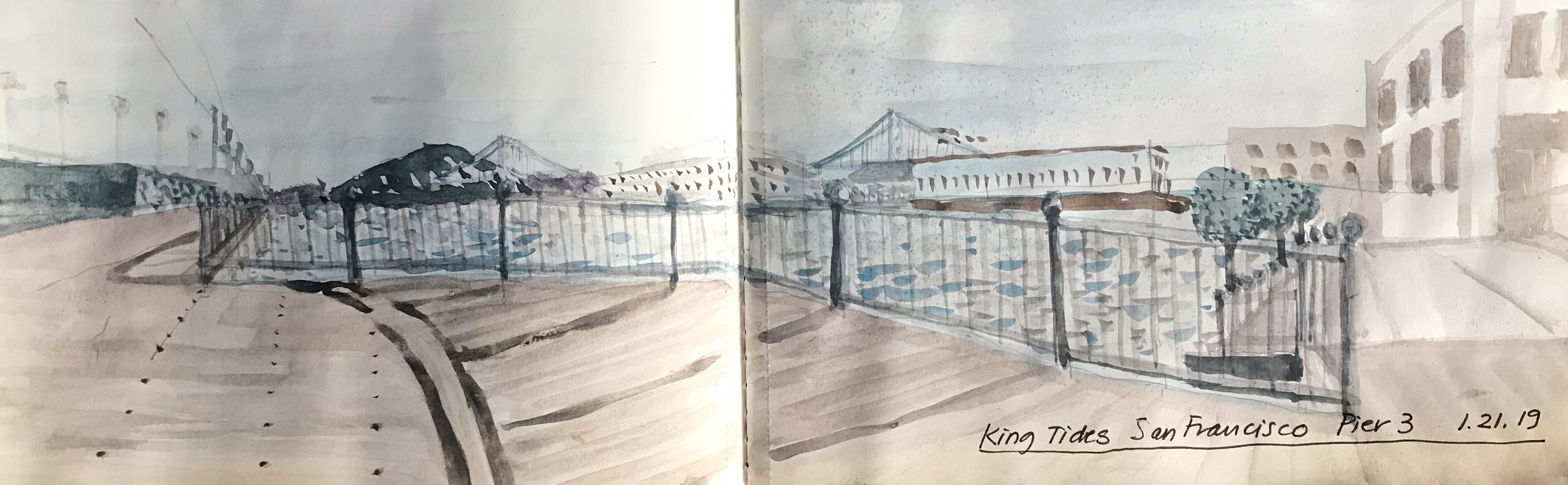
And to record a few sketches made in the past week:

Be sure to catch a summary of travels for this year in the 2019 tab in the header at the top of the page!

Italian Highlights, Jan. 2019

High Renaissance Rome

St. Peter’s Baldacchino by Bernini and Michelangelo’s Dome,
in the most magnificent interior space in the world

Napoli Pizzeria

Famous Pizzeria da Attilio, Napoli: Pure, straight, and to the Oven

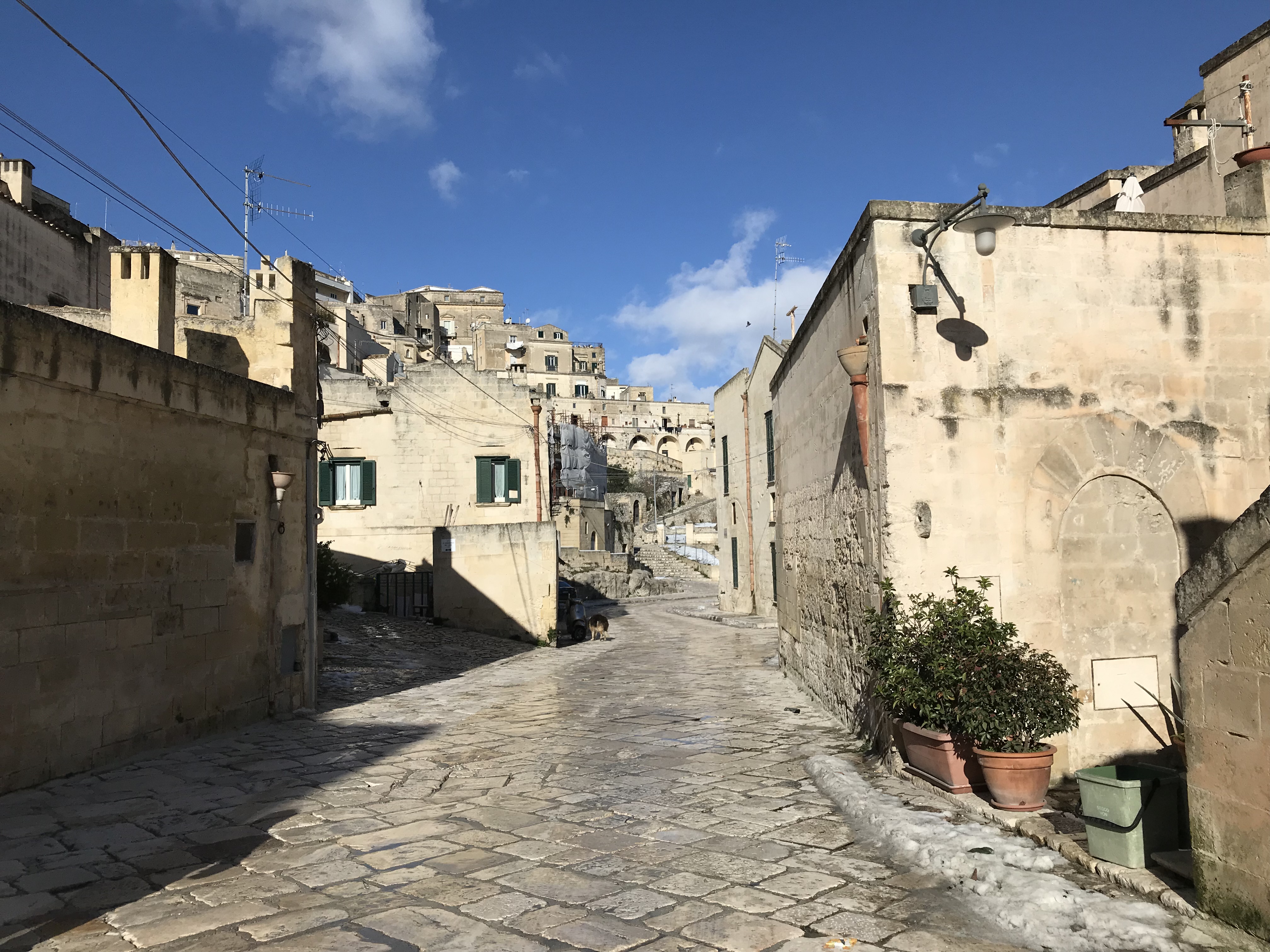
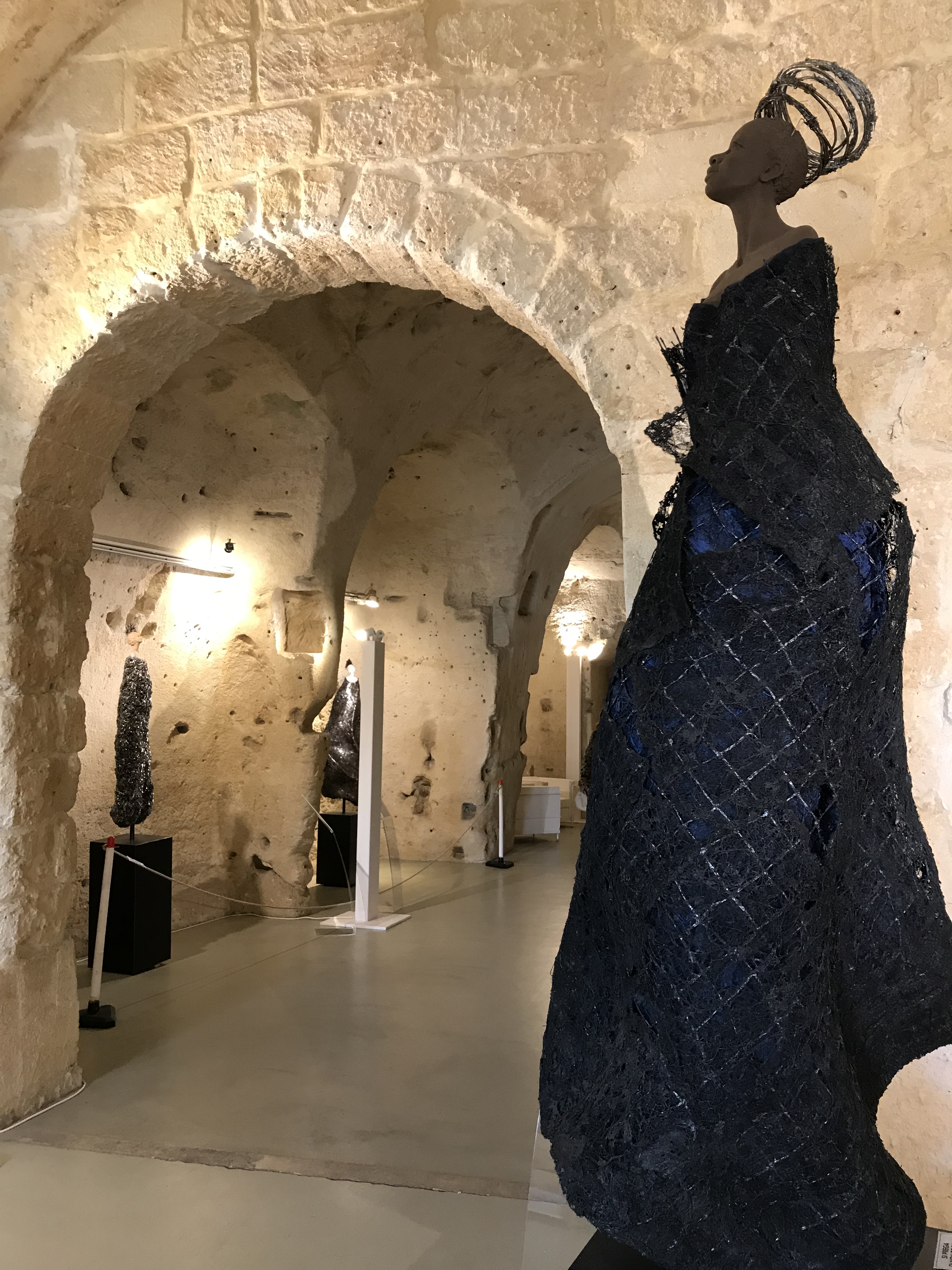
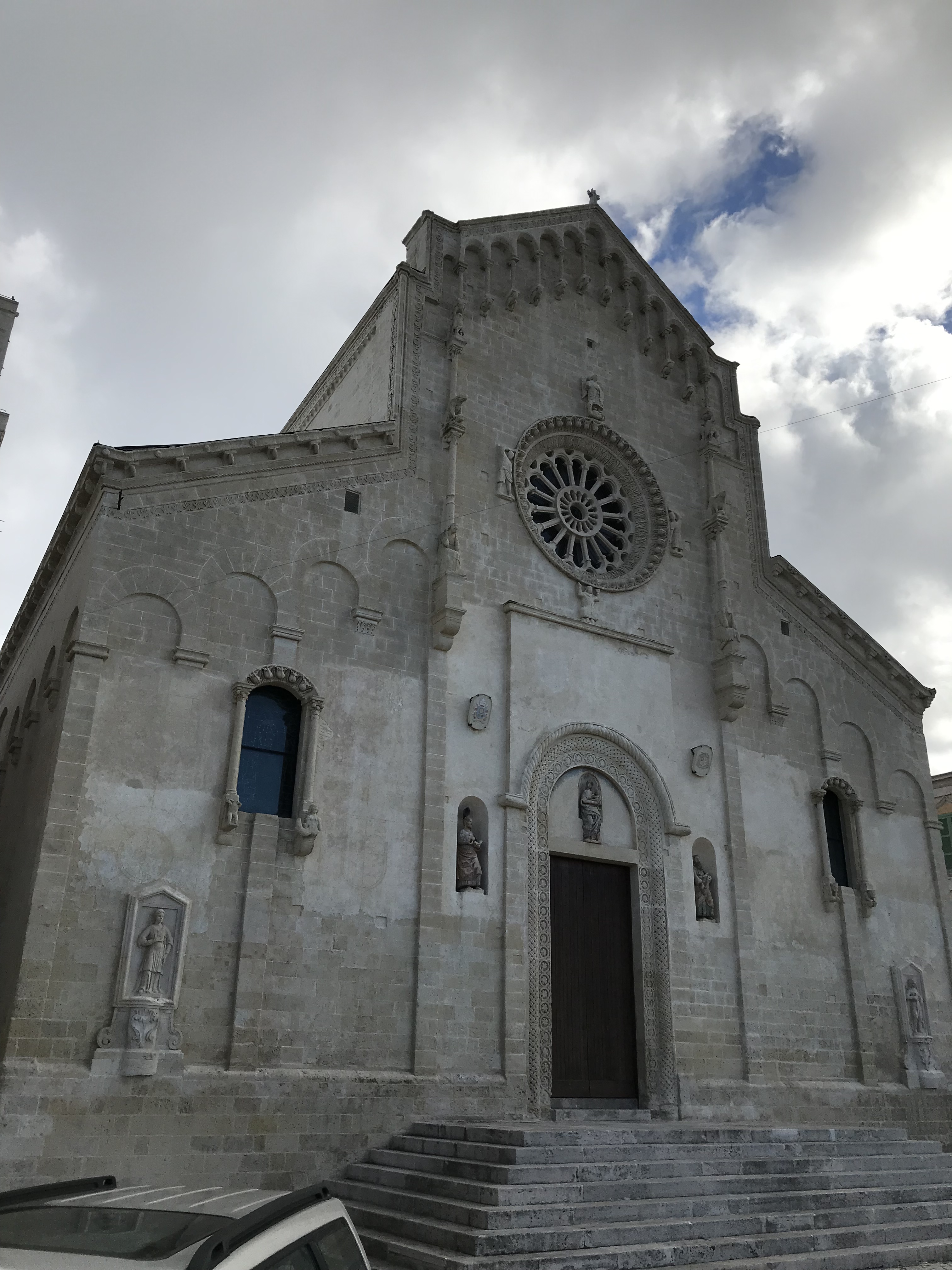
Sassi di Matera, Italy

A World UNESCO site dedicated to restoring hill towns with little or no environmental impact

Swan Lake Ballet in Rome

Delightful Swan Lake Ballet at the Opera Theater of Rome

Chef’s Personal Tour of Italy

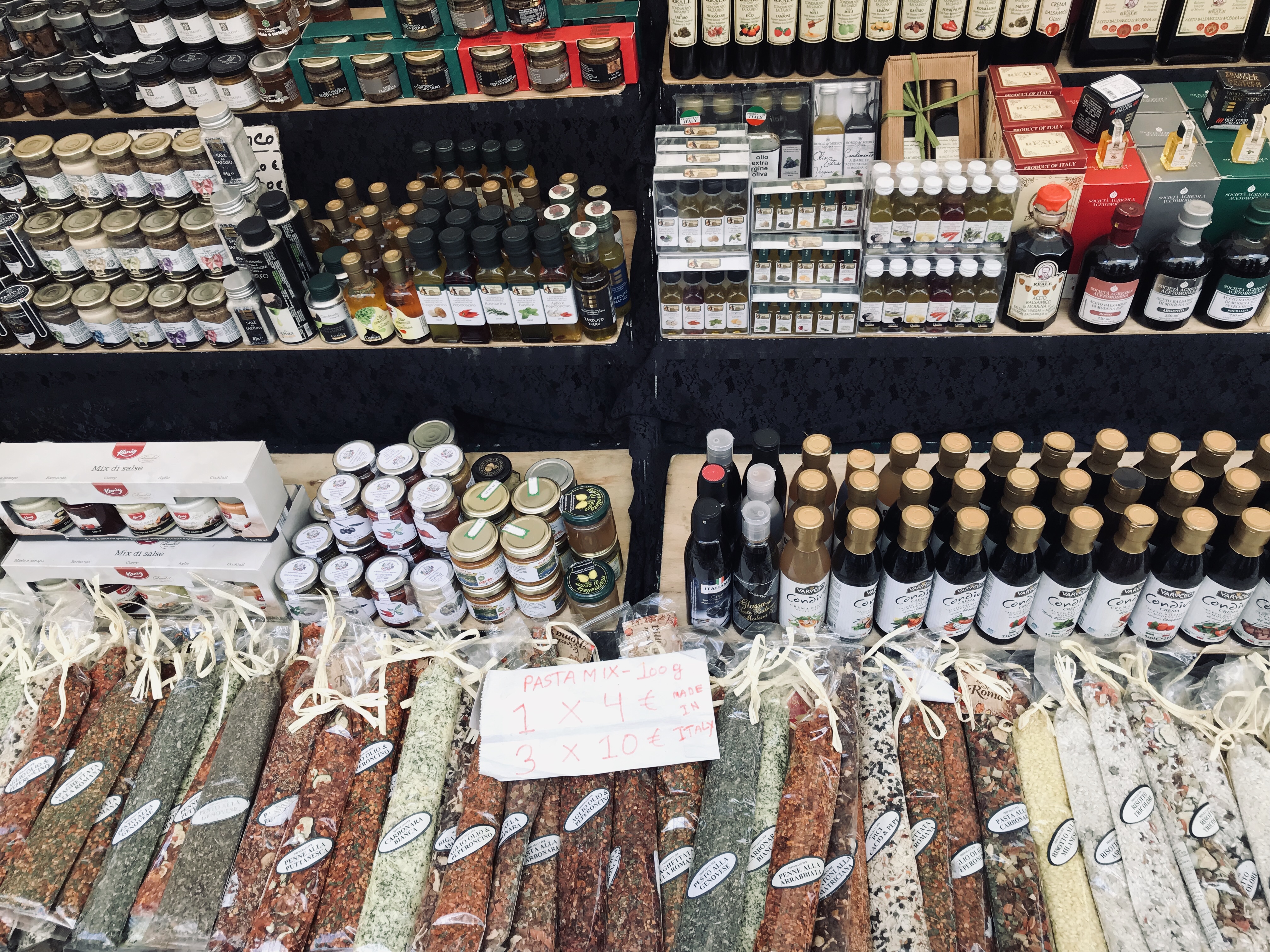
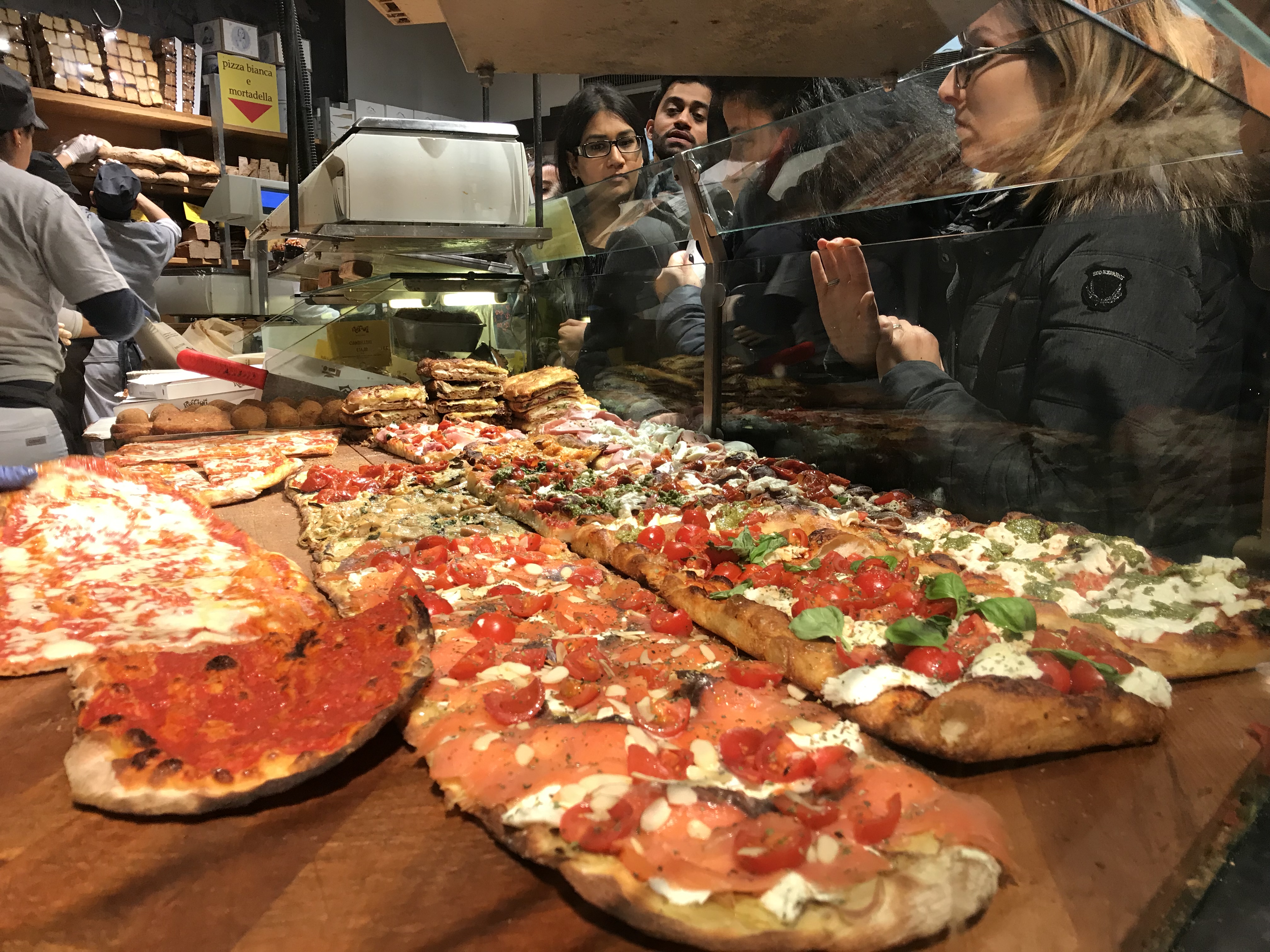
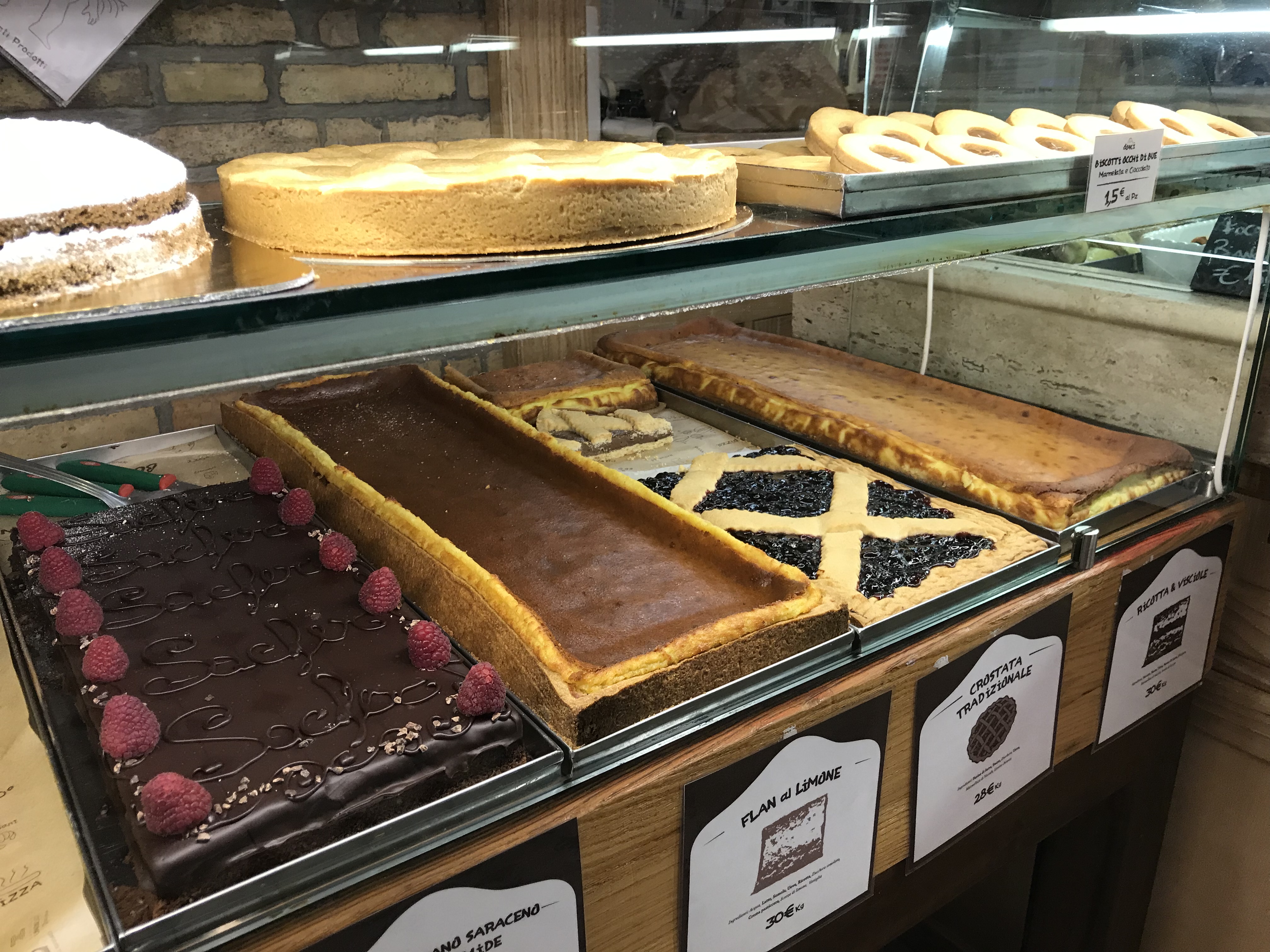
Food in Rome, Naples and Matera

In a frenzied week of food, history of art and architecture, and archaeological sites, it was easy to be overwhelmed by Italy’s riches. The time was afforded and determined by a rare winter hiatus at the restaurant where pastry chef/daughter Melissa works. Between two of us, we tag-teamed on where to go, how to get there, and making sure that we maximized resources.

Speed traveling in a slow country by two generations of sturdy travelers was achievable, satisfying, and forever memorable. With Rome as our base in Testaccio, we took a full day trip to Naples by train. An inexpensive flight to Bari at the heel of Italy enabled us to visit Matera in a second, dawn-to-dusk trip. A one-hour drive from Bari allowed us to reach Sassi, two ancient hill towns straddling a deep valley. This UNESCO area is designated to become a major destination in 2019, to showcase sustainable tourism and environmental protection of treasured and not-to-be forgotten settlements.

Matera Hill Town

Elena Ferrante in Napoli

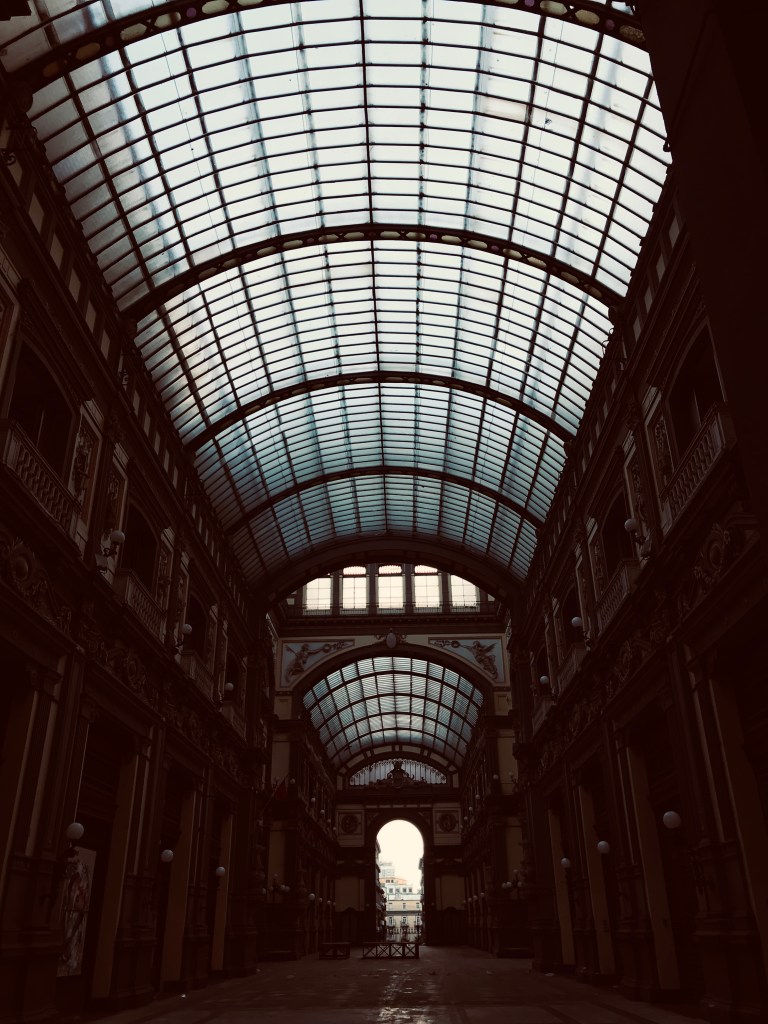
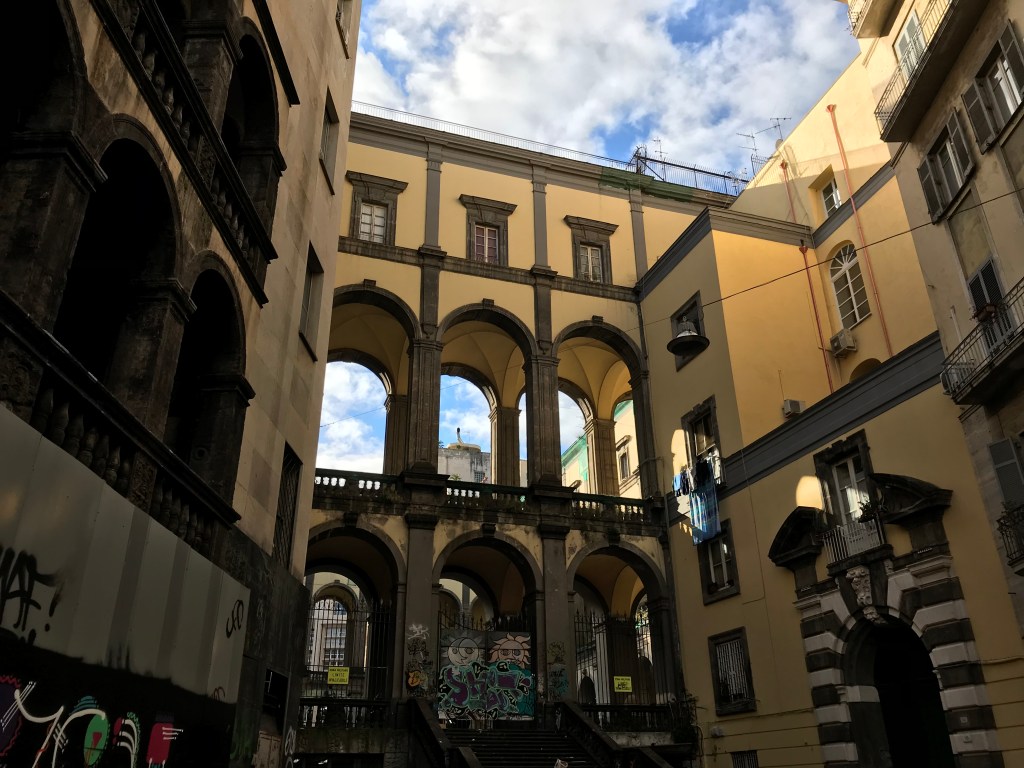
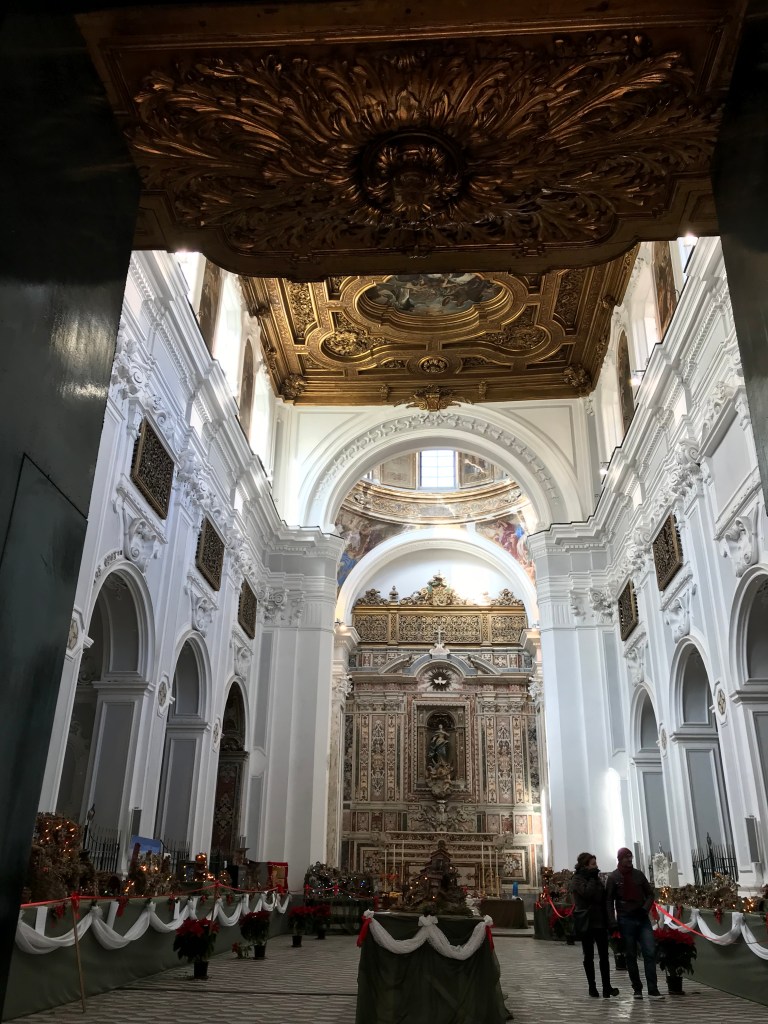
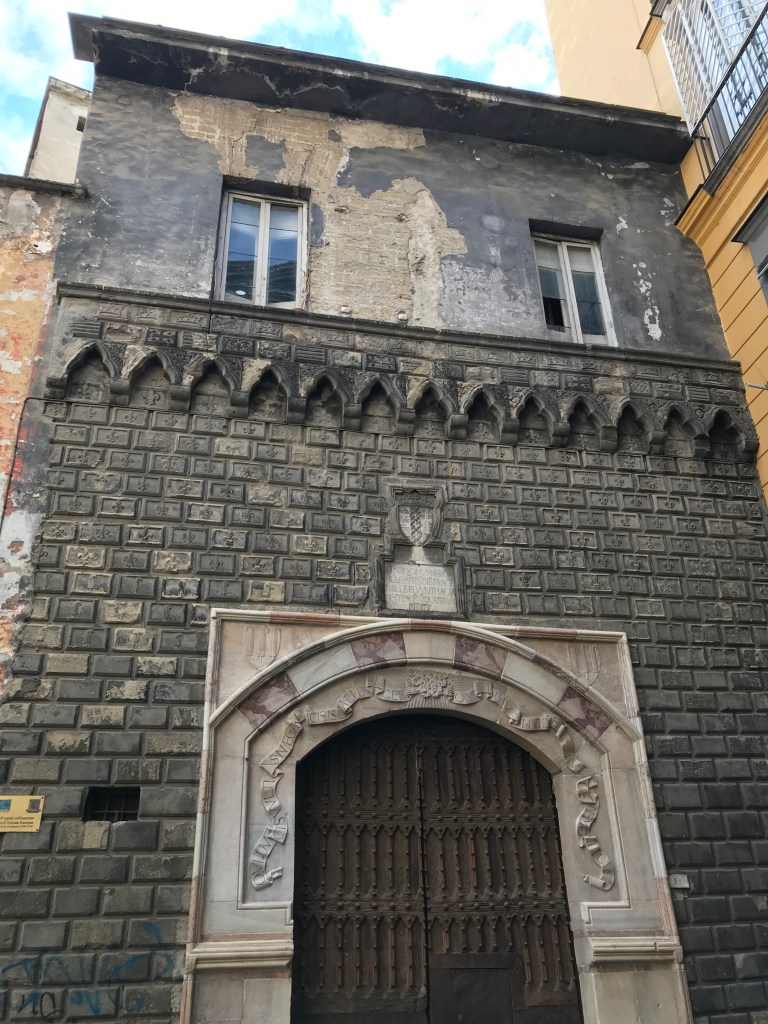
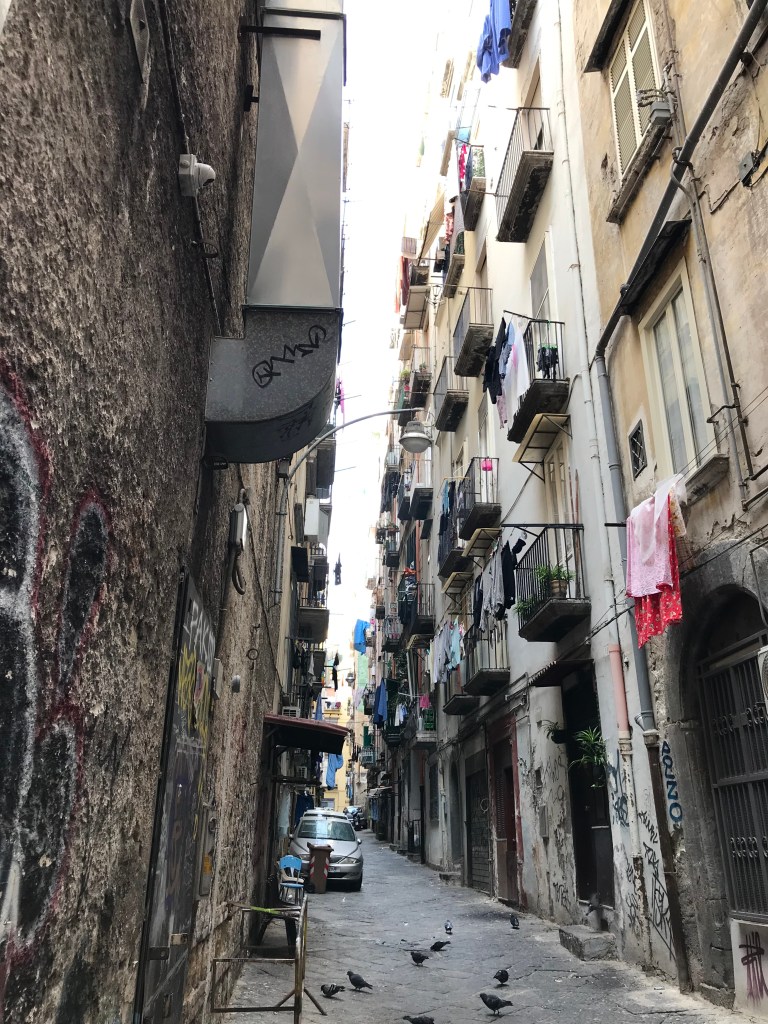
Famous Pizza and the Opera House drove us to Naples, but we couldn’t help but think about the stories written by Elena Ferrante in her four book series about scrappy Neapolitan life. We stopped at the Archaeological Museum, one of the country’s top sites holding treasures from Ercolano and Pompeii. Porn was thriving in Pompeii, as witnessed in this museum, along with all the other artifacts that are no longer available at the sites. In between glutting out on pizza (shown above and in video on next post) and a lackluster Nutcracker at the historic Teatro di San Carlo, the food won hands down.

Reminder: Click on any area of the galleries above for a full-fledged slide show.

Frappucino Trappizzino

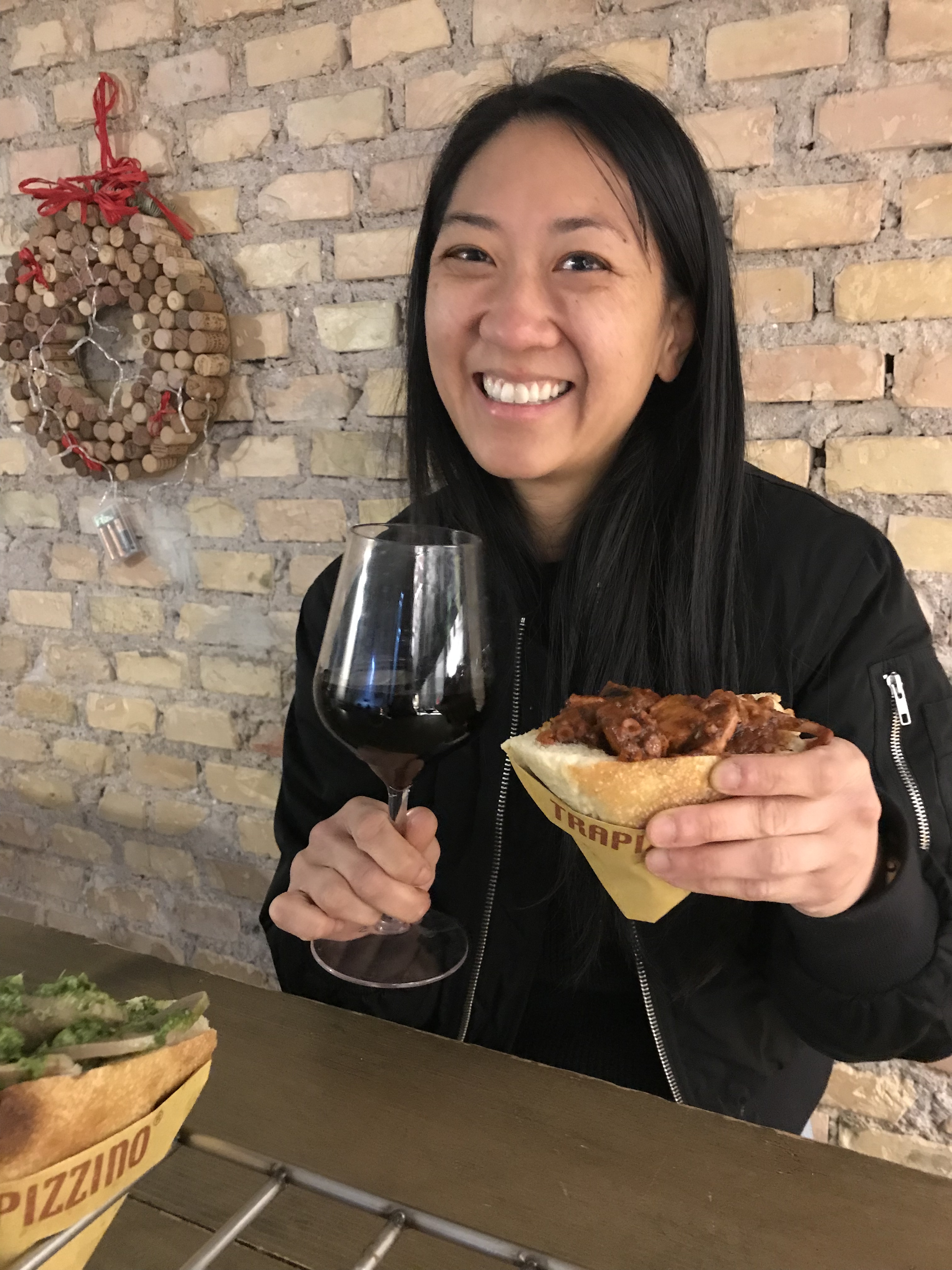
It’s too chilly in Rome for iced coffee but the antidote was a toasted pocket pizza with tantalizing and meaty fillers for a quickie dinner.


On arrival at the exquisitely appointed Air BNB in Testaccio, daughter and discoverer of discriminating accommodations took our host’s recommendation for dinner and led us to Trappizzino.

It’s a short, safe walk from the Marmorata Building and past numerous inviting cafes and restaurants still open to business after 9pm on a weeknight.

After entering the first door to Trappizino, we are told that we are in a wine bar. If we want food we should go next door. We follow instructions and U-turn. We go next door and order what appear to be pocket pizzas.

While that may not sound so appealing, we quickly realize that we are in a gourmet ghetto. Choices of octopus, tongue or a variety of other meats are delicately flavored with pesto or marinara sauce and inserted into lightly toasted focaccia envelopes.

As we wait for our orders to be processed, we peruse the joint and the scant table layout. Sides appear to be non-existent, so we focus on the drink case. Hmm, I thought. Was that price of 9.80€, written in scrolly cursive the way Europeans write, the price of a glass, or a bottle?

Couldn’t break my reticence to ask. It didn’t matter, the counter server advised, go next door for wine, where there are more tables and a better environment for dining. We pay a whopping price of 8€ for food and collect our prizes.

Clad with our pizzas fully exposed and mounted in a custom-designed wire toast holder, we traipse back over next door. Business looked like it had picked up, with a couple hovered at the prime window spot showcasing the presence of customers.

We settle on a hightop and pursue the wine mystery. This side of the establishment is serious about drinks. A number of specialty beers are displayed in the refrigerated cases and stare longingly at our religiously unfulfilled table. One beer displays printed labels for Trappizzino, with each of the letters T-R-A-P-P-I-Z-Z-I-N-O on 11 bottles in a row.

Further down the cases are bottles of local wine, in competition with the beers.

I quickly choose a bottle of Roman wine slightly above 9.80€ and pay for it. The hostess brings my selection over to our table and in Italian words, animated gestures, and truth-telling facial expressions communicate that she is unable to open the wine for us.
After some confusion about why she was unable to perform this task (out of plastic cups? was wine drinking prohibited in a wine bar on a Tuesday night after 9pm? Did we really look that young, just because we were Asian?!? Had we triggered some violation of Italian protocol by purchasing a bottle of weed-laced wine, that could not be served in a public establishment?!?)

We soon deduct that she is telling us that she must go next door to get someone to open the bottle for her.

Apparently she is afflicted with a wine shop worker-related injury. She has developed carpal tunnel wine bottle opener syndrome!

Melissa quickly steps up and offers to uncork the wine. The hostess smiles, gratefully relieved. Business is now standing room only, and it’s one less trip next door, into the 4 degrees of separation.

635BD26A-E5A6-457F-B25F-C177E7D067A8

Smell the Roses and Imagine

This month’s Fall colors on the North Side of Page Street in San Francisco are not the usual East Coast array of autumn leaves, but of late blooming vine flowers. You can still detect a floral scent as you meander down the street. I was traversing the city during my usual 5-mile jaunt from home to the CBD (central business district), but was surprised by the concentration of flowering vines framing beautiful Victorians along the way. They were lovingly nurtured by early morning light.
I also caught the aftermath of Halloween decorations that were clever and irresistible. How does anyone have the time and ingenuity to devote to such eccentricity? They were definitely enjoyable from an audience perspective.

These settings seemed to carry over to the Dia de las Meurtes, or Day of the Dead celebrated in the Latin-X World. It reminded me of the animated movie, “Coco” that introduced the positive significance of this holiday. The San Francisco symphony paid tribute to its members with puppet-sized effigies above the staircase (see featured photo above), when we heard Ray Chen, the violinist,  perform “Lalo” in a tribute to Hispanic culture.

The Crissy Field area on the north shore of San Francisco provides leisurely strolls along the Marina. It has been upgraded to include better landscaping, defined paths and killer views of the Golden Gate Bridge and the city skyline. This walk easily gives the Hi-line in New York City a run for its money!

A few student sketches from my figure-drawing class show examples of foreshortening, gestures, and use of pencil, ink and charcoal:

If you are stressed about recent events or the upcoming election, here’s a great inspirational song from Barbara Streisand:

Apologies for my month-long absence. While due in part to technical difficulties (upgrading software, offloading movie files, and conversions for posting photos), I am debating about terminating my blog at the end of this year.

In 2019,  I will continue traveling and plan to return to Germany to study German. We may visit Armenia, Azerbaijian, and Georgia, in the same style as our travel to Iran earlier this year (See April 2018), and I may do another week of sketching in Portugal with Diane Olivier in June. Stay tuned, and as always, let me know your thoughts!