Despite its reputation for world-renown opera, Verona has been a challenge to appreciate. The stifling heat, throngs of tourists, and mediocre food, has kept us from wanting to stay longer.
On our day of our arrival, we bought last-minute tickets for the Barber of Seville. For 20 Euros we were seated near the top of the arena on marble steps. We didn’t think much of the inconvenience as we had done the same for the Pop Italian Night in Plovdiv the week before.
However, we underestimated the heat and the crowds. We wiggled our tusches and toes every thirty seconds in an attempt to tolerate the uncomfortable seating. The translation was impossible read, so we numbed our way through the long Italian dialogs, fanned our sweaty faces with printed ticket vouchers, and scusied our bumping elbows with courteous neighbors frequently.
We couldn’t help but wish we were still in Plovdiv, in the mild warm breezes and mellow crowd. Even with limited or no English, the Ancient Theater in Plovdiv just seemed like a more natural and welcoming environment for us to relax and enjoy the music.
The sound was definitely better in Plovdiv., where singers’ voices were amplified. That could be considered sacriligious in the professional opera world, but In Verona, voices sank into the warm air like goop slithering down your hands and forearms. Perhaps weaker performers in Verona simply couldn’t project their voices across a stadium that holds 20,000 spectators (30,000 in its hey-day in 30AD, the peak of Roman civilization)
Curtain Call and Stage of the Barber of Seville Opera at the Verona Arena
The second night was quite a spectacular display of Star Wars-inspired stage sets, lighting and costumes synchronized to Verde’s Aida music. Nothing changed from the previous night’s heat or poor acoustics, but the visual effects at least kept us awake. We only got through by dreaming about ice cream after the performance.
The Procession
Full Throttle with Choral Support
Spectacular Star Wars stage, with a Giant Hand operated by five cranes
Dance Interlude
Curtain Call with cast of thousands
Well, you get the drift. I was probably filming everything to avoid bordem. Needless to say, not one of my favorite operas or venues.
Night life in Verona was booming, partly because it was nearly impossible to make use of daylight in the scorching 100 degree weather. It did bring back vague memories of the unbearable heat we experienced with the kids when we visited Italy in 1996.
It was so hot we drove two hours back from Naples in an unairconditioned car, after driving there and realizing how pointless it was to be outside in such extreme weather. It was probably only 85 degrees then and ten degrees less than the weather we faced in Verona, thanks to global warming.
Nevertheless, as mentioned in the previous post, it was the journey, not the destination.
Ettal Kloster
On our way back to Munich and our overnight accommodations in Bad Kohlgrub, we stopped by to see the interior of the Ettal Kloster. I could tell from the exterior of the dome that it was going to be impressive. and indeed, its ornate interior did not disappoint. Having been established in around 1333, the church utilized the masterful painting of the heavens to captivate its parishioners.
Now, I am realizing that this blissful journey has come to an end. Annemarie was the big hit for the day. She took care of me, helped me remember the countless items I left behind, and had my back throughout the entire trip. I met many of her friends and family and really felt for the first time that I was more than a tourist.
Learning the German language was my entree to a country steeped in history and culture. And the more I travel there, the more it helps me to understand Germany and the world. Its brilliant thinkers, artists, musicians and scientists form a legacy to be continued. Its tainted history is difficult to overcome, but the German people today are attempting to face it.
Thank you Annemarie, friends and family, for all your kindness and gentleness. I will cherish this trip forever. Thank you for sharing your life and world with me.
You may recognize some of the landmarks from previous posts, but I am including them as anchors for my day trip shopping in Kurfurstendamm. I seldom shop In San Francisco, but losing my lightweight jacket was a good excuse for a mile walk to the shopping district to replace it. First I passed the Kaiser Wilhelm Gedankniskirche, or Kaiser William Memorial, that caught on fire in 2020 and has yet to be restored.
Walking down the street yielded two amusements. The “Worst Food in Berlin” with a long line in front would be the envy of any pop-up in San Francisco. And the street sculptor using sand to shape his bulldog and puppy was all in a day’s work for attention, admiration and a few coins.
The Cafe Im Literaturhaus is another favorite haunt, where I went only last September to admire the patrons and the Belle Epoque villa style. The bookstore adjacent to the cafe sold me German and English versions of “Kairos” by Jennie Erpenbeck. The book won the International Booker Prize for 2024 and was Book of the Year in the Guardian.
Kaiser Wilhelm GedankeniskircheCafe I’m LiteraturhausKurfurstendamm InstitutionStreet sculptorKurfurstendamm Shopping Spree
More goodies in the table display above capture the day’s finds included a badly needed sketchbook, Lindt chocolates, and the program to “die Walkure” (see Part II below for the opera that took place later that day).
With sketchbook in hand, I captured Goldie’s Bad Food Pop up and diners at the Cafe Im Literaturhaus
Konzerthaus, Berlin
My favorite conductor these days is Joana Mallwitz, who is the new director of the Berlin Konzerthaus. She’s very dynamic and gives informal lectures before her performances to explain the musical material she presents. Former male conductors seem so formal compared to her. She makes sure to acknowledge the musicians who are featured after her own curtain call.
I sat two-thirds back near the center for a performance of Brahms’ Concert for Violin and Orchestra in D Major op. 77 and Beethoven’s Eroica. The acoustics were excellent despite my skepticism about rectilinear spaces. Of course the newly renovated interior provided over-the-top opulence and splendor to experience and enjoy.
Interior of the KonzerthausGendarmerie
Fellow sketcher Kaori from Japan, Amsterdam and San Francisco arrived so I took her to the Brandenburg Gate and the Berlin Wall Park on Bernauer Strasse. The park was near where I used to live. In the eight years since taking my German class here in the summer of 2015, the former East Berlin neighborhood has been upgraded considerably. Hardly any vestige of what was East German blight in this area remains.
Brandenburg GateJewish MemorialKey Milestones in Berlin historyMauer Park with wall on either edge showing
Part II–Ring Around Opera Fanatics Only
I am going to spare followers my opera obsession so I am putting the material in a Part II section in future posts. Truth be told, I came to Berlin specifically to see Wagner’s Ring. Heading into my fourth Ring (like my fourth Volvo), I was even more excited with this one than the first three. The story is intense and layered with ancient fairy tales and character flaws. It’s essential to see the series multiple times to appreciate Wagner’s brilliance. It’s a predecessor to the Lord of the Rings or Harry Potter Series, or any other modern day sagas you have managed to hook yourselves onto.
And yes, Wagner’s anti-semitism doesn’t go away. The controversy continues to rock the opera and classical world. I follow the opinions of musical professionals who regard the music beyond the individual creator and the universal timelessness of the work.
Night 2: Curtain Call for die Walkure
Night 3: Curtain Call for Siegfried, a 6 hour productionDeutsche Oper Break Time
Berlin Staatsoper Under den Linden
This may seem like overkill, but for me it was a glutton’s delight to finally see a performance in the Staatsoper unten den Linden. It was closed or being renovated when I was in Berlin previously, so I was overjoyed at finally reveling in this magnificent interior.
The opera house itself had some fatal flaws, however. The sightlines were hopelessly overlooked, and nearly 1/2 of our view on a diagonal was blocked. Nevertheless, being an opera house junkie, I appreciated the refined details of the exquisitely appointed details. Make a point to come to a performance in Berlin. Supported by the German government, the events and venues are cultural treasures.
Reception AreaExteriorReception AreaBerlin Staatsoper Under den Linden Opera House Interior
From the Military Museum to the Frauenkirche, Dresden confronts its responsibility to teach the public about Germany’s history. The Military Museum uses its historical collection to explain the consequences of war, while the Frauenkirche church reused salvaged blackened stones from the bombing to show how much of its building was destroyed.
Traces of blackened stone reused for reconstruction of the Frauenkirche
Dresden’s Elbe Valley was delisted as a UNESCO World Heritage Site in 2009 because a bridge was proposed to be built over the Elbe. It would destroy the river’s original view. Practical needs determined the decision to proceed. So now the bridge is built.
Nevertheless, the view of the river and the city’s Baroque buildings continue to be appreciated by tourists and residents alike. Historic preservation and its lasting value were challenged and the loss was contemporary society’s gain.
Loschwitz, or Lost Wits
Loschwitz, a neighborhood to the east of Dresden possesses original Jugenstijl buildings that I call “buildiful” architecture (my new coin for what I consider worthy of being sought more than once). The delightful rooftop windows typical of the era are in pristine condition and proudly wink at us.
One Eye WonderA Pair of EyesThird Eye Blind
Local Dresdners Hanne and Jens joined us at Toscana, a local patisserie for afternoon coffee and cake.
The Semper Opera and Don Carlo
The Semper Oper appears somewhat clunky and clumsy from the exterior, and its public spaces are even more awkward. Yet the intimacy of the interior for only 1300 seats makes the opera experience superior to larger opera houses. Compared to the New York Met’s 3800 seats, there is no comparison. Opera stars can focus on their tone, quality, and pacing, rather than screaming to the back of the balcony.
Our first tier seats to the side of the stage were perfect for a close up view. The story of Don Carlo gave me a historical lesson on the Inquisition, its chilling reign of terror, and about complicated royal household politics. No one was protected, not even the king or his family members, from the obligation and wrath of the Church. Love or lack of it, betrayal, and fear were the stuff that made this Verdi opera a reliable choice. It was worth devoting nearly four hours of time to be in the room.
The hyper- dramatic music was well supported by strong performers and marathon musicians. A stellar multi-media introduction, combined with a modern dance interpretation and elegant costumes, fused the entire opera together for a memorable show.
Enter Annemarie
Annemarie and I nursed a beautifully catered meal during intermission at the opera.
For those of you who have been following my world travels in the past, you will notice a new addition during this journey. Meet Annemarie. She has agreed to join me on this year’s forays to cities in Germany and beyond.
We met at the Elbphilharmonie in Hamburg a year ago during Anne Sophie-Mutter’s Virtuoso violin performance. Annemarie helped me through a lost wallet incident. In a short time, we have become close friends. I visited her in Lueneburg, her home town near Hamburg, and she has visited me in San Francisco. When I told her I was planning another opera and music trip to Germany, she agreed to join me. Combining a car trip to visit her “Heimat”, or homeland, at a 600 year-old farmhouse outside of Munich, we are packing in an ambitious itinerary.
What nerve do I have carting a native German through museums, opera houses, and historic treasures!?! I can somewhat justify my Rick Steve’s rips and having participated in numerous Goethe Institute’s extracurricular activities over the past ten years. Yet I am hardly the experienced guide.
But at Annemarie’s instigation, I am going to try delineating what works for me, at least from my Asian-American eyes.
Annemarie lived in the US for a good part of her early adult life and was busy raising a family after her return to Germany. Now, twenty years later, she is ready to take on the cultural world. I’m anxious to learn more about Annemarie’s roots, which initiated our conversation about traveling to her home village. Inevitably, we will share in our many life experiences and mutual interests along the way.
As we embark on this journey, I hope you will enjoy following our jabs into music and culture in Germany, Bulgaria, and Italy!
Despite numerous trips over the past ten years, I continue to remain loyal to the arts and classical music scene in Germany. The familiarity with many event venues, the high quality of performers and performances, and reveling German efficiency over and over never tires. It’s still my go-to choice of travel.
This year, my German friend Annemarie joins me. We met last year at Hamburg’s Elbphilharmonie sitting next to each other in scalped seats and in awe over Anne Sophie-Mutter’s virtuoso violinists. I am now introducing Annemarie to some of Germany’s most popular events, venues and classical performers. These cultural activities are supported by the German government.
You will hear more about our seven-week journey as we plunder through Dresden, Lueneburg, Dortmund, Germany, and later through Sofia, Bulgaria, and Verona, Italy.
The Transatlantic Flight
The 10.5 hour trip getting to Europe is always a chore so I decided to take a business class flight direct to Frankfurt.
From the colorfully striped carrier to the comfy hang-out pod and delicious food, I was enticed by the extra effort being put into a memorable experience. The pilot crew even allowed me to take a photo of the flight deck on arrival in Germany!
How do bubbles rise from hell to heaven?
After meeting Annemarie at the Dresden airport, we had a big debate about the effervescence in the glass of Nicholas Feuillatte champagne. Were the bubbles instigated by something like a cube of sugar? After seeing the description “The juice is pale yellow with silver tinges, brilliant and crystal-clear, revealing a persistent ribbon of delicate bubbles,” (per Google), What do you think?
A long layover in Frankfurt gave me plenty of time to contemplate the automated baggage drop. I’m not sure Americans would be able to speed the process up with this robotic service.
Automated baggage drop at Frankfurt Airport
Goethe Haus, Frankfurt
Realizing that the glow from the business class flight was not going to sustain my nine-hour layover in Frankfurt, I resolved to find a city museum in between. The combined Goethe House and Romantic Museum seemed like an efficient way to kill two museums with one swipe
Goethe’s house displayed memorabilia by Germany’s beloved poet, philosopher and writer and with those who influenced him. There was an entire room connected to the Sorrows of Werther, the book that made Goethe wildly popular when he was only in his twenties.
Faust was yet another one of Goethe’s famous books (purportedly to have been written in Auerbach’s Keller in Leipzig) where a room in the museum was dedicated to the story and its inspirations.
Adjacent to the author’s house, the Romantic Museum connects many other artists, writers, and musicians that formed the romantic movement before, during and after Goethe’s lifetime.
A couple of architectural details caught my eye. The clever use of dots for lighting and steps in brass provided a coordinated balance to the subtle tile and wood finishes.
Die Walküre in Dresden
If you are not particularly tuned to being an opera junkie, just skip to the next section.
Our first performance at the KulturPalast was filled with cranky Wagnerians to hear a concert performance of die Walküre, the second opera of the Ring Cycle. Kent Nagano, a hometown Berkeley kind of guy, conducted brilliantly and led the four opera roles for Sigmund, Siegemunde, Wotan and Brünhilde.
Compared with a staged performance, the music rang exquisitely clear. The earlier lecture revealed that this performance was committed to the original wording and instruments from Wagner’s work. A jarring clash of wooden cymbals was noticeable, but other than that the rest seemed perfectly integrated for the modern ear.
Curtain call at the Kulturpalast of Die Walküre led by Kent Nagano
Bad Schandau
Known as “Saxon Switzerland”, Bad Schandau is a spa town in the forested area along the Elbe River near the Czech border. An easy hour from Dresden, the multiple means of transport used to get there was more exciting than seeing the tall cliffs in the distance. Altogether, it took the train, a ferry and a vintage light rail train to see a trickling waterfall being repaired after dead trees from global warming blocked its path.
More tomorrow as we explore the Military Museum and the Loschwitz neighborhood. Don’t forget to write home!
Despite my non-existent Spanish language training, I reveled in Guadalajara for a week earlier this month. Discovering works by Architect Luis Barragan and Muralist Jose Orozco were the highlights of this brief five-day trip.
Thanks to a personally curated set of guided tours, I was able to grasp the history and significance of Guadalajara. As the third largest metropolitan area of 5 million inhabitants in Mexico, Guadalajara has all the trappings of what city-seekers like me appreciate–a healthy dose of museums, historic buildings, music, and innovative food!
The York Times article I read a few weeks before my trip determined my destination. Unable to use a flight credit all year, I was down to the wire. My last gasp produced a Heimlich solution. I immediately choked out time, circumstance, and a course of action.
I first booked a central city walking tour to get oriented, combined with a visit to the artsy neighborhood of Tlaquepacque. I then planned a trip to the newly discovered pyramids outside the city near the tequila producing area. A final market and cooking class to learn how to make chicken mole added the finishing touch to my visit.
Large plazas linking different parts of the city helped me to get oriented. However, my total lack of Spanish language knowledge presented some challenges. Few people speak English in this interior city. This situation would be a blessing for those keen on speaking Spanish.
There were plenty of cathedrals and churches to visit in this Catholic dominated part of the world. I got into the flow and didn’t mind seeing the Church promoting itself with all its magnificent glories. The Mexican people continue to practice the Christian fait wholeheartedly.
Sculpture dedicated to a famous Woman Artist
I was surprised that Guadalajara, and not Mexico City, was the cultural capital of Mexico. Much of the style and practices of architecture and buildings were adopted from European culture, while integrating indigenous Native American culture together. Guides reminded me that most of the American Southwest was at one time owned by Mexico.
Barragan and Orozco
A world-renown architect, Barragan was a native son of Guadalajara. Prior to the 19th Century, traditional adobe houses were built with a central courtyard. European industrial expansionists converted their home to gardens facing the street to display their wealth.
Barragan, known for his modern houses in the early 20th Century returned to the original adobe house layout with rooms surrounding an open courtyard. Concrete masses formed sculptural elements around gardens. He added decorative patterns on the walls as they were being built and offset doorways from traditional or symmetrical axes.
I was delighted and surprised to find Barragan’s early work so evident and proudly identified in the middle of this bustling city. Bronze monuments are placed at the front of each house to indicate the work of Barragan.
Hospice Cabanas SculptureSculptures dedicated to Orozco and Barragan, native sons of JaliscoBronze monumentCasa Orozco, a Barragan house in the Central zone
A visit to the Governor’s Palace was another startling surprise. I had only heard the name Orozco but was not familiar with his work. The technique for murals, placed on both walls and ceilings, were inspired by a trip he took to Italy to see Michelangelo’s Sistine Chapel. He mastered the art of fresco painting and used the best natural pigments available. Walls were painted quickly and skillfully before they dried. He painted in horizontal sections to control the amount of time he could apply the material.
The subject matter was philosophically arresting. Viewers of the murals are confronted with topics questioning the validity of politicians and religious leaders. He cautioned against capitalism, the possibility of industrial robotization , and deterioration of the human soul. He cautioned the role of the uneducated and the part they play in following orders unquestioningly.
Orozco wrote contracts that gave him complete artistic freedom from his clients. As a result, his messages to the public were uncompromised. The images are stirring and disturbing. Each viewer is confronted with the mess that competing forces have created.
He was critical of his contemporary, Diego Rivera. Orozco considered Rivera’s kowtowing to Rockefeller a disgrace, when he agreed to change the mural he painted in New York City.
Orozco was also a native son of Jalisco, the state in which Guadalajara is located.. You can read a brief summary of Orozco here:
In a UNESCO world-heritage designated building displaying Orozco’s magnificent murals, the Cabanas Hospice was built in the early 19th Century by an ambitious Catholic priest as an orphanage. The Mexican Revolution wreaked havoc on the native population and resulted in many starving and homeless children.
At its time, the hospice building was the largest building second only in size to the Vatican. Modeled after the Vatican’s grand interior, the building represents the aspirations and influence of the Catholic Church in the New World. On completion, over 3,000 orphans filled the building’s rooms and corridors
When Orozco was commissioned to paint the interior of the building in 1930, it was in demise and accommodated only 200 orphans. The Neo-Classical building was converted to a museum with Orozco’s murals intended to be the highlight.
Courtyard of Hospice CabanasInterior with Orozco FrescosCorridor to AtriumInside Main Dome with Orozco FrescoesDome with Burning ManEntrance to Hospice Cabanas
Tlaquepaque
The artist colony and pedestrian area of Tlaquepaque showcased whimsical outdoor sculptures reflecting their creators’ love of life. The spark of joy (and girth) is evident in the art.
The Delgollado Theater
The Neoclassical Delgollado Theatre, located a mile from my centrally-located historic hotel, inspired me to attend an evening performance. The local symphony did a pretty decent job of Beethoven’s Eroica Symphony. I was interested in experiencing a crowd who enjoys these cultural events.
The throngs of friends and families shopping and strolling sent a festive mood throughout the plazas, ablaze with Christmas displays. Walking was easier than taking a taxi to get around–the streets are narrow and congested with what seems like more cars per capita than people. The one mile distance to the theatre took 20 minutes by foot and 30 minutes by car….go figure!!!
Lobby Lighting at Delgollado TheaterPlaza TapatiaDome of Delgollado Theatre
Interior of the Delgollado Theater
Circular Pyramids
I took a side trip to Guachimonton, the circular pyramids about an hour and a half outside the city. It’s located on the other side of the mountain where Tequila is produced. Used as the main altar for burials, the mound is surrounded by a temple, patio, and a ball court. It is relatively unknown because it was only discovered in 1965 and excavations are still in process . The civilization thrived in the area from 300BC to 400AD.
Chicken Mole
A rainy Friday gave me a good excuse to take a cooking class. With only one other student, the session became a semi-private lesson. We first went to the huge market to shop for ingredients and received a detailed lesson on the myriad types of chiles. We made an entire chicken mole meal from scratch, with rice supplemented by a delicious fruit drink.
Chicken Mole!Corn Husks at MarketMarket MainstayMaking the moleMarket Hall DiningTamale Maker
Al Fresco Tortilla Making
Despite a couple of days of dreary weather, I was very glad to have ventured to this unknown part of Mexico. It is developing slowly despite its cultural attractions. It’s a good place to come if you want to avoid noisy obnoxious tourists, and I could barely find one to complain about. I was particularly delighted to see and learn about the Barragan houses and the Orozco murals. Yes, I would highly recommend coming to Guadalajara just for those two reasons alone.
News Flash!
I will be traveling again in 2024, so stay tuned to this website! I plan to travel to New Zealand and Australia next month, and then back to Germany and Bulgaria for more operatic and classical music events in the summer. The travel fever in me hasn’t quite worn off so let’s see what the next year brings….and don’t forget to send your comments and encouragement!
Friends Hazel from Heidelberg and Vladimir from Meissen joined me in Leipzig for lively conversations. We also explored museums together. Each museum piece tells a story that connects to another. Collectively, they form a treasure hunt that makes museum-going so challenging and enjoyable.
This relatively new museum north of the town center was a vast repository for large-scale modern artwork. Current collections could barely fill the monumental four-story high volumes of space. The museum was clean and beautiful, but I did wonder how efficiently the building could be environmentally controlled.
For me, it is a struggle of conscience over desire. My recent training taught me that architects have a huge obligation to address climate change in every building, especially those like this one. Reducing the use of concrete and other processed materials for sustainability didn’t seem to be evident. Yet the building was purposeful and emotionally satisfying.
Mendelssohn House
Entry stairMendelssohnEntry stairClothing from childhoodMendelssohn House
The Music Trail in Leipzig links the homes of Bach, Mendelssohn, Schumann and 20 other sites that have musical significance. The entire round-trip takes more than a two-hour sprint. Instead, it’s much more digestible in small spurts. The influence is palpable. It’s no wonder that music can be heard in and around the streets at all times.
Although I had been to Leipzig twice before, I looked forward to renewing my vows to each composer. Mendelssohn traveled throughout Europe with his sister Fanny and his parents. They first traveled from Berlin to Naples and then returned through Switzerland to London. The composers’ privileged lives allowed him to create beautiful music.
More research is being devoted to the lives of influential and famous women like Clara Schumann and Fanny Mendelssohn. Although Schumann loved his wife Clara dearly, they had a tense professional relationship.
You could say that Schumann was actually jealous of her talent! She was trained as a concert pianist by her father, Carl Wieck, who was also Robert’s piano teacher. He was skeptical that Schumann could rise to the level of a concert pianist and tried to keep Schumann from seeing his daughter.
He even had a restraining order against Robert’s seeing Clara, but it didn’t stop the two lovers from meeting secretly. Finally, when Clara turned 18, Wieck consented to their wedding plans. Some of the sweetest music was created during Schumann’s love for Clara and his triumph over adversity
Schumann had another challenge in learning the piano. HIs fingers cramped up. He tried many methods to treat them. He gave up performing and initially turned to critiquing music. He used his father’s publishing business to help him launch his writings, and eventually published the music he composed himself.
Schumann’s life had a tragic ending. He could be diagnosed today with bi-polar disorder, but he preceded Freud and the advent of psycholanalysis. He and Clara had seven children, but he died at the age of 45. He left a legacy of beautiful music from the romantic era that he helped to create.
Laps in Leipzig
A great family event got kids out early Sunday morning to get fit and healthy. The race around the market plaza took determination, energy, and plenty of tears and smiles for extra flavor. Parents escorted the less brave, but in the end every child was a winner. I couldn’t resist taking a shot of a little German-Asian athlete proudly brandishing his medal.
Early Morning Race in Leipzig
Post Race
The Art Nouveau and Moderne buildings in the pedestrian zone are elegantly decorated with stone facing. The venue for annual book and trade fairs, Leipzig enjoys its status as a prominent city filled with commerce, art, music and culture.
Gewandhaus
Of course a concert was on the agenda during our visit to Leipzig. Like the Berlin Philharmonie, the Gewandhaus Concert Hall is a behemoth building better appreciated from within.
Conductor Herbert Blomstedt, now 96 years old, managed the concert with Berwald and Schubert pieces effortlessly. The elderly morning crowd greeted him with fondness and adoration. Blomstedt was conductor of the SF Symphony for ten years preceding Michael Tilson Thomas. He brought the orchestra to world prominence through his leadership.
Like Joana Mallwitz, Blomstedt acknowledged each soloist with intent and deliberation. It’s not something I had noticed before attending recent concerts in Germany.
Herbert Blomstedt commands the Gewandhaus Orchestra to a full house
Oh My God. If this is any indication of German Planning, it wins the Nobel Prize! Over 950 participants descended on Berlin this weekend to sketch in over 60 venues planned throughout the city. Everything is free and the organizers simply wanted to avoid extensive sponsorships and risk exposure.
So they simply posted an email offering sketchers to sign up within a specified period of time in July. The response was overwhelming, but they delivered what they promised. Three meeting venues at the Kulture forum, Humboldt Forum and another location near the Brandenburg Gate gave everyone a place to connect informally. Organized sketch walks with tour guides were assigned to each participant.
My first assignment was site of the Templehof Airport, a Nazi creation. Nearby neighborhood housed a delightful Karl Muehlenhaupt Museum. His work, resembling that of March Chagall were child-like figures of gnomes and faces filled with “Liebe, Leid and Lebensfreude”, (Love, Passion and Lust for Life) that immediately grabs your attention and emotions.
A lot of what’s good about Germany hasn’t made it into translated material. This was one of them. Managing my own interpretation is a struggle, but even more rewarding when I discover the depth and earnestness of the German culture.
Today’s venture to the second site was more challenging. The Kurpark near the Golden Reindeer Monument in the park next to the at Rathaus Schoeneberg was outside of the center of the city. Several routes to get to it confused me with indecision, so a late arrival cost me the tour and a chance to meet others.
Nevertheless, I forged on to sketch as intended. Suddenly floods of wedding parties arrived as if staged for my benefit. They celebrated their free pop-up event with champagne and formal photo shoots. The park setting was merely a backdrop for me to focus on gestures of dressed-up guests and their animated conversations.
Champagne al frescoPosing for a group picture from the back
The Sketchers met for a photo shoot at the Kulture Forum the previous afternoon. It was a bit daunting to see so many dedicated and talented sketchers. Every sketch seemed more polished and intriguing! The German devotion to doing things well overwhelmed me, from the high-tech weightless sketching stool I spotted, to the super-organized backpacks everyone carried with all their supplies pared down to a minimum.
Bustling Berlin
I’d be disingenuous to claim that I was as dedicated as the German attendees to sketching in Berlin. I was distracted, and exhausted by the myriad events and historic sites beckoning to me.
A special concert introducing rising star conductor Joana Mallwitz was held at the Berlin Konzerthaus was held with overwhelming support from the audience. Joana took her time to thank each and every soloist who performed, and took many bows herself. I was lucky enough to meet her and her partner Simon Bode at a reception after the performance.
Debut of Joana Mallwitz as conductor of the Berlin Konzerthaus OrchestraReception and Media coverage after performanceOutside Konzerthaus
After the sketching photo shot, I raced over to an appointment to tour the Bundestag Building. The tour was tiring and boring at the end of the day, but I realized that I actually retained some of the information. Germany has 15 states that are represented in the Parliament, just like we have 50 states represented in Congress.
Before Perestroika in 1989, the Soviet Union also had 15 states. The Soviet Union was the third largest country after China and India, and larger in population than the US at the time (The Soviet Union had 300 million, and the USA had 250 million).
Today, Russia is just under 150 million, compared with that in the US at over 330 million. With Germany at slightly over 80 million, Russia is twice the size of Germany but half of its original mite. Ukraine is half the size of Germany or at about 40 milion people. It’s no wonder Russia is struggling to keep its former glory and trying to recapture some of the Ukraine.
The current history of Germany is inevitably tied to Russia because of the division of Germany after WWII. The Bundestag building still displays relics of the Russians who took over Berlin in 1945. Graffiti was exposed by Bundestag architect Norman Foster who wanted to capture the historic takeover by the Russians. And the design of the building attempts to remind politicians that they work for the people, so the public at the top of the dome can watch over their leaders. Hmm….
Being at the end of the day, the tour was tedious. Catching the sunset over Berlin made the trip worthwhile. Maybe the tour guide was a little too fixated on two young women who were together–one Russian and one Ukrainian. That did seem to inspire the rest of us to believe that the war will end one day soon.
A walk up the ramp at sunset
And of course I had to make a quick stop between U-Bahn changes to catch Brandenburg Tor.
Those who know me will wonder how I passed up two world-class opera performances at the Deutsche Oper. But I did. Maybe I’ll catch up at the free annual family event today in between the sketch exhibition, an open house at the Bundestag, or the Berlin Music Festival.
Wagner pompously stated “there’s Bayreuth…and everywhere else. Its hard to escape this dominant patron in the tiny city of 75,000.
This may sound incredibly arrogant, but the attitude is understandable when you are here. It’s an out of body experience to infuse the soul of one of the most enigmatic characters in modern history.
Germans adore their musicians, and support their favorite sons actively with state funding, reduced rate performances, and frequent indoctrination by researchers who uncover new tidbits of information about their musical gods and heroes. If only Americans would be so kind to their own artists and creative community!
But back to the Wagner drum roll. His family were prominent residents of the town and managed to nab a slot in an idyllic park in the middle of the city. Then he built the festival opera house on a hill overlooking the city to present his work. His Ring cycle, four operas over six days and 17 hours of entertainment, opened the opera house in 1876.
For those unfamiliar with Wagner, you might wonder what the whole fuss is about. It would not be a stretch to say, at least among his disciples, that he represents not only the pinnacle of German opera, but of Western opera.
In the Ring cycle, Wagner not only wrote his own libretti or poems (in this series to tell the saga of a dysfunctional extended family), but he also scored some of the best classical music ever. He was an intellectual snob but succeeded transformed music with emotional skill and content.
Fast approaching its 150th anniversary in 2026, the Bayreuth Festival has been tooting its horn for quite some time. No other musician has attempted to build a monument in which his own works could be performed. Doing so seems pure folly. Wagner went ahead and did it anyway.
There’s no doubt Wagner was anti-Semitic. The Wagner House museum displayed some of his writings, but claimed that it was his family who embraced his writings and promoted them during the Nazi regime.
“There’s Bayreuth…and the rest of the world…”
I don’t know if you know anyone who’s been to the Festival, but I can claim only one other person from the States I know crazy enough to have come here. My friend warned me that Wagnerians take their religion seriously. Members of the Wagnerian society meet regularly, then proselytize after being trained in intricate Wagnerian minutia.
I’m only a neophyte, but I confess to ordering three books on Wagner. I felt compelled to weaponize myself in case my knowledge was put to the test. Aside from a narrative version of the Ring, a German-English paired translation of it, and a scholarly analysis of its music and history, I felt I had earned proof of my devotion to Wagnerian principles and thereby gained access to Valhalla.
The Festival Hall
Nothing too remarkable, except that it perches on a heath overlooking the town of Bayreuth. My accommodation was a fast half-mile walk and perfect for the occasion. The opera house accommodates 1500 eager opera lovers, a cozy size for the acoustics of unamplified voices and the way opera should be heard. That’s nearly half of the 3800 seats in the cavernous Metropolitan Opera in New York City.
The orchestra sits under the stage and is hidden so the audience is not distracted by the musicians. They huddle like Nibelungen in the cave, chipping away and churning out musical notes. Wagner exercised musical chairs to reposition players according to the sound they projected to the audience.
Every seat is a good view. The wide cone of nearly 70% makes everyone feel equal to the best. The down side is that, with nearly 50 seats per row without aisles, you have to skip the cocktail champagne to get into your seat in the middle or incur the side seaters’ wrath. Everyone grits their teeth until the center sitters arrive, then are finally able in domino fashion to seat themselves. By the last half of performances, late arrivals lost their pole positions and got relegated to the edges as others were instructed by ushers to move into vacant seats. That suddenly upped our real estate 10%.
I made the mistake of forgetting that cushions are available from the garderobe. During my first performance of Das Rheingold, I squirmed between drifts of head bobbing. I had not prepared myself properly with an obligatory nap beforehand. Rushing to Bayreuth with three changes on the day of the performance and buzzing from the glamour of being there was a fatal combination.
Catering is well planned for a variety of tastes and affordability. I tried most of every type of station—from sushi to ice cream, bratwurst to cold steak platters. I did pass on the 70€ buffet only because I didn’t think I could gorge on all that was offered within an hour!
The controversy over Wagner’s anti-Semitism lingers. Displays of prominent Jewish composers and musicians who contributed to Wagner’s success were posted. You couldn’t help but wonder if was only a token effort.
The Performances
Having now seen all four operas of the Ring Cycle, I was intrigued by the visual changes to the traditional story. Performers wore contemporary fashion and gestured in current body language. Think Kardashians. Think Trump. Think downfall of society.
It took awhile to get whetted to the visual style. The director transformed iconic fairy tale characters into trash behavior. They strutting in stilettos, grabbed guns for attention, and constantly glued themselves to cell-phones. Did we really want to see a fantasy playing out the way we witness life every day?!? Where are my hero and heroic heroine figures that I came to wish upon a star with?
I tried my best to keep an open mind, but I struggled in the end to accept the director’s imagery. For me, an original story with timely relevance today expressed by Wagner in word and song over 150 years ago did not have to be a literal translation. This ironically backfired and left a very bad taste in my mouth not just for this stage direction, but also caused me to question Wagner.
Audience Reaction
Take my one interpretation and multiply it in a room by 1500. One of the most startling and entertaining parts of the evening was witnessing the audience reaction to each performance. The noise level steadily escalated to a crescendo in the fourth and final act of Gotterdammerung.
There were two competing aspects: superb singing and horrible visual effects. This is not the ho-hum nervous applause you expect from any American curtain call, embellished with an obligatory standing ovation.
German audiences are much more reserved and discriminating. They give standing ovations for performances that are genuinely exceptional. No grade inflation. But there was no standing here. The Germans were too busy in their seats stomping their feet while clapping furiously for minutes on end!
Simultaneously, wild jeers and boos were spat out while foot stomping. No one rushed off to catch taxis or buses, but remained in the theater far too entertained by the raucous scene to think about lost time. It was just too precious a moment to miss. This is one of the rare times I saw so many genuinely smiling faces in Germany, as if it were the community spirit suddenly unleashing itself. My, what a refreshing group therapy session that was!!
The Rest of the World
There’s still plenty to see in Bayreuth if you aren’t an opera fan. You can indulge in 1. another opera house recently made a world UNESCO site. Margravine Wilhelmine of Brandenburg-Bayreuth (1709-1758) was the Prussian king’s daughter and favourite sister of Frederick the Great.The baroque opera house was dedicated to the wedding of Wilhelmine’s daughter. An opera buff and some time theatre director, Willy chose high drama to showcase her daughter’s betrothal.
Opera House Margravian, a UNESCO World Heritage site
2. Wagner’s house. OK now we get it. He was of the gentry and came from a prominent family. Nice grounds to prove that Wahnfried deserved its name—to be free and satisfied.
The performance roomUpstairs GalleryThe Dining Room
No, I wasn’t traveling to Bayreuth in the winter. This is a model of the opera house in Wagner’s house. Designed by Semper, it has strong resemblance to the shape and character of the Dresden Opera House that I love. Despite the uncomfortable seating in the Bayreuth operahouse, the acoustics are worth experiencing.
3. The Royal Palace (see header above): the royal court of Markgraf Friedrich von Brandenburg- Bayreuth landed here, and used the mid 1700 rococo facilities to impress and entertain the militia. No doubt a fun place to have a blowout. They even recreated an Italian grotto in a room where you went in full regalia to gawk at an imitation of the real world. Fortunately it was before Wagner’s time or he surely would have left an impression on Wilhelmina.
A sojourn in Nurnberg, about an hour and a half by slow train and bus to visit the medieval section of the walled city, where the Albrecht Durer House was located. I also visited the National Rally Grounds of the Nazi Party. It was a vast field of multiple football fields to promote the training and display of military might for the German people.
Apologies in advance for any errors or inconsistent information. I’m a bit rusty! Also trying to post this from my Iphone at the airport before takeoff!!
As we enter into an uncertain future over the next few months and the advent of the holiday season, it seems inappropriate to revel in travel experiences. Yet they bring fond memories of a time past. I wonder whether we will ever be able to have such joyful experiences again. The COVID pandemic has indeed affected every country to a large extent because of travel. Globalization has taught us that there are drawbacks to a shrinking planet, and costs to mixing human interaction, culture, economies, and democratic principles.
Nevertheless, here is my defiant celebration of the past. Secretly, I hope that the world will rebound in the coming year. In doing so, perhaps we will be older and wiser at our choices, and ensure greater appreciation of our relationships, our environment, and protecting both.
Dresden 2019
In previous posts, I confessed about my love for Dresden. Granted, Berlin topped my favorite city in Germany, until Munich came along. Like children, it’s hard to give way to one over another. Nevertheless, I maintain great fondness and admiration for Dresden, the first city where I studied German and formed deep impressions about Germany.
Music and art surround you in Dresden. The U.K.’s Daily Telegraph regarded Dresden as having one of the best music festivals in Europe, with popular performers like Rufus Wainwright and Eric Clapton showcased along with world-famous classical conductors and symphonies. When I first studied art history in college, I became curious about where Dresden was (pronounced DRAYS-den by Germans). Many famous Romantic paintings were located in Dresden.
I returned to Dresden several times–for the music, the beautiful Baroque architecture, historical museums and art collections, the intimate surroundings, and the familiarity.
The new state of Altstadt vs. the old state of Neustadt
The location of Dresden’s landmarks are confusing, because the old part of the city was rebuilt after WWII and should be called Neustadt. But the neighborhood to the north of Dresden on the other side of the Elbe River is already called Neustadt. It was named that after a big fire in Dresden in 1685.
The beloved original Baroque buildings have been imitated every 200 years or so and throughout generations in between. So it is barely detectable whether they are from today (21st century), yesterday (19th century), or from its original reconstruction (1685). Dresden is fixated on the urban massing and proportions of five-story blocks with mansard, gabled roofs. It has committed itself to an elegant and functional building form worth repeating.
Altstadt
The plazas and central area of Dresden surrounding the major museums, the Frauenkirche, the Residenz, and the Semper Oper continue to impress old and new visitors to this historic imperial city. The large pit that was left open for a few years in the middle of the city due to archaeological excavations have been filled. In its place are replicas of the old Baroque buildings that were bombed during WWII. (See header above).
In the center of town, numerous free musical events took place throughout Altstadt (the old new part of the Old City). Fellow German classmate Vladimir and I reconnected and caught a couple of young and old rock bands, two choir groups, and a brass chamber music ensemble. The often shuttered Japanese Palace was open on the weekend to host some of these events.
Neustadt
The Neustadt neighborhood, created after a major fire in the heart of Dresden’s Altstadt, or “Old City”, is still relatively historic and elegant, with Baroque buildings from the 18th Century. So it’s a bit of a misnomer and confusing to first-timers here. The streets are still relatively narrow in scale, with streetcars rumbling along the cobbled streets in a predictable ambient noise level. They are punctuated by the occasional bells ringing from the many local Protestant churches nearby.
The Neustadt area where I live is jammed with young residents and visitors. It’s a lively scene every night. Party-goers on bicycles invade the corner and perch on the curbs for hours on end. While the noise is evident, the scene is manageable. The bauhof or courtyard in my apartment building provides just enough sound separation to make any noise barely detectable.
The true test will be the annual local festival in the area next weekend, when the neighborhood comes unwound for three days. Clubs and restaurants will offer free music in nearly 20 different locations.
Inner Neustadt
Courtyard buildings, designed to allow light and air into the deep superblocks, create intriguing walkways and chasms of sunfilled delight and discoveries from the busy thoroughfares now laden with shops and restaurants.
Inside the Kunsthof Passage, or “Arts Passage”, is a delightful array of new buildings designed in the same proportion and massing as the surrounding Baroque buildings. Exteriors are decorated with tile artwork in a fanciful display of creativity and fun. “Lila Sossa”, a resturant now becoming an institution in the area, serves organic dishes and desserts from Mason jars.
Food, Naturally
I’ve been buying my groceries at the corner Bio-Markt. It’s a minature supermarket complete with organic produce, fresh meat, dairy, and bread. I avoided the bread and wine to promote healthy living, but I did buy some landjaeger, one of my favorite dried sausages. It is packed with flavor, great for a snack or outing, and demonstrates one of Germany’s culinary skills: sausage-making. A joke on twitter said the Germans, facing COVID lockdown, have now resorted to their würst-käse scenario.
Food is still inexpensive and inspired by international standards of quality and diversity. I had a vegan rice wrap with glass noodle and spring rolls with tea for under $8 for dinner last night, but had trouble deciding among the extensive selection of Japanese, Afghan, Indian, Turkish, and even German specialties within a one-block radius of where I lived.
Germans are learning how to eat better and their culinary adventures are catching up with the rest of the world. Germany has the second highest number of Michelin star restaurants after France. Like the English, German latter day culinary awareness is under-appreciated. The fruit basket on display at a fair is a reminder of how ugly fruit and vegetables are wasted for visually-appealing choices.
Pictures at an Exhibition
Although I am primarily in Dresden for a German course, I feel like I am leading a double life. I have been researching Music Festival concerts being held for another week here. I have managed to squeeze three performances in three days while attending classes. If you were ever contemplating how to learn about music by going to performances, this is the place to do it.
Prices are reasonable and with student “rush” tickets from the Goethe Institute, you are in business. I paid 20 Euros for “Pictures at an Exhibition”, a piano recital at the Albertinum Museum. It turned out to be a double bargain, since access to the museum was free immediately before the performance.
In a fascinating program combining music and art, Tokarev first played Tsaichovsky’s “Character Pieces for a Year” for piano. Each month’s themes portrayed different moods and feelings, from romantic songs to grand celebrations. The second half was followed by Mussorgski’s “Pictures at an Exhibition”. The tunes were skillfully enhanced by a video installation.
The program certainly increased my appreciation of the two composers, and it communicated the beauty in their work. Kandinsky’s “Large Gate from Kiev” painting from 1924 was featured in deconstructed movement and timing. Everything was seamlessly coordinated into an exquisite visual and musical experience.
Nikolai Tokarev, the soloist, has won numerous European piano competitions, performed alongside many European orchestras, and produced CDs interpreting beloved Russian composers.
The Albertinum Museum exhibition, “100 Years of Bauhaus” was the second windfall. Created in Germany in 1920s, the Bauhaus included members shown in the exhibition such as Maholy-Nagy, Feininger, Klee and Kandinsky. It was a good warm-up to the performance.
The teachings of the Bauhaus formed the foundation for my undergraduate training in design at UC Berkeley. The Bauhaus developed design concepts and tools for mass production. Art, technology, architecture, painting, sculpture and construction are integrated with each other and this approach was developed from this movement.
Two-dimensional geometric lines and color like those by Piet Mondrian evolved into three-dimensional shapes. It is easy to see how industrial design and furniture like those by Marcel Breuer were an extension of isometric details and design.
The attendees at the Exhibition were exhibitions themselves. One woman wore a tastefully chosen black and white polka-dotted dress with red heels and accessories. Another more casually dressed gentleman clad in classic German black pondered in front of a textured wall. It served as a backdrop for artwork designed in the 20’s as part of the Bauhaus movement.
Last but not least, a quick rip through the classical section of the Albertinum revealed many forgotten items in storage and on display–a sad reminder of the dilemma of wealthy collectors.
After the end of the performance and three encores, the warm evening air outside reminded me of what a special place Dresden is in place and time. The view below is photographed from the Albertinum in Altstadt. Frederick Augustus, Elector of Saxony and the King of Poland, built most of Dresden’s original Baroque buildings here in the late 17th and early 18th Centuries.
An irresistible ticket price of 10 Euros drove me to the Semperoper to see Angela Georgeiou, the Romanian diva, in Tosca. Despite being in my favorite opera house, sitting in the fifth row slightly off center, a “clean” stage without a distracting cast of thousands, and the bargain, the performance was disappointing.
Here are two other concerts I attended:
Grigory Sokolov Piano Recital
Born in 1950, Russian pianist Grigory Sokolov can still apply all faculties and fingers to a long and rare public performance. The audience was extraordinarily attentive, reflecting the pianist’s skillful yet delicate playing.
The Germans, as I have mentioned before, are stingy with kudos but you know you have seen something worthwhile when the audience gives multiple standing ovations (after stamping their feet). Sokolov showed his gratitude by performing several encores. It didn’t hurt that the newly renovated Concert Palace in the heart of Dresden is acoustically perfect. Musicians travel to the venue by bike and tourists arrive by public transportation at the front door, so pre-concert traffic is non-existent.
Dresden High School for Music
Music permeates daily life in and around Dresden. The Dresden High School for Music demonstrated its mettle with a high quality string orchestra consisting of 11 to 19 year olds. Serious students and attentive audiences symbiotically promote a strong future for classical music in Germany. The school was beautifully and acoustically designed for music and performing arts.
Rather than for me to carry on about why I love Dresden, I will defer to earlier posts written in August 2014. You will find them in the search or in the summary of posts for that month.
We will be pausing the Europe Series/Silk Road Extension next time, in order to feature real-time postings from New Zealand. Be sure to join us for new insights of traveling in a country that has managed the COVID pandemic better than most other countries.
After introducing the city in the last post, I feel obligated to complete the rest of my Berlin posts from 2016. Yes, it’s long, but for those interested it will capture a hefty dose of the sights and sounds of Berlin that should still exist today. The only downfall to me is that most travelers outside of Berlin are unable to experience the city’s treasures real-time today, in November 2020. Let’s hope we can do so by this time next year….
I’ve also included a quick trip to Berlin at the end of this post from Winter 2016 with daughter and pastry chef, Melissa.The upcoming and final post from Germany will be from Dresden.
Neues Museum
Aside from the pillaging of art treasures from their original sources, the collection was exceptional. Mostly from 2400-1200 B.C (Middle and Late Kingdoms). Queen Nefertiti’s head was here, but photography was not allowed. Exquisitely beautiful. Figures were lively and not as stiff as most representations of Egyptian art. They spark the curiosity and desire to learn and understand more. Enjoy the photos and captions where available.
Berliner Dome
The Berliner Dome, like the Berlin TV Tower, shares a prominent place in the city’s skyline. And, like the Tiergarten, this visit gave me a chance to slow down and absorb its inherent beauty . While it is a “Protestant” Church and not a “Catholic” cathedral, it nevertheless was highly ornate. In 1905, it was a last gasp for the Prussian monarchy. It was restored in the 1990s.
The main chancel apse had three impressive panels showing the birth, cruxifiction, and resurrection of Christ. A large organ in the niche to the left made me want to return to hear it one day. The basement was a bit creepy as it held the crypts of many of the Hollenzollern lineage, including that of King William Friedrich (1861).
I subjected myself to an adventure at the Comic Opera, where I saw Massenet’s “Cedrillon”. It was loosely based on the story of Cinderella, so a bit of a ho-hum with nice music. The cast was subtly baudy (if that’s possible). It reminded me of the opera-goers’ version of San Francisco’s Beach Blanket Babylon. The chorus or corps de ballet definitely provide the tongue-in-cheek comic element. Despite top-notch singing and a pretty good stage set, it’s not everyone’s cup of tea.
The opera house itself was worth seeing. It still conveyed the grandeur and aura of the past, but sadly was a bit shabby and in need of a face lift. A surprise inspiration were large video screens in the lobby, that show current performances and cast lists. Cedrillon is replicated here. The last photo below shows the actual evening’s cast and curtain call.
Jewish Berlin
Berlin recognizes its Jewish history and the part it plays in understanding the city today. Our guide, Matthias Rau, started our tour of the area at one of three Jewish cemeteries in Berlin. A reproduction of the headstone of Moses Mendelssohn is located in the cemetery (see photos in slide show below). He was one of the major leaders of the Jewish community in Berlin in the 18th Century. If you are interested, you can read more about Moses Mendelssohn here: https://en.wikipedia.org/wiki/Moses_Mendelssohn
Brass plated tiles with inscriptions of names of Jewish people who lived in the area are found throughout Berlin. Organized by a private foundation, this effort identifies individuals, their birthdates, where they died, and when. Most of the inscriptions we saw identified Auschwitz as the place of death. (We later noticed plates in Kreuzberg.)
1. Only some of the stonework with inscriptions were salvaged at the cemetery. The grave sites are covered with ivy.
2. The site of the “missing house” is used to identify Jews who had lived in the building. Tags on adjacent buildings indicate where each family lived and are stark reminders of the lives that disappeared.
3. A tribute to Regina Jonas, the first woman rabbi in Berlin. She was part of the Jewish liberal sector.
4, 5 and 6: The New Jewish Synagogue (1866, Oranienstrasse 30) was the center of the Jewish community (also wooden doorway from Entrance) .
7. Augustus Strasse, where the Jewish School (shown in photo on the left) was located. It now is used for community space, the Kennedy Center, and other public facilities.
24 hours in Berlin
On Saturday, a fellow German student from Dresden and I spent the day exploring Berlin together with the following schedule:
10:00: Met friends from the Berlin Goethe Institute for Brunch at Sud Bloc, a Turkish Restaurant in Cottbus Tor.
12:00: Instead of the the 9th Berlin Art Biennale, we chose to visit the International Design Festival, since the Biennale was around for another couple of weeks. This is certainly a fantastic city for art and artists. Below are a few of the displays that were presented at Kraftwerk, a huge warehouse/industrial building in Berlin Mitte near the Heinrich-Heine Station
14:30: Walked through trendy streets in the Mitte near Rosenthaler Platz. The KW Institute for Art, one of the Biennale centers, is located on Augustus Strasse. It parallels another delightful alley, Linienstrasse, that is sprinkled with cafes, one-of-a-kind handmade items, and art galleries. I had a red lentil and avocado sandwich with a German rose wine across the street from the old Jewish school. Melissa and I had seen the Kennedy Exhibition there in January 2016.
16:00: Stop at my Air BNB on Brunnenstrasse for a cake and coffee break.
17:00: Visit the Bernauer Strasse wall exhibit (see posting from last week)
18:00: Alexanderplatz pit stop, with a Afrikaner Festival food and entertainment in high gear.
19:45: Performance of the Return of Tobias, an Oratorium by Joseph Haydn at the Elizabeth Church around the corner from where I am staying.
This was a bonus performance. I was debating about whether to go after such a full day. The performance was sold out, but seating behind the orchestra was available for 5 euros! I could enjoy the full choir, orchestra, and professional quality opera singers and kick my shoes off at the same time. The performance began with actors at the cemetery a couple of blocks away, setting the stage for the story. Everyone returned to the church, where the full story, singing, and beautiful music in an intimate setting unfolded. A delightful close to an exhausting day.
The following day’s activities started with alot of guilt-laden German studying, but in the afternoon I treated myself to a brilliant performance of “Tristan und Isolde” by Richard Wagner at the Deutsche Oper. The marathon performance lasted 5 hours, from 4pm until 9pm. (Only the Meistersinger at the SF Opera was longer at 6 hours). Needless to say, the German stiff upper lip in me kicked in. In classic behavior, when in Berlin, do as the Berliners do.
The opera was very moving and emotionally draining–one of the best I have ever seen. To top it off, there was a standing ovation. That was a thrill. First to see a heart-pounding performance, then to witness genuine, never-ever inflated gratitude offered by a hard-core, German audience.
By purchasing student rush tickets an hour before, I am able to procure the best seats available (5th row from the stage, 9th seat in from the end) for 15 euros (thanks to the Goethe Institute). The only minor inconvenience being so far forward is having to tilt my head up to read the double subtitles in German and English. That’s hardly a problem or complaint for what I am getting at these prices. The difference in cost of opera tickets pays for my four-week German class!!
For the next two to three days, I was completely free from my German Class military-style training and academic obligations. I raced around to the spots that I missed, then spent the final 24 hours on a day trip to Dessau to visit the historic Bauhaus Workshop, School and Houses.
48 Hours in Berlin
The Berlin Biennale was in full swing throughout Berlin. To catch up, I made a pilgrimage to Fasanenstrasse, a small, elegant street near the Zoological Gardens and Uhlanstrasse Station. A few of the galleries promoted in the Art Forum “picks” are located here, including the Galerie Kornfeld, that was showing “The End of Flags” by Hubert Scheibl.
The Bucholz Gallery, where Melissa and I visited in January, presented the work of Wolfgang Tillmans. He was born in Remscheid in 1968. His work covered photographs of his studio and the accumulation of paper.
Not particularly inspiring, but I found the gallery itself much more exciting. It is an historic, protected building with beautiful Art Nouveau tendrils on the ceiling, panels over doorways, and in the carved oak staircase in the vestibule.
Contrasted with the stark white walls, it was easy to appreciate the delicacy and the artistry in the original building decoration. Contrary to my altbau where I am staying, this is what I would consider a classy version. There are also some really elegant auction houses and galleries promoting collector books and Asian antiques, gorgeous art nouveau jewelry and beautiful period silver by Georg Jensen and Henry Van de Velde.
After walking down the street and looking for a memorial plaque for Essad Bey or Nussibaum, I was very happy to discover it directly across the street from the Cafe for Literature and the adjacent Museum for Kathe Kollwitz. The Berlin literati must have hung out in this neighborhood. It felt like the Montparnasse area of Paris, except more compact.
Essad Bey was a journalist who was both Jewish by birth and Muslim by election. He had a fascinating life history that is chronicled in the New York Times bestseller by Tom Reiss, “The Orientalist”. I was surprised that my German teacher had read the book when I told him it was my favorite book.
Born in Lake Baku, where one of the first oil discoveries was made, Bey lived an early riches to rags life. His family escaped after the Bolshevik Revolution to Turkey, then Paris, and eventually he was educated in Germany. He became a journalist, was writing histories of Hitler and Mussolini, fell out of grace, and then died a tragic death. It’s a fascinating book where fiction and reality are often obscured.
Later in the morning, I walked about a mile east to KDW, Berlin’s version of Harrods or Galeries Lafayette. The top floor is devoted to gourmet food, with stations that offer a variety of seafood, meat, and a host of regional specialties. Up until now, I haven’t put much (or any) focus on eating. This was my opportunity to catch up.
The cases proudly presented cheese, sausages, and brot (bread). I looked for anything unique from the other gourmet food halls, but could only find wiener schnitzel and kartoffel stations. If you are into German food, you can get the gourmet version here. I succumbed to the bratwurst, senf (mustard) and sauerkraut, just as a show of loyalty. While this wasn’t exactly a pilgrimage to the annals of gourmet dining, I could still enjoy the German culinary ernestness. I bought a sample of Niederegger’s marzipan from Lubeck after hearing about it in my German class.
The Bauhaus Archive in Berlin was high on my list of places to visit. The exterior was odd, with the north-facing skylights a prominent feature of the design of the building. Thankfully, a new museum is underway. After 883 international entries, a Spanish architect won the competition and beat out an American. You can see the entries, if you are interested, here: http://c4c-berlin.de/projekte/bmd-de/
The existing exhibition still contained all of my favorite things: design philosophy and principles from inception to reality; creative thinking; and highest quality craftsmanship. I was thoroughly engrossed and listened to every post on the audio guide (not a small feat, especially since it was in the afternoon!). Again, it reinforced my passion and dedication to good design.
Berlin Biennale
The Ninth Annual Berlin Biennale, as mentioned earlier, is underway this summer. In addition to the KW Center for Contemporary Art, the main anchor is at the Academy for Art, just inside the Brandenburg Gate. The exhibition in combination with the interior of the building was crazy beautiful and disgustingly fascinating. I couldn’t decide which photos to include, so here is a mix-match of both exhibits and building features (renovated by Beynisch Architects from Stuttgart in 2005):
Click on the photos above to increase the images.
The terrace featured a virtual reality presentation. I stood in line for the 3-4 minute scene that was pretty entertaining and worthwhile. The scene showed the view from the top of Brandenburg Gate, fogged up, then dove to an underwater sequence. The person in the photo is bending over to look through the viewer underwater.
The evening was topped off with a final opera. The Deutsche Oper unveiled a new production of the “Die Entführung aus dem Serail” by Mozart. If you remember what a rogue and rock star Mozart was in his day (drinking, women, and wild living), this production really conveyed that. They brought the days of Mozart to contemporary status, complete with nudity, sniffing cocaine, and searching for home (a la ET).
Initially, I didn’t want to go, as I had seen an old video of this opera. It was very hoaky and racist. One of the opera students in the GI had seen a preview of the preview and recommended it to me. She emphasized that it had been updated and was worth seeing. She was right, but there were still a few questionable moments in the opera left over from Mozart that were hard to overlook.
The bare naked bodies were less surprising to me, as “Tristan und Isolde” had unveiled their own version of nudity to me earlier. I’m not sure it’s becoming a trend for opera, but I wondered how the old ladies at the opera regarded these scenes. They didn’t seem to raise any eyebrows, from what I could decipher. Everyone, including me, stayed WIDE AWAKE. If that’s one way to get a more alert audience, it definitely worked.
The story line is simple–a group of young people get captured by an extra terrestrial and are sent to a far away land. They try to find their way back. In the mean time, they are living a fast and senseless life with sex, drugs and videotapes. They search for a way back. It was a great production, very hip, and very well received. Look for this updated opera with fantastic music and even a few “Queen of the Night” arias sprinkled in for extra amusement.
Note: look for the curtain call with the scantily clad girls–some of them only put on underwear in the final scene!!
Winter in Berlin
The following post was written on a visit to Berlin in January, 2016, six months before I studied German there in June, 2016.
OK, this was an unplanned visit to my favorite adopted country. My daughter Melissa is between jobs and after contemplating Morocco or Mexico City, we agreed that Berlin was not a bad option for interesting food, art and culture.
Our first of two weeks revolved around a number of upcoming new restaurants, galleries that are open over the holiday break, and special performances.
After stalking many of Europe’s best venues, I learned that there are impresarios who descend on famous sites such as the Berlin Philharmonic. When the orchestra is off, they lease the facilities. Many of the promotions cater to local tourists from France, Italy and Eastern Europe.
The usual Swan Lake, Mozart masterpieces, and Strauss waltzes are offered, but are not part of the regular program. While we did partake in a Russian ballet company performance, it takes a bit of close navigation to understand who is producing what and when.
Nevertheless, we enjoyed seeing a bit of traditional ballet contrasted with a modern version by Duarto/Kylian, two contemporary choreographers. The latter audience was much younger and local, while the former was stocked with a mostly tourist audience.
There are museums and galleries galore here, probably too numerous to count. For that, Berlin beats Mexico City hands down. We tackled the Pergamon earlier over the weekend with friend Vladimir from Meissen with some difficulty, as the Museum Island is still being renovated and access to each museum is limited.
Yesterday we covered art galleries in the Prenzlauer and Kreuzberg areas that included the Institute for Contemporary Art and the Kunstraum Kreuzberg. Old schoolhouses have been repurposed for gallery use as well as after school music and arts programs. A decent cafe in each allows visitors to enjoy the environment while warming up to the cold chill (and now snow) outside.
The Kennedy clan are well known to Berliners, almost more than to Americans. Aside from JFK’s famous quote, he was known to protect West Berlin from succumbing to the Communists in East Berlin. A small but significant historical detail.
The Xmas Markets were fun to explore and finally experience. The “gluhwein” tastes better than it sounds, and is merely what we call mulled wine. And the stollen or Xmas cake leaves a bit to be desired, particularly when traveling with a pastry chef.
The hip new food fare here, however, has been delightfully innovative, inexpensive, and thoughtful. While not always successful (veggies a bit on the raw side), the intent on making food healthy, delicious and beautifully pleasing to the eye is very evident. While not a foodie myself, I am swept up by the company I am keeping. Traveling with one can cause you to get into the picture pretty fast. Take a look at some of the plates: my favorite was the avocado and red beets on toast. Easy enough to make me want to make it as soon as I return home..
For the wannaknows, we hit Lokal, Industry Standard, and Horvath.
On our last day in Berlin, we started the morning with breakfast at the Coffee House for Literature. Located in a pre-war building on Fasanstrasse just south of the Zoological Garden stop and near the Uhlanstrasses Metro Station, this famous coffee house rivalled that of the Cafe Einstein in Kurfürstendam, where writers, poets and intellectuals gathered over addictive coffee. We ventured into one of the Berlin galleries listed in Art Forum, but the exhibition was very tiny and not as fruitful as our visit to another recommendation at Kunstraum Kreuzberg on Marienplatz earlier in the week.
We made it just in time to Potsdamer Platz to attend a free noontime concert at the Berlin Philharmonic Concert Hall. The symphony was not performing due to the holiday schedule. Instead, we were able to listen to a short Mozart chamber music performance. On the program, parents are reminded that lunchtime concerts are not aimed explicitly at children, and therefore should only bring children who are able to remain “quietly seated for approximately 45 minutes”. That seemed very reasonable and successful as a message.
We battled the elements during most of our short visit to Germany and Holland, and this day was no exception. We decided to take a short walk to the Culture Forum, where the Gemälde Gallery of the Staatliche Museum of Berlin is located. It is a huge repository of art and it held major exhibitions on the Botticelli Renaissance and Albrecht Durer. Surprisingly, we found more Vermeers, Bosches, Brueghels, and Rembrandts here than those in the Rijksmuseum. We realized that the Dutch Masters were scattered throughout Europe and that the paintings by native sons were not necessarily displayed in their host countries.
The Botticelli exhibition compared many other artists’ work that emulated the classical Botticelli Venus. She served as a model and inspiration for many other artists, from Neo-Classicists such as Ingres to Elsa Schiaparelli, a dress designer. For me, I found the latter day 19th Century renditions by John Ruskin and William Morris, early leaders of the Arts and Crafts Movement in England, the most interesting. You can see the rich textures of the Morris tapestry already creating the signature pattern that later became so famous in the Liberty of London wall coverings.
I found myself particularly attracted to exhibitions that compare and contrast two different artists’ work. They seem to provide a lesson in comparative world history and painting that I otherwise wouldn’t discover. I am also becoming more comfortable with and more whetted to art museums as a cultural and intellectual experience. I have an opportunity to learn history in a visual way that is easy and interesting for me. The excellent curating and wealth of material certainly enhance these comparisons in the few museums we visited on this trip.
By the end of the day, we were pretty wiped. Nevertheless, my professional food guide was relentless and targeted a German restaurant as gesture to my insatiable appetite for things German for the finale. Sadly, it was closed for the holiday cleaning! We went to the next best, an Austrian restaurant famed for its Wiener Schnitzel. If you look closely at the photo above, you will notice that the regular fork looks out of scale with the schnitzel on the plate. That’s because the schnitzel was super-sized!
The day before, we beat it back from Amsterdam to hit a local Kreuzberg Turkish restaurant.
..
Ich bin eine Berlinerin
My month’s stay in Berlin was quickly drawing to a close, and I had a confession to make. Dresden is no longer my favorite city. Berlin has definitely topped it. I can cite all the reasons, but I feel guilty. Up until this point, I didn’t want to mess with my determination to be true to only one love. But Berlin has been so seductive, that I can’t help but declare a new winner.
There are the obvious elements: the culture, the energy and vibrancy of the city, the opportunity and capacity for more. Berliners have a very honest and understanding perspective on their history, and are intelligent about the many competing facets of politics, economics, and social responsibility.
Aside from sweeping generalizations, let me give you a couple of examples. Going into the Natural History Museum (Naturkunst), you feel like you are entering a cave of mankind, with the stodgy old building, guards who predate the DDR, and an air of the old mensa in the canteen. Yet the displays for both adults and children were among the most illuminating (literally and mentally) that I have seen in any museum. They brought to life the complicated story of mankind and got you excited about being one of billions of living organisms on earth.
The fastidious art history guide who led our Goethe Institute visits to museums was very checked, efficient and to the point. When she came to meet the group on her bike, she walked it through the crowded streets of Berlin and escorted us to the museums a mile away. It demonstrated the commitment the locals have to logical living. She was a 50+, so it was particularly nice to see older people staying fit.
Speaking of being fit, I had promised one of the trainers at UCSF that I would investigate the healthy living differences in Europe for her. There isn’t any better place to do that but in Berlin. Germans see it as part of their life style and holistic way of living–you are what you eat, you do it in as responsible a way as possible, and you keep life and everything around you in balance. More people are into nuts and fruits, expensive bio-produkts, and health than most Americans. And there are many discussions about work-life balance, deep breathing, and yoga mats.
All of my German classes devote units to fitness and health, so I may be getting an extra dose because it is a language course. Maybe all language courses, by time you get past introductory vocabulary, have to start tackling more challenging subjects to keep students engaged with contemporary topics. Yet I found the extensive recycling descriptions that cover all the different types of waste in German more intriguing to me and a cultural commitment above all else.
Combined with the general German focus on living a sound and healthy life, there is an emphasis on kids and education. True, kids are becoming a scarce resource in Germany, and therefore not surprising to see Angela Merkel embracing immigration. But kids historically from the “kinder garten” to free Waldorf schools to free University-wide education is amazing to me. One of the Italian students comes here to do her Ph.D. because the education is free if she gets placed. WOW!! Where are all the American students who want to study abroad! Going to Canada???? I wish I had known this before.
I hope I have provided a few convincing arguments. These have little to do with what I have been writing about in terms of art, music, and culture. But they permeate all the different little decisions that go into the creation of those higher, more ethereal and less accessible elements of society. In Germany, there is a deeper appreciation of one’s history and a need to share it. It will still take generations to amend the past, but it is on the road to recovery.
While these differences don’t make the case for Berlin over Dresden, it’s probably just the size and proportion factor that gives way to my new-found fascination. Berlin as a city has many treasures yet to be found, while Dresden, like an old shoe, has been very comfortable and always willing to serve.

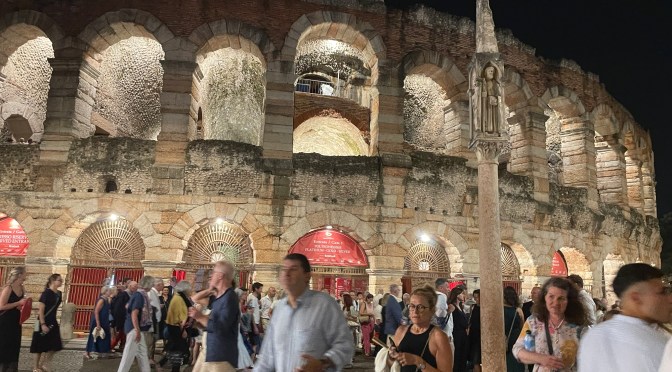

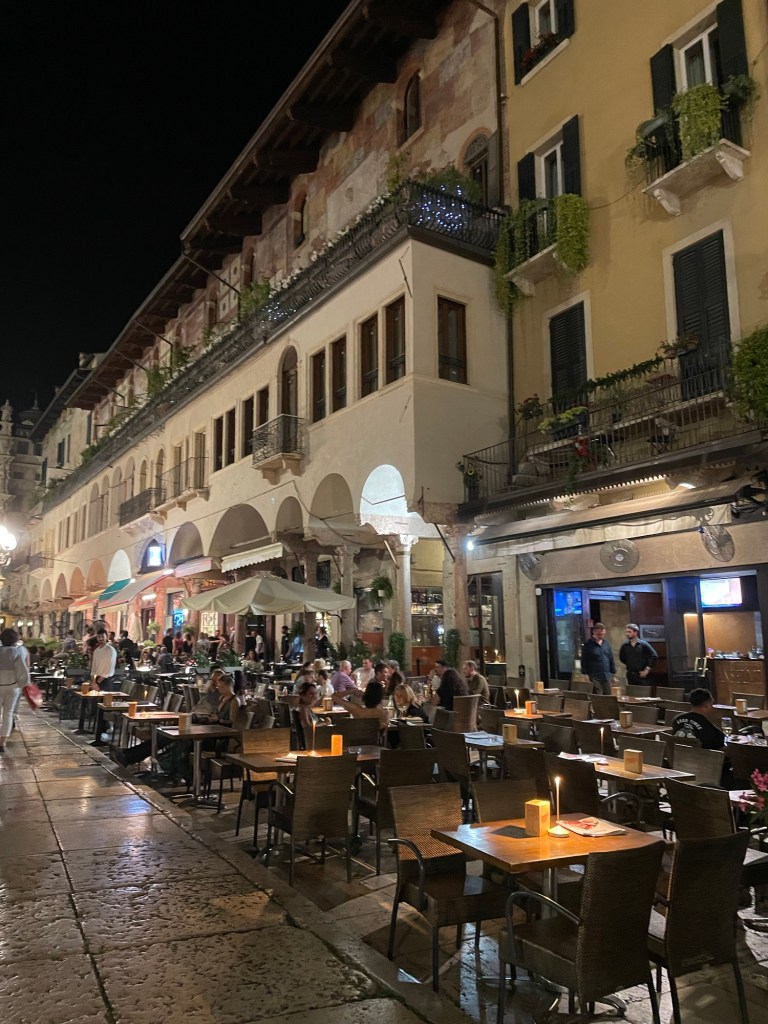
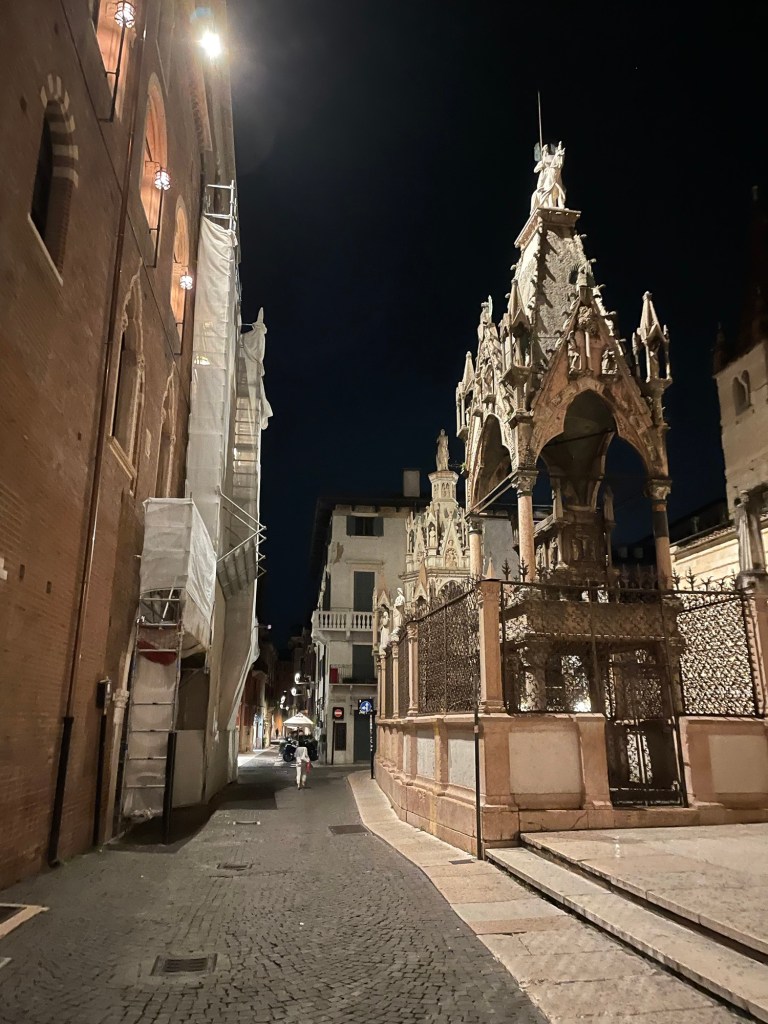


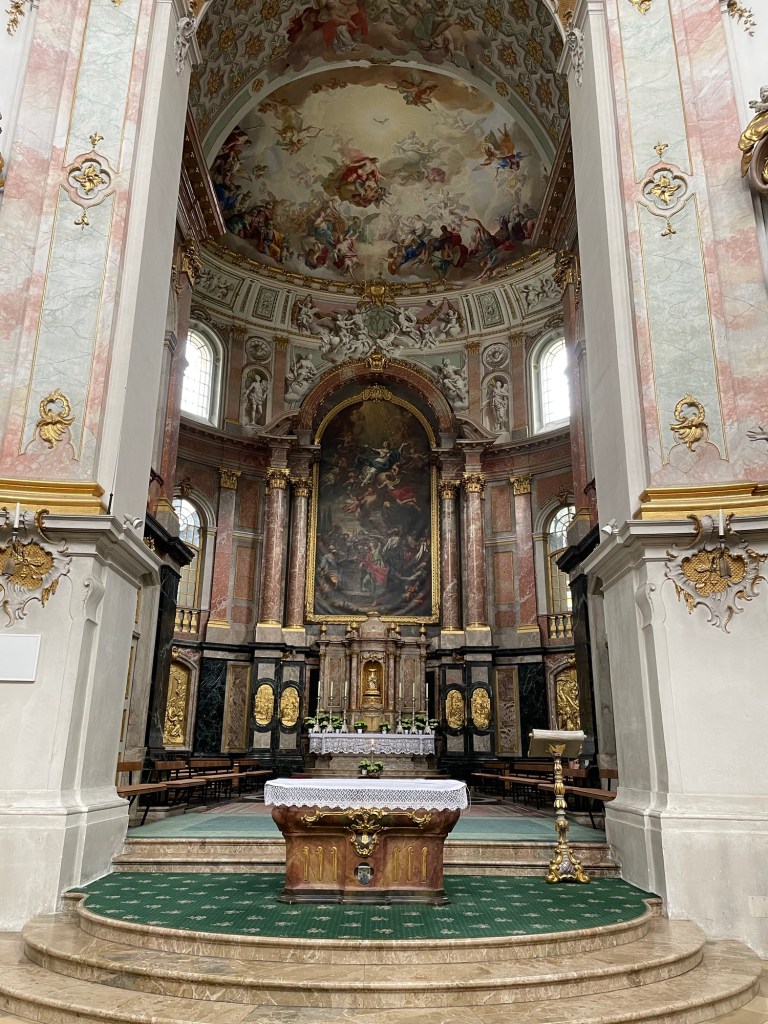
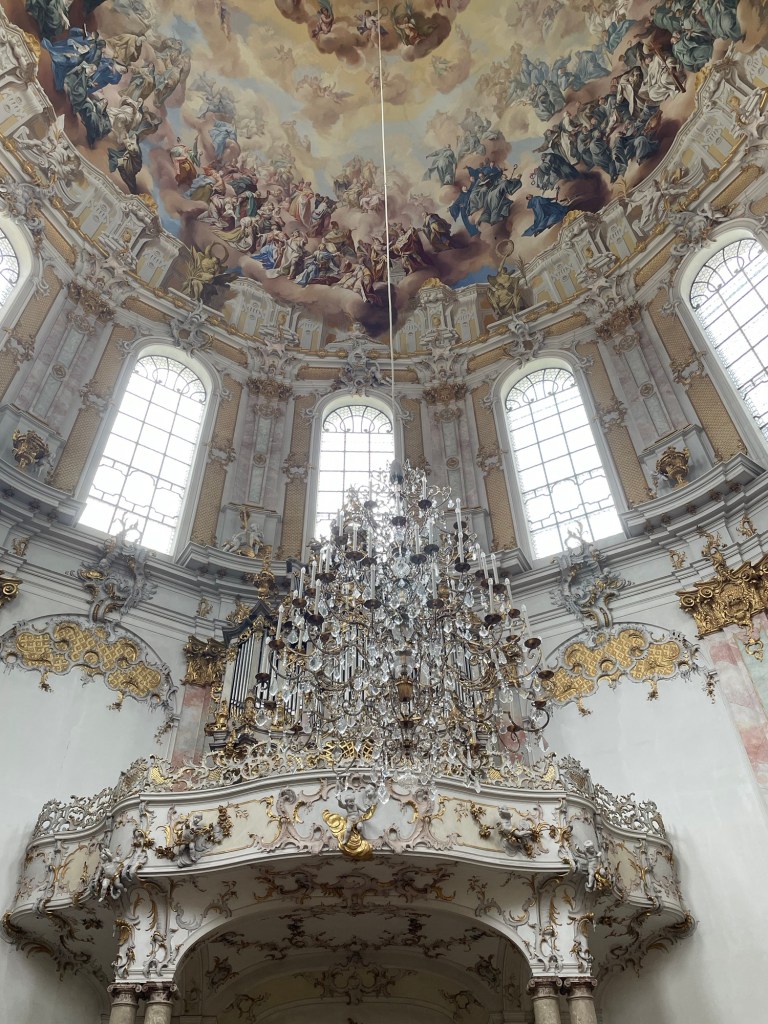

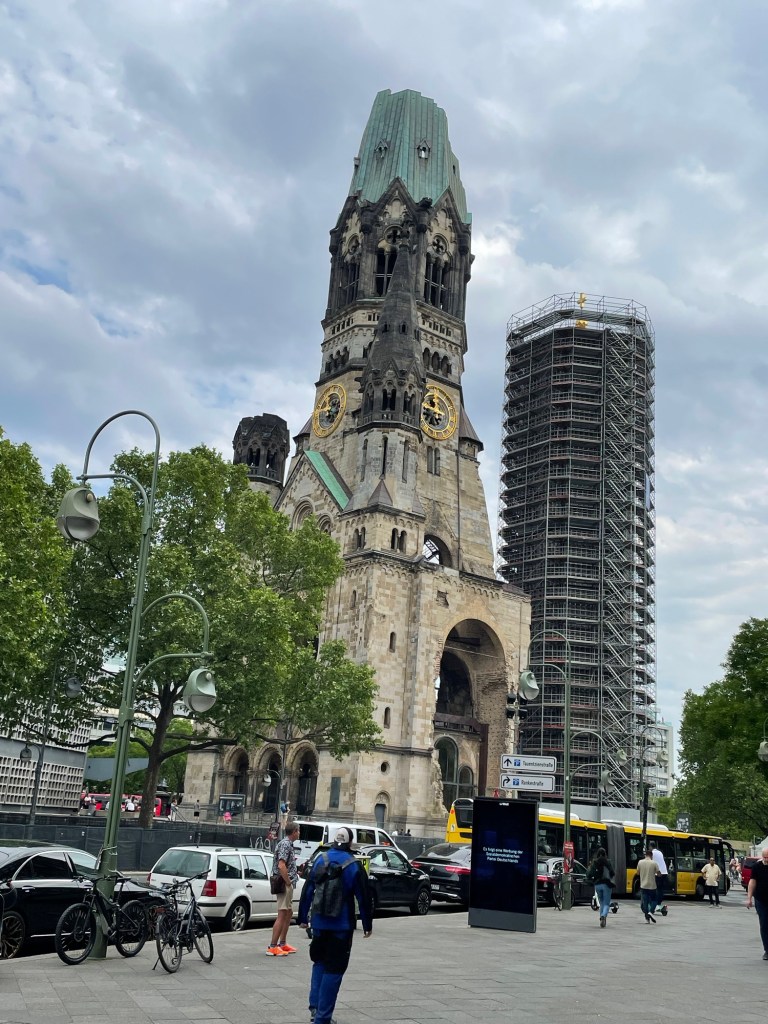

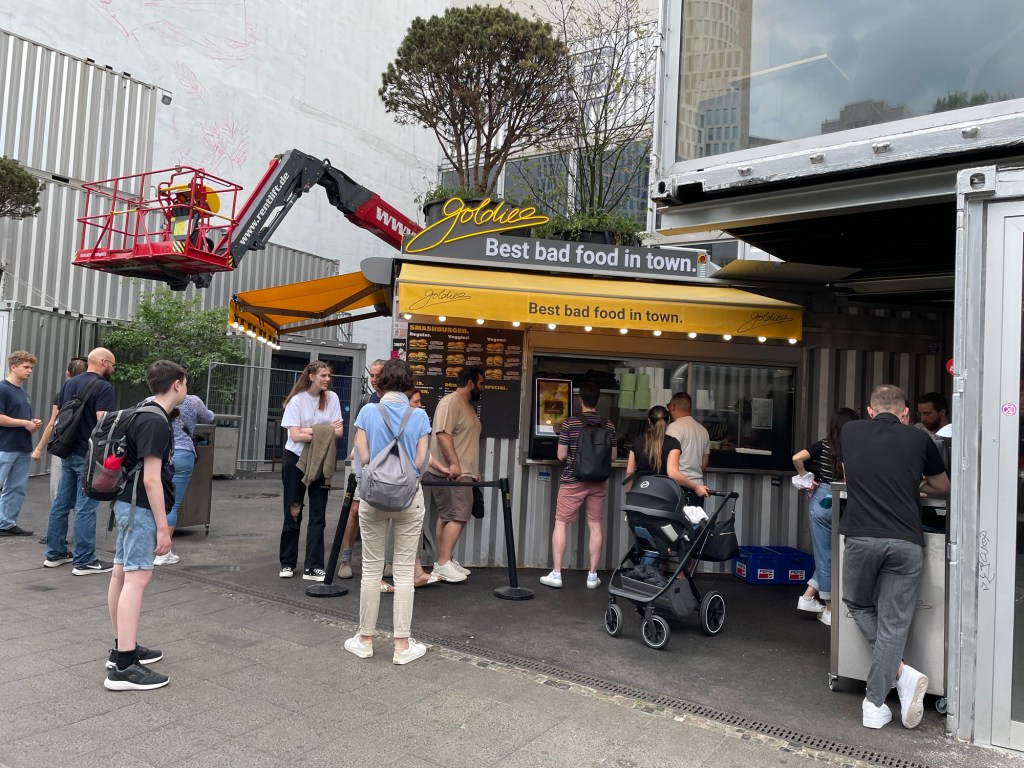

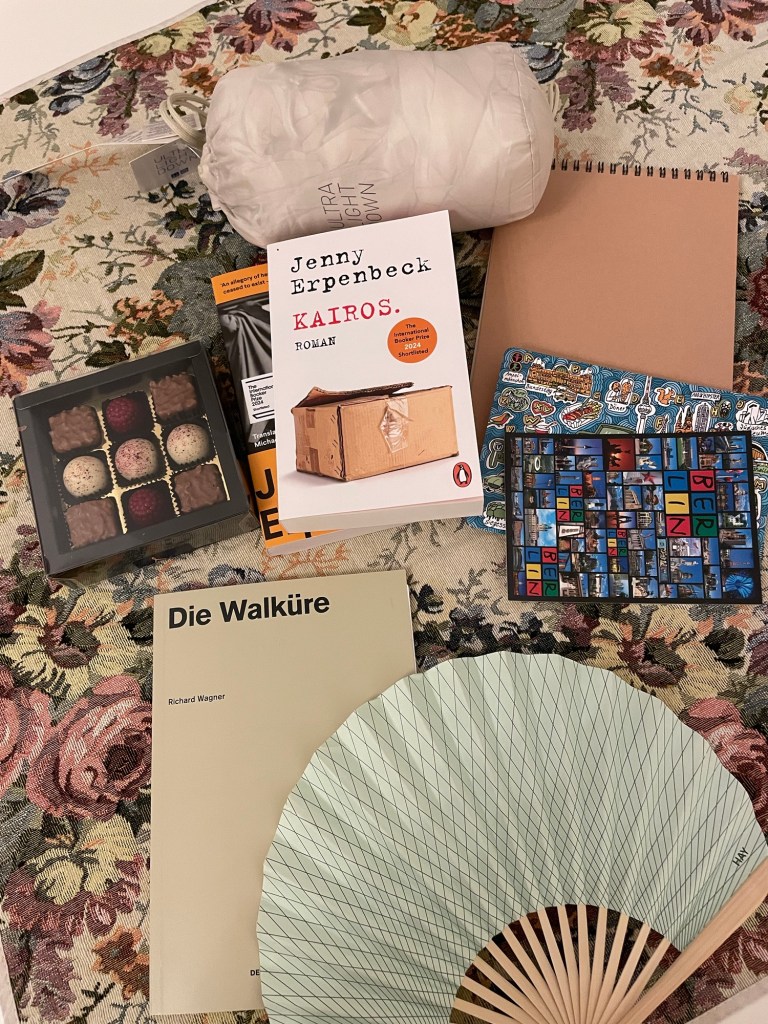
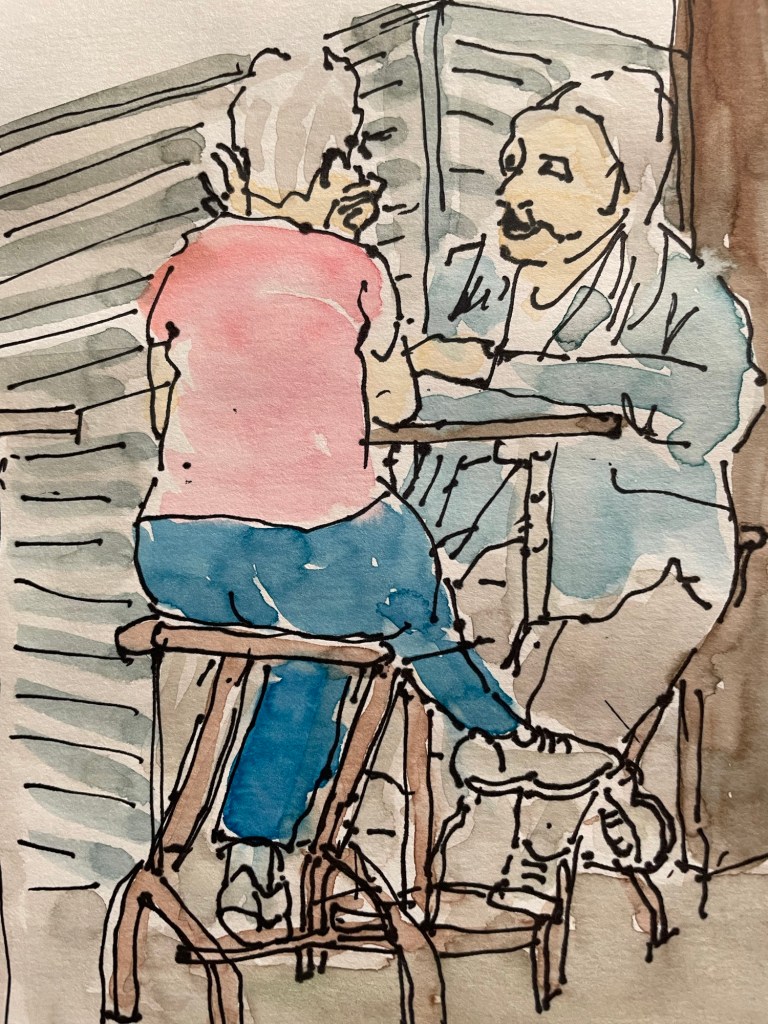

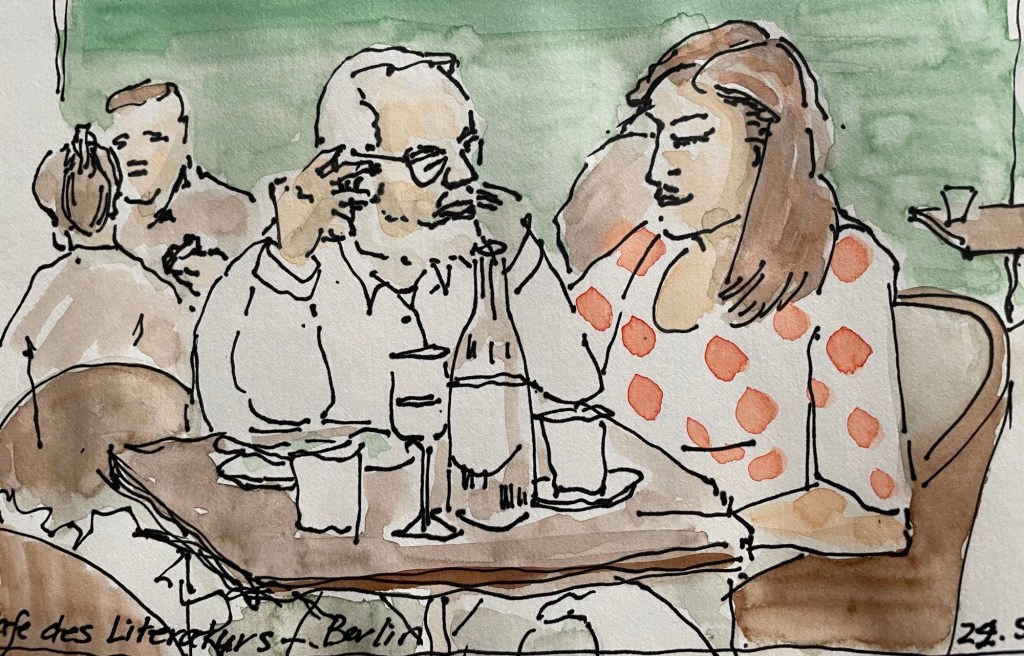


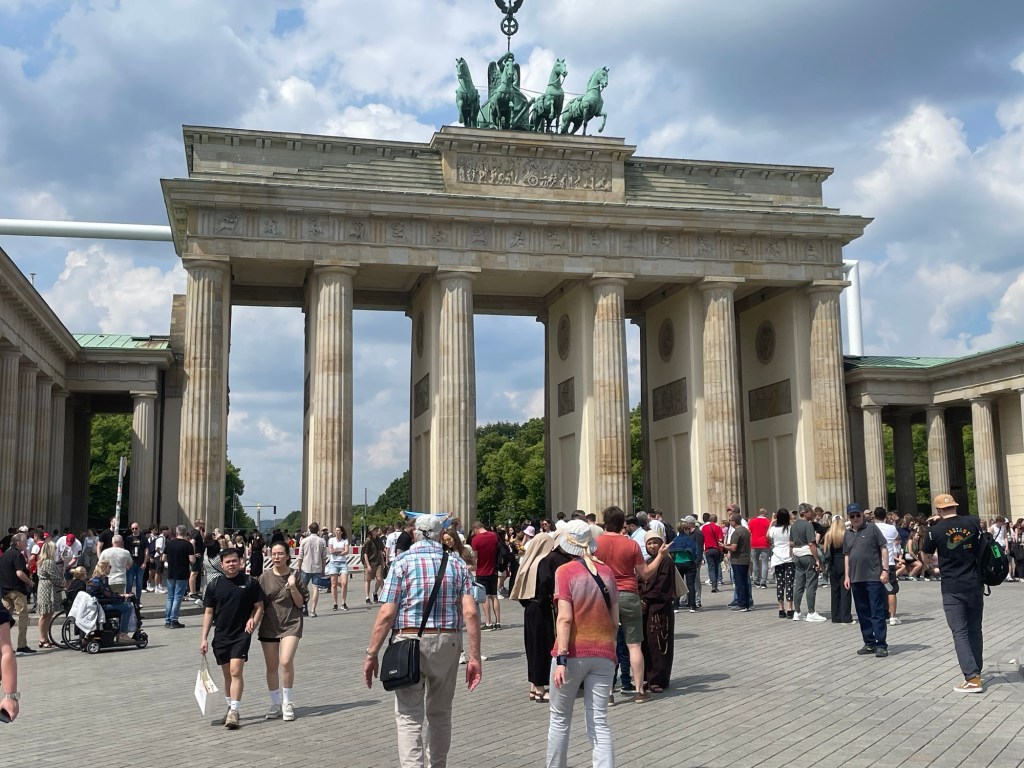

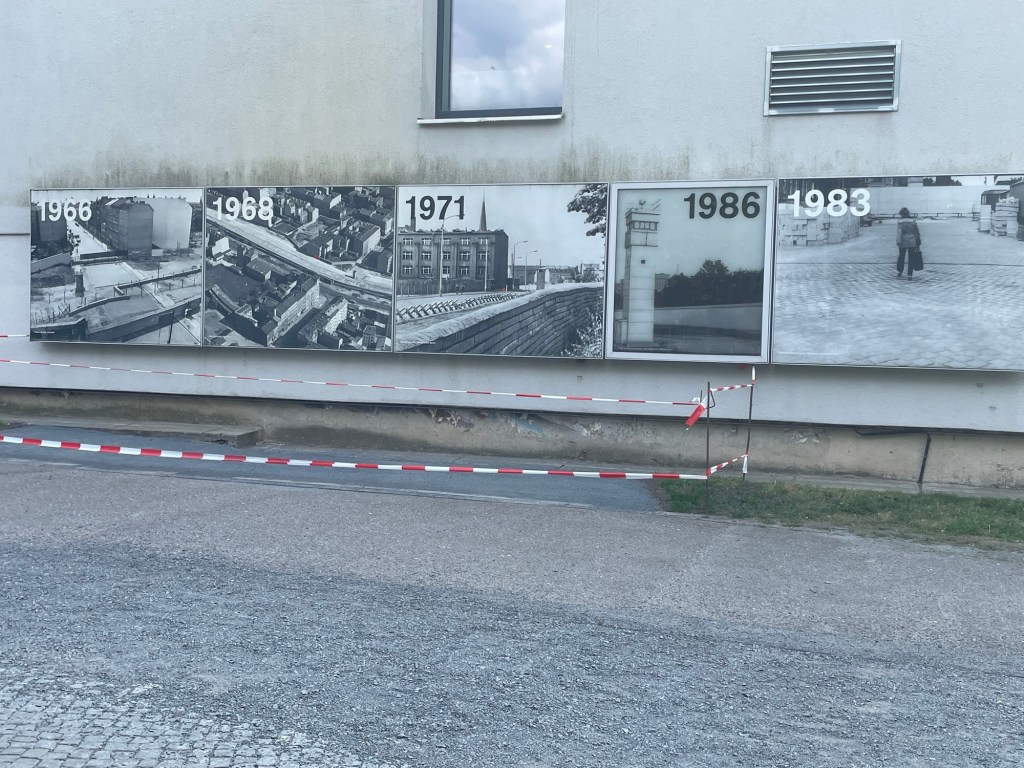
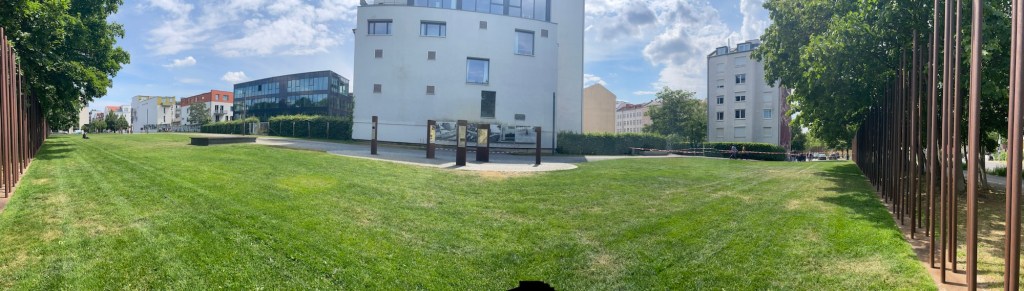
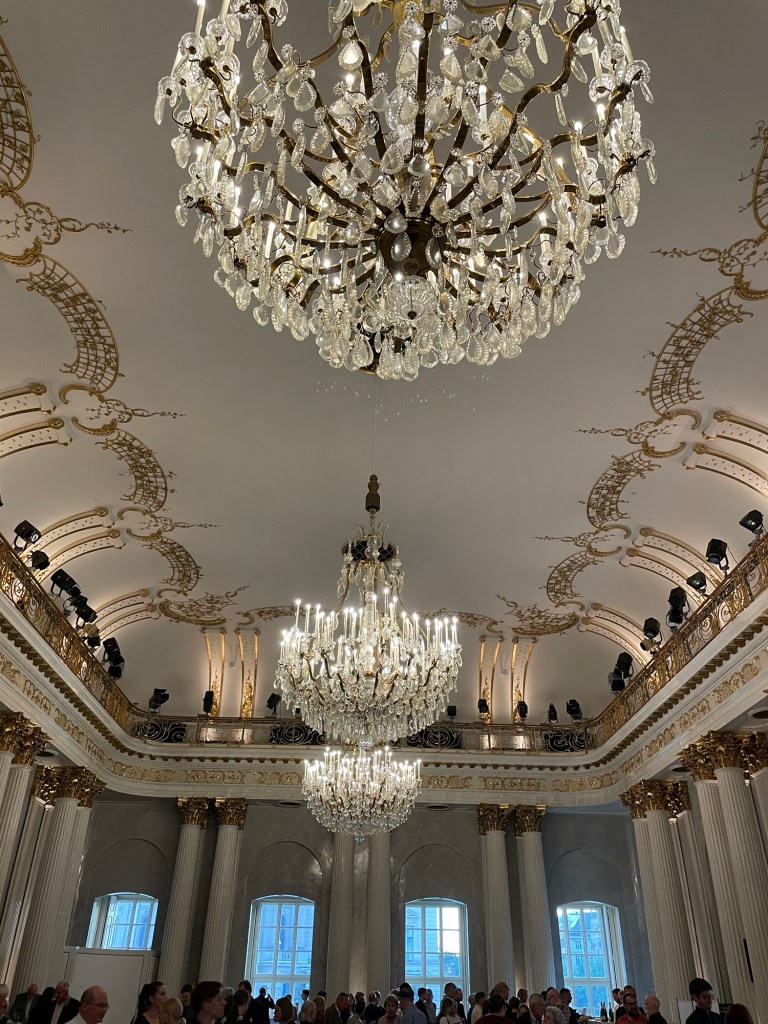
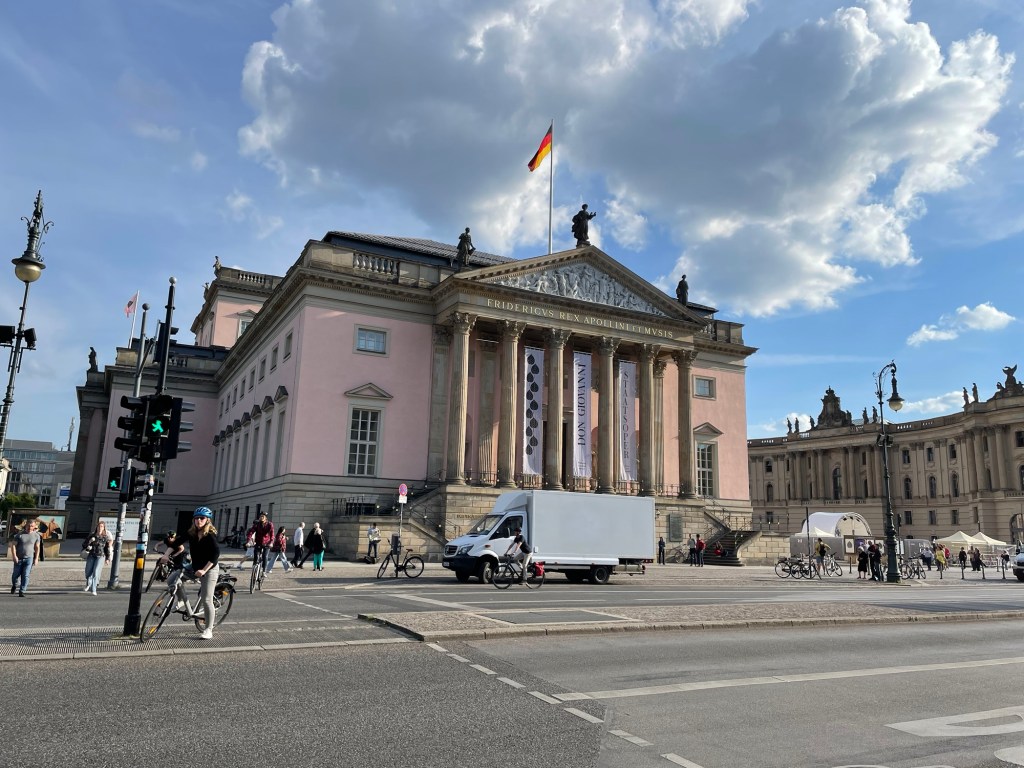


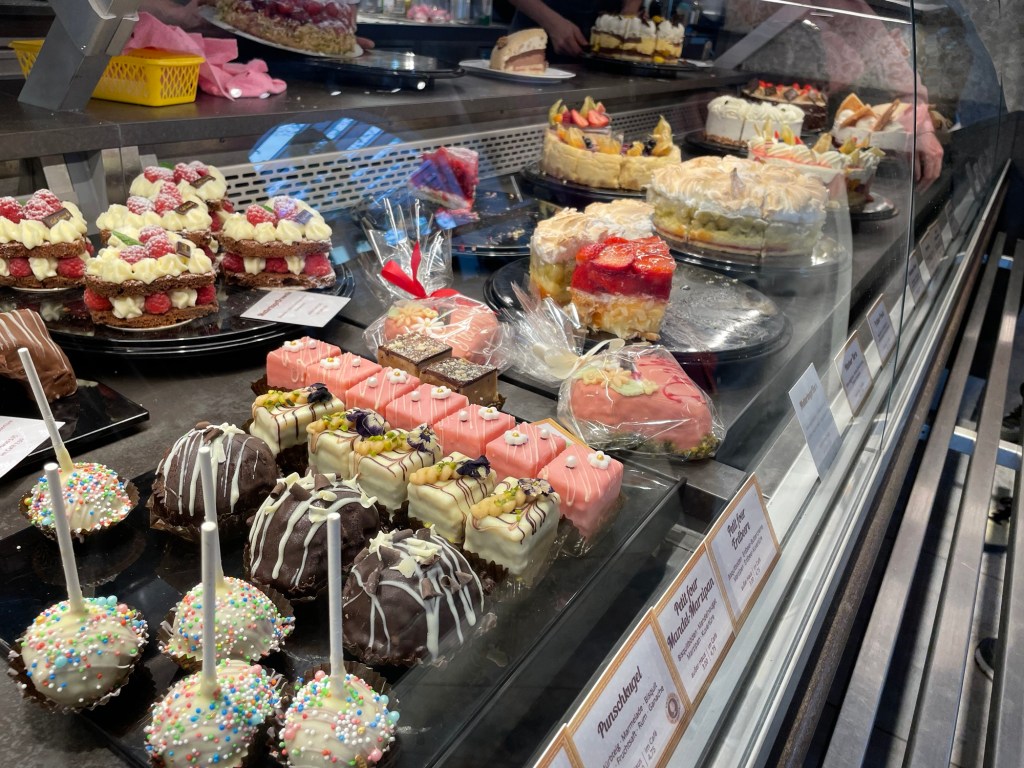







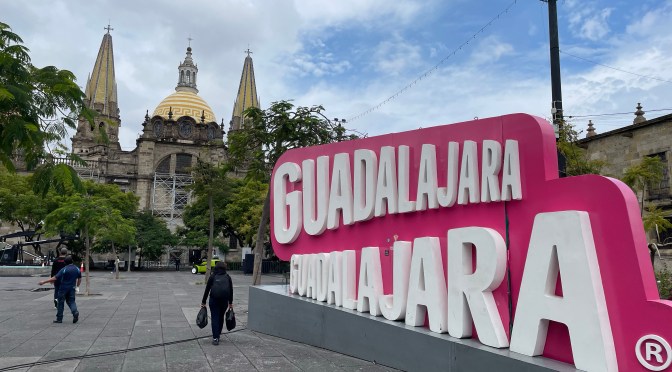

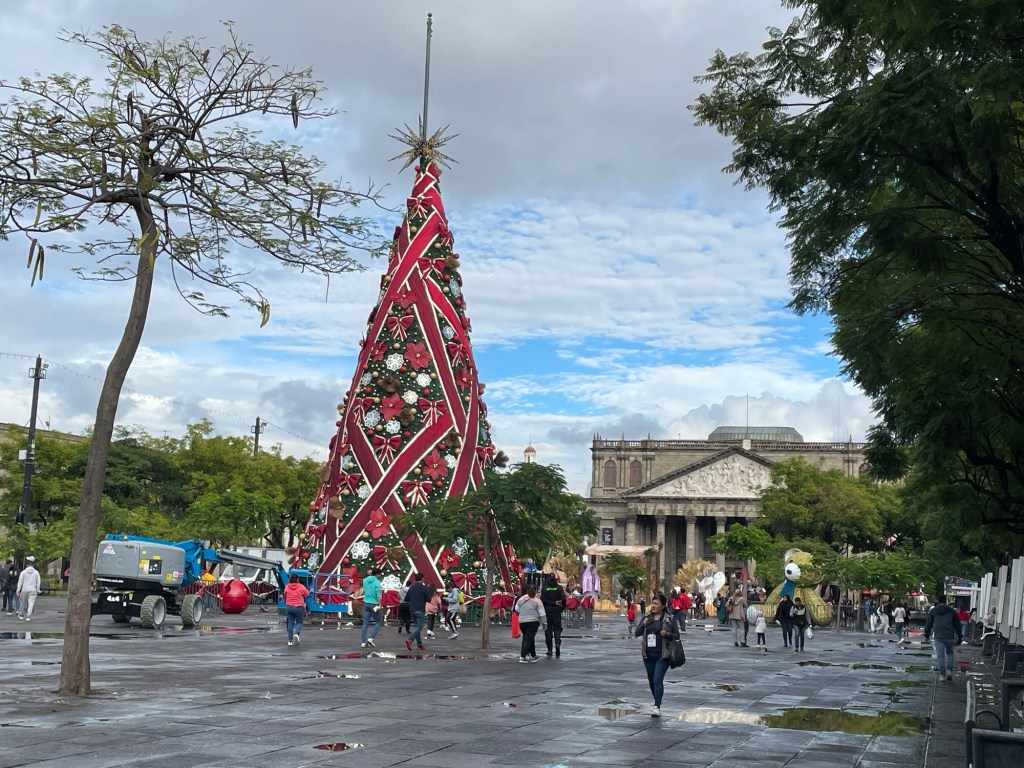

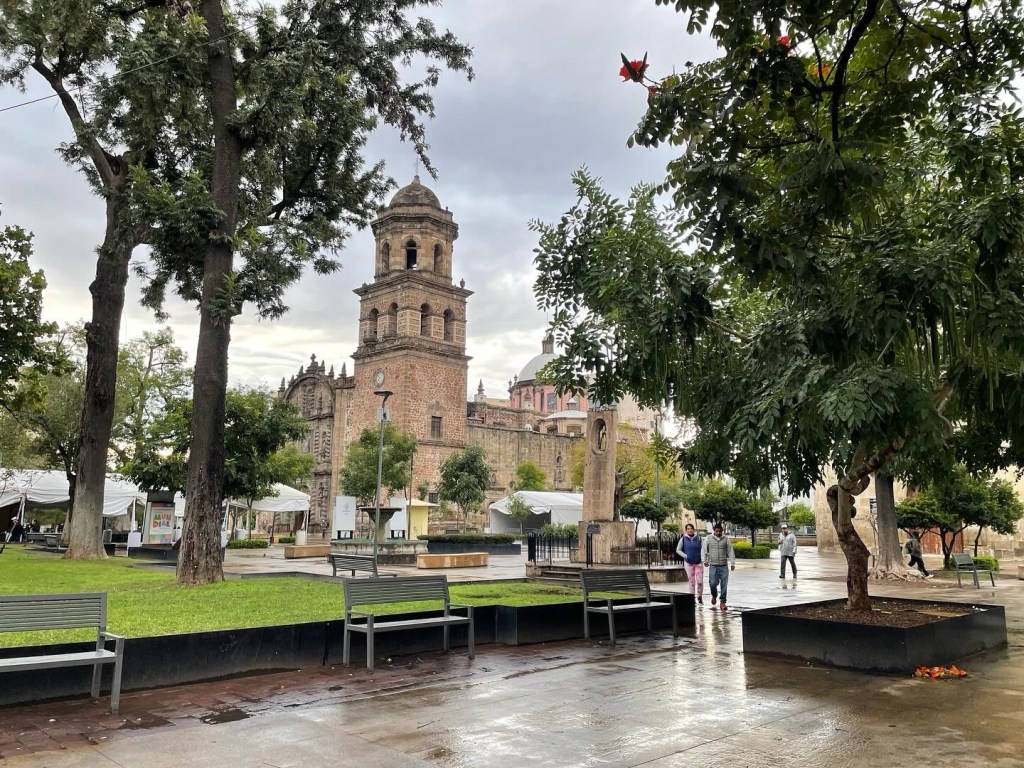

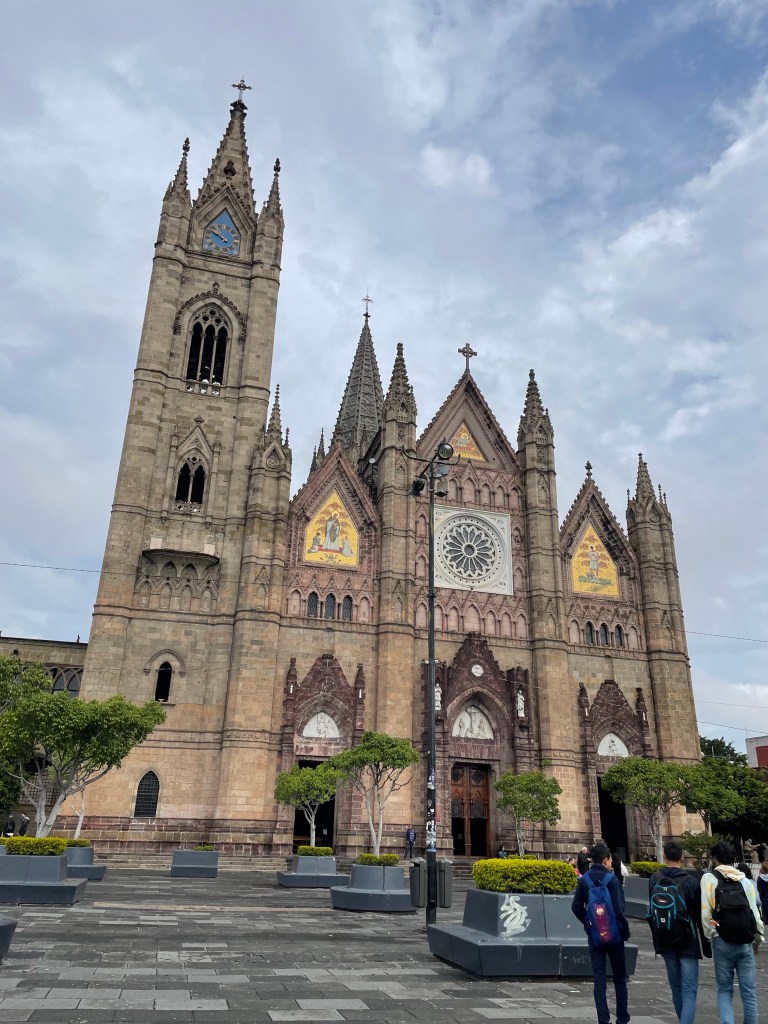


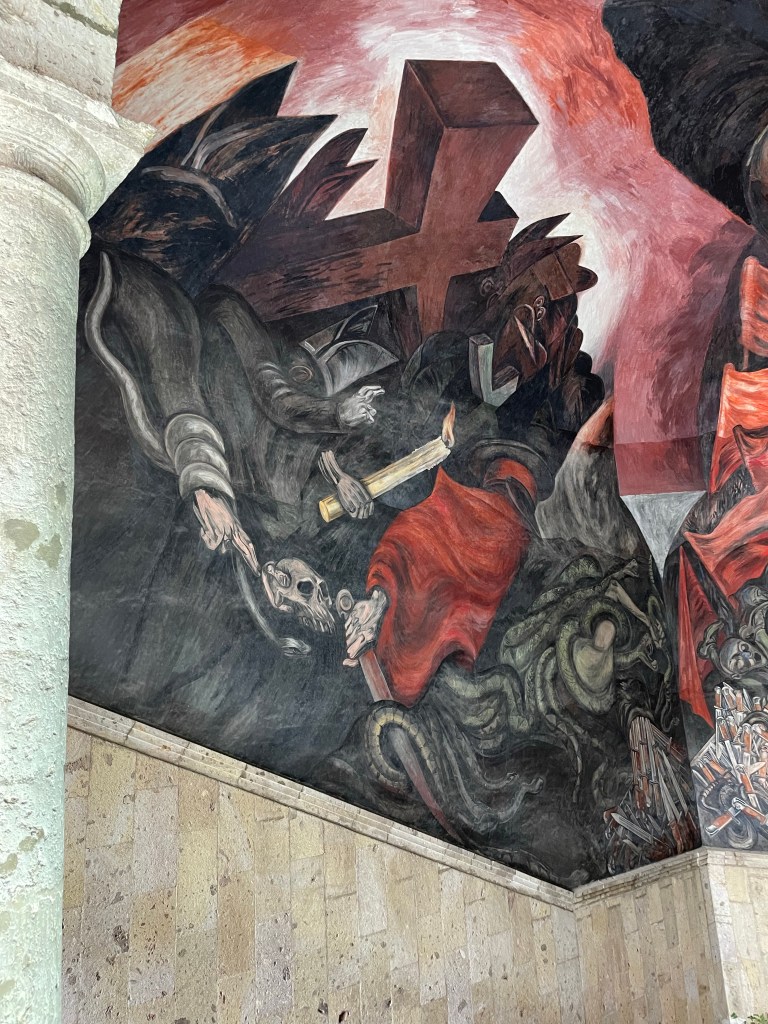


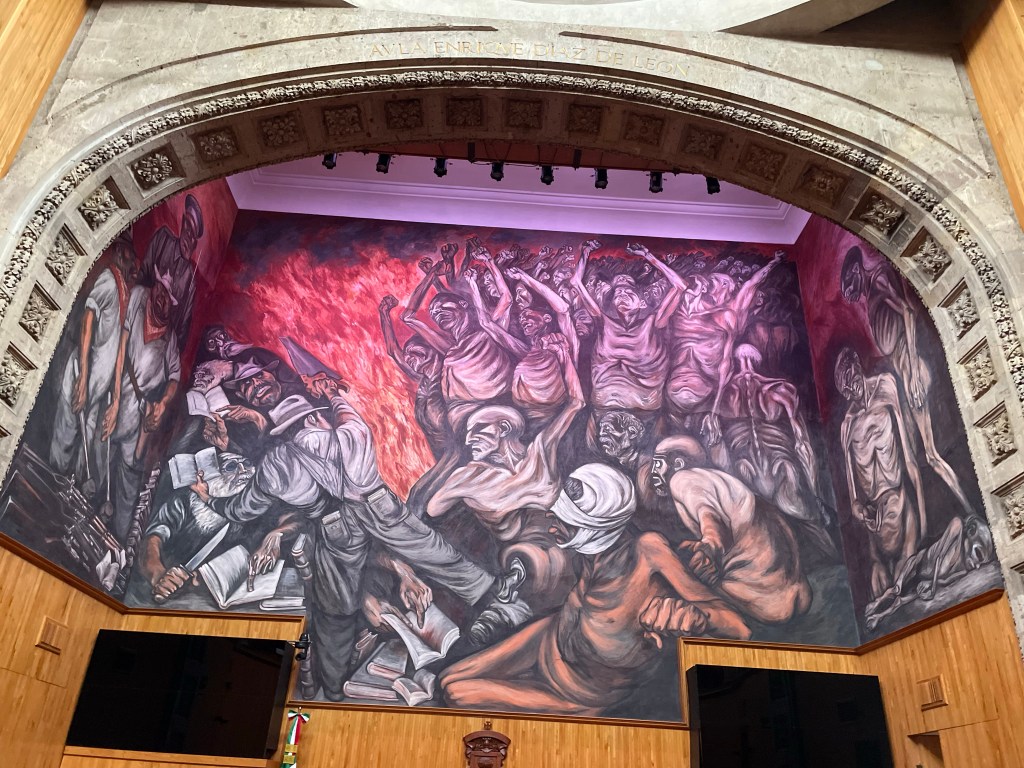


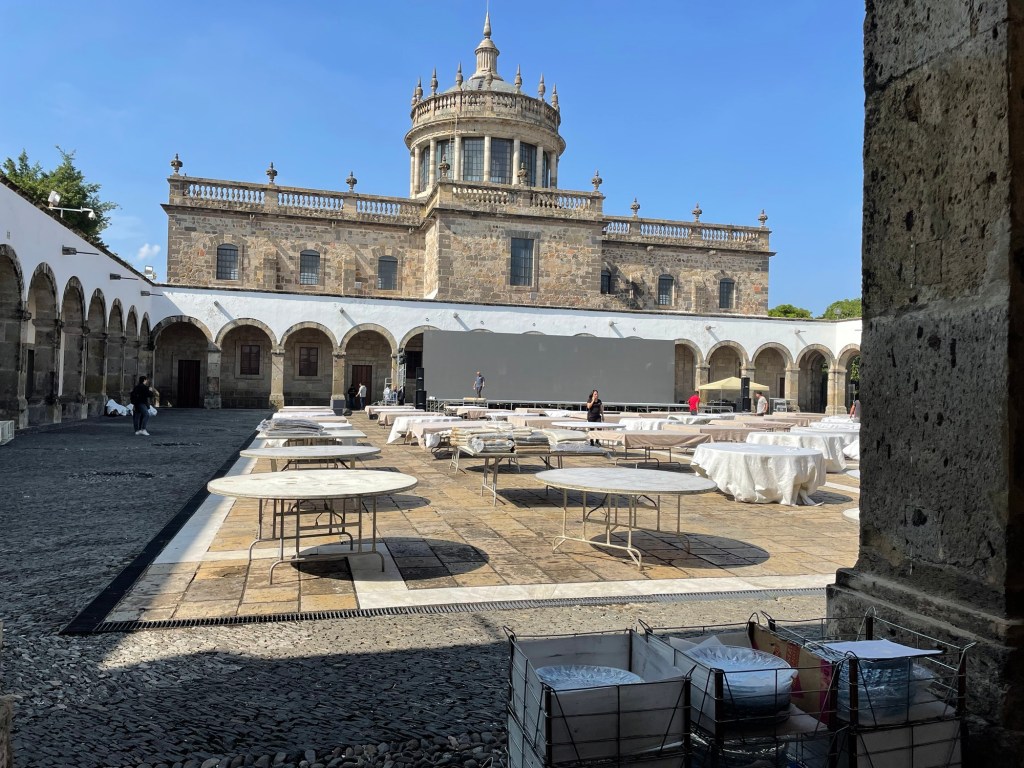

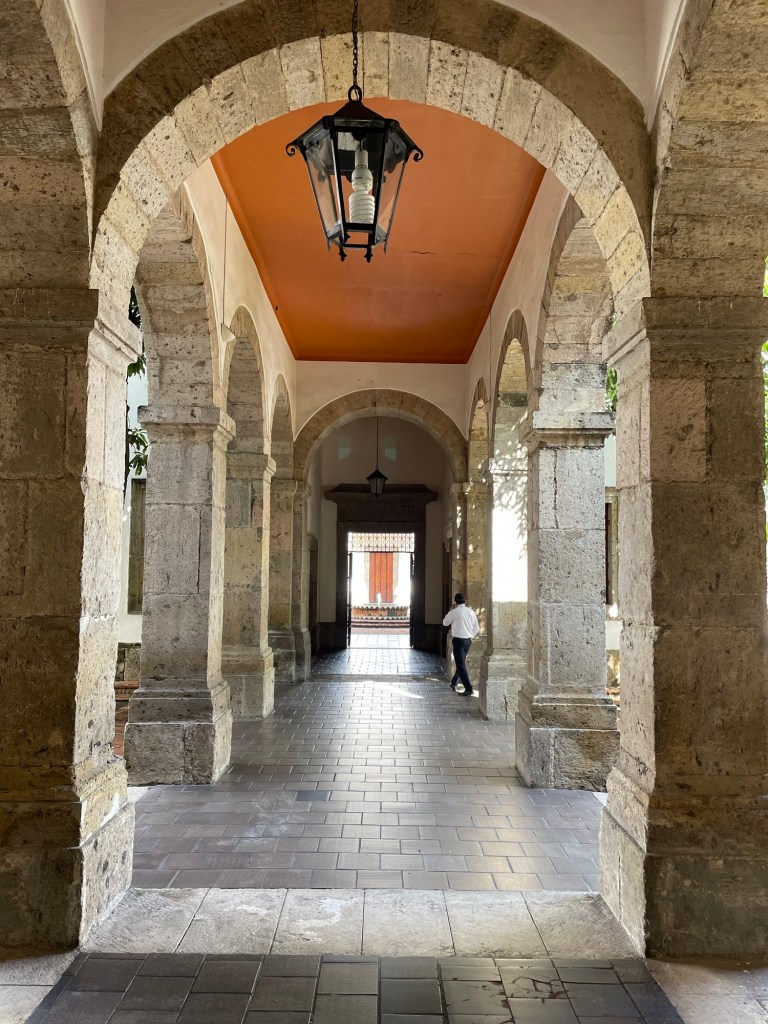

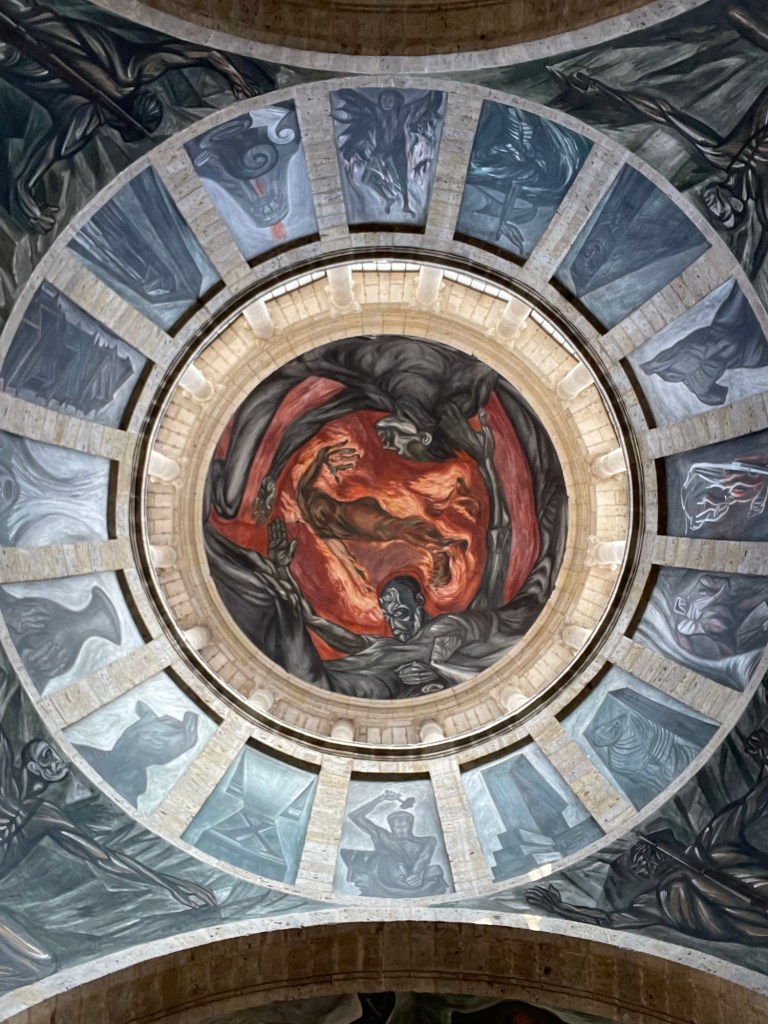


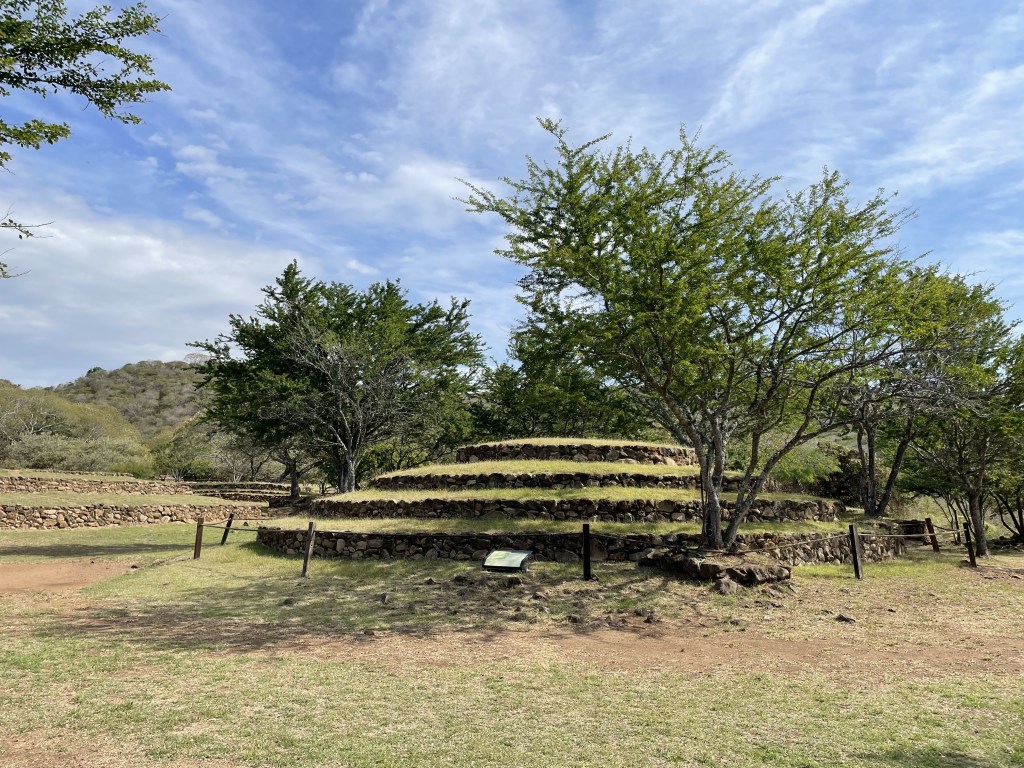

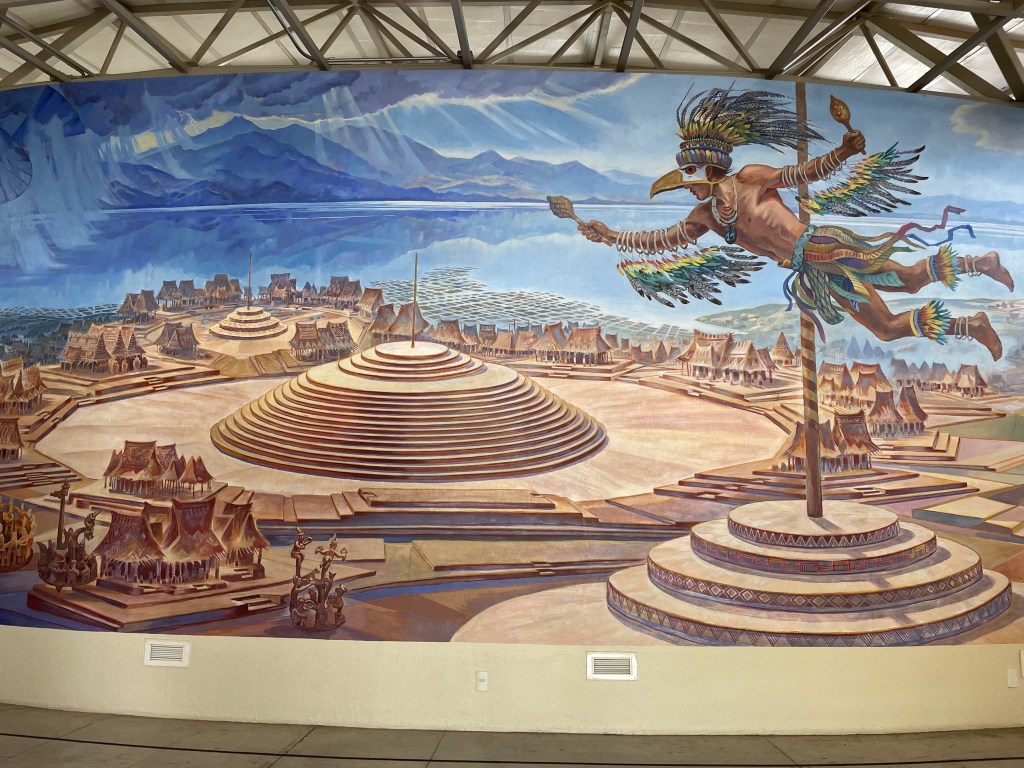

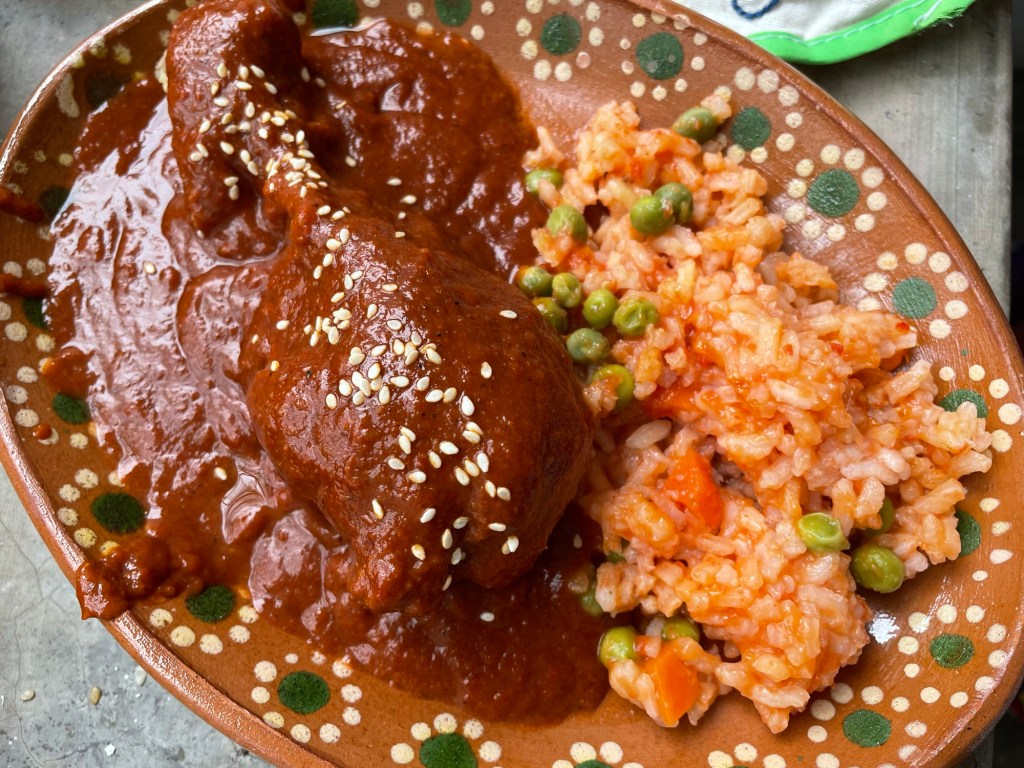


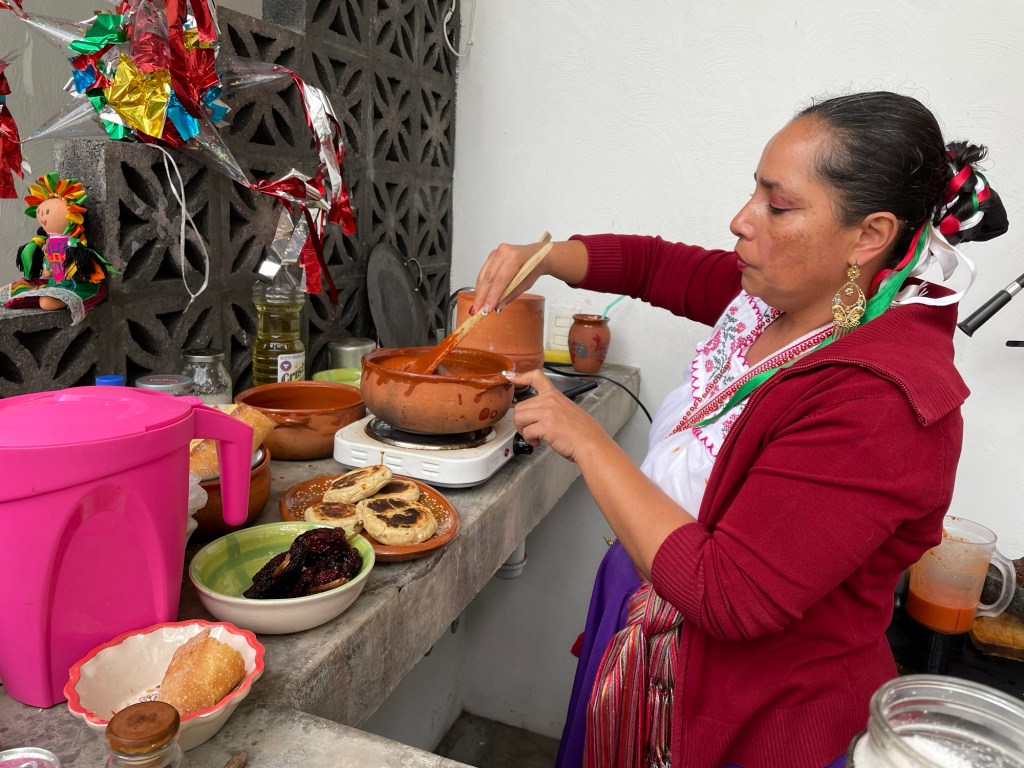
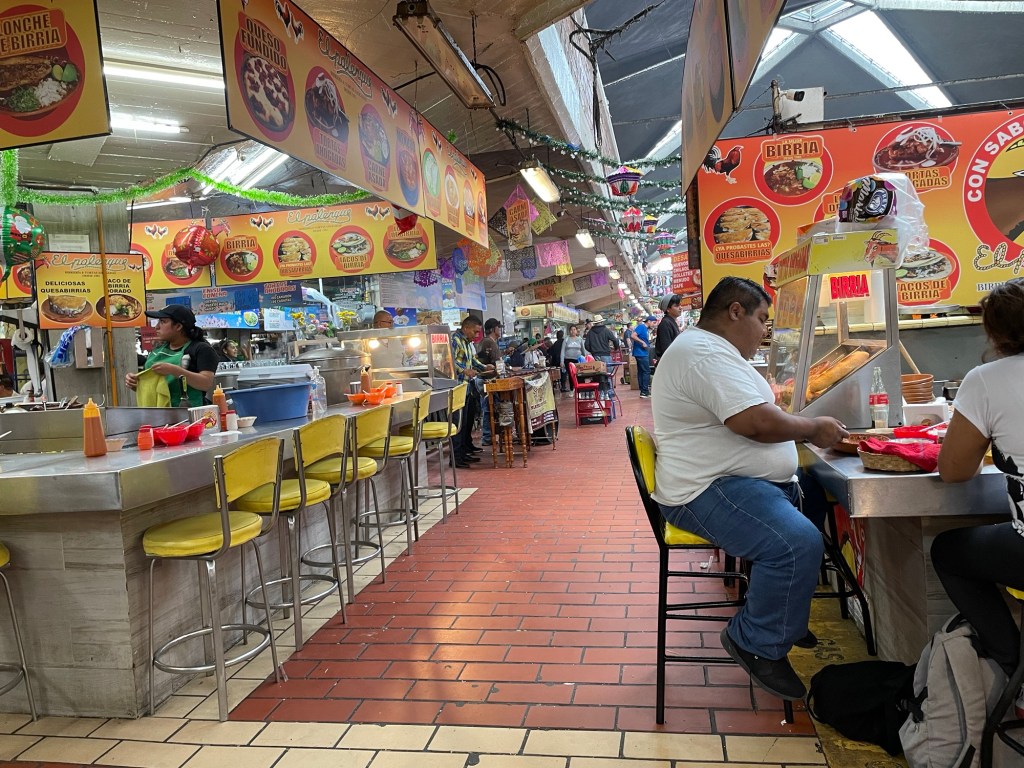


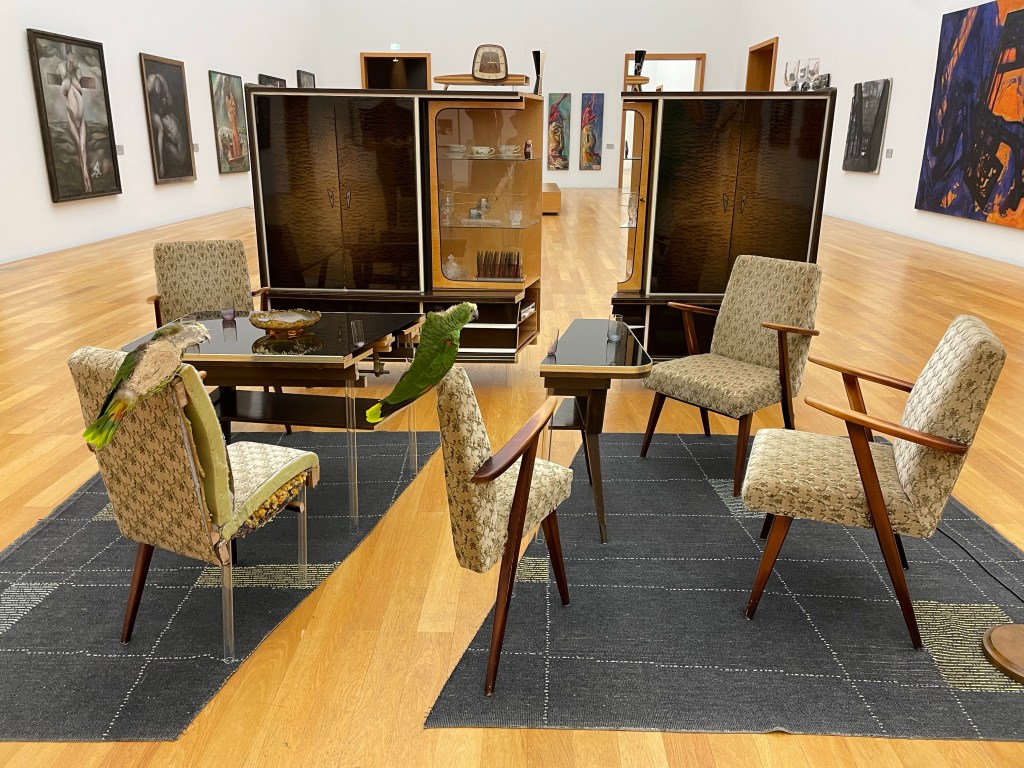
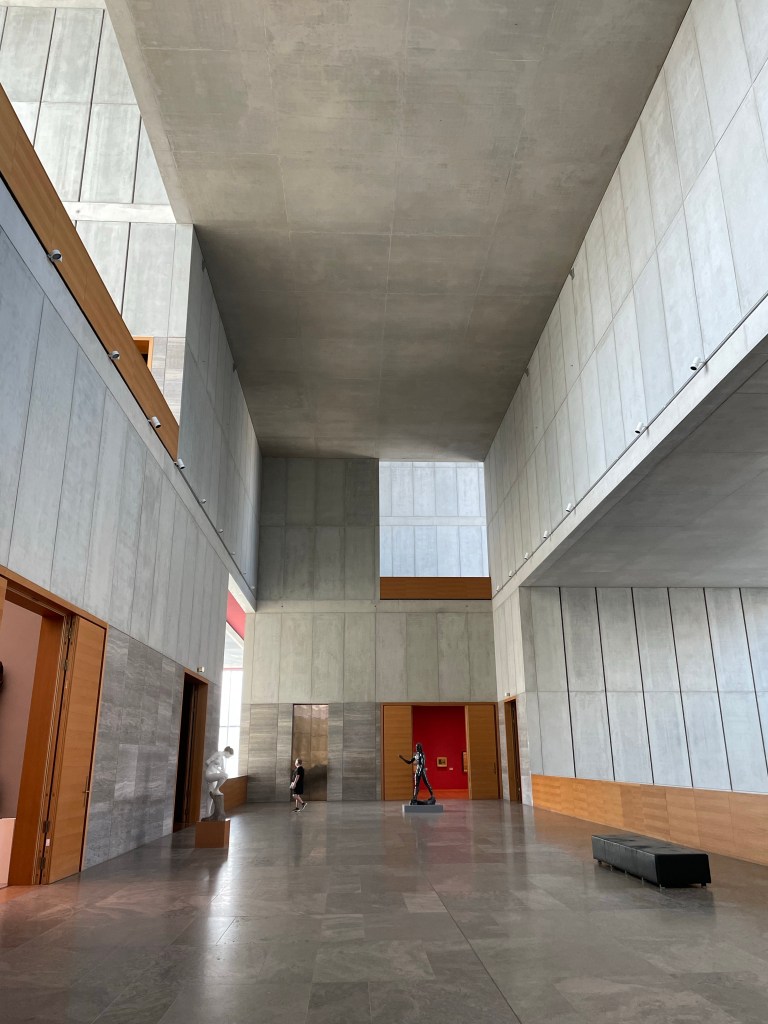
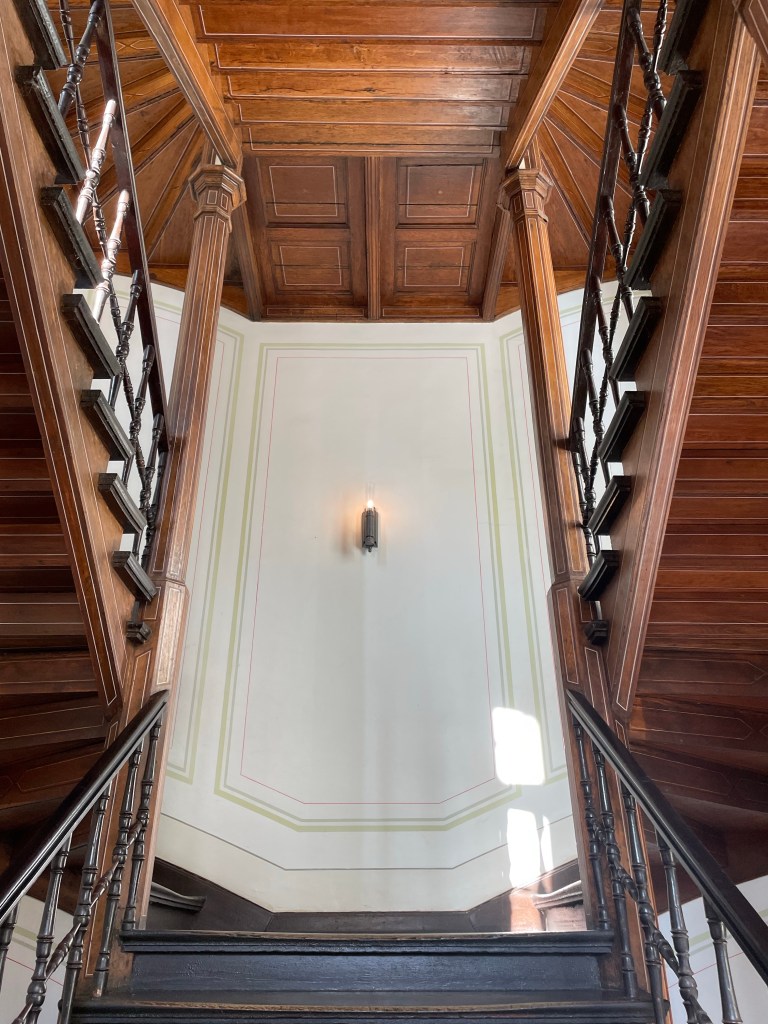
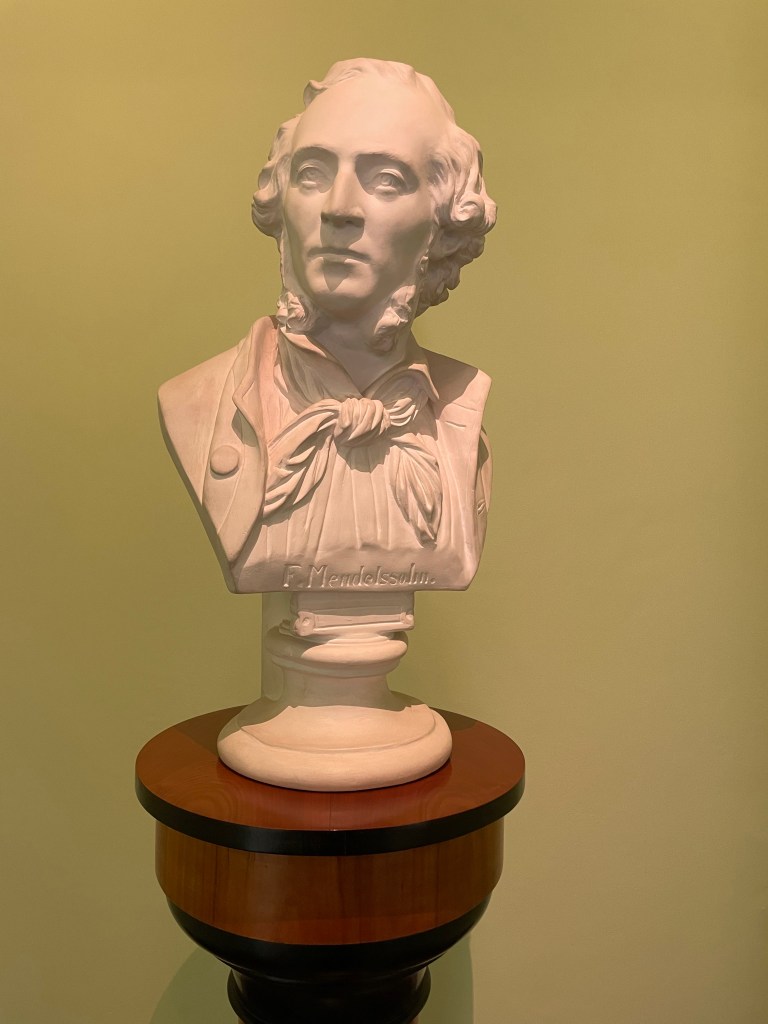


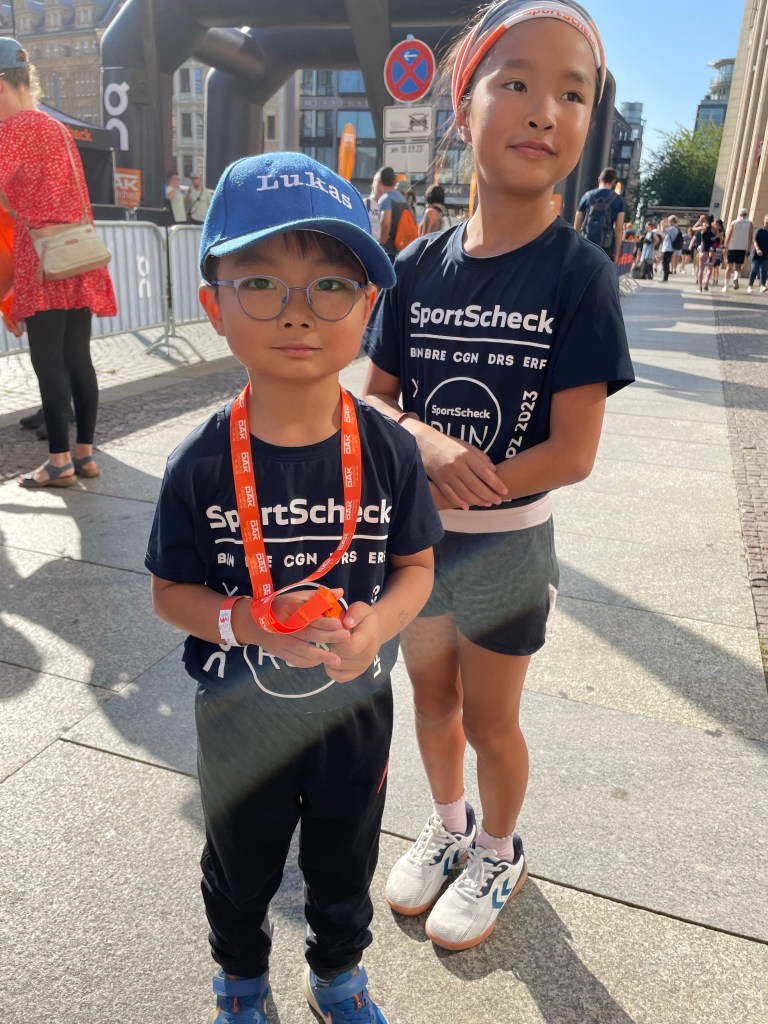
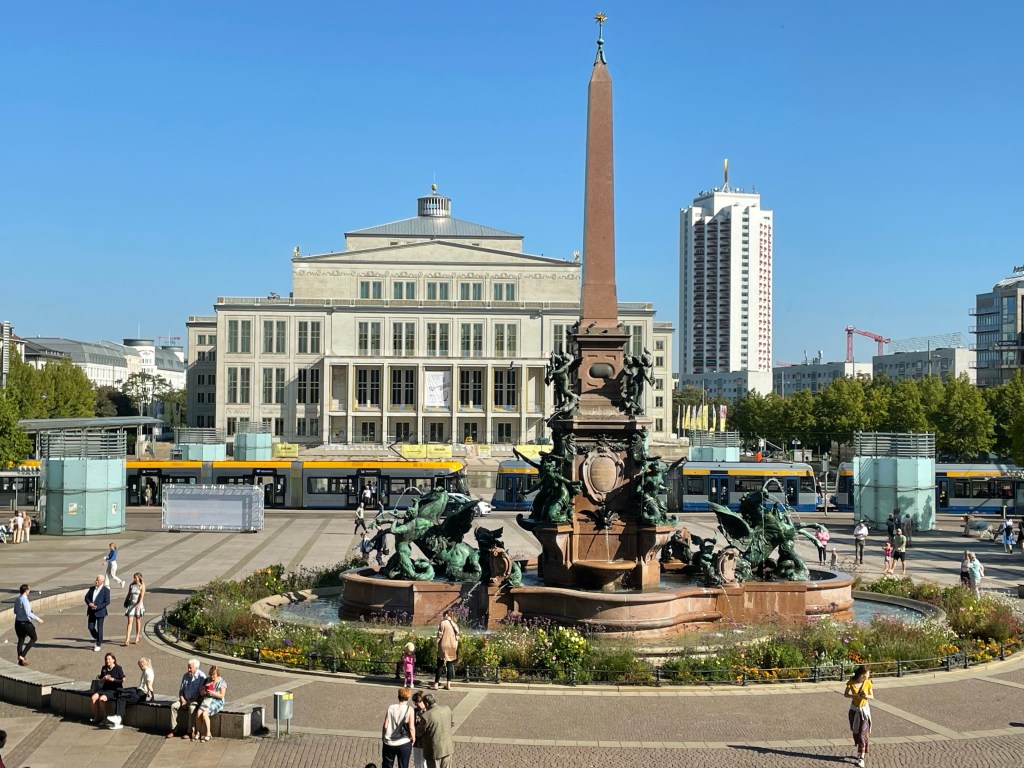
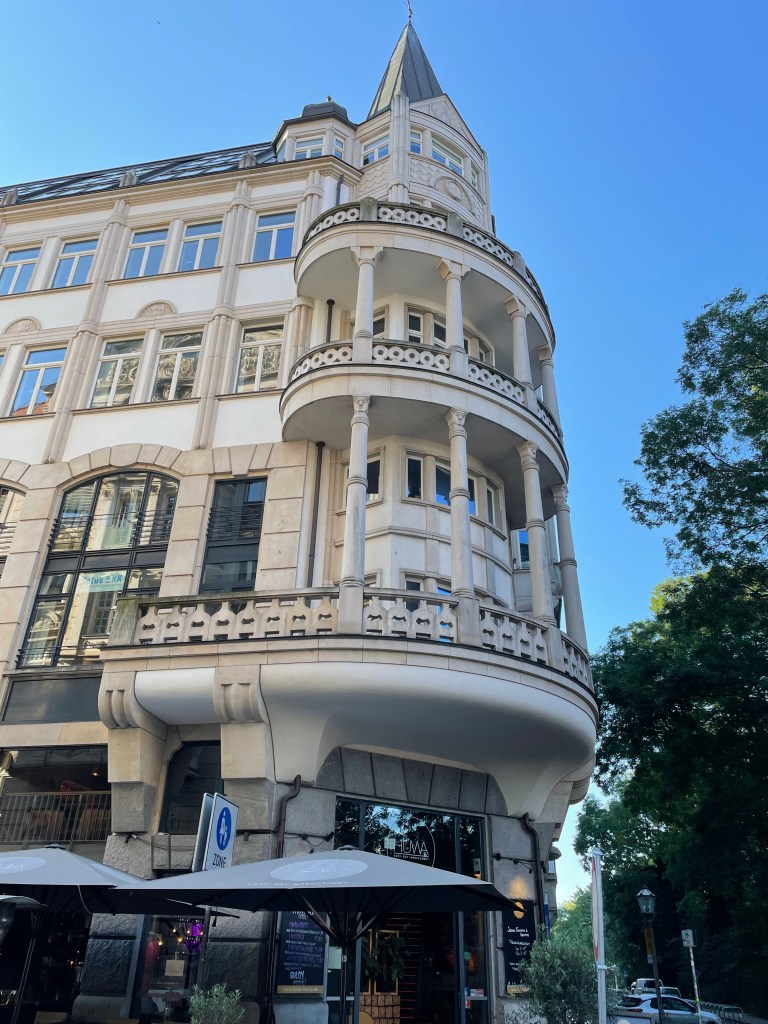


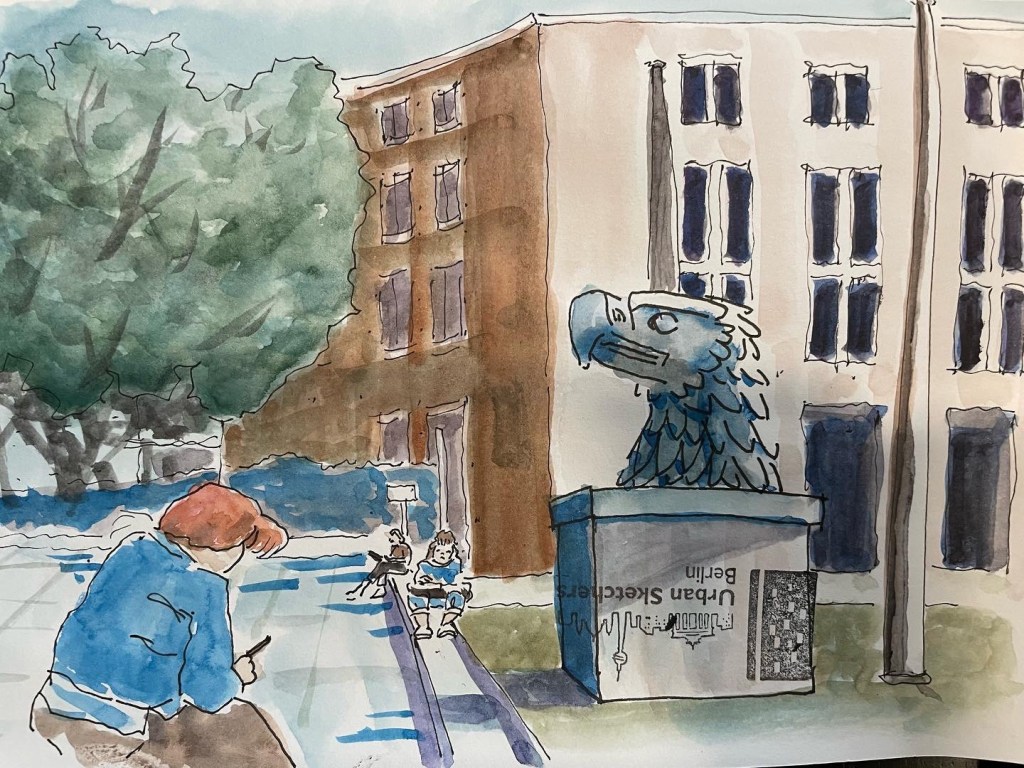
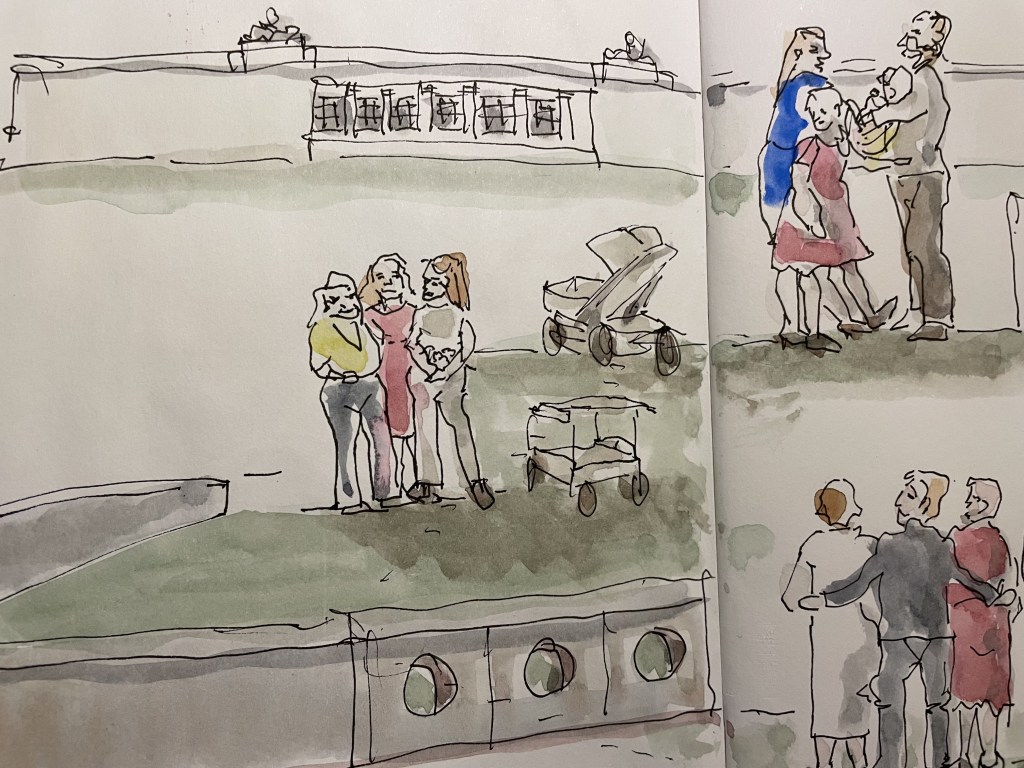

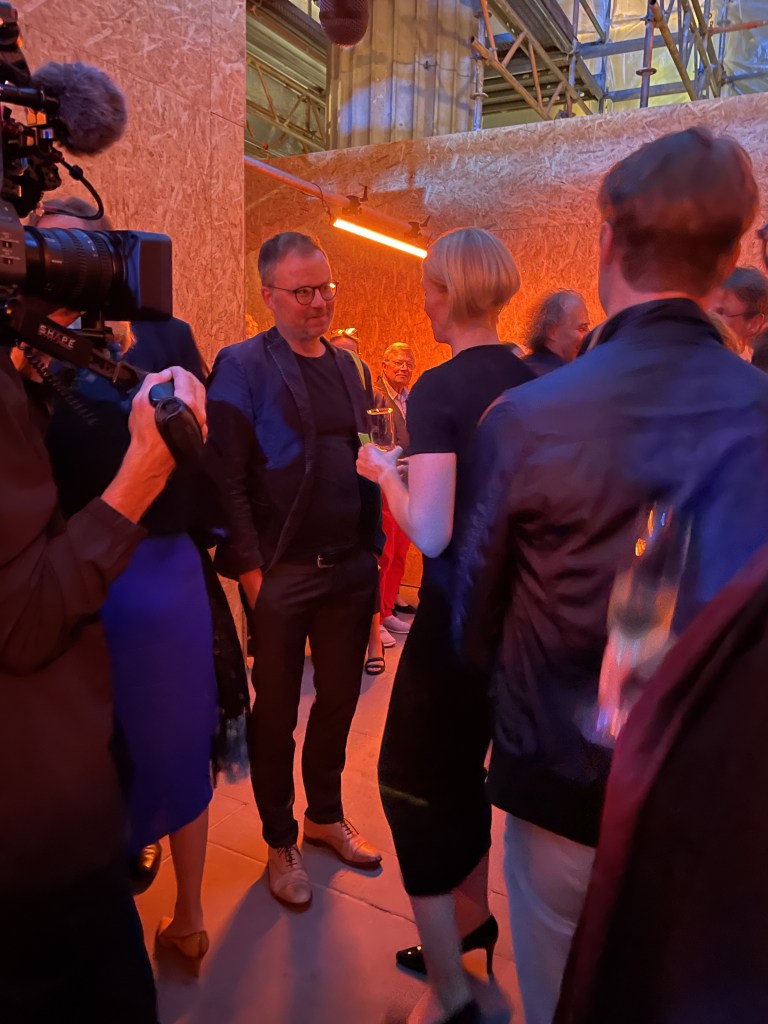
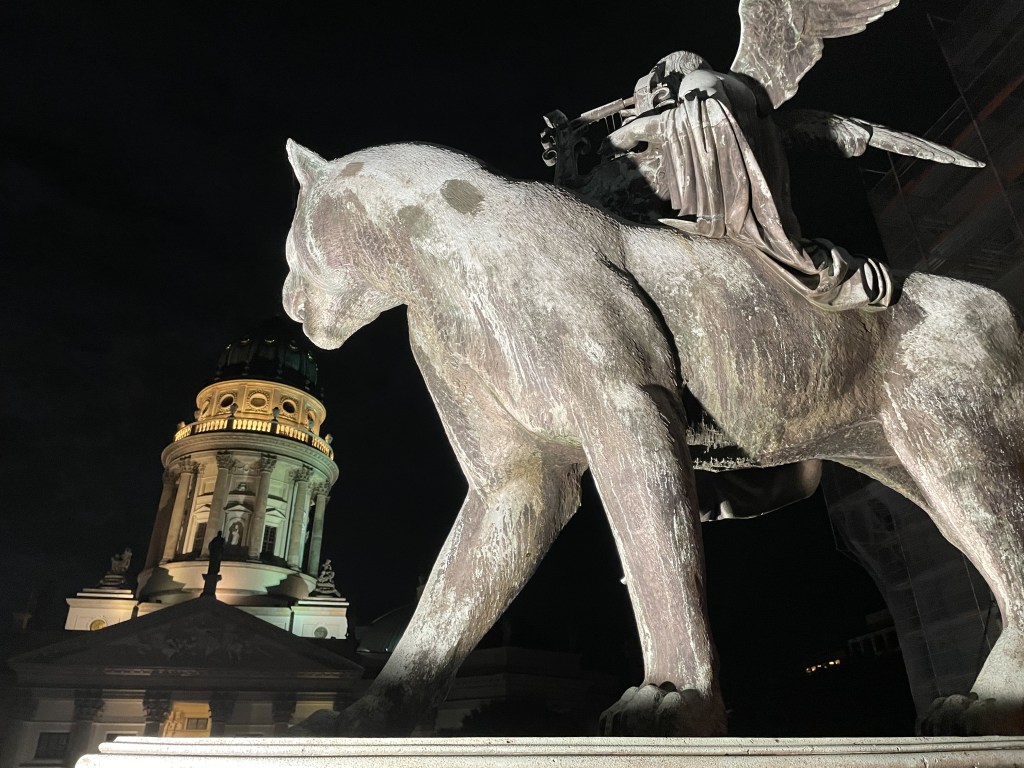
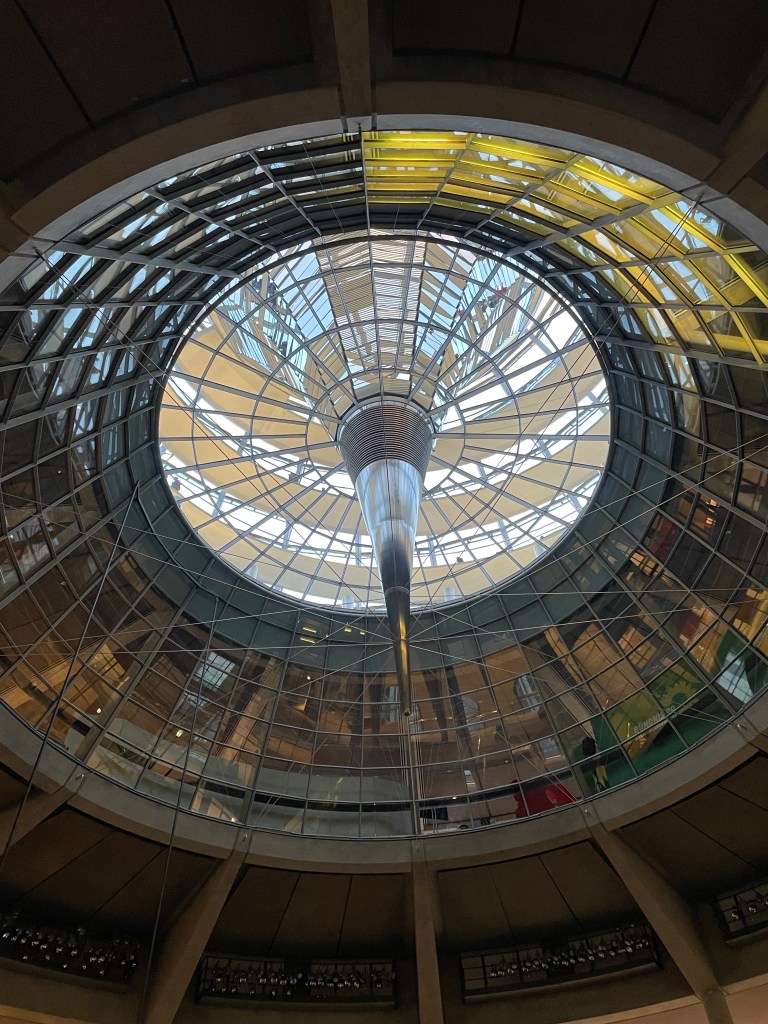
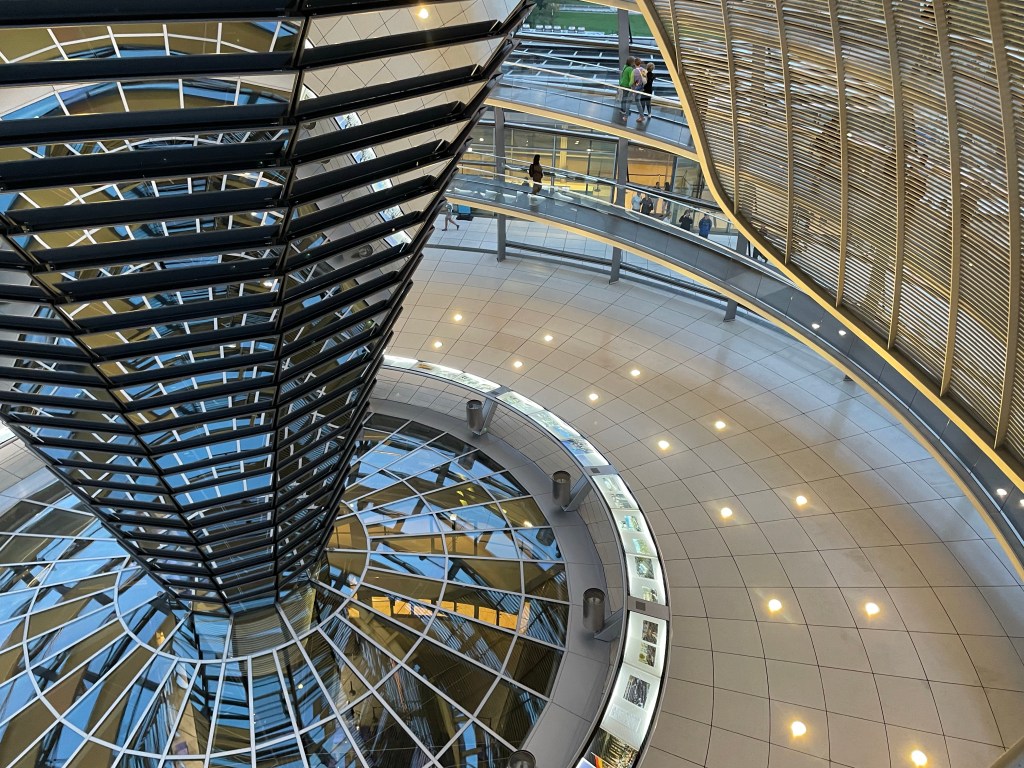
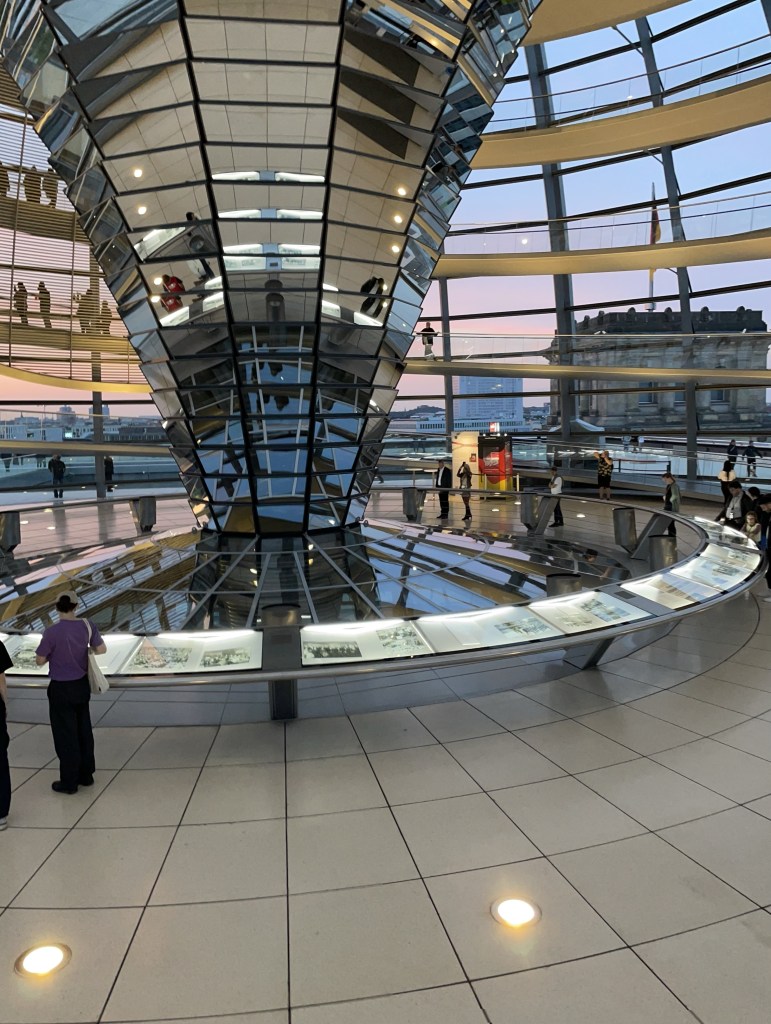
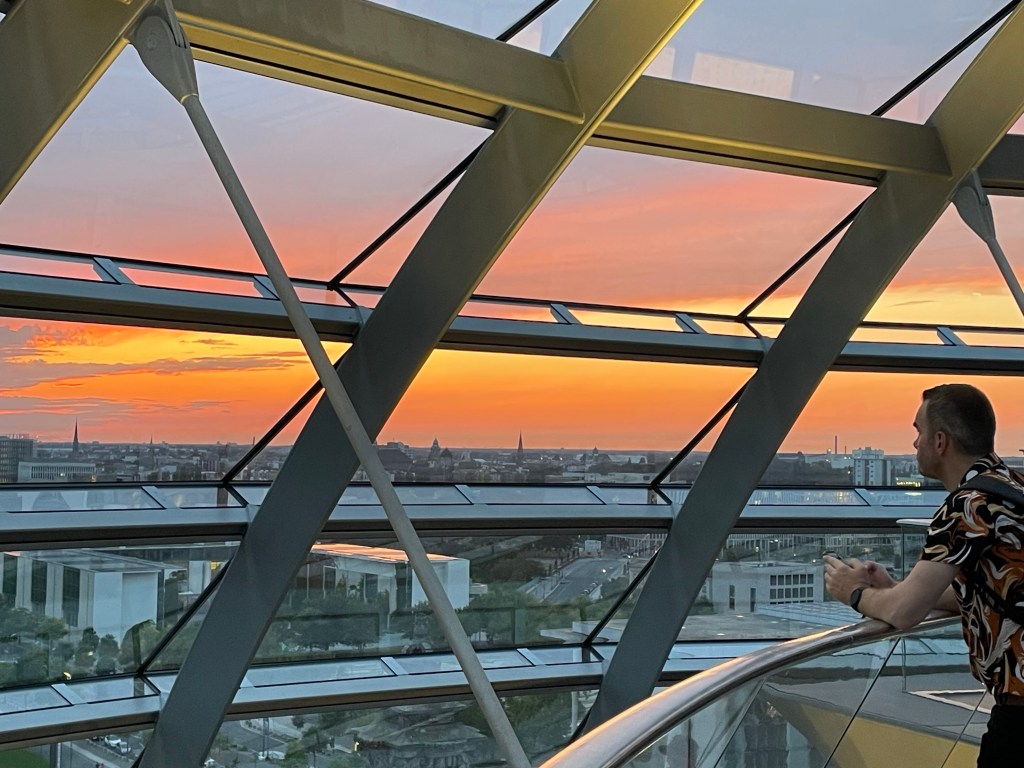
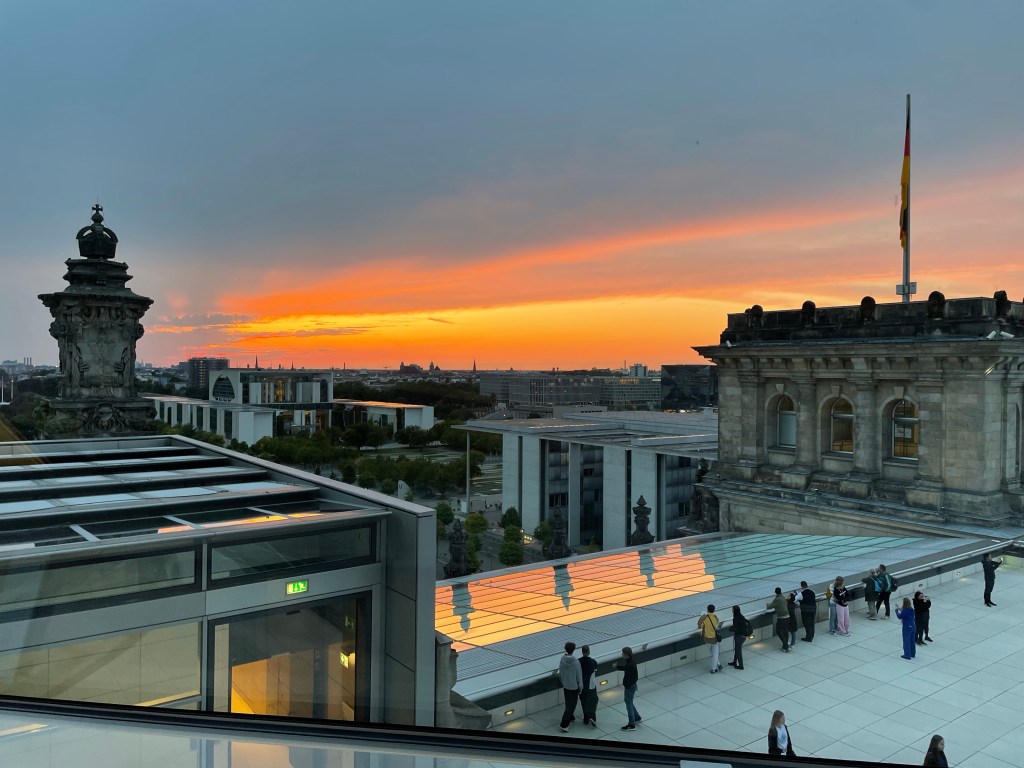


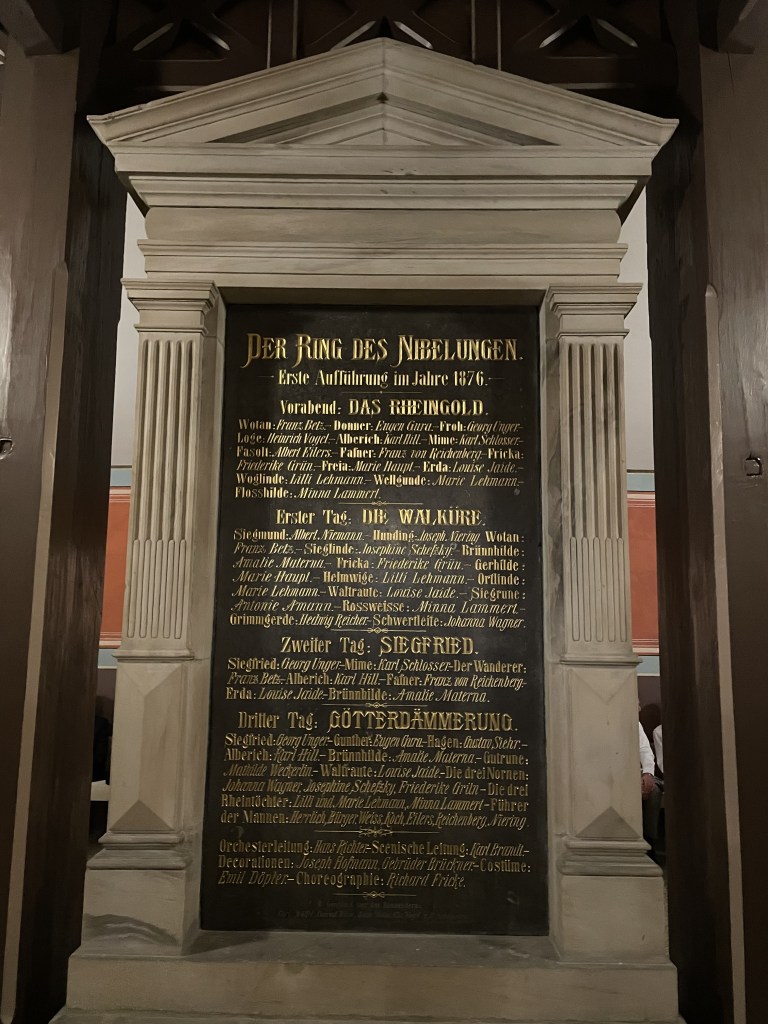
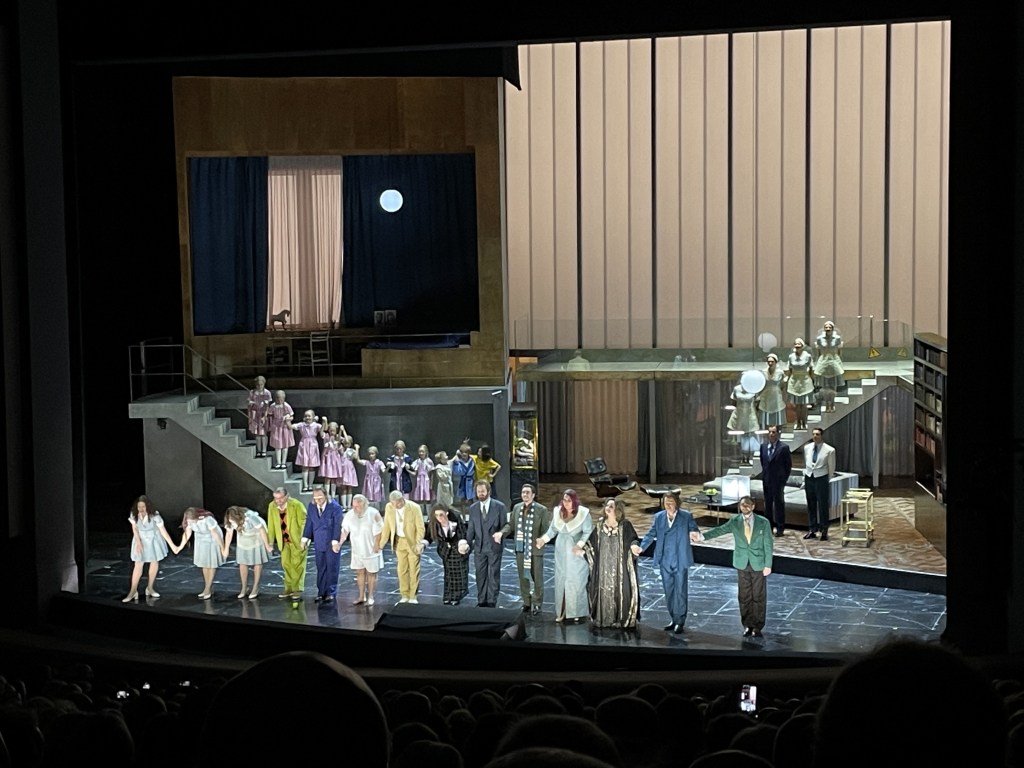

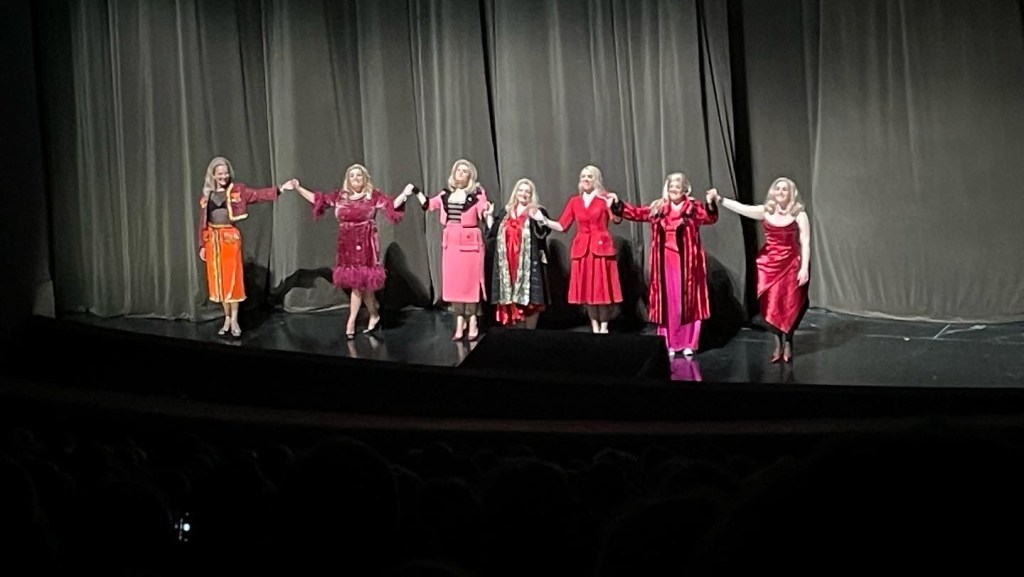


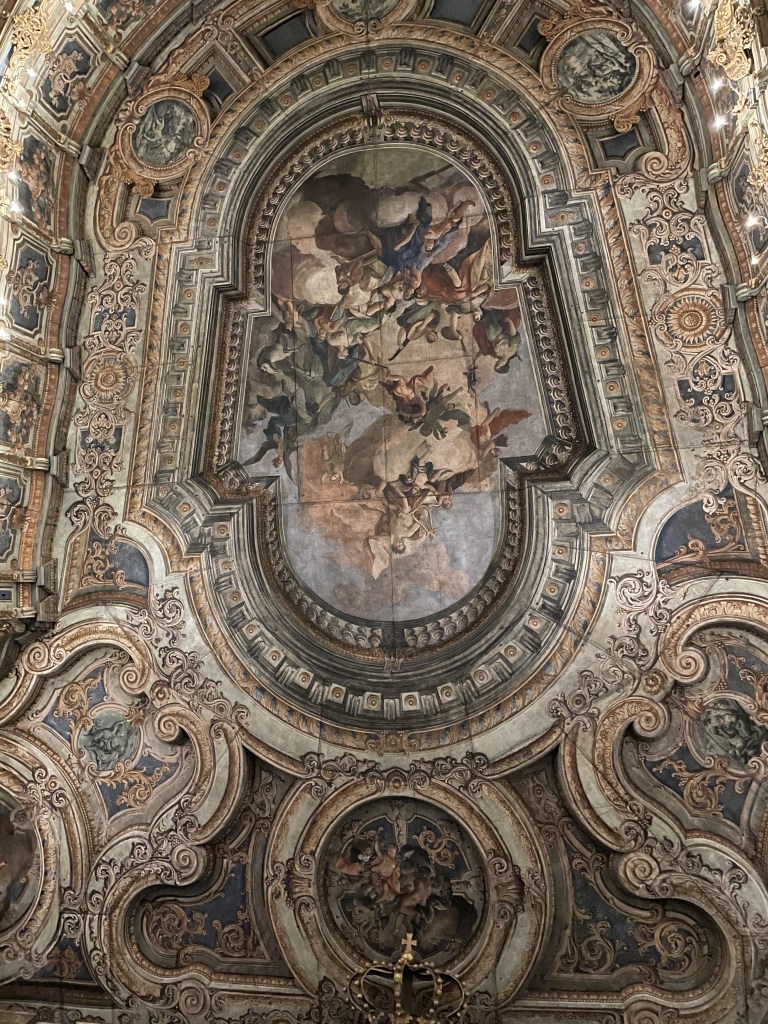
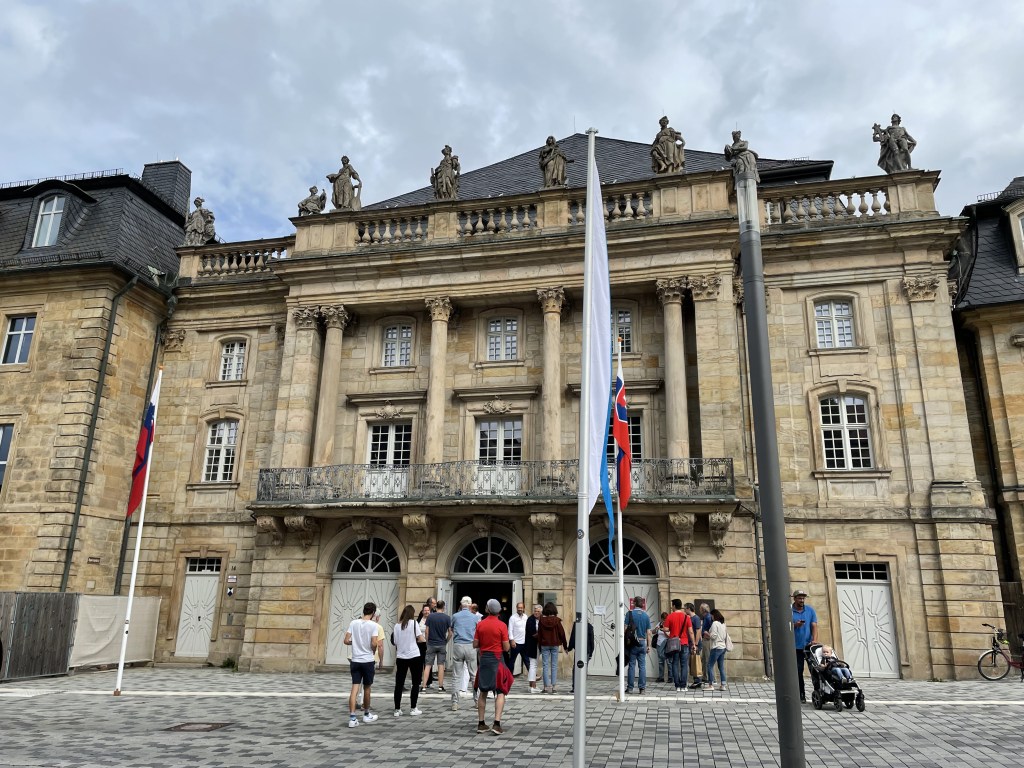

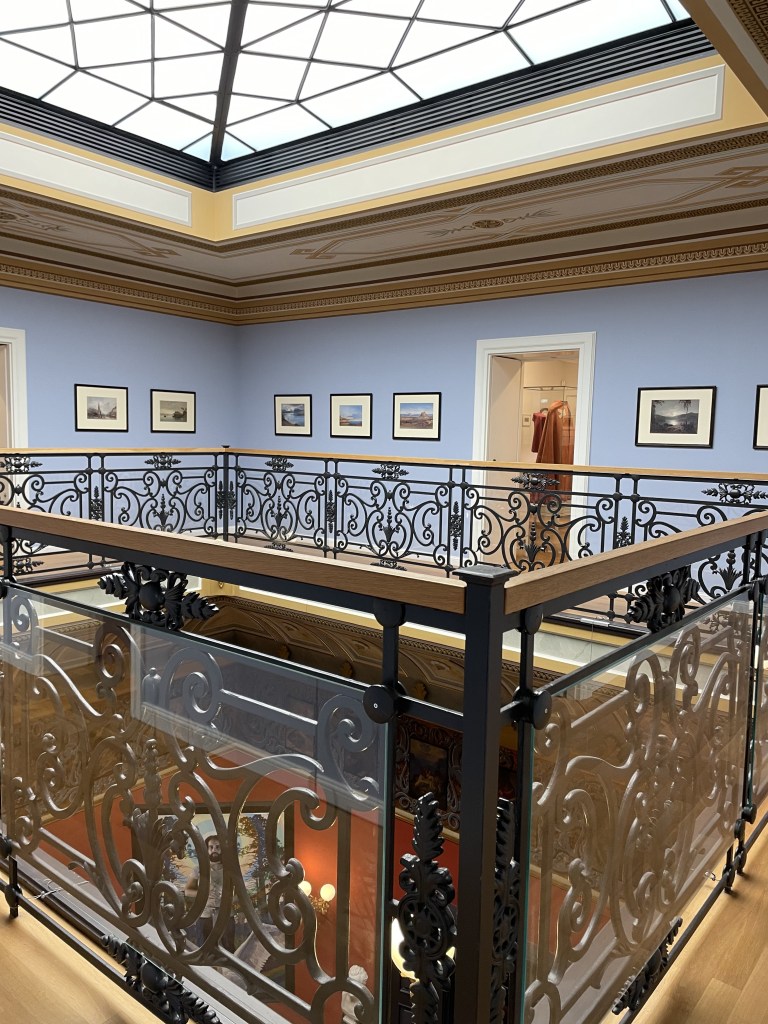
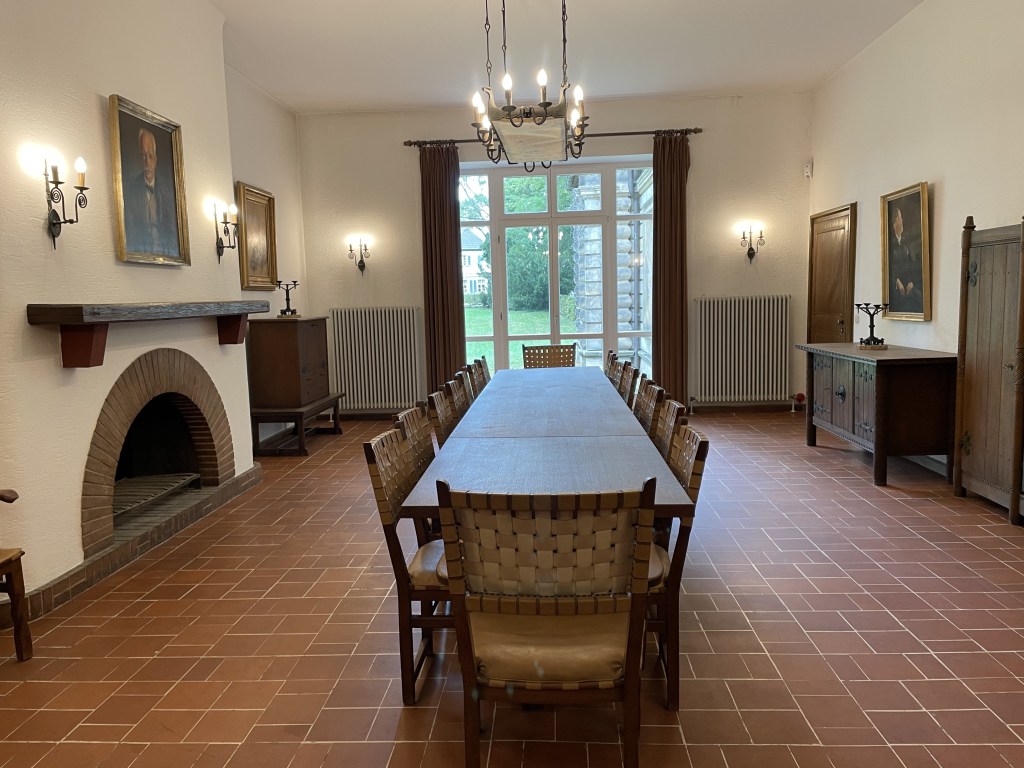


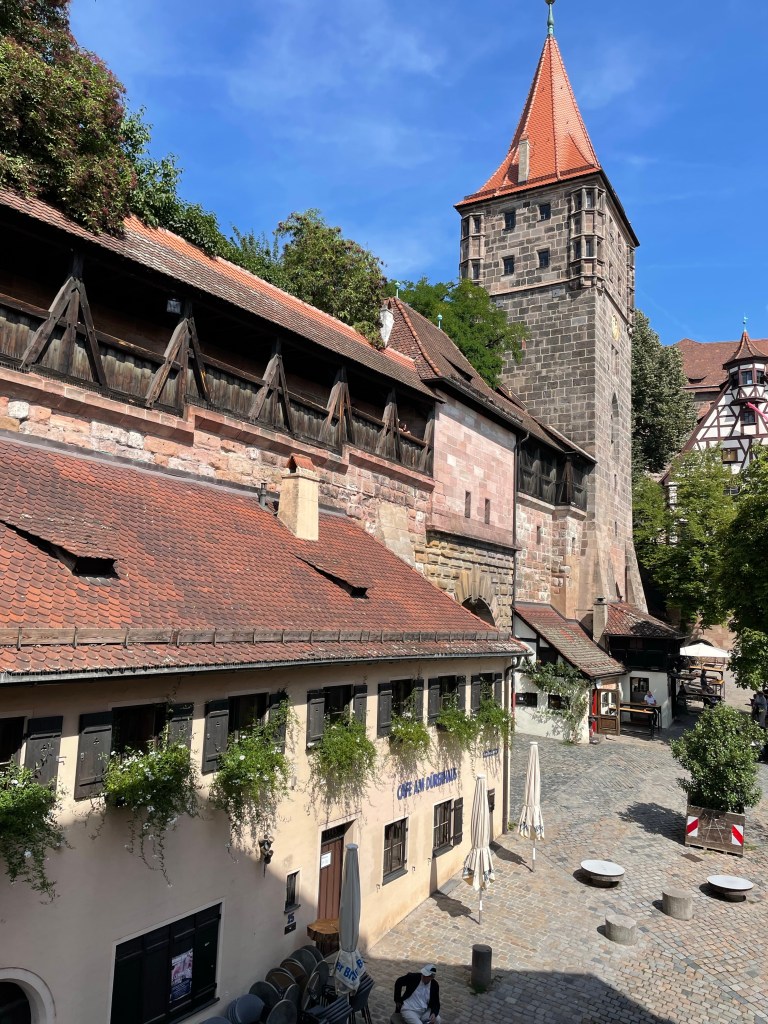

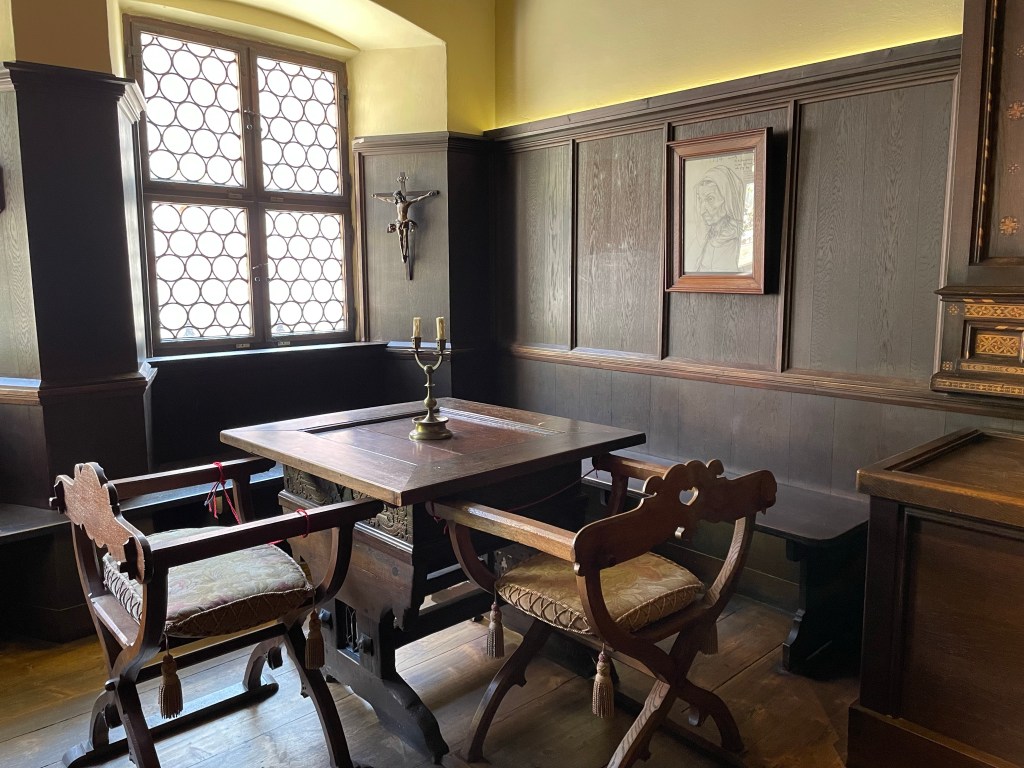


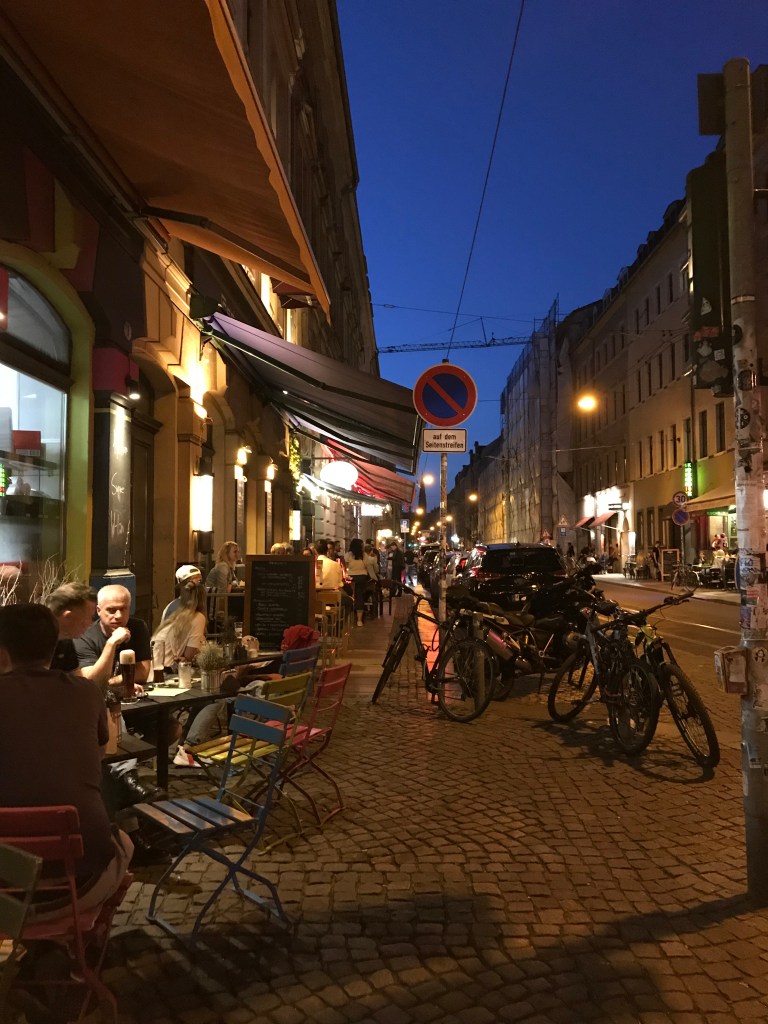


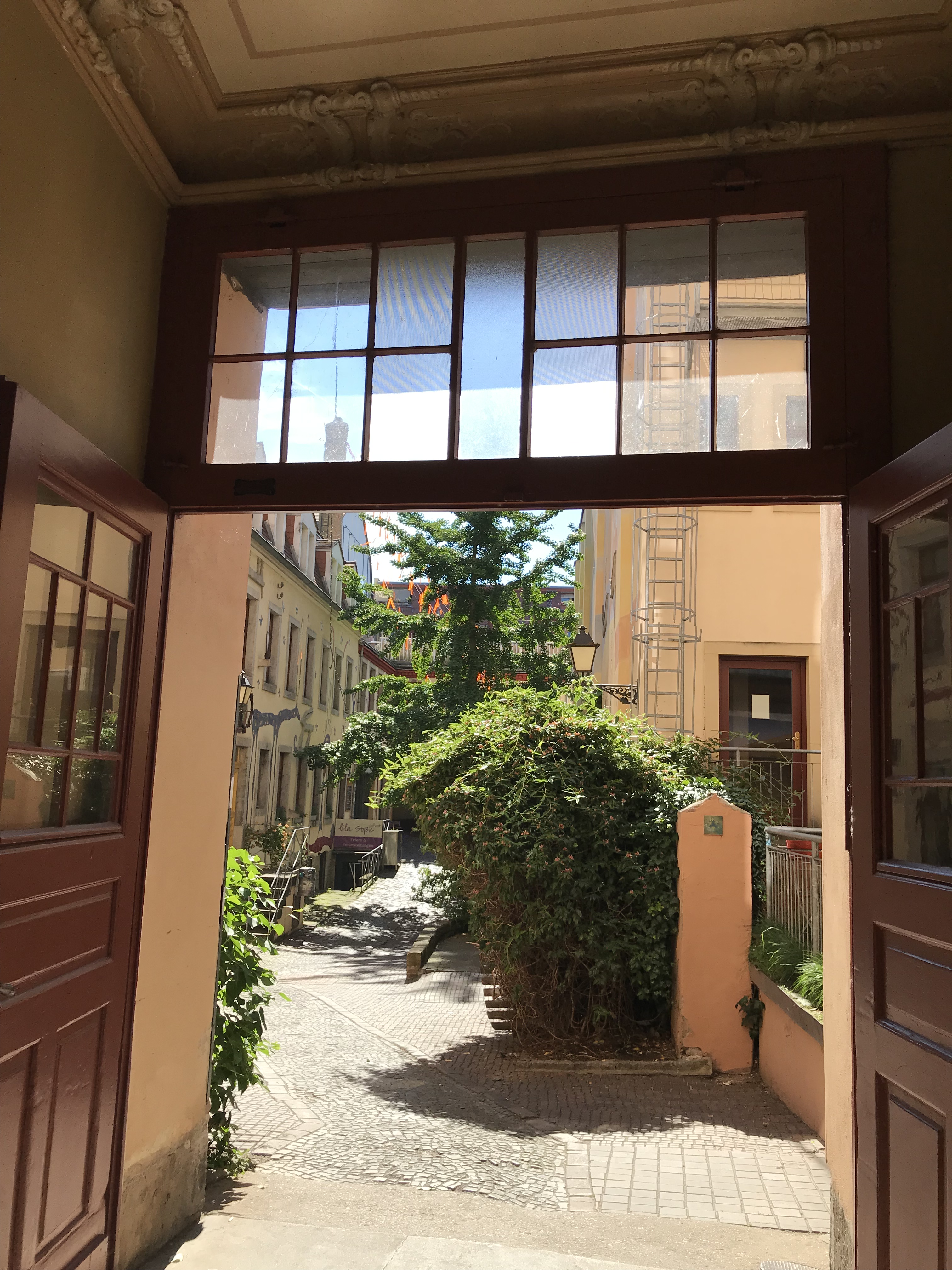

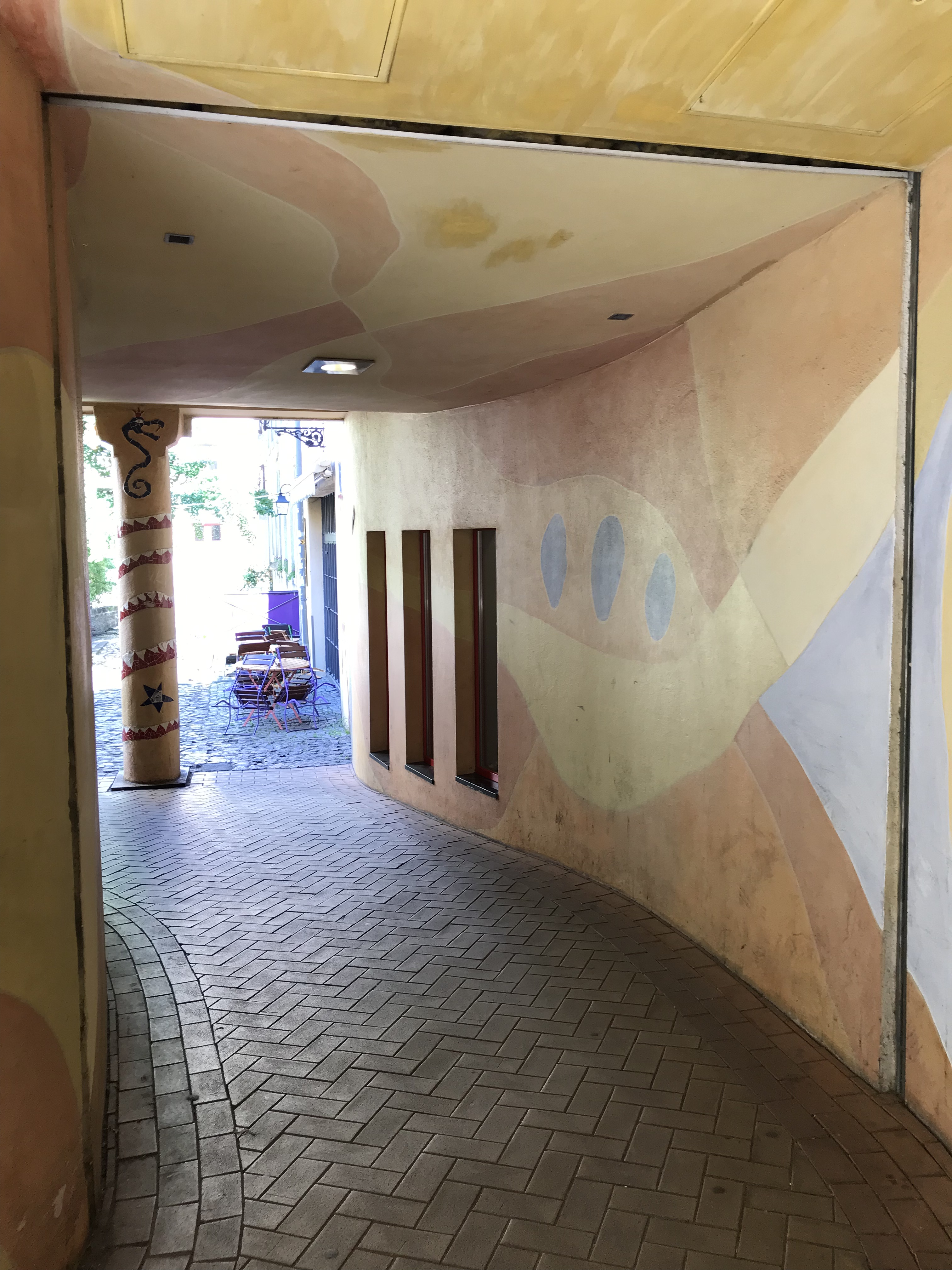
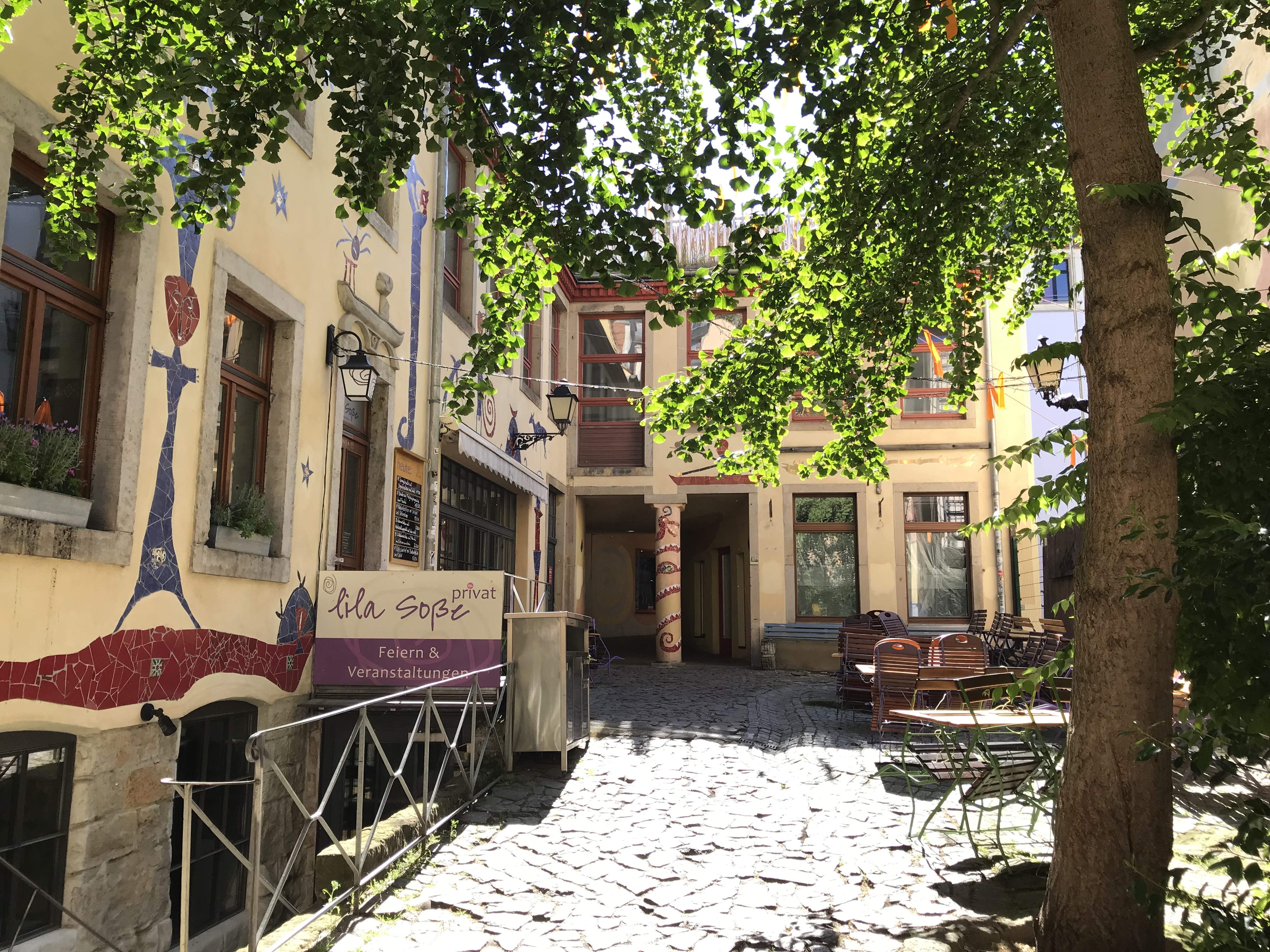


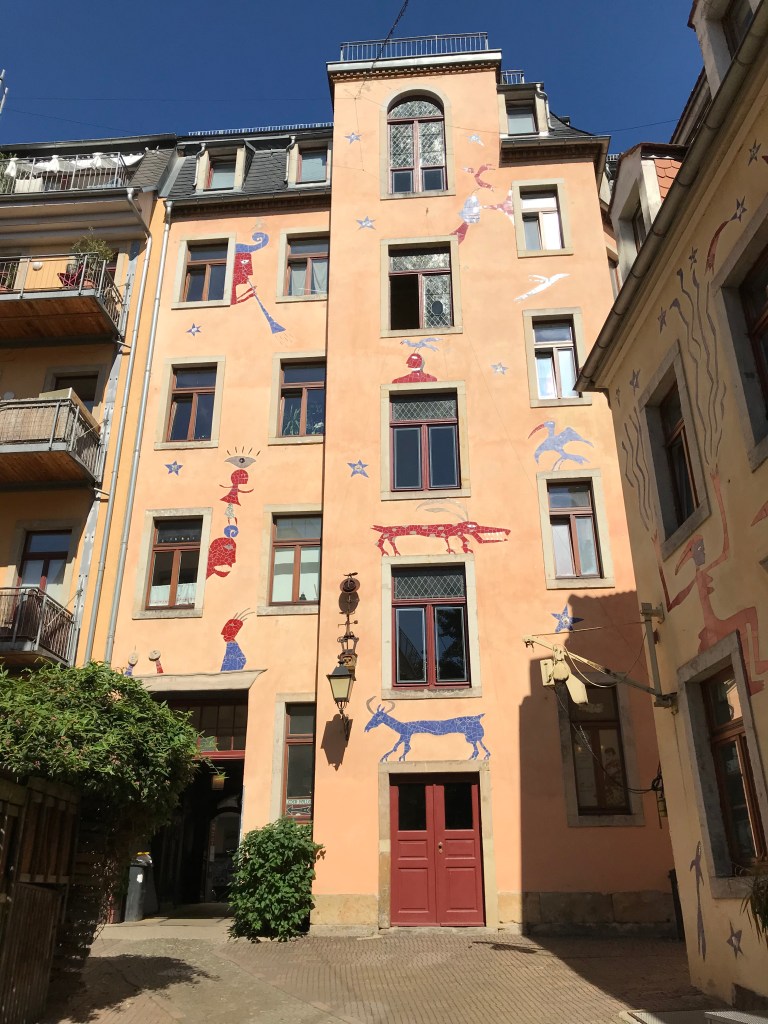


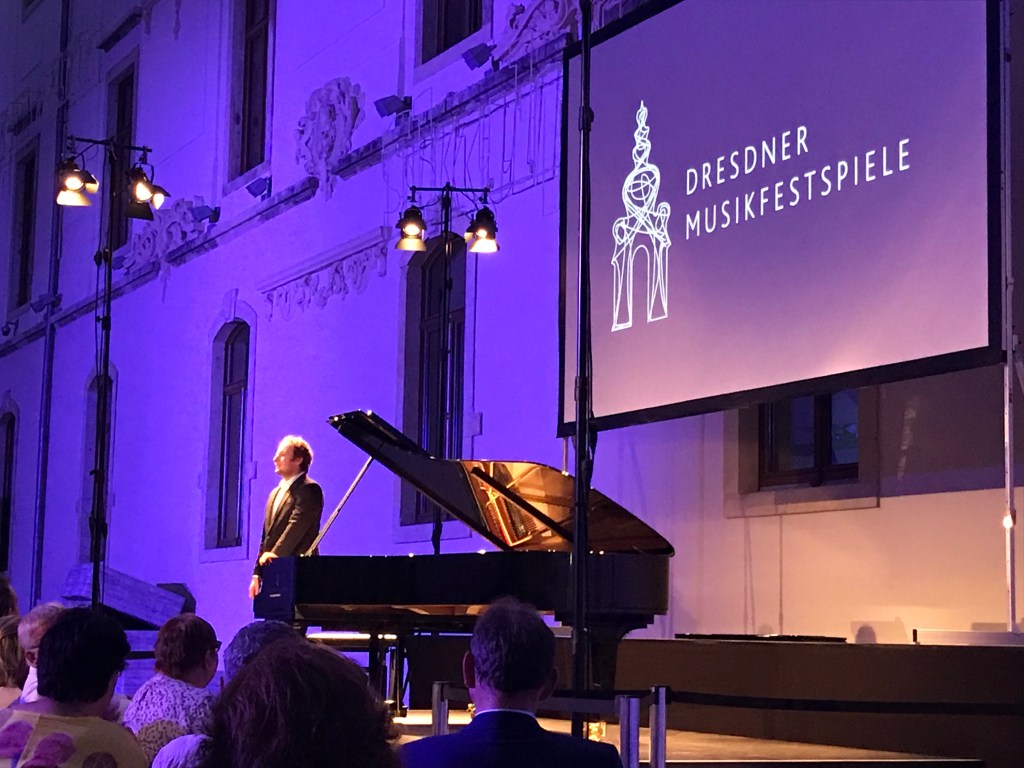
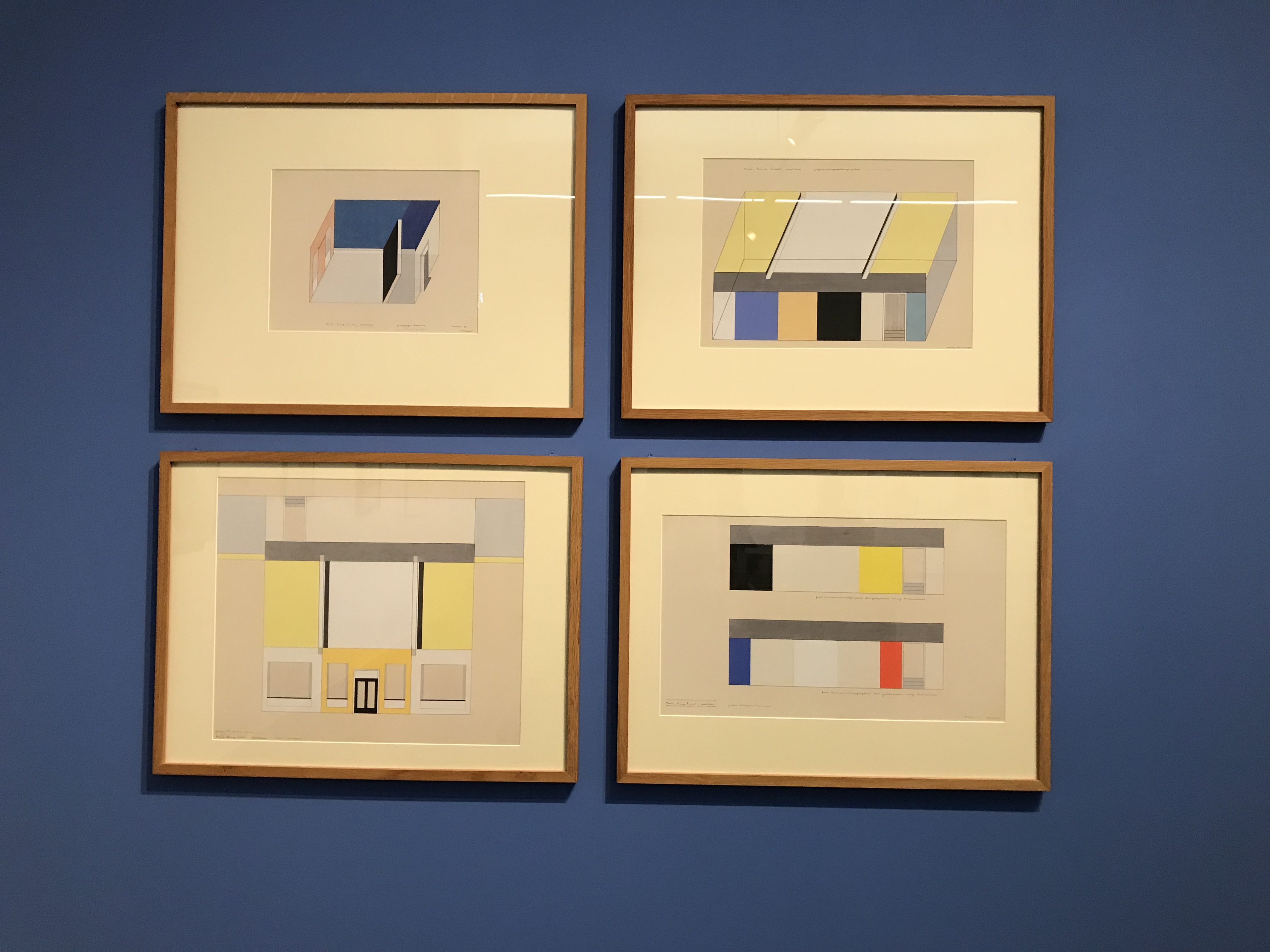

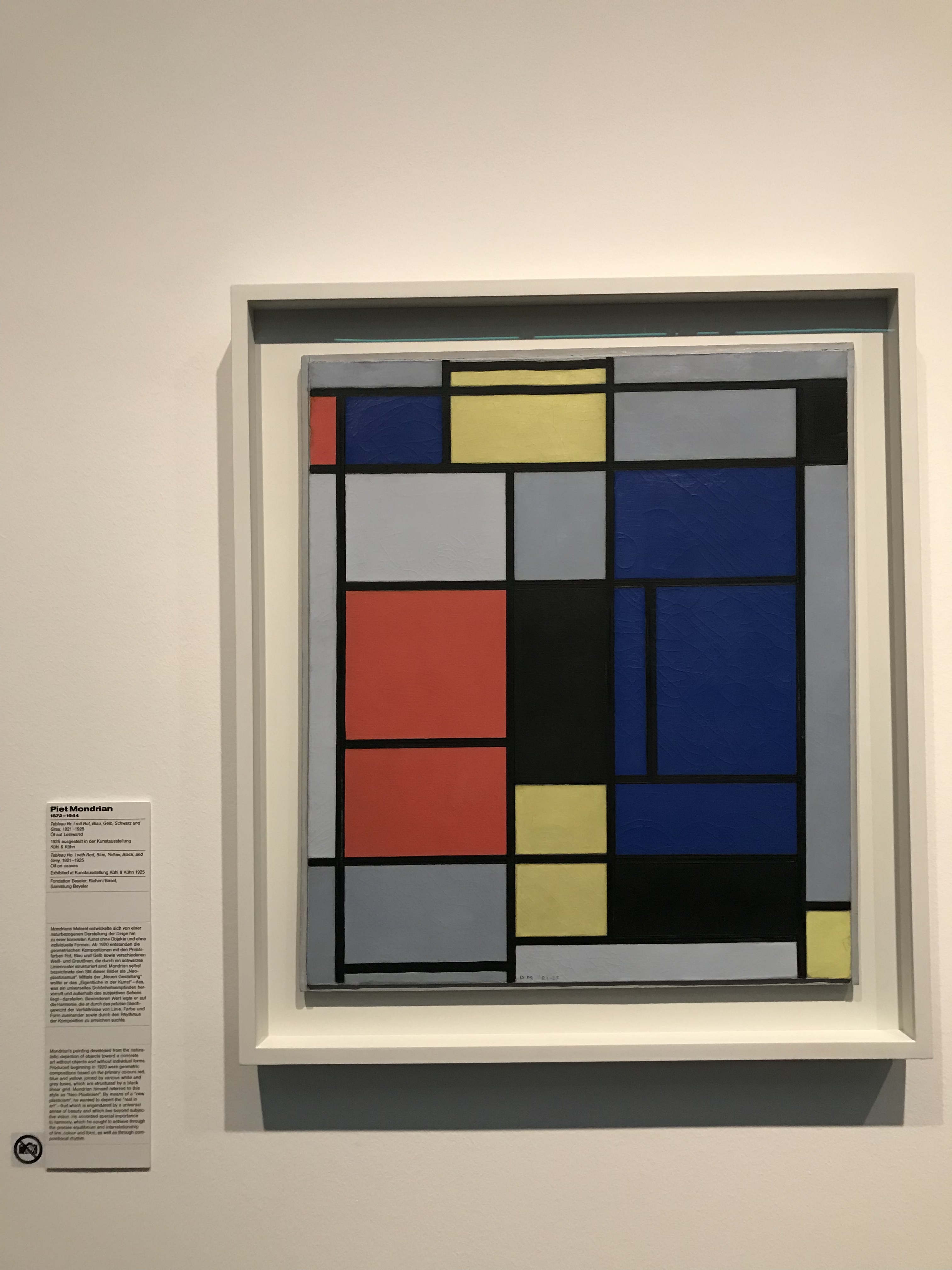

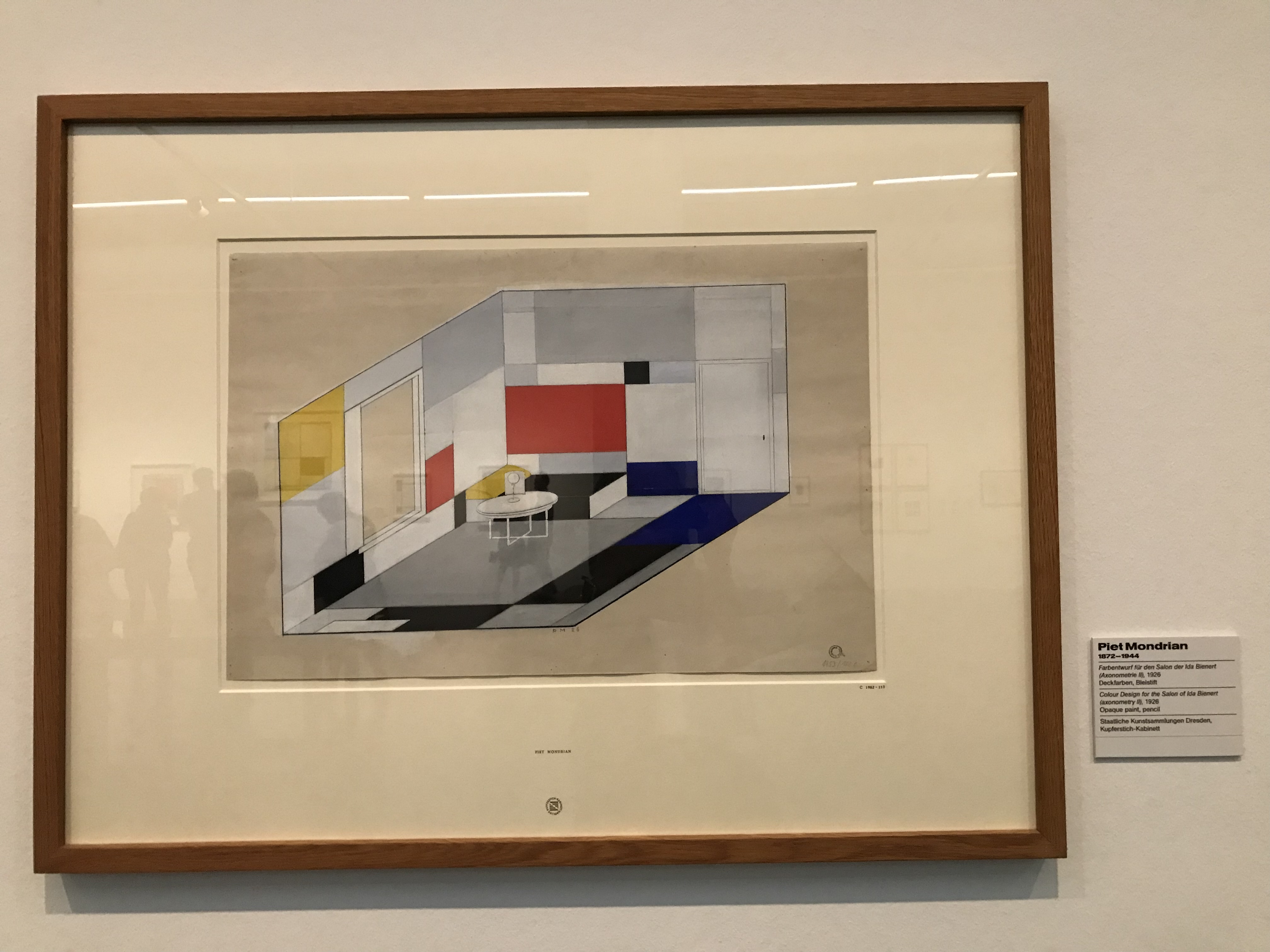
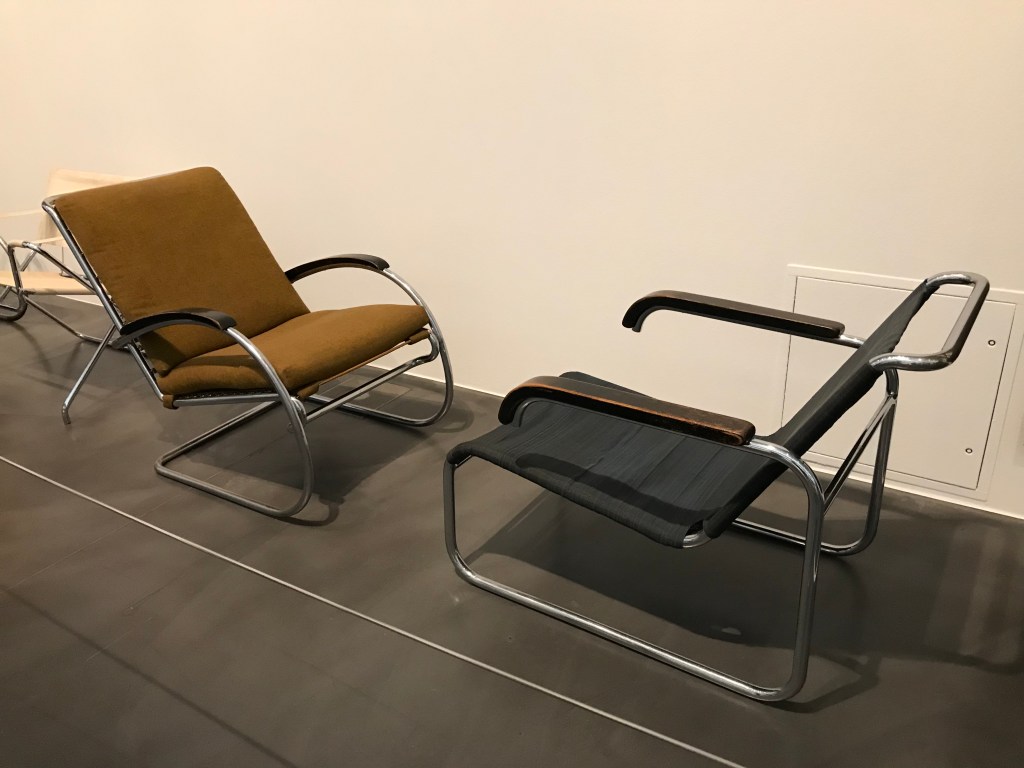

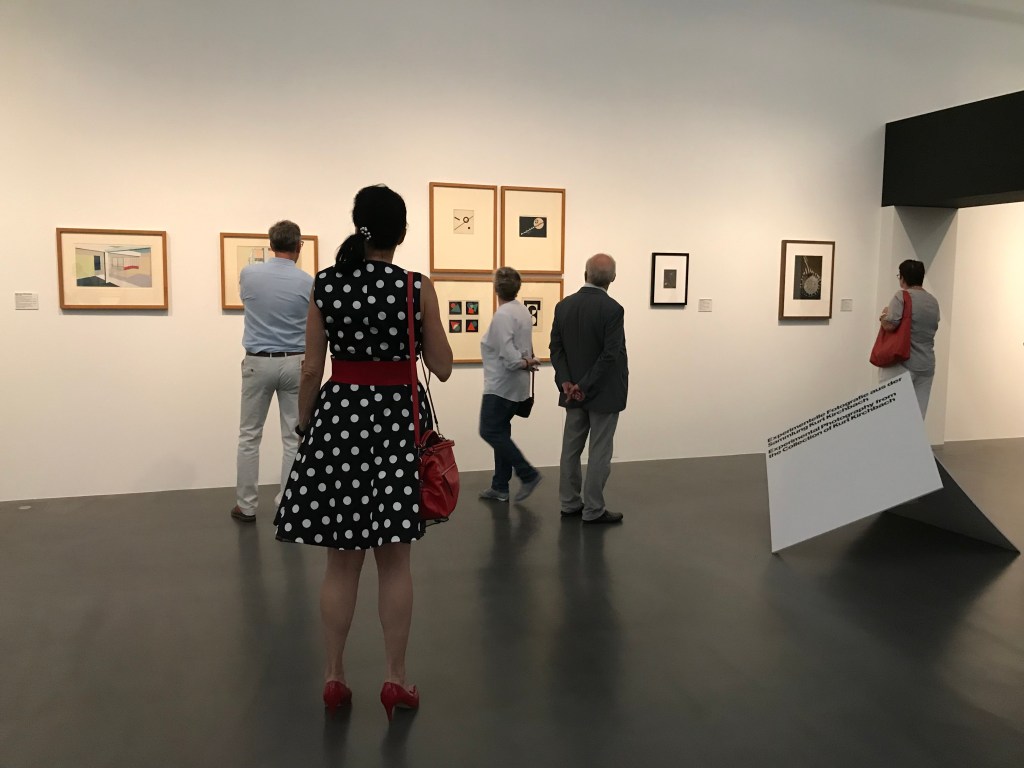

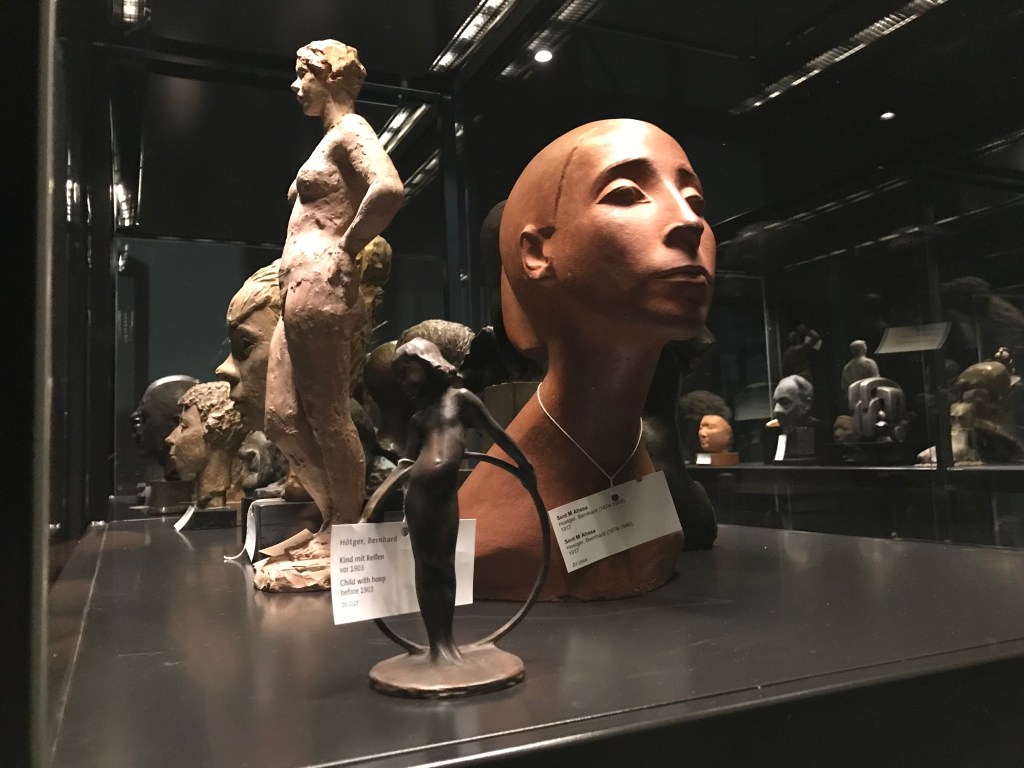

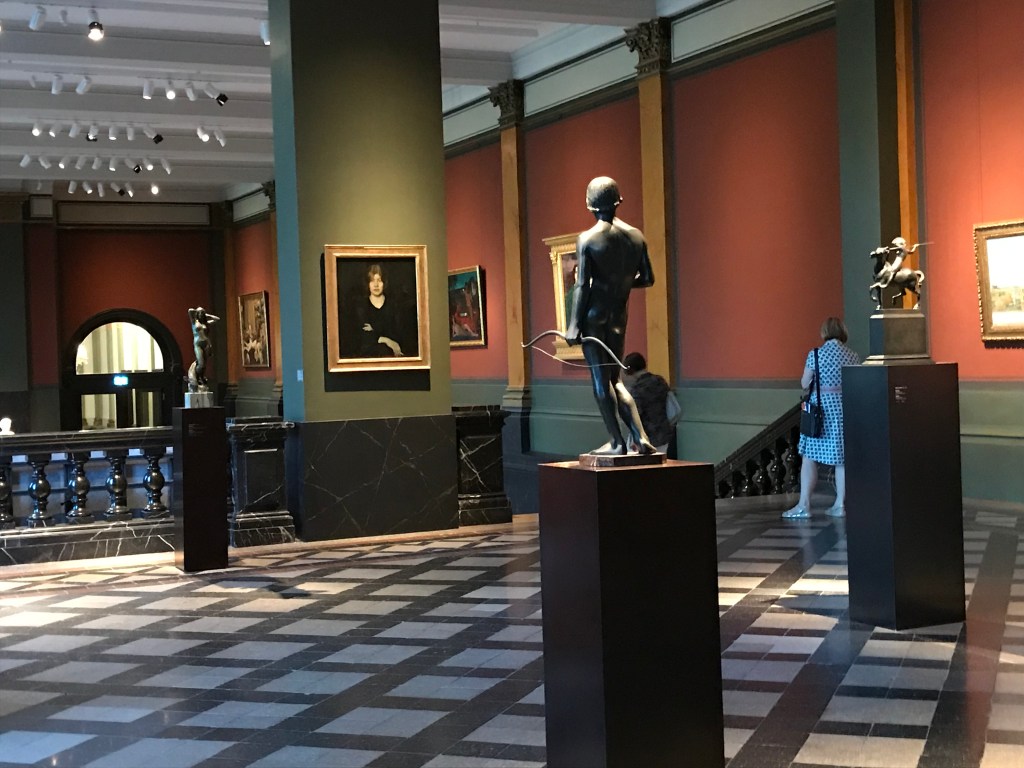


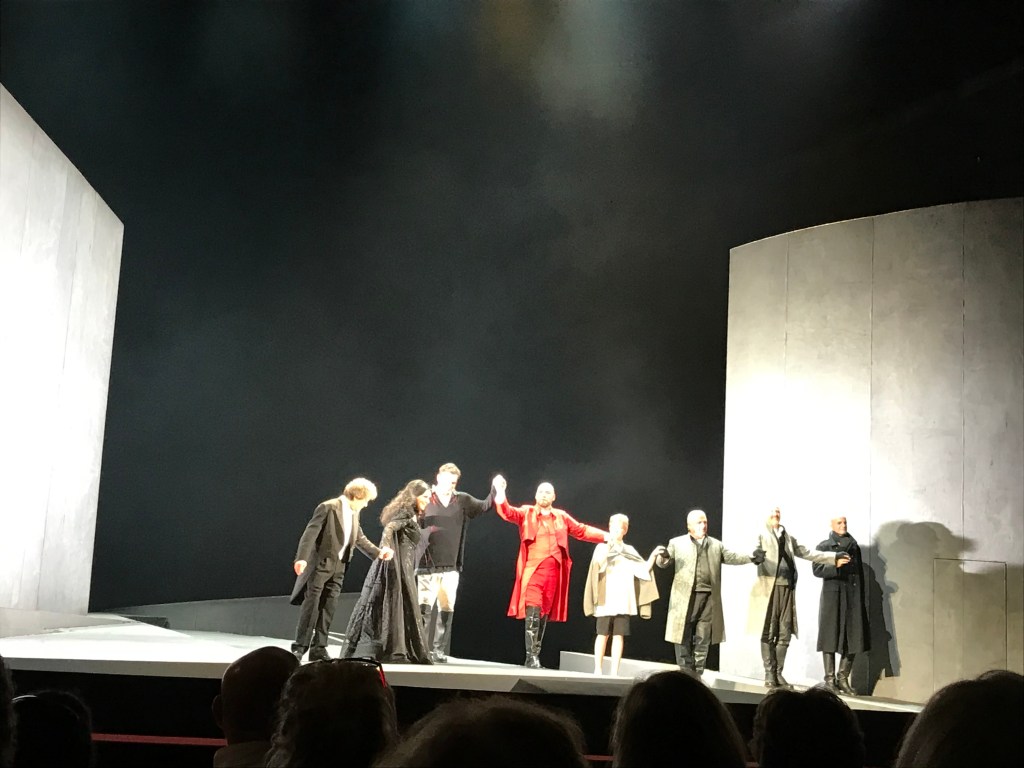


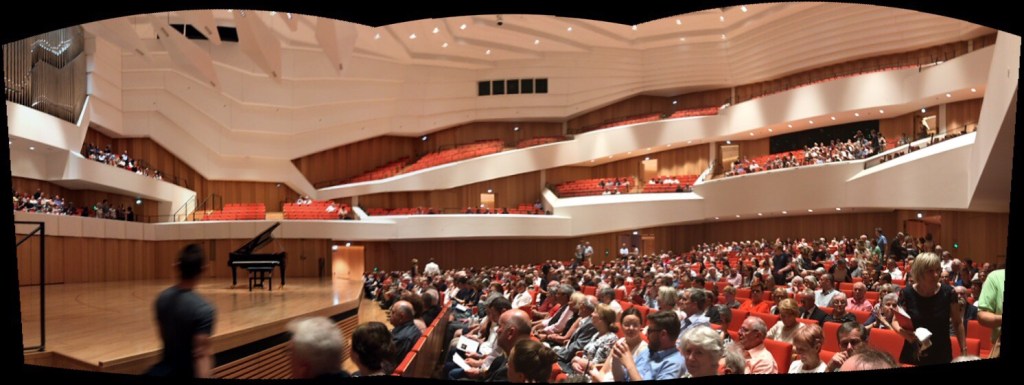


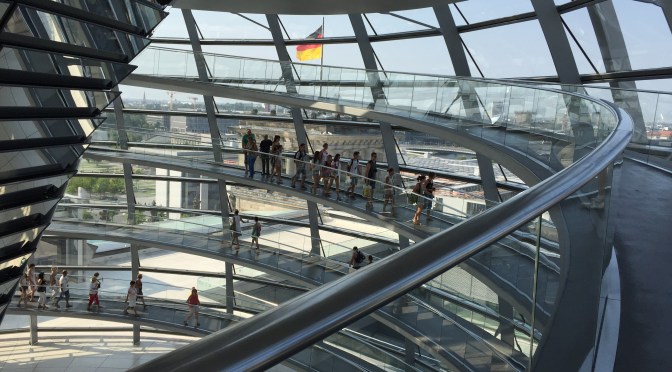
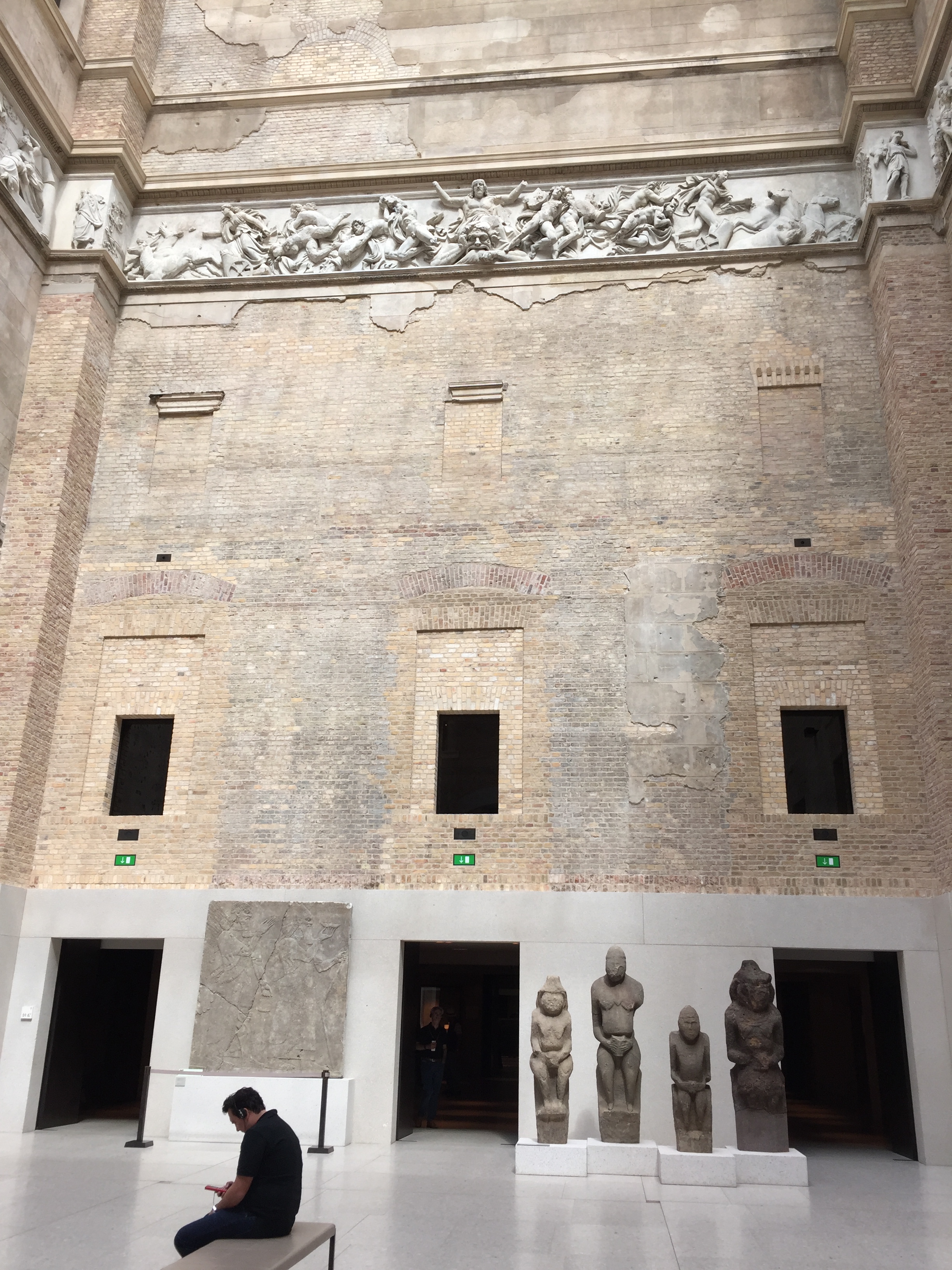
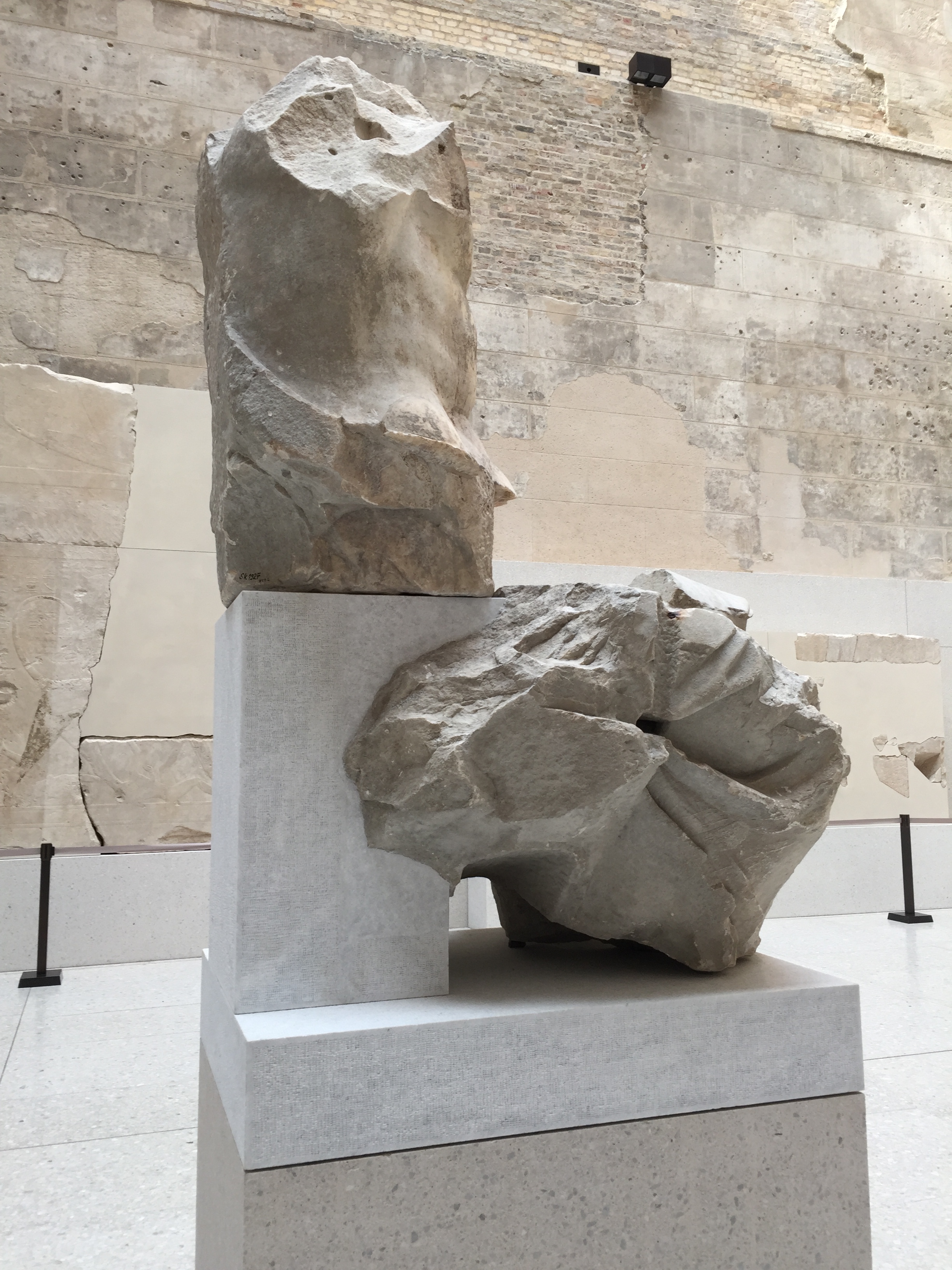
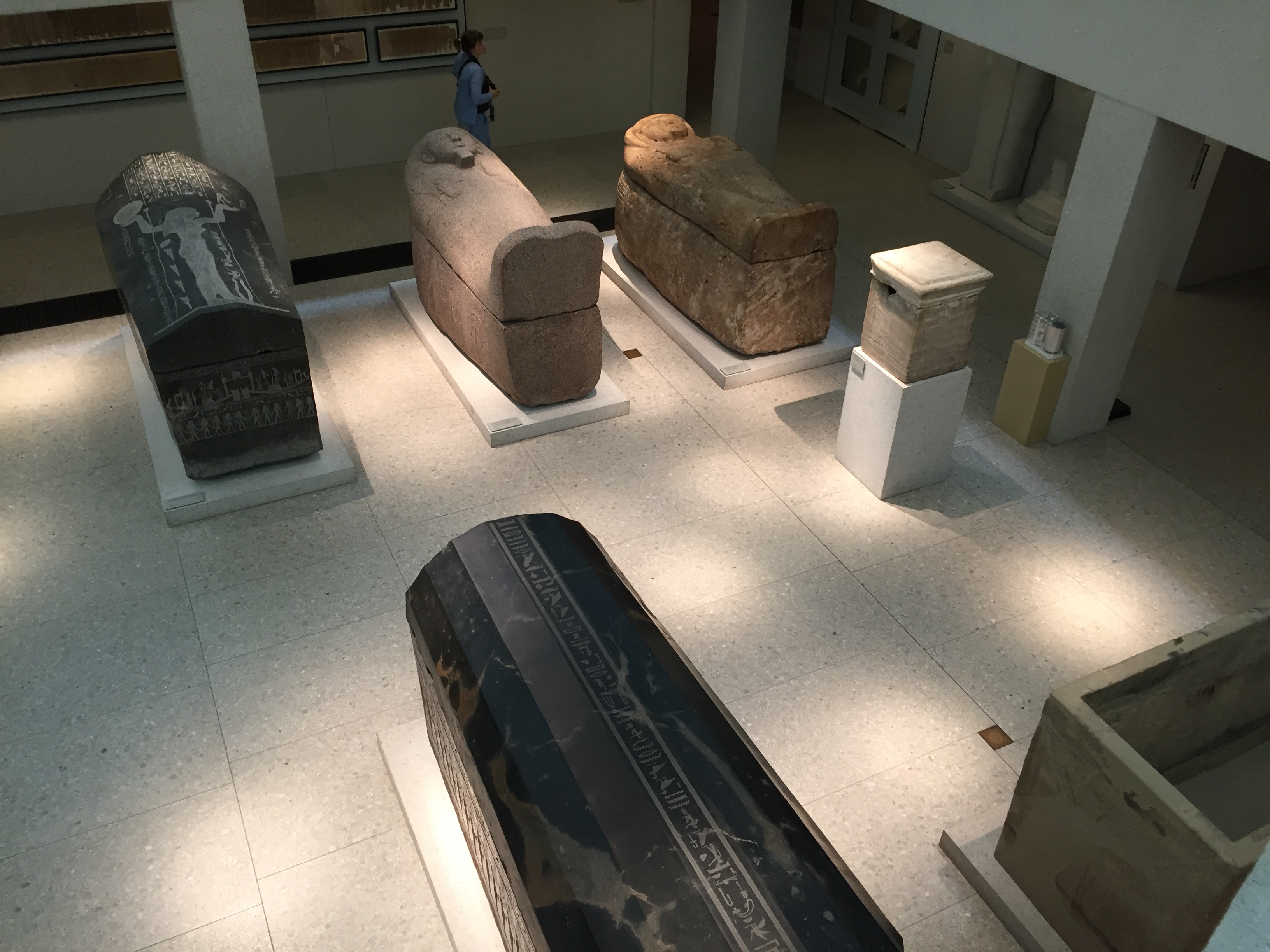


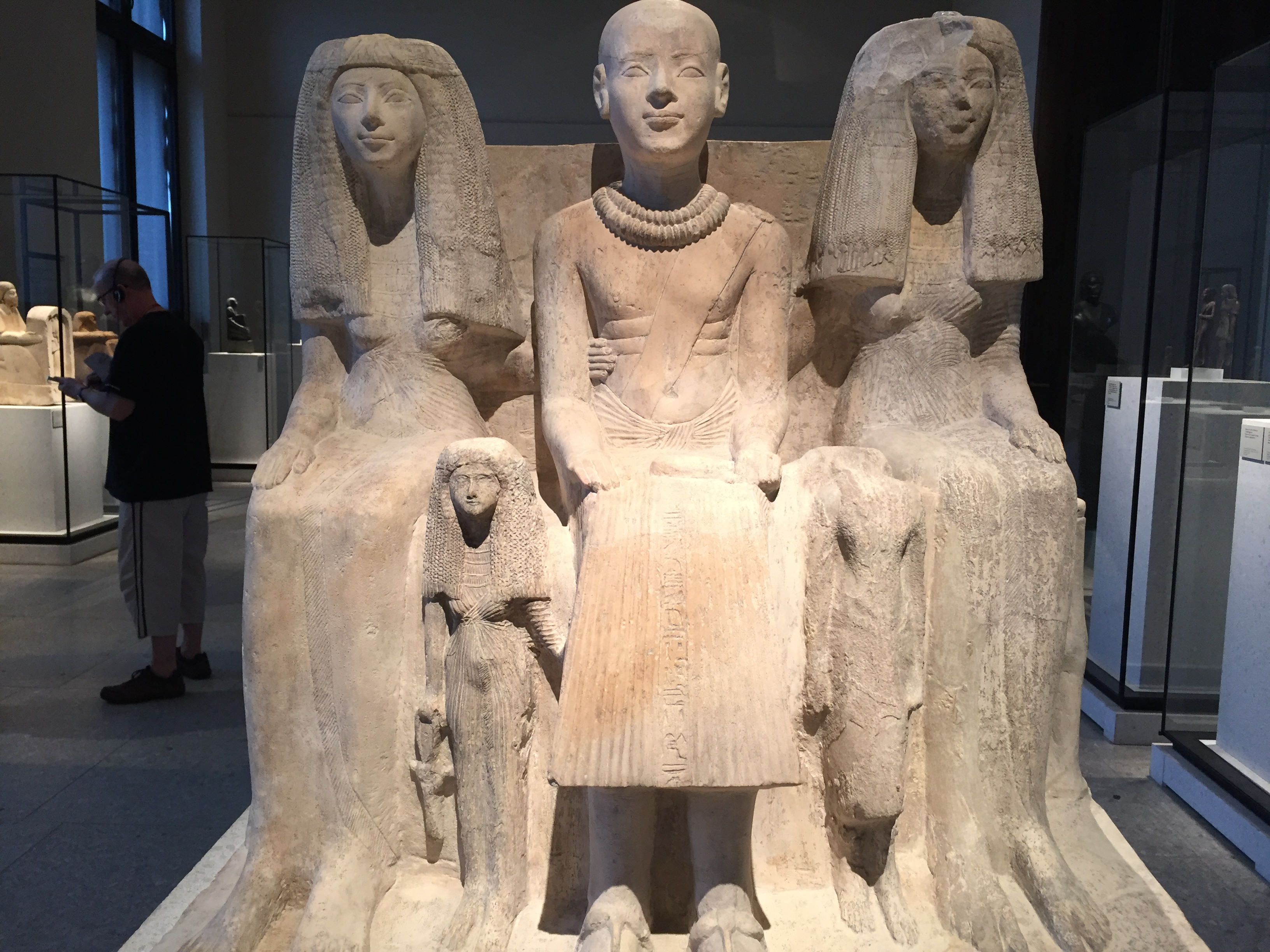

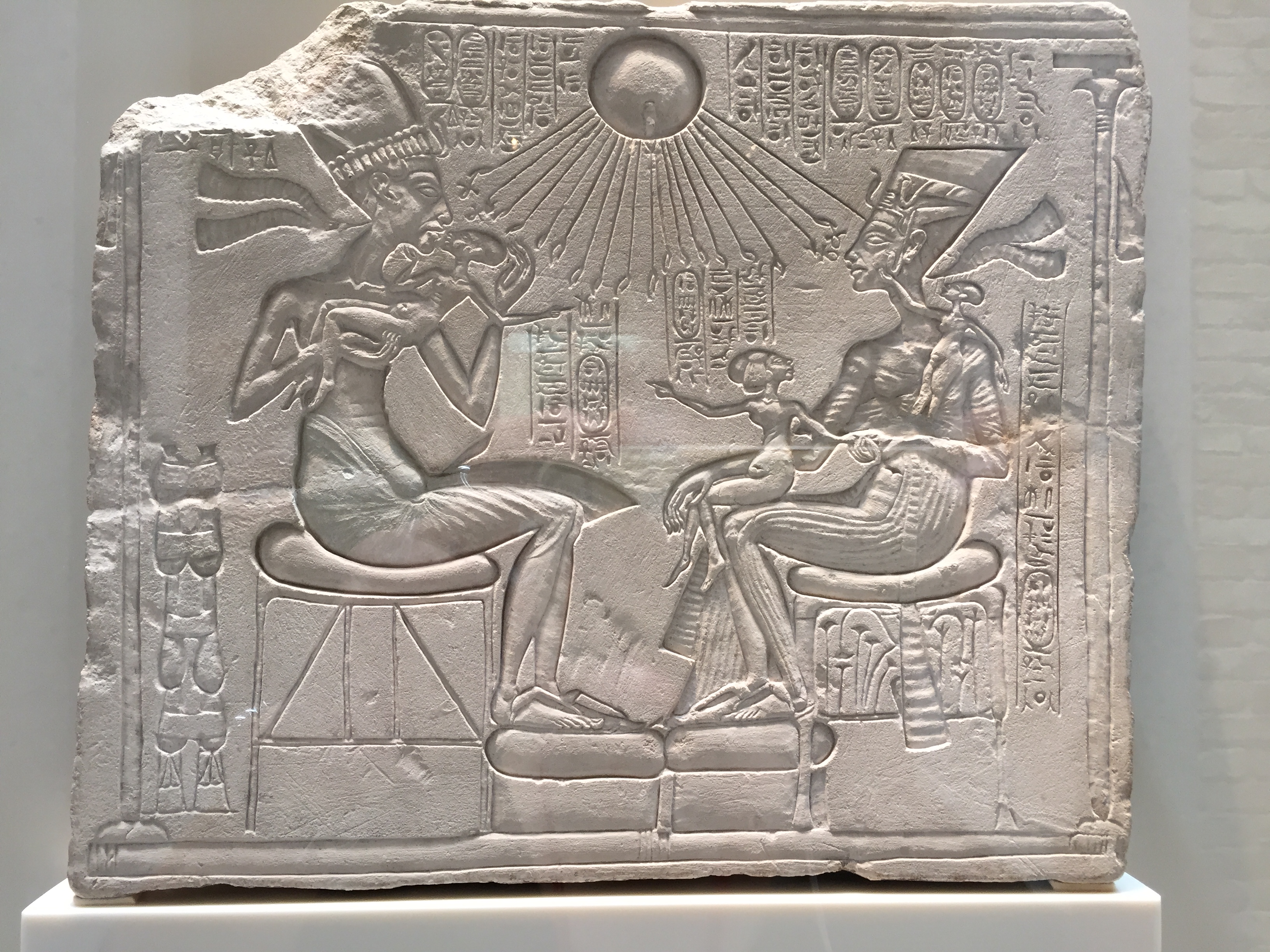
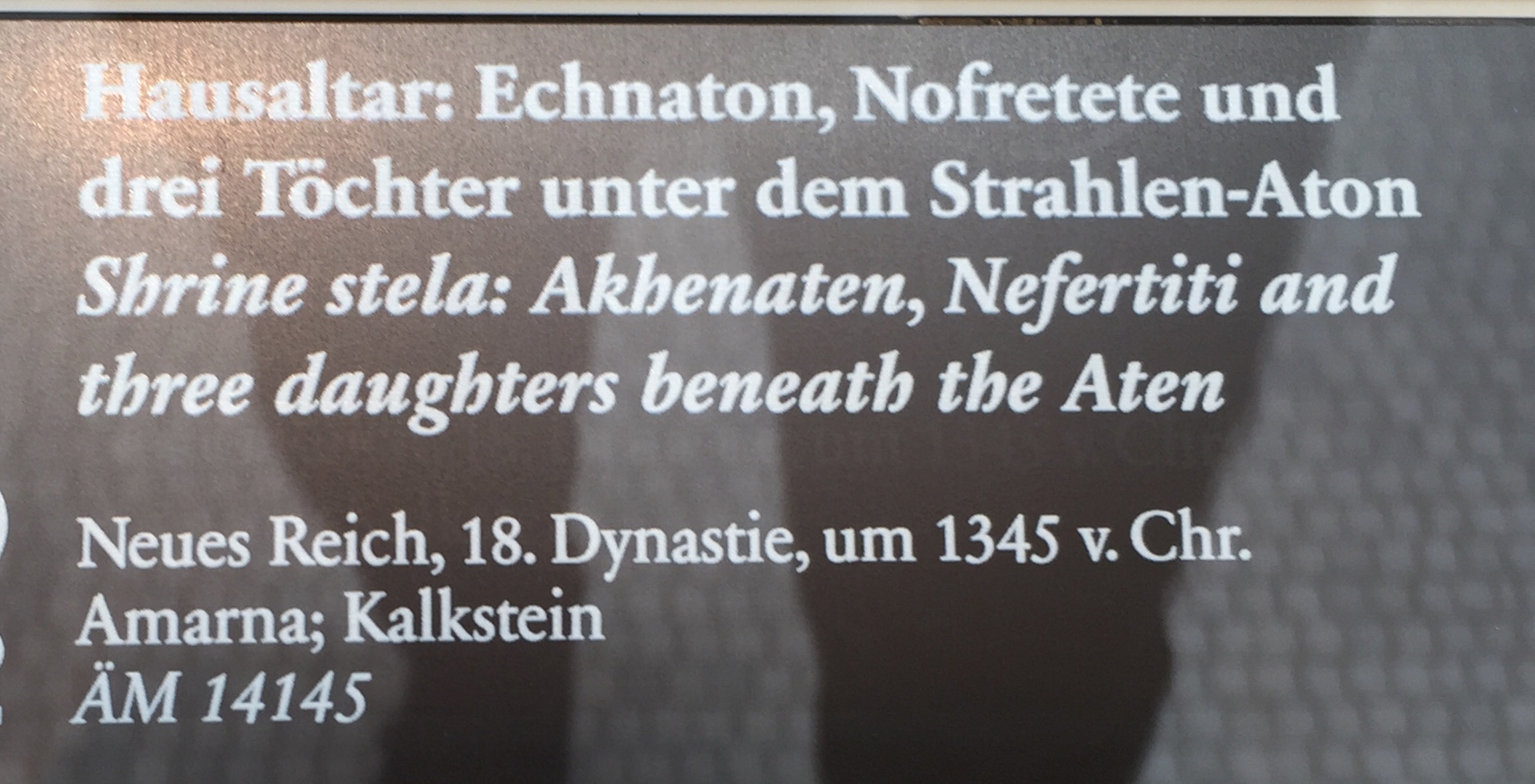
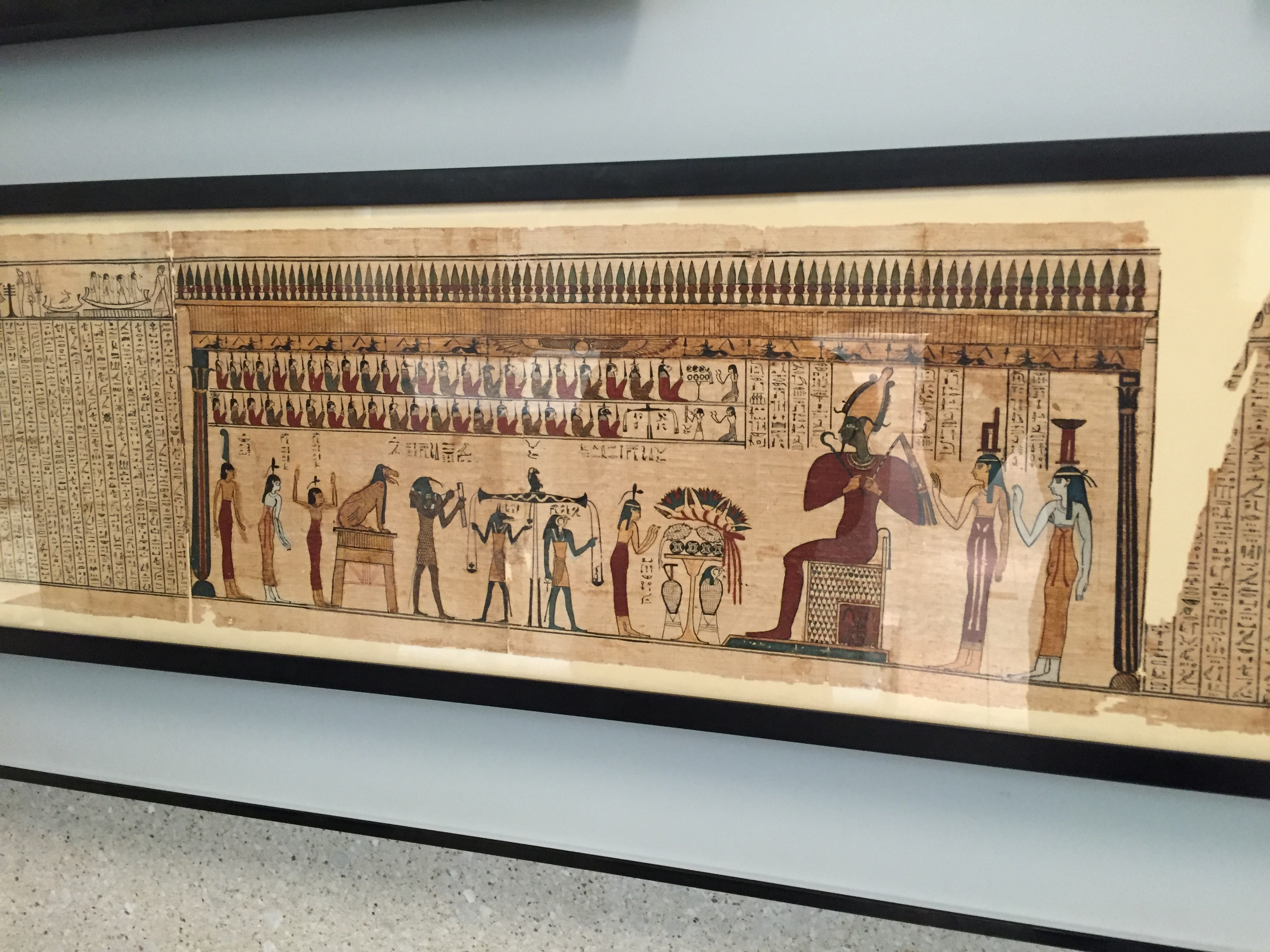
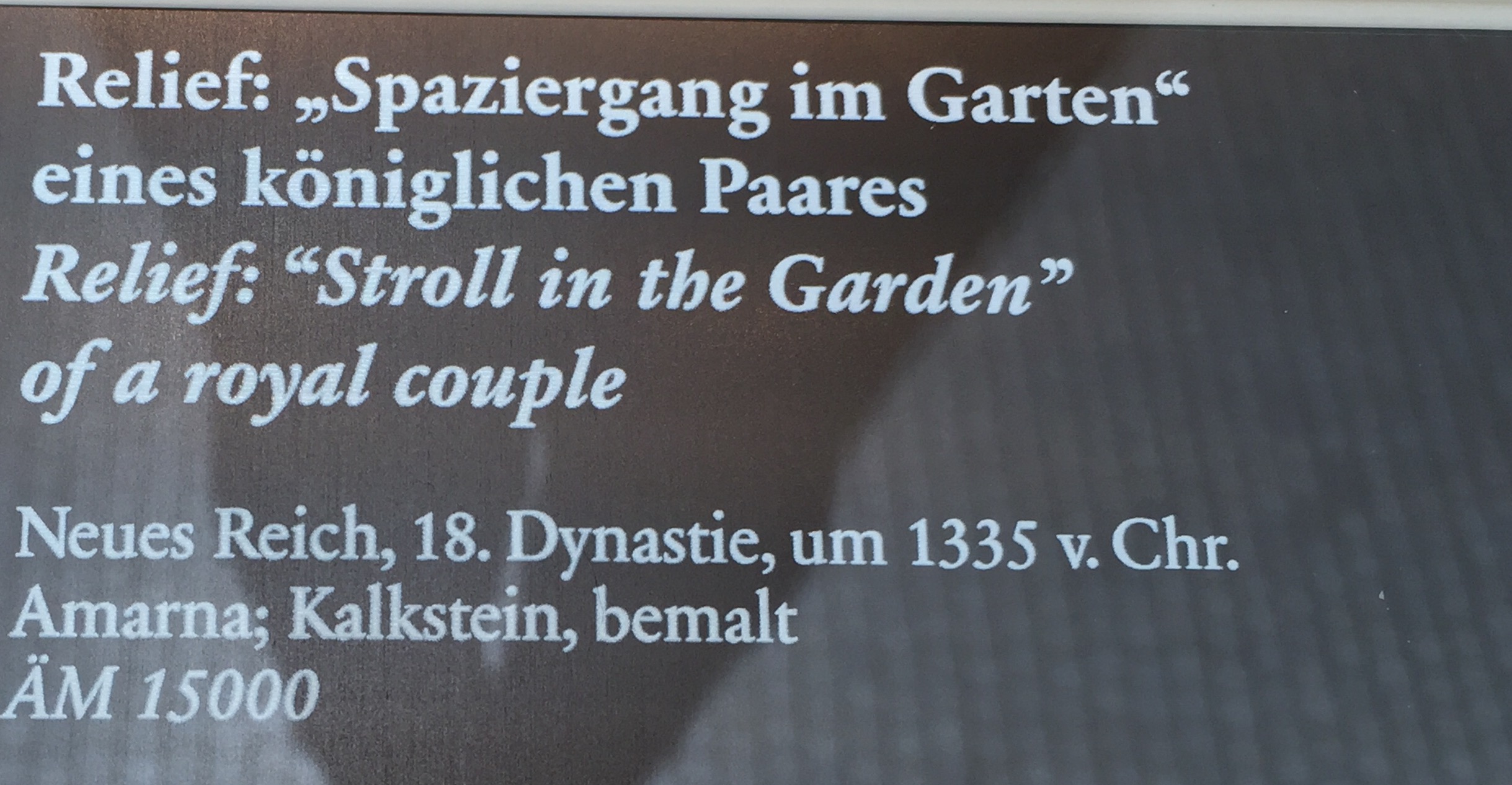
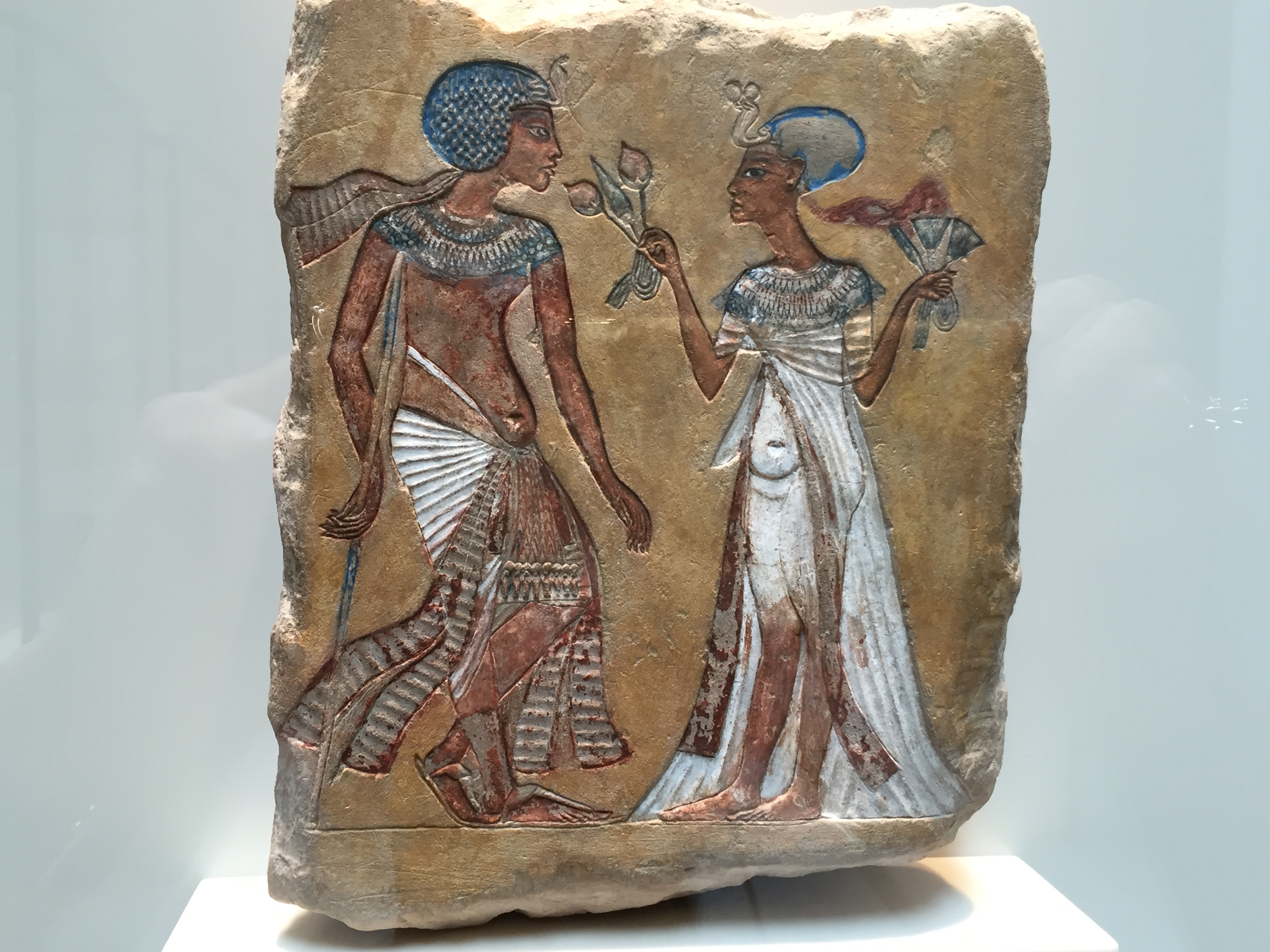
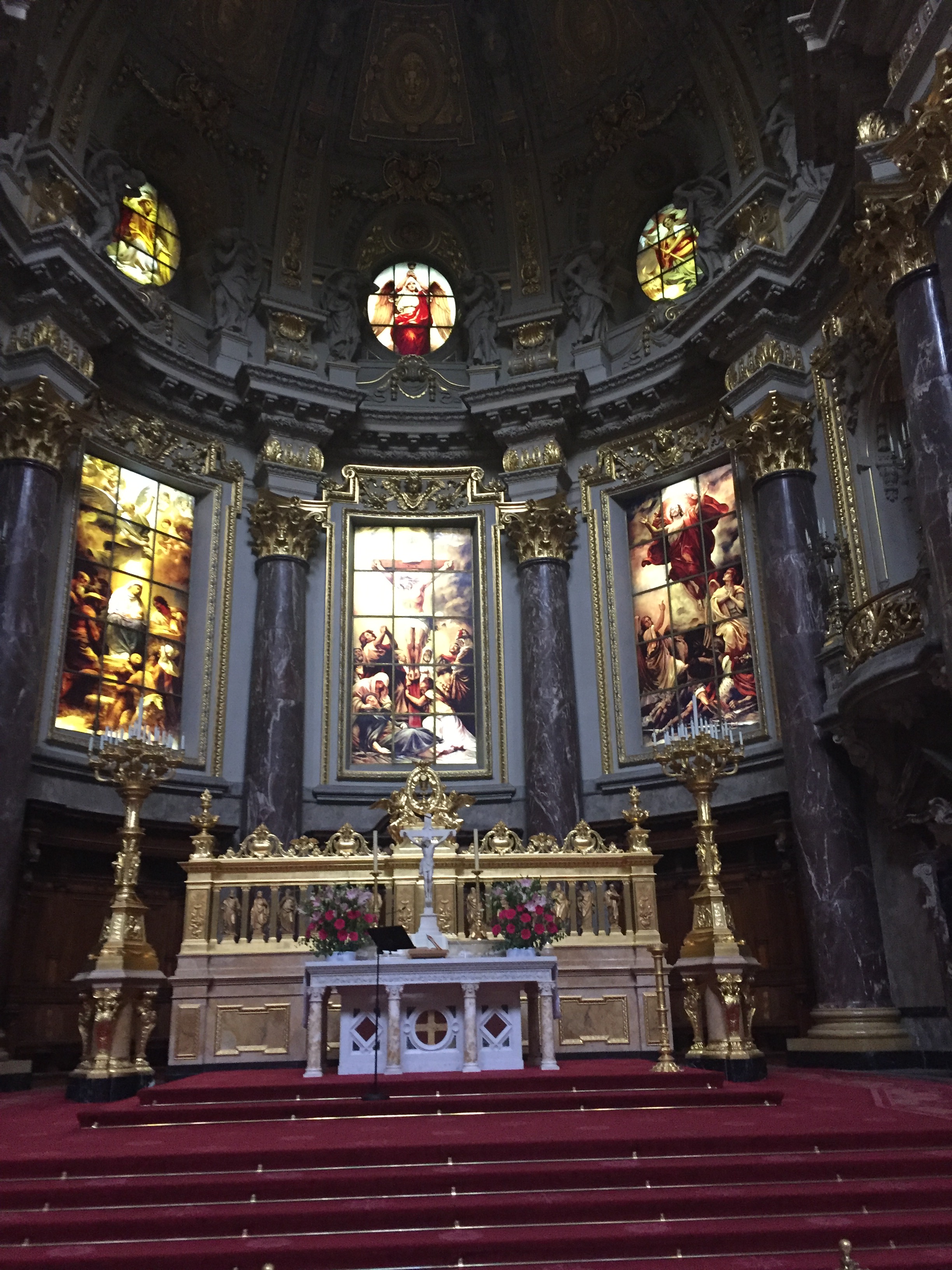

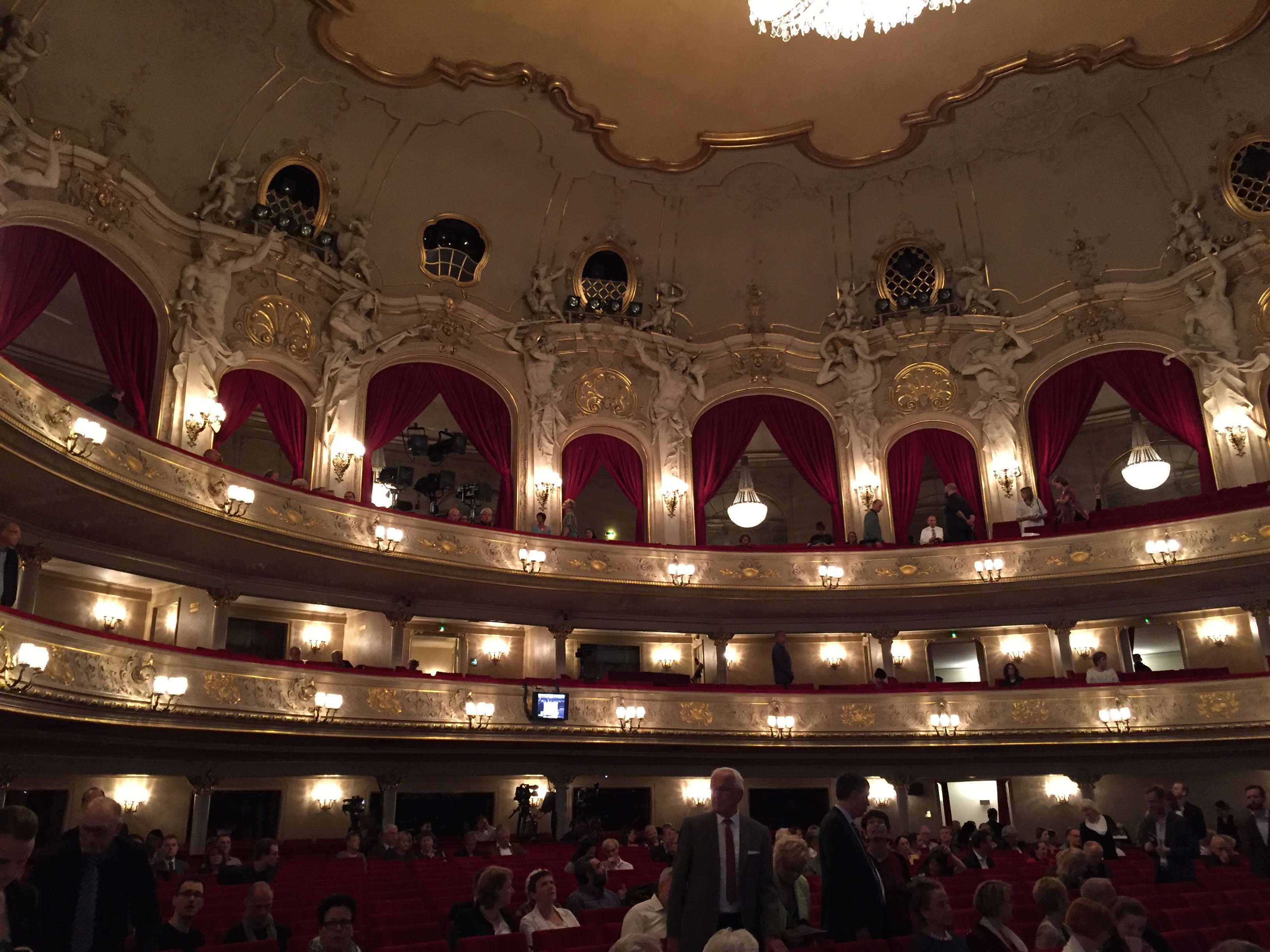


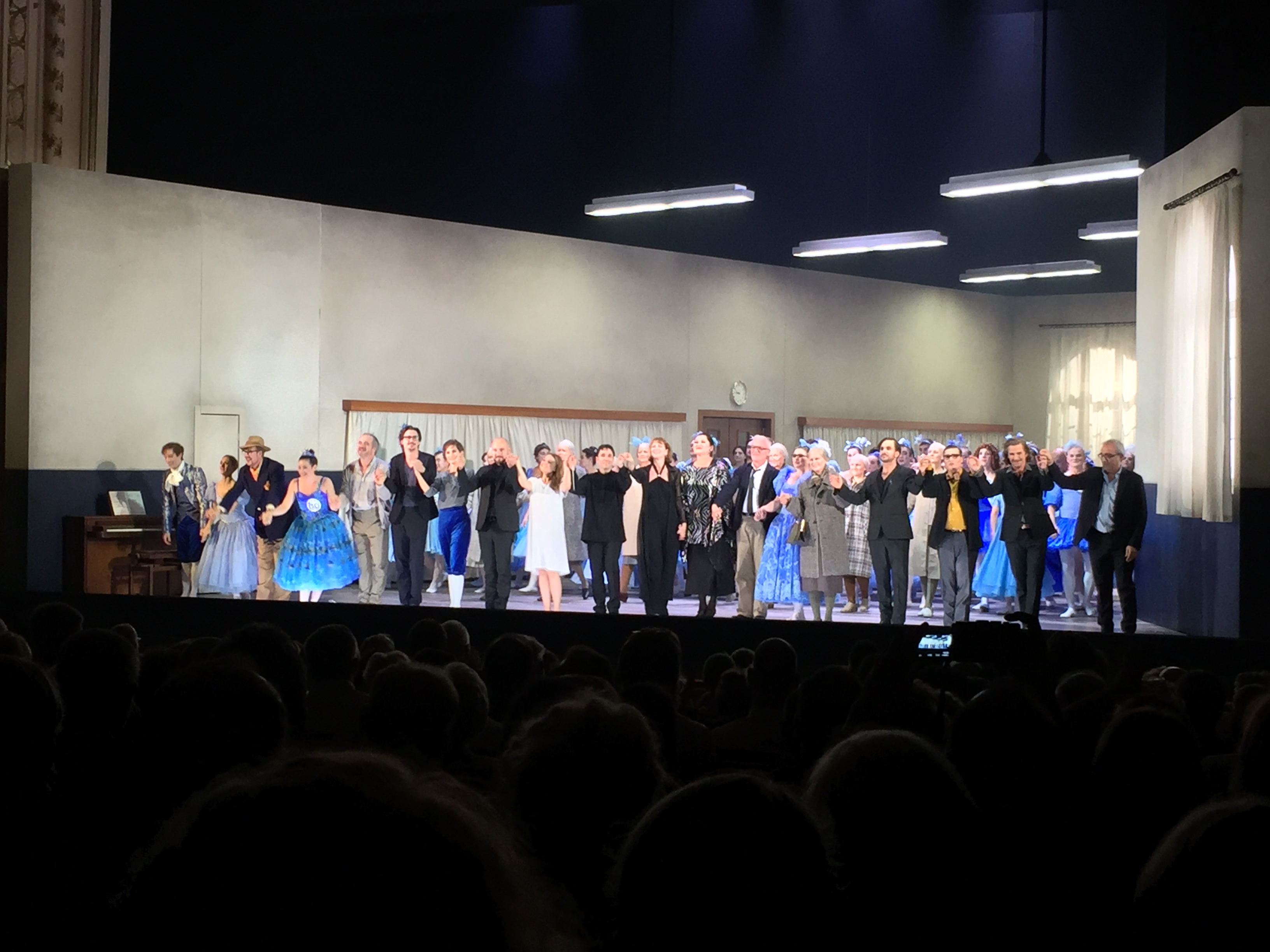

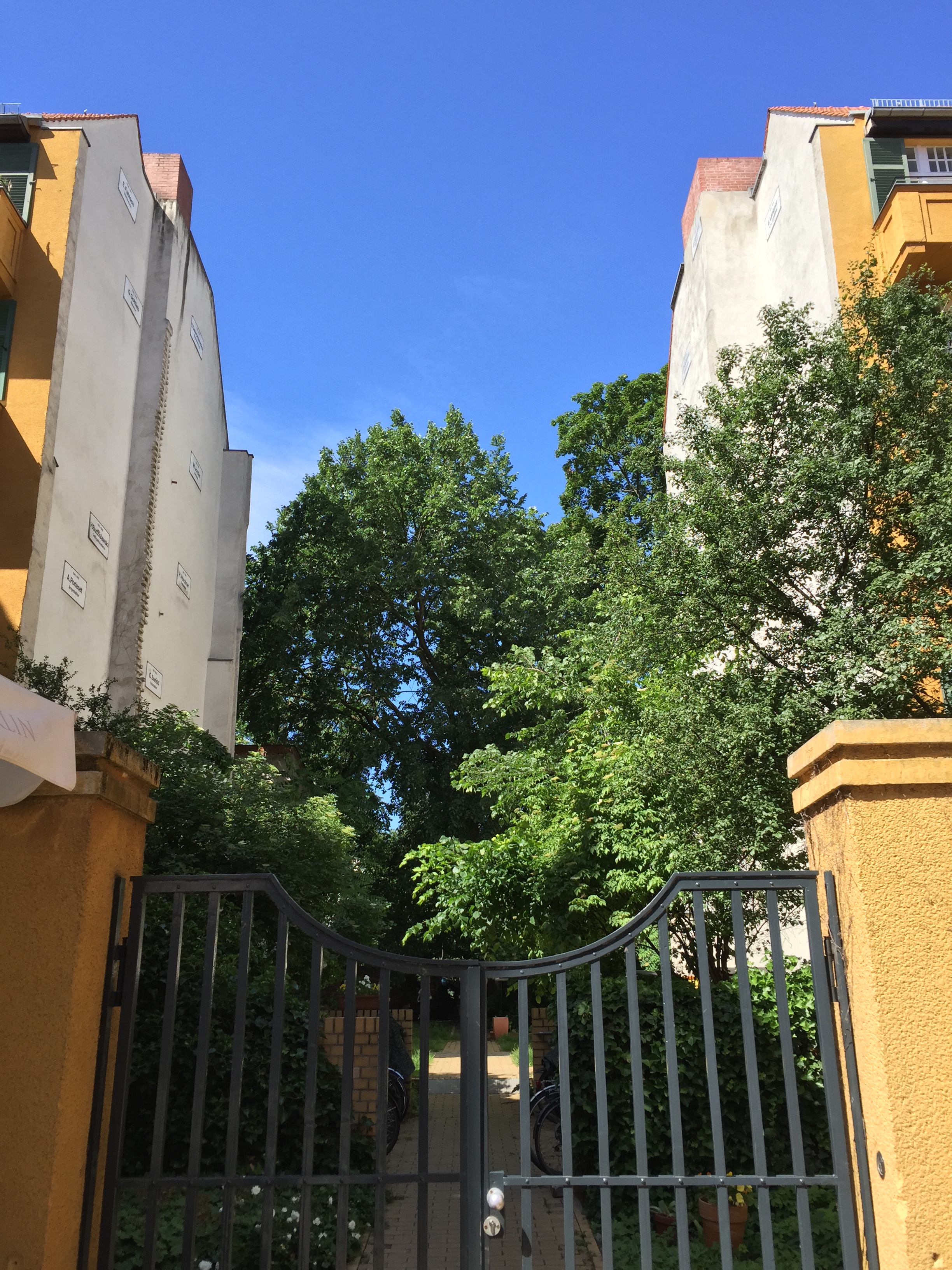
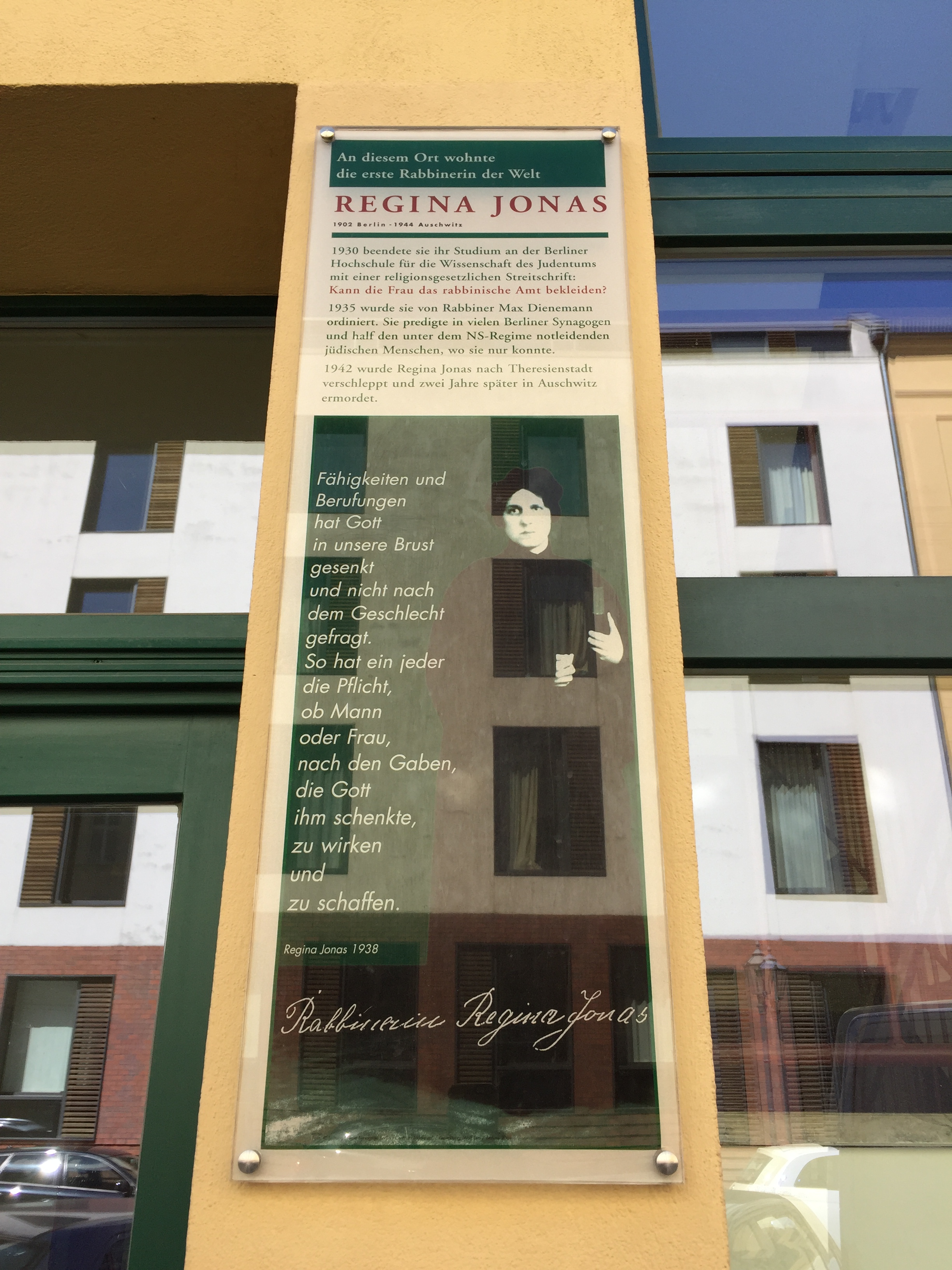
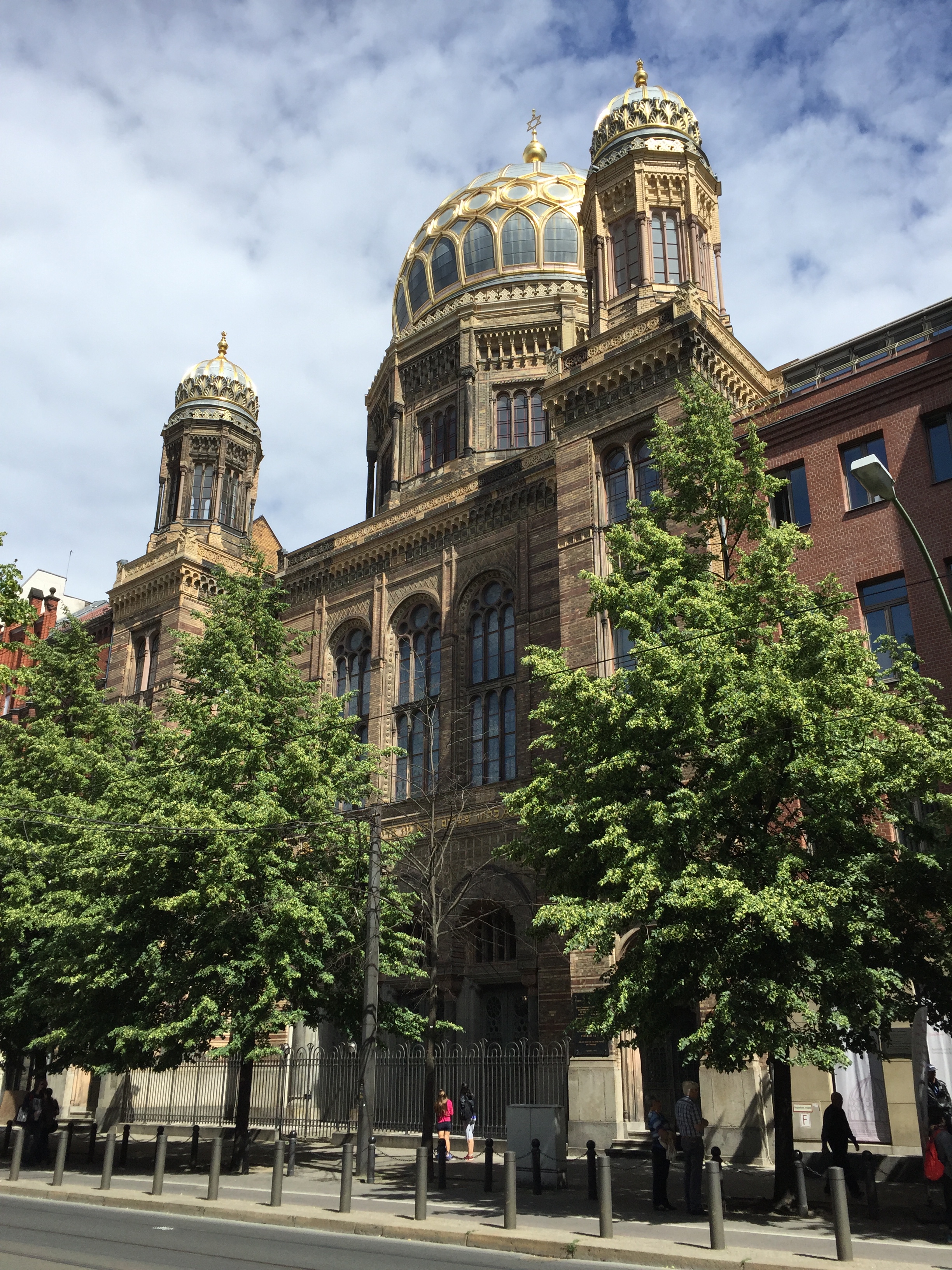
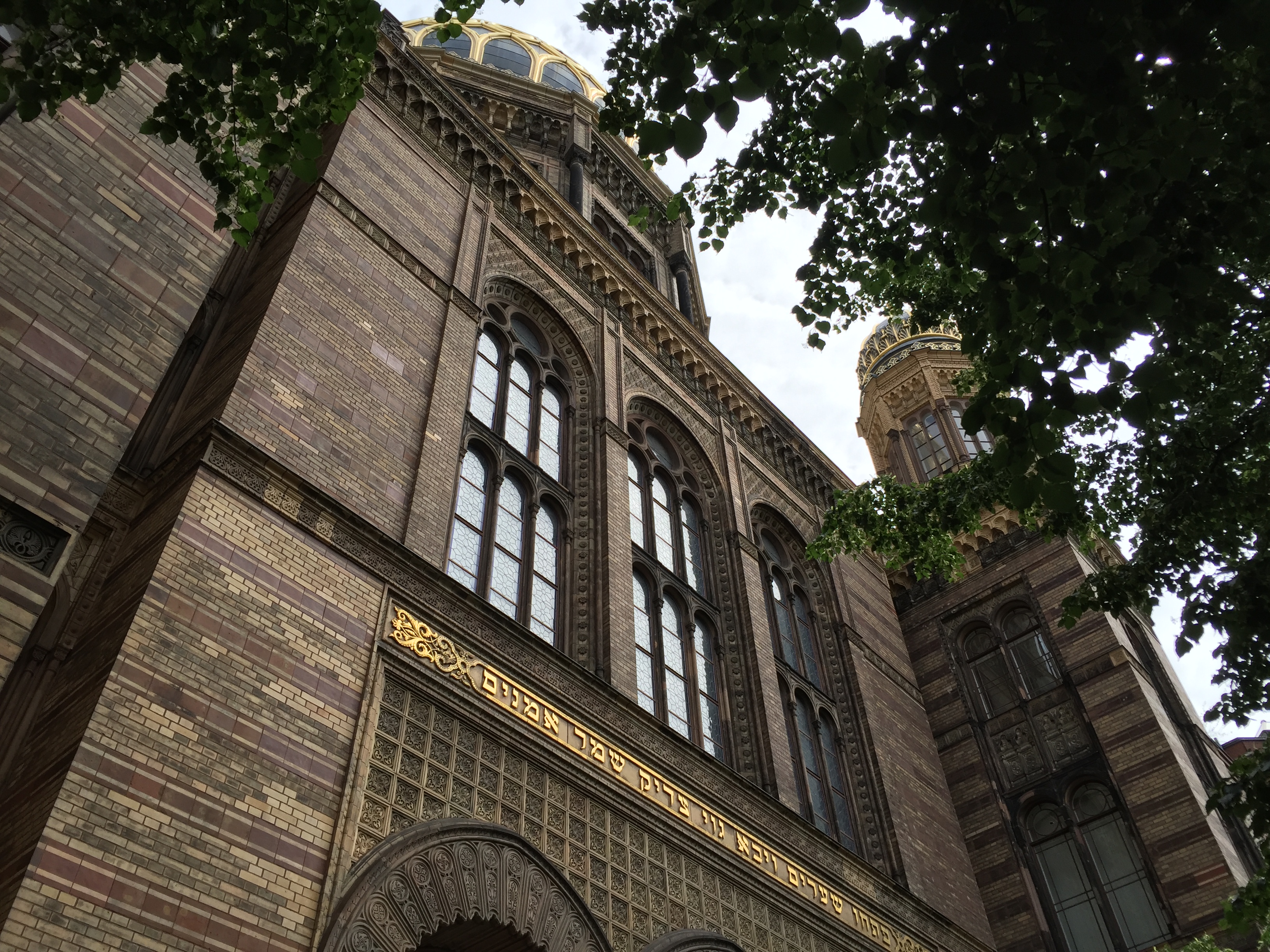


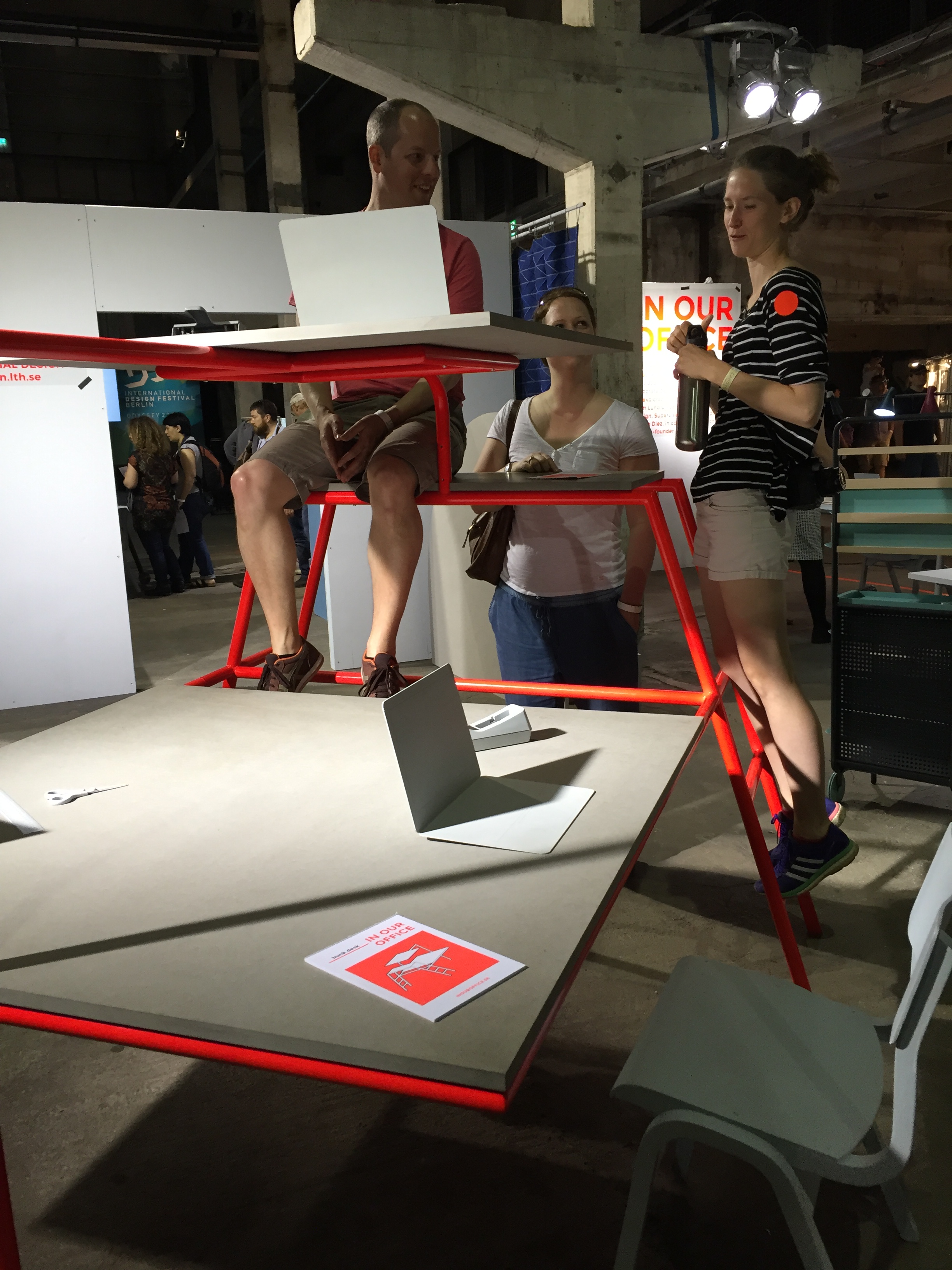
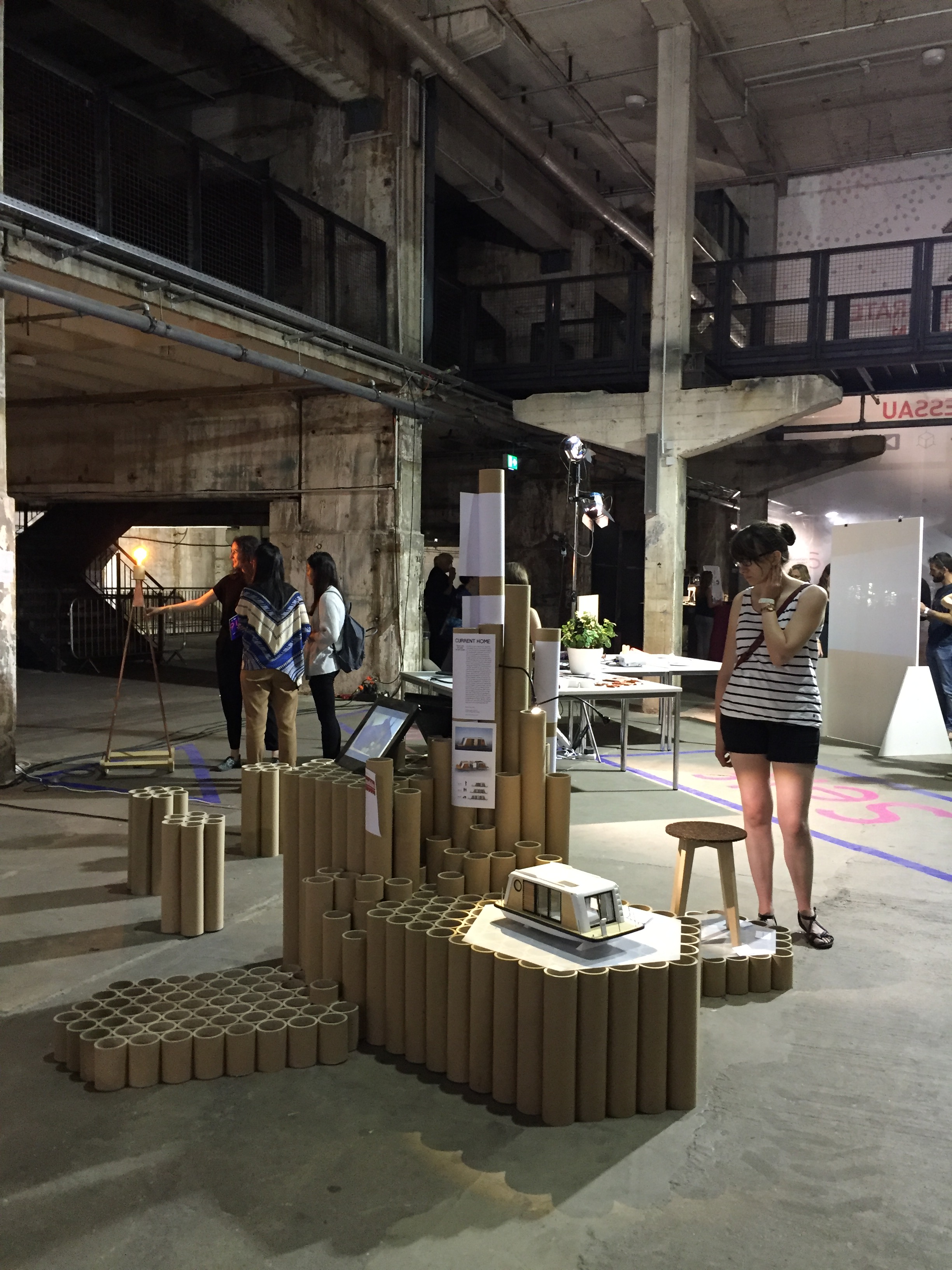


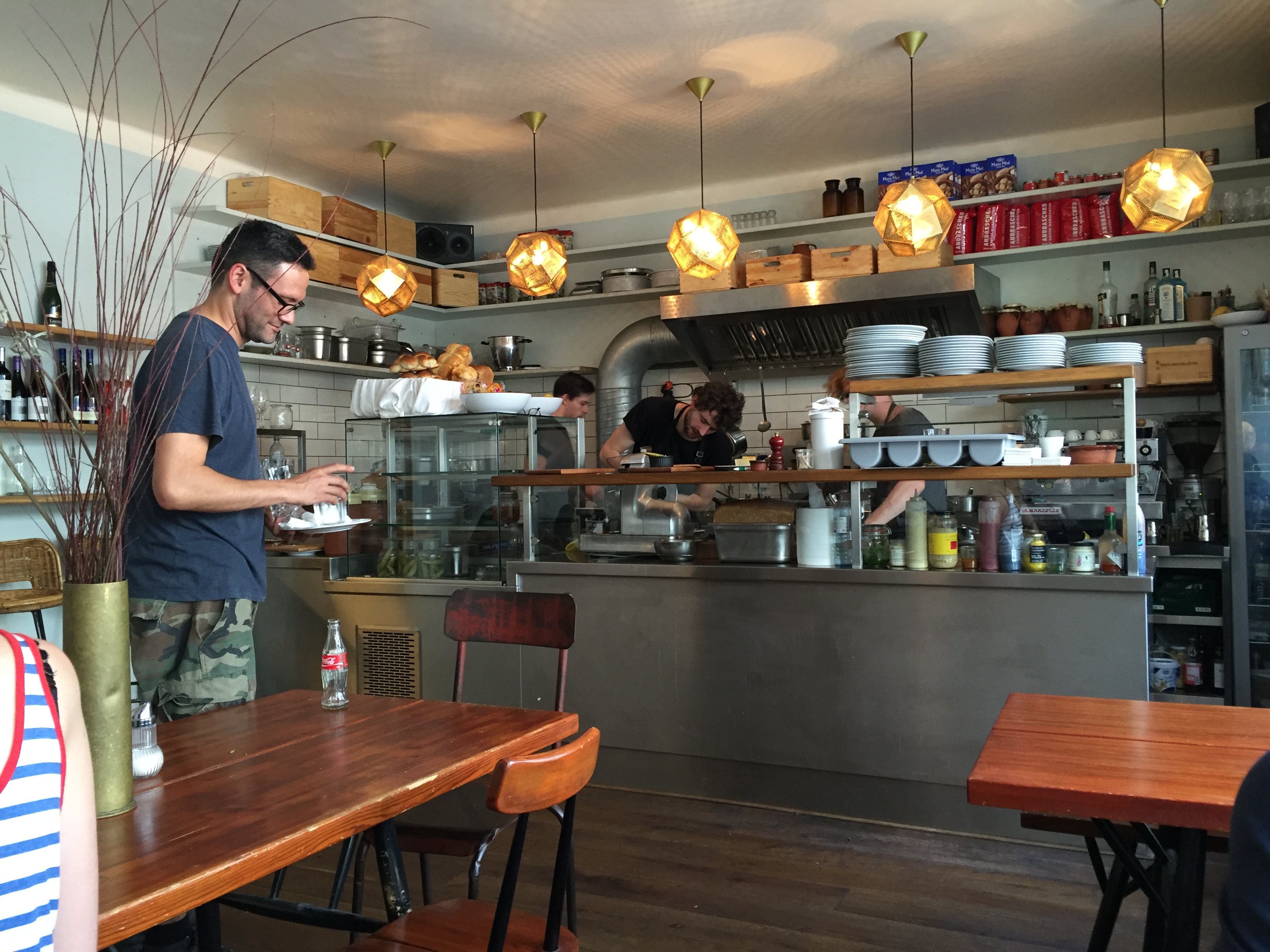
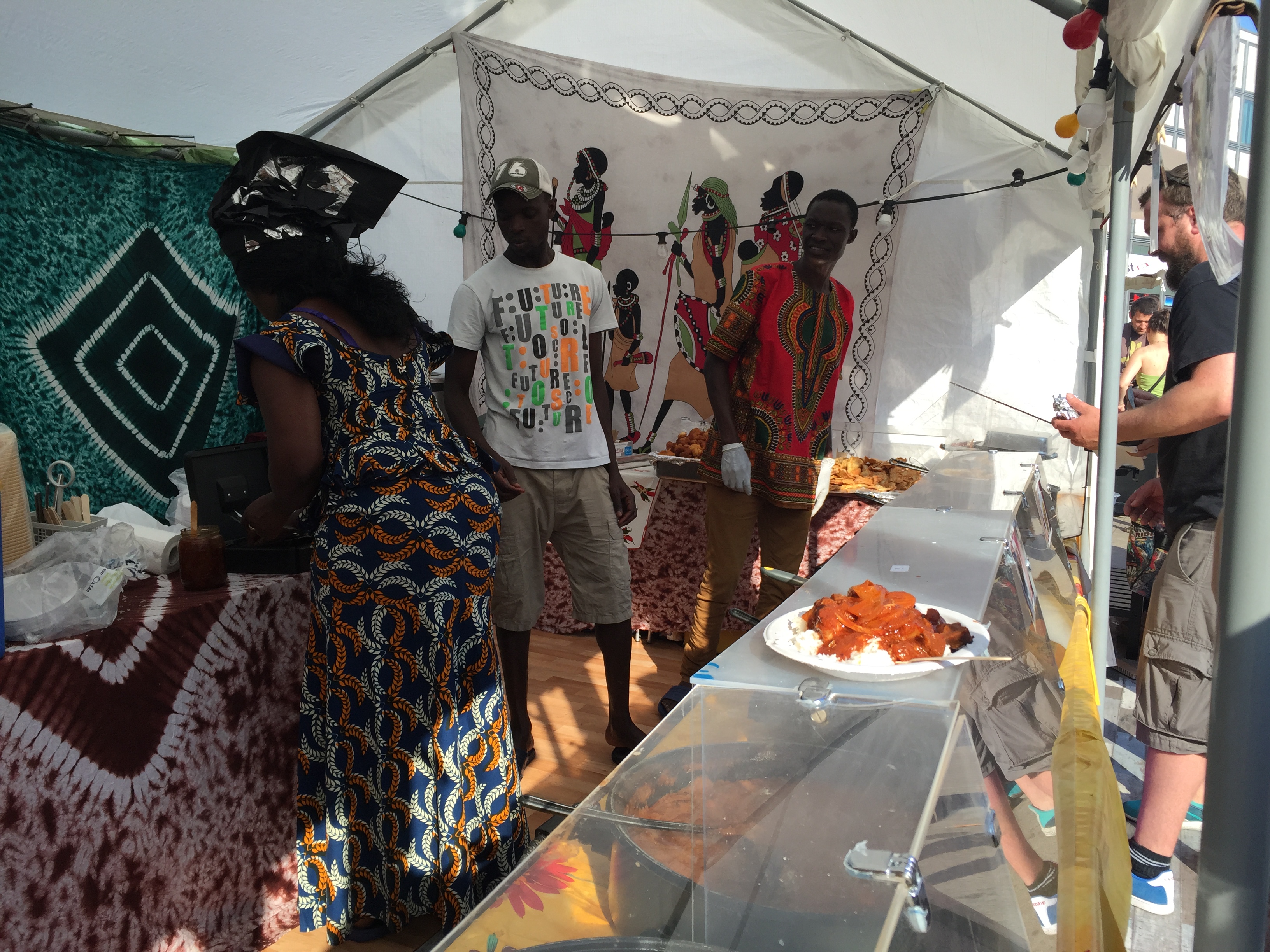

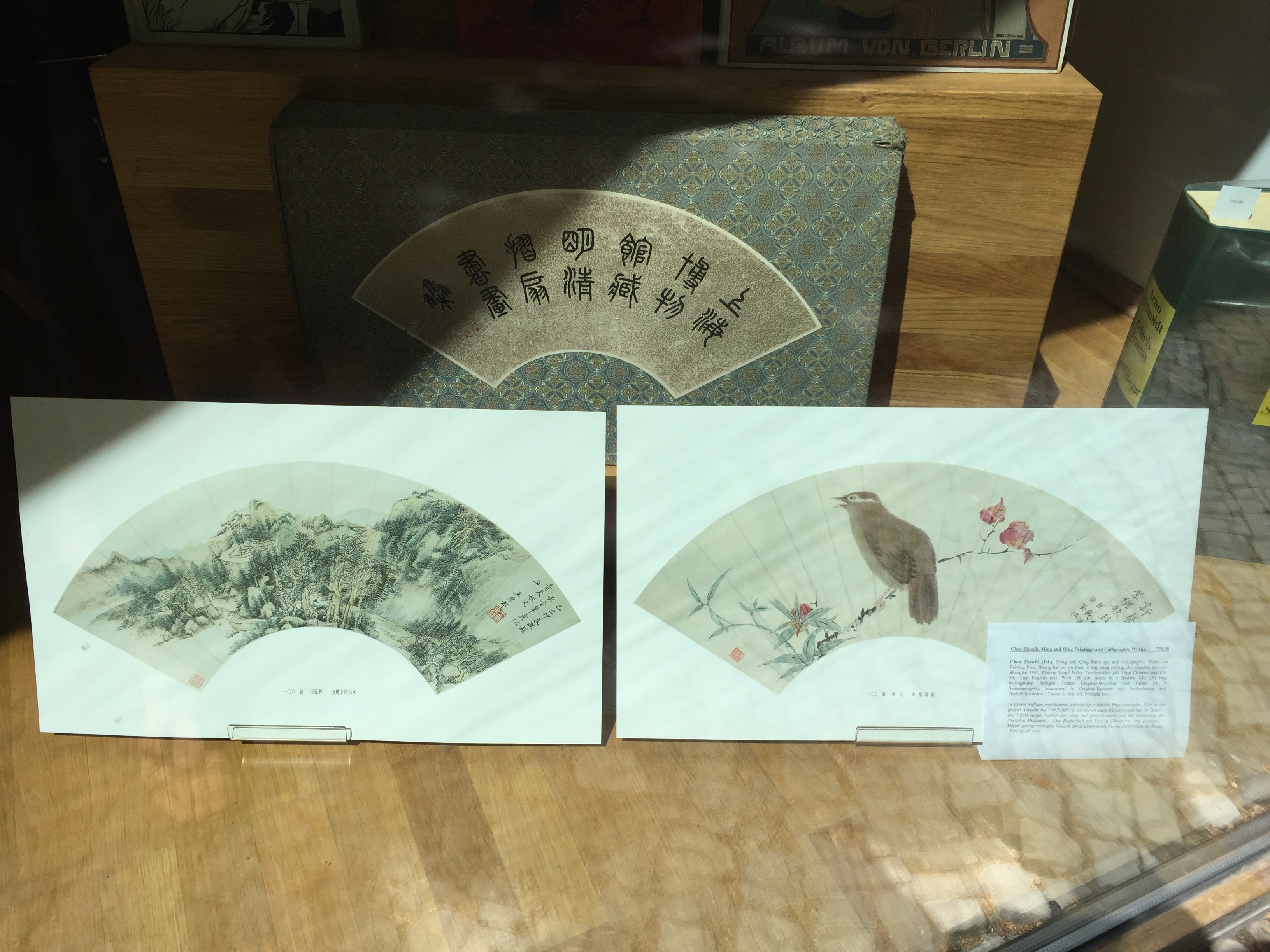

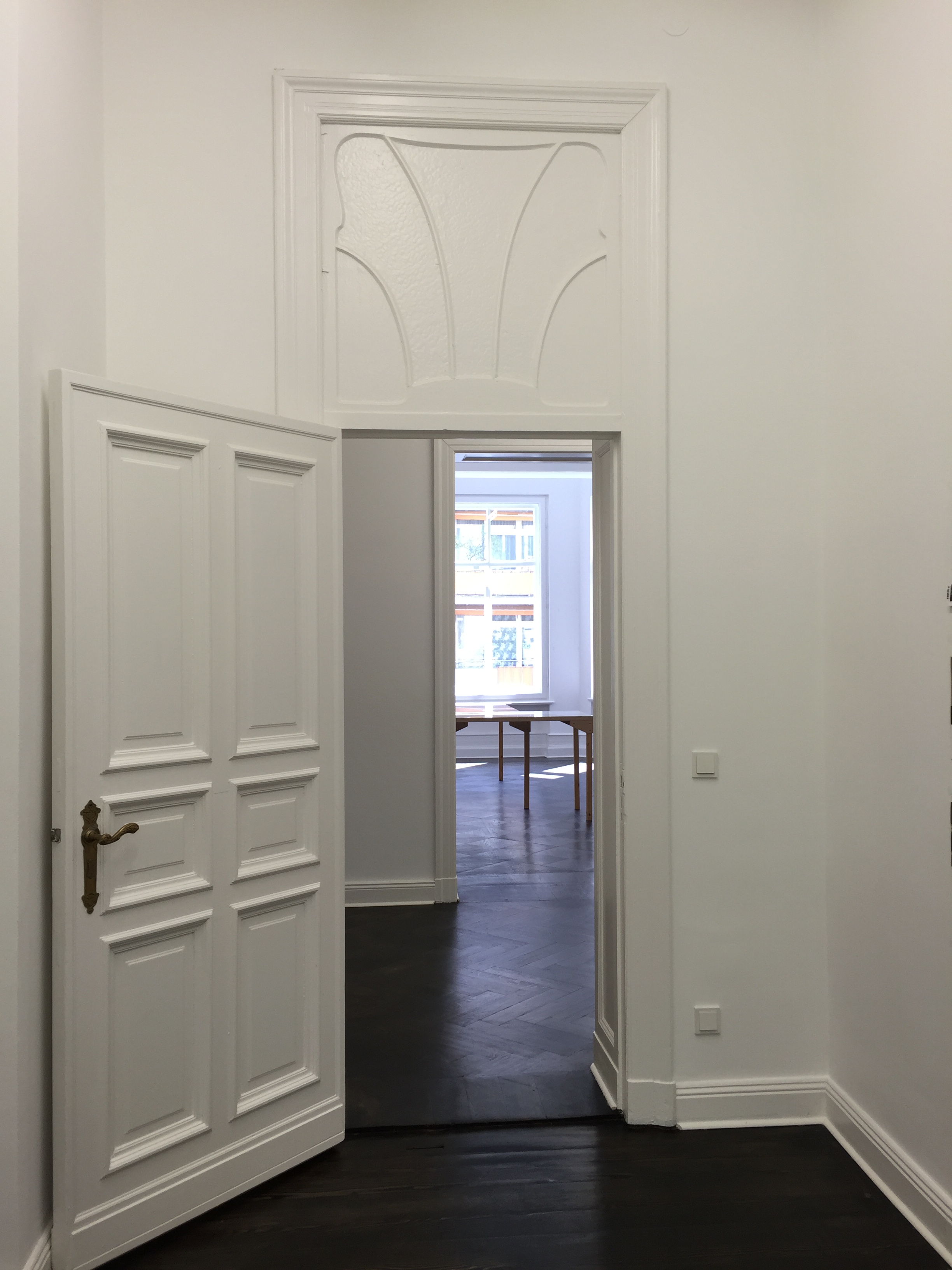

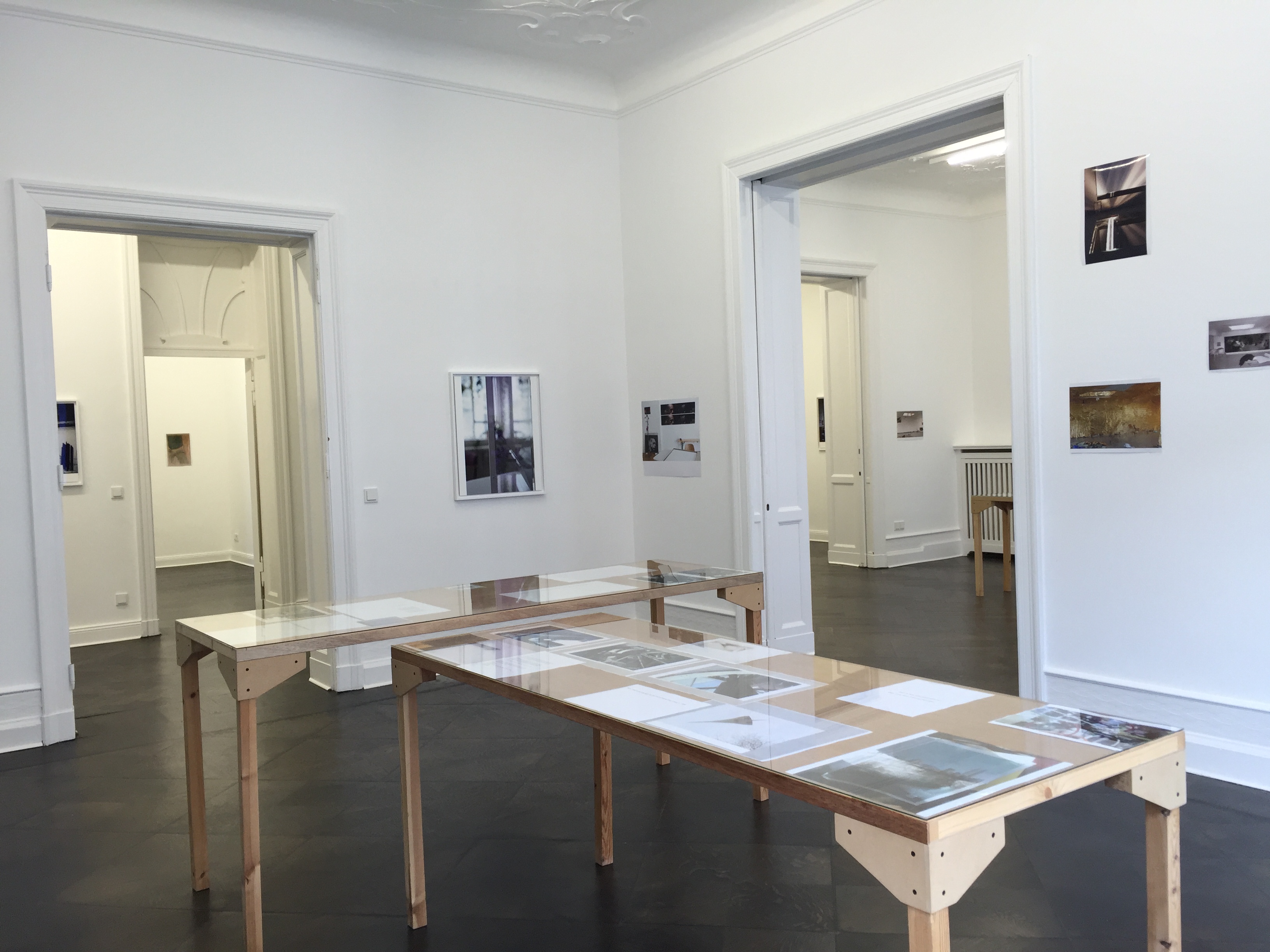

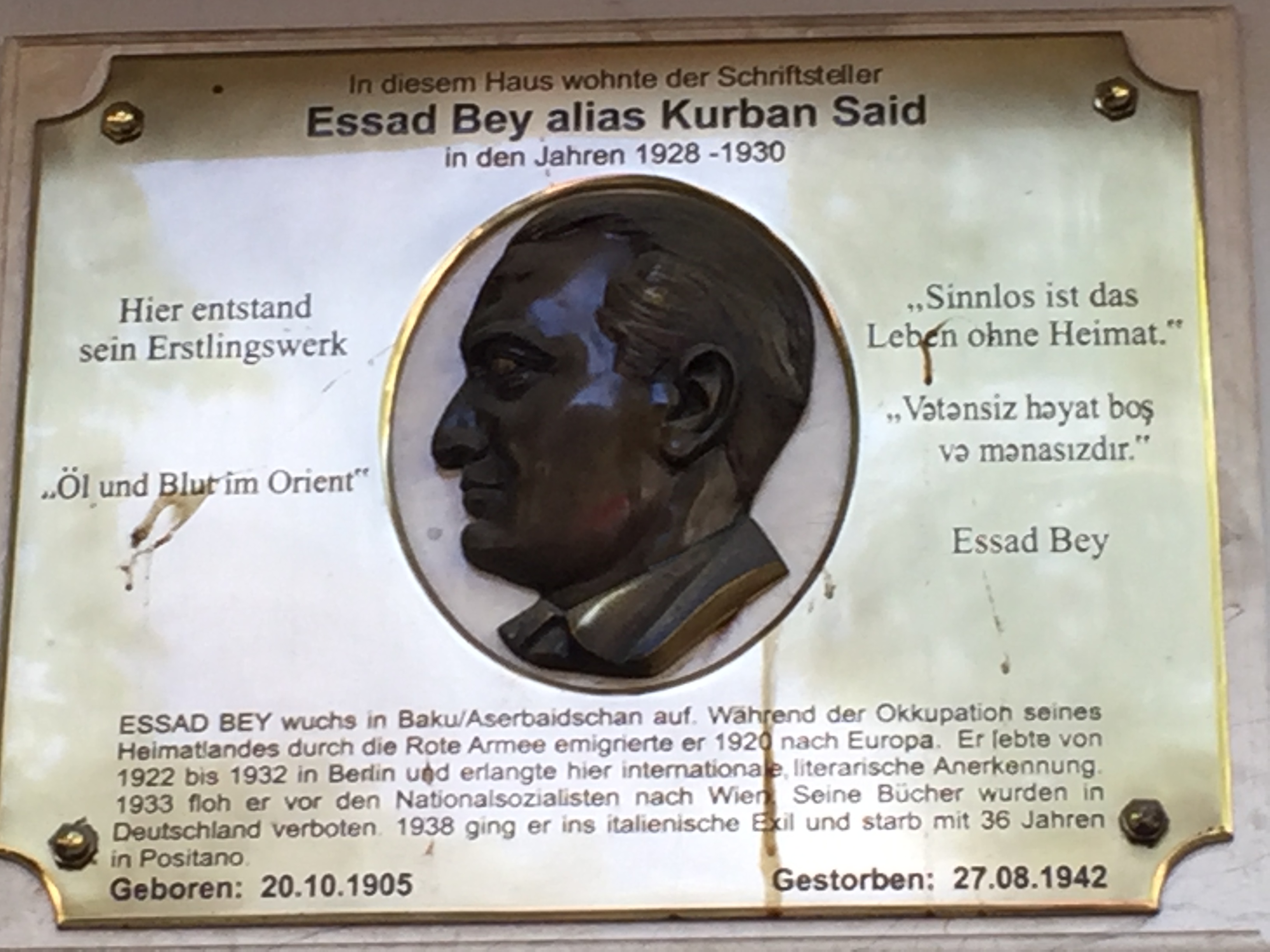

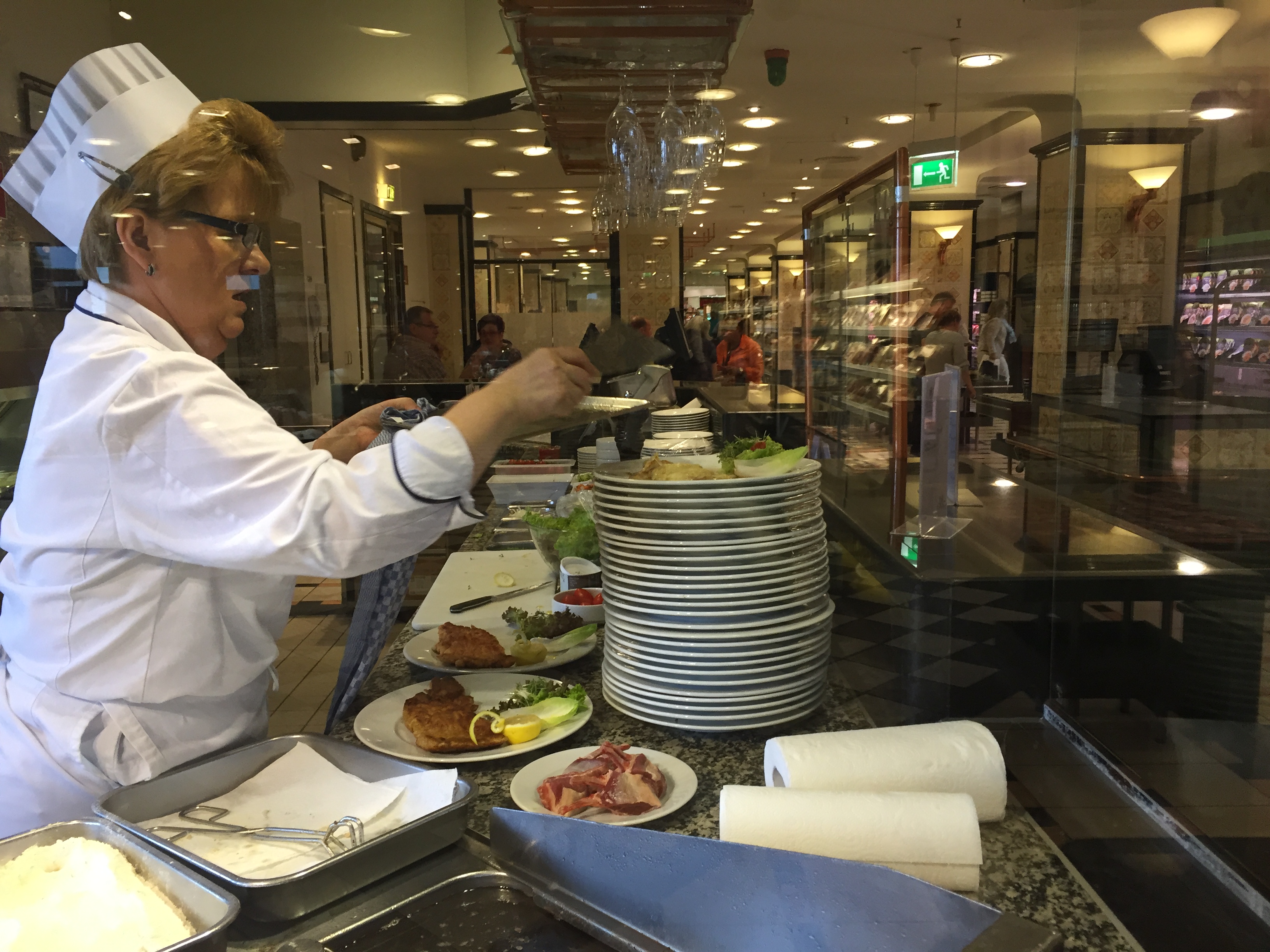


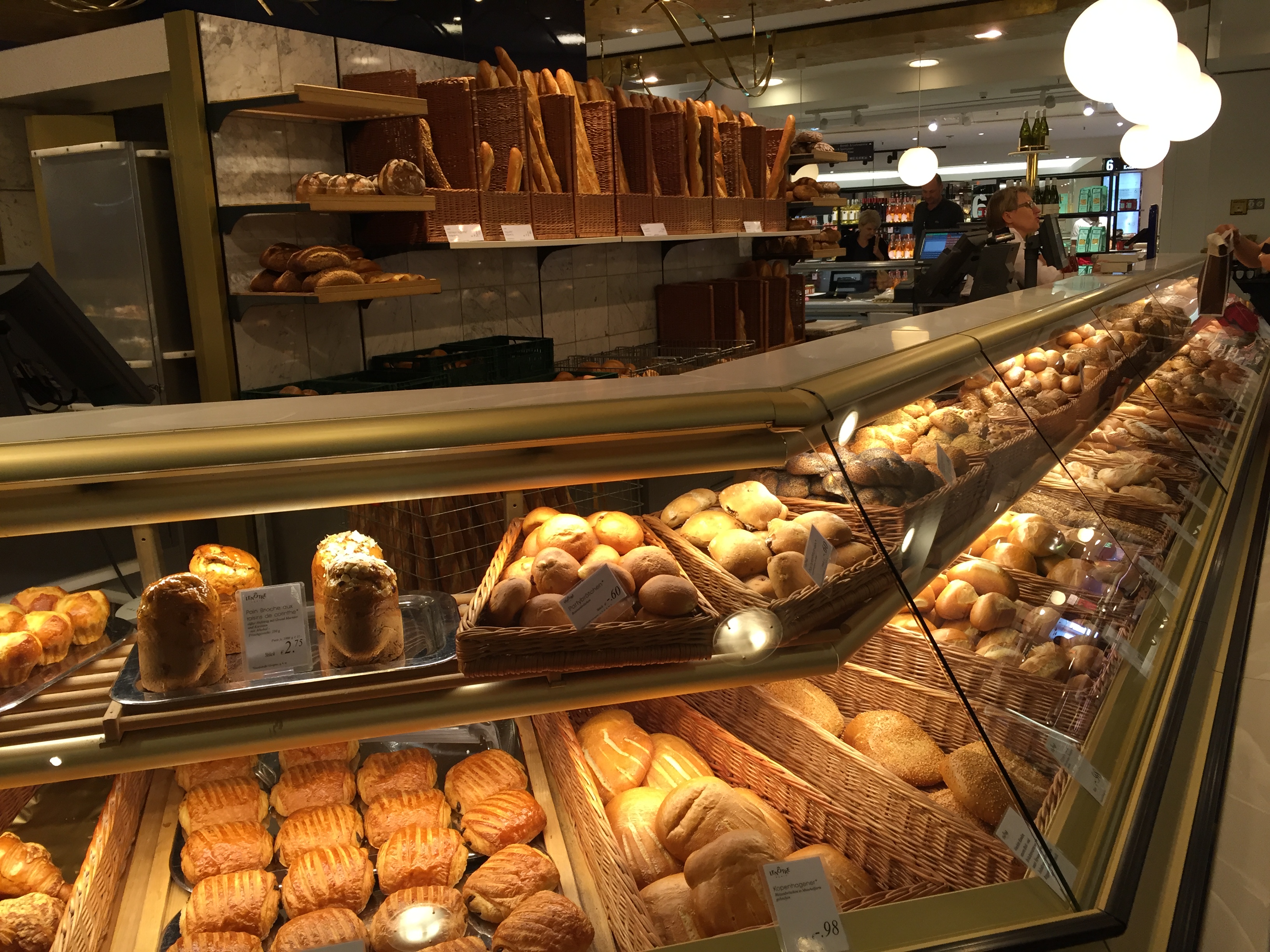
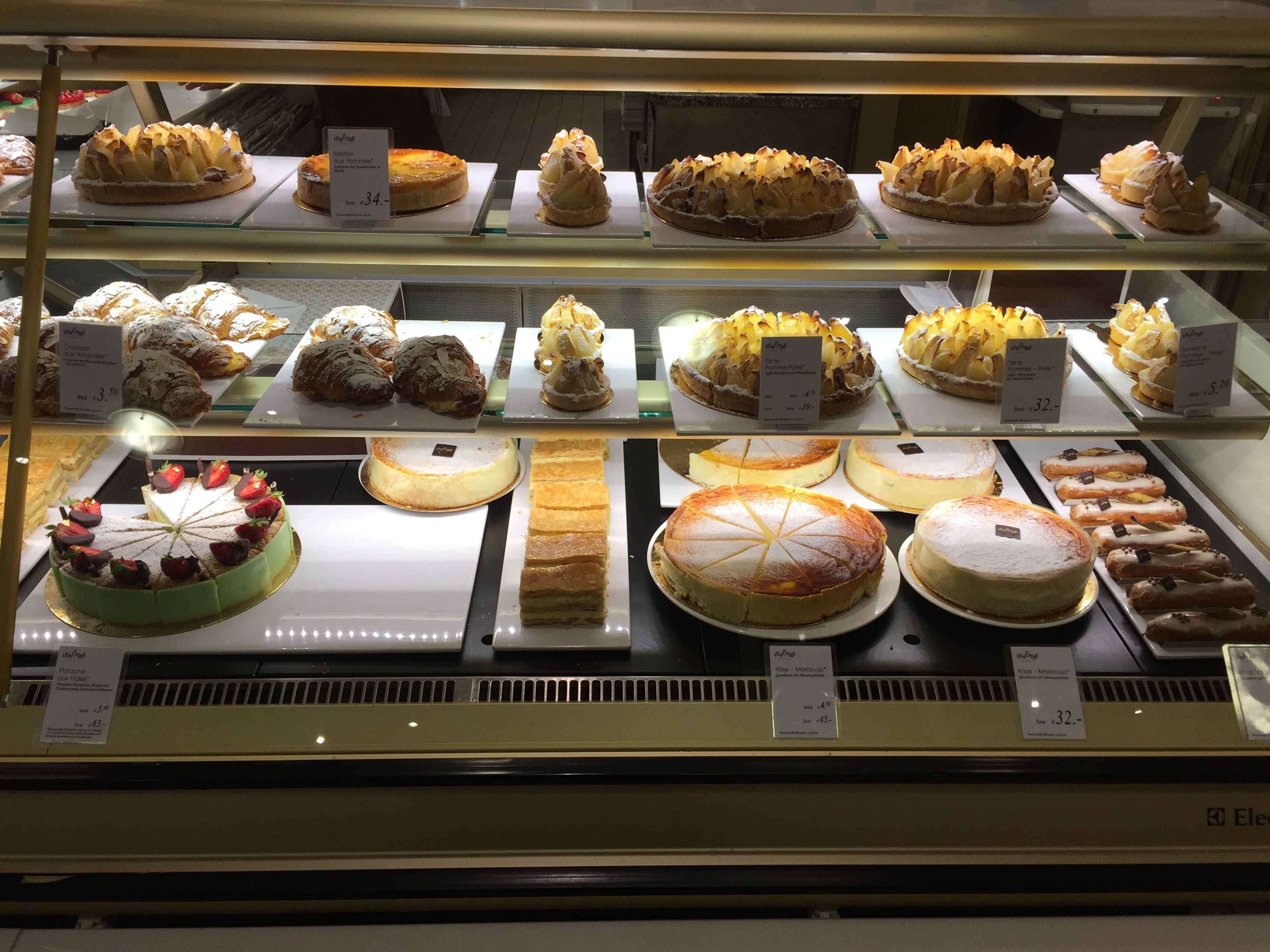
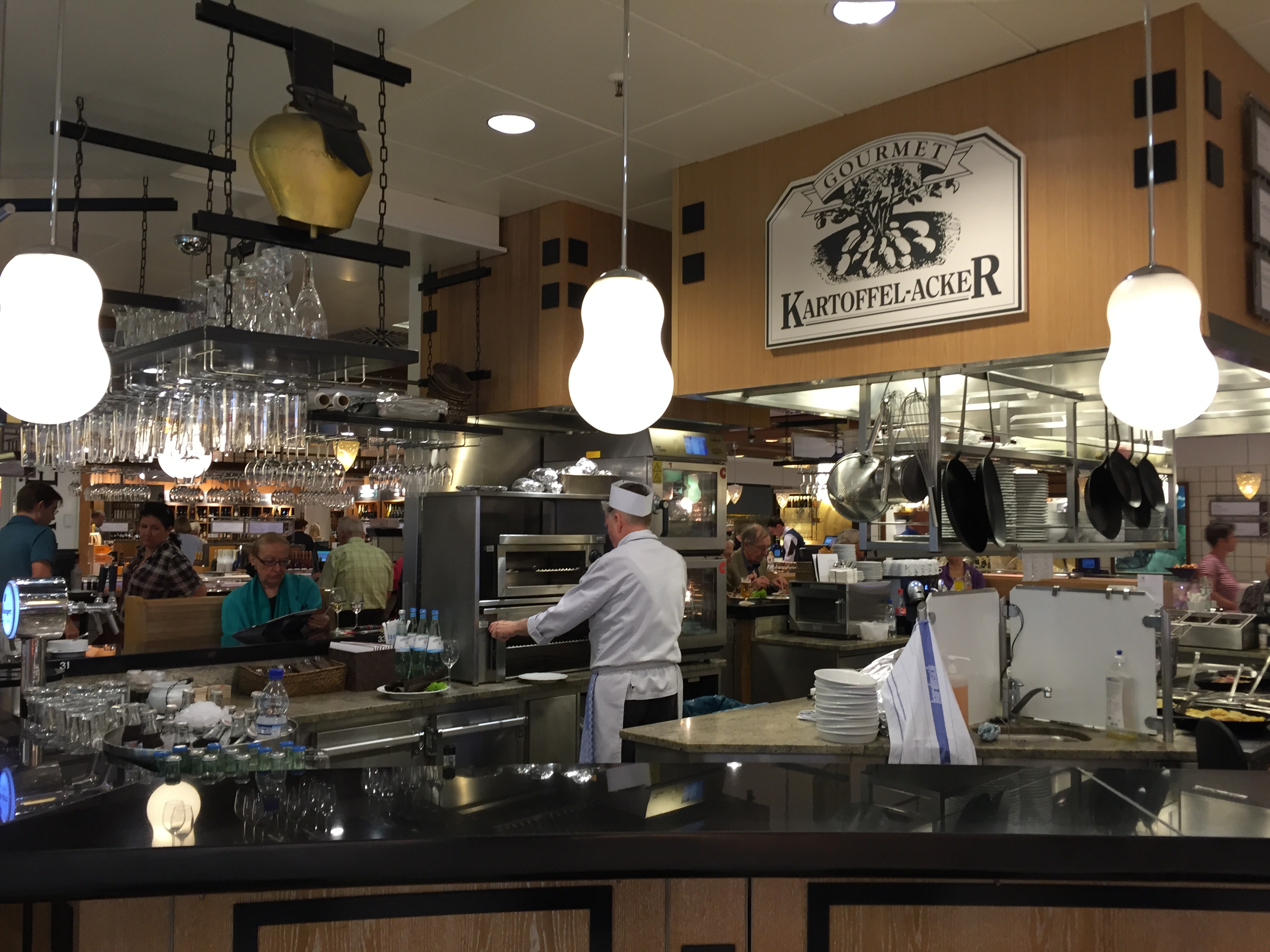

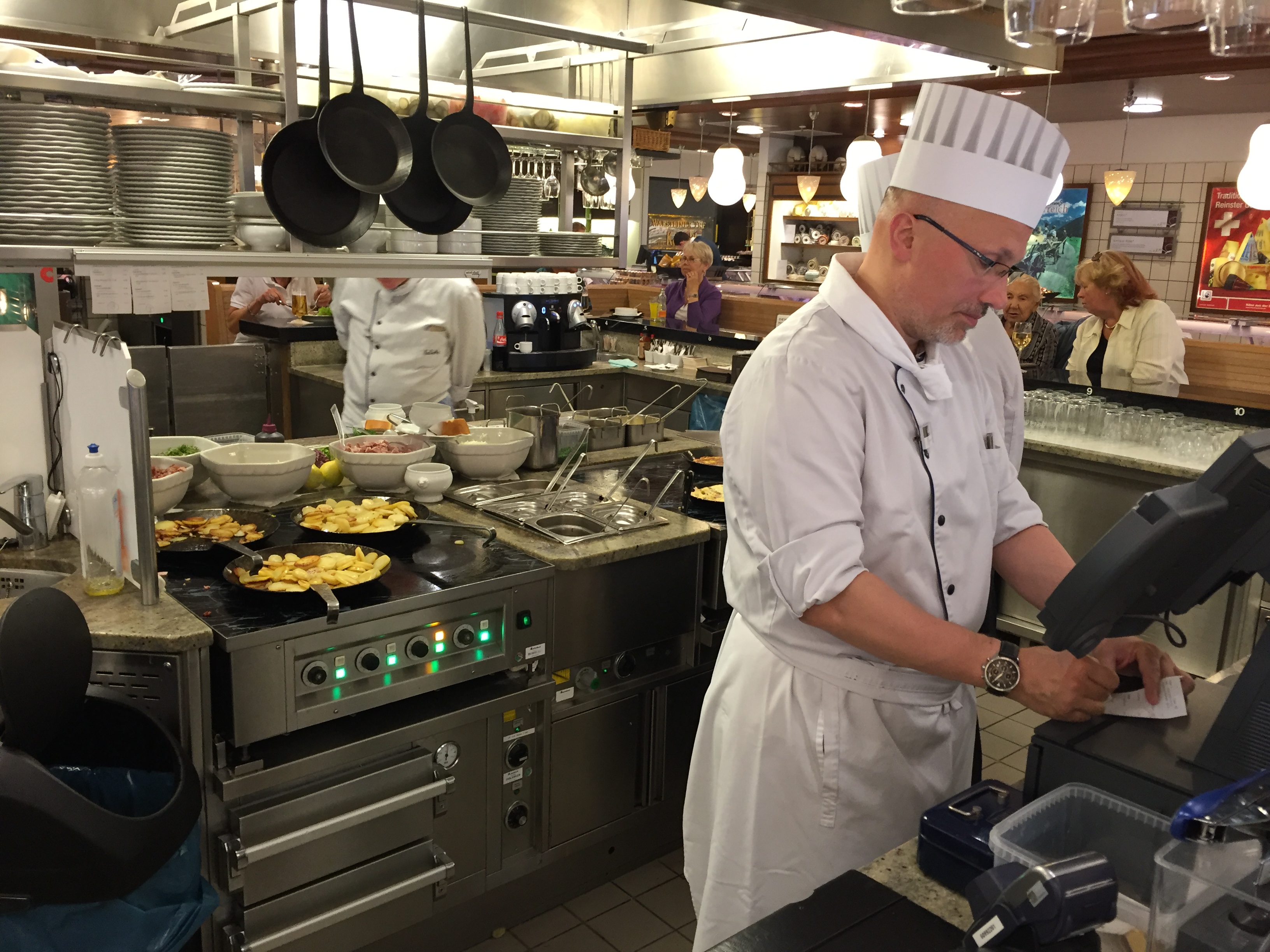


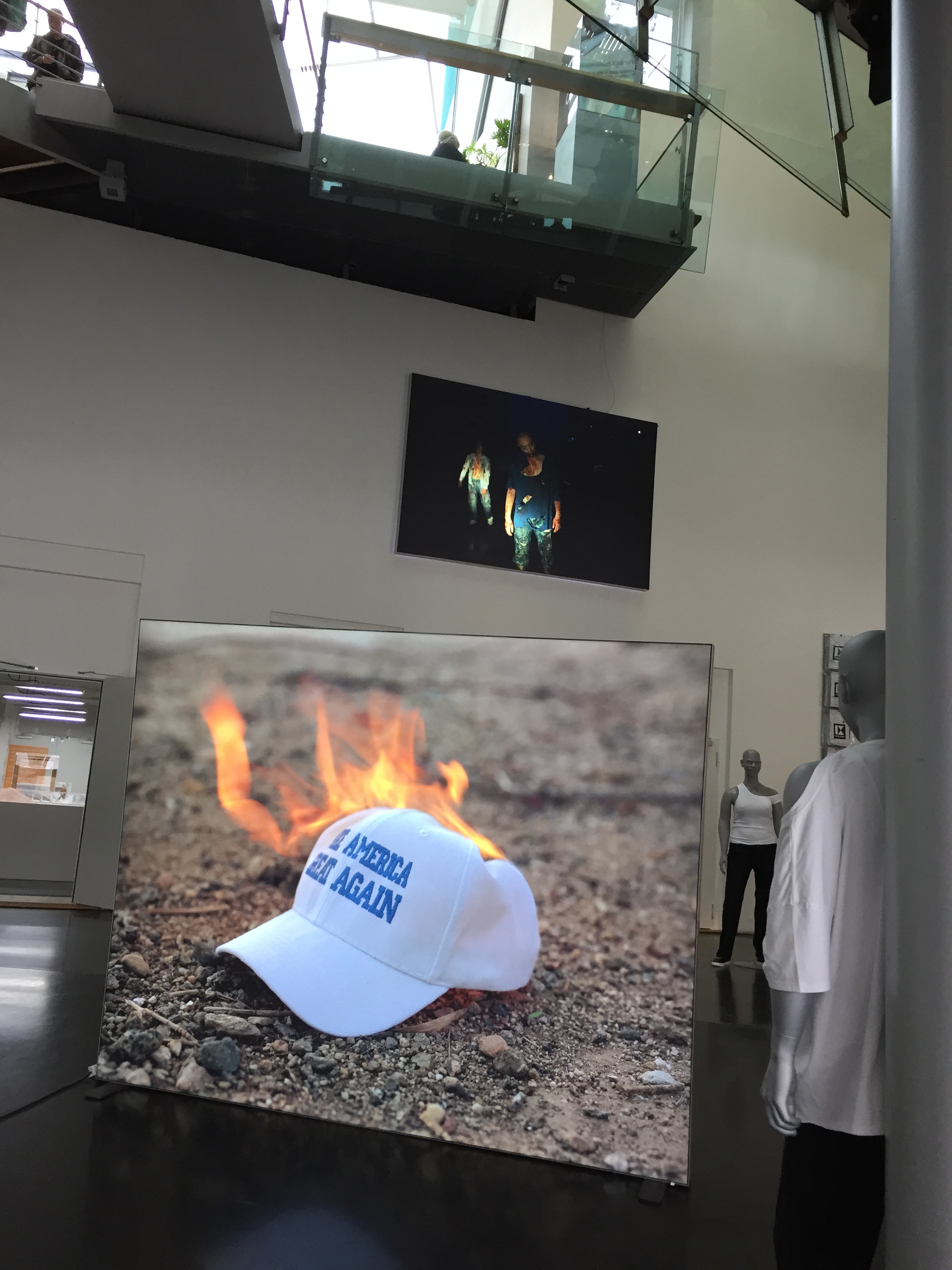

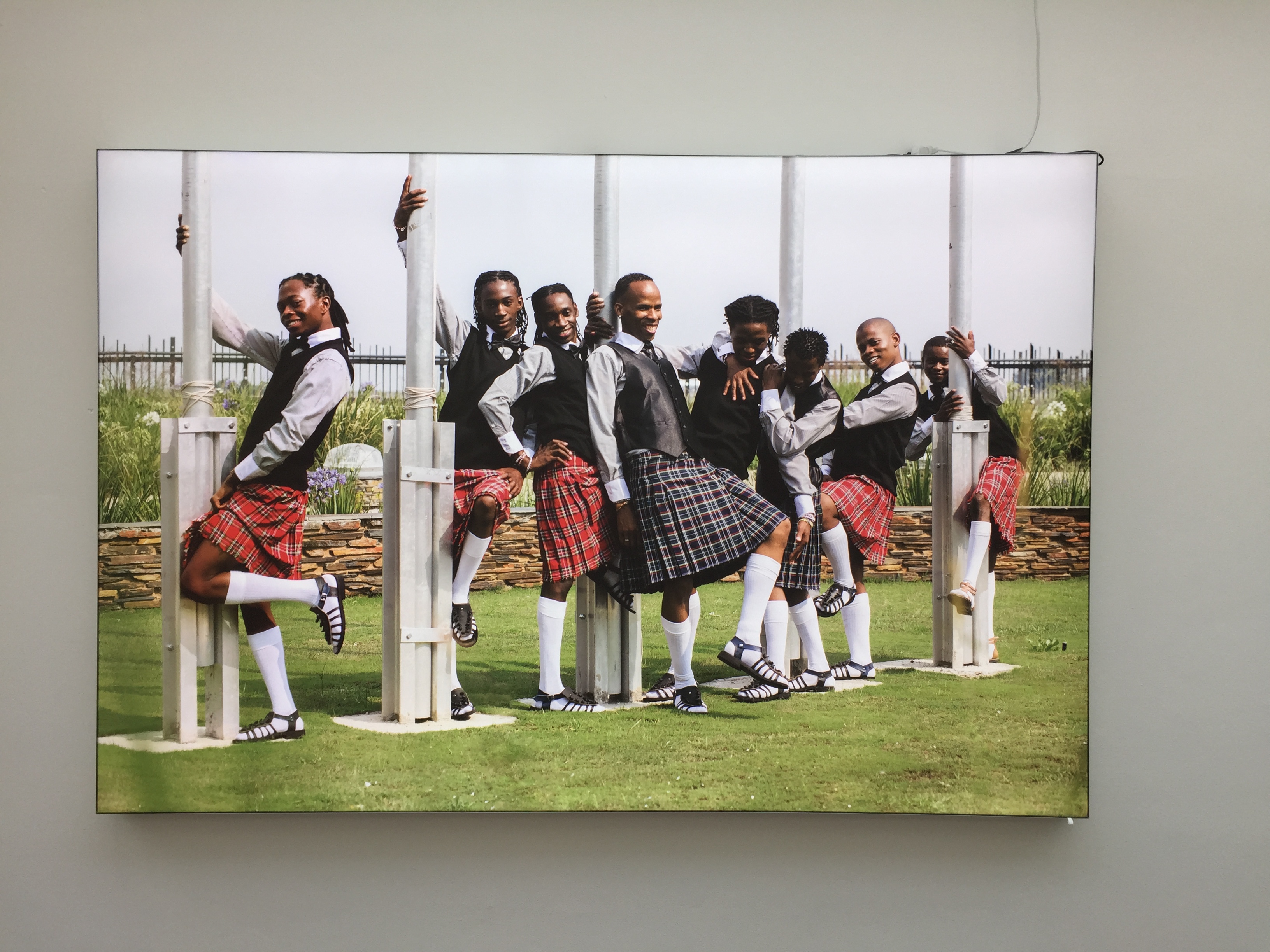

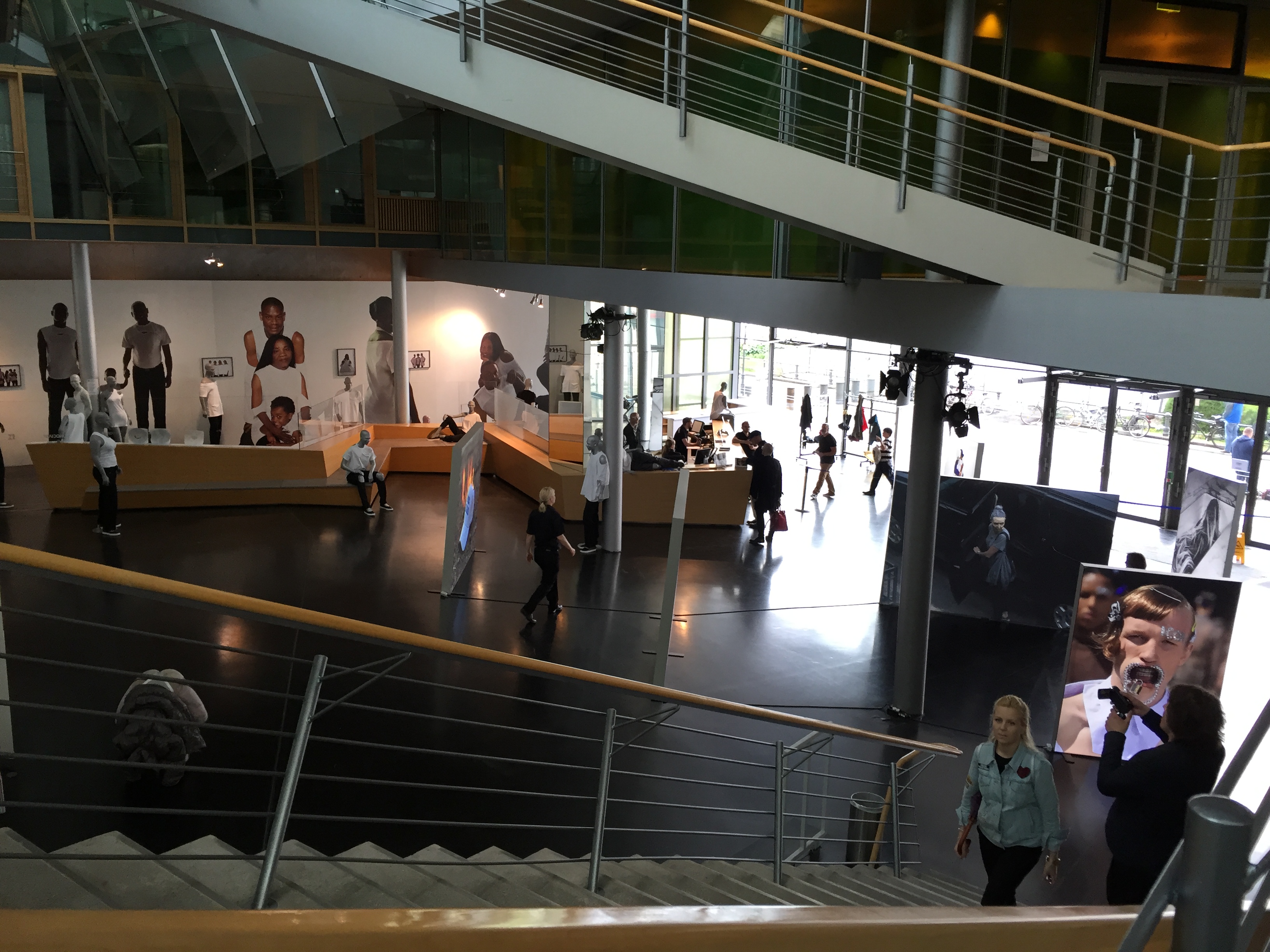


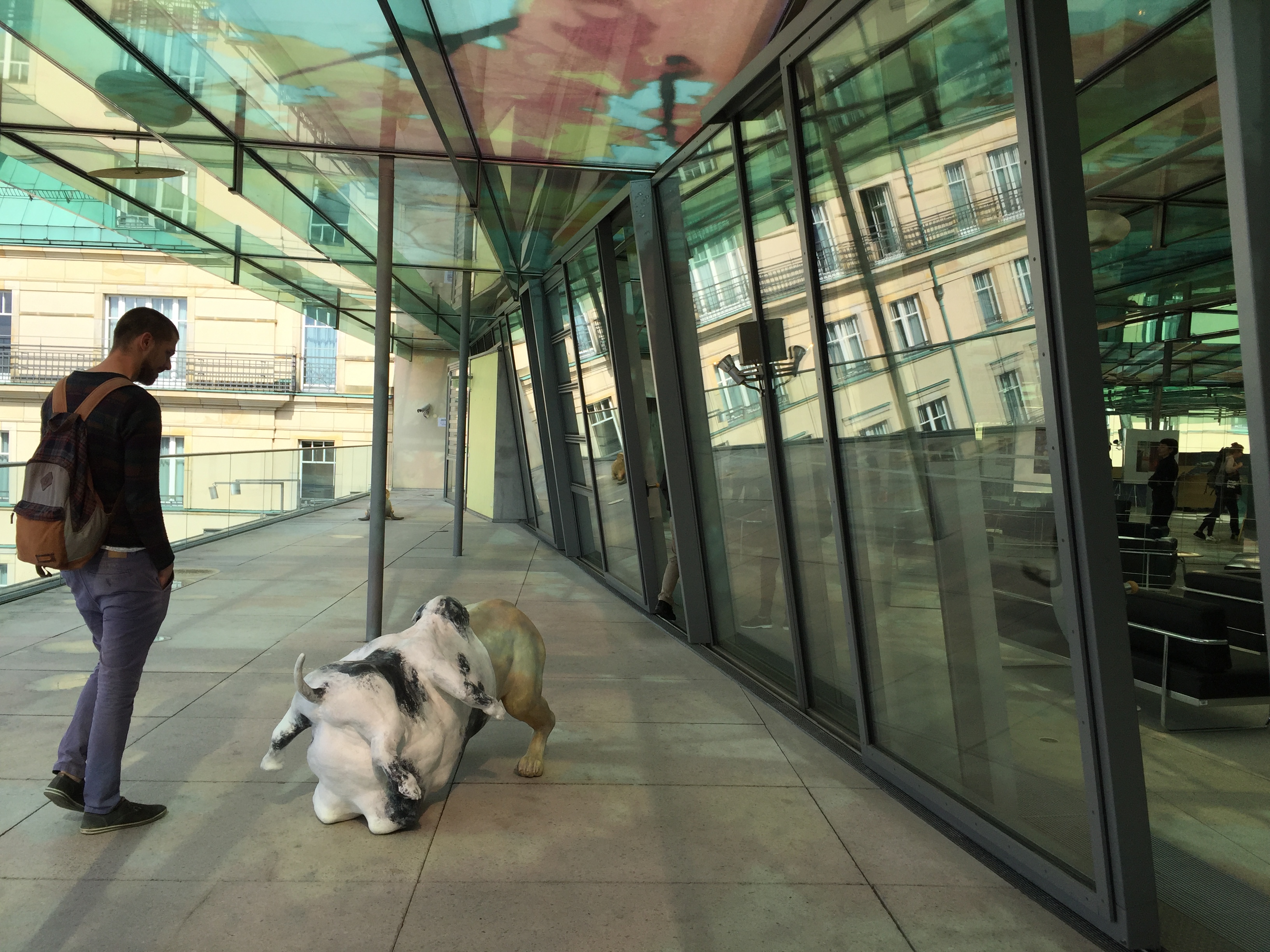


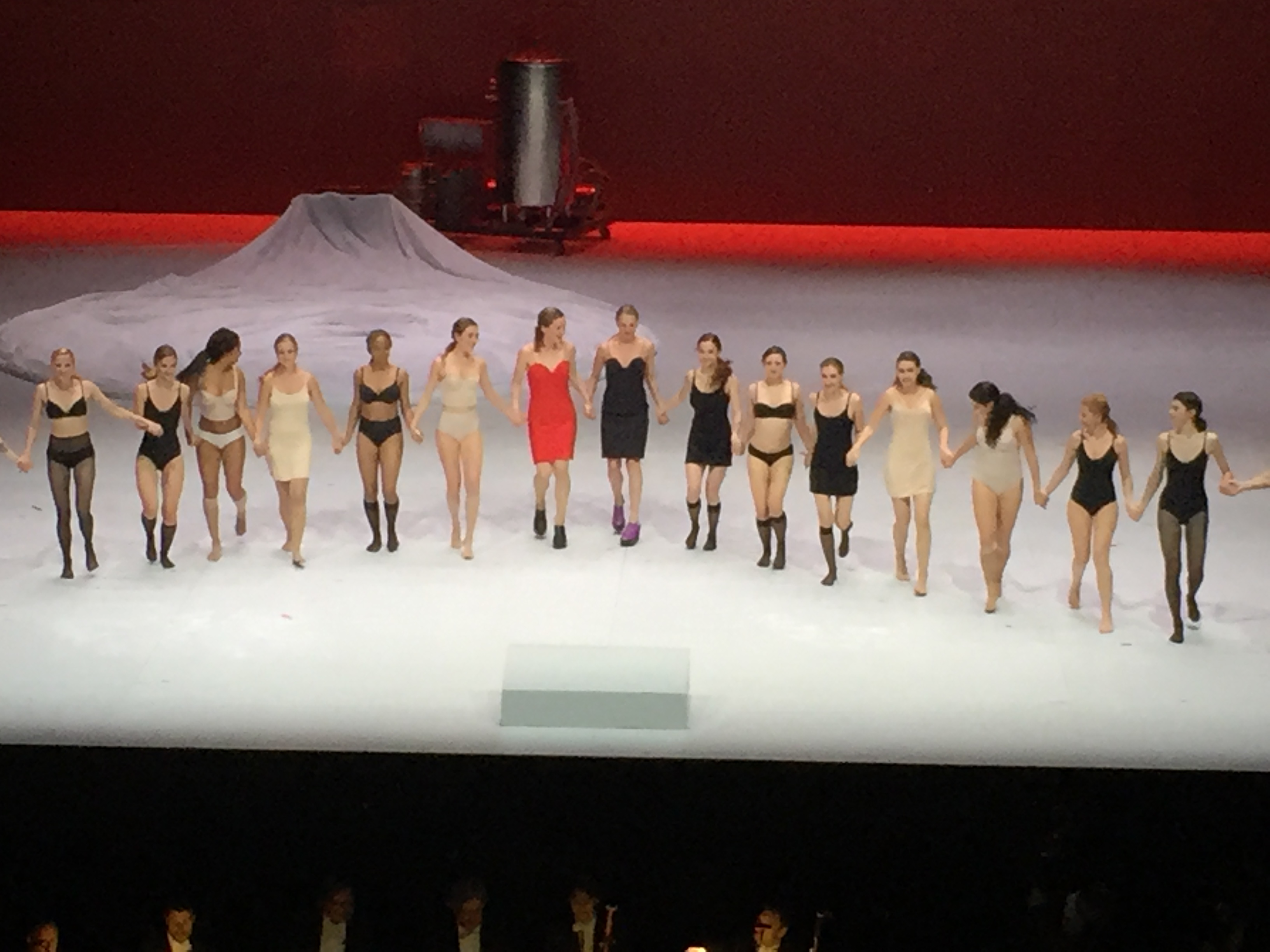

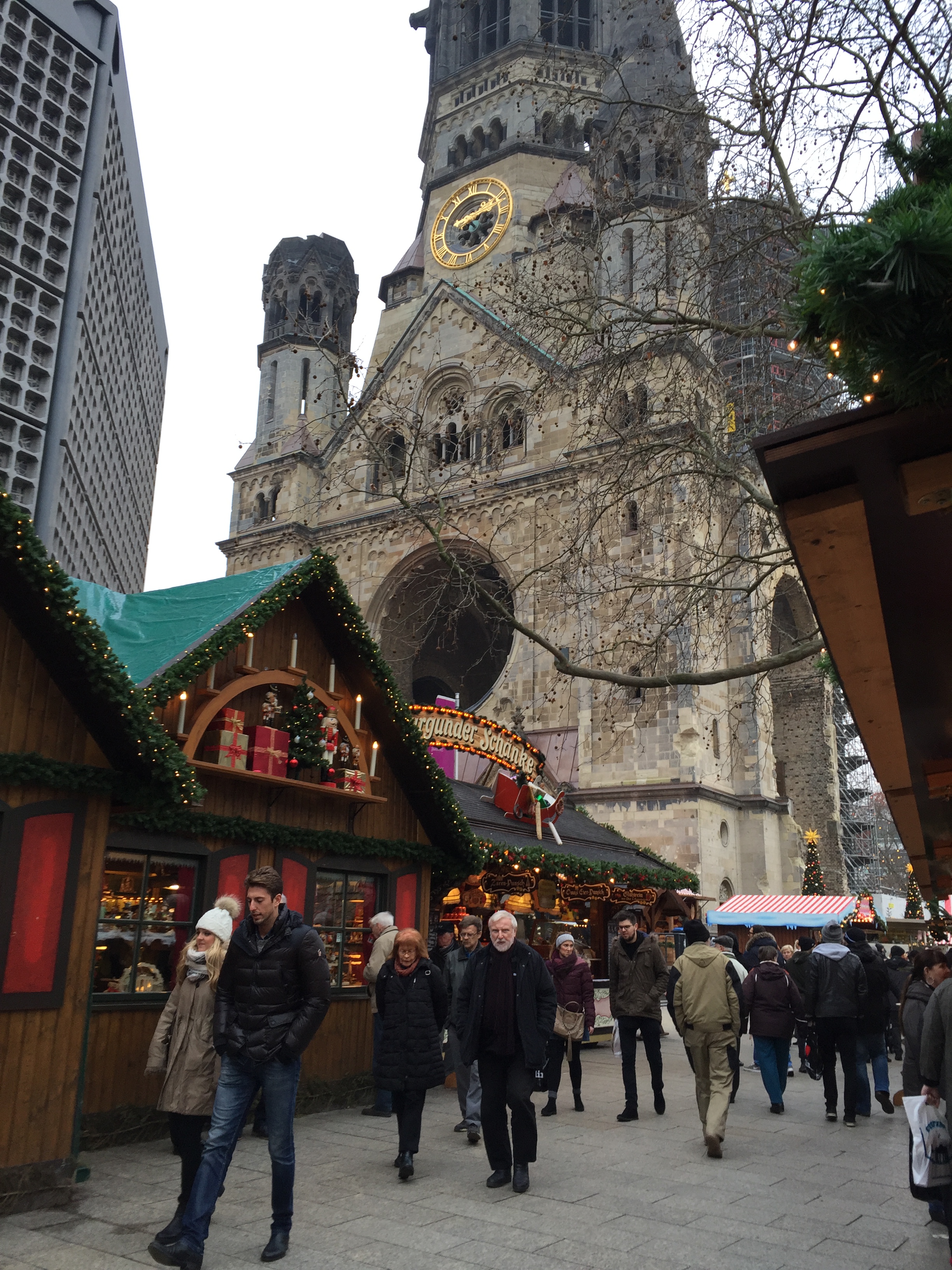


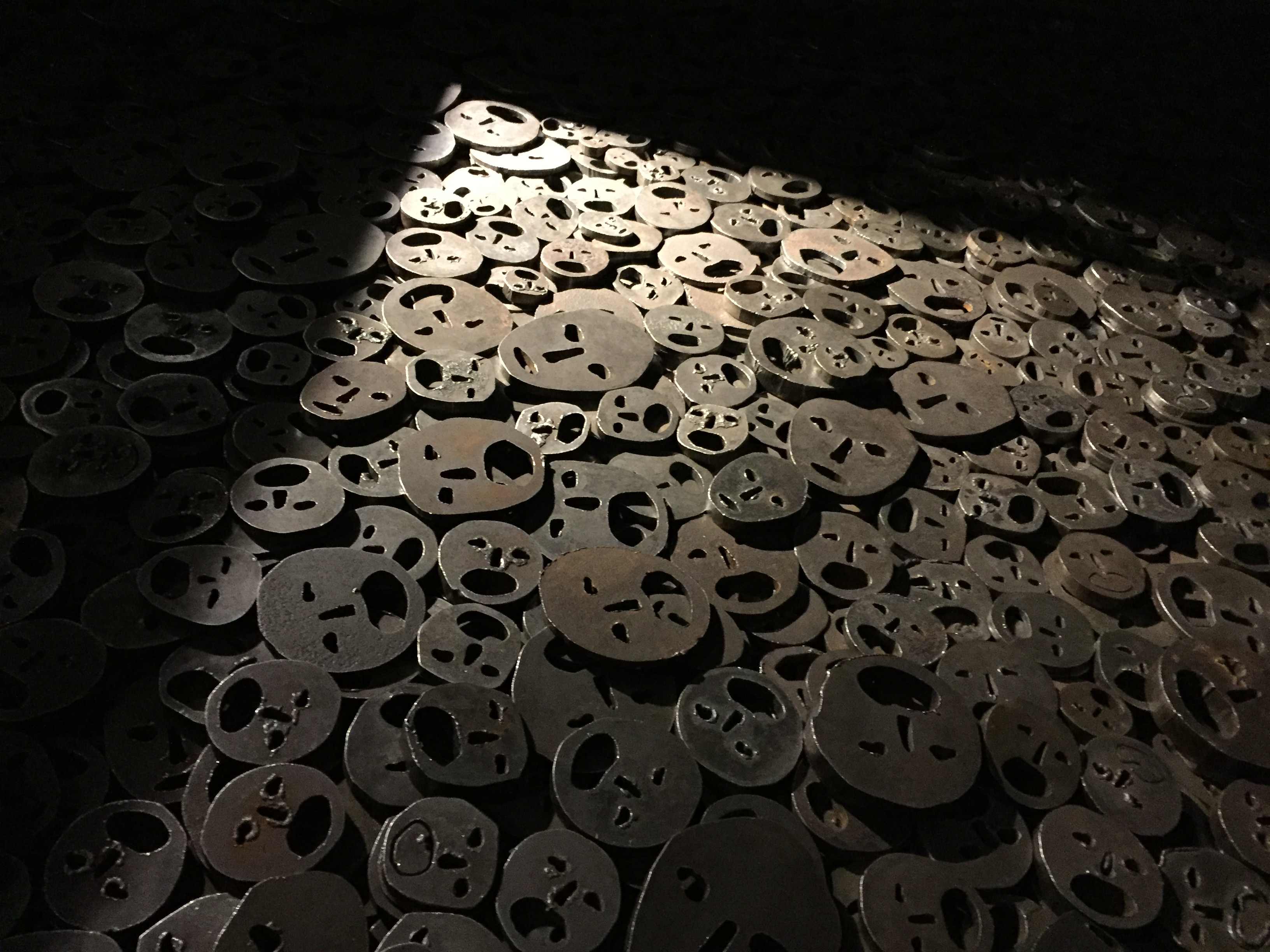
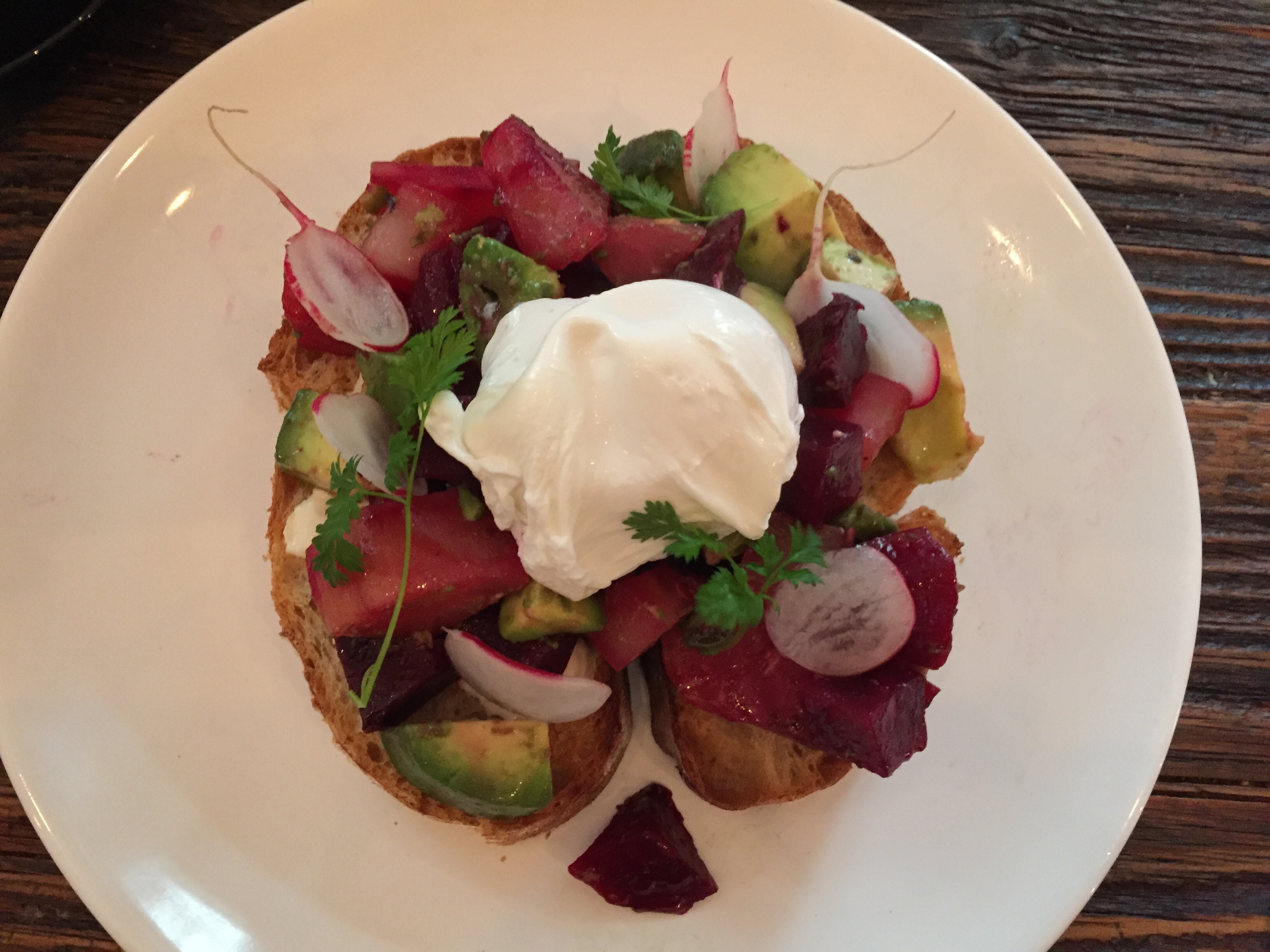


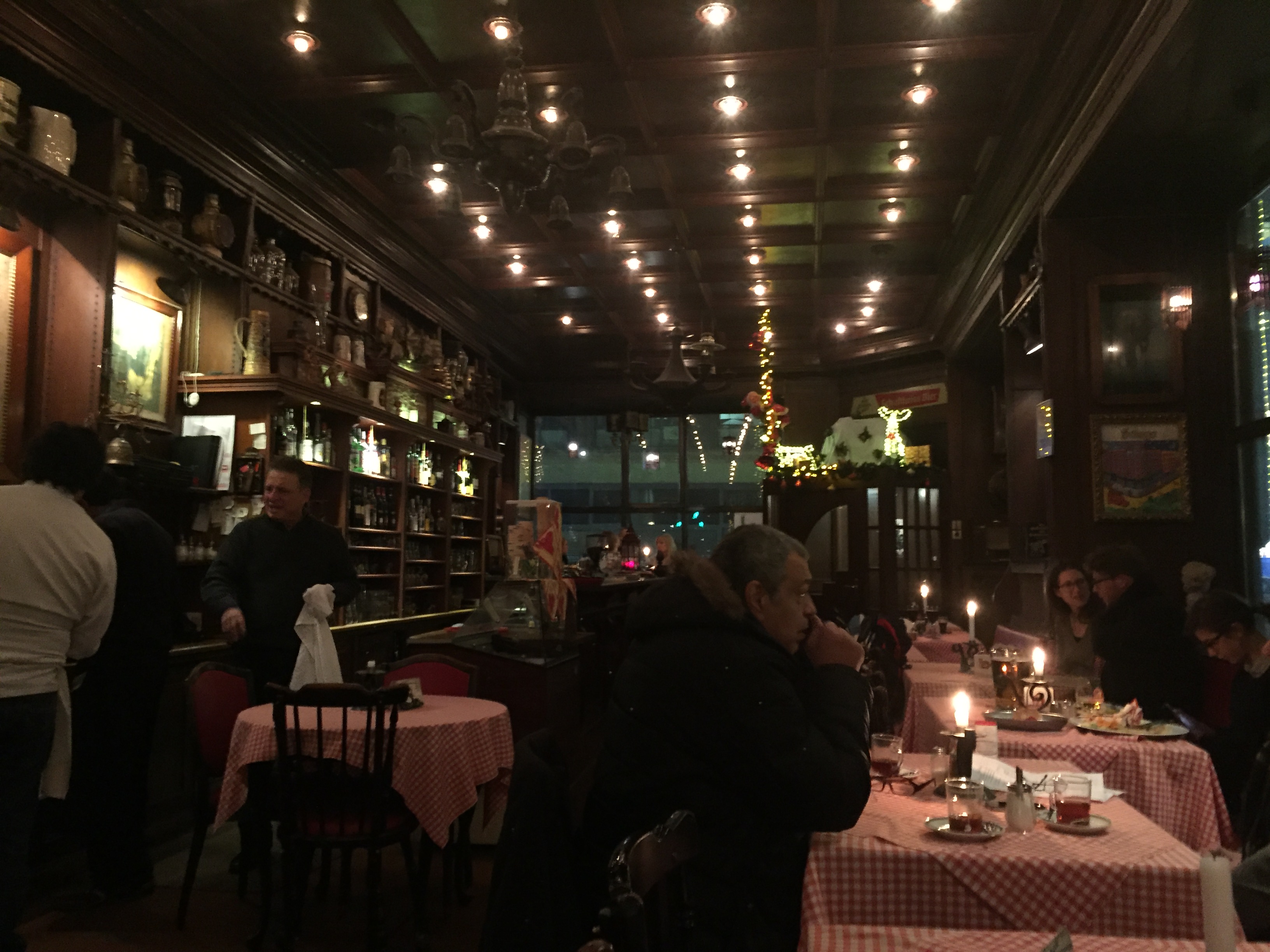


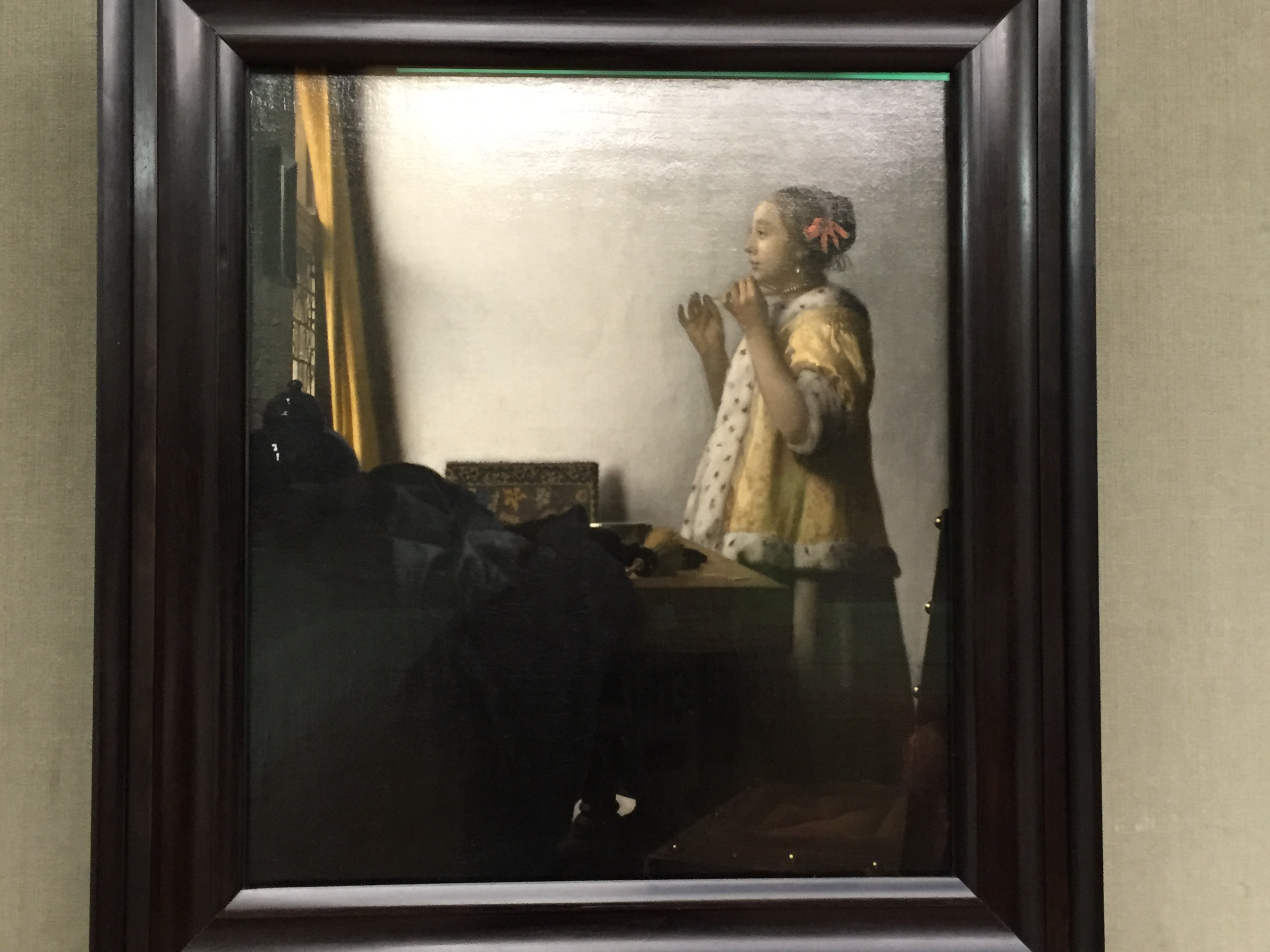
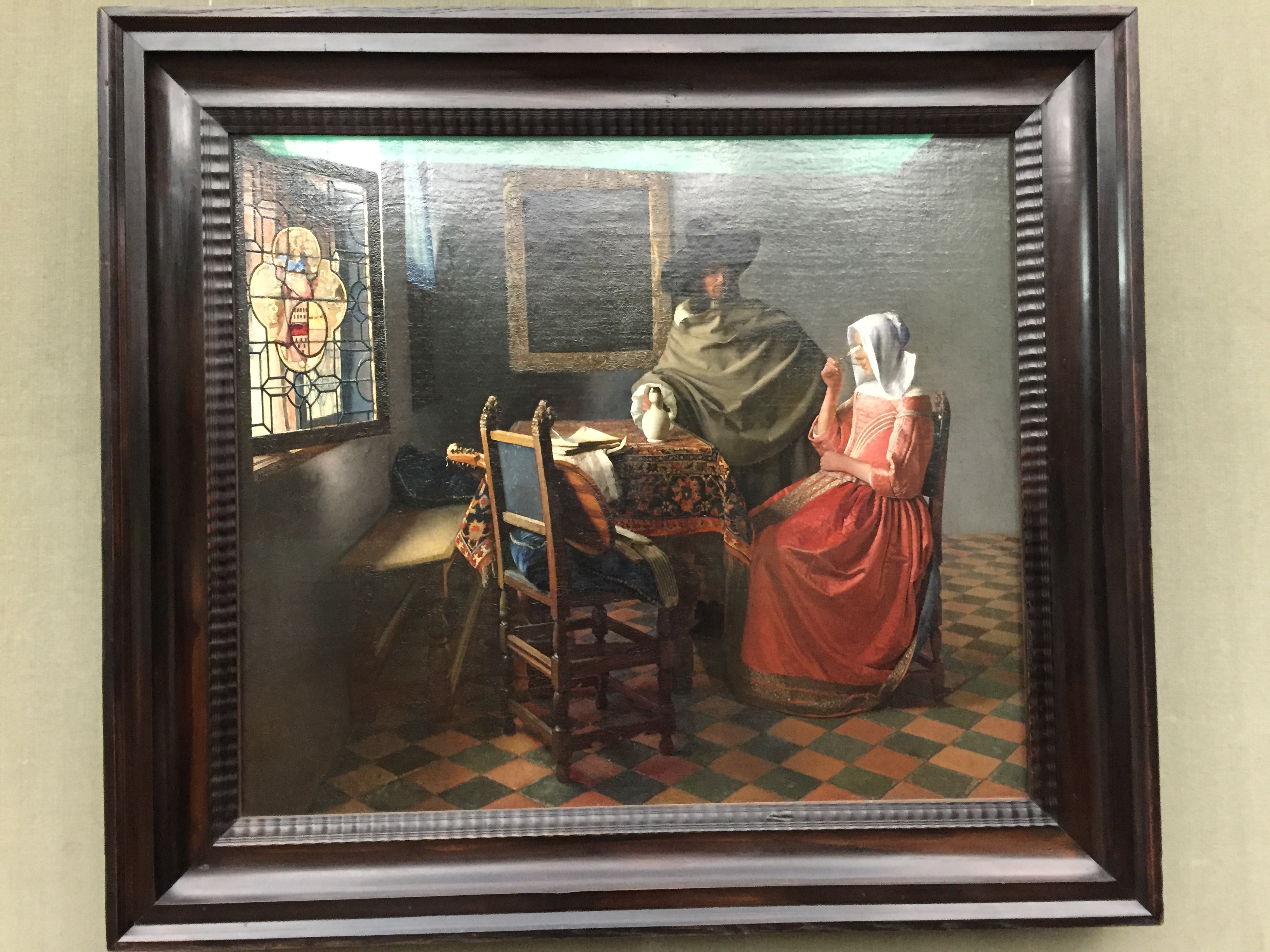
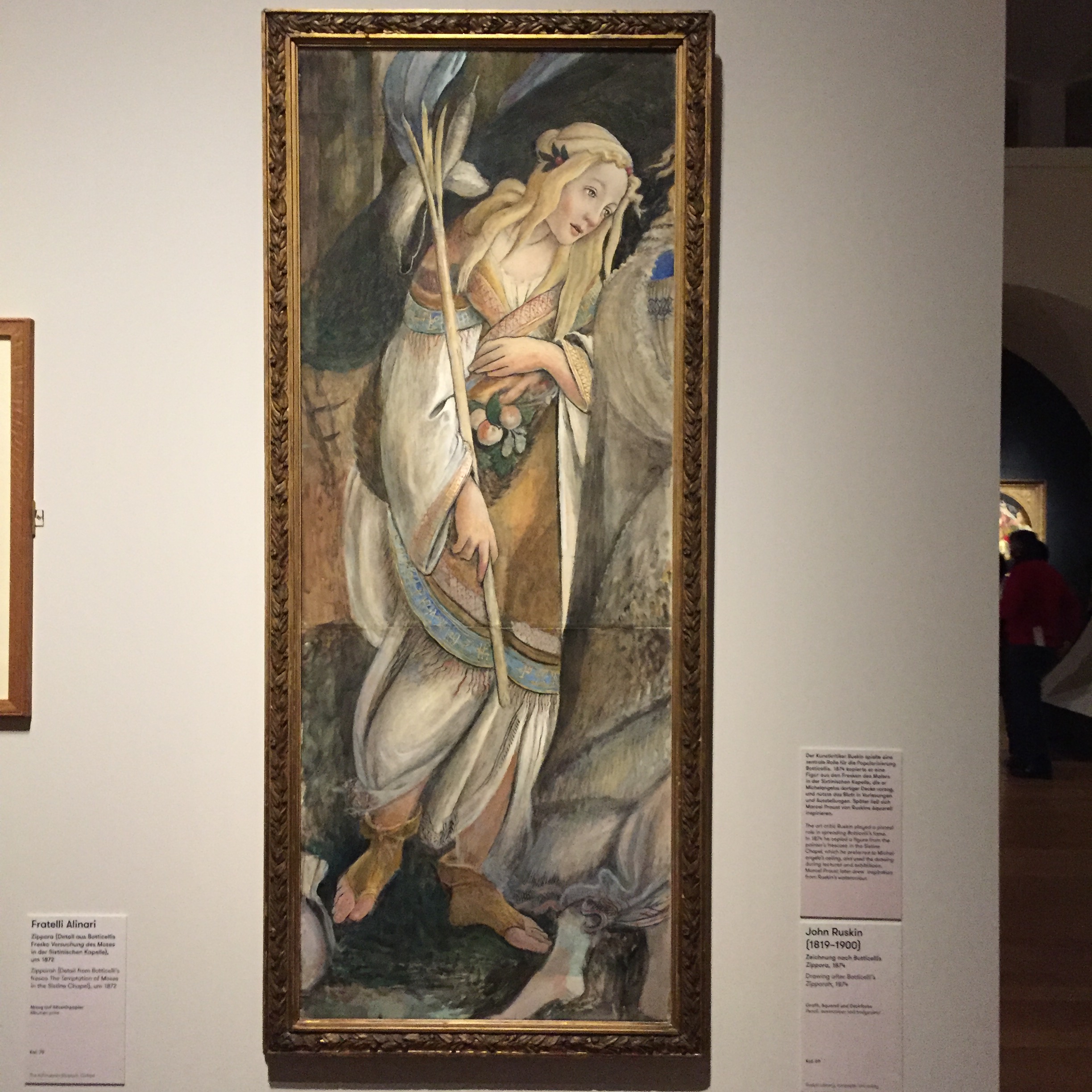
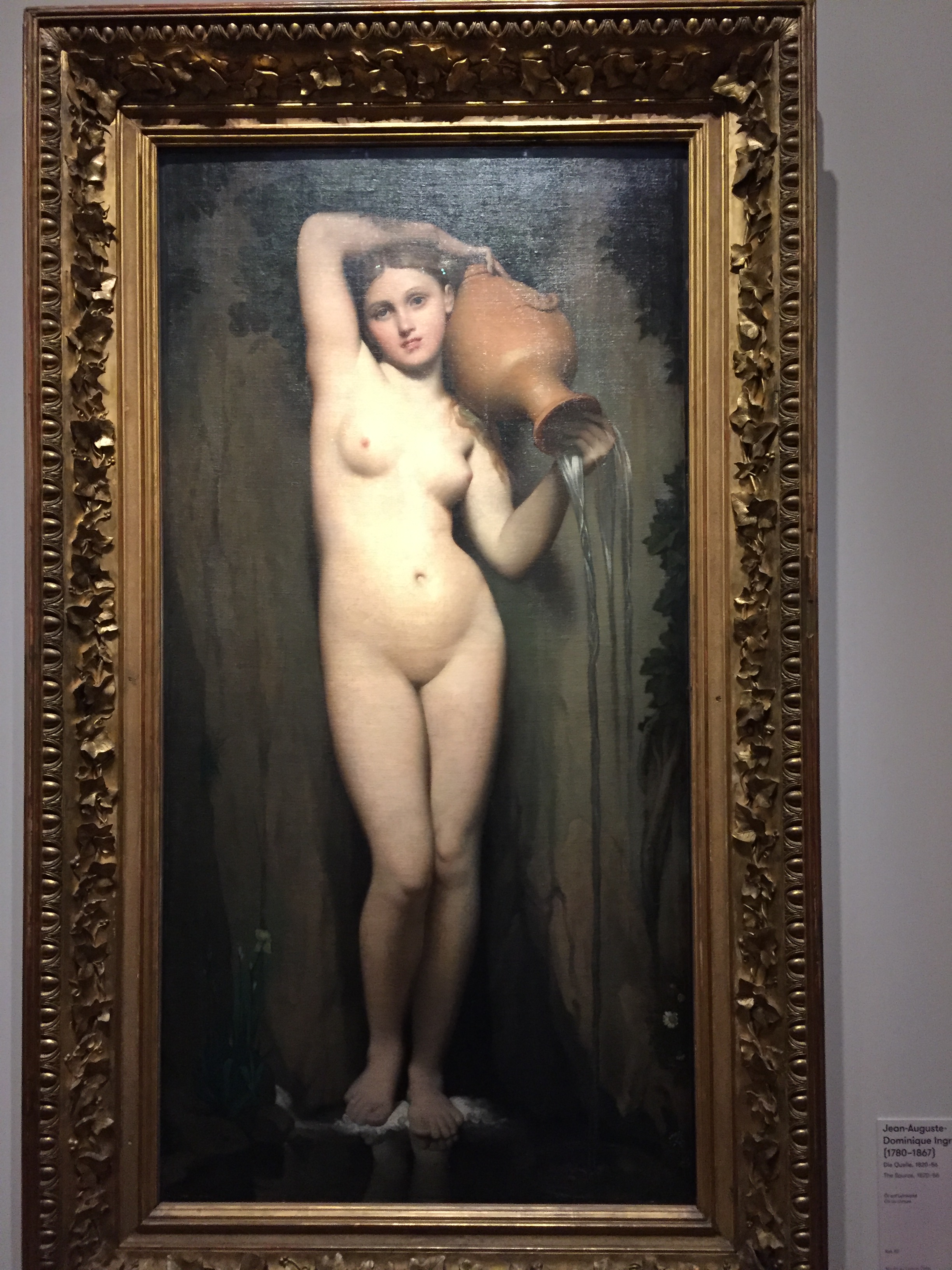
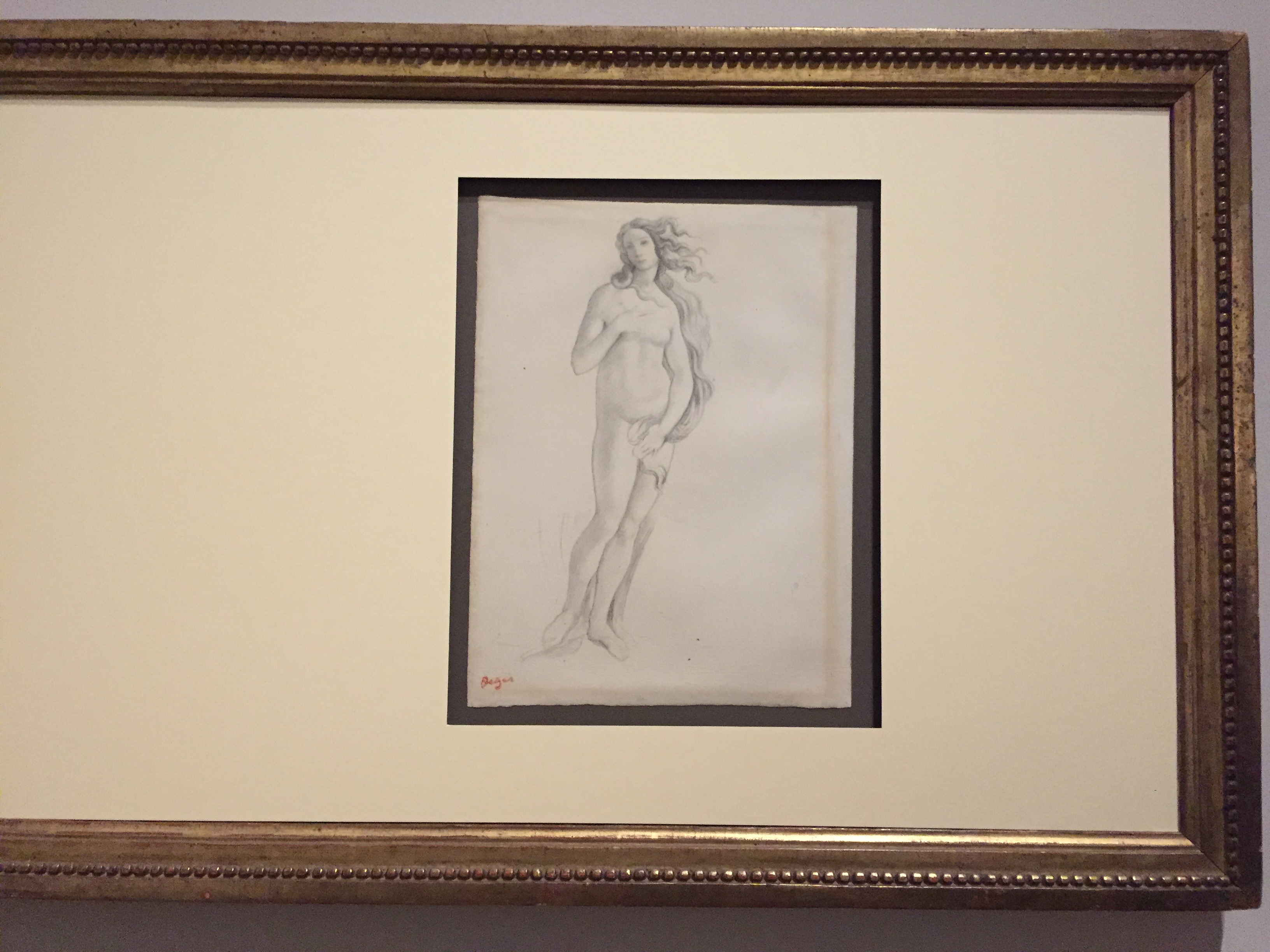

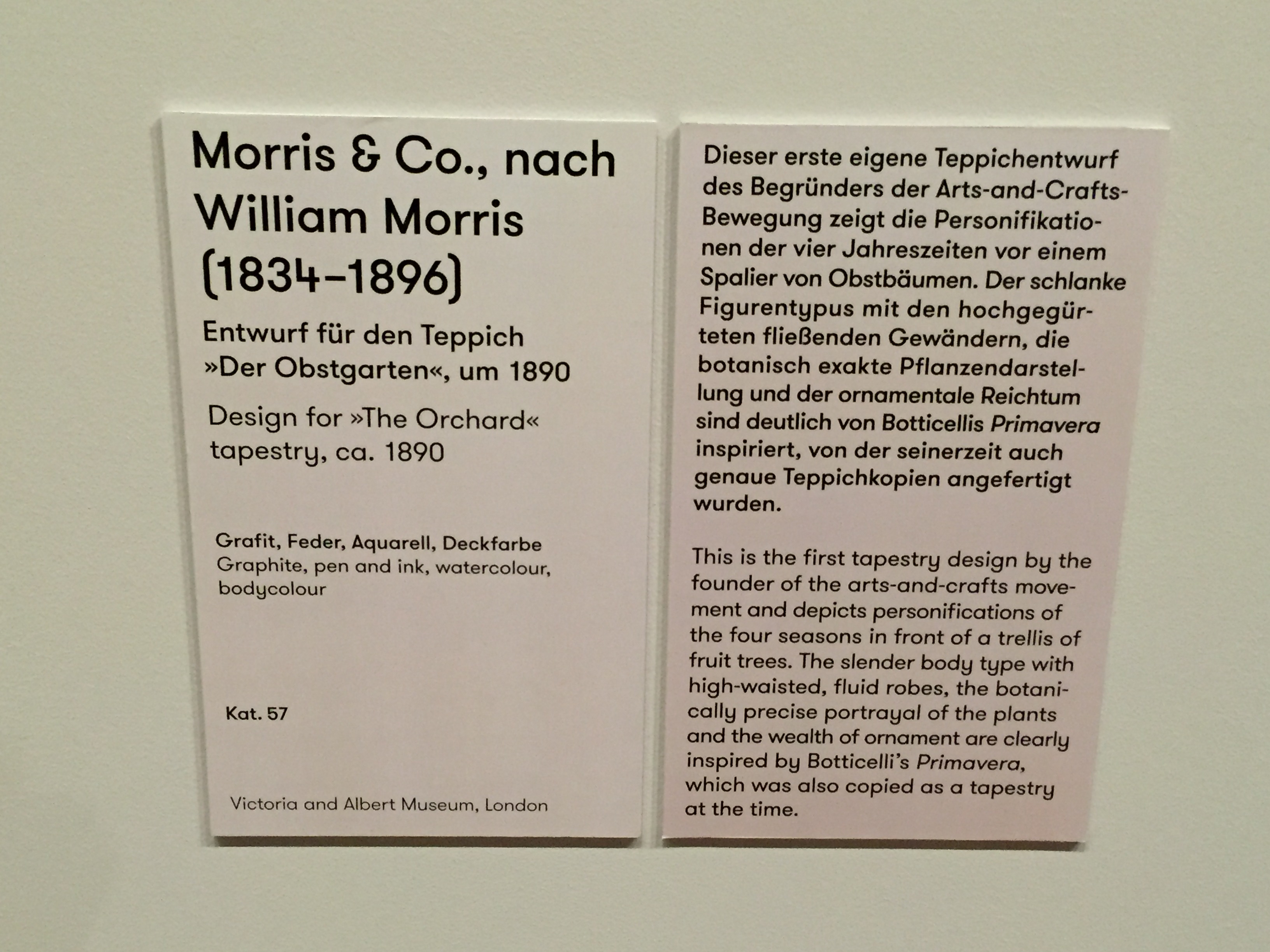

 travelswithmyselfandothers.com