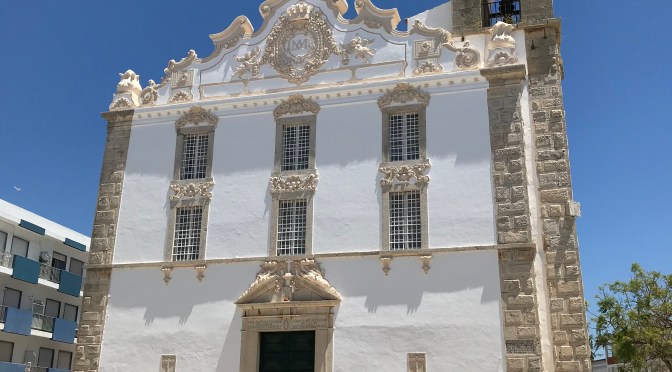
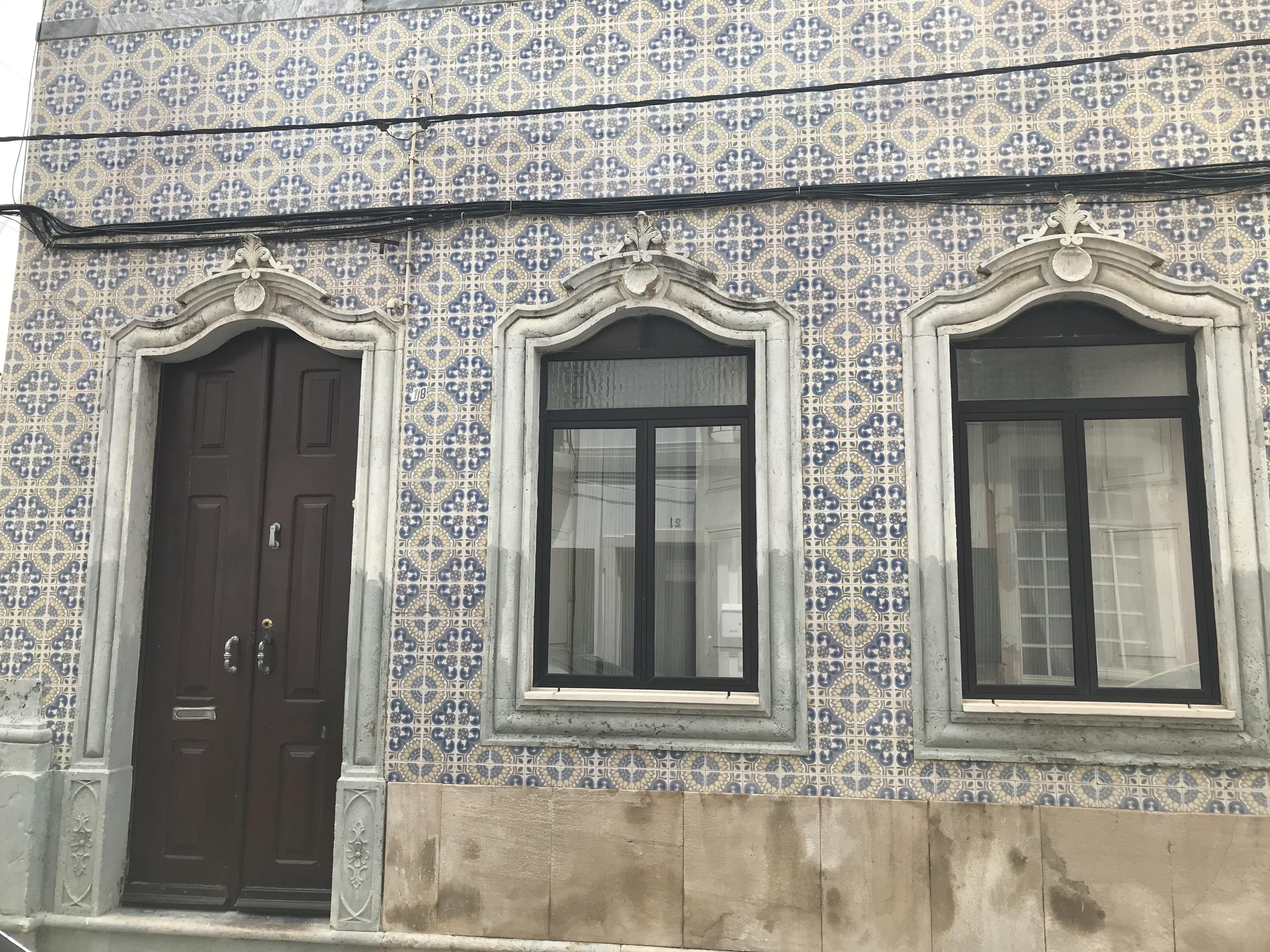
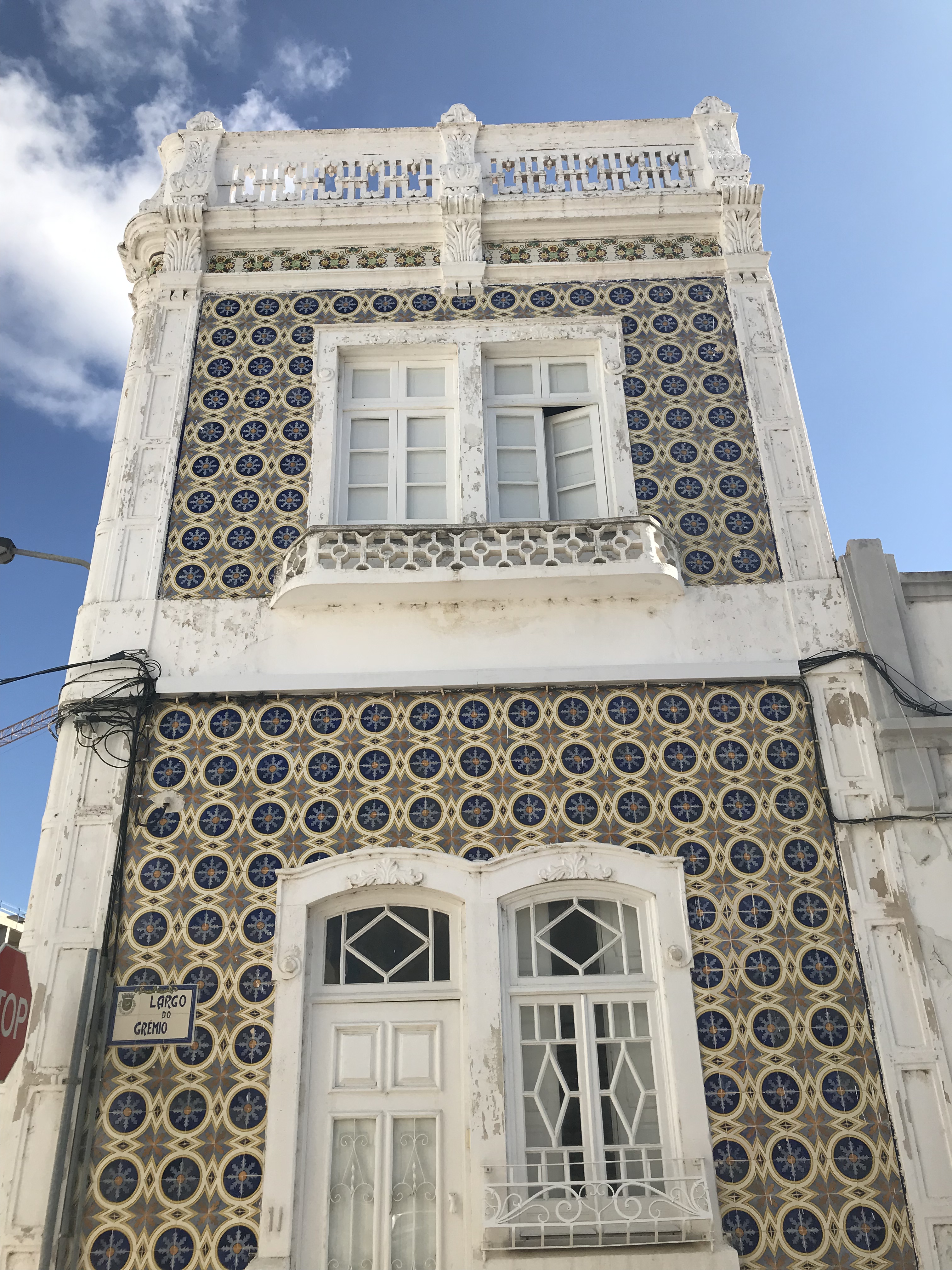
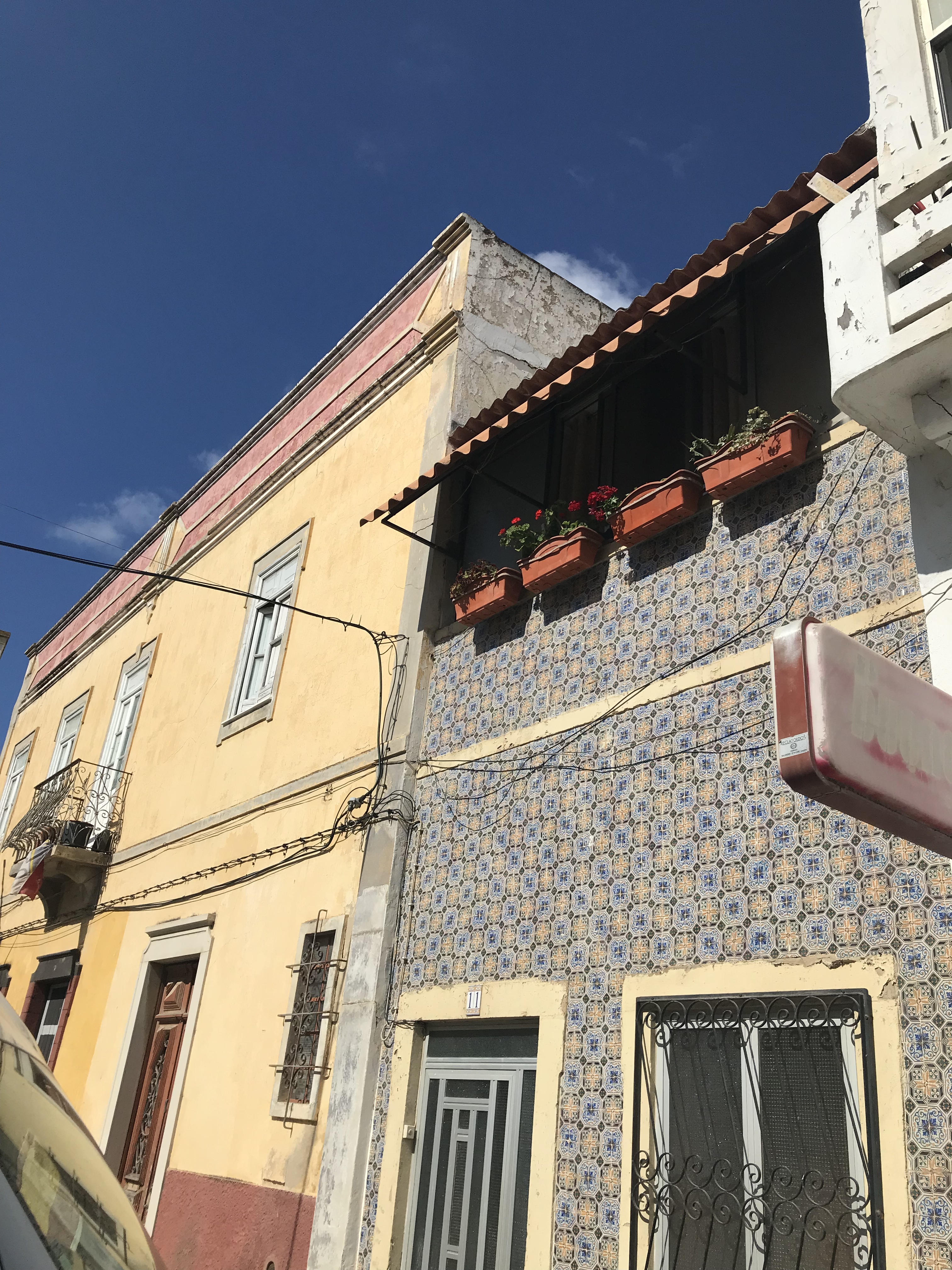
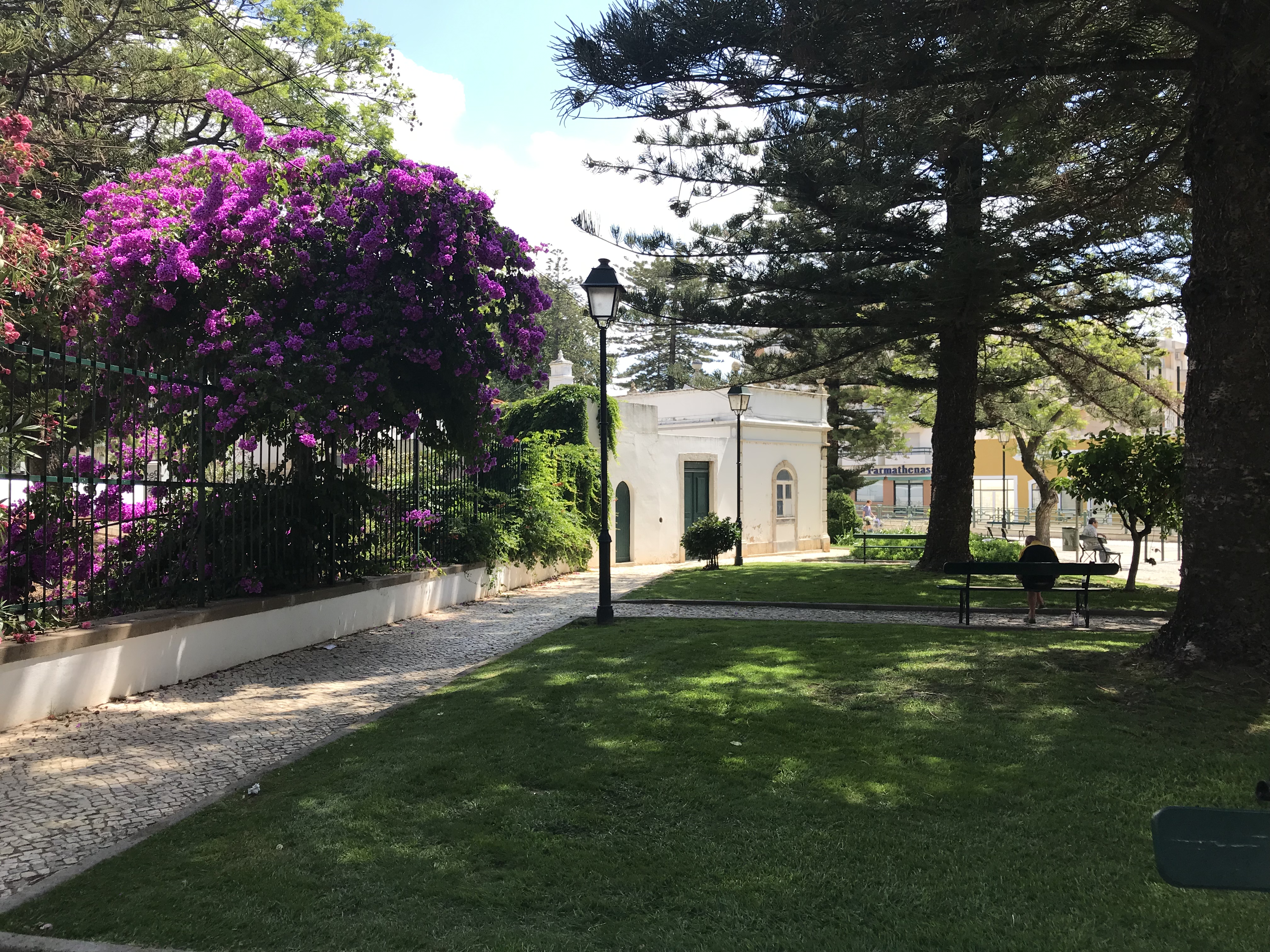
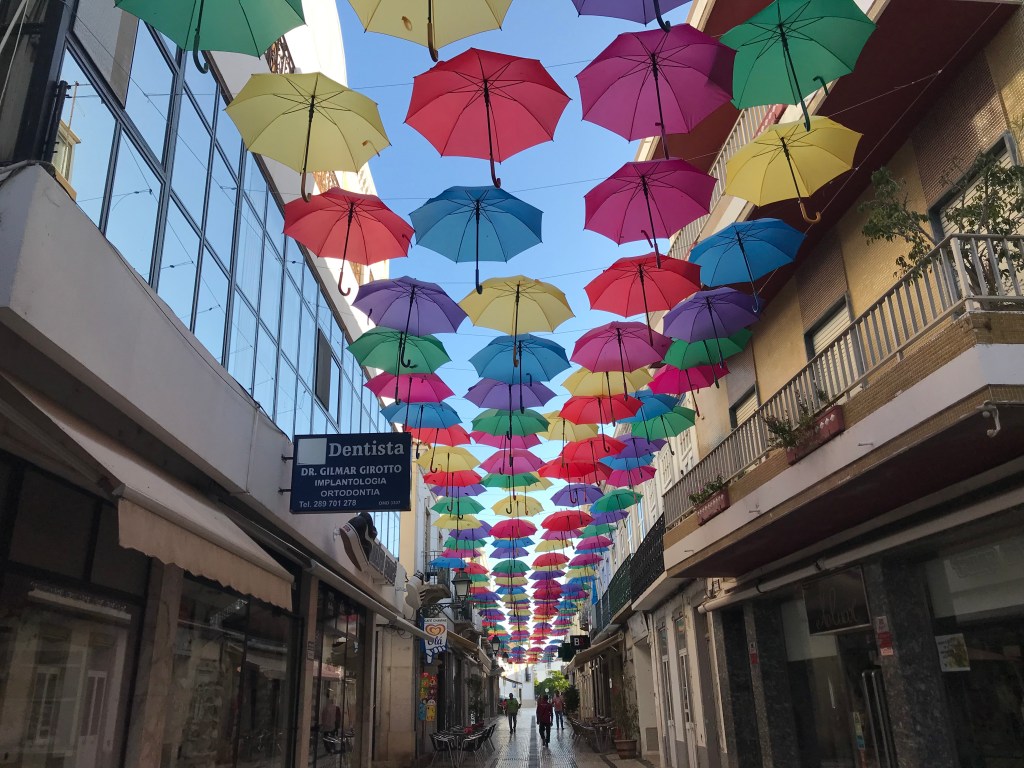
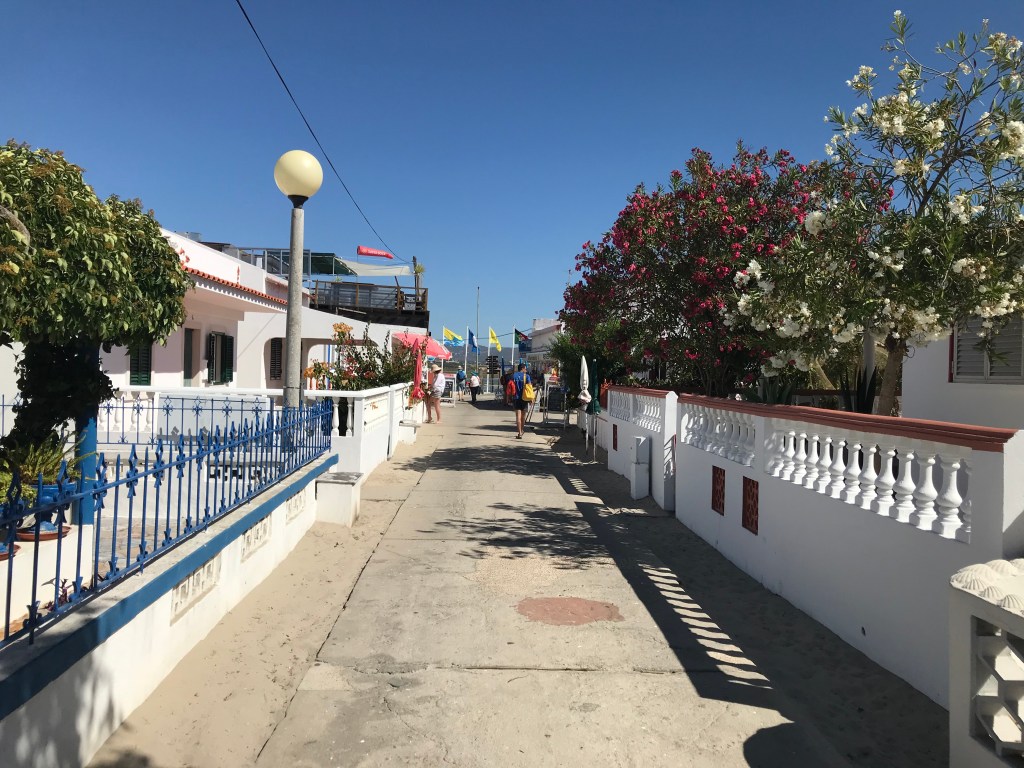
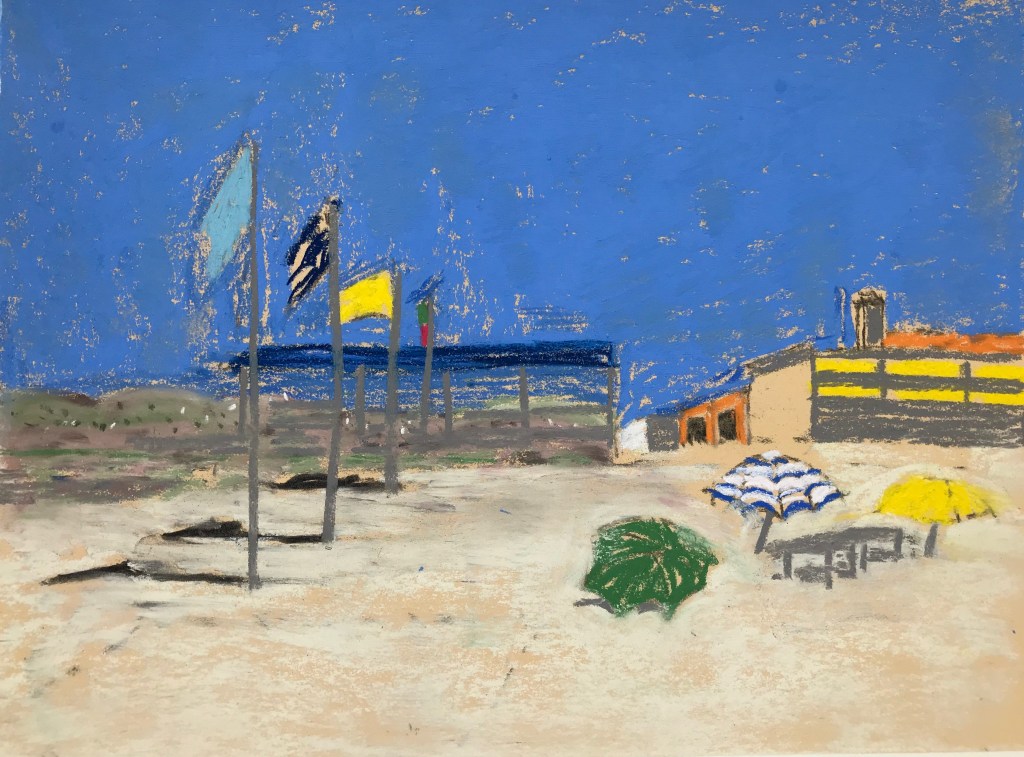
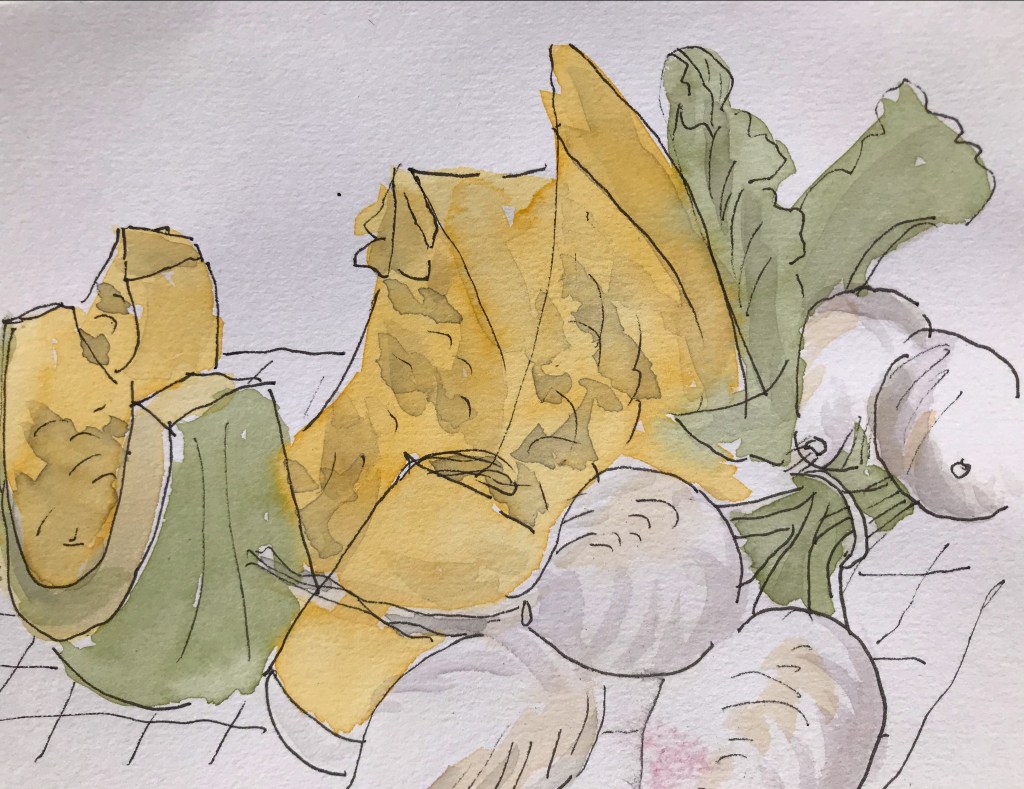
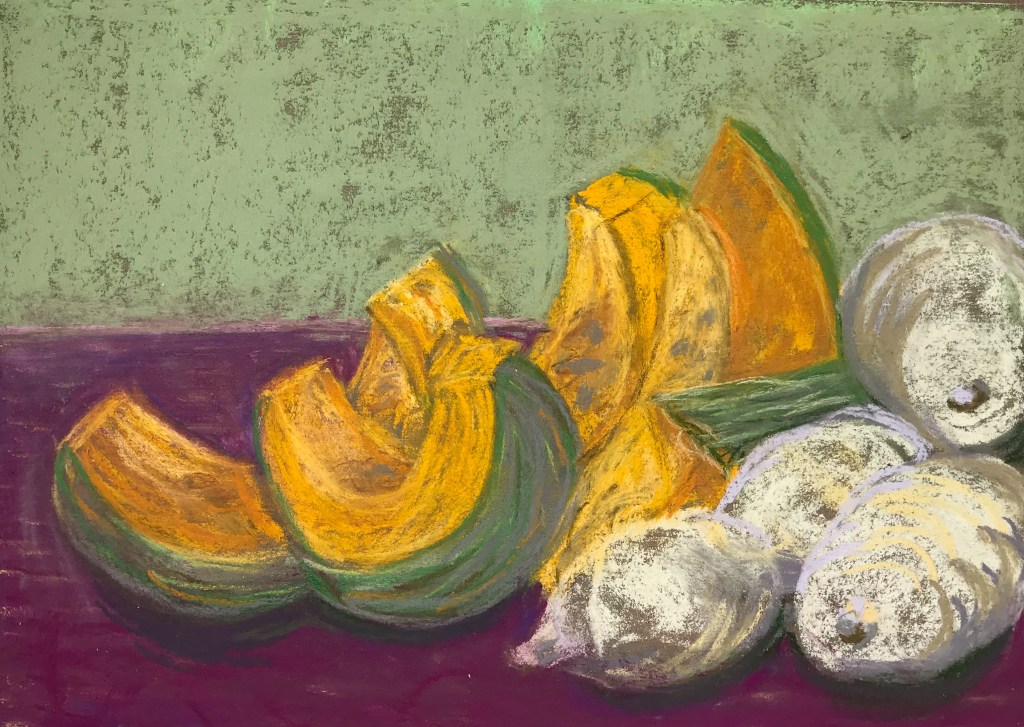
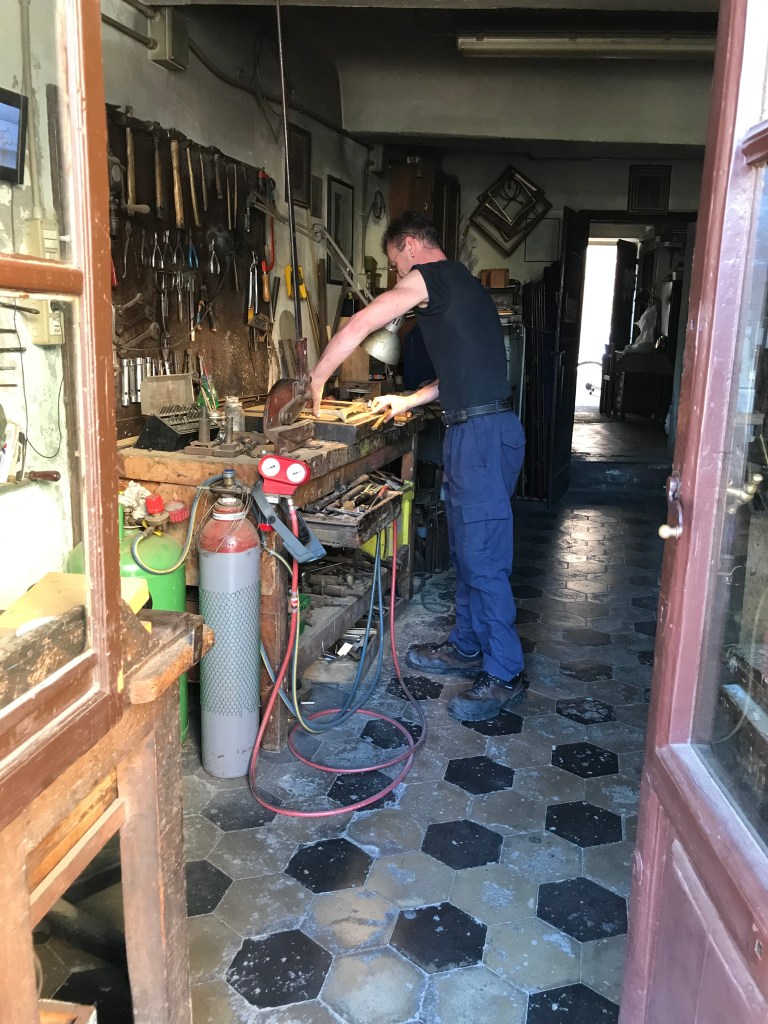
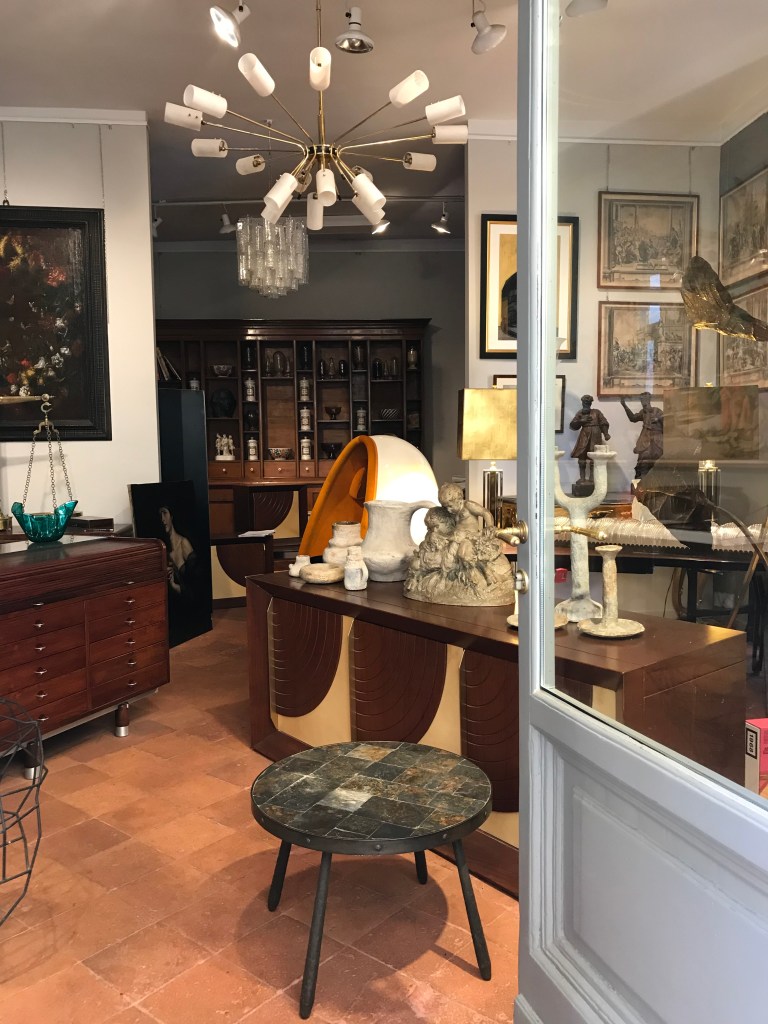
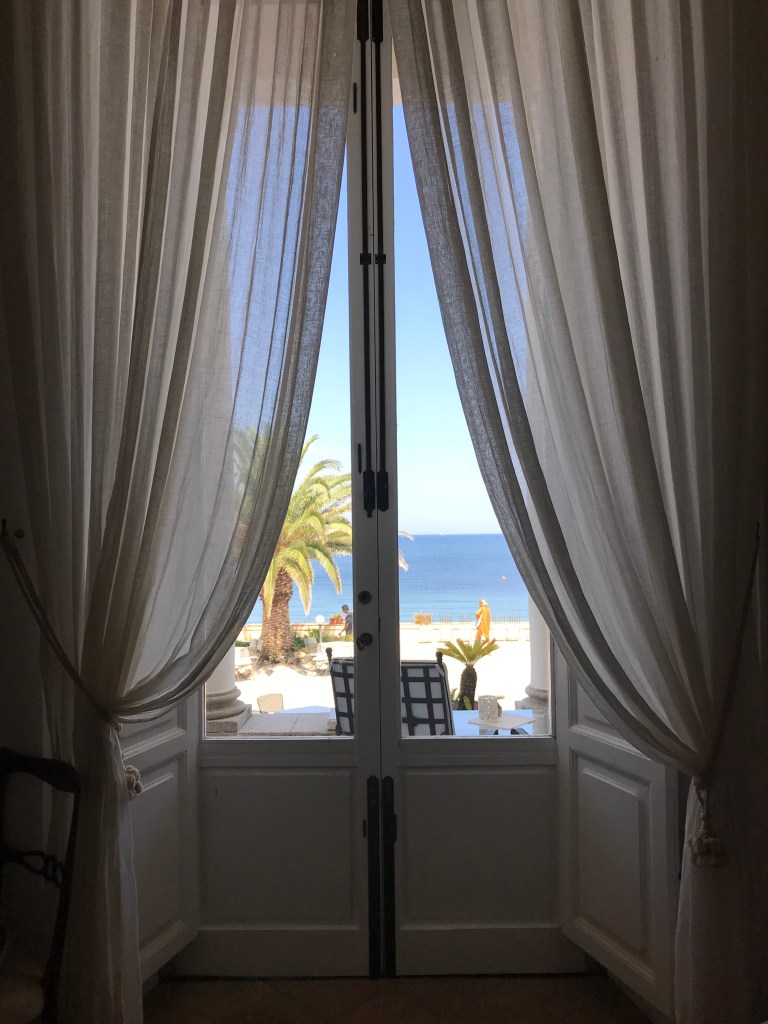
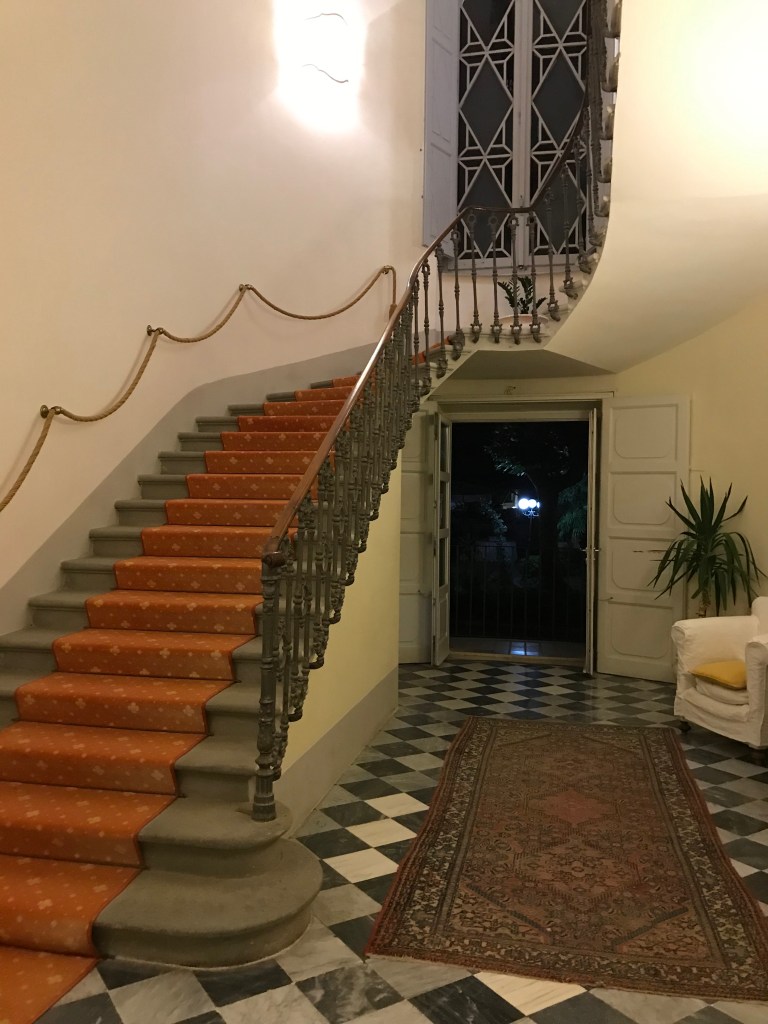
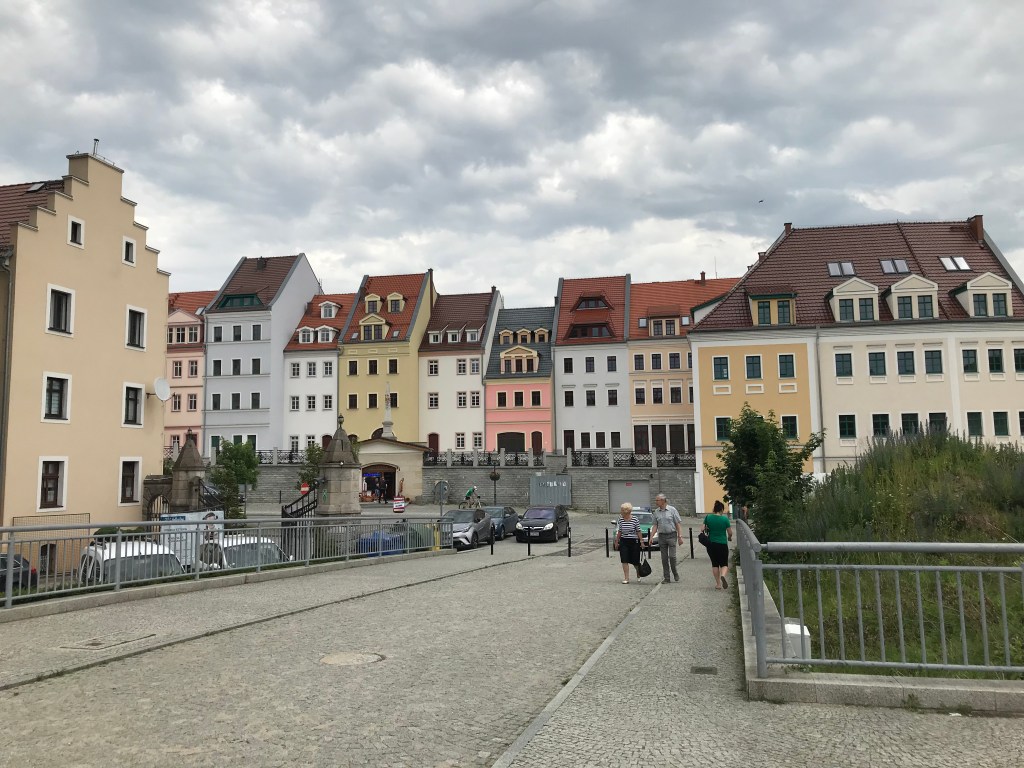
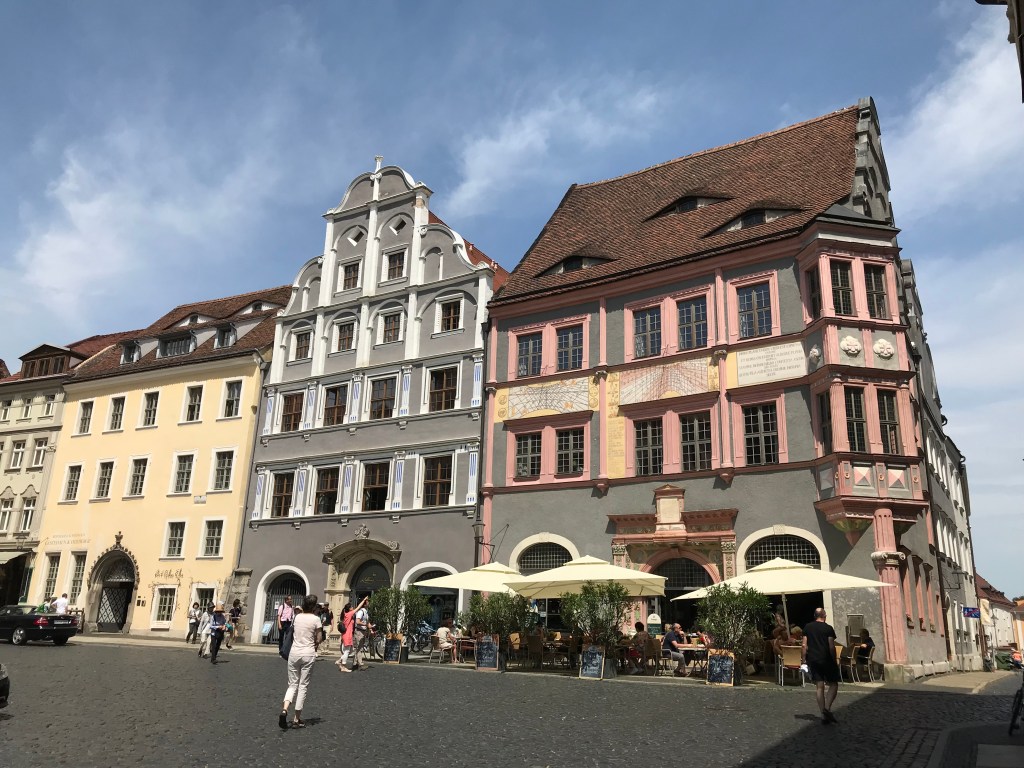
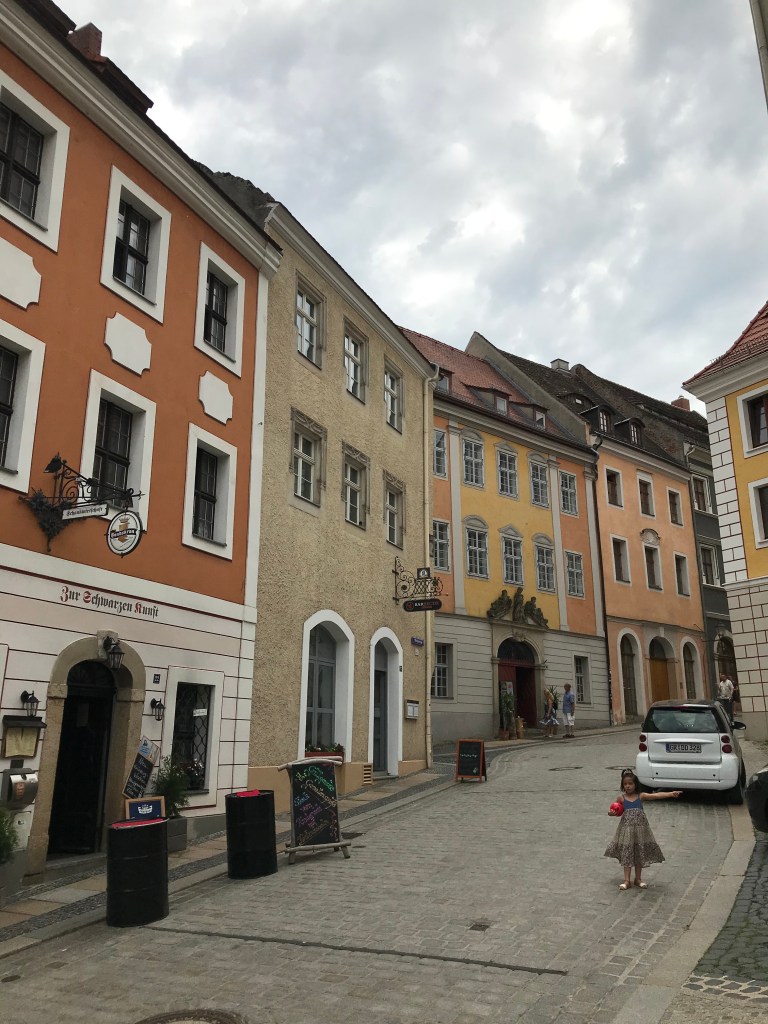
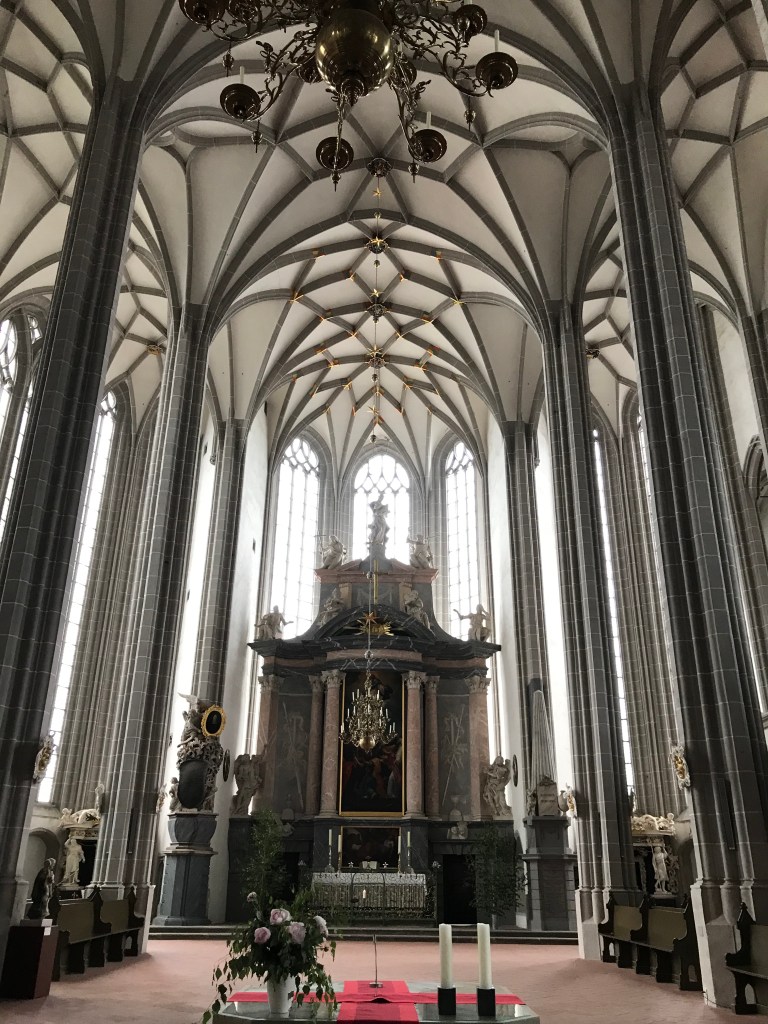
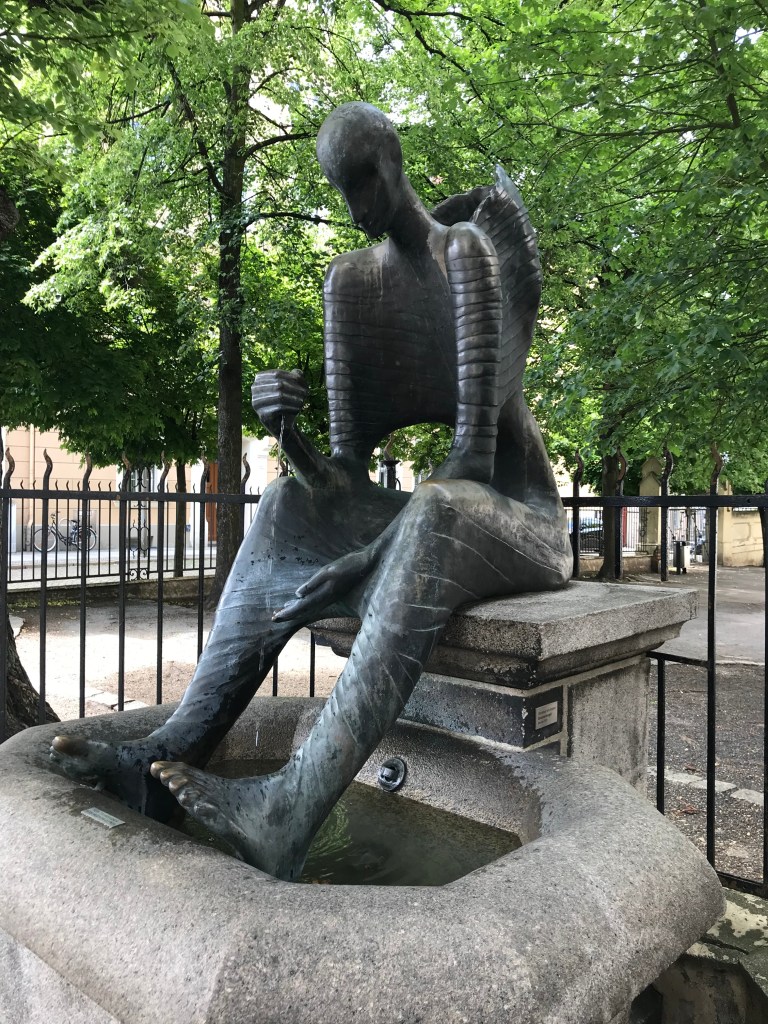
The pace of life strikes you as soon as you have contact with the first native you meet here. There’s a natural warmth and friendliness that puts you at ease and convinces you to slow down. Especially in Olhao, grantedly a tourist town, the shopkeepers and service personnel are responsive and eager to cater to your needs.
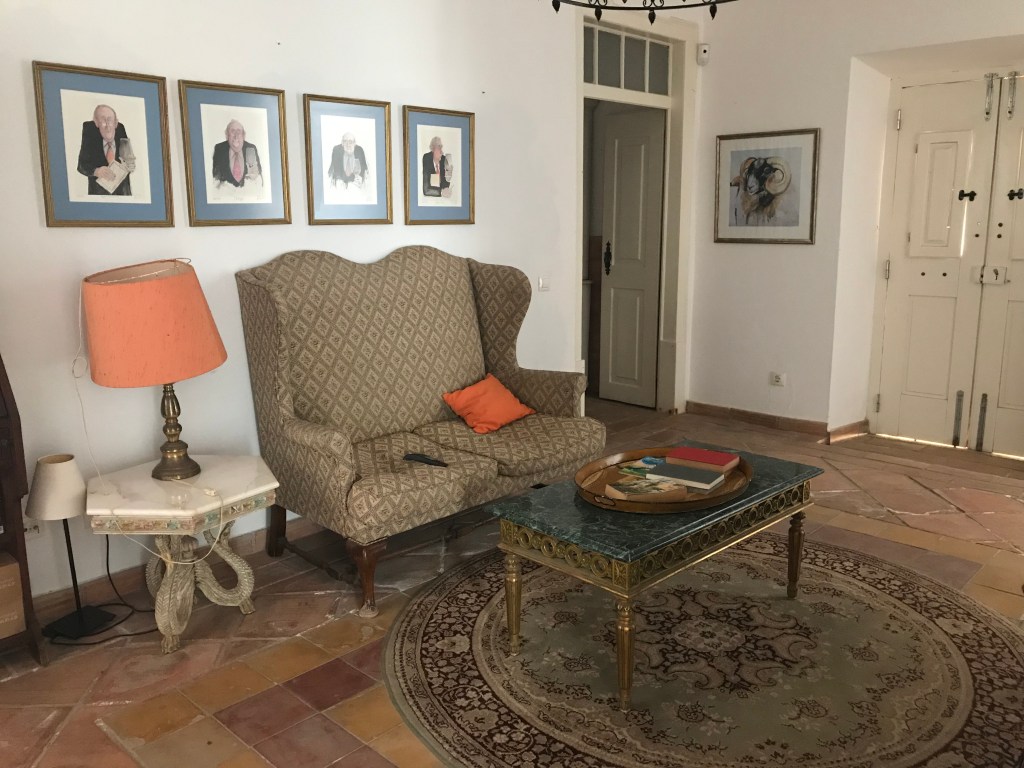
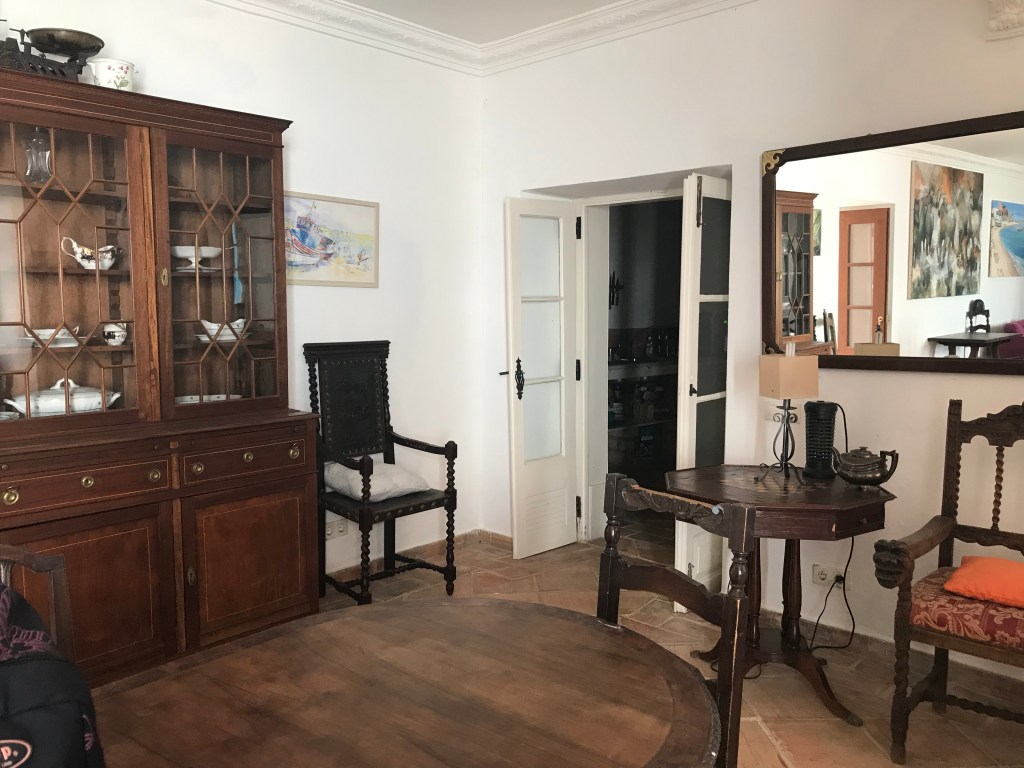
We are staying the week at Arts in the Algarve, a collection of buildings with hide-and-seek rooms. Courtyards interjected here and there remind you of the warmth of the sun and the incredibly piercing light in this part of the world. You can’t help but feel healthy and inspired here.
Locals seem to enjoy being outdoors and life doesn’t start taking shape until after dark. Music wafts through the alleyways and over the rooftops into our rooms. Both pop music and accordion-style sing-a-longs with smiles and laughter are detectable. Parades and celebrations are a daily activity that bring multitudes of friends and strangers together.
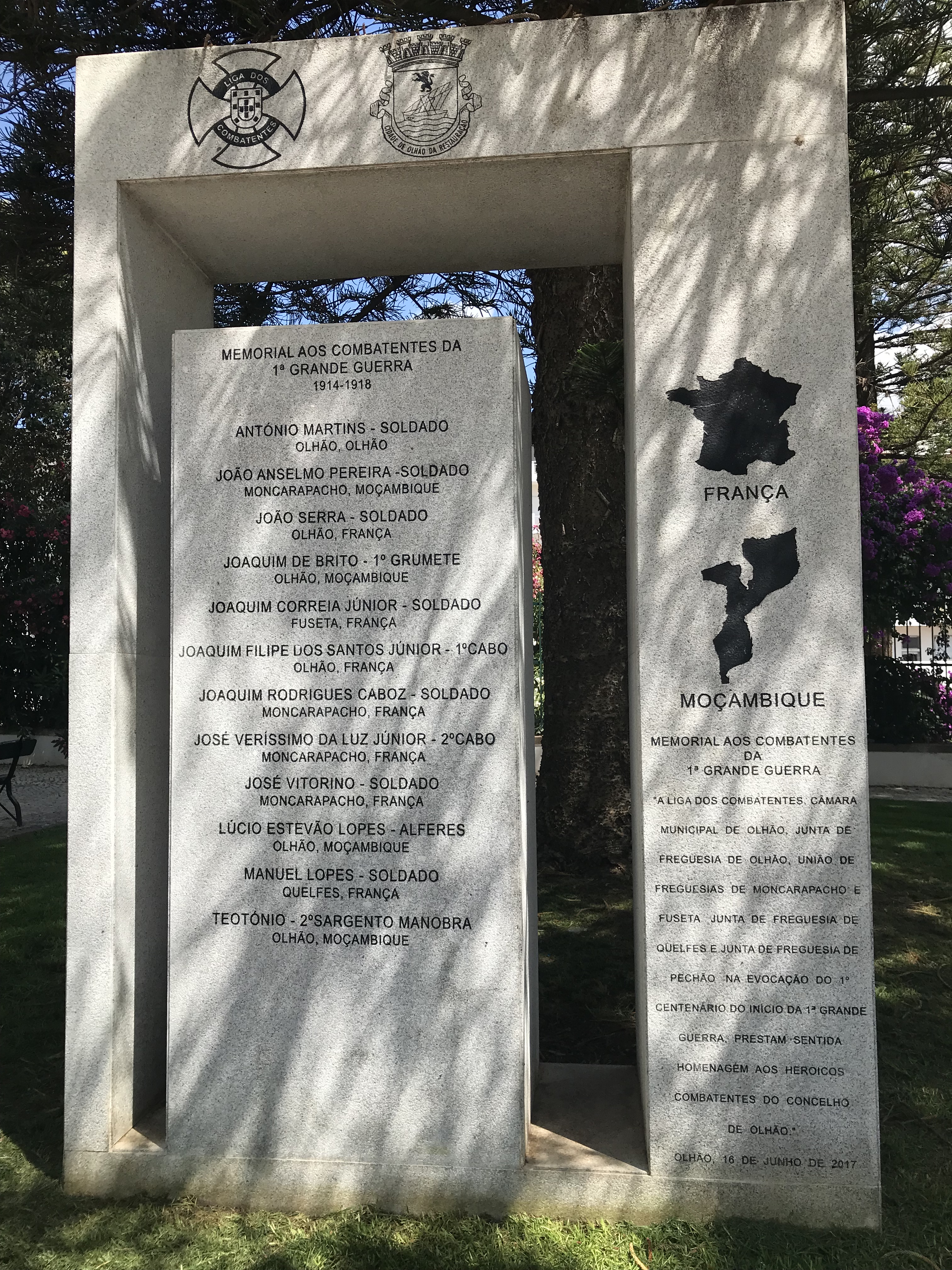
The details and tiled facades of residential buildings allow owners to inscribe their mark, while balconies and connection to the outdoors are always evident. Lush shady trees and parks provide escape from the blazing sun, while artwork and monuments remind us of our fragile existence.
Our group in the art school this week includes four physiotherapists, an attorney, art and ESL teachers, an executive coach, real estate and finance, one with a diplomatic background, and two AirBNB hosts. There are plenty of interesting conversations at each meal as we convene in the school, poolside, and at nearby restaurants. We learn from and support each other as we challenge our artistic abilities.
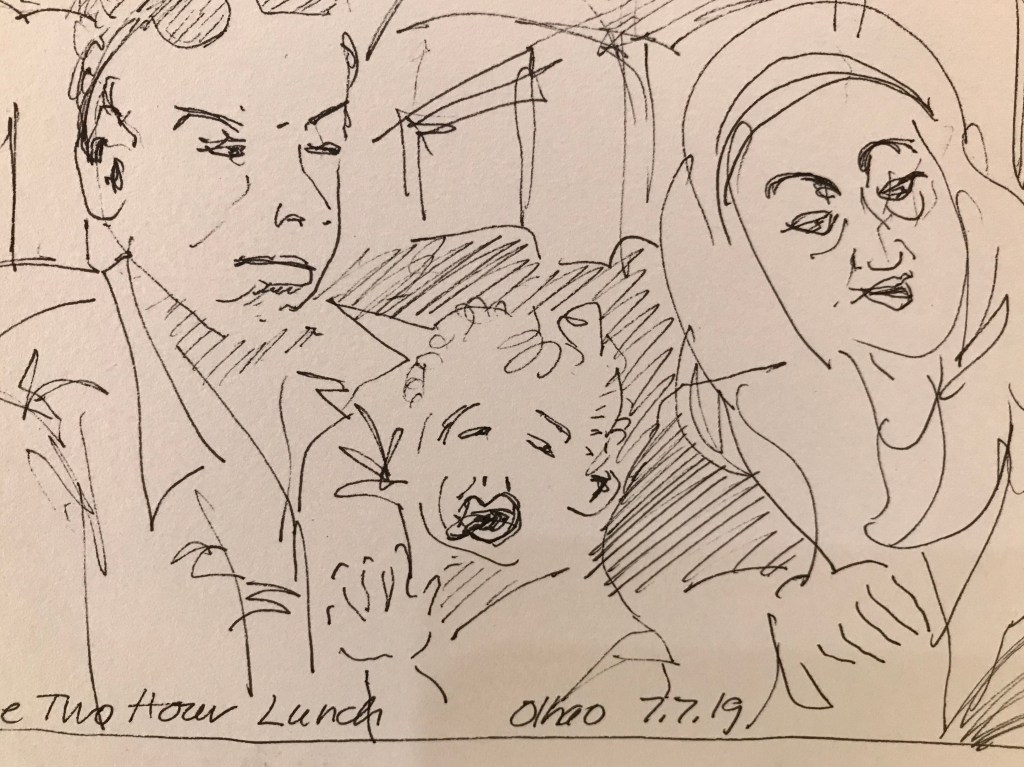
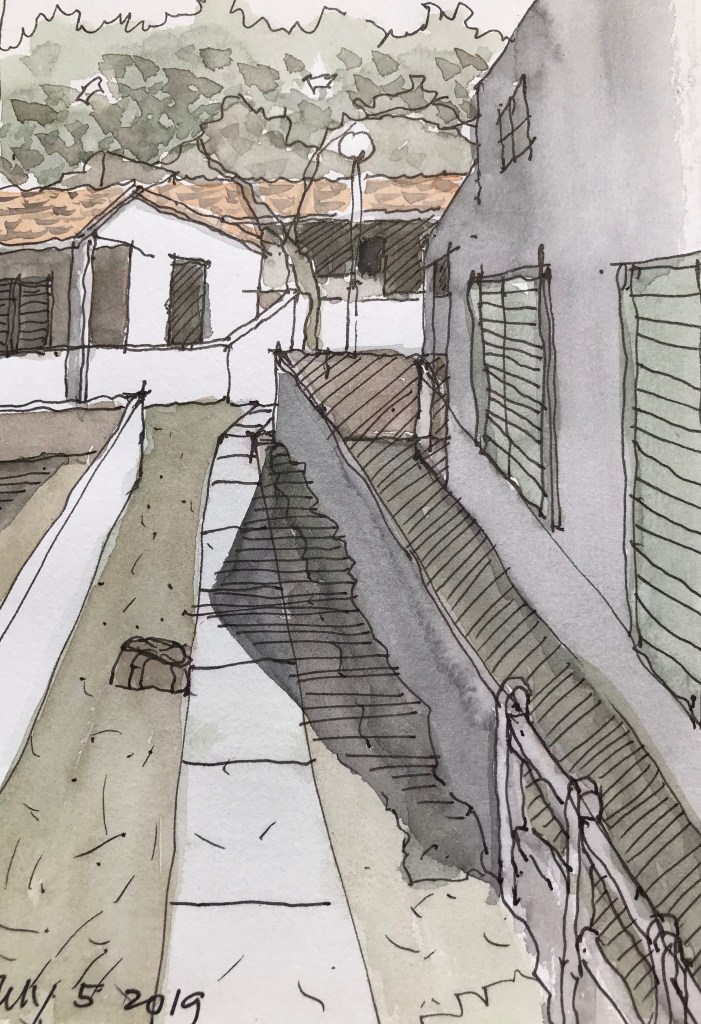
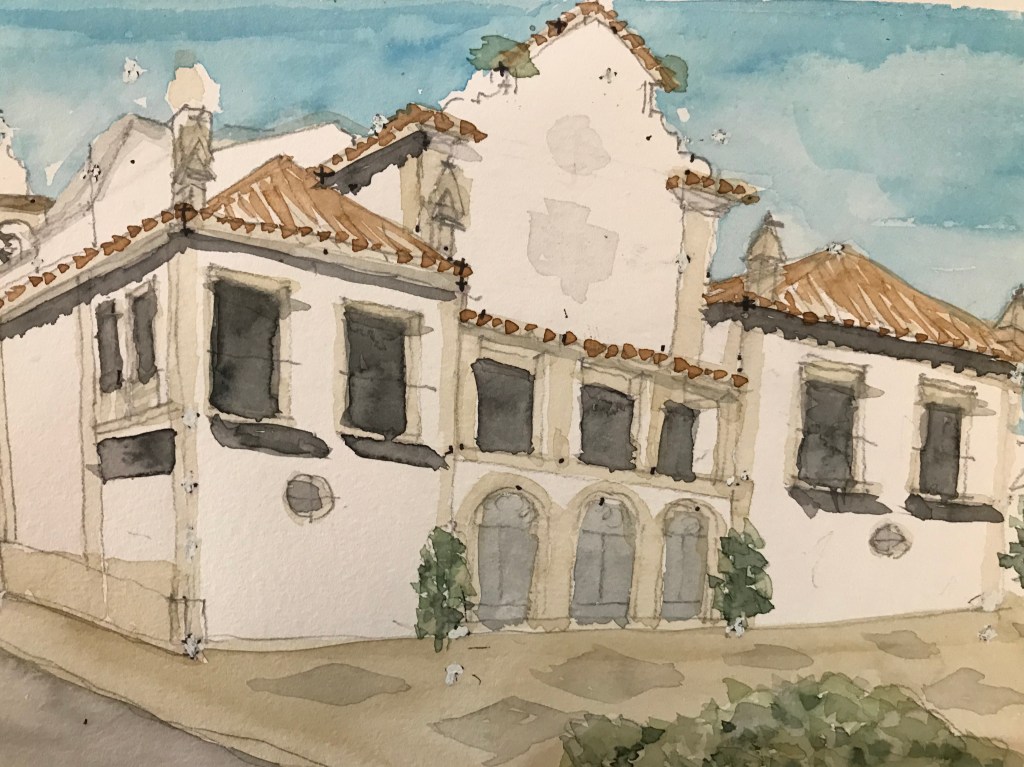
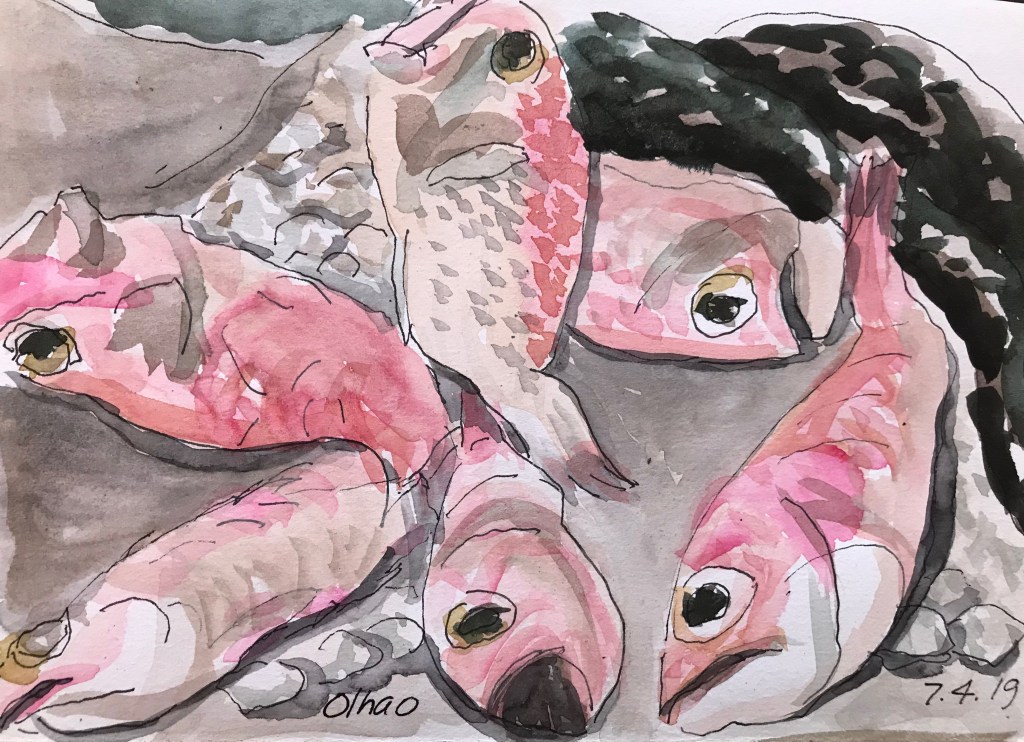
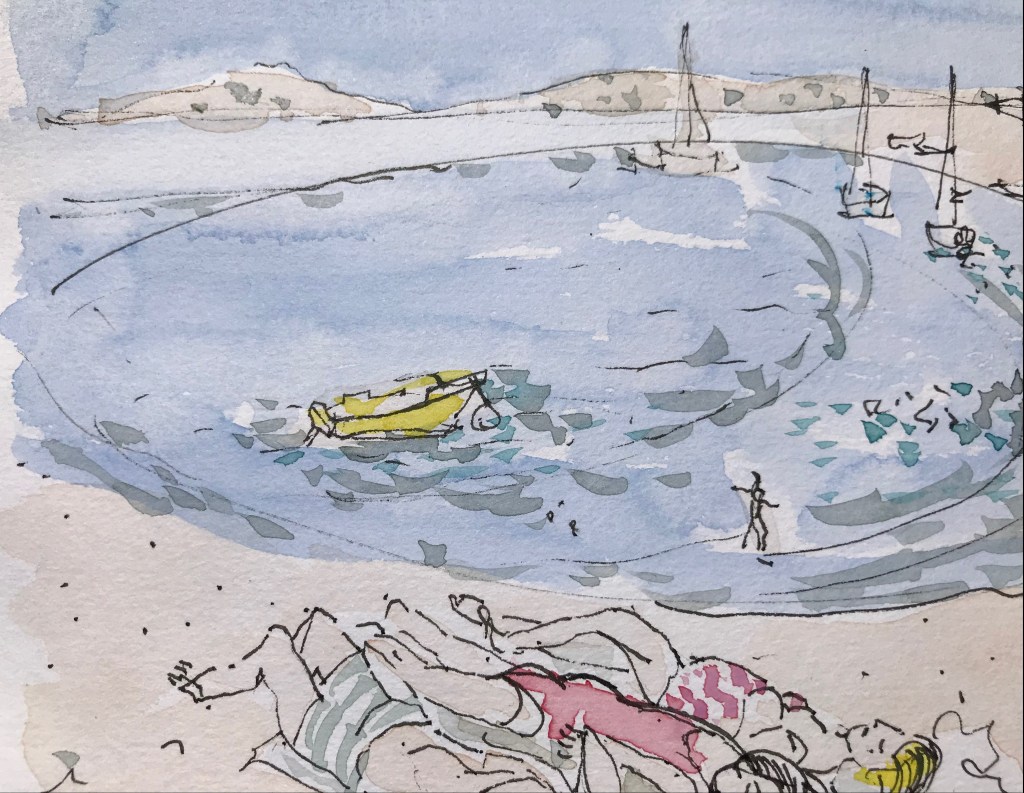
There’s barely enough time in the mornings to sketch around town, so I took a day off from a planned nature tour to wander around Olhao on my own. Street scenes and people brought me back to ground zero, where art and ideas come together quickly for me.
The afternoons are spent in the studio culminating color, form, composition, and style from the morning’s sketches:
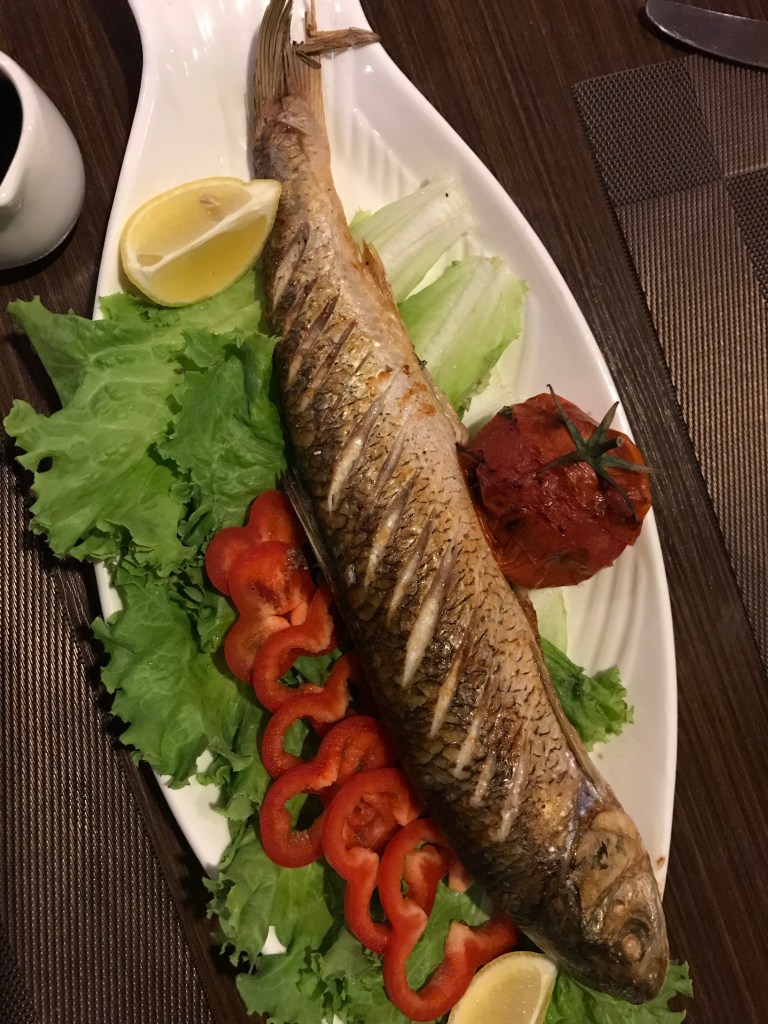
The food served in the school as well as in dining establishments is unadulterated, straightforward and fresh. Everything you need to stay healthy, especially the fish. The wide variety of daily catch includes tuna, halibut, sole, sea bream, sea bass, sardines, monkfish, and skate, as well as shellfish.
Whole Grilled Sea Bream
Surf and Turf
Codfish Pie with Potato
Before parking in Vienna for two weeks, I will be spending a few days in Lisbon, Portugal. Look out for a weekend post from there. Let me know if you have been to Portugal and what you find special about it!
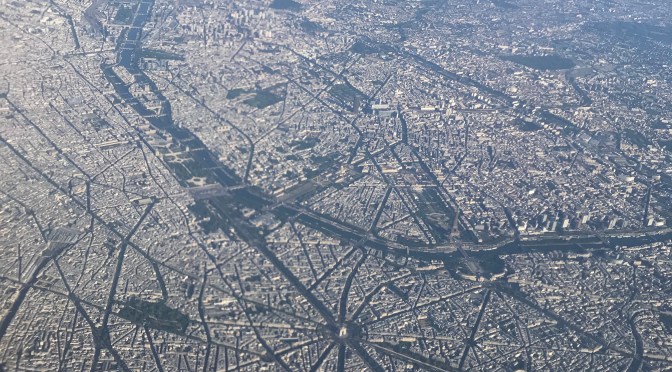
After Lucca I flew to Southern Portugal via Paris. It was still light enough to decipher the Arc de Triomphe and the radiating street pattern of the Champs Elysee before landing. Over the next week, I’m parked in Olhao, Portugal for an art class, where we will be visiting markets in the nearby fishing village to sketch and paint.
The town is small enough so you can’t get lost despite crooked alleyways, and people are apt to smile back. Plenty of fresh seafood and fish keep the diet and everyone healthy.
We are working in watercolor sketches and pastels. This inspiring art school holds space for 12 students with private rooms, numerous gathering spaces, courtyards, an art studio and two pools.
A friend offered to lend me her ample stock of beautiful pastels, so it was hard to resist trying a new medium. The first set of sketches below are drawn in Olhao and at Alcona Island, and the slide show below that are sketches followed by pastels.
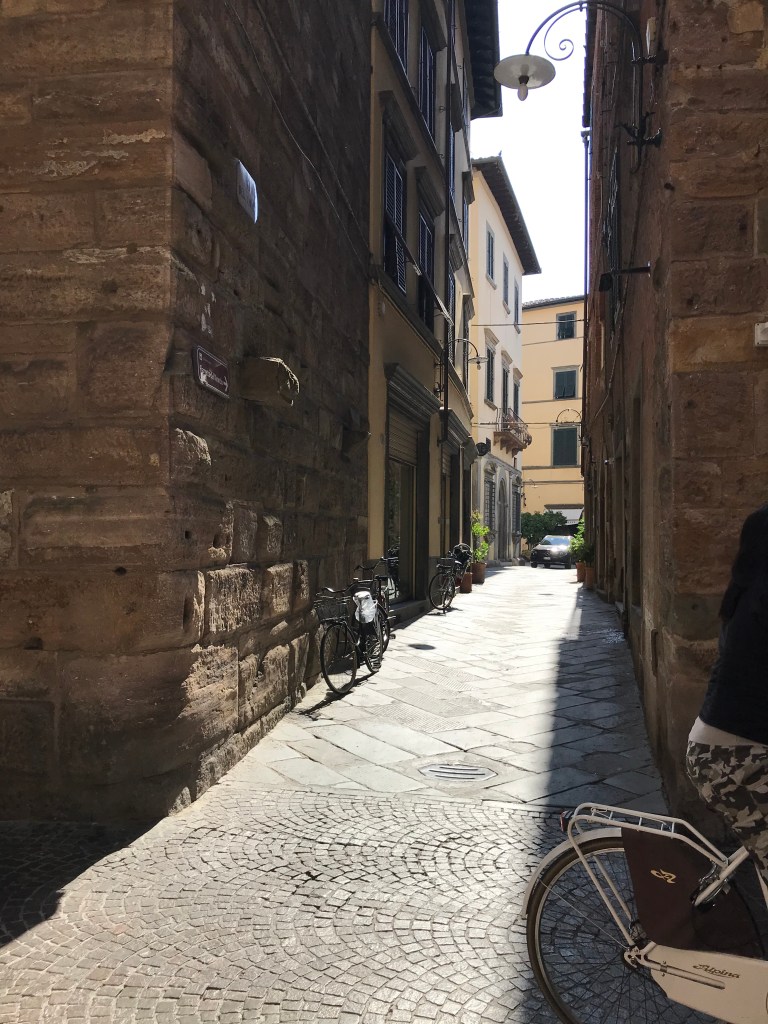
Lucca is one of those uniquely protected walled cities, that tells you to go away. Unless you’re inside, of course. It took a bit of battling to get in, with a car (restricted) to an Albergo with private parking privileges. You are acutely aware of harming the environment when you drive a car in this remarkable city.
Everyone moves at a slower pace, tourists and residents alike. Bikes have their place, although scooters are allowed. You wish life could be this way in your part of the world. Everything seems magical–the ice cream shops, the antiquaries, the magnificently preserved churches. Maybe it wasn’t Disney who spread gold dust here, but he must have visited and discovered the qualities that gave him ideas for his magic kingdom.
We were in Italy for a wedding over the weekend. On Elba Island to be exact. After connecting flights in Paris from Yerevan, Armenia, we spent a couple of days in a luxurious villa as our base. Getting to and from the island was another story, but we made it to the wedding in plenty of time.
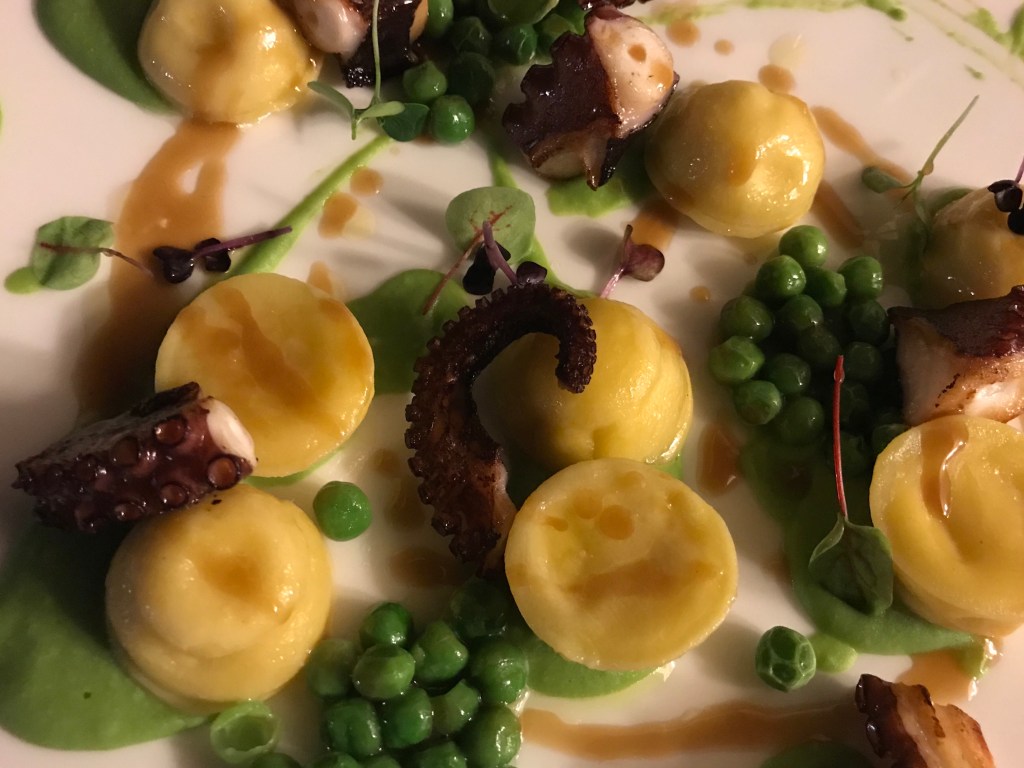
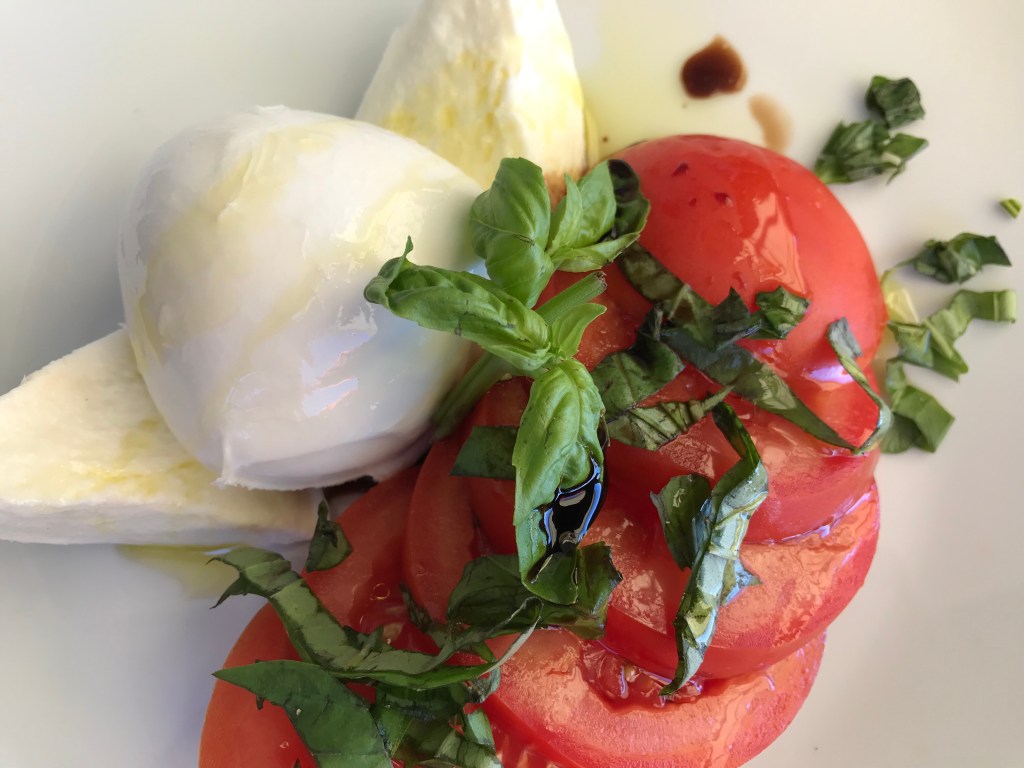
We treated ourselves to dinner at the hotel’s well appointed facilities, including the original villa’s main house. Needless to say, food here as in everywhere in Italy is a major undertaking and form of entertainment. Here are just a few dishes that refreshingly attacked our palettes:
Burrata with Anchovies and Rugula
Hot seatfood salad with peaches
Button Ravioli
Fresh Burrata Cheese Salad
I’m off to Faro, Portugal for a week filled with art and sketching. Am traveling via Florence and Paris as stopovers. Stay tuned…
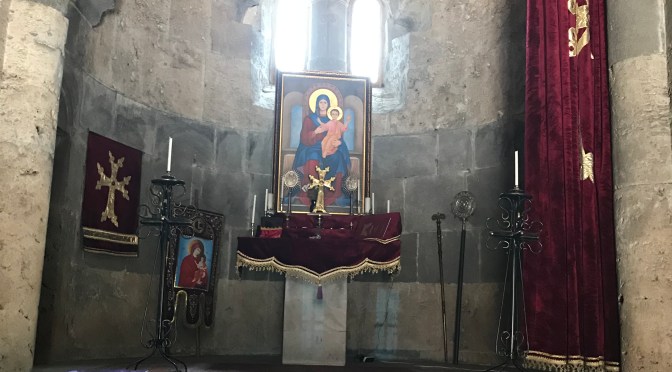
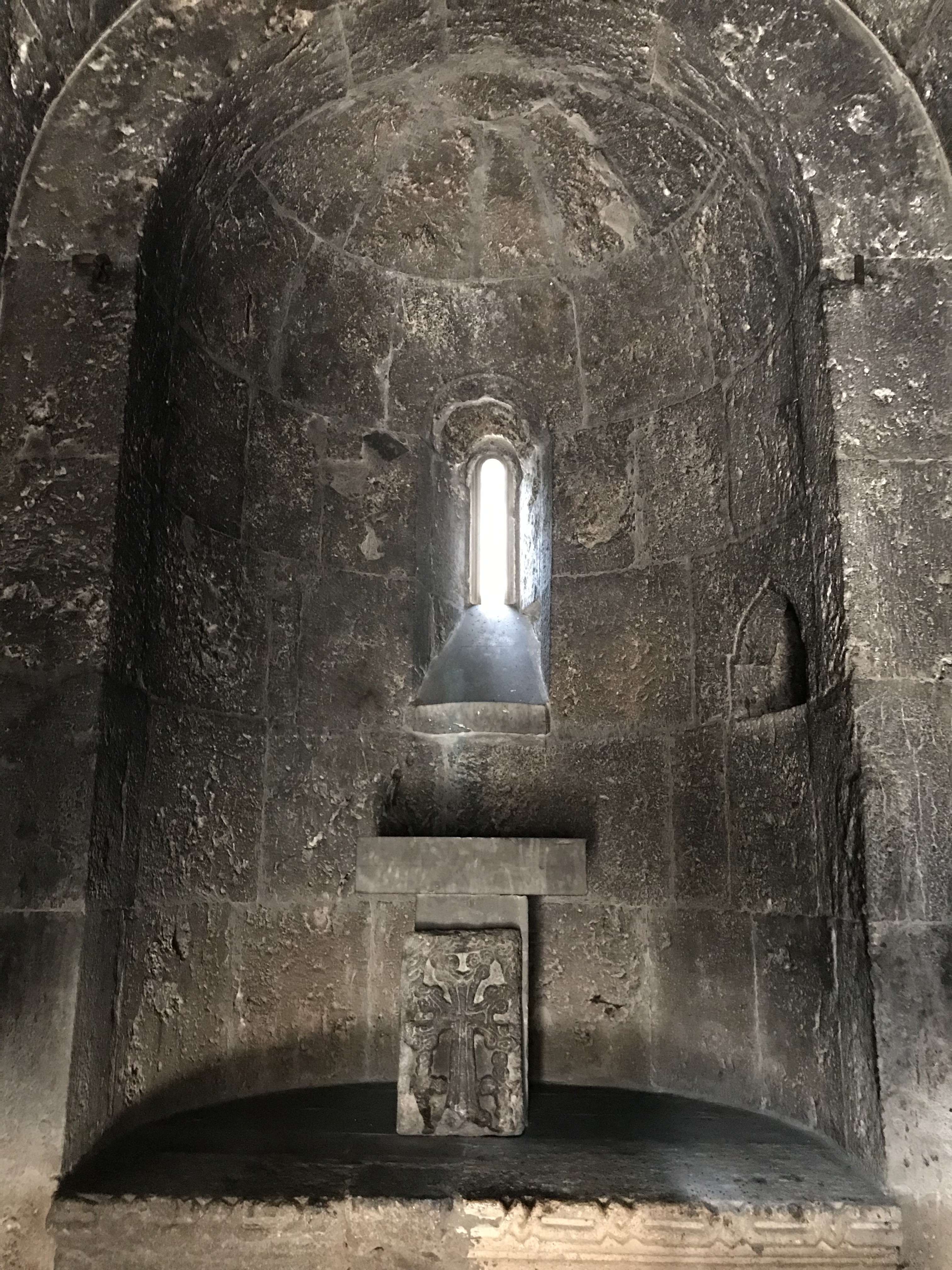
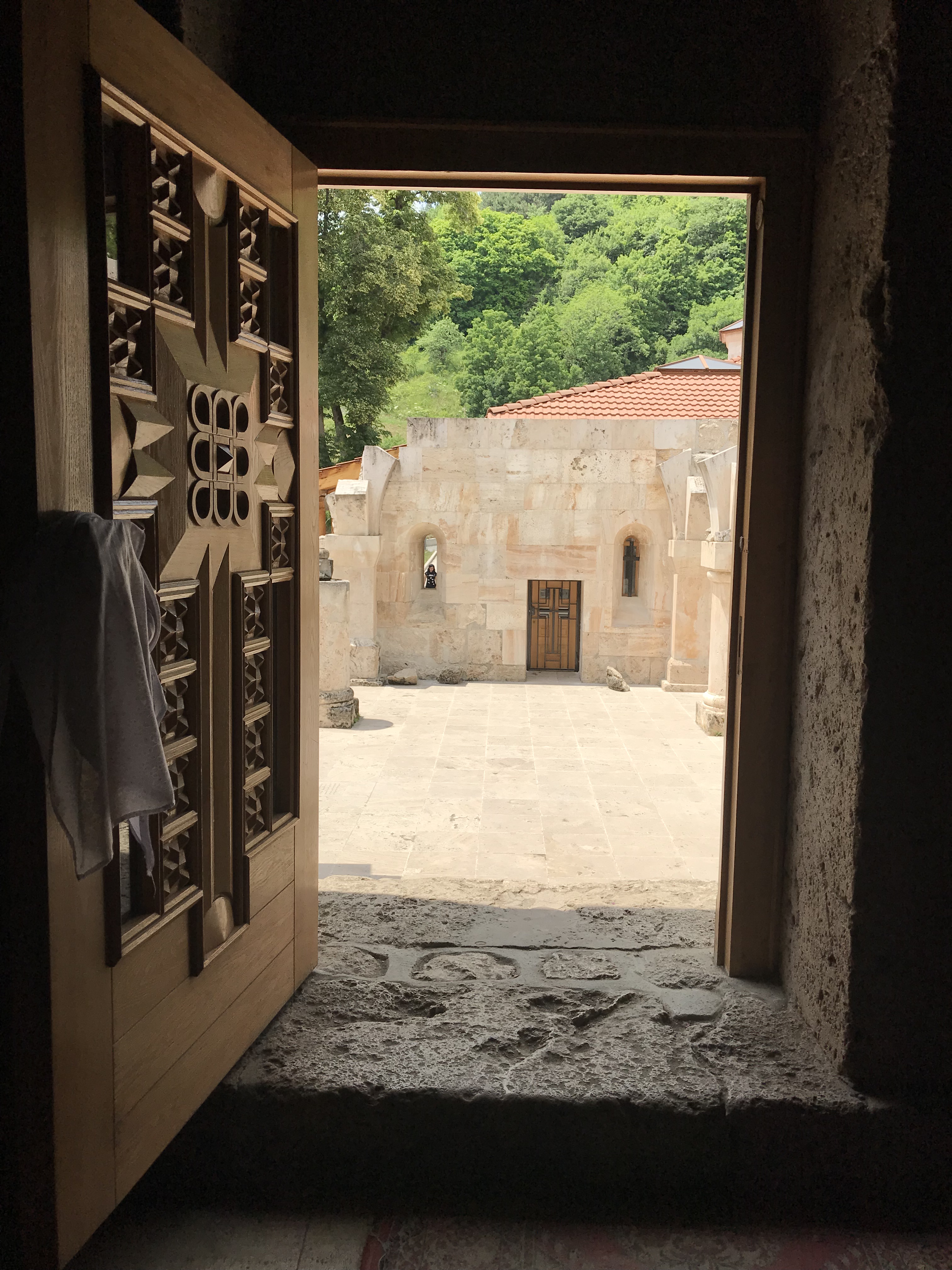
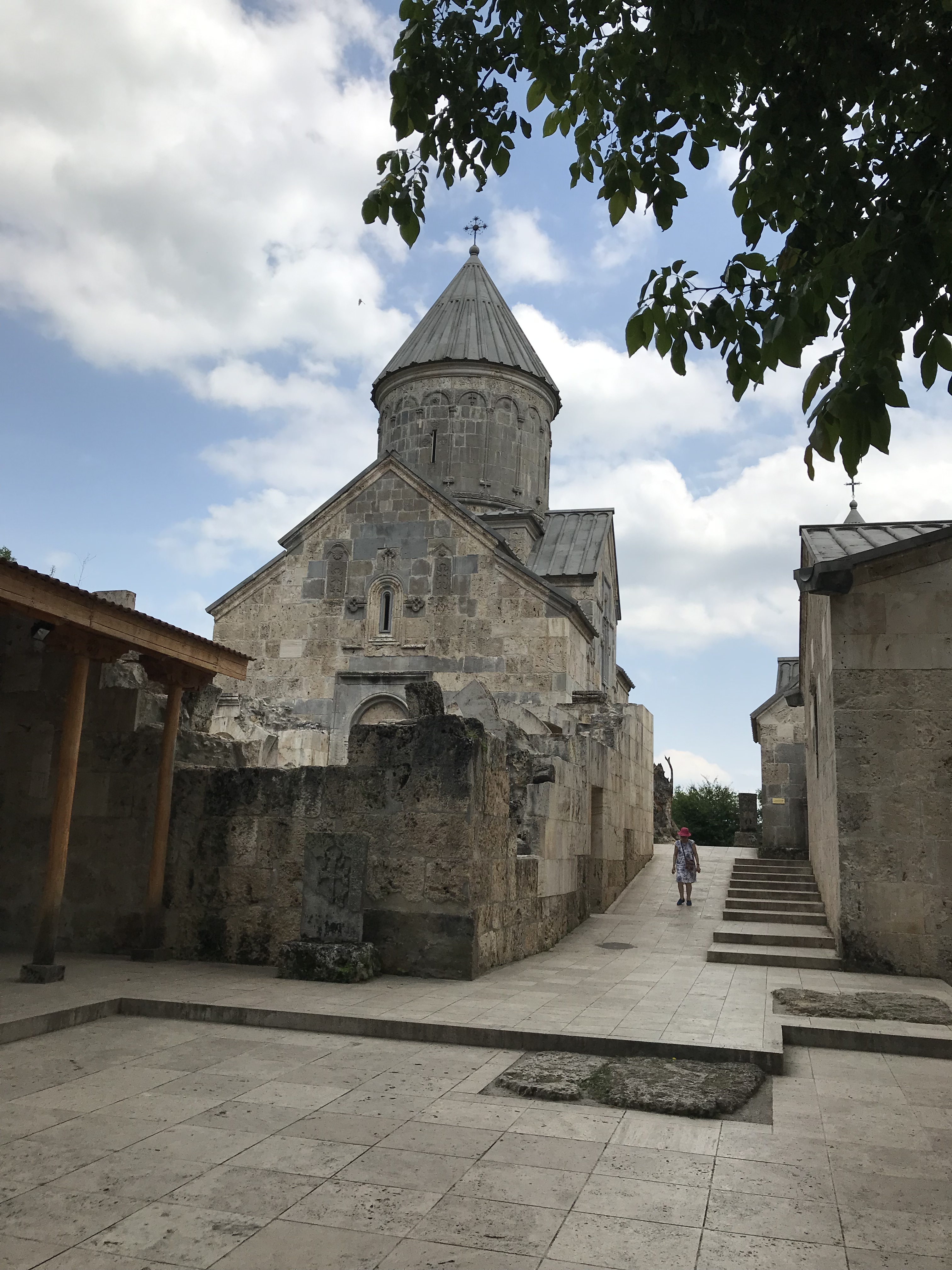
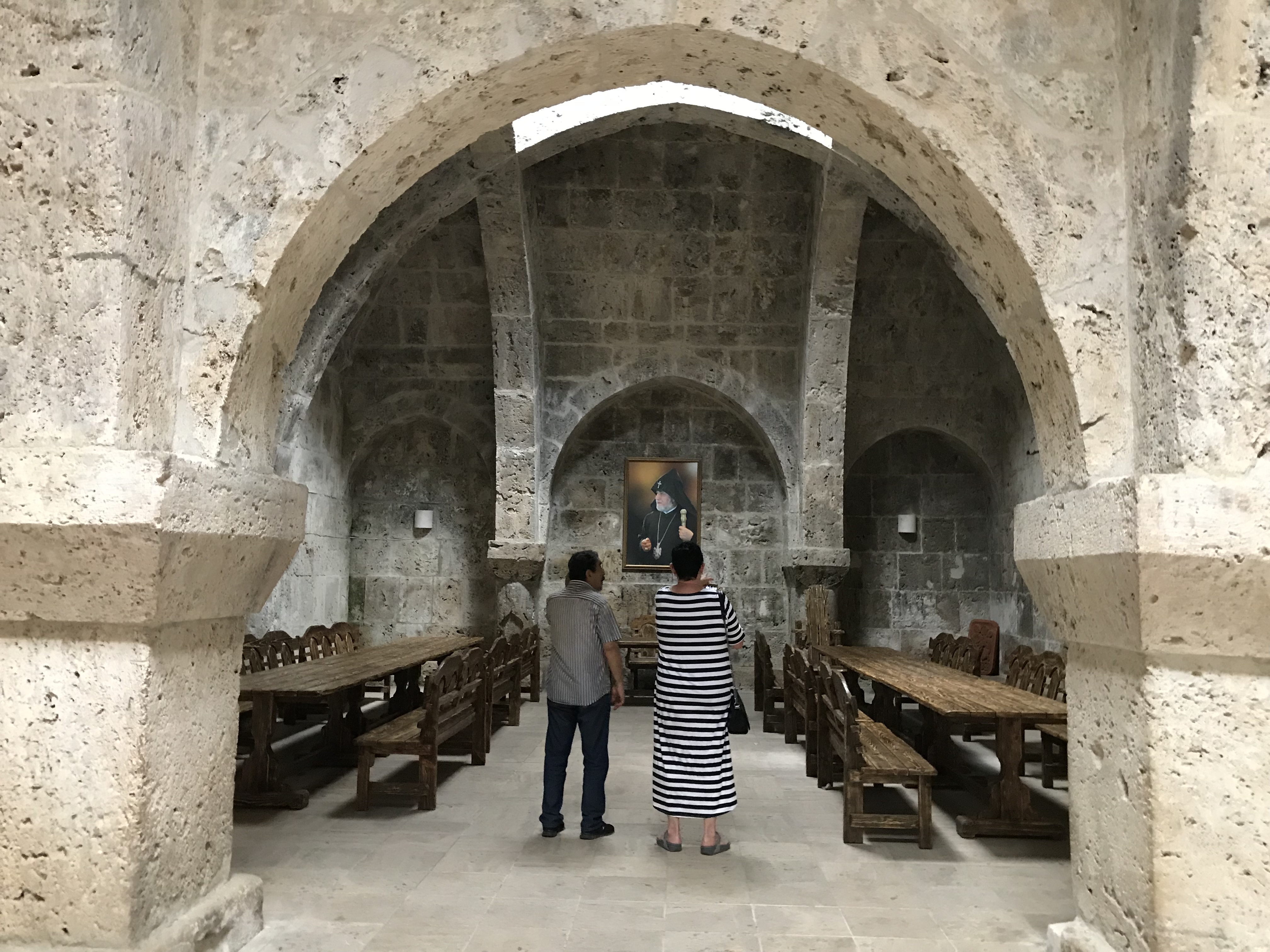
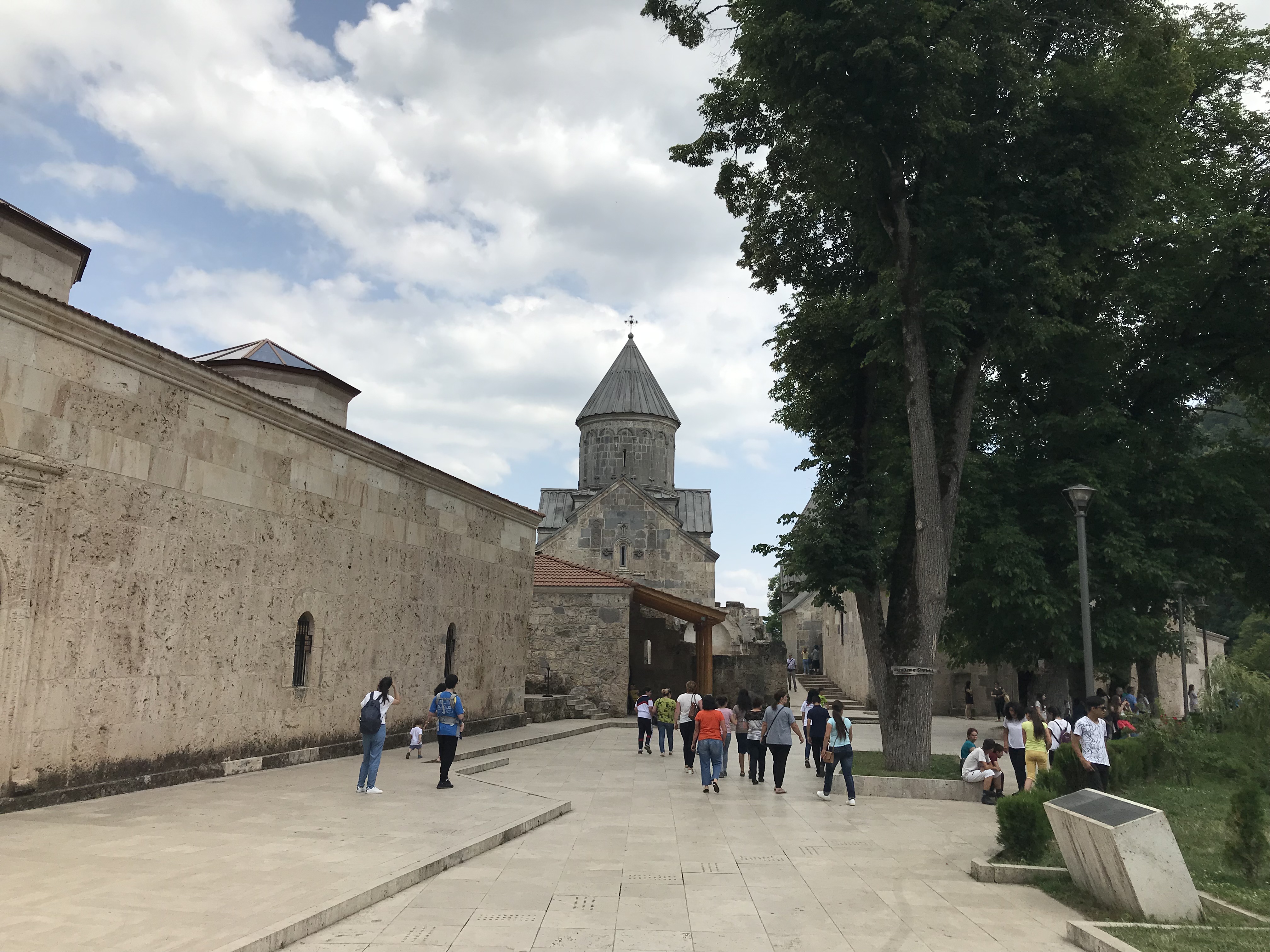
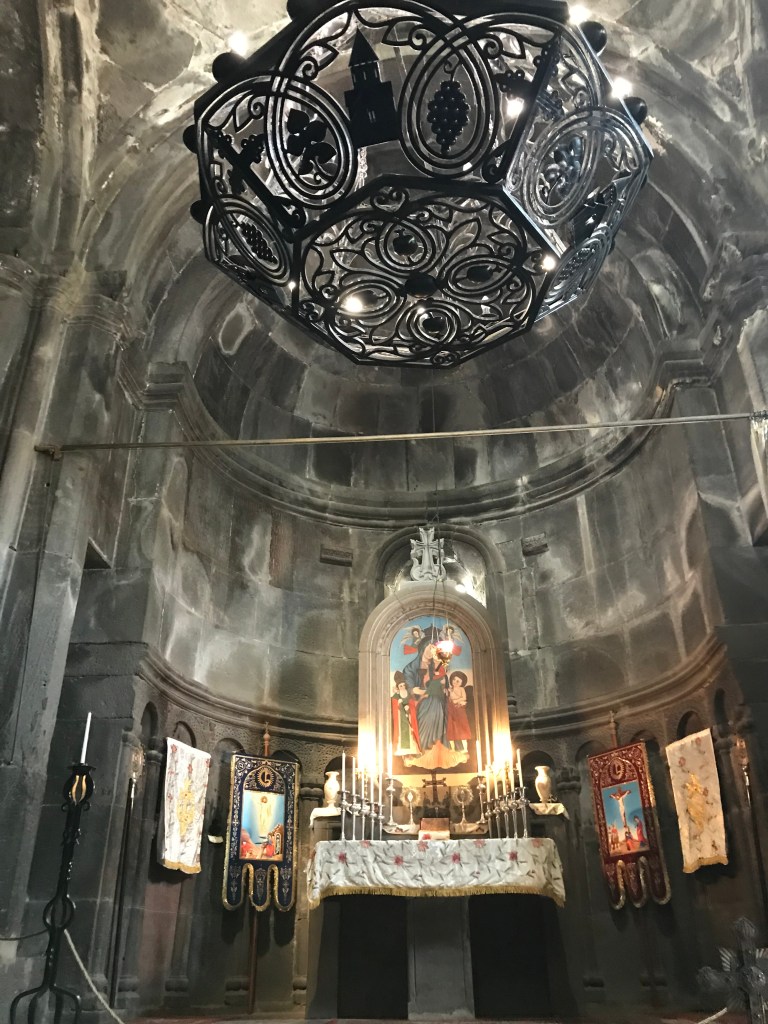
The Haghartsin Monastery and Churches range from the 10th-13th Centuries, and are a fascinating example of early medieval/late Byzantine architecture. The heavy basalt walls protected the churches from earthquakes, but a considerable amount of renovation and restoration work was still needed.
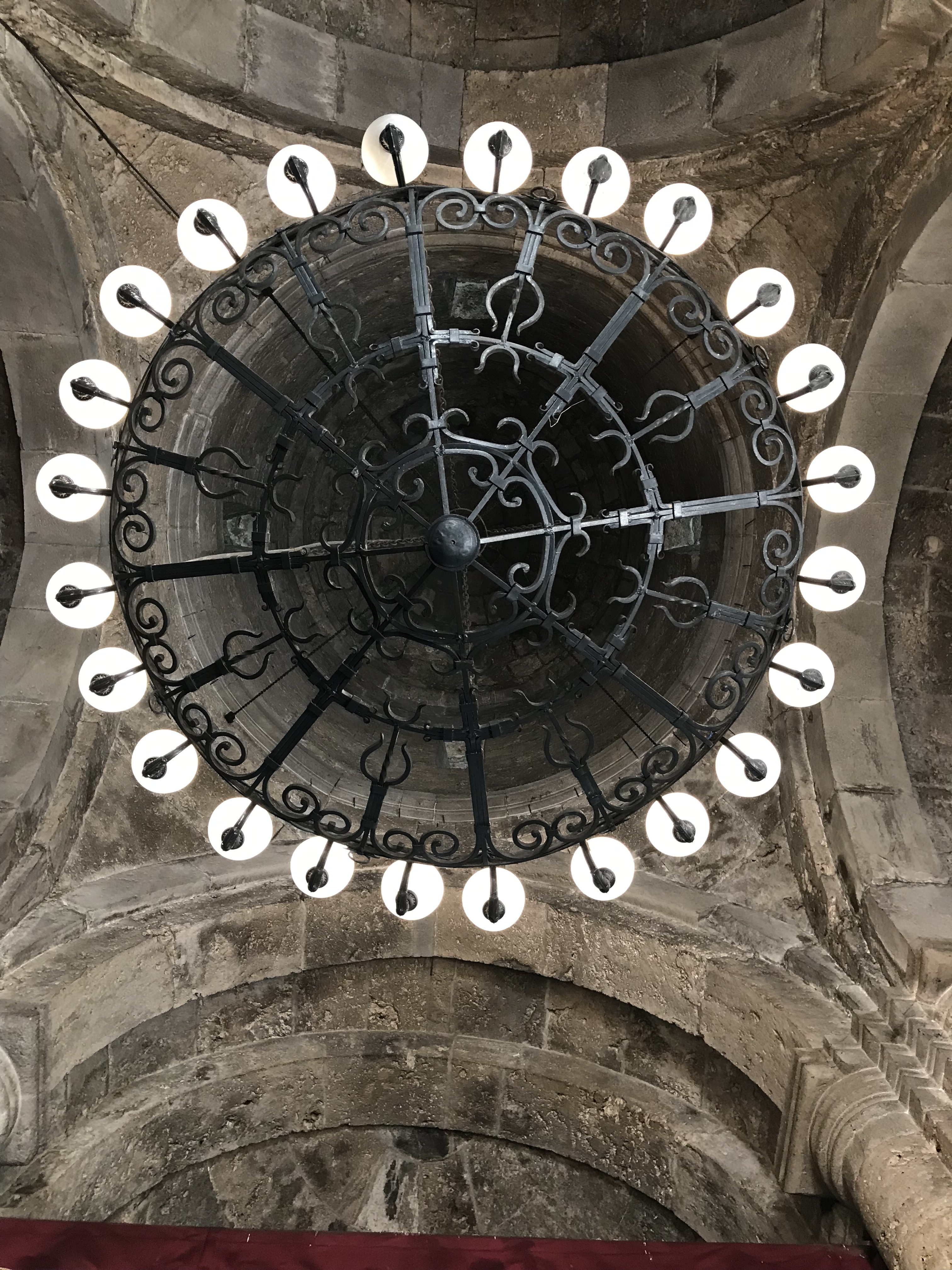
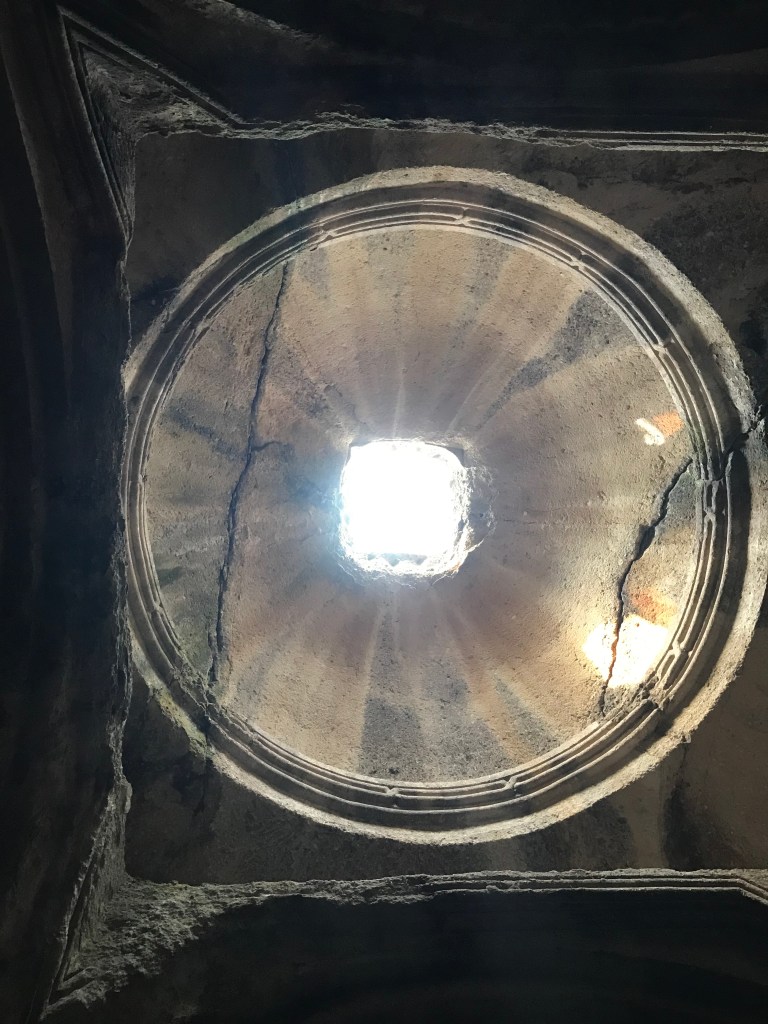
The thick walls supported small chapels with heavy domes made of stone. Nevertheless, the simplicity of the structures provided a timeless quality and soothing relief to the 90+ degree weather. The main church is dedicated to St. Gregory. You can read more about it here: https://www.advantour.com/armenia/tavush/agartsin-monastery.htm
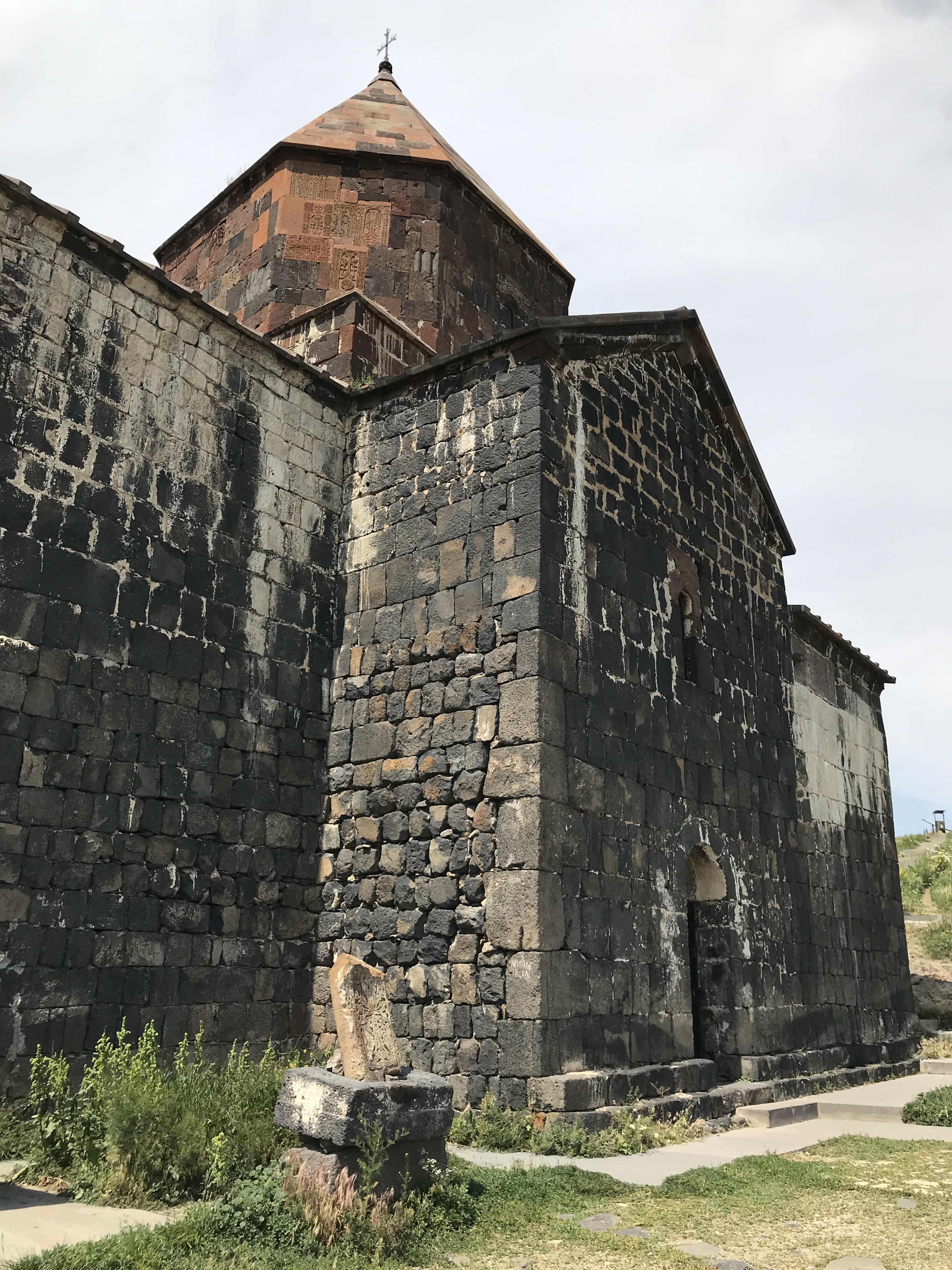
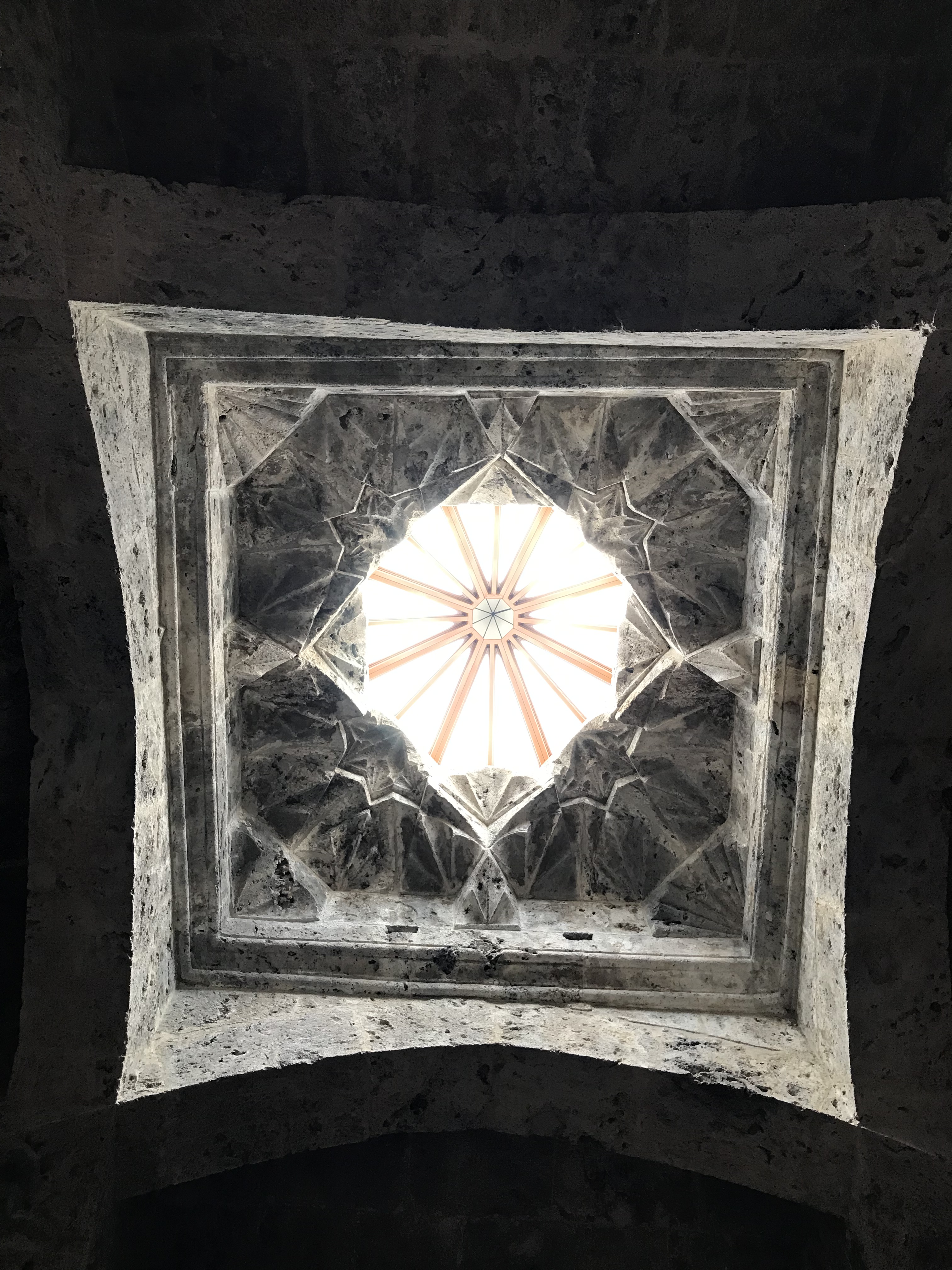
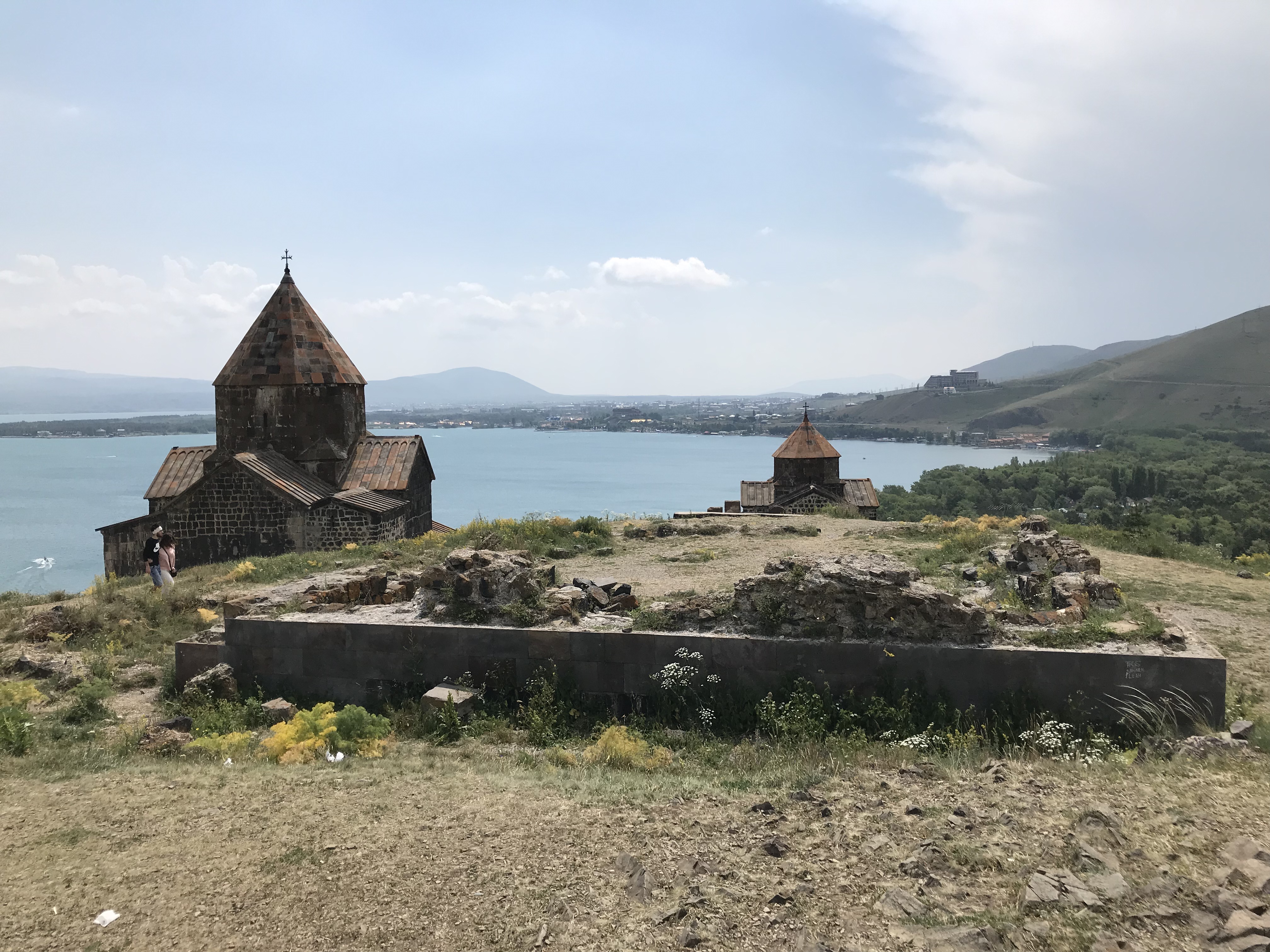
Along Lake Sevan, one of the largest fresh water lakes in the world, the Sevanarank Monastery was built in 874. It’s surprising to find these early examples of Christian architecture that never made it into the art history lectures. Our Eurocentric focus has neglected the early beginnings of ecumenical architecture.
I am now customizing my own studies of architectural history and history. By visiting the trans-Caucasus countries, I realize how little we have learned about these countries and the significant roles they played during the “Dark Ages” in feudal and medieval Europe. We could have been learning about what was developing in other parts of the world, especially where it was not “dark”.
Want people?
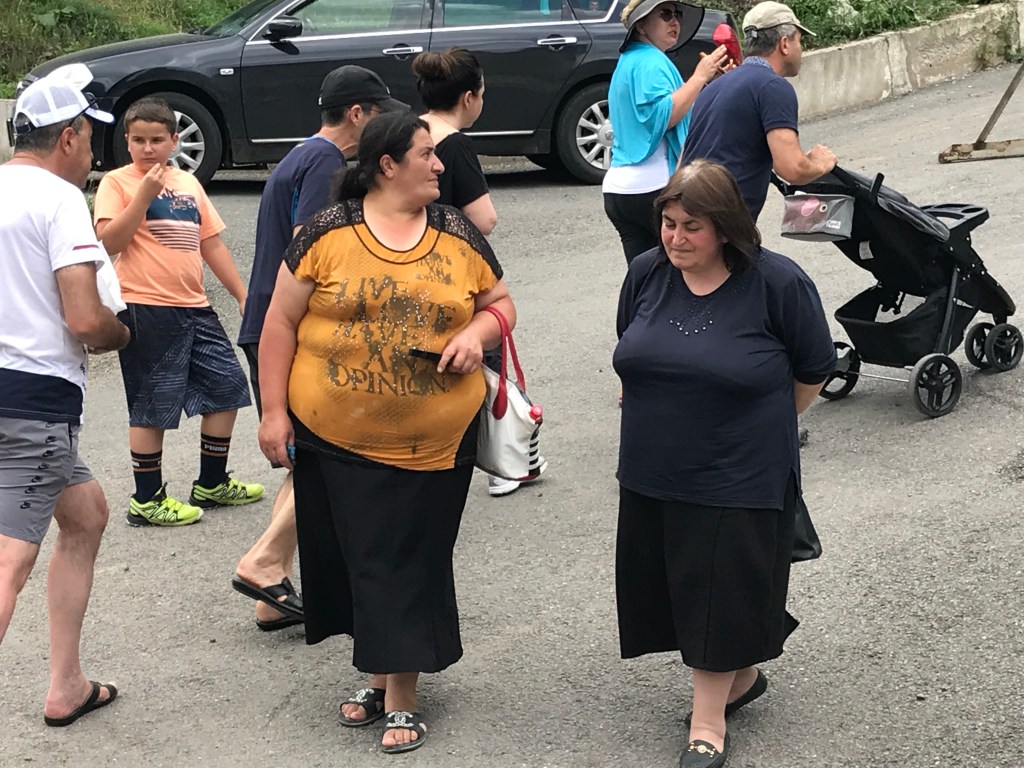
Followers have noted that my photos are strangely absent of people. I’m not sure whether it is a blessing or a curse, but I do tend to avoid inadvertent passers-by to preserve my architectural shots. It takes some patience but basically a stealth-bomber approach as soon as the coast is clear. That doesn’t mean that I don’t get distracted by interesting people who are the subject matter themselves. And don’t be misled. There are plenty of tourists wandering around everywhere, so I may in fact be distorting the scene. The good news: we have run into very few Americans along our route.
Agii, our guide from Mongolia, and husband Paul Samuels in Yerevan, Armenia
Groups of Tourists descend from the Cascade Monument, Yerevan, Armenia
Food for Thought
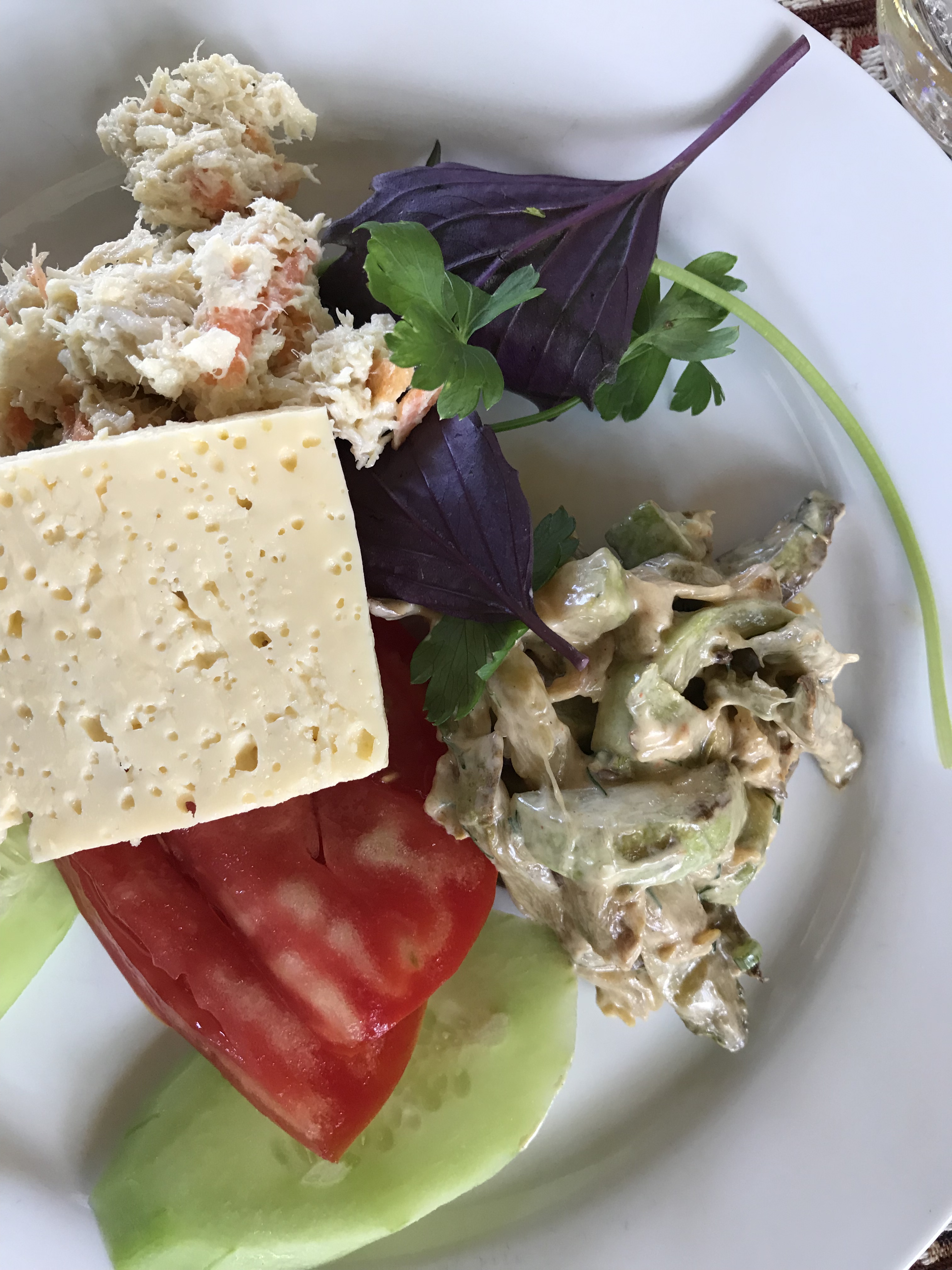
With a bit of effort, delicious healthy food such as vegetable plates with presentation flair are inexpensive and available.
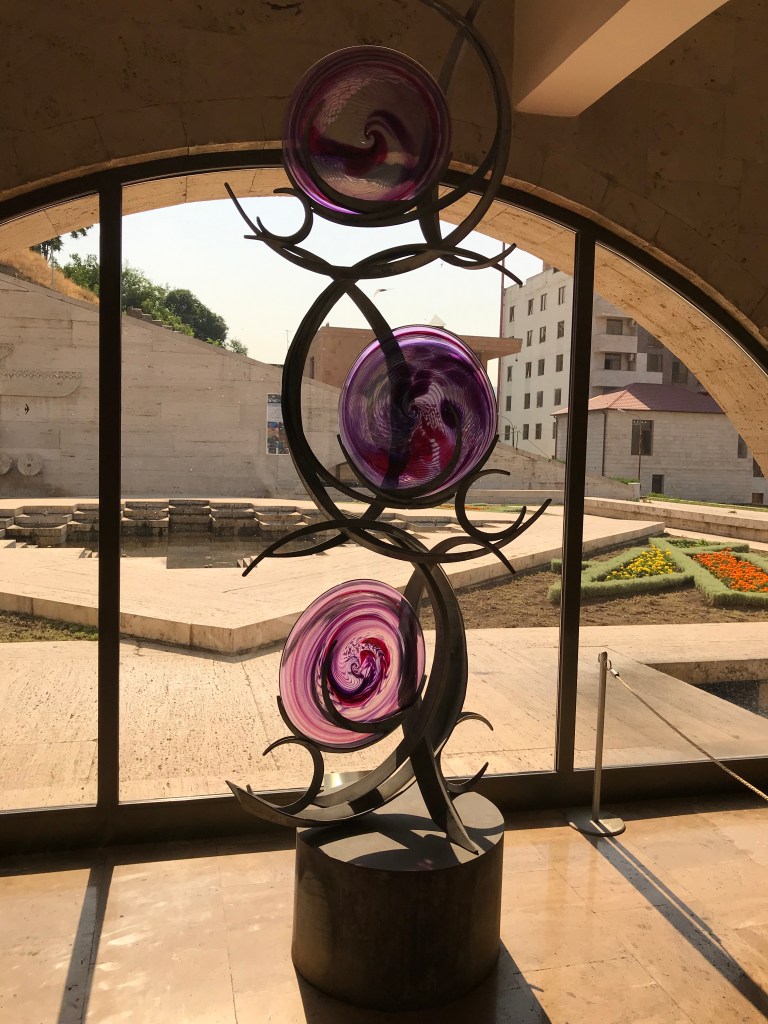
Cafesjian Center for the Arts
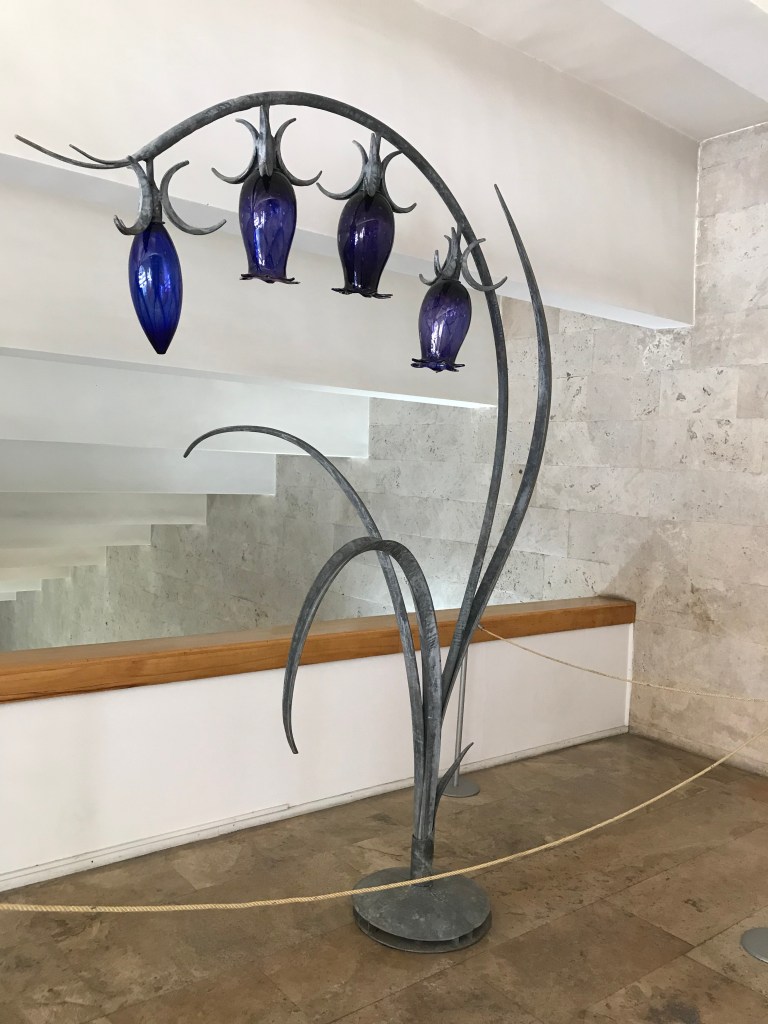
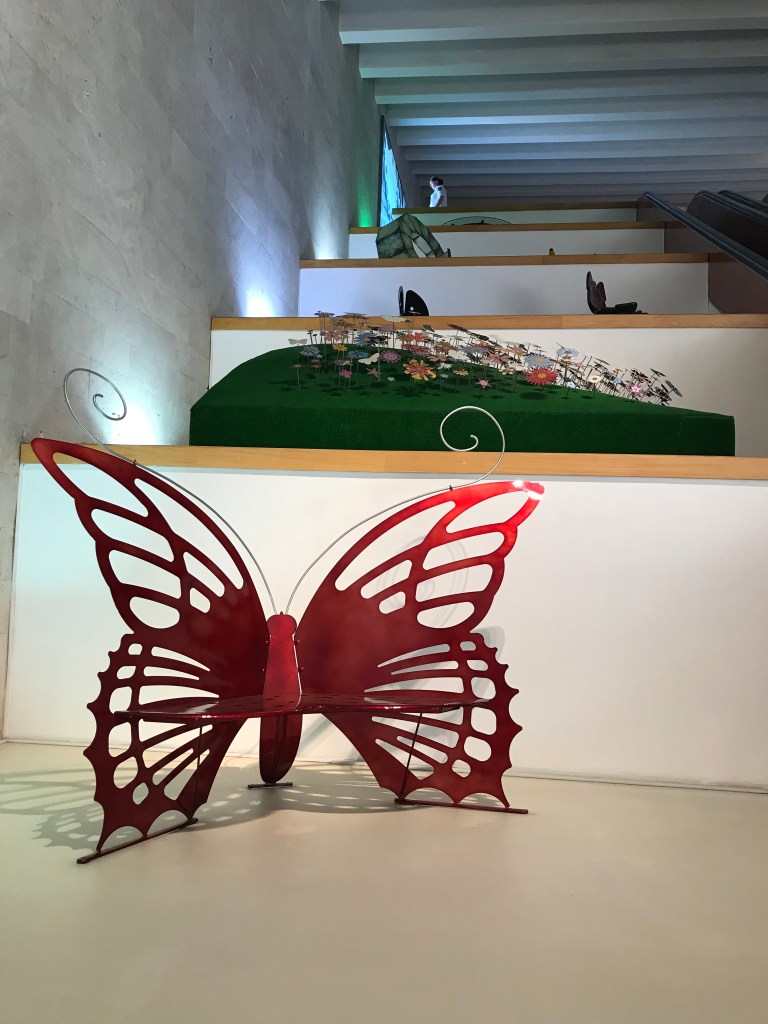
As part of the “Cascade”, an outdoor stairway system that ascends halfway up a steep hill in the middle of the city, an art museum is located adjacent to the escalator system serving the stairs. Sculpture is placed in layers as one moves along the escalators and views artwork at an enjoyable pace. The Cascade Monument was erected to commemorate the 2780th anniversary of the founding of Yerevan with an equal number of stairs.
Cafesjian Center, Yerevan, Armenia
Cafesjian Center, Yerevan, Armenia
Cafesjian Center, Yerevan, Armenia
Cafesjian Center, Yerevan, Armenia
Outdood Sculpture, Yerevan, Armenia
Outdoor sculpture, Yerevan, Armenia
Genocide Museum, Yerevan, Armenia
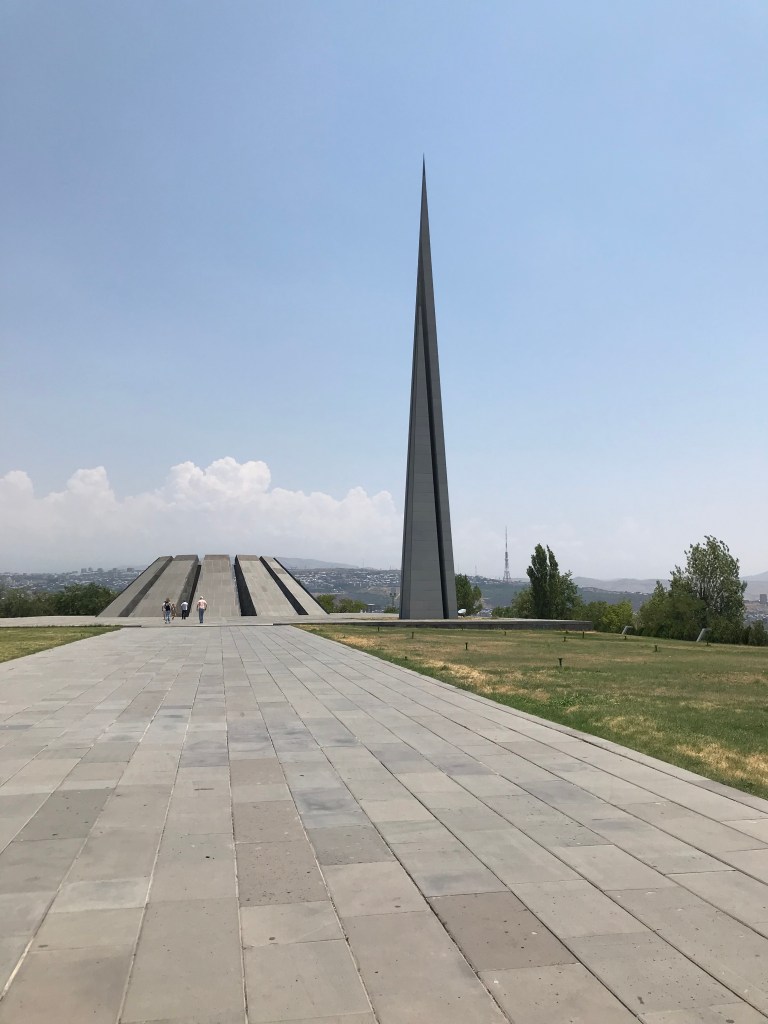
No visit would be complete without learning about the Armenian Genocide in 1915-20. An estim 600,000 and 1.5 million people were systemmatically killed by Turks in three phases: first by forcing men into labor groups without means of survival; next, by decapitating intellectuals and leaders of Armenia; and third, by rounding up women and children and sending them into the desert. The Turkish government has yet to acknowledge its responsibility in causing so many deaths.
All Armenians (3 million) and the Armenian diaspora (approx. 8 million) know about this tragedy. Funds for public and private projects such as the Cafesjian Center are sponsored by Armenians living outside of Armenia to help support the country today.
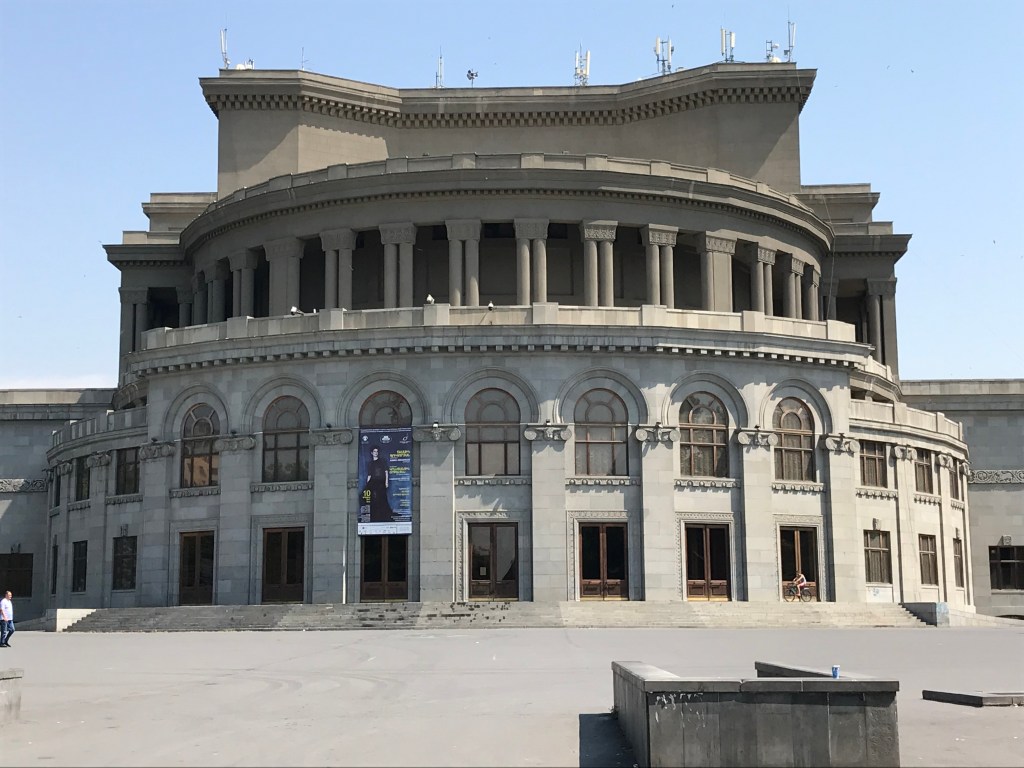
Yerevan Opera House
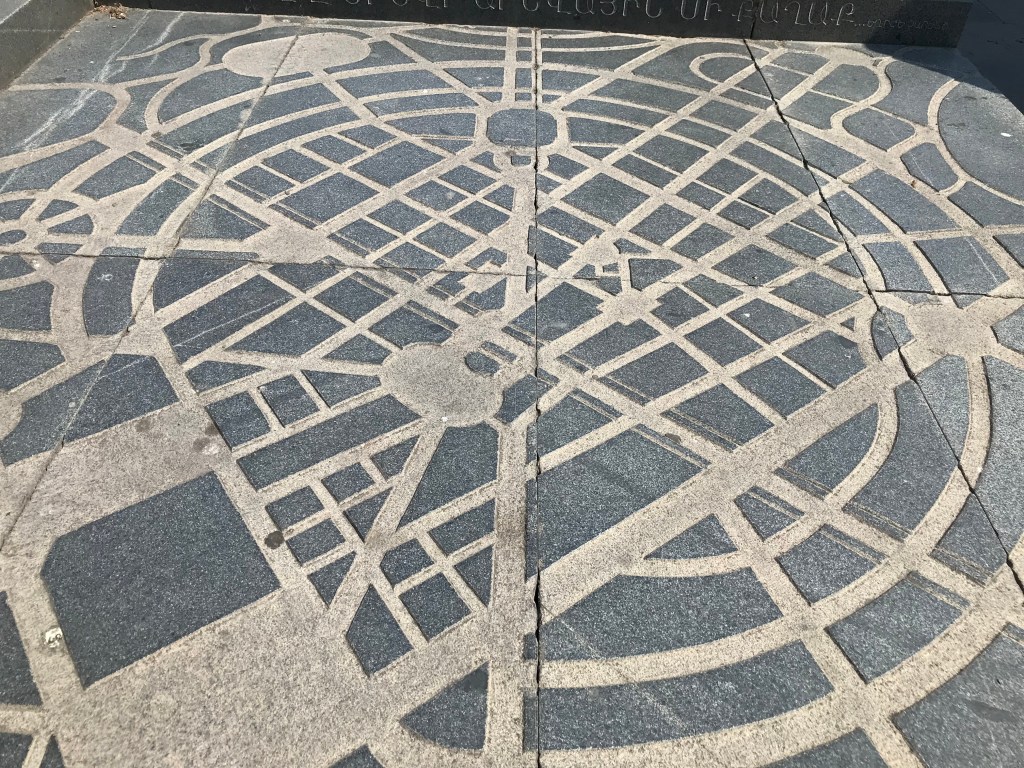
City Plan of Yerevan in sunburst pattern
Carpet Weaver
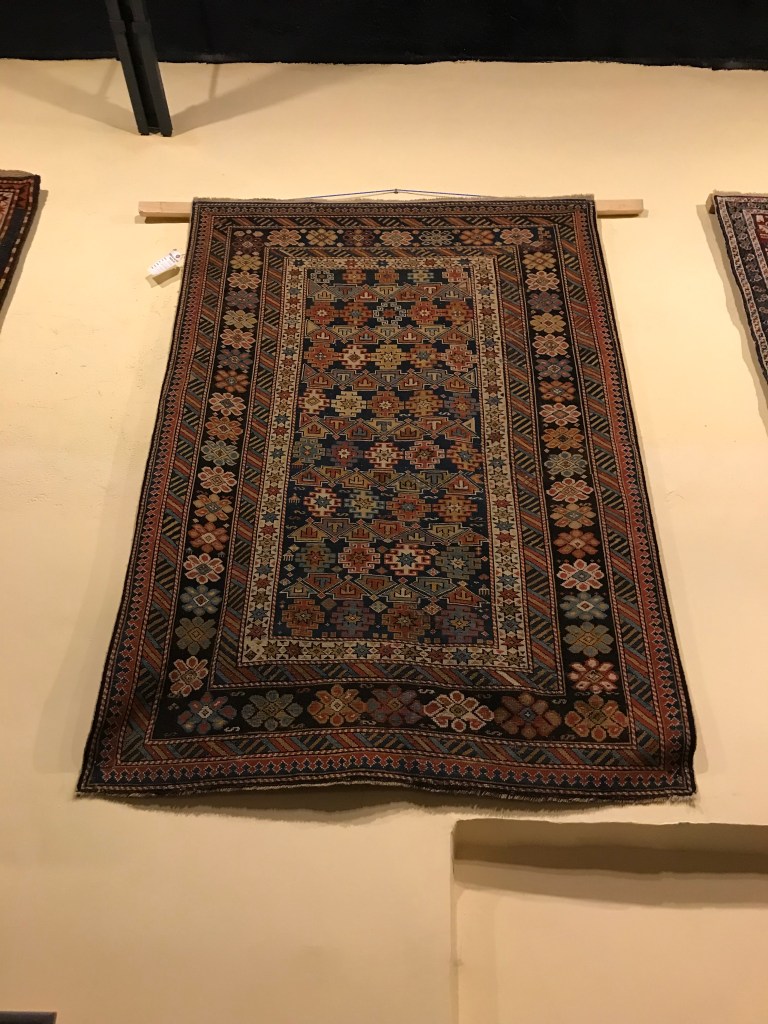
Antique Carpet
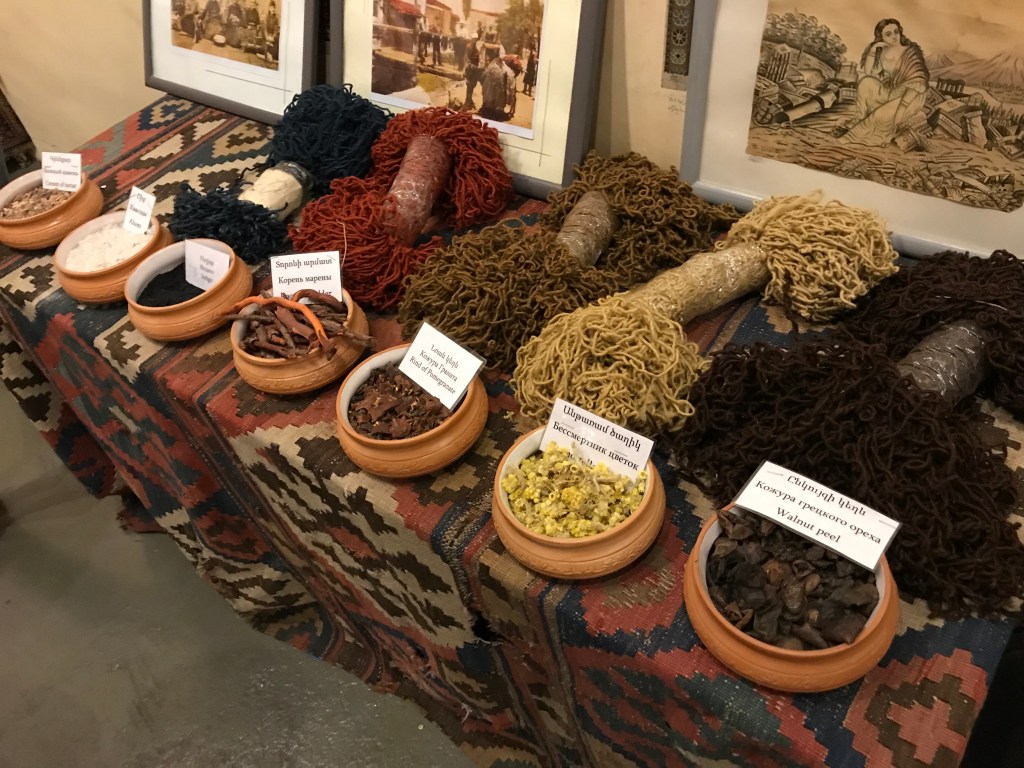
Wool Dyes from natural plants
Armenian Genocide Monument
Areas of Mass Killing, Armenian Genocide Museum
Armenia was the first countries to adopt Christianity as a state religion. Unless you majored in Religion or Theological Studies, you probably would not be familiar with the numerous stories fron the Old and New Testament quoted when visiting the early Armenian Christian churches. They helped to shed light on the activities of about 1100 years between the 3rd C CE and the 13th C. CE of devout Christian belief and that continues today.
Coincidentally, Gregory “the Illuminator” had a lot to do with the designating of sites or inspiring a number of them.
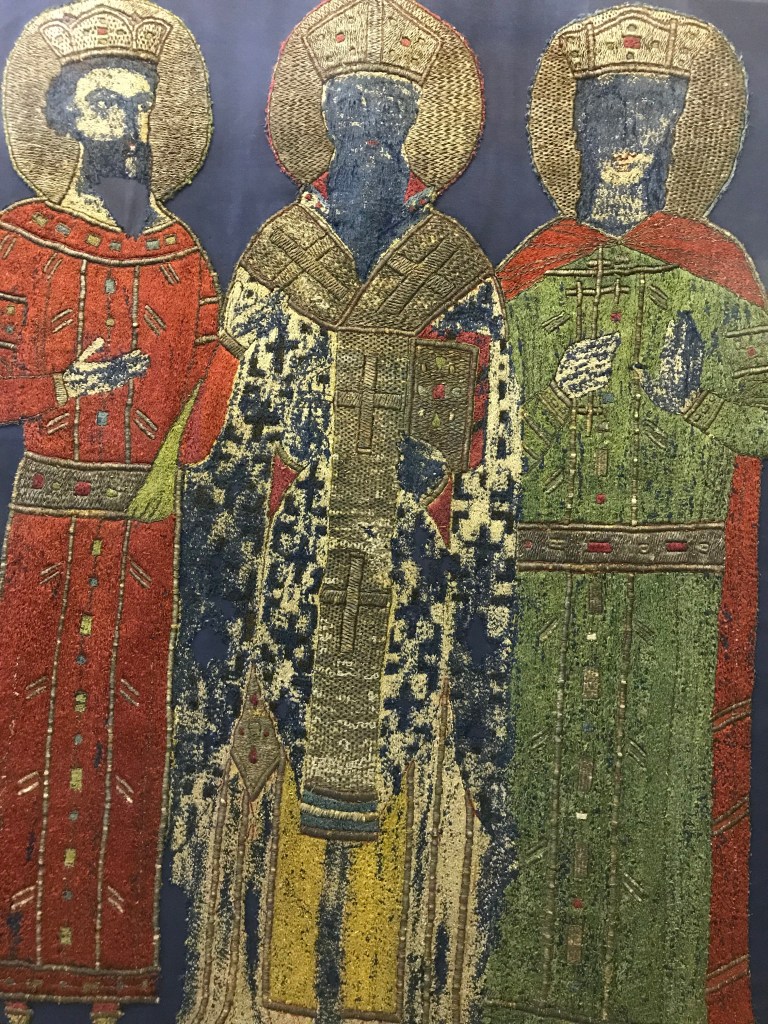
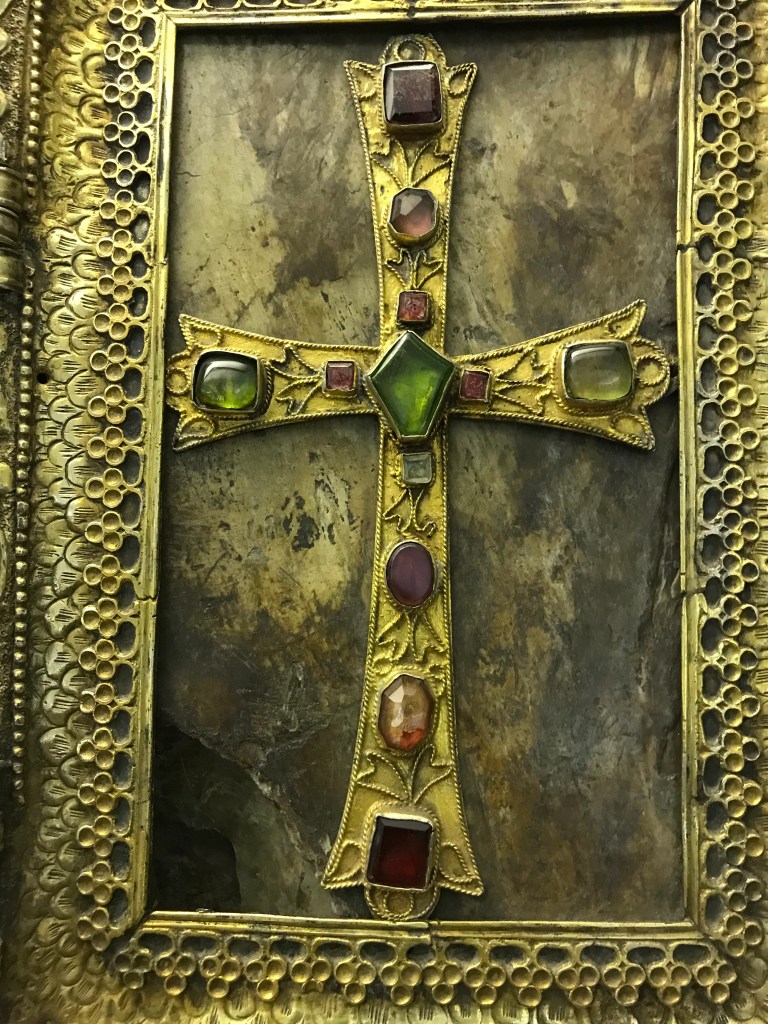
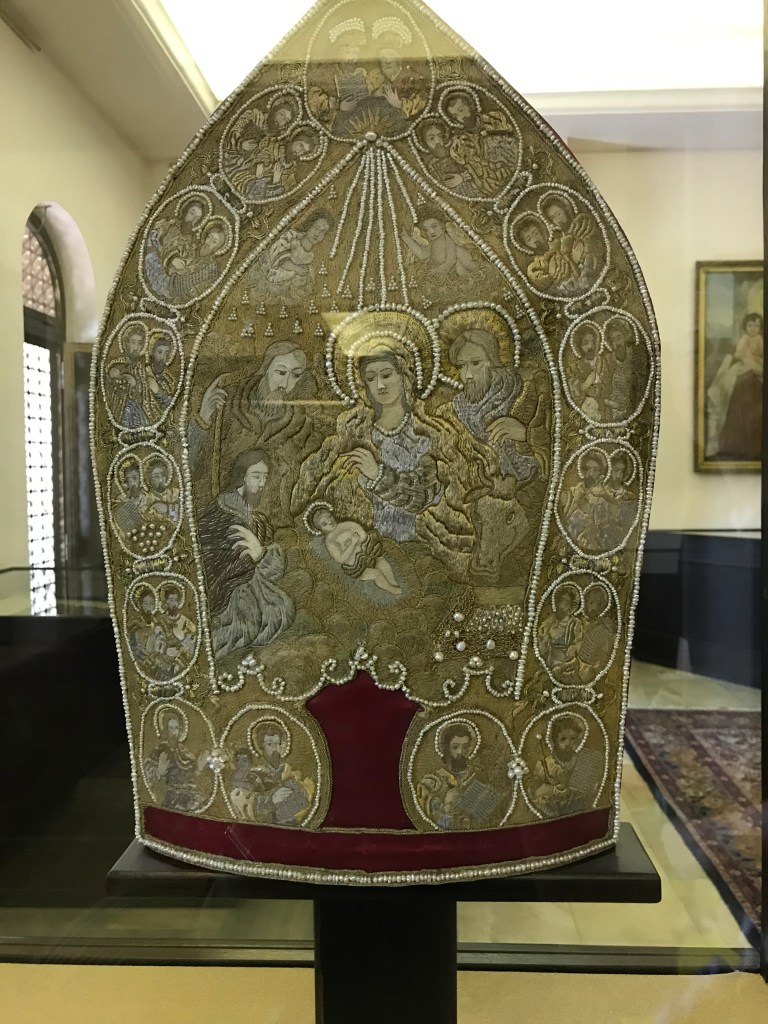
The Holy See of Armenia was the residence of the head of the Armenian Apostolic Church, a monastery, and cathedral. It contained a museum in which the hierarchical aspects of the Catholica, archbishop and bishop, such as vestments, decorative items and tapestries were preserved. One of the most interesting was a reliquary covered by a piece of petrified wood purported to be from Noah’s ark.
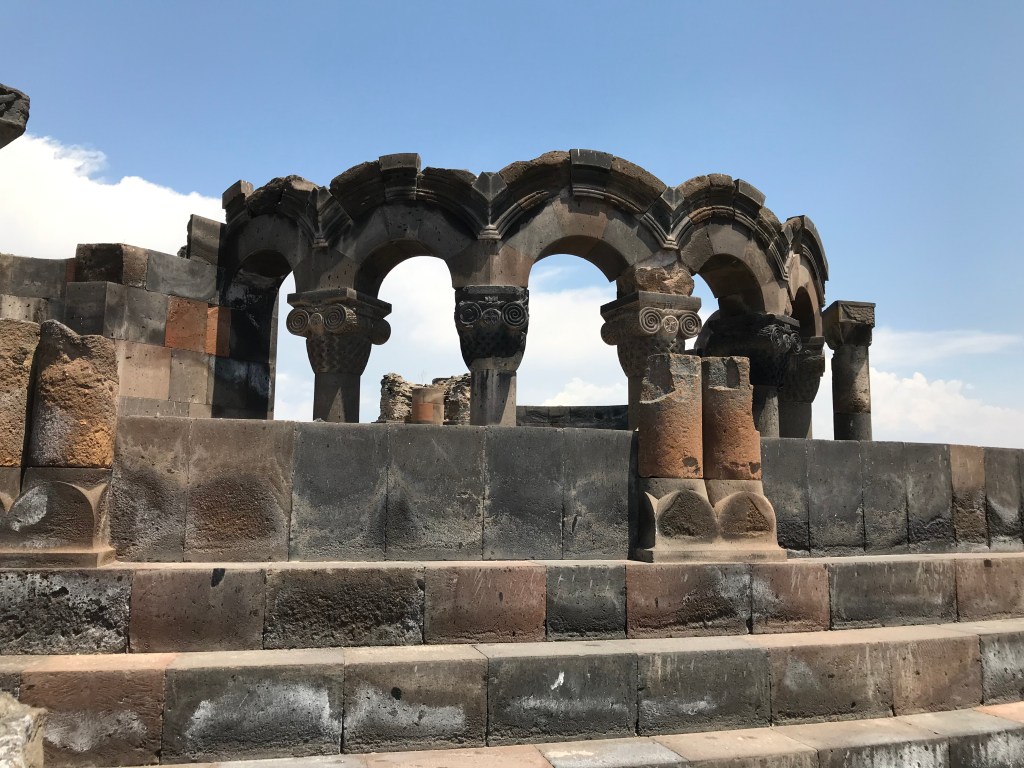
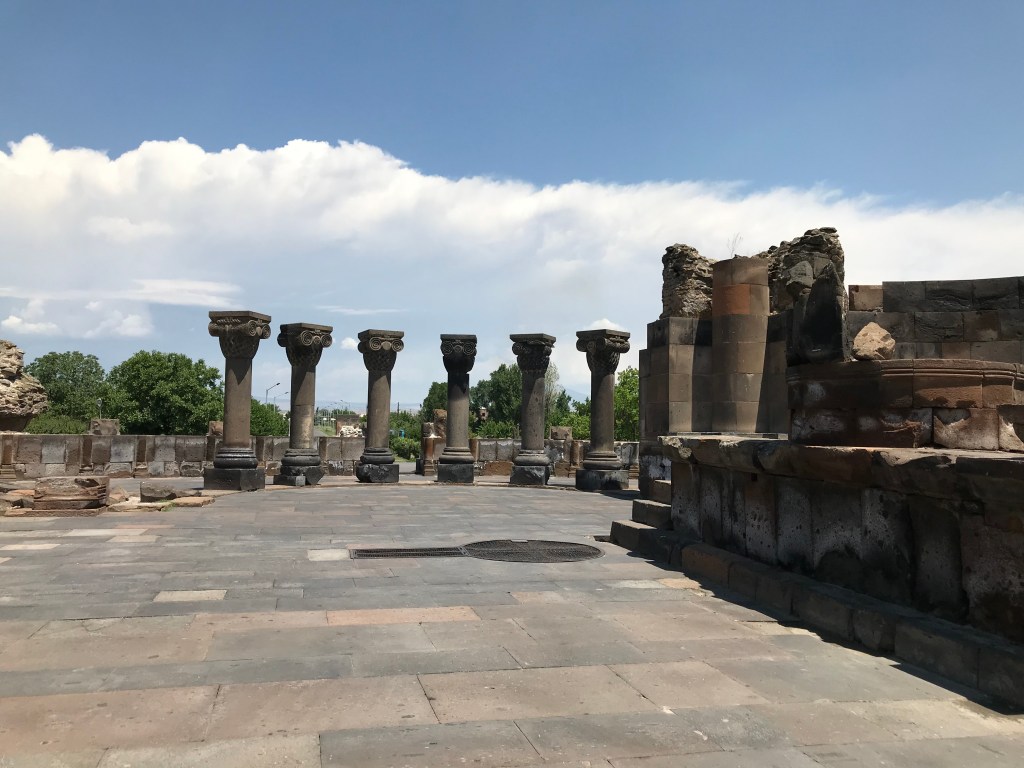
Zvartnots Cathedral
What appeared from a distance to look like a version of Stonehenge, the ruins of this round cathedral served as the holy see, until an earthquake collapsed the stone dome above it. Only the arches and columns remain, as well as remains of the dormitories for monks and communal spaces.
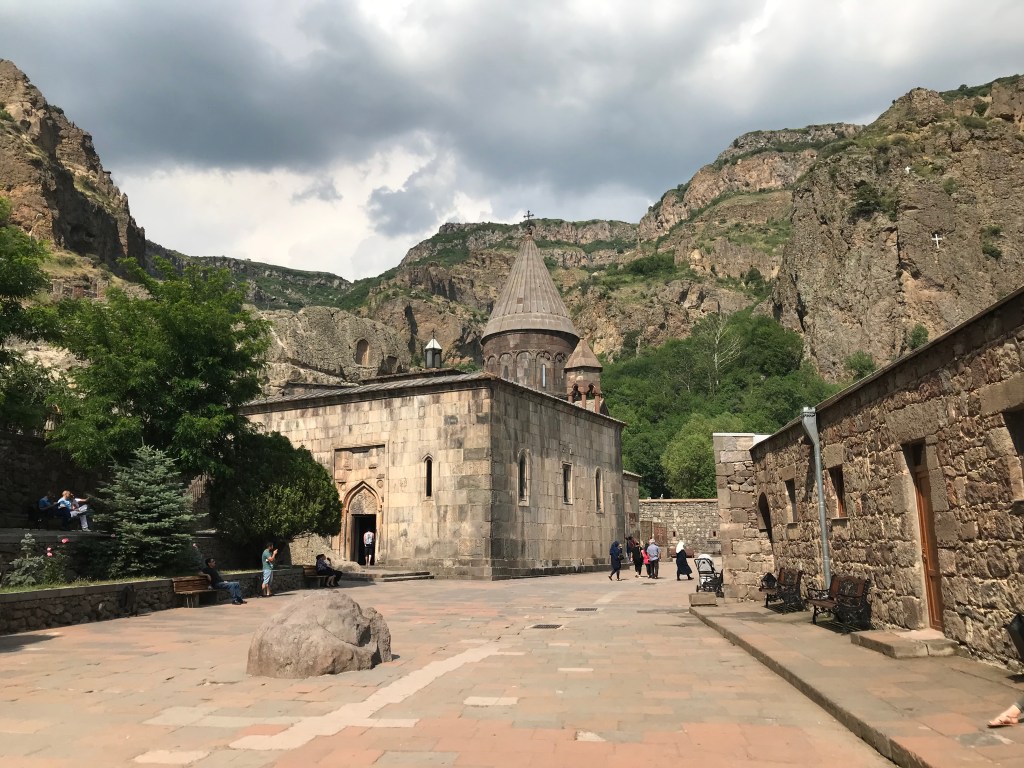
Geghard Monastery
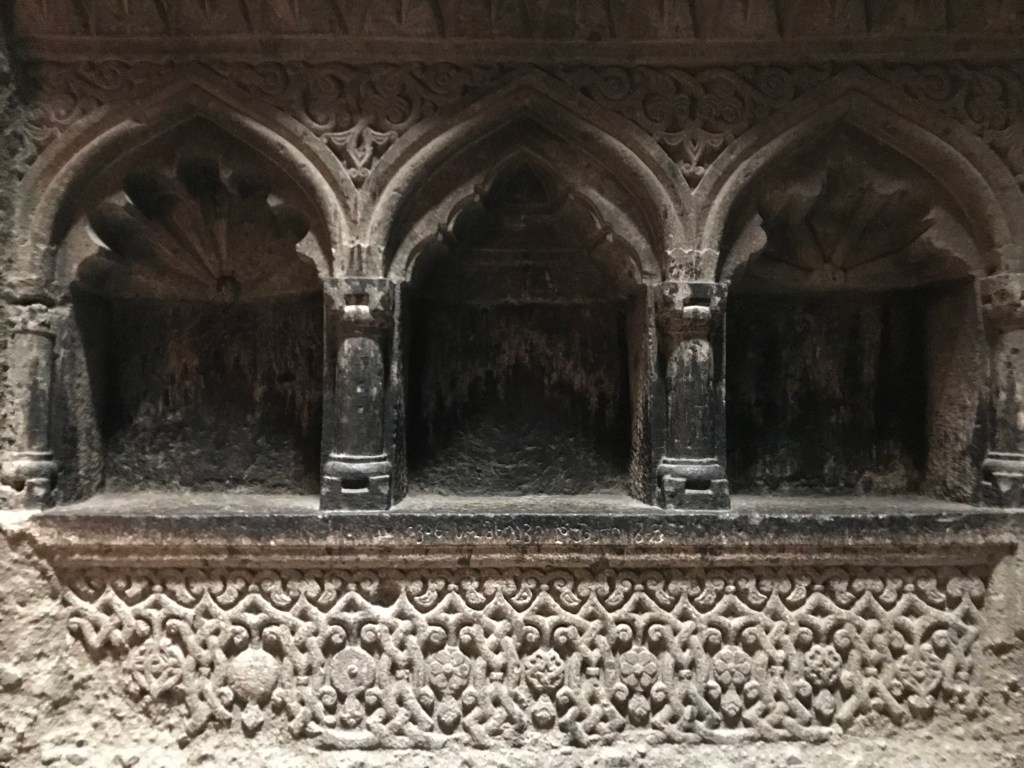
This UNESCO listed monastery and church complex was started in the 3rd C CE and was partly carved into the mountain. Many small caves behind the monastery were used by the monks for individual meditation.
We’re very sad to leave this part of the world behind. The wealth of UNESCO world sites speak for its significance in the development of mankind and societies. Politics reign above all and challenge our knowledge of these misunderstood countries. While we were only able to digest a few statistics and a small portion of its legacy, we are inspired to pursue further studies about the Caucasus.
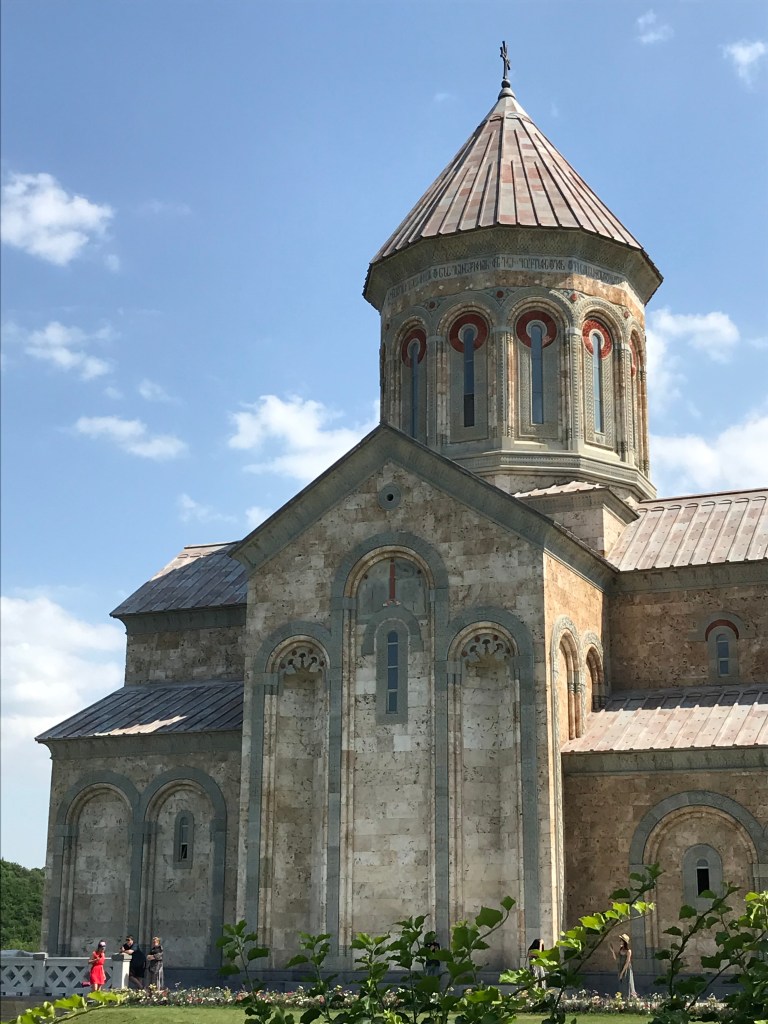
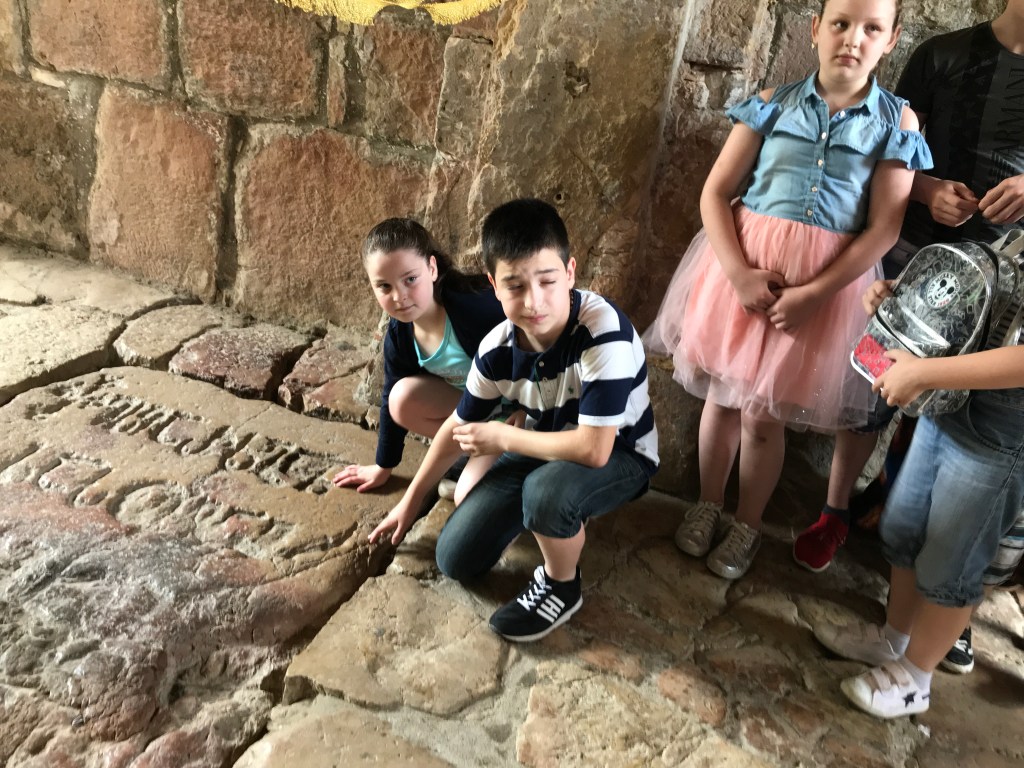
Sandwiched between Turkey, Armenia, Azerbaijan, and the Russian Federation lies the country of Georgia. We nearly crossed the entire country in a day trip east to west, stopping in a couple of significant Georgian Orthodox churches and towns along the way.
Gelati Academy
Built by King David the Builder in the 12th Century, this UNESCO protected pilgrimage site served as a scientific and spiritual life in Georgia. The church has been rebuilt with private funds after the earthquake.
New Church
Dome
Bell Tower
Christian Orthodox worshippers at the tomb of King David
Mtskheta Cathedral
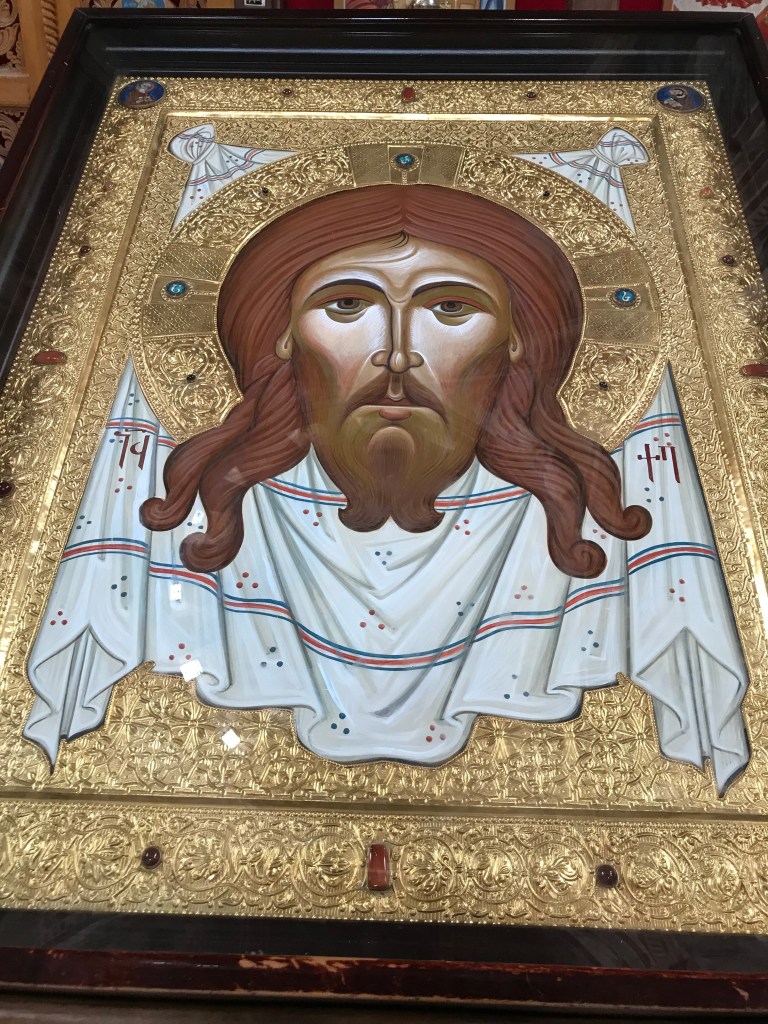
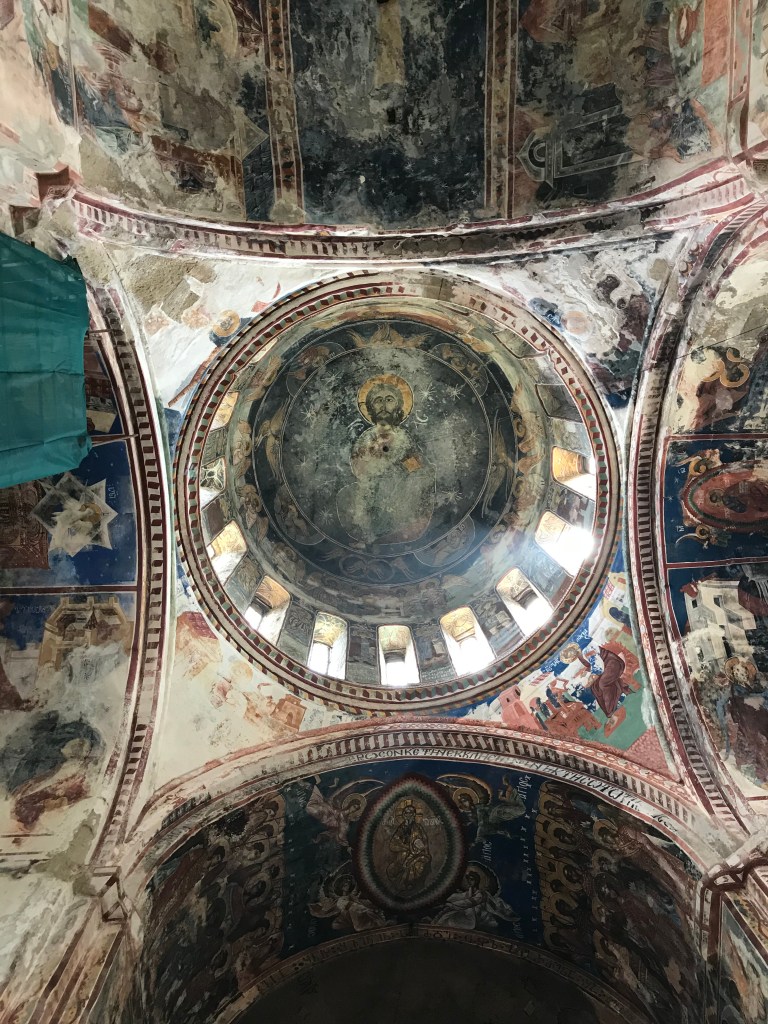
The robe of Christ is purported to be buried here, after a Jewish monk purchased the garment and brought it to Georgia. Many pilgrims come here to worship and consider this 12th Century Cathedral a sacred place. The impressive Byzantine frescoes told the story of Jesus and his disciples on the walls of the main apse. The Mtskheta religious buildings are designated a UNESCO world heritage site.
Entrance to Fortress and Church
Church Interior
Dome
Worshippers
Jesus
Main Dome
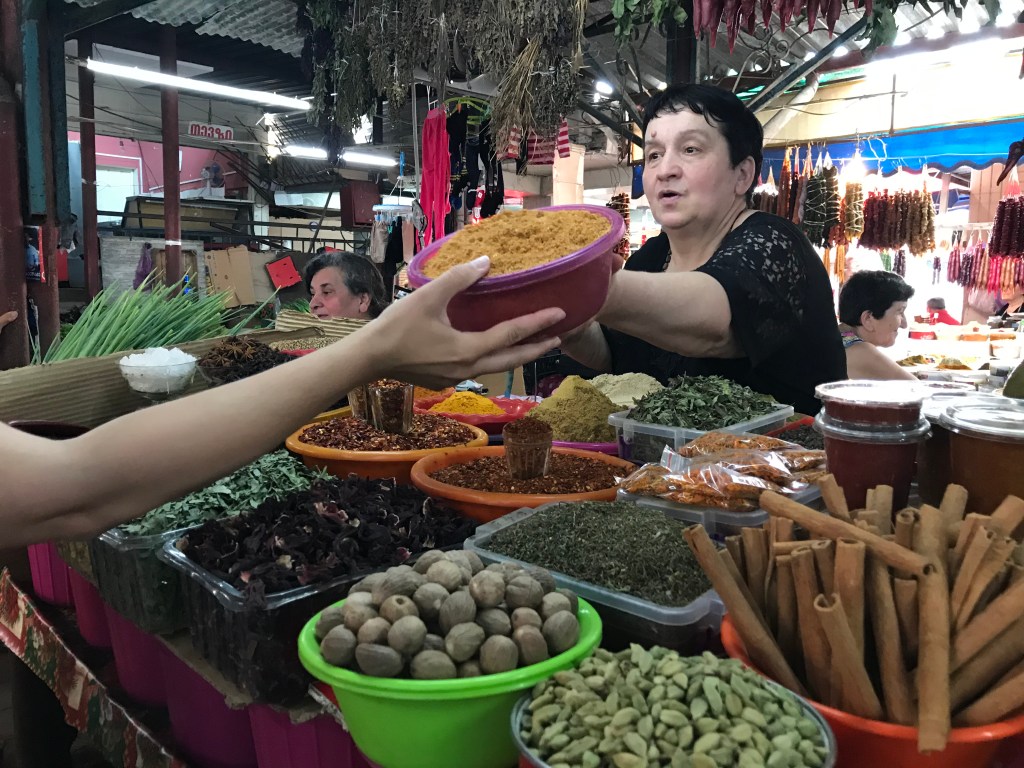
Kudaishi Market
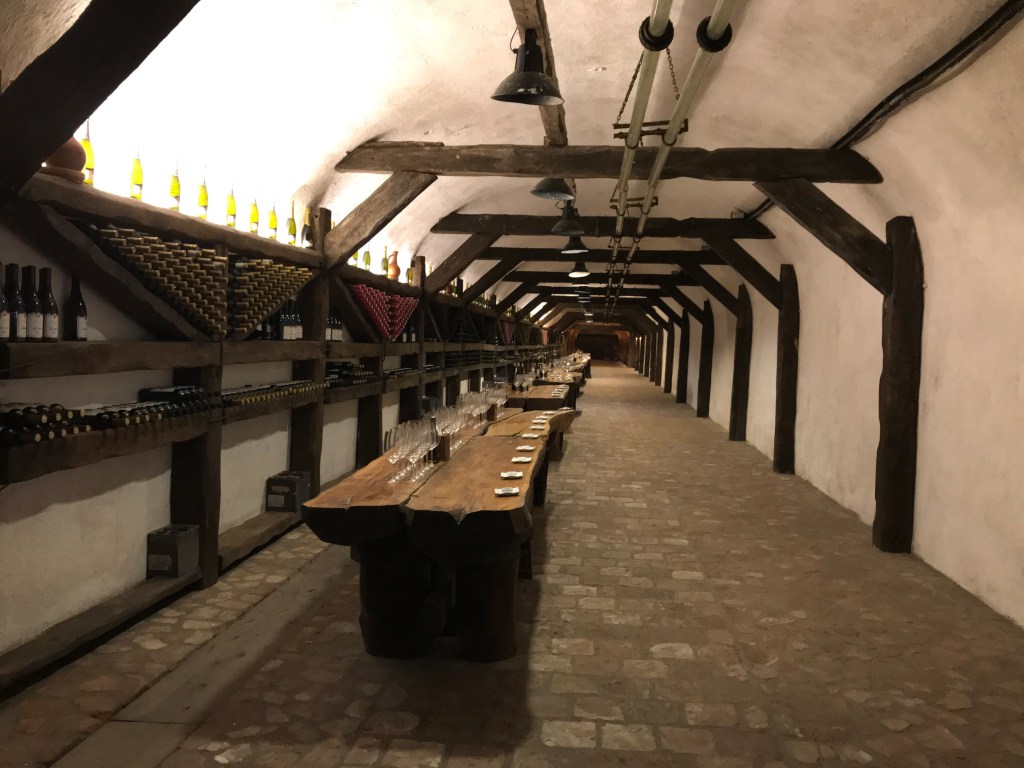
Sandwiched between a visit to the local food market, we were able to stop along the highway to try Georgian homemade bread and cheese. Earlier, we tasted wine in the famous Georgian wine at Khareba Winery in the massive valley that bisects the country.
Soviet era mural outside the market
taxi Brigade
Dried Herbs
Bartering
Sheep’s Cheese Wheels
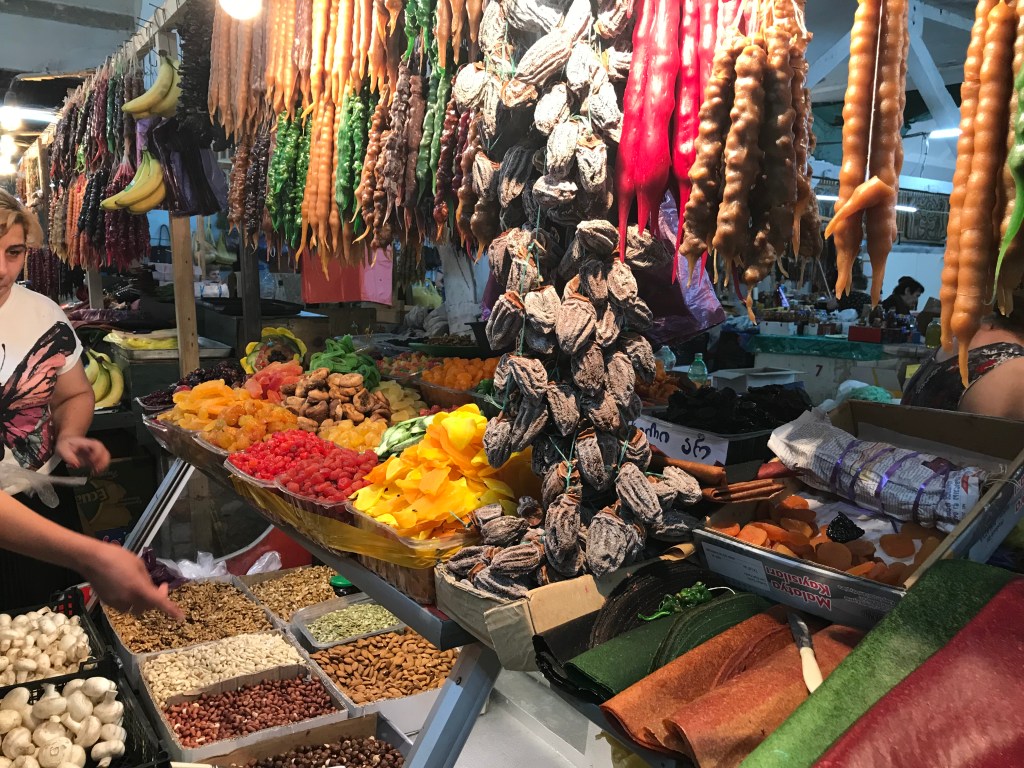
Dried Fruit
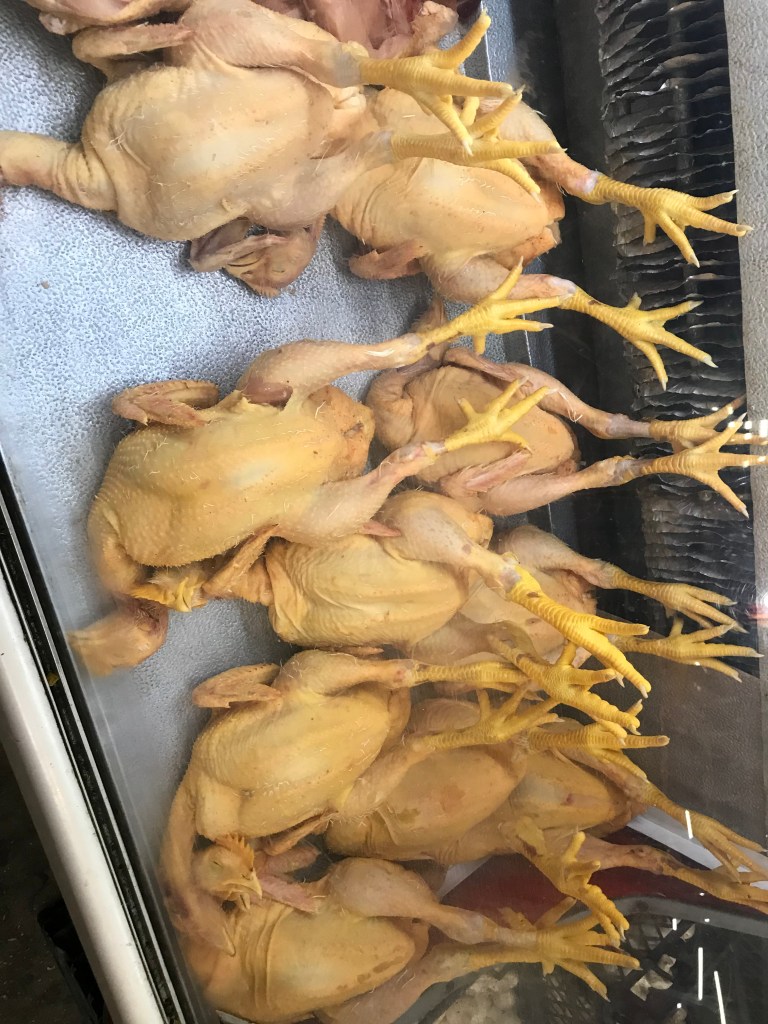
Rubber Chickens
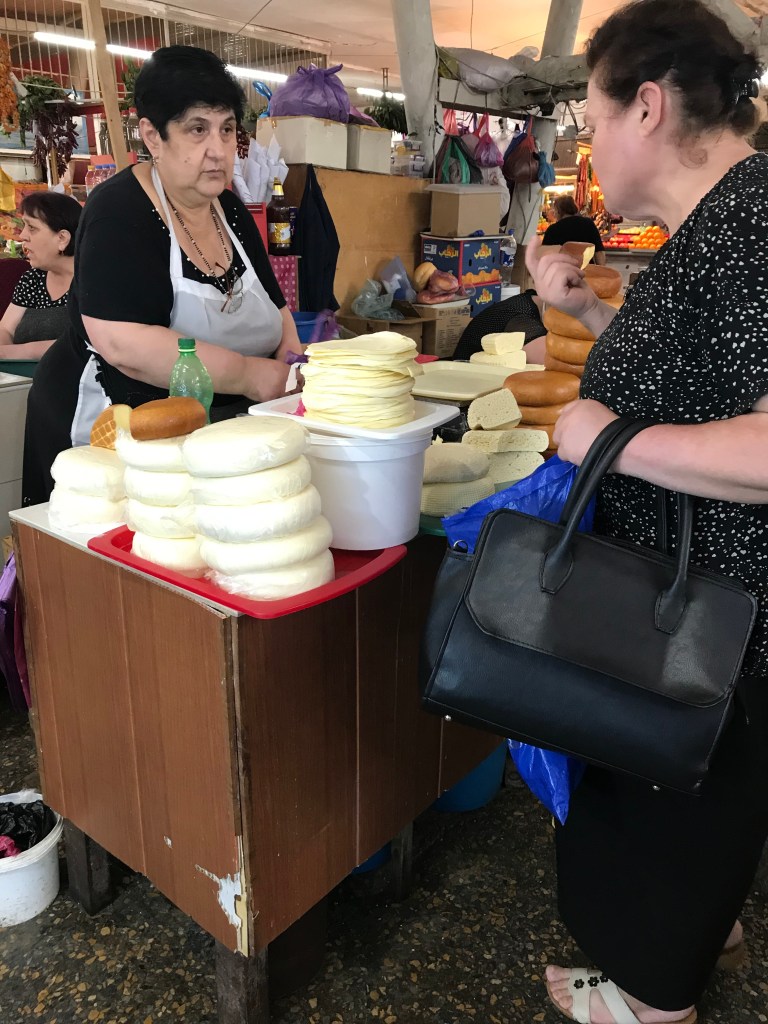
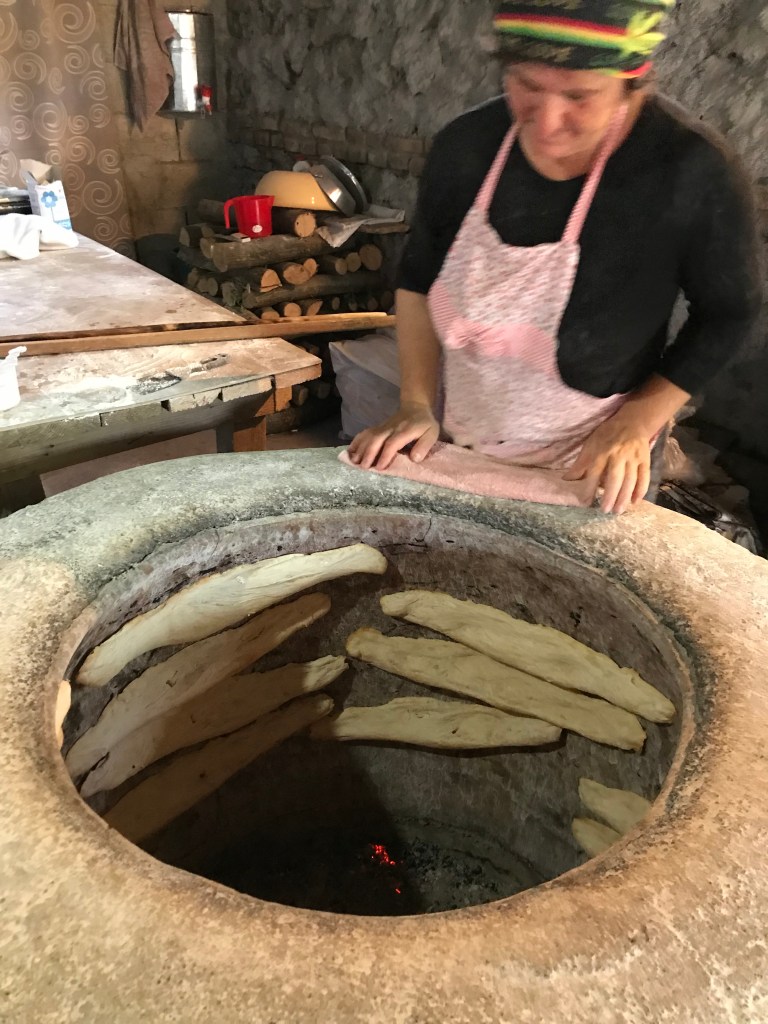
Our car slammed its brakes to stop in time for bread and cheese being sold along the highway. Bread stuck on the sides of concrete ovens took about 15 minutes to cook. Wheels of fresh sheep’s cheese were wrapped in plastic bags ready for purchase. Our second roadside stop was another version brushed with honey and egg before it was covered with an old coat and blanket and cooked.
Roadside Cheese
Ads for Roadside bread
Happy Campers
Slabs of Bread in Oven
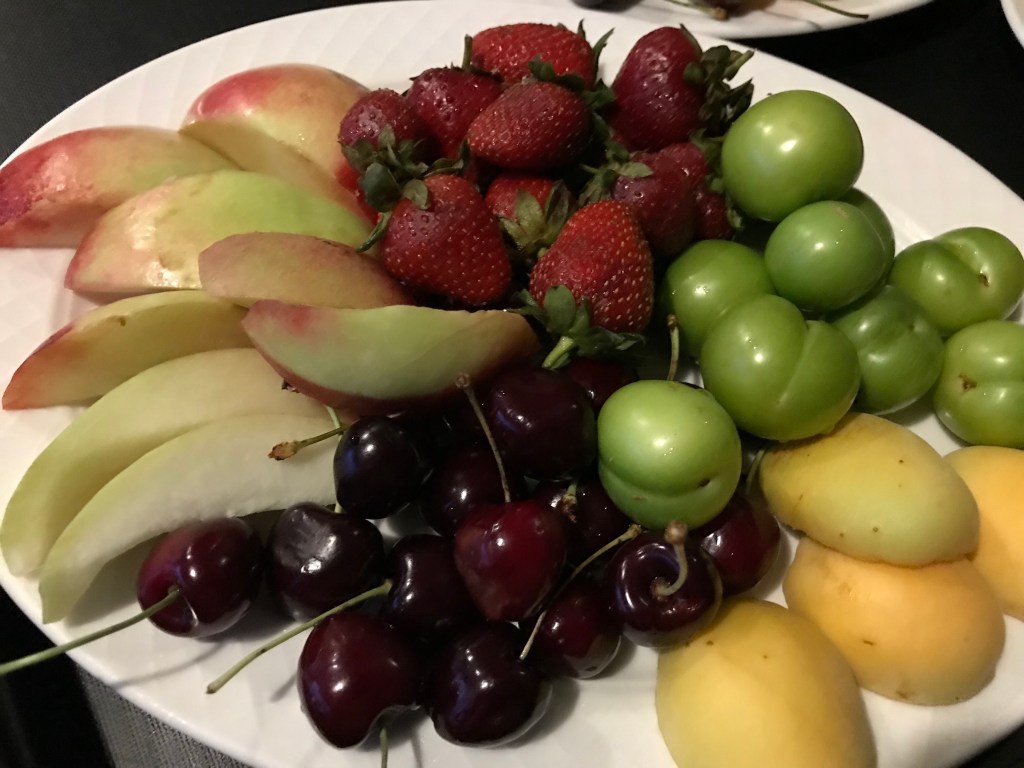
Georgian Dishes may leave the culinary skills behind flowery English descriptions. Our order for “Mushrooms in Clay Pan” was….mushrooms in clay pan. Fruit plates are….fruit plates. No inflated language necessary.
Mushrooms in Clay Pan
Fruit Plate
Wine Tasting
Wine Cellar
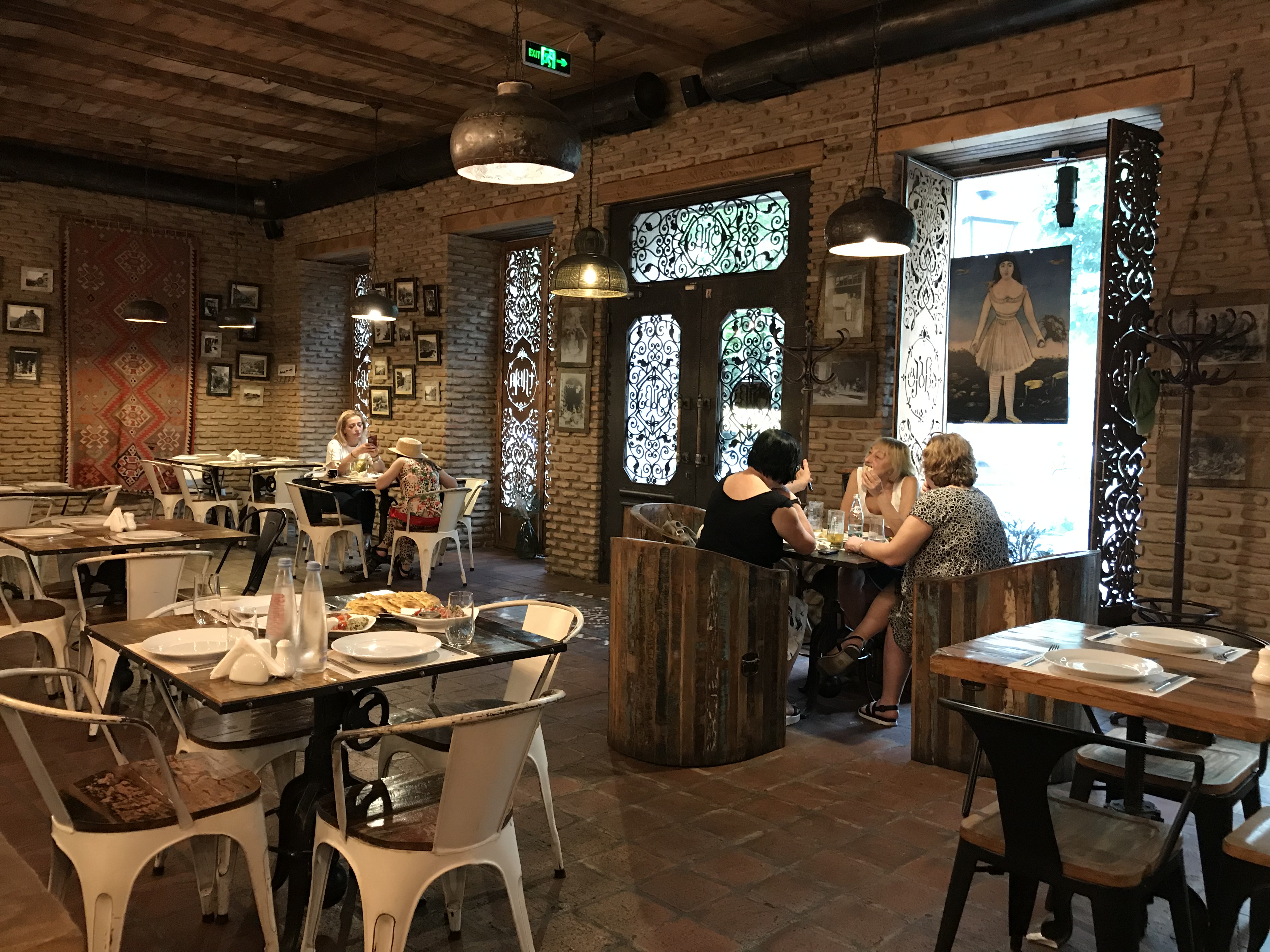
Master Cooking Class in Tbilisi
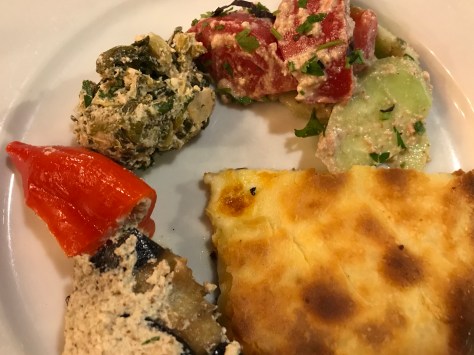
Our master cooking class at the Tabla Restaurant introduced us to a few classic Georgian dishes that we had already tried. Starters with walnut paste rolled in red pepper and eggplant were supplemented by walnut paste patties mixed with beet leaves, leeks, and spinach
Spices used for walnut appetizers
Ingredients for Appetizers
Finished Dish
Pizza dough and 2 cheeses
Rolling out Pizza bread
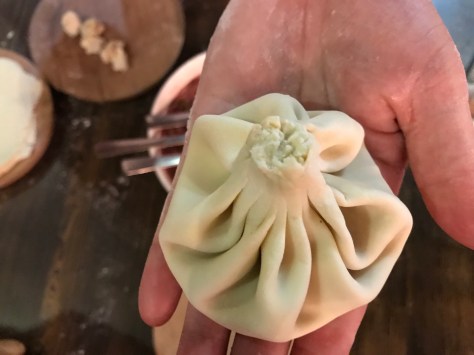
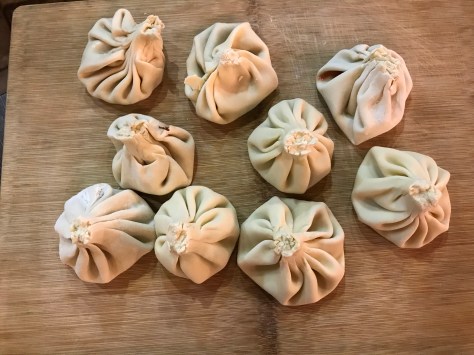
Preparing the dough for dumplings
One Dumpling at a time
Finished Product!
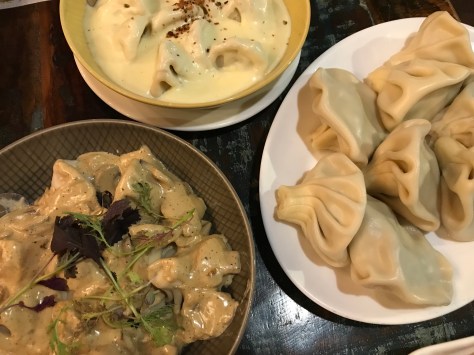
Large Dumplings, and small dumplings with Mushroom and Cheese Sauces
Serving of Appetizers and Pizza bread with cheese
Architecture and the Streets of Tbilisi
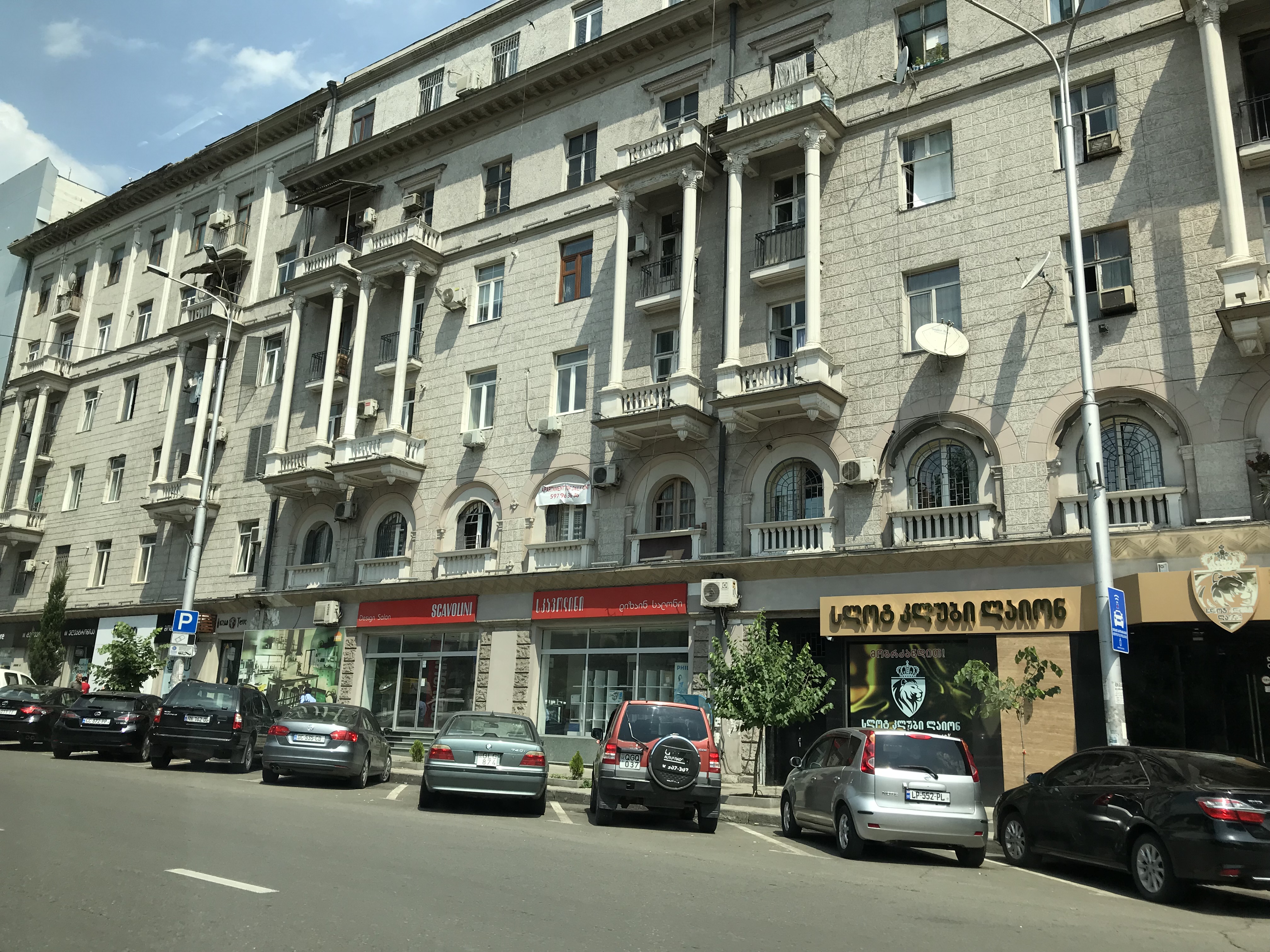
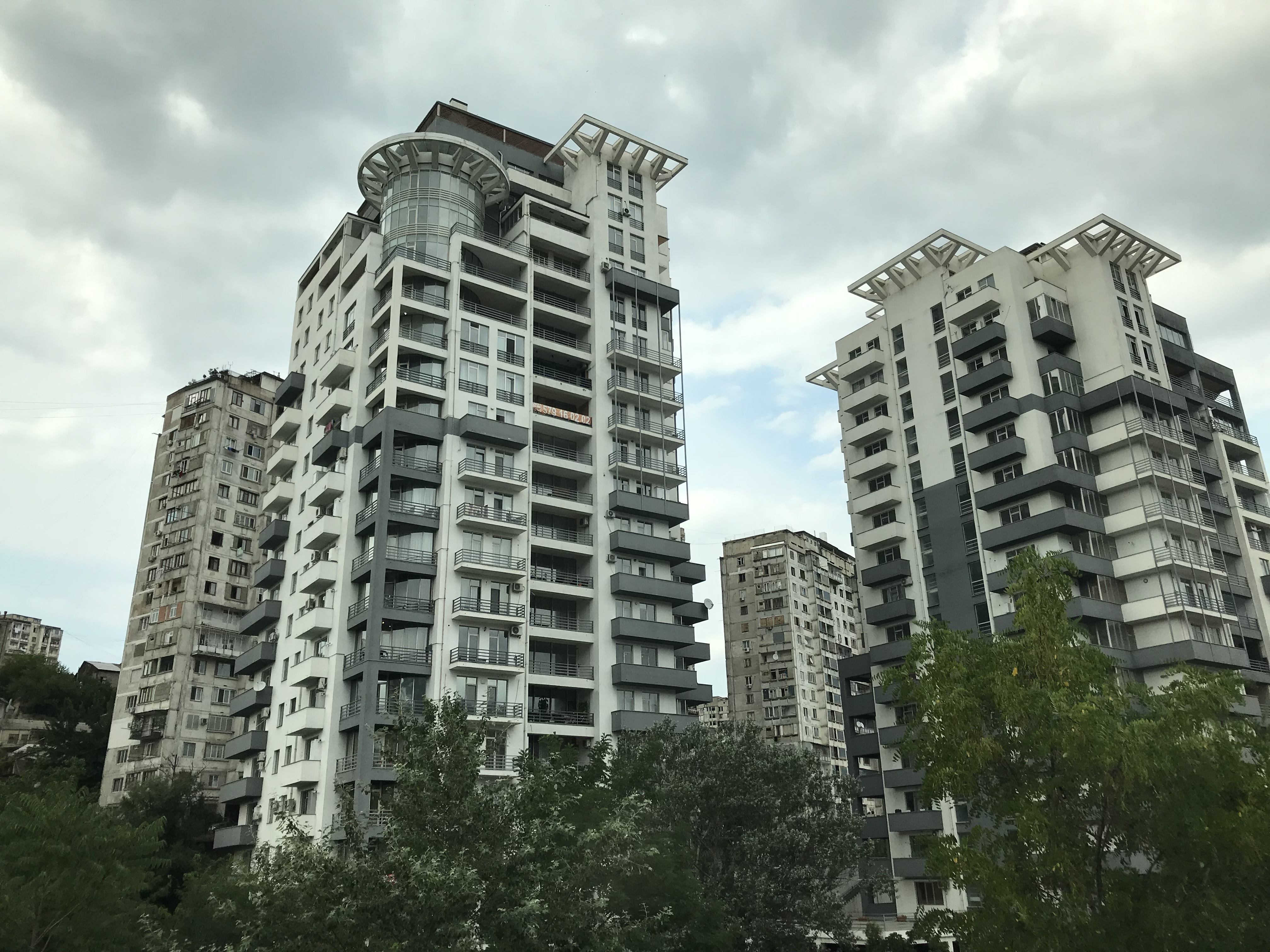
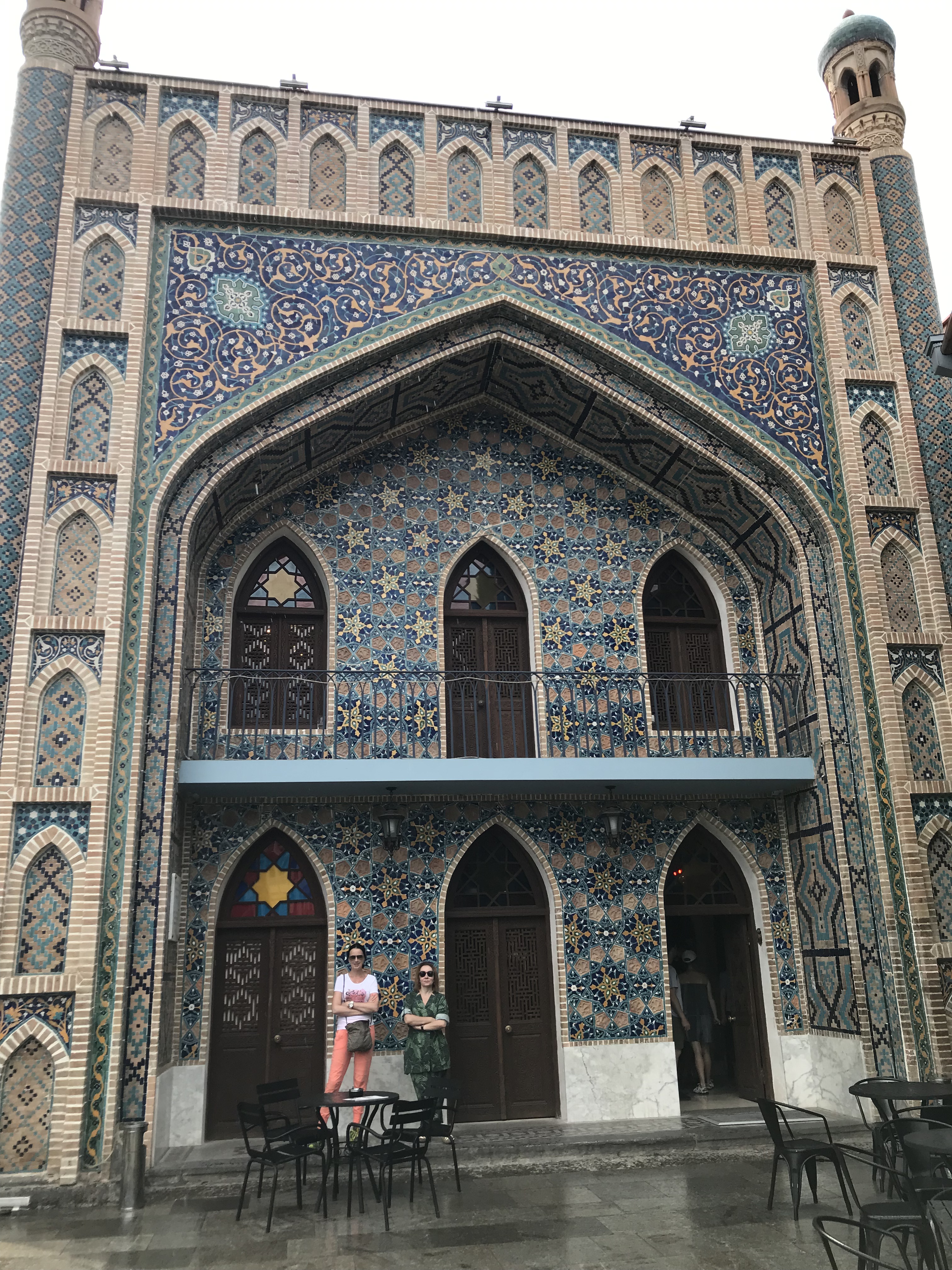
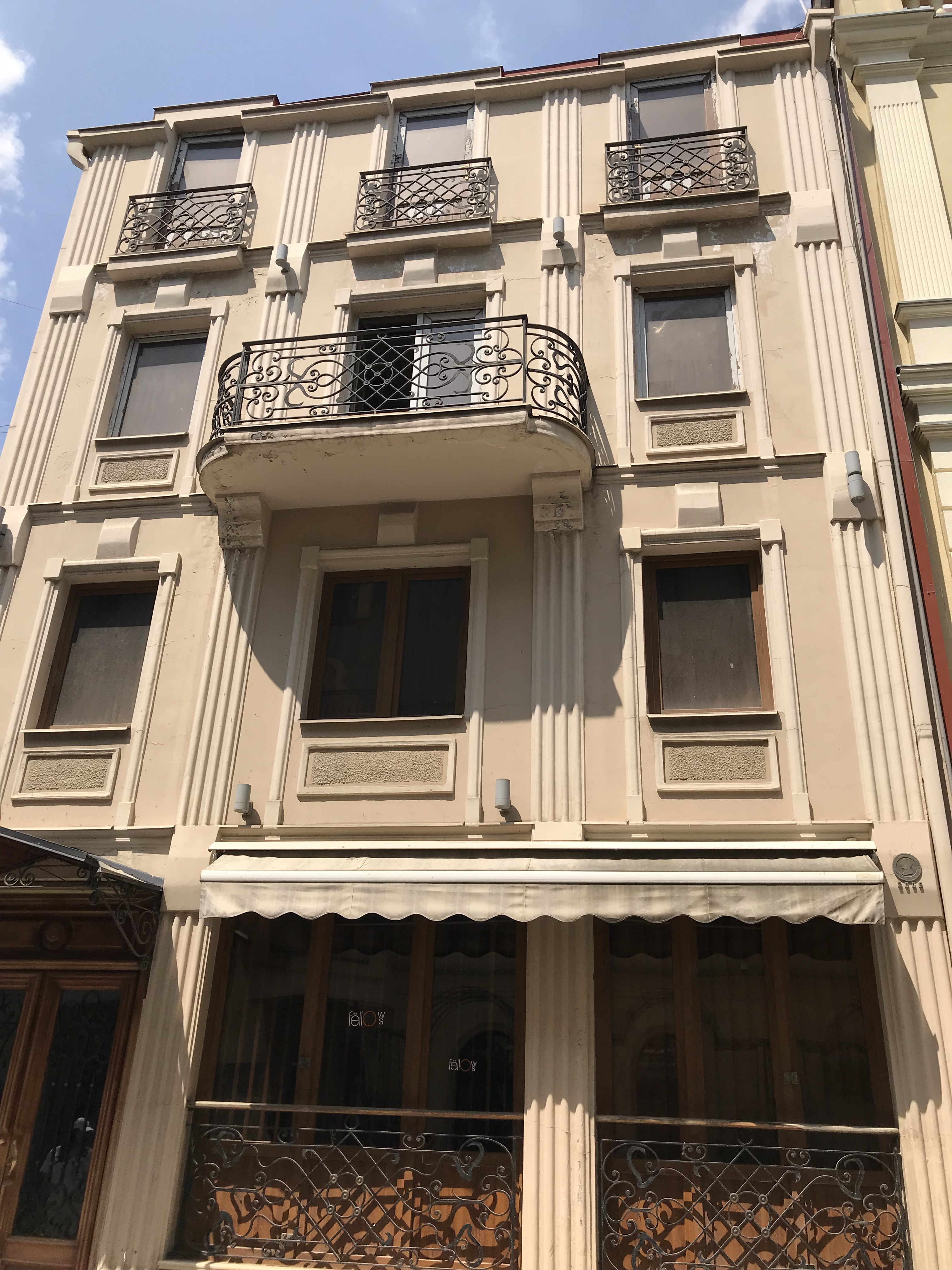
The huge time expanse transcends everthing from the 4th C. BC to the present-day, so many buildings appear to be dilapidated, neglected, or poorly maintained. There are a healthy addition of modern buldings that are flamboyant and daring to contrast with the crumbling old ones.
It didn’t help that there was a major earthquake of about 7.0 in 2003, leaving many of the cracked brick structures in the Old City crumbling and in dire need of attention. Owners and their descendants hold out for the big hotel developer to make them an offer to make them rich for the rest of their lives. In the mean time, the neighborhood suffers with blight and tenants who continue to risk their lives for cheap rent.
With over 1 million people, Tbilisi is home to nearly one quarter of the country’s population of 4 million people. There’s much work to be done to develop the city, and I remind myself not to expect all the conveniences and solutions of more well-developed countries.
We are able to see the country before major development take over. And yes, there are still many evident flaws and cracks in the system such as broken sidewalks, collapsed structures, and traffic accidents. The Georgians have suffered from failed and impovershed governments.
Georgia has been bombarded with invasions and systemmatic loss of its borders at the whim of leaders inside and outside the country. It is a small country that has been used as a political football for its neighbors. The capital city of Tbilisi has been sacked 27 times since it was moved from Mtskheti. Despite that, its people look to its future and hope that Georgia can soon join the EU and NATO. You can read more about this fascinating country in https://en.wikipedia.org/wiki/Georgia.
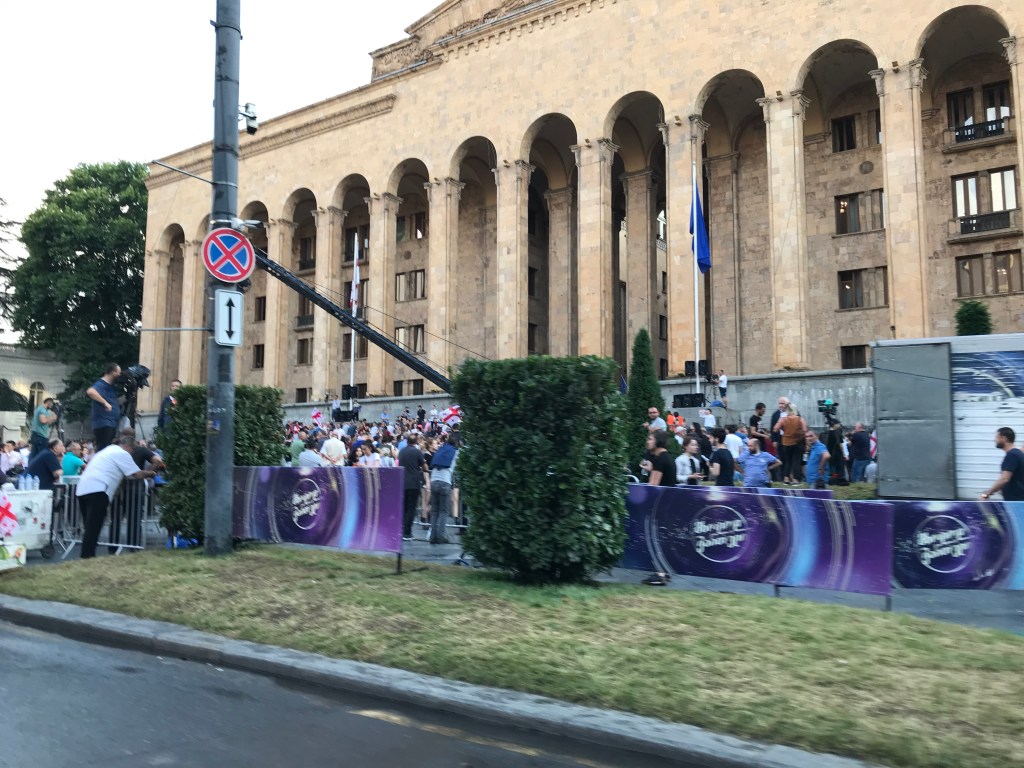
Addendum: We had been hearing about the active protests against the government after the Chairman of Georgia’s Parliament allowed a Russian MP to sit in his seat and deliver a message in Russian. Georgians were protesting the government for succumbing to Russian influence.
Tracing the steps along the Silk Road– Samarkand, Bokhara, Isfahan–the namesakes of Oriental carpets–has formed the basis for my travels through Central Asia. Throughout Azerbaijan, the trail of the ancient route is evident, as traders plied the same track we are traveling, between Dagestan (part of Russia) and Iran.
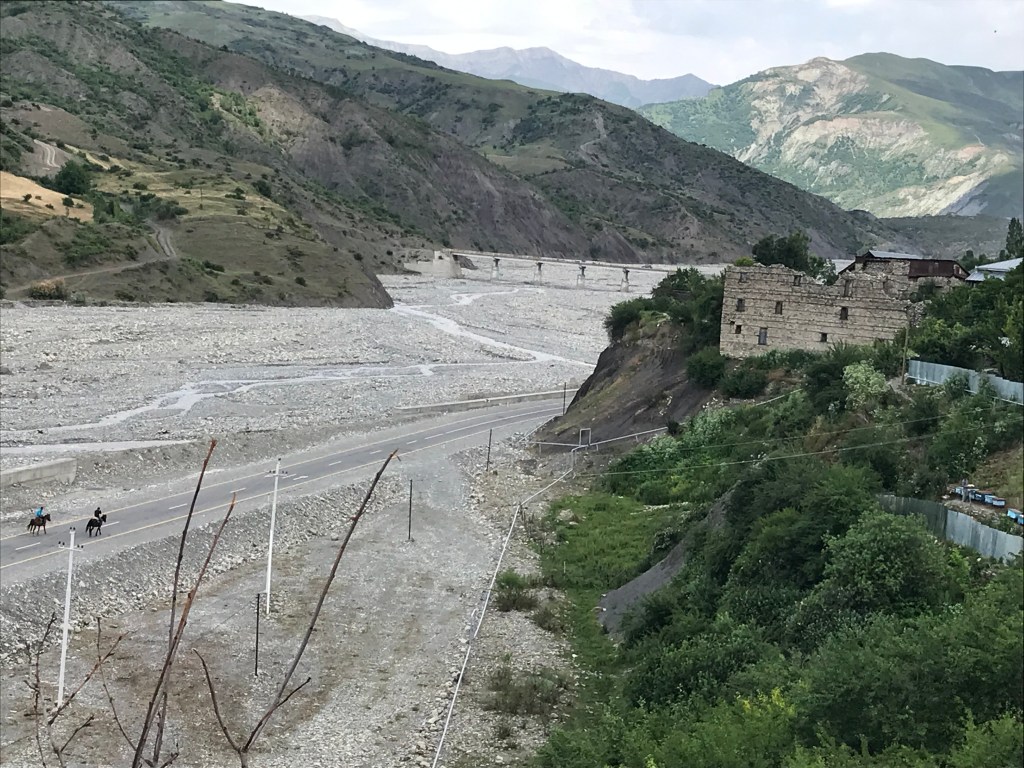
We traveled through the baby Caucasus mountains northwesterly towards Georgia. Because of border disputes between Armenia and Azerbaijan, neither jurisdiction will allow direct access across their border. Tourists must transit through “neutral” Georgia to the other country. What’s bad for Armenia and Azerbaijan is good for Georgia.
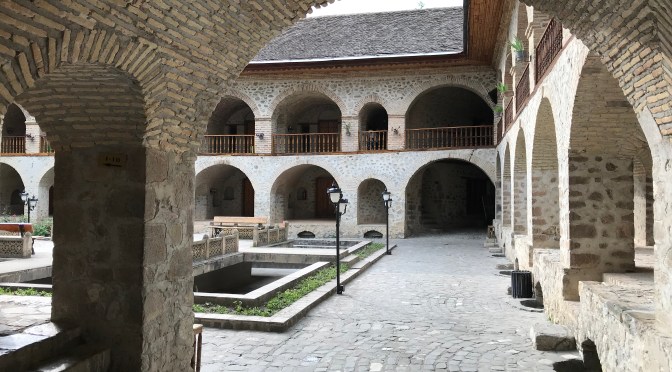
Silk Road Caravansary
Similar to those in Iran and Uzbekistan, the caravansaries were stopping points for traders along the Silk Road. Camels were housed on the lower floor and provided heat for travelers who lived above. The central water fountain was used for cooling the space and was connected to the ventilation system. Traders could set up instant pop-ups to sell and barter their wares, before moving onto the next station.
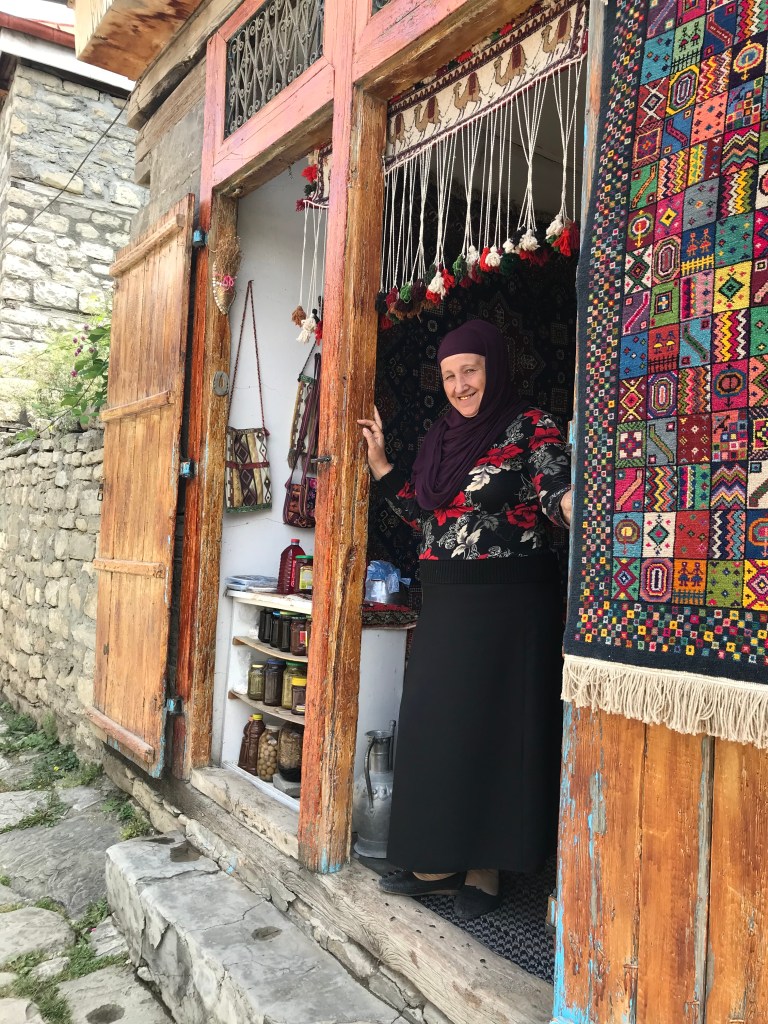
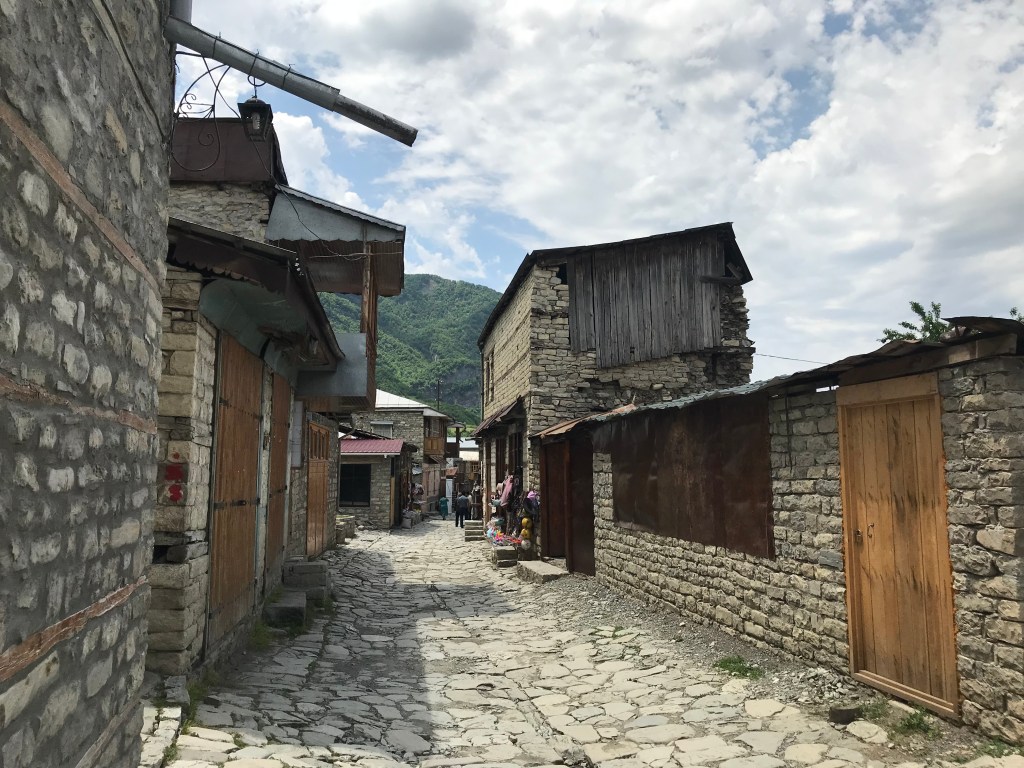
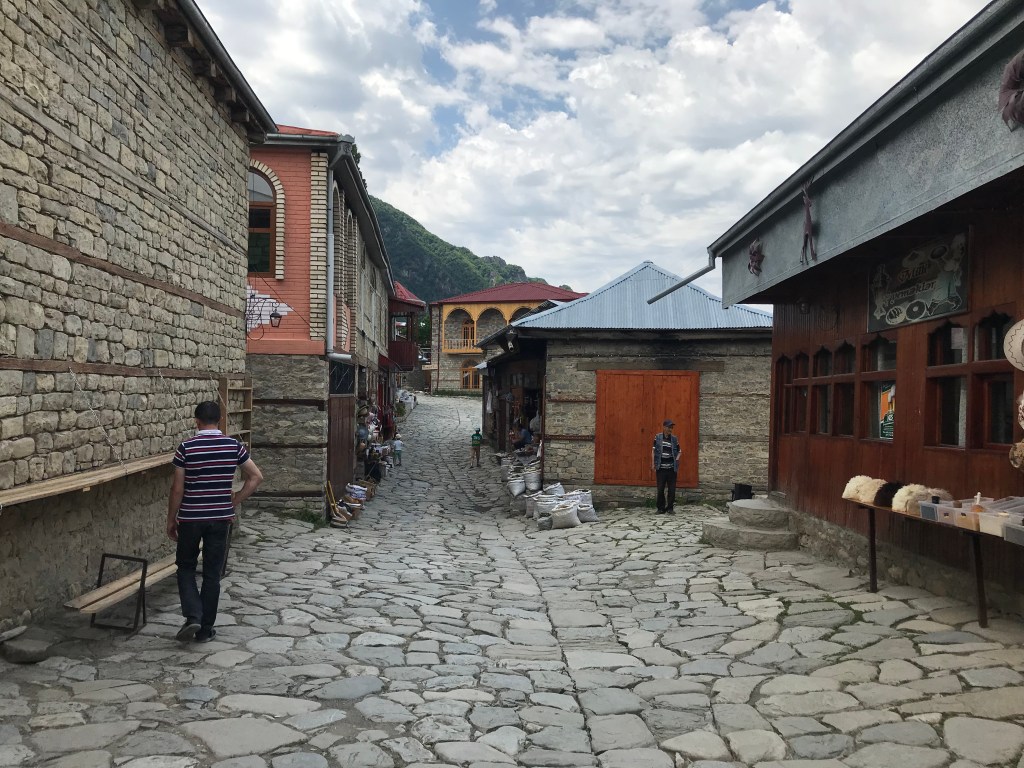
In the nearby town of Lahij, local items made of wool, herbs, and copperware are sold similar to those traded along the Silk Road in the 5th Century.
Lahic Shopkeeper
Lahic Shop
Lahic Storefront
Herb Shopkeeper
Window Dressing
Wood Door
“Antiques”
Cobbled Road
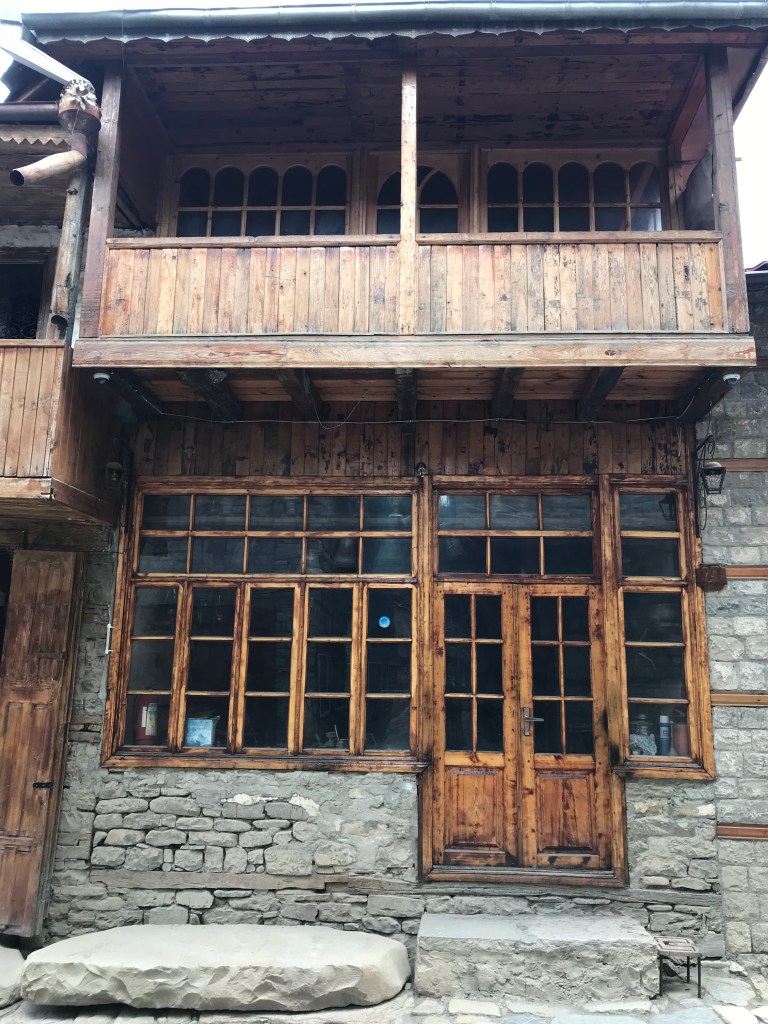
Typical Buildings
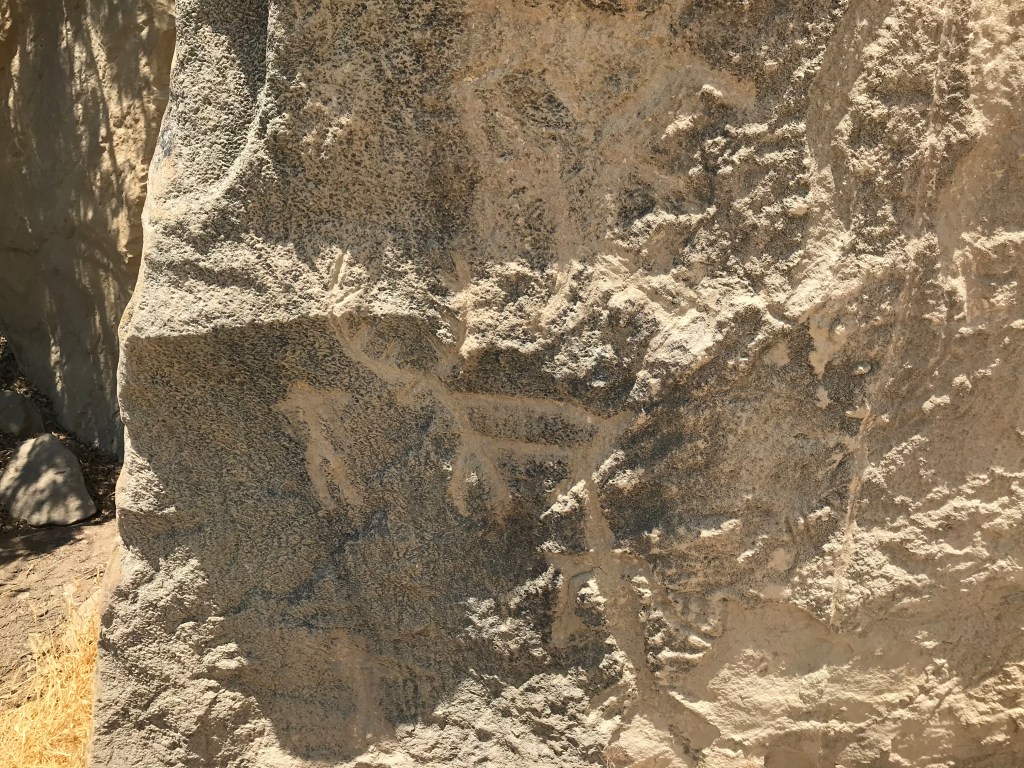
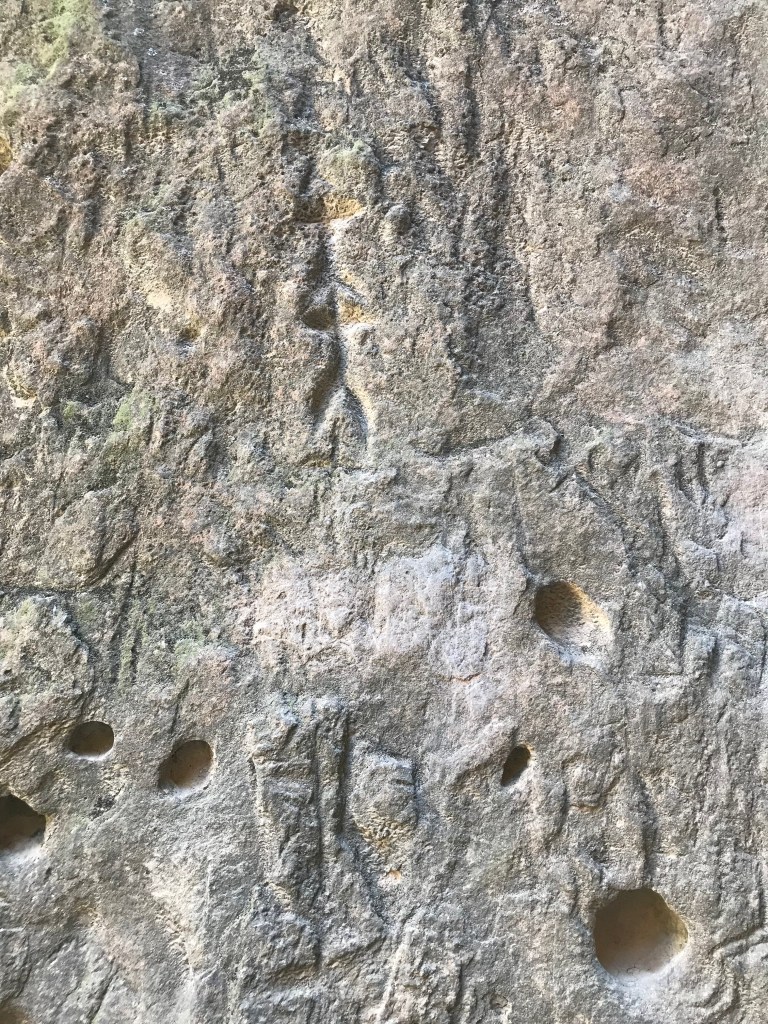
Petroglyphs, Gobustan National Park (a UNESCO World Heritage Site)
from the Neolithic period, these petroglyphs may not be as elegant as those in Alta Mira or Lascaux, but the 6,000 petroglyphs in this area certainly were evidence of man’s need to communicate. Animals being hunted, a focus on females for child bearing and men hunting were typical images carved into the sandstone rocks where they lived.. I was excited by the chance to see these markings by our ancient artists, carved en plein air in a spectacular setting.
Yanardag Mountains
For several hundred years, natural gas burned openly and continuously in the Yanardag Mountains. It’s not surprising that religious rites sprung from man’s early encounter with these unexplainable phenomenon. In the town of Surakhany, the Ateshgah Temple was used for fire worshippers. Zorastrians and HIndus travel from India to visit the temple. You can read more about it below.
Zorastrianism is still practiced in India today
This temple reminded us of our first introduction to the Zorastrian religion in Iran (Thus Spake Zarasthustra!) as well as the Fire Temple in Yasd.
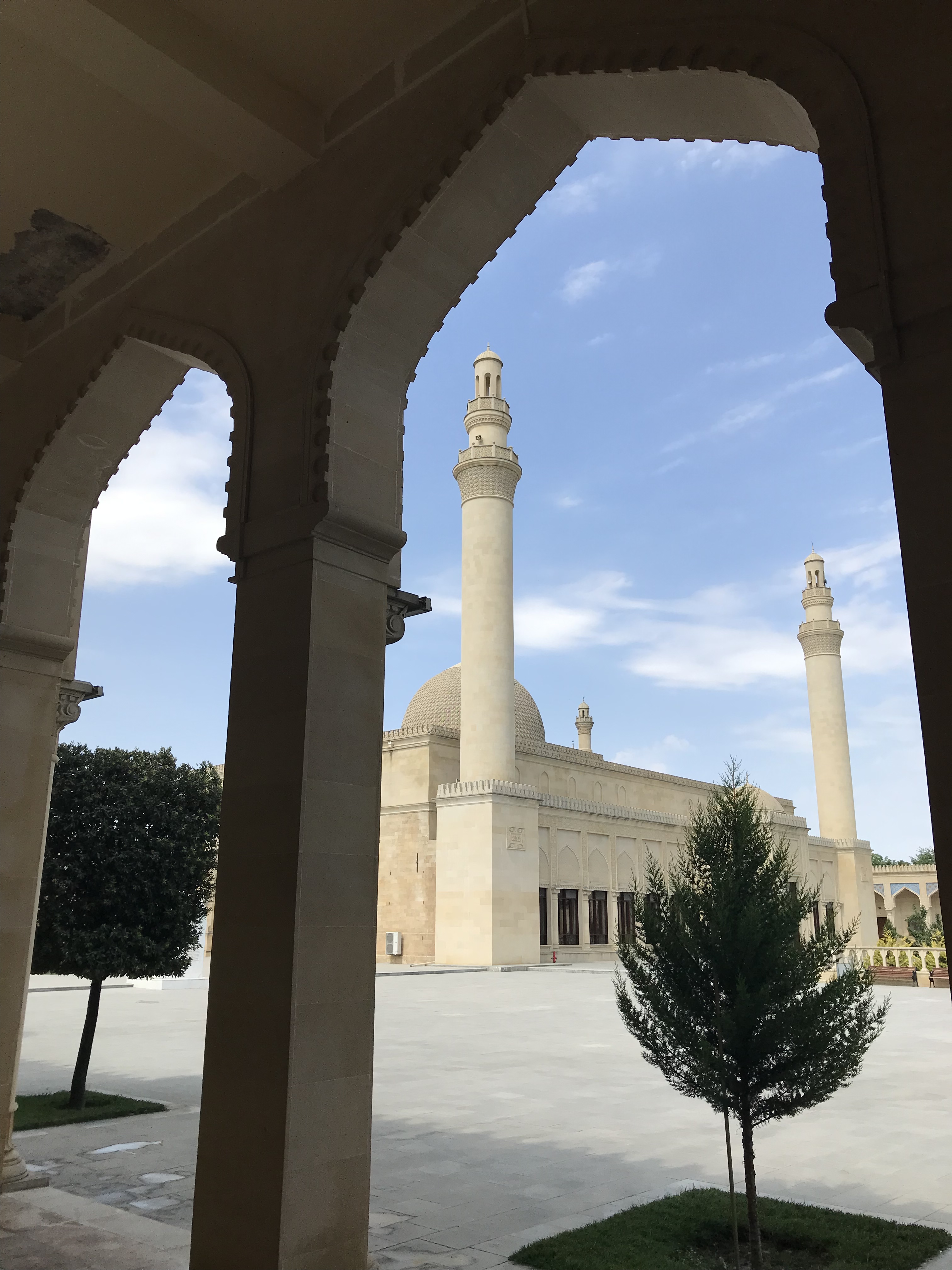
Juma Mosque
Juma Mosque, largest in Azerbaijian
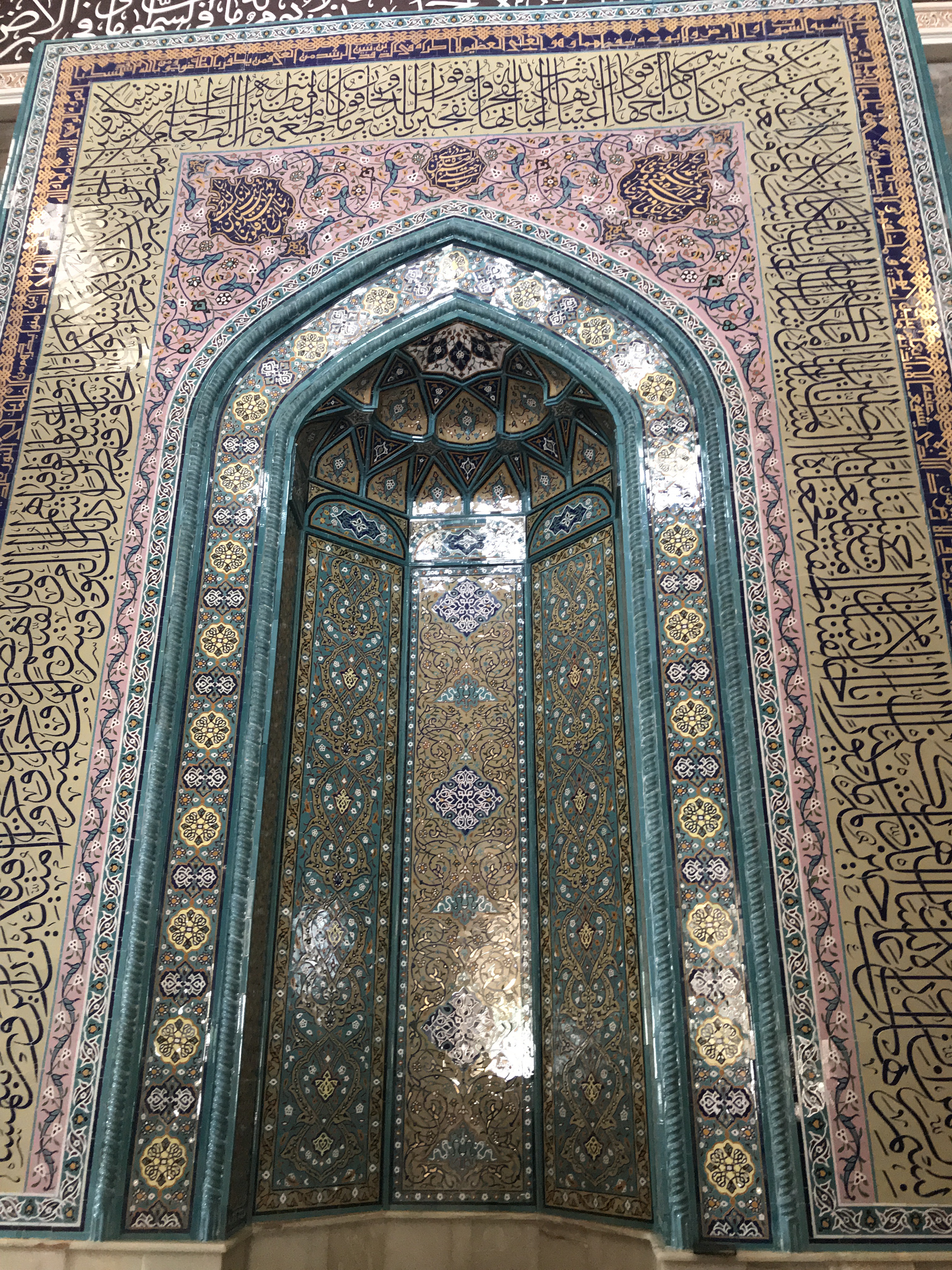
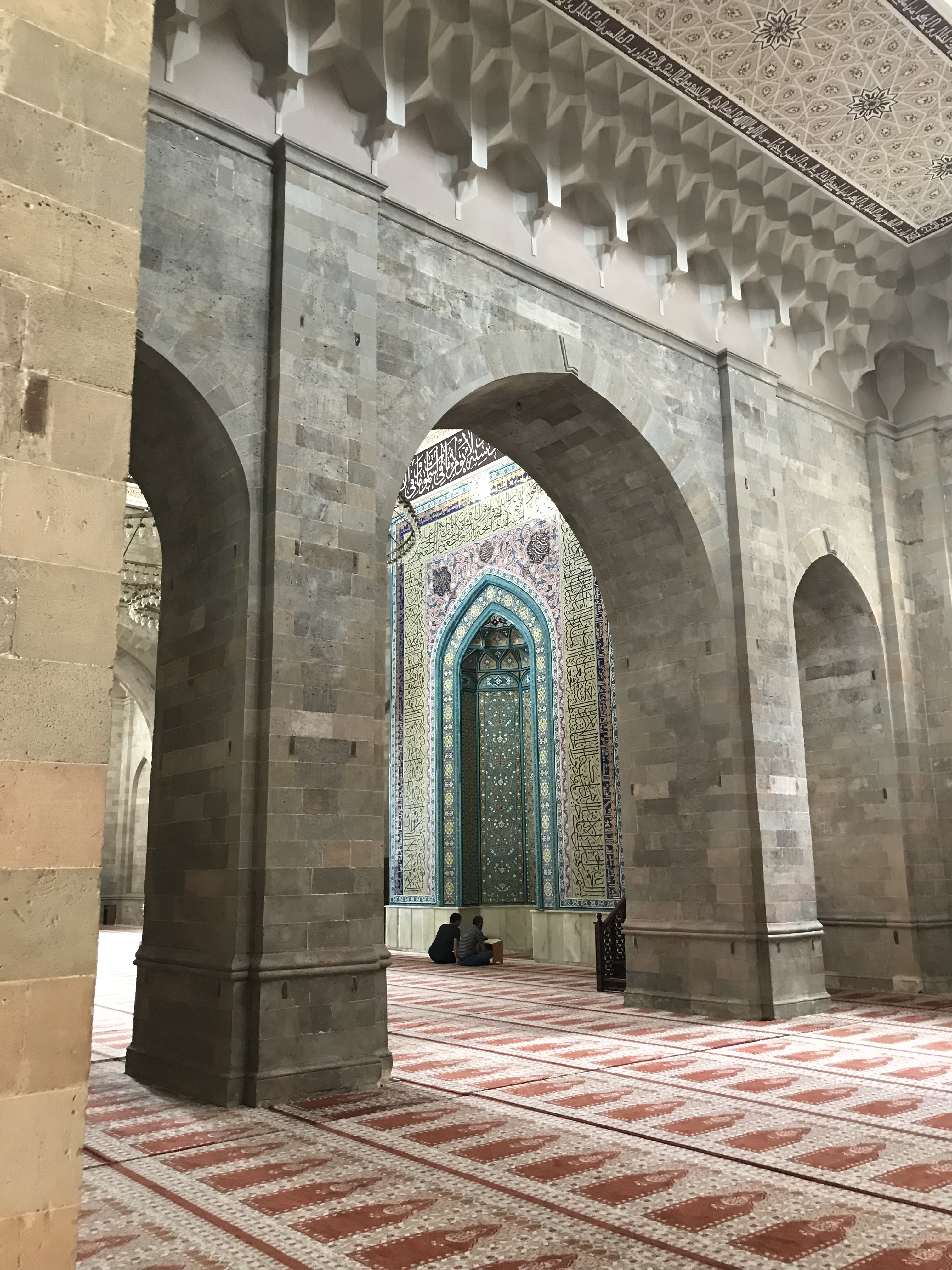
Juma Mosque interior
Dome of Mosque
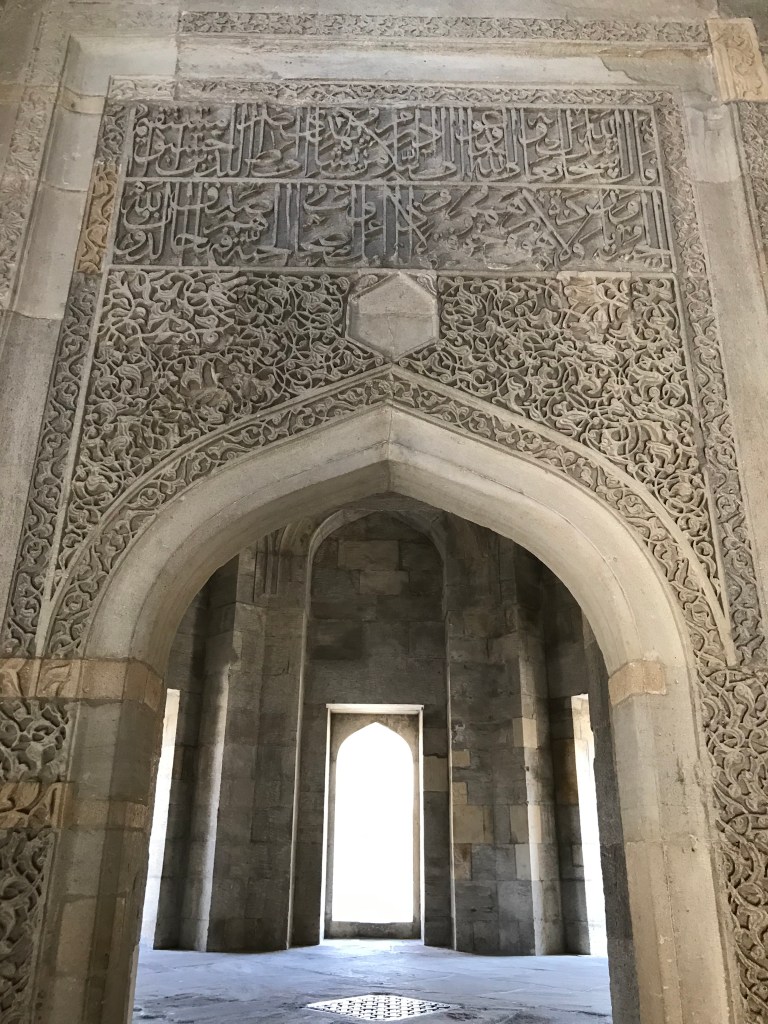
Considered the largest mosque in Azerbaijan, its sandstone walls were a contrast to the blue mosaic decorations more commonly used in mosques I visited in Iran and Uzbekistan. The mosque was rebuilt after earthquakes and fire damaged the building.
We headed to the high point of the city for an overview of the city skyline. At -28m below sea level, it is inperceptible that the area was covered by water, then receded multiple times in the past. The Caspian is called a sea for this reason–that the salt water from what was once part of the ocean differentiates it from from a fresh-water lake.
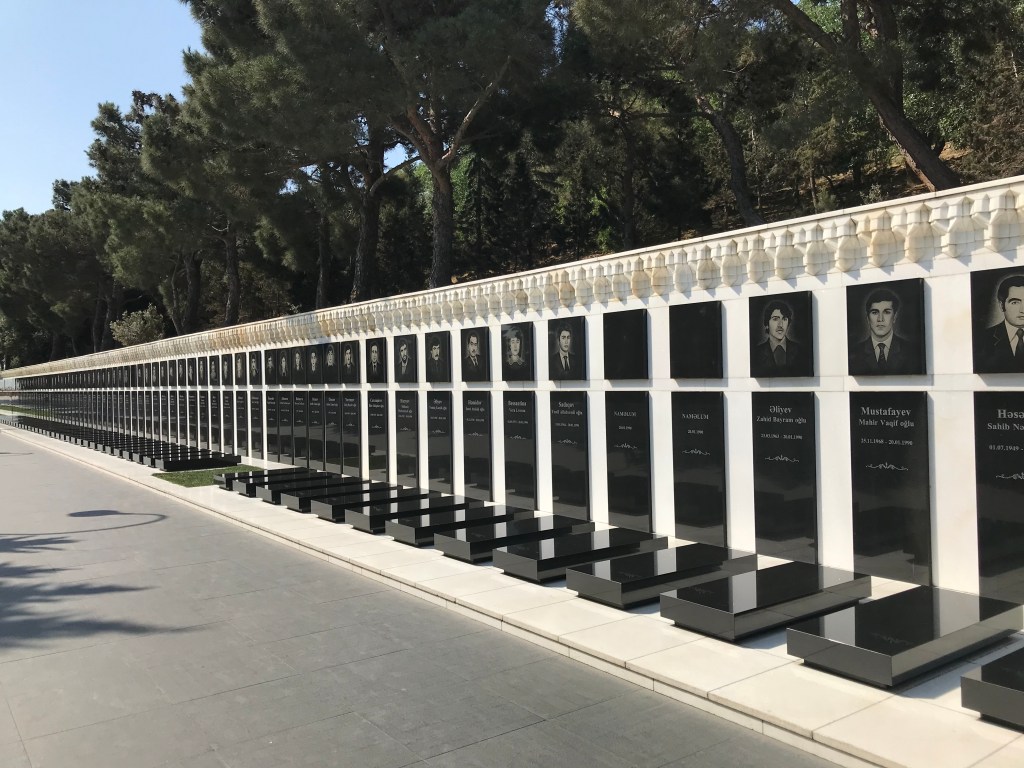
The Martyr’s shrine commemorates the 200 fallen rebels who led the second revolution in 1990. While being freed from Soviet rule and becoming independent, this was not the first attempt. Azerbaijan was established as a nation in 1920 as told by the Ali and Nino story I mentioned in the last post. Its success was short-lived however. The Russians came back and dominated the country for another 70 years before they relinquished power.
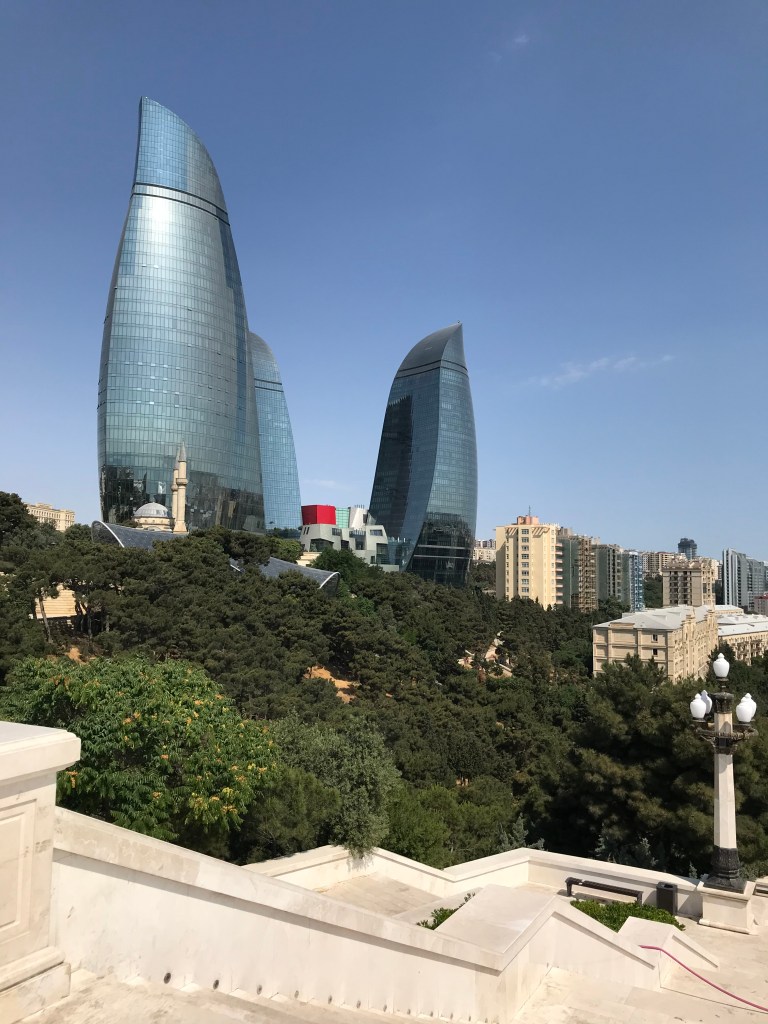
The Flaming Towers are Baku’s latest hotel, office, and condominium high rises that proudly display the city’s oil wealth and future. The capital of Azerbaijan was moved to Baku in the 12th century to this prominent peninsula on the west side of the Caspian Sea.
Shirvan Shah’s Palace and Museum
NIche in private mosque faces Mecca
Sandstone Tracery
Stairs to Women’s Quarters above Mosque
Tapestries
Double-Edged Sword
Daggers
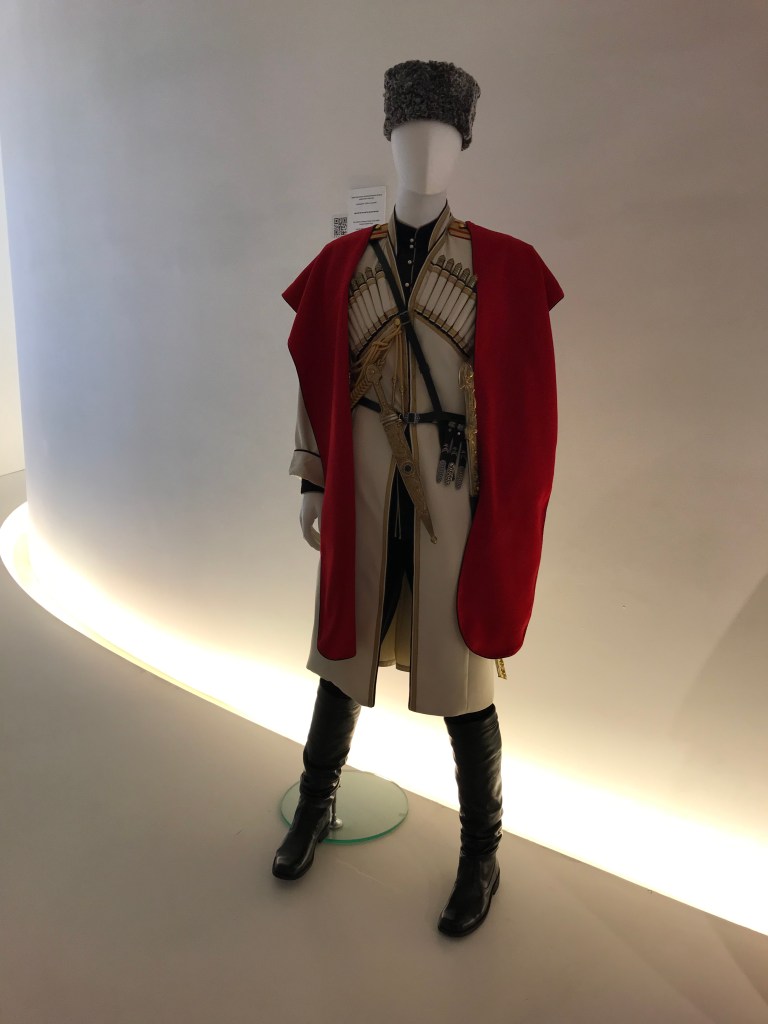
Ethnic Clothing
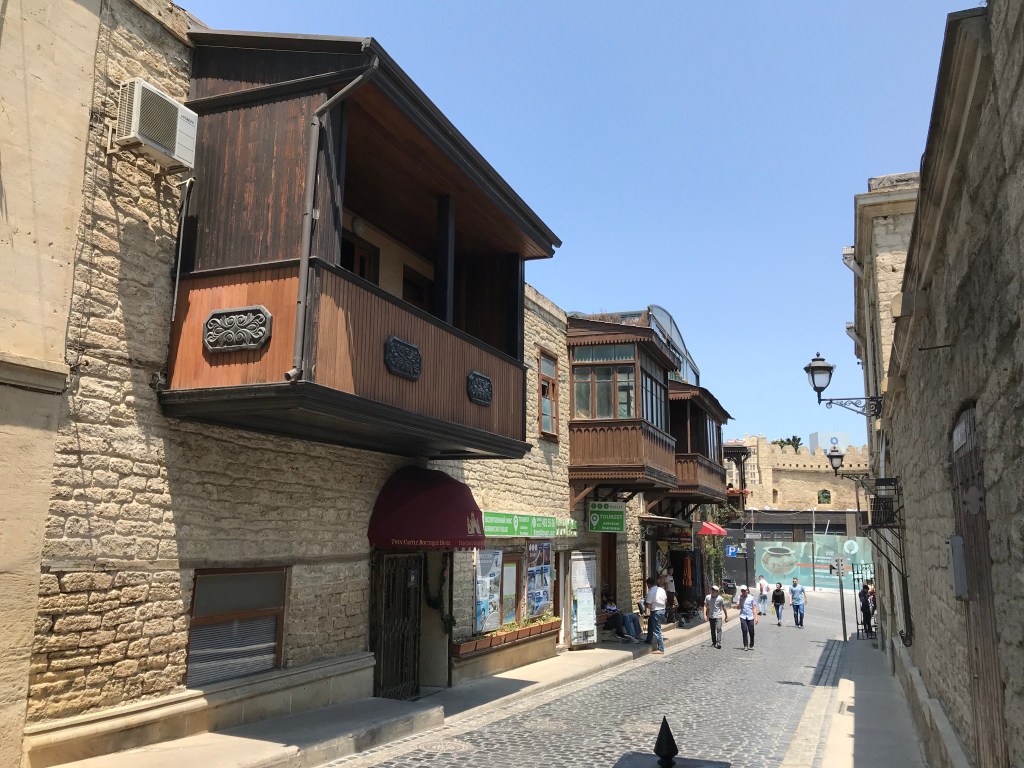
Architecture Inside Baku’s Old City Walls
Designated a UNESCO World Heritage Site, the old City in Baku has renovated its historic buildings for public view.
Wooden Balcony
Ironwork
Wooden Balcony
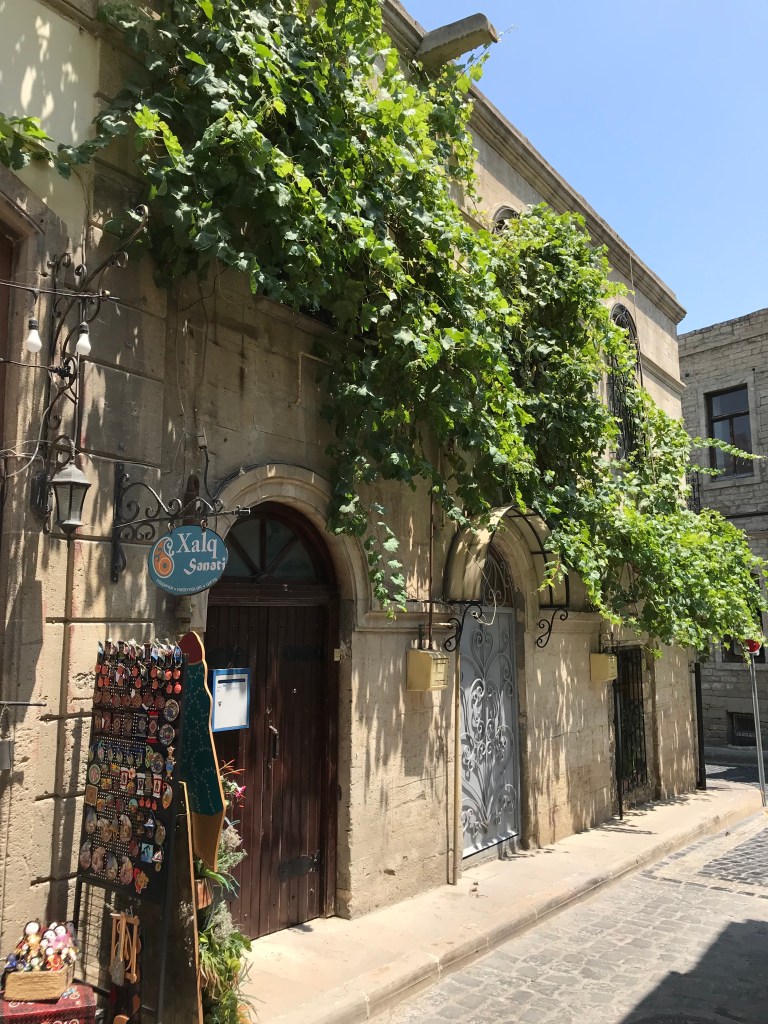
Arched Facades
Wooden Balcony
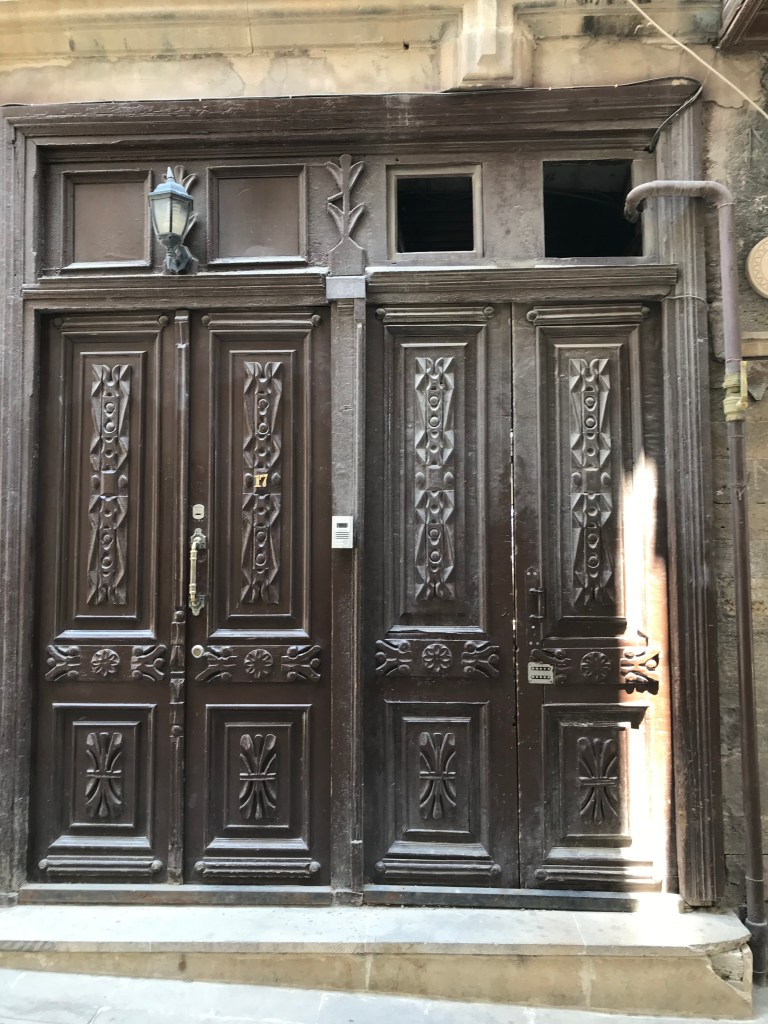
Entry Doors
Cool Alleyway
Cool Alleyway
Inside the Old City
Courtyard
Maiden Tower
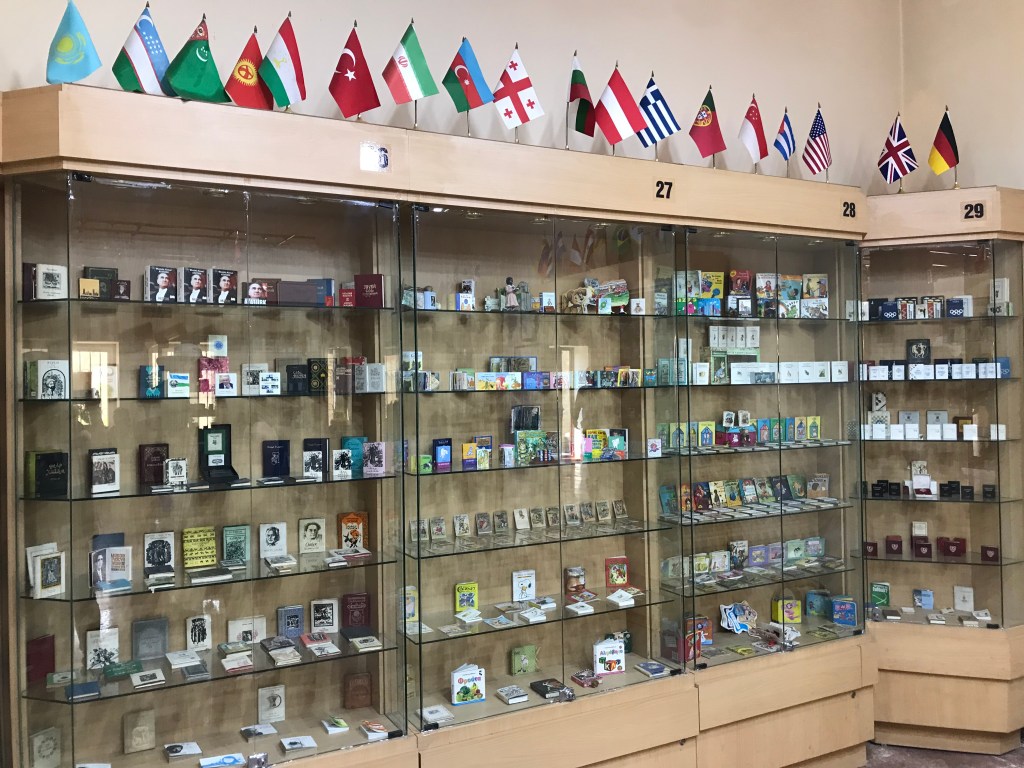
Miniature Book Museum
Founded by an Azerbaijani woman, this museum contains over 8,000 volumes of miniature reproductions from books collected throughout the world, including Western, eastern, and local literature. This museum is cited in the Guiness Book of Records!
Obama Miniature
German Miniatures
Art of War
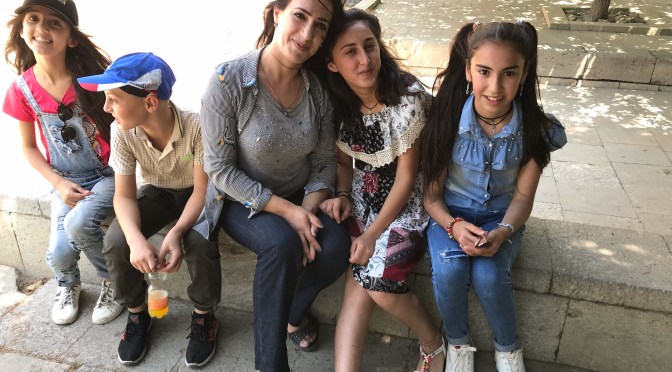
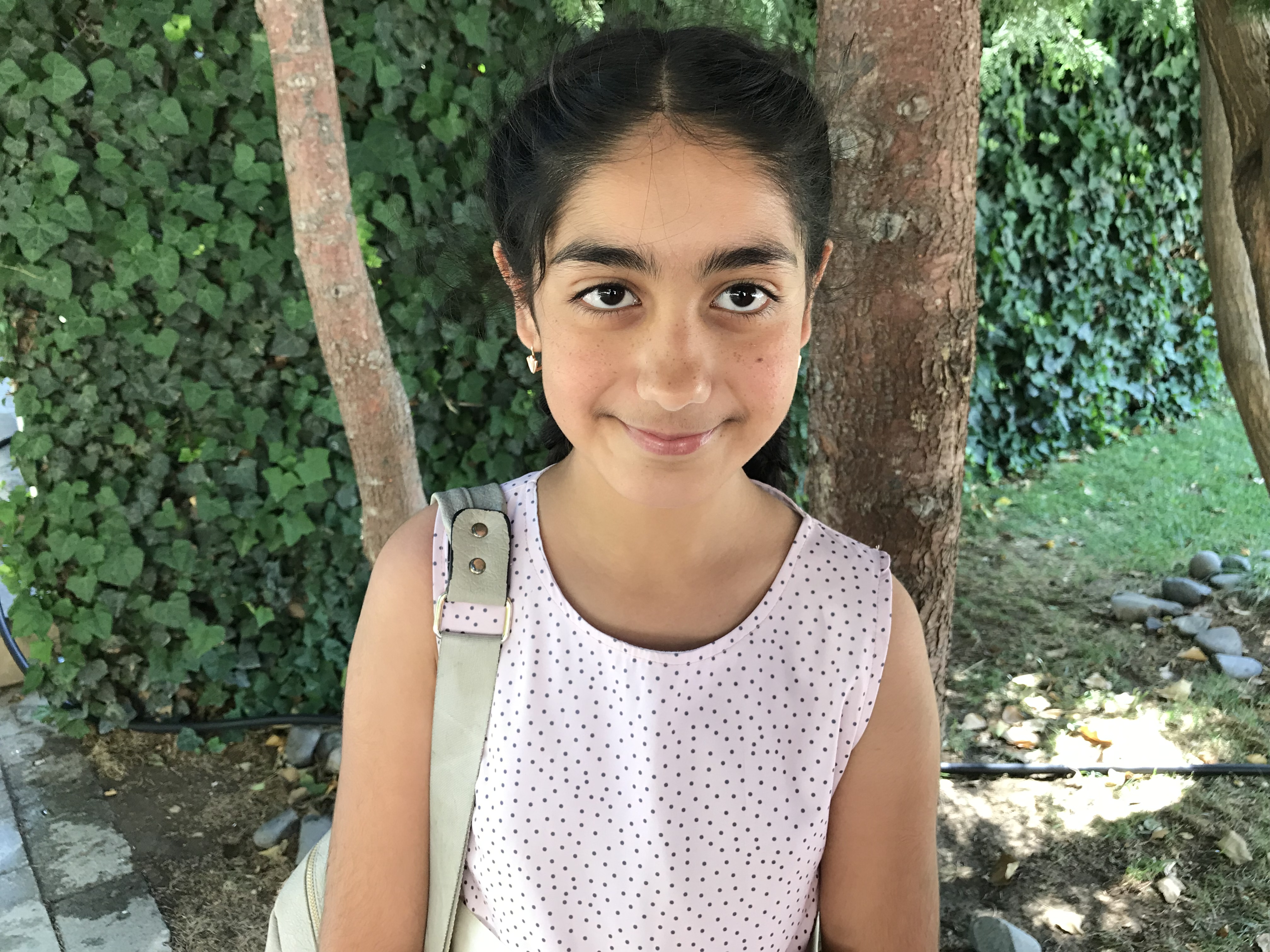
Baku’s Friendly People
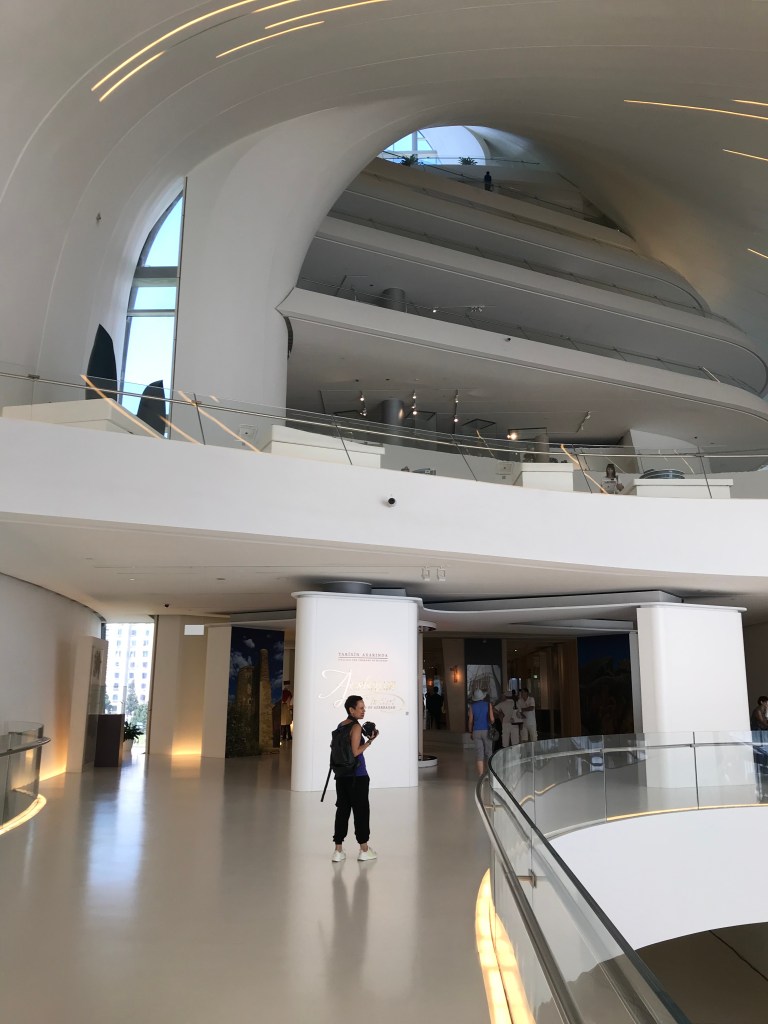
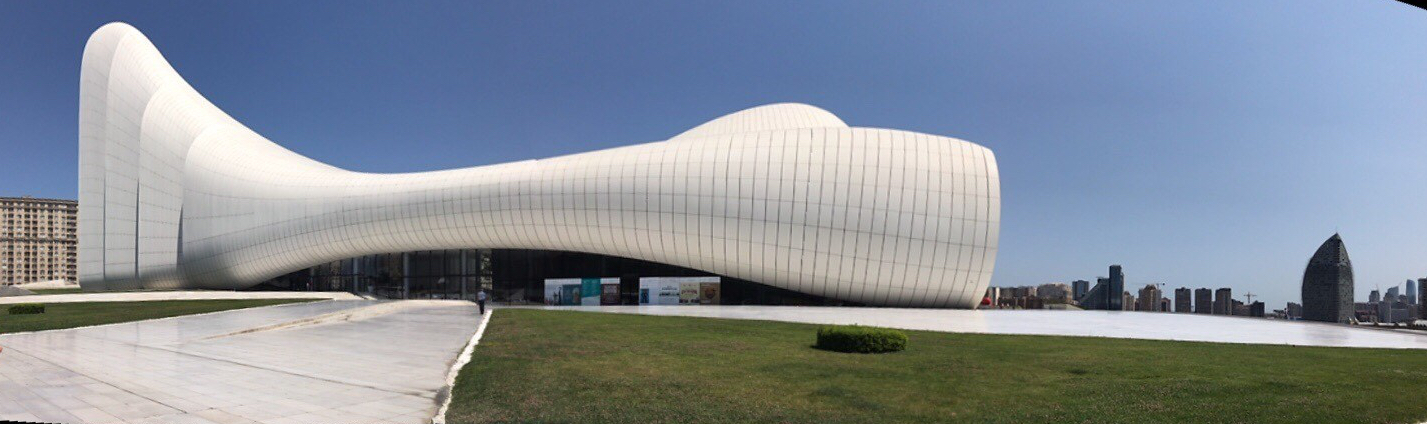
Heydar Aliyev Center by Zaha Hadid
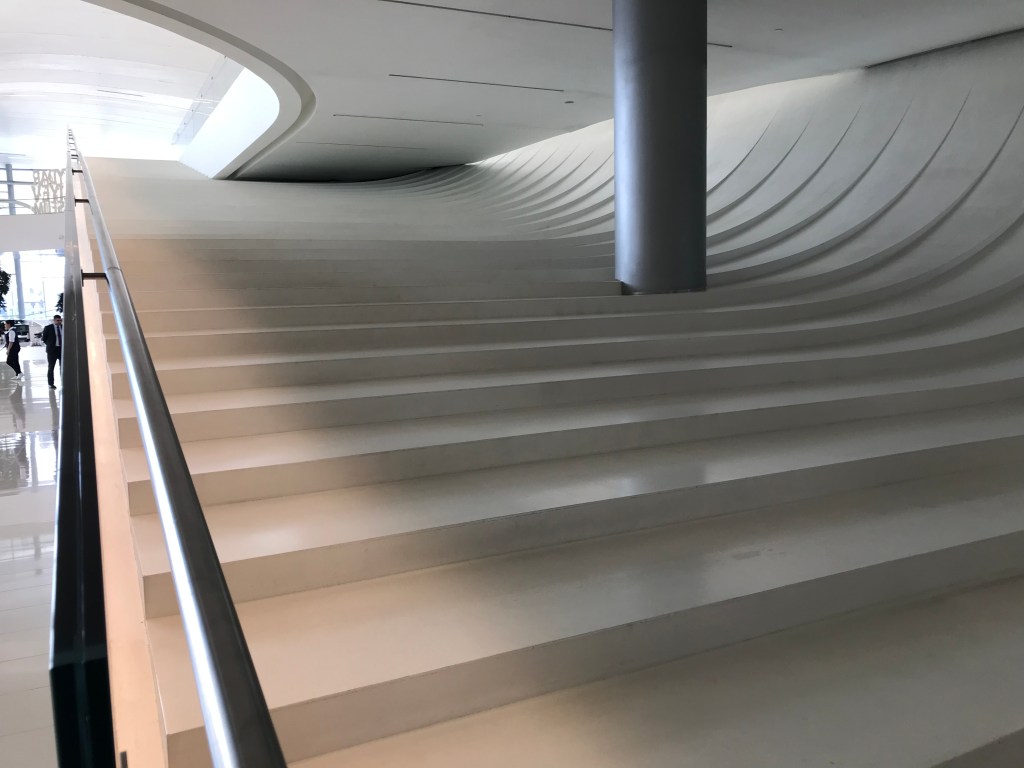
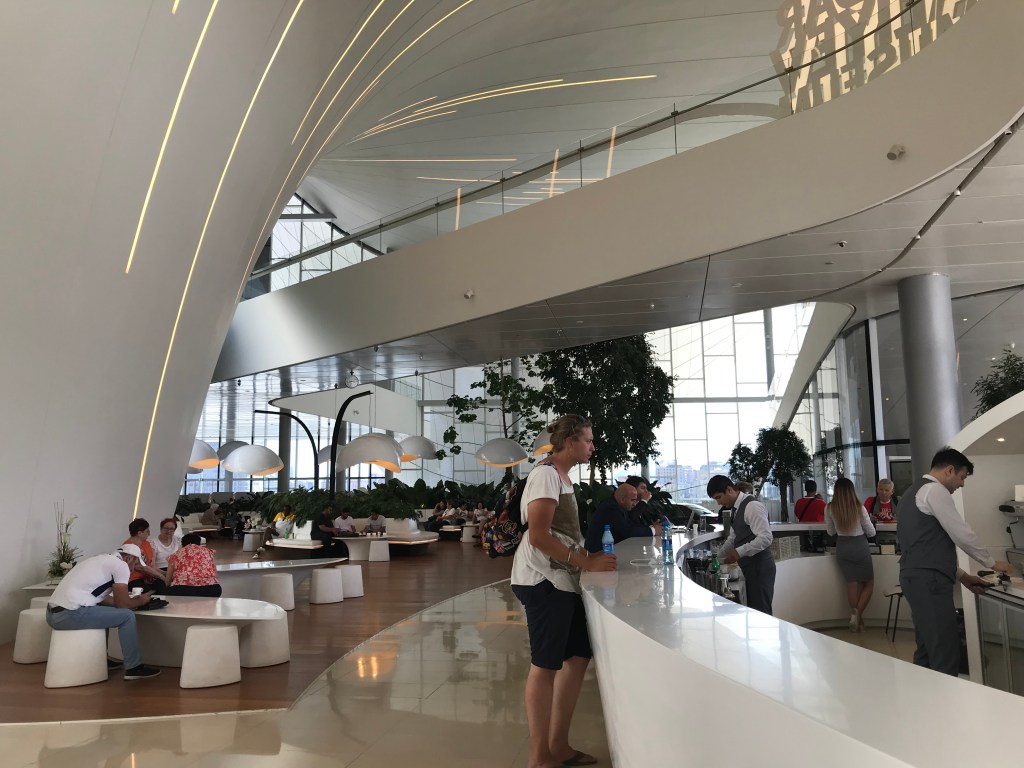
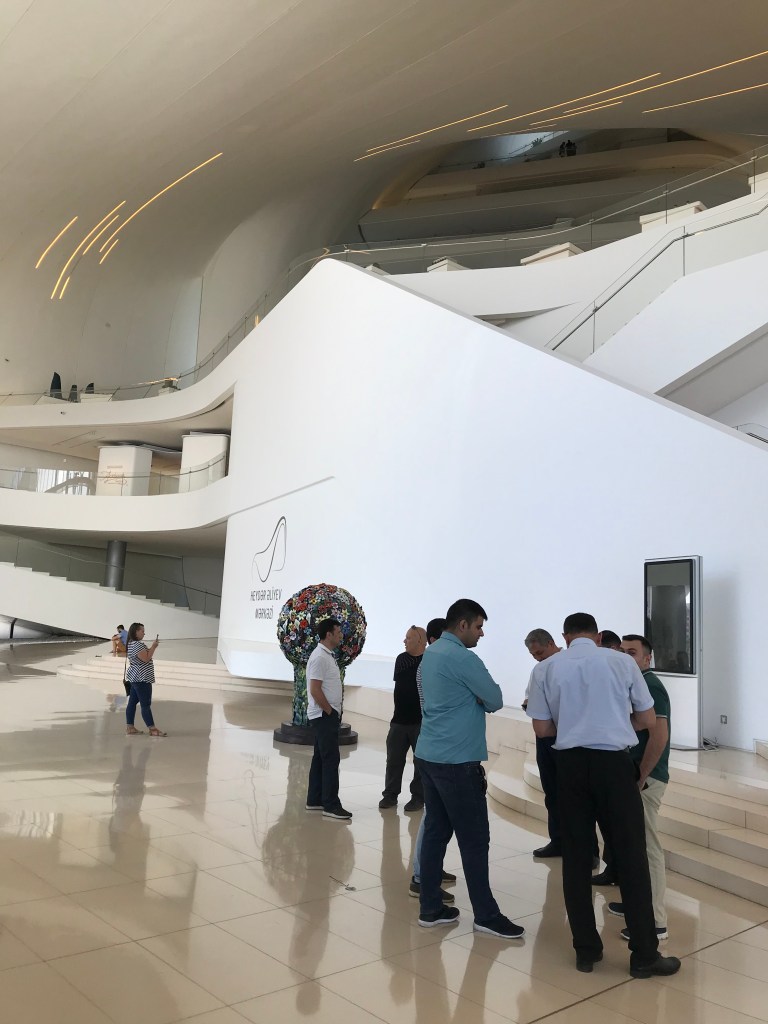
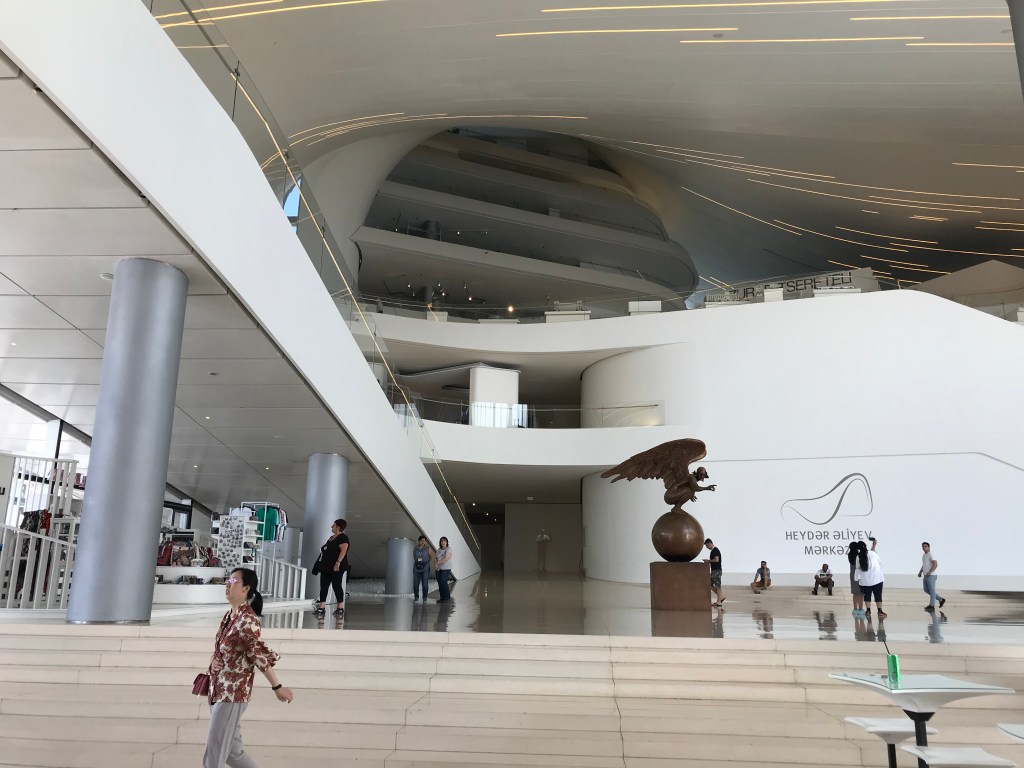
This new building designed by Zaha Hadid, the world-famous Iraqi architect, has won numerous international accolades for its sweeping bold design. The museum displays Azeri culture and commemorates Azerbaijan’s former president, Heydar Aliyev.
Hadid created a vision and inspiration for the next generation of architects. Its womby curves and vast proportions offers a three-dimensional fly-through in real time. From the exterior, the building looks like a huge beached whale.
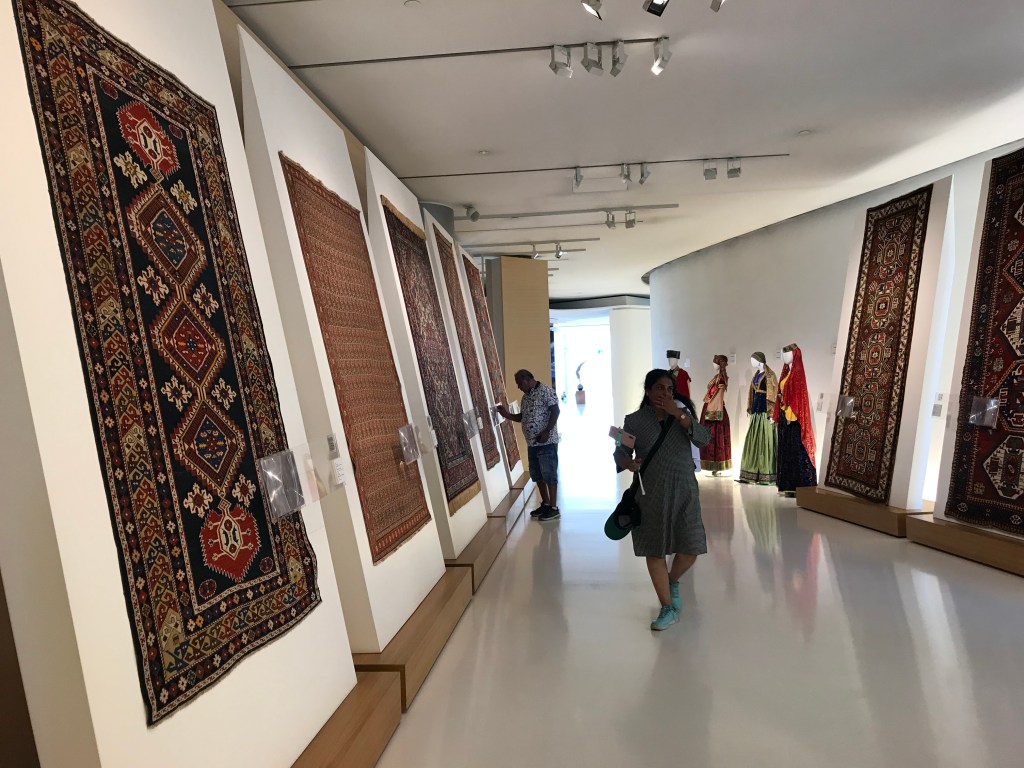
Museum Collection and Interior Details
Art Tapestry
Costumes
Musical Instruments
Modern Sculpture
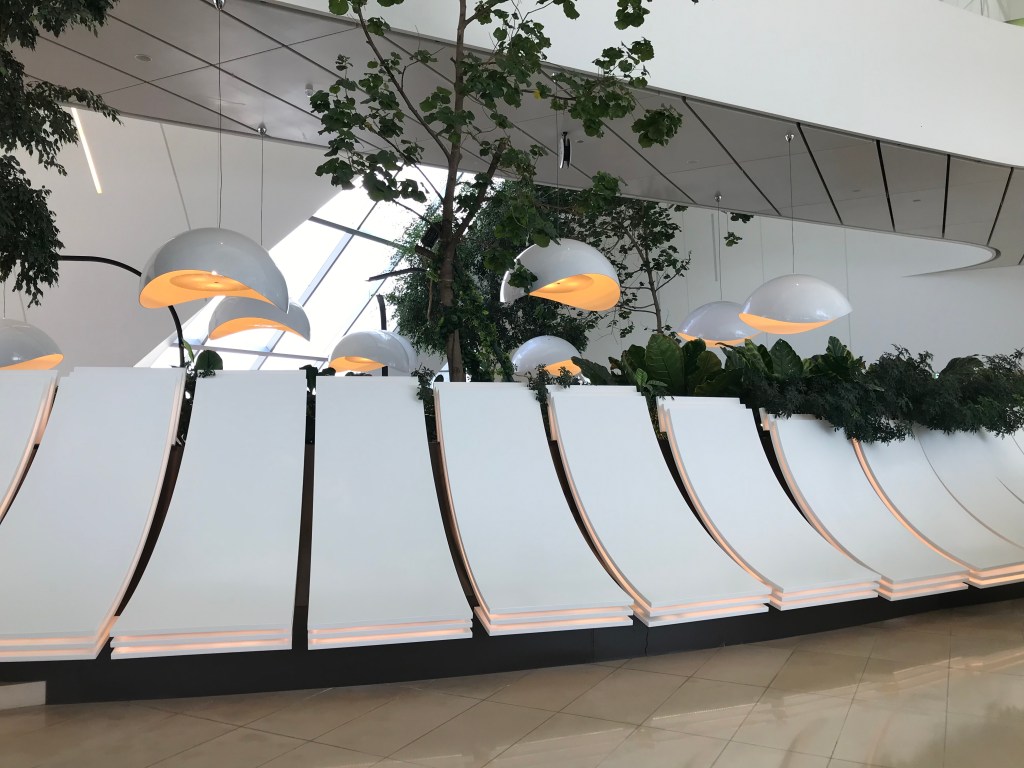
Indoor Trees
Custom Lighting
Cusstom Seating
No Straight walls
Curves everywhere
Stair-Wall Detail
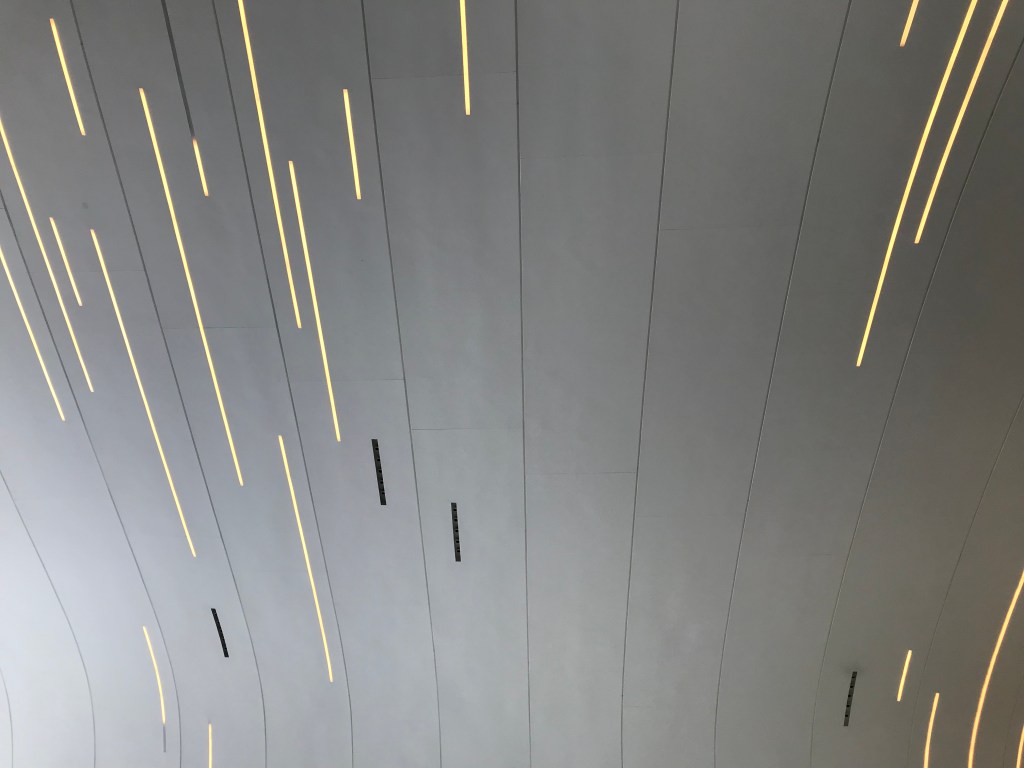
Overhead Lighting
Custom-designed Casework
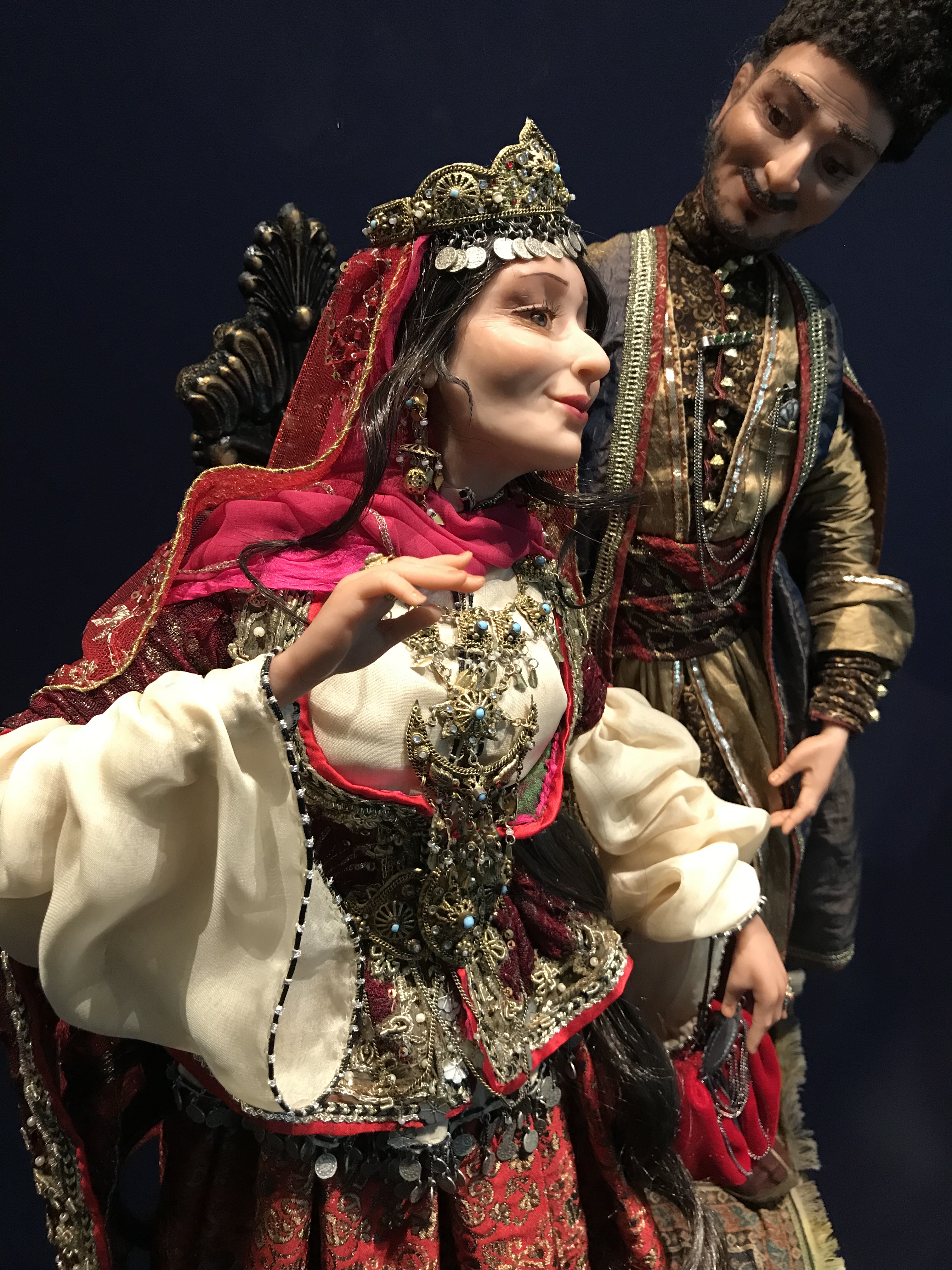
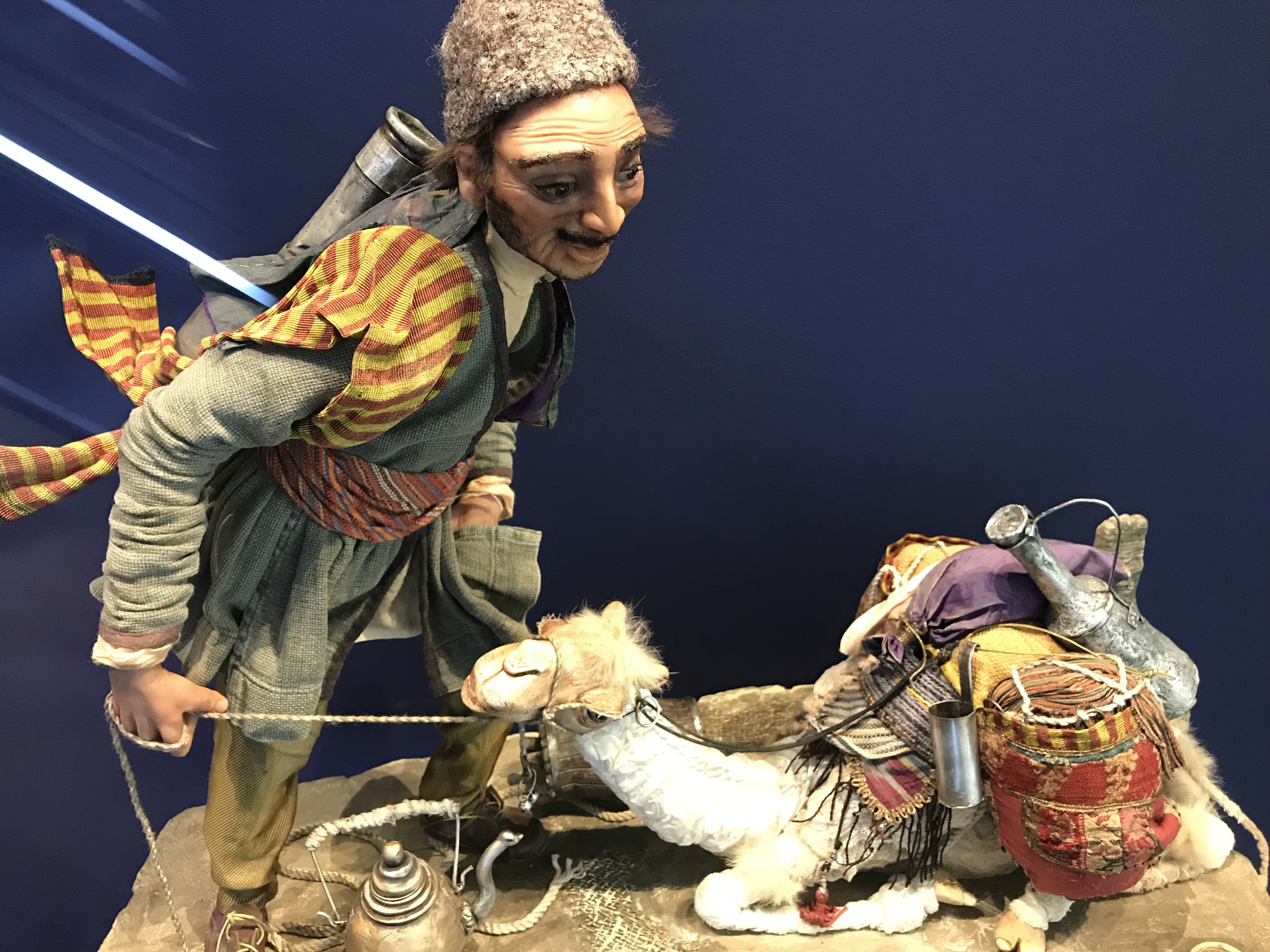
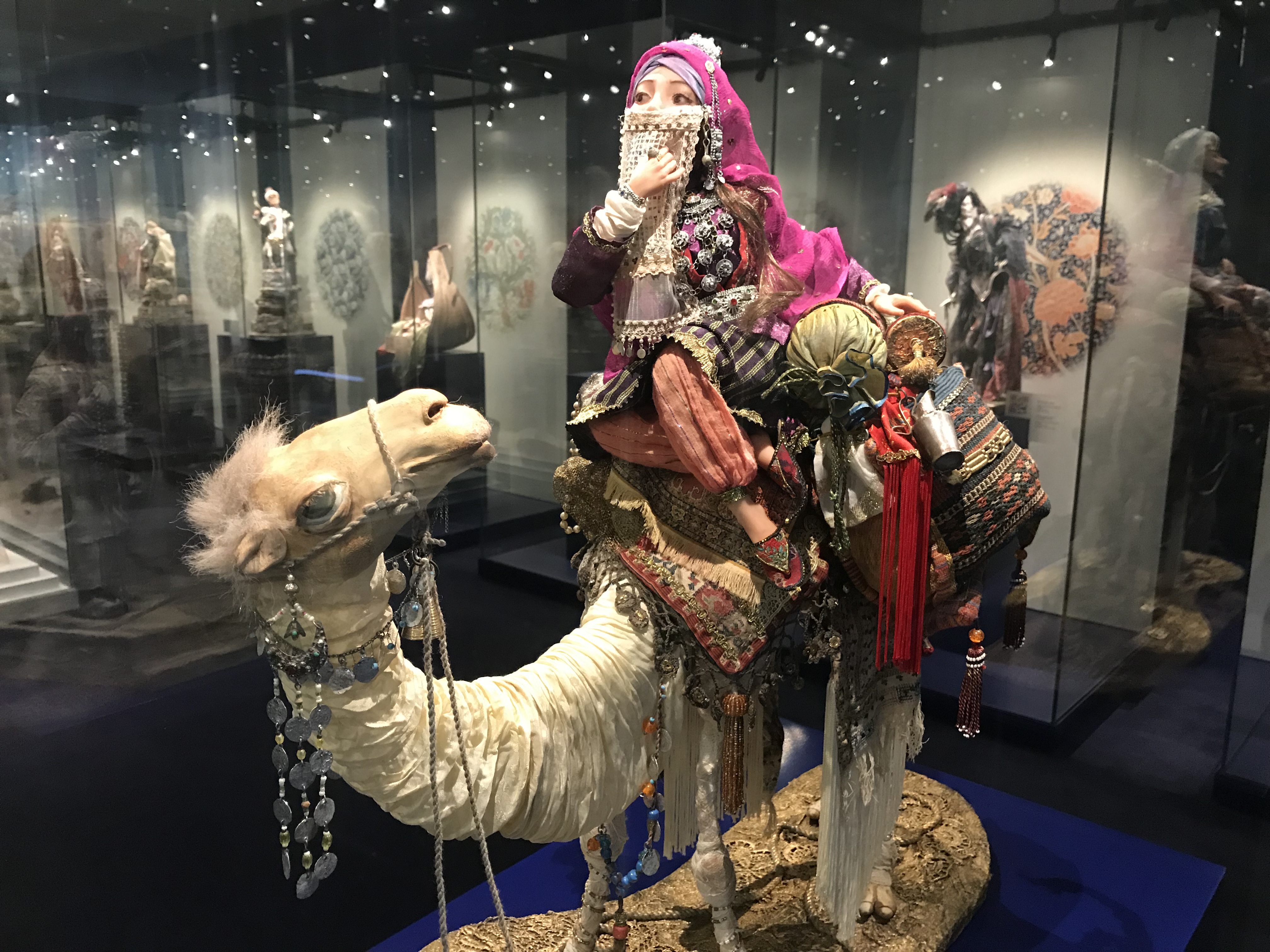
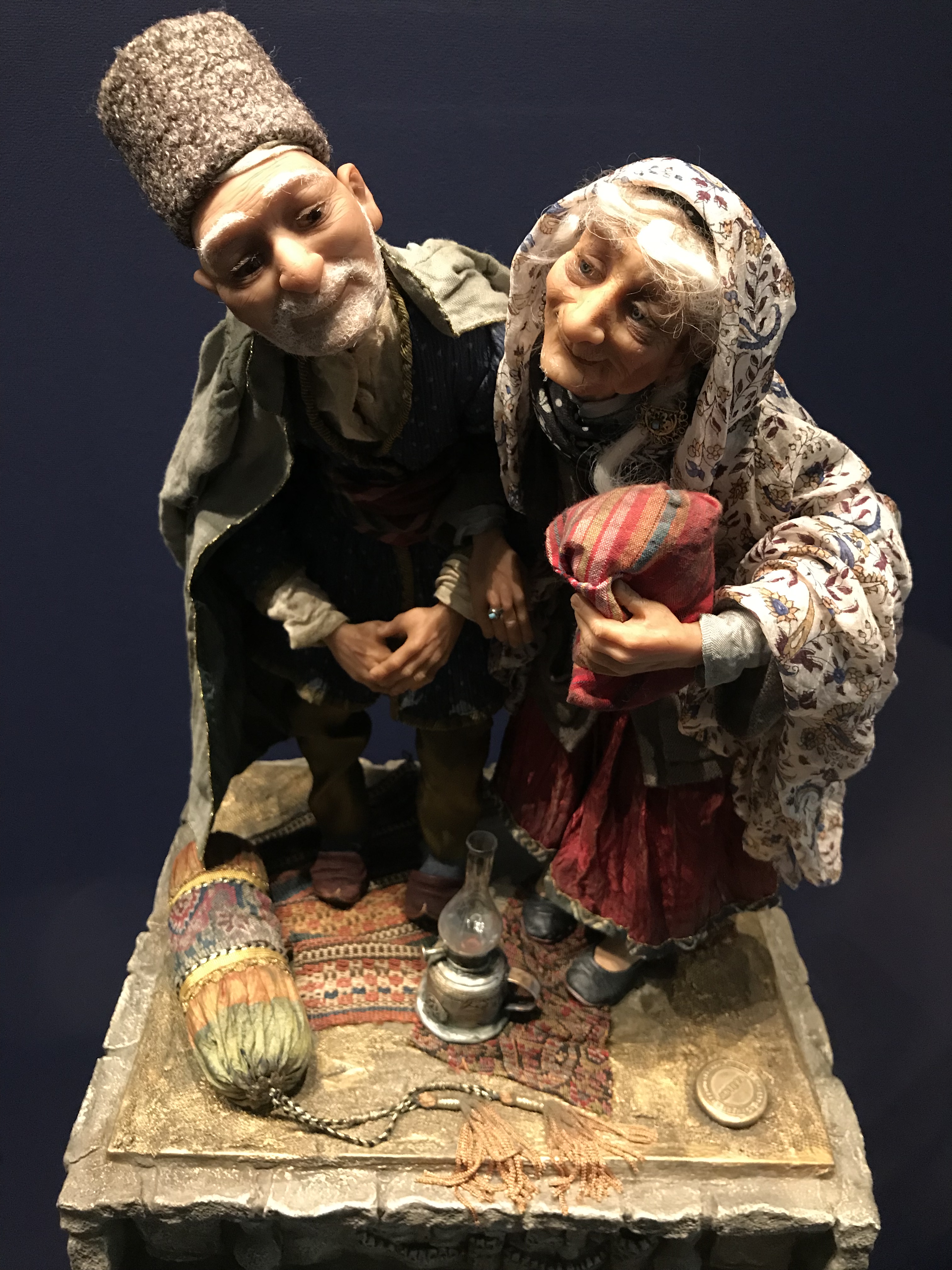
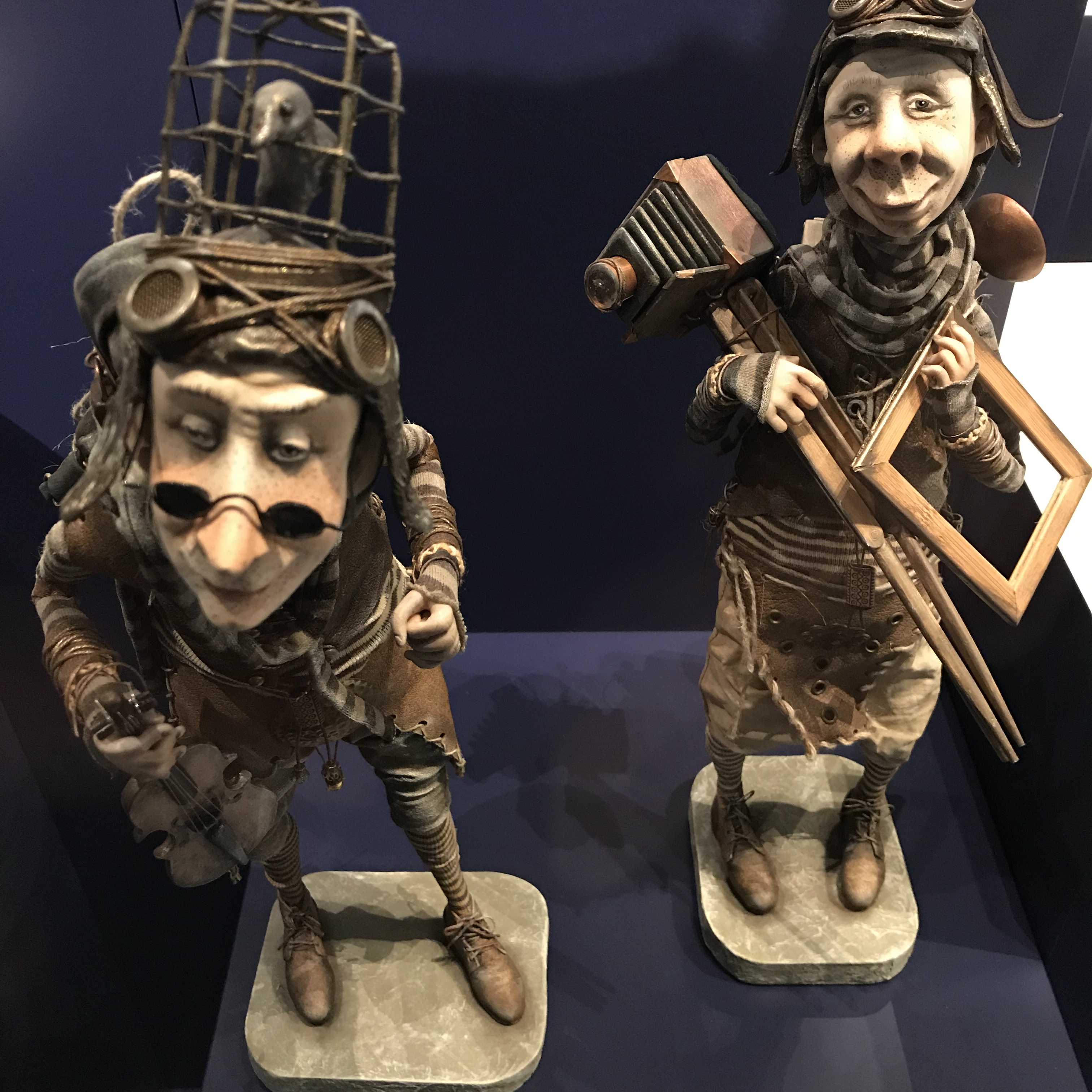
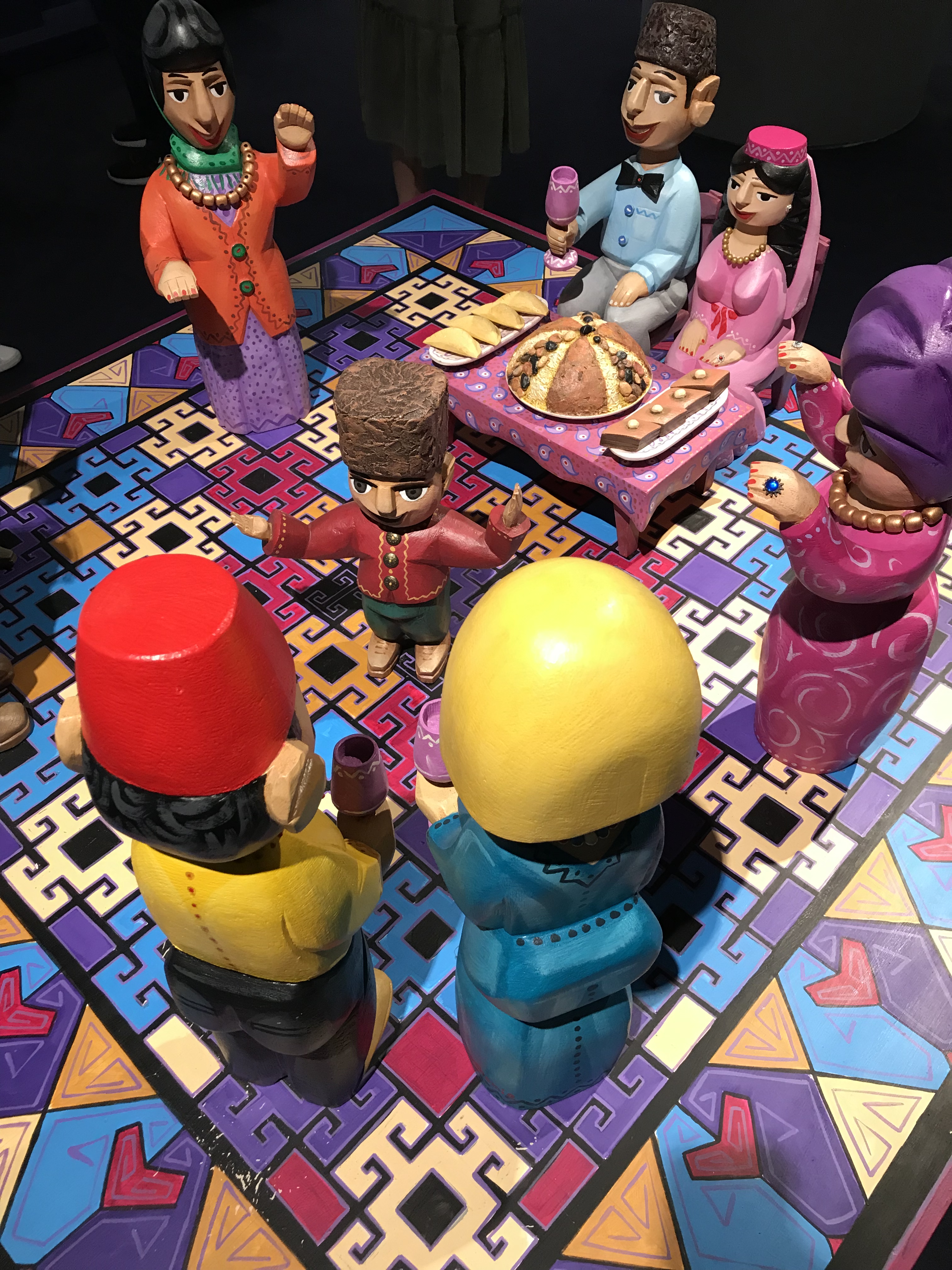
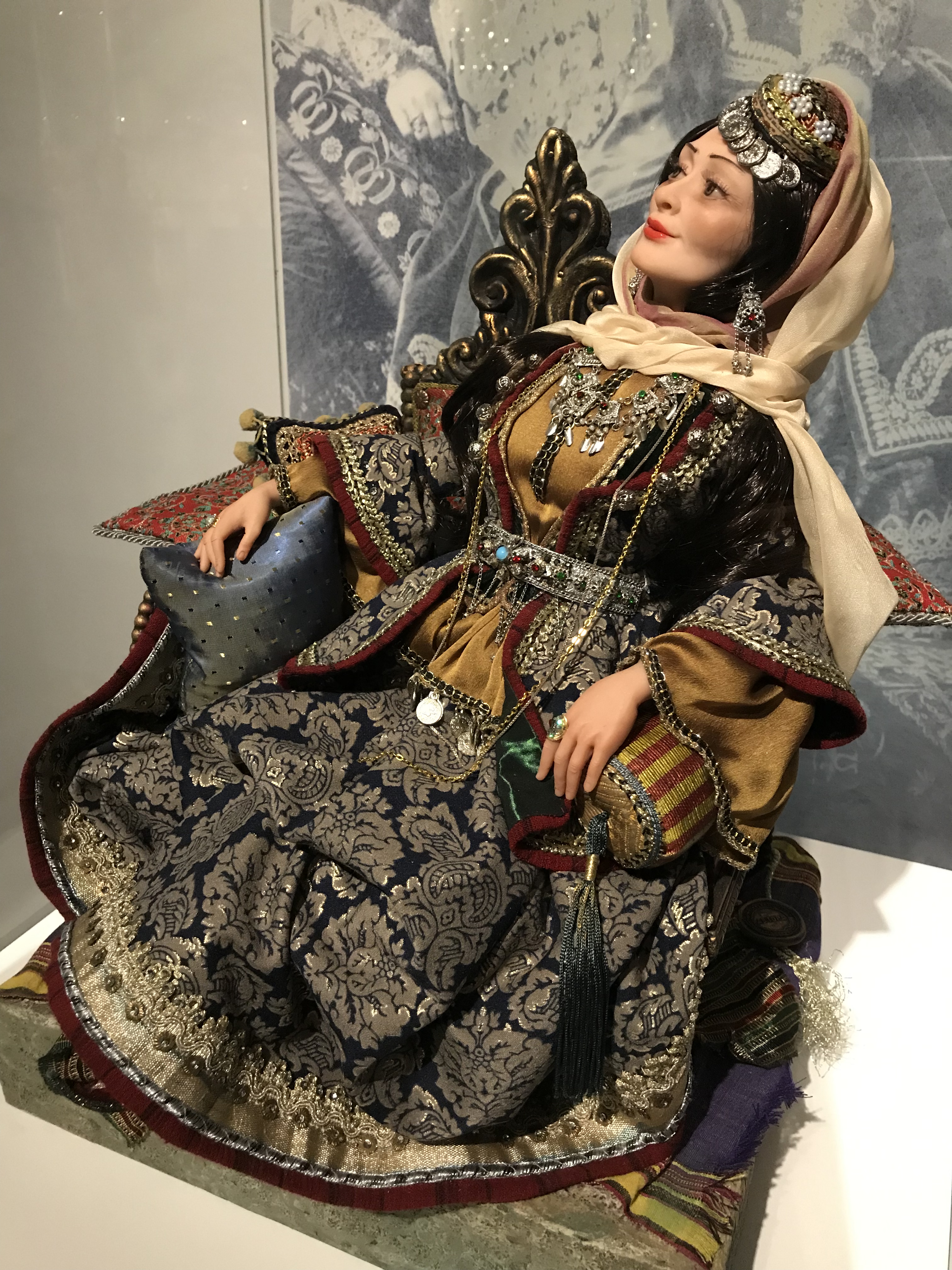
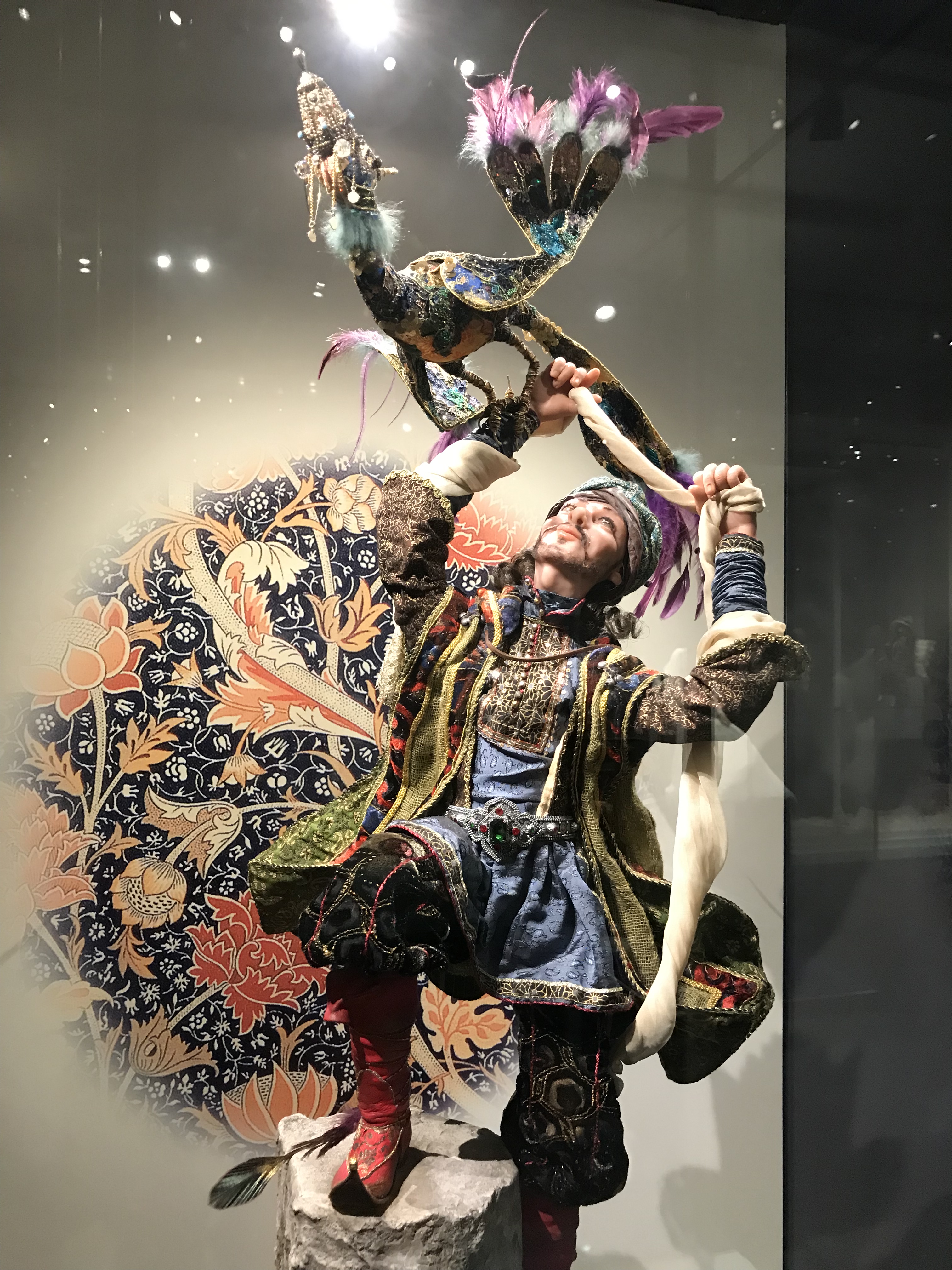
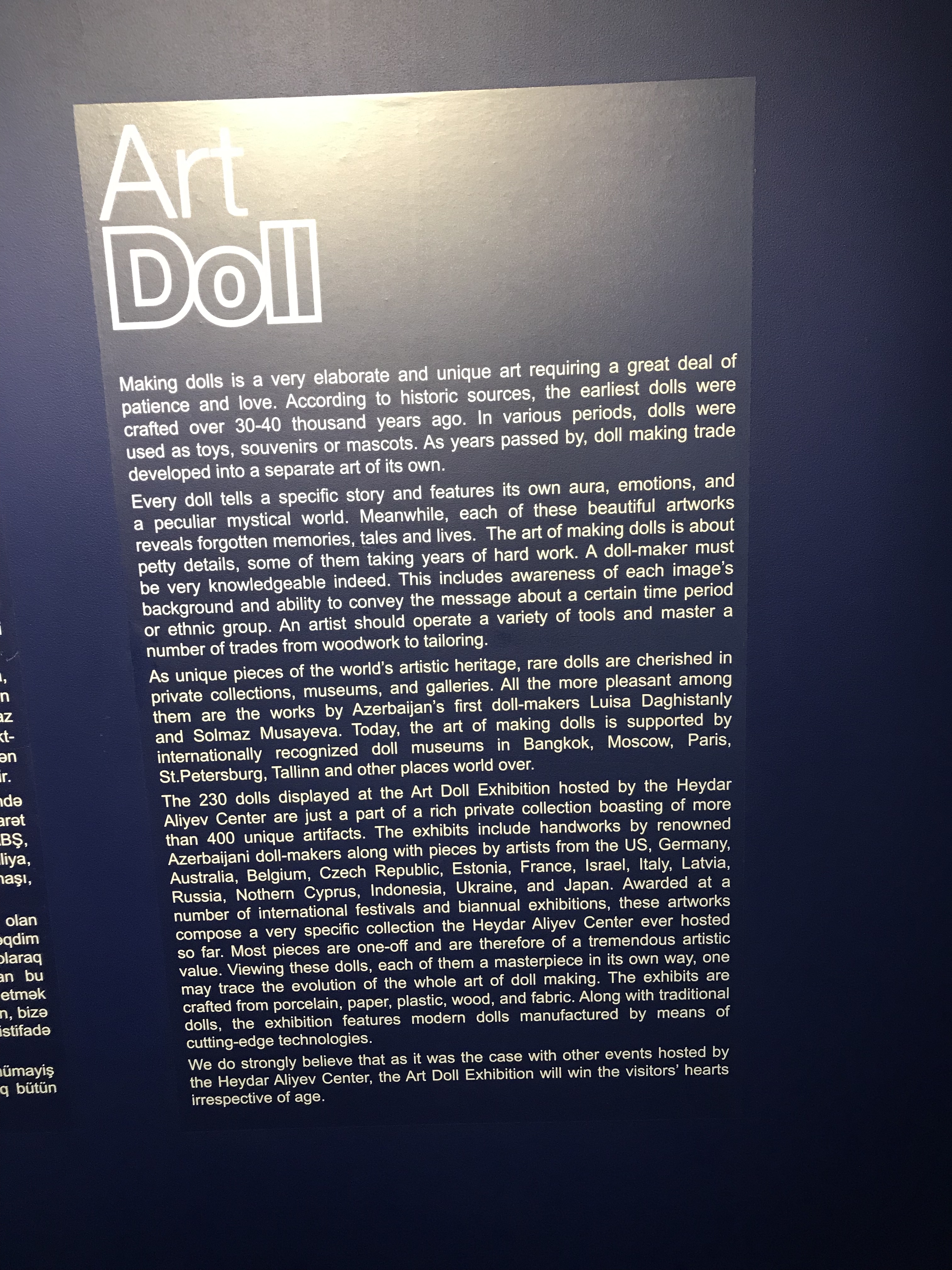
Art Doll Collection
I couldn’t help but become fixated not only by the historic costumes and expressive faces of the dolls in this collection, but also by the exquisite, life-like hand gestures.
I am on my way to Baku today, so there’s not much activity. The flight this afternoon will take about four hours, with a time change.
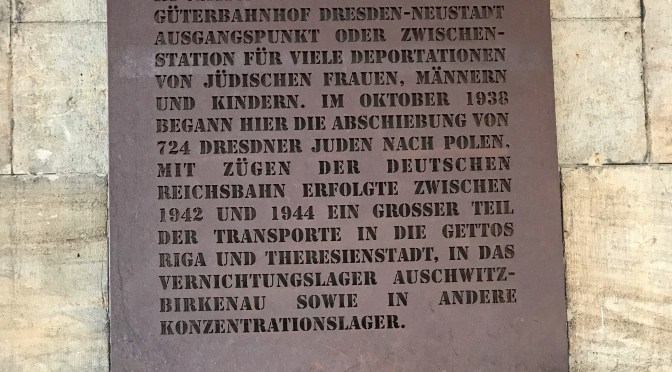
While waiting at the Neustadt Train Station for my Flixbus to Berlin Airport, I came upon this memorial. I wouldn’t trust my own translation, but it commemorates the Jews in Dresden who were sent to Poland through this train station. It was a sad reminder of the German history and legacy that is yet to be reconciled.
Like anyone born with wanderlust flowing in the blood stream, I was ready to move on to the next destination. At the same time, I felt melancholy, realizing the fond memories about to be left behind. You grow accustomed to these contrary thoughts and expect the addictive emotions.
Our instructor hauled two big bags of books and magazines to class and asked us to pick something and read it for an hour. I chose a book by Wolfgang Hübscher, a well-known journalist.
This book recalled his tales of traveling along the entire border of Germany. He skipped along both sides by whatever means of transport was convenient. Naturally he wrote vignettes of the people he encountered and his experiences with hotels, history and loneliness.
My hour didn’t get me through the book, but encouraged me to read more German. I recommend reading in a primary language other than English to sharpen your synapses.
The author became wildly popular after walking to Moscow and writing about it. It sounded like another book worth investigating, and like the instructor told us, you’ll be more likely to read when you find something you’re interested in! In other words, it’s just what the doctor ordered!
In preparation for the Trans Caucasus Travel, we read “Ali and Nino”, a love story lent to us by our neighbors Jim and Leena.
Penned by Kurban Said, it’s a simple story about a mixed marriage, between an Azerbaijani Muslim and a Christian Georgian. That probably tells it all–except that Ali could only relate to the desert and its openness. The wooded forests always seemed dark and mysteriously threatening to him. That started the story that helps the reader understand that there are always more than one point of view. The movie is available on Netflix and was wildly popular when it was produced. I heartily recommend both.
Speaking of a popular series, I did binge on the Elena Ferrante of “My Brilliant Friend” that was shown on Italian TV. The eight-episode saga covered only the early years, so I imagine there will be subsequent seasons.
Addendum: Concert in Kulturpast, Dresden
Perfect sound in this newly renovated “Culture Palace” in the heart of Dresden’s Altstadt. This concert combined pros from the Hamburg and Dresden Symphonies. I heard that the Kultur Palast acoustically surpasses the Herzog and DeMeuron architectural masterpiece in Hamburg. I was sorry I missed an experimental organ concert, because the huge instrument made in Switzerland surely must sound magnificent.
C U in Baku
About to take off for Baku to meet hubby Gee Kin. He’s about the only other person I know who is interested to see the Caucasus and learn more about what was once the Persian culture. It has now been melded with Russian and Turkish influences and 2000 years of complicated history. The adventure us about to begin…
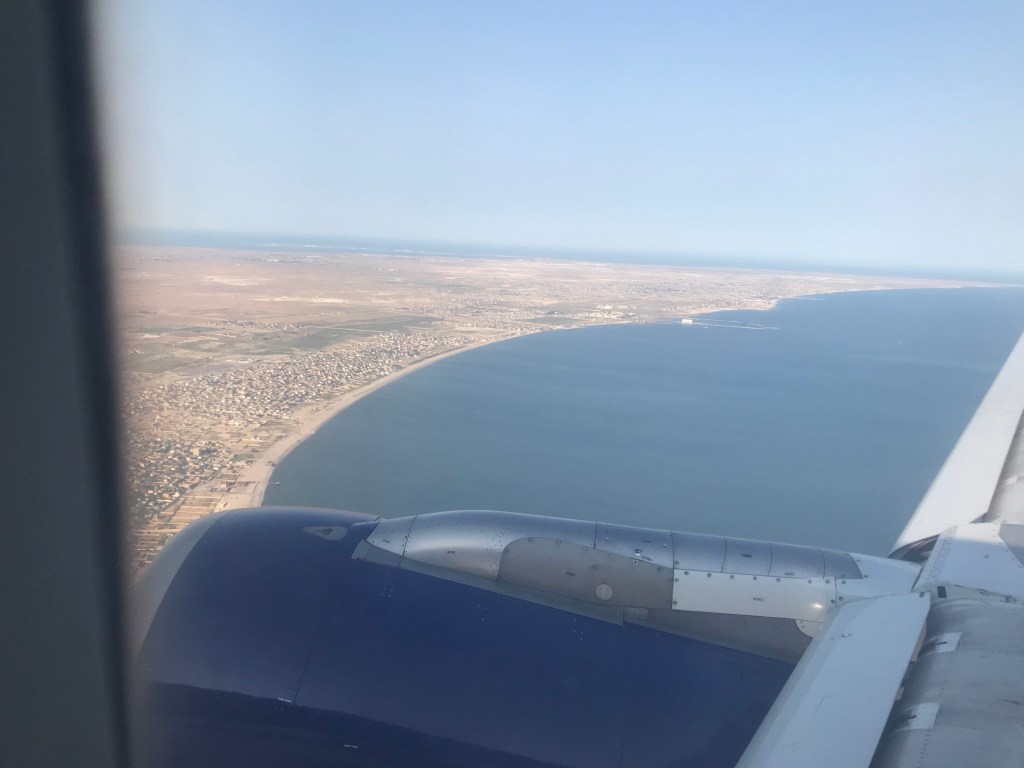
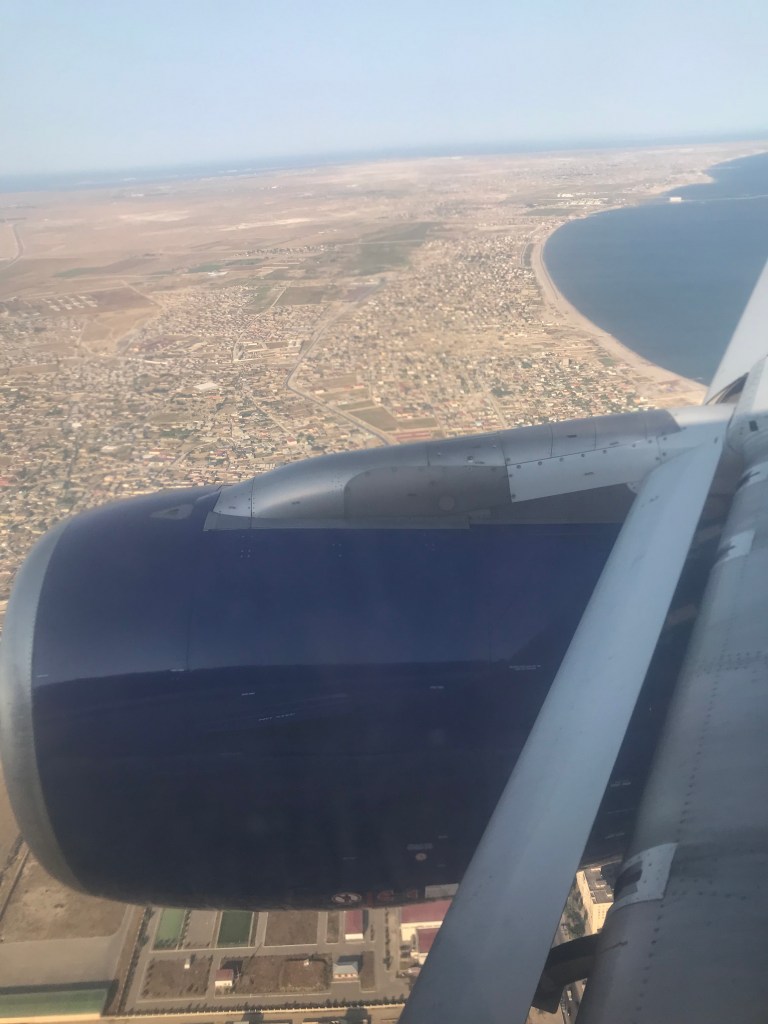
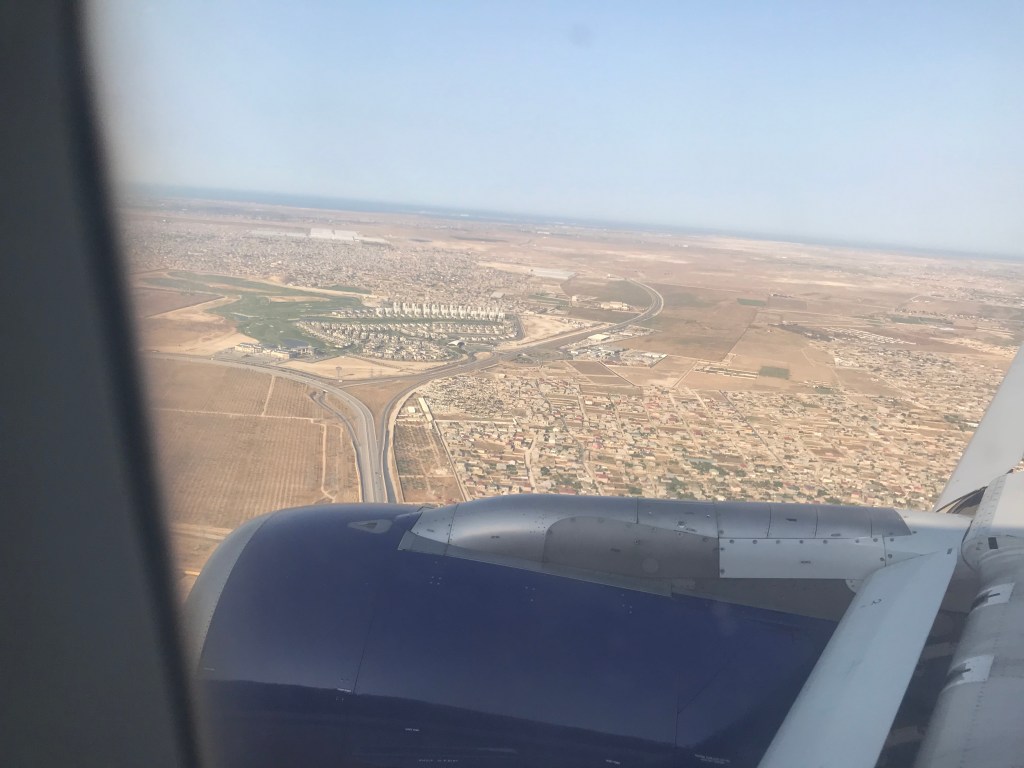
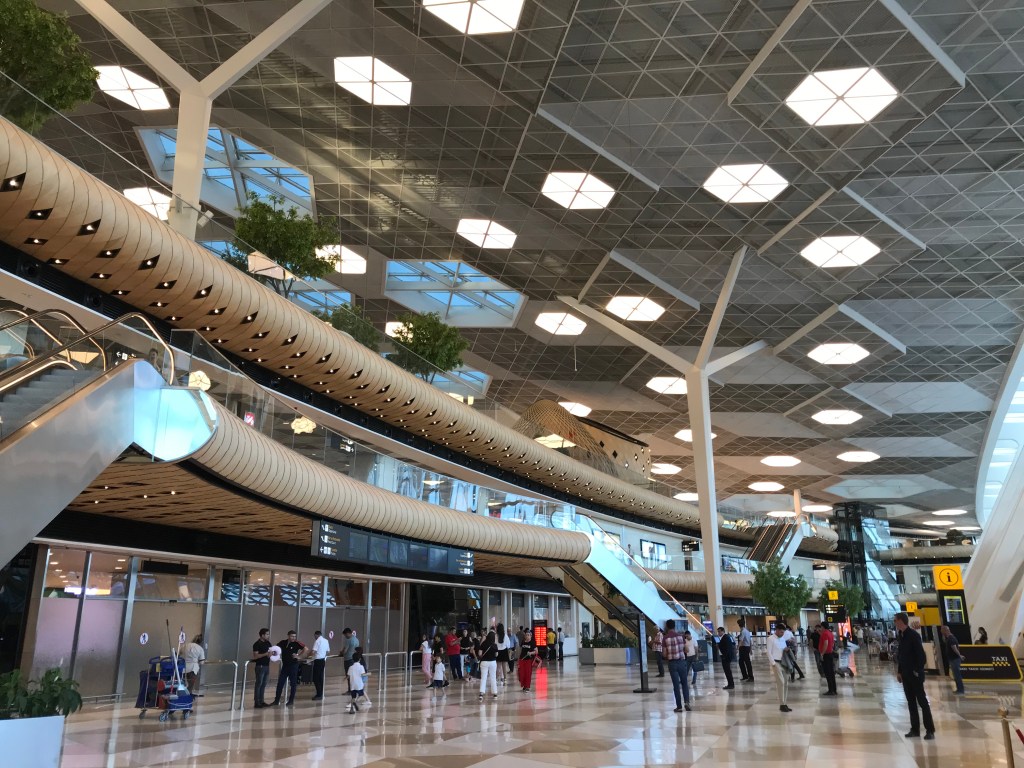
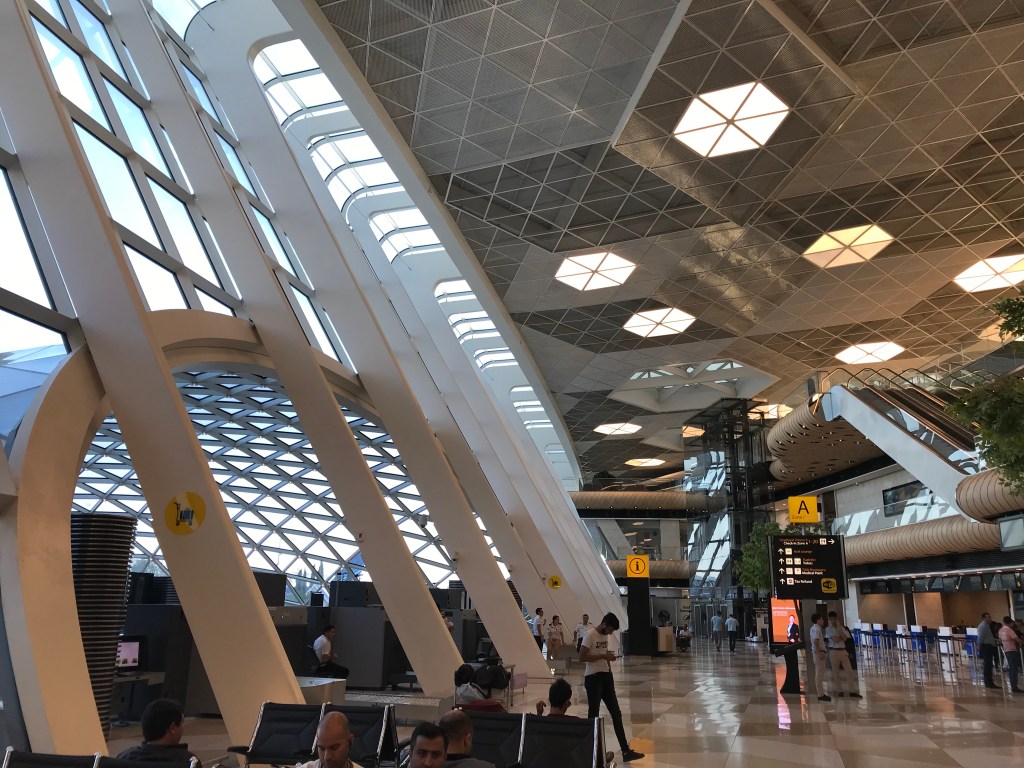
Above are quick shots before landing of the peninsula on the West side of the Caspian Sea where Baku is located; ladies at Immigration showing their images to female immigration officers; shots of the fanciful Baku Airport, and first dinner with local Kutun fish.
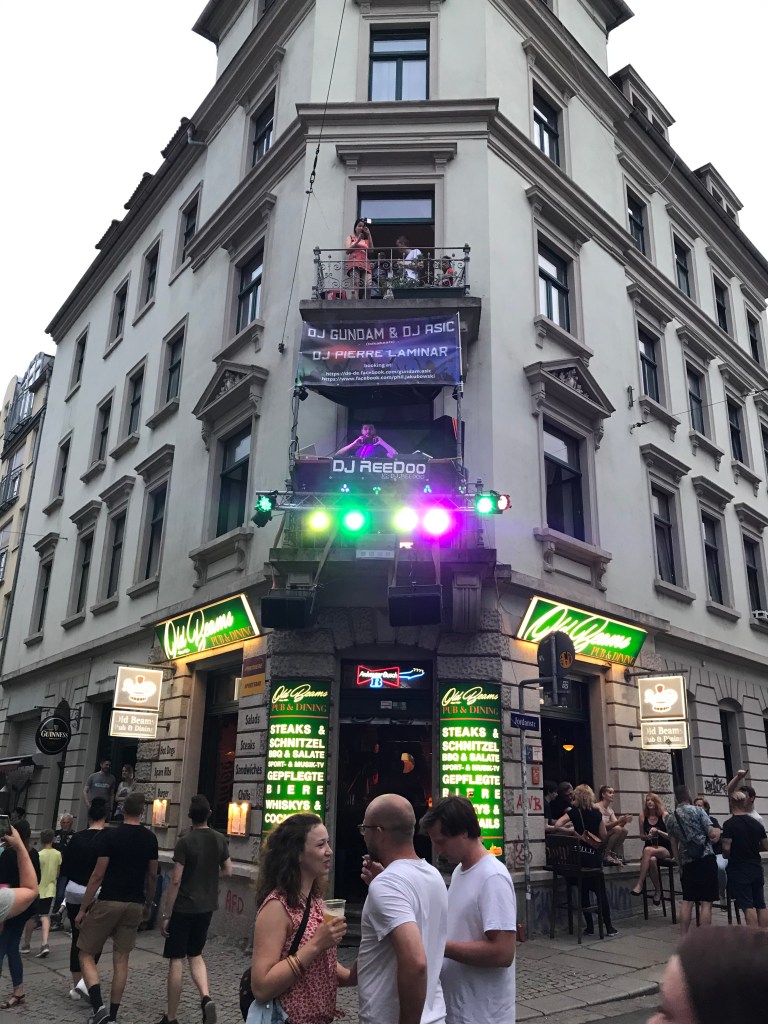
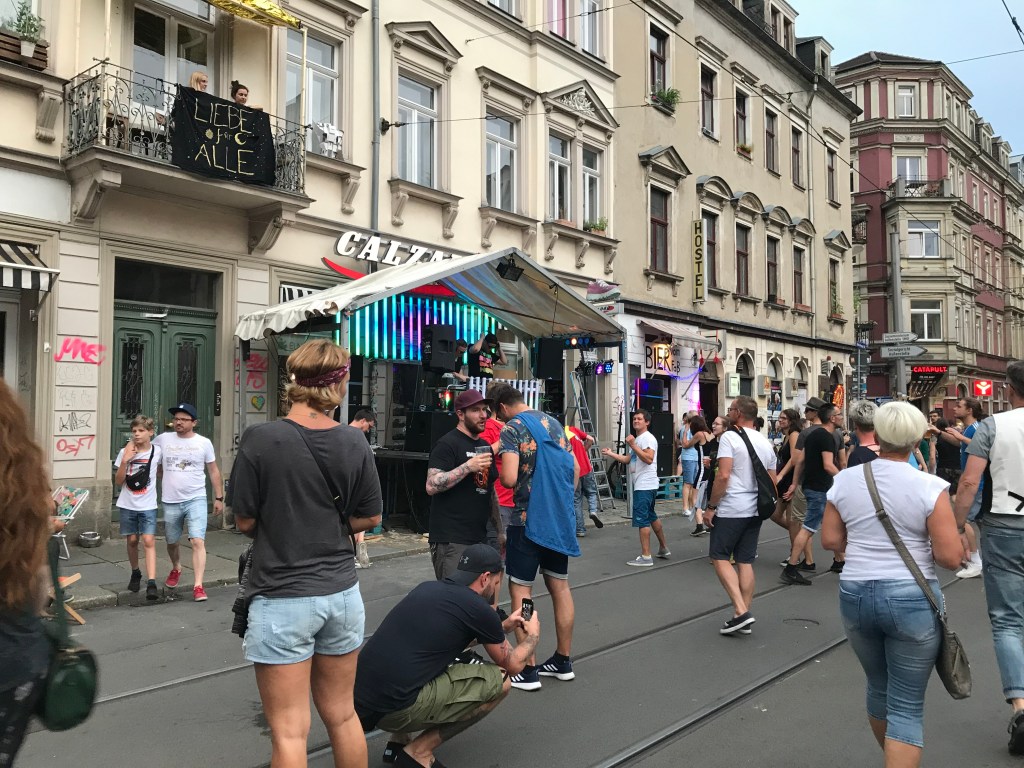
The hugest annual block party, known as the Neustadt United Republic, is happening this weekend in Dresden. I live in the midst of Neustadt’s six block radius, where three days of music, food, amusement, and dancing are rocking ’round the clock.
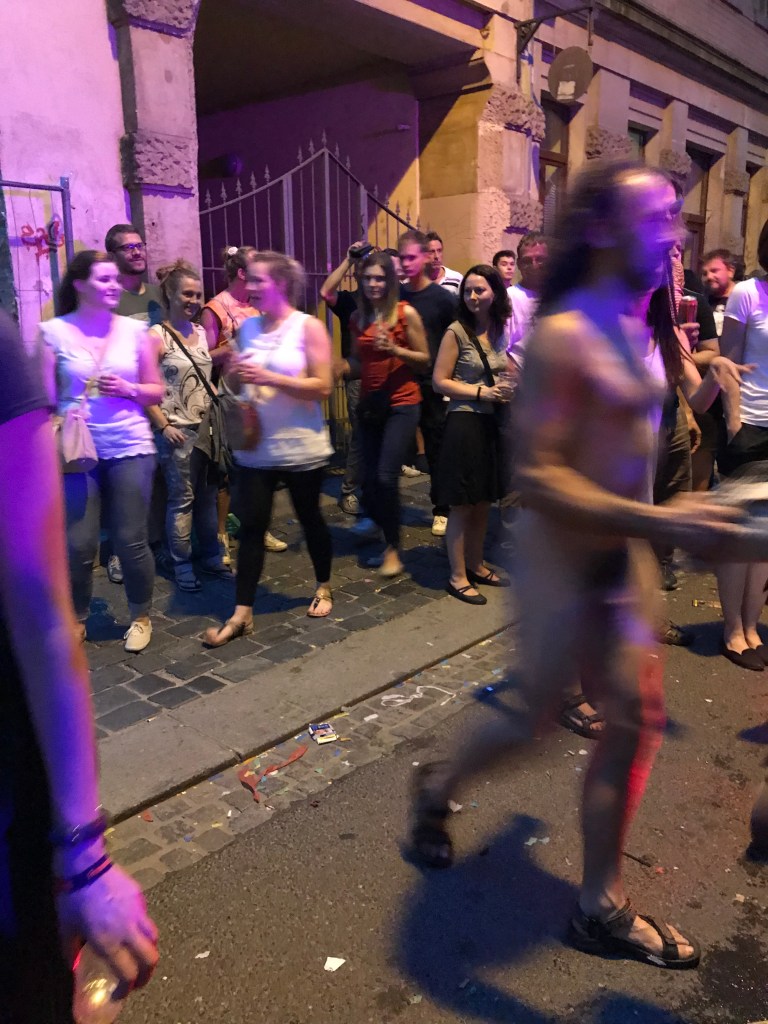
a flasher!
Families, old and young, sprinkle the age span of the predominantly young crowds. There are plenty of Goths and tattoed skins everywhere to offer endless studies of humankind. Cops discretely surrounded all street entryways and checked big bags, but you hardly noticed their presence once you passed the gauntlet from the edges.
Fortunately, my apartment is tucked behind a group of buildings in a cool, quiet courtyard that offers a quick and easy respite from the street action. I felt entirely safe and comfortable in “my hood.” The Neustadt “Buntes Republic” has been an amazing celebration of youth and a testament to good event planning.
Classicism and Romanticism in Dresden
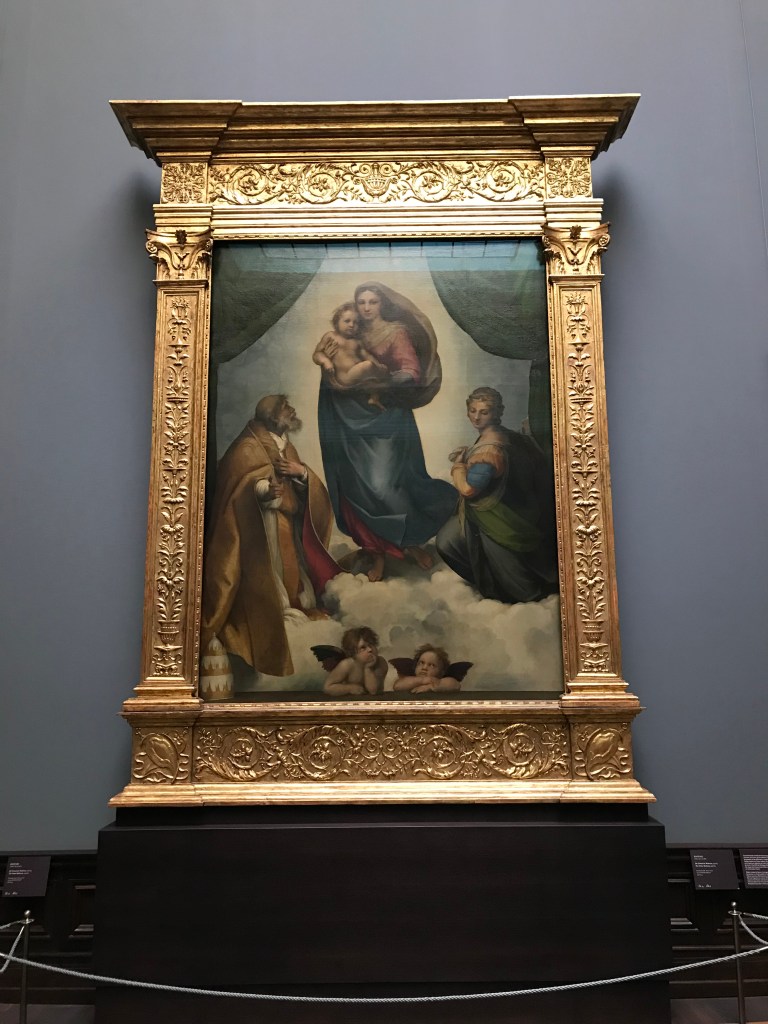
A free access museum ticket, with compliments of the Goethe Institute, gave me incentive to revisit all the Old Masters Galleries and beautiful collections of regental splendor in the Residence and Zwinger Museums. I found two masterpieces that I remembered from my art history class at UC Berkeley! I almost gasped when I actually saw the Raphael and Vermeer works. They were totally overlooked by other visitors. Cranach also made his way onto my radar, especially after seeing dedicated works in Weimar.
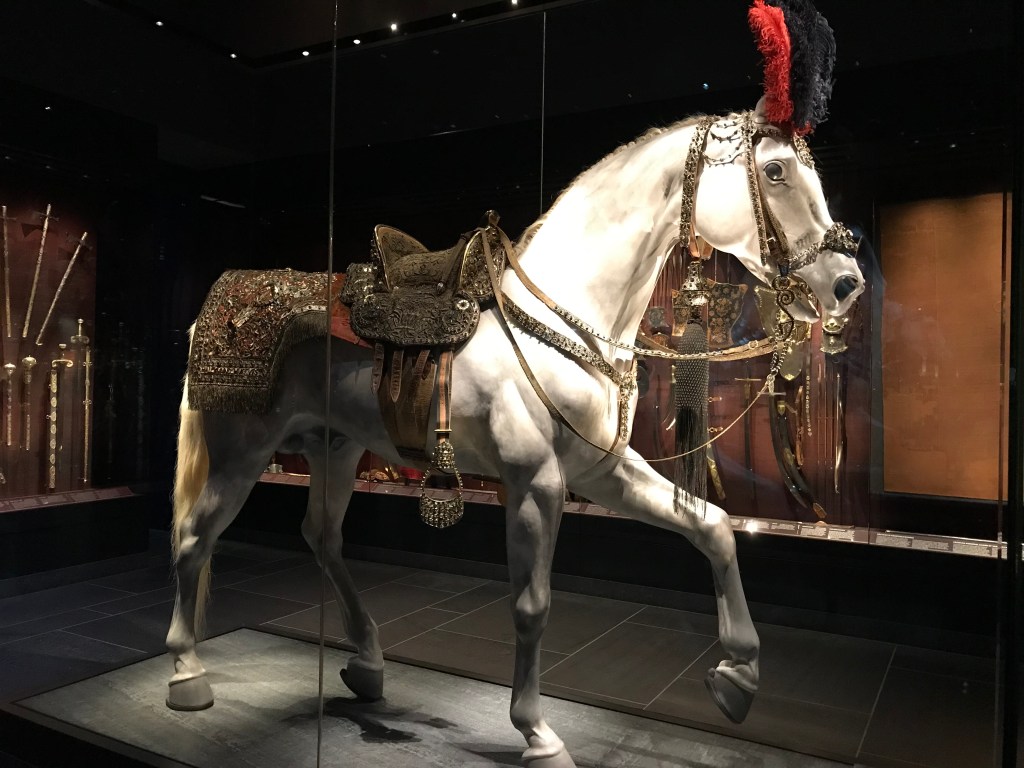
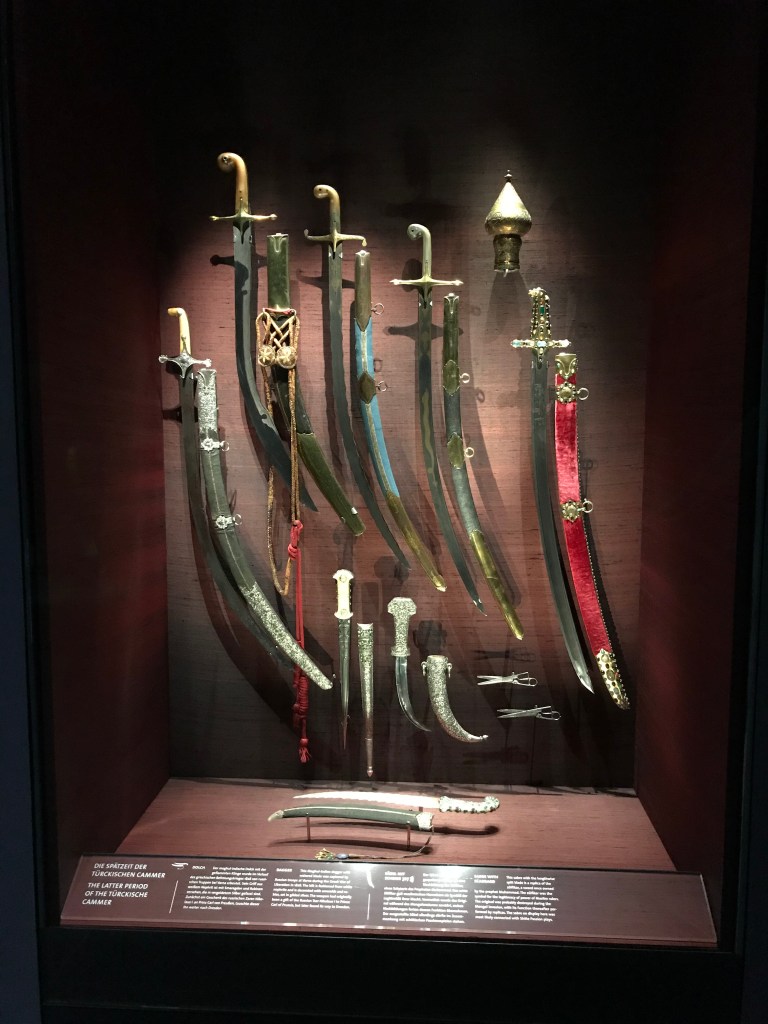
The Turkish Kammer, or Chamber, contains some of my favorite museum pieces. The horses with armor and saddles, the swords, and the huge tapistried tent gives you a flavor of the power of the Ottoman Empire in its heyday.
Under the Big Tent–Imagine this setup in the desert!
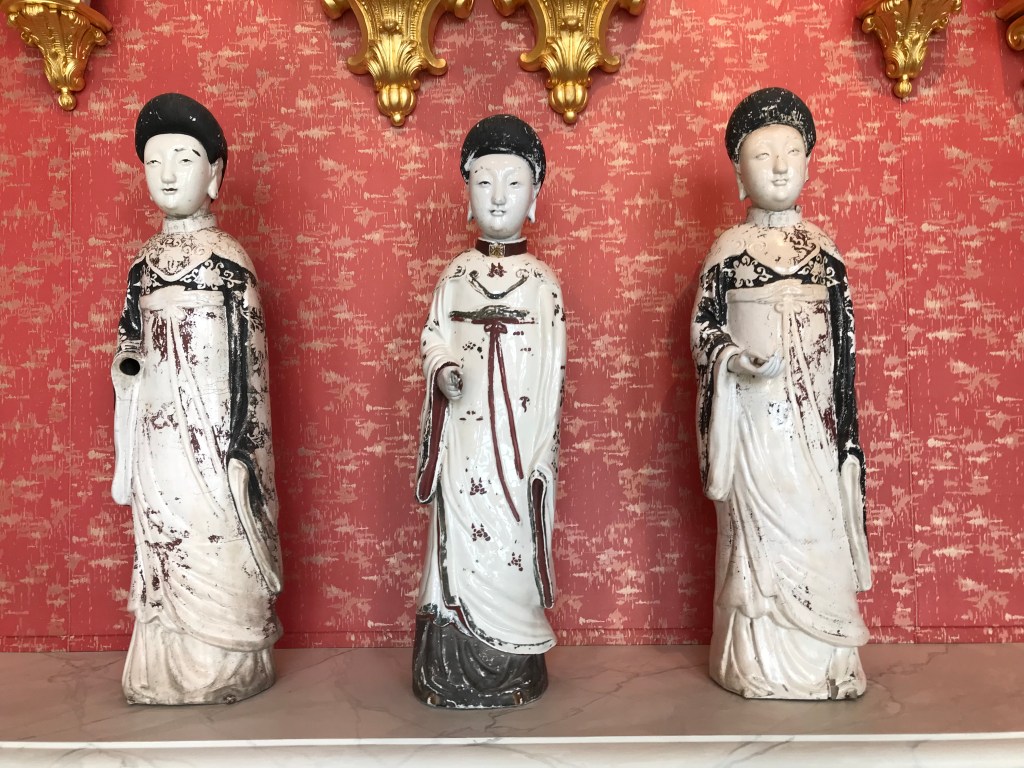
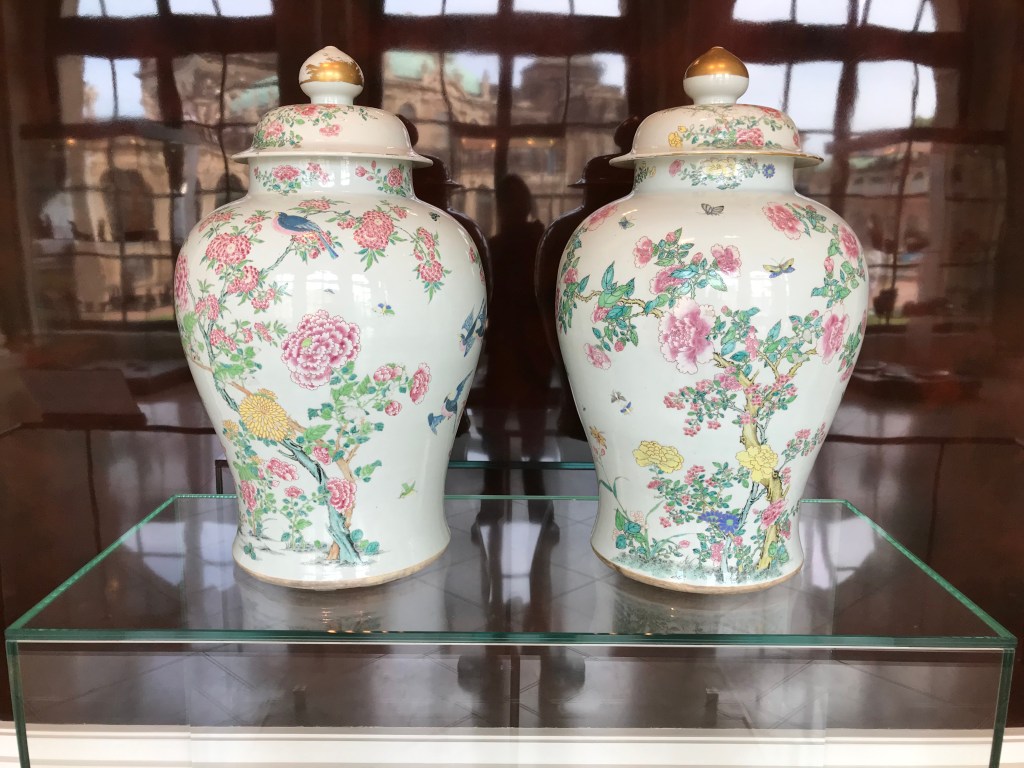
The porcelain gallery would have been a chore had it not been for a few of the early Qing dynasty pieces from around 1700-1730 that paralleled Augustus the Strong’s reign as King of Poland and as Elector in Saxony. Meissen porcelain was developed after studying highly admired and coveted Chinese porcelain techniques. The figurines reminded me of the early Han pieces from Dunhuang and Chengdu. These galleries, made to emulate Versailles, were fun to rip through, in perfect condition and with no visitors!
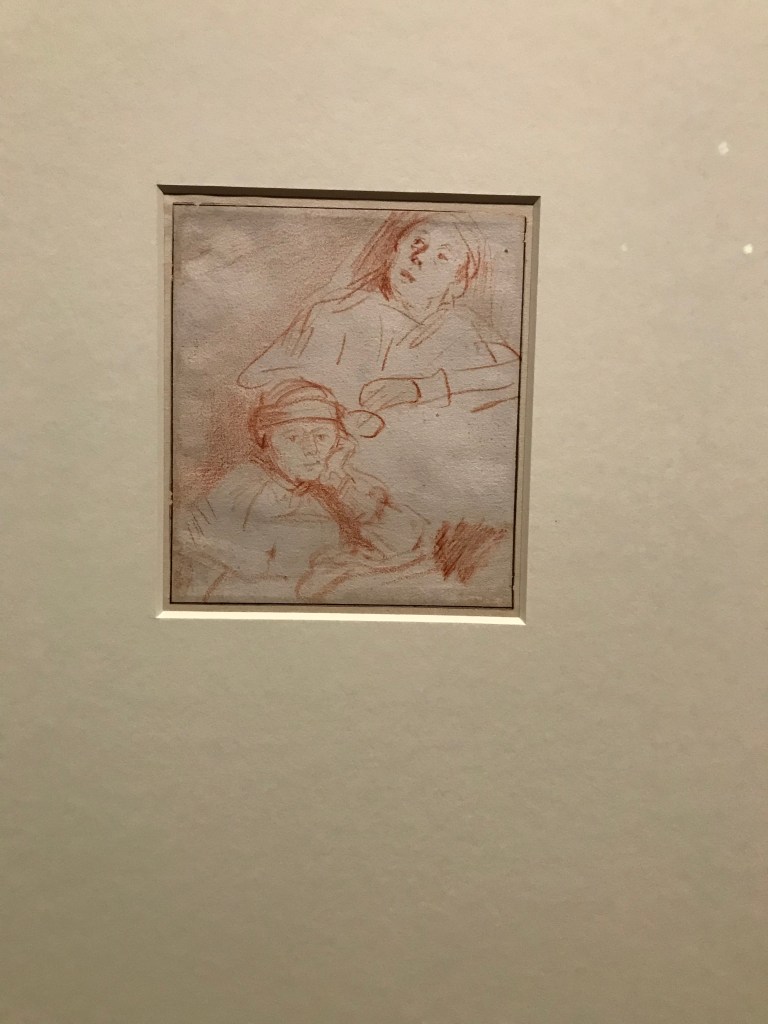
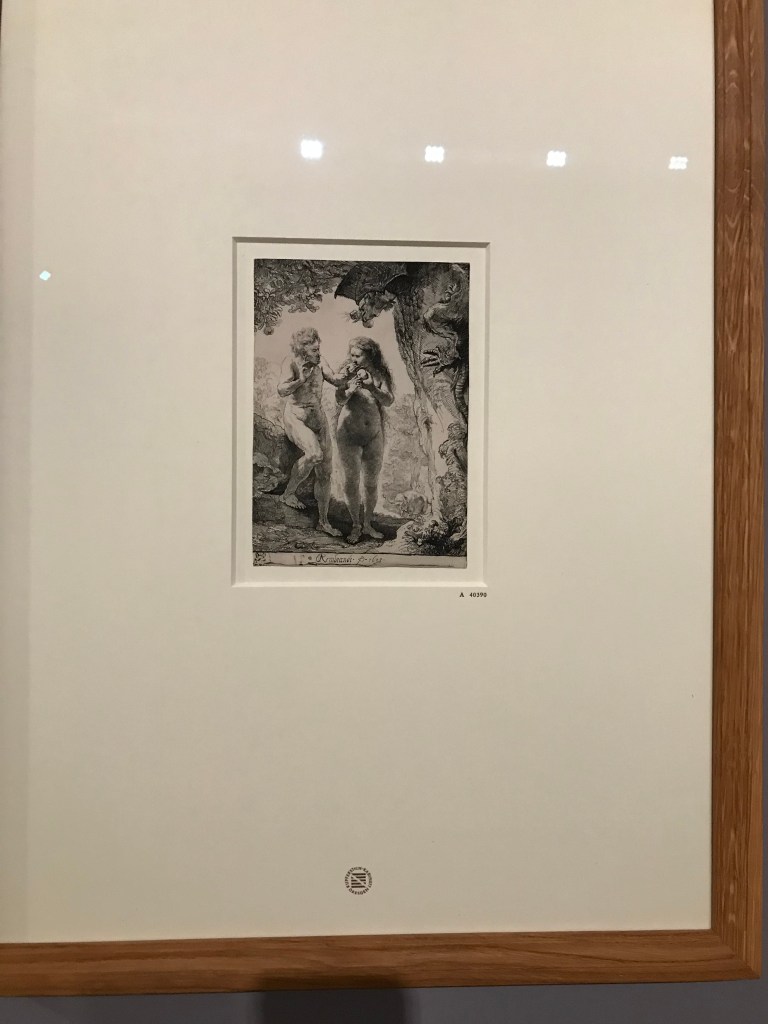
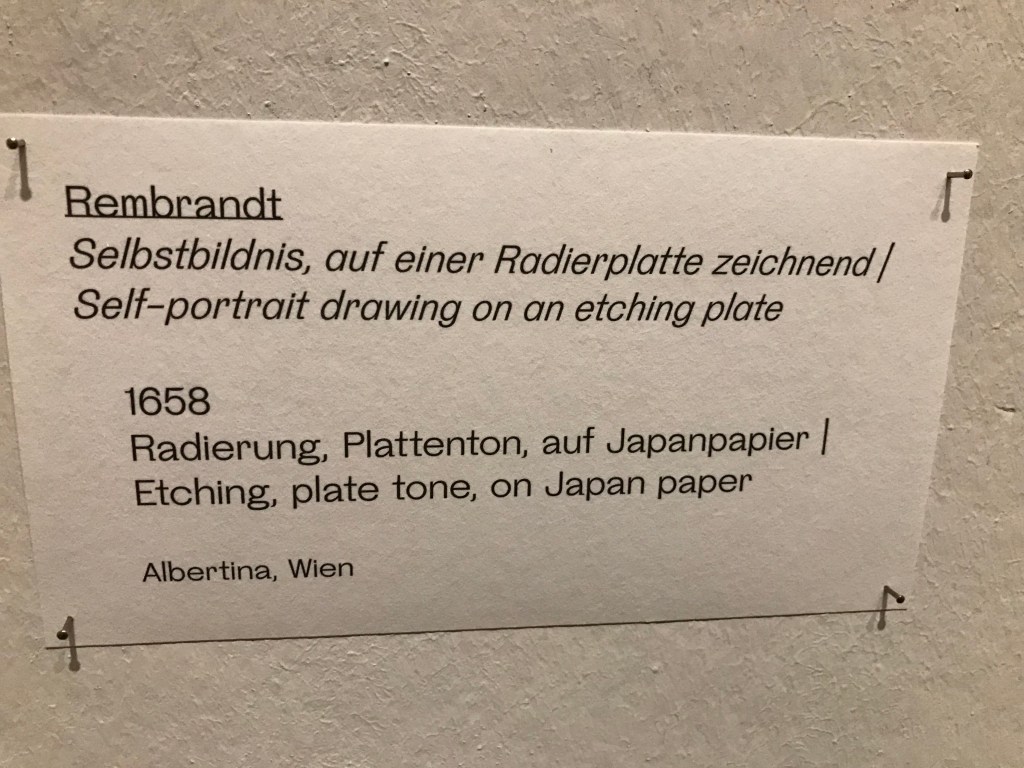
After seeing the Michelangelo drawing exhibition at the Met in New York City, I was drawn to the Rembrandt drawing exhibit in Dresden. The fine sketches and studies by Rembrandt were not only awe-inspiring to me, but a number of famous painters such as Goya and Max Beckmann took to imitating Rembrandt’s style.
Dresden beats “Florence on the Arno”
The image often used in referring to Dresden is “Florence on the Elbe”, especially after Italian master Canaletto painted the famous river that snakes artistically through the town. After gliding over the river on gleaming tram rails numerous times this week, I have grown fond of the impressive Baroque skyline, the dominating Frauenkircke and the serene Elbe backdrop.
My memory of the Arno was that it was hectic. We stayed as a family in a pensione with a room directly exposed to the river with the roadway alongside it. The scooters beeped and honked all night long. After leaving the windows open to catch the breeze, the residual night noise drove us into a daytime stupor.
Another time, another view painted by a follower of Canaletto
Dresden first hit my radar in an Art History class. Many of the Romantic era classical paintings were located in Dresden. The city stuck in my curiosity bucket until I matched intuition with knowledge.
Weekend Wrap
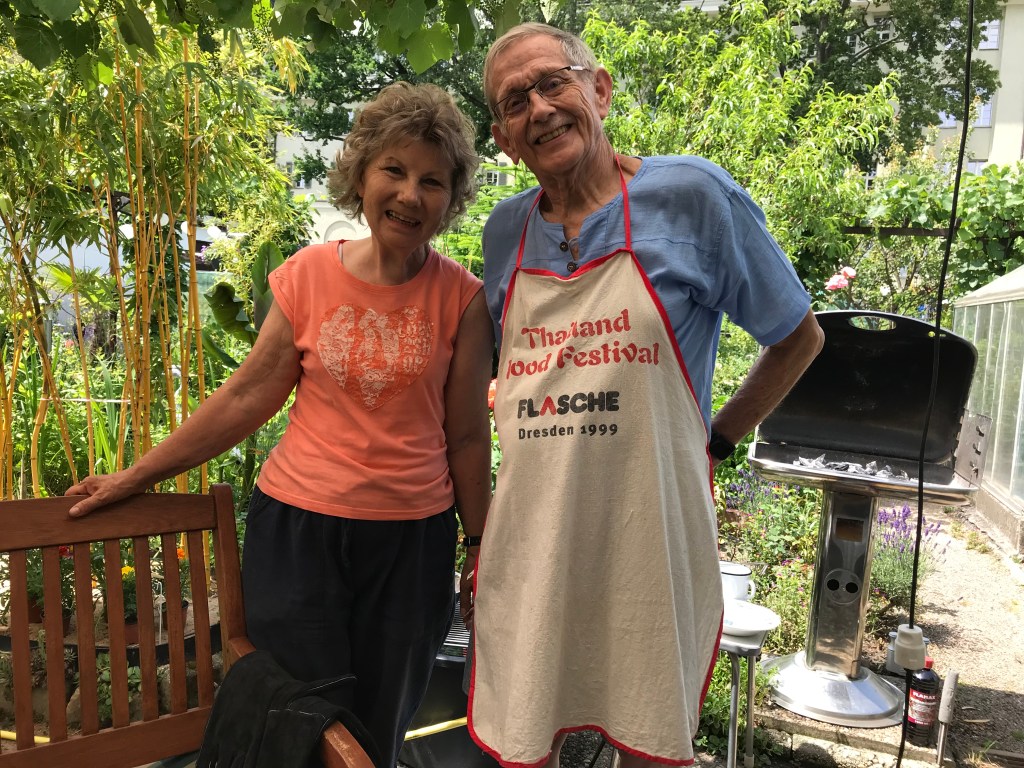
In the sleepy daytime I had a chance to catch up with German friends for a “Grill Party” in their garden. Germans are intimately tied to nature and passionate about their gardens. It was a relaxing afternoon closing out a busy week of German classes, museum visits and evening musical performances.
Pfingsten stands for Pentacost, the Christian holy day celebrated on the seventh Sunday after Easter. Germans have a good excuse to enjoy the summer weather, join friends for barbeques in their community gardens, play music, and of course, drink beer. The extended three-day holiday gave me a chance to take day trips from Dresden, soak up more cultural events, and to hear music, music, music in the span of a whirlwind weekend between classes.
Hellerau, Germany
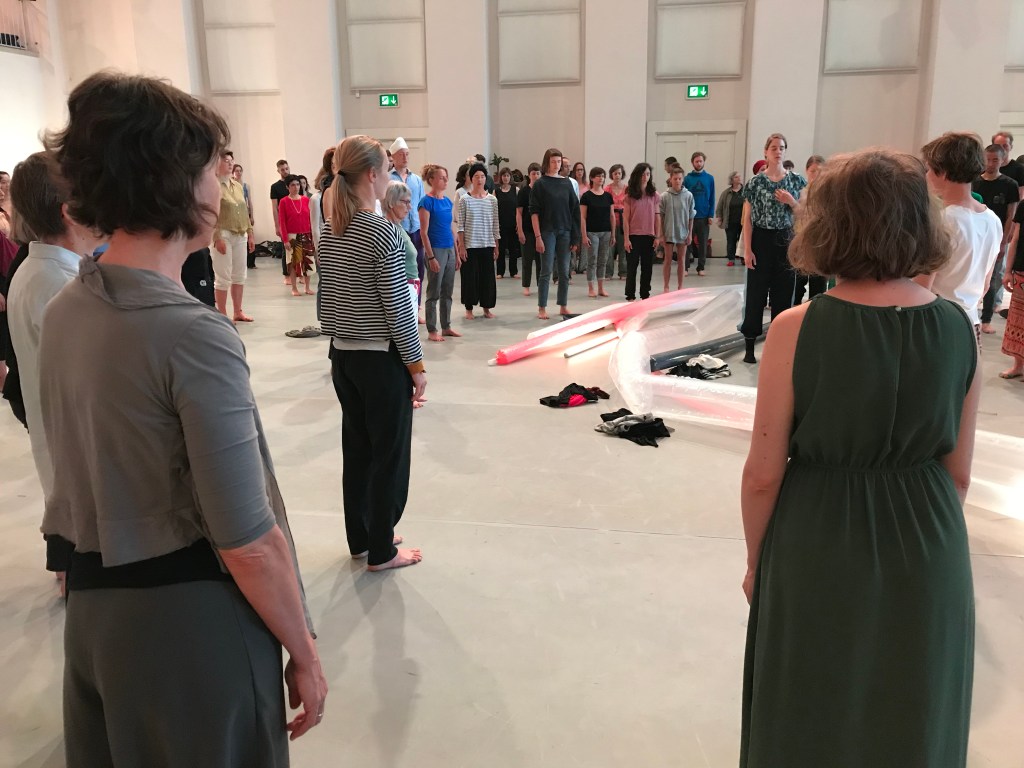
Hellerau, one of the first planned unit developments in the world, lies just north of Dresden. We found an excuse to visit there to celebrate the long holiday weekend and to see an open interactive dance performance in the festival hall.
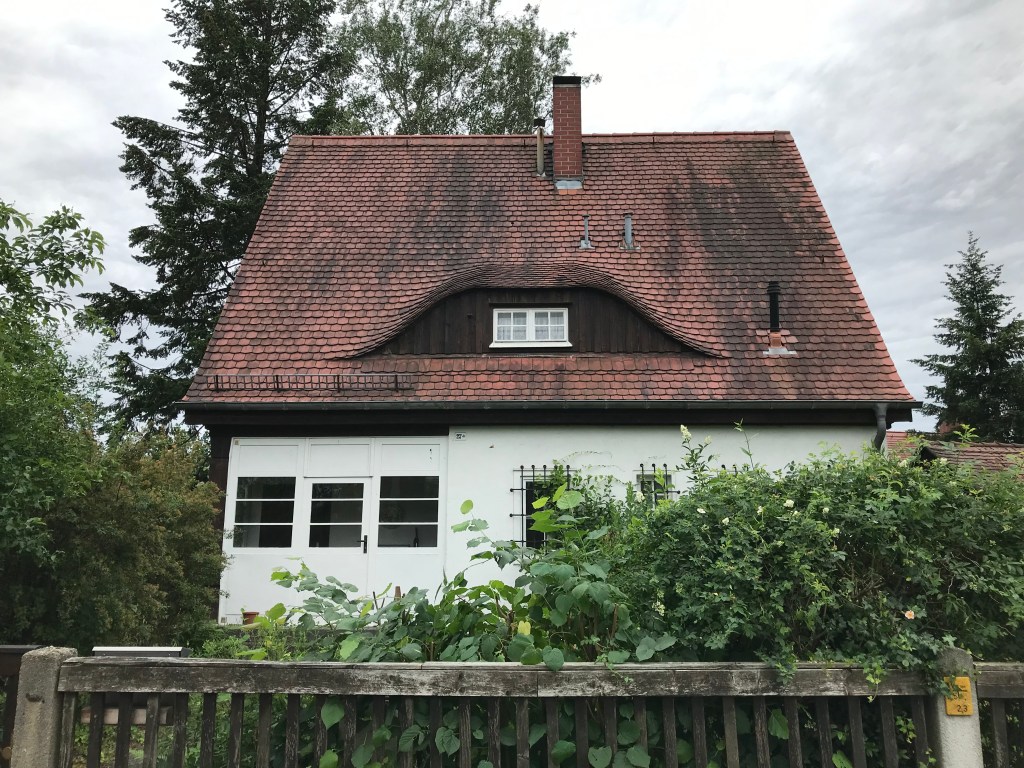
Generously proportioned single family houses are tucked behind tidy gardens surrounded by fences. Each prominent sloping roof was built with design and care. Skylights not only provide light into the deep interiors, but some are also roof hatches. Newer codes require a landing outside the roof hatch if it is accessible, and a ship’s ladder provides access to the rooftop chimney. It seems like alot of getup just to solve a maintenance issue. Older houses do not have such complicated construction. And newer modern buldings are, yes, a showpiece in the neighborhood.
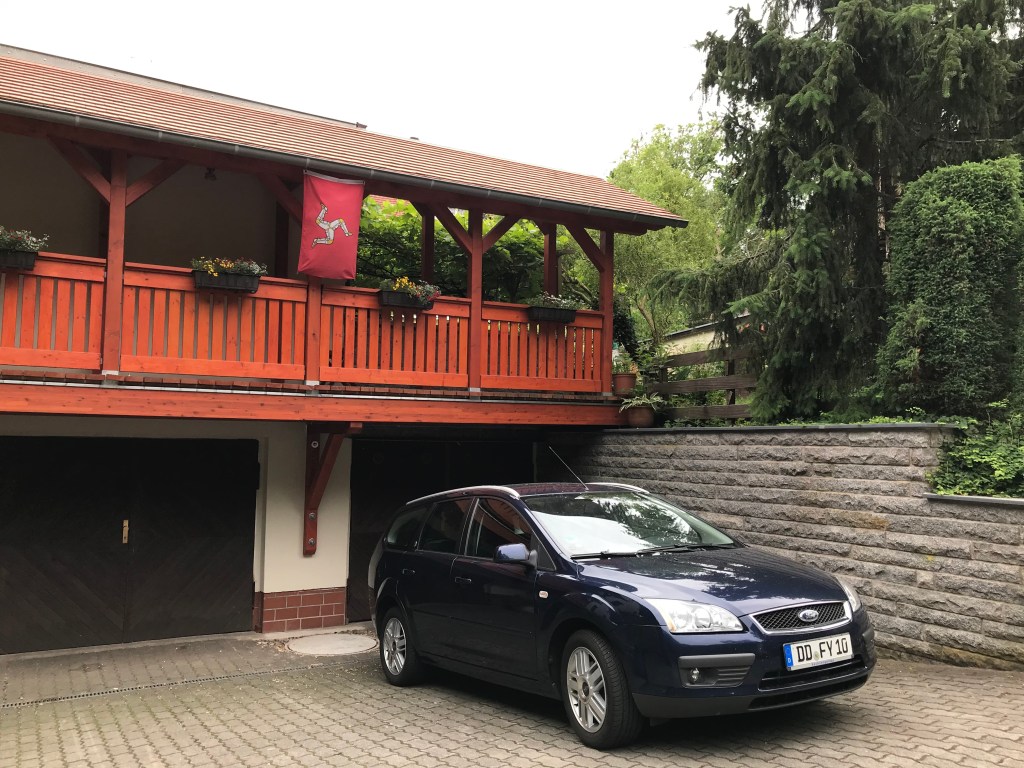
A relatively new house complete with multi-car driveway
Dance Participants
Hellerau Dance Complex
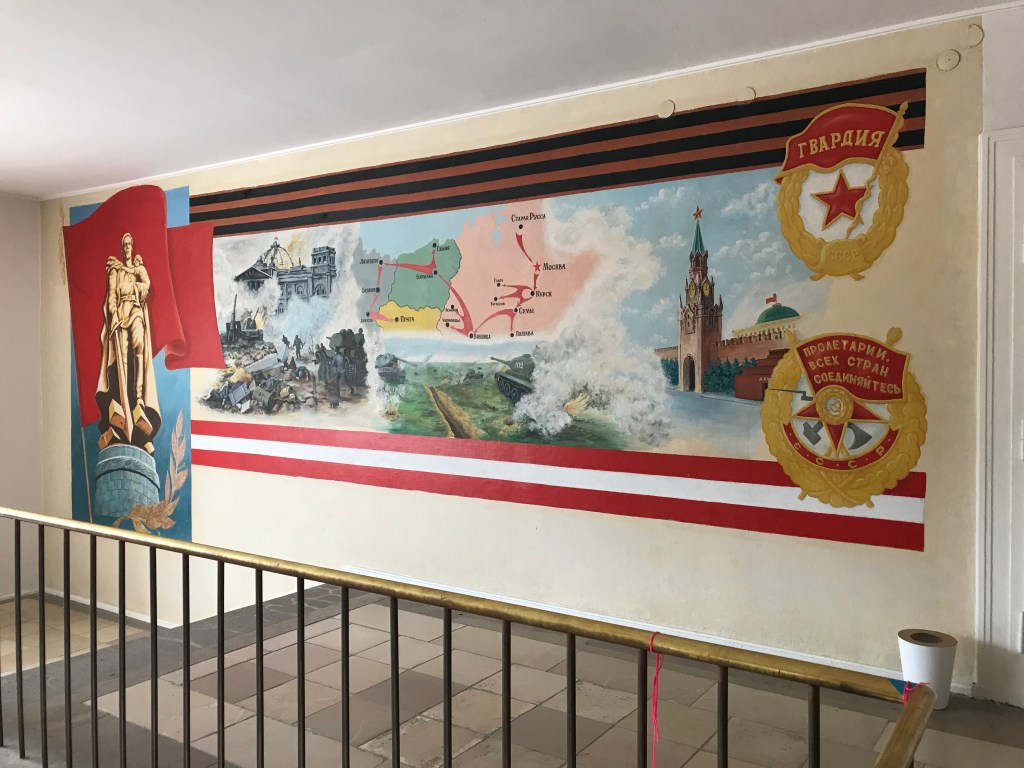
The Hellerau murals from the Forties show the Russian influence and the movement of troops through Moscow to Germany and Poland.
The Altstadt Music Crawl
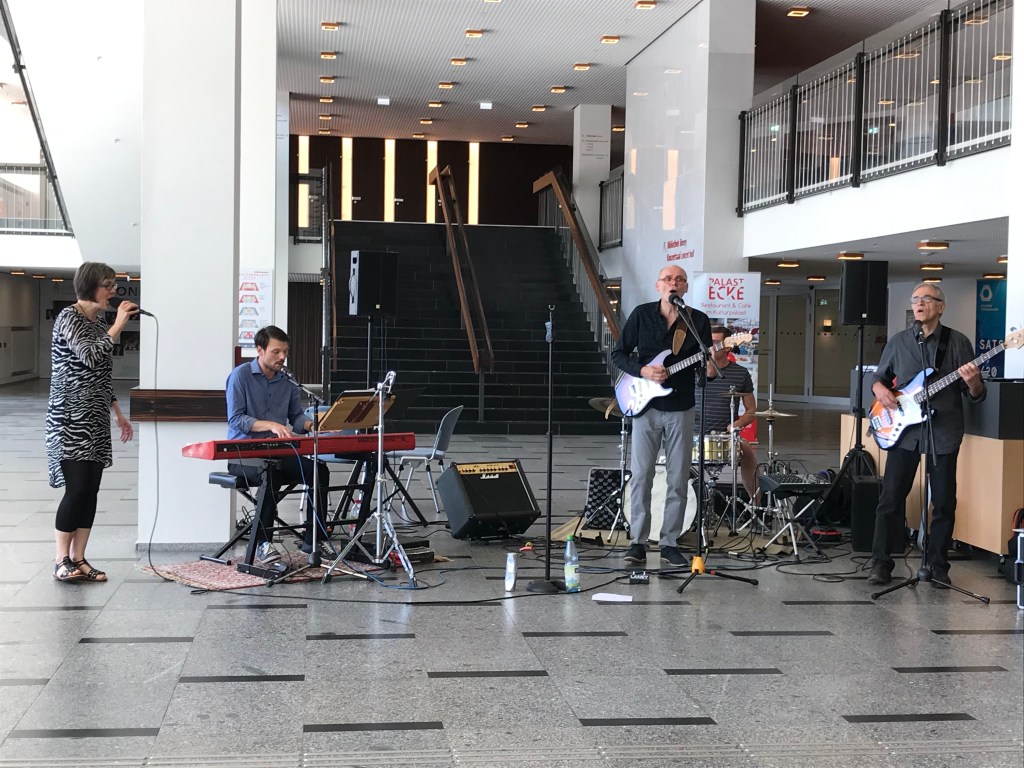
Performers at the All-Day Musical Event in Altmarkt during Pfingsten weekend showcased numerous musical groups and genres. Music is everywhere in Dresden and delightfully unavoidable. We raced around the Residenz Schloss, the Kulturepalast, and the Japanese Palace, all within a stone’s throw of the Elbe River, to see a Brass Ensemble, rock bands, and choral groups (including featured image above) making music throughout the city center.
Handel’s Birthplace in Halle, Germany
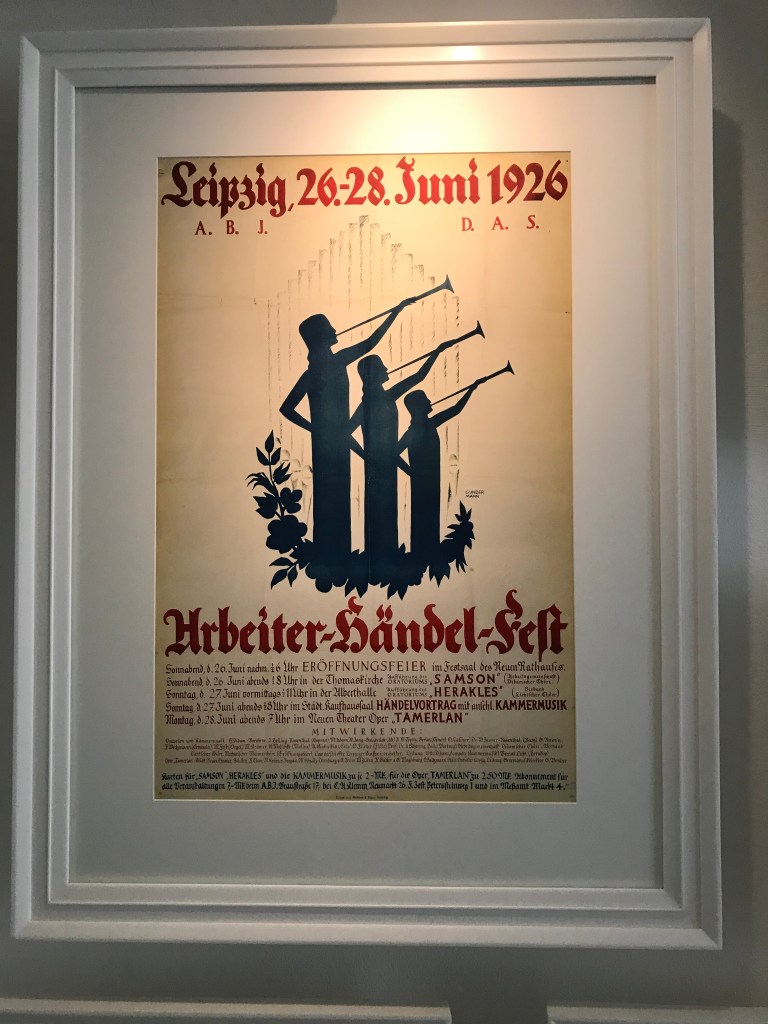
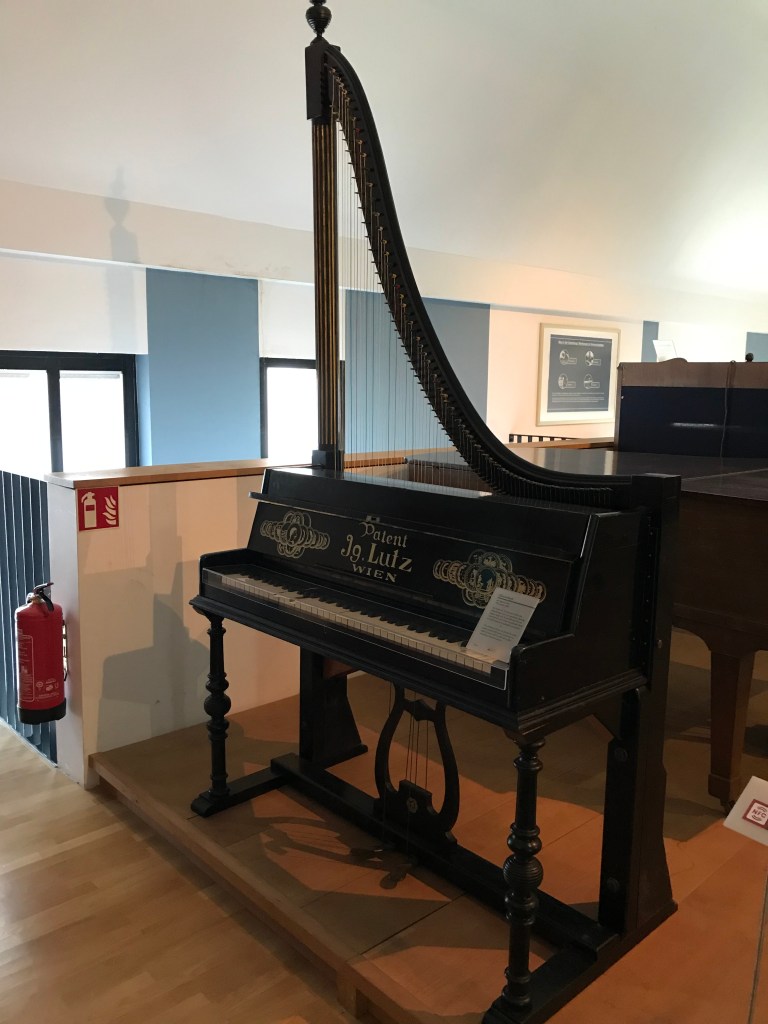
About two hours west of Dresden lies Handel’s birthplace. The Handel Museum contained many unique historic instruments including organs, pianos, and wind instruments. A stirring poster advertising Handel music demonstrated the simplicity and power of propagandistic advertising. While the museum is not as informative as those in Leipzig for Bach, Mendelsohn and Schumann, it was still a worthwhile and pleasant excursion.
the Border between Poland and Germany (Görlitz)
Our German friends Hanne and Jens planned a special outing by car to Görlitz, about an hour east and outside of Dresden. They met me and Vladimir, a classmate from my first German class in Dresden, outside my Neustadt apartment. Being a holiday on Monday, it appeared that most of Germany was still working off the hangovers from too much beer the night before or was busy getting grills ready for the barby.
The town turned out to be a collection of historic buildings, lovingly restored to its 16th Century splendor. The St. Peters and Paul’s Evangelical Church on the German side was a massive building graced with many decorative elements. Artwork and sculpture complimented the sturdy structures thoughout the town.
Another Night at the Semper Opera, Dresden
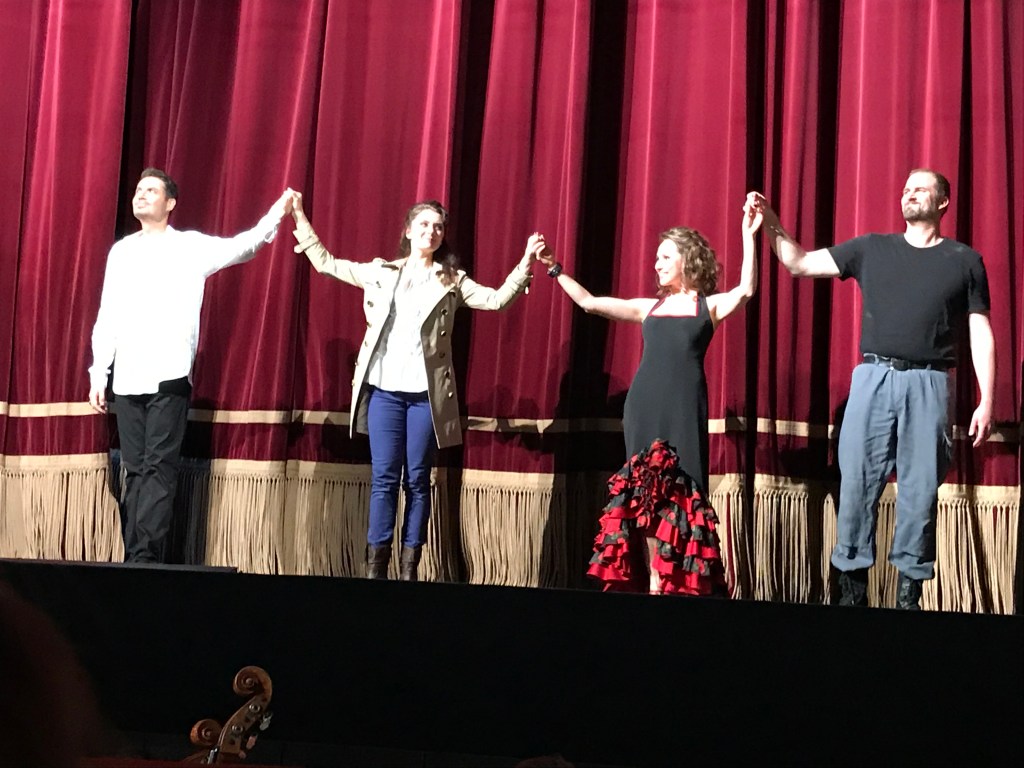
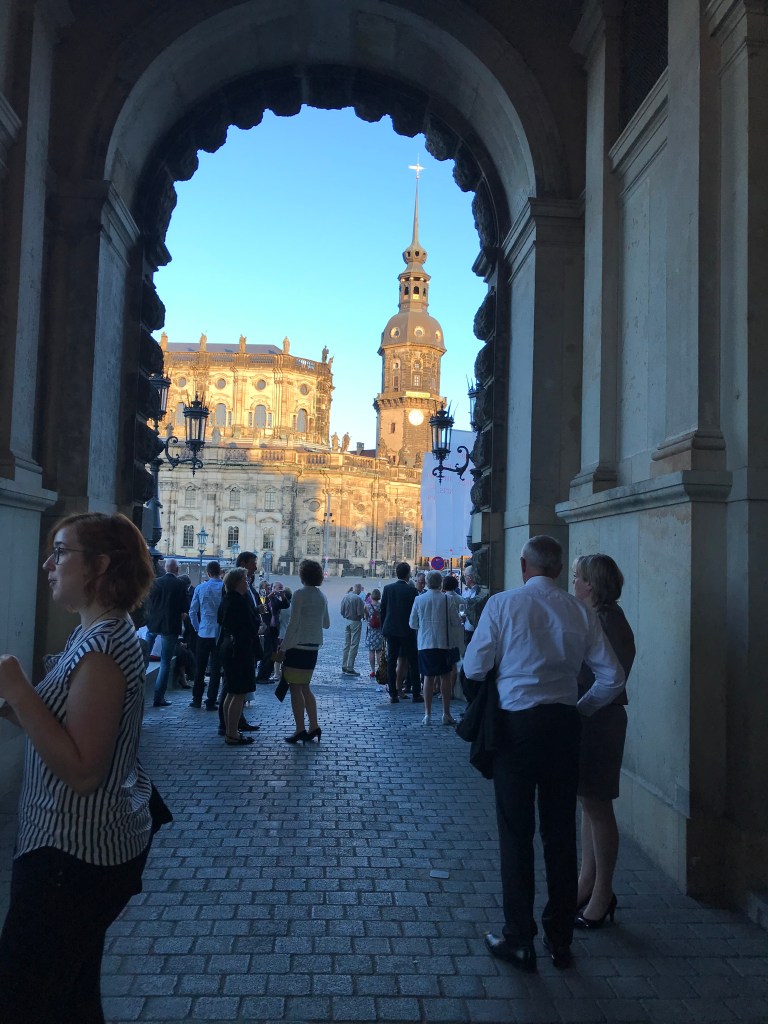
A final performance of Carmen at Semperoper included a cast of thousands, modern clothing, and lackluster singing. The evening air outside provided lovely views of the city center and a refreshing pause between acts.
The Albertinum Museum, Dresden
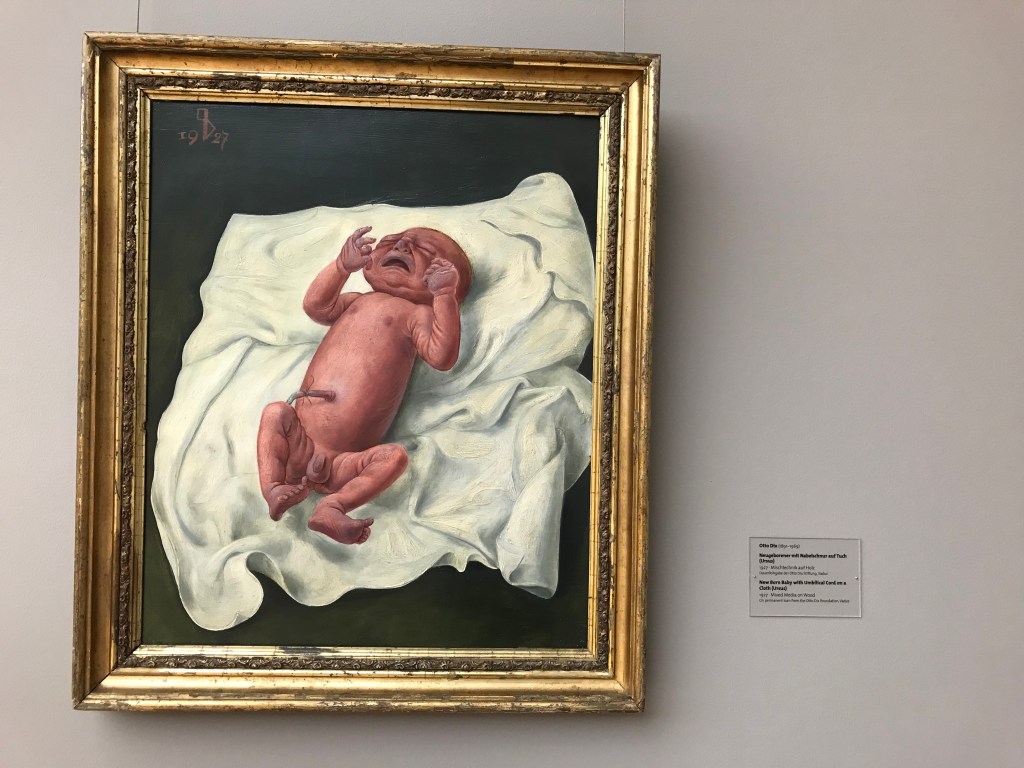
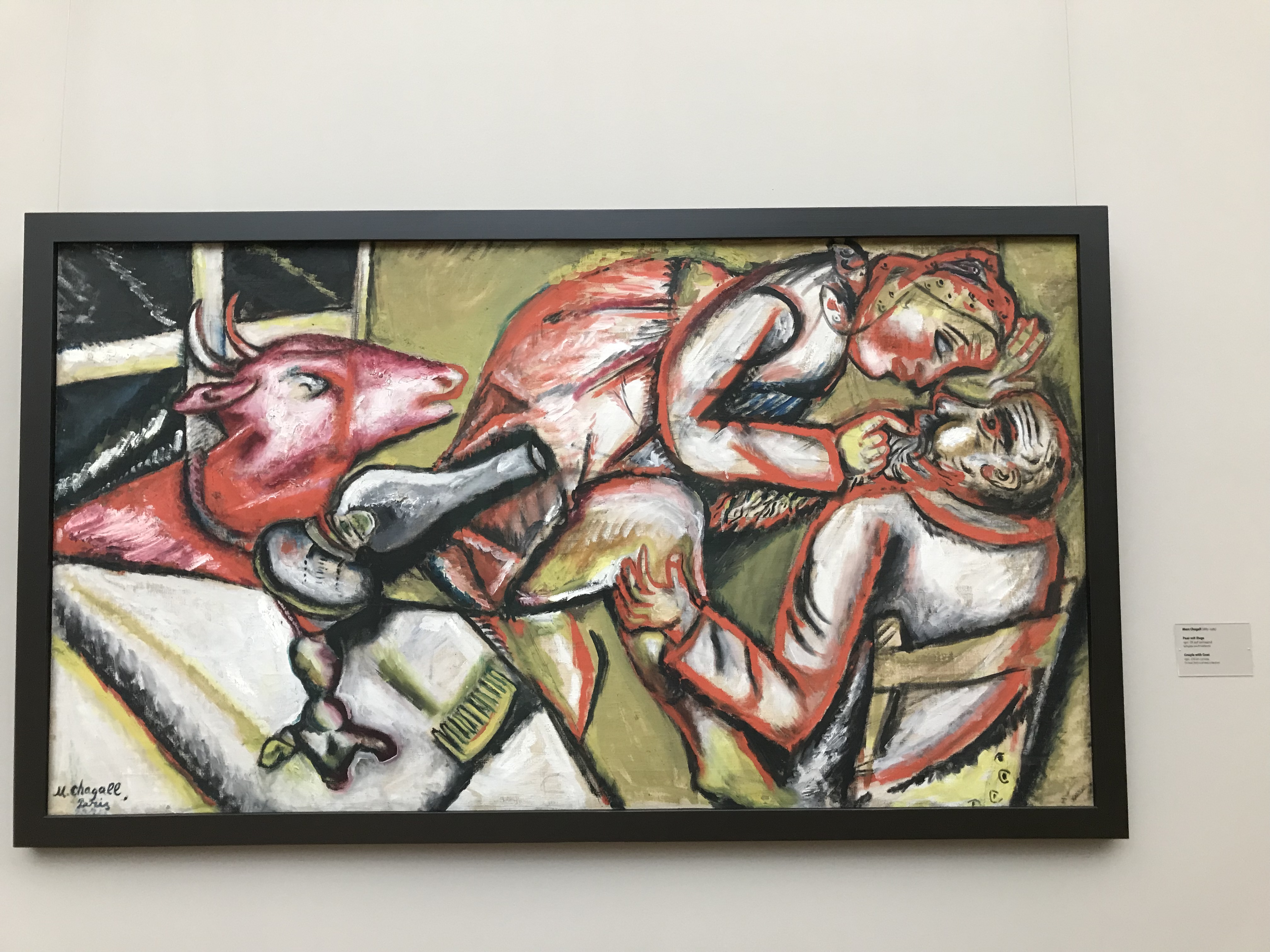
The Albertinum was one of my “Go-Backs”, after German partner Jim reminded me that this museum contains paintings by one of my favorite artists–German Expressionist Otto Dix.
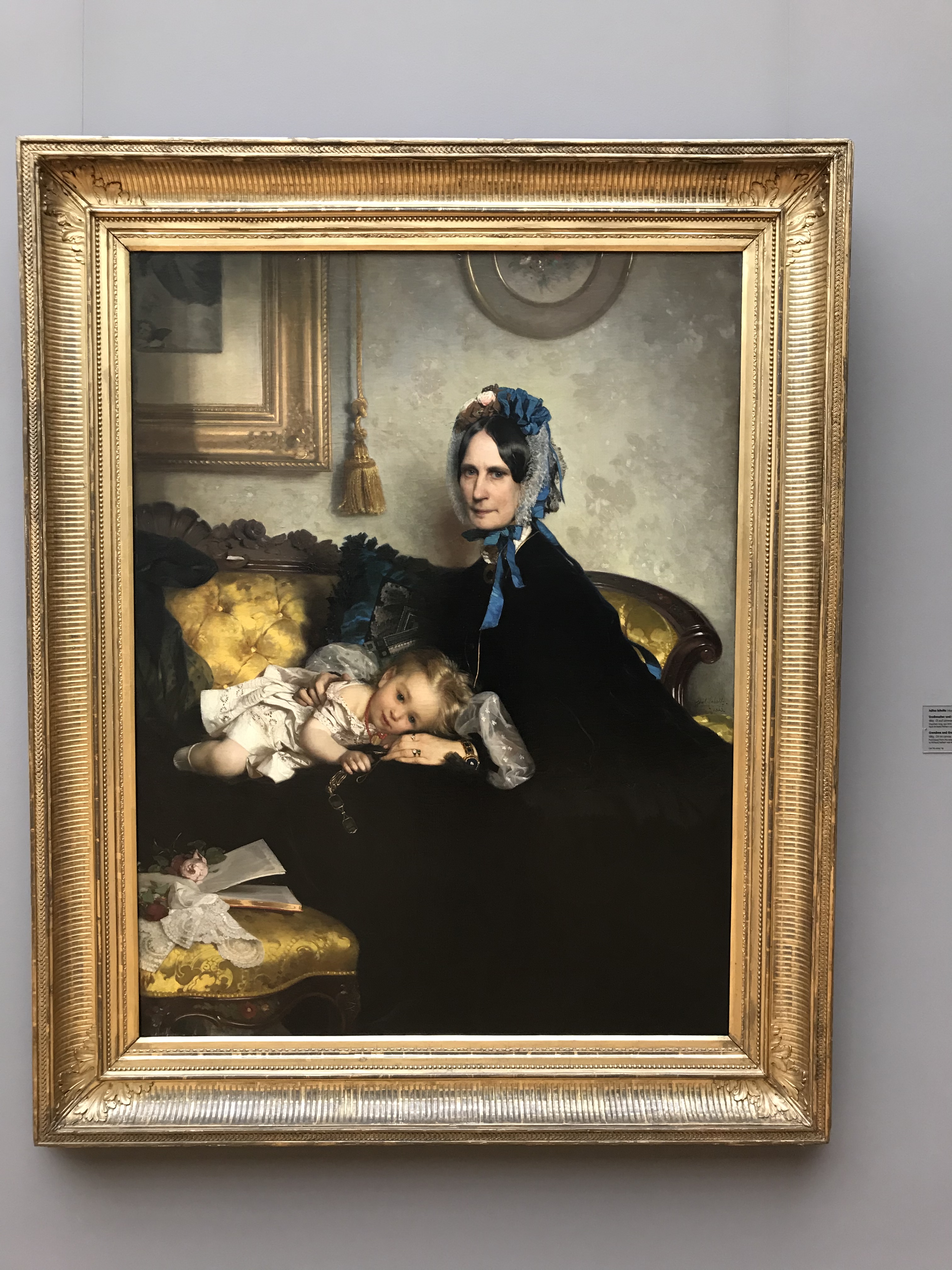
In addition, the Albertinum has impressive representative works of Chagall, Gauguin, Monet, Manet, Toulouse-Lautrec and Picasso, as well as those by German favorites such as Gerhard Richter and Max Liebermann. The slide show gives you a feel for each of these works.
Ballerina, Degas
And below are just a few of the random collection of works that I particularly liked. Portraiture and hands are appealing to me as I learn to draw and study the human figure.