Having Luneburg, a charming small town outside of Hamburg Germany, as a base has been a delightful experience. Annemarie was kind enough to allow me to stay at her beautiful white-carpeted apartment just minutes from the train station and a short walk to all the cafes, shops, and services.
After a first week visiting the numerous museums in the city, I was ready to move into a quasi-resident mentality. With the fascinating history of this Hanseatic city under my belt, (See posting https://wordpress.com/post/travelswithmyselfandothers.com/28671), I was able to appreciate the razor-edged rooftops intentionally different from the next neighbors’. Many 16th C. buildings prominently display their beautiful brick facades along the narrow village paths.
Experiencing the natural pace of life in Luneburg was a joy. After the crazy opera-chasing from Dresden for Don Carlo, Berlin for the Ring Cycle, Dortmund for Pretty Yende, and to Bulgaria for Sonya Yoncheva’s Tosca, I savored the breath-catching week in this quaint and friendly little town.
Entertaining and Being Entertained
The many cafes and restaurants for tourists and locals reward all with excellent quality fish, Spanish food, and Mediterranean cuisine. Wednesday and Saturday markets offer all the necessities for quality at-home dining.
Whole Fish at Neptune’sOchi’sBreakfastBounty from Market Day
Historic Building Interior
A lunchtime invitation for seasonal spargel (asparagus) provided an opportunity to experience a lovely historical building interior with a worldly host, who provided insight on local family history.
Soccer Mania
The Euro Cup 2024 has descended on Germany. Games from 26 European countries are played in major German cities such as Munich, Hamburg, Dusseldorf, and Koln throughout the month. It’s hard not to get caught up in soccer fever, with national teams featuring famous soccer players from different clubs throughout Europe.
Germany vs. Scotland
Rod Stewart Competes for Opera Diversion
OK, so Opera isn’t my only obsession. Annemarie introduced me to Rod Stewart and converted me instantly. I struggled with my dual personality and bipolar disorder to maintain a semblance of normality. His mellow conversion to pop standards of past generations balanced his bad-boy image in a very digestible manner. I even forgot that I was in Germany after exiting the Barclay Arena humming “I Don’t Want to Talk About it.”.
Kickoff with “Addicted to Love”
In a couple of days, we’re off on a road trip due South to Munich, with stops in Bavaria to Annemarie’s heimat (home), Befreiungshalle, Walhalla, and Kloster Weltenburg. We’ll land in Verona for one final opera fix before I head home via Frankfurt.
A free walking tour of Plovdiv in English gave us plenty of food for thought about Bulgaria’s long, complicated history as well as insights on current trends in art, architecture and music.
Bulgaria’s Complex History
From the 6th to 3rd Centuries BC, Thracians (of Spartacus’ era), Persians, Celts, and Macedonians fought over rule of the Bulgarian land, until the Romans (Tremontium) conquered the region in 45 AD. Various tribes successfully ruled after the fall of the Roman Empire in the 6th and 7th Centuries until the Byzantine Empire granted Bulgarian rule in 681AD.
The Cyrillic Script developed by the Bulgarians and used today by the Russians helped to unify the Slavic and Balkan cultures.that then dominated the area. The Ottomans arrived in 1396 and ruled until 1918. After the Russo Turkish war of 1877-78, the Russians gained influence over the area until the fall of the Berlin Wall.
While an independent state, Bulgaria is a democracy with a market economy. It has seen its share of problems with stronger powers controlling the country, however. Local politicians, weak and intent on short term gain, plague the country today. Corruption, mafioso rule, and disorganization jeopardize Bulgaria’s stability. Zero population growth and mass migration to other EU countries have caused an undertow to the economy with little hope in sight for a recovery.
Roman Infrastructure and Urban Planning
As one of the two European Centers of Culture identified in 2019, Plovdiv intended to promote its cultural treasures to the rest of the world. It was listed as a candidate for a UNESCO World Heritage Center, until the reconstruction of historic houses contravened UNESCO restrictions.
The Roman Ruins predetermined much of the city’s current layout. Aqueducts bringing water to the city from the mountains enabled Tremontium to thrive. A huge lozenge-shaped stadium, over 240 meters long, was erected for public events.
Eventually, as the stadium went into demise, a roadway and houses were built over the ruins. Only the small portion at the end has been excavated for public display.
The Cultural City in 2019The Roman Forum and LibraryThe Roman Forum and LibraryA model of the stadiumThe City ParkThe stadium ruinsThe Stadium ruins
Ottoman Architecture
From around the late 19th to early 20th Centuries, wealthy residents of Plovdiv built fancy houses in the Ottoman style of architecture. The wood frame buildings and decoration have been preserved in the Old Town area near the Ancient Theater.
The proportions are tall with thin windows to restrict heat gain. Colorful exteriors and painted decoration exemplified the wealth of private patrician families.
The Ethnographic Museum
Much of Bulgaria’s history and culture is preserved in this family home in the Old Town.
SeatingThe shaggiest bedcover everWooden String InstrumentsPainting showing a lively market scene
Many artifacts such as musical instruments, clothing, jewelry, and farm implements were displayed, as well as the handicrafts for metal forging, wool production and weaving.
Ethnographic Museum Interior
The Bachkovo Monastery
A side trip to the mountains beyond Plovdiv was a refreshing journey away from Plovdiv’s 90 degree Fahrenheit city heat. The Bachkovo Monastery and Refectory, founded in 1083, contained numerous frescoes from 1643 depicting Christian Orthodox history. The monastery was instrumental in saving many Jews from persecution camps in 1943. Historically, Bulgaria has embraced Christian, Jewish, and Muslim cultures.
Asen Fortress
The Asan Fortress was built in the 13th Century as a defensive guard tower over the steep ravine. The location offers panoramic views of the Rhodope Mountains.
Italian Night I in the Ancient Theater
Our main purpose for traveling from Germany to Bulgaria was to attend a Tosca concert featuring Sonya Yoncheva. An opera diva born in Plovdiv, the city was excited to see their native daughter return with her stunning voice.
Dean Vatchkov as Scarpa
Ivan Mimorov as Caravadossi
Sonya Yoncheva as Tosca
No-Curtain Call
We were excited by the rare opportunity to film the performance with the backdrop of the ancient theater’s ruins.
Italian Night II in the Ancient Theater
While browsing, we noticed a poster promoting an Italian night performance in the Ancient Theater a couple of days later. We hadn’t heard of the performers, but we were excited by the chance to see more opera at the theater. Even though there was no translation for tickets or the performance, our Bulgarian friend Vladimir was able to help us purchase tickets online. We knew exactly where to go from the previous performance.
After a delicious dinner of beef tongue and grilled vegetables at a road-side outdoor restaurant, we made our way to the theater a short walk from our Air BNB. We chose our seats near the center along one of the designated marble rows in Section D. As the lights dimmed and the orchestra played a brief introduction, the lead singer appeared on stage and began singing.
We strained our ears to adjust to the music. Hmm, we didn’t recognize the opera aria at first. By the time a faint echo of a saxophone was heard along with wild audience applause, we realized that the singers were crooners and the music was contemporary pop music!
Annemarie and I looked at each other and realized that the “Italian night” was not for opera, but for schmaltzy Italian songs! The audience knew all the words and swayed to the music, from the days when Italian pop was at the top of all European charts.
We laughed at how we had misunderstood the meaning of “Italian Night”. Indeed, the term applied to pop music as well as opera music. Our minds were too intent on opera! We felt a little sheepish at the false assumption we had each made.
Nevertheless, we enjoyed the concert as much as Sonya Yoncheva’s classy performance. With 80 degree whiffs wafting through the stadium, delightful colored stage lighting, and a mellow Bulgarian audience, it was a memorable and romantic musical evening regardless.
Ramazotti Favorite
Nessun Dorma, an Italian opera favorite by all
The Volare Finale
The Dining Scene in Plovdiv and Sofia
There were plenty of restaurants to soak up the tourist dollars, but even then everything was well prepared and dirt cheap. We especially enjoyed the eggplant and Turkish style mezze platters with tomato spread, pesto and burrata cheese. Cute outdoor restaurants in the Old Town area of Kapana were right outside our door and encouraged us to venture out and linger in the lively, 80-degree evenings.
Burrata, pesto and cheesePaellaCheese and eggplant spreadsClassic dishesMixed GrillKapana NeighborhoodKapana Neighborhood Dining
People of Bulgaria
Here’s a collection of some people on the street, in the park, at the train station, and on the train:
Meeting the people in Bulgaria brings dimension and insight to the country. We look forward to coming back to learn more about Bulgaria’s rich and extensive cultural history (and more opera in the Ancient Theater!!!)
My inaugural trip of 2024 is a transcontinental train trip from Sydney to Perth, Australia. The Indian Pacific Journey by Rail takes 3 nightsand 4 days and travels through vast stretches of the Australian outback, wheat fields and coal mining country.
I compare this to the Trans Siberian trip I took in 2017-18 (Beijing to Moscow 2017 followed by the Beijing to Vladivostok segment in 2018). While the Russian trips each took 7 days and 3 days respectively this Australian journey takes only 4 days.
The Trans Siberian required a leg due north through Ulan Bator in Mongolia to Irkutsk and Lake Baikal, accounting for the additional time. East-West Travel for both the TransContinental in Australia and Russia are similar in distance, dreariness and slowness. My lifelong love of trains compelled me to bank this journey after a two-week visit to New Zealand.
Australian Landscapes
No highrises, no towns, no people. Just flat horizontal images pass by, miles to the horizon line. Initially and intermittently, iron-rich clayey terra cotta soil seeps under the sage-blue brush, sometimes in curious circular colonies. Dry yellow-brown soil harvesting hay and wheat in the middle of the country give way to more lush outback, with taller trees that oscillate with the wind.
Spartan landscape in the eastern side of the South Australian Outback
In some ways, the changing patterns of movement are the appeal to me. The pace and scenery are therapeutically comforting and a time to reflect.
Run-down coal mining buildings occasionally appear. We get excited seeing a bulldozer and ponder how it got to its place in the wilderness.No signs of humanity ANYWHERE. While mining is alive and well in Australia, the activities along the rail line seem to reflect the aging industry from a by-gone era.
Two trivia facts: the longest stretch of continual road is in this part of Australia and can be seen from outer space. And the width of Australia is the widest country in the world (over my guess of Russia) and wider than the moon’s diameter.
Wheat fields in Australia!?! Like America’s breadbasket, Australia produces more wheat and hay than what its countrymen consume. So China and other Asian countries are the benefactors of these vast food and feed enterprises.
Denser growth in the western half of the Southern Australia outback
Our quick 20-minute pitstop in Cook provided the most cinematic opportunity, where the abandoned town left a ghostly reminder of by-gone efforts to settle and make roots.
Accommodations
Compared with the Trans Siberian, accommodations in a single cabin are luxurious. While old and outdated, the design of the carriage was well thought out and the quality has been maintained.
What differentiates the Australian Railway system with that in Russia was the food service. The Chinese served the east-west direction, and the Russians the west-east direction of the line. Both were rudimentary, if not non-existent. No one attended the dining car.
The food service on the Indian Pacific was superior, with an extensive wine list and well prepared meals. The dining car buzzed with activities and opportunities to meet other travelers. The host seated individuals, couples, and parties of four as groups arrived. Both the food service and cabin staff have been amazingly hospitable, kind and helpful.
Yes, intermittent internet access is frustrating. Time to throw the phone out the window and try living life as a normal person. What I do see is the difference between these two transcontinental trips eight years apart. Except for frantic postings at station stops across Russia where I was able to get off, I barely remember any need to check my phone when there was no service to speak of.
Despite intermittent service, the compulsion to check is relentless and uncontrollable. I am only reminded by a handful of Aussie matrons who could have cared less about flickering internet traffic noise.
Excursions
Although I had no idea where the planned excursions were, it didn’t matter. Two of the three planned activities were unavailable.
The first off-train experience to the mining town of Broken Hill was cancelled due to delays from freight traffic the night before. And a flood at the site of the final night out in Rawlings required a cancellation of a dinner under the stars.
A seven-hour day trip to Australia’s famous Barossa Wine Valley allowed us to set foot on land midway. The Sepplefeld Winery we visited was started by German Salesian immigrants in the 1820’s. Their entourage arrived in Australia with 13 workers and the wealthy couple subsequently had 13 children to carry on the family business.
Glimpse of vineyards
After a tour of the barreling room describing the wine making process, we were treated to an elaborate three-course meal with wine pairings. The dessert included a locally made port. Like restrictions on the use of “champagne”, the term “port” cannot be used as a wine designation. “Fortified wine” is used instead to identify wines enhanced with brandy or other alcoholic liquor.
The 7 hour journey was disappointing for the time invested, as an inordinate amount of time was devoted to marketing and shopping. More time could have been devoted to the wines produced.
Diagram of wine productionTable setting with 3 wines and appetizers
Sydney–the start of the journey
Attached photos describe the start of my journey in beautiful, dappled tree-laden Downtown Sydney and a quick walk to Sydney Harbor..
A panoramic view of Sydney Harbor and Opera House, with a commentary on the indiginous people of Australia
Perth-end destination to follow
I hope you have enjoyed the account of this seldom traveled journey through Australia. Despite a few drawbacks, I recommend sturdy travelers to take it! I always thought of Perth as the edge of the world and was informed that it is only five hours from Singapore. That gave me a new perspective of the world! Please let me know if you have any questions or comments.
Despite my non-existent Spanish language training, I reveled in Guadalajara for a week earlier this month. Discovering works by Architect Luis Barragan and Muralist Jose Orozco were the highlights of this brief five-day trip.
Thanks to a personally curated set of guided tours, I was able to grasp the history and significance of Guadalajara. As the third largest metropolitan area of 5 million inhabitants in Mexico, Guadalajara has all the trappings of what city-seekers like me appreciate–a healthy dose of museums, historic buildings, music, and innovative food!
The York Times article I read a few weeks before my trip determined my destination. Unable to use a flight credit all year, I was down to the wire. My last gasp produced a Heimlich solution. I immediately choked out time, circumstance, and a course of action.
I first booked a central city walking tour to get oriented, combined with a visit to the artsy neighborhood of Tlaquepacque. I then planned a trip to the newly discovered pyramids outside the city near the tequila producing area. A final market and cooking class to learn how to make chicken mole added the finishing touch to my visit.
Large plazas linking different parts of the city helped me to get oriented. However, my total lack of Spanish language knowledge presented some challenges. Few people speak English in this interior city. This situation would be a blessing for those keen on speaking Spanish.
There were plenty of cathedrals and churches to visit in this Catholic dominated part of the world. I got into the flow and didn’t mind seeing the Church promoting itself with all its magnificent glories. The Mexican people continue to practice the Christian fait wholeheartedly.
Sculpture dedicated to a famous Woman Artist
I was surprised that Guadalajara, and not Mexico City, was the cultural capital of Mexico. Much of the style and practices of architecture and buildings were adopted from European culture, while integrating indigenous Native American culture together. Guides reminded me that most of the American Southwest was at one time owned by Mexico.
Barragan and Orozco
A world-renown architect, Barragan was a native son of Guadalajara. Prior to the 19th Century, traditional adobe houses were built with a central courtyard. European industrial expansionists converted their home to gardens facing the street to display their wealth.
Barragan, known for his modern houses in the early 20th Century returned to the original adobe house layout with rooms surrounding an open courtyard. Concrete masses formed sculptural elements around gardens. He added decorative patterns on the walls as they were being built and offset doorways from traditional or symmetrical axes.
I was delighted and surprised to find Barragan’s early work so evident and proudly identified in the middle of this bustling city. Bronze monuments are placed at the front of each house to indicate the work of Barragan.
Hospice Cabanas SculptureSculptures dedicated to Orozco and Barragan, native sons of JaliscoBronze monumentCasa Orozco, a Barragan house in the Central zone
A visit to the Governor’s Palace was another startling surprise. I had only heard the name Orozco but was not familiar with his work. The technique for murals, placed on both walls and ceilings, were inspired by a trip he took to Italy to see Michelangelo’s Sistine Chapel. He mastered the art of fresco painting and used the best natural pigments available. Walls were painted quickly and skillfully before they dried. He painted in horizontal sections to control the amount of time he could apply the material.
The subject matter was philosophically arresting. Viewers of the murals are confronted with topics questioning the validity of politicians and religious leaders. He cautioned against capitalism, the possibility of industrial robotization , and deterioration of the human soul. He cautioned the role of the uneducated and the part they play in following orders unquestioningly.
Orozco wrote contracts that gave him complete artistic freedom from his clients. As a result, his messages to the public were uncompromised. The images are stirring and disturbing. Each viewer is confronted with the mess that competing forces have created.
He was critical of his contemporary, Diego Rivera. Orozco considered Rivera’s kowtowing to Rockefeller a disgrace, when he agreed to change the mural he painted in New York City.
Orozco was also a native son of Jalisco, the state in which Guadalajara is located.. You can read a brief summary of Orozco here:
In a UNESCO world-heritage designated building displaying Orozco’s magnificent murals, the Cabanas Hospice was built in the early 19th Century by an ambitious Catholic priest as an orphanage. The Mexican Revolution wreaked havoc on the native population and resulted in many starving and homeless children.
At its time, the hospice building was the largest building second only in size to the Vatican. Modeled after the Vatican’s grand interior, the building represents the aspirations and influence of the Catholic Church in the New World. On completion, over 3,000 orphans filled the building’s rooms and corridors
When Orozco was commissioned to paint the interior of the building in 1930, it was in demise and accommodated only 200 orphans. The Neo-Classical building was converted to a museum with Orozco’s murals intended to be the highlight.
Courtyard of Hospice CabanasInterior with Orozco FrescosCorridor to AtriumInside Main Dome with Orozco FrescoesDome with Burning ManEntrance to Hospice Cabanas
Tlaquepaque
The artist colony and pedestrian area of Tlaquepaque showcased whimsical outdoor sculptures reflecting their creators’ love of life. The spark of joy (and girth) is evident in the art.
The Delgollado Theater
The Neoclassical Delgollado Theatre, located a mile from my centrally-located historic hotel, inspired me to attend an evening performance. The local symphony did a pretty decent job of Beethoven’s Eroica Symphony. I was interested in experiencing a crowd who enjoys these cultural events.
The throngs of friends and families shopping and strolling sent a festive mood throughout the plazas, ablaze with Christmas displays. Walking was easier than taking a taxi to get around–the streets are narrow and congested with what seems like more cars per capita than people. The one mile distance to the theatre took 20 minutes by foot and 30 minutes by car….go figure!!!
Lobby Lighting at Delgollado TheaterPlaza TapatiaDome of Delgollado Theatre
Interior of the Delgollado Theater
Circular Pyramids
I took a side trip to Guachimonton, the circular pyramids about an hour and a half outside the city. It’s located on the other side of the mountain where Tequila is produced. Used as the main altar for burials, the mound is surrounded by a temple, patio, and a ball court. It is relatively unknown because it was only discovered in 1965 and excavations are still in process . The civilization thrived in the area from 300BC to 400AD.
Chicken Mole
A rainy Friday gave me a good excuse to take a cooking class. With only one other student, the session became a semi-private lesson. We first went to the huge market to shop for ingredients and received a detailed lesson on the myriad types of chiles. We made an entire chicken mole meal from scratch, with rice supplemented by a delicious fruit drink.
Chicken Mole!Corn Husks at MarketMarket MainstayMaking the moleMarket Hall DiningTamale Maker
Al Fresco Tortilla Making
Despite a couple of days of dreary weather, I was very glad to have ventured to this unknown part of Mexico. It is developing slowly despite its cultural attractions. It’s a good place to come if you want to avoid noisy obnoxious tourists, and I could barely find one to complain about. I was particularly delighted to see and learn about the Barragan houses and the Orozco murals. Yes, I would highly recommend coming to Guadalajara just for those two reasons alone.
News Flash!
I will be traveling again in 2024, so stay tuned to this website! I plan to travel to New Zealand and Australia next month, and then back to Germany and Bulgaria for more operatic and classical music events in the summer. The travel fever in me hasn’t quite worn off so let’s see what the next year brings….and don’t forget to send your comments and encouragement!
A community COVID case in Auckland last week spurred the country into action, with the Prime Minister Jacinda Ardern declaring a Level 3 alert in the nation’s capital and an Alert Level 2 throughout the rest of the country.
All known contacts traced were checked for testing or review. I was impressed by the transparency and rapid response. All news sources provided updates on the situation, and the public was reminded about the need to be vigilant. Wearing masks on public transport became mandatory, and there was visible evidence of people scanning QR codes in public venues.
Though weary, everyone saw the importance of compliance. I compared the inconsistency of response in the States. Although many wore masks, it seemed as if there were as many who didn’t. The mask wearing is not mandatory here, but nearly everyone seems to follow instructions they are given.
Once the exposure from the family of three who were positive was under control, the country alerts were reduced to Level 2 in Auckland and Level 1 elsewhere. It was a relief, but nevertheless worrying and a topic of daily conversation. New Zealanders are aware how tenuous their situation is and how important it is to maintain their hard-earned freedom.
The government announced yesterday that the Pfizer vaccines have been received and the first vaccinations will begin with those who vaccinate. No other indication of when the general public will receive vaccinations, so we are waiting anxiously to find out.
Watching a Zoom Town Hall sponsored by Assemblyman Phil Ting was helpful to follow latest developments in San Francisco Bay Area. Professor George Rutherford compared statistics between the 1918 pandemic with the one today. In 1918, over 3000 people died in the Bay Area (of a population of 350,000). Today, there have been 342 deaths in a city over twice the size. While the numbers are still increasing, it is a testament to modern science and how it has protected the population from grief and tragedy.
Lyttelton Harbor
In the mean time, life carries on as abnormally normal as possible. Daughter Julianne, grandson Felix and I took a day trip to Lyttelton Harbor. It’s a quaint port town that, despite it being the epicenter of the second major earthquake in Christchurch in 2011 that caused extensive damage, many vestiges of a historic town remain evident.
Logging has become one of the major industries in New Zealand. Just behind sheep and cattle farming, the logs are often sent to China and other countries for processing. Lyttelton, a tiny port nestled on the coast beyond the hills of Christchurch, has preserved a lot of its original character and sense of community .
The featured image above captures a warm and colorful server at the local wood-fired pizza parlor. The owners endeavored to make the restaurant a casual and welcoming environment, similar to other establishments in the neighborhood aiming to please
Historic Corner
Hope Springs Eternal
Chinese do it all
Logging Industry in Lyttelton
Corner building
The evening shifted to a different tone. The Gatherings is a restaurant focusing on curated wines paired with delicious seafood. We were excited by a local “Salty White”, an unfiltered wine by Hermit Ram from North Canterbury. Mussels and chips, a mint salad, and whole flounder were a perfect combination from the Chef’s Selection.
Like many cities throughout the world, you can always find a good meal if you take the time to look for it. Thanks to Daughter Melissa, this one was no exception.
Food for sharing, mussels, and a dab of aoli for each bite.
Earlier in the week, frequent walks through the park and adjacent cemetery unveiled many stories to be told from lives once lived.
Sketching with local Christchurch City sketchers at Ferrymeade Heritage Park and in Central Christchurch at Tuam and Manchester yielded opportunities to see and hear the city up close and personal.
I have been contemplating how to initiate 2021, after a three-week hiatus from posting Travels with Myself and Others. The uncommonly normal existence in New Zealand seems awkward and inconceivable in light of the unprecedented events taking place in the U.S. Perhaps it is best to acknowledge what has allowed our privilege to be here possible.
The New Zealand government, along with a few other island countries like Japan, Korea and Taiwan, has overcome huge obstacles to protect its people from the spread of the COVID-19 virus. In this tiny country of 5 million people, the government has been as transparent and straightforward as possible in its approach to the pandemic.
It also maintains stringent control over non-native flora and fauna. Travelers are unable to bring in foreign species such as fresh fruit and vegetables. Even sun-dried goods such as herbs, mushrooms, sausages and dried meat may contain microscopic live organisms. These items are confiscated and require zapping in high temperature ovens before being released.
Similar to these protections that have been in place for decades, the government takes special precautions against incoming biohazards and diseases such as COVID-19. In going through the agricultural area of Te Puke in Tauranga, signs along the highway remind everyone to protect its local kiwi fruit production.
New Zealanders are aware of their special circumstances. They are grateful for the government’s efforts in being vigilant. They read the news headlines and follow international developments closely. They follow the rules. Everyone knows about the thin line separating them from most of the rest of the world. In the end, no one is separable.
There was talk about creating a bubble for travel with Australia, where 75% of expatriate New Zealanders live. However, breaches in Melbourne, Sydney and where the new COVID-variant is detected, widening the net seems unlikely at this time.
New Zealanders have been very understanding and compassionate, as they hear distressing stories from other countries rampant with COVID-19. They want to make sure that New Zealander living abroad are able to repatriate and be comfortable during the two weeks in the managed isolation facilities.
New Zealand has done the right thing. With good leadership, good policies and practical thinking, it is one of the safest places to be on earth at the moment. We are fortunate to be here and hope that it will remain this way.
Mt. Ruapehu National Park
Everyone was more than ready for 2020 to end. With a few strategic choices and decisions, we were able to fulfill our goal of reuniting our nuclear family in New Zealand. Our last few weeks were filled with joyful holiday activities among close family members and a new addition to the family. We traveled from the North Island to the South Island.
Heading to top of Gondola Station at Mt. Ruapehu
We celebrated our Christmas holidays in Ohakune, at the edge of the UNESCO dual World Heritage Tongariro and Whanganui National Parks. During the off-peak season, we were able to enjoy one of New Zealand’s popular winter destinations with few or no crowds. (It is summertime now). On New Year’s Day, we took the gondola ride up Mount Ruapehu, the largest active volcano in New Zealand and the highest point in the North Island (over 9,000 ft).
Volcanic activity in the area restricted a 2 km radius area, but fortunately it wasn’t in the gondola’s path. New Zealand is unleashed when it comes to extreme sports such as bungee jumping, zipping, and hair-raising climbs. Being liability free, New Zealand is a hearty land for adventure travelers. Seismic and volcanic activity along the ring of fire further increases the potential danger and drama. Some tourists were killed last year when the volcano at White Island near Tauranga erupted.
Overnight in Wellington
We stopped to visit friends and the Te Papa Museum in a brief overnight stopover in Wellington on the way to Christ Church. Filled with a variety of classic and modern art, history, and natural history, the museum had plenty of material to teach and inspire visitors of all ages.
The Wellington Sunday Market in the Central Business District offered summer fruits and vegetables that seemed brighter, fresher, and larger. I was drawn to the pattern, shape, and form of each product. After a delightful and leisurely evening with a close relative, we managed to slip in a dim sum lunch the next day in the center of the city before heading to Christchurch.
Ohakune Forest Walks
Earlier in the week, we took one more hour-long forest walk in Ohakune before heading to Wellington. We had a chance to appreciate the gorgeous display of famous New Zealand ferns.
Middle Earth is a reference to Peter Jackson’s famous Lord of the Rings. Much of the filming took place between Auckland and Tauranga, but it seemed like a more appropriate name for the middle of the North Island. I haven’t seen the series yet, but I am inspired by being here.
Holiday Cheer
With thanks to our pastry chef daughter, we shared the joy of cooking with our beloved family between Christmas and New Year’s. We concocted, baked, glutted ourselves with special meals and dishes and challenged each other’s intellectual skills on a hand-made Scrabble board.
After introducing the city in the last post, I feel obligated to complete the rest of my Berlin posts from 2016. Yes, it’s long, but for those interested it will capture a hefty dose of the sights and sounds of Berlin that should still exist today. The only downfall to me is that most travelers outside of Berlin are unable to experience the city’s treasures real-time today, in November 2020. Let’s hope we can do so by this time next year….
I’ve also included a quick trip to Berlin at the end of this post from Winter 2016 with daughter and pastry chef, Melissa.The upcoming and final post from Germany will be from Dresden.
Neues Museum
Aside from the pillaging of art treasures from their original sources, the collection was exceptional. Mostly from 2400-1200 B.C (Middle and Late Kingdoms). Queen Nefertiti’s head was here, but photography was not allowed. Exquisitely beautiful. Figures were lively and not as stiff as most representations of Egyptian art. They spark the curiosity and desire to learn and understand more. Enjoy the photos and captions where available.
Berliner Dome
The Berliner Dome, like the Berlin TV Tower, shares a prominent place in the city’s skyline. And, like the Tiergarten, this visit gave me a chance to slow down and absorb its inherent beauty . While it is a “Protestant” Church and not a “Catholic” cathedral, it nevertheless was highly ornate. In 1905, it was a last gasp for the Prussian monarchy. It was restored in the 1990s.
The main chancel apse had three impressive panels showing the birth, cruxifiction, and resurrection of Christ. A large organ in the niche to the left made me want to return to hear it one day. The basement was a bit creepy as it held the crypts of many of the Hollenzollern lineage, including that of King William Friedrich (1861).
I subjected myself to an adventure at the Comic Opera, where I saw Massenet’s “Cedrillon”. It was loosely based on the story of Cinderella, so a bit of a ho-hum with nice music. The cast was subtly baudy (if that’s possible). It reminded me of the opera-goers’ version of San Francisco’s Beach Blanket Babylon. The chorus or corps de ballet definitely provide the tongue-in-cheek comic element. Despite top-notch singing and a pretty good stage set, it’s not everyone’s cup of tea.
The opera house itself was worth seeing. It still conveyed the grandeur and aura of the past, but sadly was a bit shabby and in need of a face lift. A surprise inspiration were large video screens in the lobby, that show current performances and cast lists. Cedrillon is replicated here. The last photo below shows the actual evening’s cast and curtain call.
Jewish Berlin
Berlin recognizes its Jewish history and the part it plays in understanding the city today. Our guide, Matthias Rau, started our tour of the area at one of three Jewish cemeteries in Berlin. A reproduction of the headstone of Moses Mendelssohn is located in the cemetery (see photos in slide show below). He was one of the major leaders of the Jewish community in Berlin in the 18th Century. If you are interested, you can read more about Moses Mendelssohn here: https://en.wikipedia.org/wiki/Moses_Mendelssohn
Brass plated tiles with inscriptions of names of Jewish people who lived in the area are found throughout Berlin. Organized by a private foundation, this effort identifies individuals, their birthdates, where they died, and when. Most of the inscriptions we saw identified Auschwitz as the place of death. (We later noticed plates in Kreuzberg.)
1. Only some of the stonework with inscriptions were salvaged at the cemetery. The grave sites are covered with ivy.
2. The site of the “missing house” is used to identify Jews who had lived in the building. Tags on adjacent buildings indicate where each family lived and are stark reminders of the lives that disappeared.
3. A tribute to Regina Jonas, the first woman rabbi in Berlin. She was part of the Jewish liberal sector.
4, 5 and 6: The New Jewish Synagogue (1866, Oranienstrasse 30) was the center of the Jewish community (also wooden doorway from Entrance) .
7. Augustus Strasse, where the Jewish School (shown in photo on the left) was located. It now is used for community space, the Kennedy Center, and other public facilities.
24 hours in Berlin
On Saturday, a fellow German student from Dresden and I spent the day exploring Berlin together with the following schedule:
10:00: Met friends from the Berlin Goethe Institute for Brunch at Sud Bloc, a Turkish Restaurant in Cottbus Tor.
12:00: Instead of the the 9th Berlin Art Biennale, we chose to visit the International Design Festival, since the Biennale was around for another couple of weeks. This is certainly a fantastic city for art and artists. Below are a few of the displays that were presented at Kraftwerk, a huge warehouse/industrial building in Berlin Mitte near the Heinrich-Heine Station
14:30: Walked through trendy streets in the Mitte near Rosenthaler Platz. The KW Institute for Art, one of the Biennale centers, is located on Augustus Strasse. It parallels another delightful alley, Linienstrasse, that is sprinkled with cafes, one-of-a-kind handmade items, and art galleries. I had a red lentil and avocado sandwich with a German rose wine across the street from the old Jewish school. Melissa and I had seen the Kennedy Exhibition there in January 2016.
16:00: Stop at my Air BNB on Brunnenstrasse for a cake and coffee break.
17:00: Visit the Bernauer Strasse wall exhibit (see posting from last week)
18:00: Alexanderplatz pit stop, with a Afrikaner Festival food and entertainment in high gear.
19:45: Performance of the Return of Tobias, an Oratorium by Joseph Haydn at the Elizabeth Church around the corner from where I am staying.
This was a bonus performance. I was debating about whether to go after such a full day. The performance was sold out, but seating behind the orchestra was available for 5 euros! I could enjoy the full choir, orchestra, and professional quality opera singers and kick my shoes off at the same time. The performance began with actors at the cemetery a couple of blocks away, setting the stage for the story. Everyone returned to the church, where the full story, singing, and beautiful music in an intimate setting unfolded. A delightful close to an exhausting day.
The following day’s activities started with alot of guilt-laden German studying, but in the afternoon I treated myself to a brilliant performance of “Tristan und Isolde” by Richard Wagner at the Deutsche Oper. The marathon performance lasted 5 hours, from 4pm until 9pm. (Only the Meistersinger at the SF Opera was longer at 6 hours). Needless to say, the German stiff upper lip in me kicked in. In classic behavior, when in Berlin, do as the Berliners do.
The opera was very moving and emotionally draining–one of the best I have ever seen. To top it off, there was a standing ovation. That was a thrill. First to see a heart-pounding performance, then to witness genuine, never-ever inflated gratitude offered by a hard-core, German audience.
By purchasing student rush tickets an hour before, I am able to procure the best seats available (5th row from the stage, 9th seat in from the end) for 15 euros (thanks to the Goethe Institute). The only minor inconvenience being so far forward is having to tilt my head up to read the double subtitles in German and English. That’s hardly a problem or complaint for what I am getting at these prices. The difference in cost of opera tickets pays for my four-week German class!!
For the next two to three days, I was completely free from my German Class military-style training and academic obligations. I raced around to the spots that I missed, then spent the final 24 hours on a day trip to Dessau to visit the historic Bauhaus Workshop, School and Houses.
48 Hours in Berlin
The Berlin Biennale was in full swing throughout Berlin. To catch up, I made a pilgrimage to Fasanenstrasse, a small, elegant street near the Zoological Gardens and Uhlanstrasse Station. A few of the galleries promoted in the Art Forum “picks” are located here, including the Galerie Kornfeld, that was showing “The End of Flags” by Hubert Scheibl.
The Bucholz Gallery, where Melissa and I visited in January, presented the work of Wolfgang Tillmans. He was born in Remscheid in 1968. His work covered photographs of his studio and the accumulation of paper.
Not particularly inspiring, but I found the gallery itself much more exciting. It is an historic, protected building with beautiful Art Nouveau tendrils on the ceiling, panels over doorways, and in the carved oak staircase in the vestibule.
Contrasted with the stark white walls, it was easy to appreciate the delicacy and the artistry in the original building decoration. Contrary to my altbau where I am staying, this is what I would consider a classy version. There are also some really elegant auction houses and galleries promoting collector books and Asian antiques, gorgeous art nouveau jewelry and beautiful period silver by Georg Jensen and Henry Van de Velde.
After walking down the street and looking for a memorial plaque for Essad Bey or Nussibaum, I was very happy to discover it directly across the street from the Cafe for Literature and the adjacent Museum for Kathe Kollwitz. The Berlin literati must have hung out in this neighborhood. It felt like the Montparnasse area of Paris, except more compact.
Essad Bey was a journalist who was both Jewish by birth and Muslim by election. He had a fascinating life history that is chronicled in the New York Times bestseller by Tom Reiss, “The Orientalist”. I was surprised that my German teacher had read the book when I told him it was my favorite book.
Born in Lake Baku, where one of the first oil discoveries was made, Bey lived an early riches to rags life. His family escaped after the Bolshevik Revolution to Turkey, then Paris, and eventually he was educated in Germany. He became a journalist, was writing histories of Hitler and Mussolini, fell out of grace, and then died a tragic death. It’s a fascinating book where fiction and reality are often obscured.
Later in the morning, I walked about a mile east to KDW, Berlin’s version of Harrods or Galeries Lafayette. The top floor is devoted to gourmet food, with stations that offer a variety of seafood, meat, and a host of regional specialties. Up until now, I haven’t put much (or any) focus on eating. This was my opportunity to catch up.
The cases proudly presented cheese, sausages, and brot (bread). I looked for anything unique from the other gourmet food halls, but could only find wiener schnitzel and kartoffel stations. If you are into German food, you can get the gourmet version here. I succumbed to the bratwurst, senf (mustard) and sauerkraut, just as a show of loyalty. While this wasn’t exactly a pilgrimage to the annals of gourmet dining, I could still enjoy the German culinary ernestness. I bought a sample of Niederegger’s marzipan from Lubeck after hearing about it in my German class.
The Bauhaus Archive in Berlin was high on my list of places to visit. The exterior was odd, with the north-facing skylights a prominent feature of the design of the building. Thankfully, a new museum is underway. After 883 international entries, a Spanish architect won the competition and beat out an American. You can see the entries, if you are interested, here: http://c4c-berlin.de/projekte/bmd-de/
The existing exhibition still contained all of my favorite things: design philosophy and principles from inception to reality; creative thinking; and highest quality craftsmanship. I was thoroughly engrossed and listened to every post on the audio guide (not a small feat, especially since it was in the afternoon!). Again, it reinforced my passion and dedication to good design.
Berlin Biennale
The Ninth Annual Berlin Biennale, as mentioned earlier, is underway this summer. In addition to the KW Center for Contemporary Art, the main anchor is at the Academy for Art, just inside the Brandenburg Gate. The exhibition in combination with the interior of the building was crazy beautiful and disgustingly fascinating. I couldn’t decide which photos to include, so here is a mix-match of both exhibits and building features (renovated by Beynisch Architects from Stuttgart in 2005):
Click on the photos above to increase the images.
The terrace featured a virtual reality presentation. I stood in line for the 3-4 minute scene that was pretty entertaining and worthwhile. The scene showed the view from the top of Brandenburg Gate, fogged up, then dove to an underwater sequence. The person in the photo is bending over to look through the viewer underwater.
The evening was topped off with a final opera. The Deutsche Oper unveiled a new production of the “Die Entführung aus dem Serail” by Mozart. If you remember what a rogue and rock star Mozart was in his day (drinking, women, and wild living), this production really conveyed that. They brought the days of Mozart to contemporary status, complete with nudity, sniffing cocaine, and searching for home (a la ET).
Initially, I didn’t want to go, as I had seen an old video of this opera. It was very hoaky and racist. One of the opera students in the GI had seen a preview of the preview and recommended it to me. She emphasized that it had been updated and was worth seeing. She was right, but there were still a few questionable moments in the opera left over from Mozart that were hard to overlook.
The bare naked bodies were less surprising to me, as “Tristan und Isolde” had unveiled their own version of nudity to me earlier. I’m not sure it’s becoming a trend for opera, but I wondered how the old ladies at the opera regarded these scenes. They didn’t seem to raise any eyebrows, from what I could decipher. Everyone, including me, stayed WIDE AWAKE. If that’s one way to get a more alert audience, it definitely worked.
The story line is simple–a group of young people get captured by an extra terrestrial and are sent to a far away land. They try to find their way back. In the mean time, they are living a fast and senseless life with sex, drugs and videotapes. They search for a way back. It was a great production, very hip, and very well received. Look for this updated opera with fantastic music and even a few “Queen of the Night” arias sprinkled in for extra amusement.
Note: look for the curtain call with the scantily clad girls–some of them only put on underwear in the final scene!!
Winter in Berlin
The following post was written on a visit to Berlin in January, 2016, six months before I studied German there in June, 2016.
OK, this was an unplanned visit to my favorite adopted country. My daughter Melissa is between jobs and after contemplating Morocco or Mexico City, we agreed that Berlin was not a bad option for interesting food, art and culture.
Our first of two weeks revolved around a number of upcoming new restaurants, galleries that are open over the holiday break, and special performances.
After stalking many of Europe’s best venues, I learned that there are impresarios who descend on famous sites such as the Berlin Philharmonic. When the orchestra is off, they lease the facilities. Many of the promotions cater to local tourists from France, Italy and Eastern Europe.
The usual Swan Lake, Mozart masterpieces, and Strauss waltzes are offered, but are not part of the regular program. While we did partake in a Russian ballet company performance, it takes a bit of close navigation to understand who is producing what and when.
Nevertheless, we enjoyed seeing a bit of traditional ballet contrasted with a modern version by Duarto/Kylian, two contemporary choreographers. The latter audience was much younger and local, while the former was stocked with a mostly tourist audience.
There are museums and galleries galore here, probably too numerous to count. For that, Berlin beats Mexico City hands down. We tackled the Pergamon earlier over the weekend with friend Vladimir from Meissen with some difficulty, as the Museum Island is still being renovated and access to each museum is limited.
Yesterday we covered art galleries in the Prenzlauer and Kreuzberg areas that included the Institute for Contemporary Art and the Kunstraum Kreuzberg. Old schoolhouses have been repurposed for gallery use as well as after school music and arts programs. A decent cafe in each allows visitors to enjoy the environment while warming up to the cold chill (and now snow) outside.
The Kennedy clan are well known to Berliners, almost more than to Americans. Aside from JFK’s famous quote, he was known to protect West Berlin from succumbing to the Communists in East Berlin. A small but significant historical detail.
The Xmas Markets were fun to explore and finally experience. The “gluhwein” tastes better than it sounds, and is merely what we call mulled wine. And the stollen or Xmas cake leaves a bit to be desired, particularly when traveling with a pastry chef.
The hip new food fare here, however, has been delightfully innovative, inexpensive, and thoughtful. While not always successful (veggies a bit on the raw side), the intent on making food healthy, delicious and beautifully pleasing to the eye is very evident. While not a foodie myself, I am swept up by the company I am keeping. Traveling with one can cause you to get into the picture pretty fast. Take a look at some of the plates: my favorite was the avocado and red beets on toast. Easy enough to make me want to make it as soon as I return home..
For the wannaknows, we hit Lokal, Industry Standard, and Horvath.
On our last day in Berlin, we started the morning with breakfast at the Coffee House for Literature. Located in a pre-war building on Fasanstrasse just south of the Zoological Garden stop and near the Uhlanstrasses Metro Station, this famous coffee house rivalled that of the Cafe Einstein in Kurfürstendam, where writers, poets and intellectuals gathered over addictive coffee. We ventured into one of the Berlin galleries listed in Art Forum, but the exhibition was very tiny and not as fruitful as our visit to another recommendation at Kunstraum Kreuzberg on Marienplatz earlier in the week.
We made it just in time to Potsdamer Platz to attend a free noontime concert at the Berlin Philharmonic Concert Hall. The symphony was not performing due to the holiday schedule. Instead, we were able to listen to a short Mozart chamber music performance. On the program, parents are reminded that lunchtime concerts are not aimed explicitly at children, and therefore should only bring children who are able to remain “quietly seated for approximately 45 minutes”. That seemed very reasonable and successful as a message.
We battled the elements during most of our short visit to Germany and Holland, and this day was no exception. We decided to take a short walk to the Culture Forum, where the Gemälde Gallery of the Staatliche Museum of Berlin is located. It is a huge repository of art and it held major exhibitions on the Botticelli Renaissance and Albrecht Durer. Surprisingly, we found more Vermeers, Bosches, Brueghels, and Rembrandts here than those in the Rijksmuseum. We realized that the Dutch Masters were scattered throughout Europe and that the paintings by native sons were not necessarily displayed in their host countries.
The Botticelli exhibition compared many other artists’ work that emulated the classical Botticelli Venus. She served as a model and inspiration for many other artists, from Neo-Classicists such as Ingres to Elsa Schiaparelli, a dress designer. For me, I found the latter day 19th Century renditions by John Ruskin and William Morris, early leaders of the Arts and Crafts Movement in England, the most interesting. You can see the rich textures of the Morris tapestry already creating the signature pattern that later became so famous in the Liberty of London wall coverings.
I found myself particularly attracted to exhibitions that compare and contrast two different artists’ work. They seem to provide a lesson in comparative world history and painting that I otherwise wouldn’t discover. I am also becoming more comfortable with and more whetted to art museums as a cultural and intellectual experience. I have an opportunity to learn history in a visual way that is easy and interesting for me. The excellent curating and wealth of material certainly enhance these comparisons in the few museums we visited on this trip.
By the end of the day, we were pretty wiped. Nevertheless, my professional food guide was relentless and targeted a German restaurant as gesture to my insatiable appetite for things German for the finale. Sadly, it was closed for the holiday cleaning! We went to the next best, an Austrian restaurant famed for its Wiener Schnitzel. If you look closely at the photo above, you will notice that the regular fork looks out of scale with the schnitzel on the plate. That’s because the schnitzel was super-sized!
The day before, we beat it back from Amsterdam to hit a local Kreuzberg Turkish restaurant.
..
Ich bin eine Berlinerin
My month’s stay in Berlin was quickly drawing to a close, and I had a confession to make. Dresden is no longer my favorite city. Berlin has definitely topped it. I can cite all the reasons, but I feel guilty. Up until this point, I didn’t want to mess with my determination to be true to only one love. But Berlin has been so seductive, that I can’t help but declare a new winner.
There are the obvious elements: the culture, the energy and vibrancy of the city, the opportunity and capacity for more. Berliners have a very honest and understanding perspective on their history, and are intelligent about the many competing facets of politics, economics, and social responsibility.
Aside from sweeping generalizations, let me give you a couple of examples. Going into the Natural History Museum (Naturkunst), you feel like you are entering a cave of mankind, with the stodgy old building, guards who predate the DDR, and an air of the old mensa in the canteen. Yet the displays for both adults and children were among the most illuminating (literally and mentally) that I have seen in any museum. They brought to life the complicated story of mankind and got you excited about being one of billions of living organisms on earth.
The fastidious art history guide who led our Goethe Institute visits to museums was very checked, efficient and to the point. When she came to meet the group on her bike, she walked it through the crowded streets of Berlin and escorted us to the museums a mile away. It demonstrated the commitment the locals have to logical living. She was a 50+, so it was particularly nice to see older people staying fit.
Speaking of being fit, I had promised one of the trainers at UCSF that I would investigate the healthy living differences in Europe for her. There isn’t any better place to do that but in Berlin. Germans see it as part of their life style and holistic way of living–you are what you eat, you do it in as responsible a way as possible, and you keep life and everything around you in balance. More people are into nuts and fruits, expensive bio-produkts, and health than most Americans. And there are many discussions about work-life balance, deep breathing, and yoga mats.
All of my German classes devote units to fitness and health, so I may be getting an extra dose because it is a language course. Maybe all language courses, by time you get past introductory vocabulary, have to start tackling more challenging subjects to keep students engaged with contemporary topics. Yet I found the extensive recycling descriptions that cover all the different types of waste in German more intriguing to me and a cultural commitment above all else.
Combined with the general German focus on living a sound and healthy life, there is an emphasis on kids and education. True, kids are becoming a scarce resource in Germany, and therefore not surprising to see Angela Merkel embracing immigration. But kids historically from the “kinder garten” to free Waldorf schools to free University-wide education is amazing to me. One of the Italian students comes here to do her Ph.D. because the education is free if she gets placed. WOW!! Where are all the American students who want to study abroad! Going to Canada???? I wish I had known this before.
I hope I have provided a few convincing arguments. These have little to do with what I have been writing about in terms of art, music, and culture. But they permeate all the different little decisions that go into the creation of those higher, more ethereal and less accessible elements of society. In Germany, there is a deeper appreciation of one’s history and a need to share it. It will still take generations to amend the past, but it is on the road to recovery.
While these differences don’t make the case for Berlin over Dresden, it’s probably just the size and proportion factor that gives way to my new-found fascination. Berlin as a city has many treasures yet to be found, while Dresden, like an old shoe, has been very comfortable and always willing to serve.
For those of you just joining, my travels around the world included many UNESCO World Heritage sites in Uzbekistan, Russia, China, Mongolia; Morocco, Iran, Azerbaijan, Georgia and Armenia. Each year, I traveled to Germany to study German language for about a month. I continued to or traveled from China, Korea, Japan and Vietnam before finally returning home to San Francisco.
Many posts from these countries have been reposted since the advent of the COVID pandemic over the past four months since March under SILK ROAD ADVENTURES. Now, I am including European countries I visited as an extension to the Silk Road travels. These posts are compilations of multiple posts, so please beware: they are long!! You can find original posts by doing a search or looking in the monthly index.
I have condensed the photographs into slide shows, so be sure to click on the forward button to the right of each image to see more.
The Cultural Program at Vienna’s Goethe Institute
The Vienna Goethe Institute has an excellent cultural program, perhaps the best of any educational program I have joined. We started with a general city tour that gave us a good orientation to the center of town. Intriguing alleyways and amazing historic buildings are tucked behind major thoroughfares, so a guide is helpful to finding these hidden gems.
Fourteen students, most of whom are German language teachers, come from Ireland, China (Souzhou and Hangzhou), France, Belgium, England, Russia and Norway. I am the only American in the class and I am very happy that it turned out that way.
We have spent most of our time getting accustomed to the class environment. A full program of free guided tours of the city, museums, historic sights, and concerts are offered before and after classes. I am glad that I chose Vienna to study German! My only problem is that I am exhausted at the end of each day and have not had any time to sketch.
A word about my German C level class for my German language buddies. I don’t know how I did it but I was put in an advanced class. I figured the director got a promotion for enrolling more students in advanced levels. If nothing else, I got to experience what an advanced level class is like!
Accommodations, in true Viennese style, are generous and adequately stocked. You can see the view of the modern studio apartment below, that costs about $33 a day. It’s a great deal including the cultural program provided in the course.
Overview of studio apt
Overview of Studio apt
View from entrance
The Bathroom
The Kitchen
The green wall view
Vienna
There aren’t as many tourists, thankfully, as in Lisbon. We were only spared for a short time in the morning until we hit the center of town at noon. The St. Stephan’s church was the crowning glory and has been completely renovated for googling eyes and ears. Concerts are held on a regular basis here for eager tourists who take in the musical history of famous composers like Mozart, Schubert and Mahler.
Vienna’s history is shrouded in the Hapsburg reign from about the 13th C.-1918. Thirty Years’ War, religious battles between Protestants and Catholics, Napoleon, and the plague set the backdrop for a violent past. Marriages between royal families in Europe sealed the Hapsburg rule for nearly 800 years, one of the longest standing regimes in history.
The main history of Vienna is focused near the Royal residences and the churches in the area. In addition, the Spanish Riding School where the famous Lippizaner Horses are trained, and the National Library with its fabulous collection, are located in the same vicinity.
An excellent introduction to three historic and beautiful churches on the second day was even more fascinating and helped us to understand the extent of power controlled by church and state. Austria was primarily Protestant in the countryside but Vienna was controlled by the Catholics and the royalty. The powerful relationship prevailed at the expense of the majority. It seemed to be another sad lesson to today’s world politics and the division between the haves and the have nots.
St. Ignatius, a deceptive facade
Baroque Arms
High Drama in Ceilings
St. Ignatius
St. Ignatius, a Baroque masterpiece
Gothic Forms
Gothic Ceiling
Exterior Frieze
Dome
According to tradition, many of the Hapsburg family have buried parts of their bodies in three separate locations. Hearts in Budapest, innards and bones in two other locations in Vienna. The family followed this creepy ritual. The guide savored telling the English pun: “May the emperor rest in pieces”. You can read more about the Royal family’s whereabouts here: https://en.m.wikipedia.org/wiki/Imperial_Crypt.
You would be completely missing out on Vienna if you only saw St. Stephan’s in the center of town, the Opera House, and Mariahilferstrasse, the main shopping street. Just like we scoff at tourists in San Francisco who only go to Fisherman’s Wharf, it’s not what locals do. However, the center of town is useful in getting one’s bearings for the rest of the city’s bright and newly minted cultural activities.
Kunst Historisches Museum
This huge repository for the Italian and Flemish masters is an incredible collection of European art. The slide show includes the following in order of appearance below (but not chronicalogically): Breughel, Vermeer, Durer, Raphael, and Rembrandt
If you were wondering where all the artifacts from early Mediterranean civilizations had gone, you could probably find many of them here, like those in the “mummy” room:
Of course, no visit to the Kunsthistorisches Museum would be complete without a visit to the cafe for Viennese coffee and Apfelstrudel.
The Museum Quartier
The Museum Quartier, tucked behind the Volks Theater, was an eye opener and inspiration for a visitor to this historic city. It’s alive with young people enjoying the balmy summer evening, amidst theater, dance, art, spontaneous outdoor performers, and of course, food establishments galore.
Originally a series of small villages, the district has been tranformed into a string of happening event spaces. Outdoor dining seems to be the order of the day. What’s amazing is that these are primarily locals enjoying their new-found urban spaces, with perhaps a dose of savvy tourists to keep the economy thriving.
Leopold Museum
My last-minute museum fix was to the Leopold Museum. Leopold was a private philanthropist who decided to collect art after he saw the collection at the Kunsthistorisches Museum and became a patron of the arts.
I was swept away by the entire collection. The “Modern” section told the story of the Vienna Werkstatt. Architects, artists, literary figures, and designers all gathered together to form the “Vienna Werkstatt”, that preceded the Bauhaus. Here are some of the exquisite design pieces from the period around 1900, in the Jugendstil:
A Tiffany-type Vase
William Morris influence in fabric design
Tiffany-like iridescent Vase
Practical handles
Beautfil blown glass integrated with a cabinet
Don’t these Hoffmann chairs look Chinese?
Delicate Blown Glass
Paper-thin porcelain
Primarily led by Klimt, the group seceeded from the conservative Vienna Kunsthaus. The group then later became fragmented and Klimt and others left the Secessionists. He was also embroiled with the University of Vienna’s administration over the paintings, “Philosophy, Medicine and Jurisprudence“.
We read and discussed this argument in our German class. Klimt was criticizing his benefactors. The faculty considered the nude figures pornographic and removed them from the ceiling where they were located.
This would not be so earth-shaking today, as many artists push their boundaries. Names like Ai-Wei-Wei came up. It was interesting to note, that while most of the European studentswere familiar with his name, none of the Chinese students knew of him.
Egon Schiele was an artist unbeknownst to me. He donated his collection to the Museum, so it may explain his prominence here.
I was drawn to the graphic nature of his work, powerful compositions, and emotional content. Being an aspiring artist, I studied his choice of color, figure drawing skill, and architectural themes intently. If you are interested you can read more about him here: https://de.wikipedia.org/wiki/Egon_Schiele
Miscellaneous Pieces
Salzburg Music Festival
You may remember the Salzburg Music Festival from the film, “the Sound of Music”, where the Von Trapp Family made their debut. This weekend escape served as a finale of sorts for my travels. The ultimate purpose was to see “Adriana Lecouvreur” starring Anna Netrebko, Yuri Eyvazov (her husband), and Anita Rachvelishvili.
These are superstars in their prime in the opera world. I don’t know if there ever will be such a dynamic combination of singers performing such a highly dramatic opera.
The story takes place in 1730 and is about a theater actress, who became involved in a three-way triangle. There are many twists and turns about actresses playing their roles so well that they forget about their own lives and vulnerabilities.
This was Anna Netrebko’s greatest artistic challenge, not only as a singer but as an actress. You could only imagine what she is feeling after her own marital tribulations, on top of singing to her current spouse!!
Anna Netrebko, who did not respond to immediate audience approval at the end, was just recovering from her own performance. She was so immersed in the role, that she had forgotten that she was only performing! I could see how audience applause nearly destroyed the moment she was feeling. To jolt her out of one intense emotion of dying over spurned love (she won the battle but lost the war), the instant accolades were at first irrelevant. I could only imagine that feeling as it took some time for me to recover myself (from the performance, not spurned love!)
Earlier in the morning. I attended a Mozart concert. It was the usual Mozart fare offered by the Mozarteum Orchestra (who coincidentally played “Adriana Lecouvreur” at the Salzburg Festival.
I flashed back to one of my favorite movies, “Amadeus”. This came up in our class and was dismissed as “Hollywood”, implying that it wasn’t an authentic interpretation of Mozart. I defended the industry by indicating that the film launched the career of Milos Forman, a Czech.
It led to further searches about the producer, Saul Zaentz, who turned out to be from the Bay Area and a former agent for Credence Clearwater Revival.
The fascinating life story of the producer was interwoven with a legal case with John Fogerty of the CCR. It even went to the Supreme Court! You can read about it here: https://en.m.wikipedia.org/wiki/Saul_Zaentz
Europe vs. America
As for differences between Europeans and Americans, awareness of the environment is one of the biggest contrasts to me. Europeans are more advanced in using public transportation and relying less on cars. They seem to live more modestly within their means, and are less focussed on themselves. I can still recall eavesdropped conversations between bratty entitled Americans that would make you regret being American.
On the other hand, the European food markets demand perfect quality produce. An article in the NY Times last year reported on food waste in Europe. It was evident here, pristine and among the most beautiful, even in run of the mill supermarkets. Perhaps their denial of GMO’s has to do with the cost, supply and demand.
Institutionalized Ethnic Food
The Currywurst in Germany started the downhill spiral, and now every immigrant dreams about his or her own ethnic take-away. Yesterday I bought my Japanese-style chicken teriyaki and rice from a hawker, who spoke in broken English but actually was Chinese. The fast food the vender was selling gave a mixed message—sell processed ethnic food that is predictable and a reasonable facsimile of food imagined from 50 years ago. Don’t worry about authenticity.
It wasn’t cheap—10 Euros. I can rationalize the overhead needed by families to make up for sacrifices in education, income and risk to reestablish in a new country. Perhaps gradually, authentic ethnic food will be appreciated as customers become more sophisticated.
This material was excerpted from two posts in July, 2019.
(Note: Apologies for this lengthy post, a compilation of three earlier ones.)
As part of the European extension to the Silk Road, we are revisiting a trip to Switzerland taken in 2015, at a time when life was COVID-free. Zurich, Basel, and Sierre were the highlights. It took awhile to decipher the dual French-German place names, but eventually it was fun guessing on top of a heavy Swiss-German dialect.
Zurich’s Riches
A street parade was taking place, and there were floods of tourists, mostly young, clad in costumes and wigs, and ready to tackle hundreds of music venues spread throughout the city. Many of the party-goers appeared to be from within Europe–Italians, Dutch, and Eastern Europeans.
A curious contingent of Asians were in one of the small squares with yellow T-shirts promoting democracy. I thought that was a bit strange but learned afterwards that they were Malaysian students and residents, protesting against their prime minister and demanding for his resignation. He apparently was dictatorial and had mis-managed funds. Another group in yellow T-shirts were just getting out ahead of the parade and entertaining tourists on the street.
Switzerland is frightfully expensive, so I am staying on the outskirts of town. The location feels like the South Peninsula, with many new internet and bio-tech firms concentrated in the area among spanking new housing. I noticed that the housing includes heavy metal louvers over each window as a standard. (even on my hotel window). It definitely helps provide shading from the strong sun as well as good riot protection if ever needed.
There was also a playroom in this new housing development. American architects have studied ideal housing in Europe consistently, yet I still do not see this level of integration for children in public or private housing in the U.S. It would be perfect if housing can incorporate activities for seniors such as a mutual support system for day care within the same development. Time to consider this approach and how we can get it to happen.
My do-it-yourself city tour of Zurich on Saturday morning had me breaking a sweat by 2pm–it was well over 90 degrees. At the end of the day, I had to beat it to the supermarket before it closed on Sunday. Americans look like a bunch of workaholics who can’t get their lives together to avoid food shopping on Sundays. Or else we just eat so much we run out of food every day.
Valais (Wallis)
The next few days, I traveled by train through the beautiful countryside from Brunnen on the shore of the Vierwaldstättersee near Lucerne to the French speaking area of Valais near Sion.
A car train took us through a deep tunnel in the mountains and emerged into the spectacular views of the valley. Also known as Wallis in German, Valais is a serious wine growing region with a patchwork of vineyards etching the south-facing sides of the valley and with flatter terraces facing the north side. It was in the middle of the Autumn harvest, and the vineyards provided a lush green carpet for the eyes and infinite pleasure for the palette.
I spent a much appreciated day “at home” at my friend’s house built with 2′ thick haybale walls for natural insulation. No air conditioning or heating is required inside, and it is built like a bunker to withstand any natural or man-made disasters.
The next day, I met Marie, who was working in the French speaking area. Marie’s friend was visiting from Der Wolf in Belgium, so the three of us went to the medieval castle on the hilltop in Sion. Afterwards, we had a delicious late lunch al fresco at Restaurant L’Enclos de Valère. At the end of the afternoon, I took the bus back to Sierre, then halfway up the hill near the resort area of Montana to Helena and Hans’ home.
Lunch at L’Enclos de Valere
Later that evening, Hans, Helena and I drove two hours by car to Gstaad, to attend a performance by world-famous opera diva Cecilia Bartolli. The tiny church was maxxed out for two hundred guests. Cecilia sang some beautiful music by Vivaldi and others. It was performed by I Barocchisti, an orchestra specializing in baroque music and original instruments from that period.
Basel, a Center for Architecture
On a day trip from Lucerne, Helena and I took the architectural tour of the city. Many of the buildings were designed by Swiss architects Herzog and Meuron. Basel has bragging rights to a number of world-famous architects, including Zaha Hadid, Frank Gehry, Richard Meier, Tadao Ando and another of their own native sons, Mario Botta.
Both Botta and Herzog and De Meuron designed museums in San Francisco. They are known in Switzerland for many other building types. Many of the buildings featured on the architectural guide housed biotech companies such as Roche and Novartis. American architects may have become known in Europe by partnering with biotech firms to create research hubs in this area.
The vertical extension of the Basel Museum of Culture was designed by Herzog and De Meuron. The textural pattern of hexagons reflected the irregular shape of the plaza facing the museum. They were in both convex and concave shapes. The gently swaying giant hanging plants at the entrance reminded me of the seaweed forest at the Monterey Bay Aquarium.
The De Young Museum in San Francisco, also designed by Herzog and De Meuron, is one of my favorite buildings. The mottled effect of the exterior copper panels cast on the inside of the building imitates the light coming through trees in Golden Gate Park. The huge canopy at the entrance also reminds visitors of the deep shadows in the park. I love this firm’s bold conceptual thinking and superior design execution that makes them one of the world’s most eminent and respected architects.
The Basel museum featured an exhibit on opium that sparked a lively conversation with Helena. My grandfather had died in China in 1925 from an addiction to this deadly plant. The museum collection included the history of opium, plant production, and implements used for taking opium. A section featured famous figures influenced by opium. I was surprised to find Lin Biao mentioned–of my relatives!
The saddest part was that opium was grown in India, transported to China, and then sold illegally to force free trade in China. It caused two wars, between 1839-42 and from 1856-60. The exhibition was very thought-provoking and a moving educational experience for me.
Swiss Raclette
Swiss Cheese, Salad, and Potato for Raclette
Our final evening was topped by the famous Swiss specialty “Raclette”, a fondue-like dish of Swiss cheese toasted with onion and spices on a grill, then spread with a miniature wooden scraper onto the top of sliced potatoes.
Next Week: We’re on to Austria, the land of Viennese Coffee, Waltzes, and Freud. Don’t forget to let me know how you are finding these visits to European cities–a bit off the beaten Silk Road track but nevertheless the eventual drivers and benefactors of intercontinental trade between Asia and Europe!
Venice, along with many other Italian cities, are rethinking their tourist program and how they often inundate and devastate their environments. It’s a very tough call-between economic vitality and sustainability for its residents. Italy’s attempt to address these major issues was evident in our trip to Matera (last week’s post), where the local authority is trying to convert an overlooked, crumbling historic area to zero impact tourism.
Puccini’s Lucca
Lucca is one of those uniquely protected walled cities, that tells you to go away. Unless you’re inside, of course. It took a bit of battling to get in, with a car (restricted) to an albergo with private parking privileges. You are acutely aware of harming the environment when you drive a car in this remarkable city. We were thrilled at how we were able to drive through one-lane paths and found out later…with a whopping huge parking ticket. (I am learning to read Italian now).
Everyone moves at a slower pace, tourists and residents alike. Bikes have their place, although scooters are allowed. You wish life could be this way in your part of the world. Everything seems magical–the ice cream shops, the antiquaries, the magnificently preserved churches. Maybe it wasn’t Disney who spread gold dust here, but he must have visited and discovered the qualities that gave him ideas for his magic kingdom.
Elba Island, Napoleon’s Island Exile
We were on Elba Island for a wedding, the purpose of our trip to Italy. After connecting flights in Paris from Yerevan, Armenia, we spent a couple of days in a luxurious villa as our base. Getting to and from the island was another story, but we made it to the wedding in plenty of time.
We treated ourselves to dinner at the hotel’s well appointed facilities, including the original villa’s main house. Needless to say, food here as in everywhere in Italy is a major undertaking and form of entertainment. Here are just a few dishes that refreshingly attacked our palettes:
As mentioned earlier, this European Series is an extension of the Silk Road Adventures. As we ply through Central Asia via Uzbekistan, Iran, the Caucasus, and Turkey from China, I decided to include European as part of the string of countries beyond the Silk Road. I did not travel them in this order, but they have been reordered so you can get a sense of the huge breadth of cultures along the route. These countries made use of and benefitted enormously from the ancient route of the Silk Road.
We are heading over the Alps toward Switzerland and Austria next, as if we were traveling overland. I hope you follow and enjoy this route as we head deep into the German-speaking countries and my favorites.



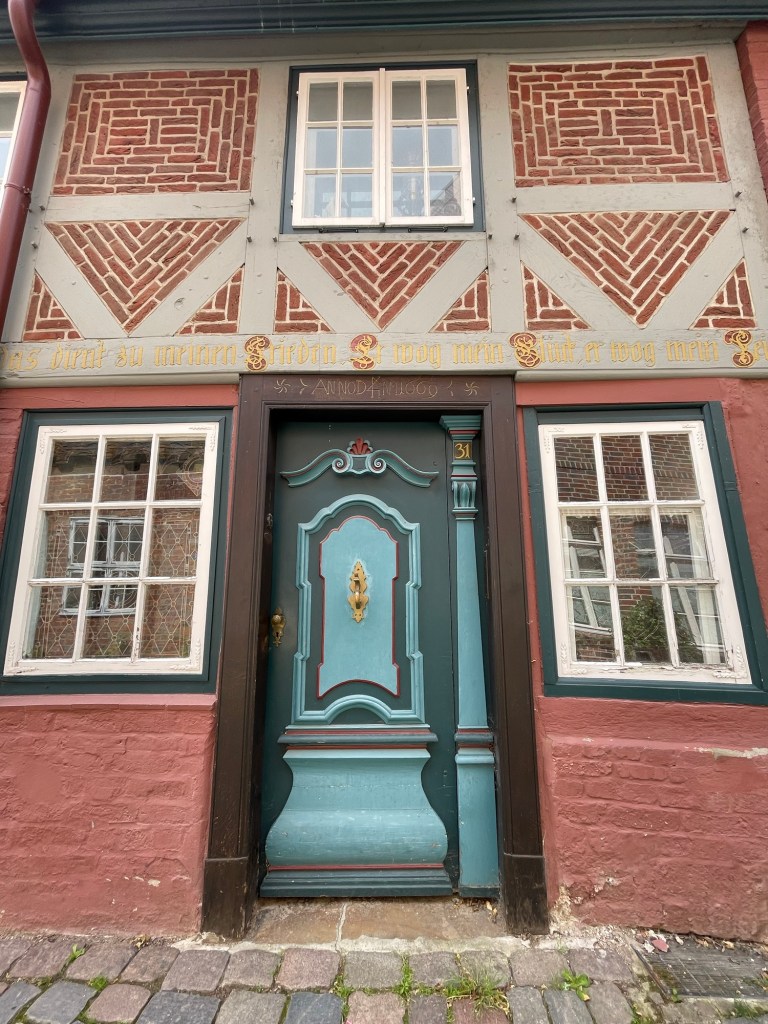
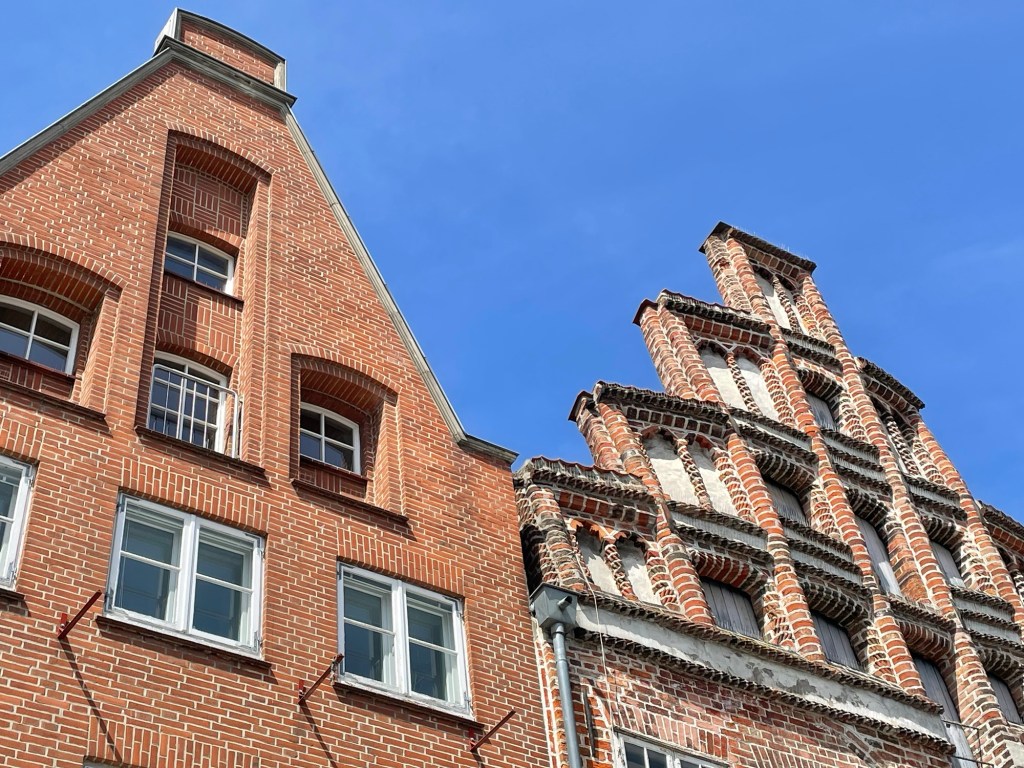
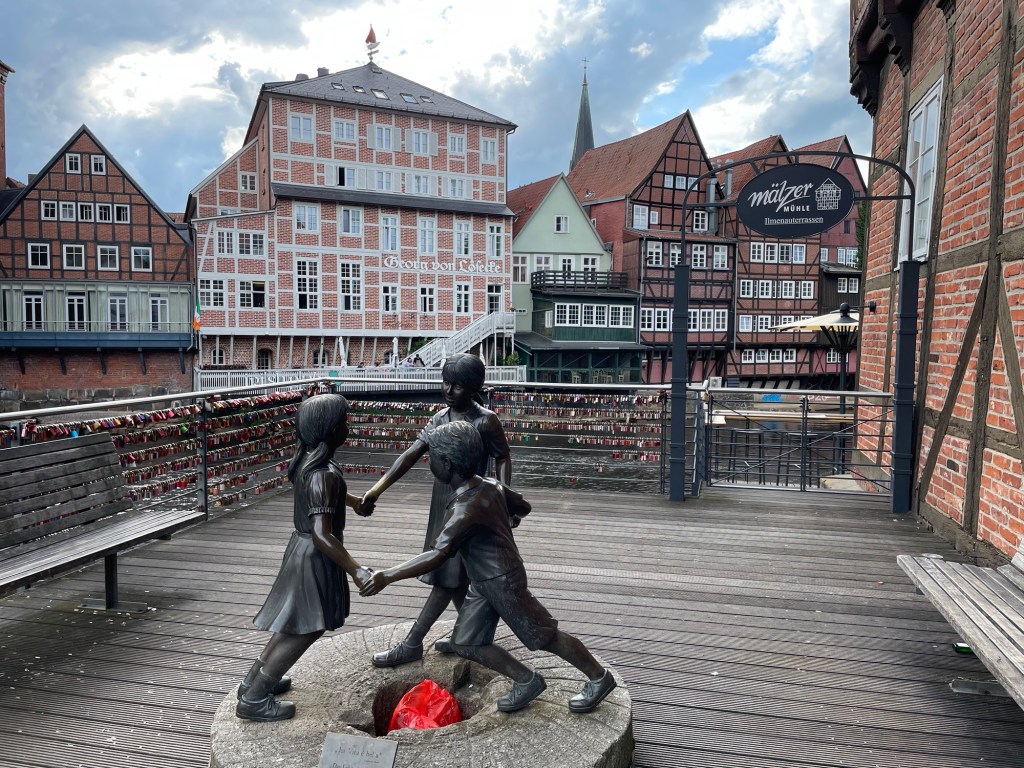
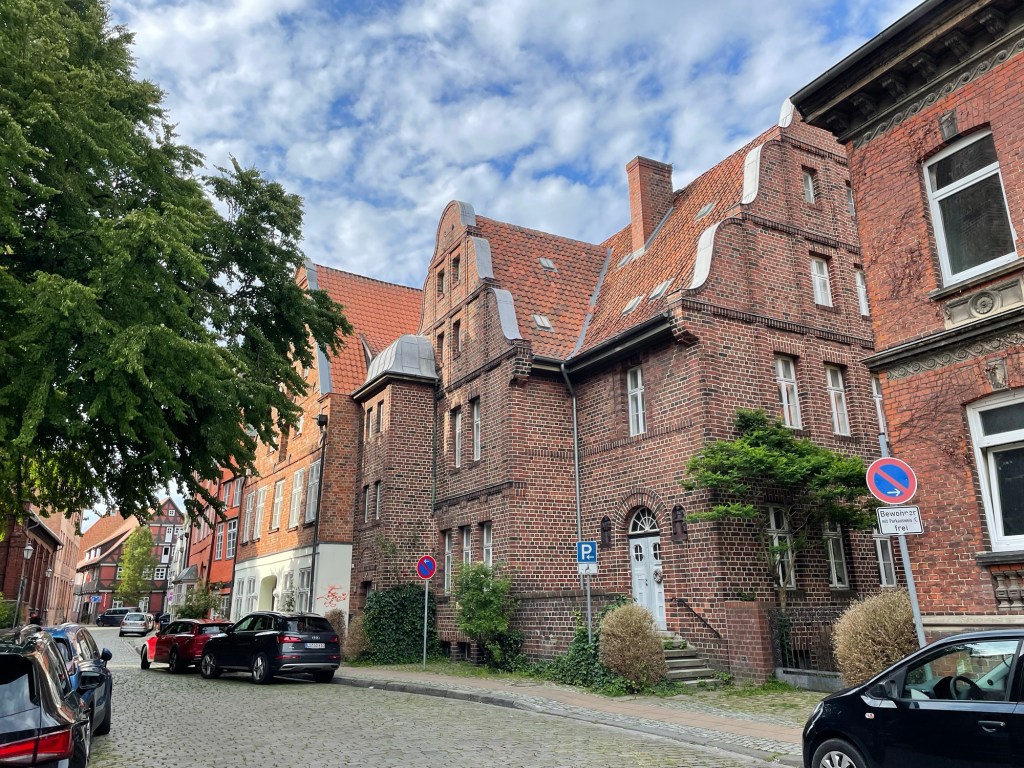


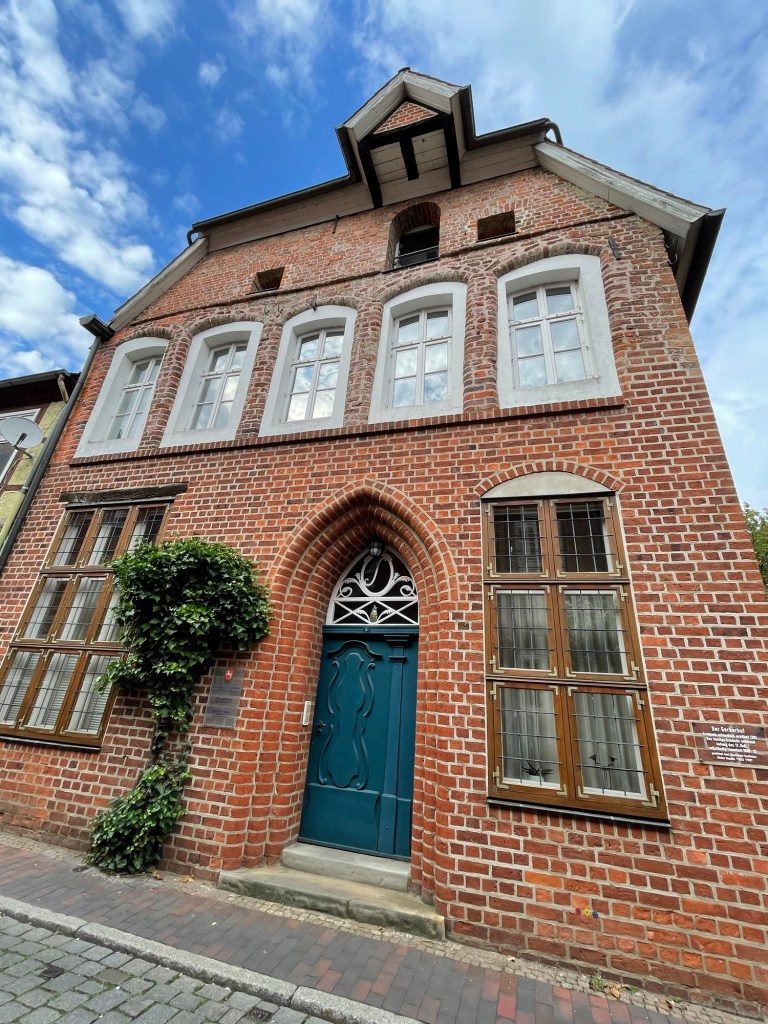
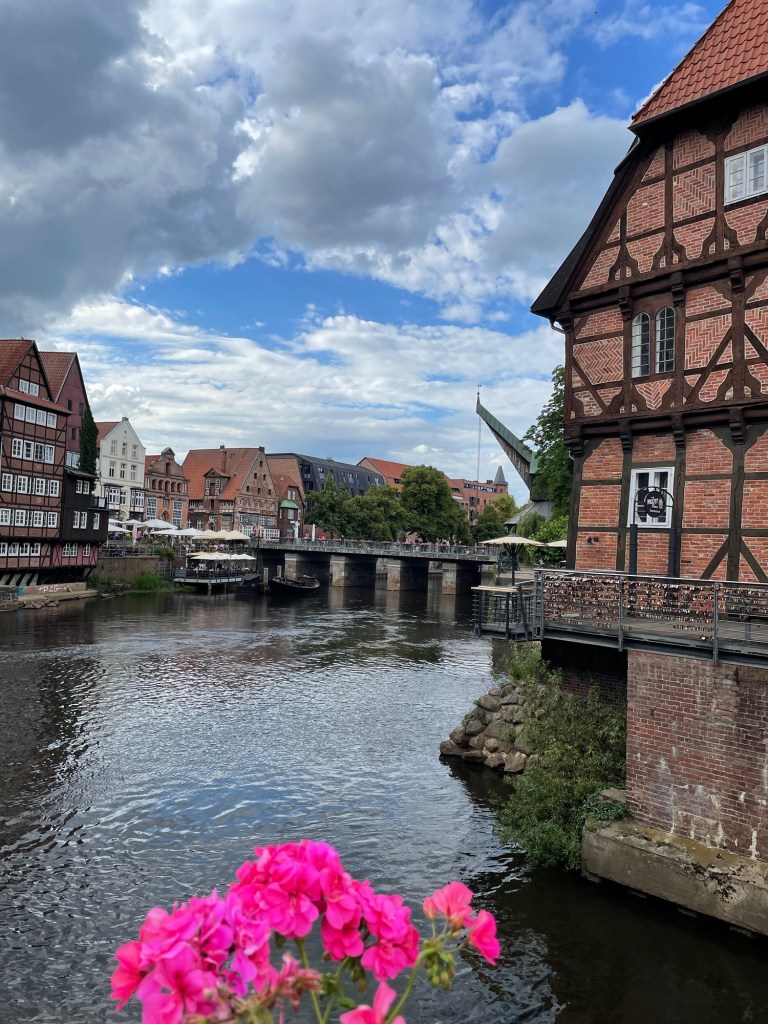

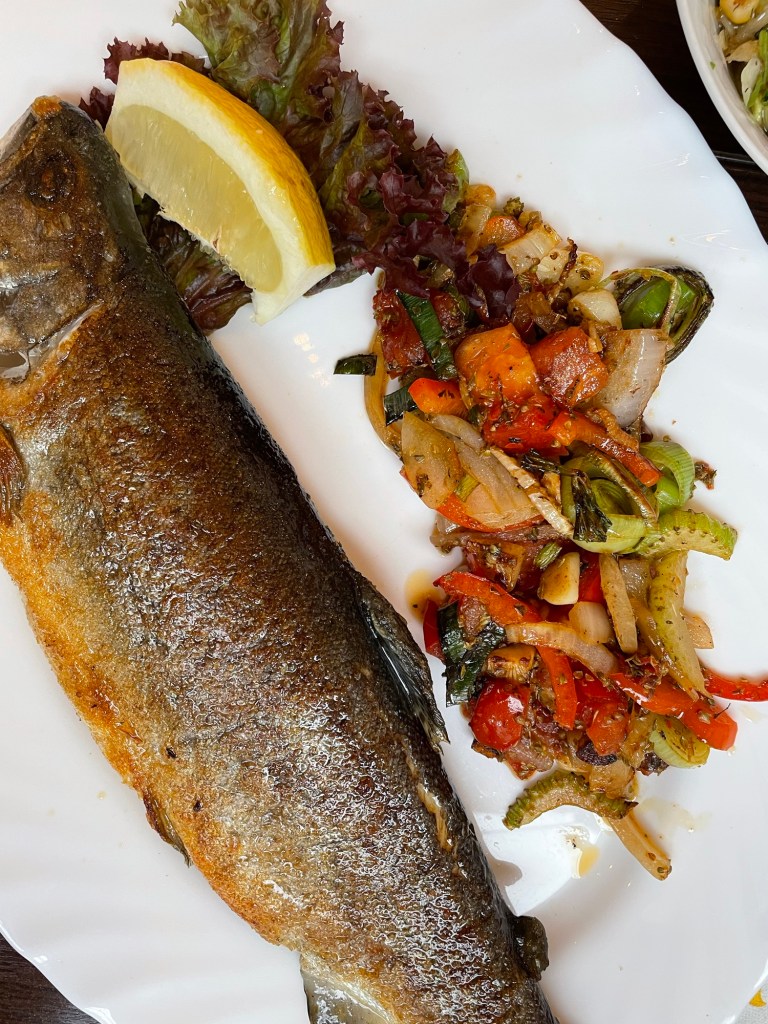
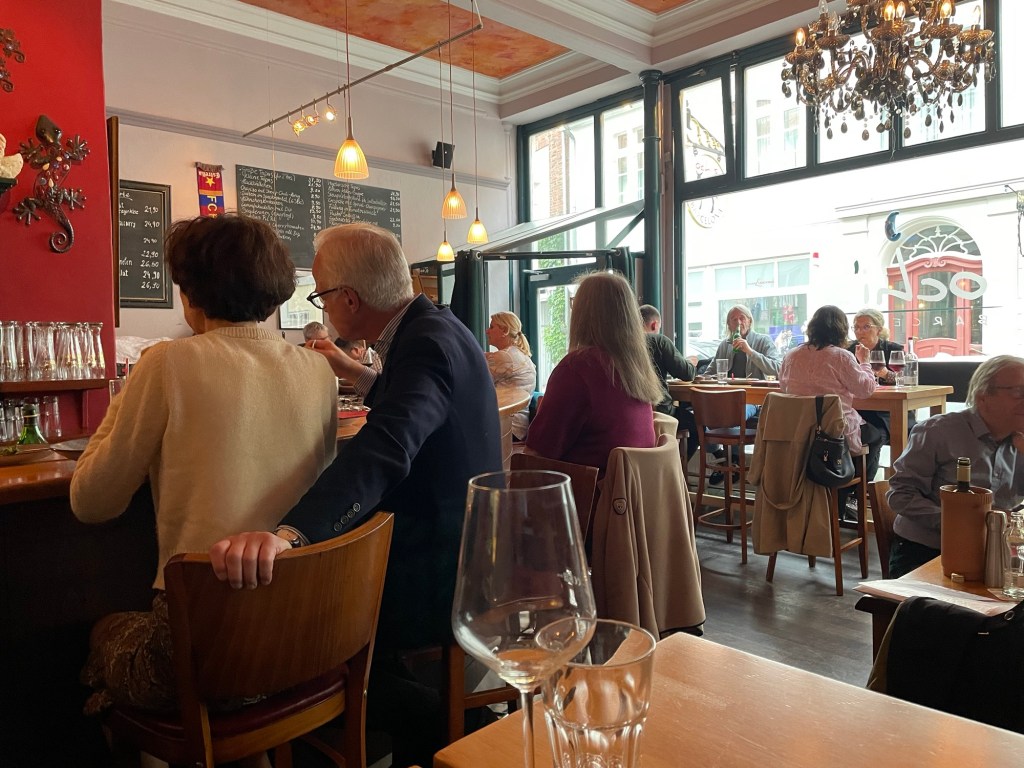

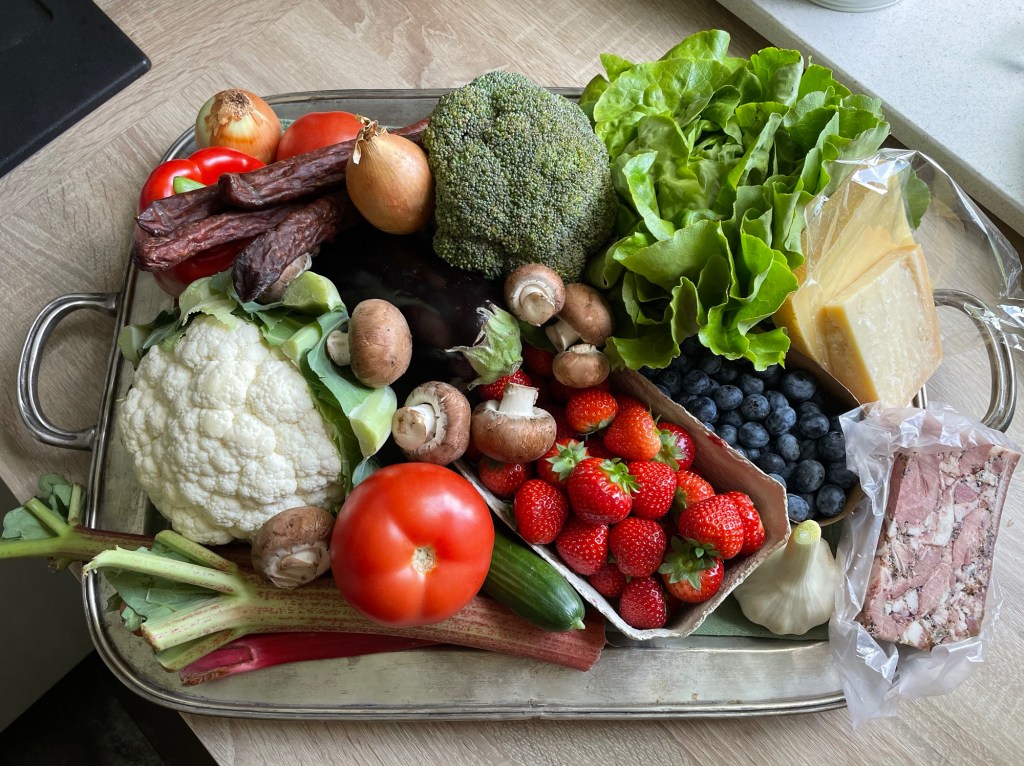
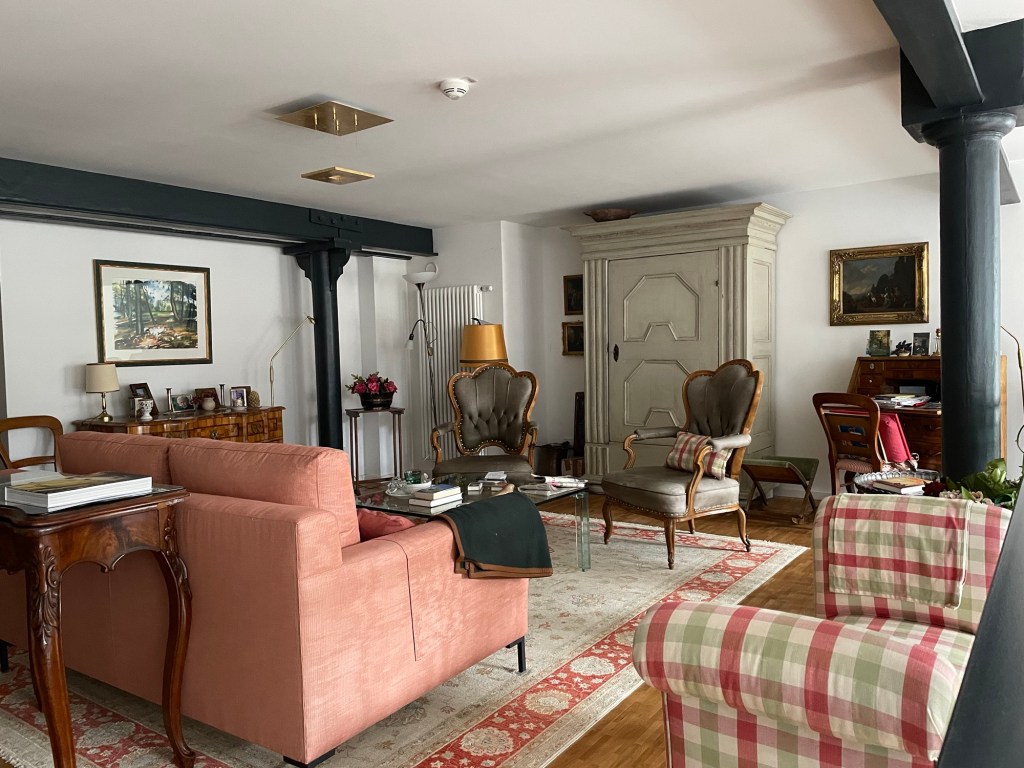


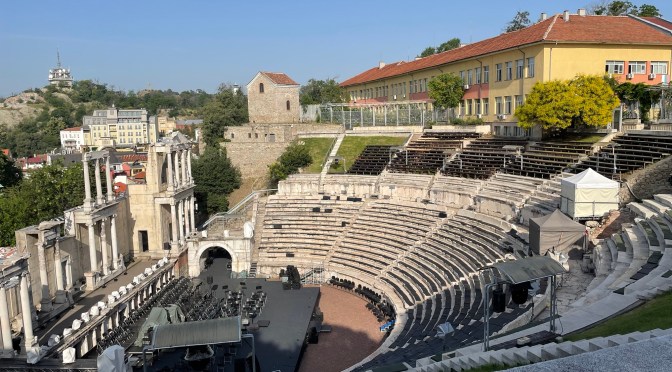
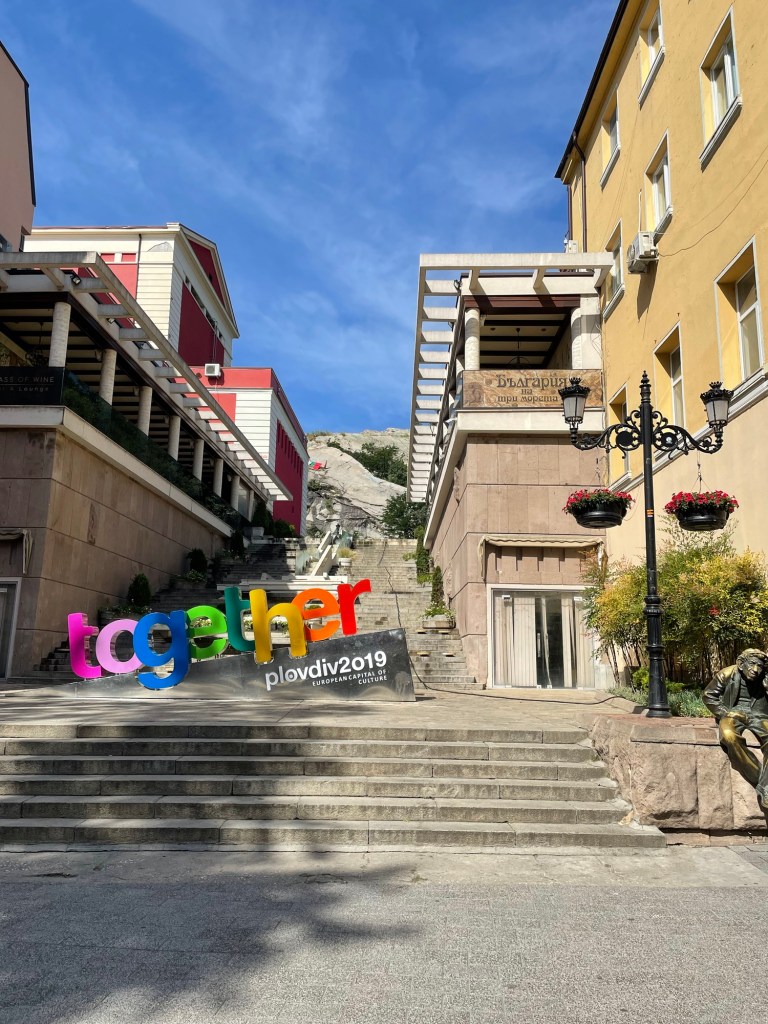
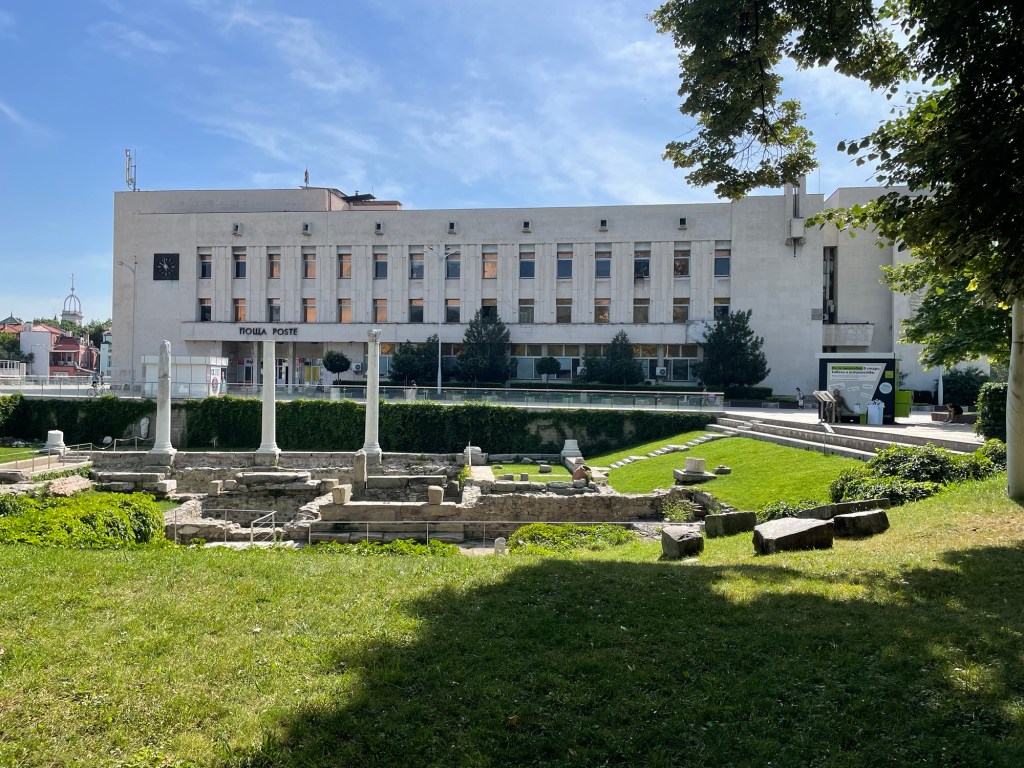
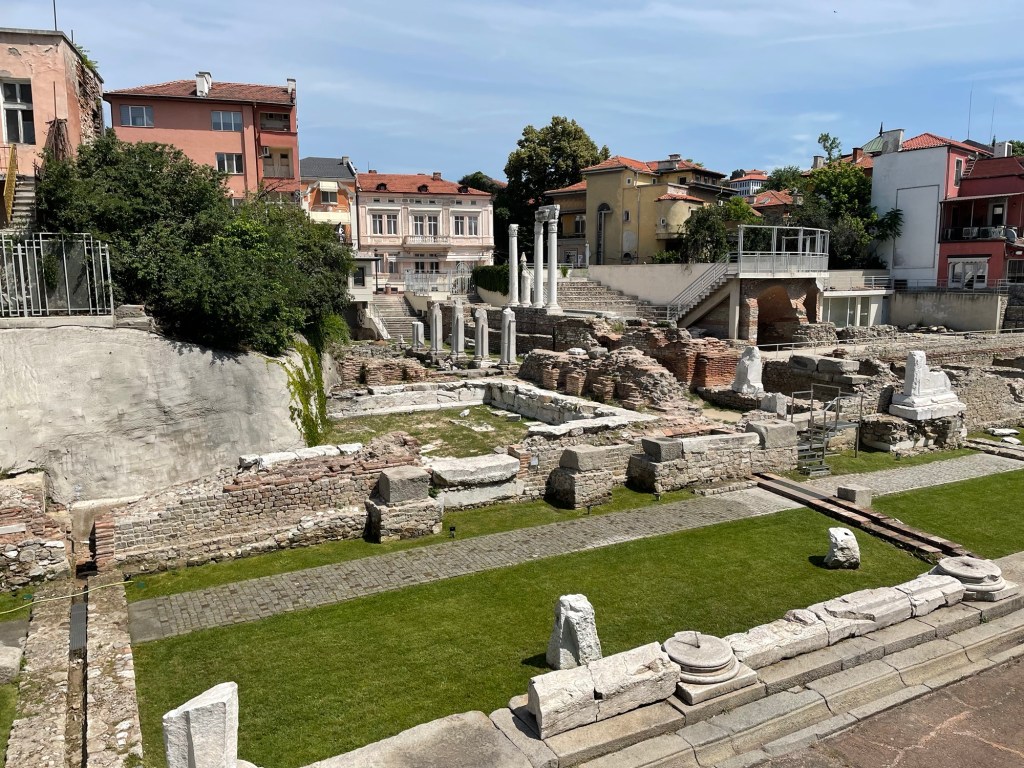
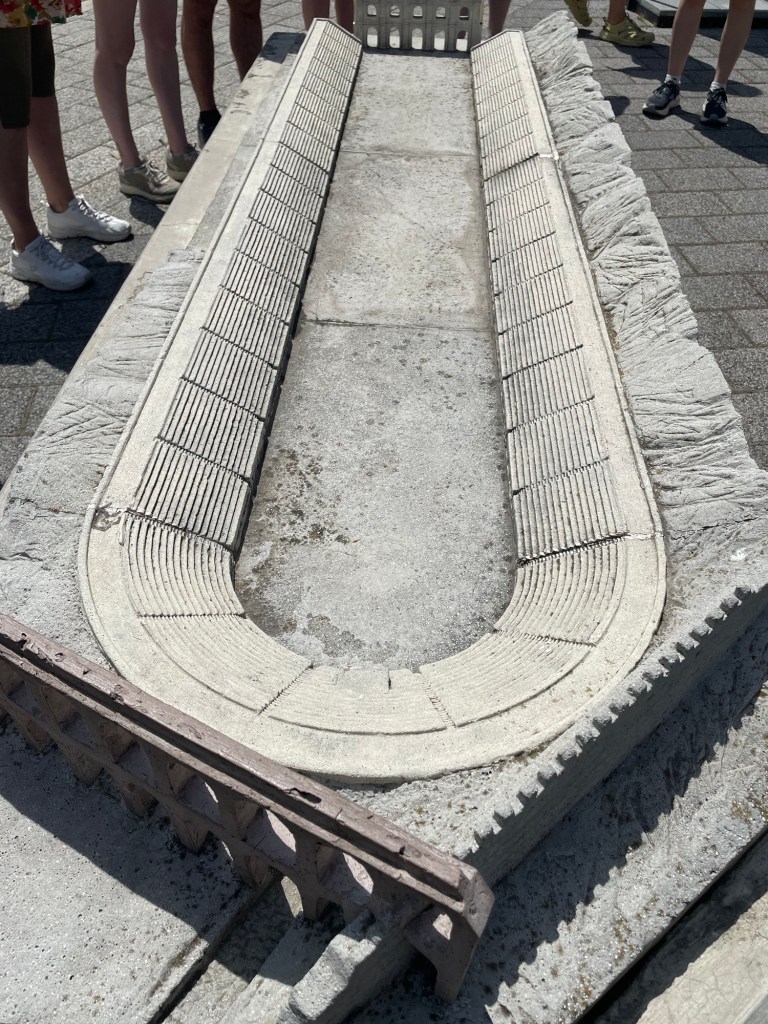
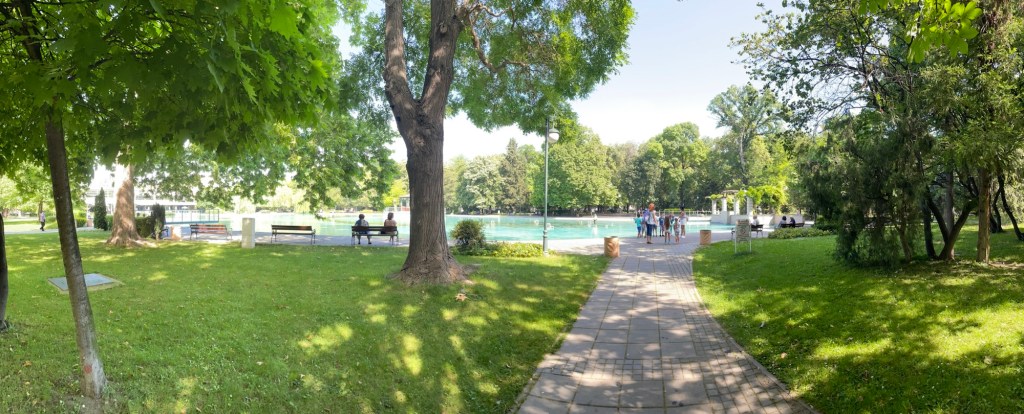

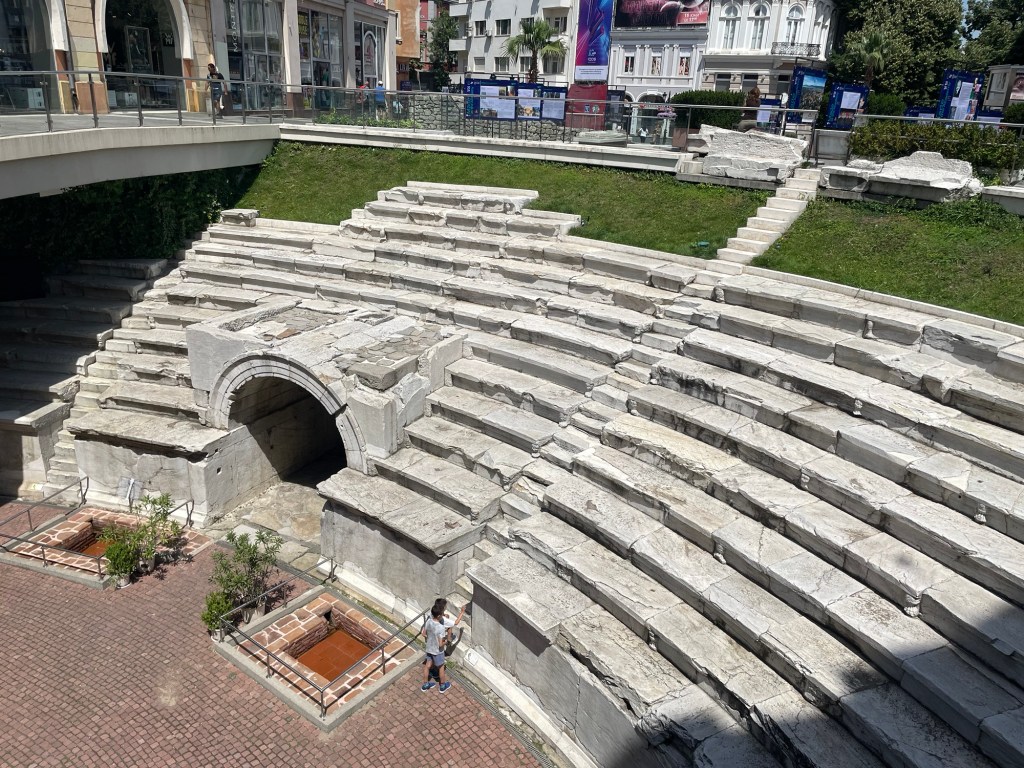
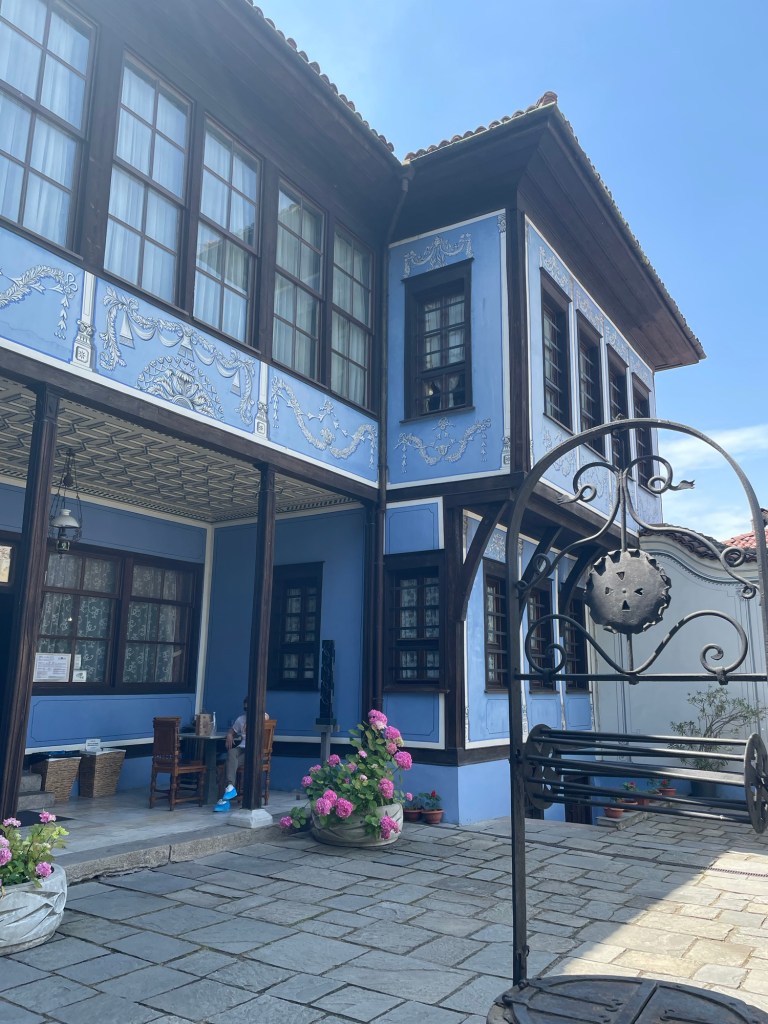

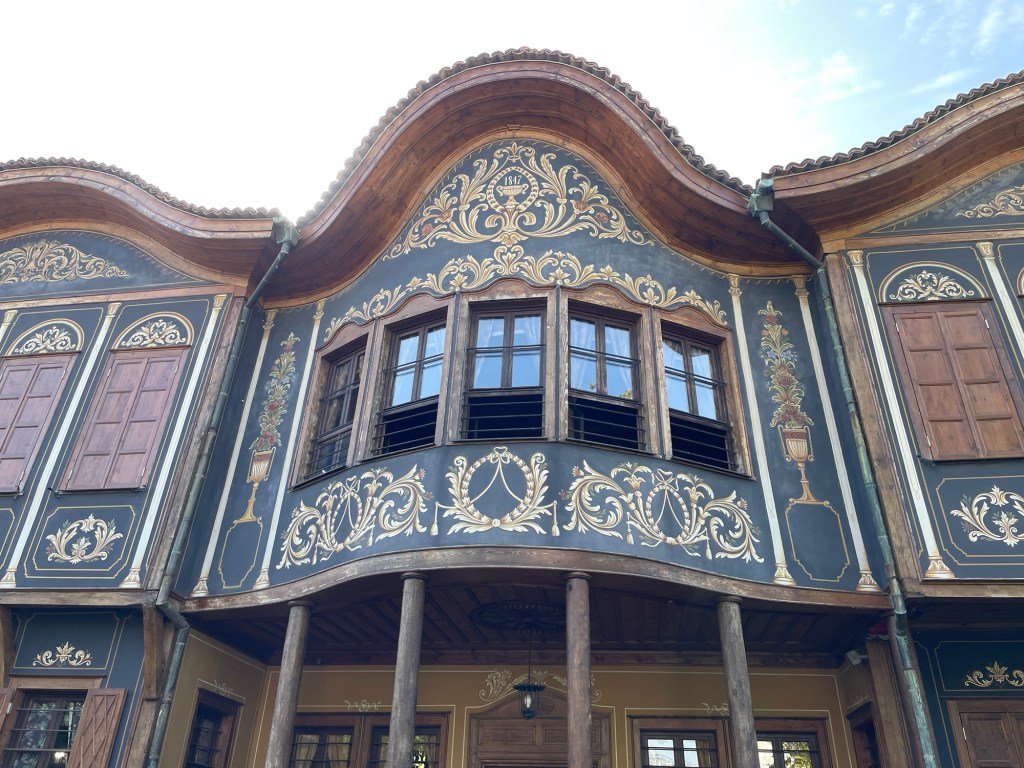


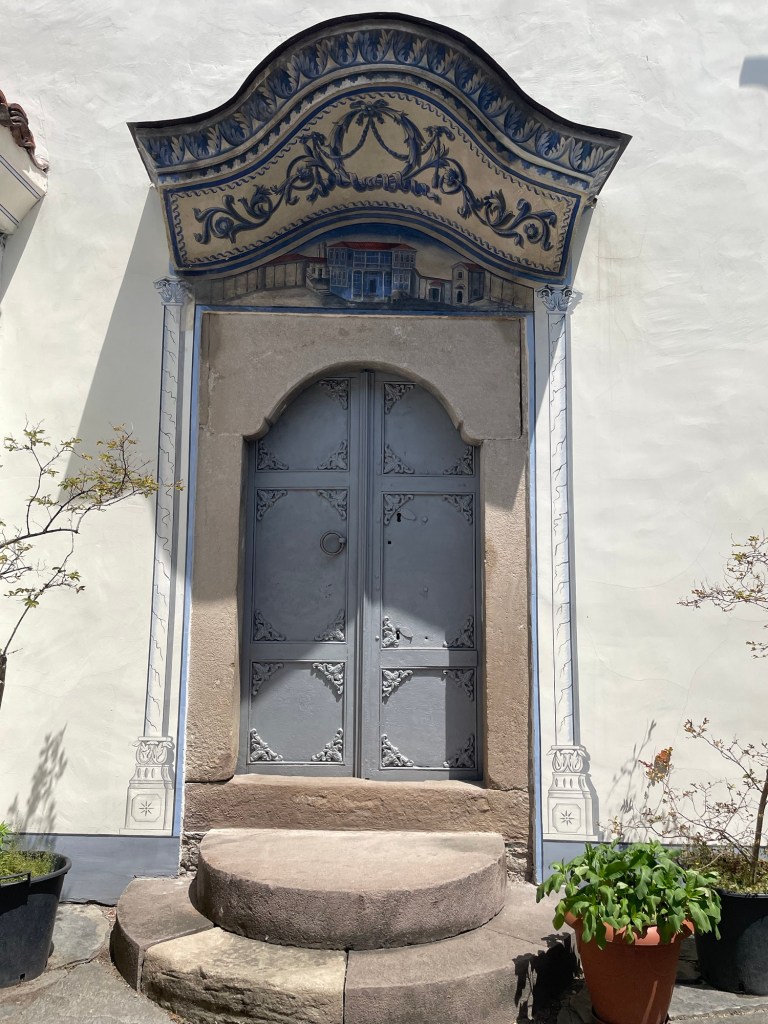


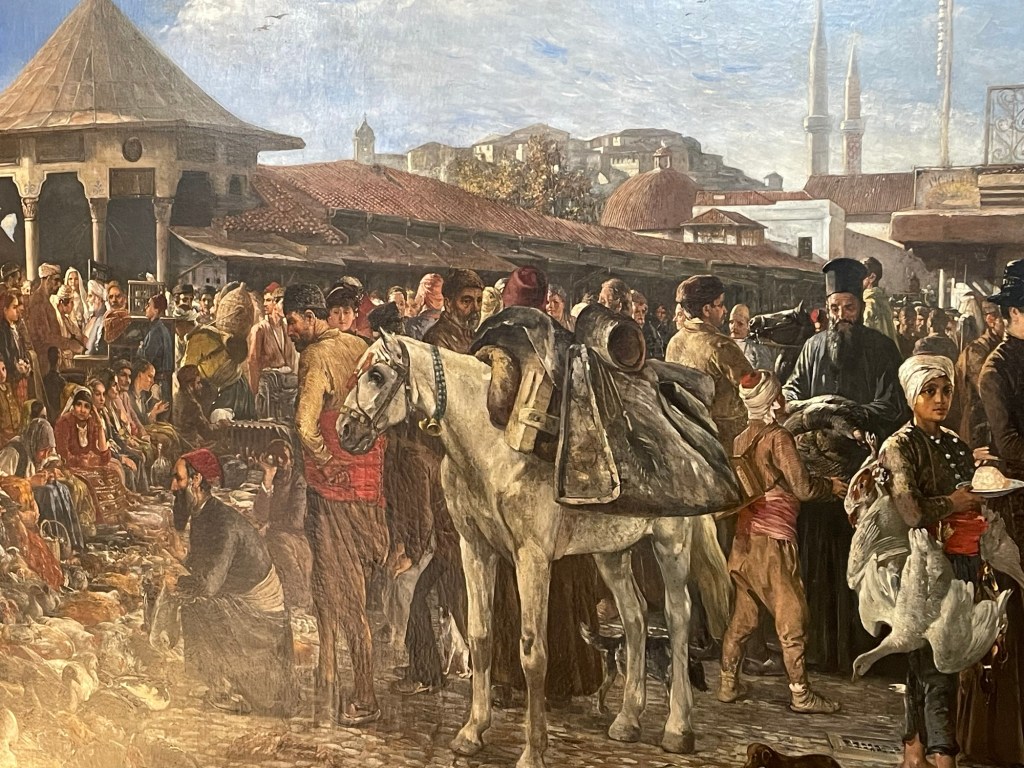
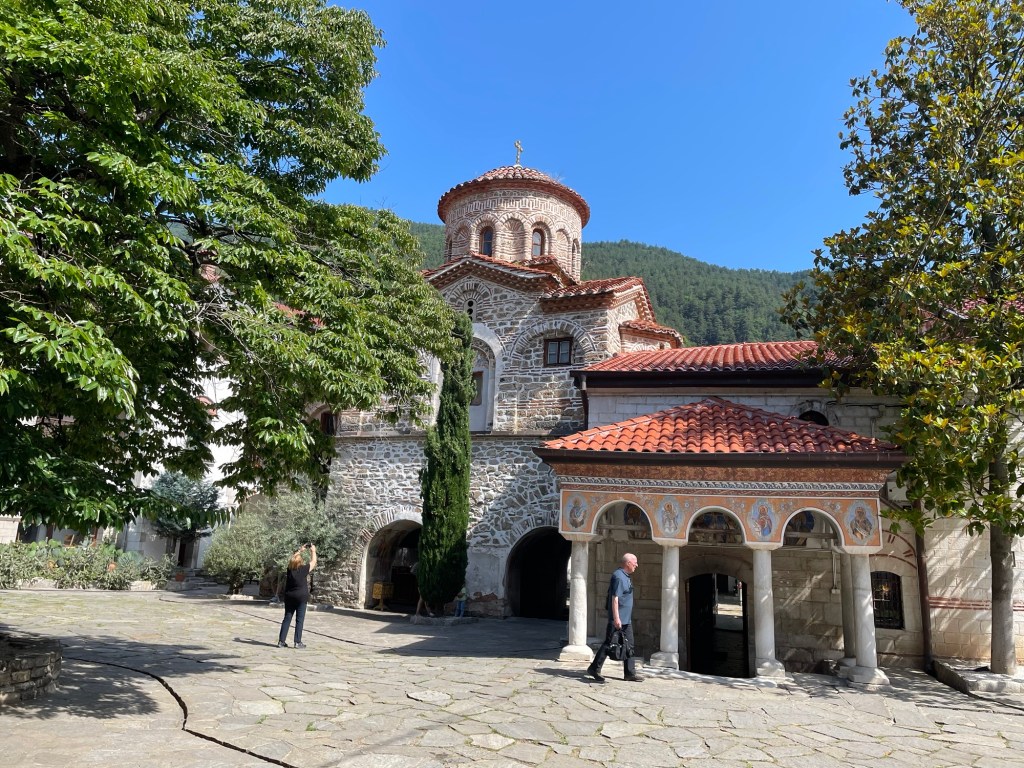

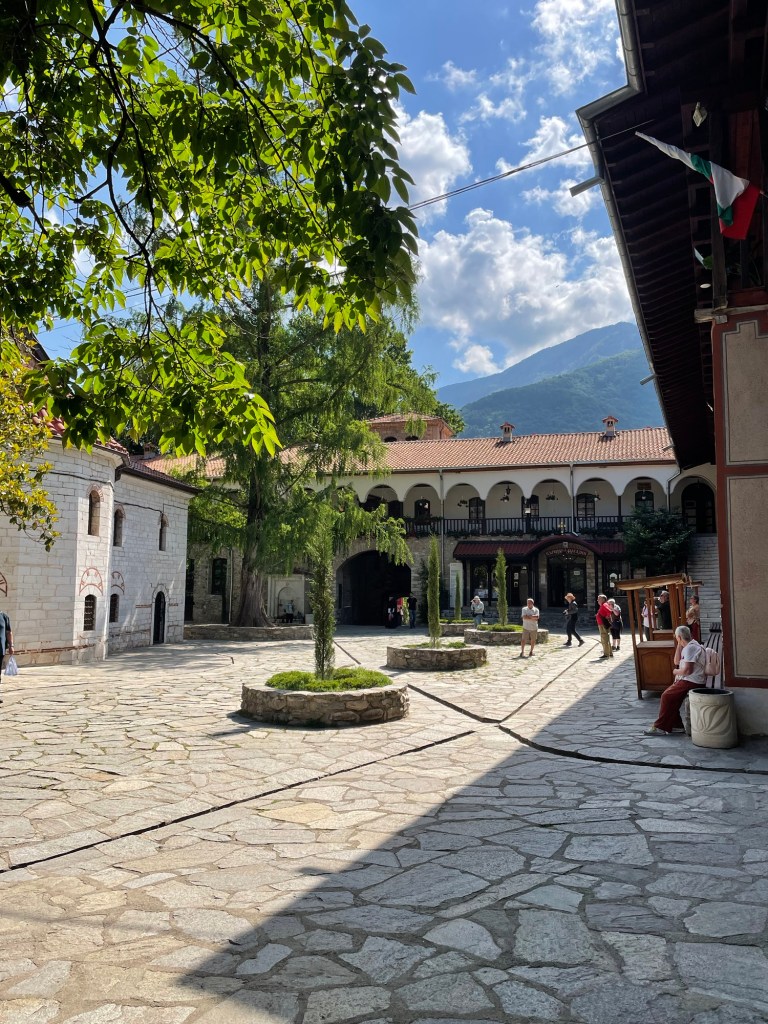
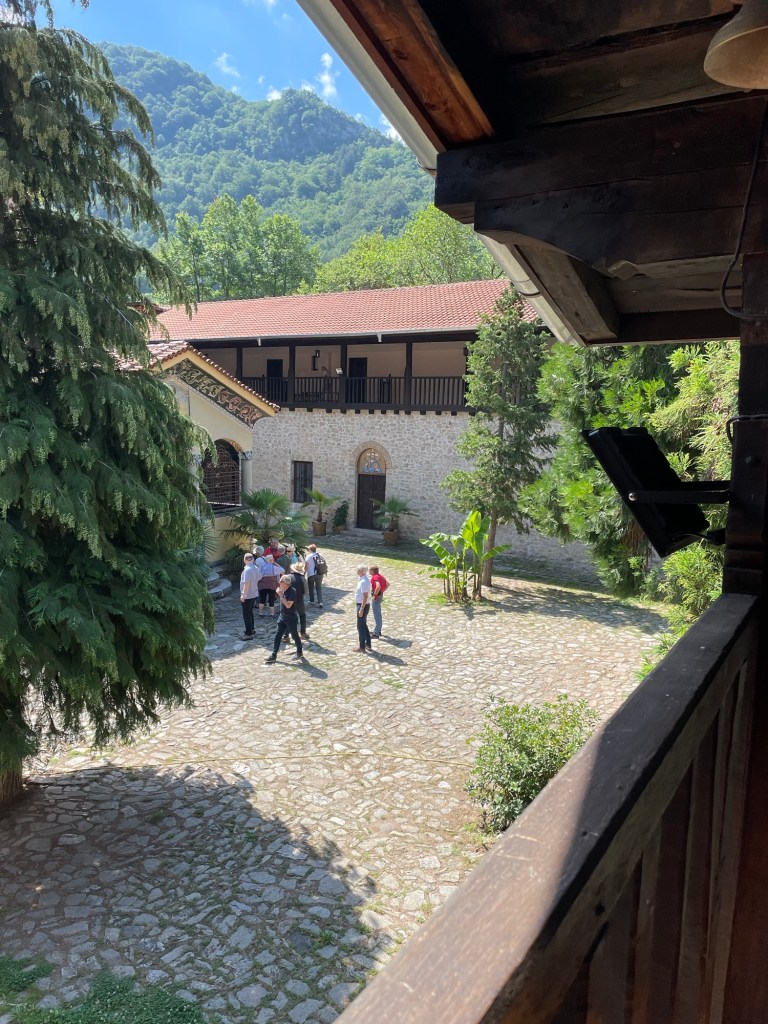


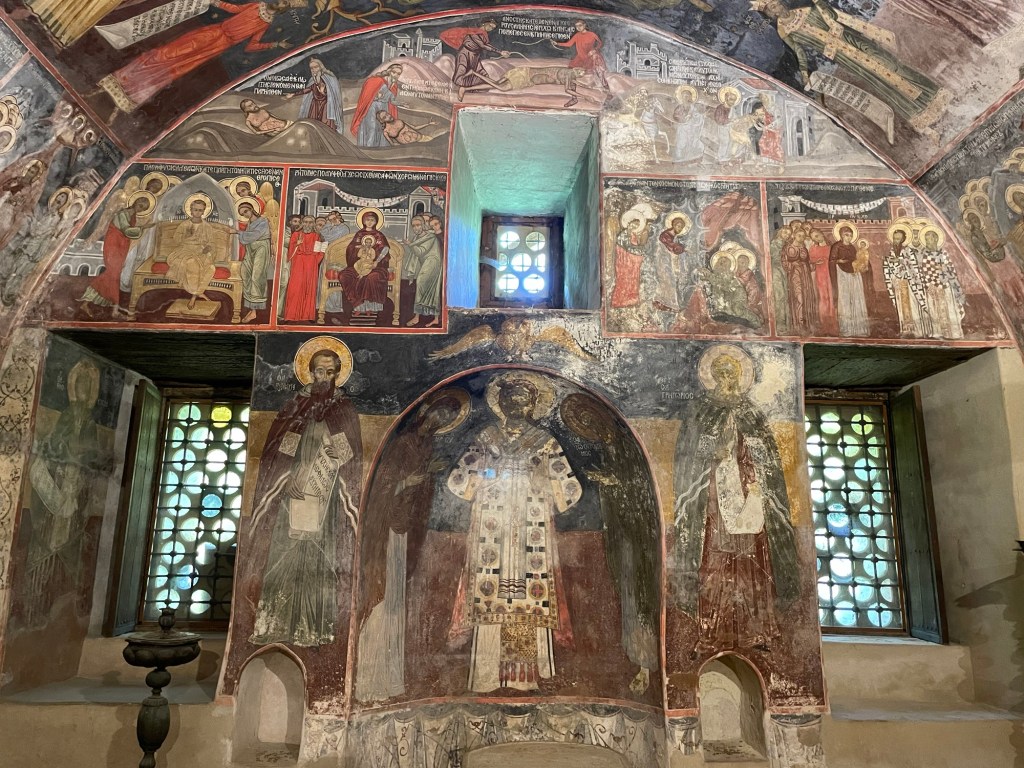

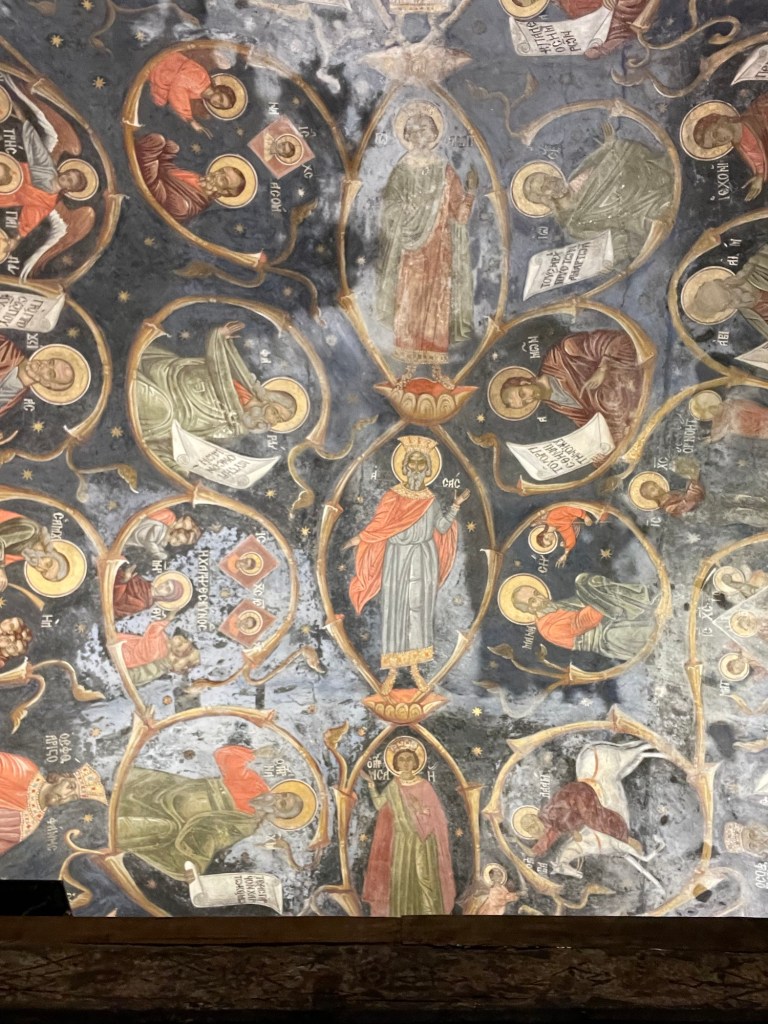

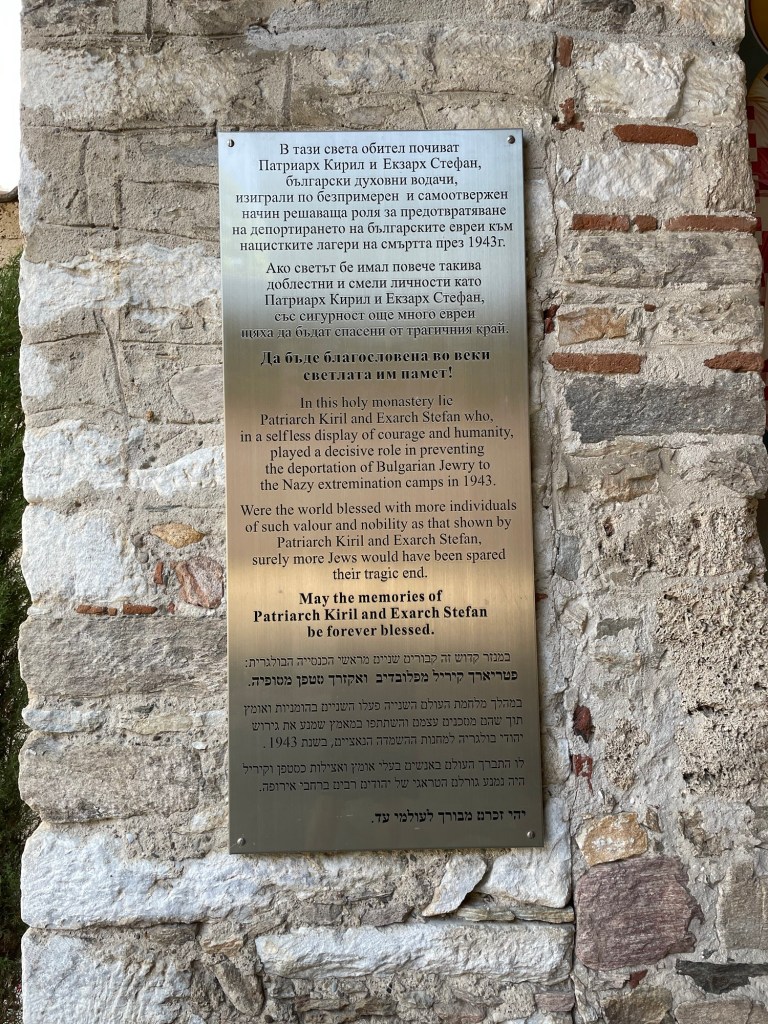
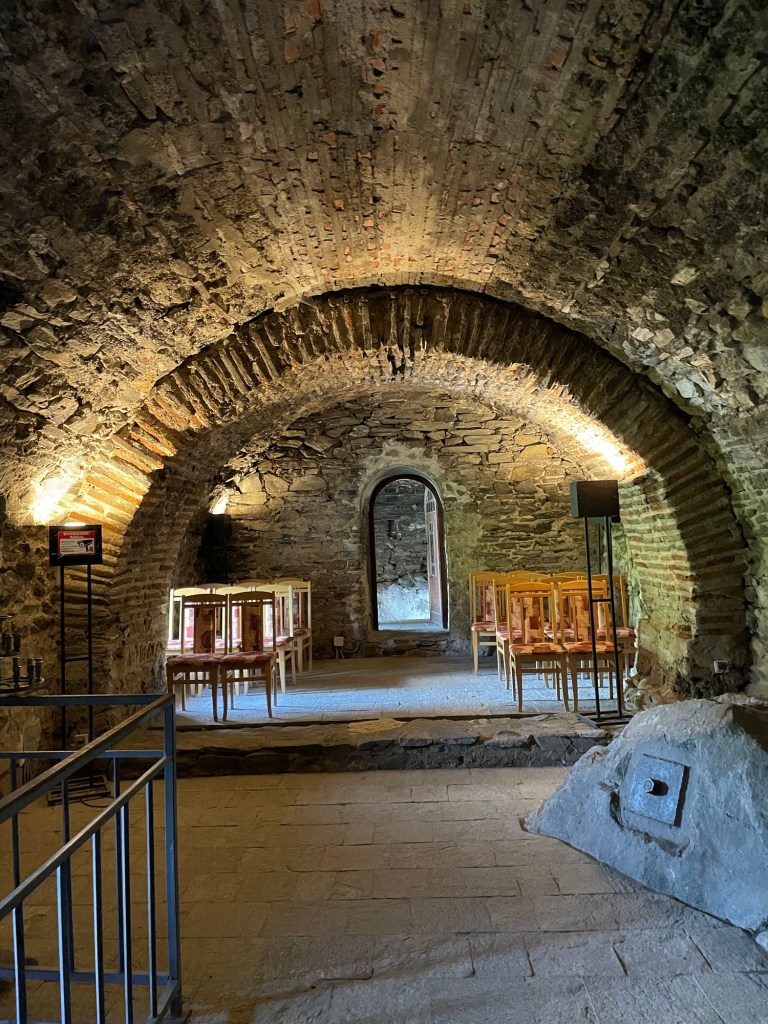
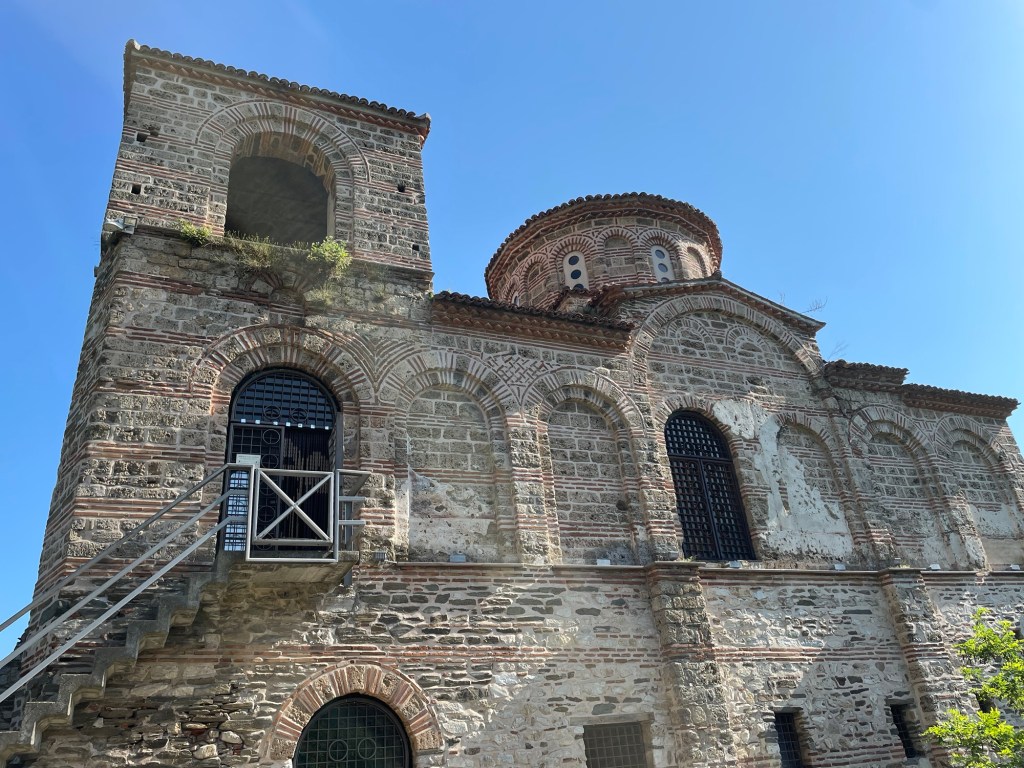
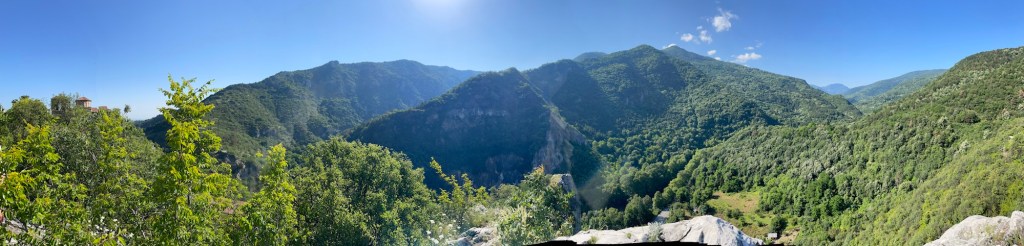

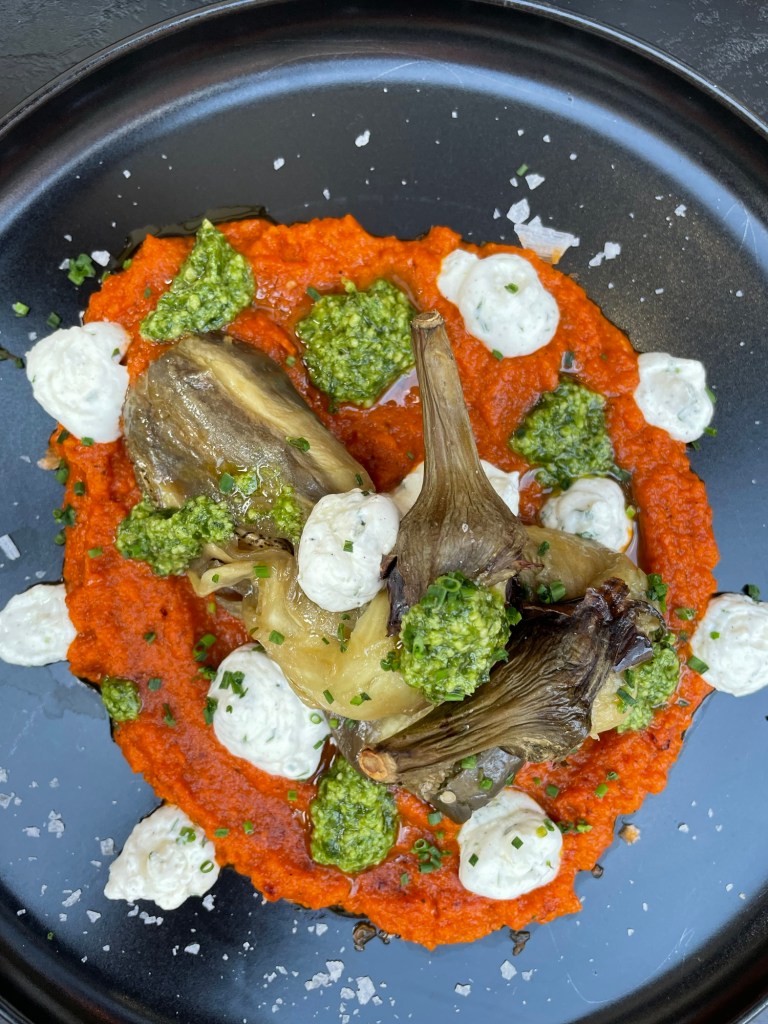


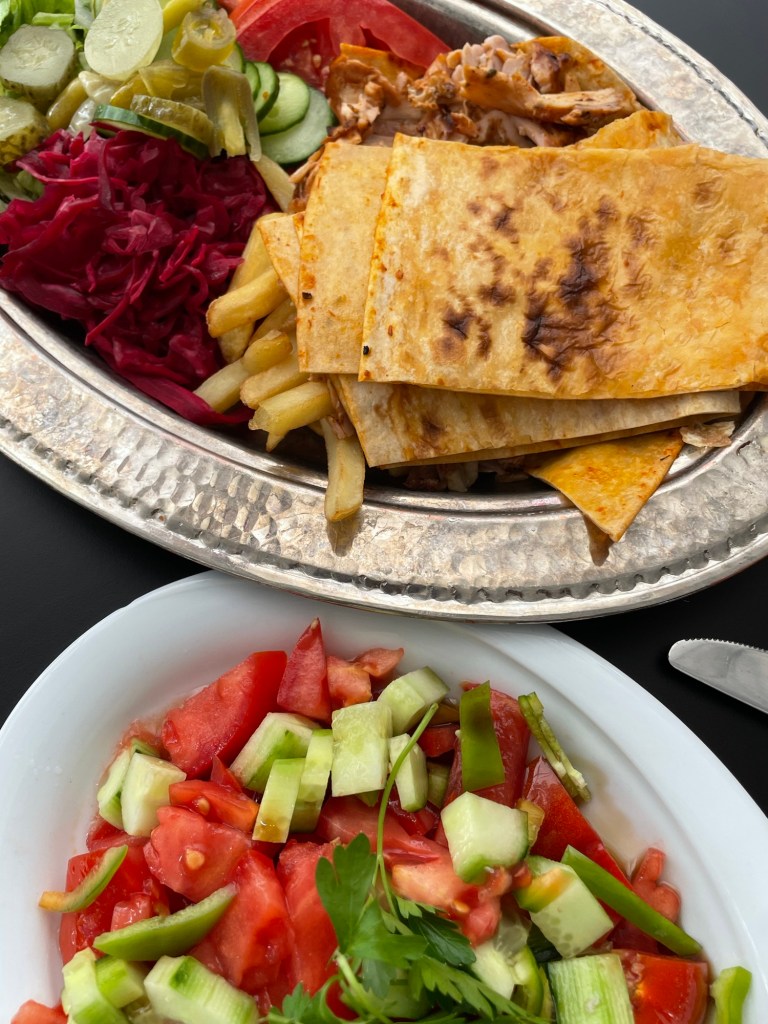
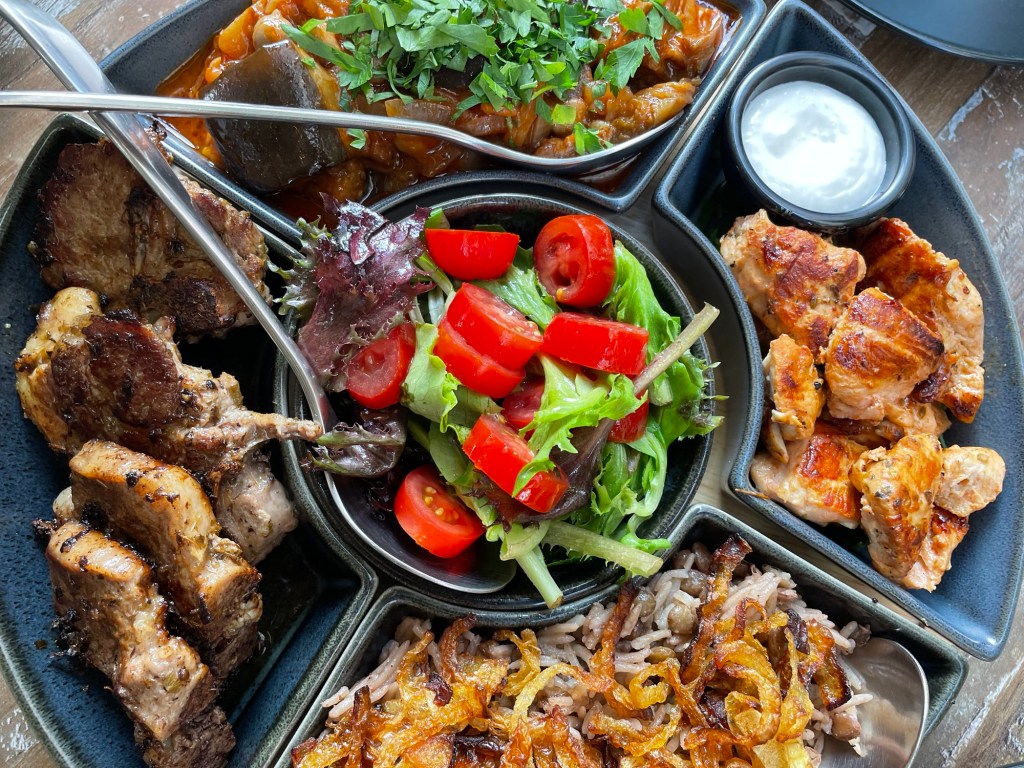
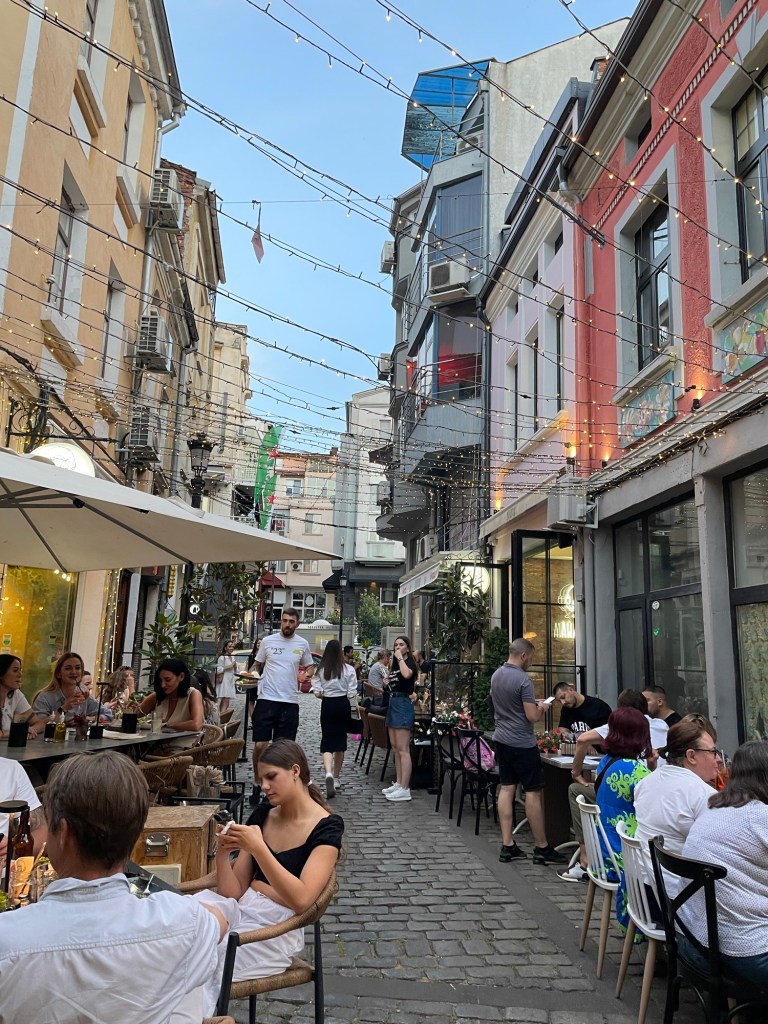
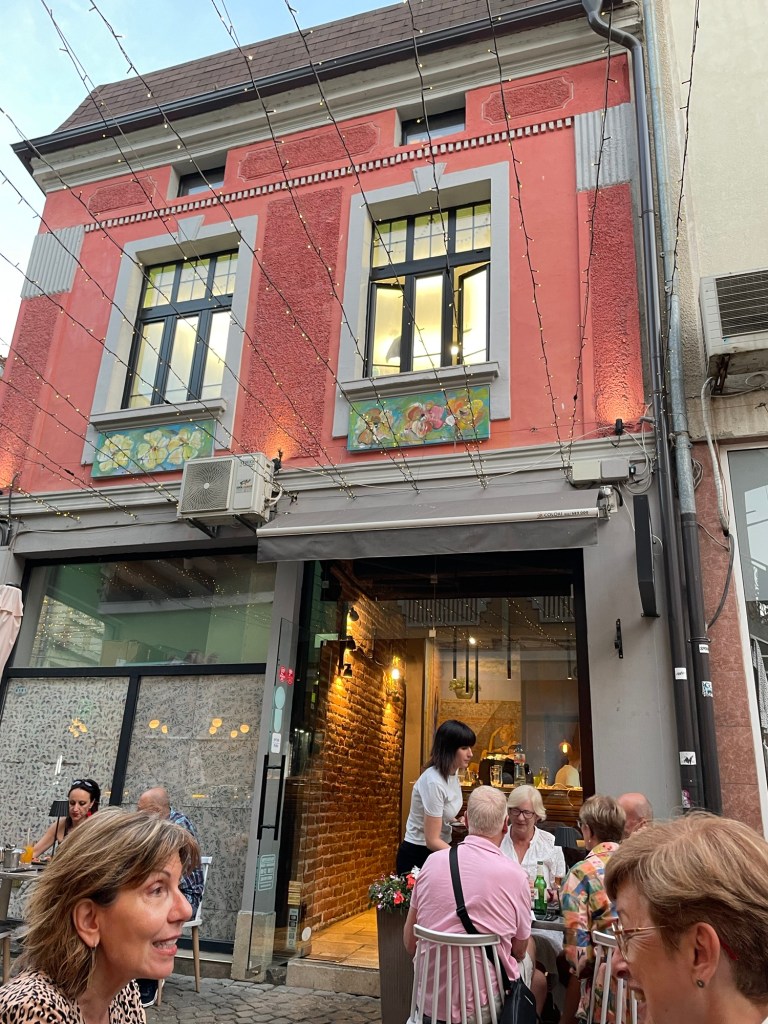
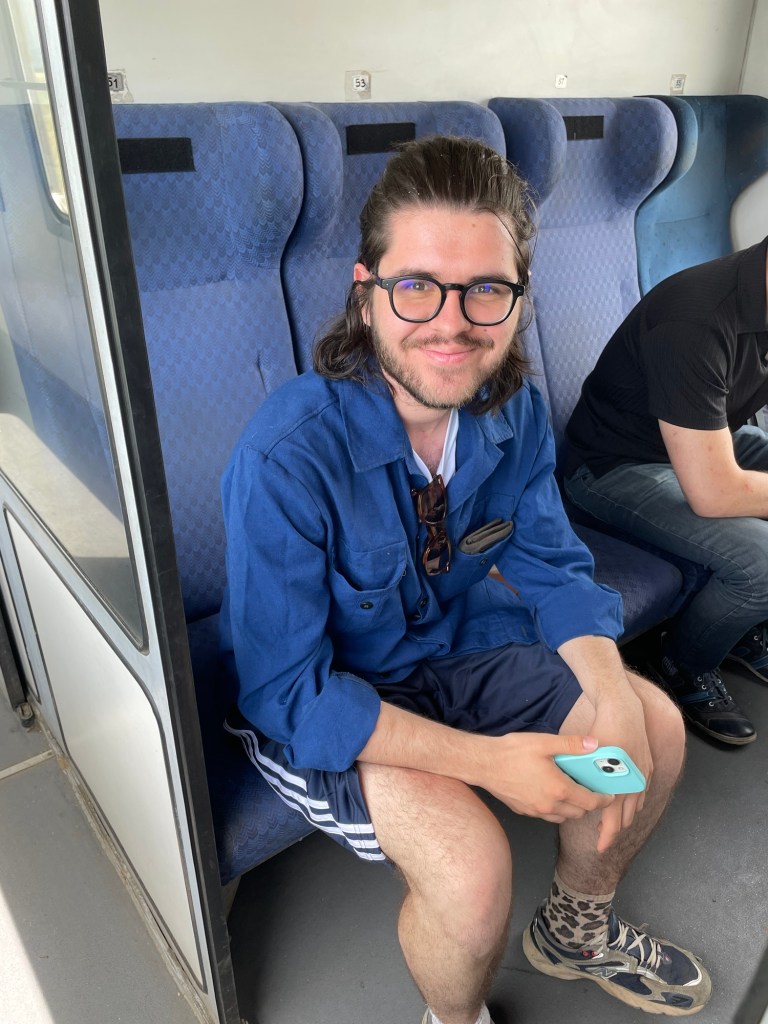




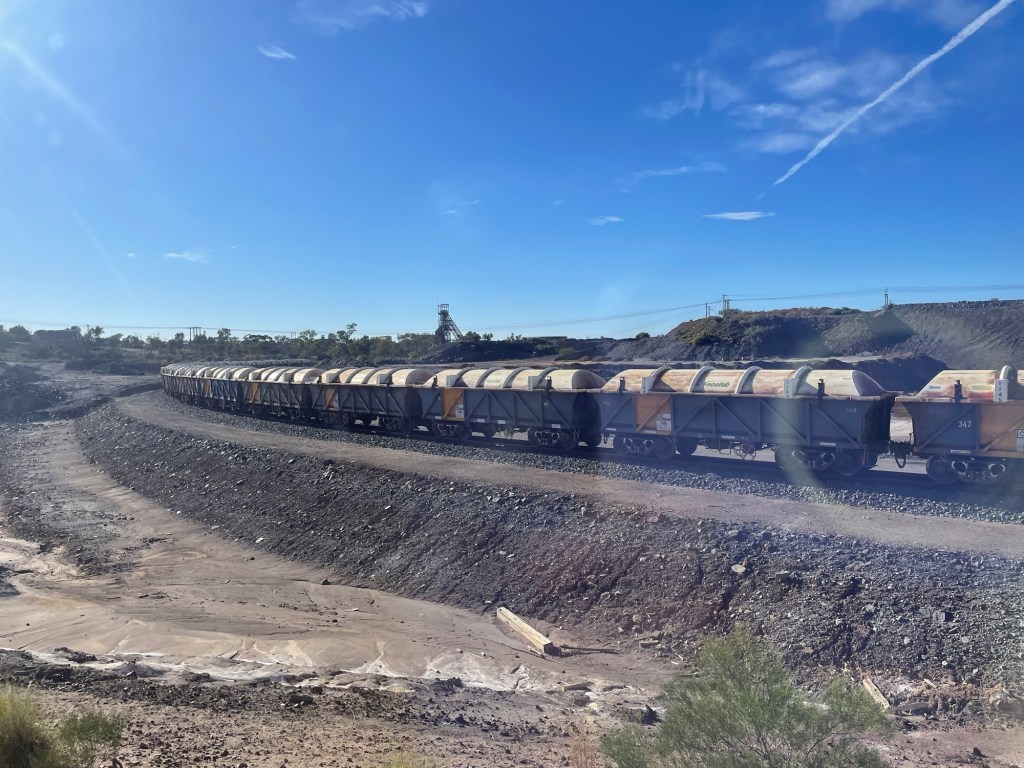


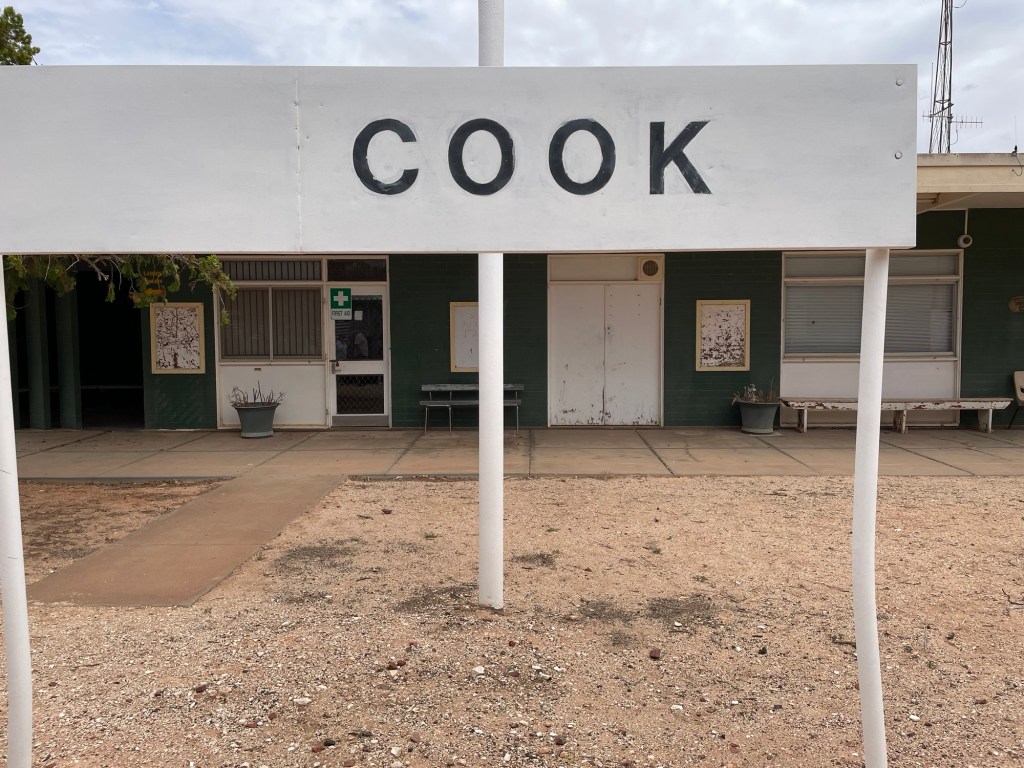


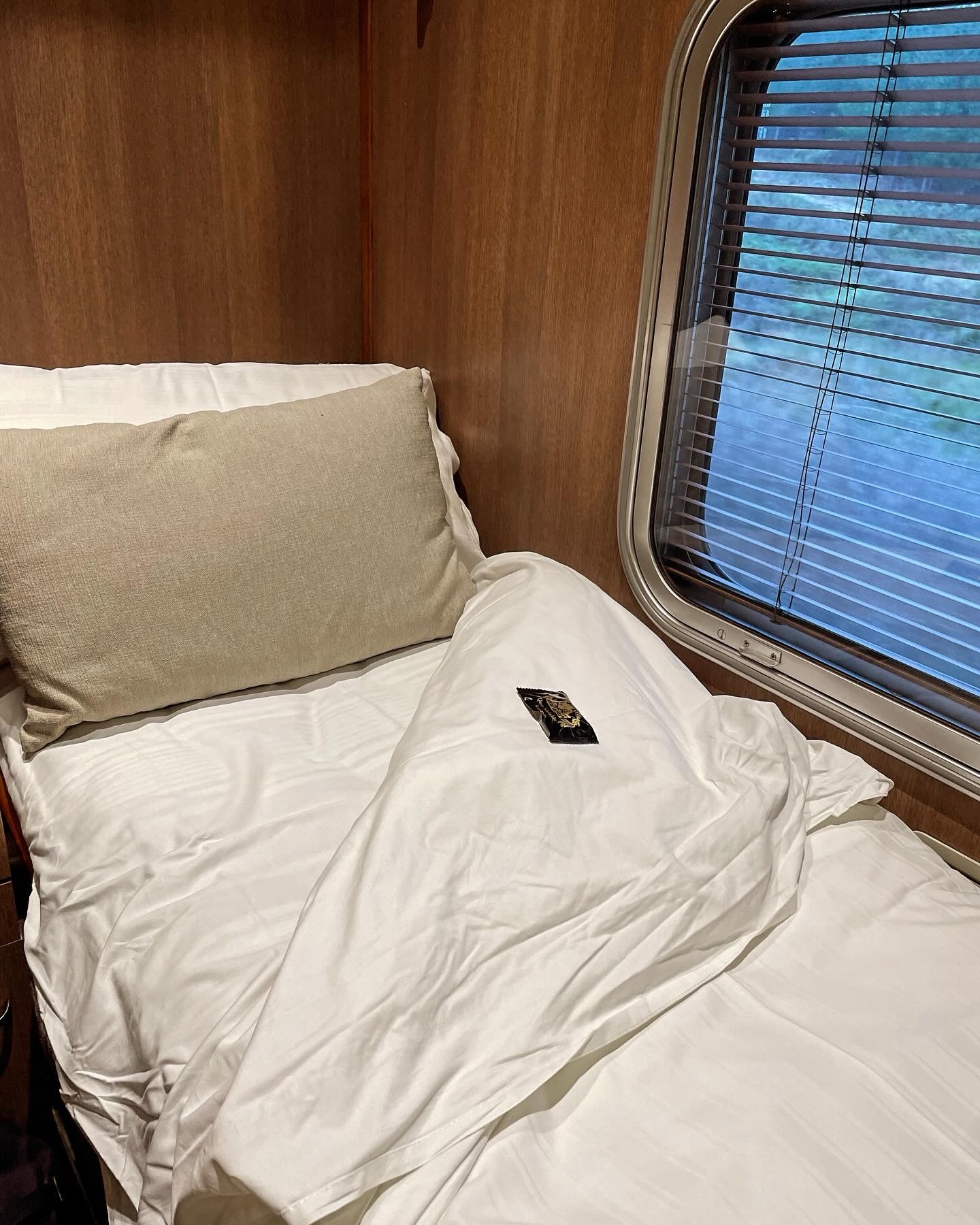
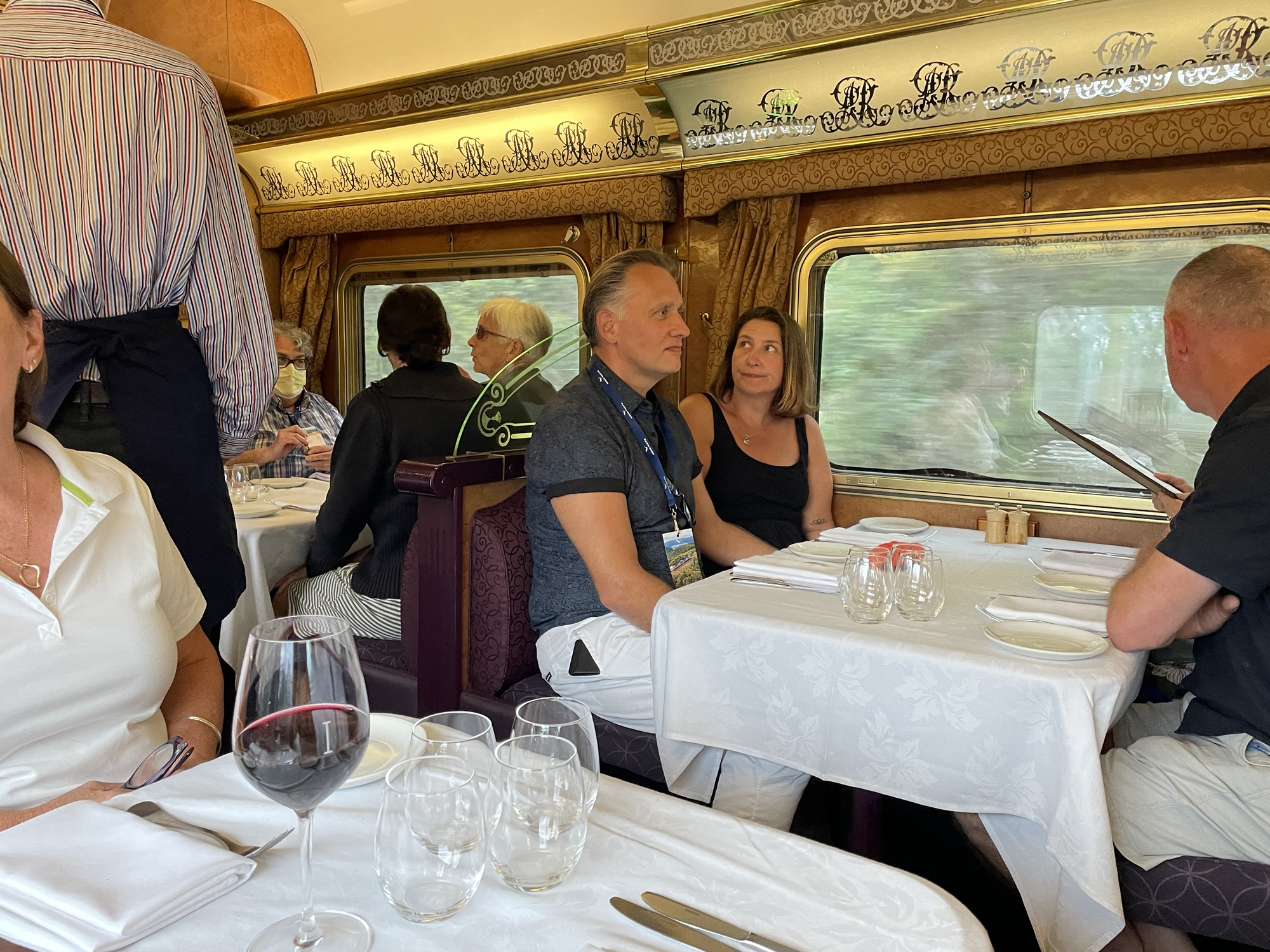


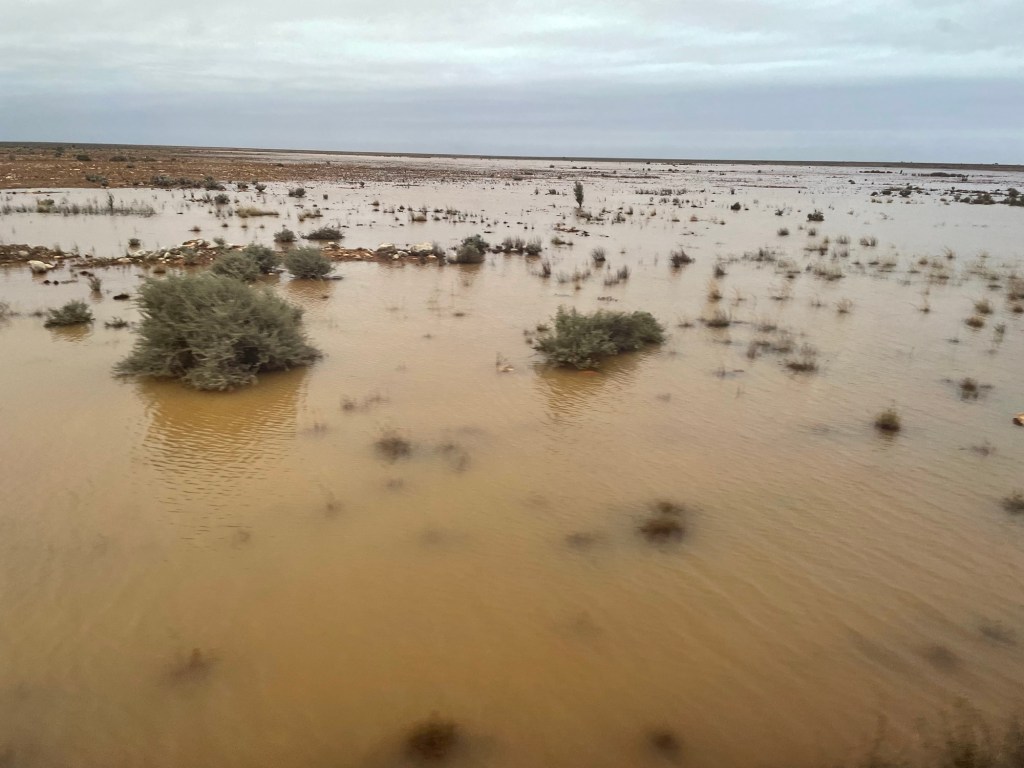
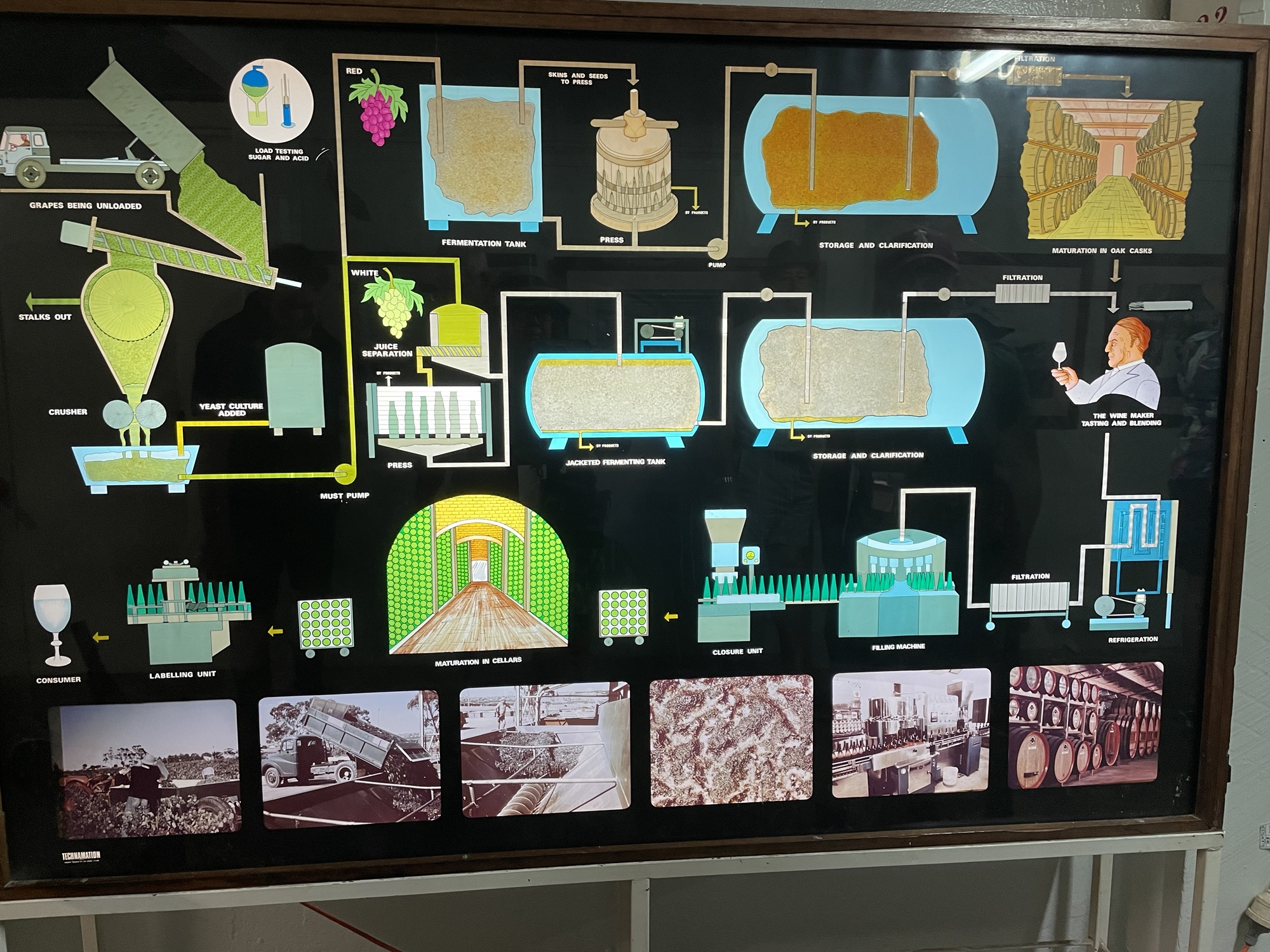


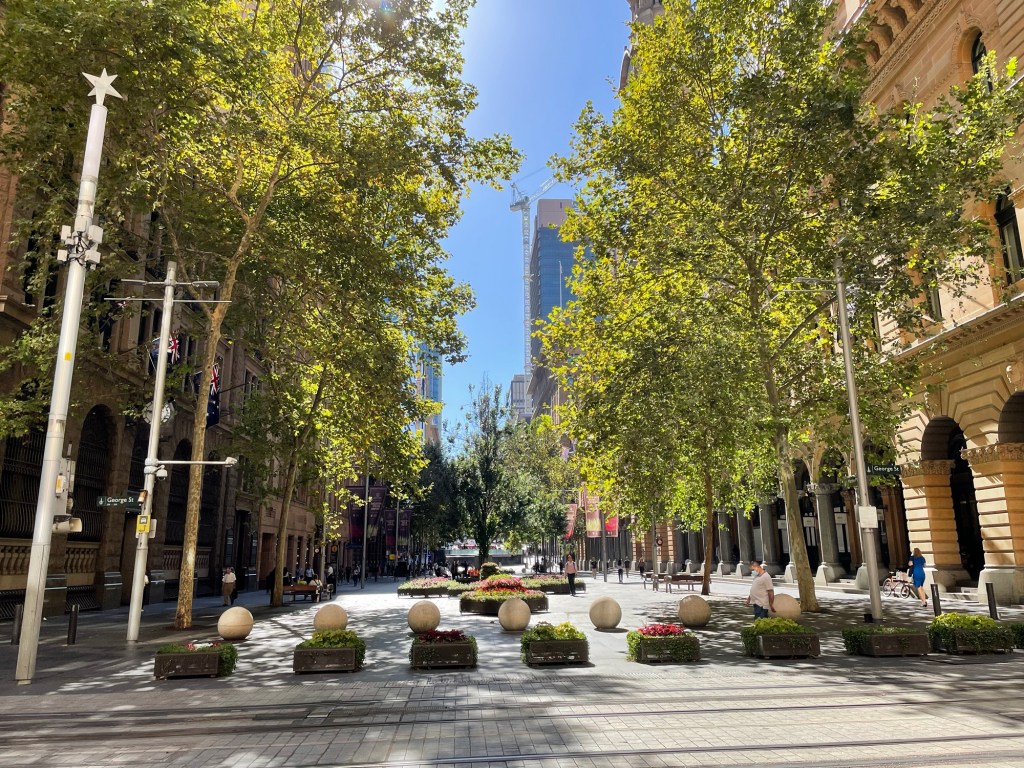
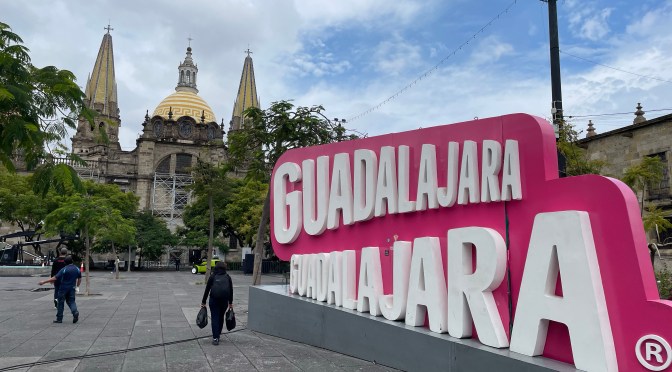

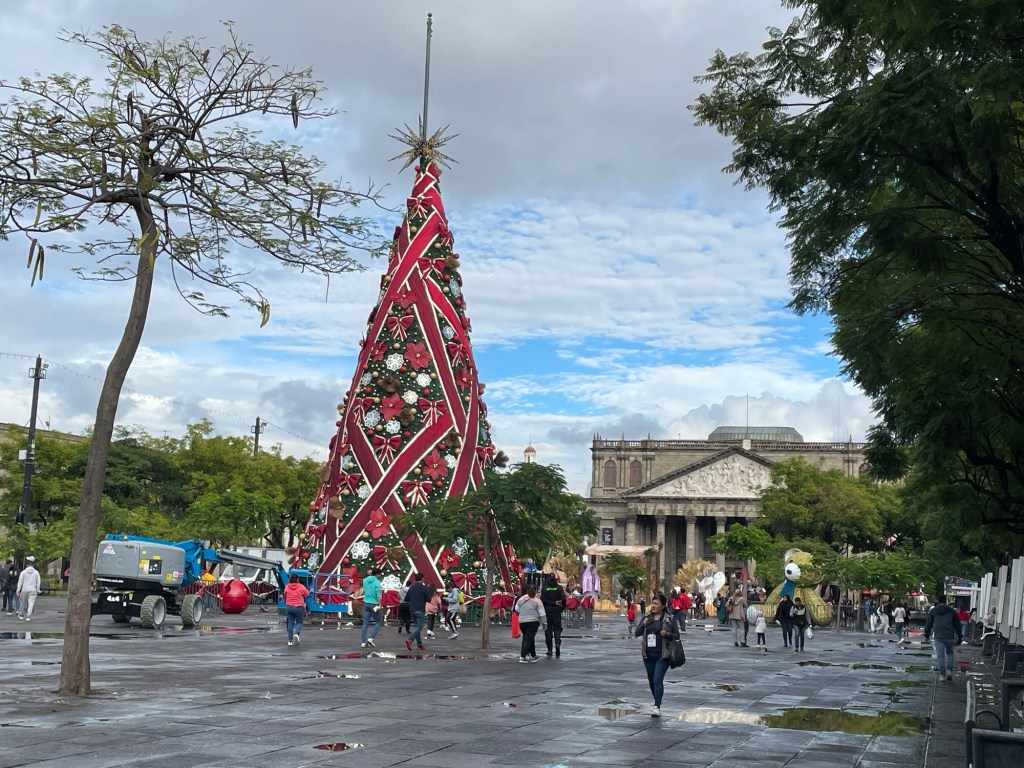

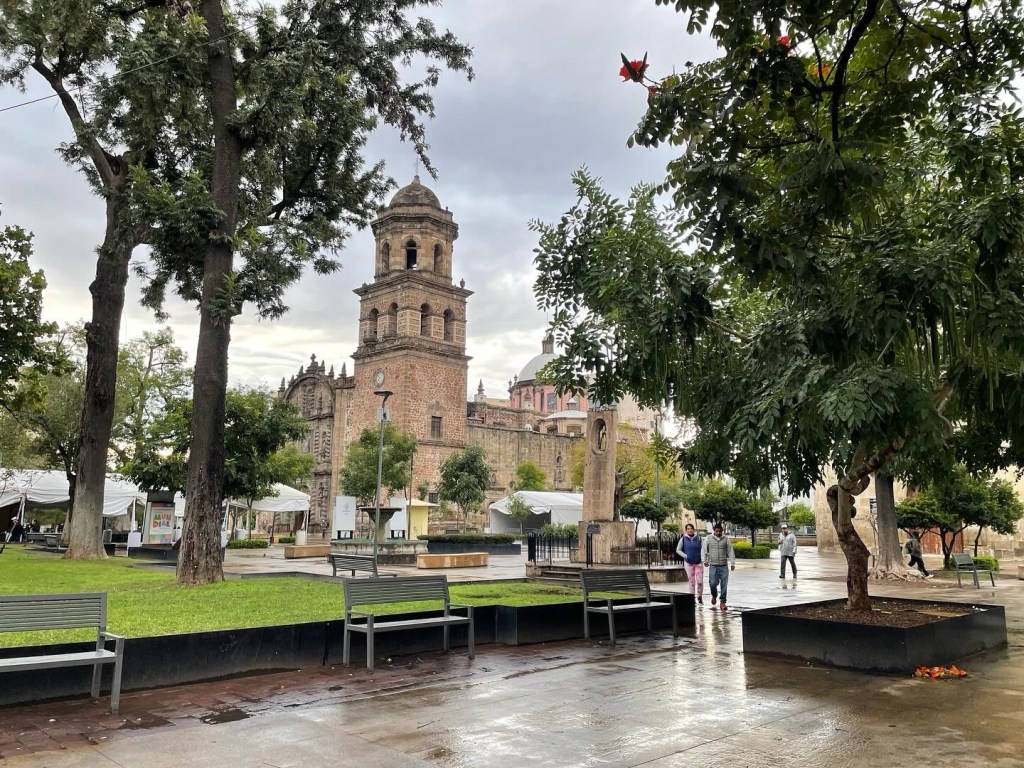

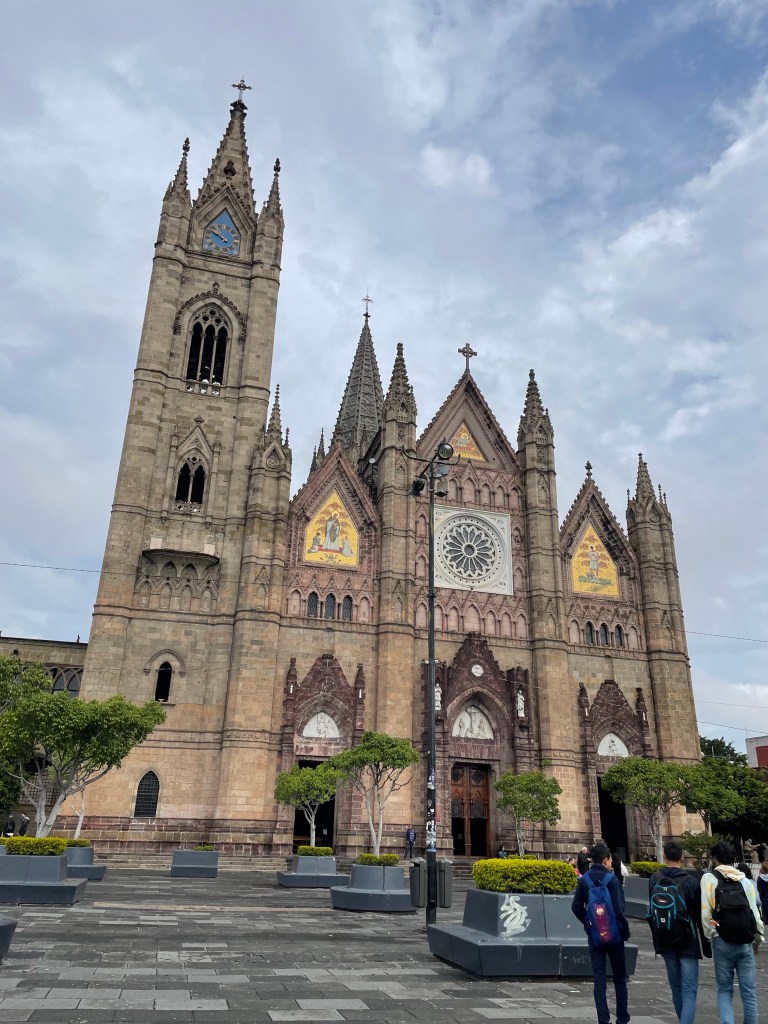


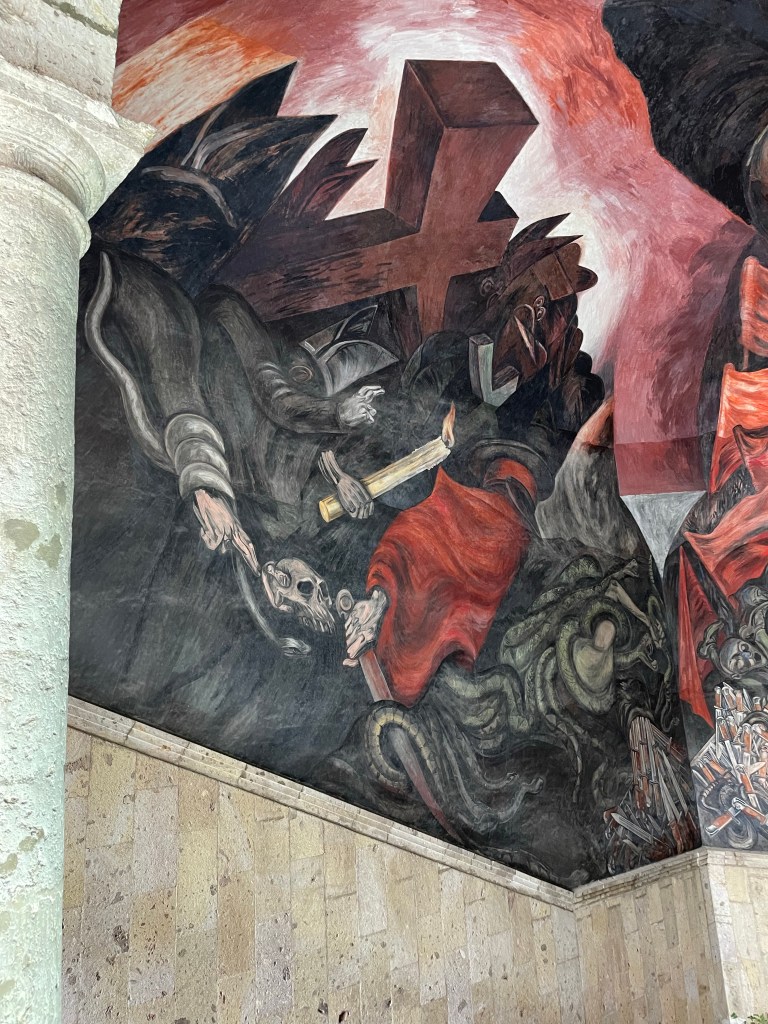


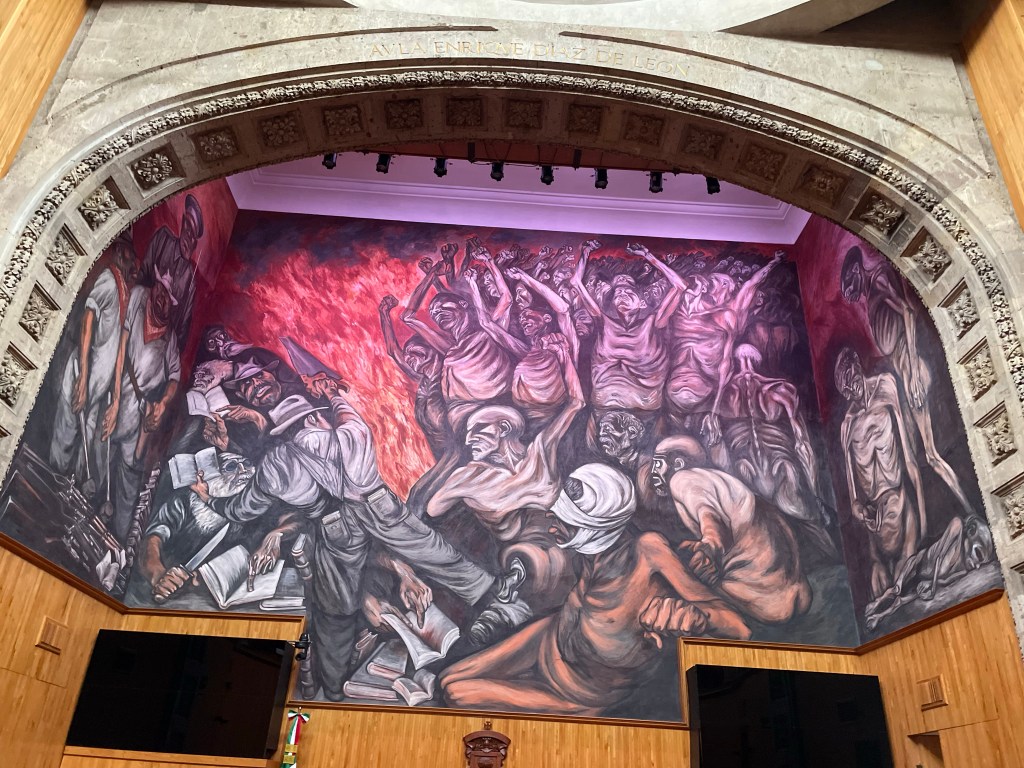


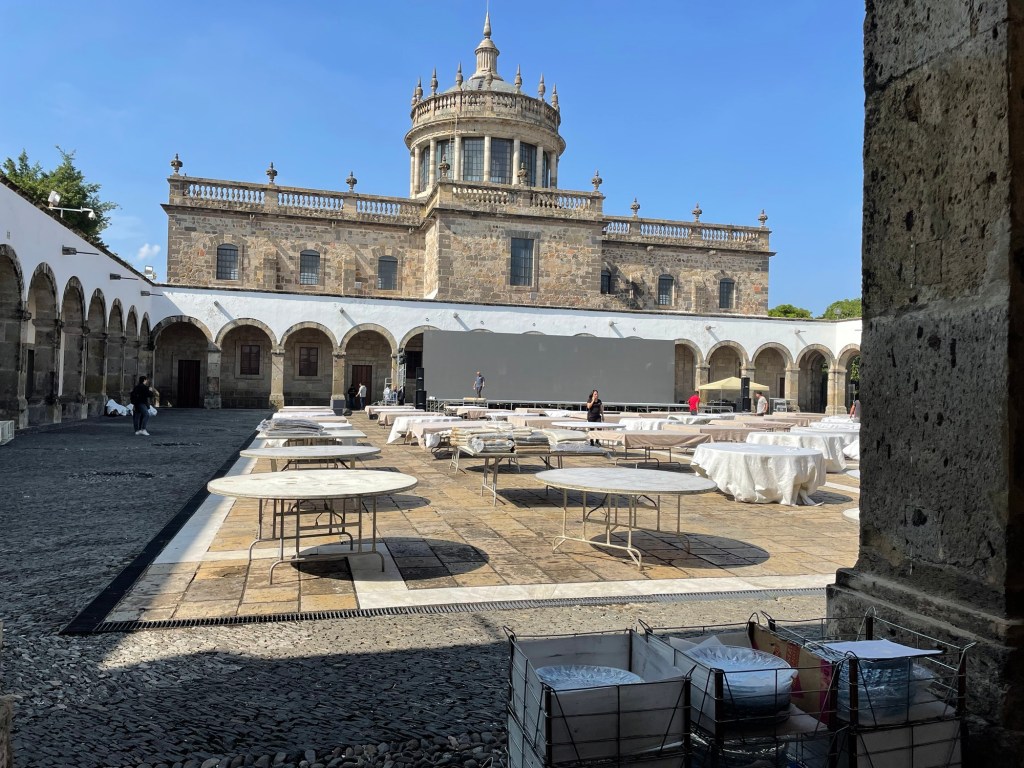

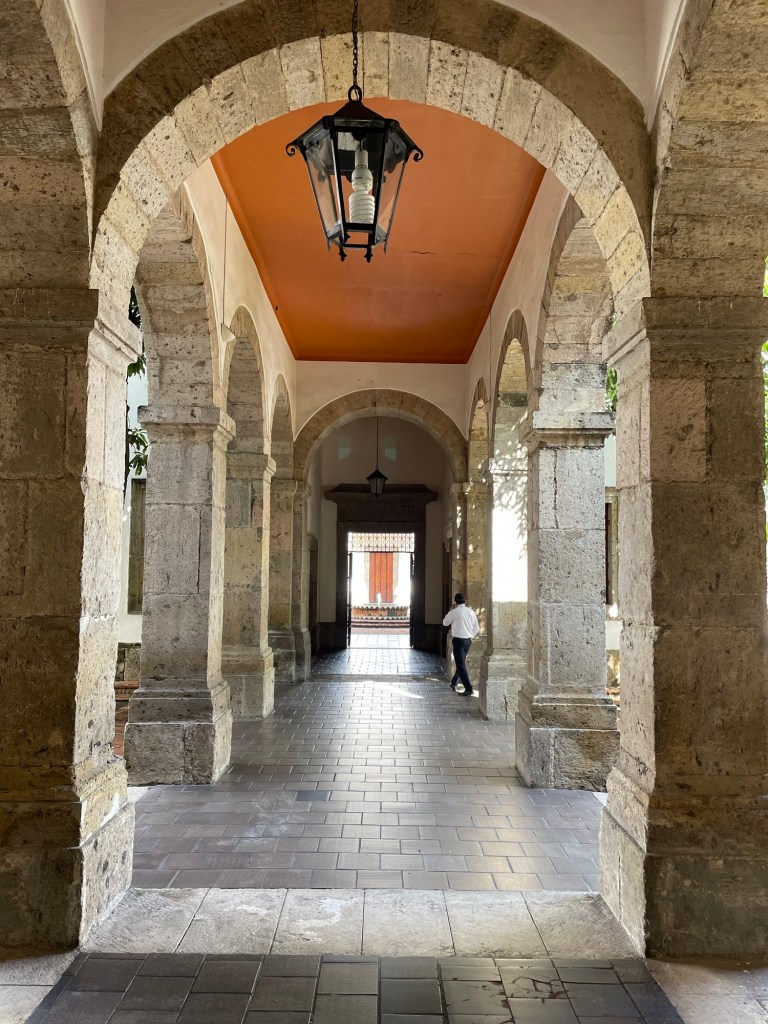

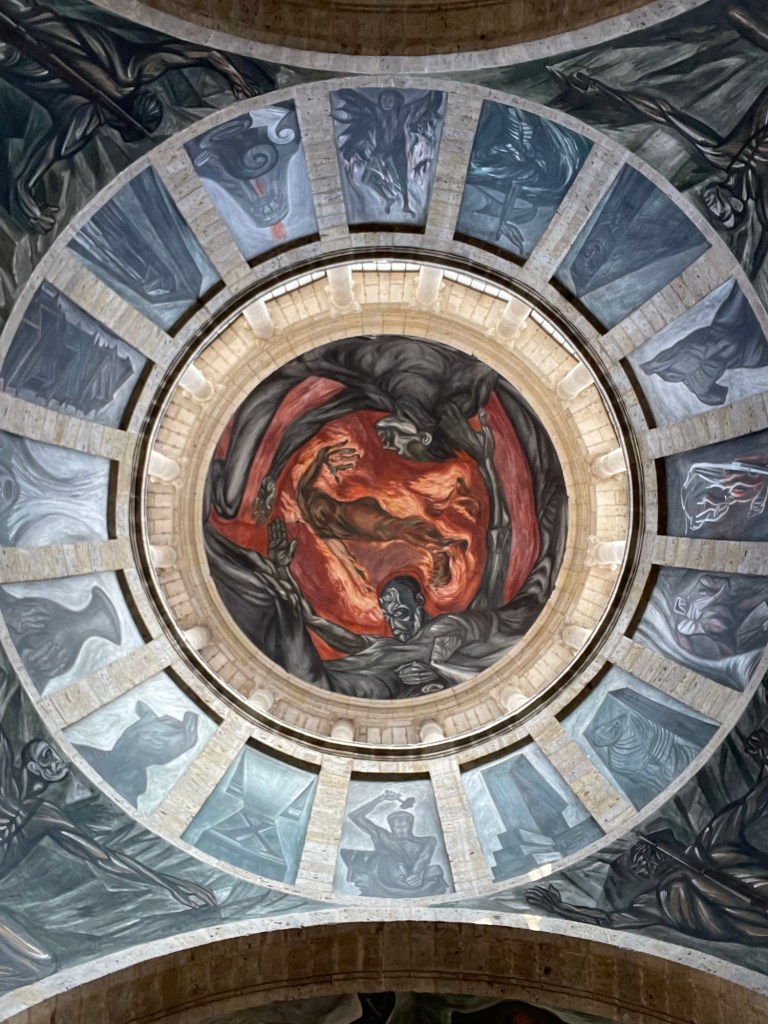


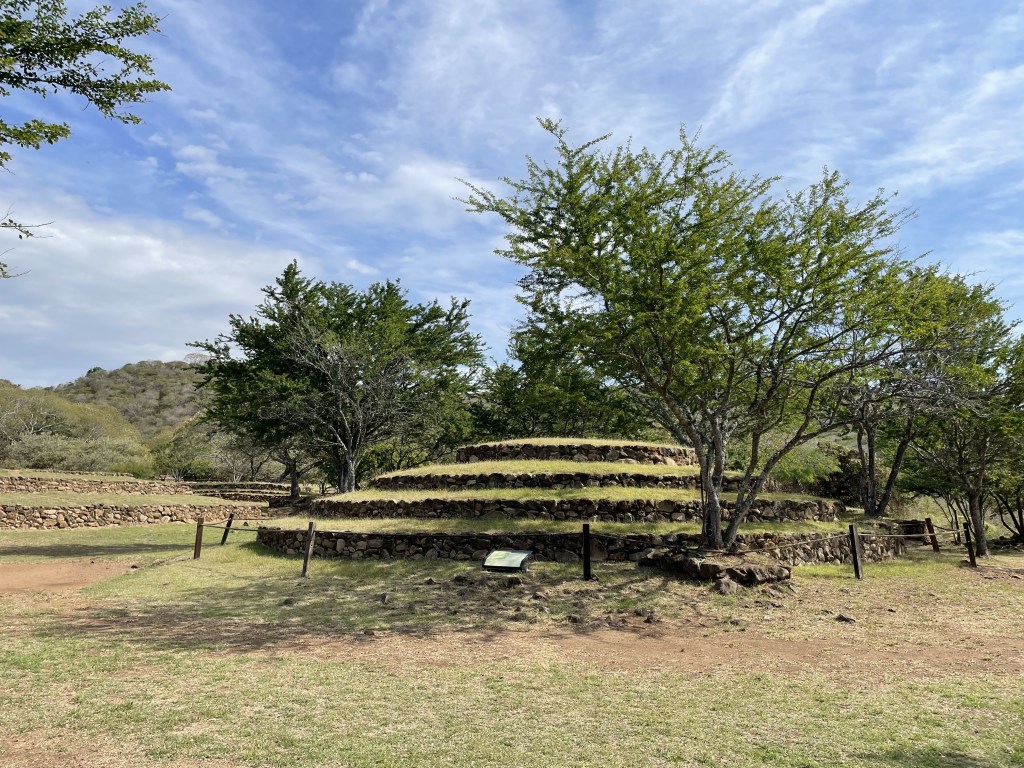

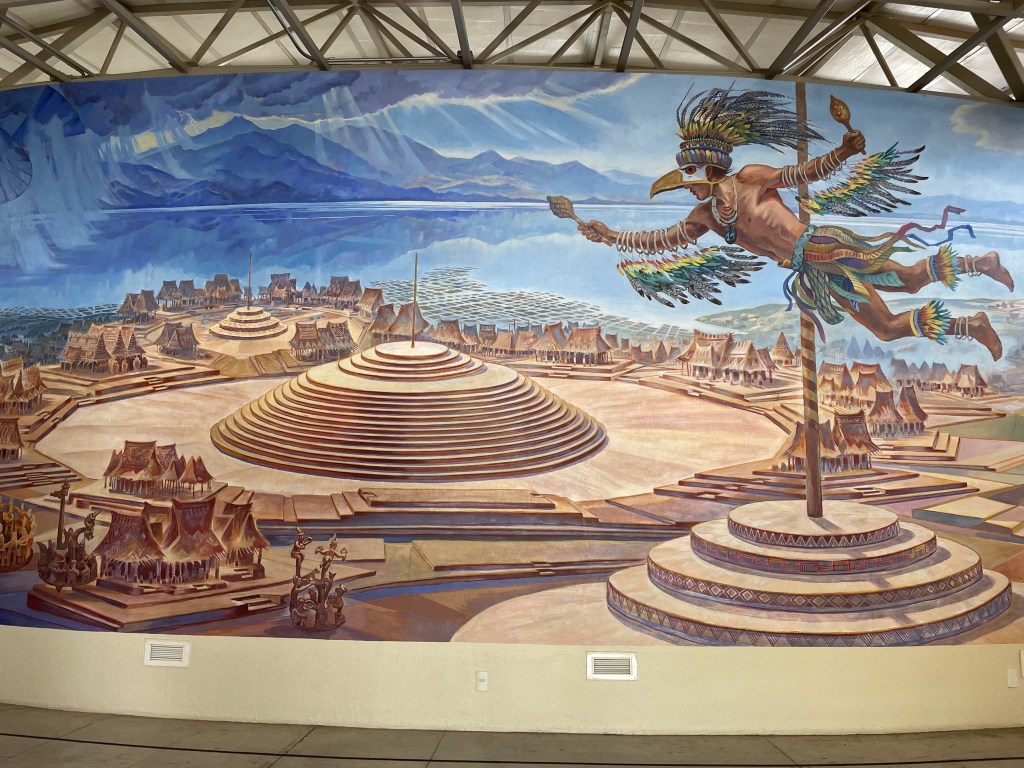
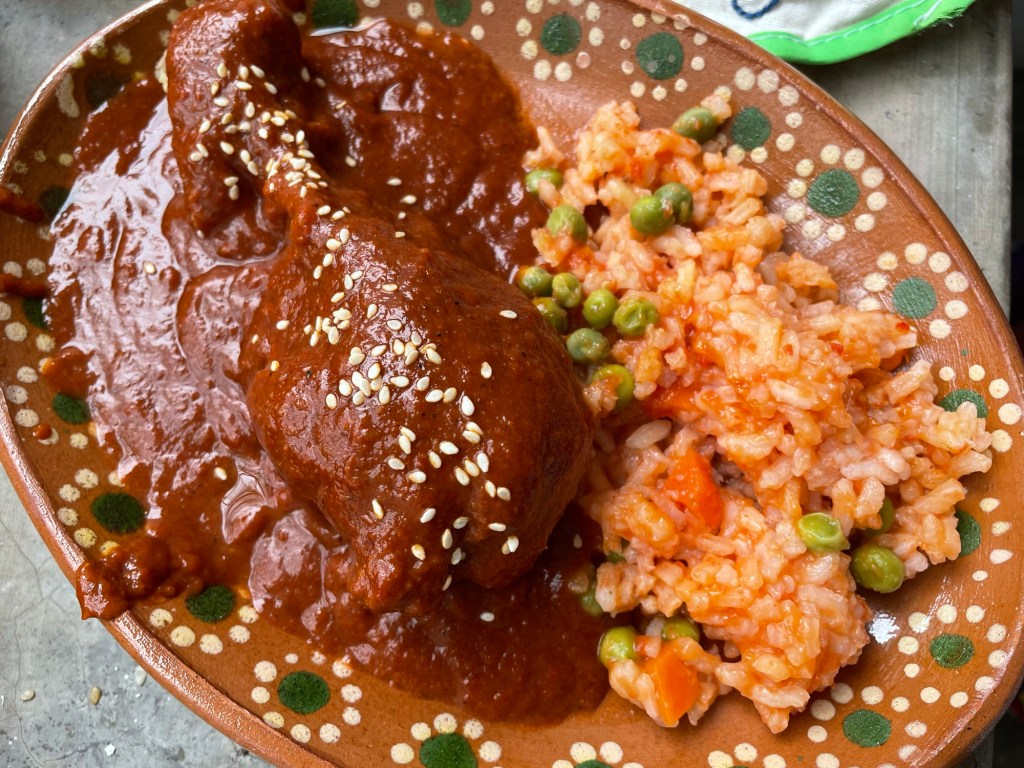


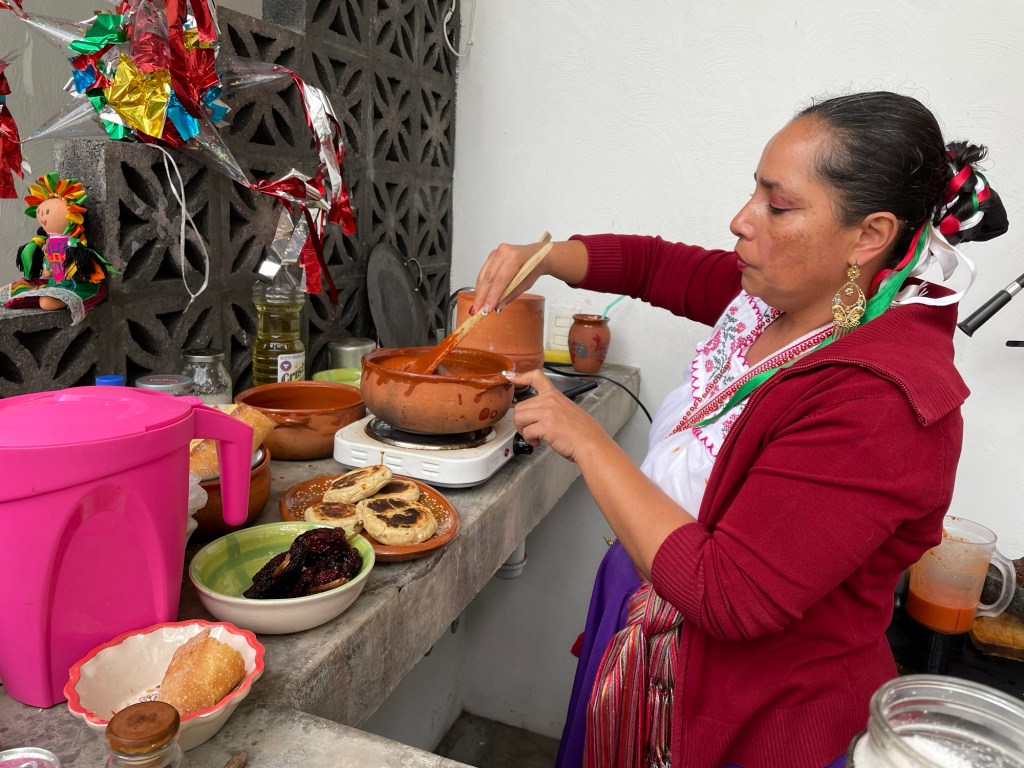
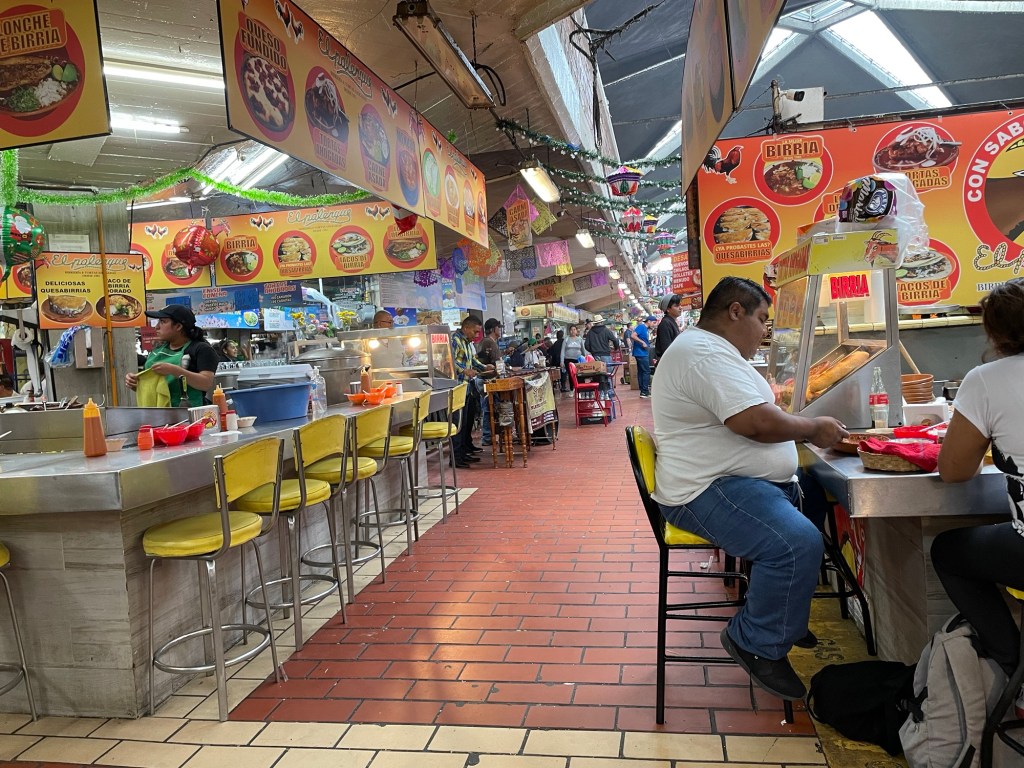


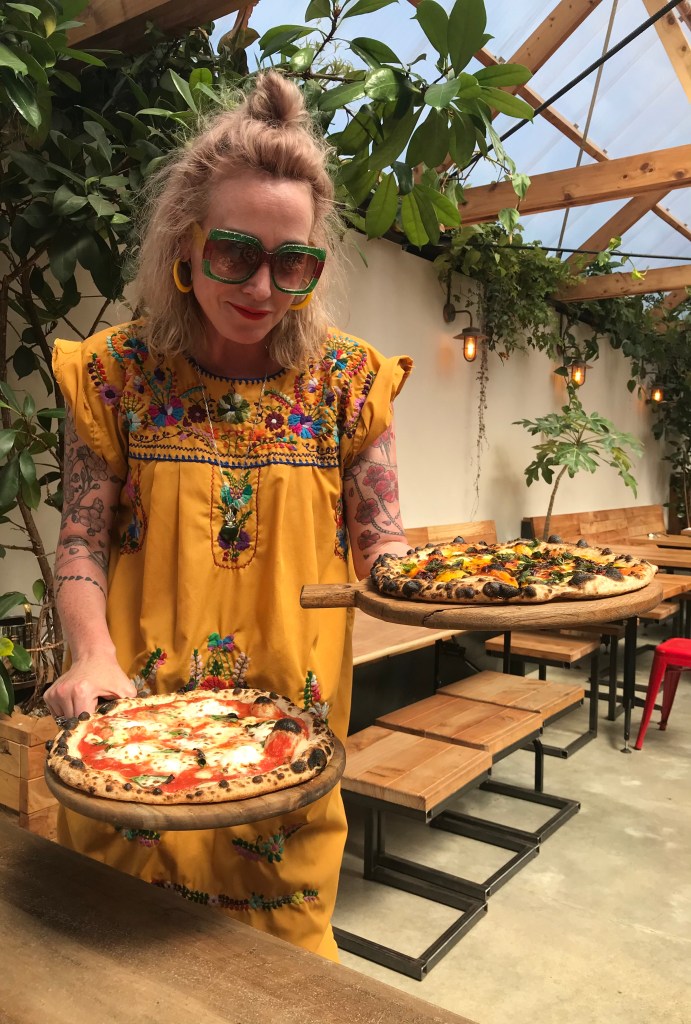

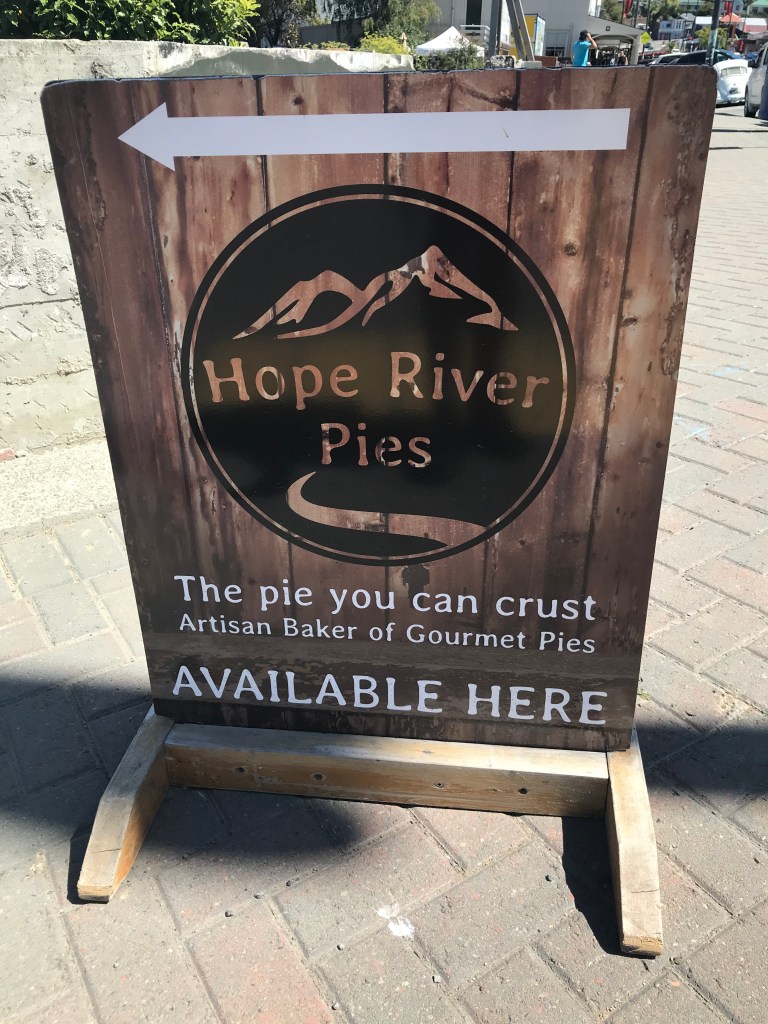

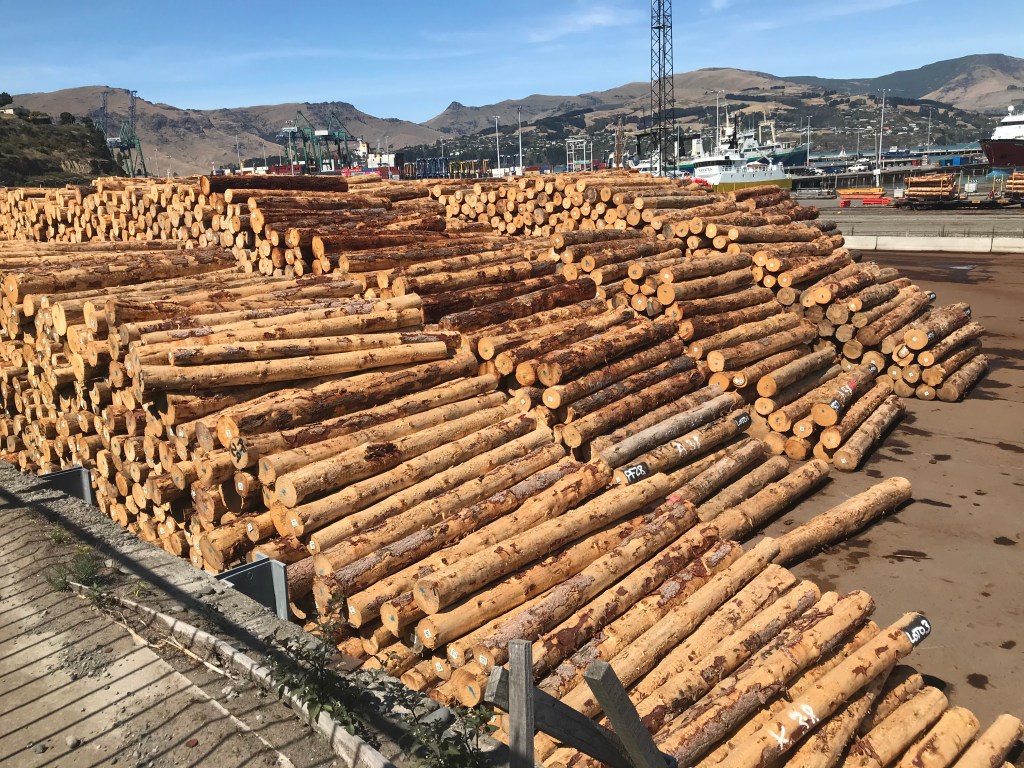
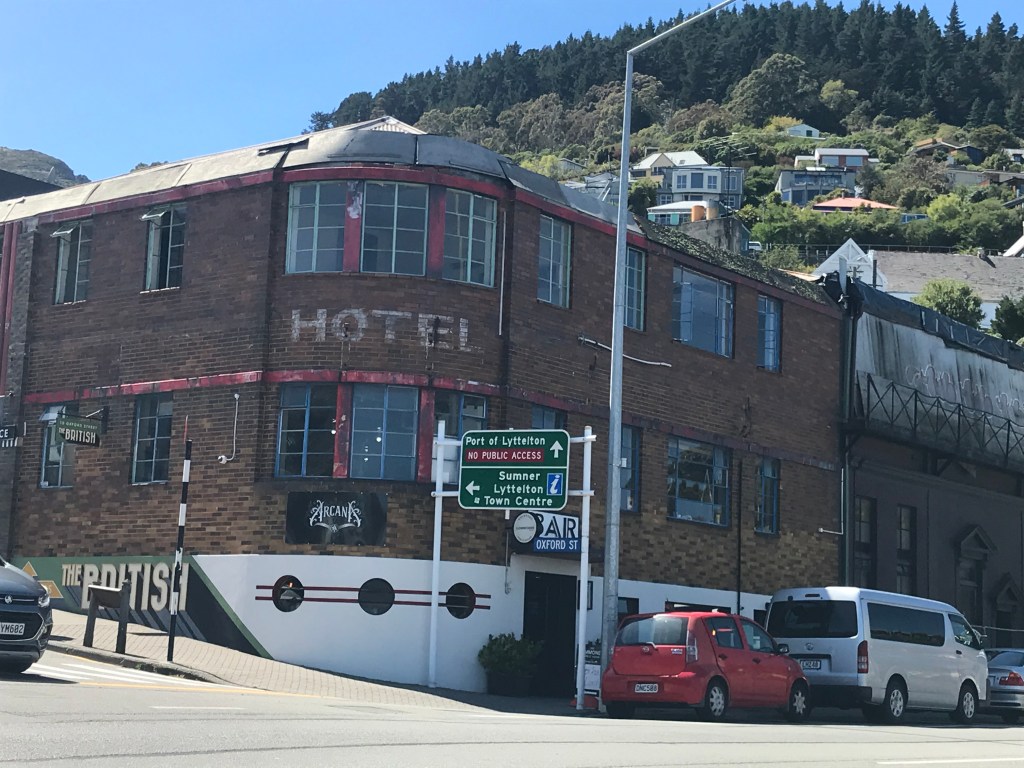


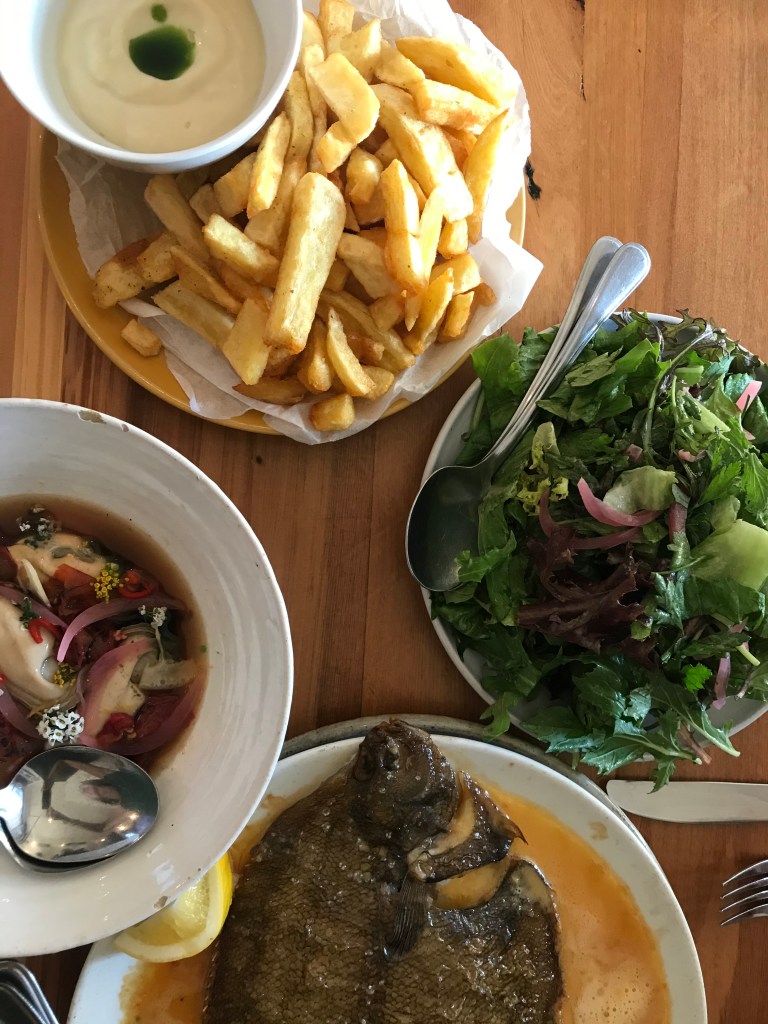

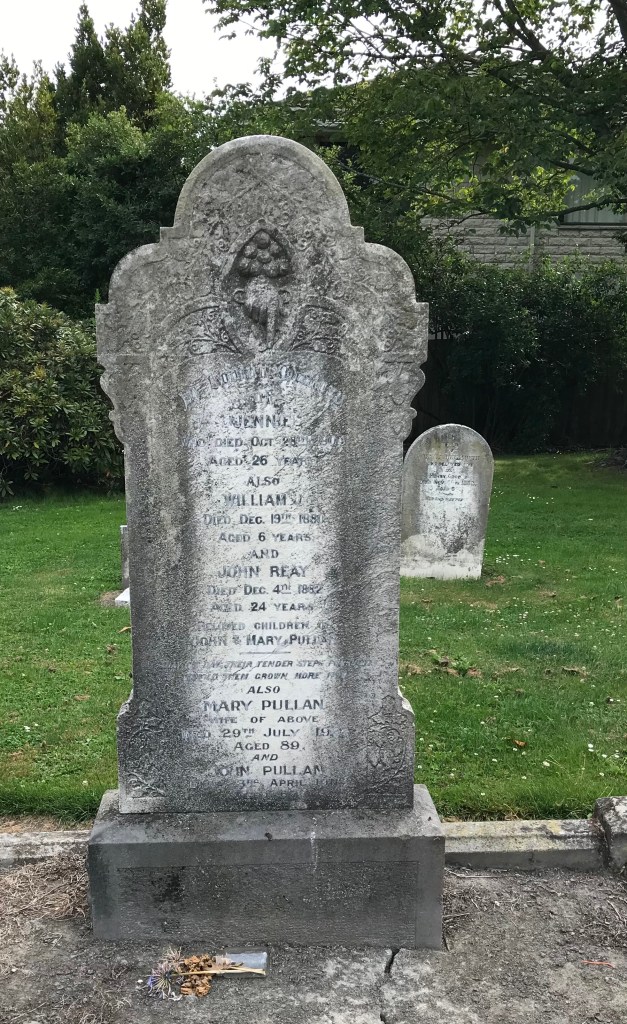
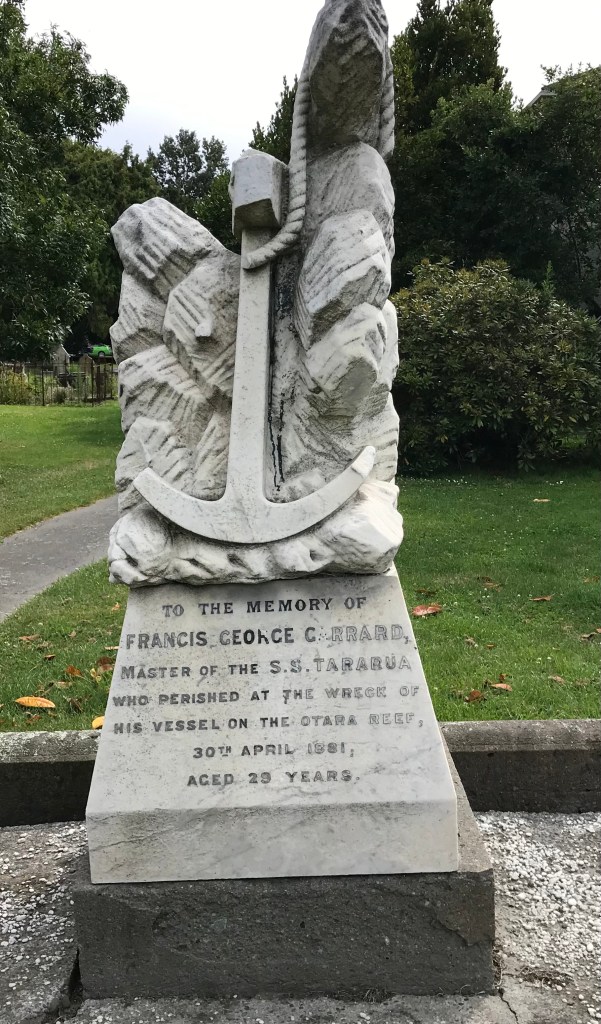
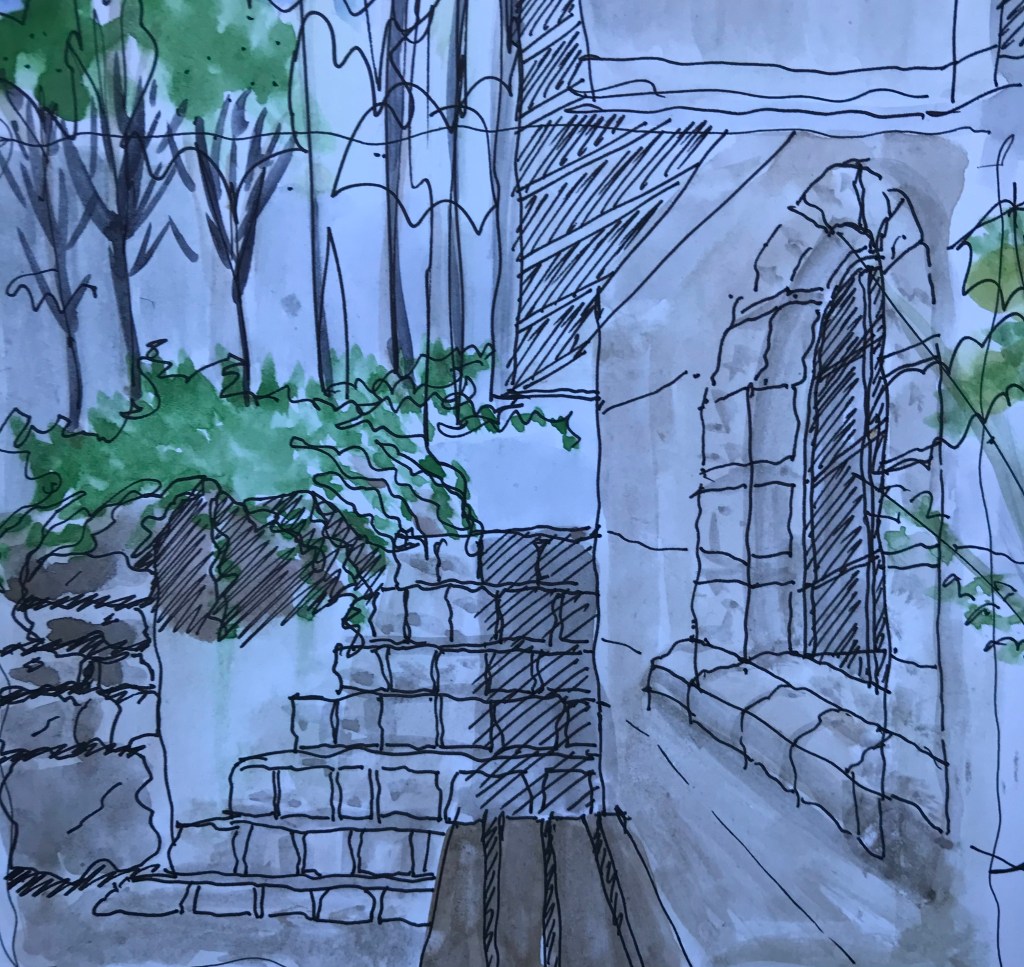


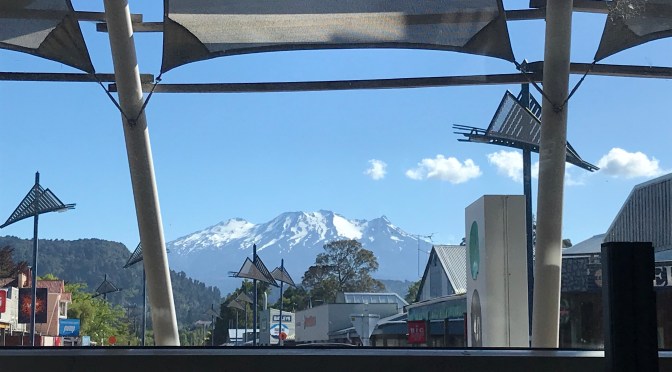
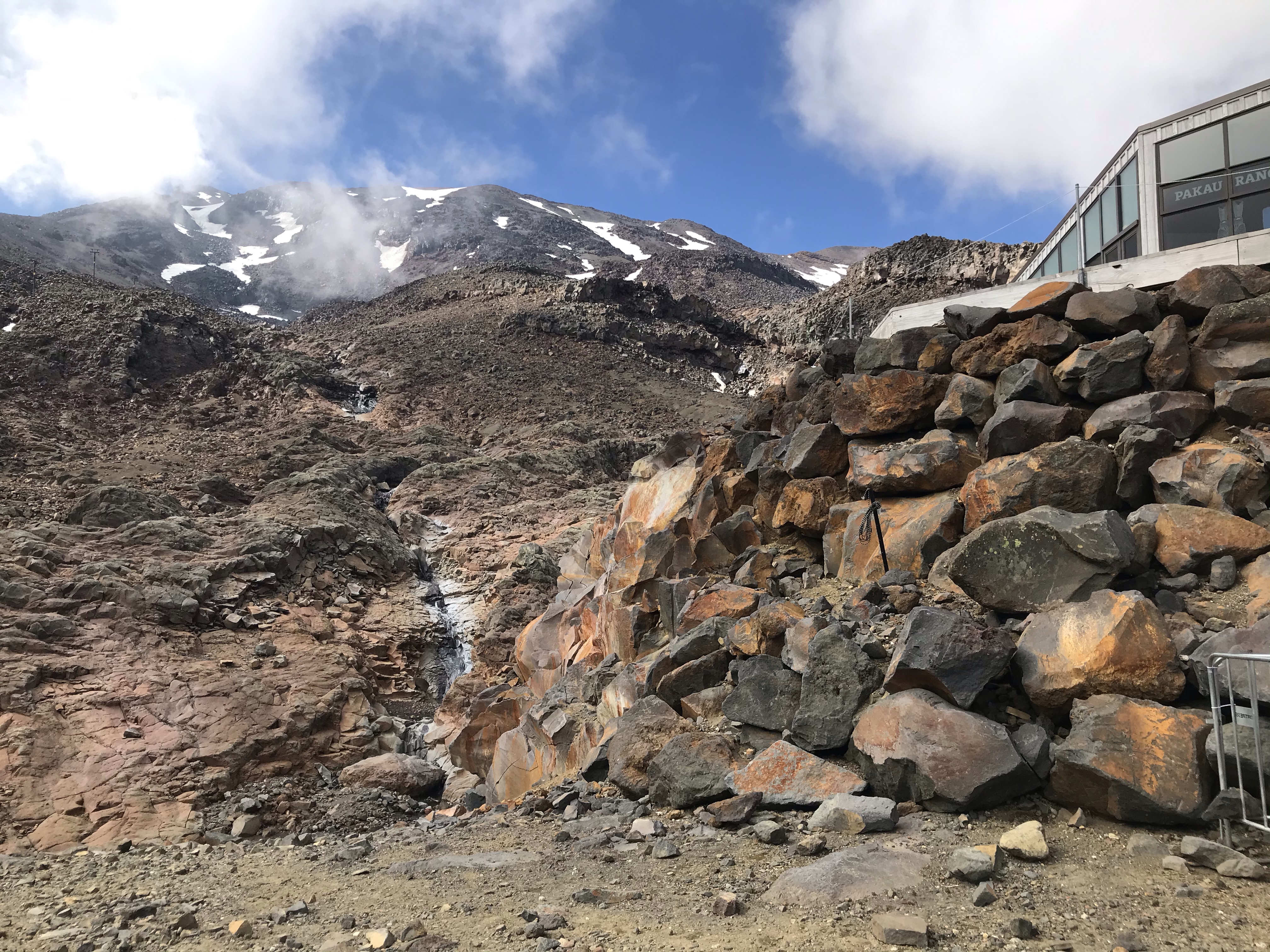


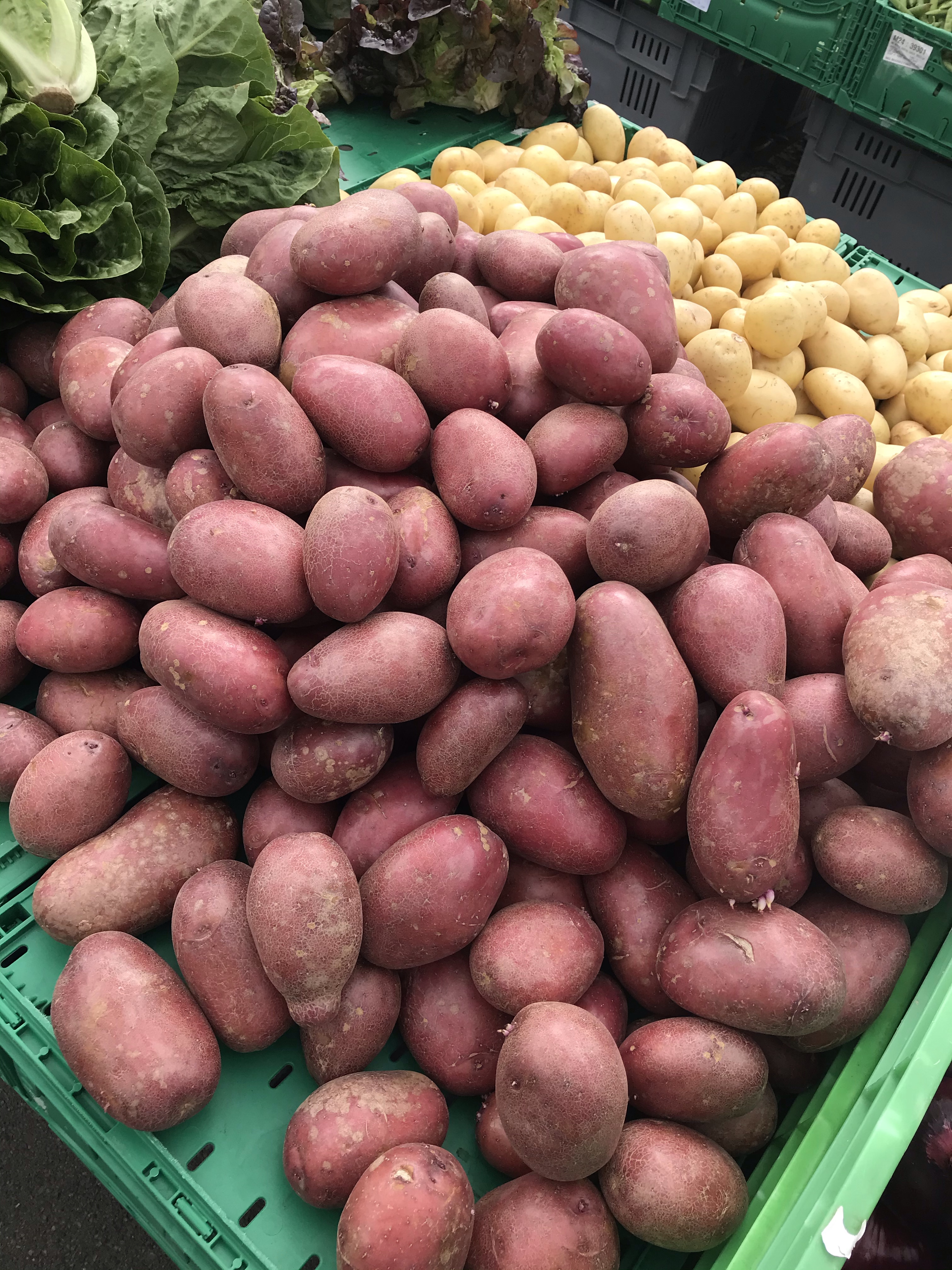
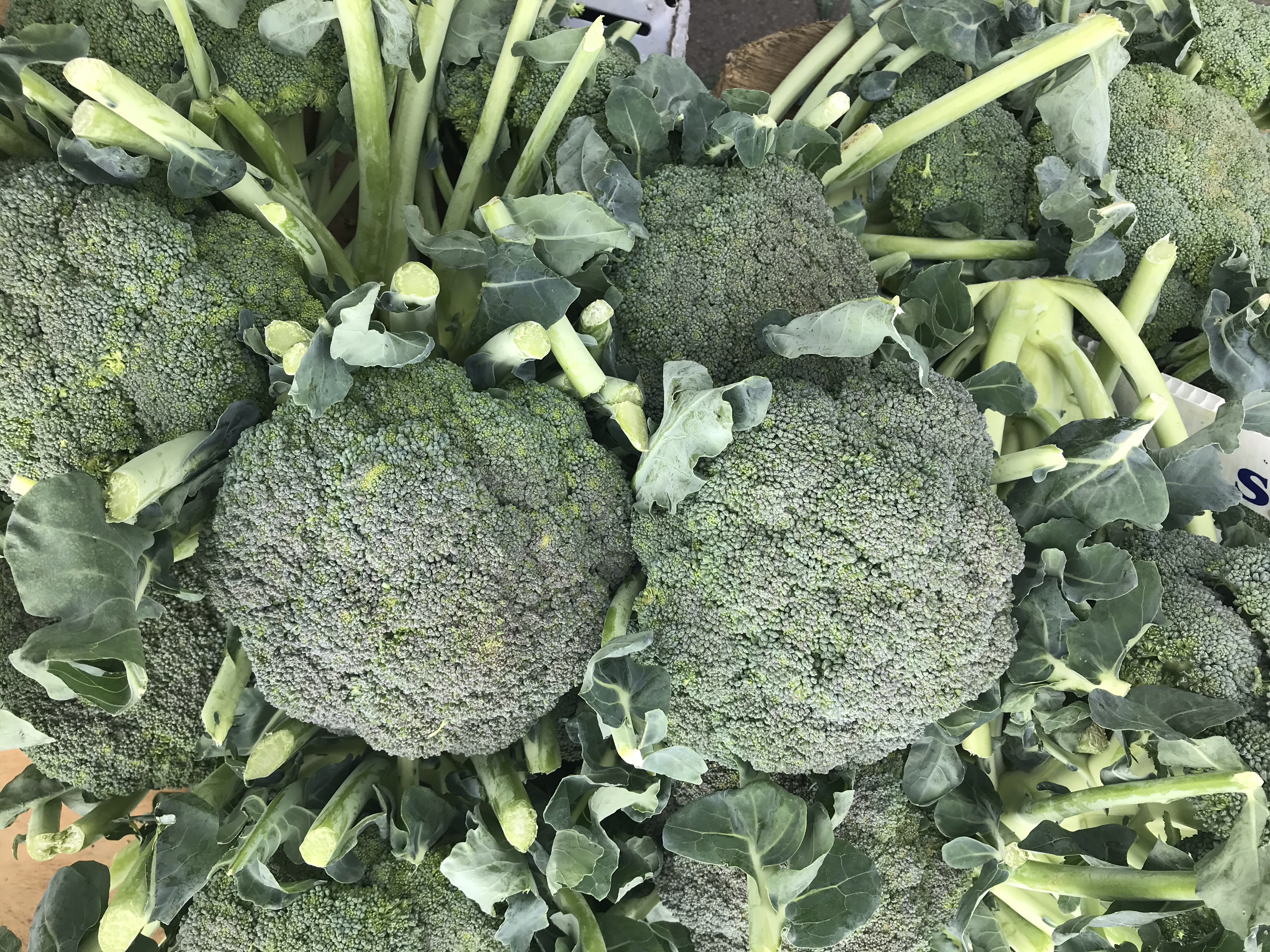


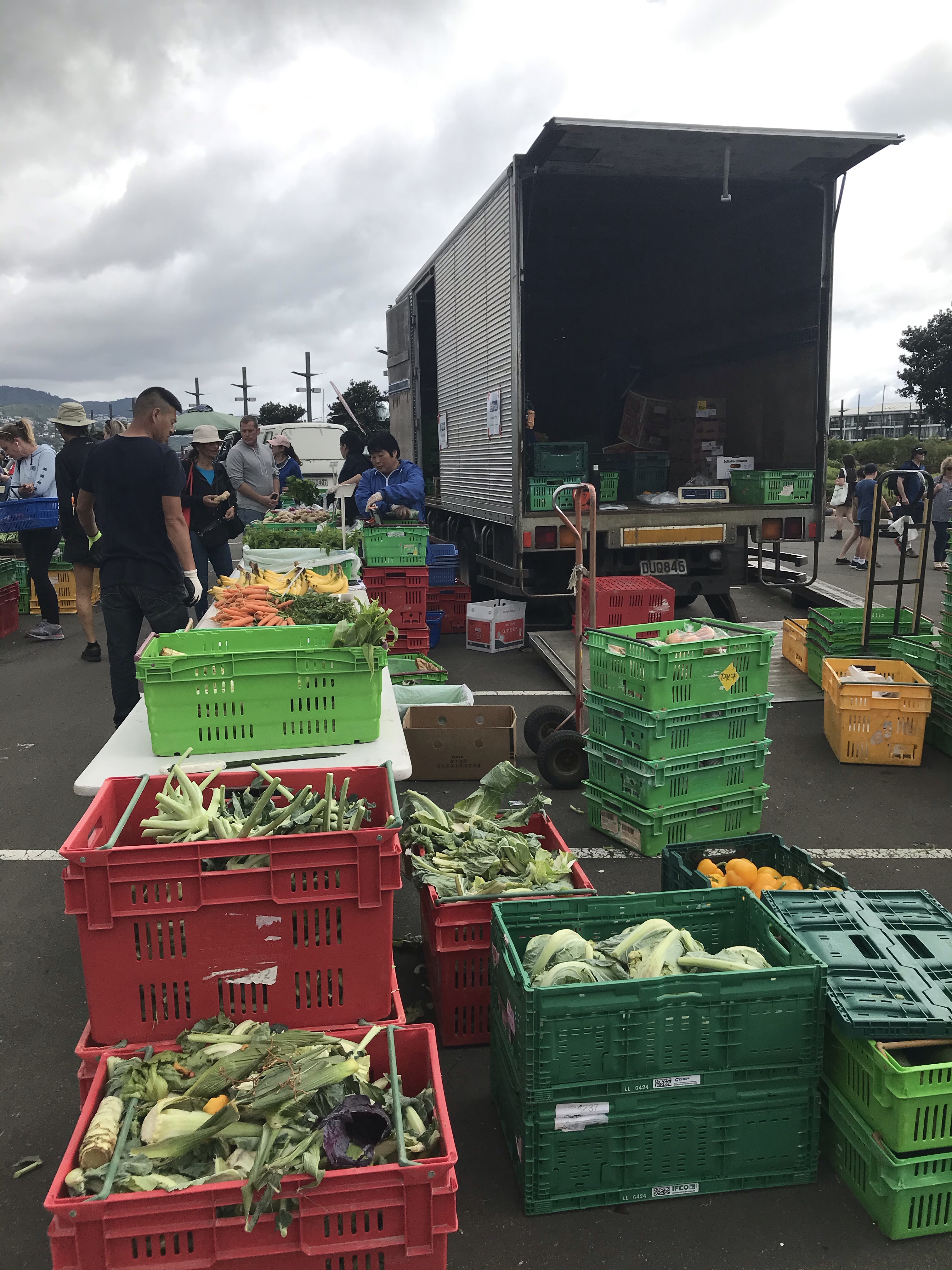




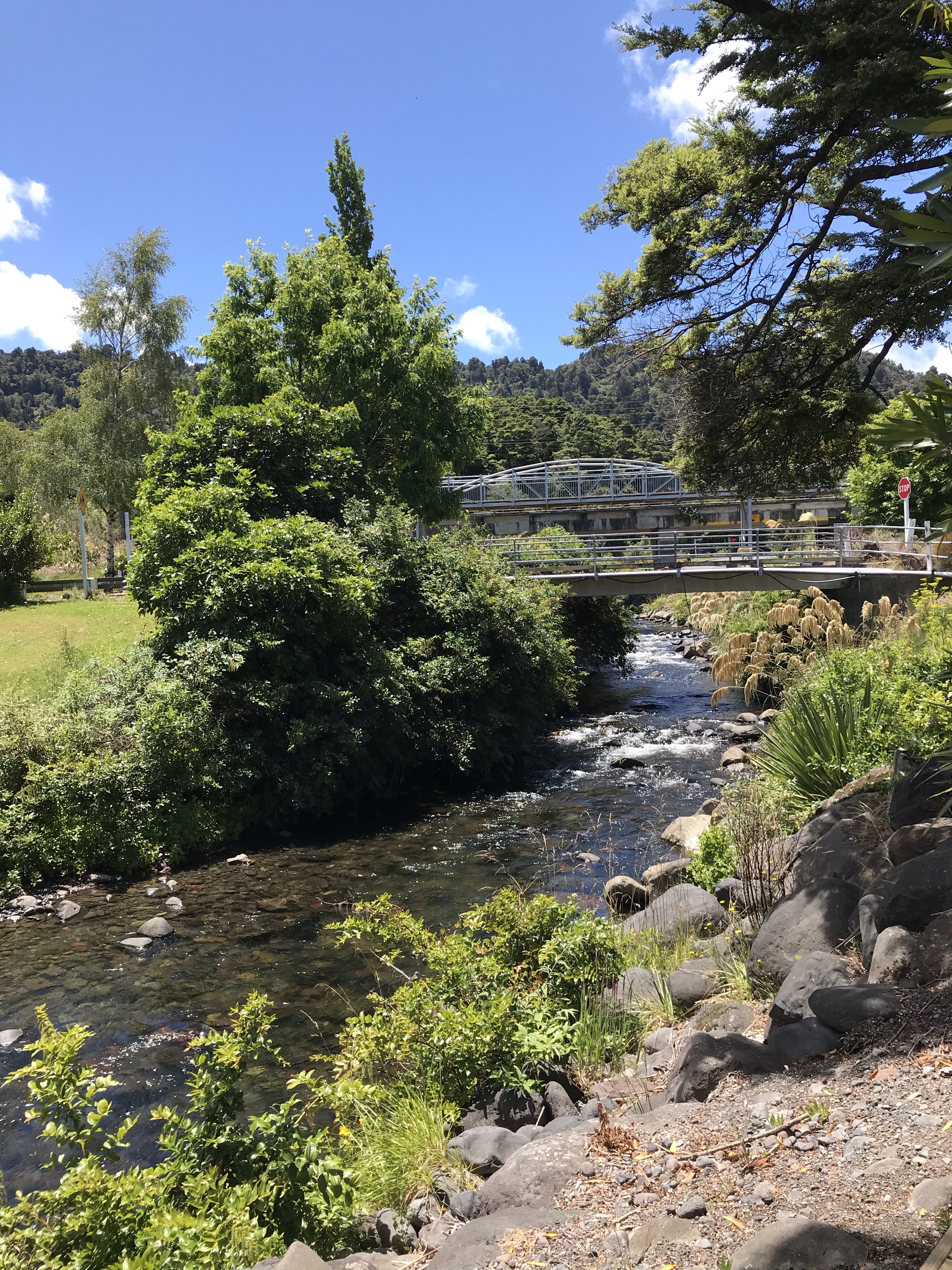

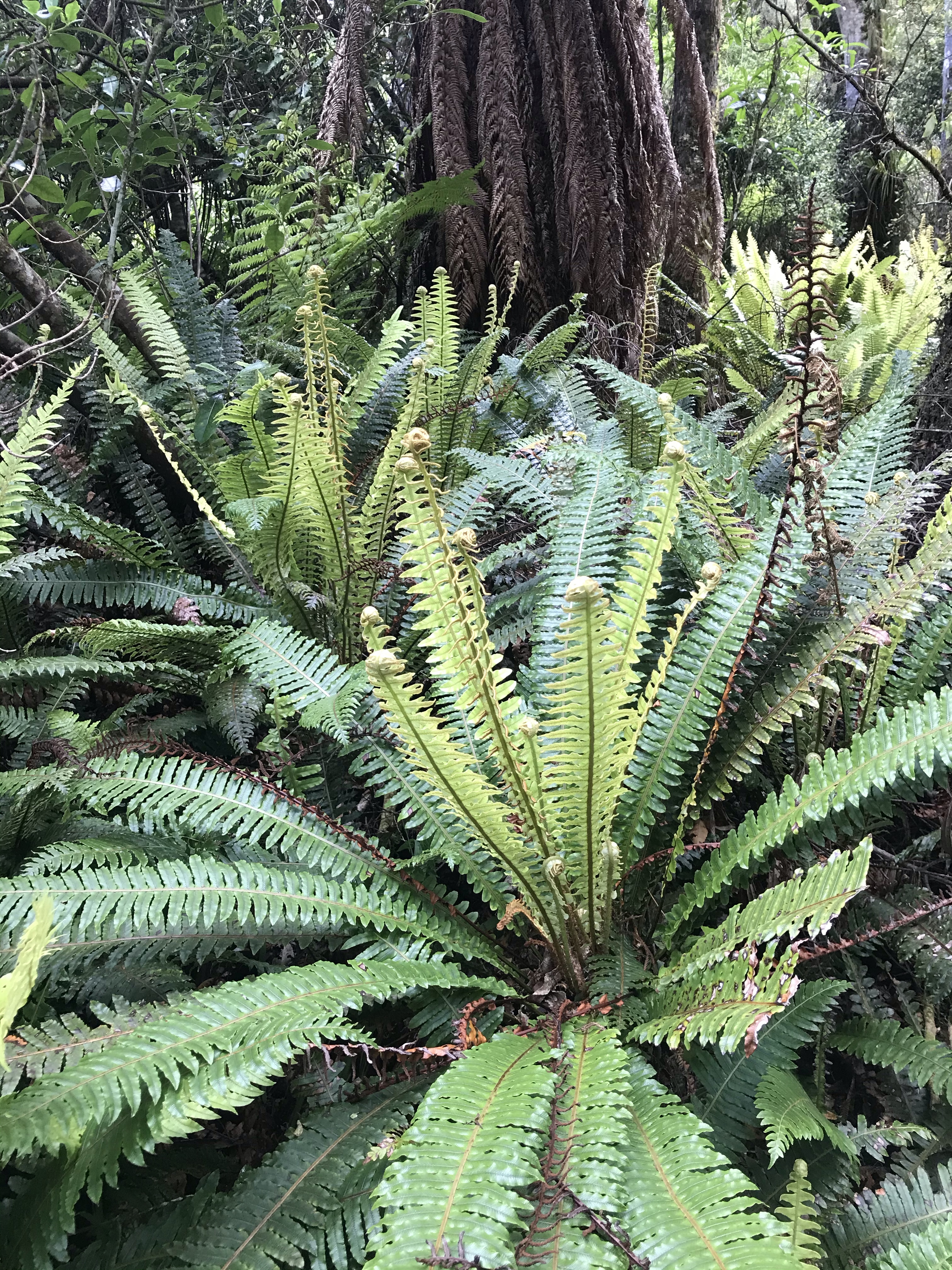


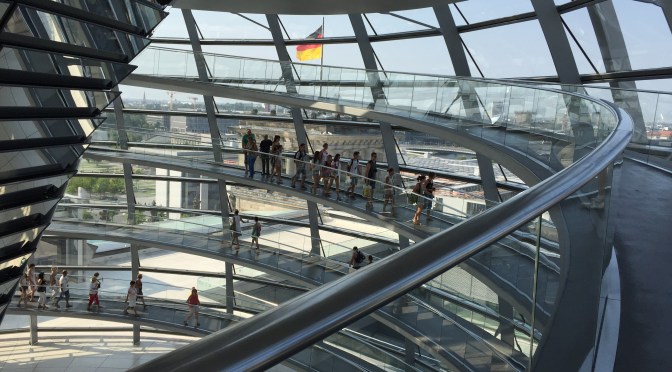
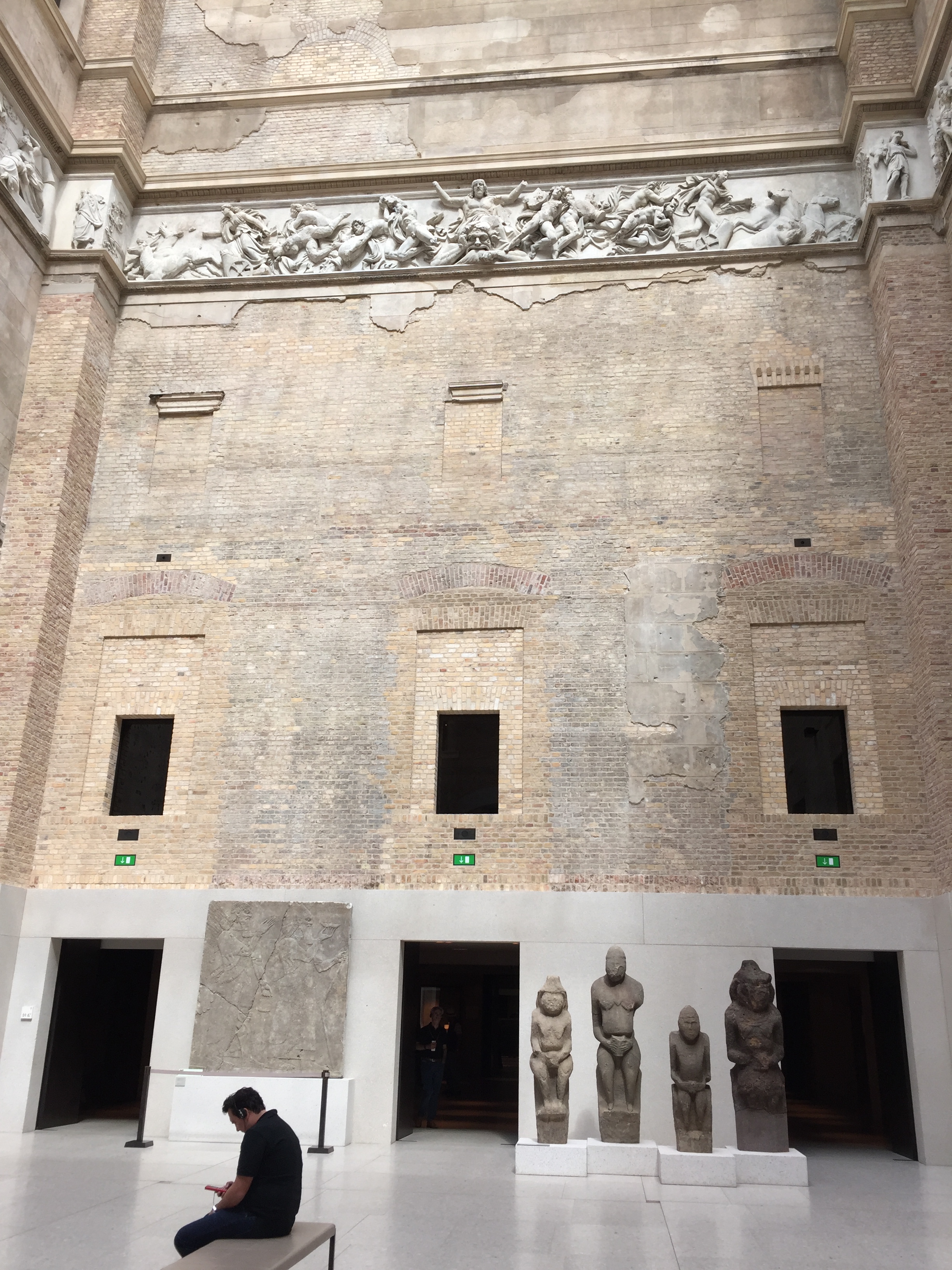
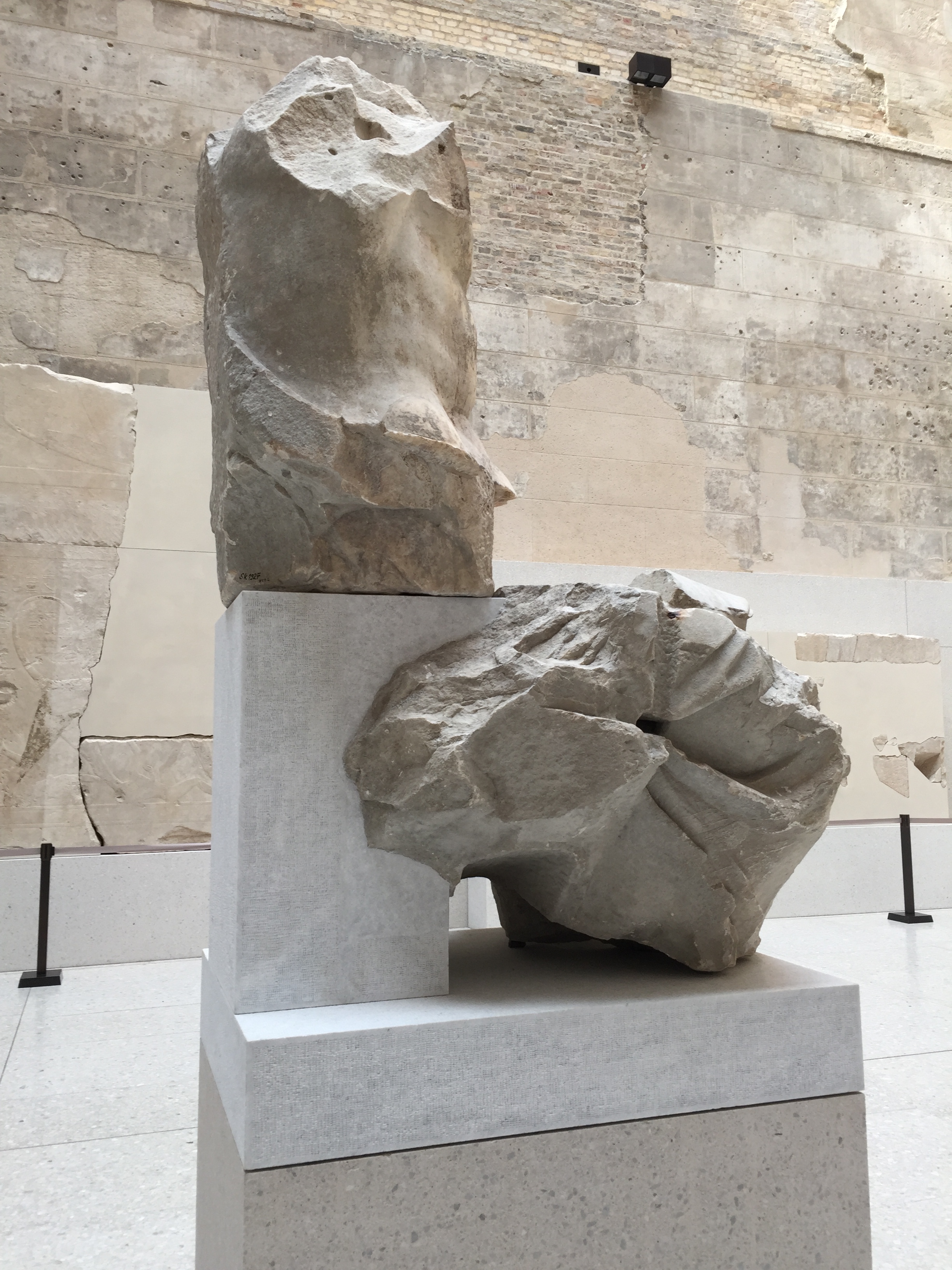
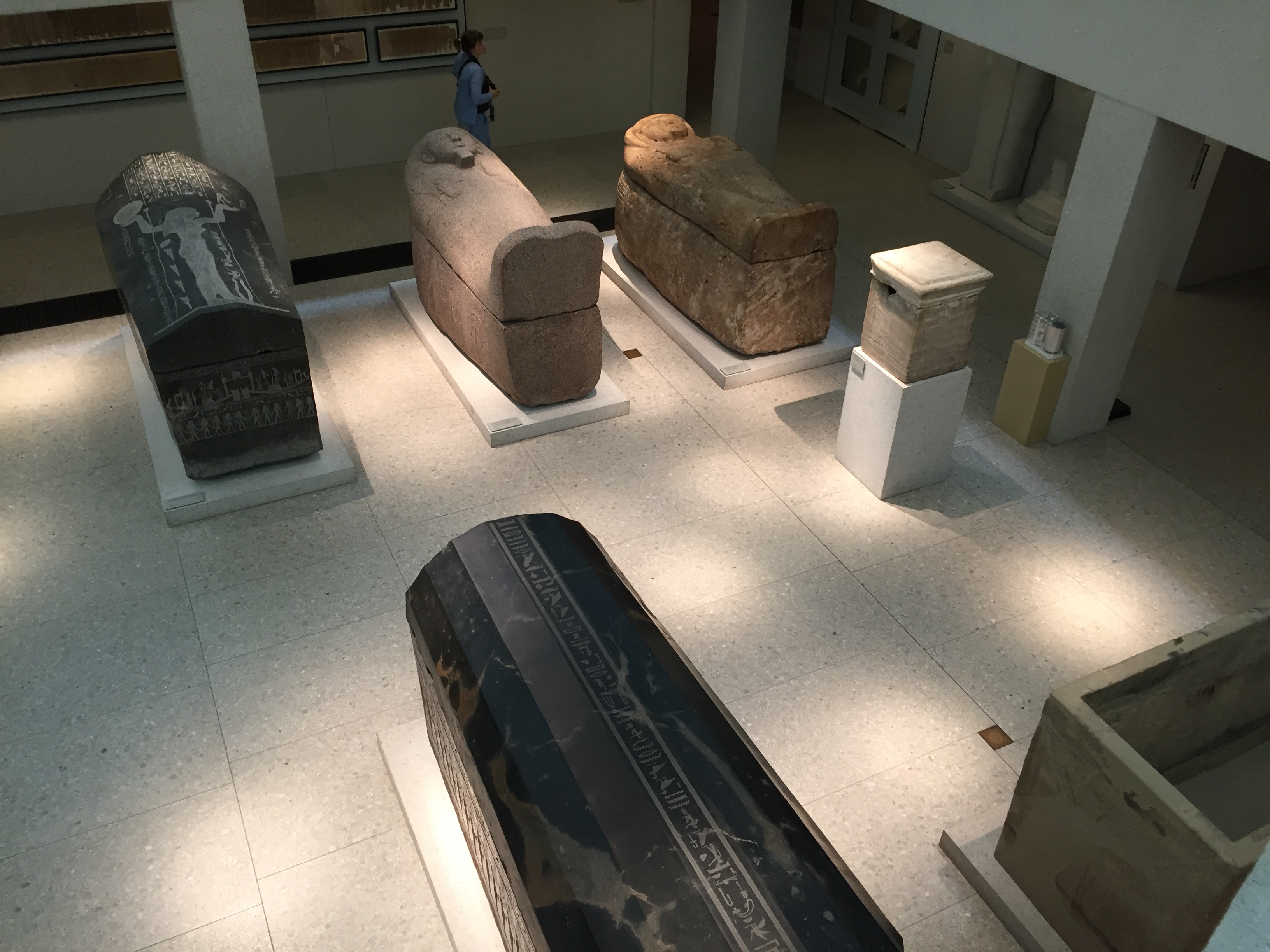


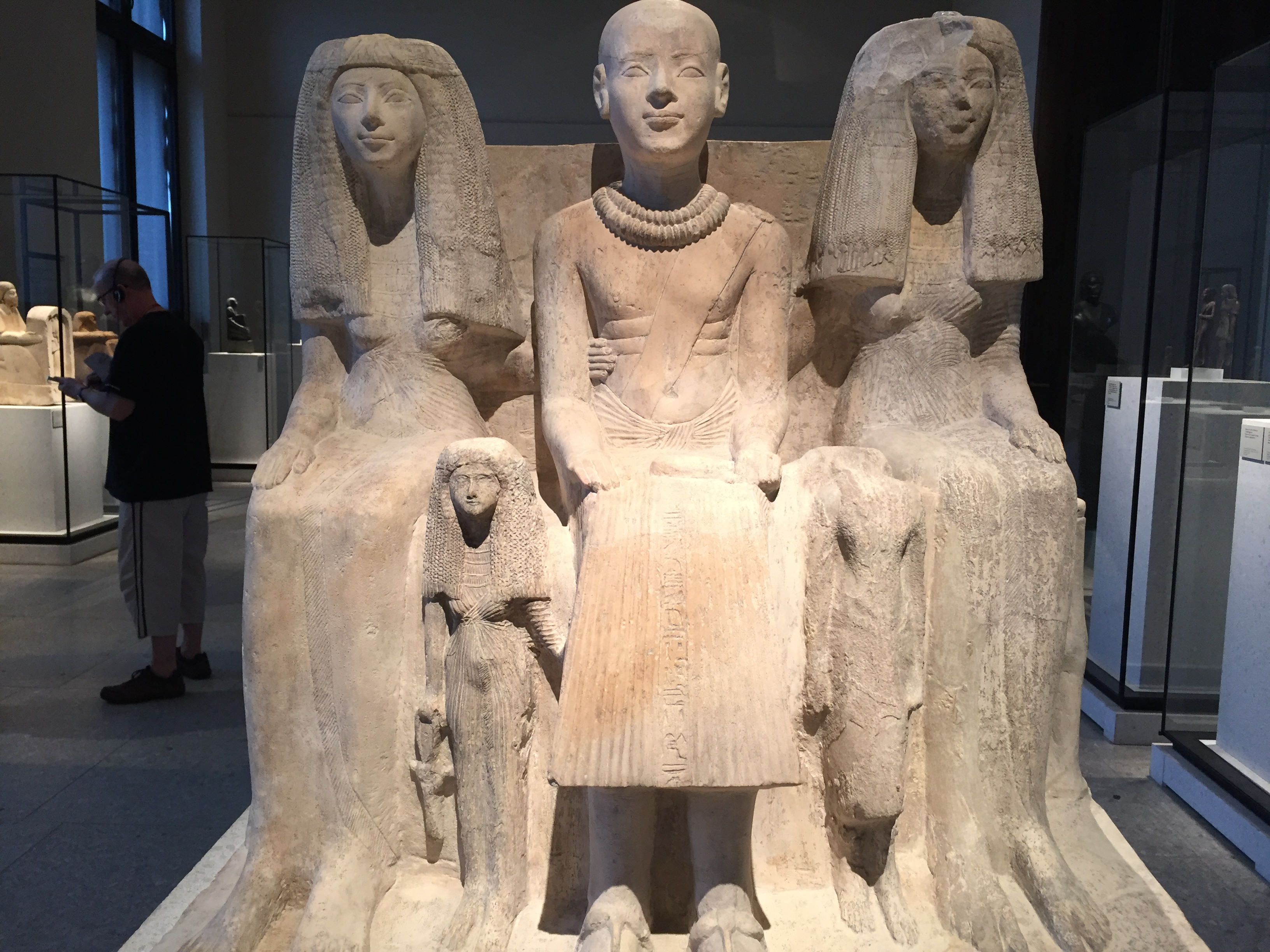

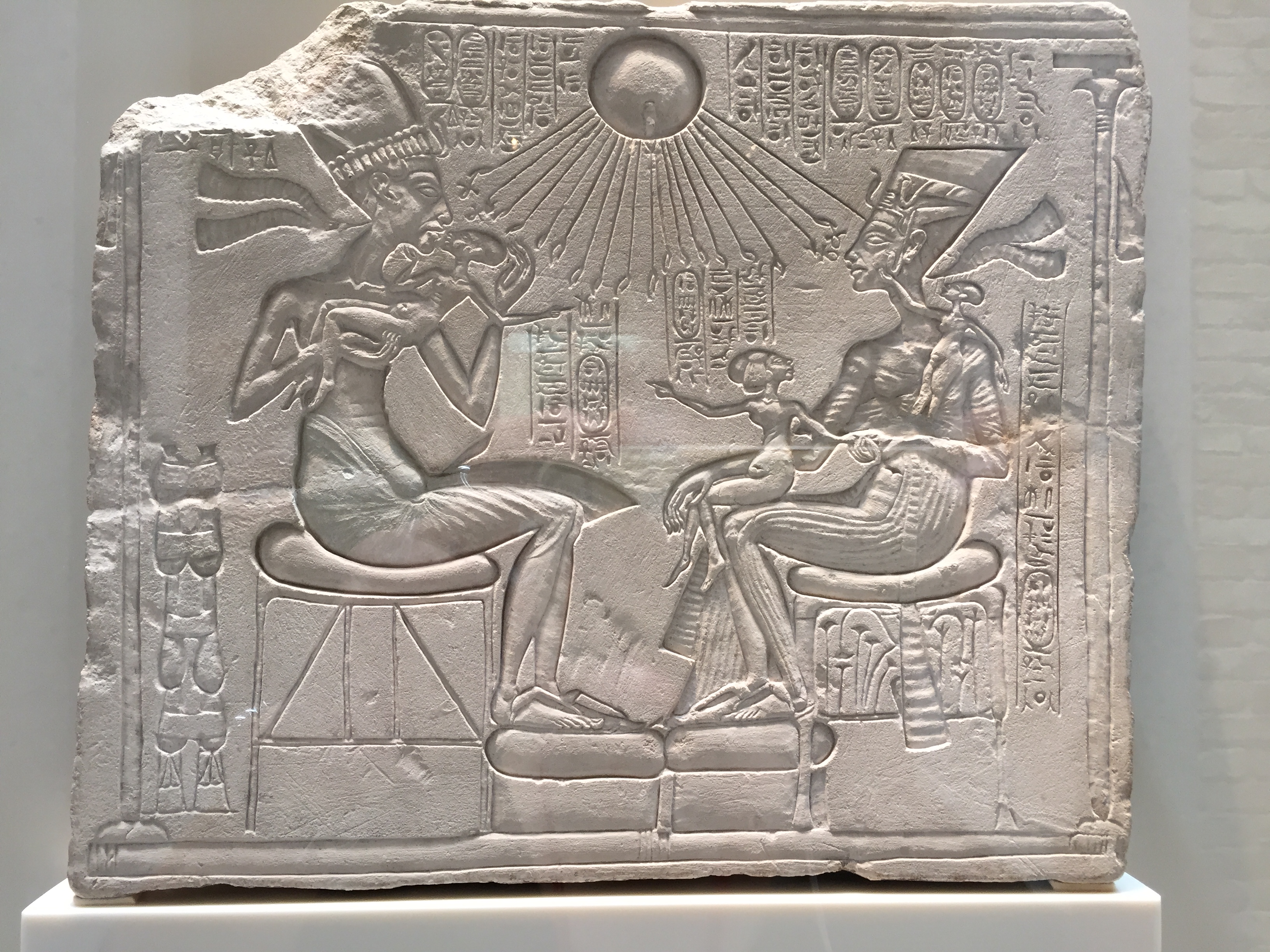
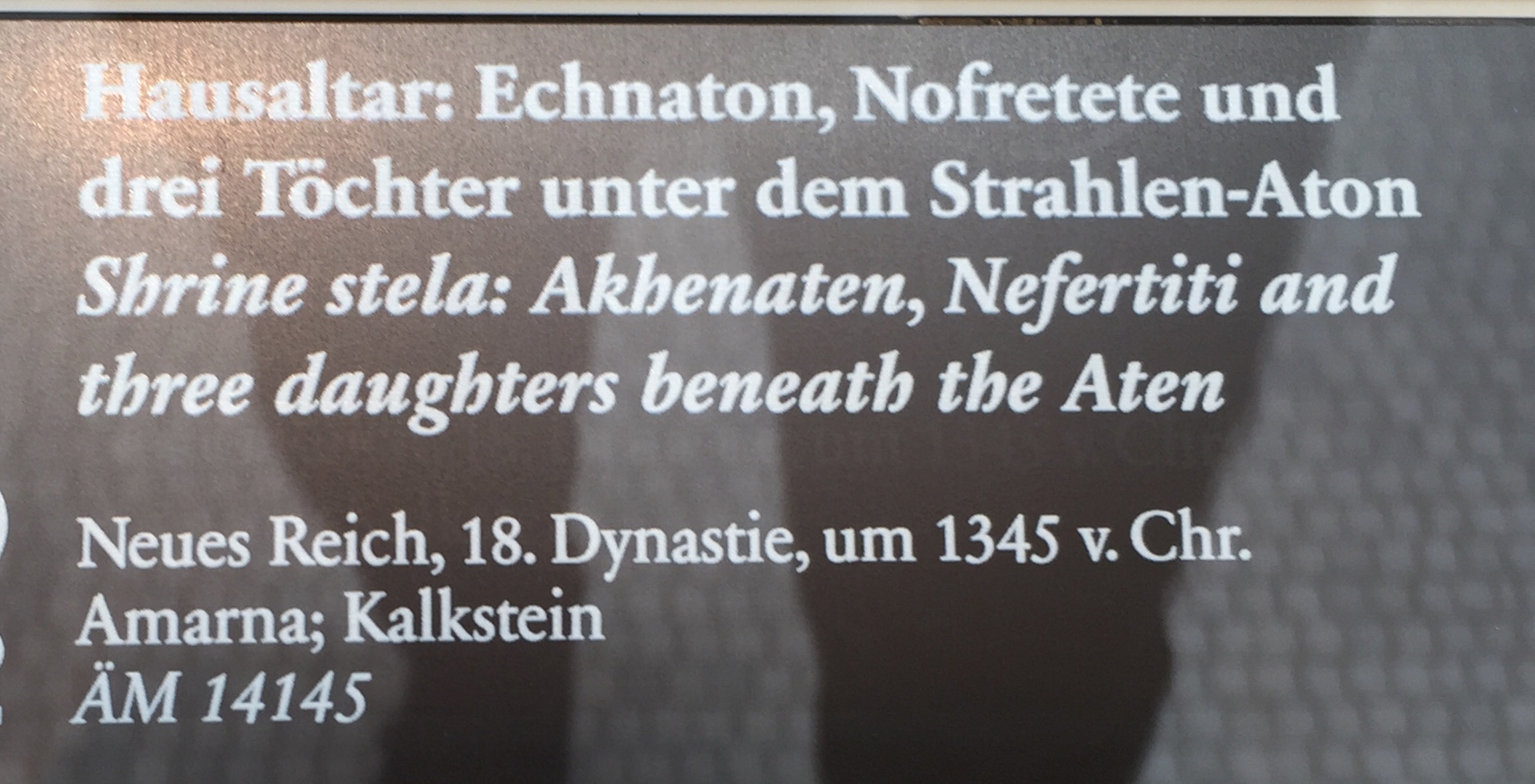
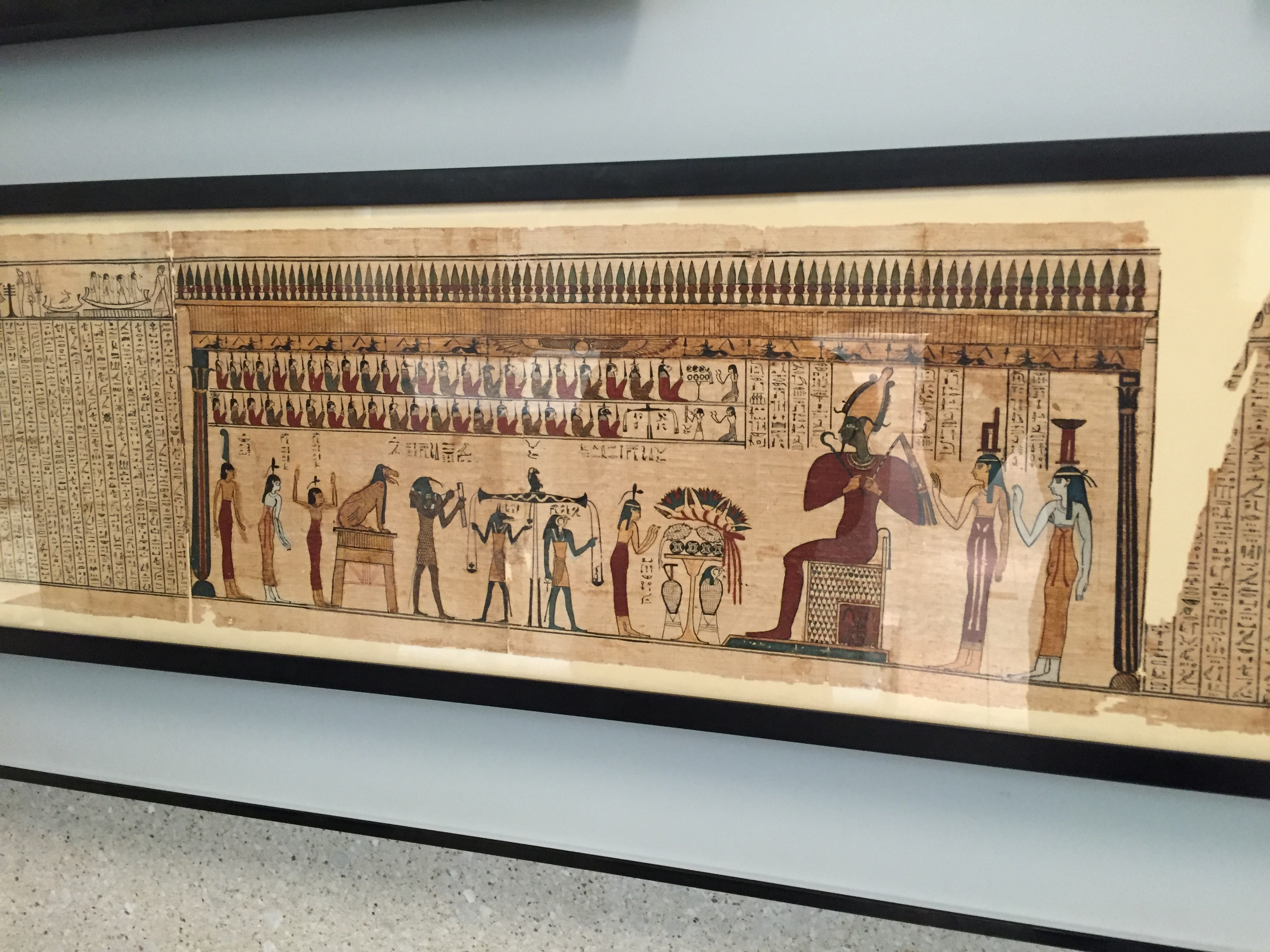
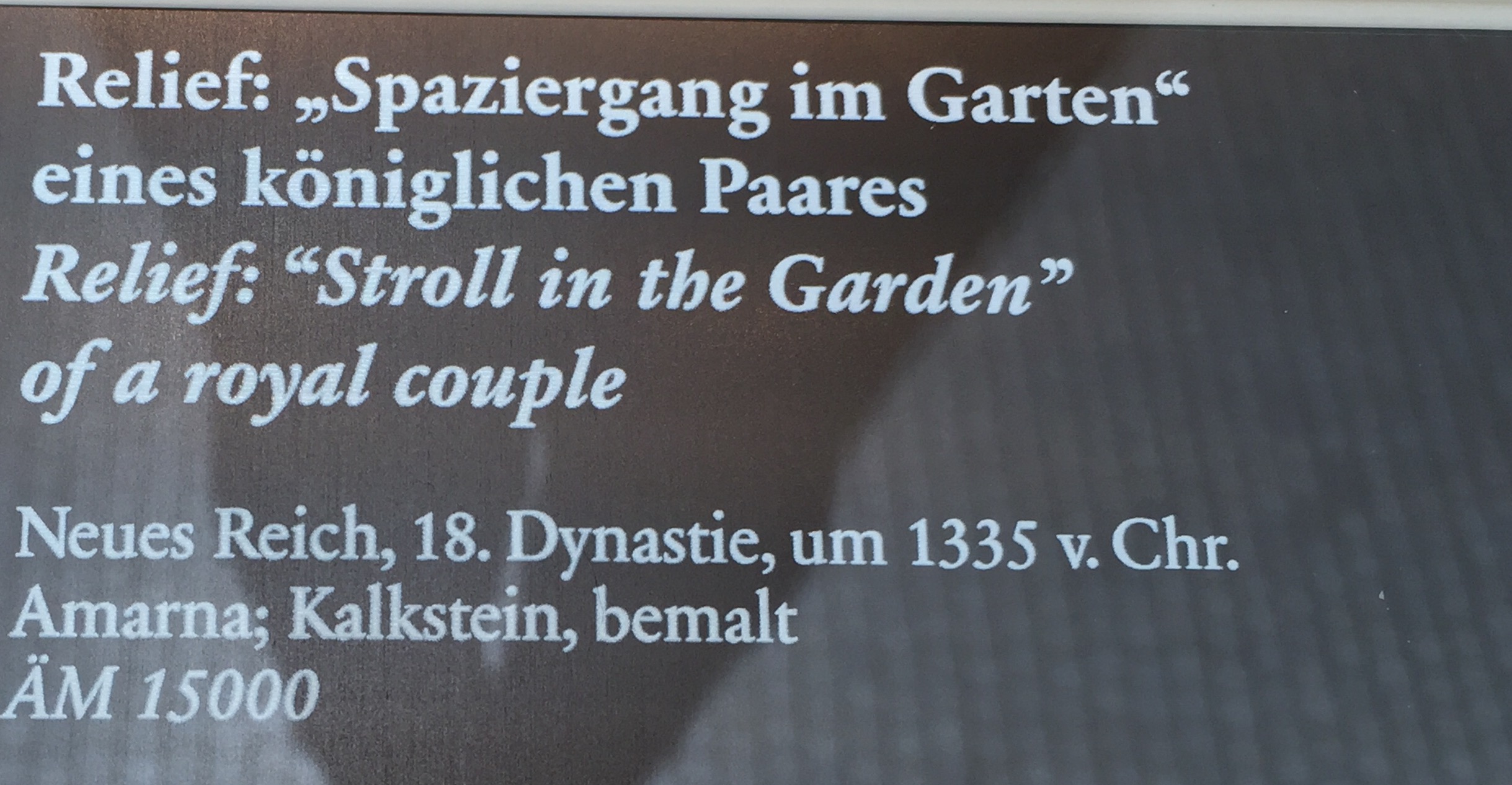
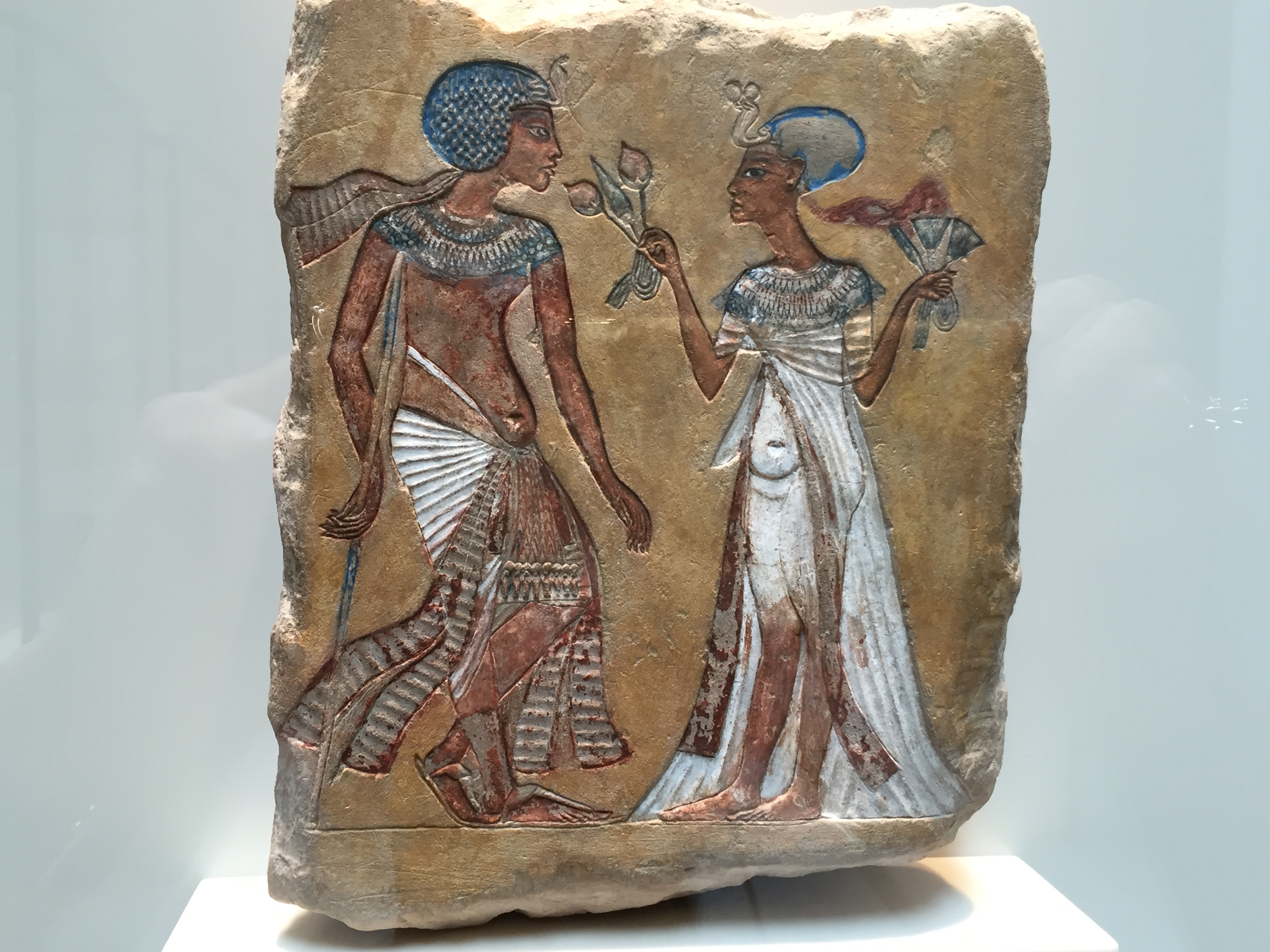
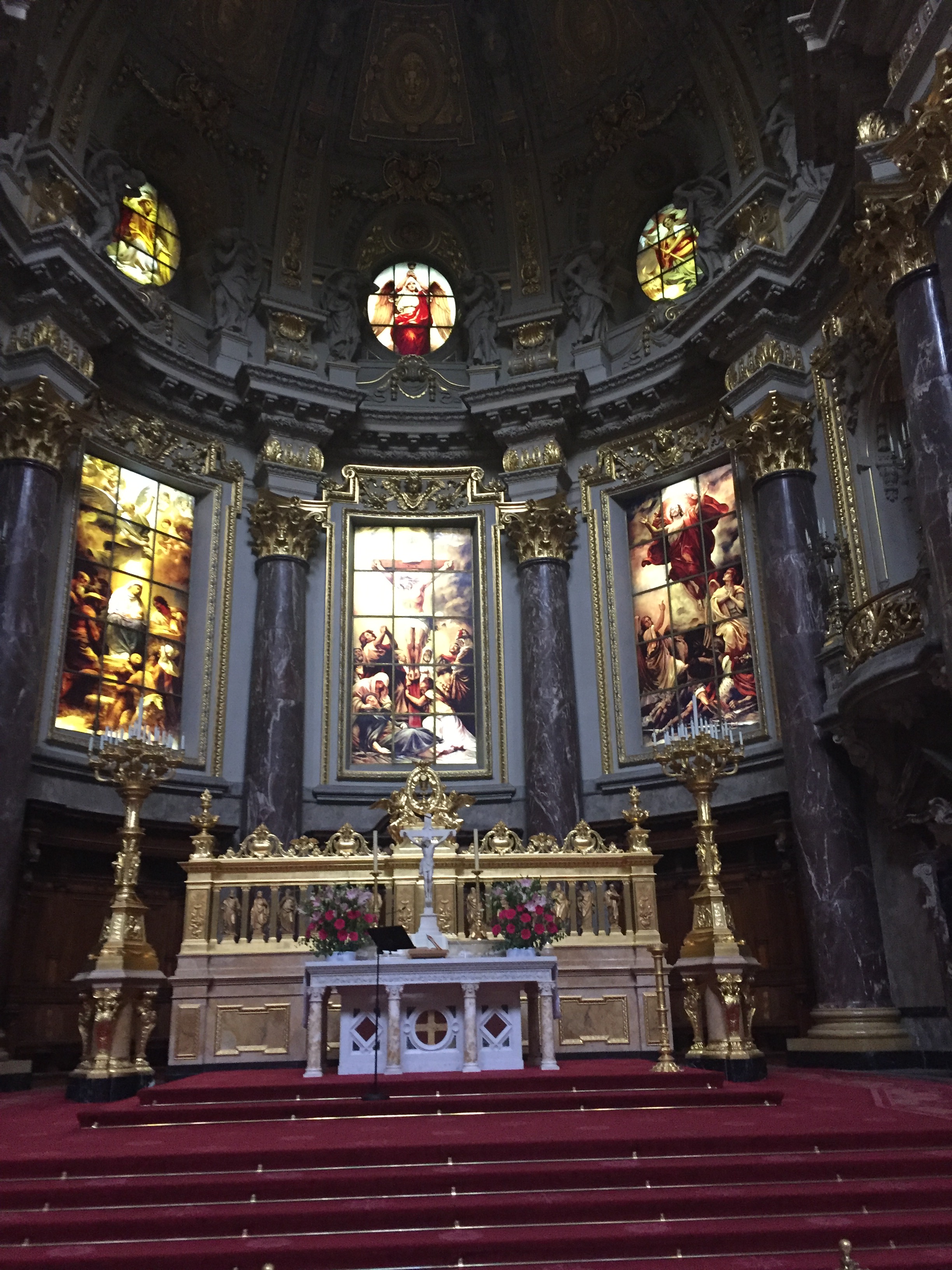

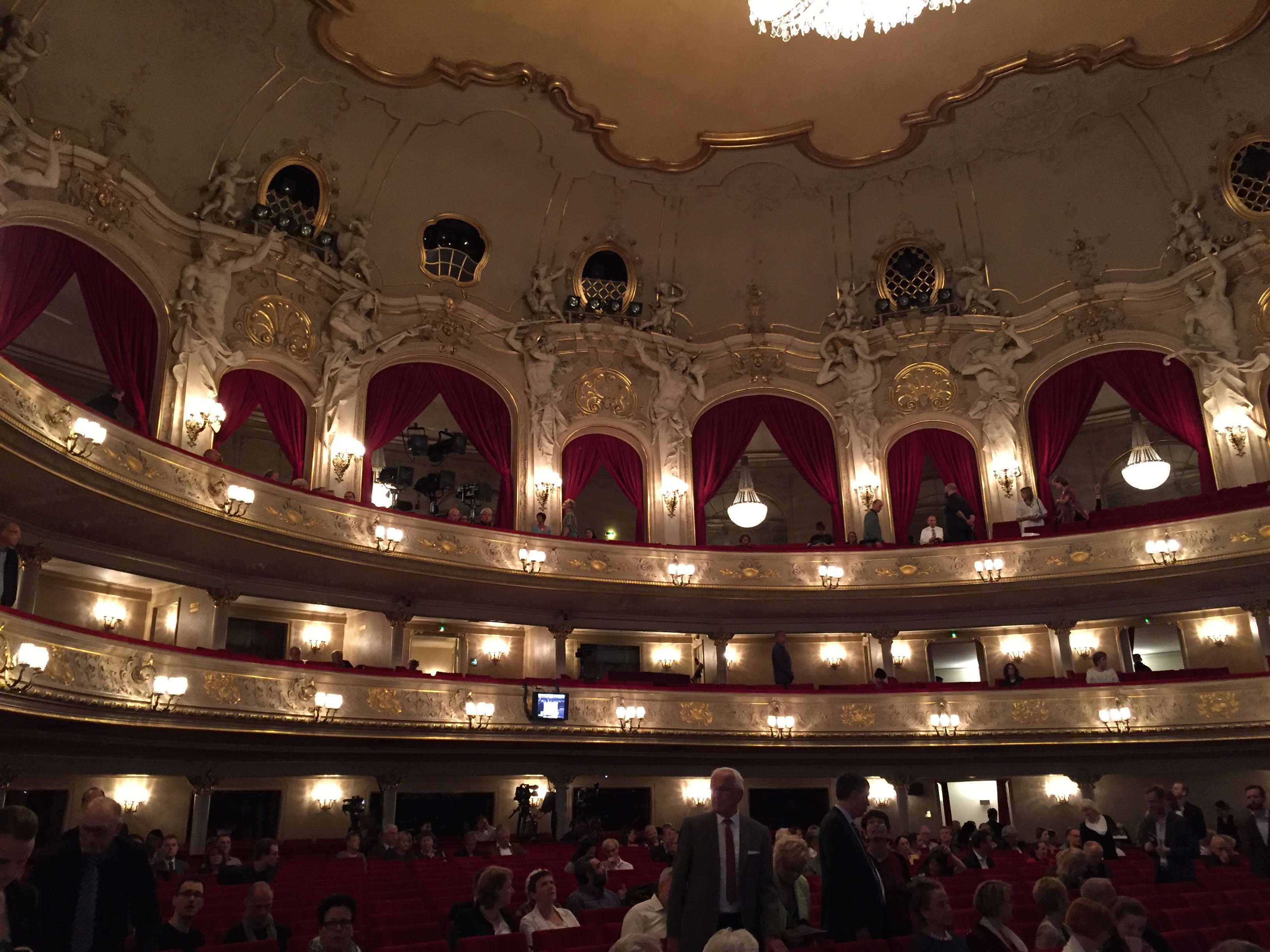


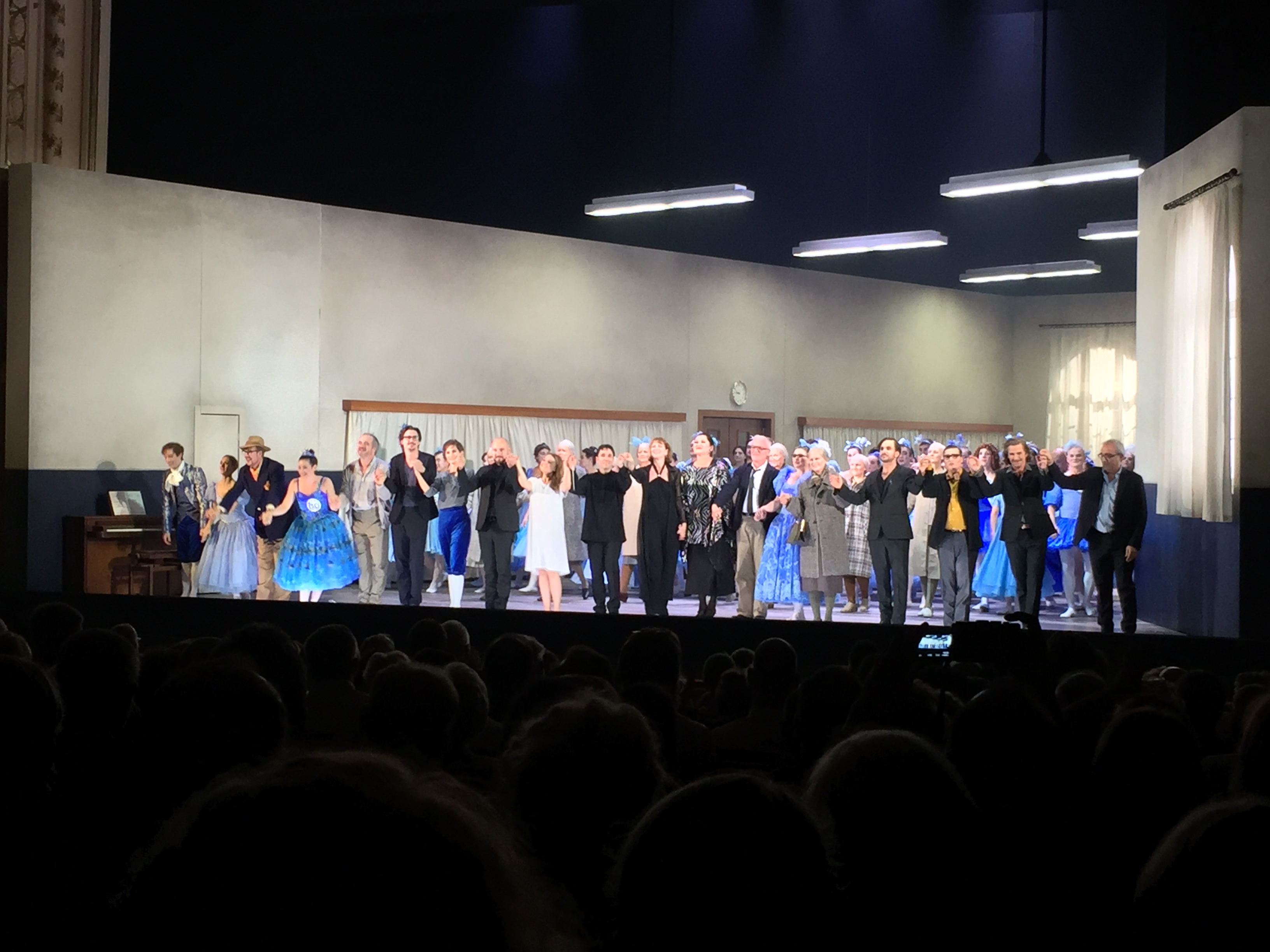

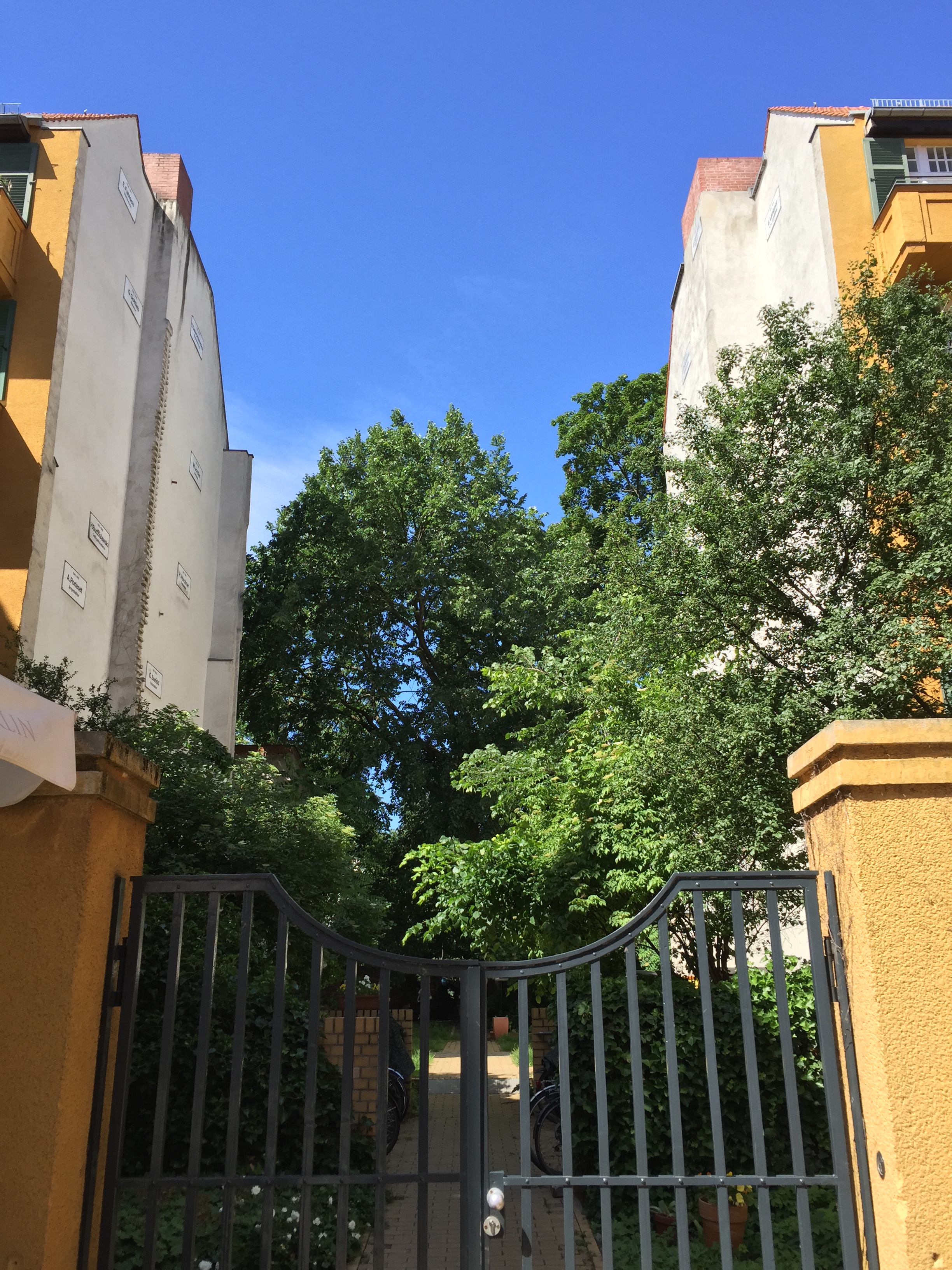
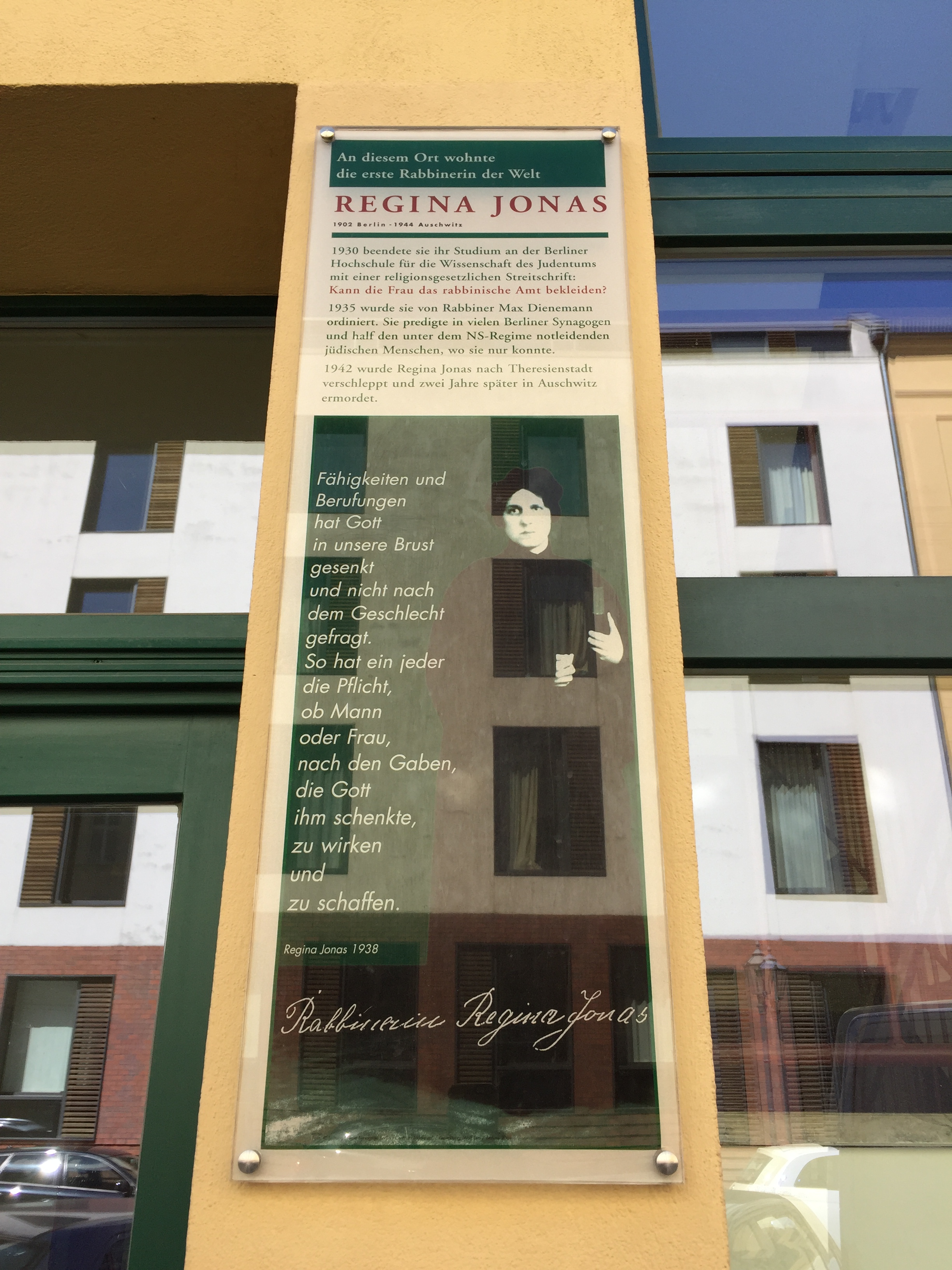
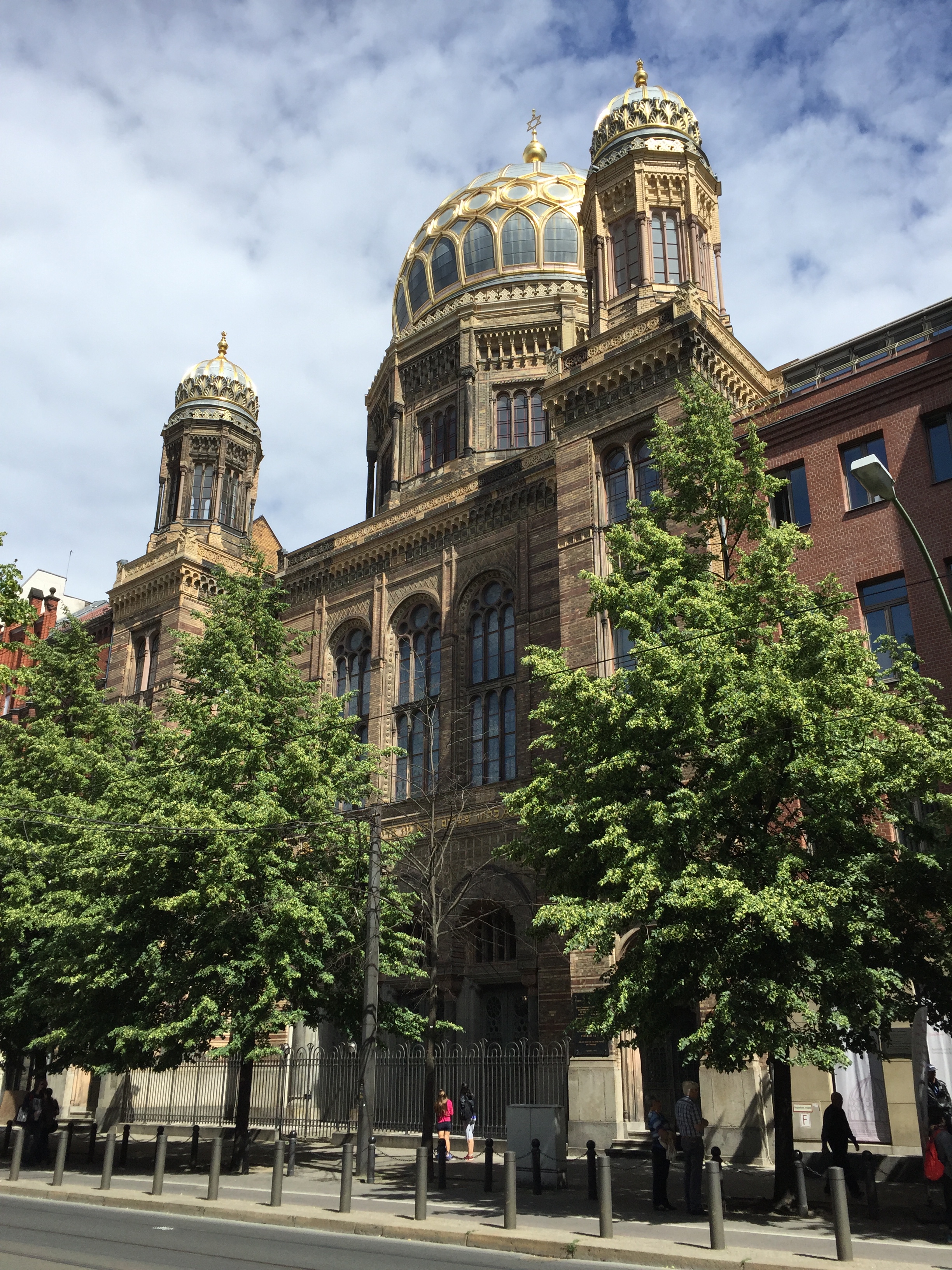
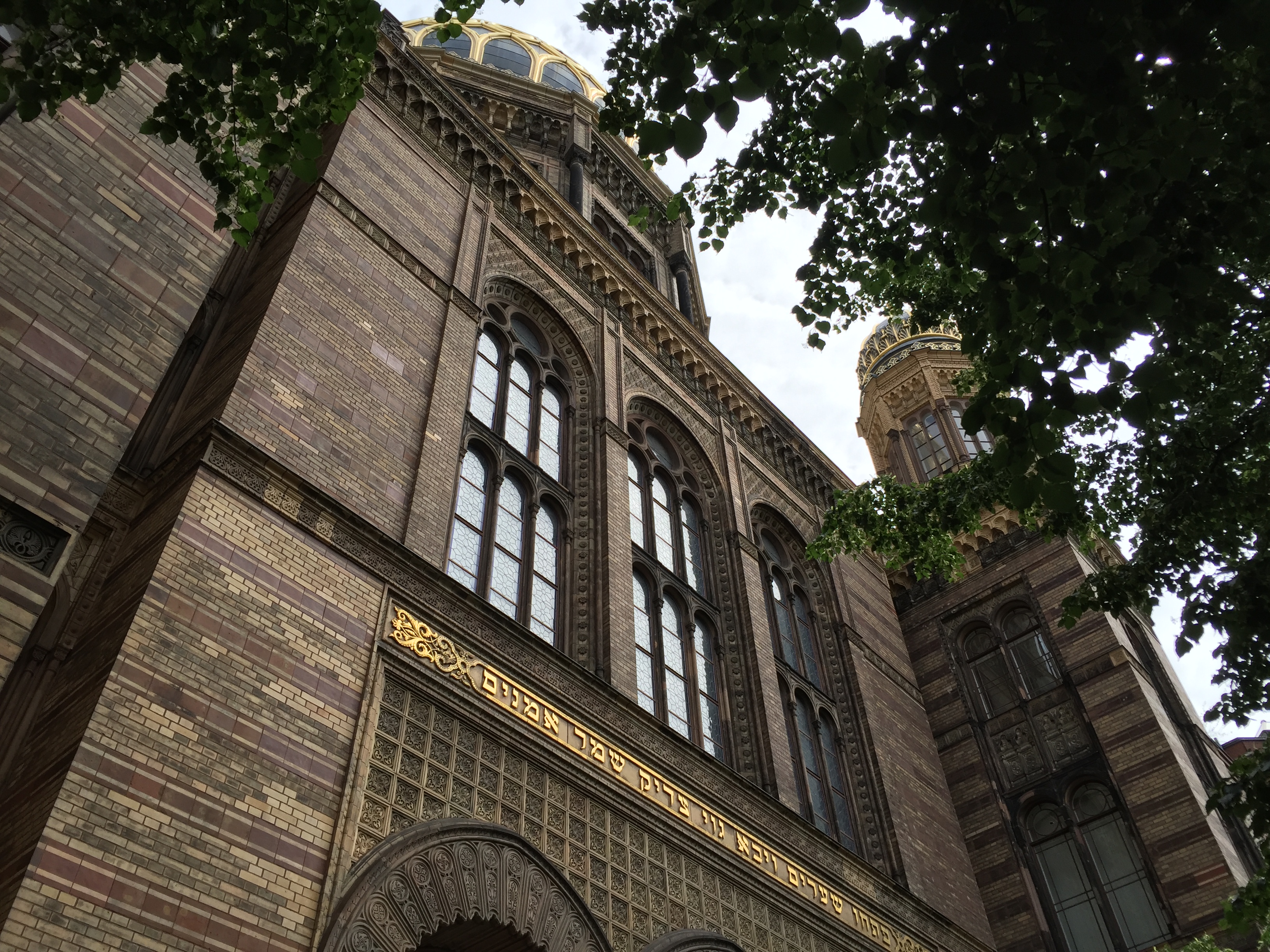


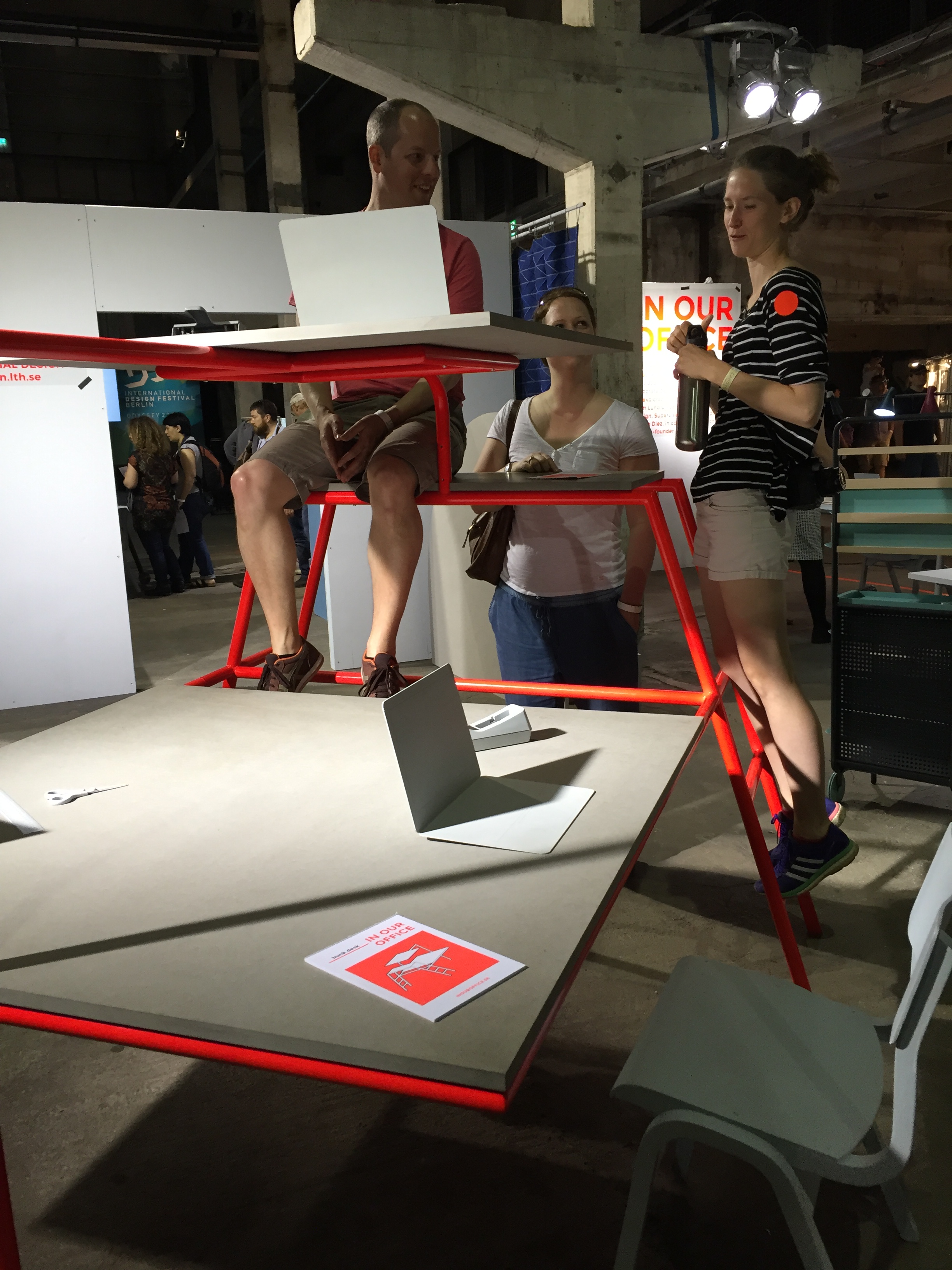
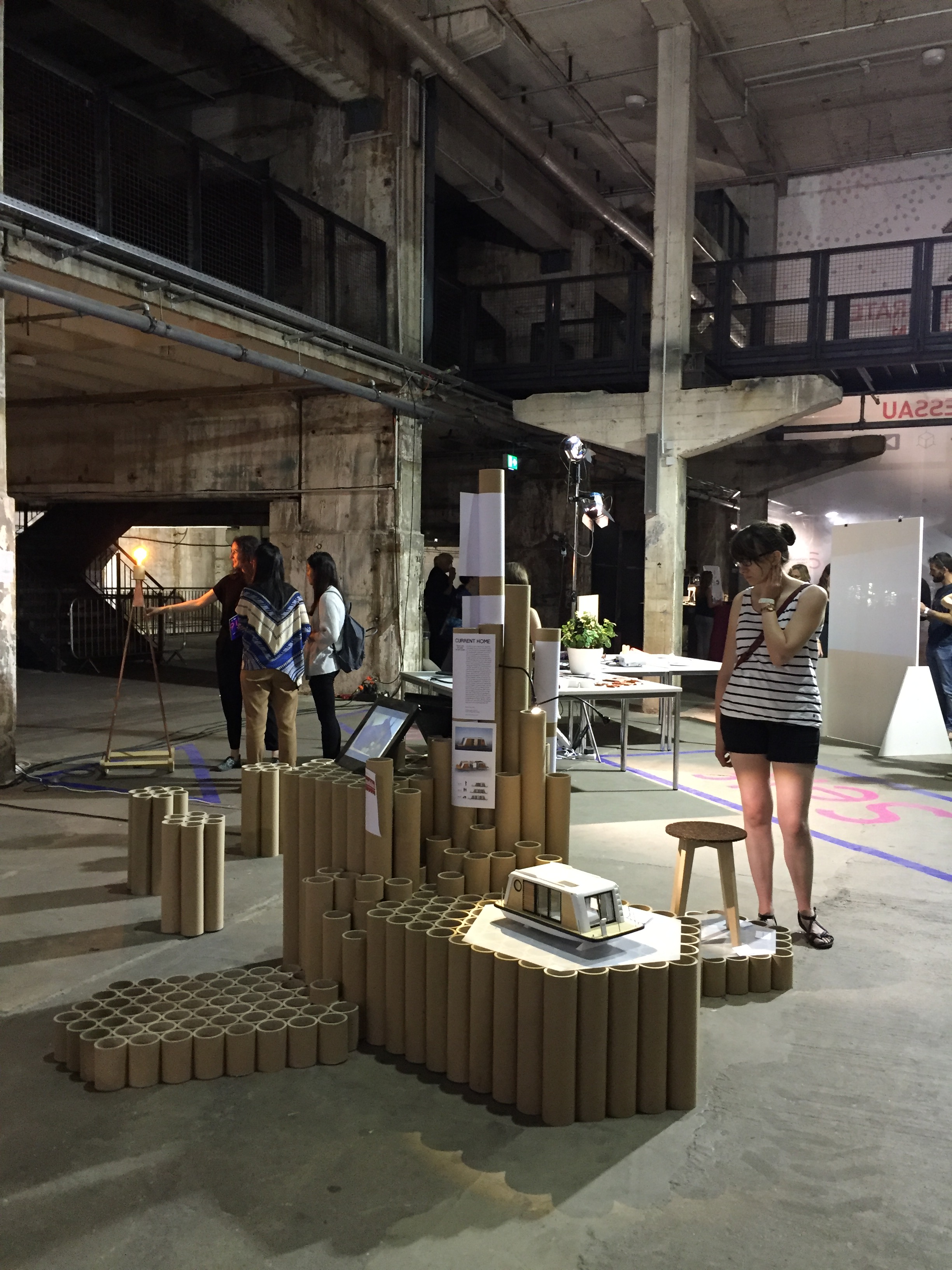


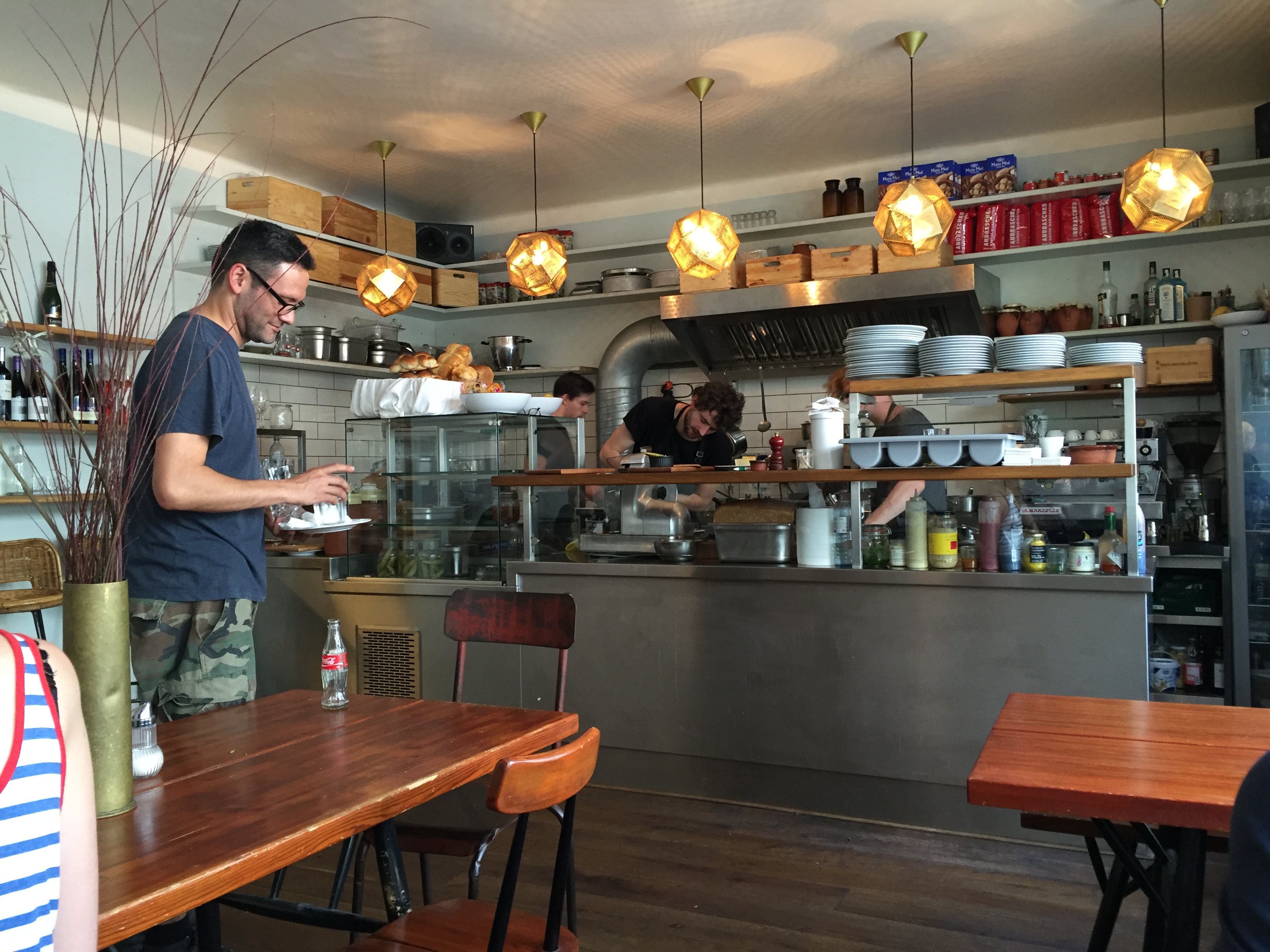
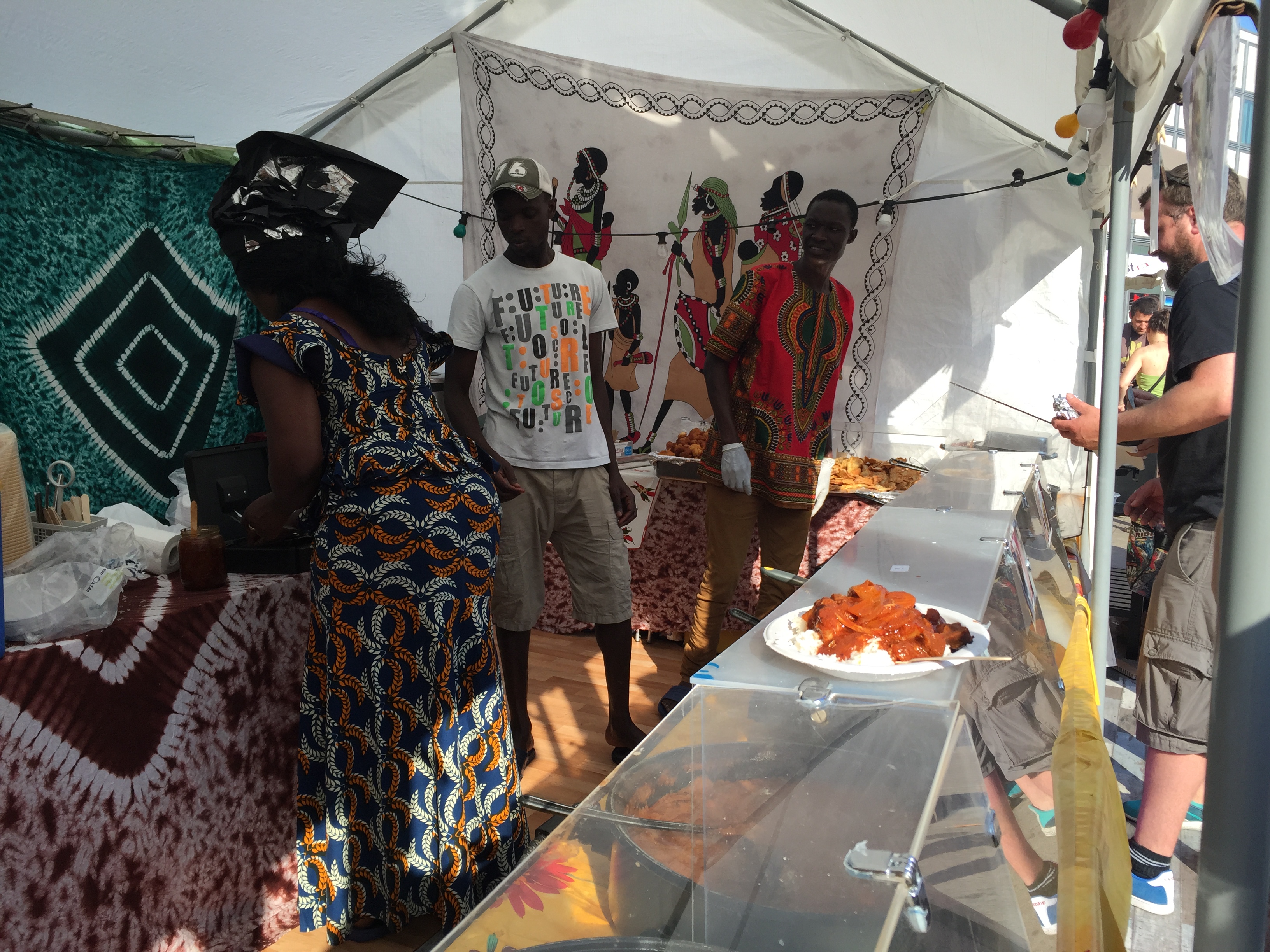

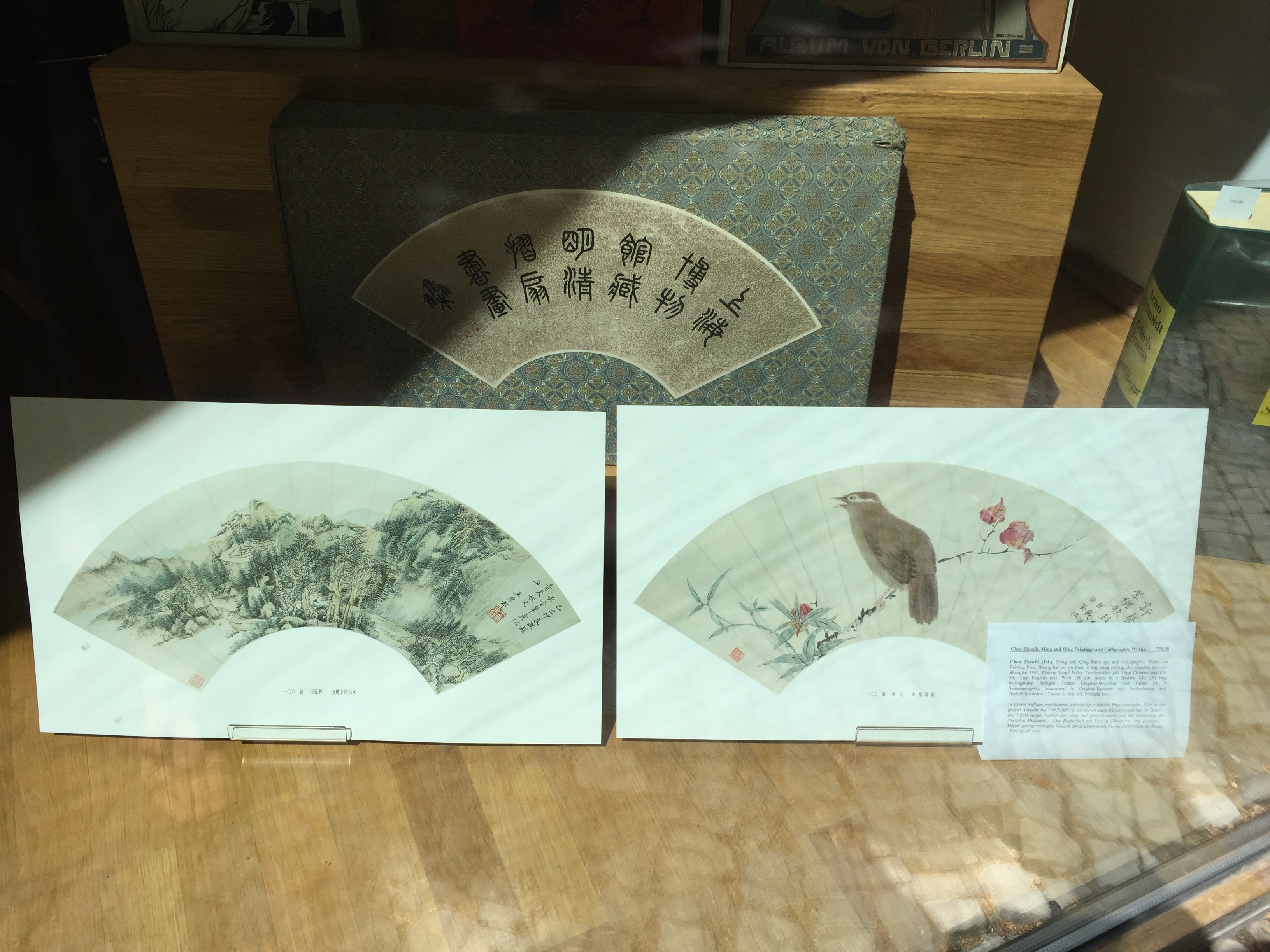

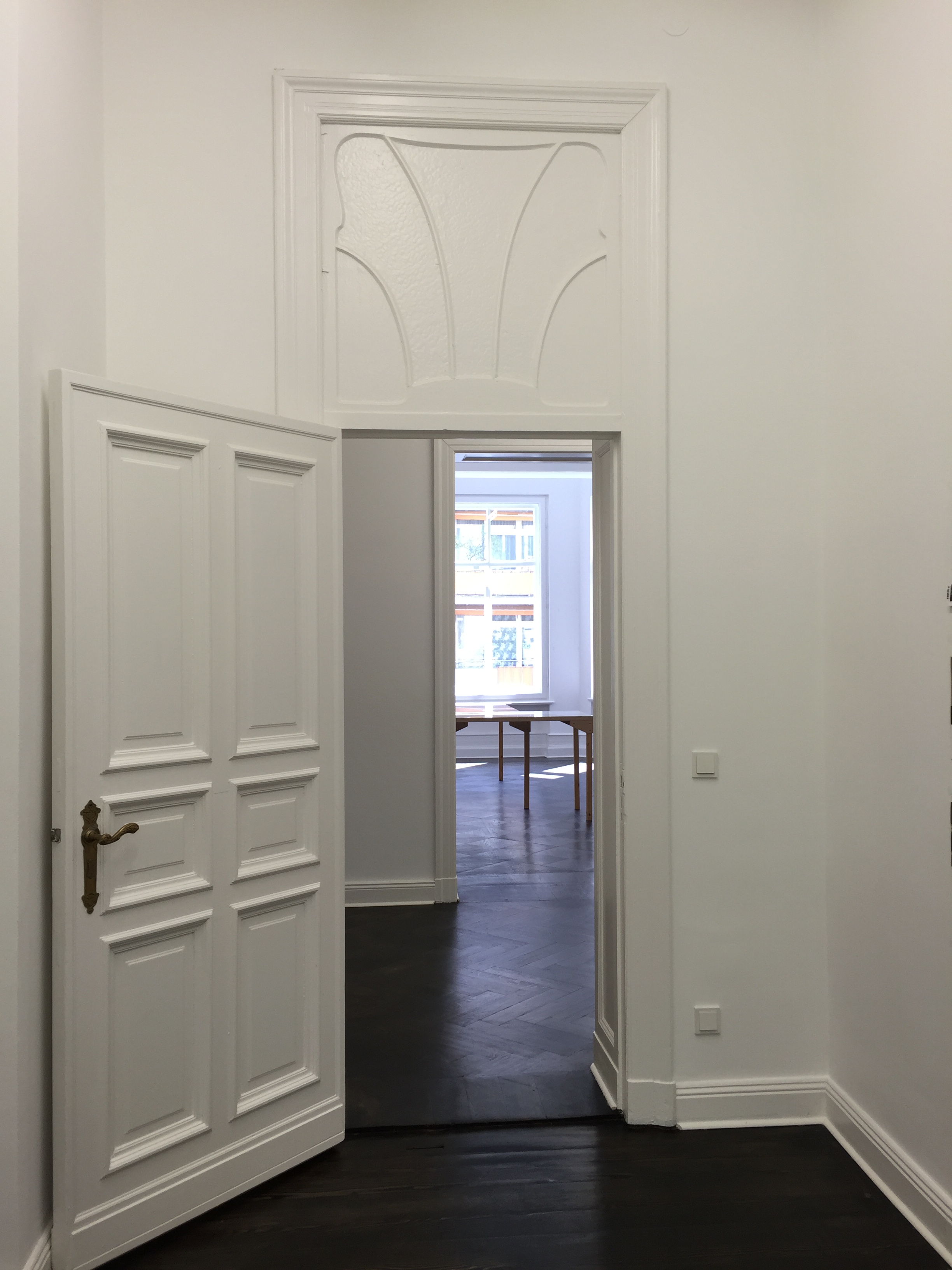

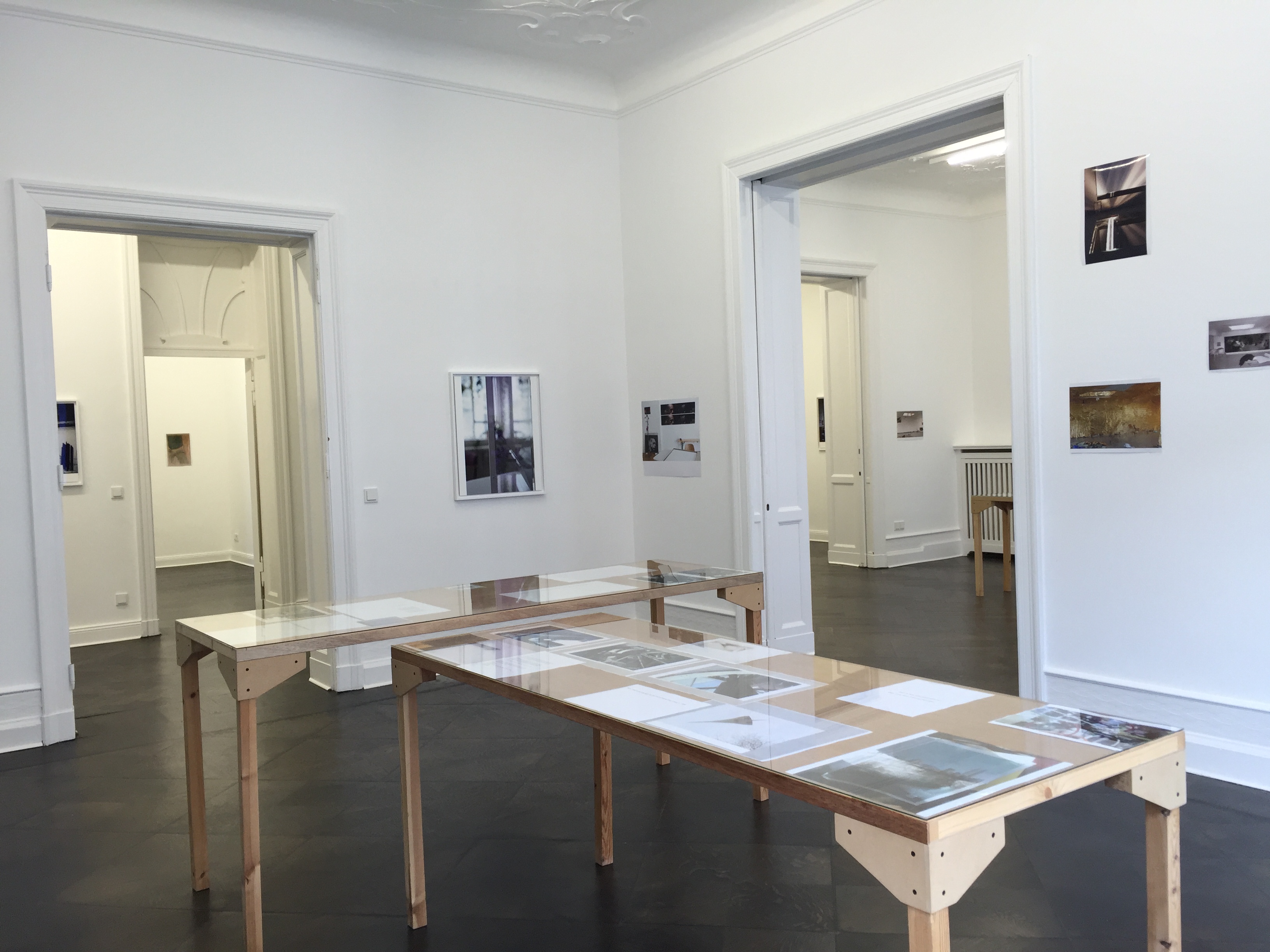

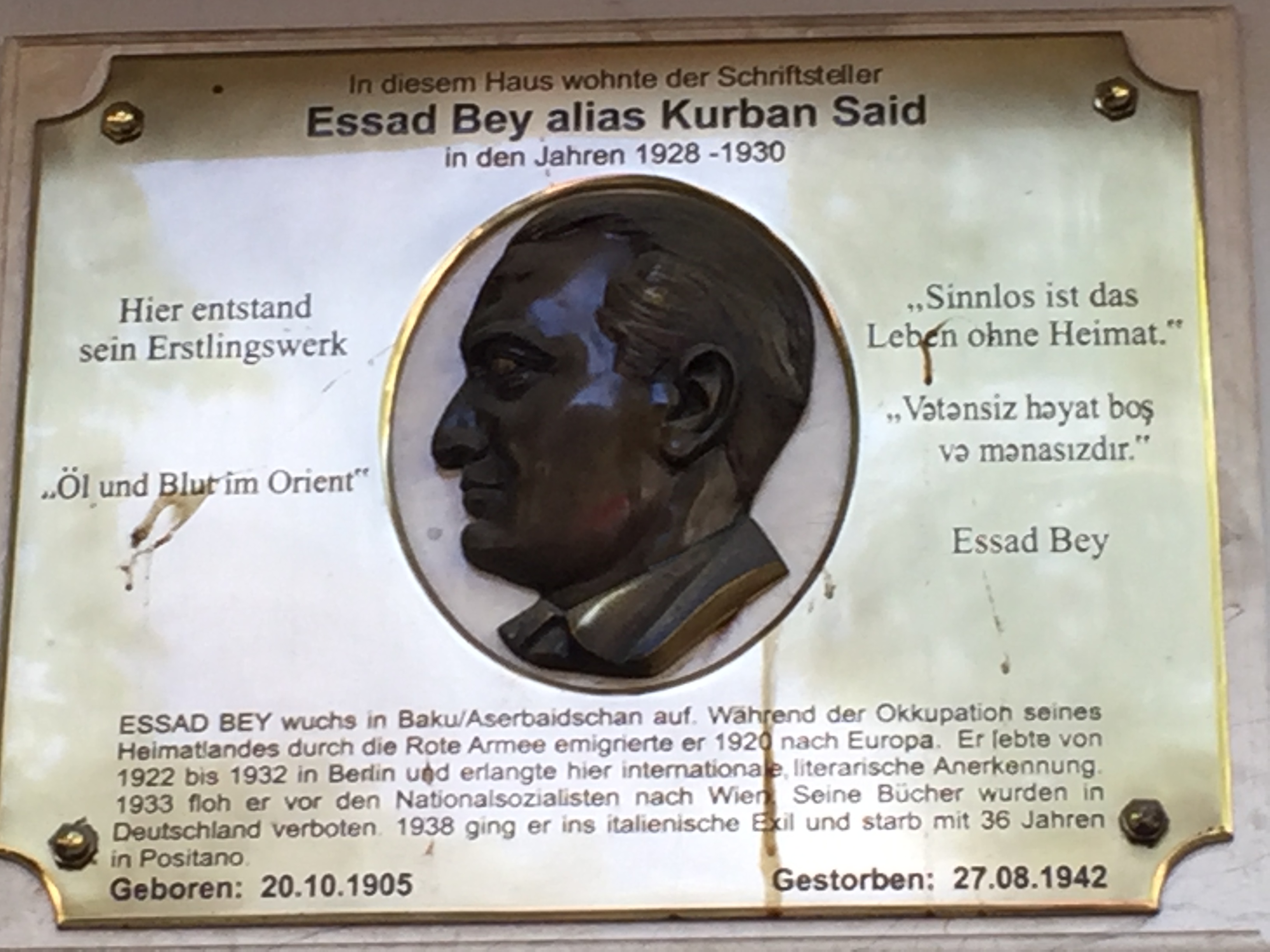

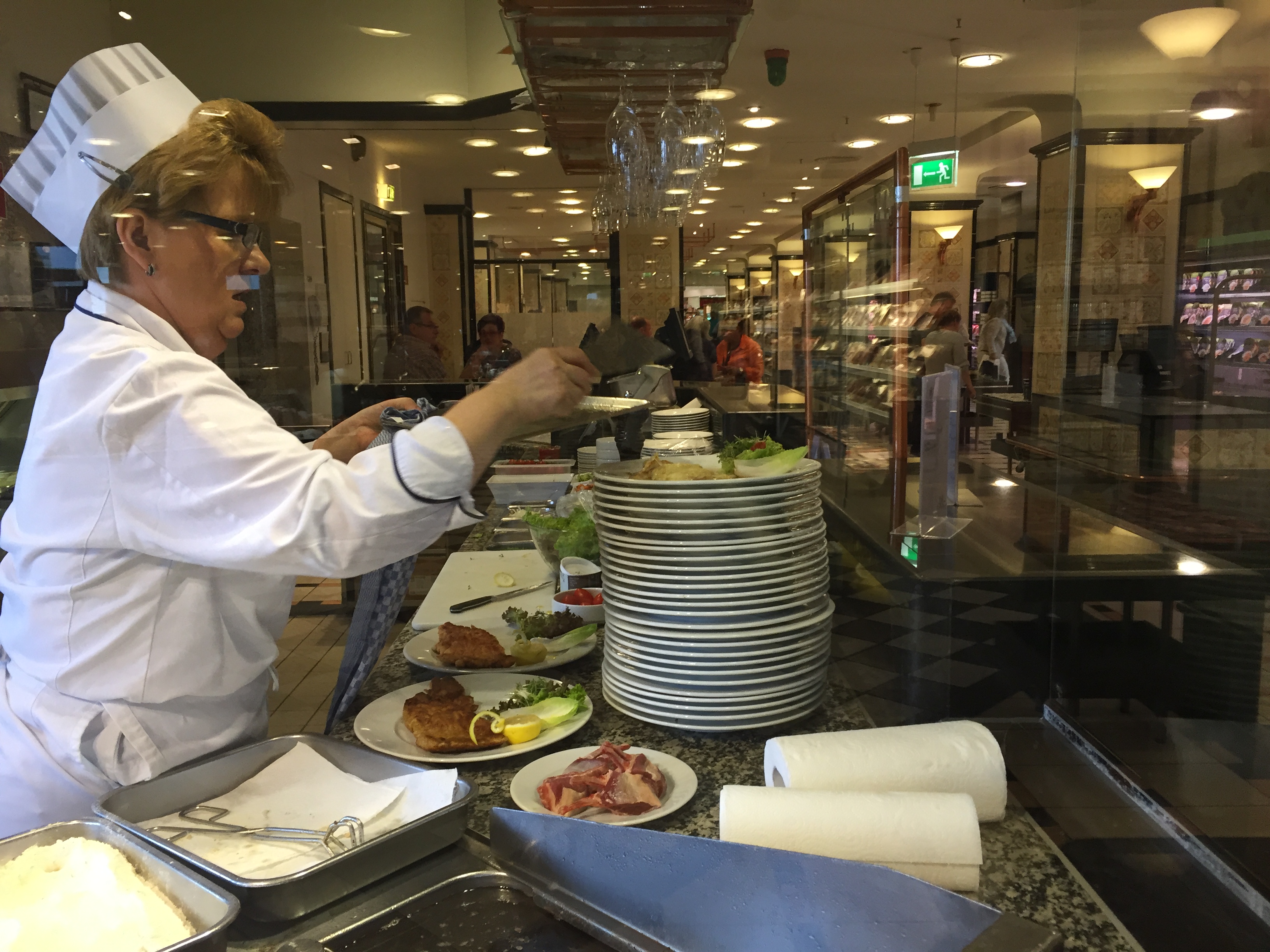


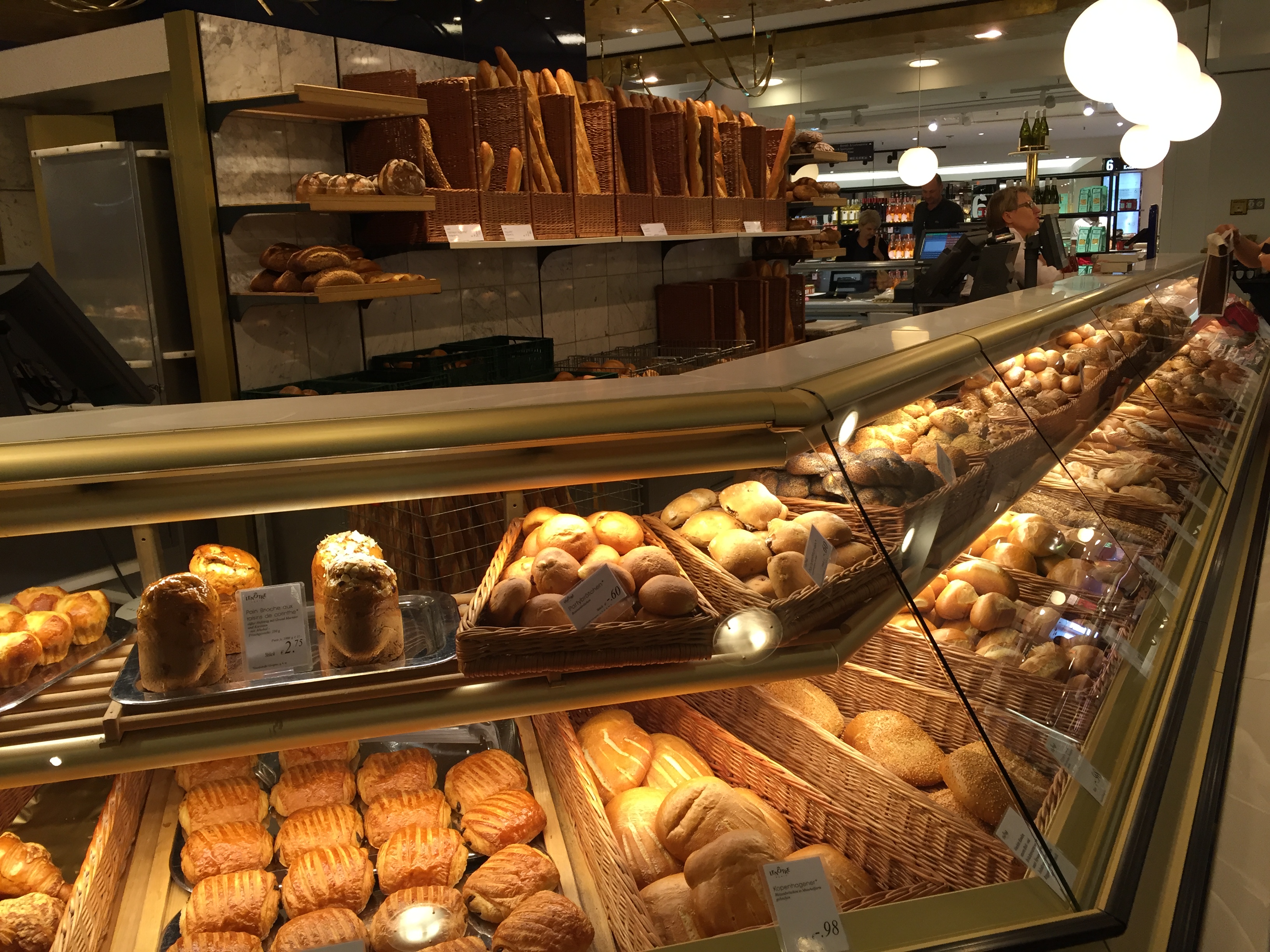
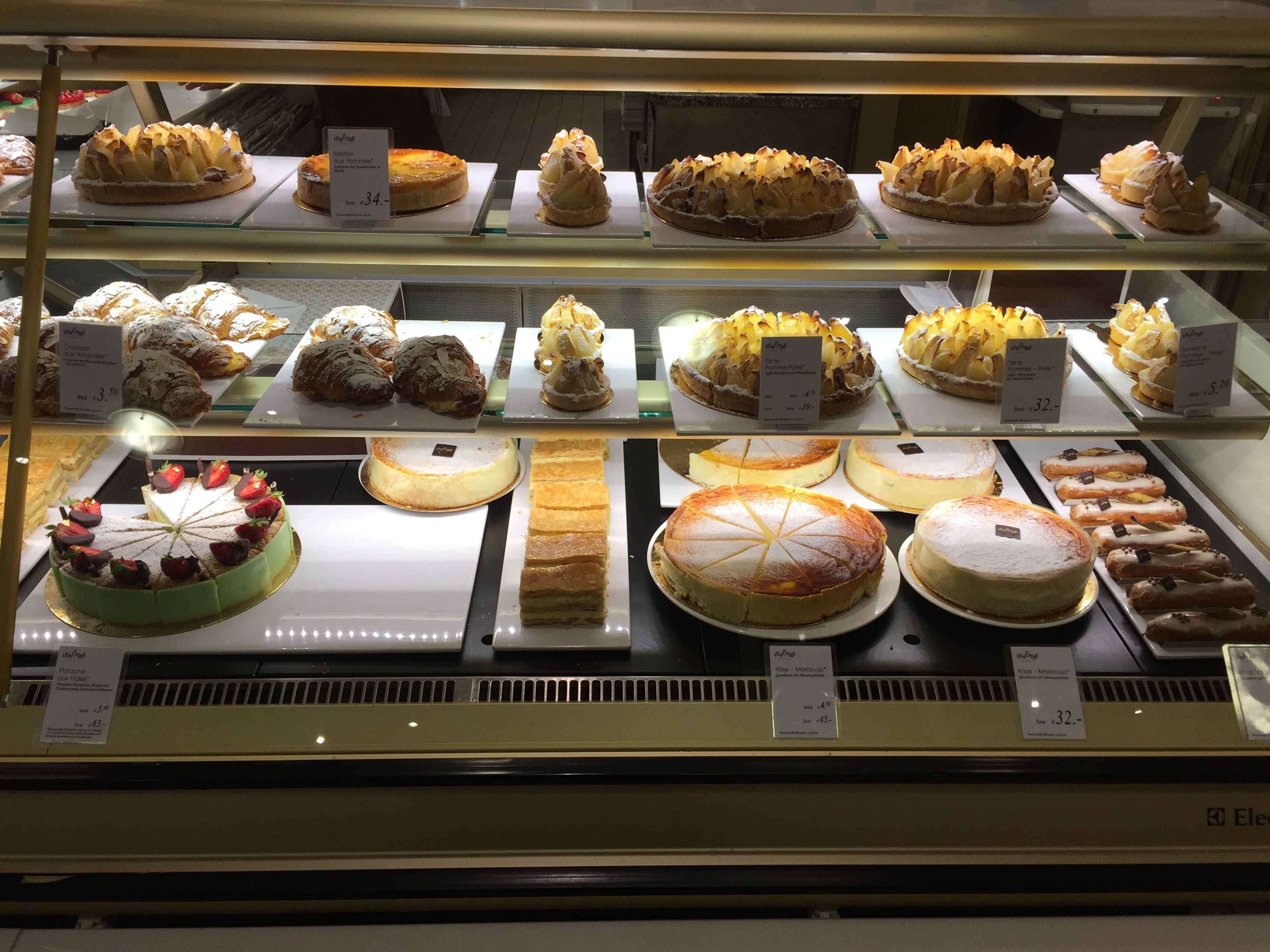
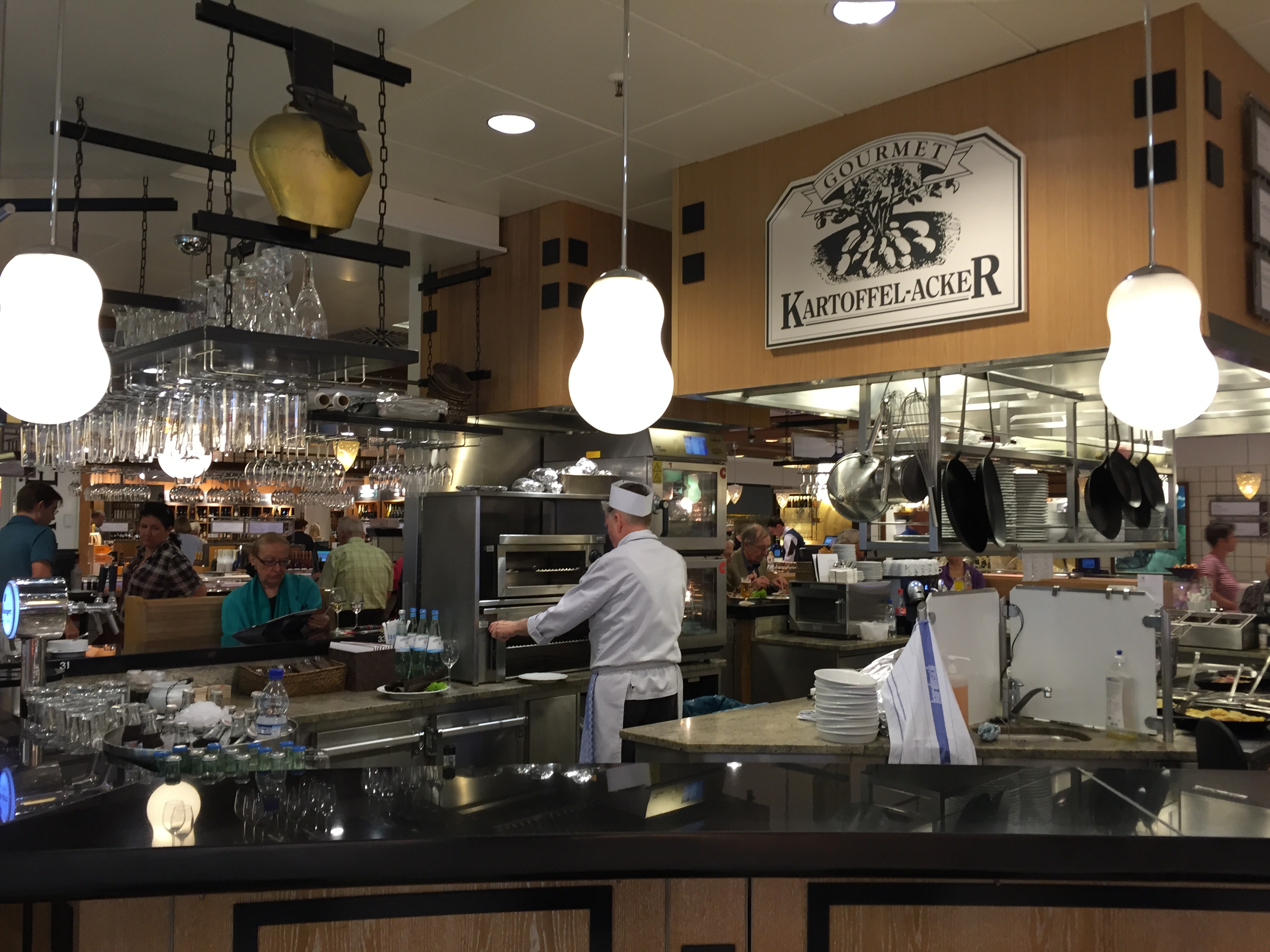

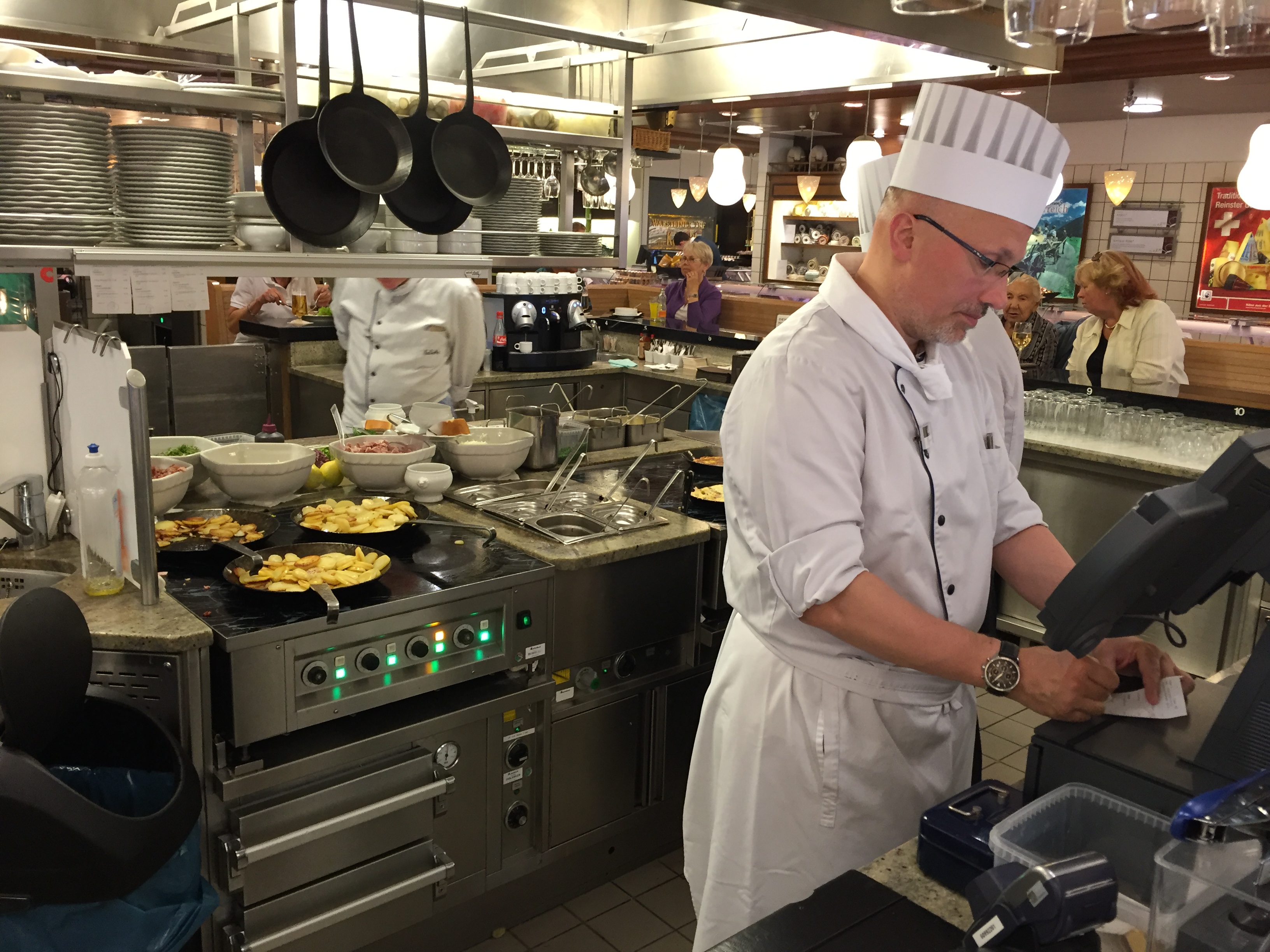





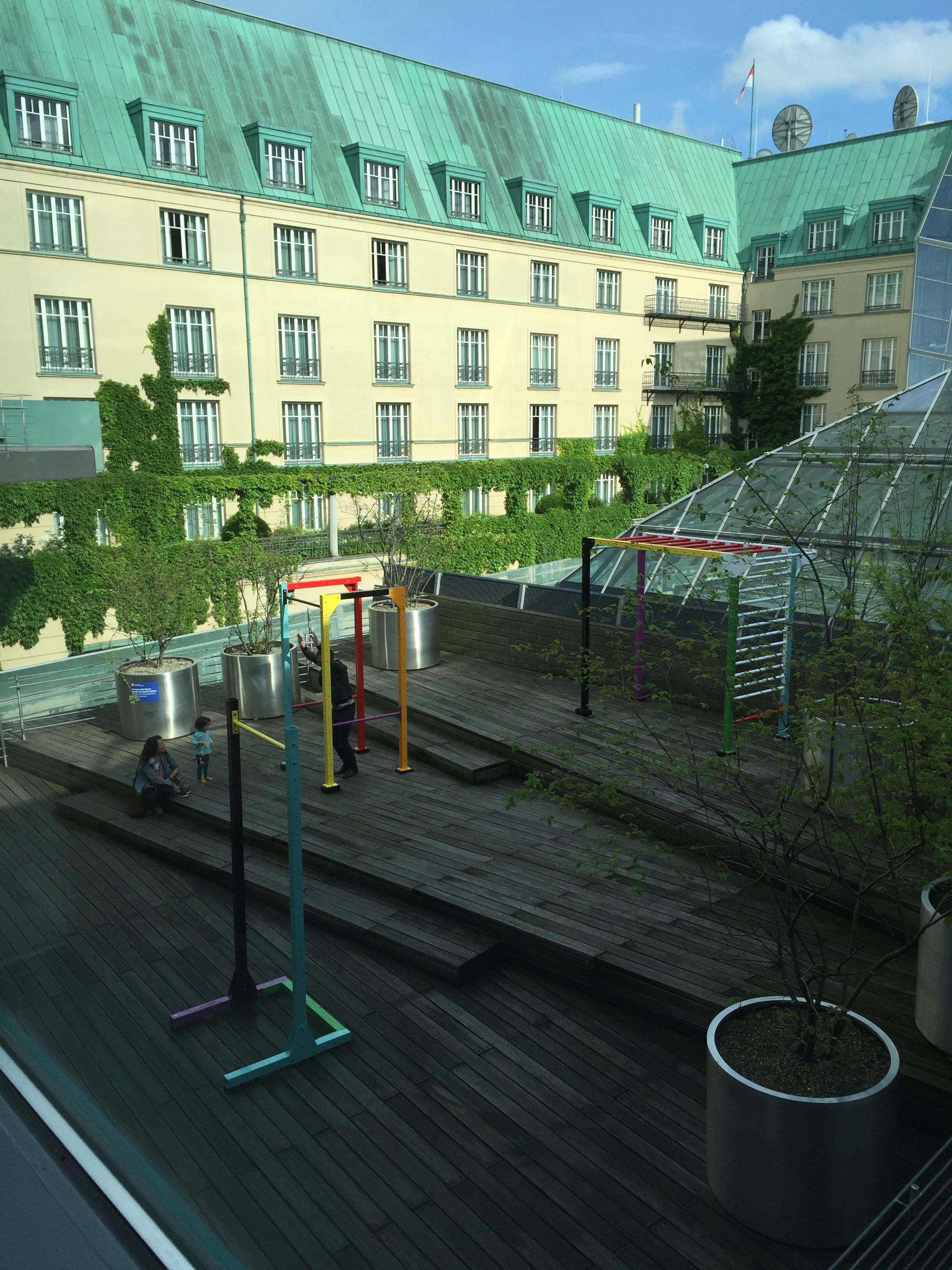
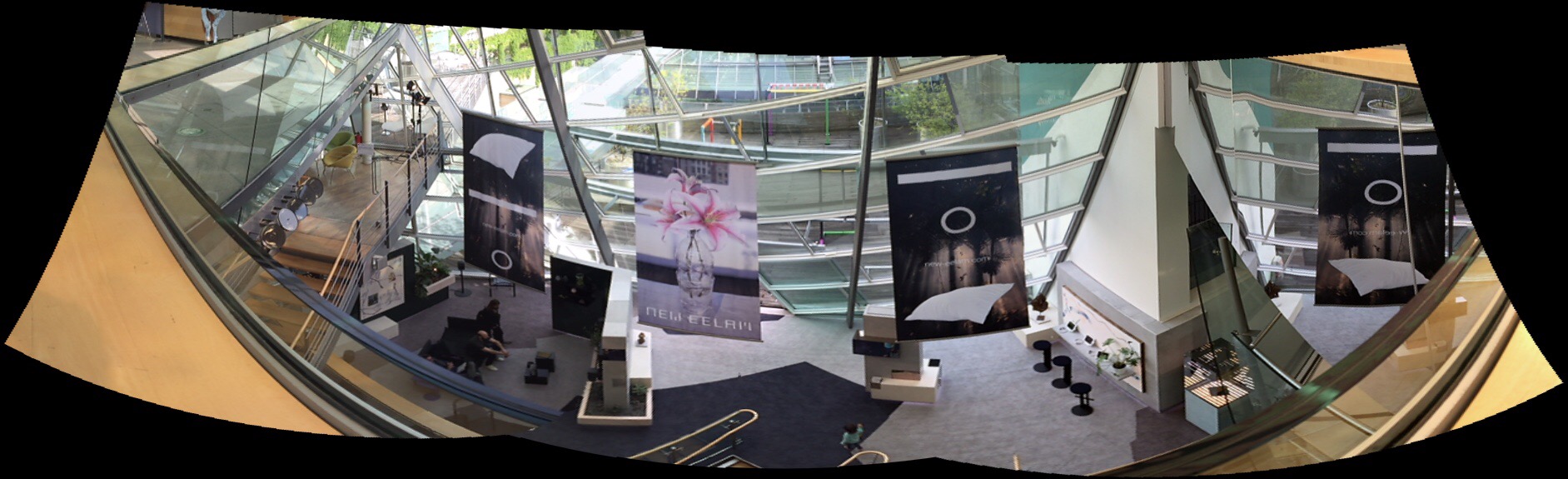

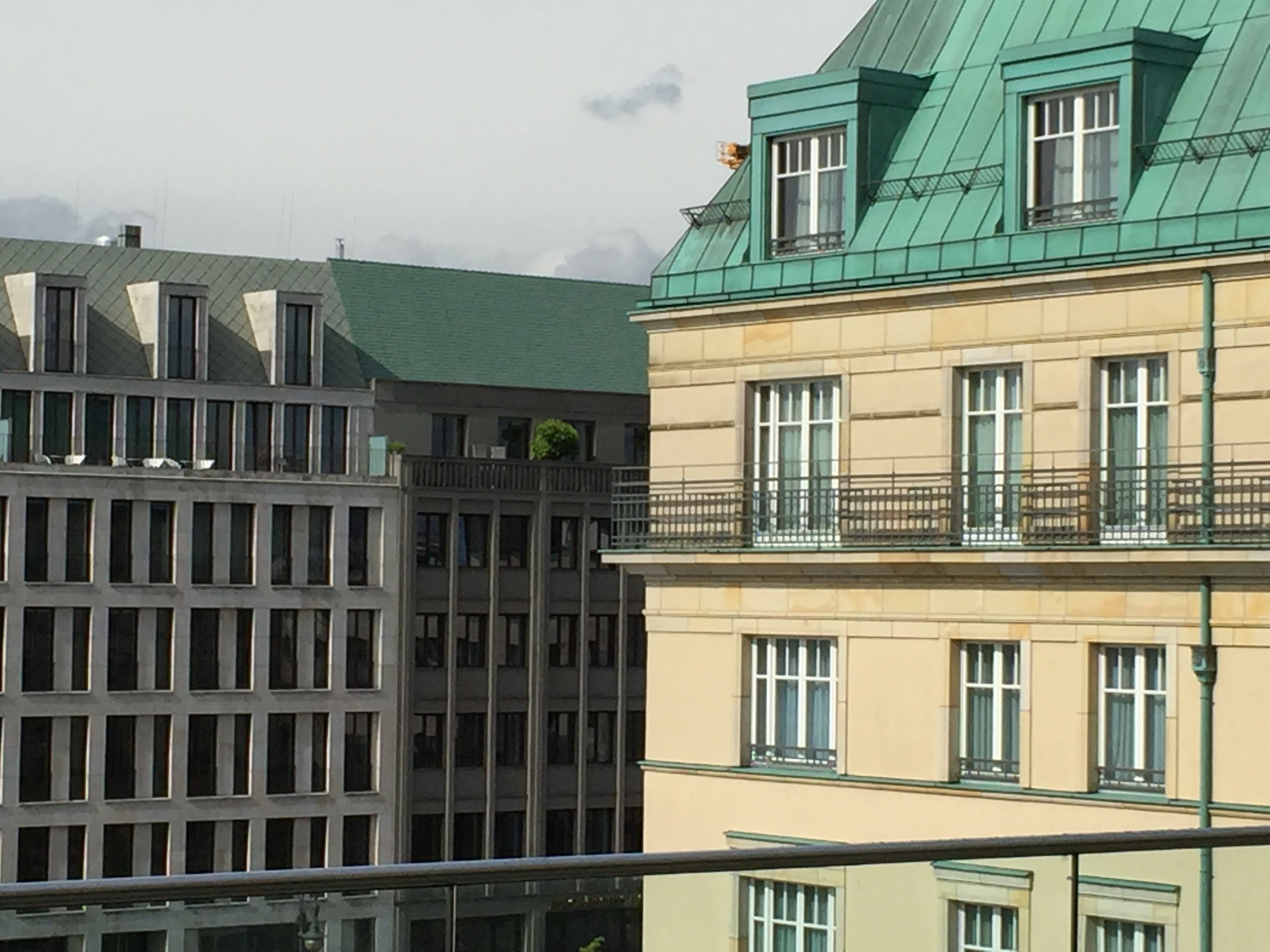
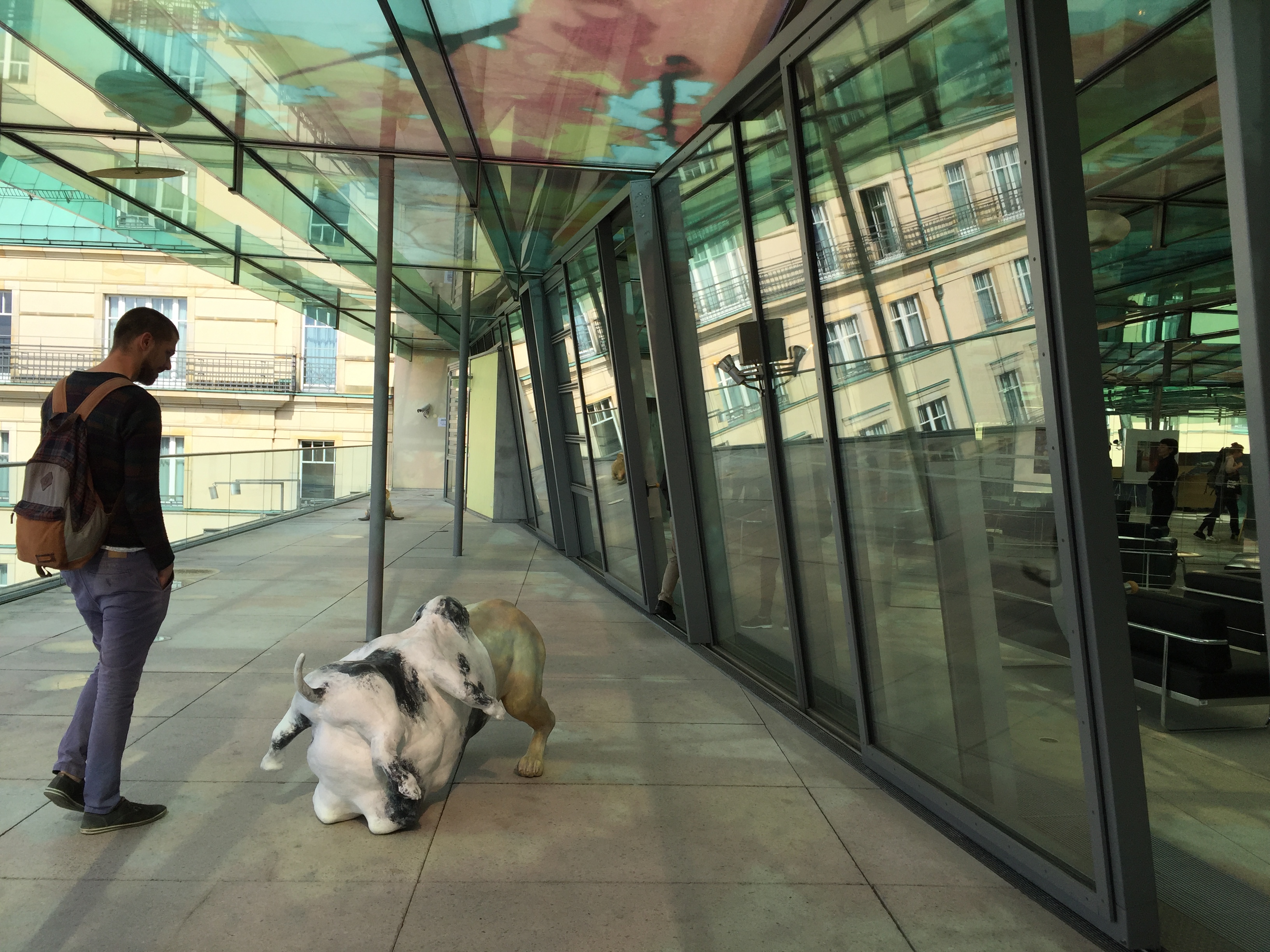


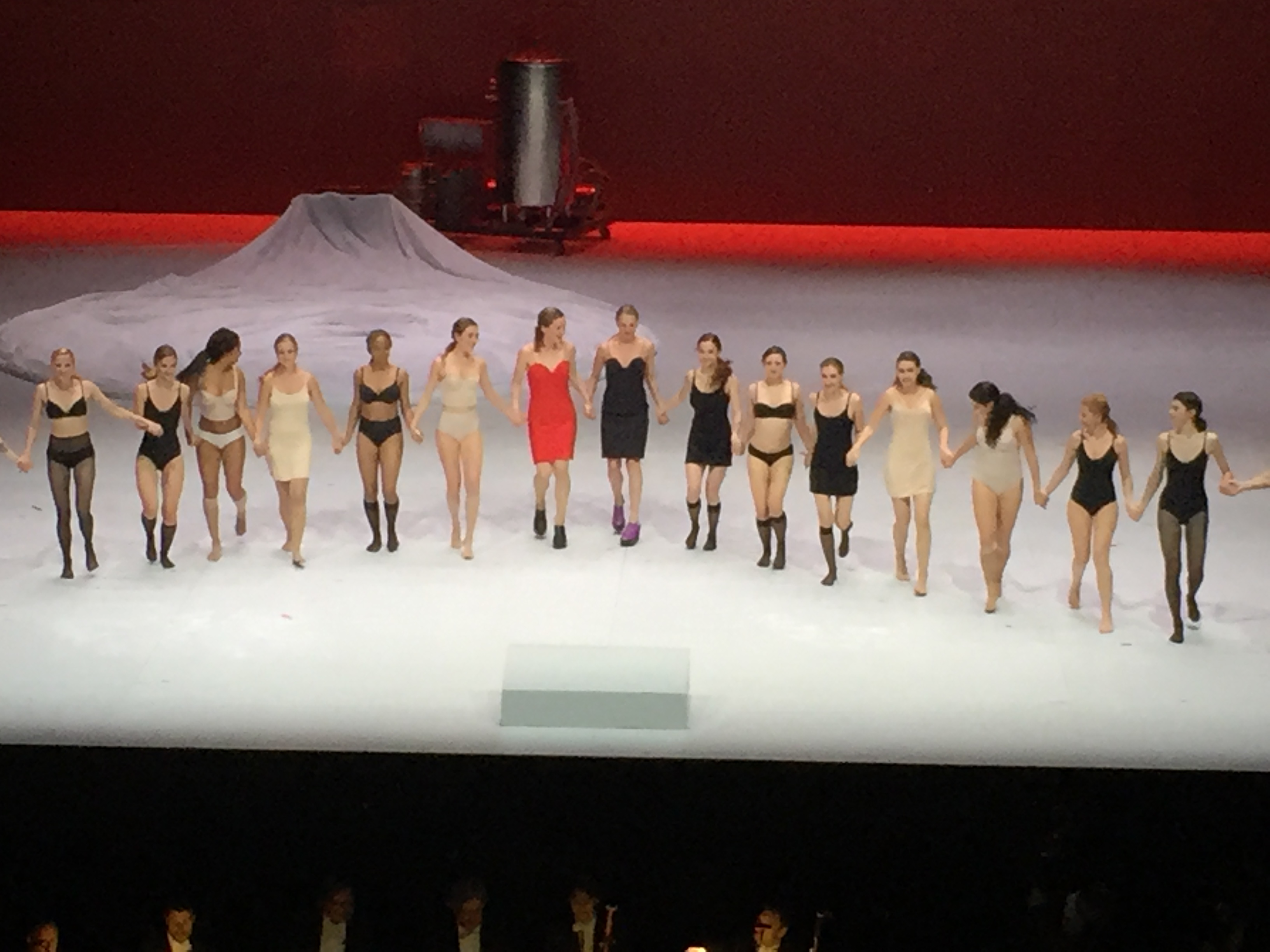

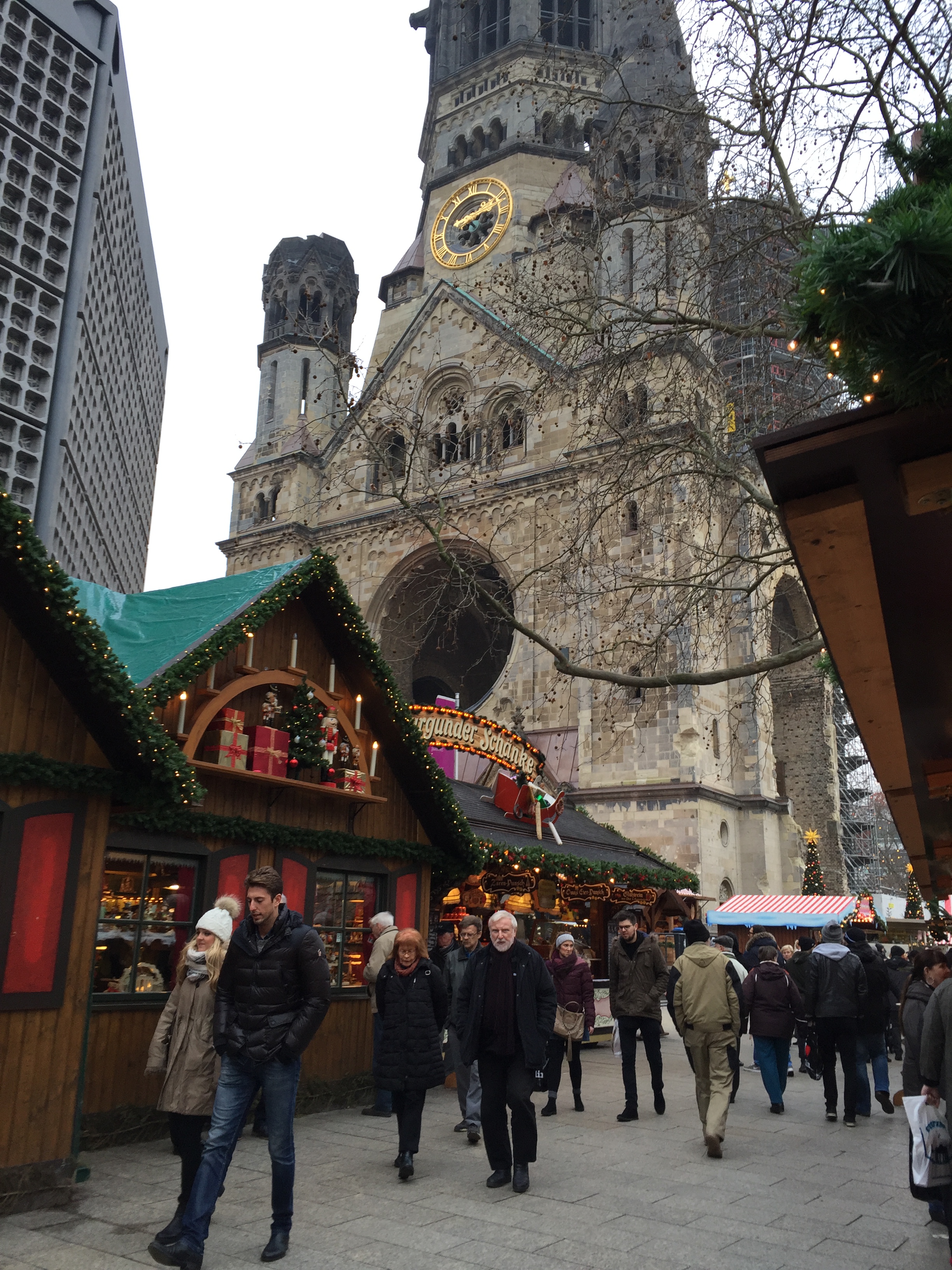


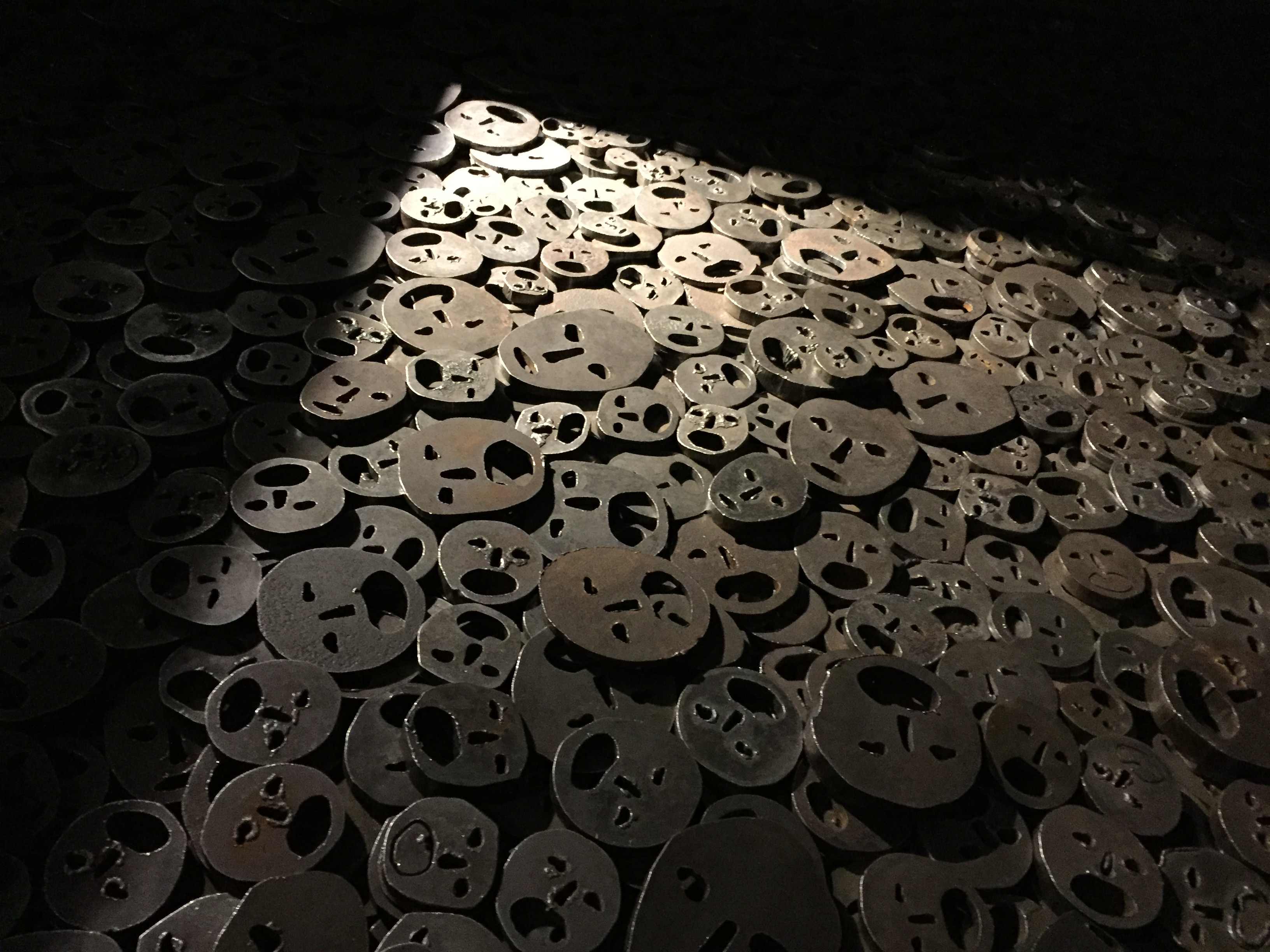
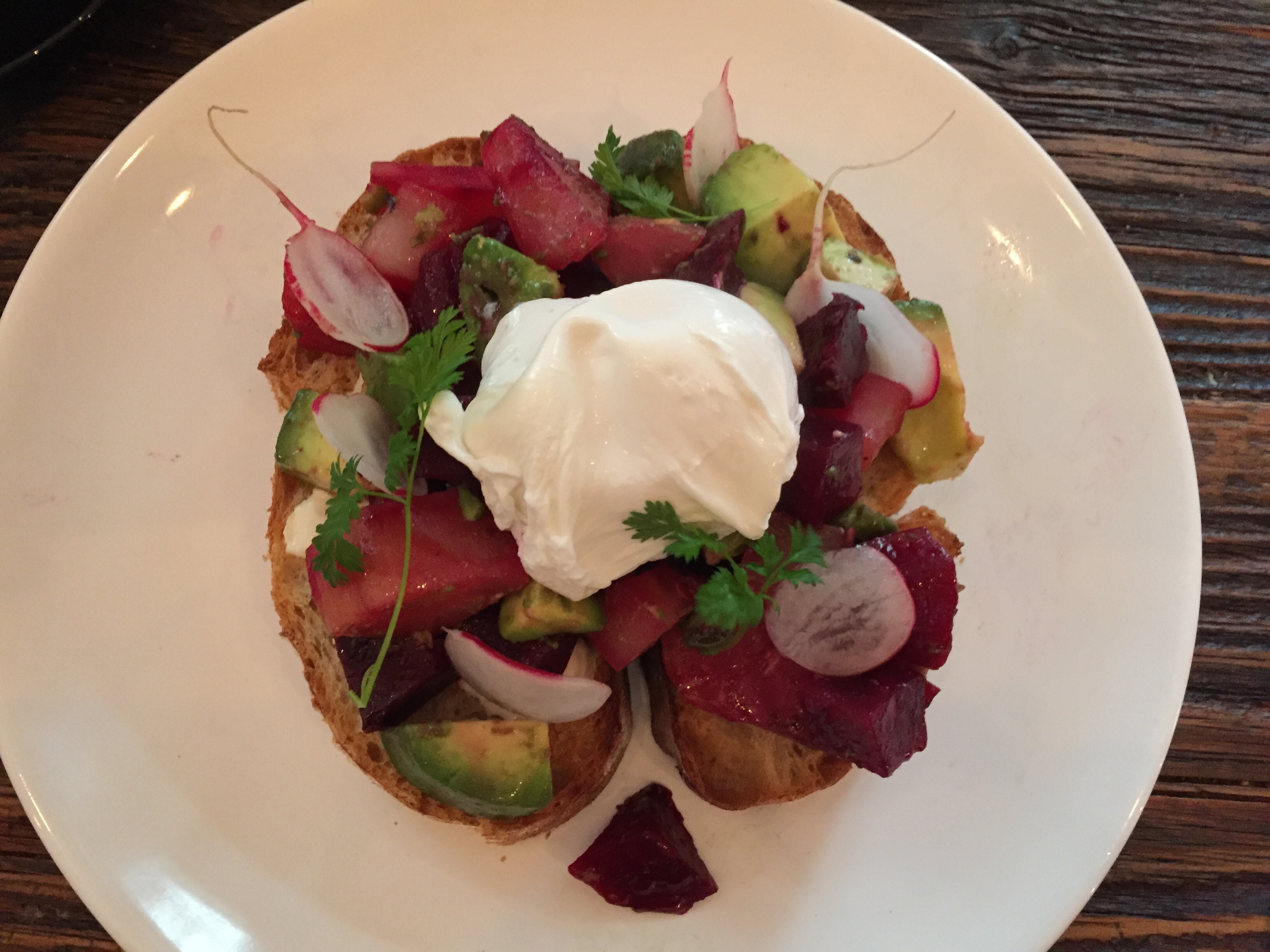


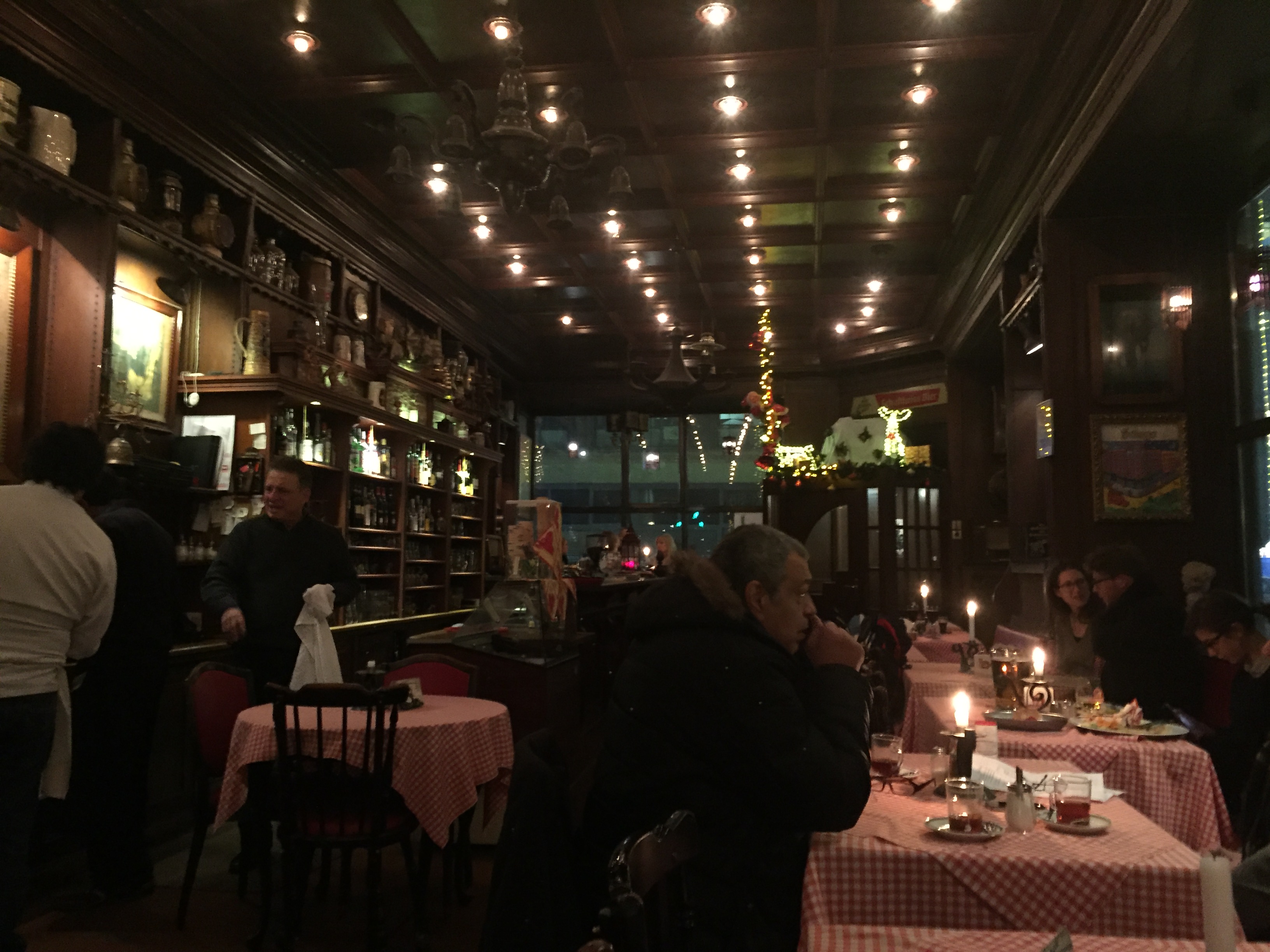


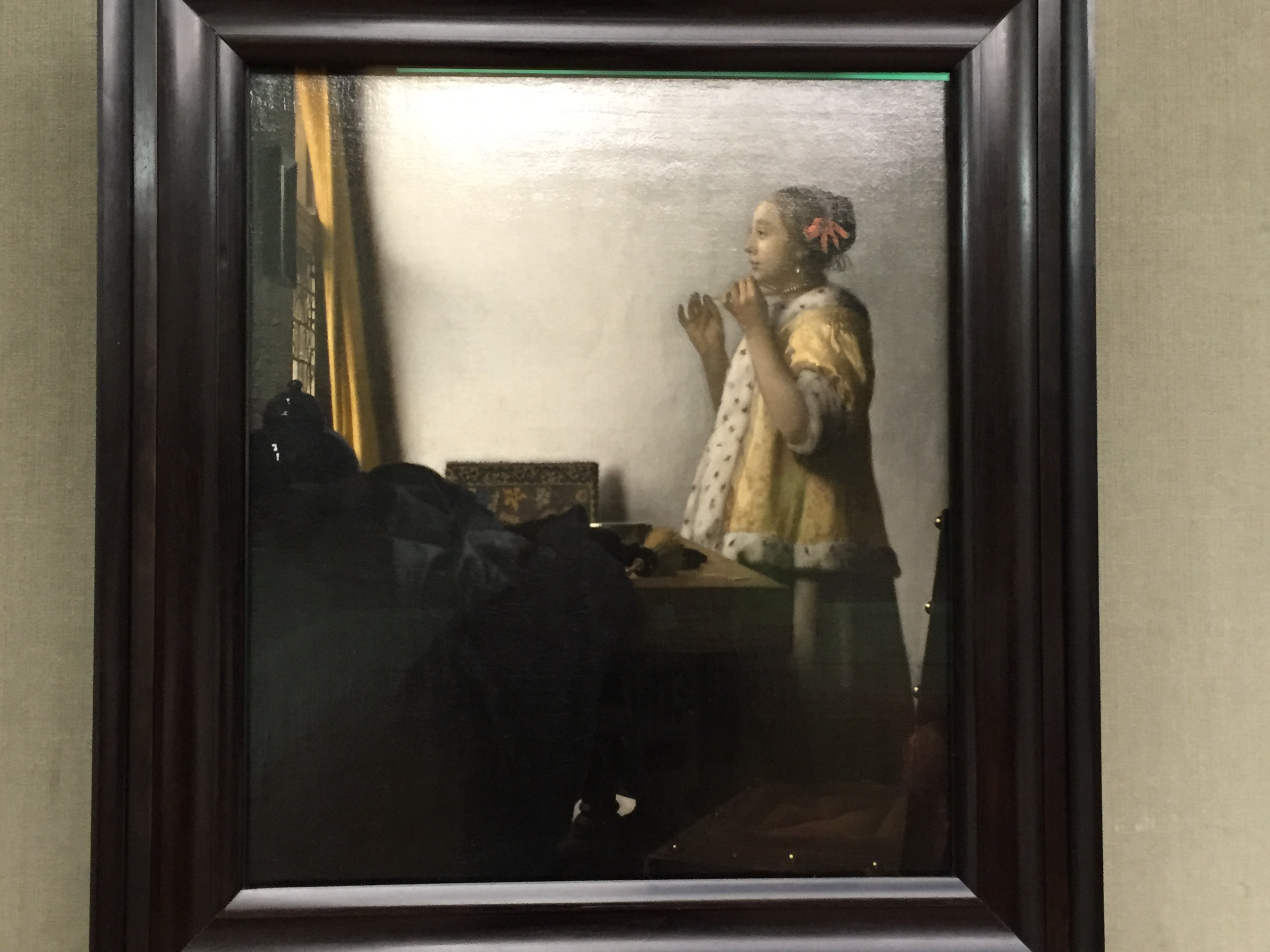
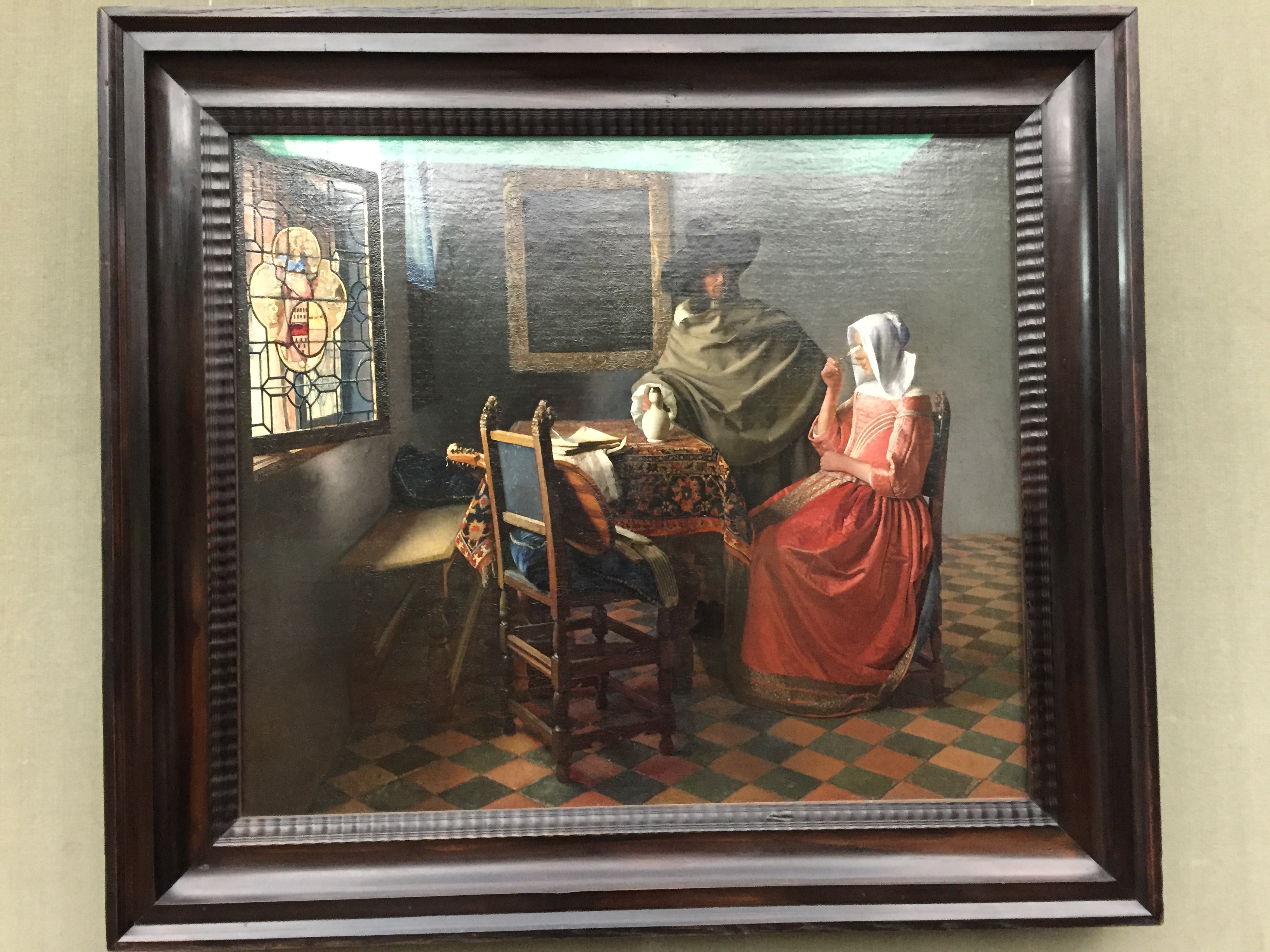
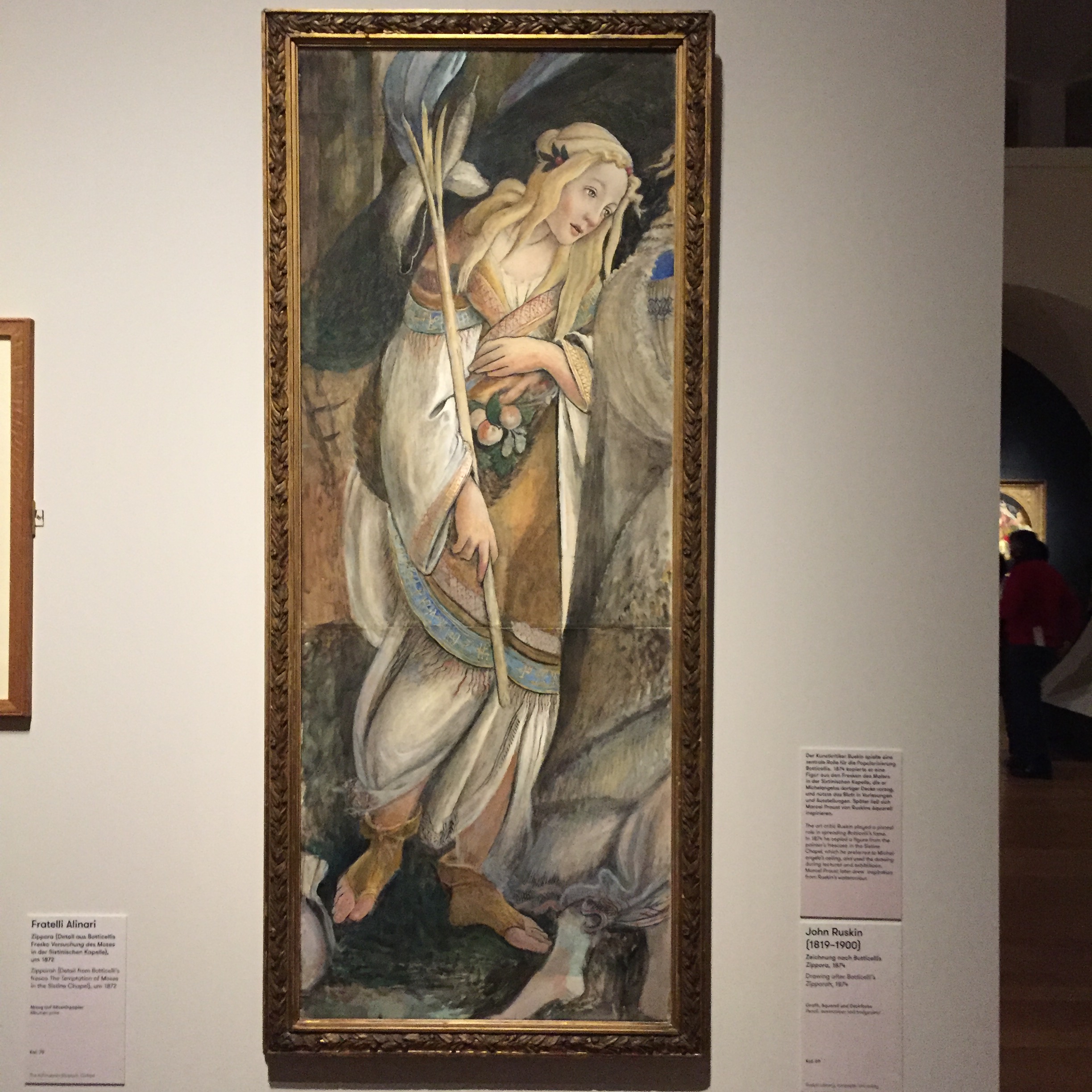
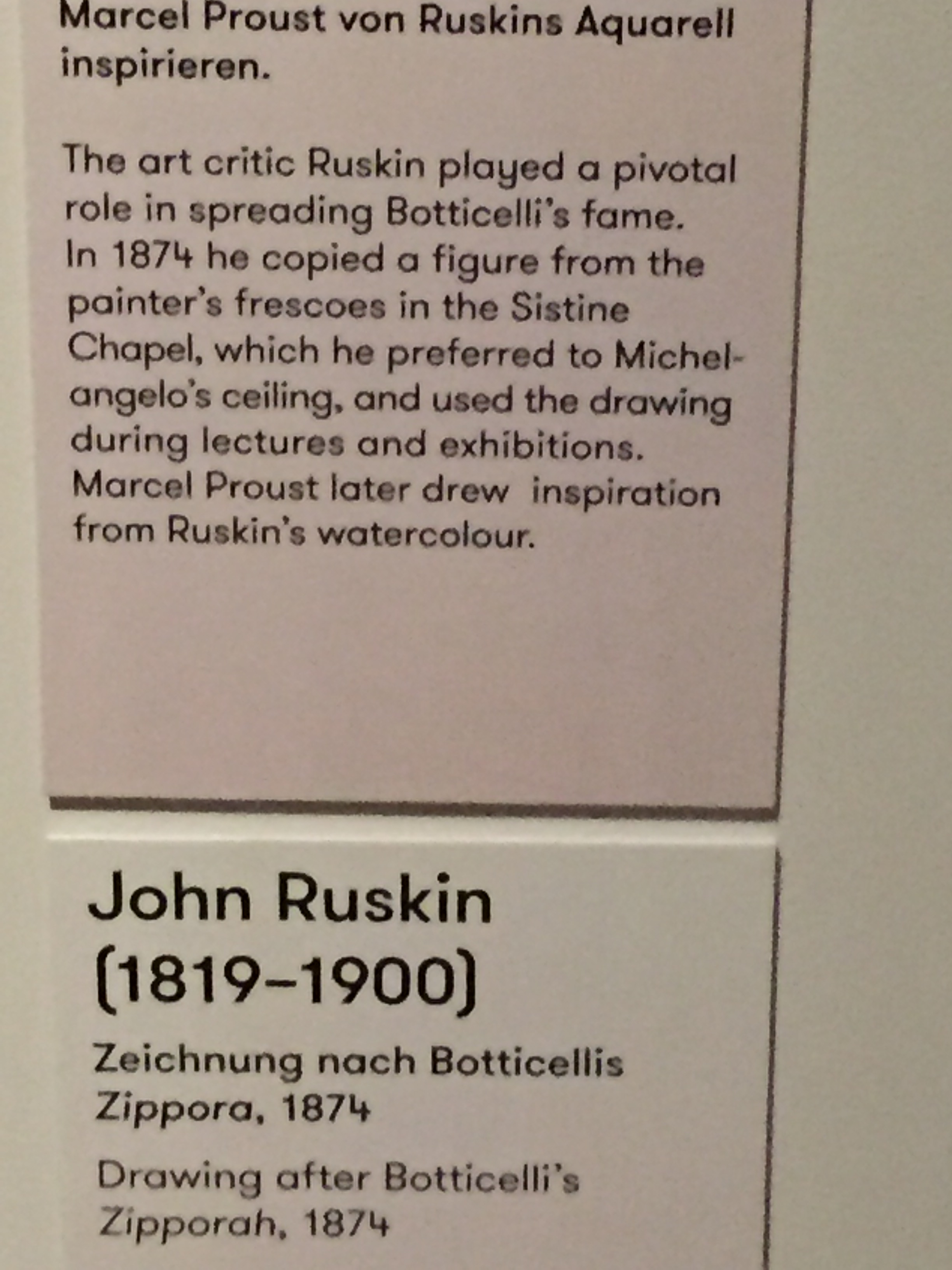
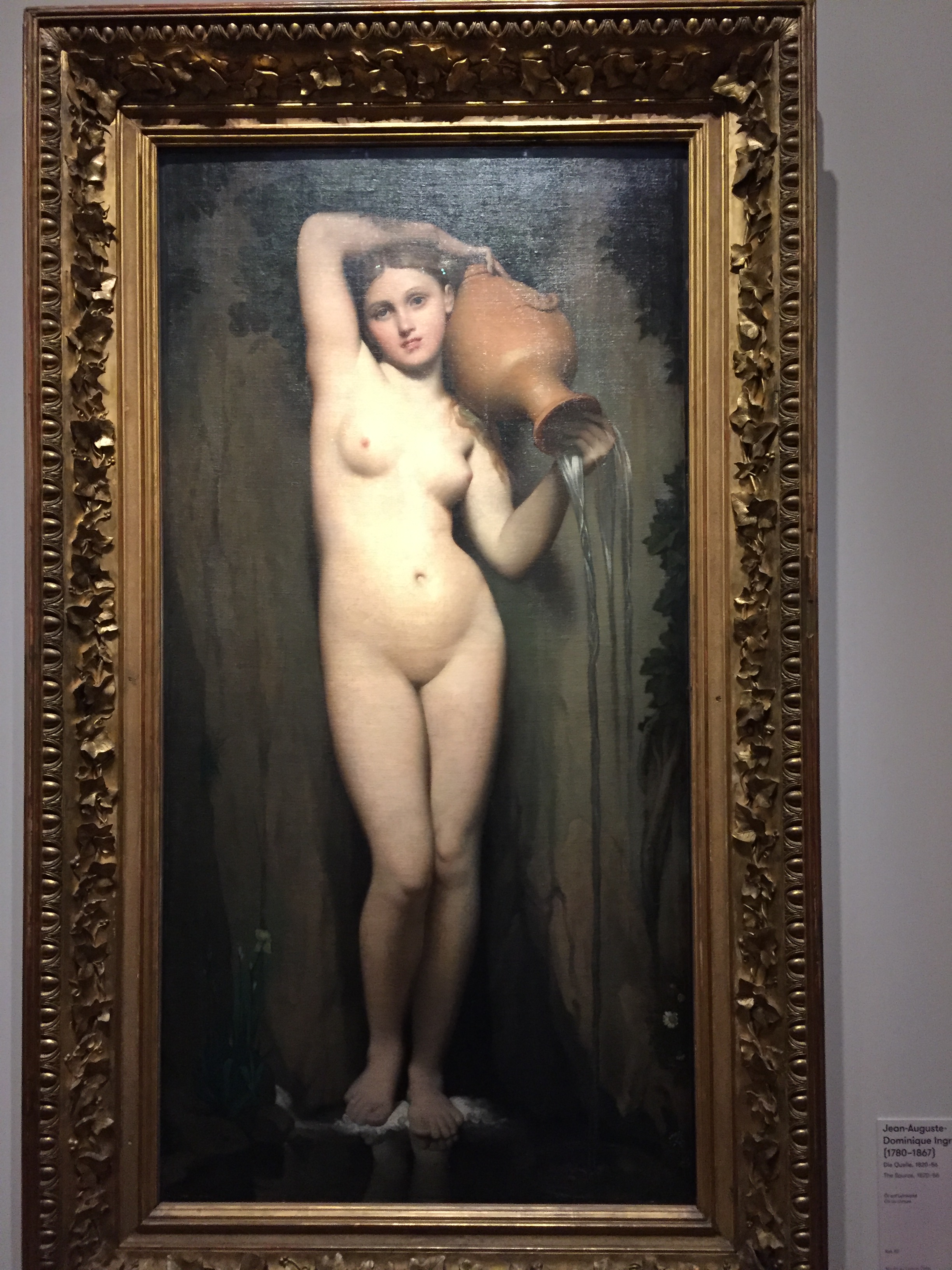
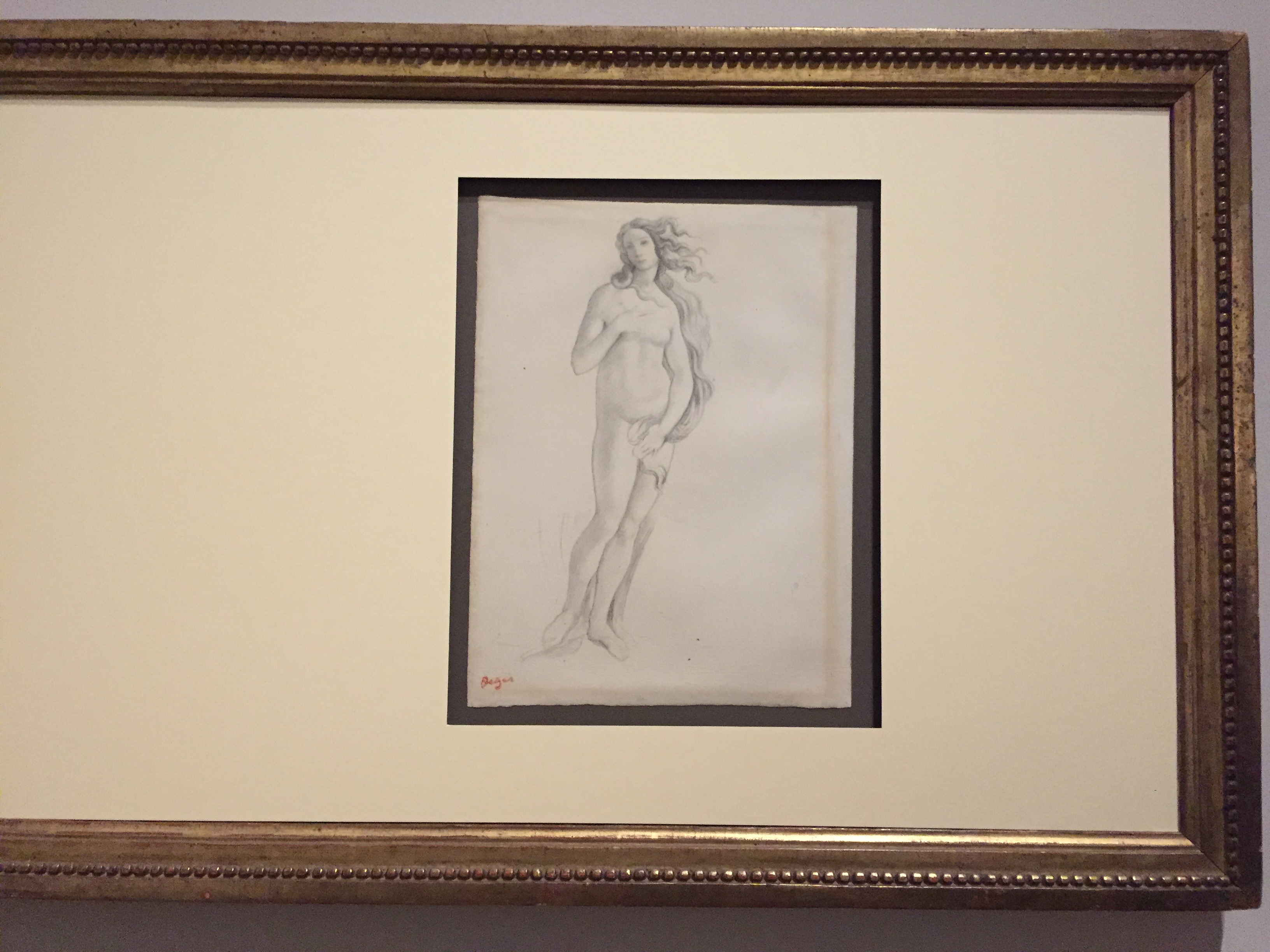

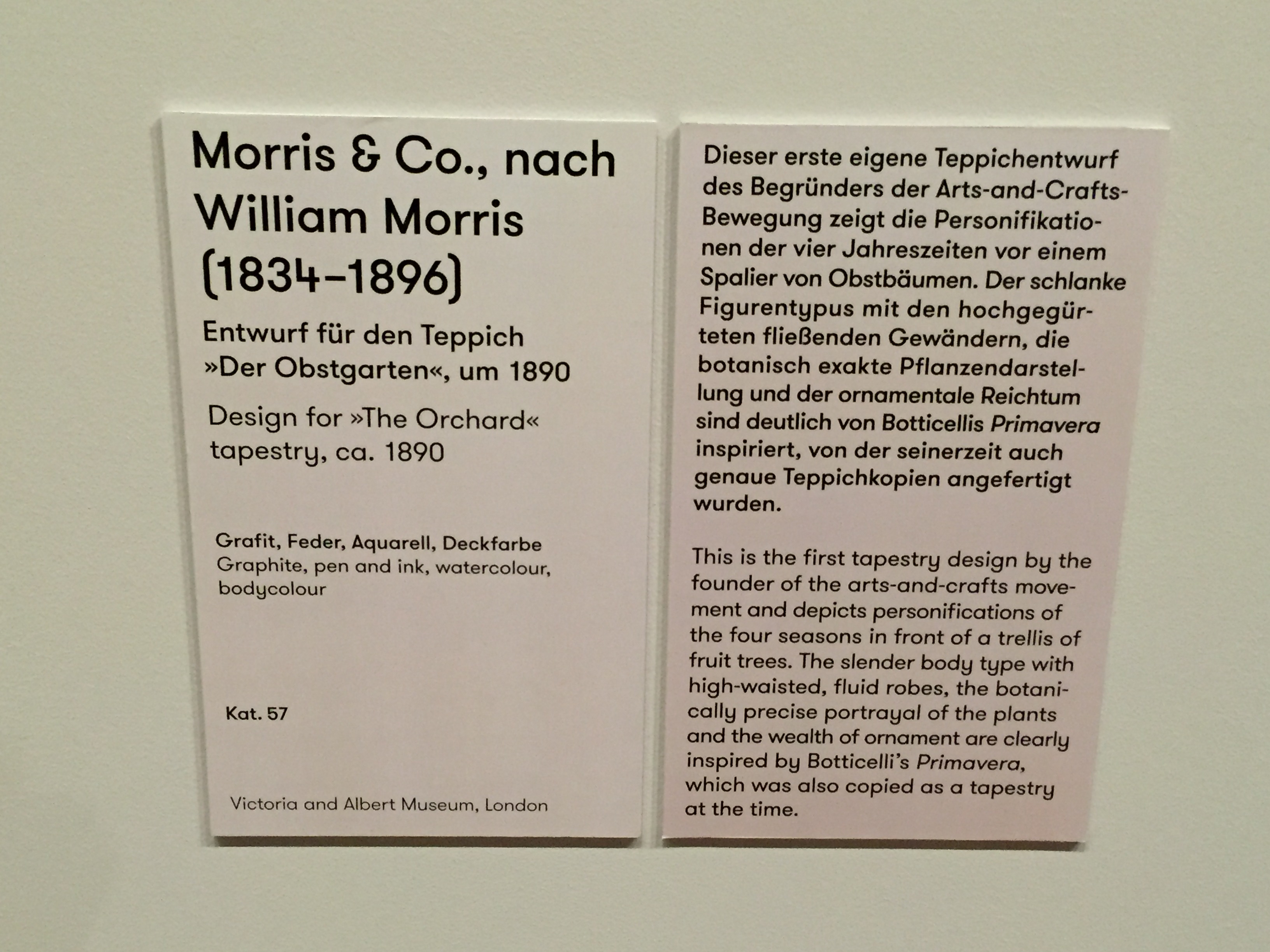

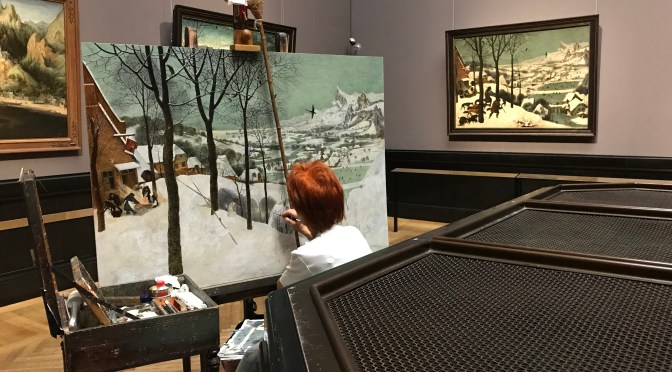
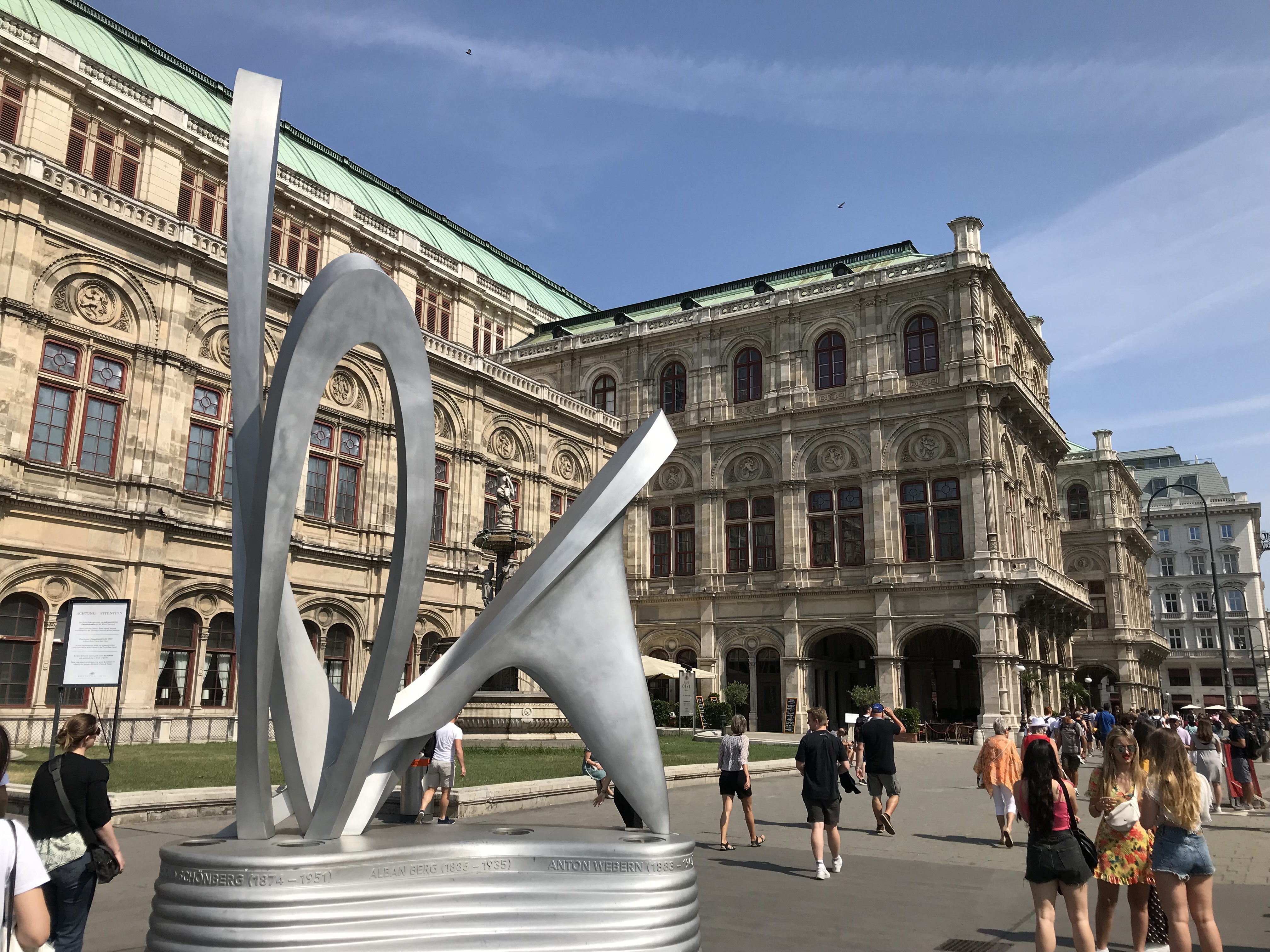
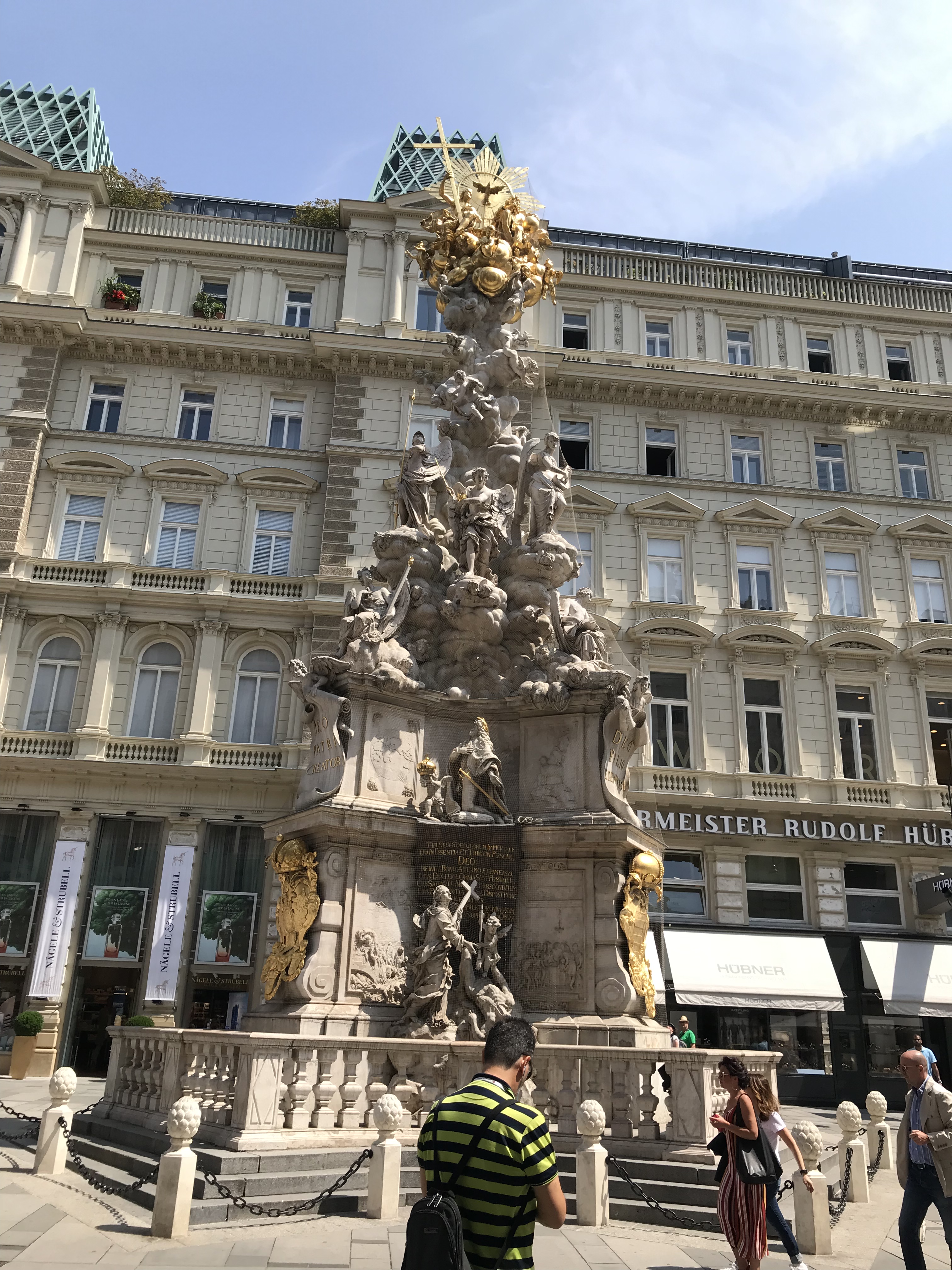
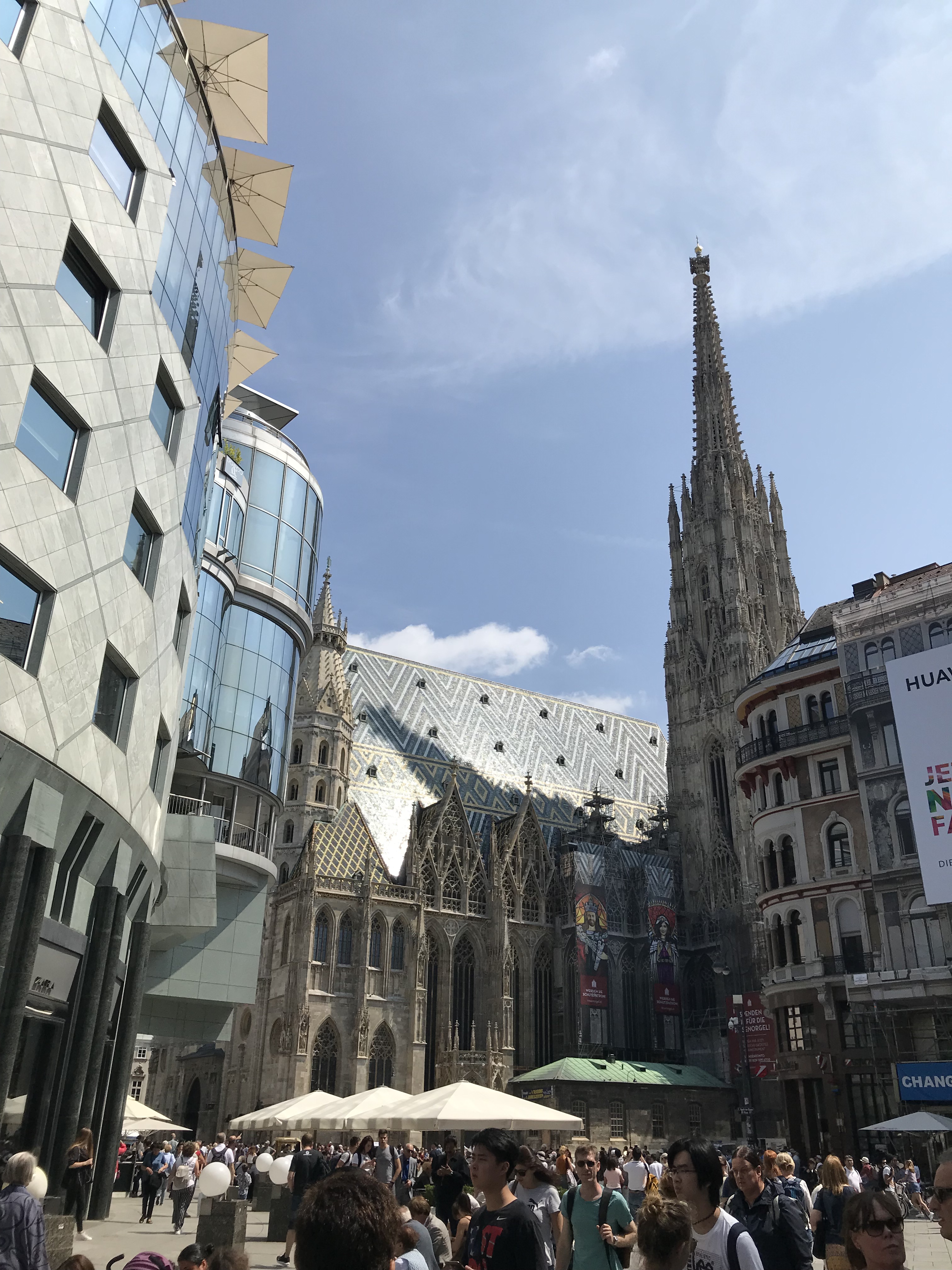

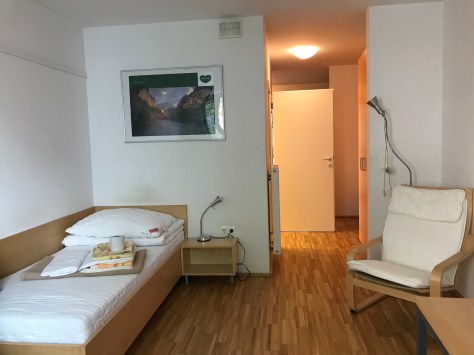
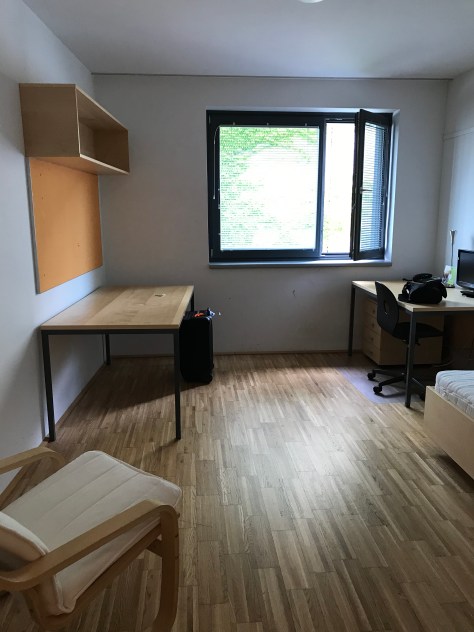


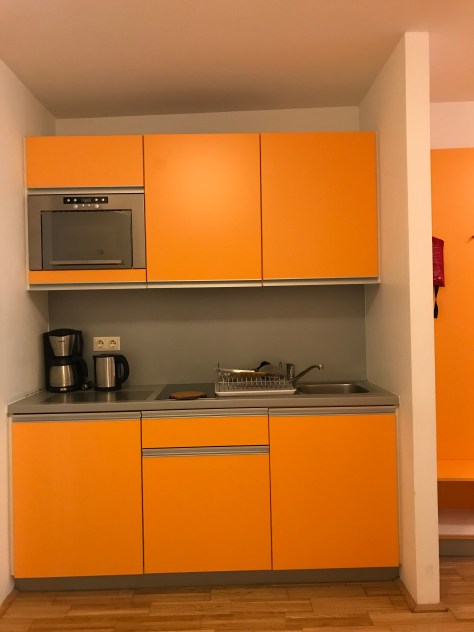

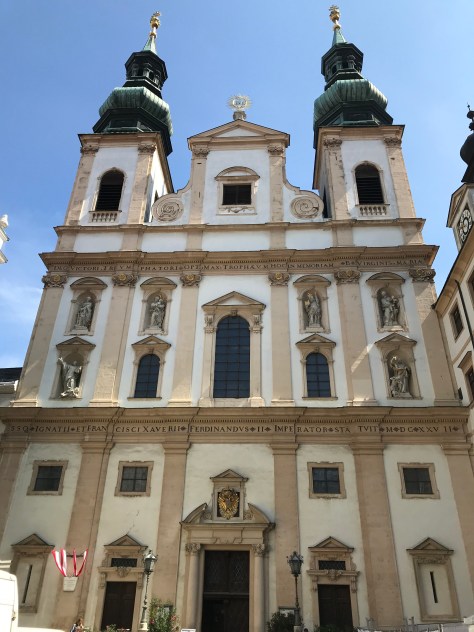
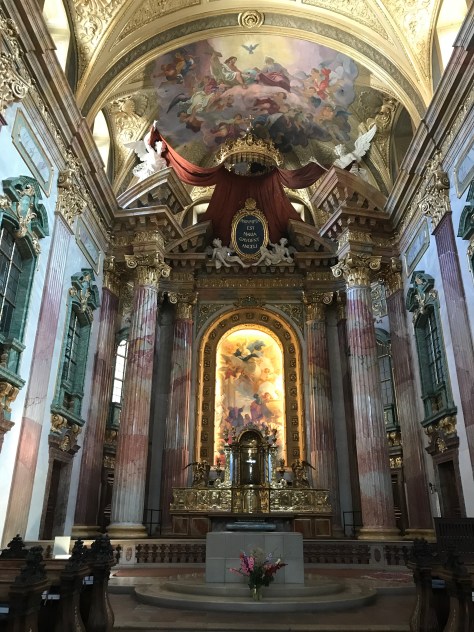
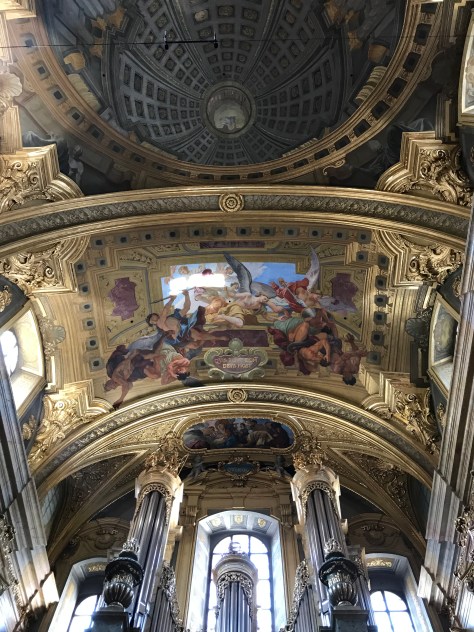
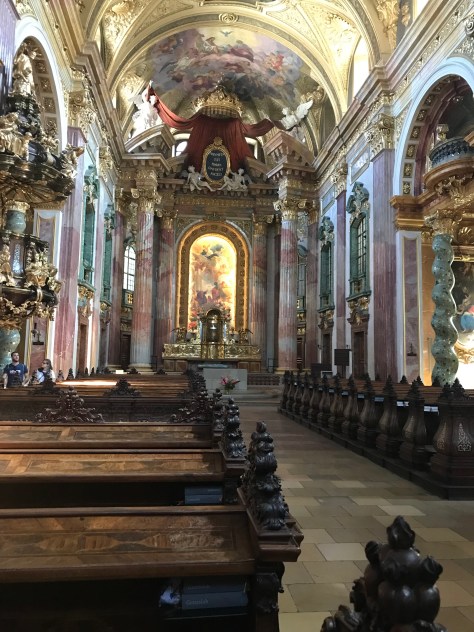

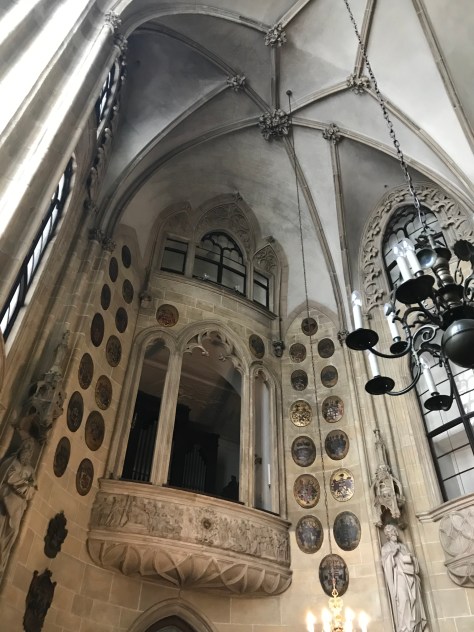
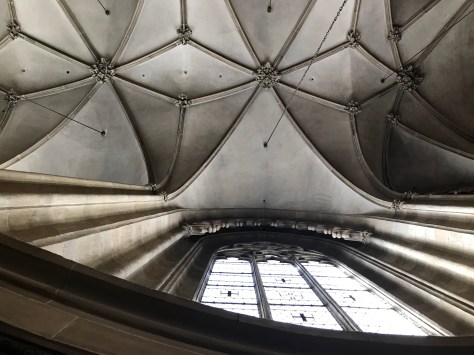

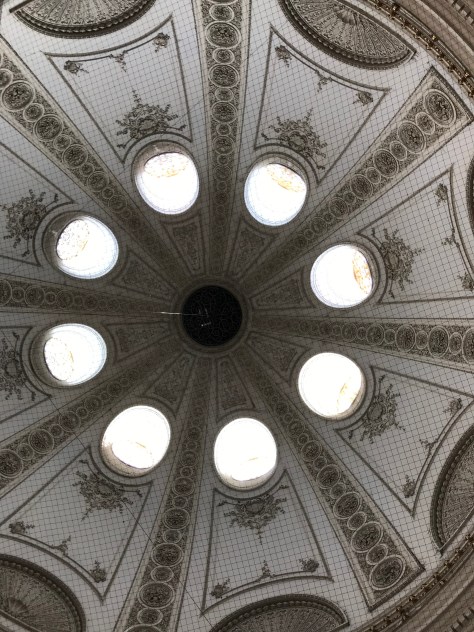
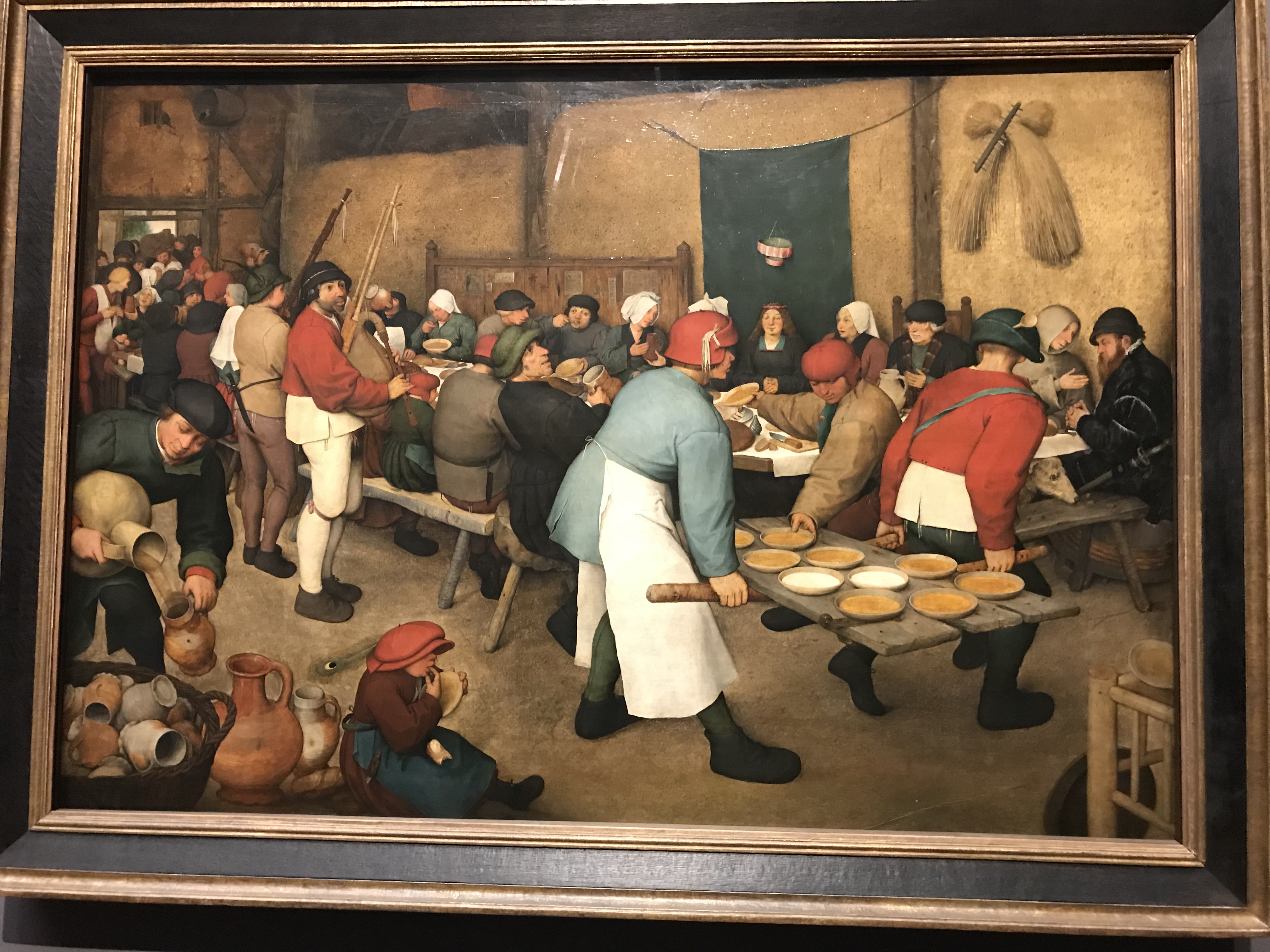


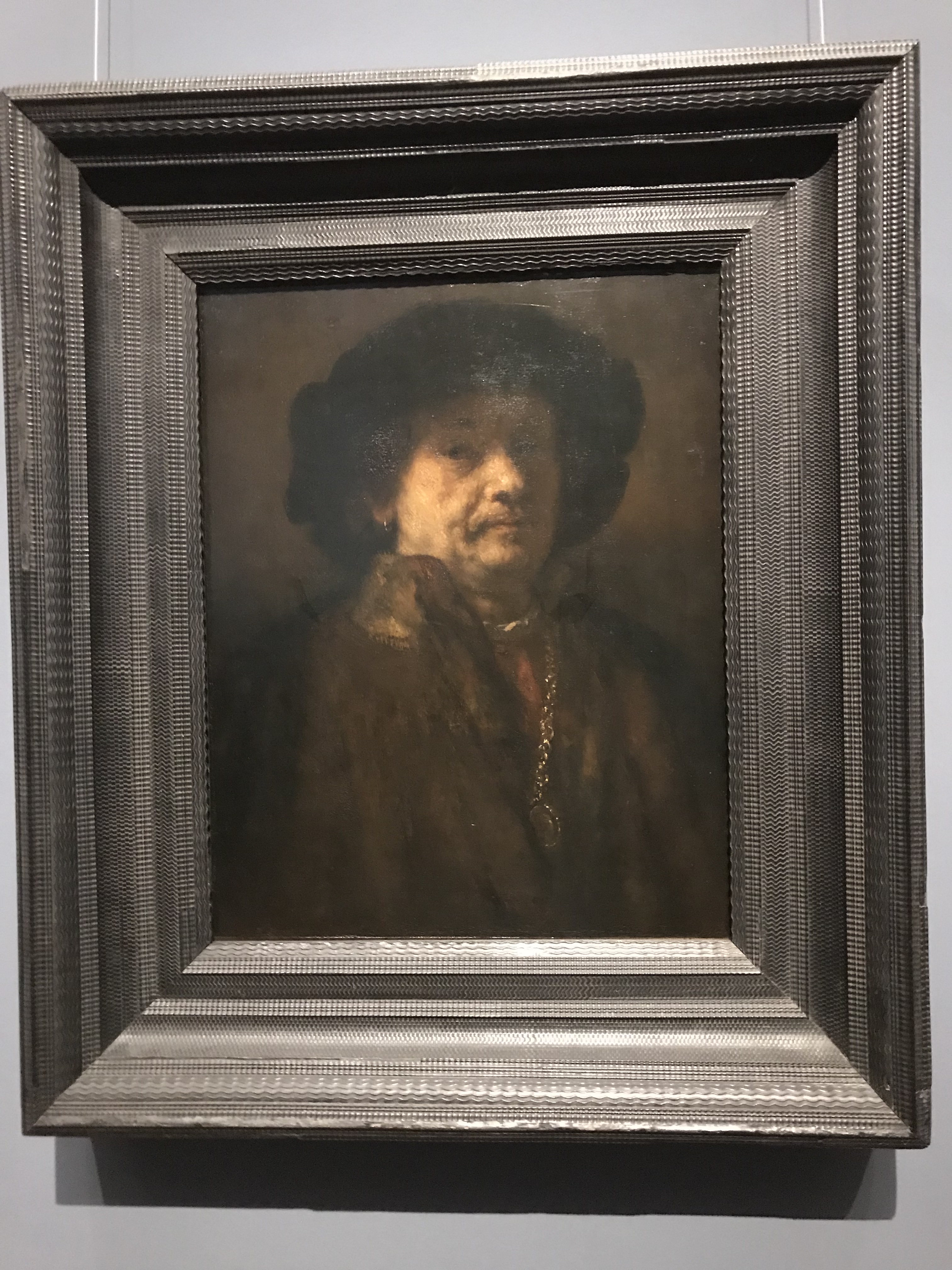
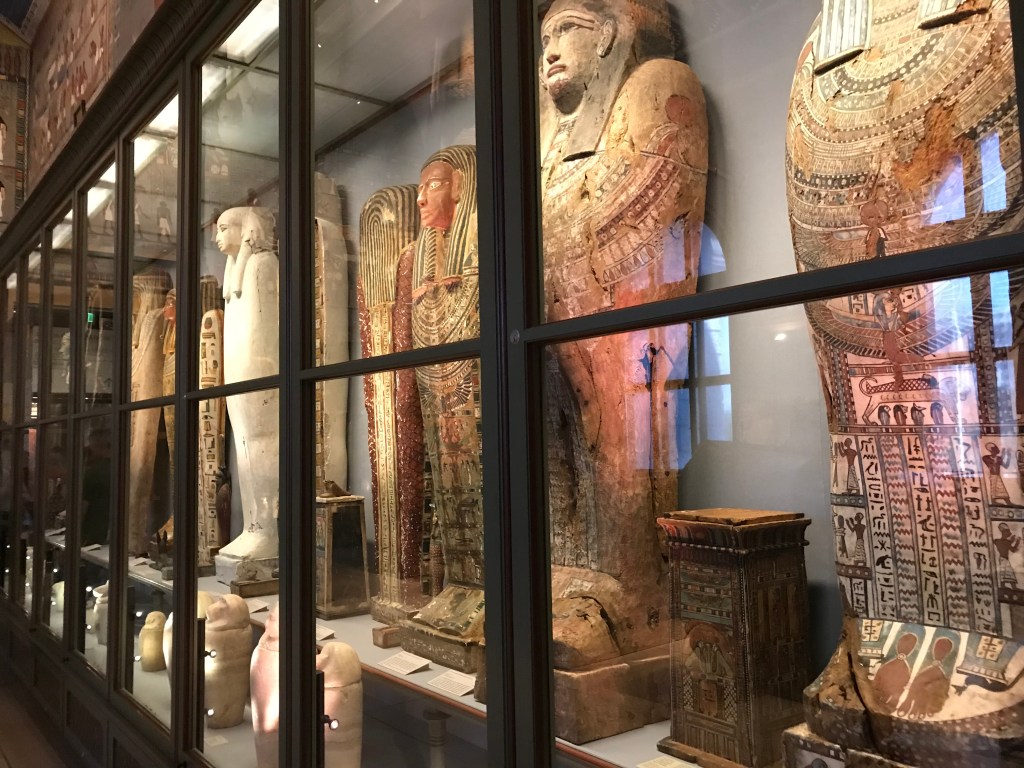
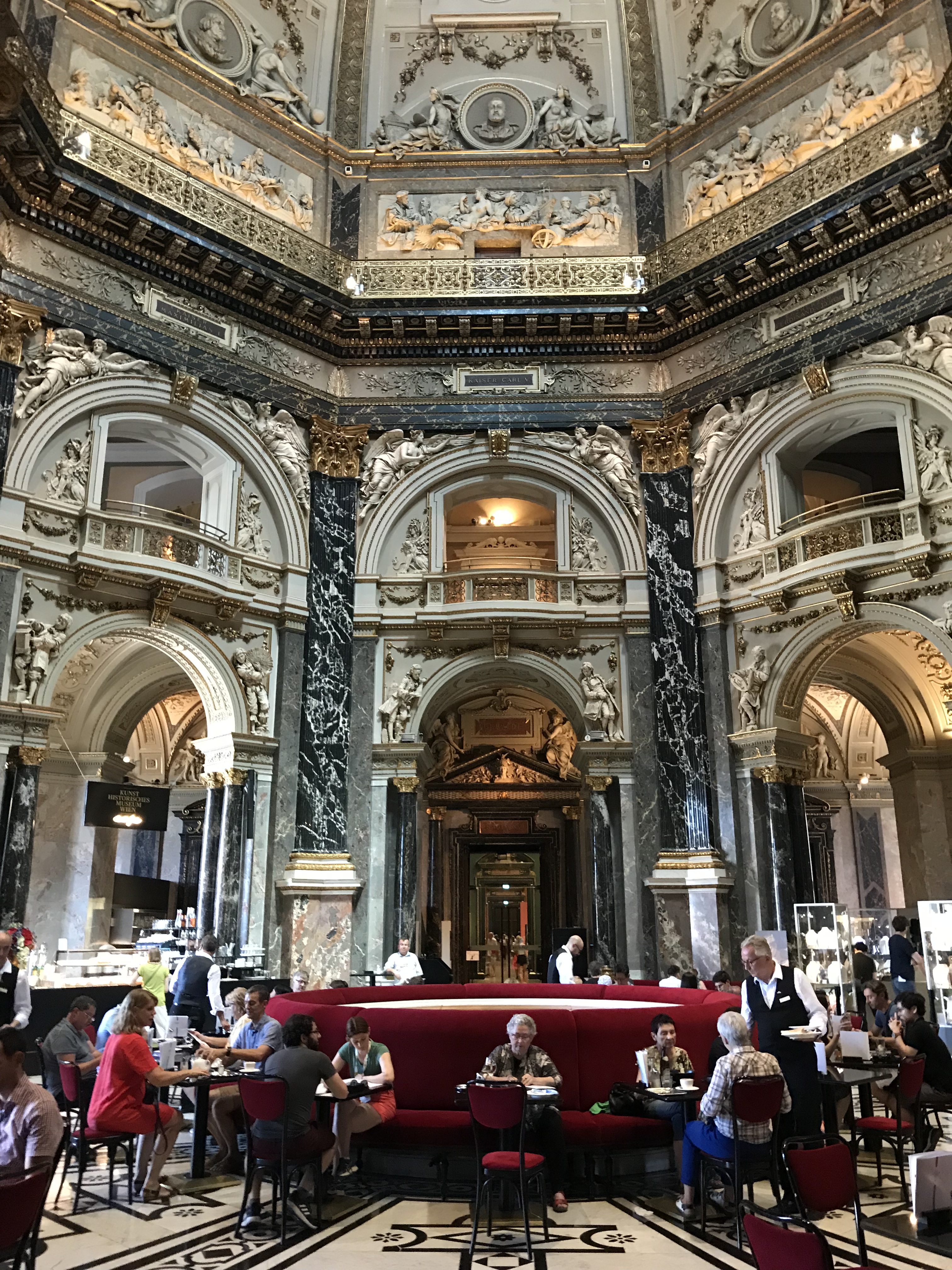


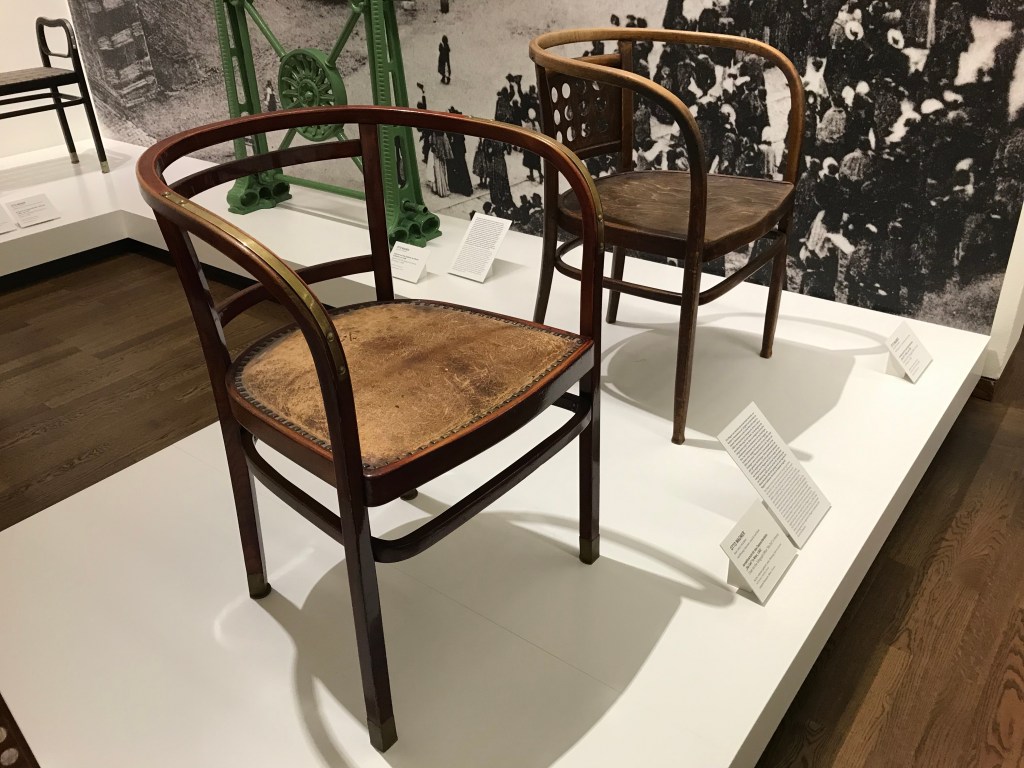


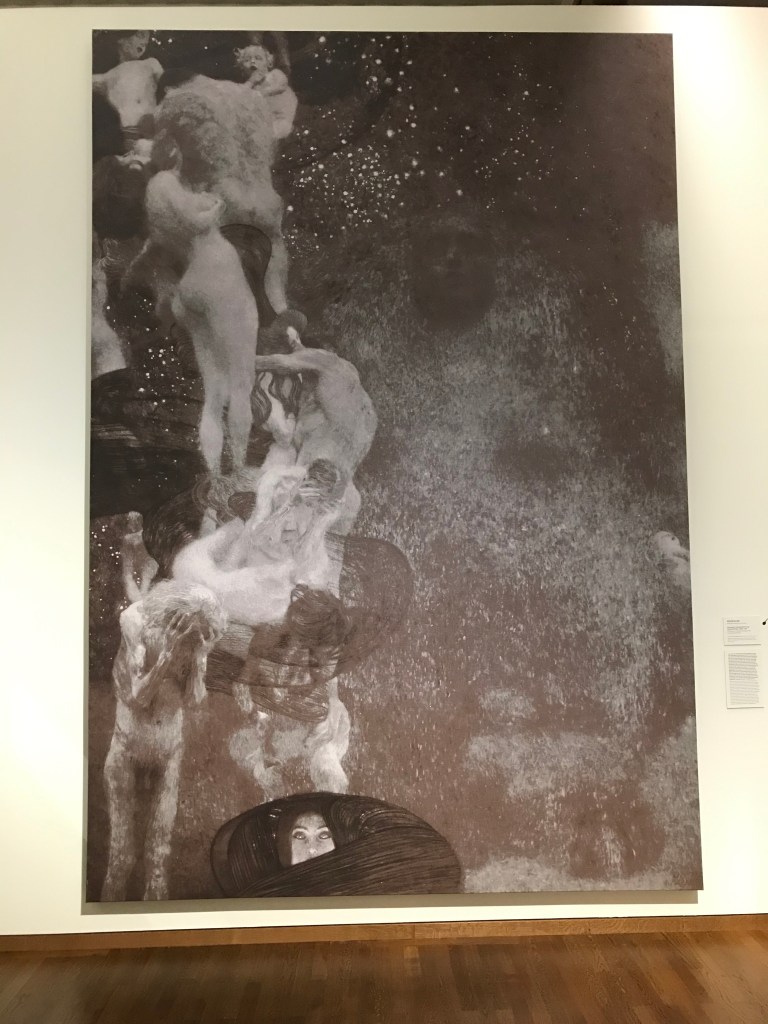

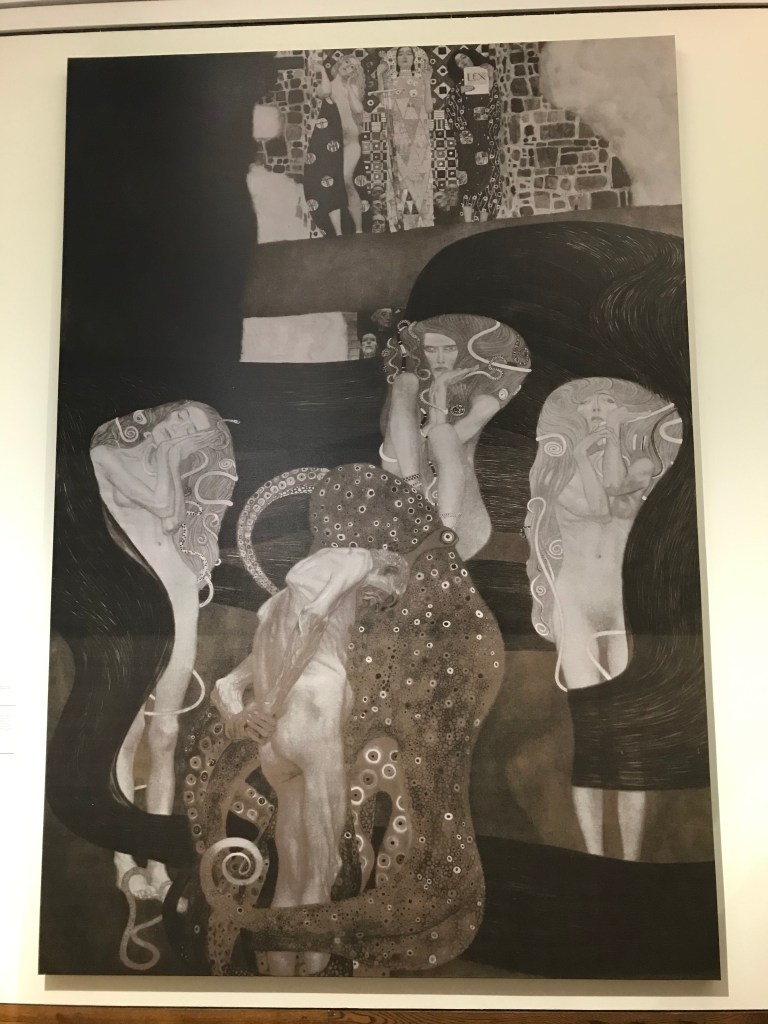


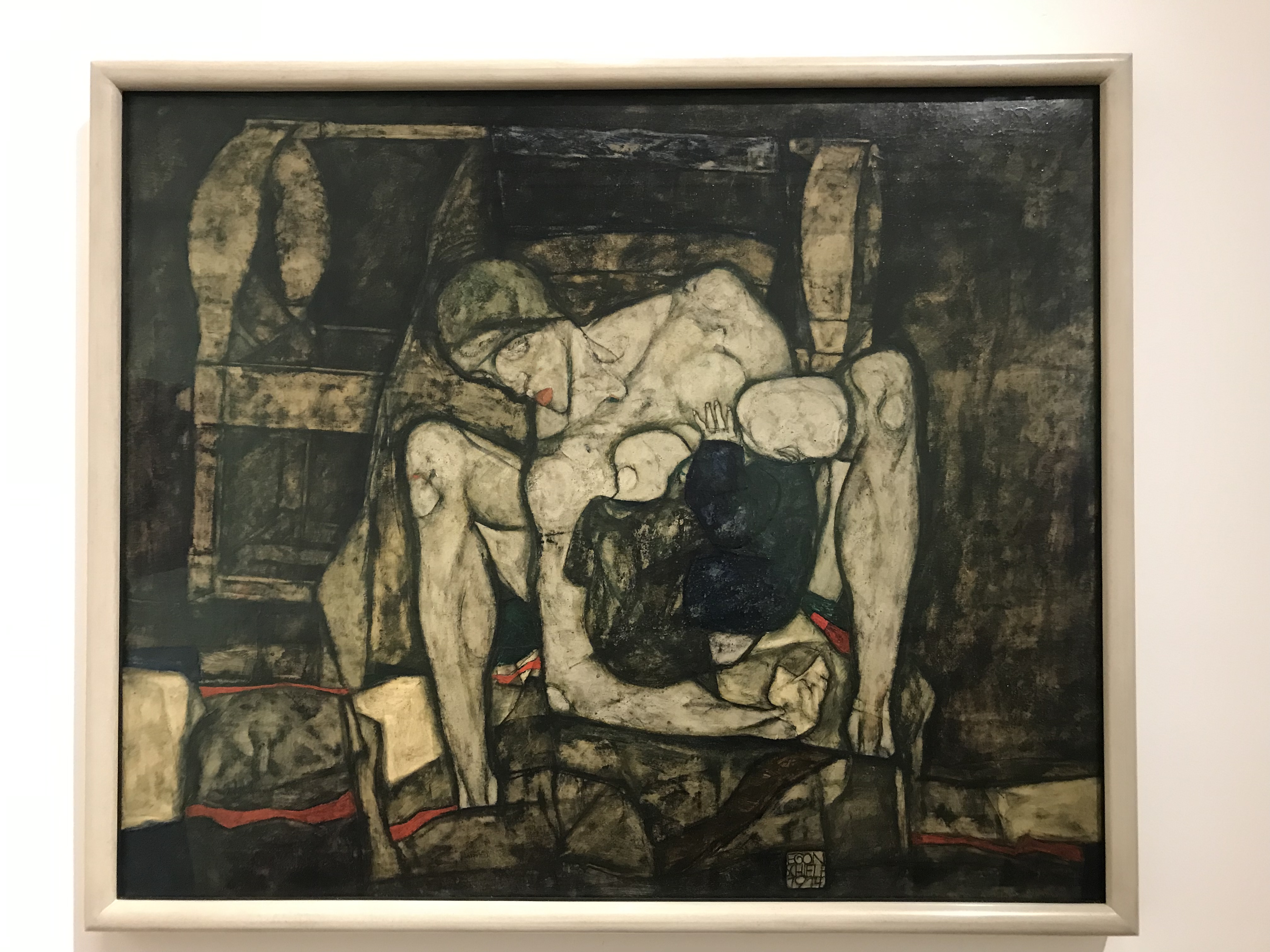

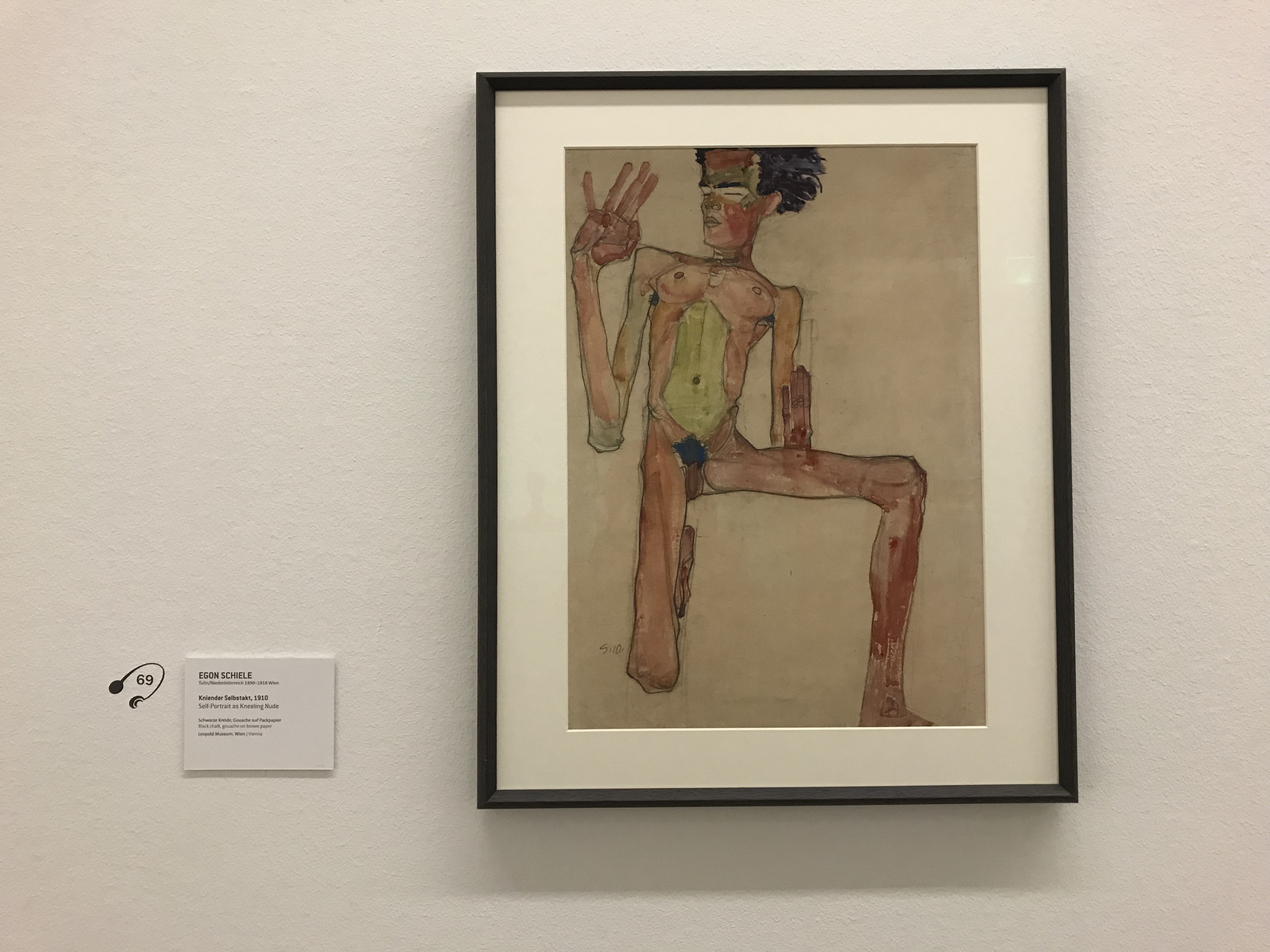

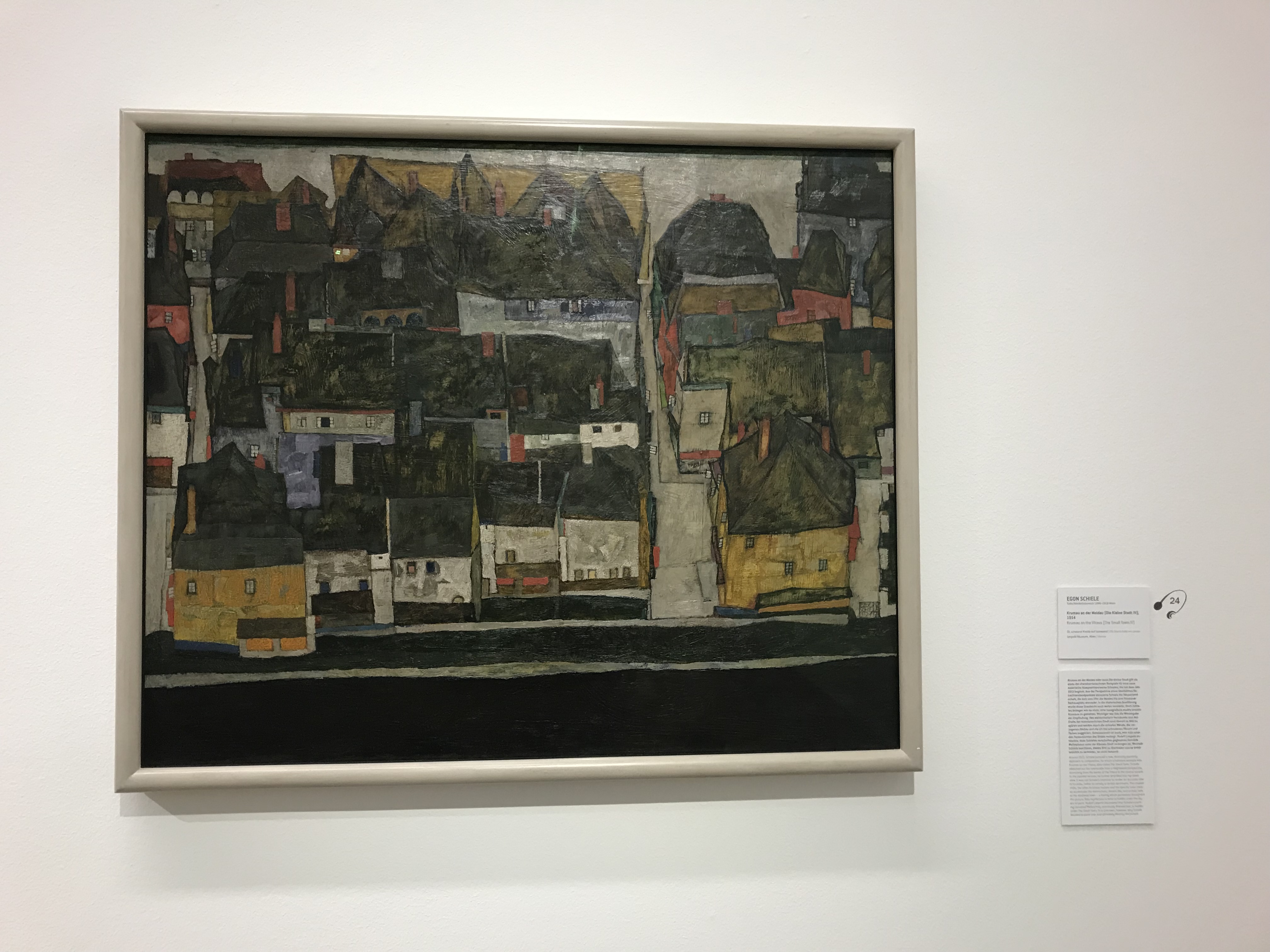
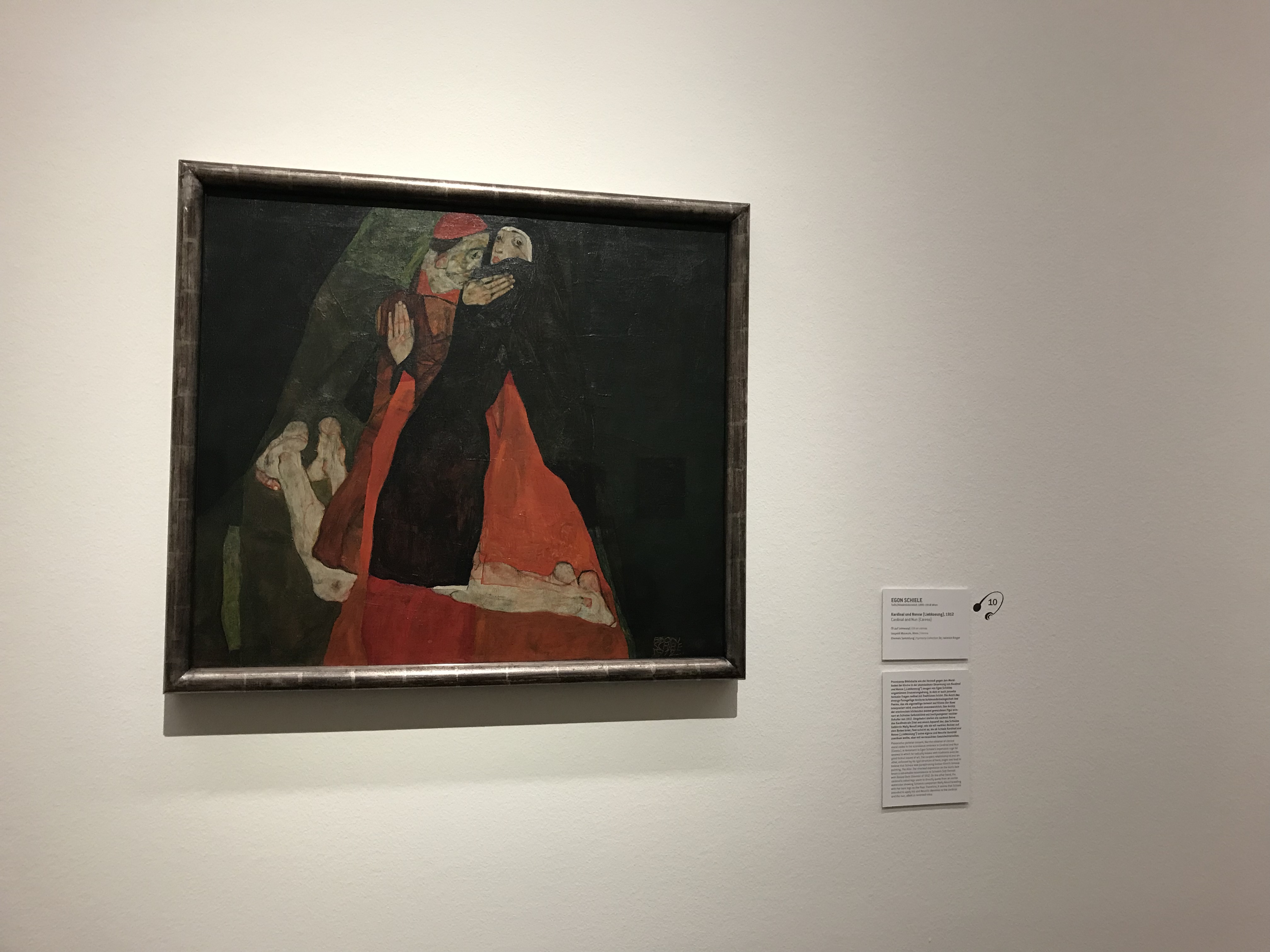
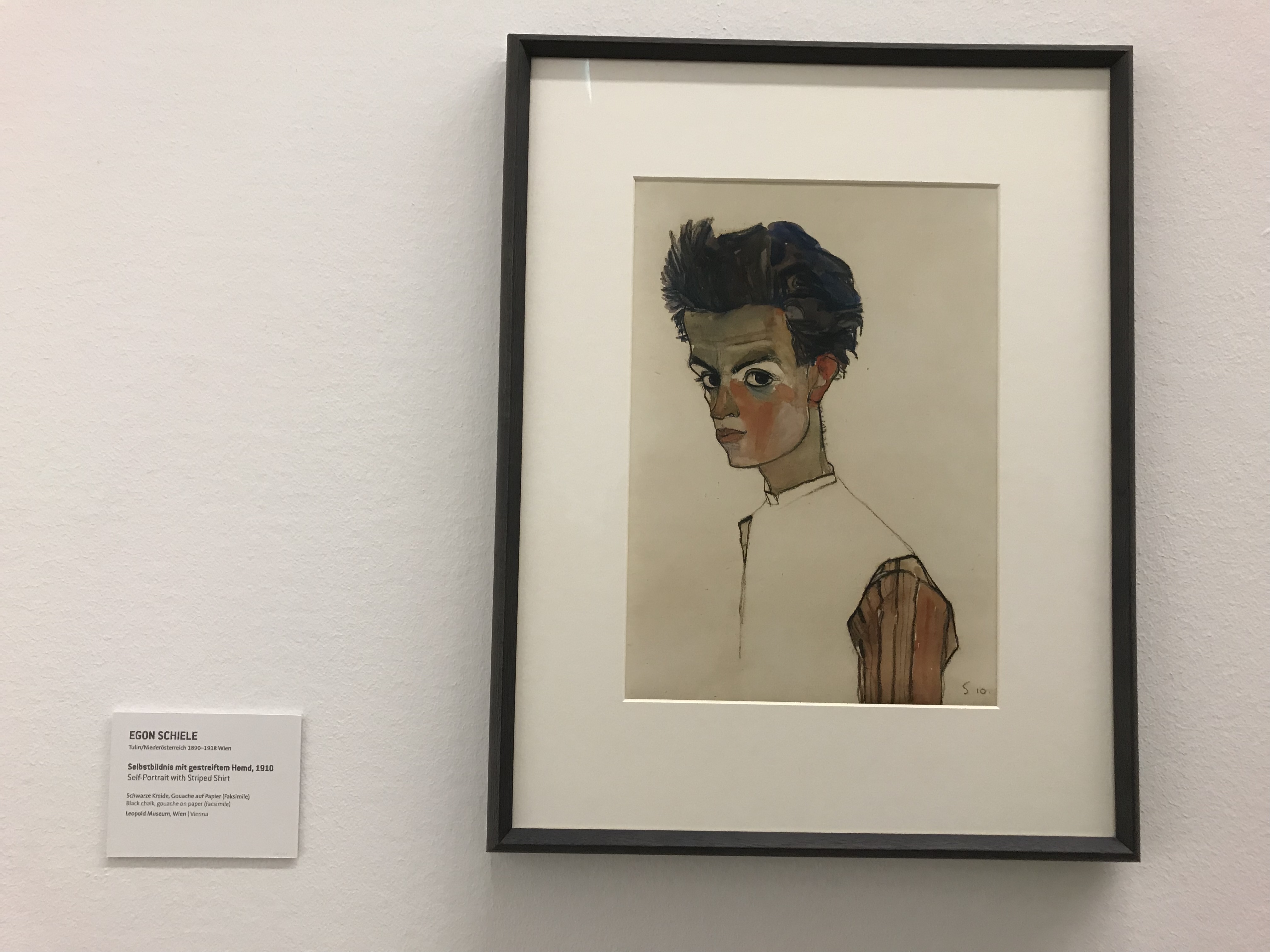
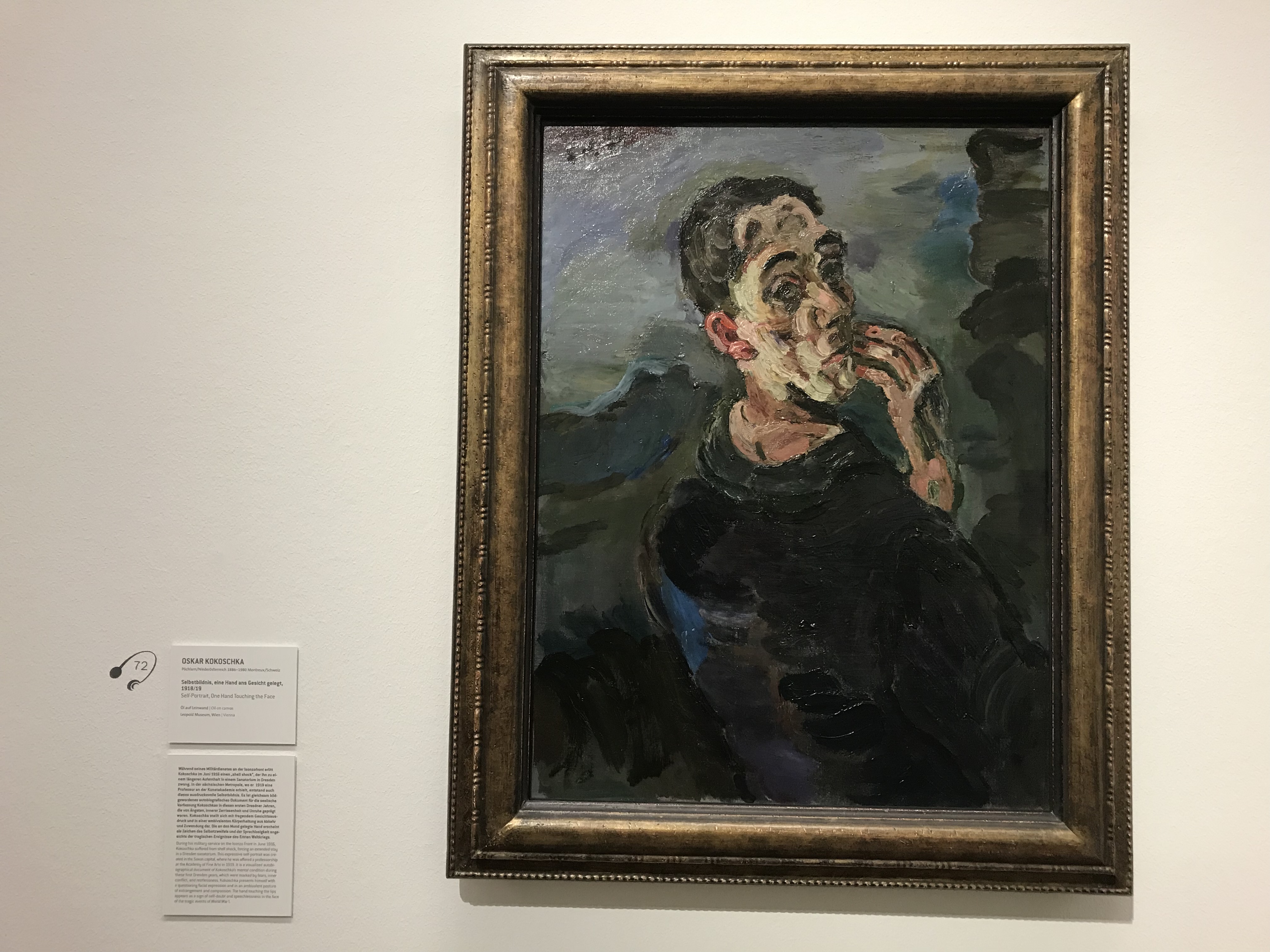
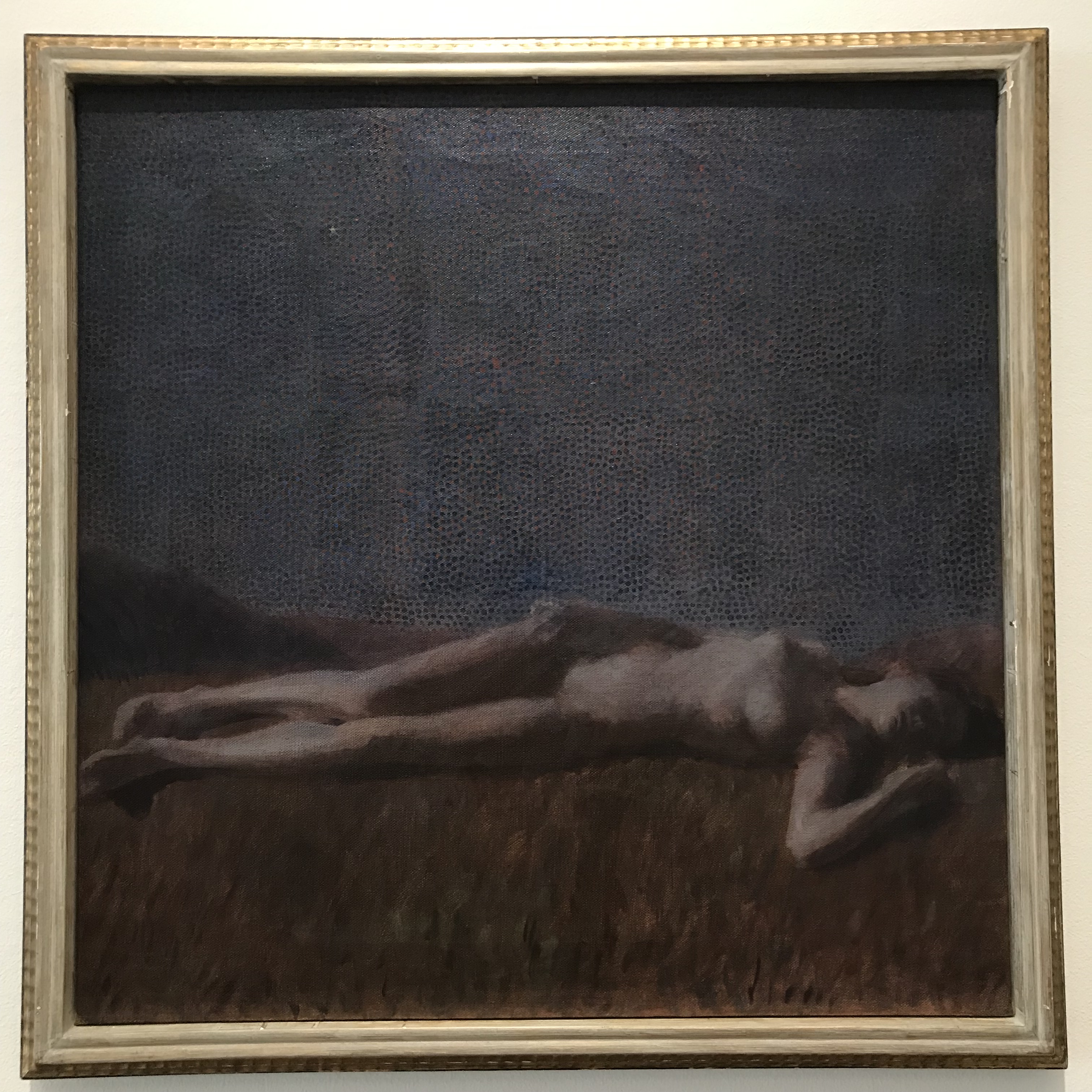
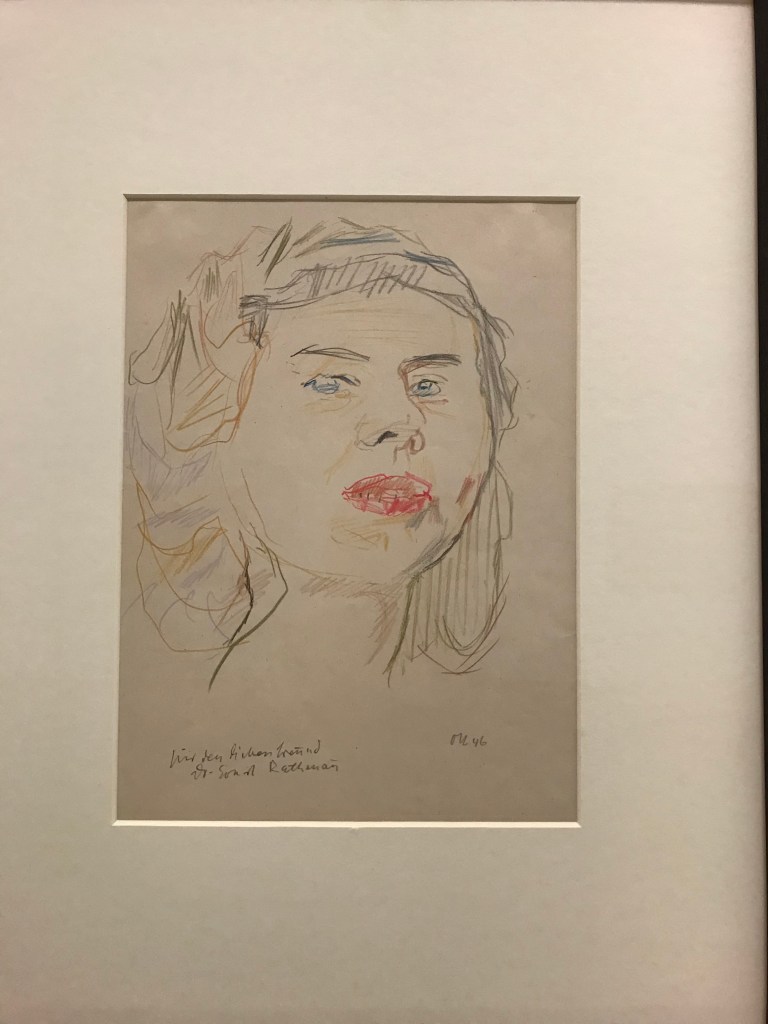


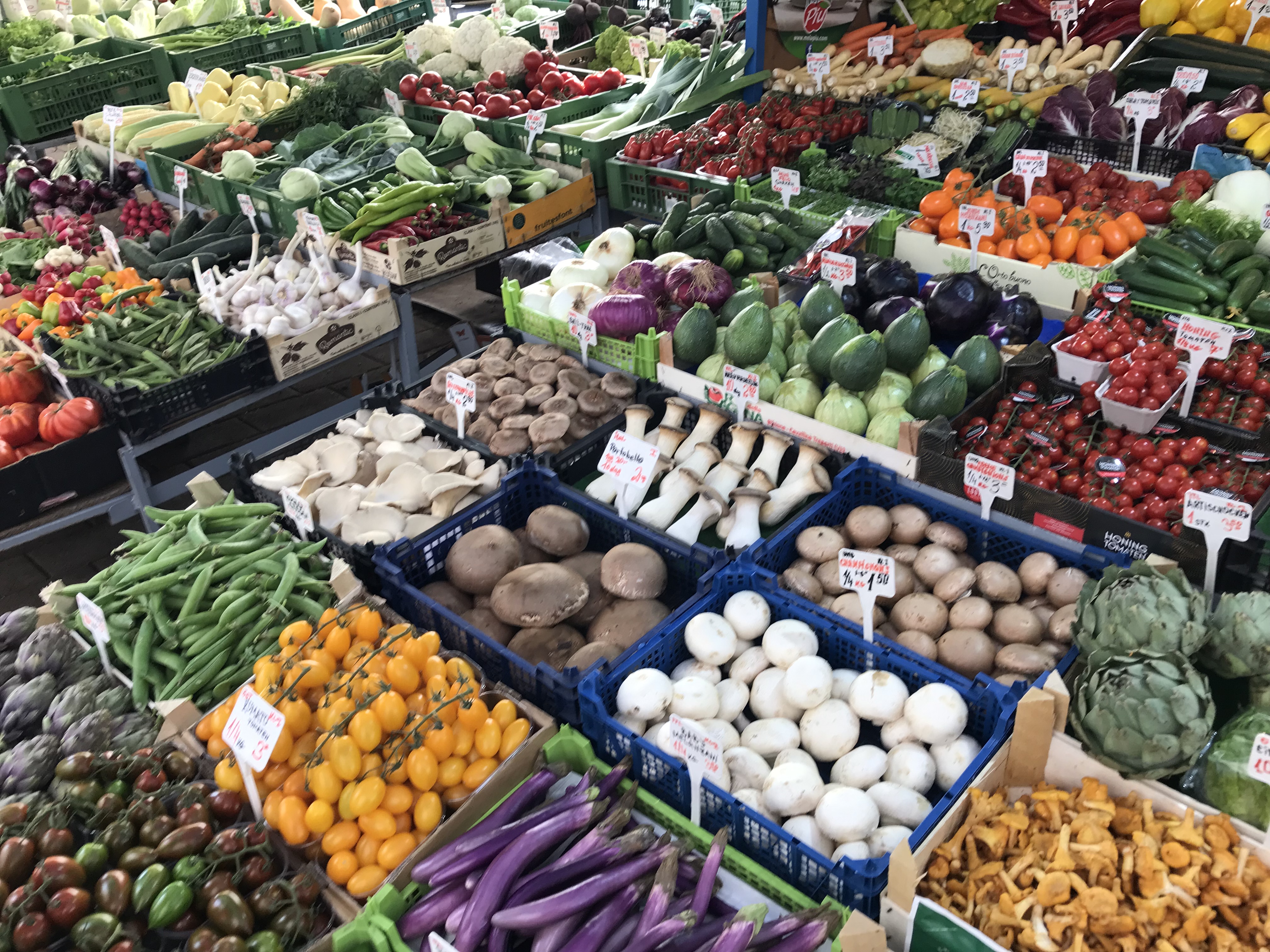
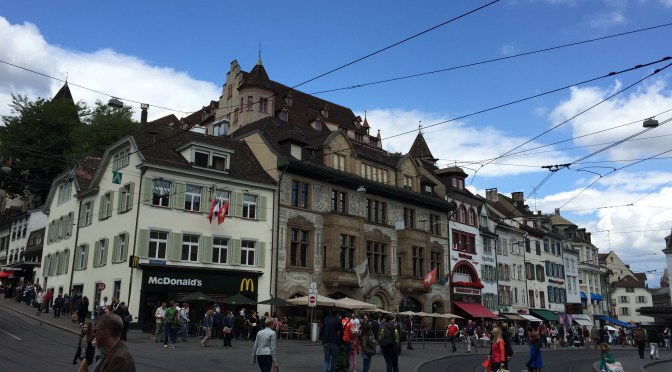
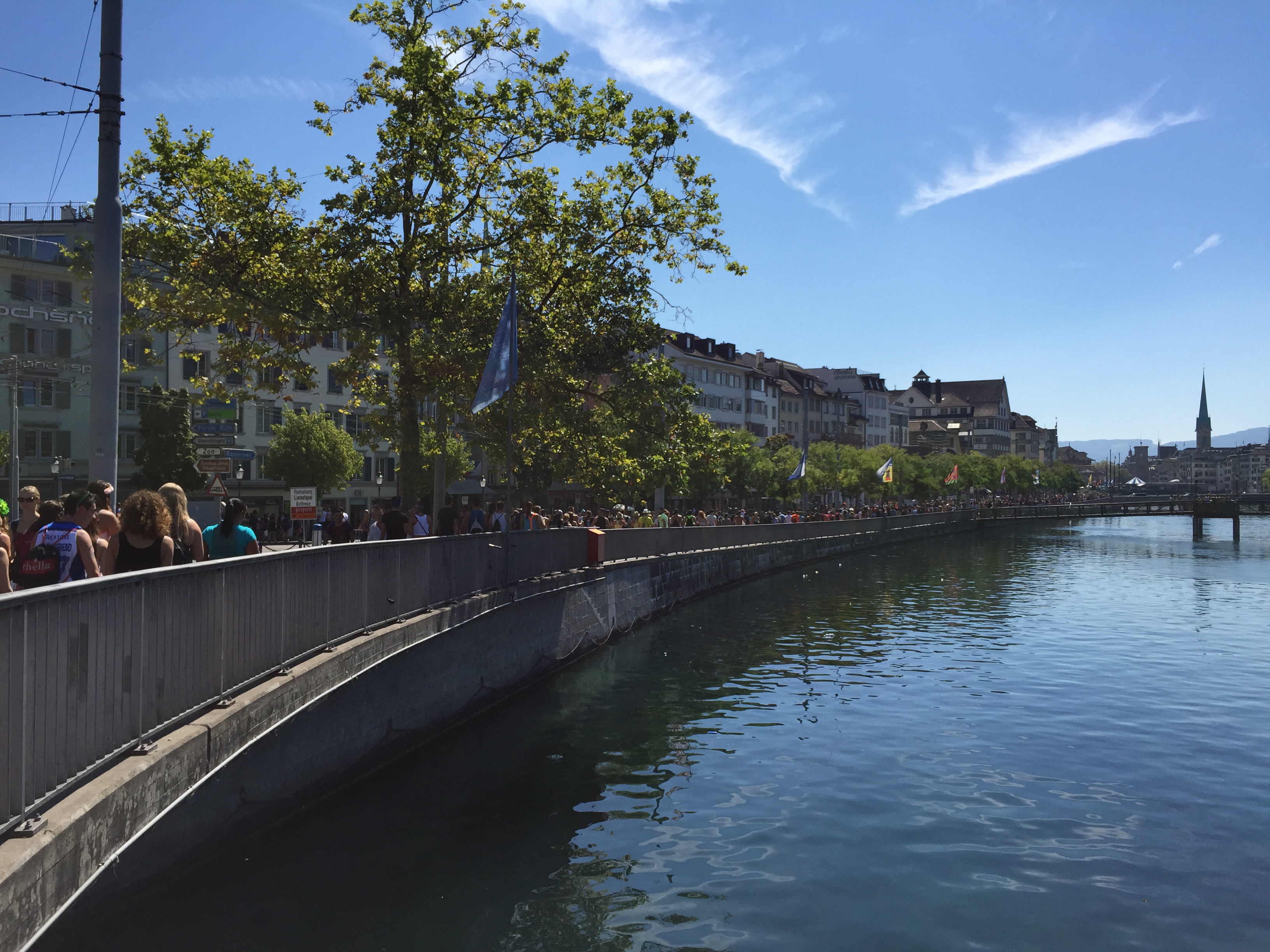
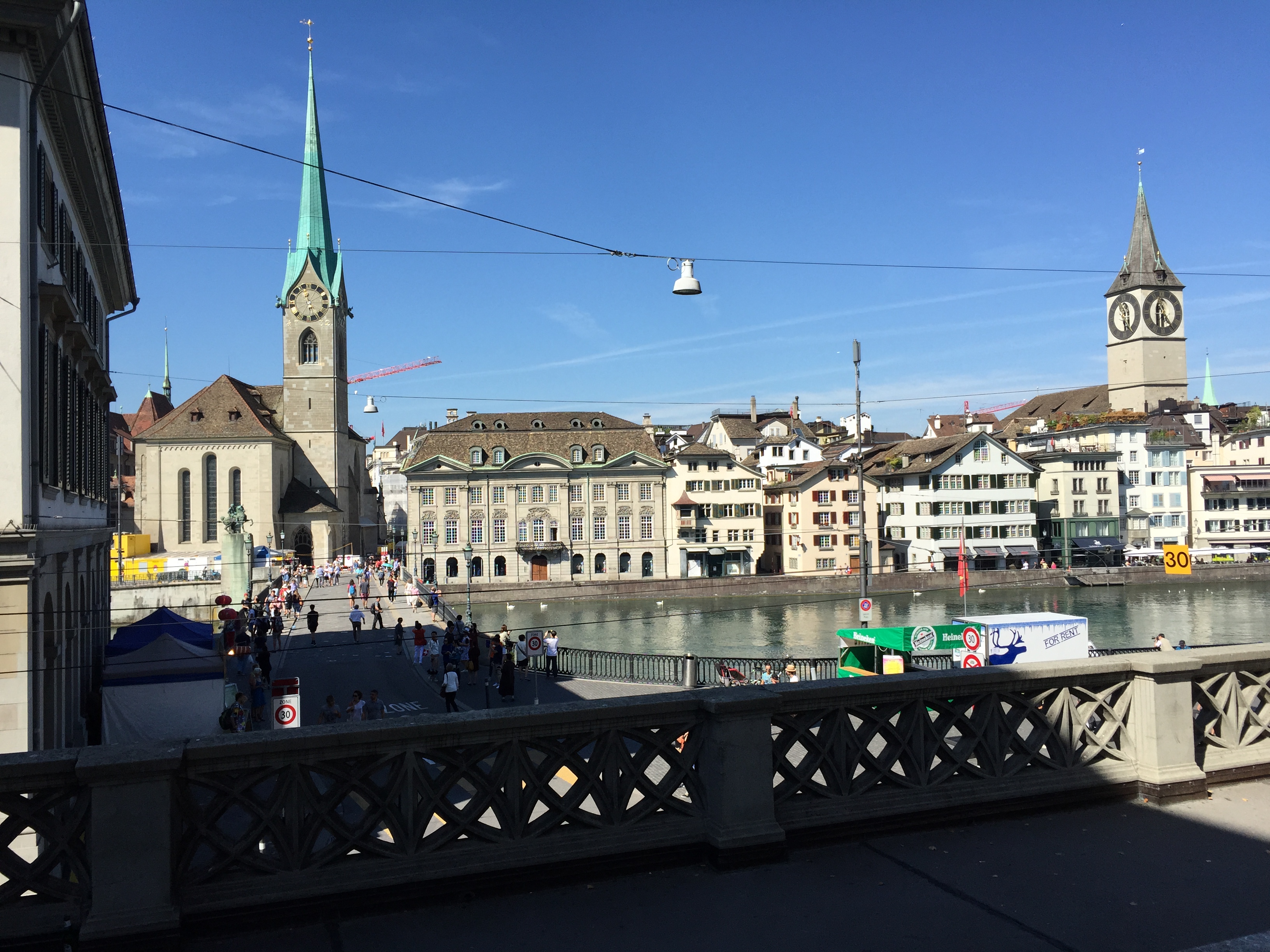


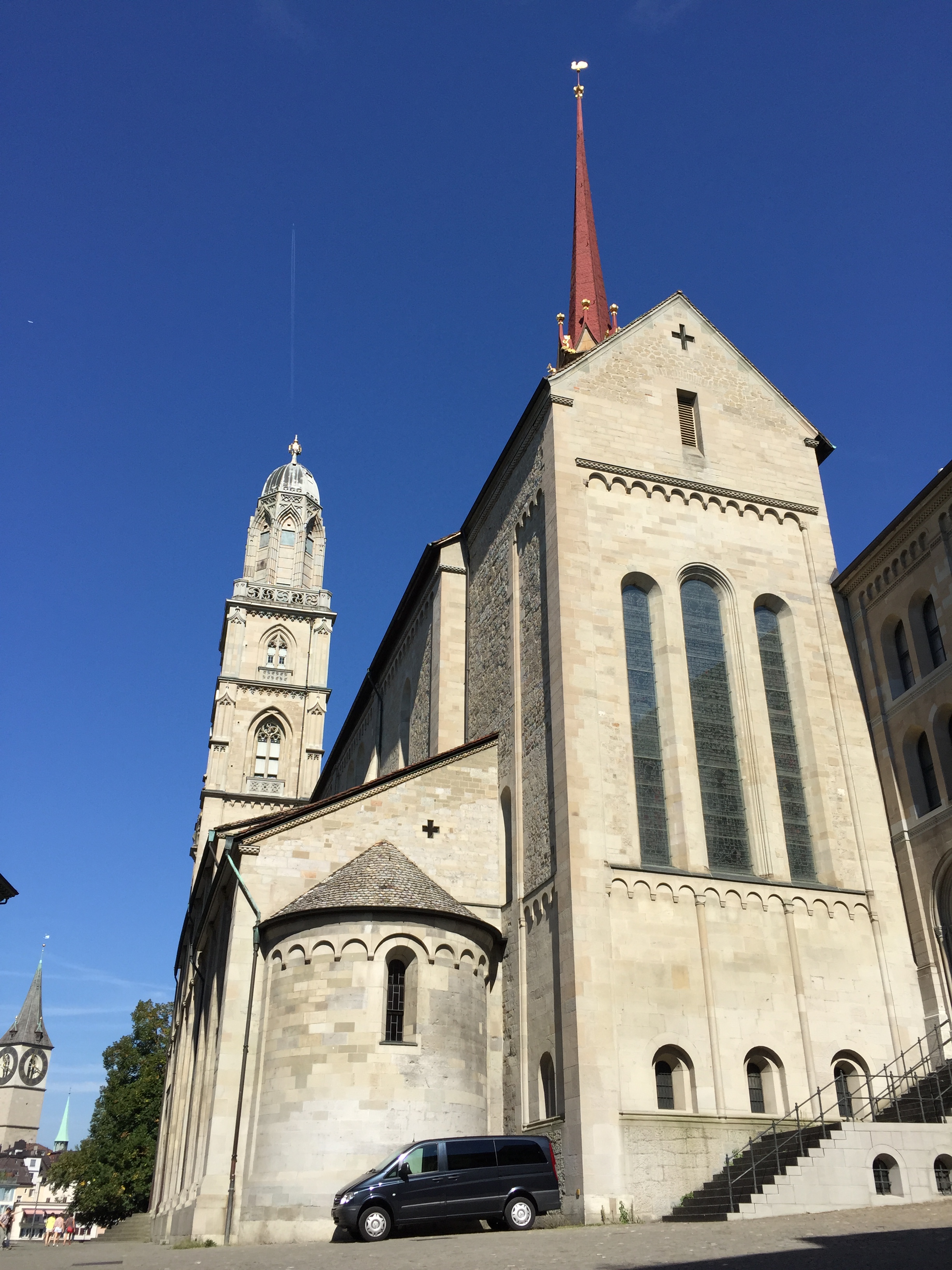
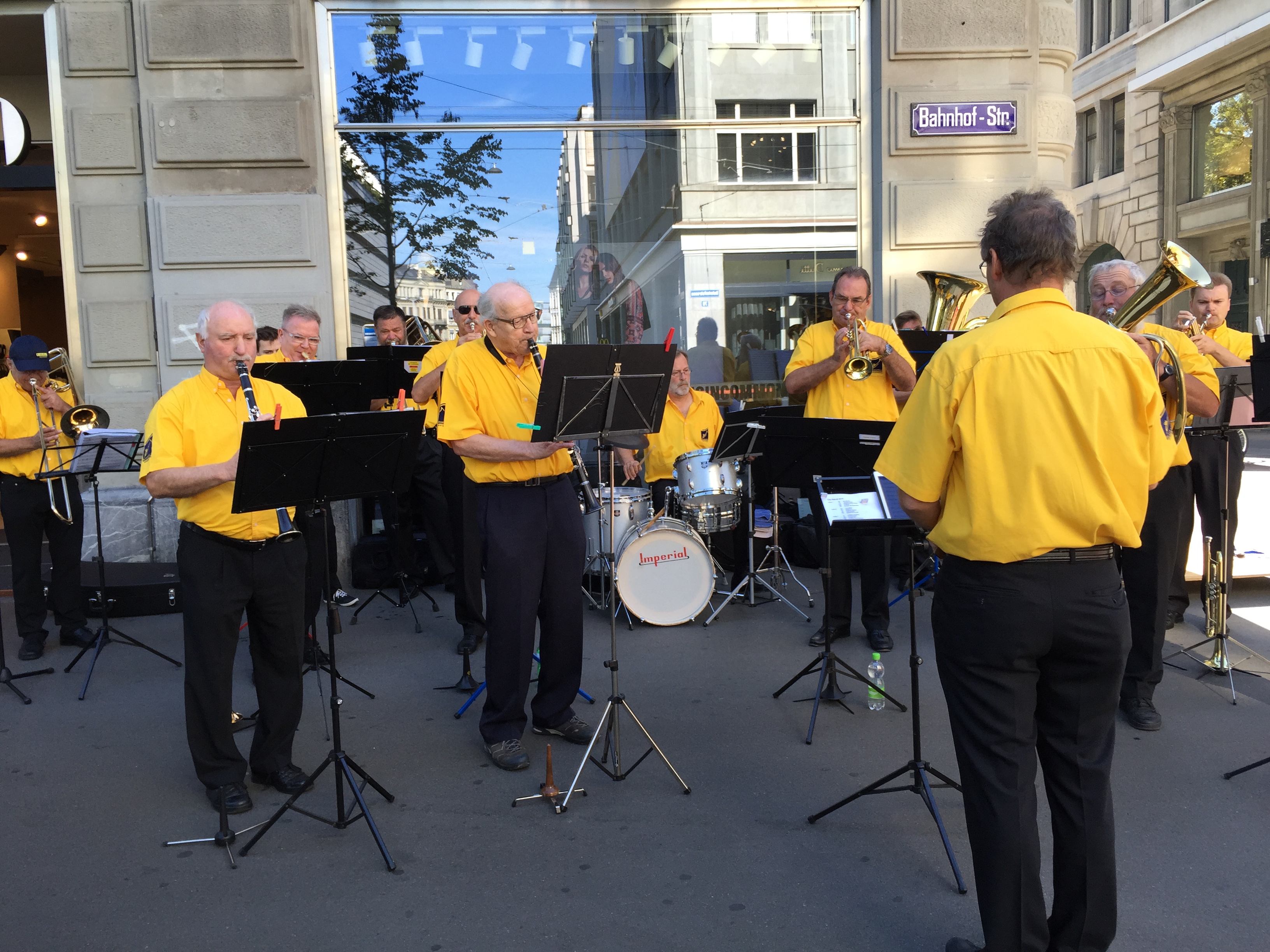
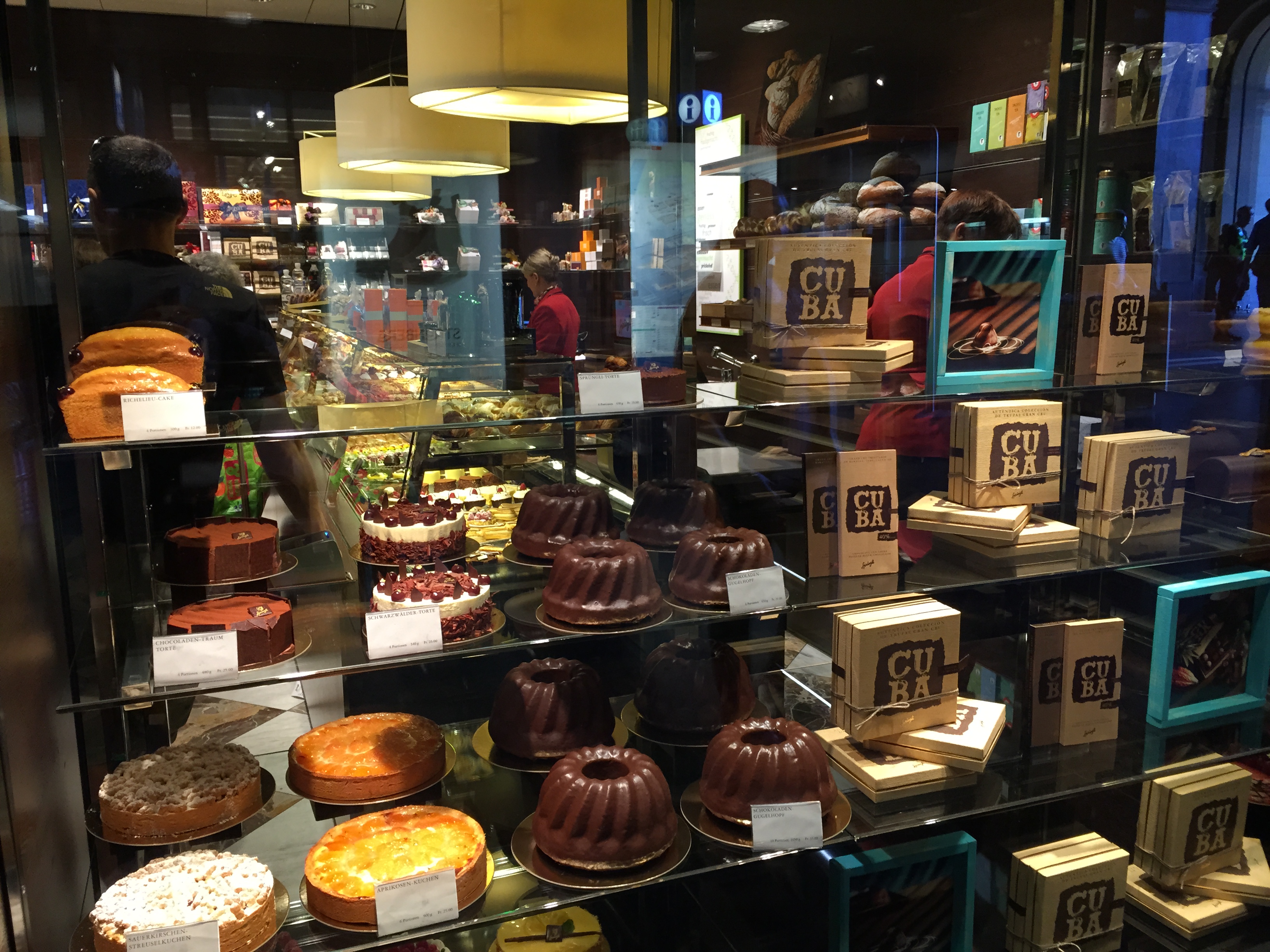



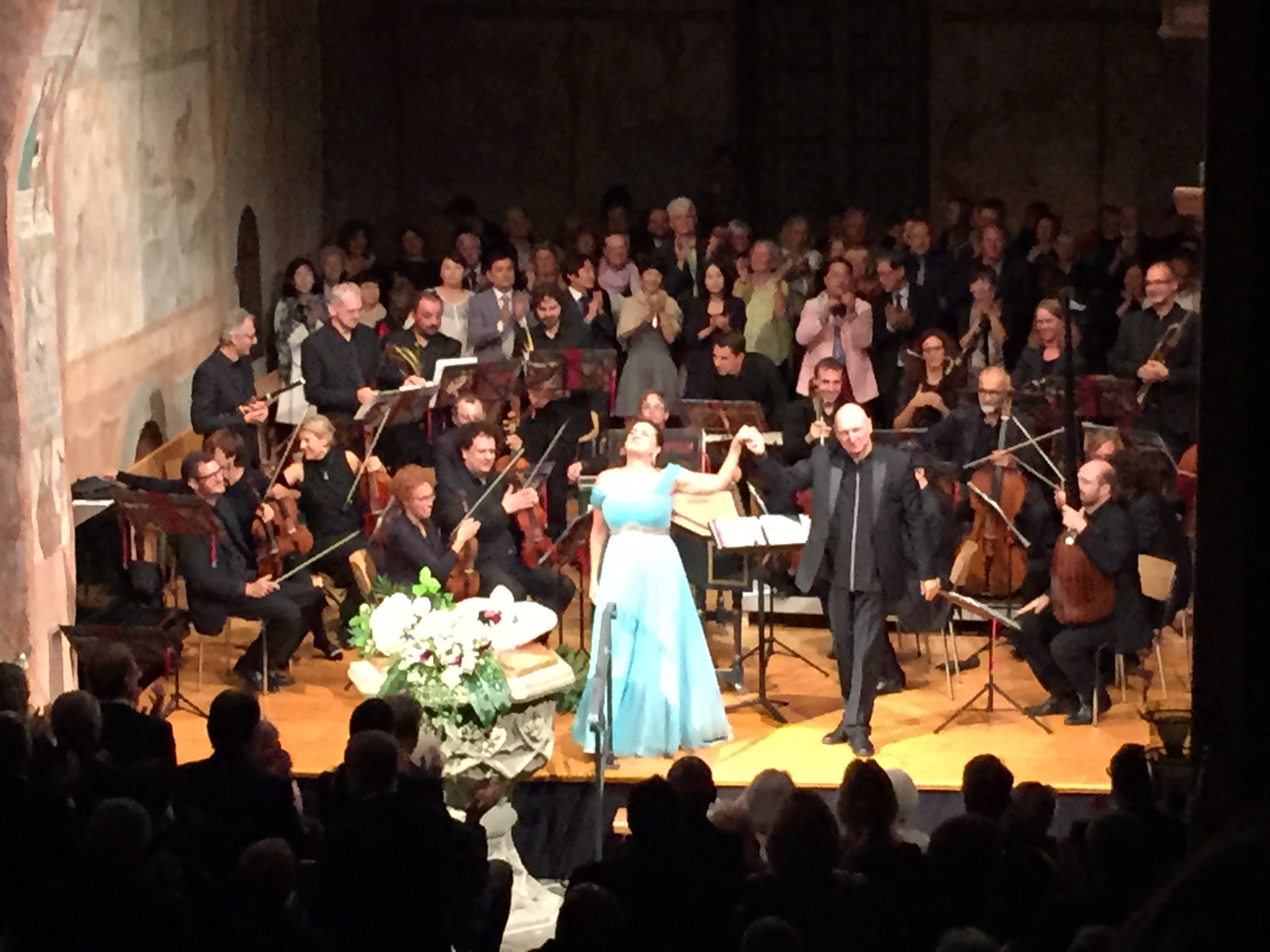
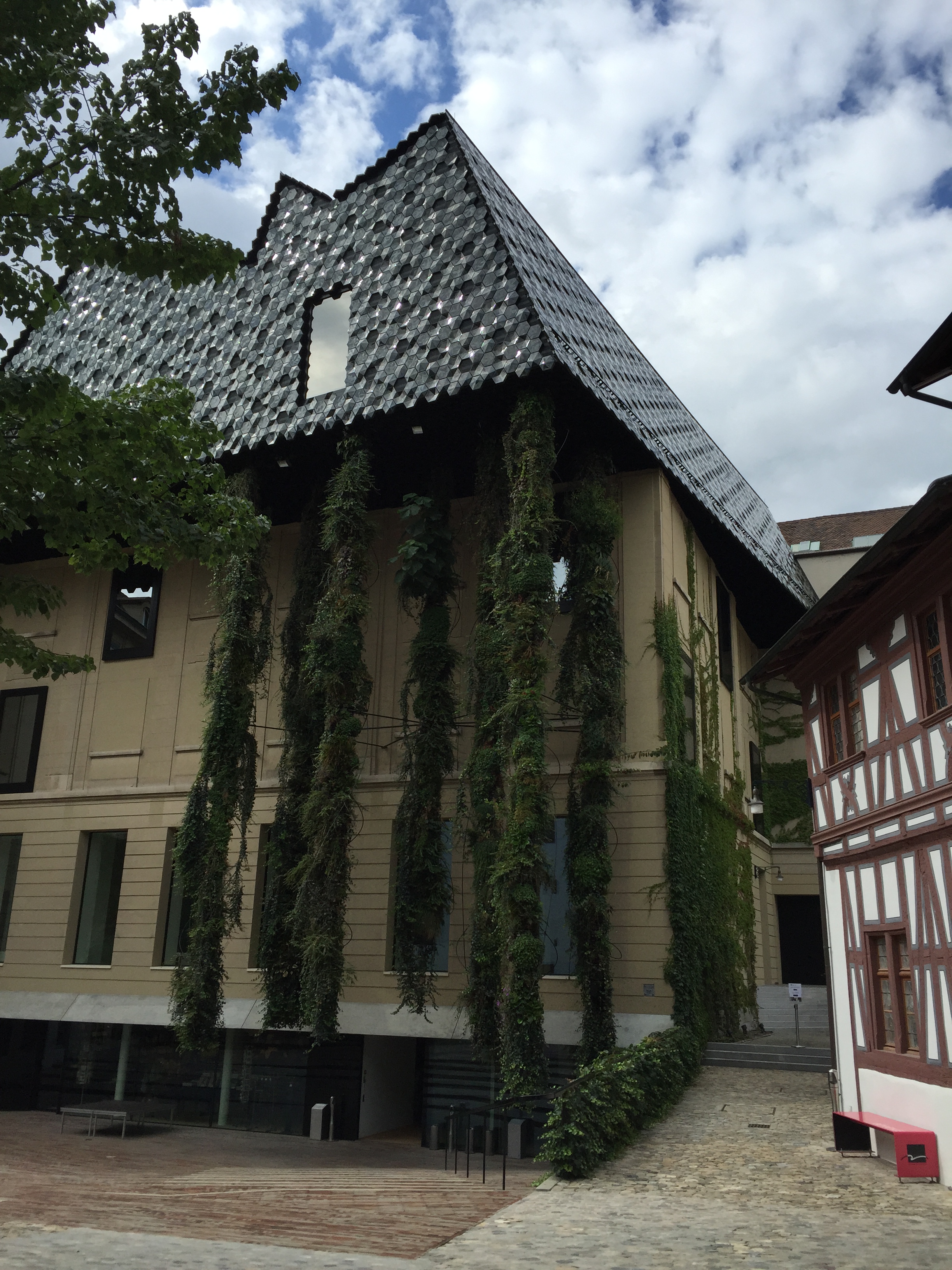


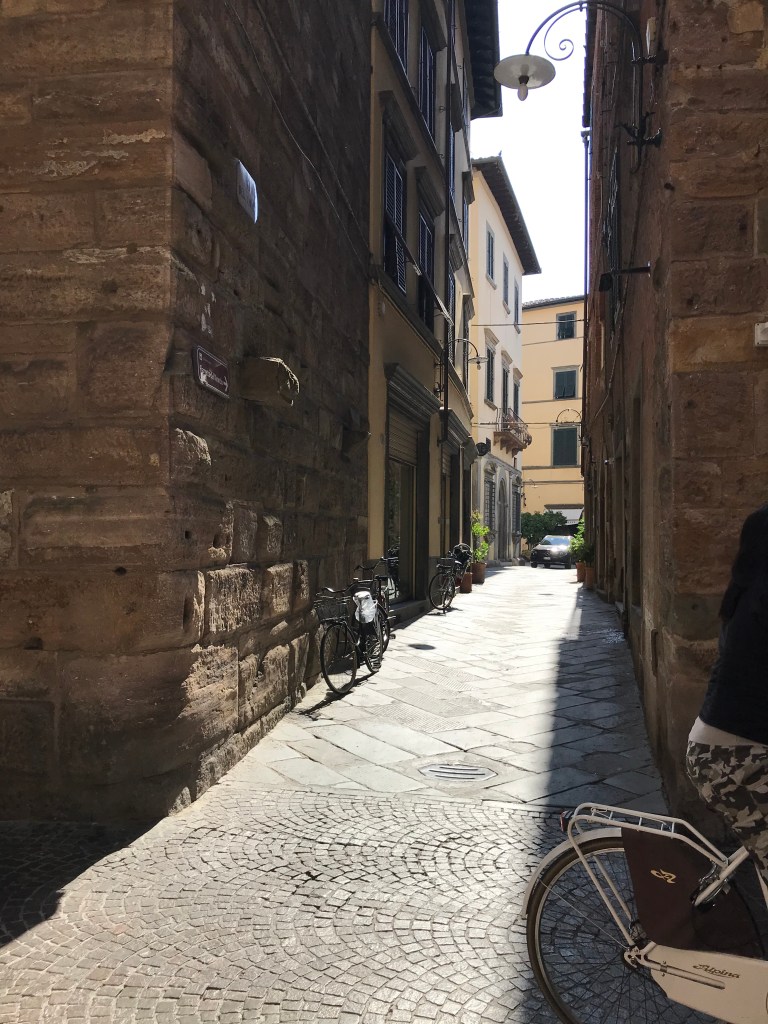


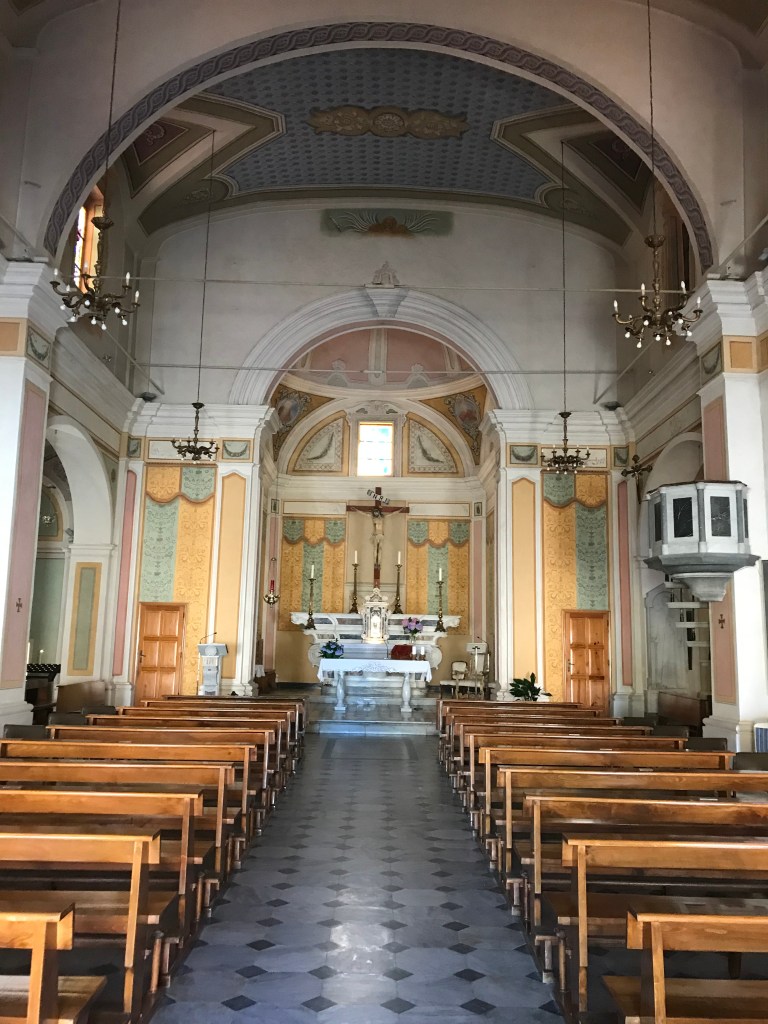


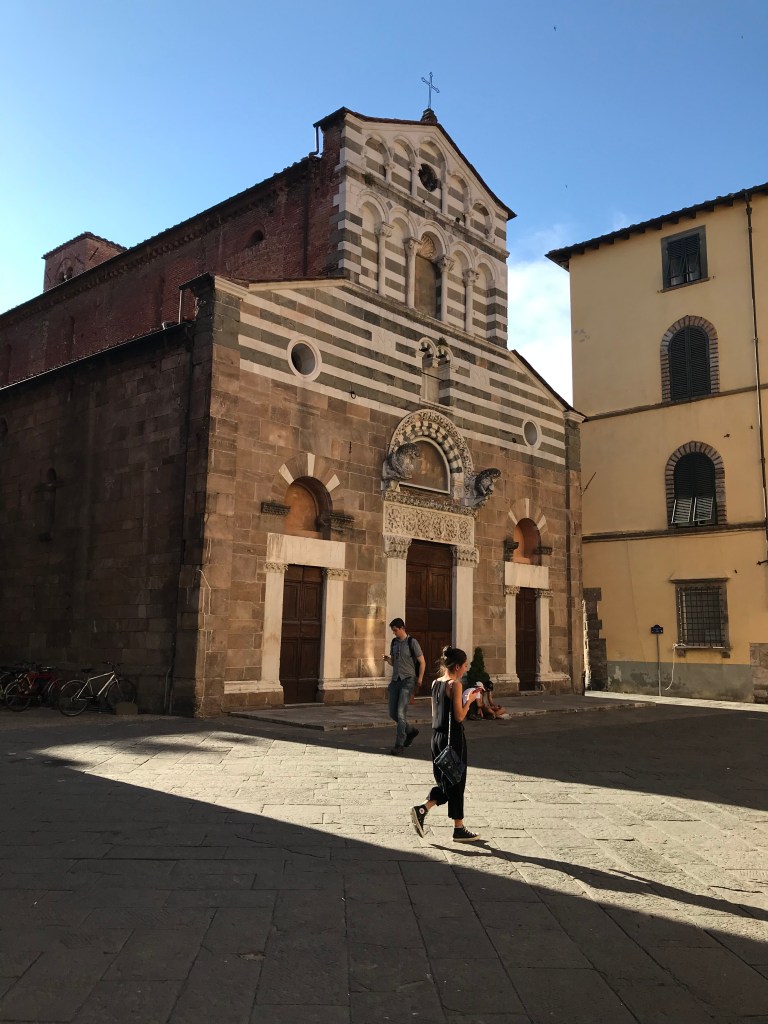


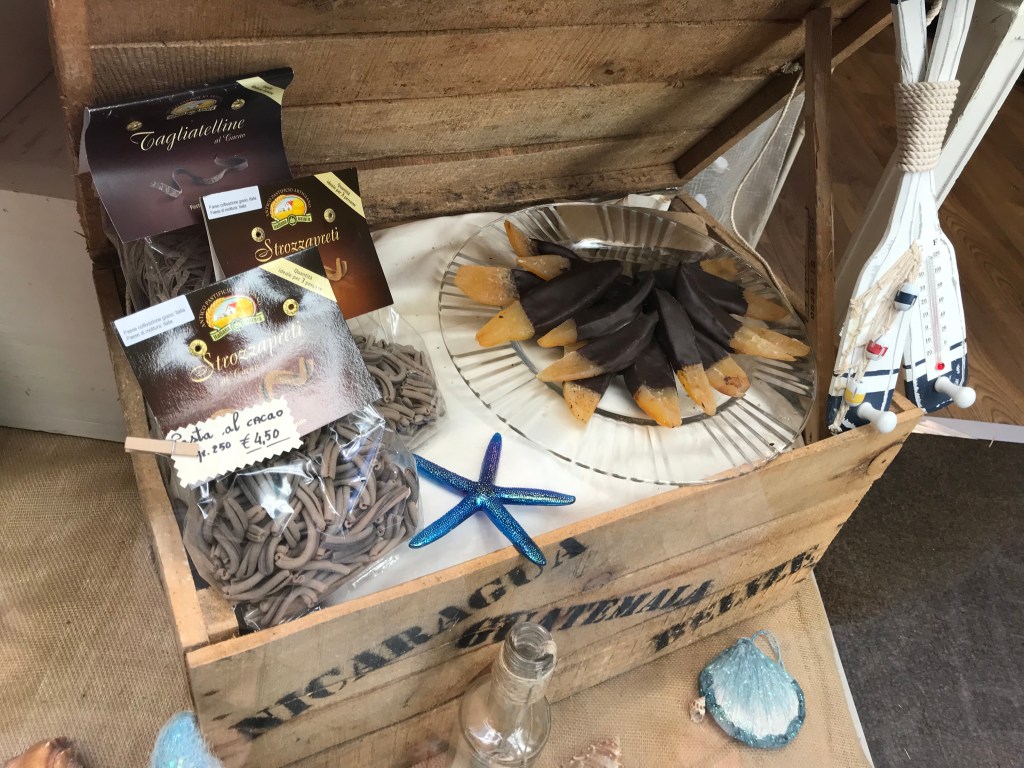

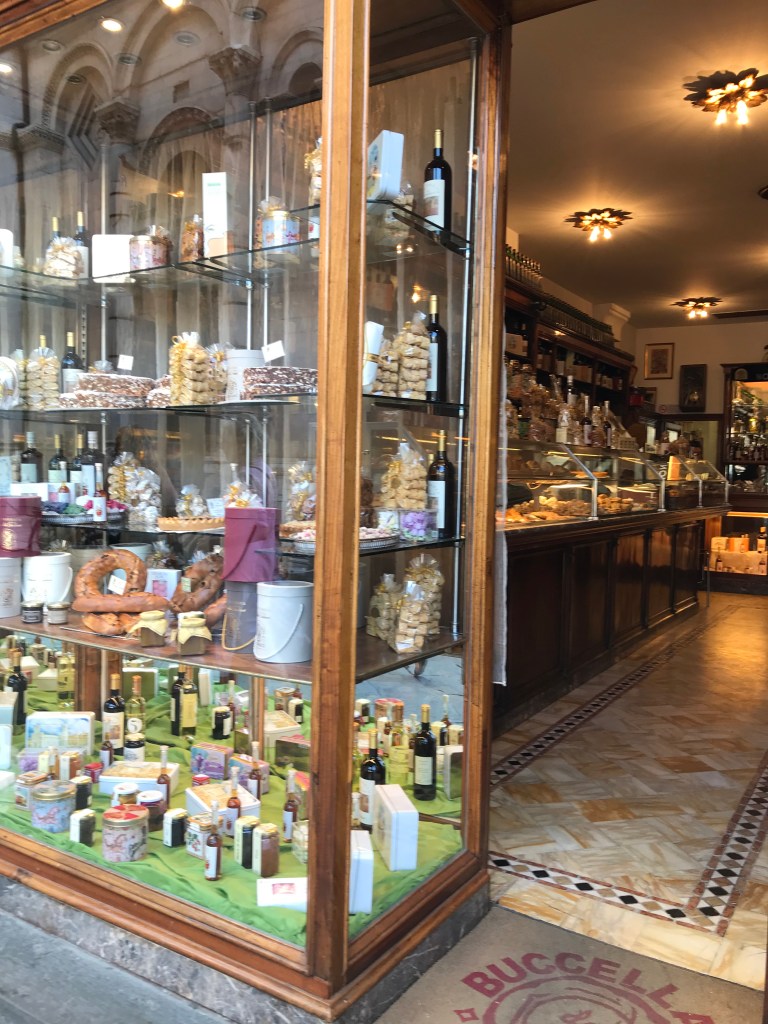

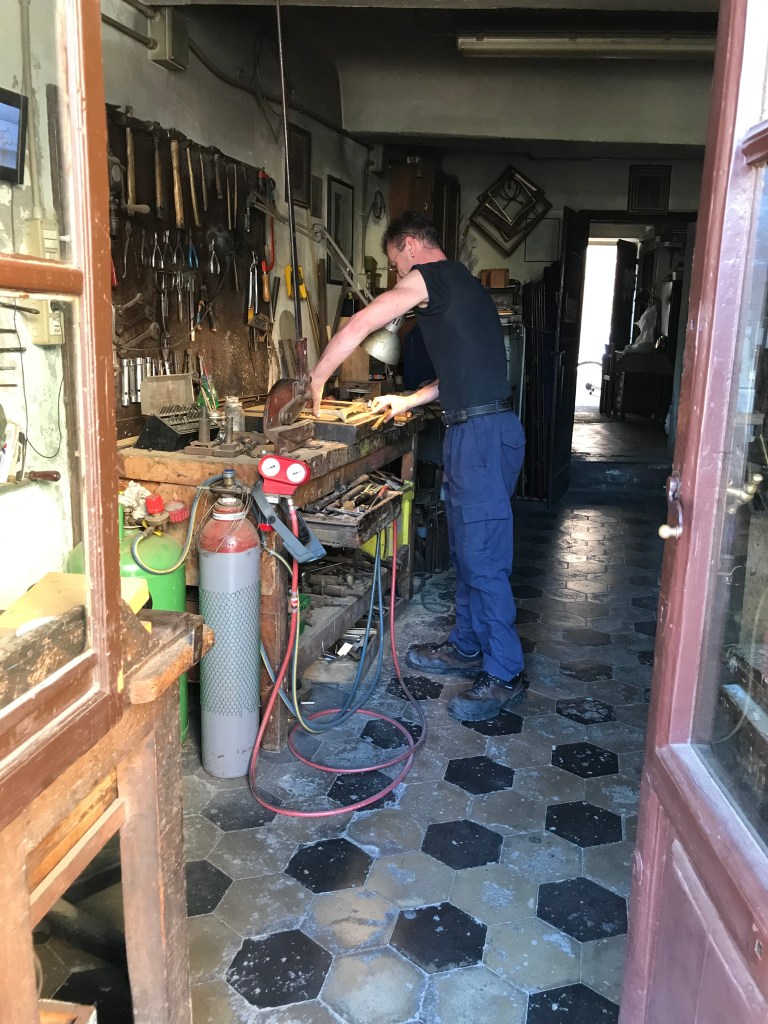




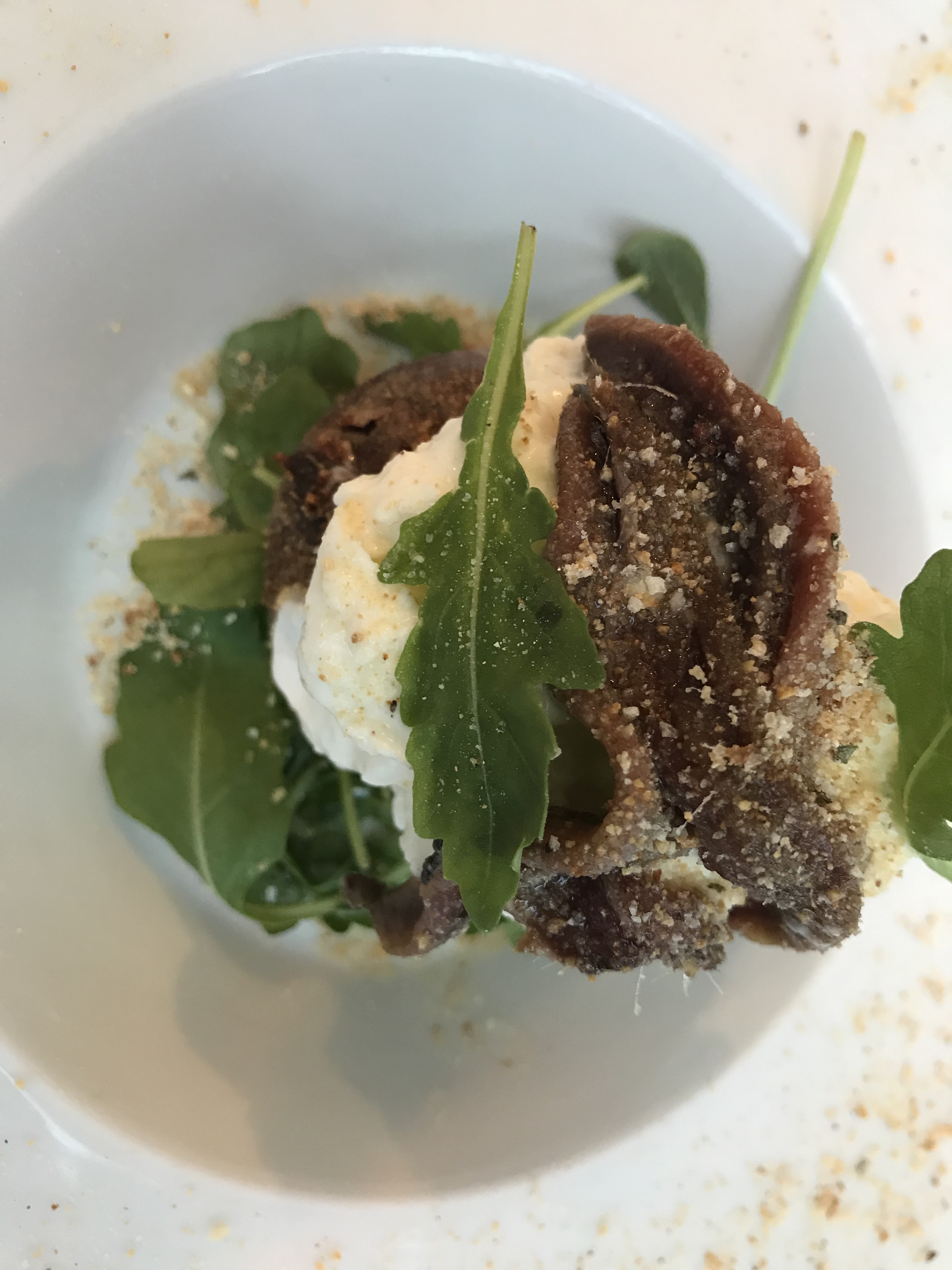

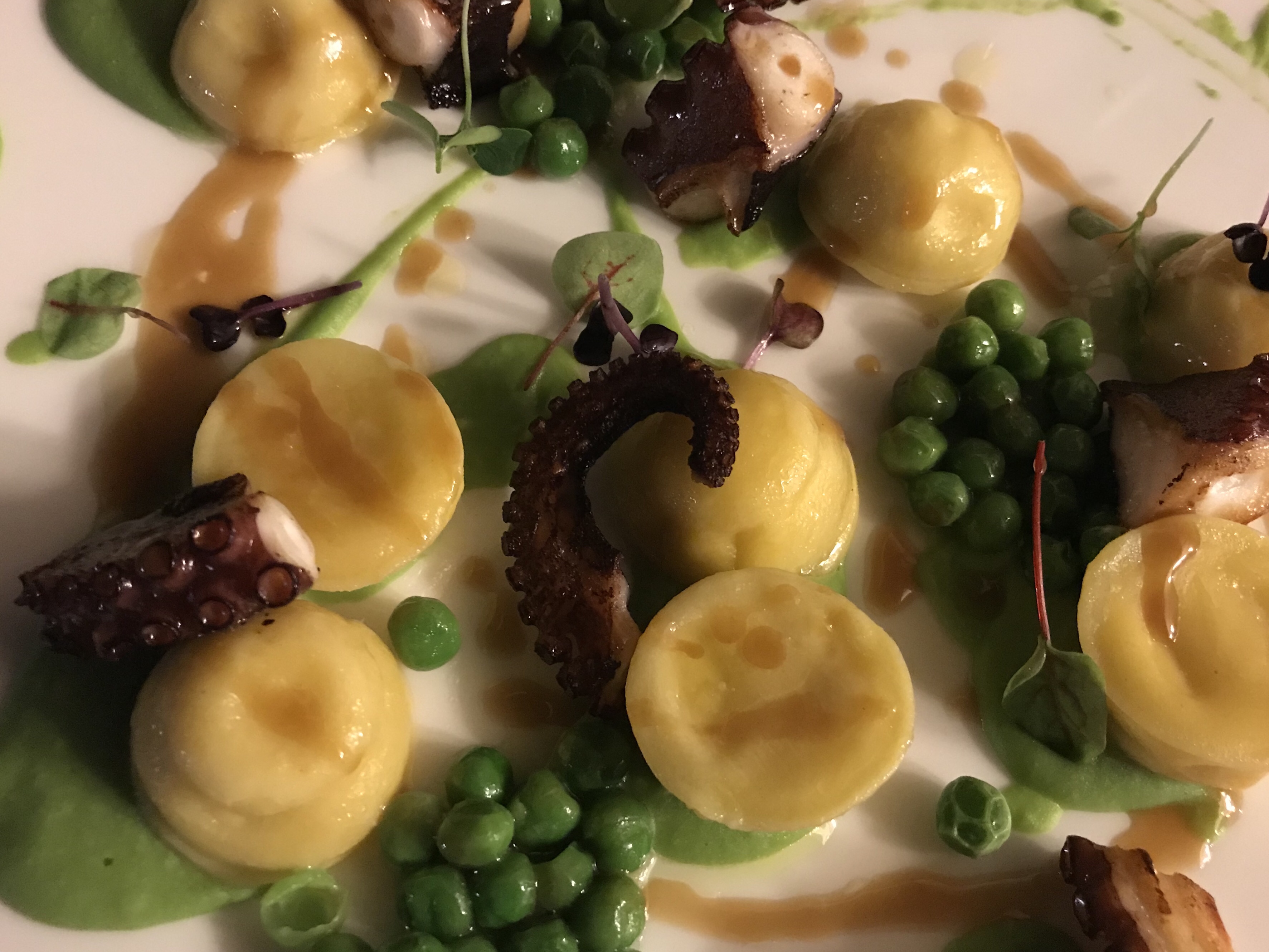
 travelswithmyselfandothers.com