Category Archives: 2024

No, Sydney is not just like San Francisco (Part II)

A week in Sydney has given me ample time to both enjoy and scrutinize this world-class city with objective consideration.Skeptical at first, I was quickly swayed by the Opera House and the infusion of Asian culture. A continuous palette of cultural activities couldn’t help but seal my positive opinion of this city.

In a way, Sydney doesn’t get the recognition it deserves. Respecting aboriginal rights, embracing multi-culturalism, good planning, and fortunate climate all contribute to this energetic outcome. Everyone should come and participate in this cultural experiment in the making, and perhaps, like I did, discover why other parts of the world are unlike it.

The Views, the Views, the Views

Compare the activity and views below to San Francisco’s Fisherman’s Wharf, the Cruise Ship Terminal, and the Ferry Building along the Embarcadero:

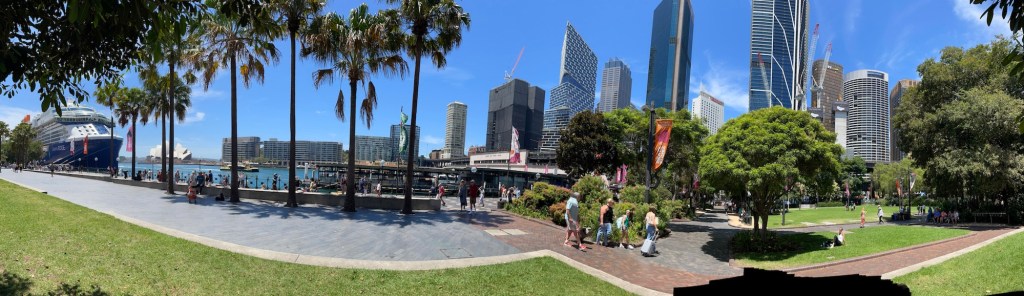
Wherever you live in Sydney, you get a good mental picture of the fact that you are located near water. Gently rising hills provide sneak peaks of the harbor and adjacent seaside locations.

The Australia Museum

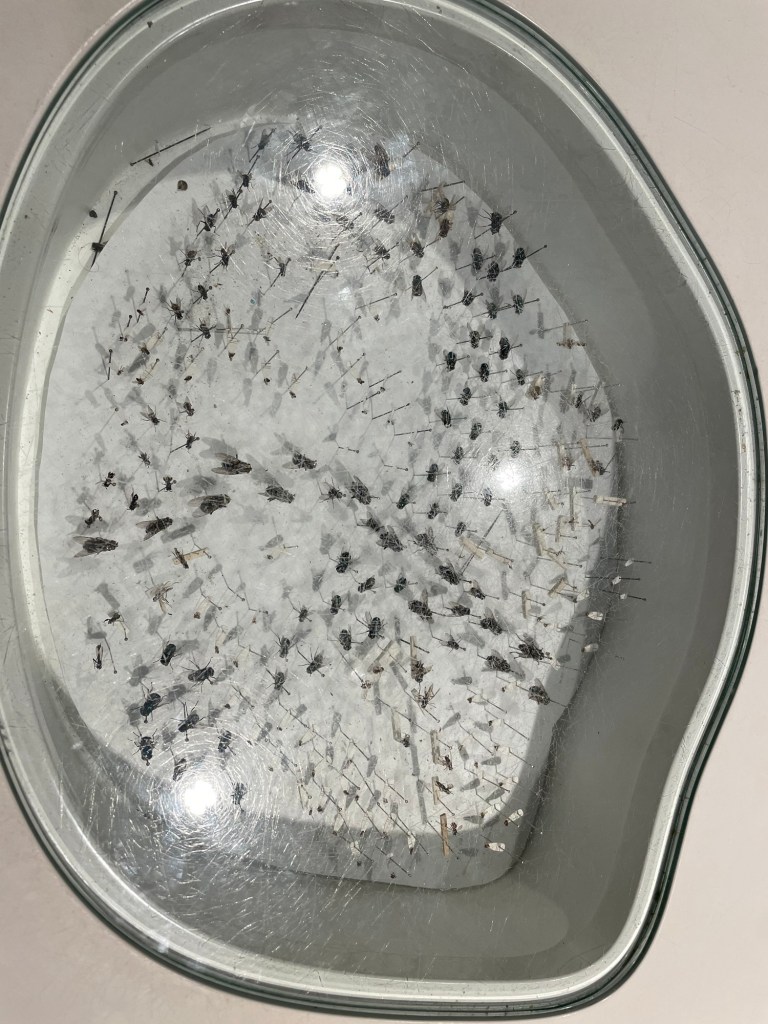
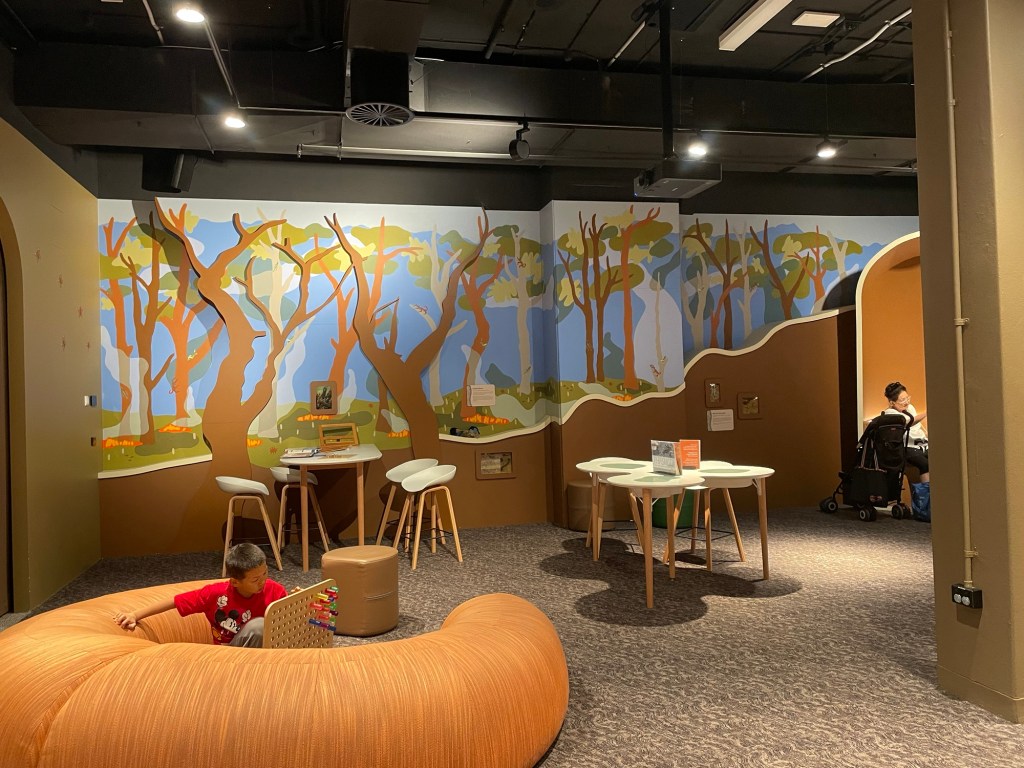
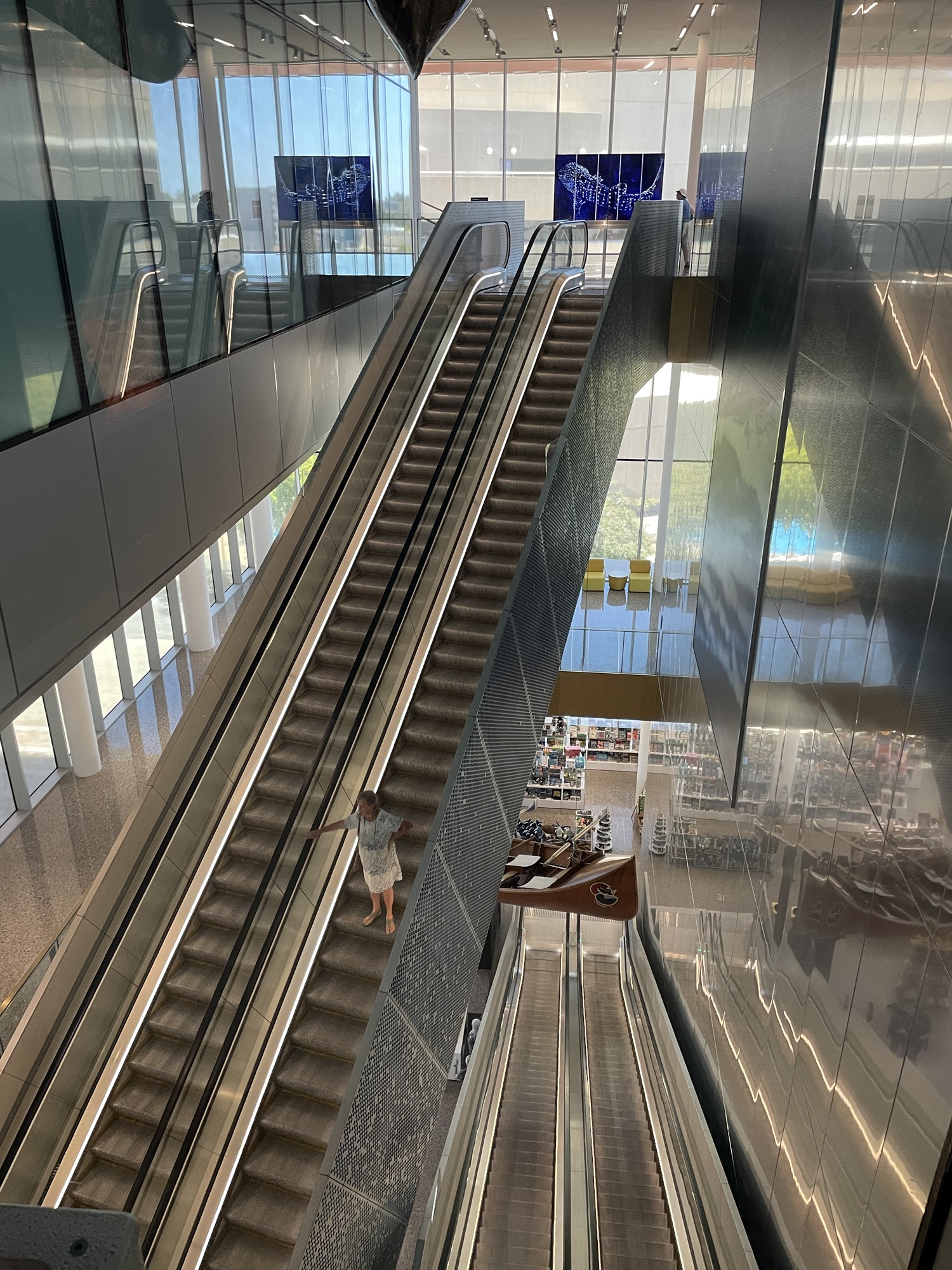
This national history museum offered interactive displays that were entertaining for both children and adults. The good old British tradition of documenting and researching the natural world is evident here, along with excellent communication and approaches to educating the public.

Captivating Video at the Australia Museum
Museum of Contemporary Art

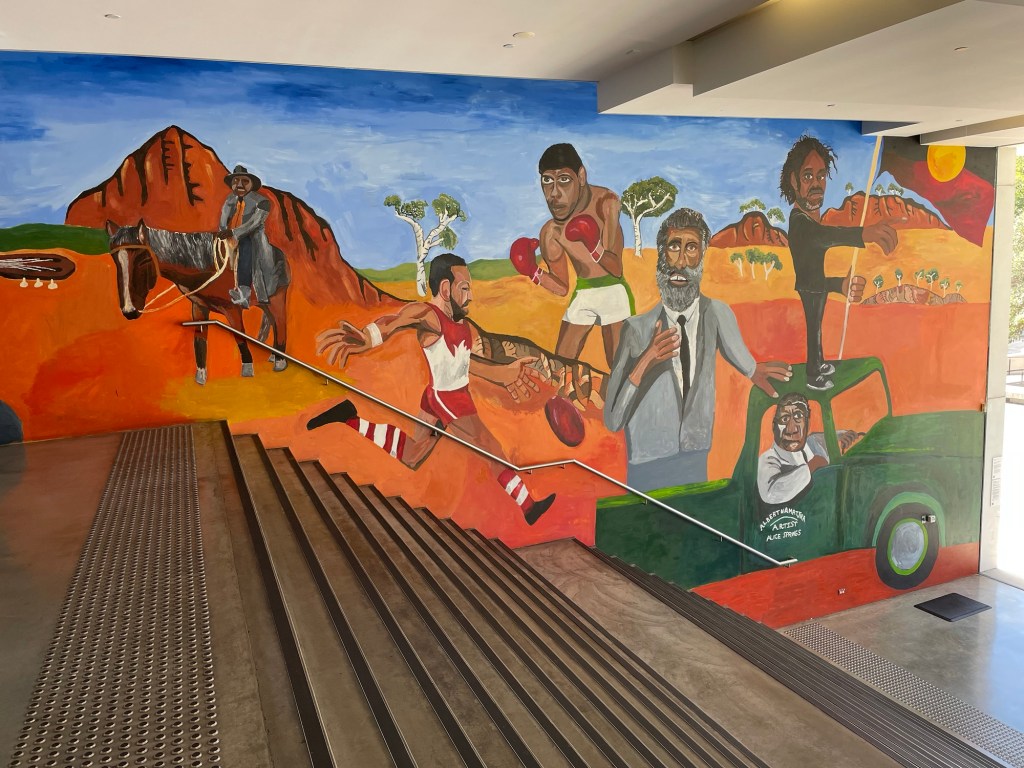
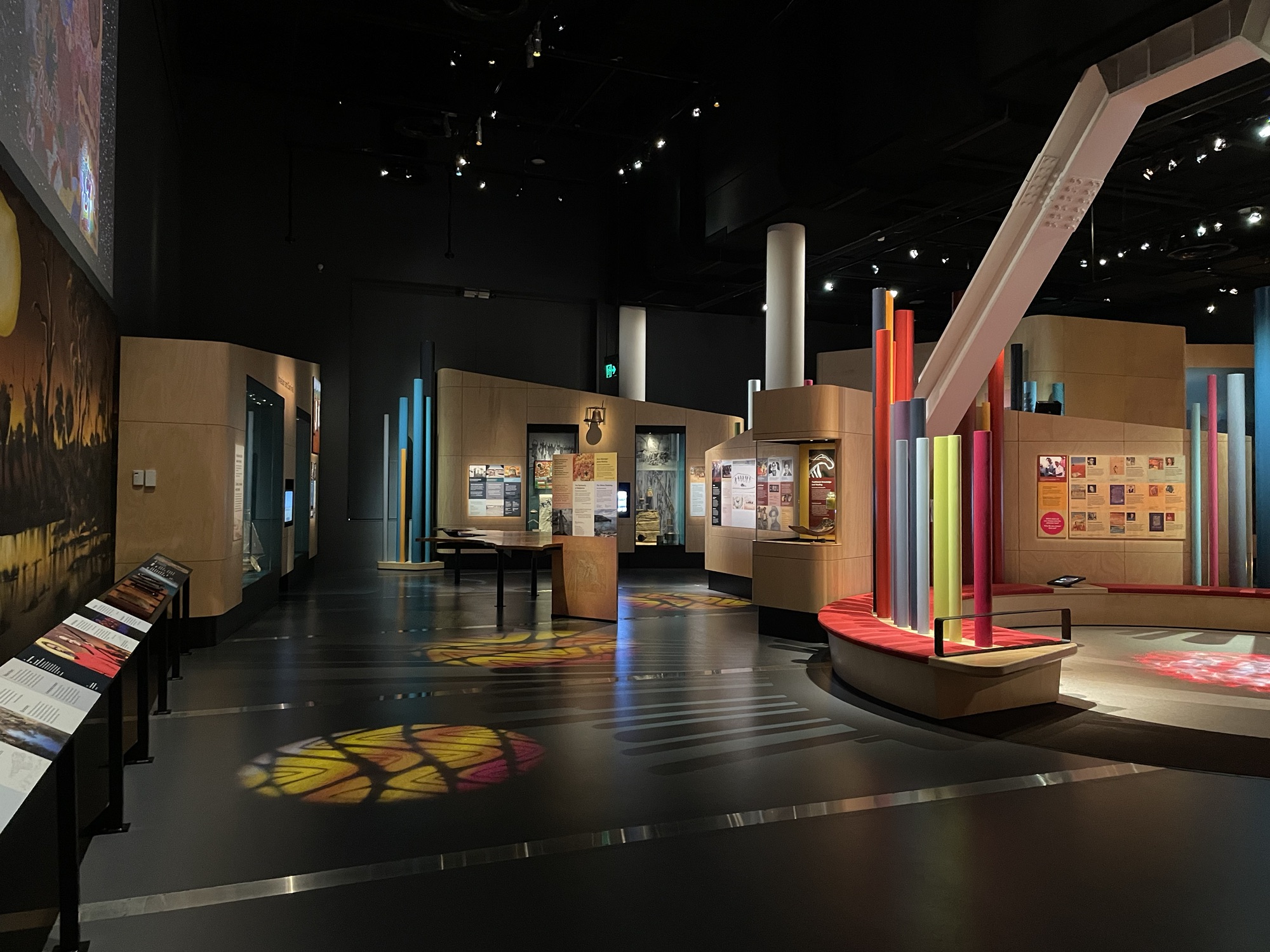
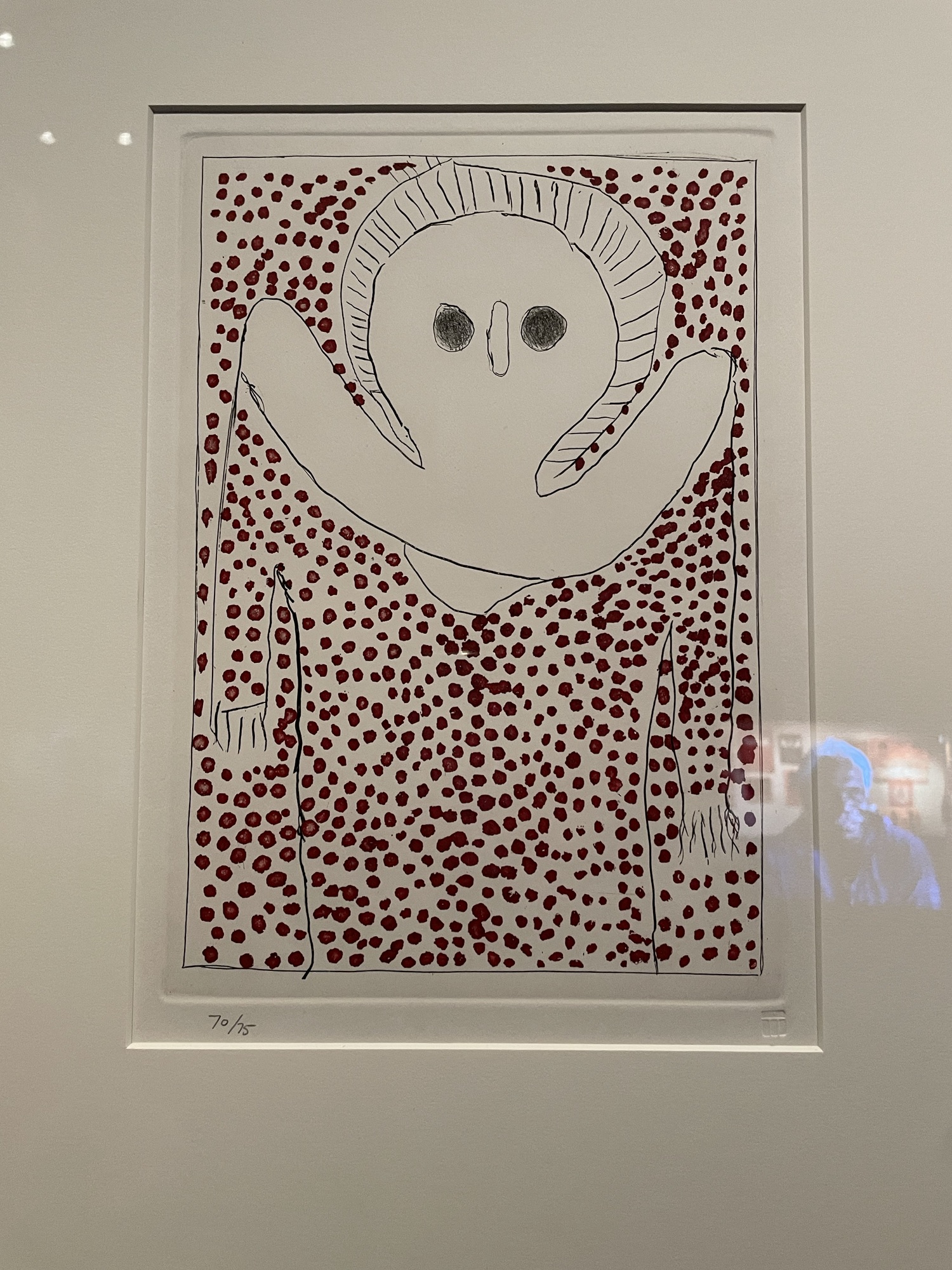
25% of the museum artwork is dedicated to aboriginal communities and their art. It was inspiring to learn about the original inhabitants alongside the latter day settlers as they form a context for artistic expression unique to Australia.
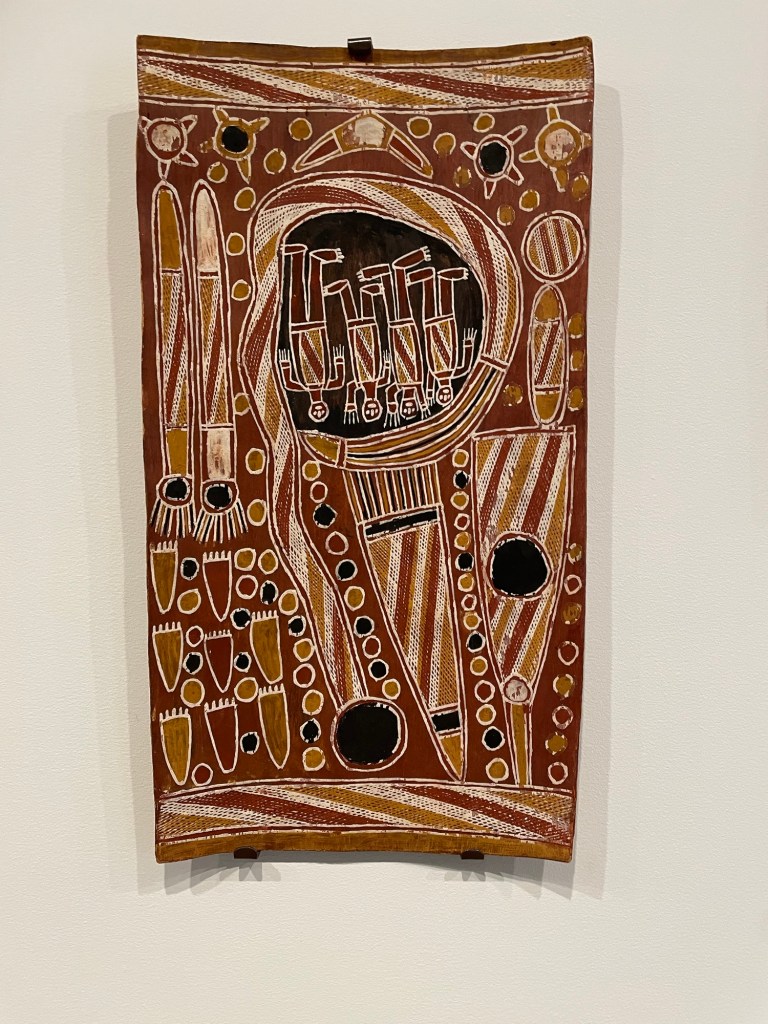
Conveniently located adjacent to the Cruise Ship Terminal and the Circular Quay, the MCA shared magnificent views of the Sydney Harbor Bridge and Opera House.

The Taronga Zoo

A quick 20-minute ferry ride to the Taronga Zoo made a perfect family outing. Elephants, giraffes, zebras are on display here, along with native animals such as the emu, kangaroos, and koalas

Naturally the koala bears were the first items on my agenda. I was still grateful that I took the extra two hours each way earlier in the week to visit the Ferndale Koalas outside of Sydney. The access to the male, female and baby koalas were more accessible, b ut I got my fix both ways. 

The zoo’s proximity to the water and views of the city from the ferry continuously compete with the venue’s main attractions. Visitors and residents alike form an intimate connection to all points of the city wherever they are. Even the animals got a view of downtown Sydney!

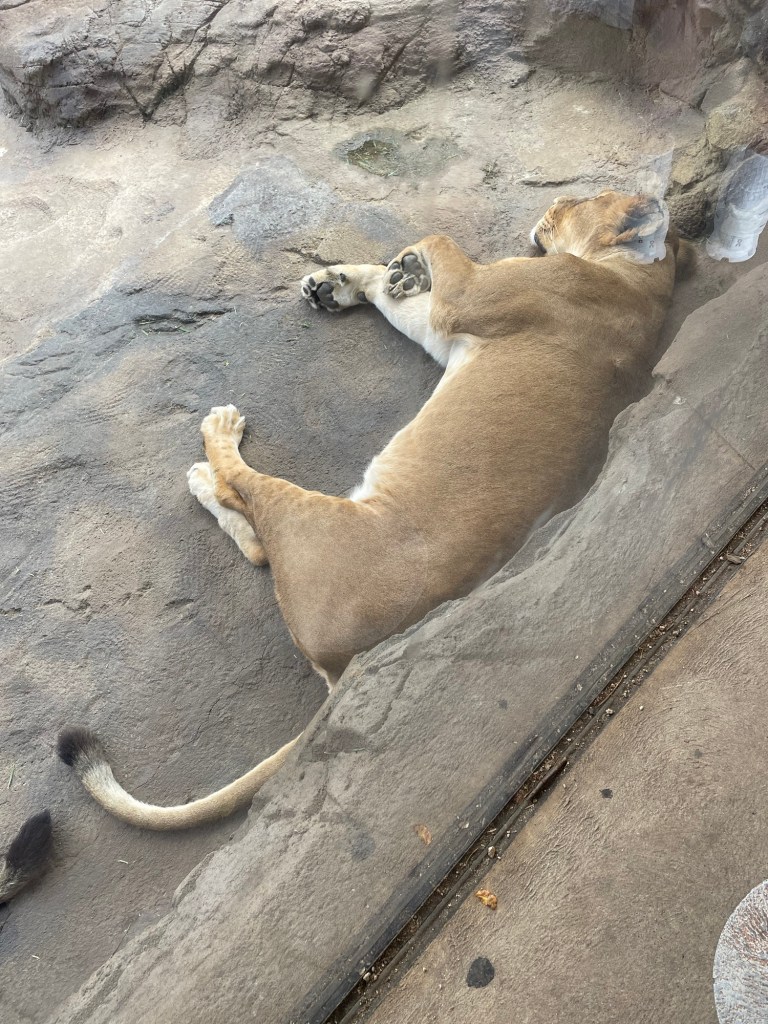
More irresistible views of the city and its landmark opera house from the Taronga Zoo ferry:

To top it off, walks through stately Hyde Park in the middle of the city will make you fall in love with the city:

The Chinese Garden

Just footsteps from our hotel in the Central Business District was a beautifully designed Chinese Garden. We happened to be in town on Chinese New Year, and the festive atmosphere was supported by many children and even adults dressed in Chinese outfits. Being 20% Chinese, 20% White, and 16.5% Asian, the Asian influence is undeniable. At least in the downtown area, noodle shops and late-night retail services abound.

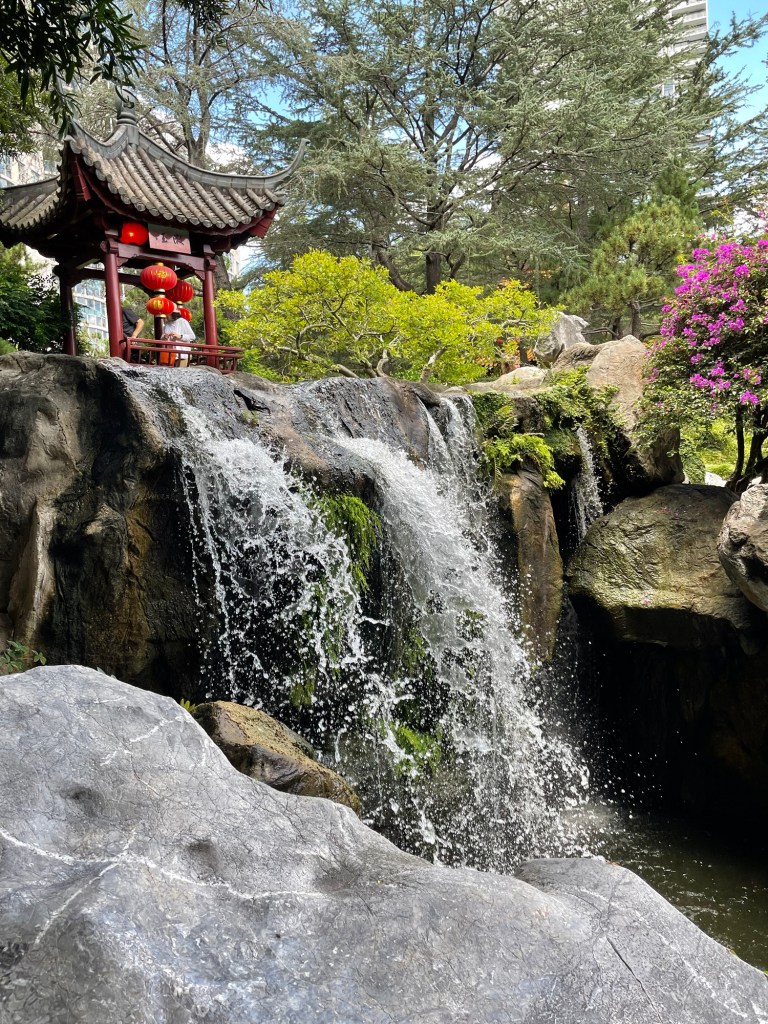
In the next neighborhood, Chinatown was hopping with tourists over the weekend. Festivities were topped by a fireworks display that was a fitting finale to our fascinating week in Sydney.

The difference in each Chinatown could be marked by its beginnings. The influx of Chinese in Sydney began in the Eighties. In comparison, Chinese immigrants who came illegally to San Francisco several generation before were primarily farmers and laborers. Exclusion laws, segregation and isolation dictated much of the history of San Francisco’s Chinatown.

Quirky Sydney
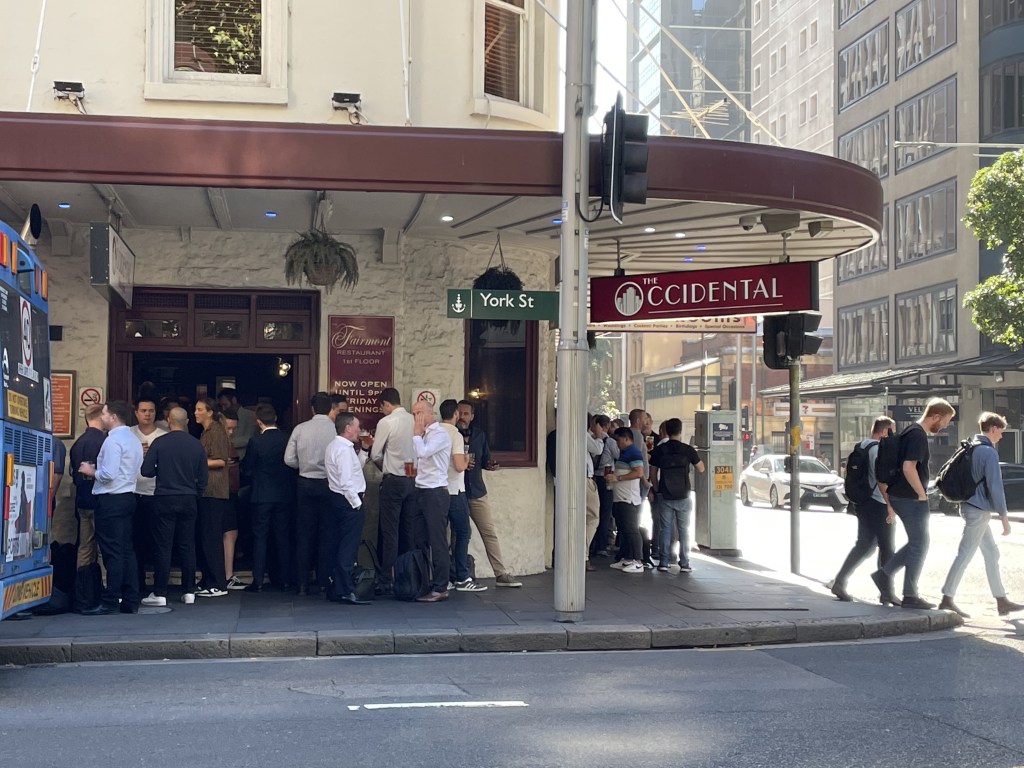
From photos above:

  1. He-man drinking is alive and well in Sydney.
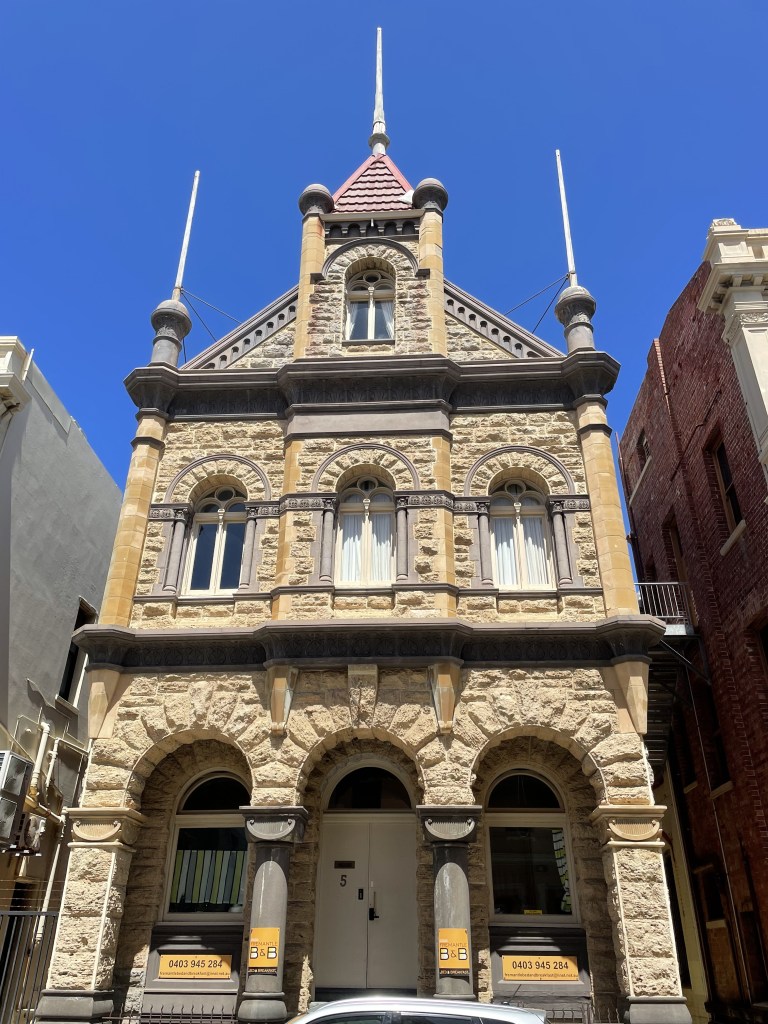
  2. Not to forget Australia’s convict past, this building’s graffiti seemed to capture the mood of the country.
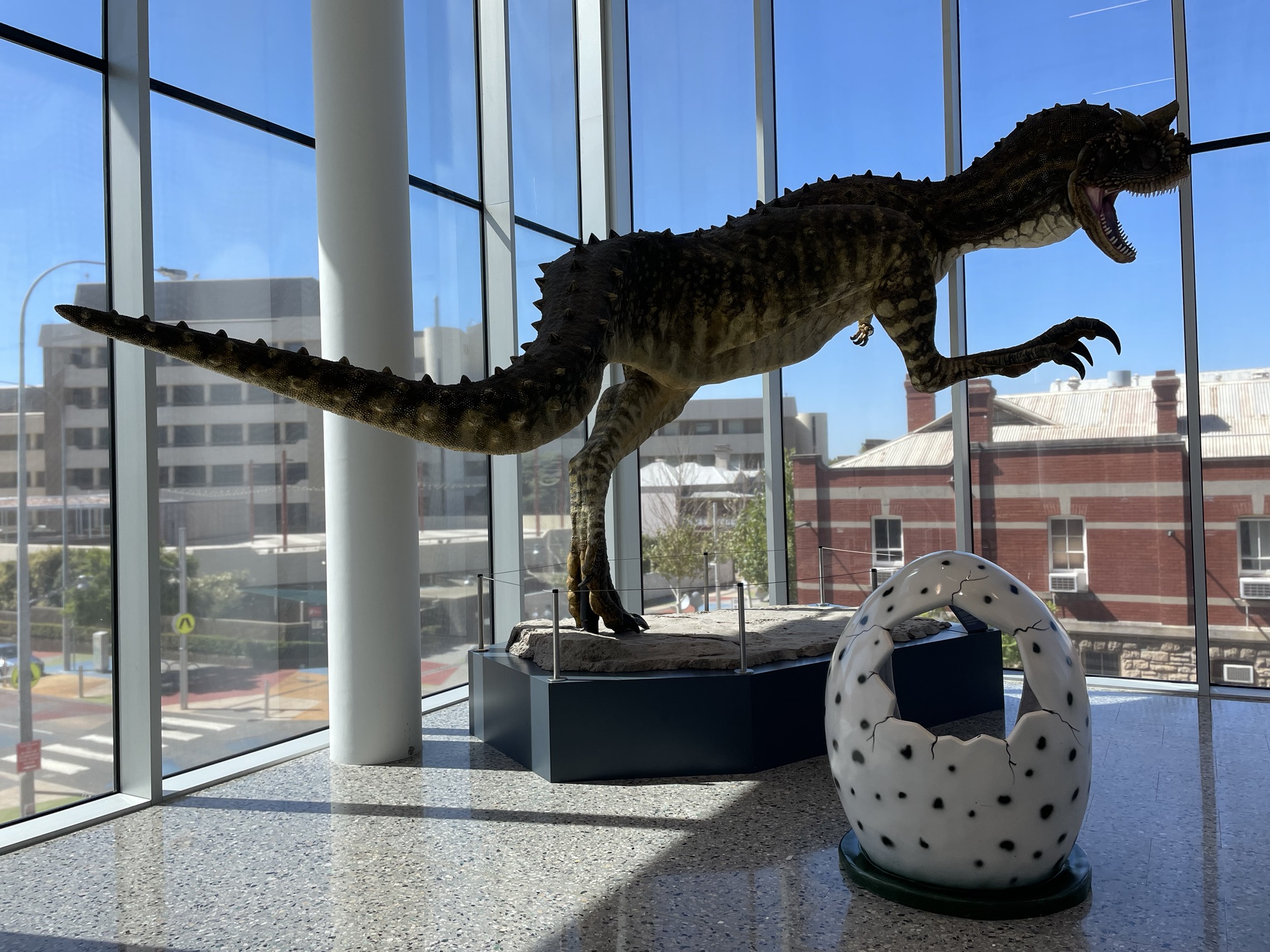
  3. A reminder of the gargantuan creatures that have inhabited this vast country.

Adventure programs galore on broadcast television. I was fascinated by HE-man energy shows. Ex-excavator operators used their skills to find gold in Africa, American yokels from different corners of the country yanked logs stuck in rivers, and of course love at first date programs added to the intrigue. Maybe all TV is like this, but watching it gave me a window into the world of the Australian mindset.

After a solid dose of these mesmerizing shows, I was wishing I could watch TV as I did when I was young. It felt strangely comforting to watch a screen flicker into the night and allow a machine control your brain and what you were about to see. I wasn’t stressing out over instagram posts, nor was I constantly checking for emails. The empty promotions for advertising or political campaigns could at least be avoided, and not in a better, but different way.

Who knows? Maybe we will all go back to TV one day, when AI programming is done for you on your phone. You no longer have to search The NY Times guides to 50 best Netflix or Max shows to watch before they disappear. You just turn it on and get given it on a bigger screen. Yikes.

“I Left my Head in Sydney”???

Despite many confident conclusions that Sydney is like San Francisco, that old saying is obsolete. In its early days, Sydney may have appeared to be a poor second cousin to the romantic image of the City by the Bay, and where Tony Bennett left his heart.

But no, Sydney is not just like San Francisco. True, it’s missing a romantic tune that everyone can sing. But that’s just about where the shortcoming stops. In a nutshell, Sydney seems to be more vibrant, safe and sane. At least in my opinion and after ten days here, traveling with myself and others.

If Sydney has 5 million people compared to San Francisco’s population of 750,000, Sydney should have more than five times the problems. Yet it feels like it has five times fewer problems. Why is that?

People work in Sydney! Tons of workers in the financial district dress smartly, rush to get their lattes before facing a day in the office. This is a city for crane-spotting, but they were too numerous to count. Maybe it, too, will reach a climax like San Francisco’s financial district. The pandemic didn’t affect Australia in the way it did in the U.S. But bad on us for what happened during that time.

San Francisco seems to be tired, shaken, and ailing. It’s crashing by its own success and in need of solving some major societal ailments. Lack of housing, income disparity, and political uncertainty contribute to the insecurity. But those are not just predicaments for the city of San Francisco. More people across the globe share the same disease that the American people are facing.

Things could change in either direction quickly, and my opinion may change accordingly. Until then, escape to Sydney. It has more hope for the future. If the problems are here, at least they are different. And seeing them photoshopped out of view, you have time to enjoy the scenery.

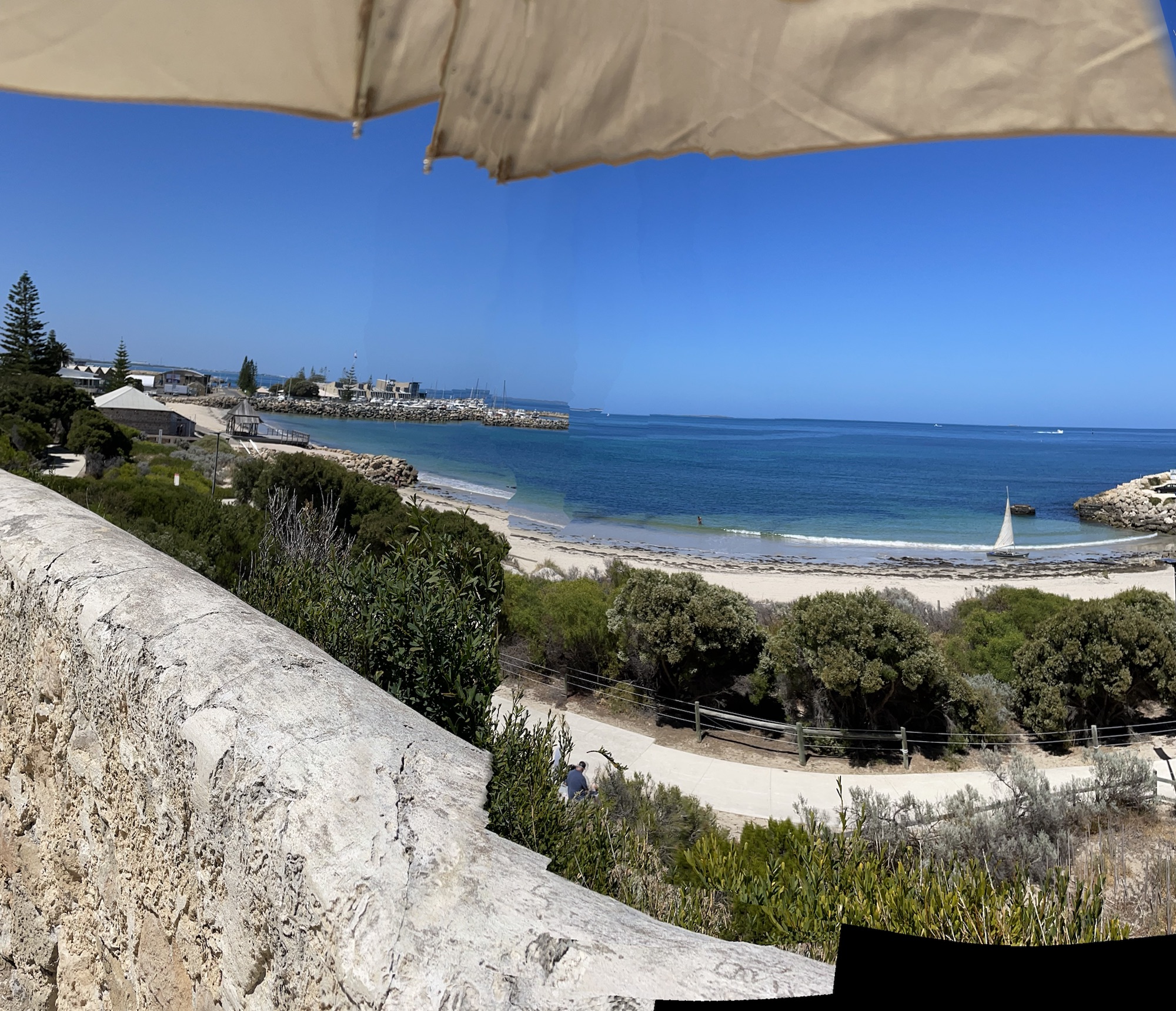
Perth—the Edge of the World?!?

Perth appears to be the last major urban vestige of the world on a standard two-dimensional global map. As mentioned previously, I was reminded that it’s only five hours from Singapore. Australia is to us, a corner of the world, when it isn’t. Being here helps me to undo that bias.

The 35 degree heat, long sun-lit days from 5am to past 10pm and chokingly clear air are other mental adjustments. A brisk wind returns evenings to manageable temperatures. It reminds me of the hours when fog rolls into San Francisco around 3:30 in the afternoons.

After four days in transit observing the Australian landscape with passive wonder, I am now actively challenged to interact with the environment and people. My first adventure was a one-hour side trip by train to Fremantle, a cozy little town on the coast of Western Australia.

Fremantle Prison

Known as the Mound, the octagonal building constructed in 1830 served as an outlook as well as the gallows for misbehaved convicts.

This prison preceded the larger Fremantle prison constructed in 1850.

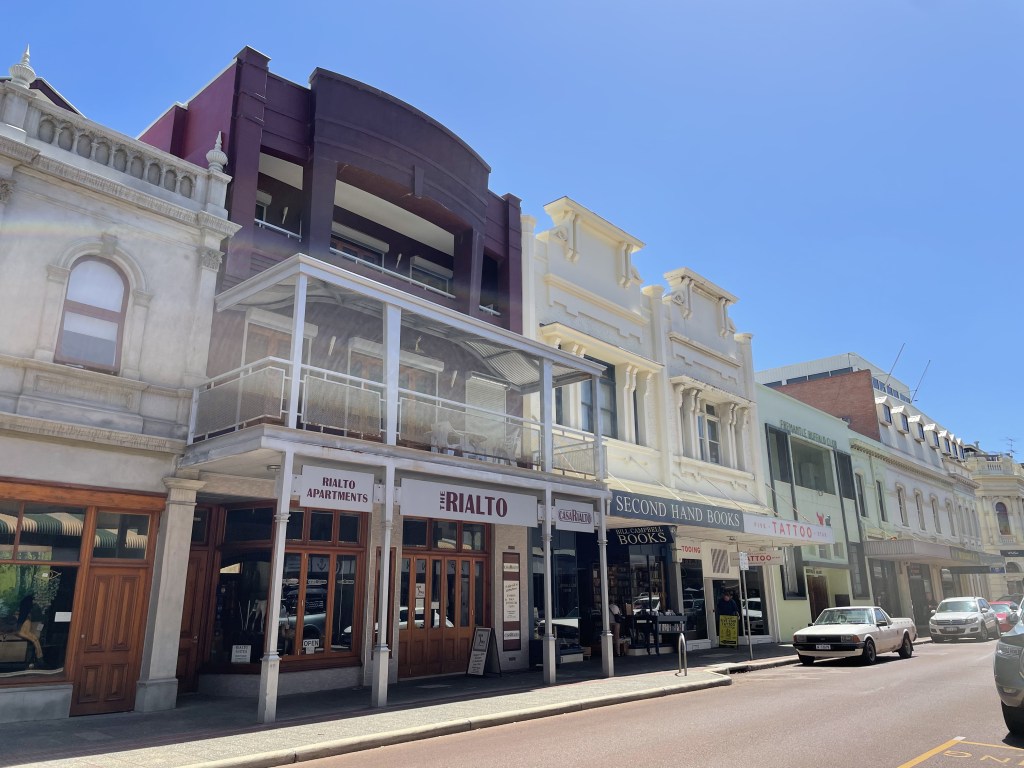
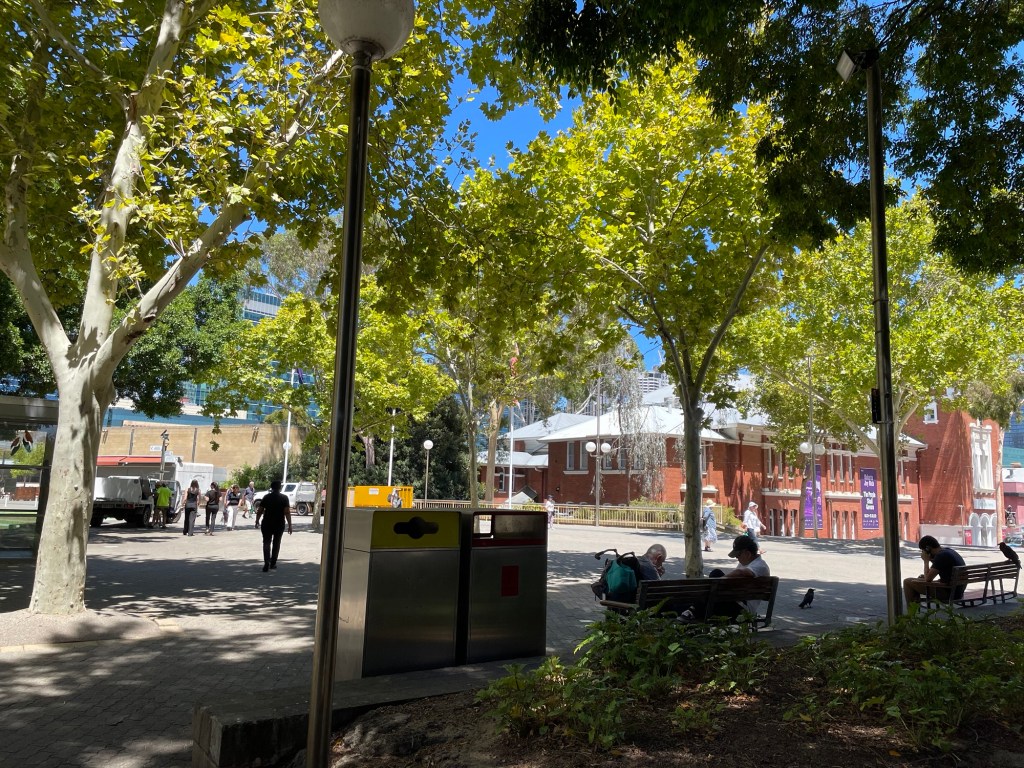
Fremantle offers an opportunity to escape the sprawling dreariness of Perth. The streets have a neighborhood feel with quaint shops, galleries and cafes.

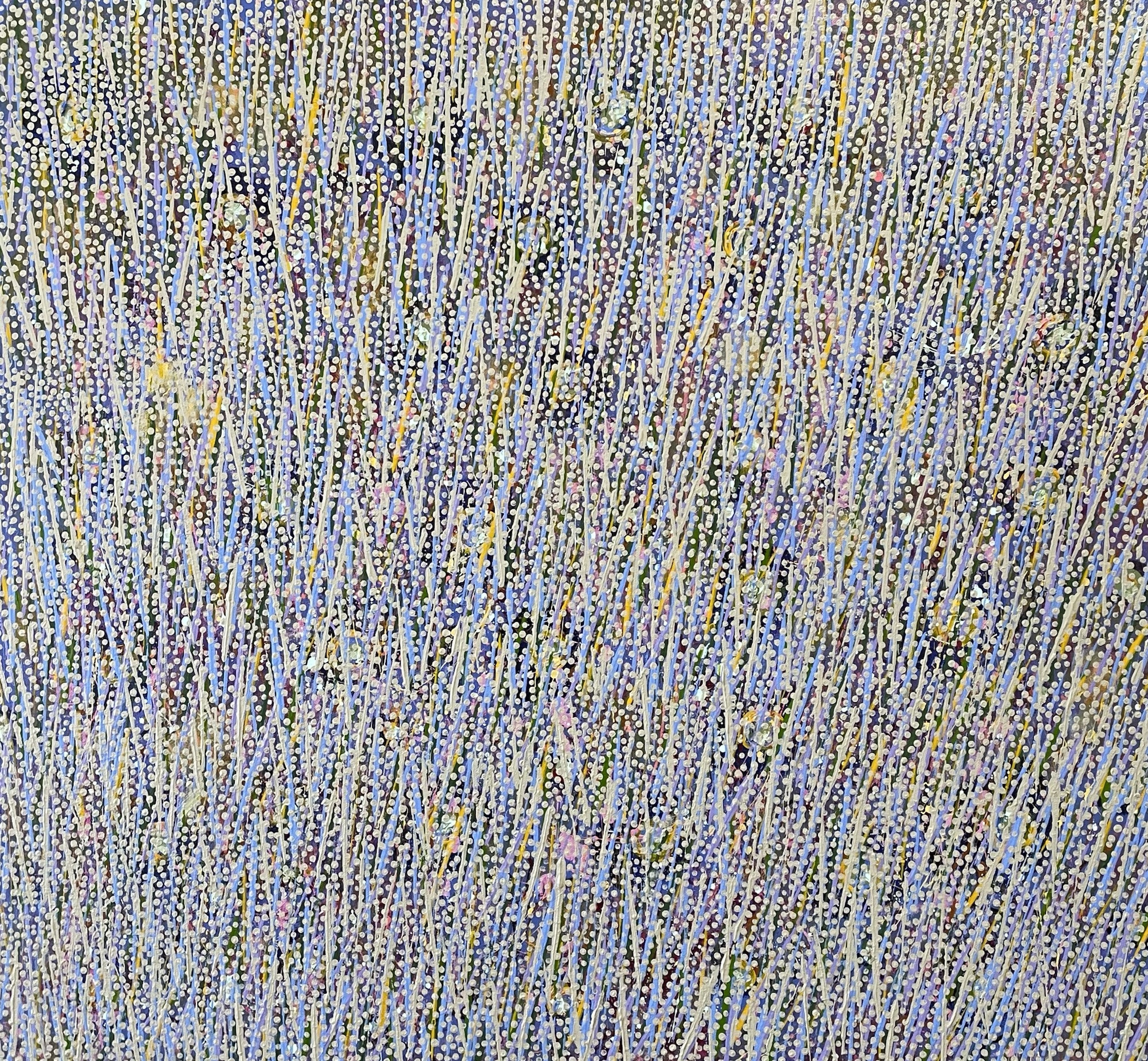
I wandered into a gallery and ended up purchasing an Aboriginal work. I was captivated by the history and subject matter of the artists represented in the gallery. The gallery manager gave me an unrushed introduction to Aboriginal women artists.

I took a break after a long walk in the seering heat for outdoor seating at Pasta Addiction. I also asked if I could charge my phone there. The more you use your blue dot on the phone, the faster you deplete its battery. On top of the 35 degree heat, I wondered if my remote brain wasn’t going to explode!

Perth Art Gallery

I’m not sure what the difference between an art gallery and a museum, but this gallery was monumental. The exhibitions of Aboriginal art were commendable, but I’m not sure the scale of the building warranted being built. The donors must have place a high value on the lasting nature of art, or it would not exist.

Perched in Perth, Australia

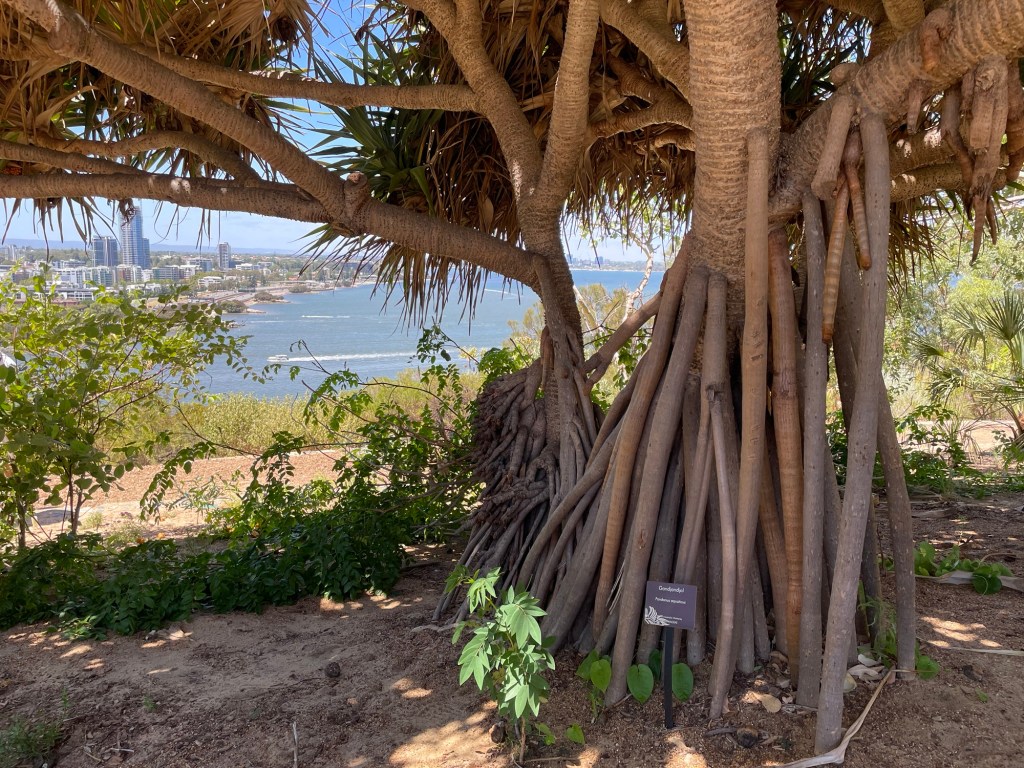
Advised by a local Perther from the transcontinental rail journey, I visited the Kings Garden and the Australian Botanical Garden in Perth. It is larger in size than Central Park! A lovely crystal clear day for enjoying the serenity of the park and its harbor views, despite a gaggle of chirpy birds in the trees!

A symphony of birds at mid day in King’s Park

My fellow traveler from Perth described the wildflowers that can be enjoyed at the Botanical Garden. Unfortunately, the peak period has passed, since we are in an alternate universe. The late spring period had the best display, where the flowers can be seen all over Perth. There were only a few to be found at the garden by time I arrived, but I’m sure they would have been magnificent in this beautiful seaside setting.

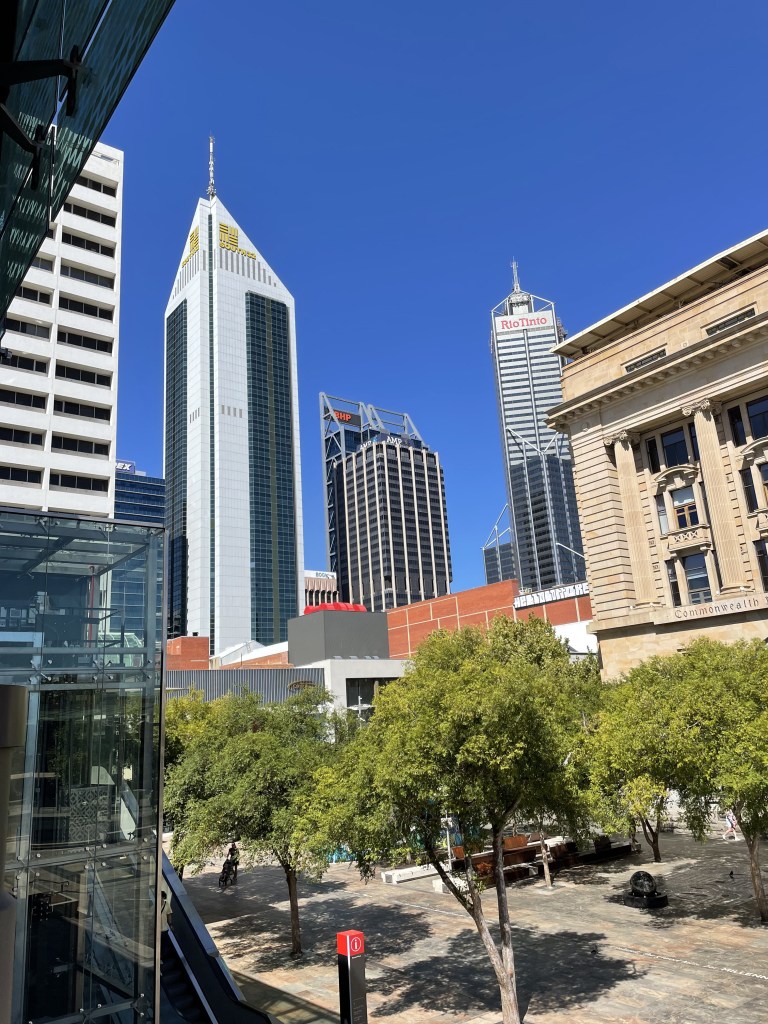
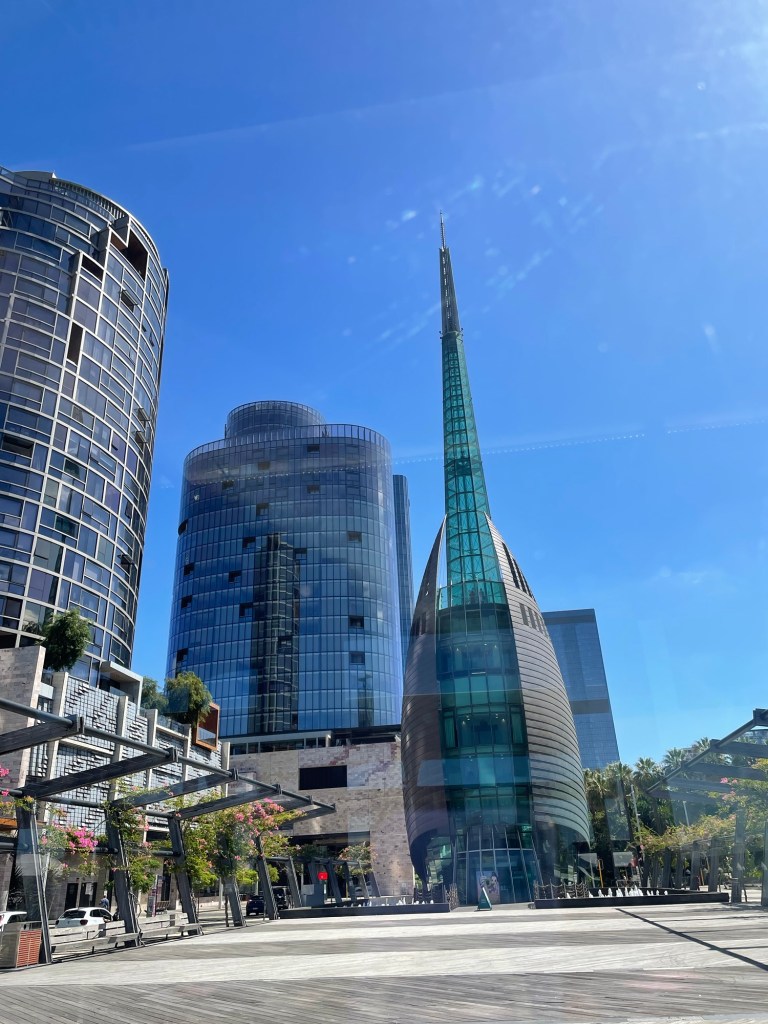
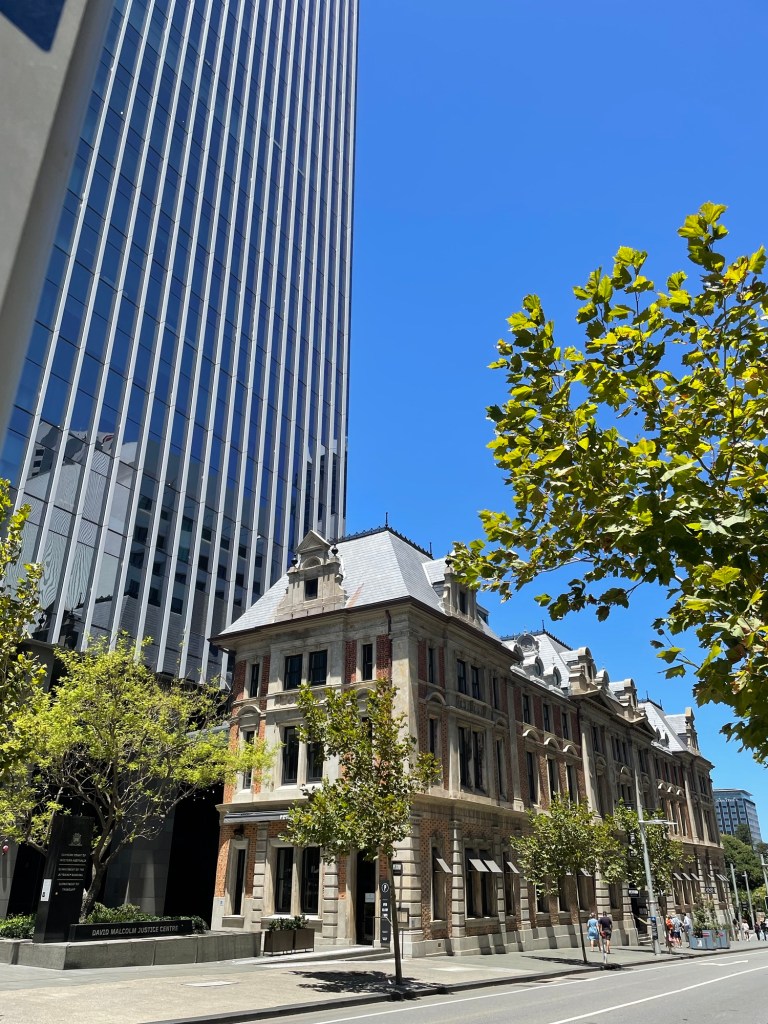
Perth’s urban environment felt very sprawling and left alot to be desired from the walkability standpoint. There are still vestiges of Australia’s colonial past to remind everyone, tucked in between the boom days of the seventies and modern nondescript high-rises. Huge blocks of high rises and bad low to midrise commercial buildings look half abandoned.

Huge bus and transit terminals seem so big and clustered together it’s difficult to find your way around. I did manage to catch a free bus to the park that seemed to loop around in numerous directions before reaching its final destination. I haven’t been able to crack the bus system yet. I must be losing the killer instinct or wearing down from too many years of being an old dog learning new tricks. Maybe my trip to Freemantle, about an hour away this morning, will prove to be a smooth and seamless experience.

Food in general in Australia has been innovative and tasty. In Perth, the hotel area where I am staying is laden with alot of bad ethnic fast food shops, from shawarma to Korean bbq to Indian to Chinese. You name it, they are here.
I did venture into a Chinese bakery that did seem to speak to outside the box thinking. They expanded their repertoire to include pork floss buns, salad trimmings, and meat mixed in pastry combinations. I indulged in a mini sesame rice ball and hors-d’oeurvre sized lo por being with cha sis inside.

Not really my thing, but the variety was impressive

After a few more days in the Perth area, I will be heading back to Sydney for a week before returning to San Francisco. Stay tuned!

Australian TransContinental

My inaugural trip of 2024 is a transcontinental train trip from Sydney to Perth, Australia. The Indian Pacific Journey by Rail takes 3 nights and 4 days and travels through vast stretches of the Australian outback, wheat fields and coal mining country.

I compare this to the Trans Siberian trip I took in 2017-18 (Beijing to Moscow 2017 followed by the Beijing to Vladivostok segment in 2018). While the Russian trips each took 7 days and 3 days respectively this Australian journey takes only 4 days.

The Trans Siberian required a leg due north through Ulan Bator in Mongolia to Irkutsk and Lake Baikal, accounting for the additional time. East-West Travel for both the TransContinental in Australia and Russia are similar in distance, dreariness and slowness. My lifelong love of trains compelled me to bank this journey after a two-week visit to New Zealand.

Australian Landscapes

No highrises, no towns, no people. Just flat horizontal images pass by, miles to the horizon line. Initially and intermittently, iron-rich clayey terra cotta soil seeps under the sage-blue brush, sometimes in curious circular colonies. Dry yellow-brown soil harvesting hay and wheat in the middle of the country give way to more lush outback, with taller trees that oscillate with the wind.

Spartan landscape in the eastern side of the South Australian Outback

In some ways, the changing patterns of movement are the appeal to me. The pace and scenery are therapeutically comforting and a time to reflect.

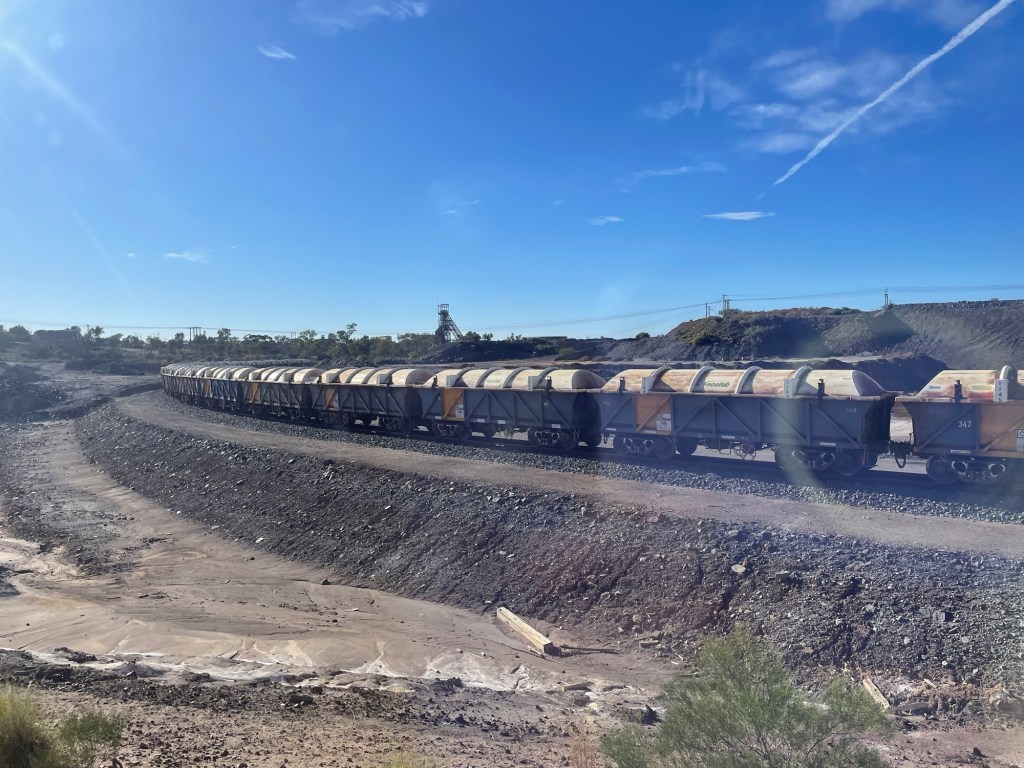
Run-down coal mining buildings occasionally appear. We get excited seeing a bulldozer and ponder how it got to its place in the wilderness. No signs of humanity ANYWHERE. While mining is alive and well in Australia, the activities along the rail line seem to reflect the aging industry from a by-gone era.

Two trivia facts: the longest stretch of continual road is in this part of Australia and can be seen from outer space. And the width of Australia is the widest country in the world (over my guess of Russia) and wider than the moon’s diameter.

Wheat fields in Australia!?! Like America’s breadbasket, Australia produces more wheat and hay than what its countrymen consume. So China and other Asian countries are the benefactors of these vast food and feed enterprises.

Denser growth in the western half of the Southern Australia outback

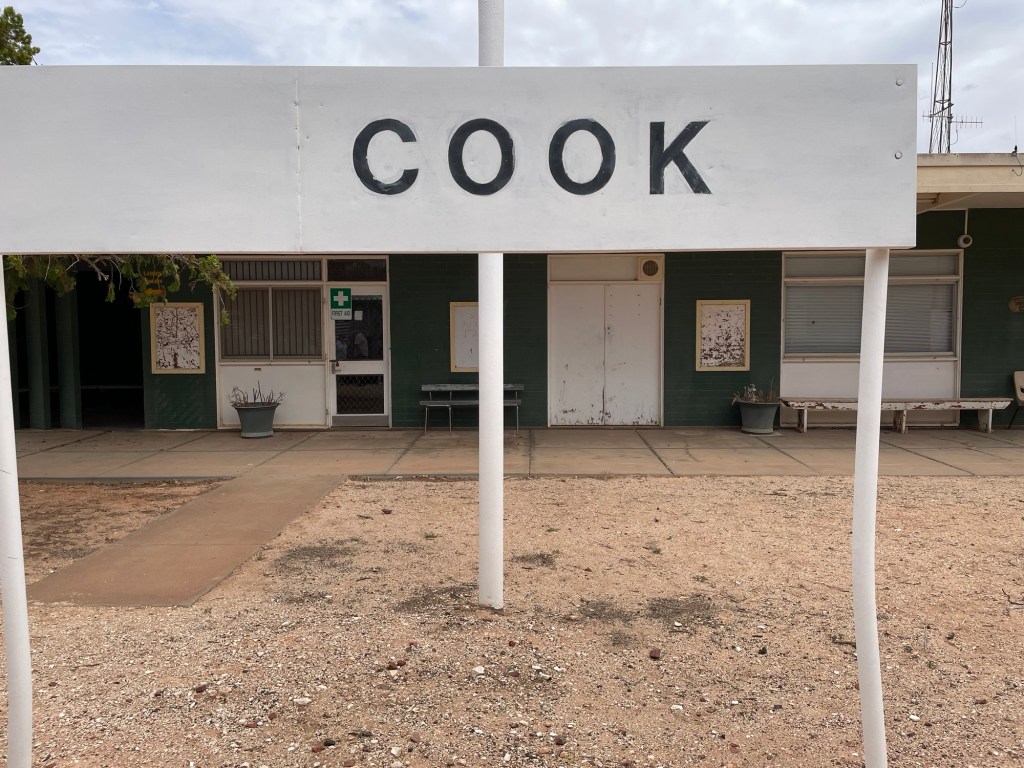
Our quick 20-minute pitstop in Cook provided the most cinematic opportunity, where the abandoned town left a ghostly reminder of by-gone efforts to settle and make roots.

Accommodations

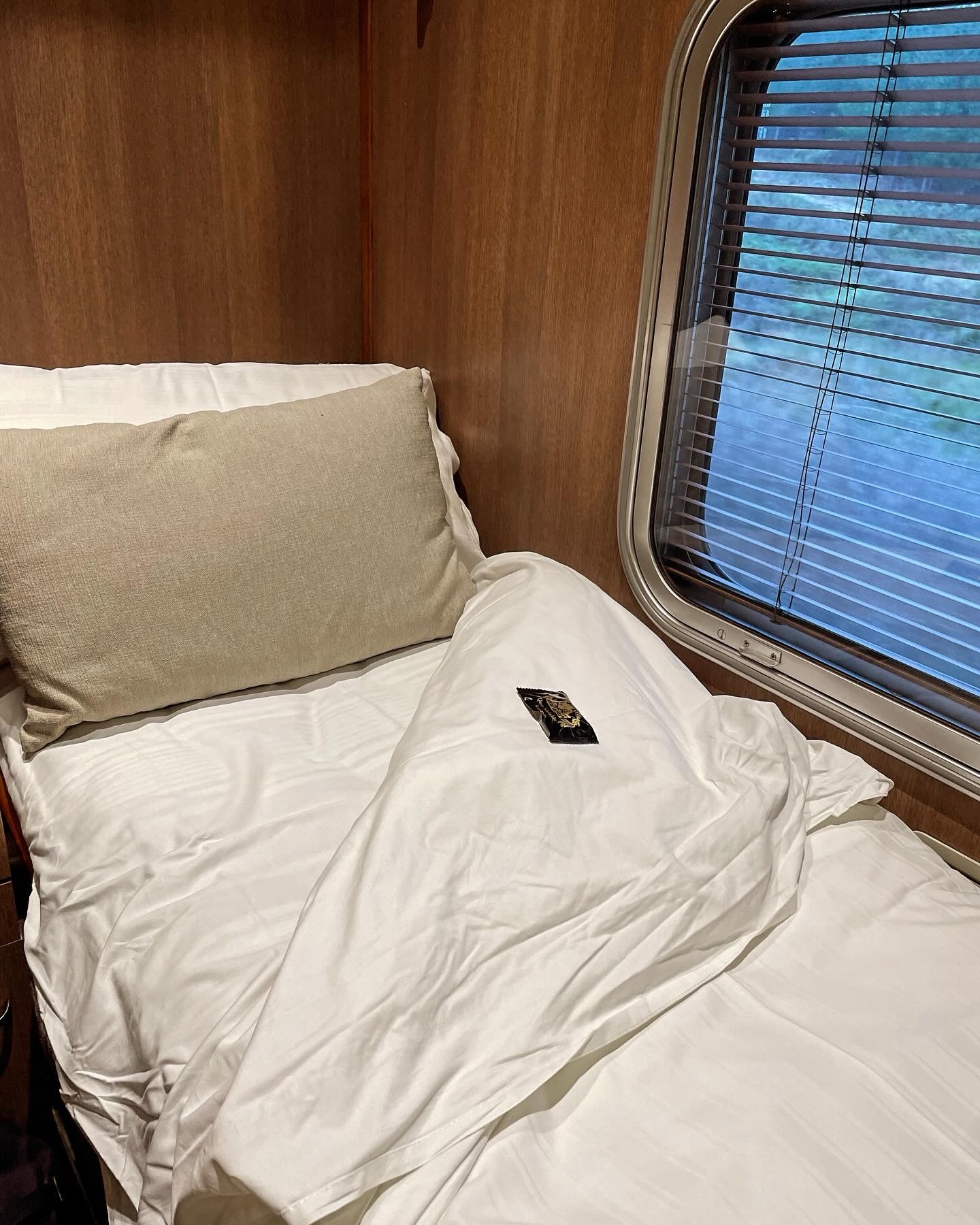
Compared with the Trans Siberian, accommodations in a single cabin are luxurious. While old and outdated, the design of the carriage was well thought out and the quality has been maintained.

What differentiates the Australian Railway system with that in Russia was the food service. The Chinese served the east-west direction, and the Russians the west-east direction of the line. Both were rudimentary, if not non-existent. No one attended the dining car.

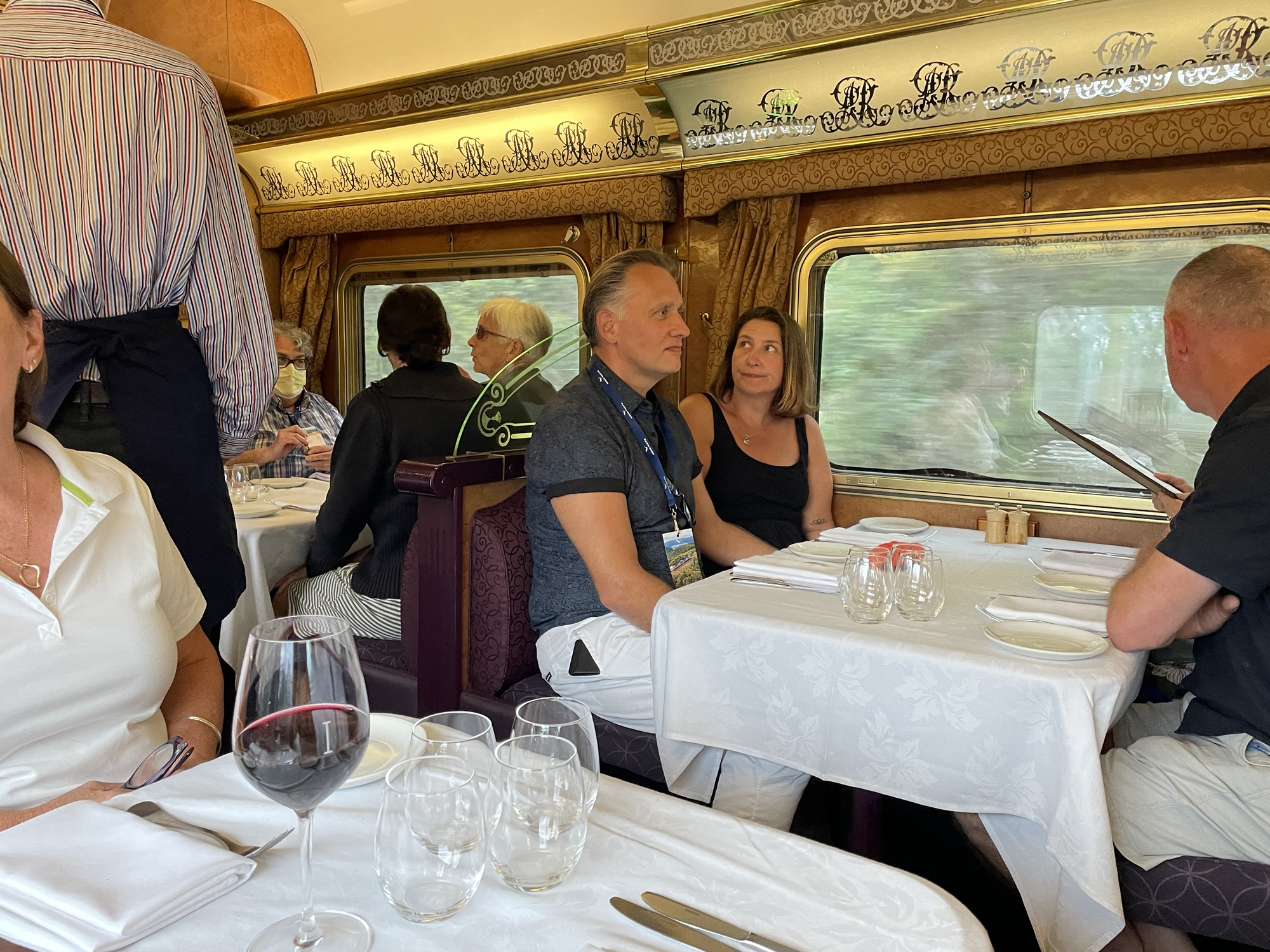
The food service on the Indian Pacific was superior, with an extensive wine list and well prepared meals. The dining car buzzed with activities and opportunities to meet other travelers. The host seated individuals, couples, and parties of four as groups arrived. Both the food service and cabin staff have been amazingly hospitable, kind and helpful.

Yes, intermittent internet access is frustrating. Time to throw the phone out the window and try living life as a normal person. What I do see is the difference between these two transcontinental trips eight years apart. Except for frantic postings at station stops across Russia where I was able to get off, I barely remember any need to check my phone when there was no service to speak of.

Despite intermittent service, the compulsion to check is relentless and uncontrollable. I am only reminded by a handful of Aussie matrons who could have cared less about flickering internet traffic noise.

Excursions

Although I had no idea where the planned excursions were, it didn’t matter. Two of the three planned activities were unavailable.

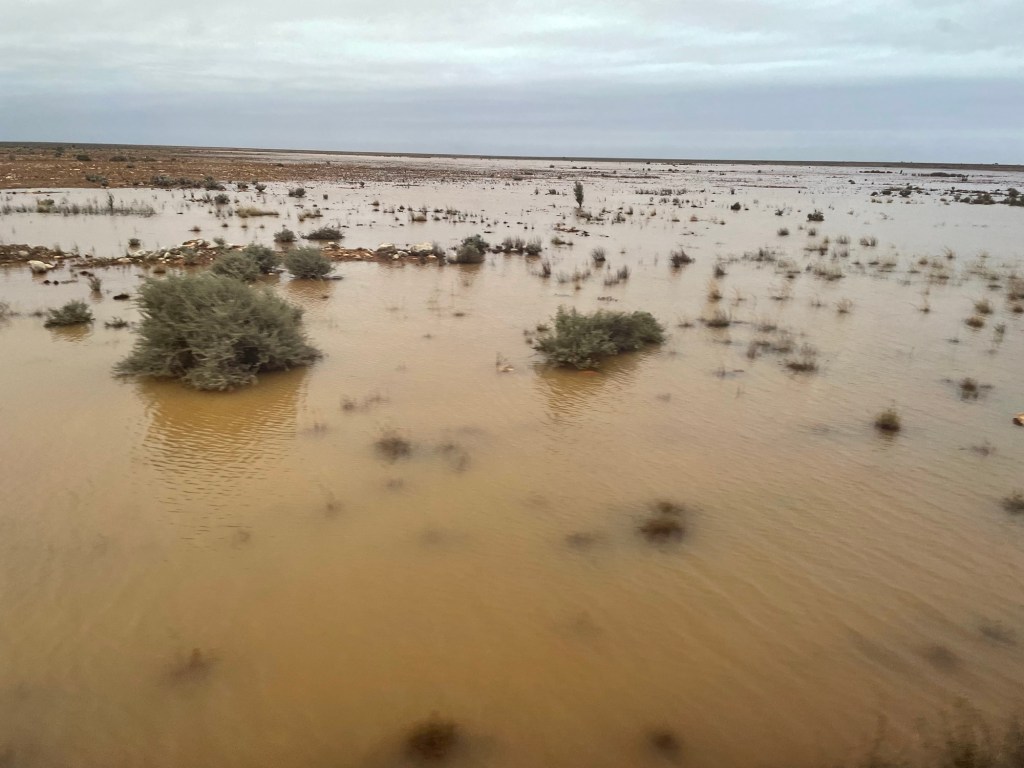
The first off-train experience to the mining town of Broken Hill was cancelled due to delays from freight traffic the night before. And a flood at the site of the final night out in Rawlings required a cancellation of a dinner under the stars.

A seven-hour day trip to Australia’s famous Barossa Wine Valley allowed us to set foot on land midway. The Sepplefeld Winery we visited was started by German Salesian immigrants in the 1820’s. Their entourage arrived in Australia with 13 workers and the wealthy couple subsequently had 13 children to carry on the family business.

Glimpse of vineyards

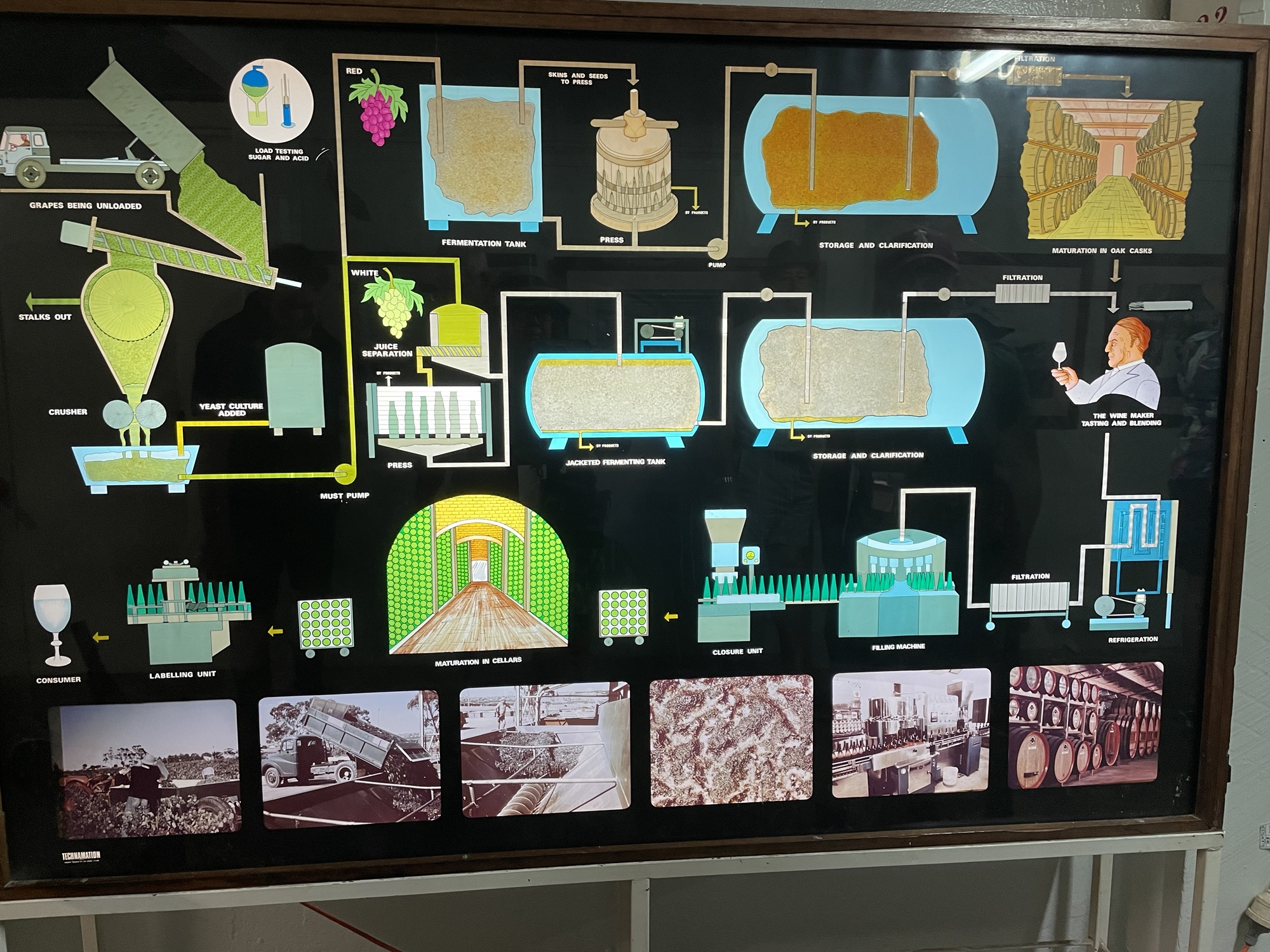
After a tour of the barreling room describing the wine making process, we were treated to an elaborate three-course meal with wine pairings. The dessert included a locally made port. Like restrictions on the use of “champagne”, the term “port” cannot be used as a wine designation. “Fortified wine” is used instead to identify wines enhanced with brandy or other alcoholic liquor.

The 7 hour journey was disappointing for the time invested, as an inordinate amount of time was devoted to marketing and shopping. More time could have been devoted to the wines produced.

Sydney–the start of the journey

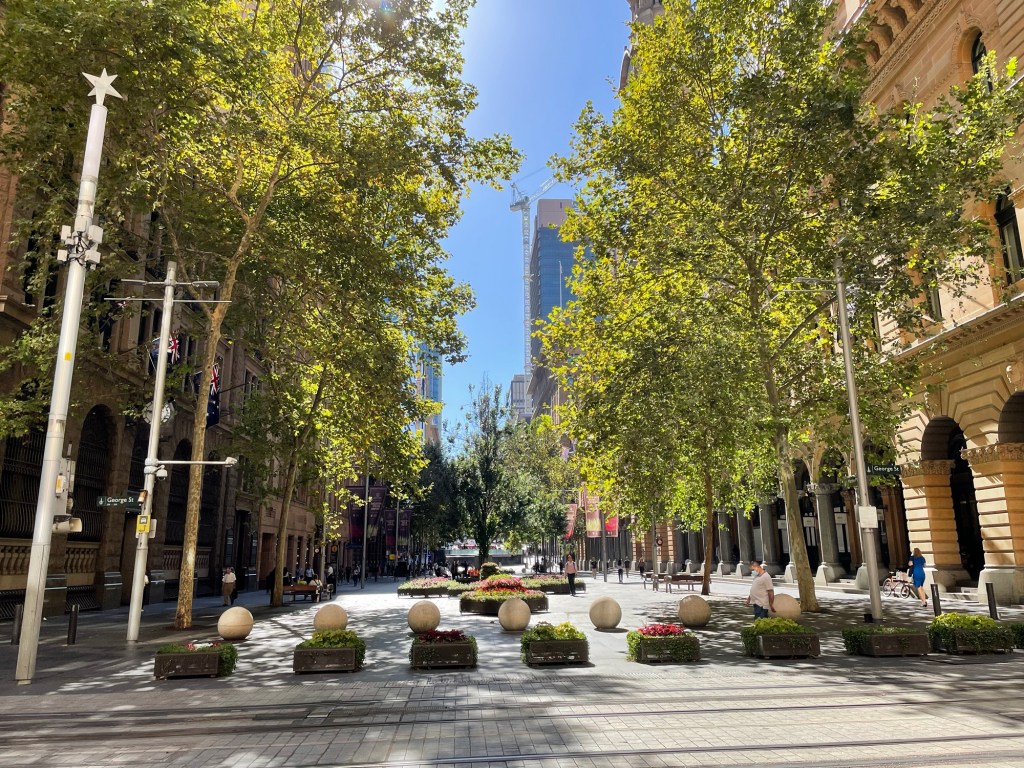
Attached photos describe the start of my journey in beautiful, dappled tree-laden Downtown Sydney and a quick walk to Sydney Harbor..

A panoramic view of Sydney Harbor and Opera House,
with a commentary on the indiginous people of Australia
Perth-end destination to follow

I hope you have enjoyed the account of this seldom traveled journey through Australia. Despite a few drawbacks, I recommend sturdy travelers to take it! I always thought of Perth as the edge of the world and was informed that it is only five hours from Singapore. That gave me a new perspective of the world! Please let me know if you have any questions or comments.