Throbbing Verona

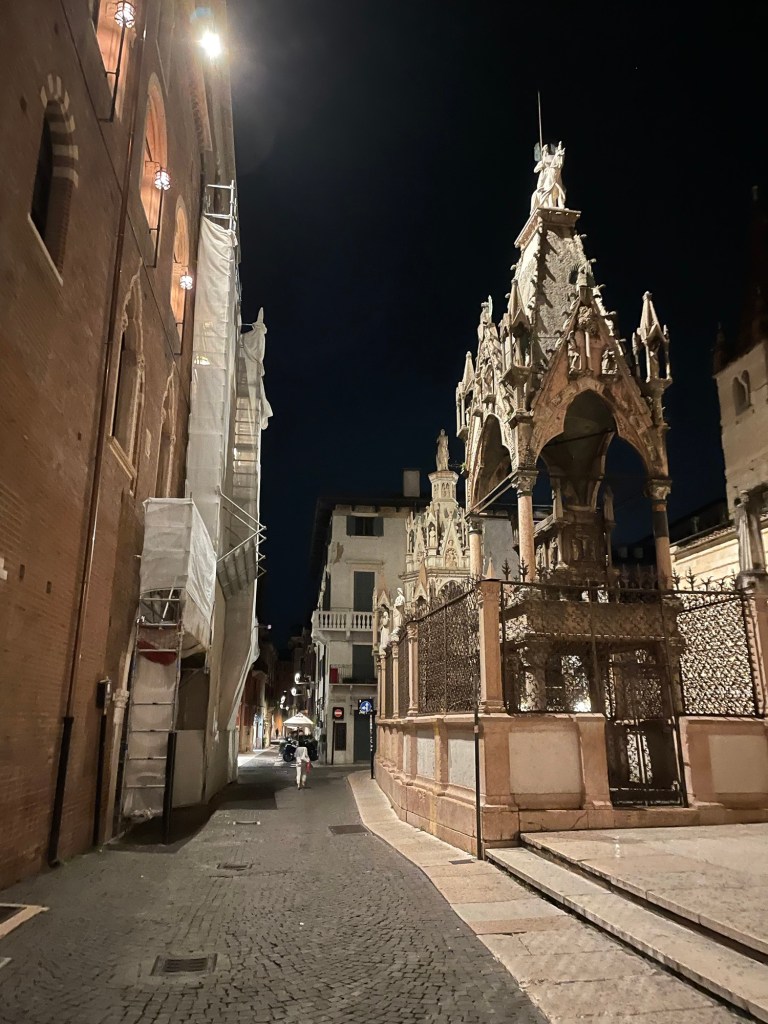
Despite its reputation for world-renown opera, Verona has been a challenge to appreciate. The stifling heat, throngs of tourists, and mediocre food, has kept us from wanting to stay longer.

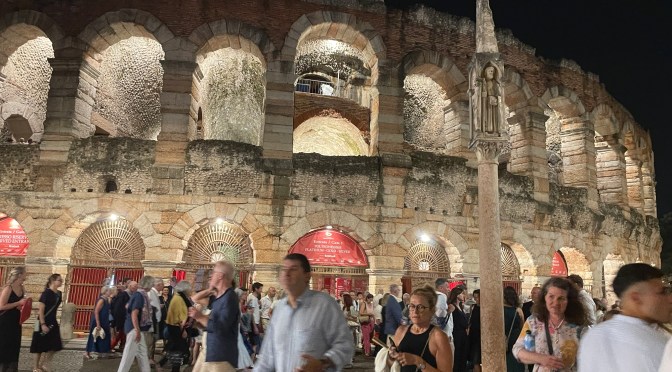
On our day of our arrival, we bought last-minute tickets for the Barber of Seville. For 20 Euros we were seated near the top of the arena on marble steps. We didn’t think much of the inconvenience as we had done the same for the Pop Italian Night in Plovdiv the week before.

However, we underestimated the heat and the crowds. We wiggled our tusches and toes every thirty seconds in an attempt to tolerate the uncomfortable seating. The translation was impossible read, so we numbed our way through the long Italian dialogs, fanned our sweaty faces with printed ticket vouchers, and scusied our bumping elbows with courteous neighbors frequently.

We couldn’t help but wish we were still in Plovdiv, in the mild warm breezes and mellow crowd. Even with limited or no English, the Ancient Theater in Plovdiv just seemed like a more natural and welcoming environment for us to relax and enjoy the music.

The sound was definitely better in Plovdiv., where singers’ voices were amplified. That could be considered sacriligious in the professional opera world, but In Verona, voices sank into the warm air like goop slithering down your hands and forearms. Perhaps weaker performers in Verona simply couldn’t project their voices across a stadium that holds 20,000 spectators (30,000 in its hey-day in 30AD, the peak of Roman civilization)

Curtain Call and Stage of the Barber of Seville Opera at the Verona Arena

The second night was quite a spectacular display of Star Wars-inspired stage sets, lighting and costumes synchronized to Verde’s Aida music. Nothing changed from the previous night’s heat or poor acoustics, but the visual effects at least kept us awake. We only got through by dreaming about ice cream after the performance.

The Procession
Full Throttle with Choral Support
Spectacular Star Wars stage, with a Giant Hand operated by five cranes


Dance Interlude
Curtain Call with cast of thousands

Well, you get the drift. I was probably filming everything to avoid bordem. Needless to say, not one of my favorite operas or venues.

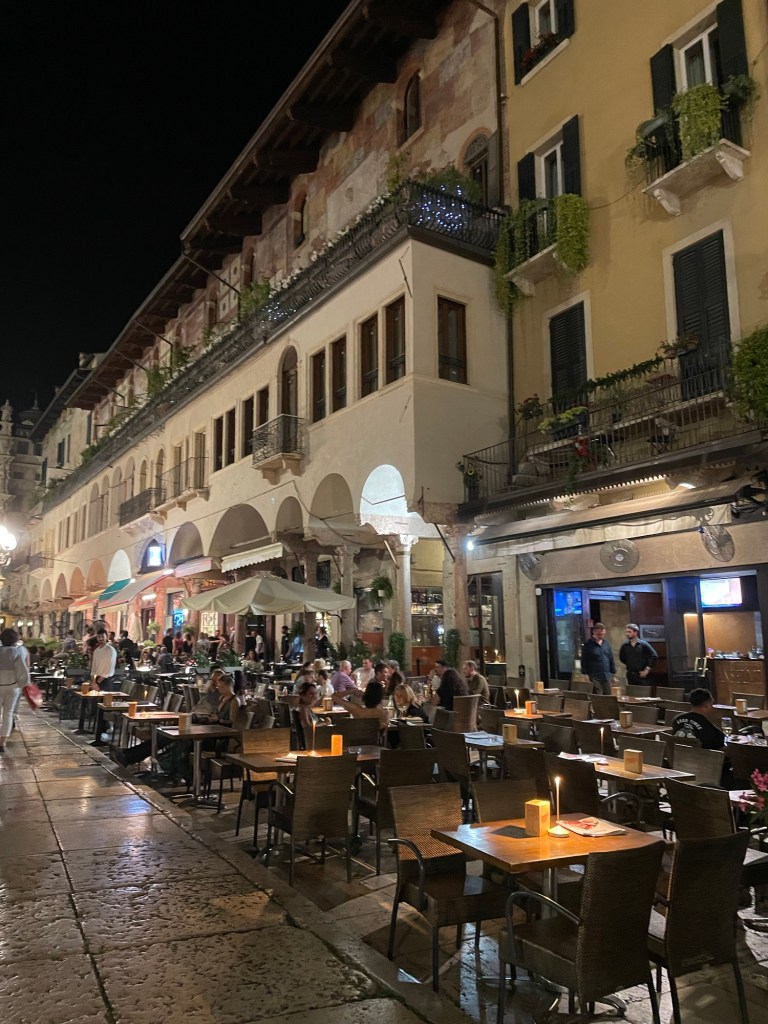
Night life in Verona was booming, partly because it was nearly impossible to make use of daylight in the scorching 100 degree weather. It did bring back vague memories of the unbearable heat we experienced with the kids when we visited Italy in 1996.

It was so hot we drove two hours back from Naples in an unairconditioned car, after driving there and realizing how pointless it was to be outside in such extreme weather. It was probably only 85 degrees then and ten degrees less than the weather we faced in Verona, thanks to global warming.

Nevertheless, as mentioned in the previous post, it was the journey, not the destination.

Ettal Kloster

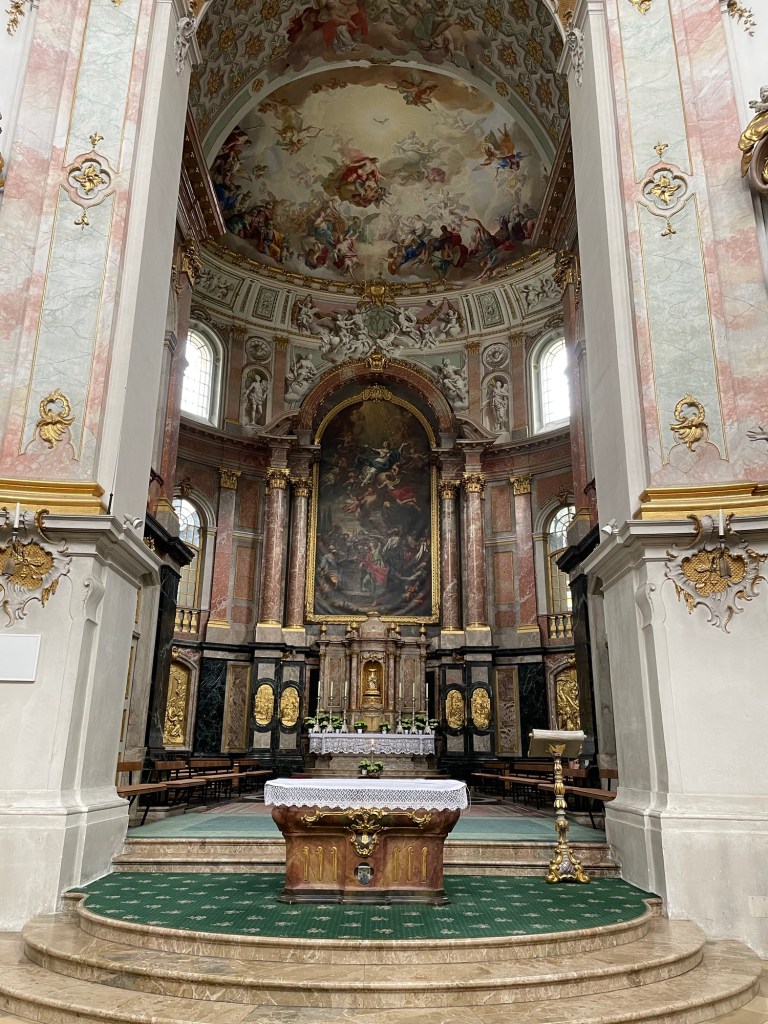
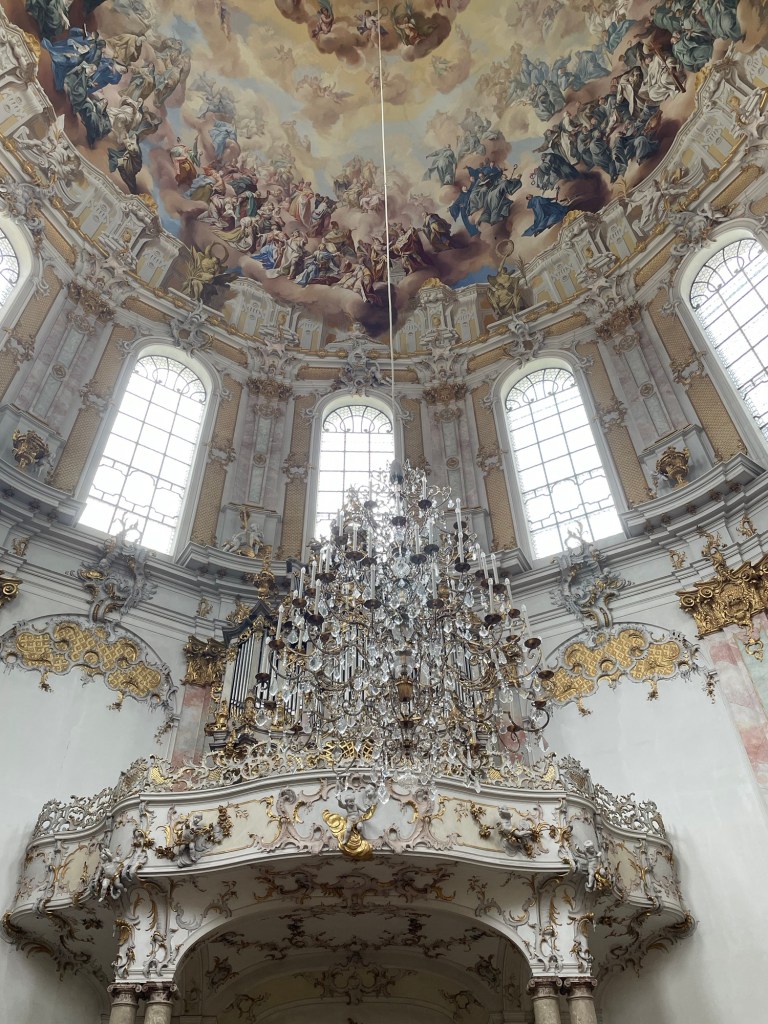
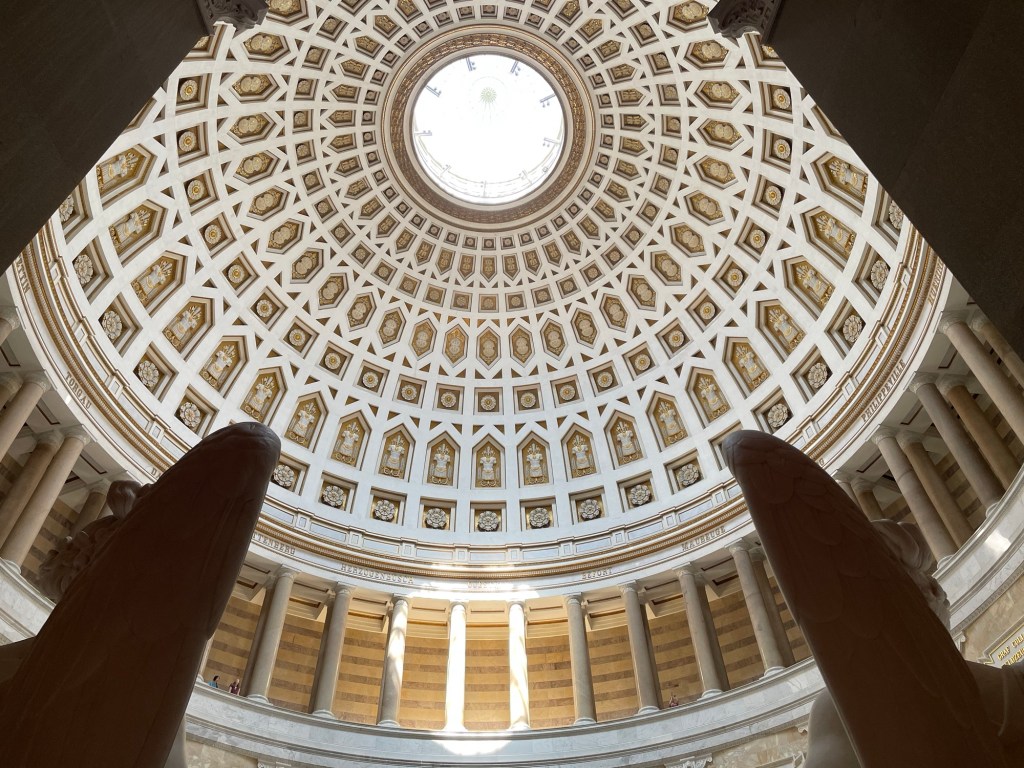
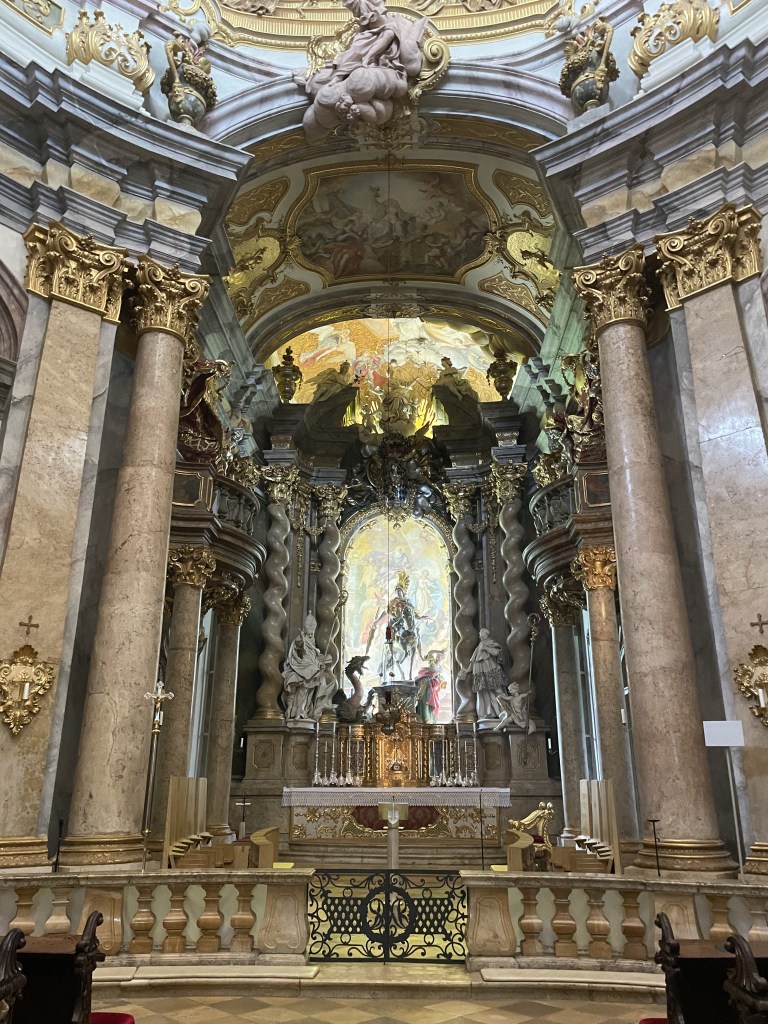
On our way back to Munich and our overnight accommodations in Bad Kohlgrub, we stopped by to see the interior of the Ettal Kloster. I could tell from the exterior of the dome that it was going to be impressive. and indeed, its ornate interior did not disappoint. Having been established in around 1333, the church utilized the masterful painting of the heavens to captivate its parishioners.

Now, I am realizing that this blissful journey has come to an end. Annemarie was the big hit for the day. She took care of me, helped me remember the countless items I left behind, and had my back throughout the entire trip. I met many of her friends and family and really felt for the first time that I was more than a tourist.

Learning the German language was my entree to a country steeped in history and culture. And the more I travel there, the more it helps me to understand Germany and the world. Its brilliant thinkers, artists, musicians and scientists form a legacy to be continued. Its tainted history is difficult to overcome, but the German people today are attempting to face it.

Thank you Annemarie, friends and family, for all your kindness and gentleness. I will cherish this trip forever. Thank you for sharing your life and world with me.

Homeland, Hops and Heimat

When Annemarie and I met at the Elbphilharmonie last September, her stories about growing up on a farm outside Munich intrigued me. They reminded me of the stories my mother told me about growing up in rural China, and how the extended family and characters affected her as an adult.

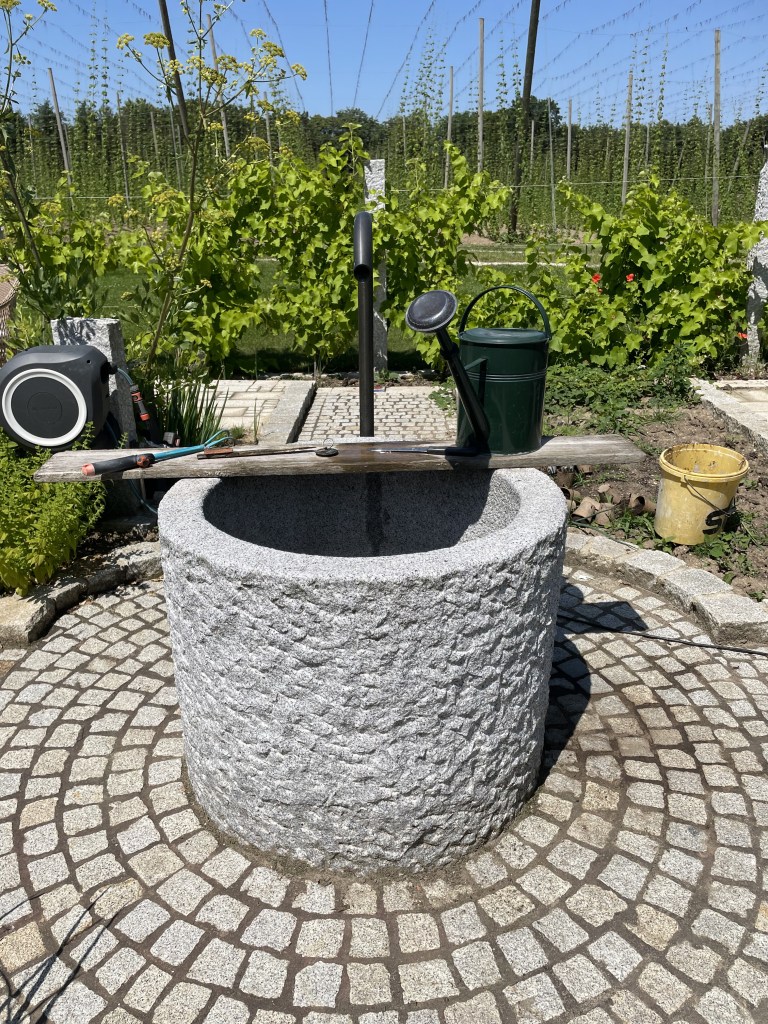
I convinced Annemarie to take me to her home in Bavaria. It is an area steeped in hops growing for centuries. Her 20-room house is still used as a working farm and all the friends and relatives in the area continue to grow hops for the beer industry. Bavarian Beer is world-famous and has made Munich the wealthiest of German cities.

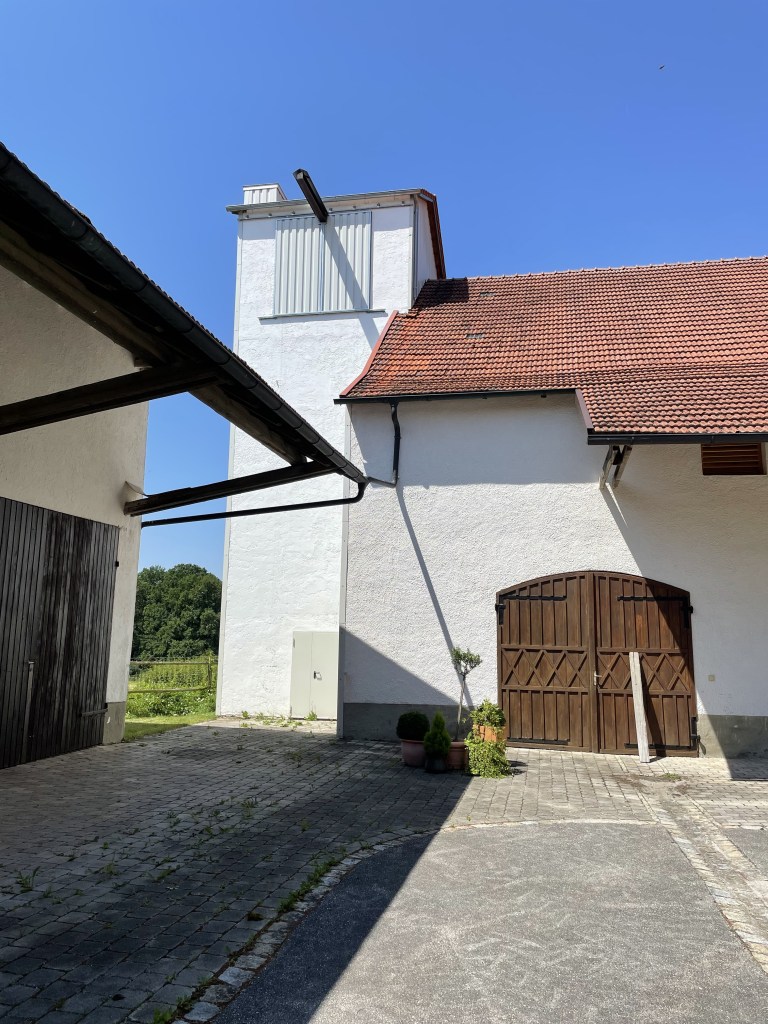
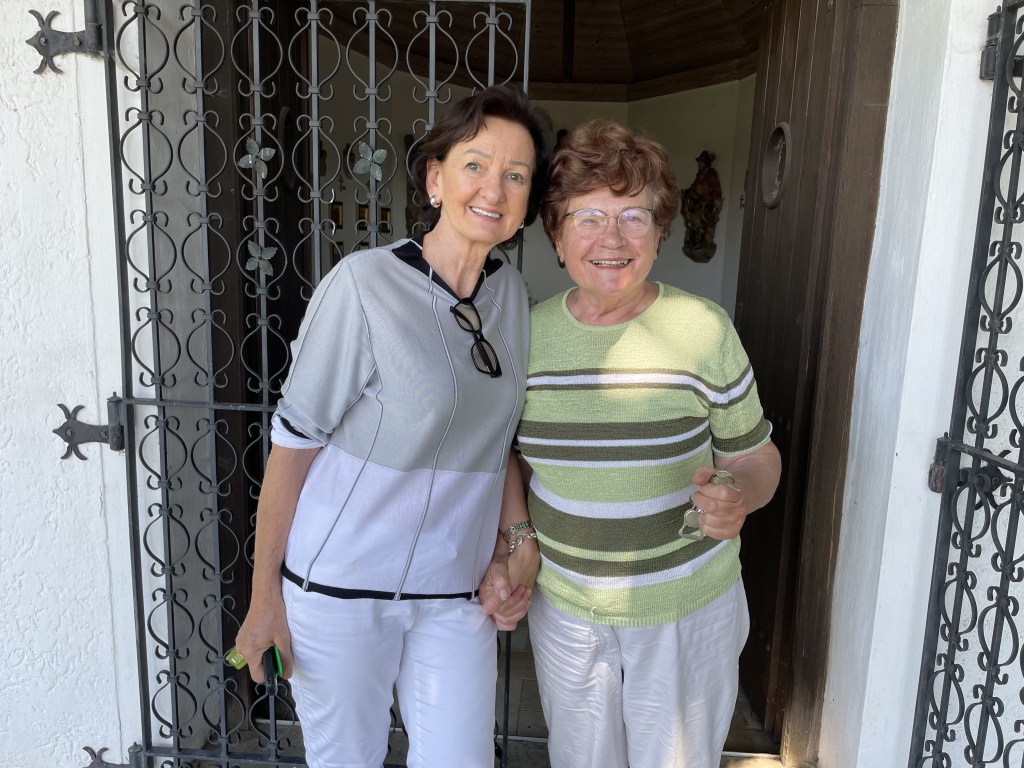
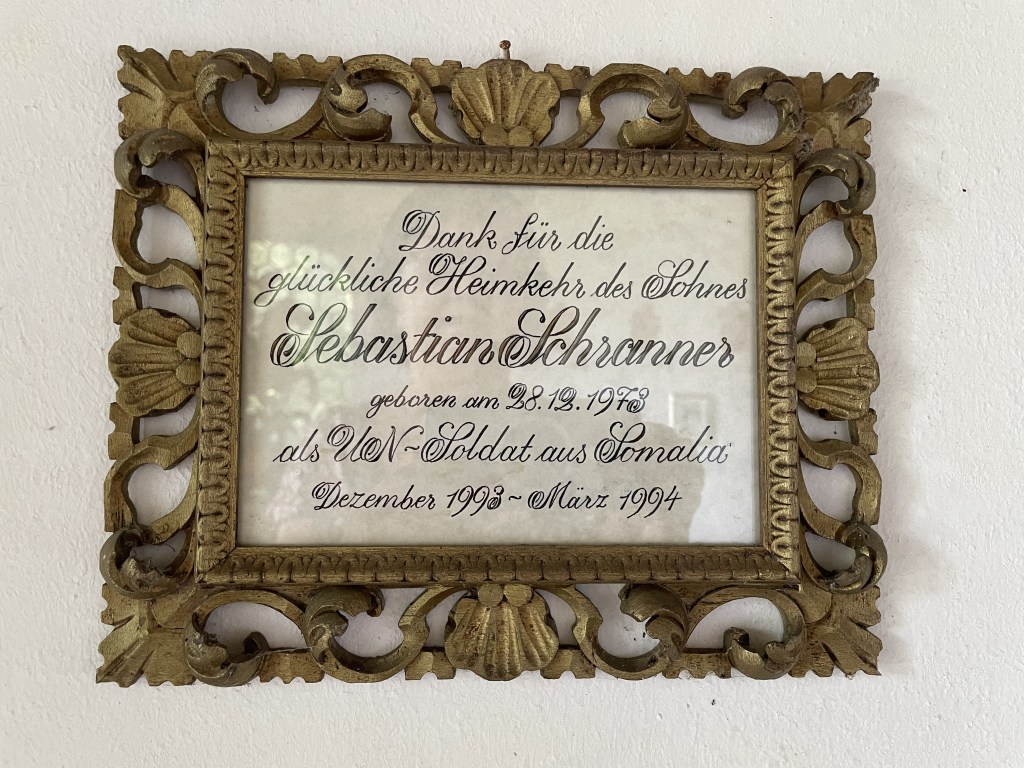
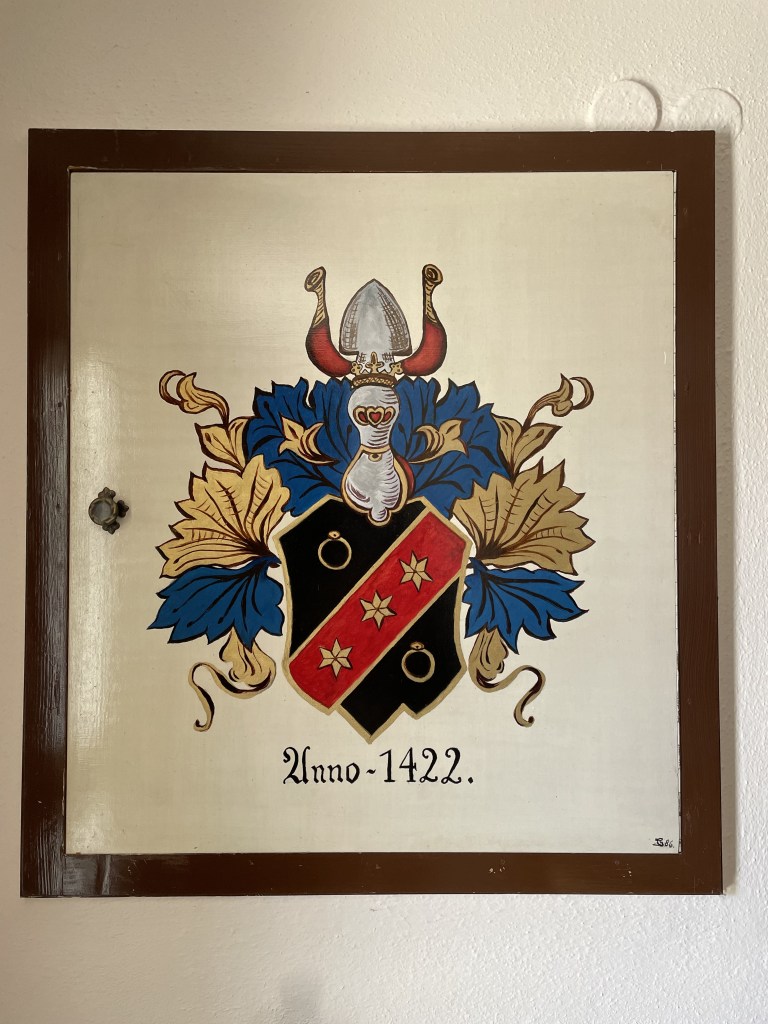
Our stop to Gutersberg (between Regensburg and Munich) included a visit to Annemarie’s mother’s home, where we met her cousin’s family. They invited us to a lovely brunch while Annemarie caught up on family news. We then paid a visit to another relative’s home and visited a small chapel built by the family. Each member of her family were very warm and welcoming, and by the end of the visit I felt as if I were part of the family.

I was struck by the bonds that keep families committed to the land and the overwhelming work needed to maintain a farm. The tidy plots throughout Germany appear to be effortless, yet are quite the opposite. No farm escapes the daily chores and worries about weather, workload and stretching the dollars needed for equipment, labor, and family needs.

I was reminded of the labor that many German immigrant farmers contributed to the strength and development of our American countryside. From German baking to beer to bratwurst, German farm culture has permeated our own pride and heritage.

Annemarie explained the concept of “Bodenstaendigkeit” , where farmers maintain a deep sense of responsibility as stewards to the land, ad yet maintain a high standard of living. They do their work with modesty and humility to ensure the land for future generations.

In the single day I visited, it was evident how dependent members of the family were on each other, and the significance of the parent to the child. It was an emotional experience to realize how each farm contributes to a country’s well-being and its reputation. I told Annemarie’s relative in my stilted German that life is short and that they should cherish and enjoy their families.

After an exhilarating day in farm country, we headed south towards Landshut. It’s a wealthy trading town not unlike Luneburg, where salt traders capitalized on the natural deposits in the area. The river also provided good transport of goods to and from the area. Buildings with the zigzag roof facades were similar and from the same generation as that of Luneburg.

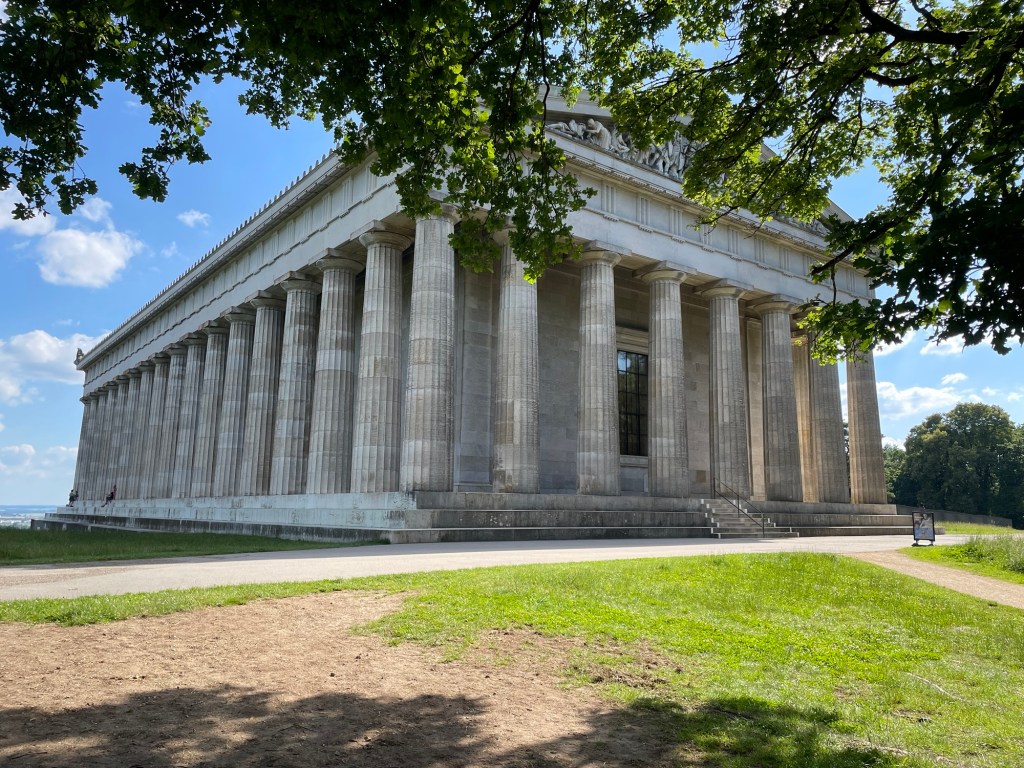
Befreiungshalle (Liberation Hall), Kelheim

Before reaching the city, we drove the Befreiungshalle. An imposing Neoclassical building at the top of a hill overlooking the Danube River, it seemed to be modeled after the Pantheon. It was commissioned by King Ludwig I of Bavaria and dedicated to the liberation from Napoleonic rule in 1815. Few tourists, if Germans, seem to know about this impressive building and what it represents.

Walhalla

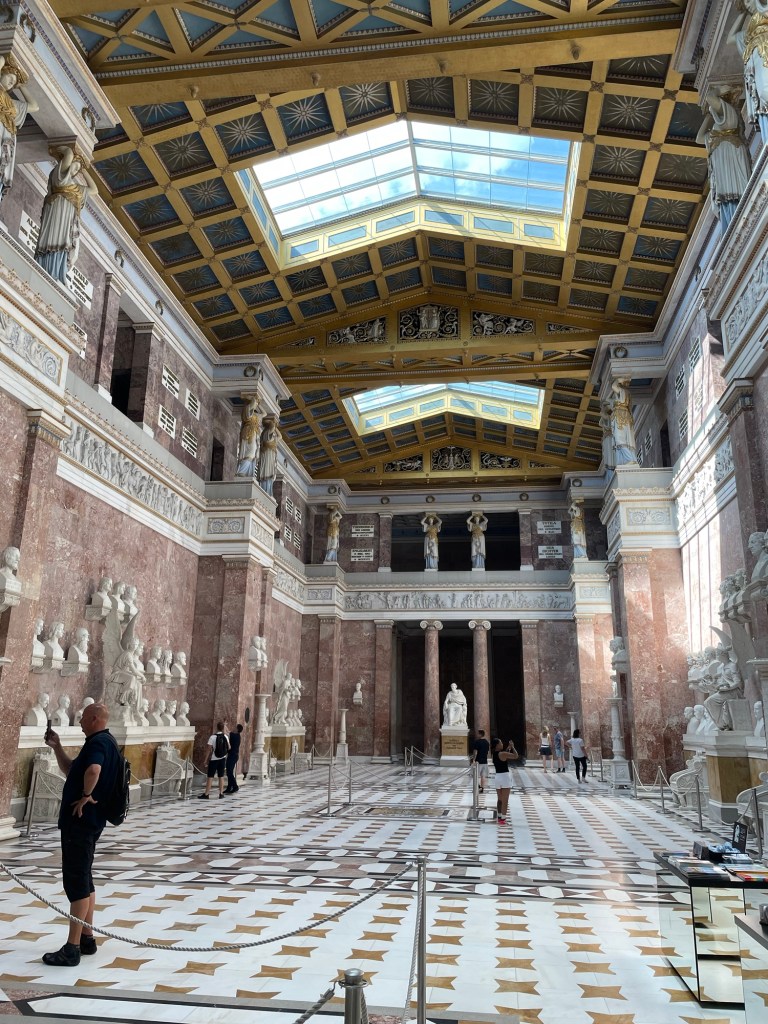
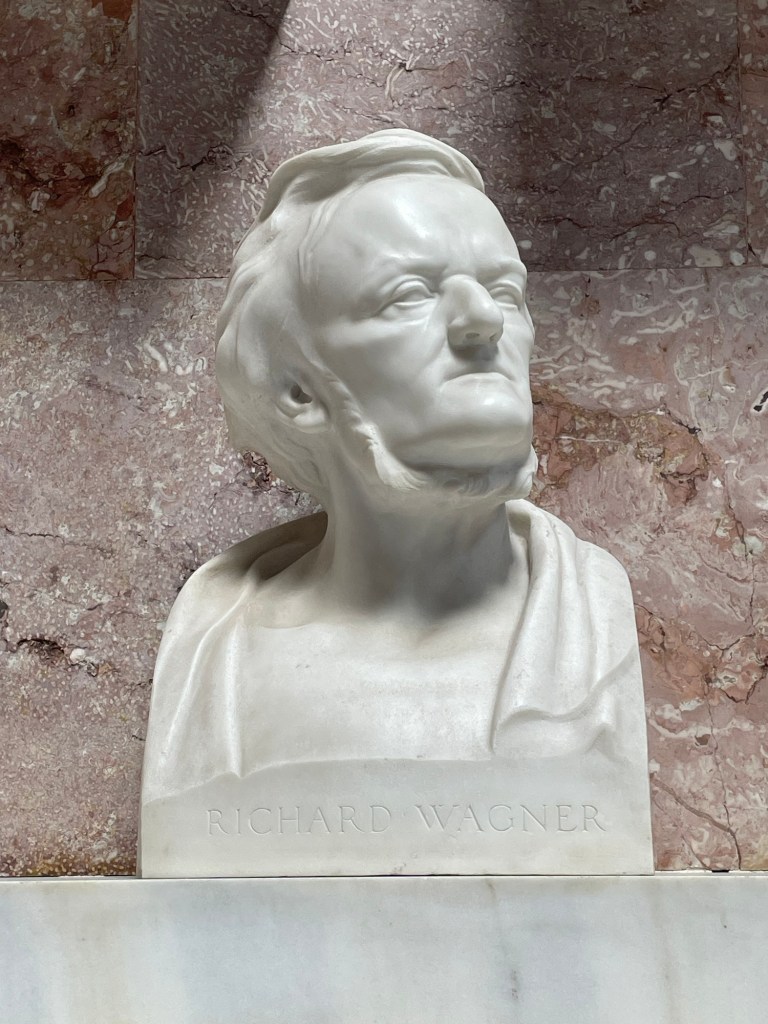
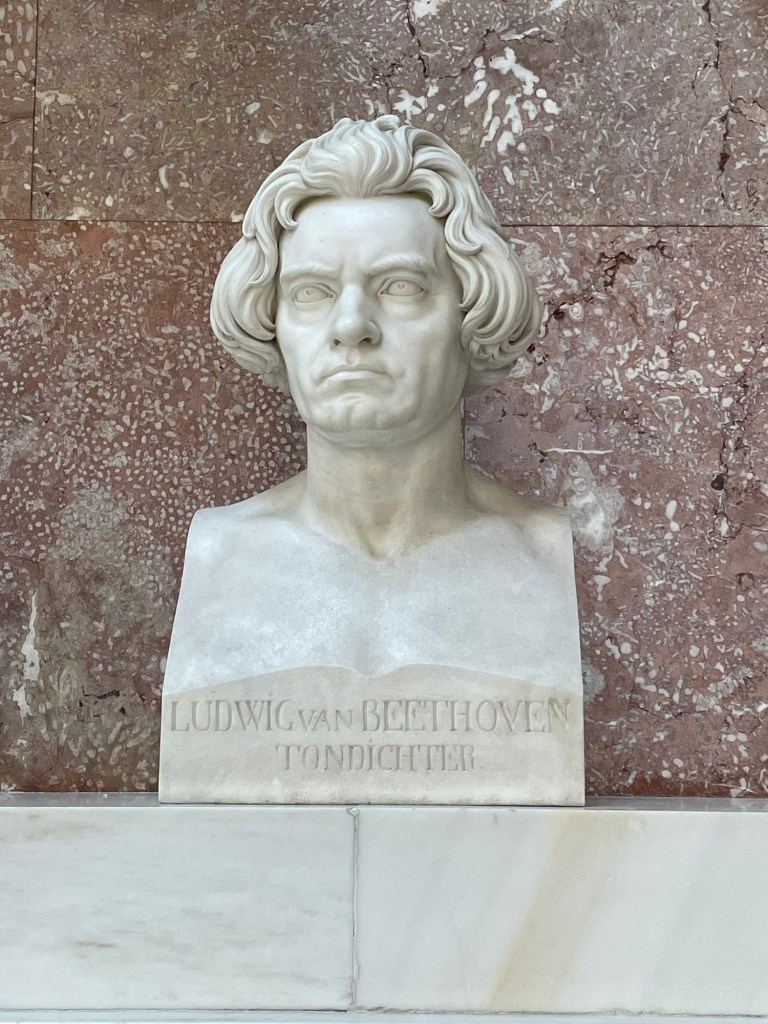
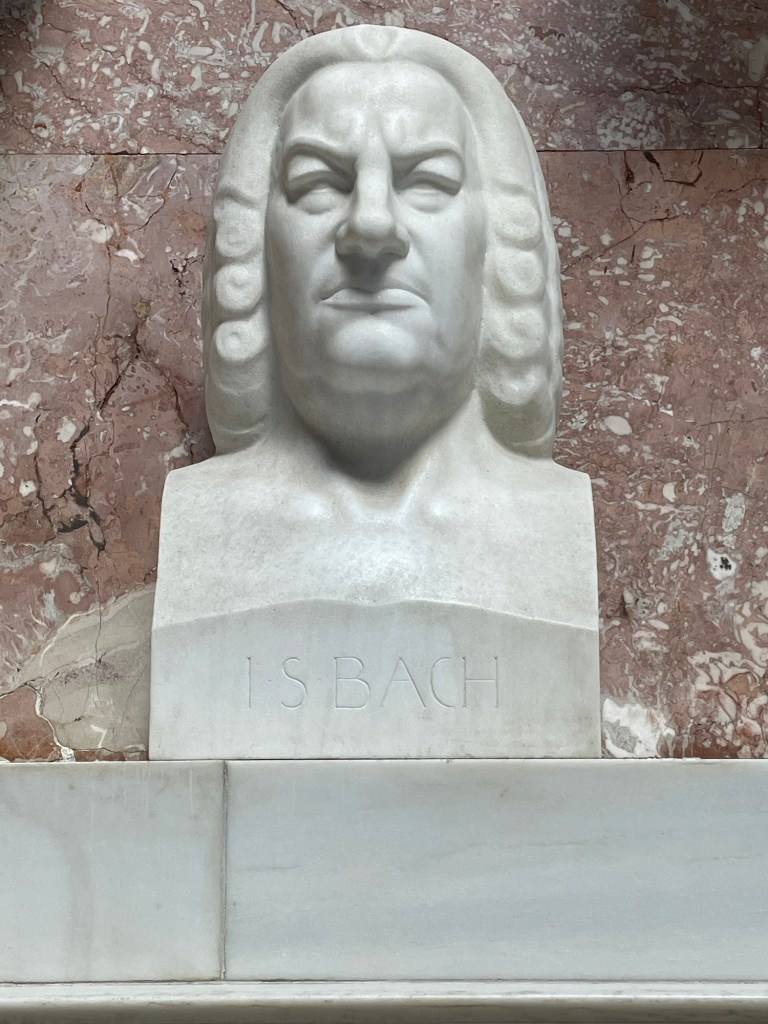
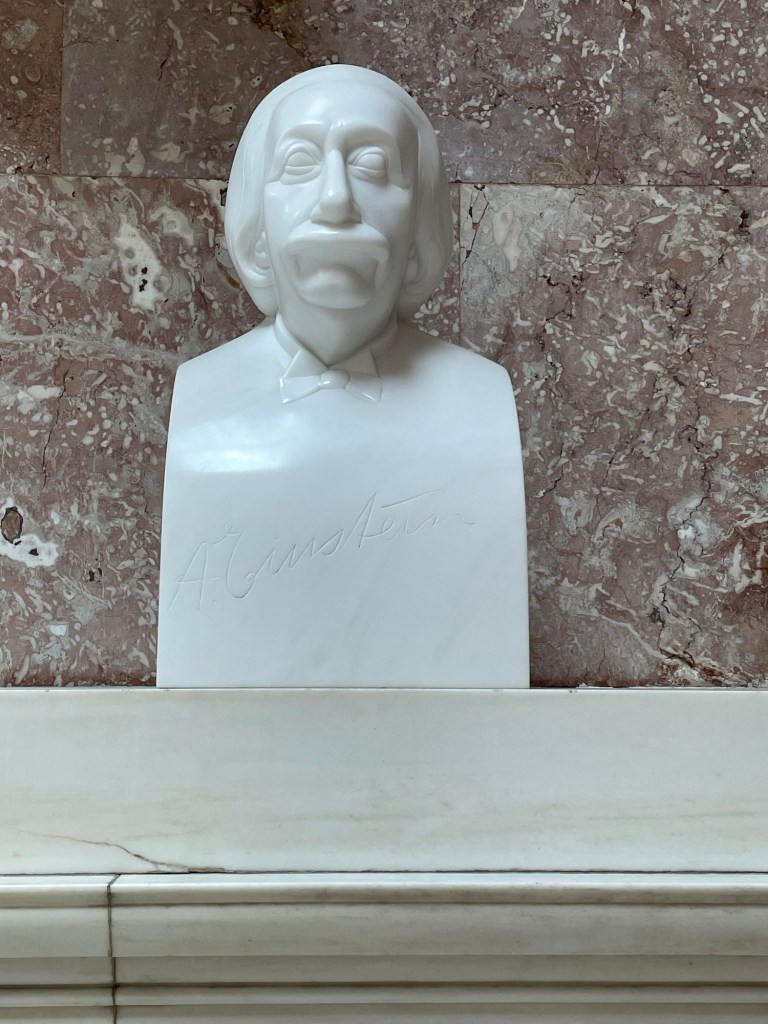
Further up the Danube lies Walhalla (not to be confused with Valhalla, the Nordic myth). Inside the Parthenon-inspired building, also at the top of a hill overlooking the Danube, were busts of every major German scientist, writer, philosopher, and composer.

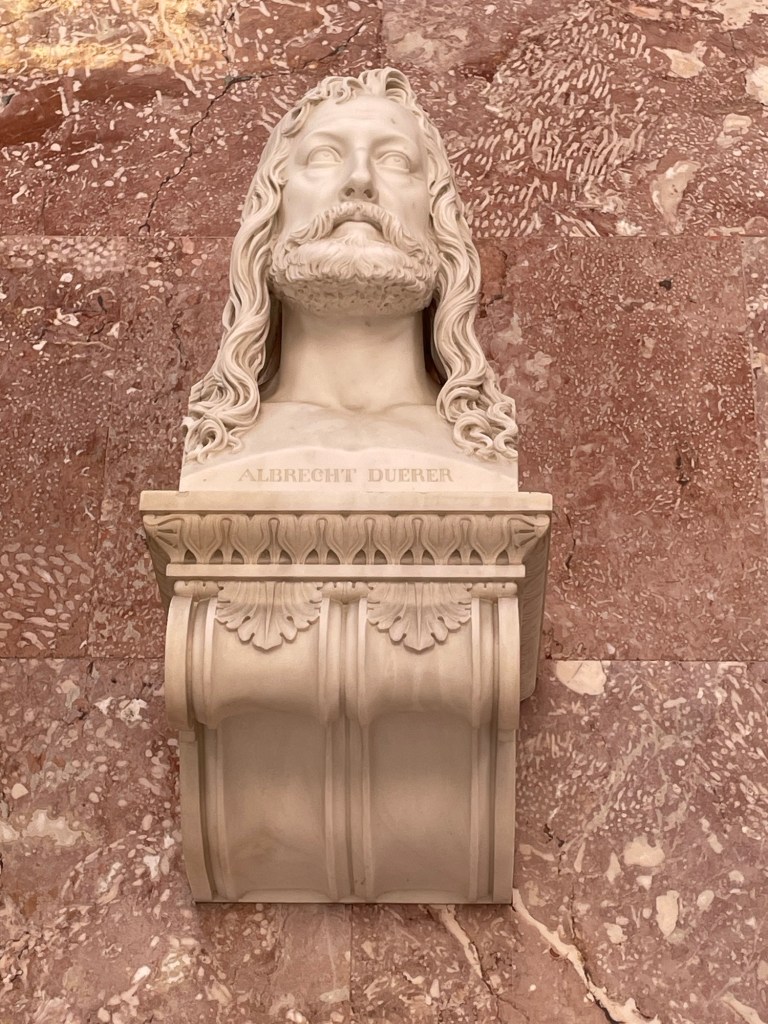
I couldn’t help but look for and admire the many distinguished characters Among them were Goethe, Schiller, Kant, Einstein, Mozart, Mahler, Beethoven, Haydn, and Bismarck. All the emperors, kings, and military leaders were also represented. A few of my favorites are shown below.

With so many famous personalities, you couldn’t help but be impressed by what German society has produced. Some may question the Austrian or Swiss heritage, but the German-speaking world (DACH) claims them all. Most of the characters preceded the 20th Century as the temple to German civilization was commissioned by King Ludwig I.

Weltenburg Klosters

A local favorite, the Weltenburg Abbey in Kelheim displayed the wealth and prowess of the local monastery. Dating from 1050, it is the oldest brewery in Germany. Many school children and tourists were visiting and enjoying the local fare in this idyllic setting along the Donau.

On the Road

As a devoted public transport traveler, I was unaccustomed to traveling by car in Europe. Nevertheless, it was a warranted trip since we were going into the countryside, and many of the landmarks are hidden gems off the Autobahn or along country roads.

Bavarian Alps

Annemarie proved to be an excellent driver and guide for this journey down the entire length of Germany. In our weeklong trip, she drove consistently, took breaks every two hours or so, and provided an intimate knowledge of the area and its history.

The physical splendor of driving through the delicious Bavarian countryside, seeing vineyards along the mountains in the Po Valley (in Italy), and the Austrian countryside only enhanced the road trip. The absence of billboards along the entire route contrasts with the constant barrage of advertising we see in the US. It reminds me of the endless insults we face daily by internet marketing and mindless use of AI.

Of course we engaged in many deep, extended conversations. We laughed so much I could detect the volume in my voice increasing with each outburst. It definitely brought joy, satisfaction, and comfort to my usual, singular, and beeline approach to traveling. And a reminder that it’s not the destination but the journey.

Beautiful Vineyards in the Po Valley
Landshut

Stopping a couple of days in Landshut gave us a chance to catch our breaths and relax. Situated in the middle of a bustling town, we strolled the main thoroughfare, stopped for cafes for coffee and ice cream, and I took a local guided tour.

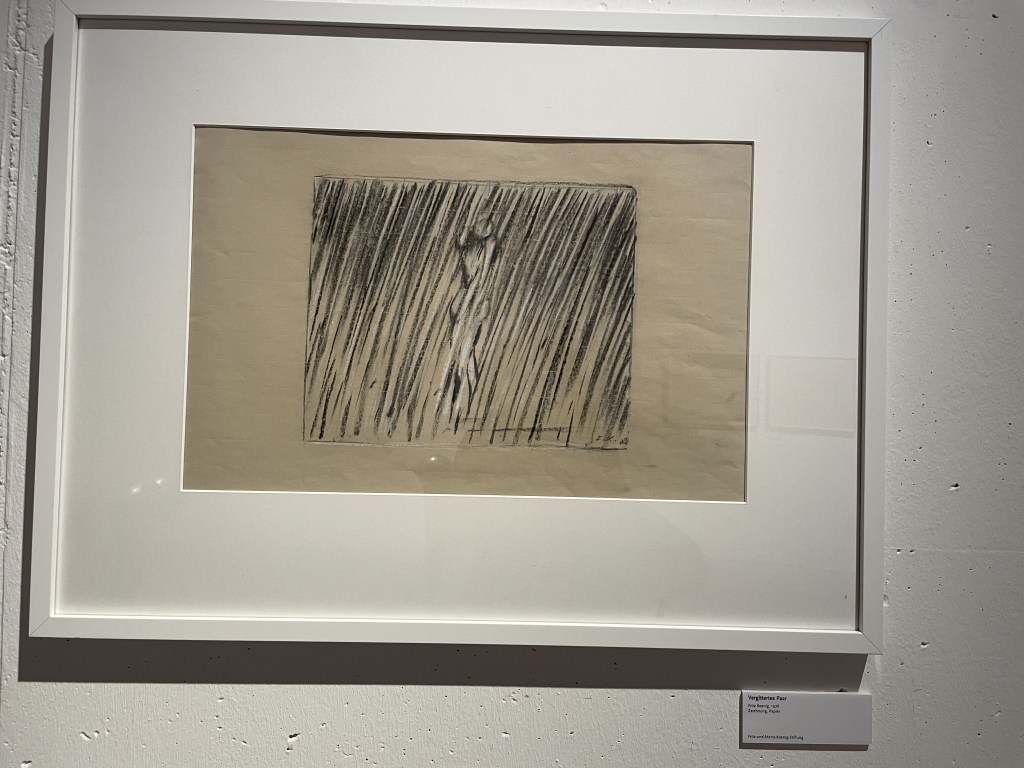
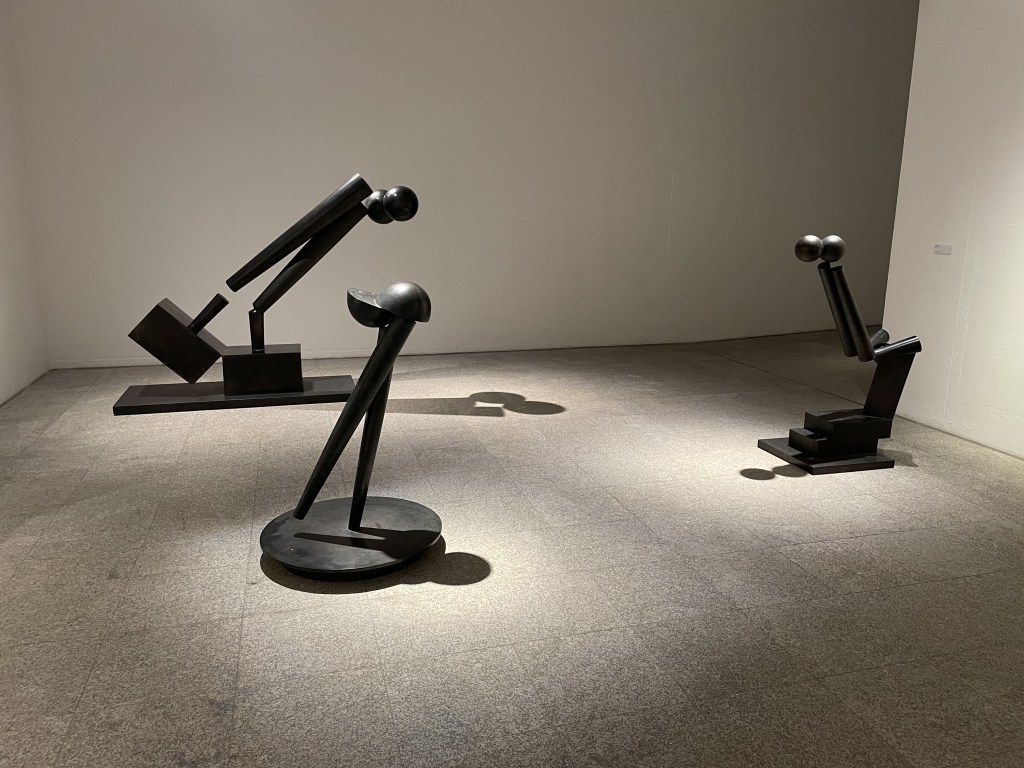
The Koenig Museum housed a collection of Koenig’s work as a sculptor. One of his pieces survived the World Trade Center disaster and remains as a symbol to the endurance of mankind. His sculptures are placed throughout the world and I found them poignant and elegant.

And, as I am reminded each time I visit a gallery of an artist’s work, I am impressed and gratified by their pencil sketches. They indicate the classical training needed to become an artist of any type of media. In this case, Koenig’s familiarity of the human figure informs his three dimensional pieces.

We found some free time to relax from the extensive car travel by watching the Eurocup Finals 2024. We were chasing matches from Hamburg to Cologne to Munich, as the games were hosted by stadiums in each major city. The interest has reached fever pitch where hundreds of thousands gathered to watch the games in public areas in each city.

Addendum: For perspective, see https://travelswithmyselfandothers.com/?s=antang+village+Notes

I was thinking of this as I visited Gutersberg and hope I can show Annemarie my mother’s village in China in the future!