

After our trip abroad to Bulgaria to see opera diva Sonya Yoncheva at the Ancient Theater in Plovdiv, we flew back to Frankfurt, Germany. I caught up with sketch buddy Hazel from Heidlberg to travel by train back to Luneburg, my base in Germany. We met in Cologne for a side trip to Aachen, a UNESCO world heritage site. While most architects would consider visiting the Cologne Cathedral in all its Gothic glory, the earlier Aachen Cathedral is equally, if not more, impressive.
Aachen Cathedral, a UNESCO World Heritage Site
The history of Aachen is intimately tied to Charlemagne, Emperor of the Holy Roman Empire. Crowned in 800 on Christmas Day by Pope Leo III in Rome, Charlemagne is also known as Charles the Great or Karl Der Grosse. Having multiple names in different languages seems to obfuscate his fame and the fact that he is one and the same individual.
Charlemagne was a multi-tasker. As King of the Franks from 768, King of the Lombards from 774, and Emperor of what is now known as the Carolingian Empire, he conquered the Saxons, the Allemands, and the Moors. As the Holy Roman Emperor, he consolidated Christianity in Western Europe. He was considered “Frankish” but spoke a language similar to what is German today.
After his father and brother died, he controlled large swaths of Europe. He chose his palace in the old Roman settlement with natural mineral springs and rebuilt Aachen Cathedral over the previous site. Over thirty German kings were crowned in this chapel.
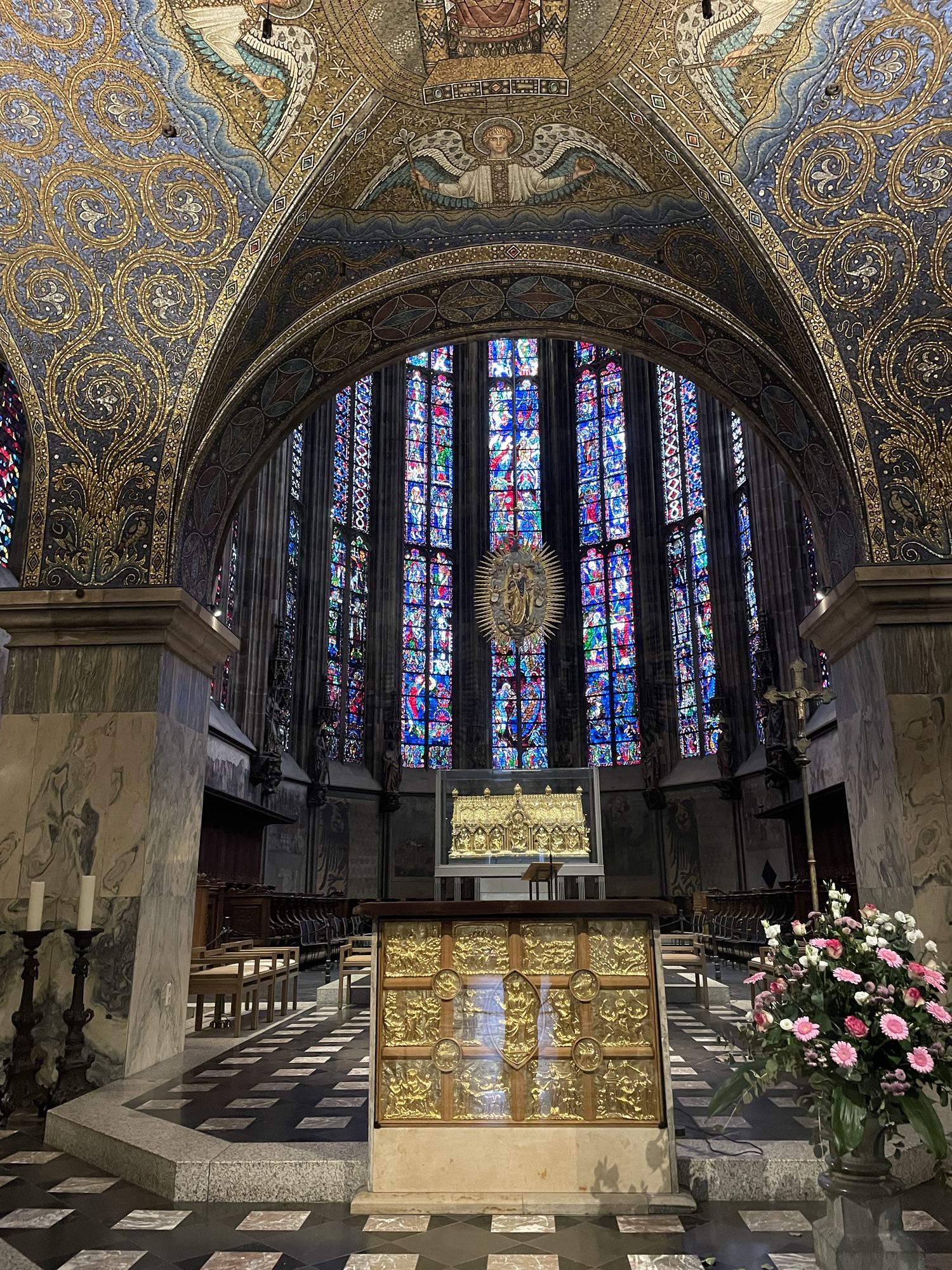
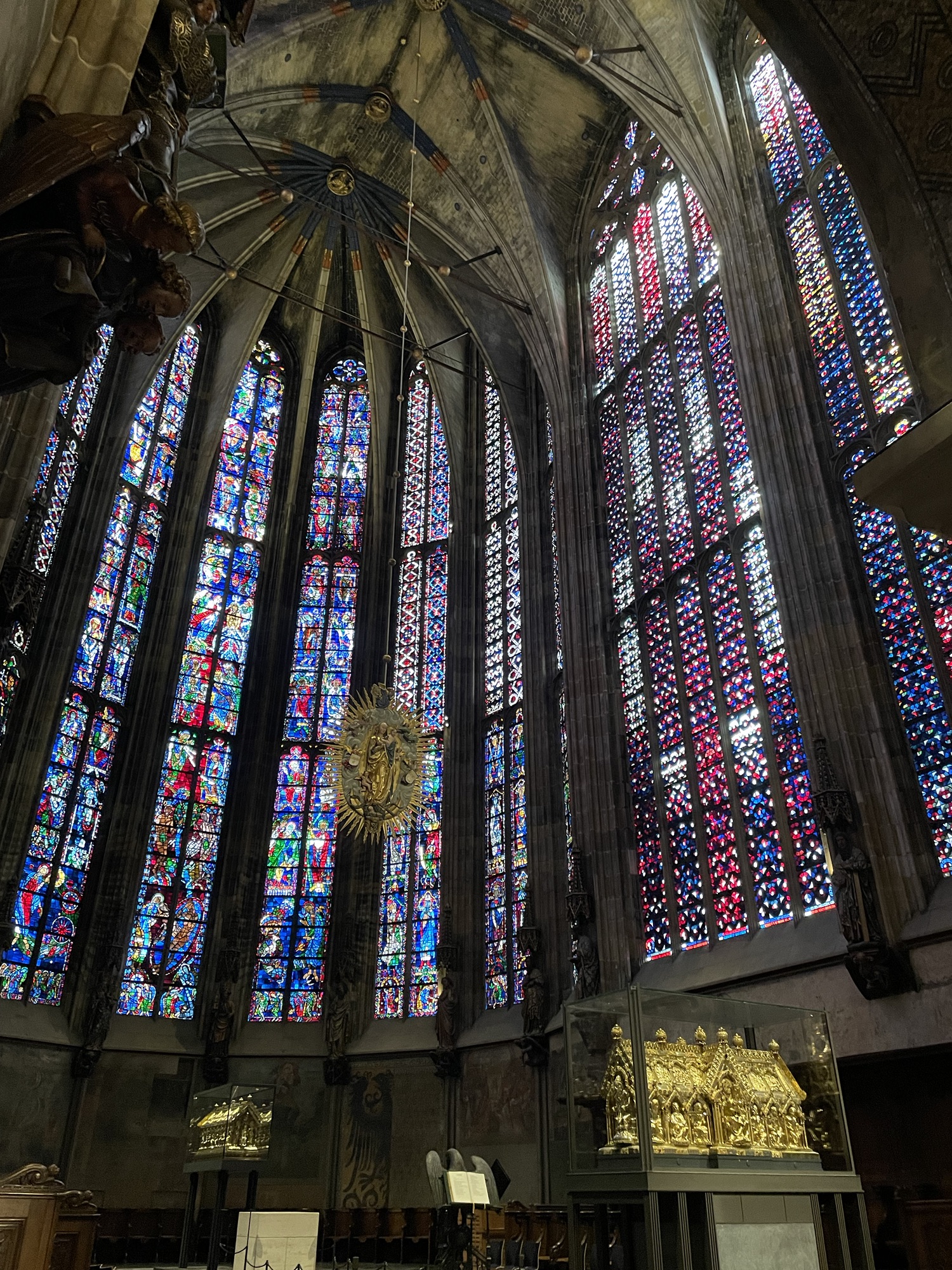


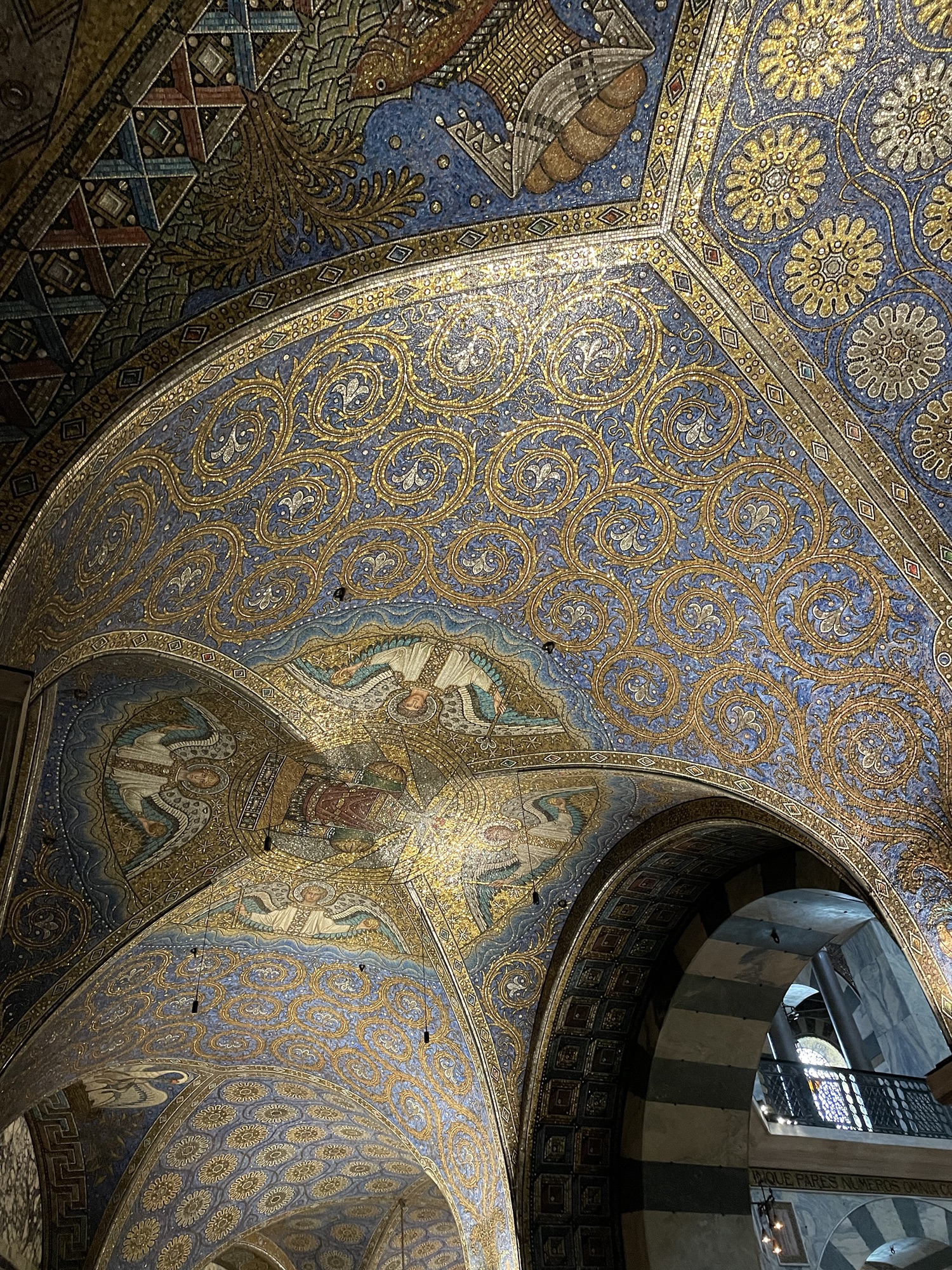

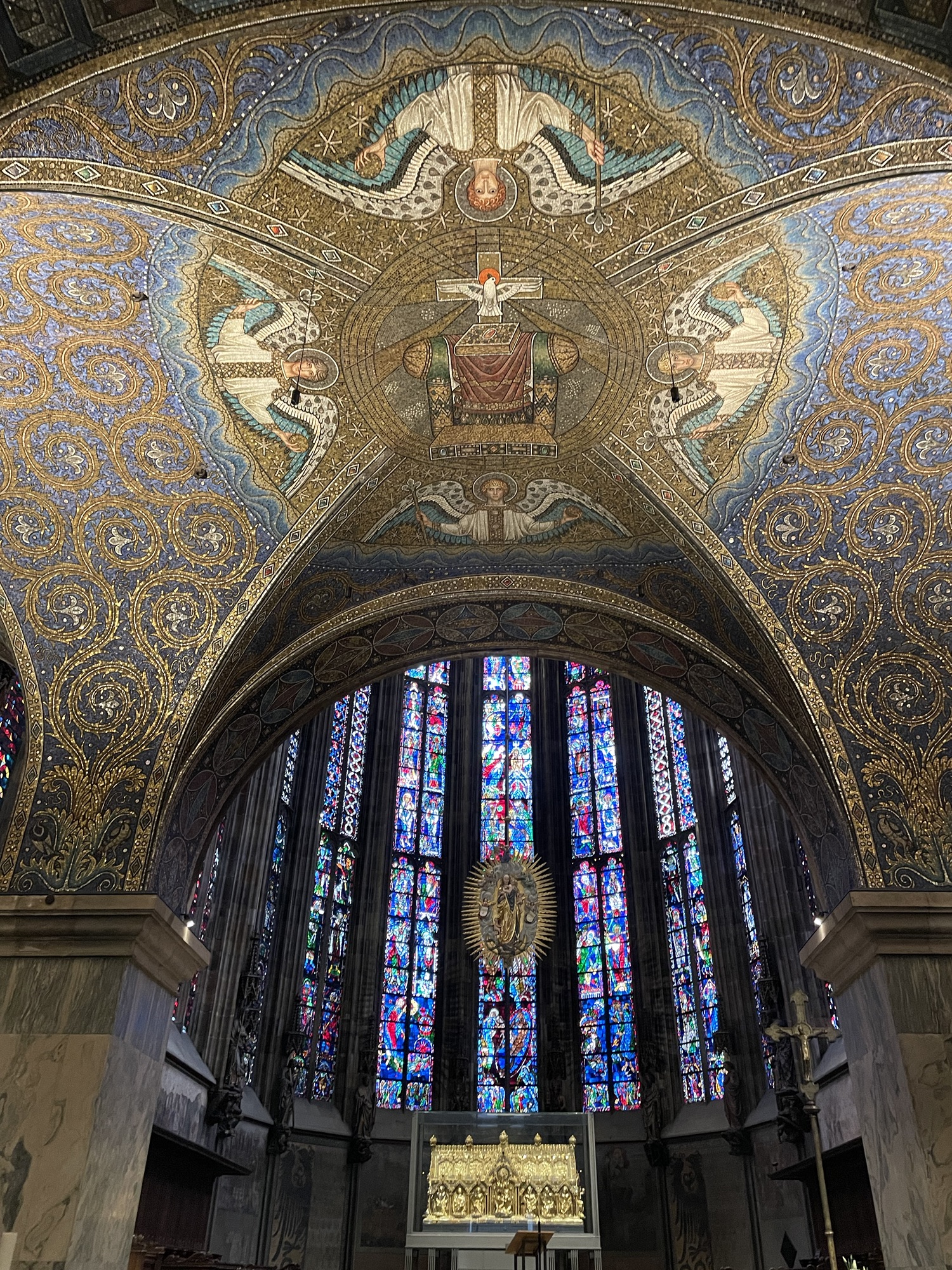
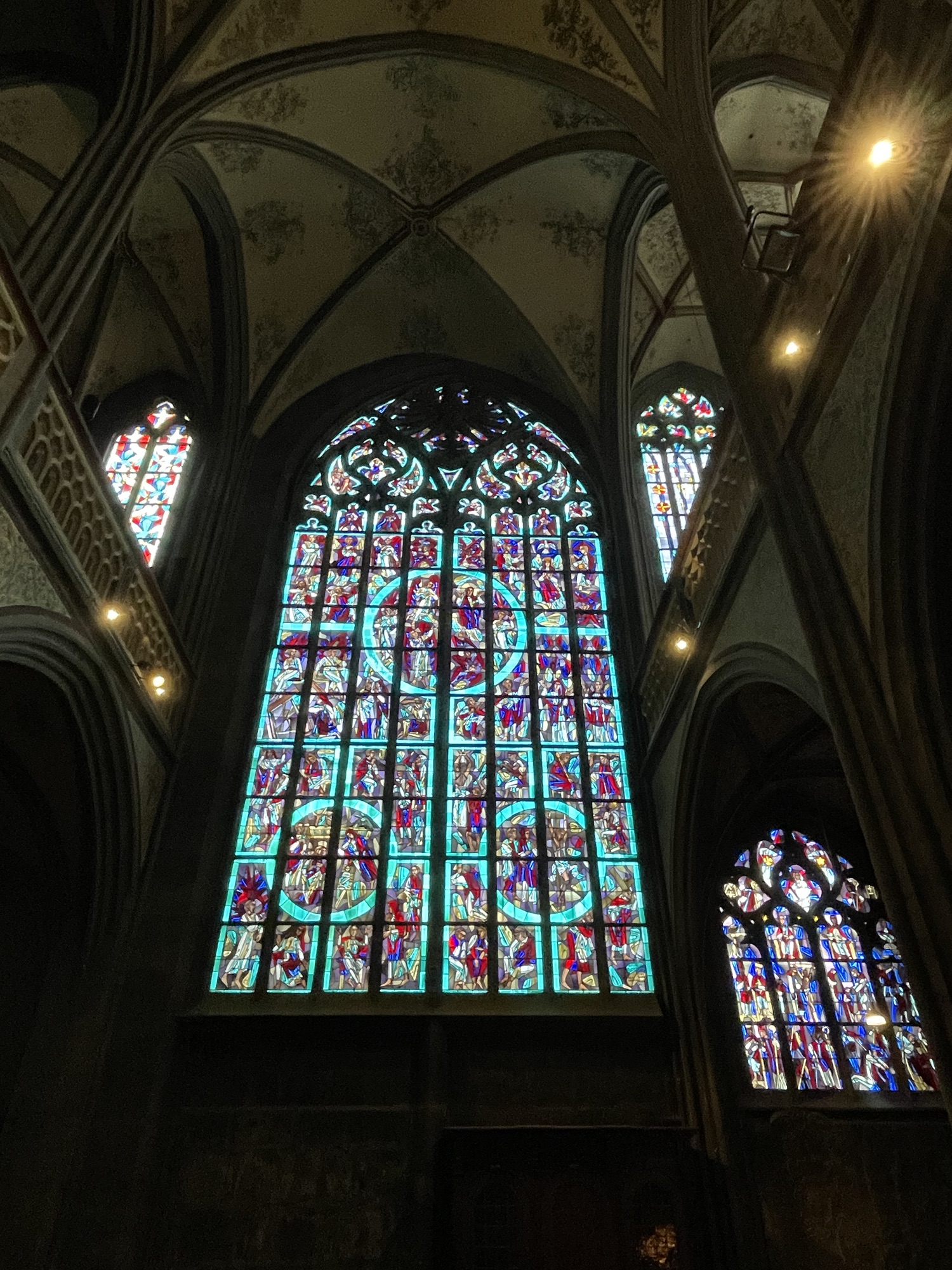
The exquisite beauty and high quality of this cathedral impressed me. The stained glass windows, perhaps recently cleaned and replaced, were the most vibrant colors I had seen of any, and the decorated ceilings and walls were laden with gold in a tasteful and restrained manner.
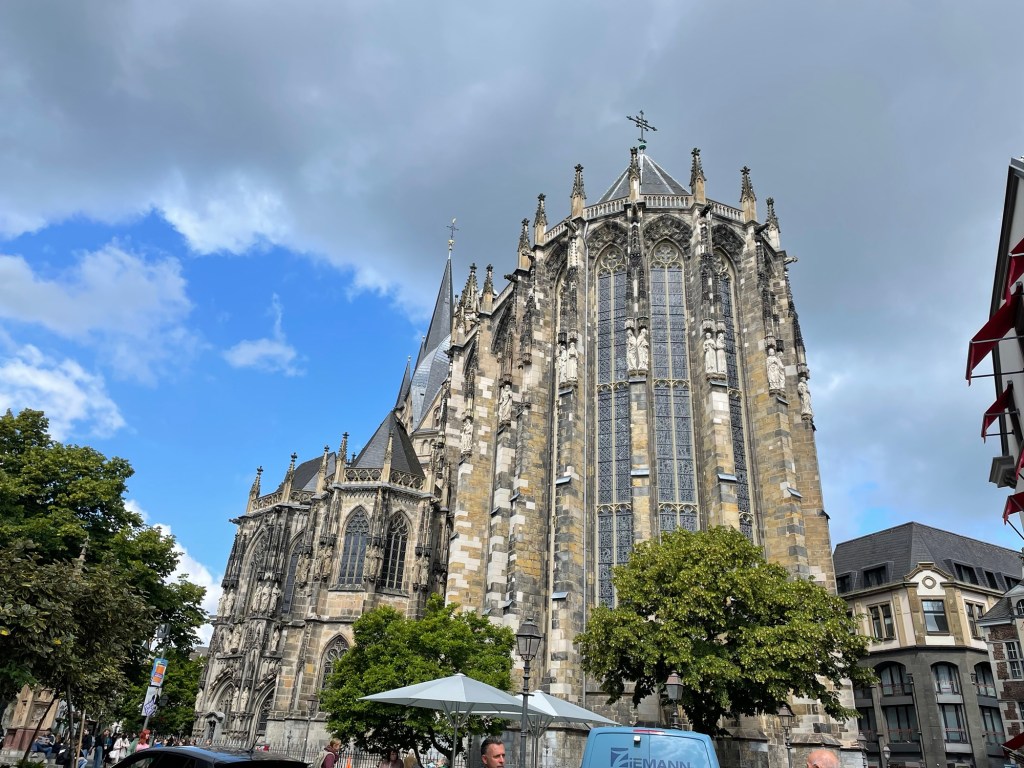
The octagonal layout reflects the Romanesque buildings in Italy that preceded the taller, reaching for the sky Gothic buildings. Its structure was among one of the first of its kind and helped to establish itself as a UNESCO World Heritage site. This unique and marvelous building is worth a special trip to see it for both architects and the general public.
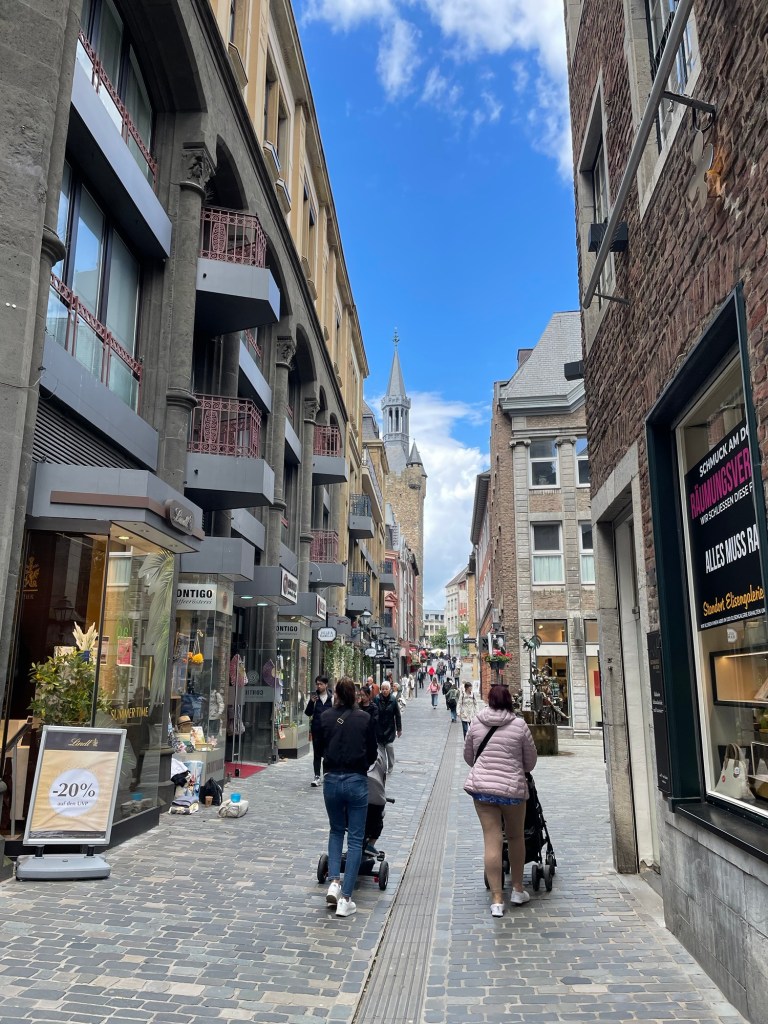
City of Aachen and Cathedral Exterior



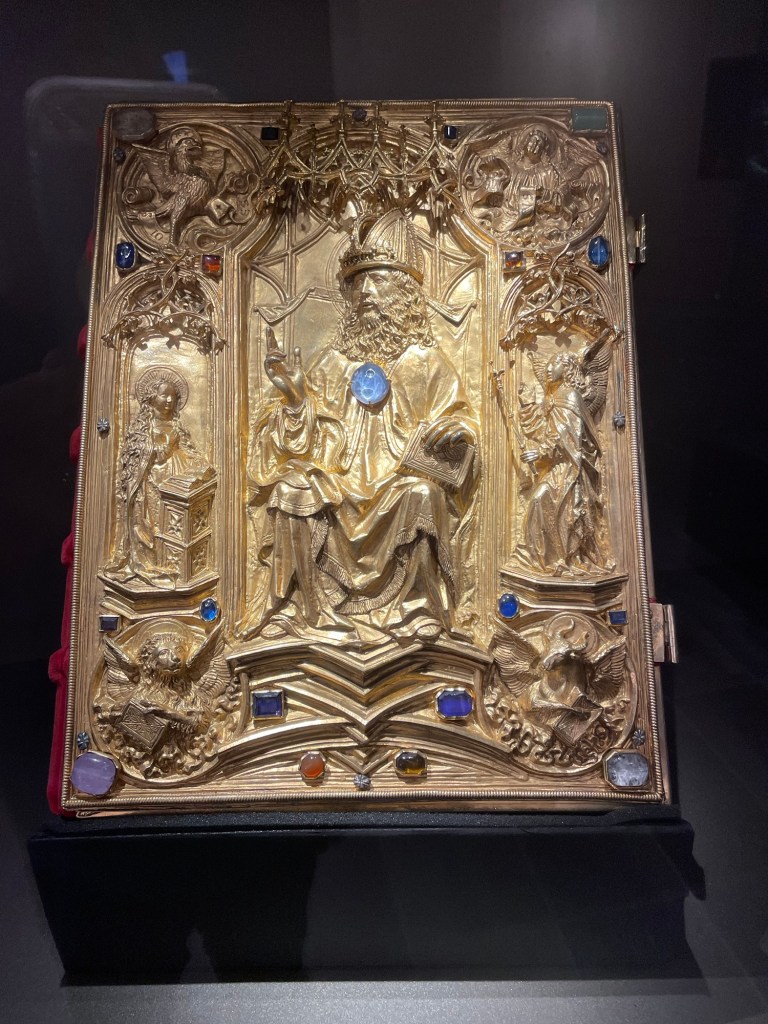
All that Glitters is Gold


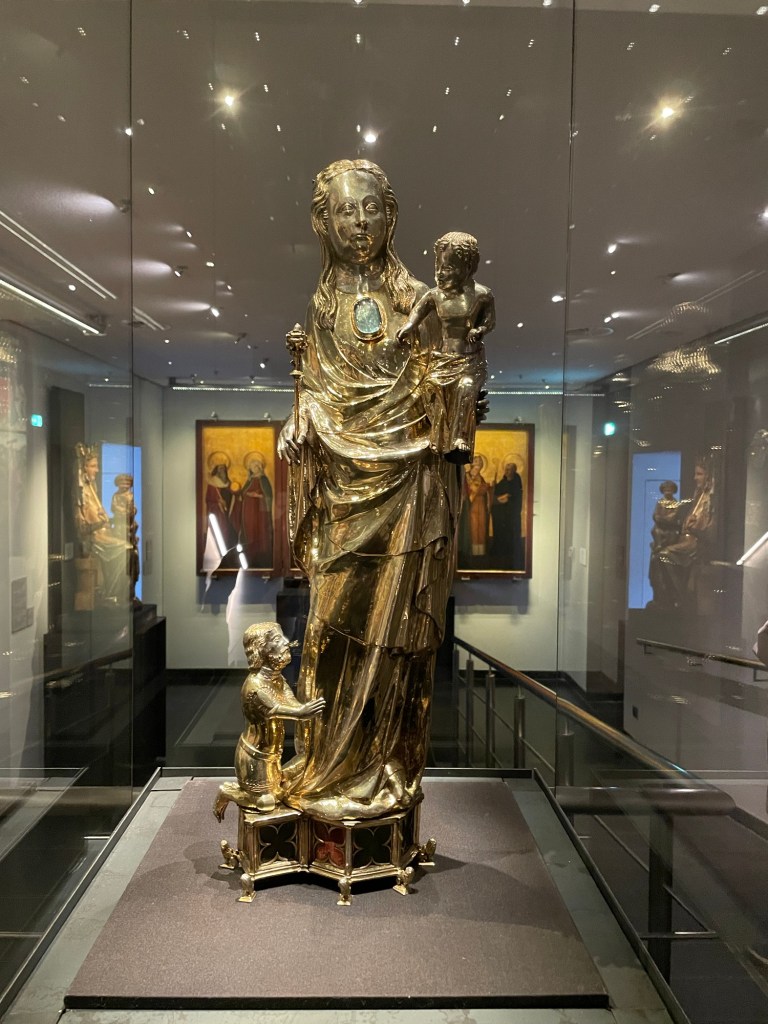
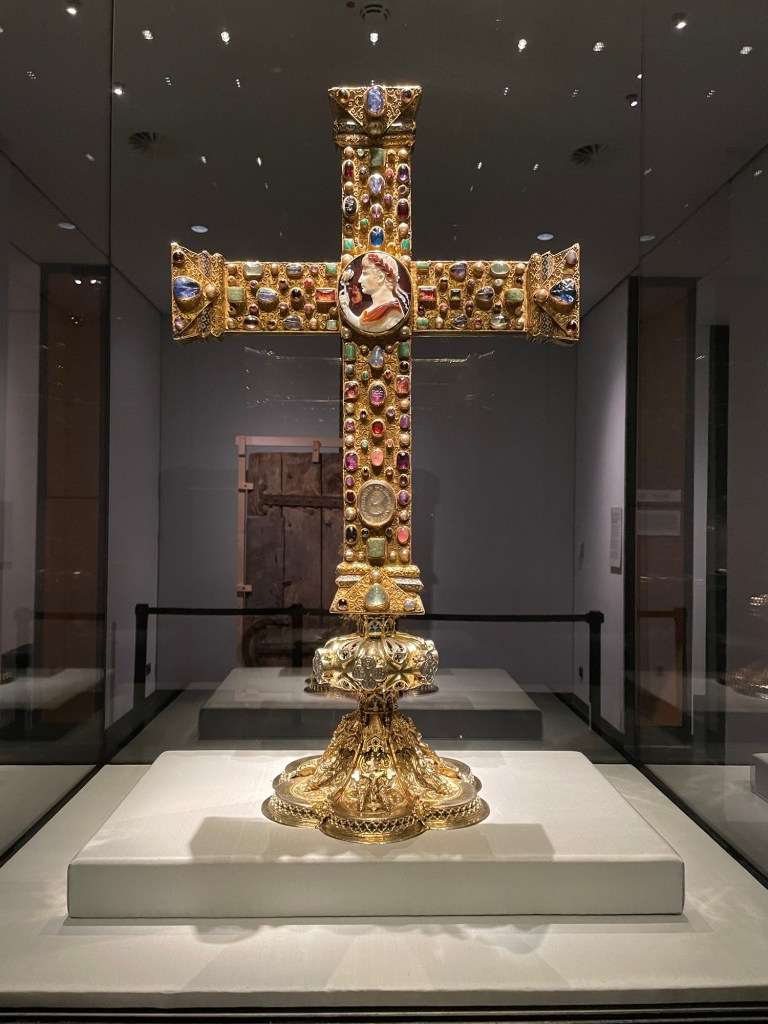
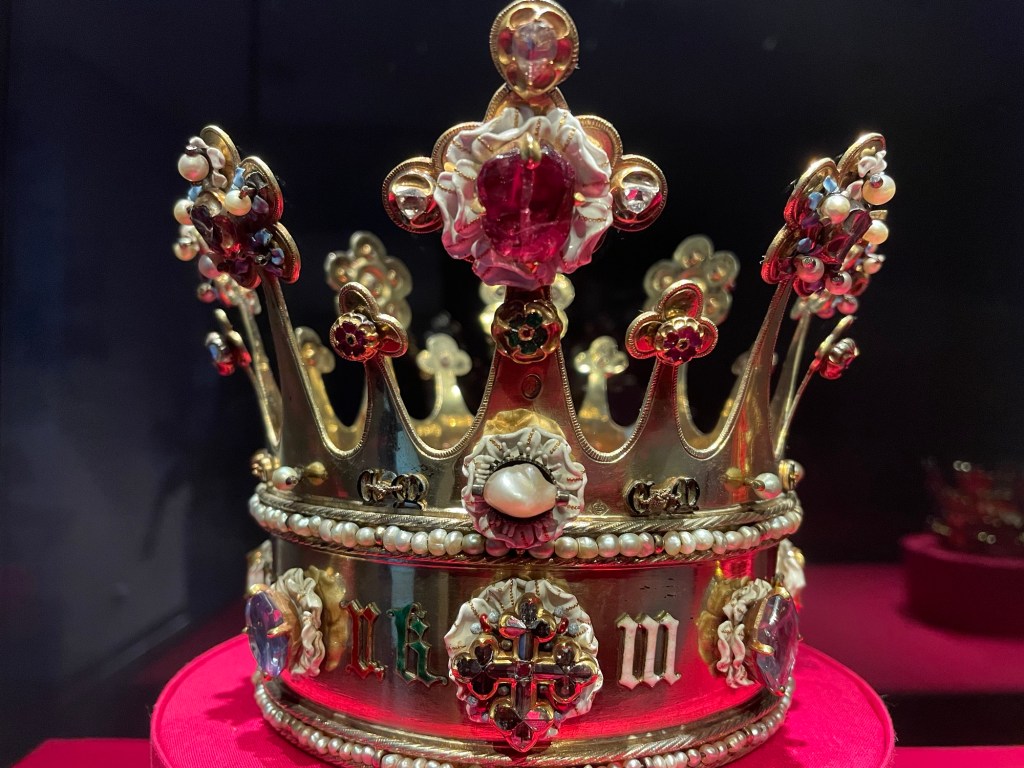

Cologne Cathedral
The later and better-known Gothic Cathedral in Cologne built around 1200 has its own magnificent place in architectural history. It is also a UNESCO World Heritage site. Compared with Aachen, Cologne is much more ornate from the exterior. Despite it being the largest and tallest Gothic churches in Northern Europe, Cologne’s twin towers seem short and buried into massive side supports. The towers do not appear as elegant as later Gothic structures.
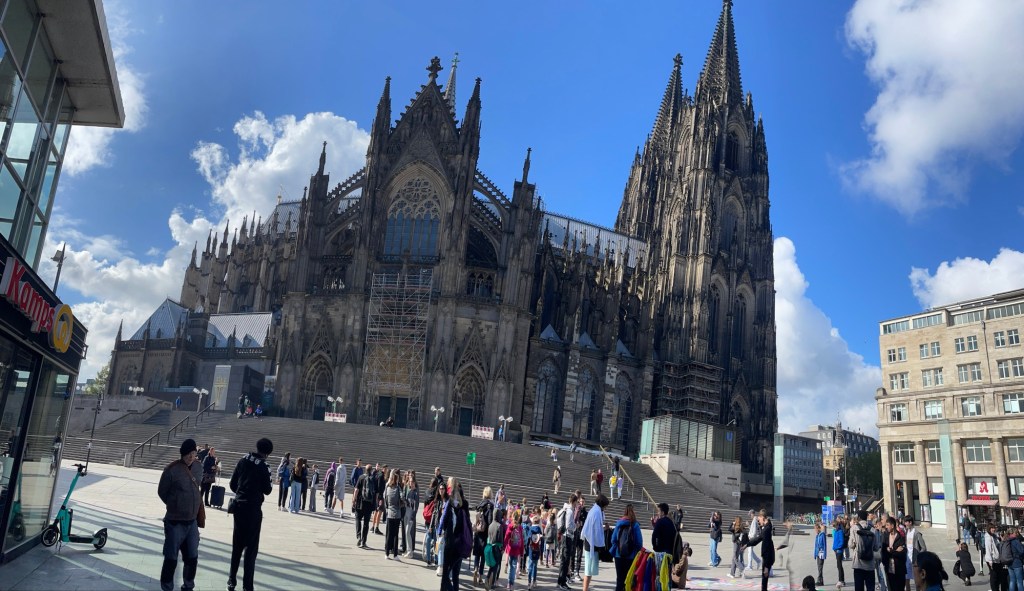


Nevertheless, its interior is a sight to behold. The Biblical stories are clearly depicted in the stained glass windows. The mosaics contain more white background and allow more light into the interior but are less brilliant than the windows in Aachen.Gerhard Richter designed one of the stained glass windows in the chapel.
The structure was heavily damaged by Allied bombing in World War II, but it was restored by 1956. While this is the more famous cathedral that architects yearn to visit, the Aachen Cathedral is equally worthy of a visit.
The East Asian Art Museum, Cologne
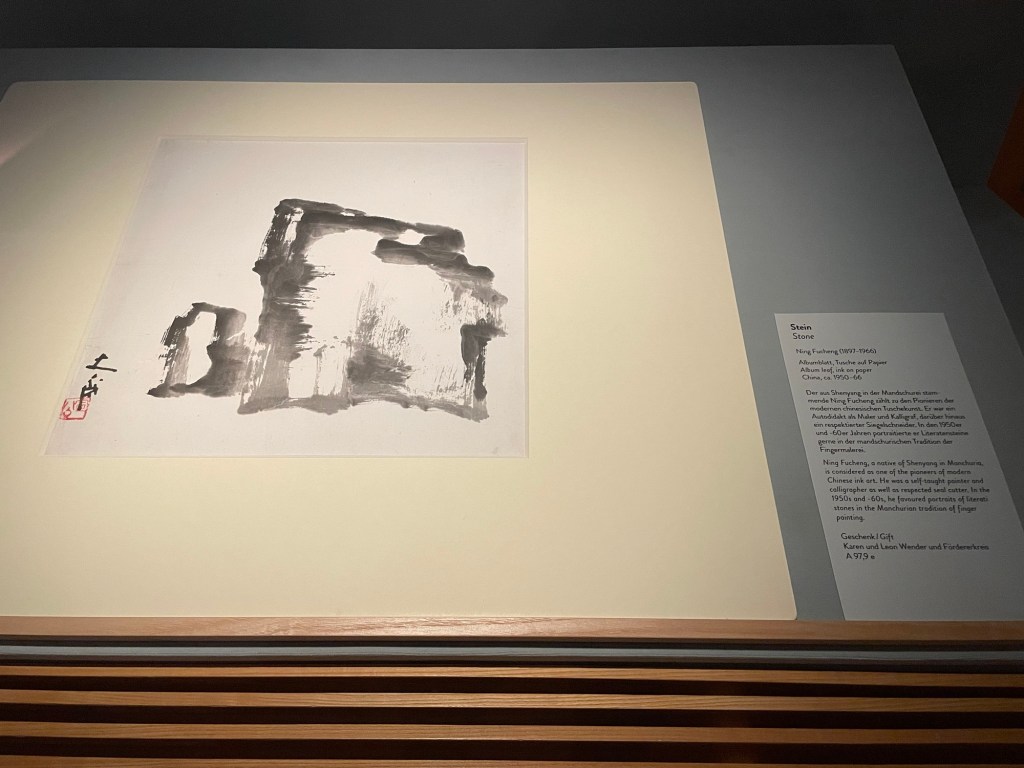
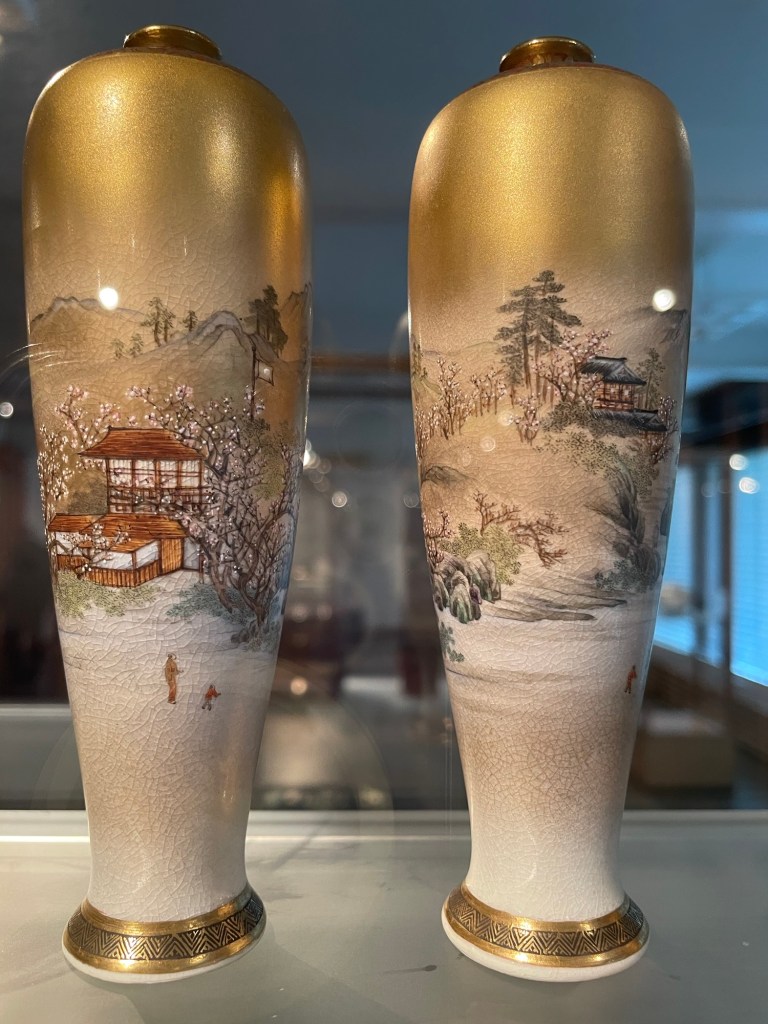
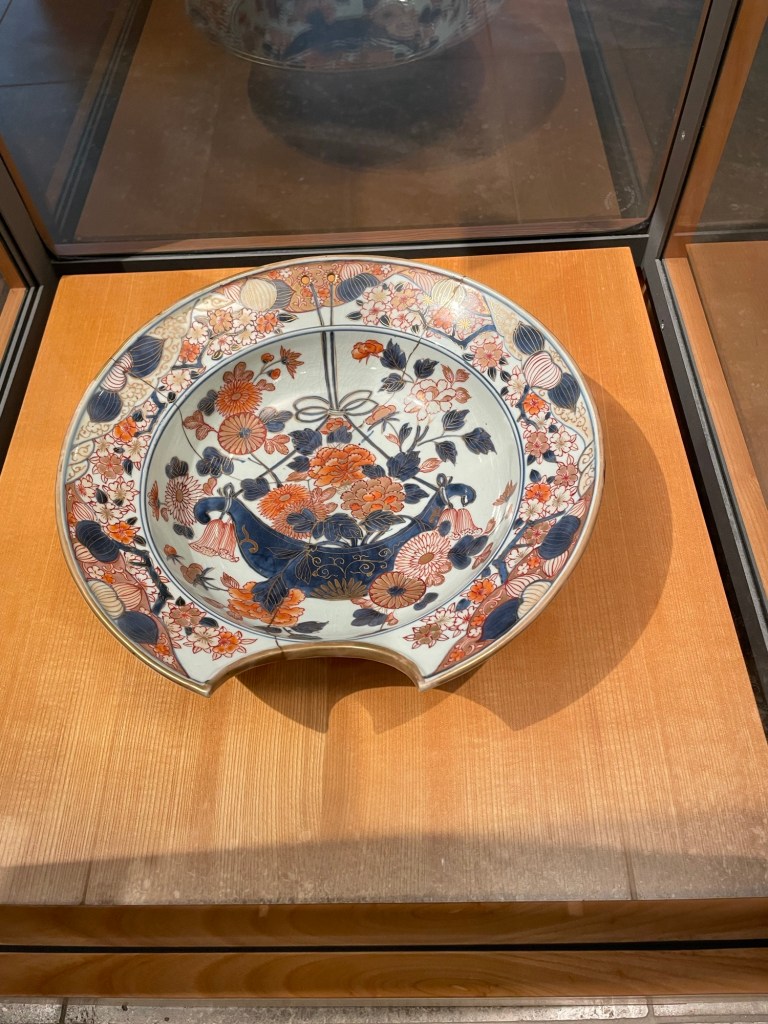
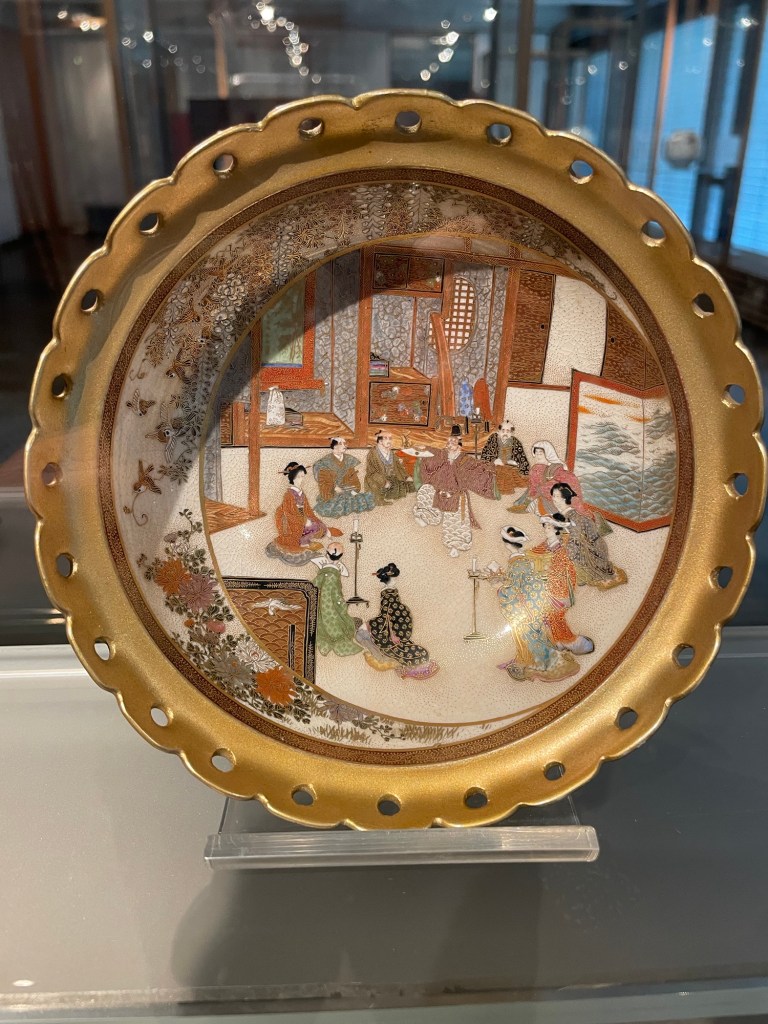
Wealthy collectors of East Asian Art in the early 20th Century became founders of this museum. They collected a wide spectrum of excellent examples of Japanese calligraphy, porcelain ware, early Chinese bronzes, and miniature rock sculpture.



After a long-awaited pause in Luneburg at Annemarie’s home, we are preparing for the final leg of our journey. We will be traveling by car from Luneburg due South to Verona, Italy, stopping in Annemarie’s birthplace and heimat outside Munich, Bavaria. Come join us for the rest of the trip!
 travelswithmyselfandothers.com