
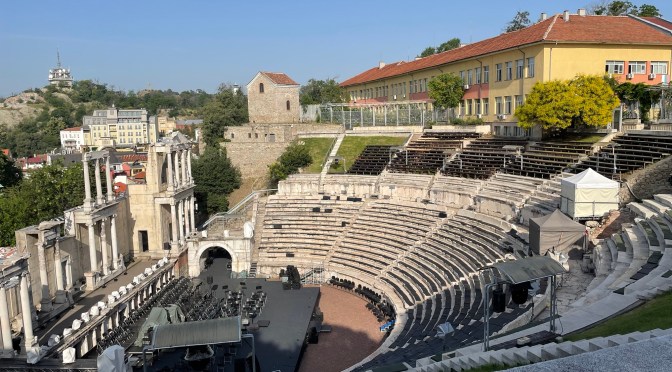
A free walking tour of Plovdiv in English gave us plenty of food for thought about Bulgaria’s long, complicated history as well as insights on current trends in art, architecture and music.
Bulgaria’s Complex History
From the 6th to 3rd Centuries BC, Thracians (of Spartacus’ era), Persians, Celts, and Macedonians fought over rule of the Bulgarian land, until the Romans (Tremontium) conquered the region in 45 AD. Various tribes successfully ruled after the fall of the Roman Empire in the 6th and 7th Centuries until the Byzantine Empire granted Bulgarian rule in 681AD.
The Cyrillic Script developed by the Bulgarians and used today by the Russians helped to unify the Slavic and Balkan cultures.that then dominated the area. The Ottomans arrived in 1396 and ruled until 1918. After the Russo Turkish war of 1877-78, the Russians gained influence over the area until the fall of the Berlin Wall.
While an independent state, Bulgaria is a democracy with a market economy. It has seen its share of problems with stronger powers controlling the country, however. Local politicians, weak and intent on short term gain, plague the country today. Corruption, mafioso rule, and disorganization jeopardize Bulgaria’s stability. Zero population growth and mass migration to other EU countries have caused an undertow to the economy with little hope in sight for a recovery.
Roman Infrastructure and Urban Planning
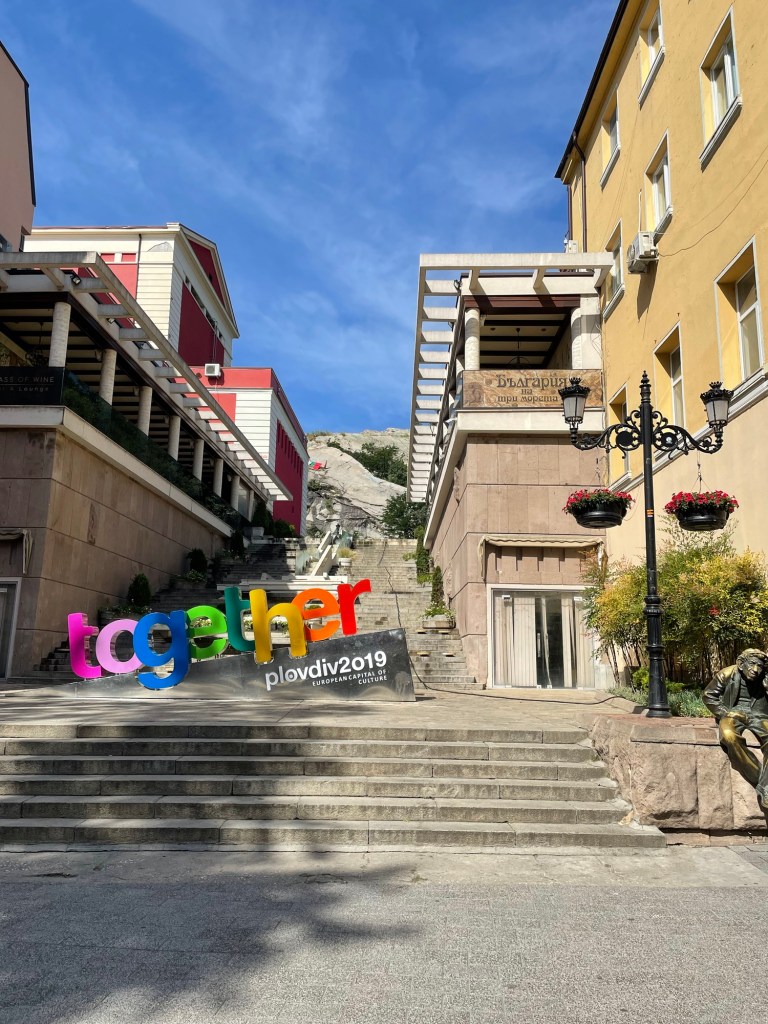
As one of the two European Centers of Culture identified in 2019, Plovdiv intended to promote its cultural treasures to the rest of the world. It was listed as a candidate for a UNESCO World Heritage Center, until the reconstruction of historic houses contravened UNESCO restrictions.
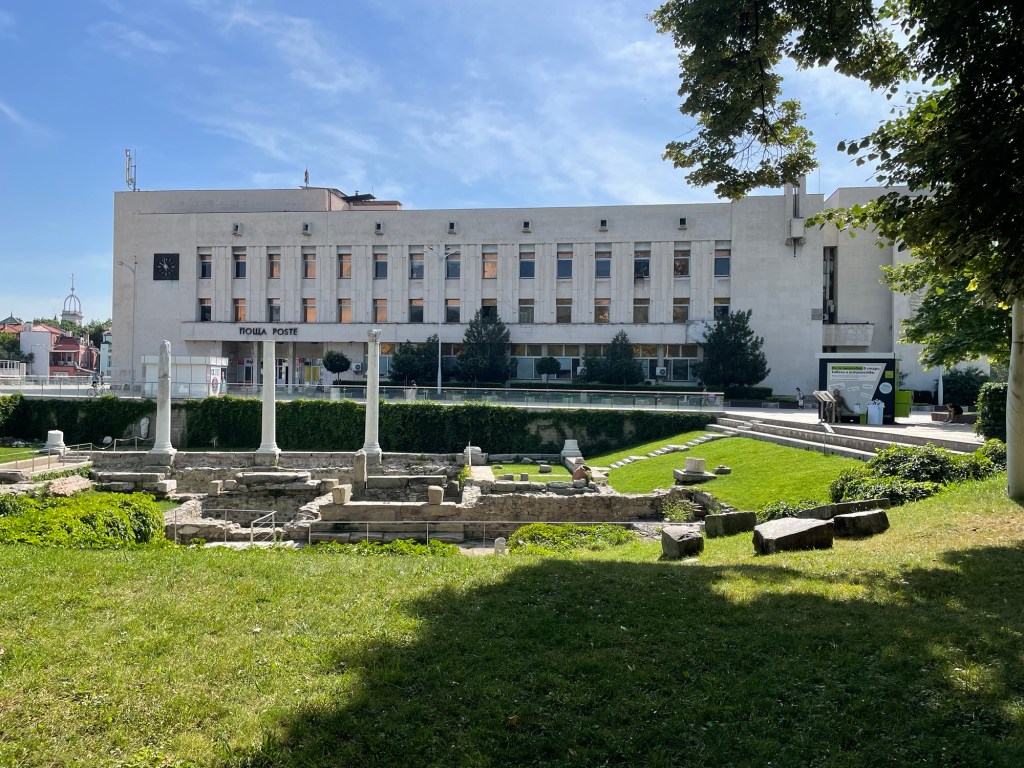
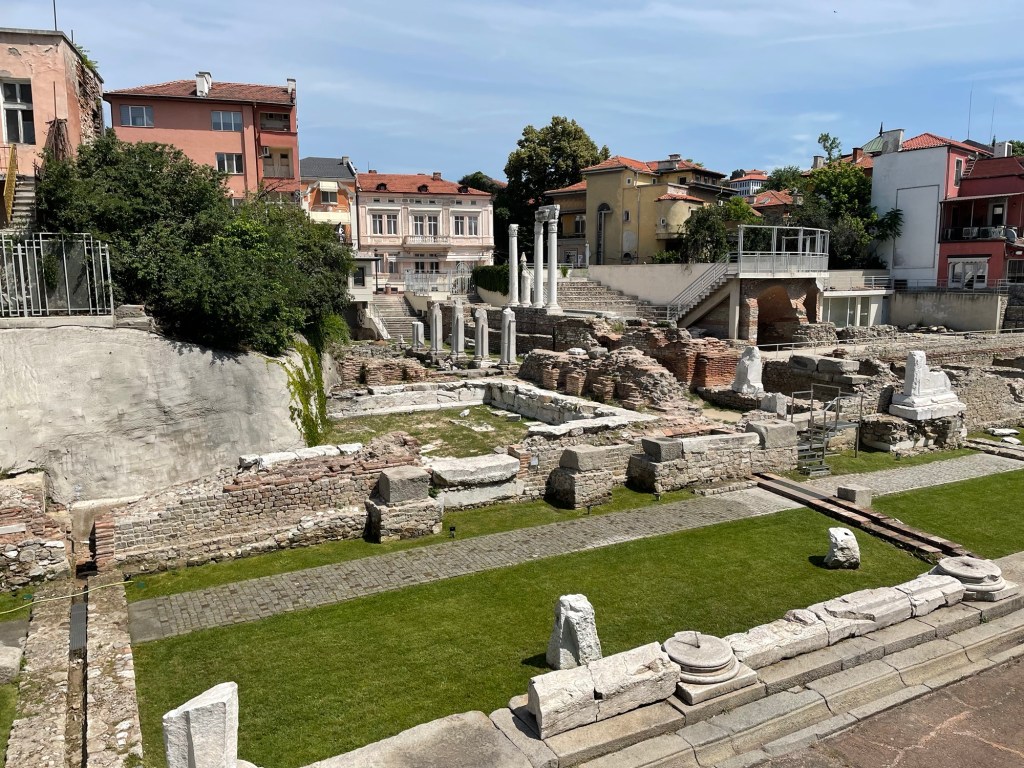
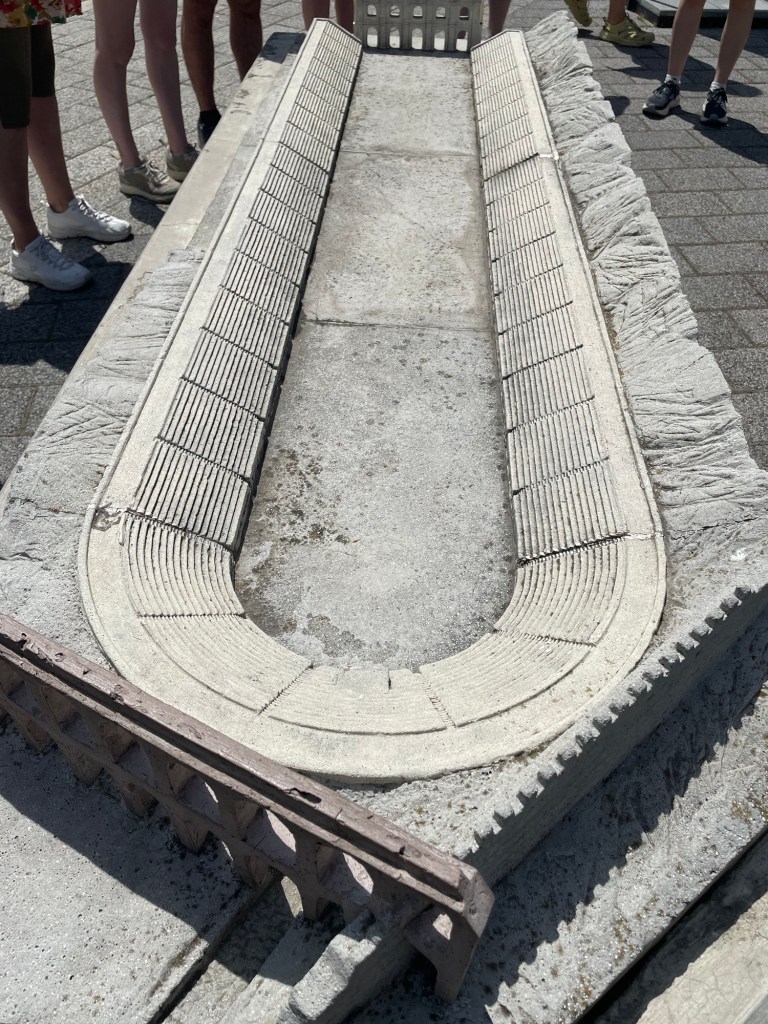
The Roman Ruins predetermined much of the city’s current layout. Aqueducts bringing water to the city from the mountains enabled Tremontium to thrive. A huge lozenge-shaped stadium, over 240 meters long, was erected for public events.
Eventually, as the stadium went into demise, a roadway and houses were built over the ruins. Only the small portion at the end has been excavated for public display.
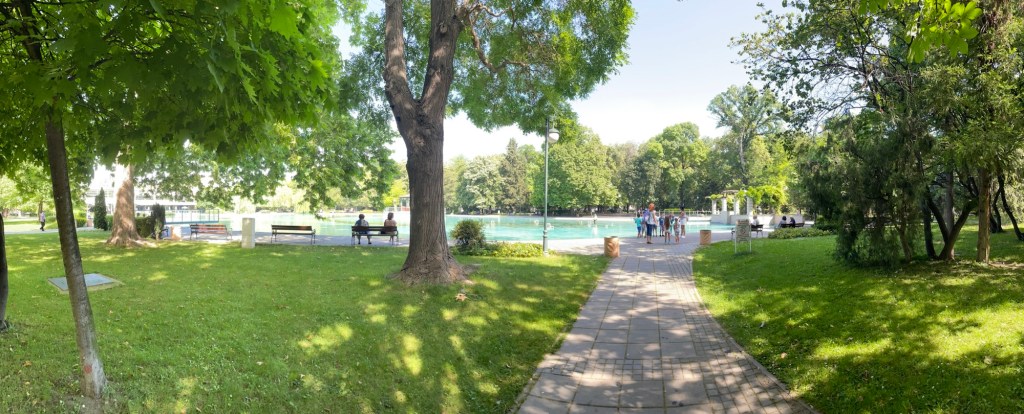

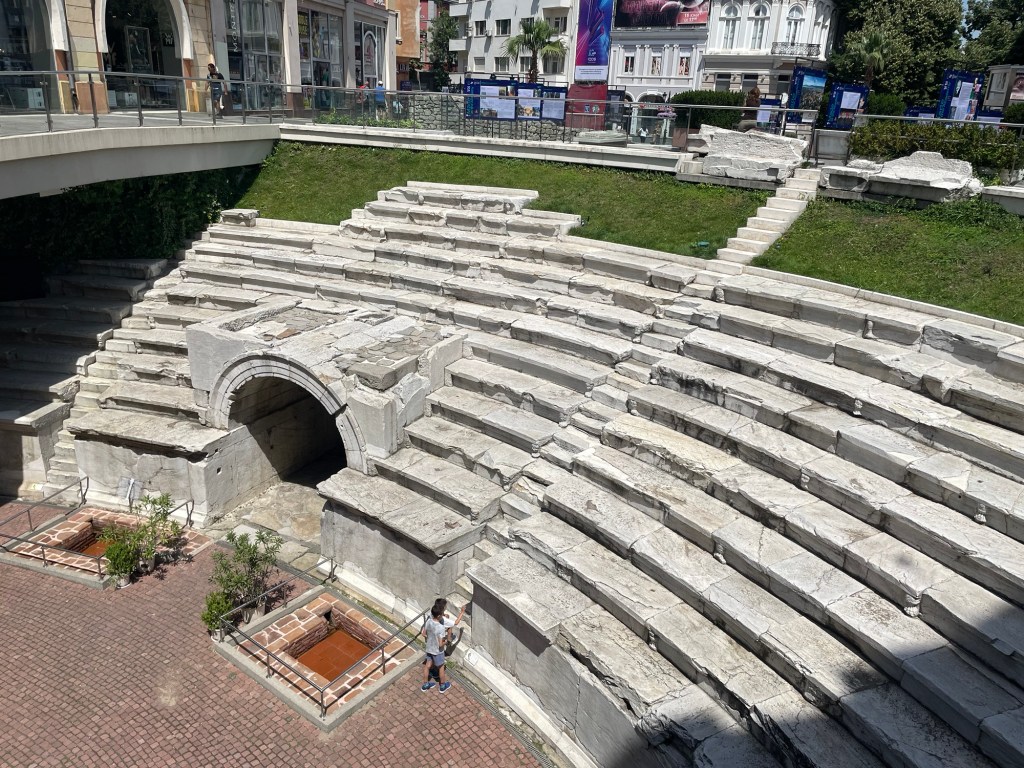
Ottoman Architecture
From around the late 19th to early 20th Centuries, wealthy residents of Plovdiv built fancy houses in the Ottoman style of architecture. The wood frame buildings and decoration have been preserved in the Old Town area near the Ancient Theater.
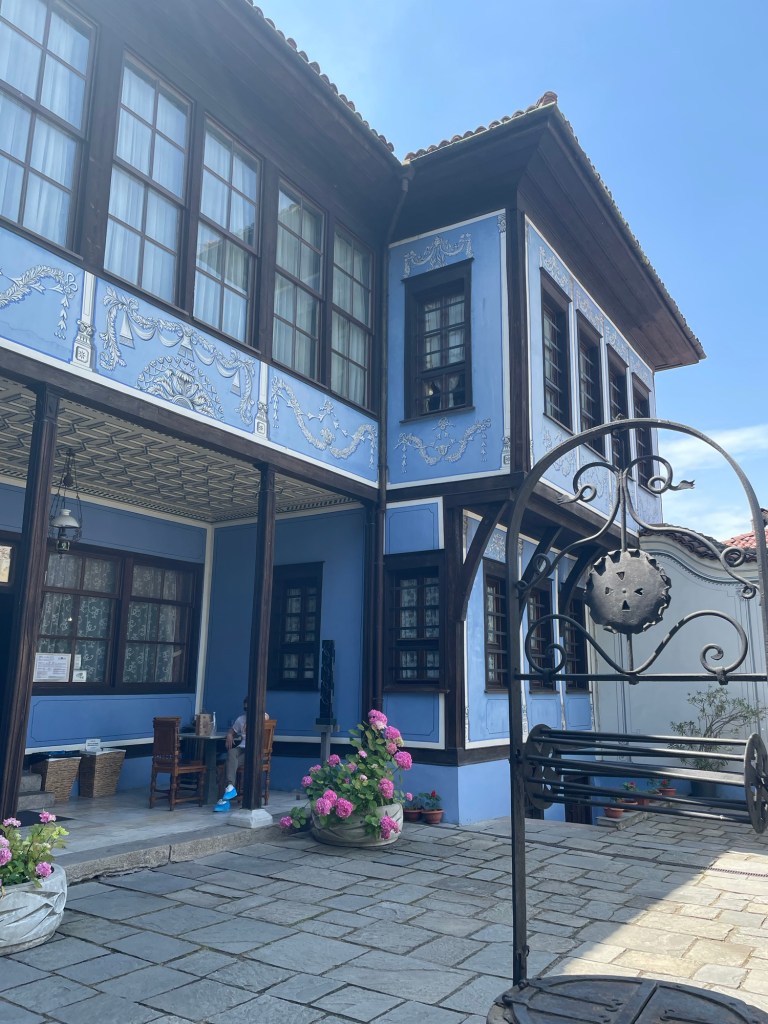

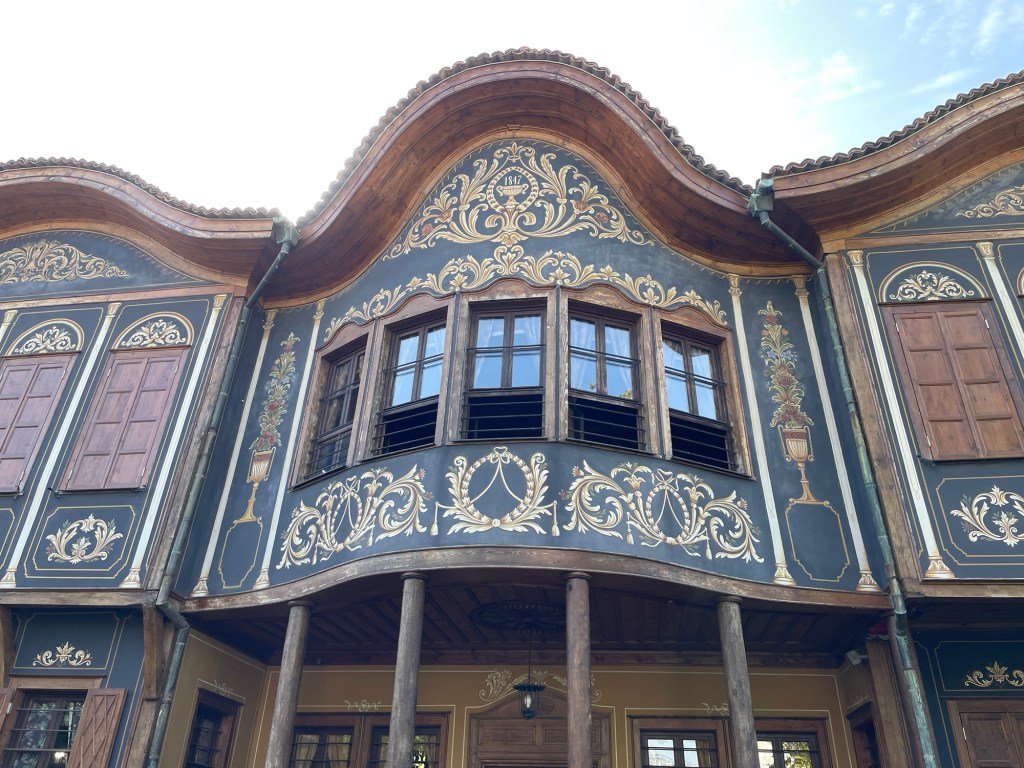


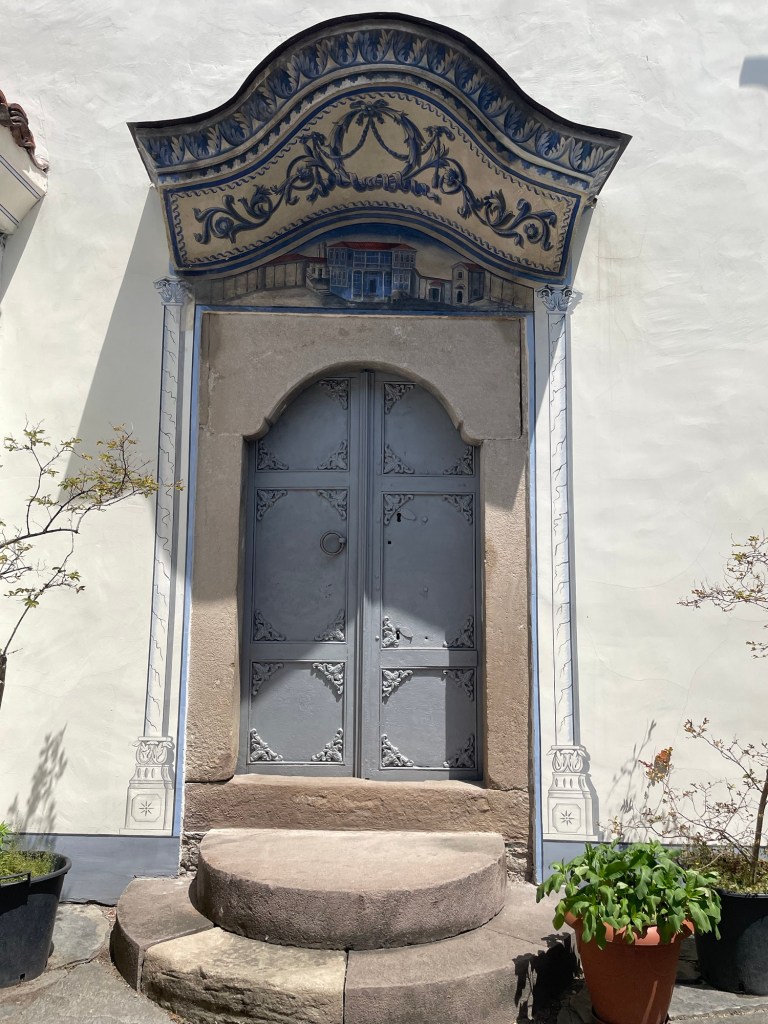

The proportions are tall with thin windows to restrict heat gain. Colorful exteriors and painted decoration exemplified the wealth of private patrician families.
The Ethnographic Museum
Much of Bulgaria’s history and culture is preserved in this family home in the Old Town.


bedcover ever

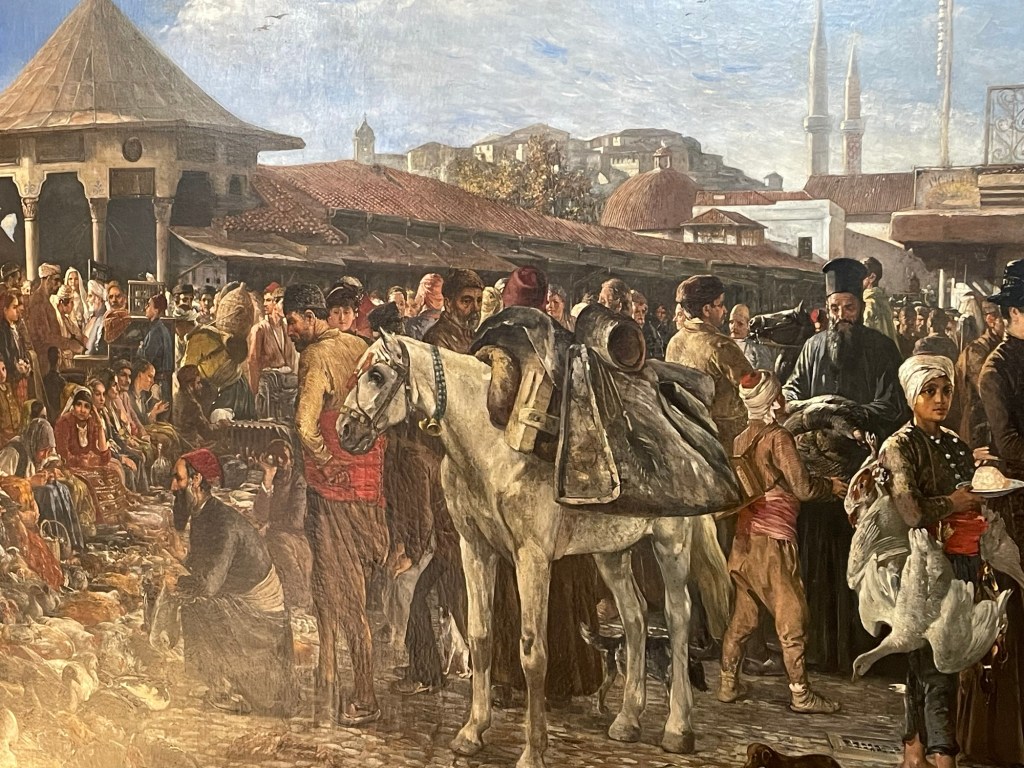
Many artifacts such as musical instruments, clothing, jewelry, and farm implements were displayed, as well as the handicrafts for metal forging, wool production and weaving.
The Bachkovo Monastery
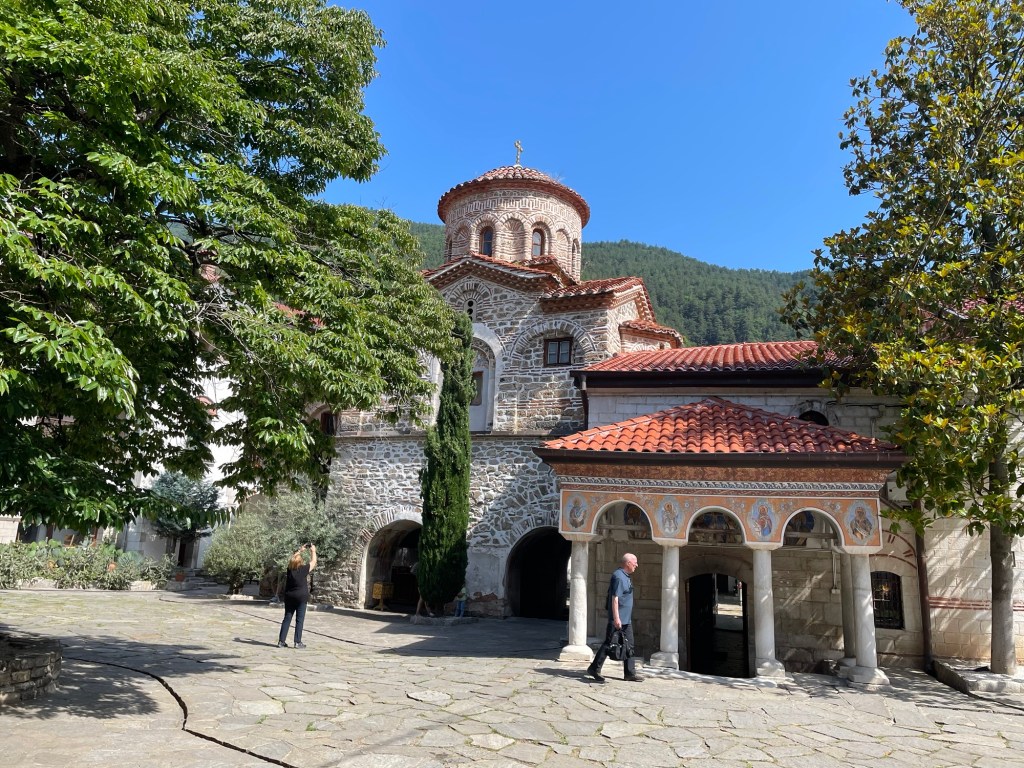
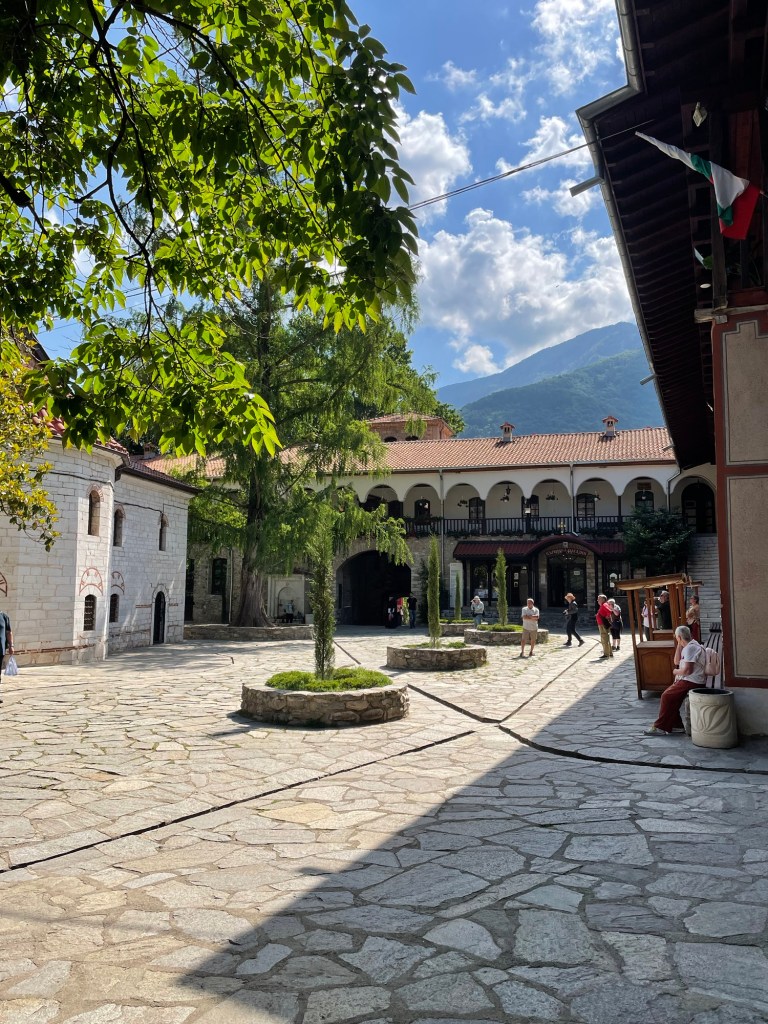
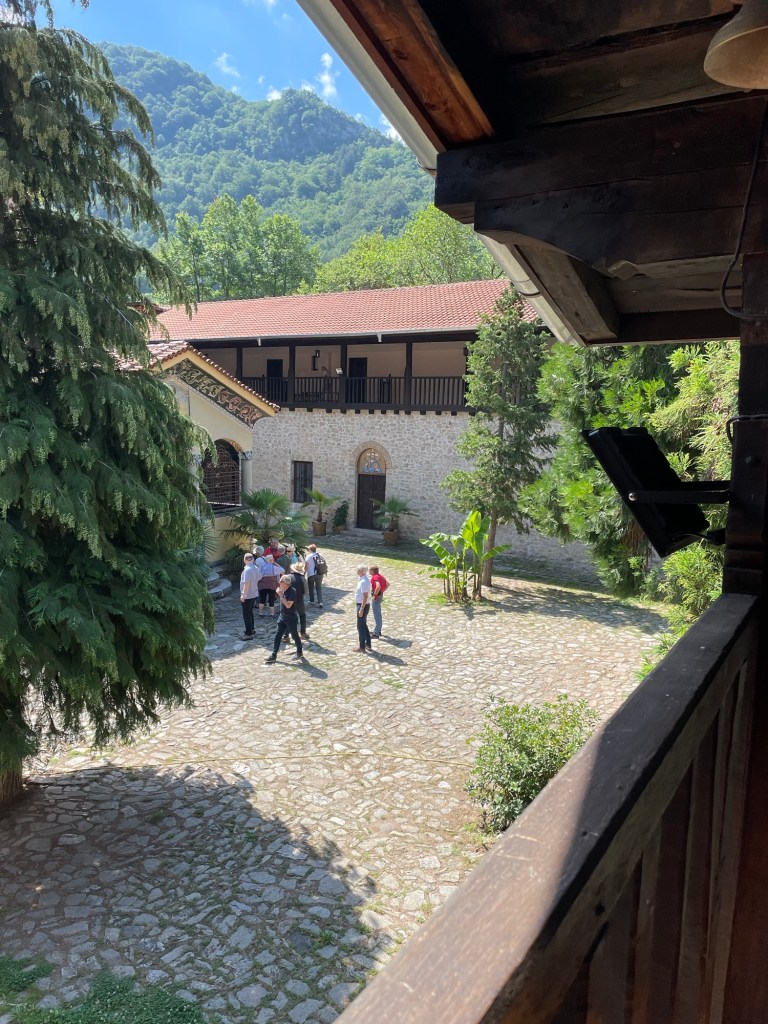
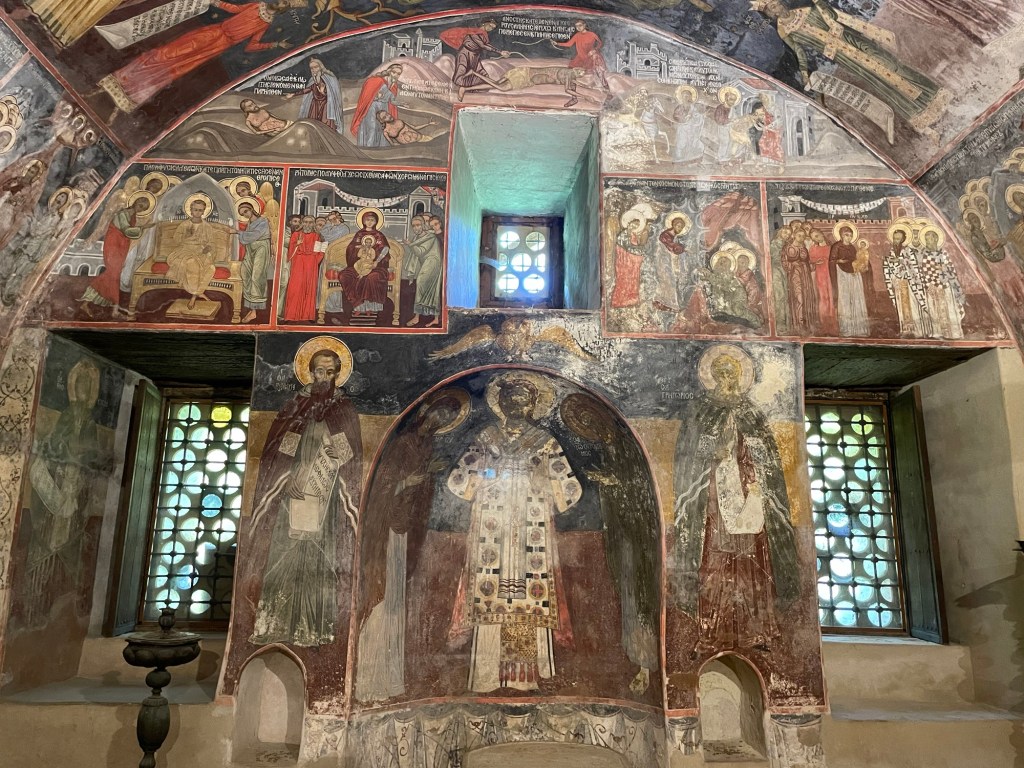
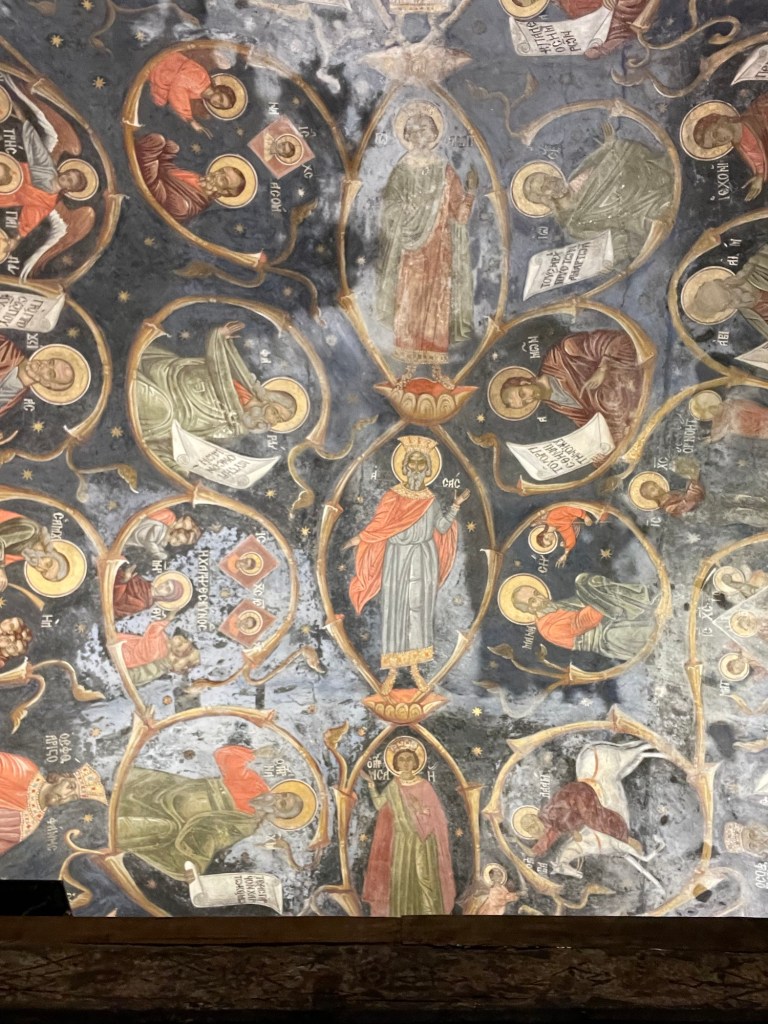
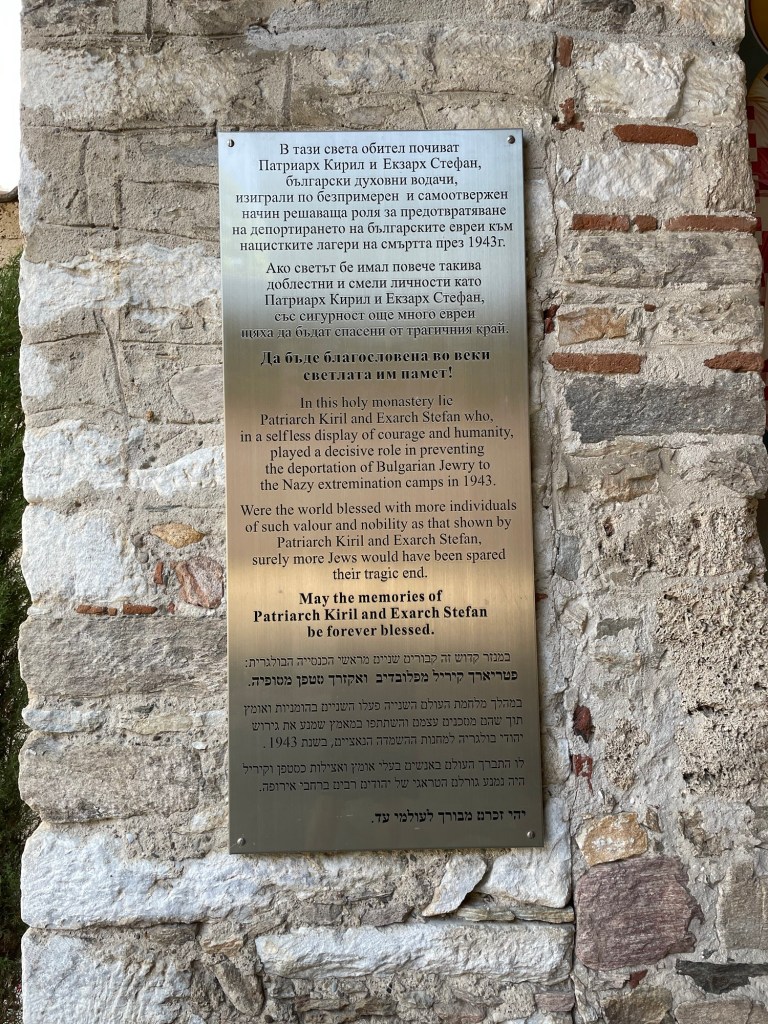
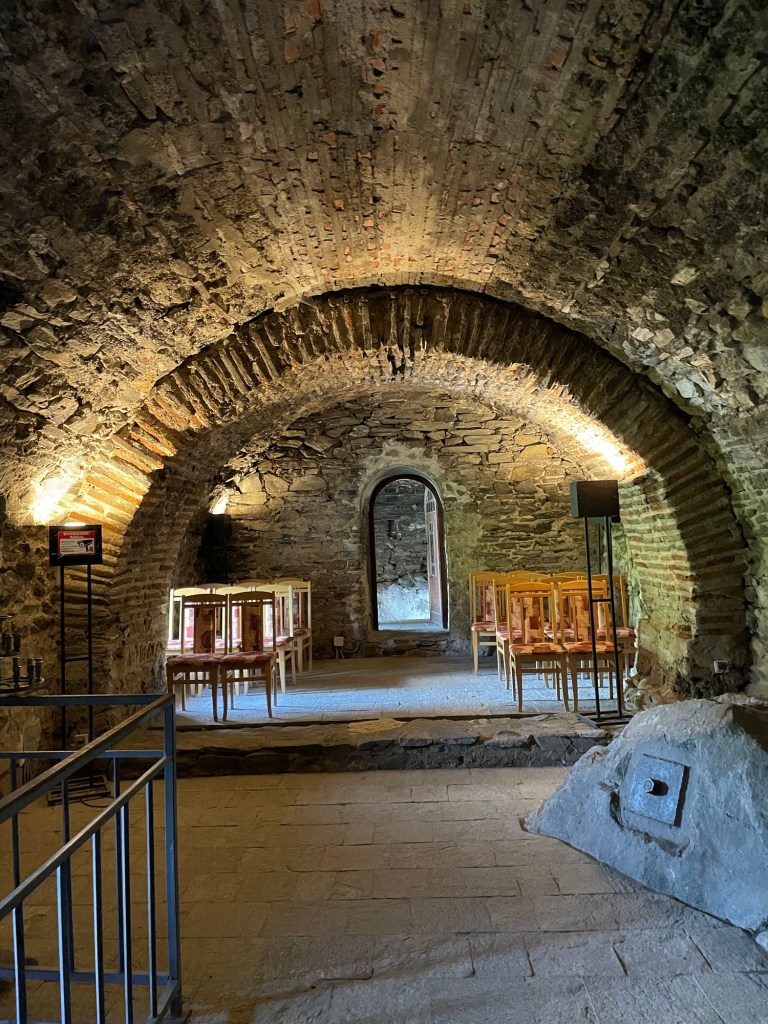
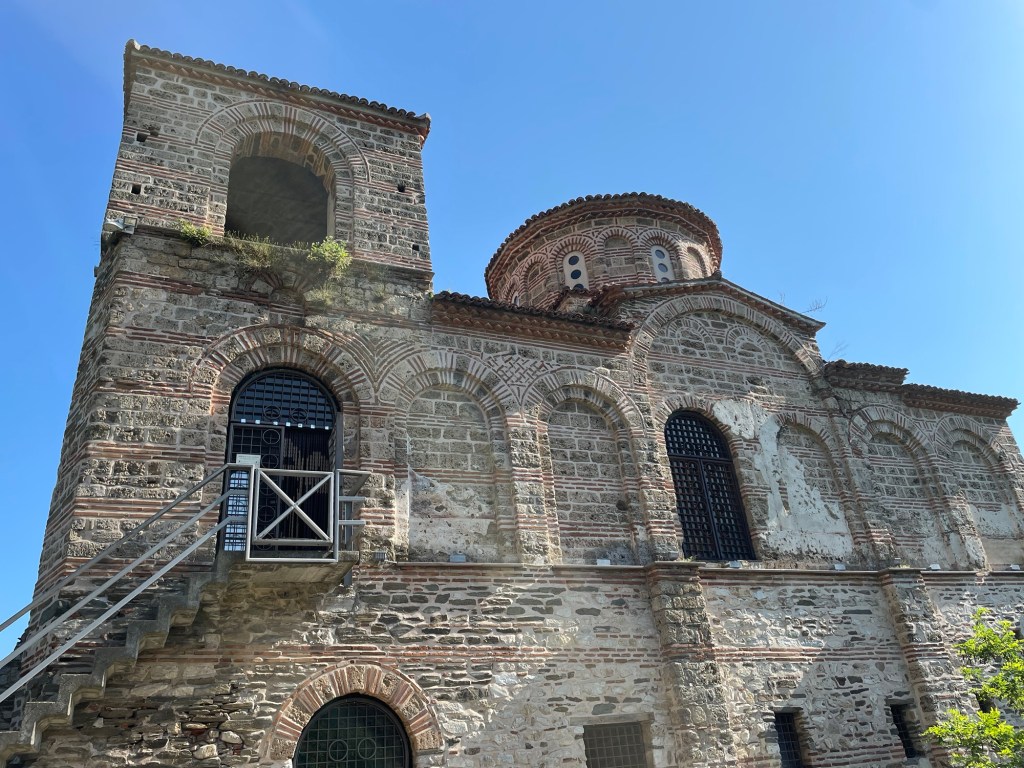
A side trip to the mountains beyond Plovdiv was a refreshing journey away from Plovdiv’s 90 degree Fahrenheit city heat. The Bachkovo Monastery and Refectory, founded in 1083, contained numerous frescoes from 1643 depicting Christian Orthodox history. The monastery was instrumental in saving many Jews from persecution camps in 1943. Historically, Bulgaria has embraced Christian, Jewish, and Muslim cultures.





Asen Fortress
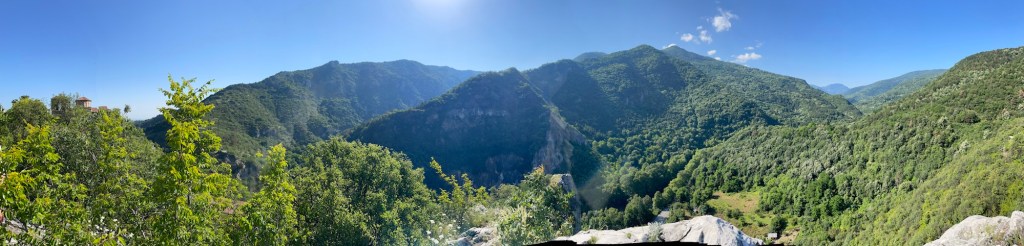
The Asan Fortress was built in the 13th Century as a defensive guard tower over the steep ravine. The location offers panoramic views of the Rhodope Mountains.
Italian Night I in the Ancient Theater
Our main purpose for traveling from Germany to Bulgaria was to attend a Tosca concert featuring Sonya Yoncheva. An opera diva born in Plovdiv, the city was excited to see their native daughter return with her stunning voice.
We were excited by the rare opportunity to film the performance with the backdrop of the ancient theater’s ruins.
Italian Night II in the Ancient Theater

While browsing, we noticed a poster promoting an Italian night performance in the Ancient Theater a couple of days later. We hadn’t heard of the performers, but we were excited by the chance to see more opera at the theater. Even though there was no translation for tickets or the performance, our Bulgarian friend Vladimir was able to help us purchase tickets online. We knew exactly where to go from the previous performance.
After a delicious dinner of beef tongue and grilled vegetables at a road-side outdoor restaurant, we made our way to the theater a short walk from our Air BNB. We chose our seats near the center along one of the designated marble rows in Section D. As the lights dimmed and the orchestra played a brief introduction, the lead singer appeared on stage and began singing.
We strained our ears to adjust to the music. Hmm, we didn’t recognize the opera aria at first. By the time a faint echo of a saxophone was heard along with wild audience applause, we realized that the singers were crooners and the music was contemporary pop music!
Annemarie and I looked at each other and realized that the “Italian night” was not for opera, but for schmaltzy Italian songs! The audience knew all the words and swayed to the music, from the days when Italian pop was at the top of all European charts.
We laughed at how we had misunderstood the meaning of “Italian Night”. Indeed, the term applied to pop music as well as opera music. Our minds were too intent on opera! We felt a little sheepish at the false assumption we had each made.
Nevertheless, we enjoyed the concert as much as Sonya Yoncheva’s classy performance. With 80 degree whiffs wafting through the stadium, delightful colored stage lighting, and a mellow Bulgarian audience, it was a memorable and romantic musical evening regardless.
The Dining Scene in Plovdiv and Sofia
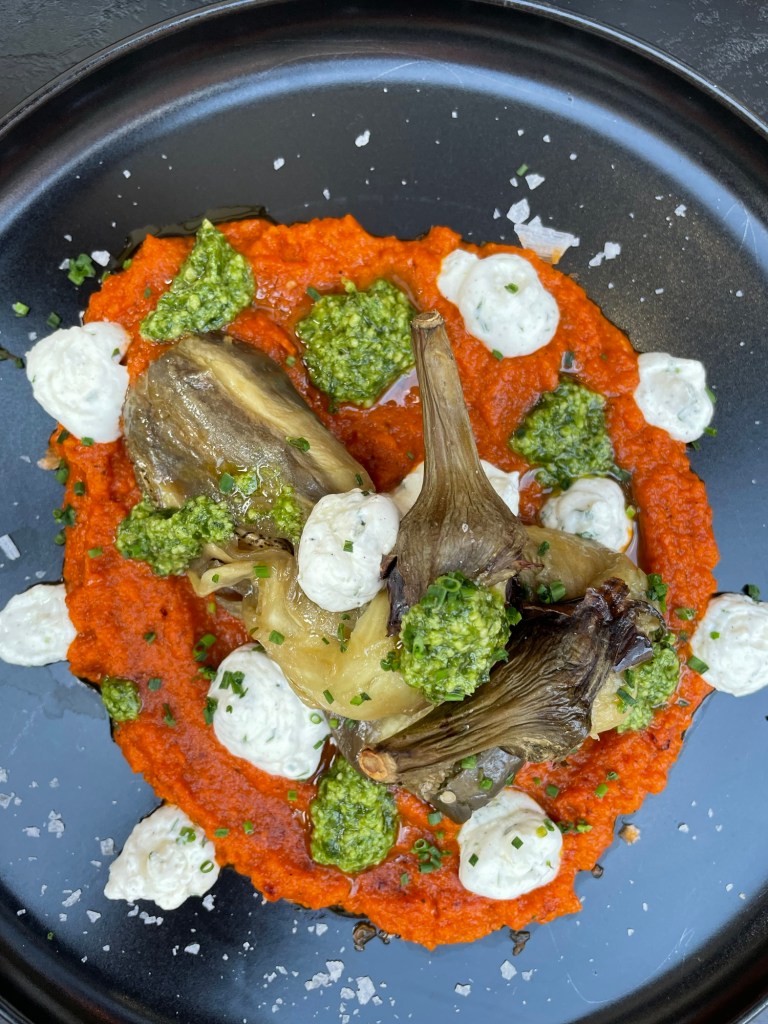
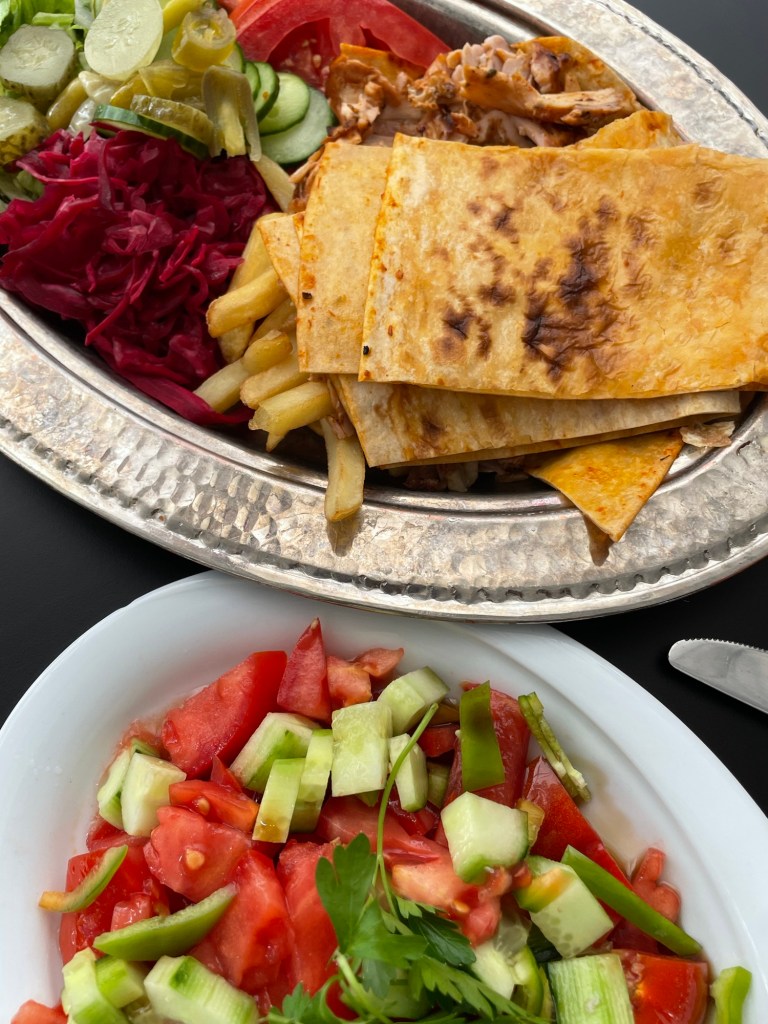
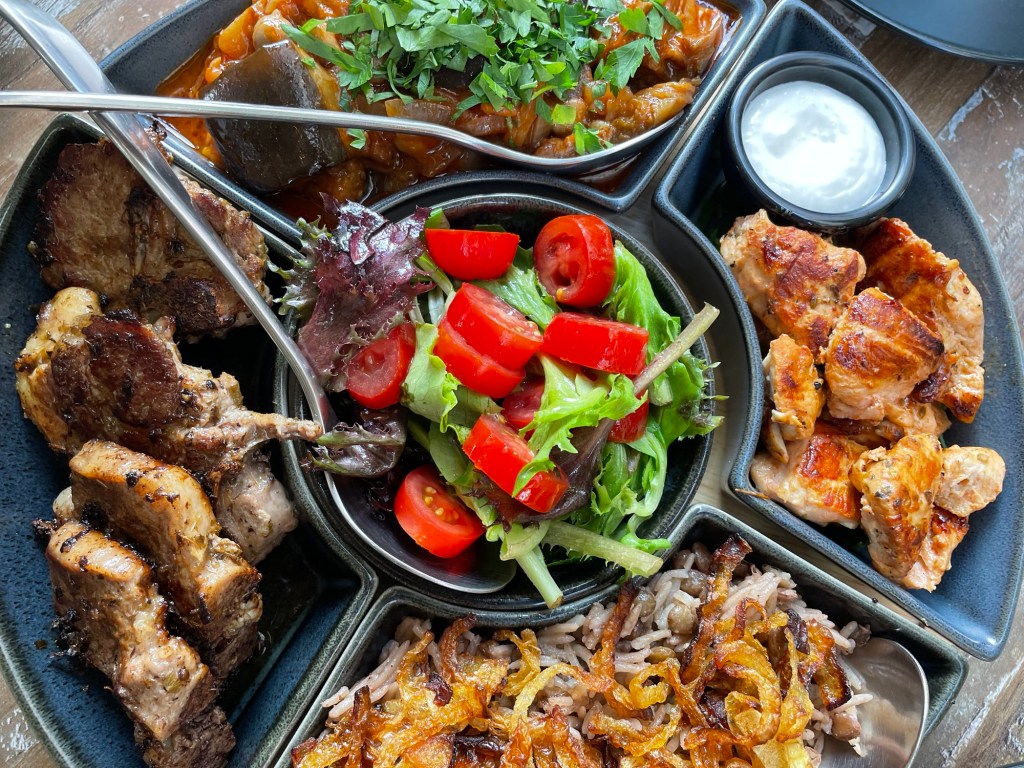
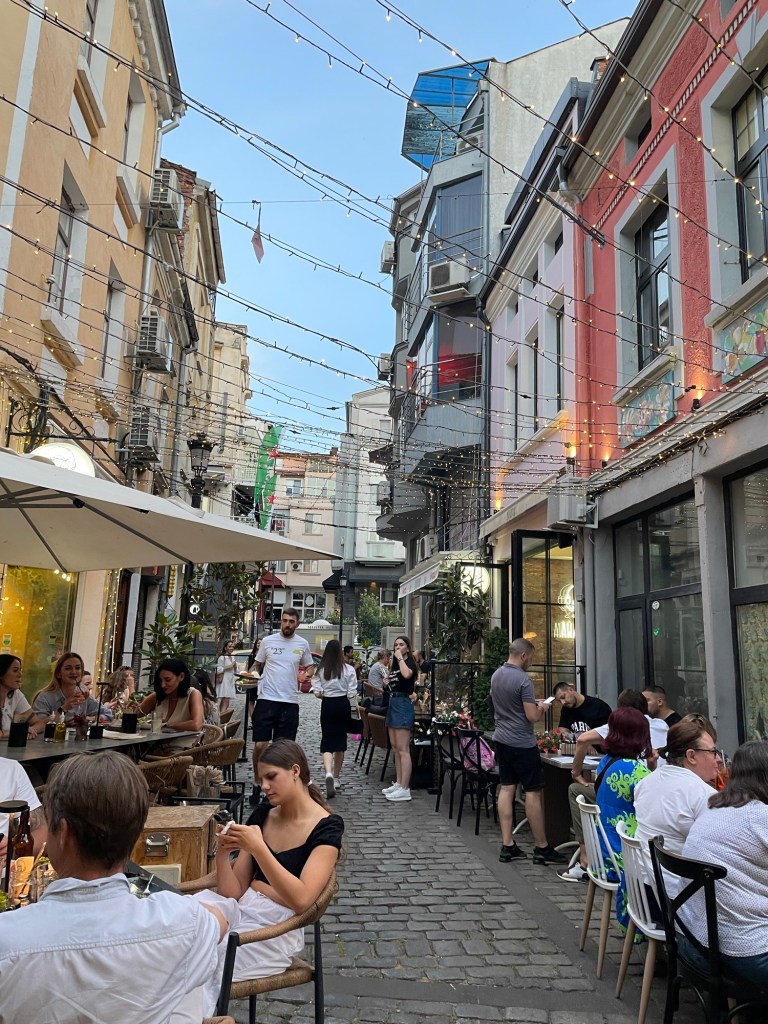
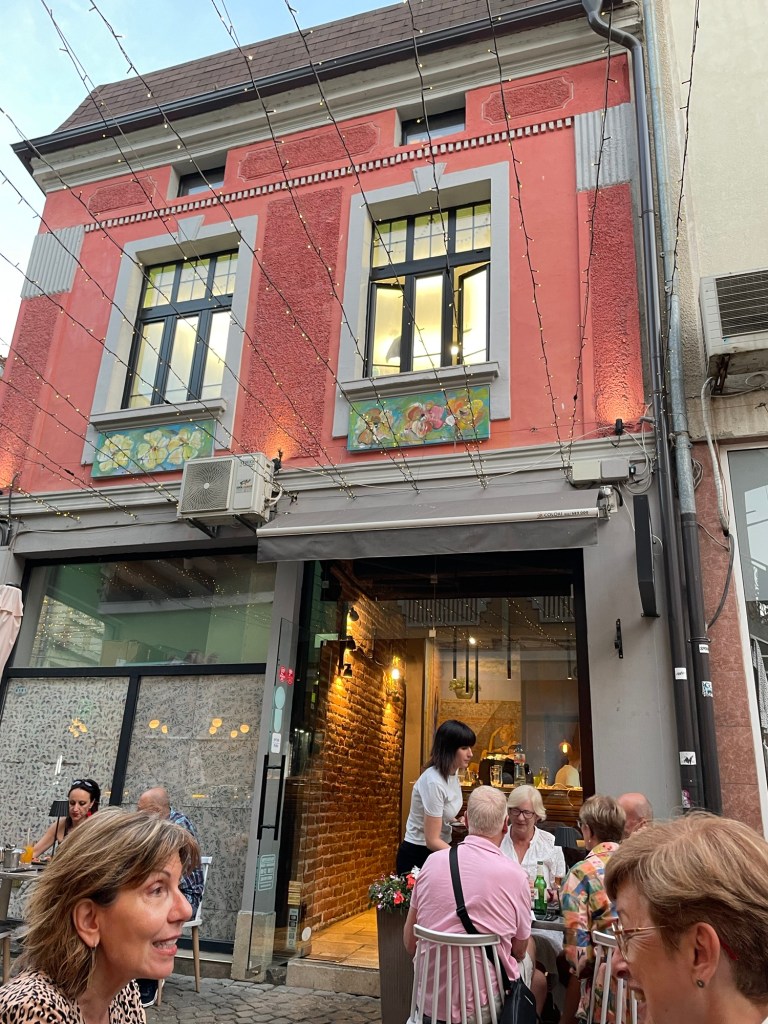
There were plenty of restaurants to soak up the tourist dollars, but even then everything was well prepared and dirt cheap. We especially enjoyed the eggplant and Turkish style mezze platters with tomato spread, pesto and burrata cheese. Cute outdoor restaurants in the Old Town area of Kapana were right outside our door and encouraged us to venture out and linger in the lively, 80-degree evenings.


People of Bulgaria
Here’s a collection of some people on the street, in the park, at the train station, and on the train:
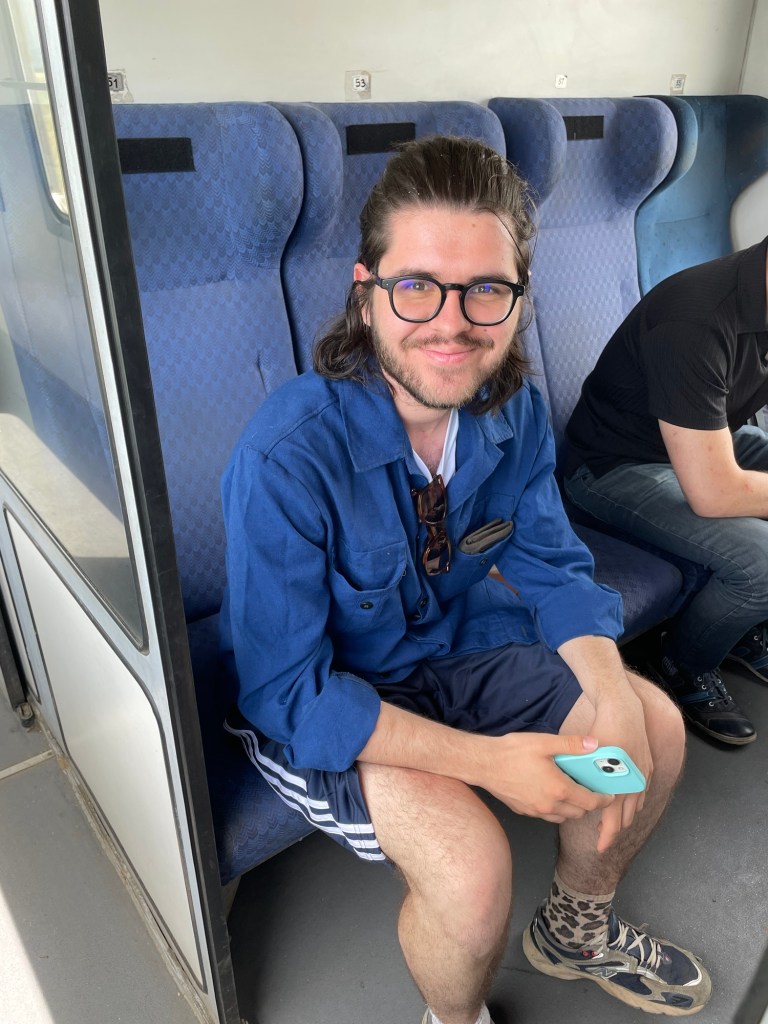


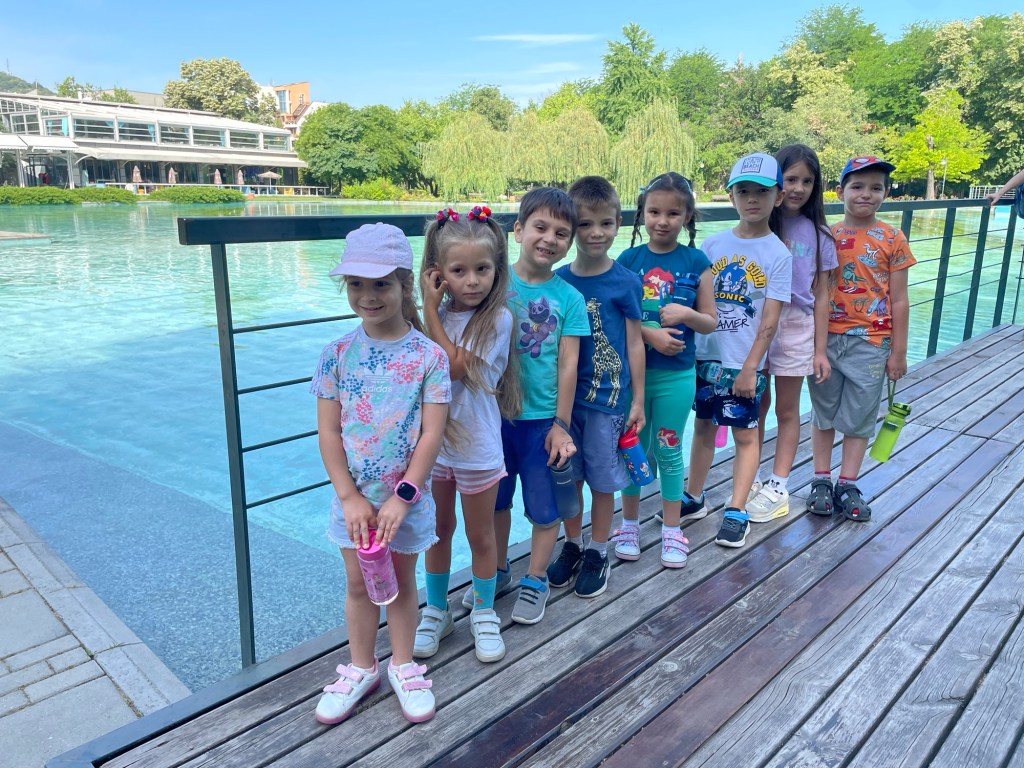
Meeting the people in Bulgaria brings dimension and insight to the country. We look forward to coming back to learn more about Bulgaria’s rich and extensive cultural history (and more opera in the Ancient Theater!!!)
Partners in Crime


 travelswithmyselfandothers.com
My favorite post! You reminded me of my Italian cooking tour and the night we saw an opera
LikeLiked by 1 person