

Located along the Ilmenau River, Lüneburg is conveniently located a half hour by train from Hamburg. This beautiful and wealthy Hanseatic city has a history founded on its salt deposits. Salt was coveted in Europe and was transported from this area along the river since its discovery.
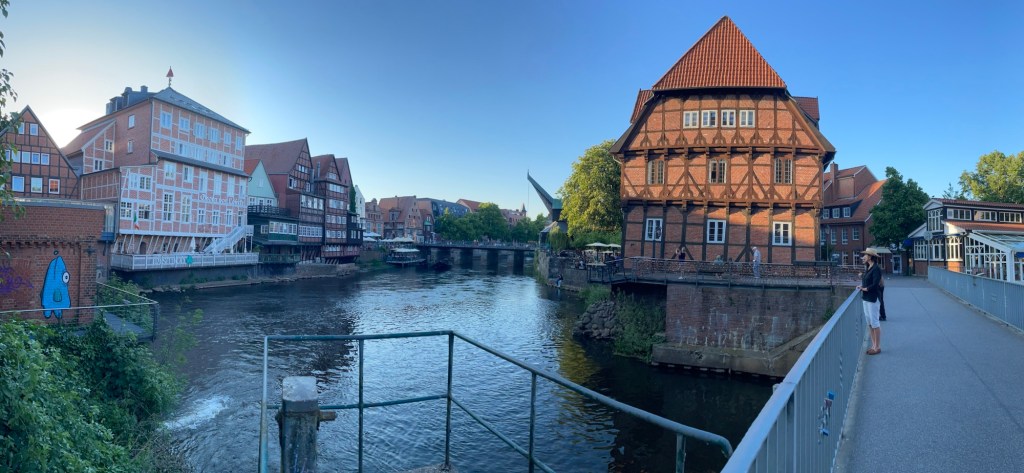


We think of salt used at the table to flavor food, but it was also essential for food preservation. In fact, over 80 per cent is devoted to the production of building and plastic. Another small percentage is used to salt roads.


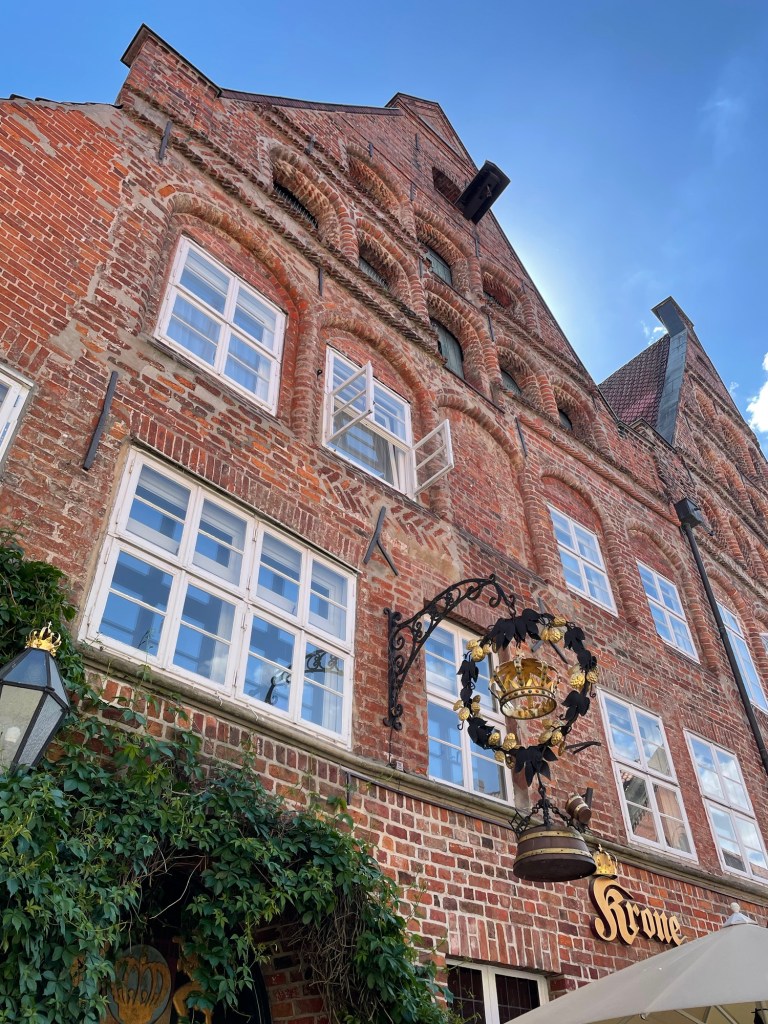
The merchants of Lüneburg built fancy homes and tall buildings. They consolidated power in the 16th Century and battled against the ducal regime to become a free state. The Lüneburg patricians are lesser known than the Venetians, but were just as wealthy and prominent.
Because of their proximity to the bog and Lüneburg Heath, a rise from the salt extraction, the earth was unstable. Many buildings subsided. The exteriors and local brick finishes are wavy gravy or look like leaning towers of Pisa, all sorrowfully showing their age and arduous future.
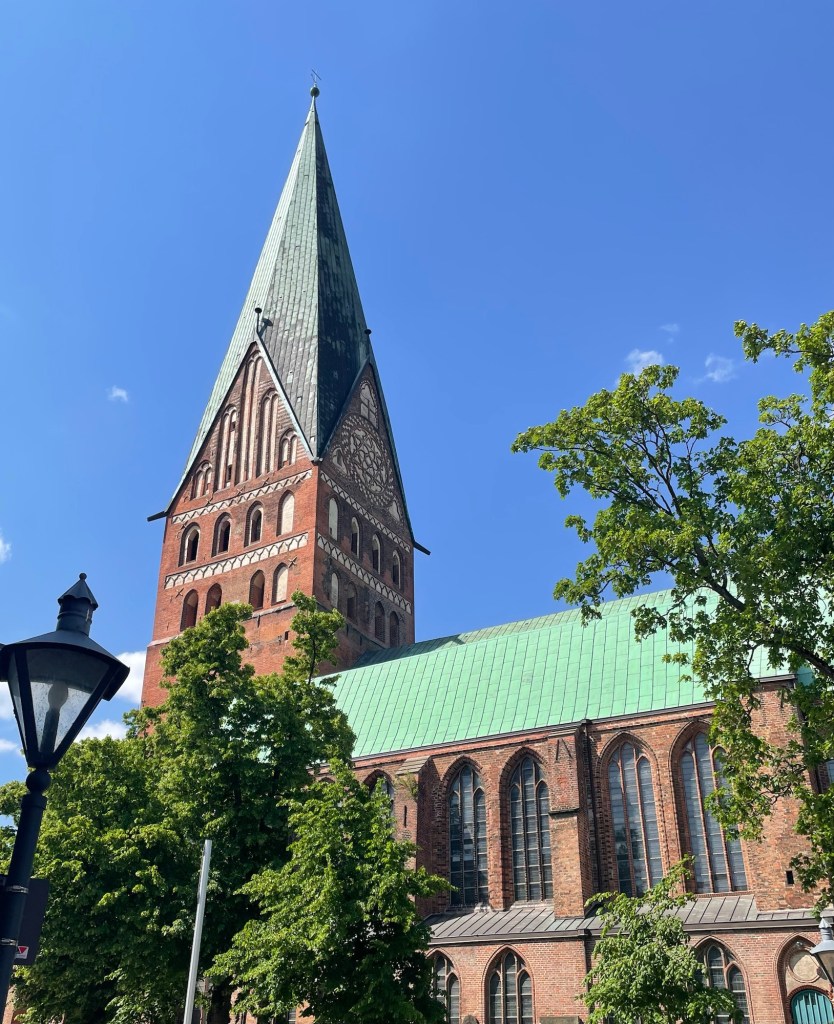
Copper roofing is prevalent throughout Luneburg, a further display of the city’s wealthy heritage. Local red brick was used for all the major buildings, including the St. John’s Lutheran Church. It was converted from a cathedral to a protestant church after the Reformation. A model of the spire is shown below.

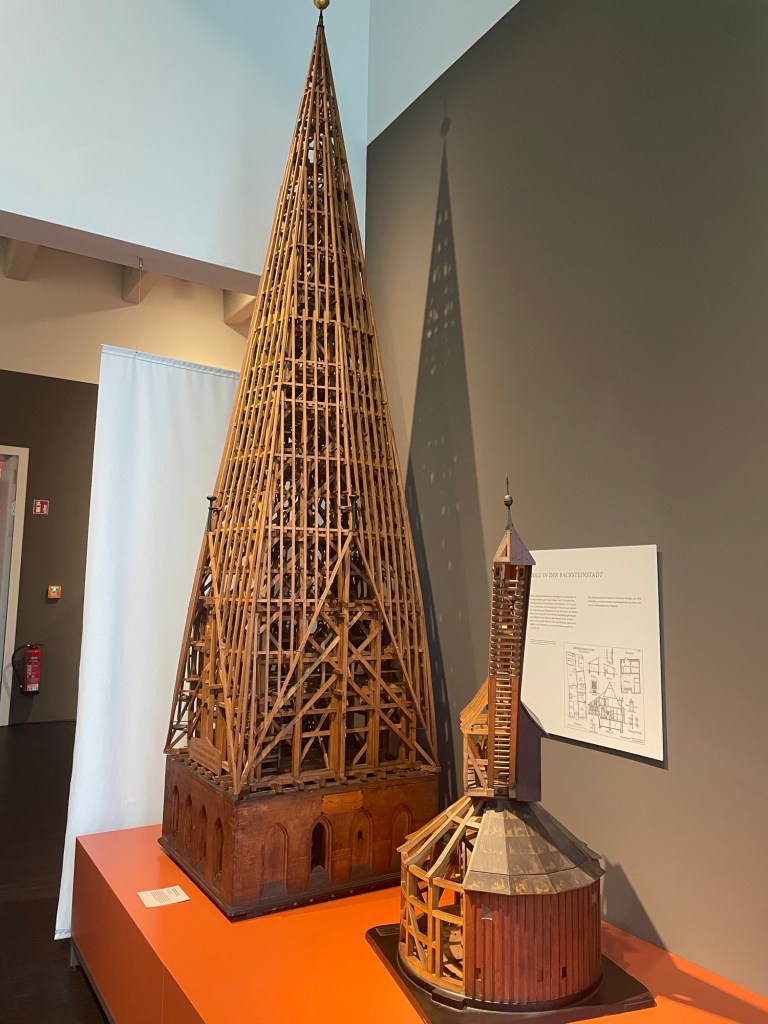
The City Museum
A couple of displays in the City Museum showed architectural elements in buildings. The numerous windows and levels of an exposed timber structure would have been a child’s delight. The model depicting the steeple at St. John’s Church demonstrates the intricacy of the construction. The heavy assembly further added to the weight of the building and its impact on poor soil.
Excellent curated bilingual displays explained the paleontology, anthropological and contemporary history. Cess pits used to collect human waste were mined to yield household pottery, leather, and artifacts.
The East Prussian Museum
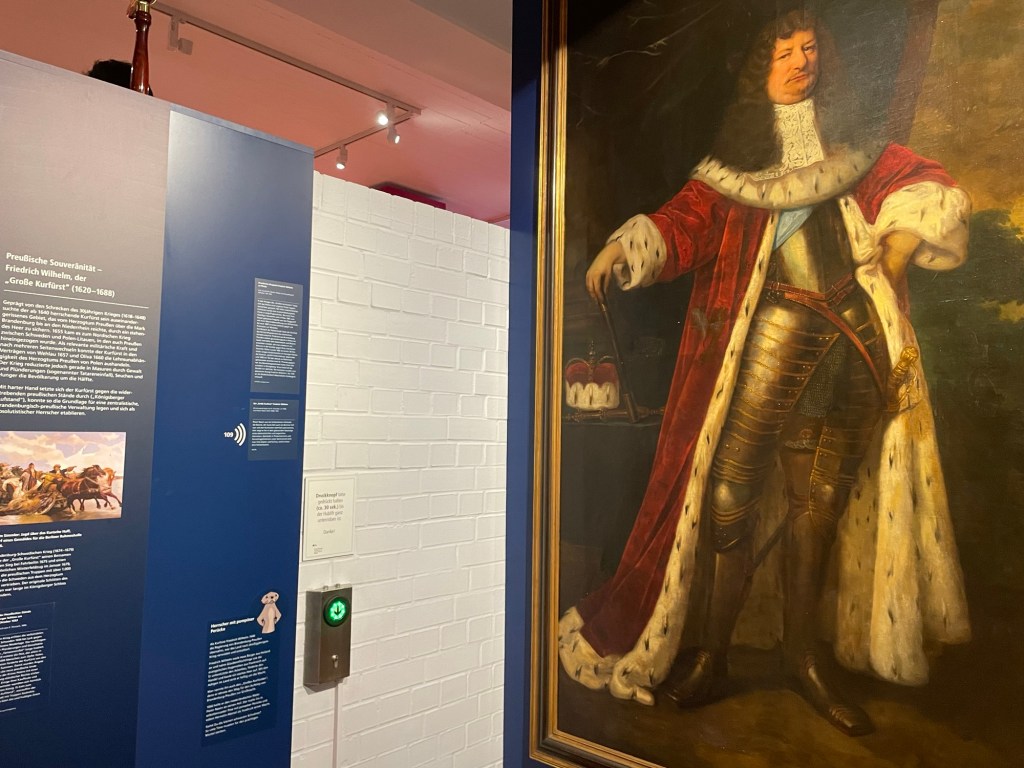
Another new museum in town connected alot of dots for me. In particular, where Prussia was located. Elector King Friedrich Wilhelm and the Hollenzollern family ruled over the area between Danzig and Königsberg (Kaliningrad), its capital. Dresden houses many of the treasures from the Prussian rulers.

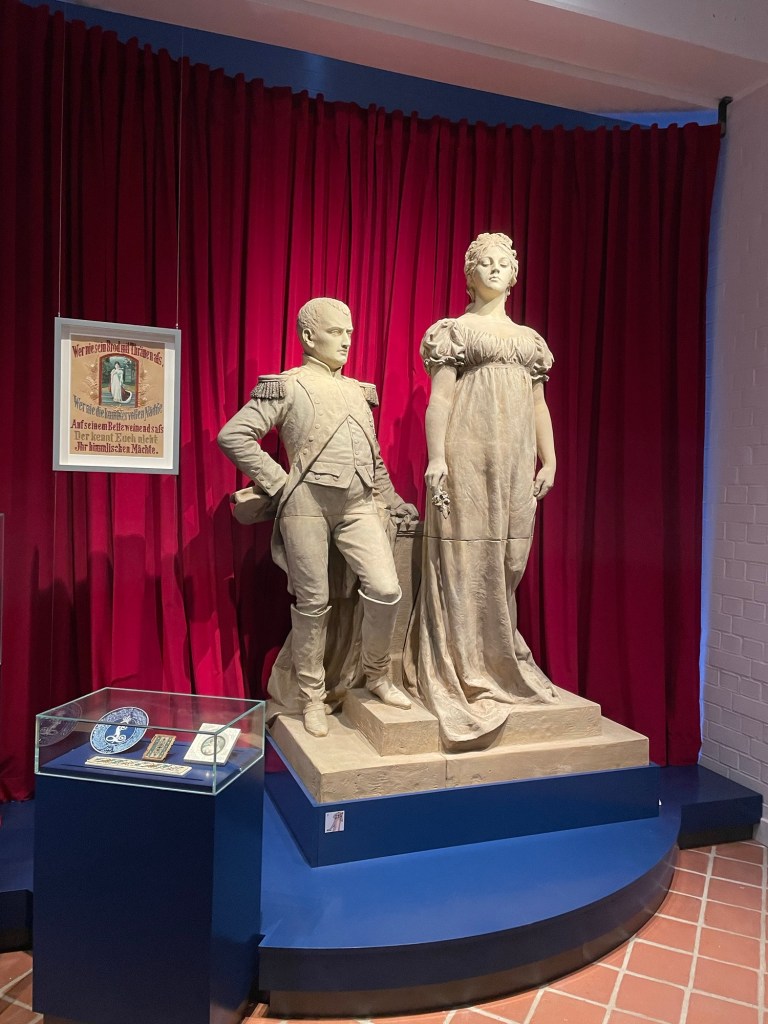

When Napoleon defeated Prussia in 1807, the queen of Prussia, Louise of Mecklenburg-Strelitz, tried to plead with Napoleon for favorable terms. Two completely different depictions of the unsuccessful meeting were displayed. One was a sculpture indicating the diminutive Napoleon next to the powerful queen, and the large painting showed a different perspective, with Napoleon confident and the Queen at his mercy.
The museum also presents the history of the refugees who were forced to flee after World War II.
Living in Lüneburg
Living in Annemaries’s home gives me a glimpse of life as a resident in this frisky city of 185,000. Both tourists and residents enjoy active pedestrian shopping areas, numerous restaurants and cafes, and convenient transportation in the center of town. I can watch, hear and feel my tummy pulsate at each pit stop, whether it’s due to the frothy German pastries, cream coffees, or evening wine set precisely to the .11L mark that I snuck.
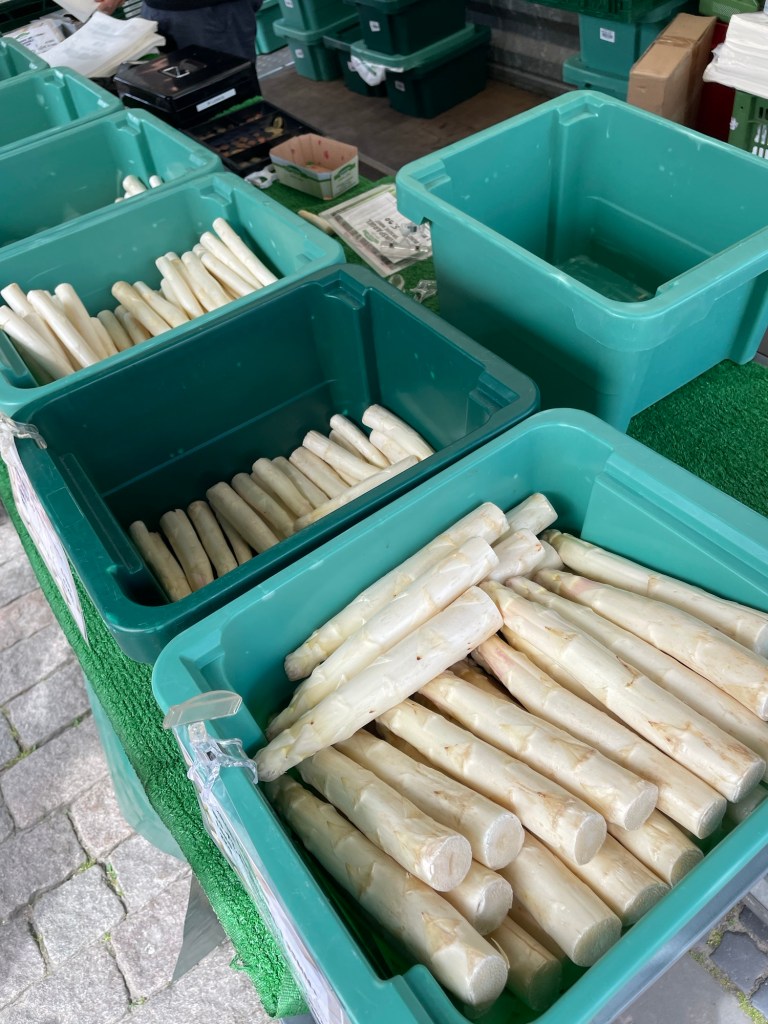
Spargel season is in full tilt so various thicknesses of the succulent stalks are batched and sold at the market. Solid German efficiency is evident in the display of Lovers’ locks packed along the river’s balustrade.


A industrial-strength iron at Annemarie’s assured me that I was going to get a permanent military-pressed fold on any piece of clothing or napkin.
I’m off to Berlin in the next few days for my fourth encounter of Wagner’s Ring Cycle, so stay tuned!
 travelswithmyselfandothers.com
Thanks, Vickie. I feel like I am there.
LikeLike