

A week in Sydney has given me ample time to both enjoy and scrutinize this world-class city with objective consideration.Skeptical at first, I was quickly swayed by the Opera House and the infusion of Asian culture. A continuous palette of cultural activities couldn’t help but seal my positive opinion of this city.
In a way, Sydney doesn’t get the recognition it deserves. Respecting aboriginal rights, embracing multi-culturalism, good planning, and fortunate climate all contribute to this energetic outcome. Everyone should come and participate in this cultural experiment in the making, and perhaps, like I did, discover why other parts of the world are unlike it.
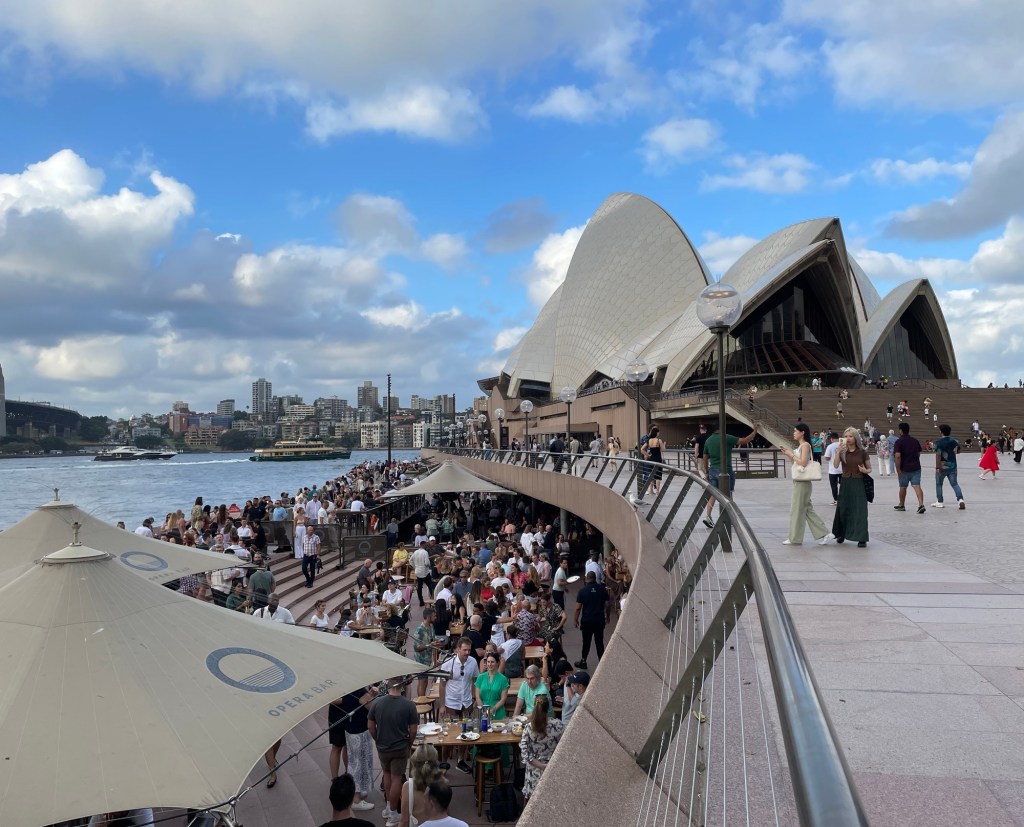
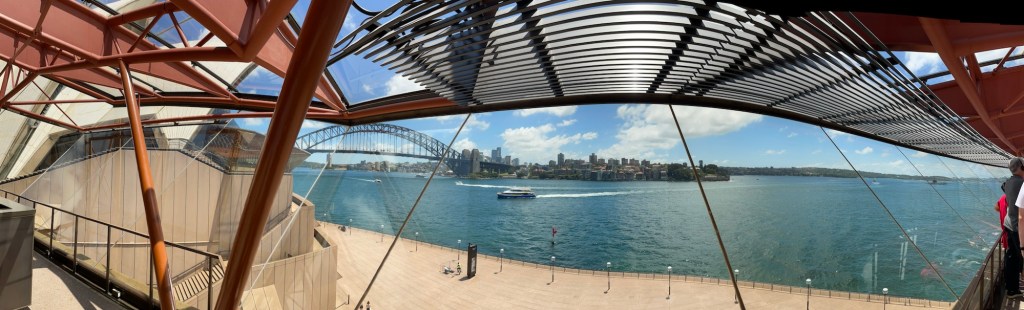
The Views, the Views, the Views
Compare the activity and views below to San Francisco’s Fisherman’s Wharf, the Cruise Ship Terminal, and the Ferry Building along the Embarcadero:

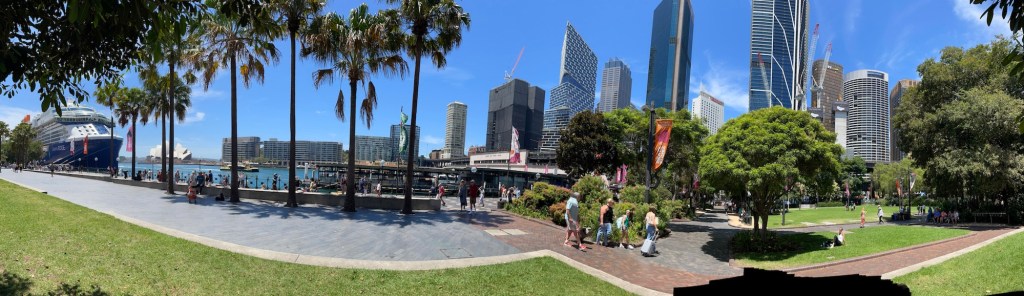
Wherever you live in Sydney, you get a good mental picture of the fact that you are located near water. Gently rising hills provide sneak peaks of the harbor and adjacent seaside locations.
The Australia Museum
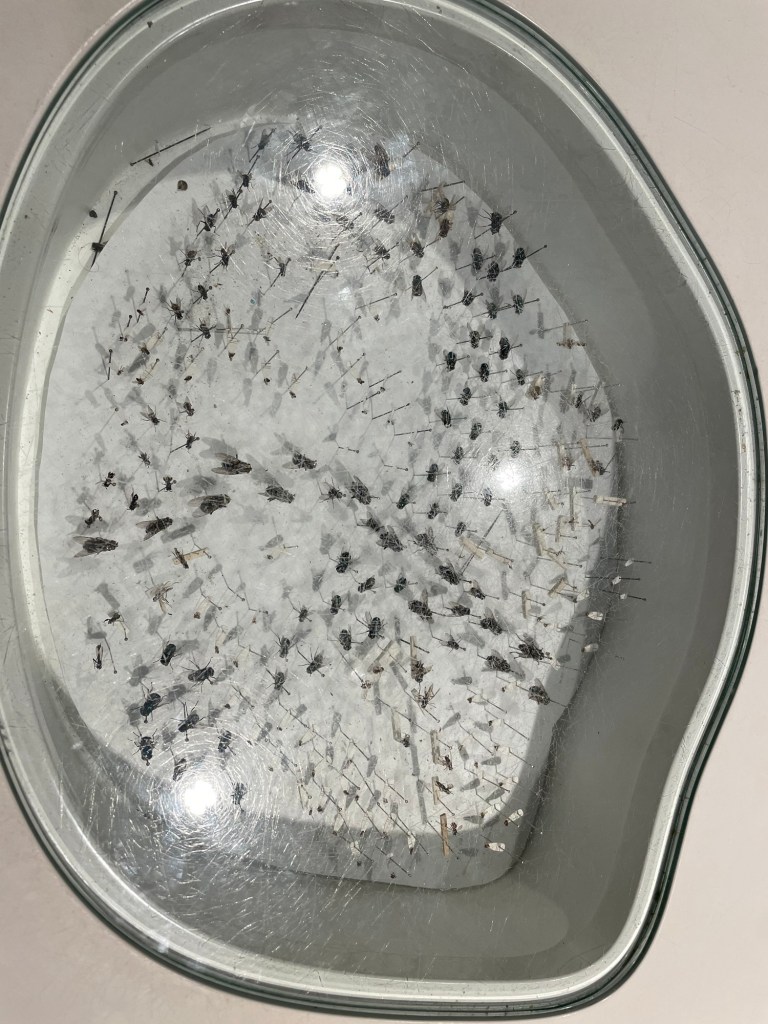
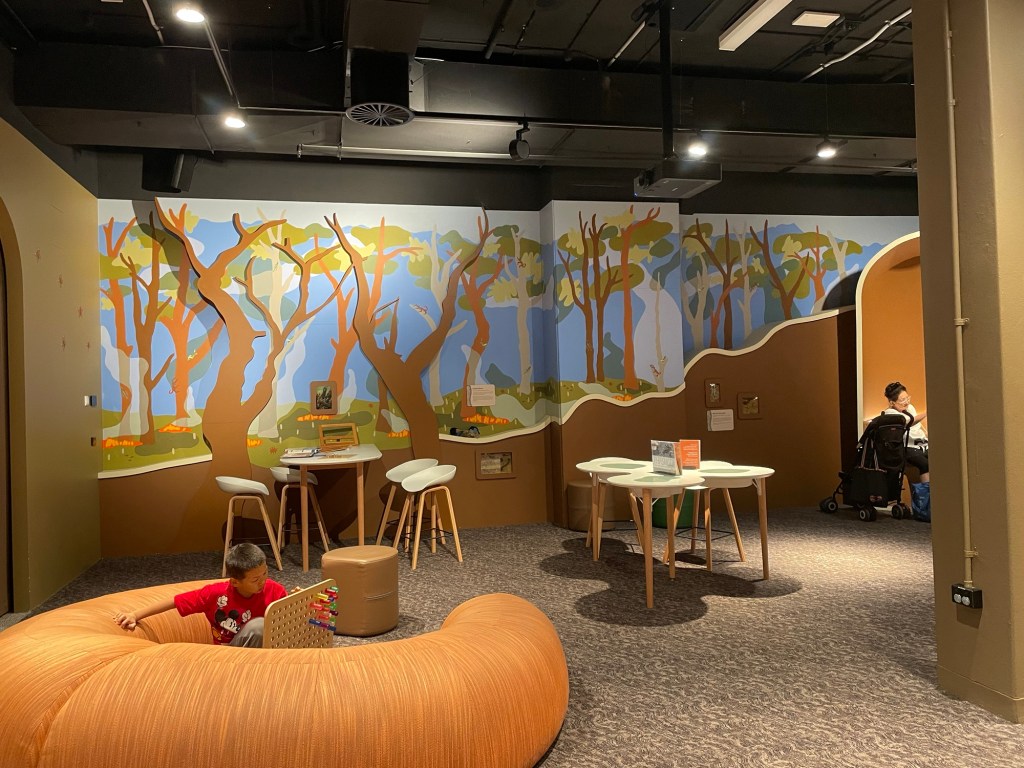
This national history museum offered interactive displays that were entertaining for both children and adults. The good old British tradition of documenting and researching the natural world is evident here, along with excellent communication and approaches to educating the public.


Preserved Spider

Museum of Contemporary Art
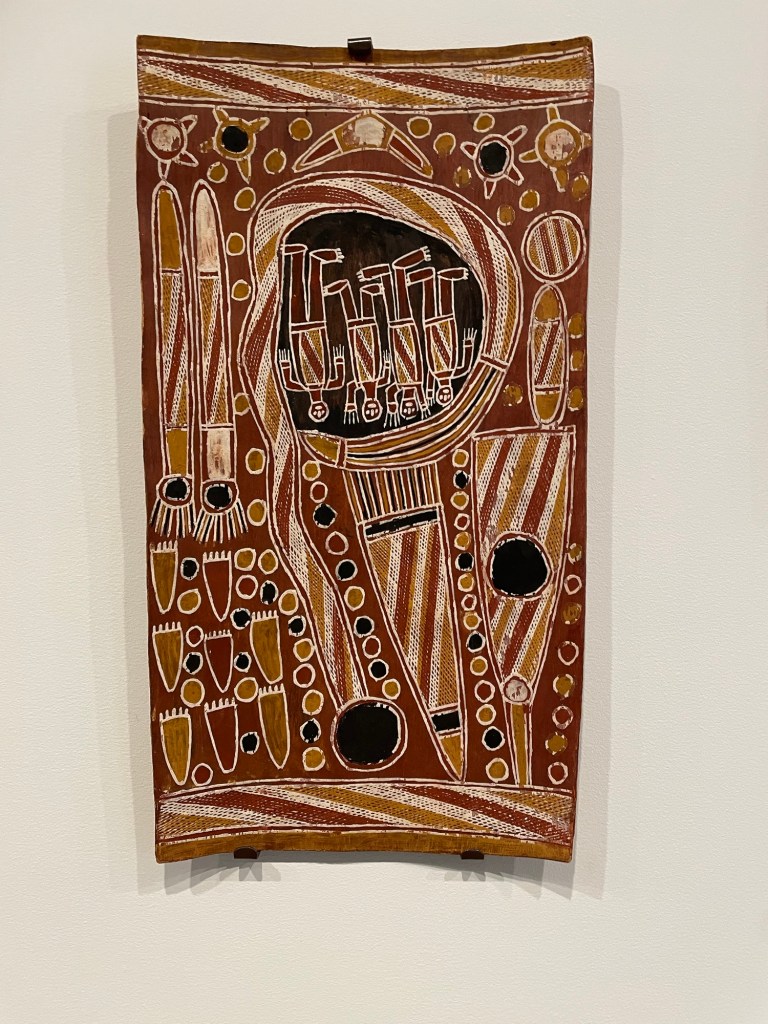
25% of the museum artwork is dedicated to aboriginal communities and their art. It was inspiring to learn about the original inhabitants alongside the latter day settlers as they form a context for artistic expression unique to Australia.

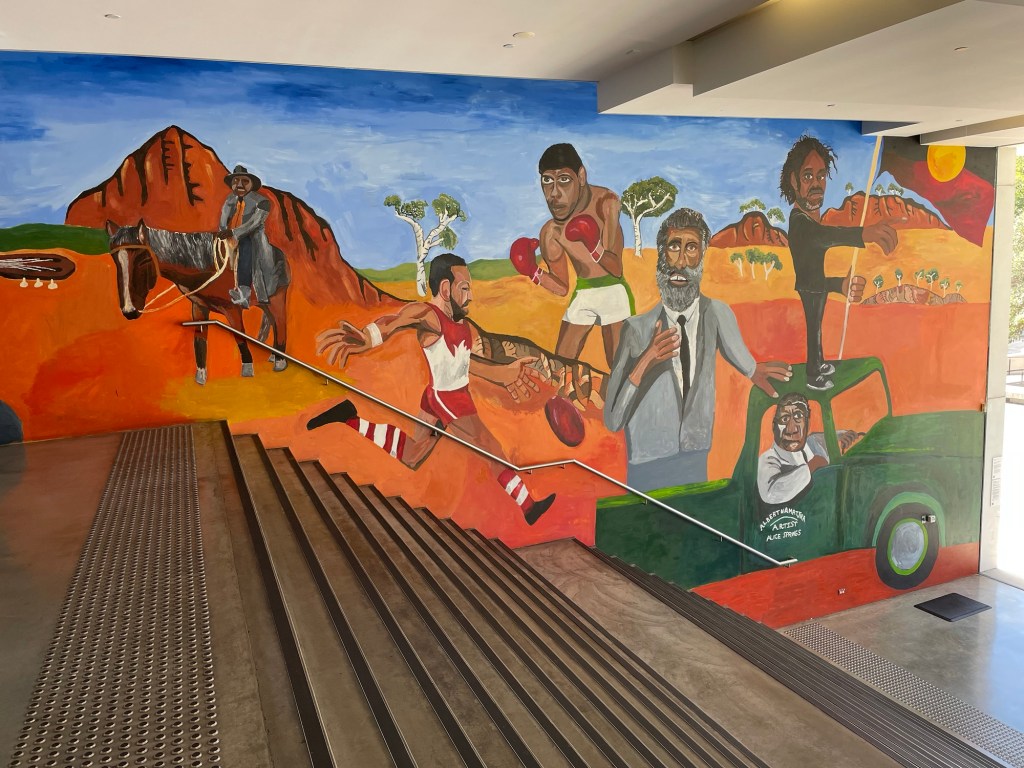


Conveniently located adjacent to the Cruise Ship Terminal and the Circular Quay, the MCA shared magnificent views of the Sydney Harbor Bridge and Opera House.
The Taronga Zoo
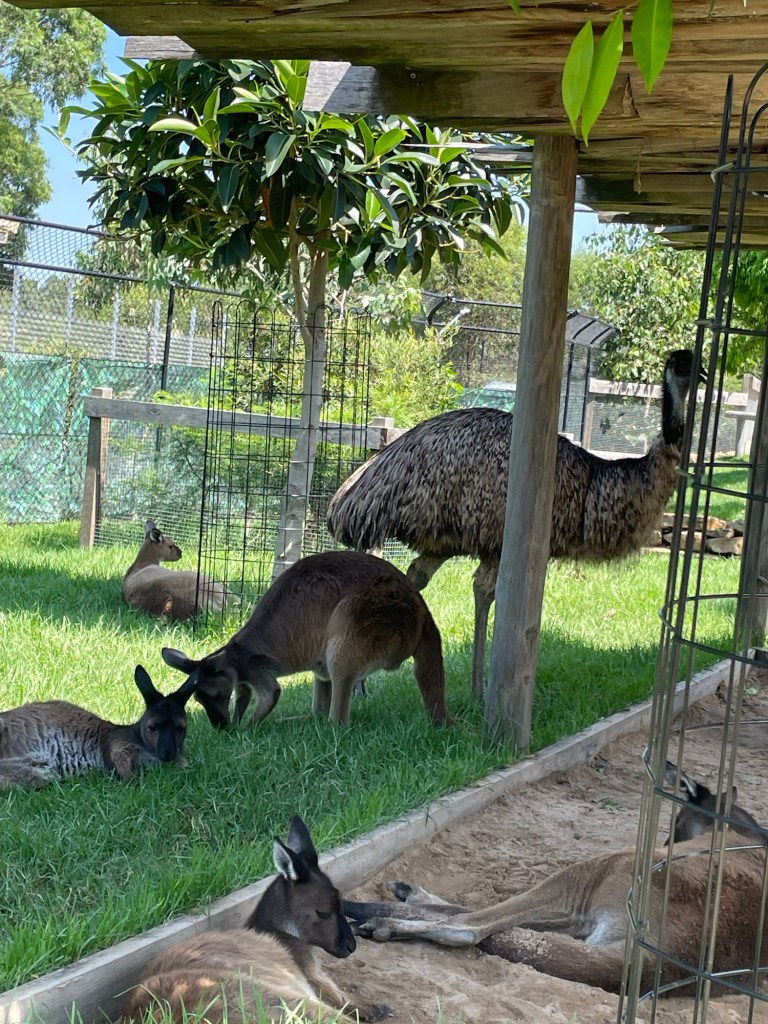
A quick 20-minute ferry ride to the Taronga Zoo made a perfect family outing. Elephants, giraffes, zebras are on display here, along with native animals such as the emu, kangaroos, and koalas
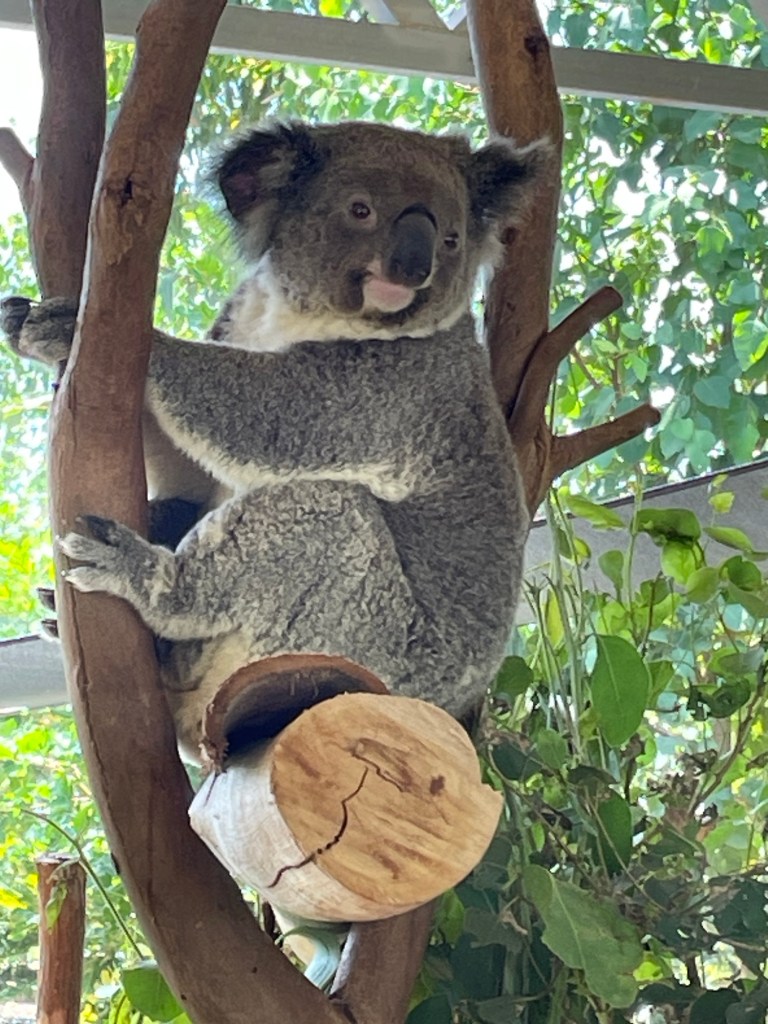
Naturally the koala bears were the first items on my agenda. I was still grateful that I took the extra two hours each way earlier in the week to visit the Ferndale Koalas outside of Sydney. The access to the male, female and baby koalas were more accessible, b ut I got my fix both ways.
The zoo’s proximity to the water and views of the city from the ferry continuously compete with the venue’s main attractions. Visitors and residents alike form an intimate connection to all points of the city wherever they are. Even the animals got a view of downtown Sydney!



More irresistible views of the city and its landmark opera house from the Taronga Zoo ferry:


To top it off, walks through stately Hyde Park in the middle of the city will make you fall in love with the city:


The Chinese Garden
Just footsteps from our hotel in the Central Business District was a beautifully designed Chinese Garden. We happened to be in town on Chinese New Year, and the festive atmosphere was supported by many children and even adults dressed in Chinese outfits. Being 20% Chinese, 20% White, and 16.5% Asian, the Asian influence is undeniable. At least in the downtown area, noodle shops and late-night retail services abound.

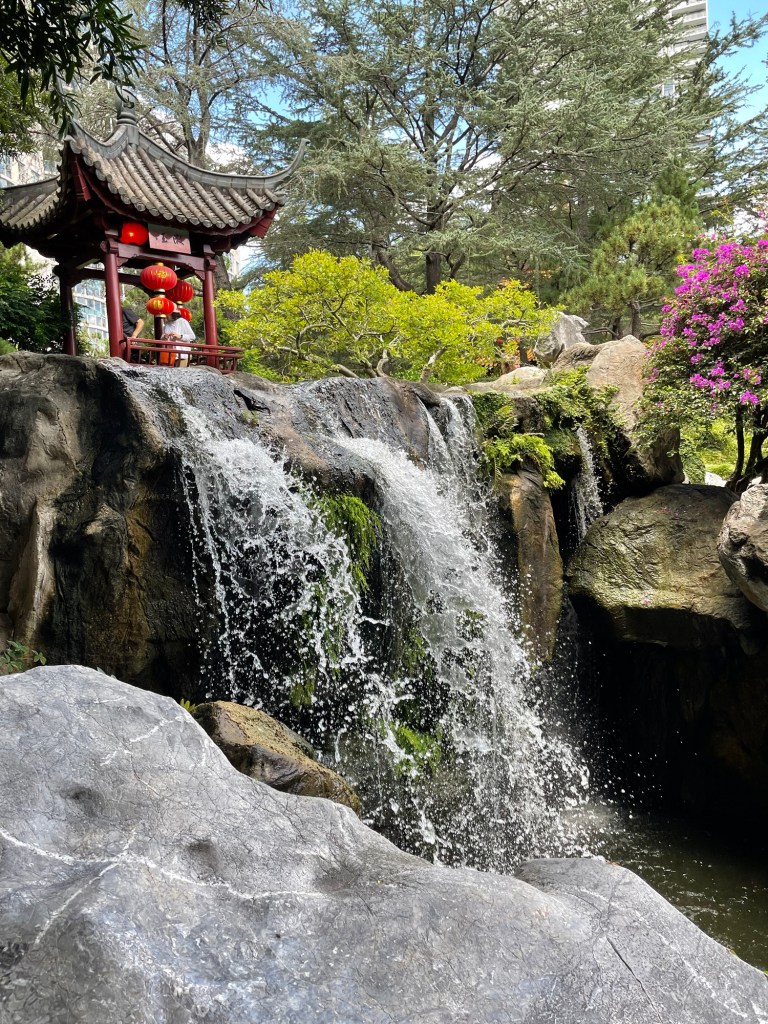

In the next neighborhood, Chinatown was hopping with tourists over the weekend. Festivities were topped by a fireworks display that was a fitting finale to our fascinating week in Sydney.
The difference in each Chinatown could be marked by its beginnings. The influx of Chinese in Sydney began in the Eighties. In comparison, Chinese immigrants who came illegally to San Francisco several generation before were primarily farmers and laborers. Exclusion laws, segregation and isolation dictated much of the history of San Francisco’s Chinatown.
Quirky Sydney
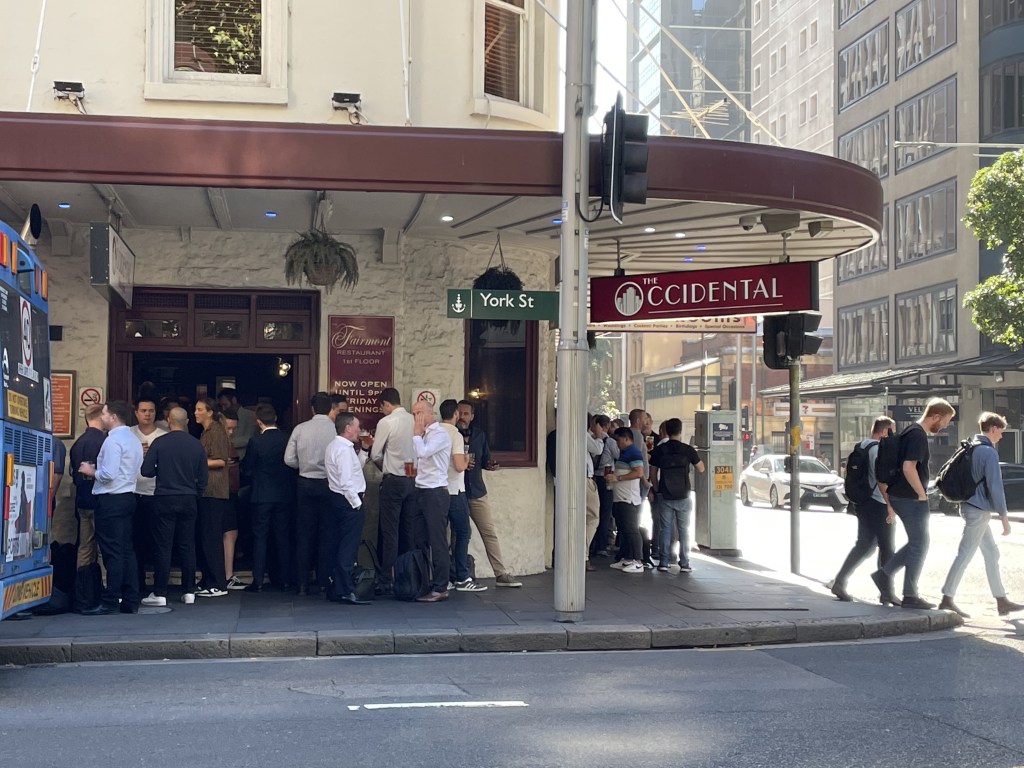
at the bar, 5pm

From photos above:
- He-man drinking is alive and well in Sydney.
- Not to forget Australia’s convict past, this building’s graffiti seemed to capture the mood of the country.
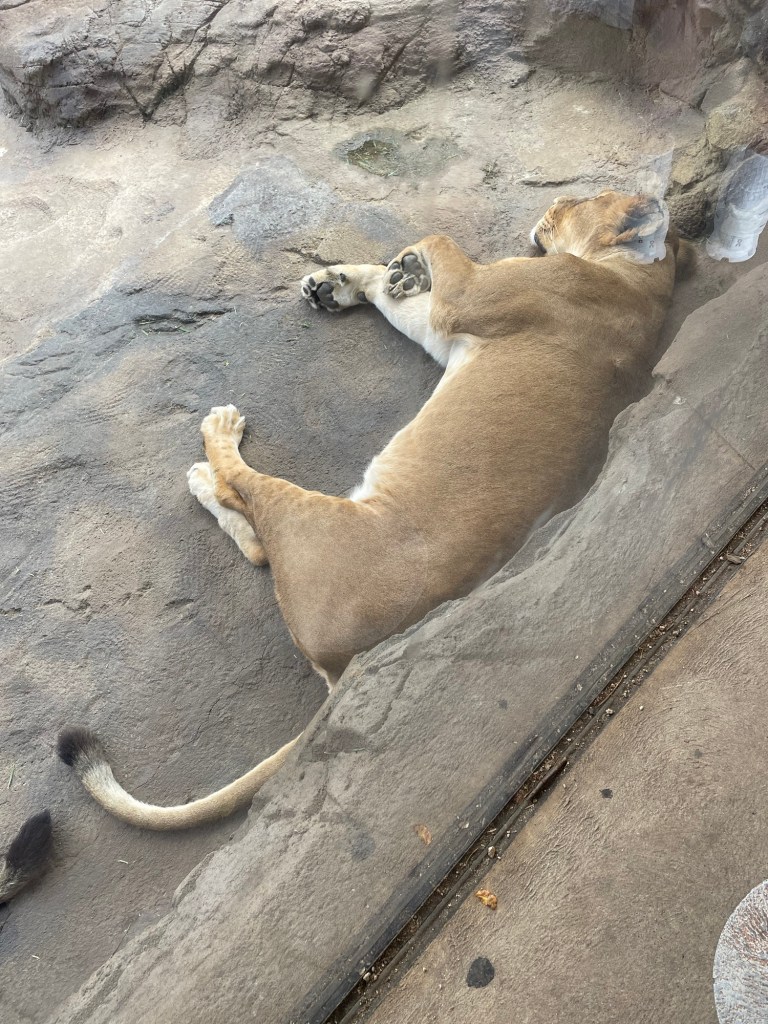
- A reminder of the gargantuan creatures that have inhabited this vast country.
Adventure programs galore on broadcast television. I was fascinated by HE-man energy shows. Ex-excavator operators used their skills to find gold in Africa, American yokels from different corners of the country yanked logs stuck in rivers, and of course love at first date programs added to the intrigue. Maybe all TV is like this, but watching it gave me a window into the world of the Australian mindset.
After a solid dose of these mesmerizing shows, I was wishing I could watch TV as I did when I was young. It felt strangely comforting to watch a screen flicker into the night and allow a machine control your brain and what you were about to see. I wasn’t stressing out over instagram posts, nor was I constantly checking for emails. The empty promotions for advertising or political campaigns could at least be avoided, and not in a better, but different way.
Who knows? Maybe we will all go back to TV one day, when AI programming is done for you on your phone. You no longer have to search The NY Times guides to 50 best Netflix or Max shows to watch before they disappear. You just turn it on and get given it on a bigger screen. Yikes.
“I Left my Head in Sydney”???
Despite many confident conclusions that Sydney is like San Francisco, that old saying is obsolete. In its early days, Sydney may have appeared to be a poor second cousin to the romantic image of the City by the Bay, and where Tony Bennett left his heart.
But no, Sydney is not just like San Francisco. True, it’s missing a romantic tune that everyone can sing. But that’s just about where the shortcoming stops. In a nutshell, Sydney seems to be more vibrant, safe and sane. At least in my opinion and after ten days here, traveling with myself and others.
If Sydney has 5 million people compared to San Francisco’s population of 750,000, Sydney should have more than five times the problems. Yet it feels like it has five times fewer problems. Why is that?
People work in Sydney! Tons of workers in the financial district dress smartly, rush to get their lattes before facing a day in the office. This is a city for crane-spotting, but they were too numerous to count. Maybe it, too, will reach a climax like San Francisco’s financial district. The pandemic didn’t affect Australia in the way it did in the U.S. But bad on us for what happened during that time.
San Francisco seems to be tired, shaken, and ailing. It’s crashing by its own success and in need of solving some major societal ailments. Lack of housing, income disparity, and political uncertainty contribute to the insecurity. But those are not just predicaments for the city of San Francisco. More people across the globe share the same disease that the American people are facing.
Things could change in either direction quickly, and my opinion may change accordingly. Until then, escape to Sydney. It has more hope for the future. If the problems are here, at least they are different. And seeing them photoshopped out of view, you have time to enjoy the scenery.







 travelswithmyselfandothers.com