Luneburg, Lubeck and Hamburg

Here are a few photos of a museum in Luneburg, crazy train travel on a 49Euro ticket throughout the country, and sights in Lubeck, famous for its marzipan (I bought 2 lbs!)

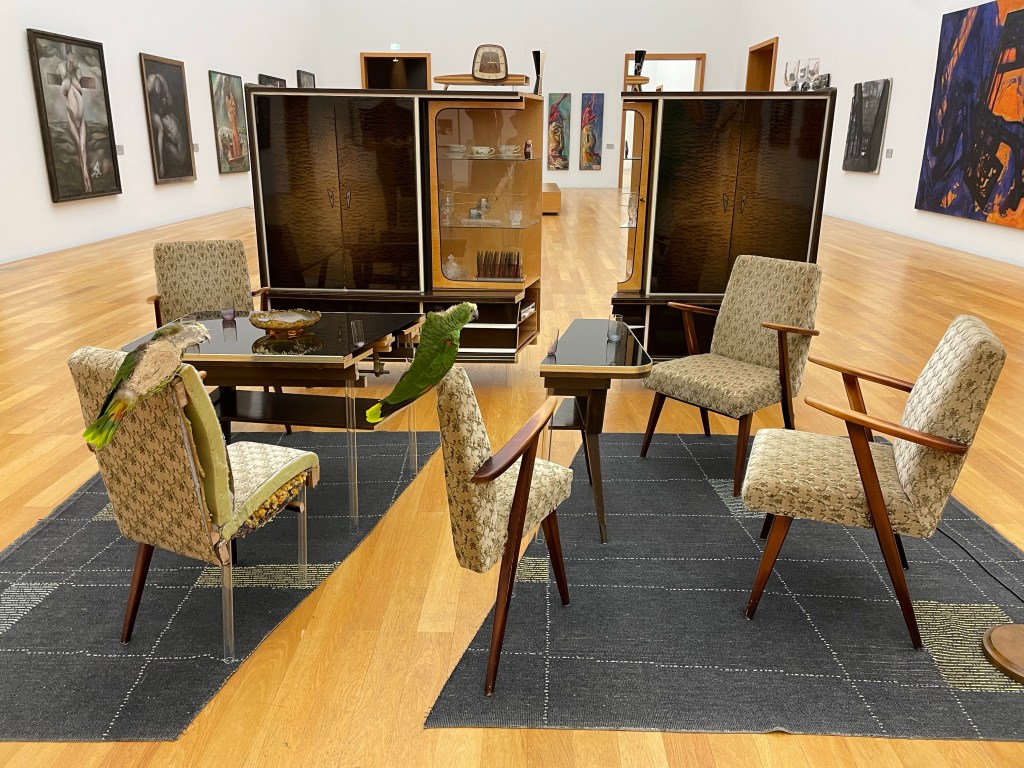
Sammlung Henning J. Claassen

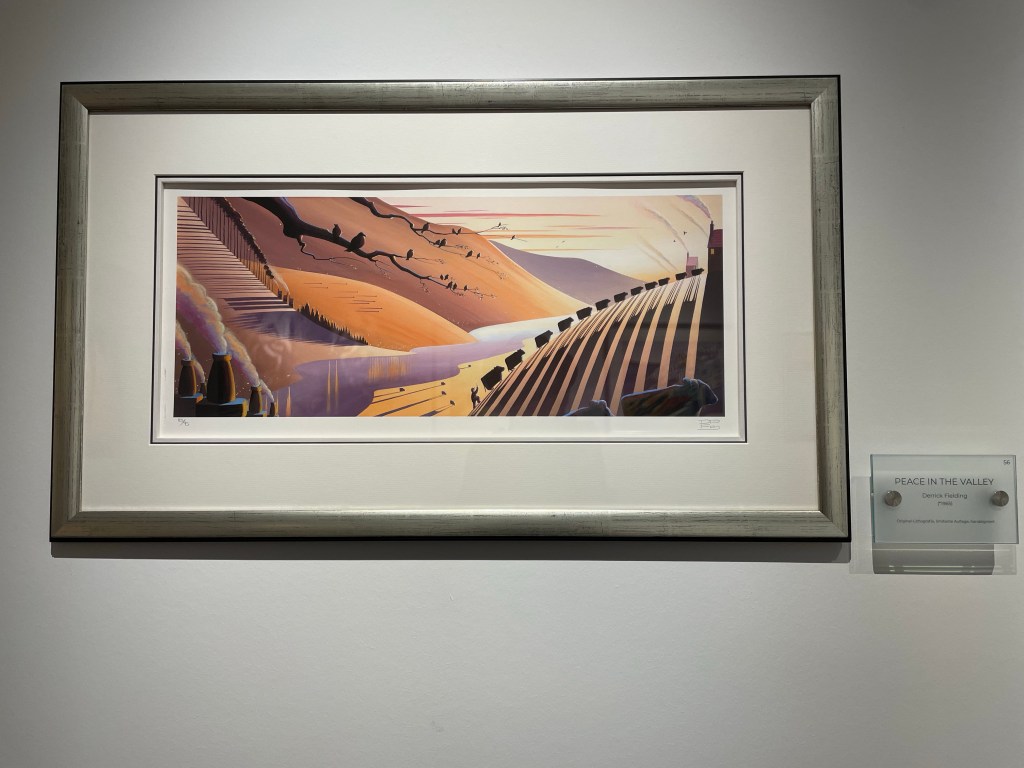
This was a beautiful gallery on the outskirts of Luneburg with a modern art collection with some examples shown here.

Train Travel in Germany

I somehow managed to snatch an online ticket for the month of September for only 49 euros! Crowds were intense over the weekend, but much saner during the rest of the week.

Lubeck
Idyllic Boat Cruise
Climate Action Protest in downtown Lubeck
A Last Look at Hamburg
St. Pauli from the Elbphilharmonie Plaza
A Newly Found Friend

Lively. Vivacious. Warm and friendly. Crazy. These are words that describe my new best friend.

It all started with a lost wallet. That is another story to be told, but let’s take this moment to a better place.

The Elbphilharmonie in Hamburg is the blessing in disguise. I had just taken my place in 16S (as in 16thfloor), Row 4, Seat 18 in the rafters at the sold-out concert. Soon thereafter, Annemarie arrived and greeted me as she sat down in Seat 19. We exchanged pleasantries and discovered that we had purchased tickets the hour before from the same person selling tickets outside the concert hall. 

A third and fourth person appeared to claim their seats, and we all happily shared stories about how clever we were in snatching our tickets. Anne Sophie Mutter, the soloist, was a world-class violinist about to perform with a dozen other virtuosi string musicians. 

After the exhilarating performance, I learned that Annemarie had worked in Chicago for 14 years. She was a marketing pro in the shipping business and was immersed in her life and work. Her warmth and charm reminded me of the inimitable friendliness of those from the Midwest. Growing up on a small farming village outside of Munich with four brothers, Annemarie had learned how to stand up for herself. She attributes her self-reliance and independent nature to her family relationships.

After the performance, Annemarie convinced me to visit her the next day in Luneburg, where she lived. I used my 49-euro, contactless monthly ticket to take the train there, a short hour-long trip outside of Hamburg. She met me and escorted me to her apartment, a mere five-minute walk from the train station. Her beautiful apartment was impeccably decorated with white carpeting and walls, soft modern furnishings, a few carefully chosen hand-crafted antiques and splashes of red here and there. 

Picture windows framed a soothing garden outside, with greenery as far as the eye could see trailing down to a river beyond. A window cracked open allowed the breeze from the recent shower to waft inside. I felt so lucky to be invited into this luxurious German home! After Annemarie explained her work in the States, she described her humble upbringing. Her family grew hops for the breweries in Munich. 

The two upper floors of her huge 20-room farmhouse were used to store and process grain. During harvest time, workers would load and hoist the hops that had been thrashed from the stalks to the top floor. The kernels would be poured into huge canvas sacks that were suspended by a hole on the bottom of the upper floor. They were then pressed into the sack while hanging down to the floor below. Using their feet, workers would then tamp and stamp the kernels inside the sacks to compress and leave them to dry.
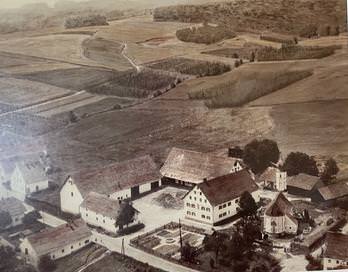
Moarhofer, Putenhausen, Hallertau
 (outside of Munich, Germany)

On our walk through the quaint town of Lueneburg, Annemarie stopped to show me one of the random wild hops’ vines. A plump kernel at the upper tips of the plant looks like a giant white raspberry. Annemarie broke it open to show me what it looks like inside. She then closed her eyes and took a deep whiff. Her face broke into a huge smile. It immediately brought her back to her childhood, and in a moment she took me there with her.

The hops vine

I too, had suddenly flown to this fairy-tale town to Southern Bavaria. I had often seen lush green fields and the tidy plots of German farmland. I instantly connected to the description of her humble beginnings. They reminded me of my mother’s childhood in rural China.  I. too, closed my eyes and allowed the thought to take me there.There were many other stories that Annemarie told me about growing up in Germany and living in the States.

After sharing wine, glorious concerts, and even a special overnight at her lovely home, I treasured this story about her childhood. We connected in many ways. While names of the farm families change, Moarhofer continues. I would love to visit there one day. Annemarie’s vivid description brought the photo to life, and her friendship has given me the reason for investing in the German language.
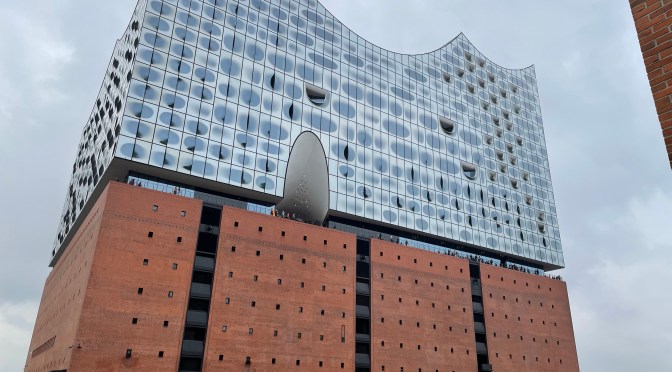
Elbphilharmonie and Lüneburg, Germany

Approach to Elbpharmonie Concert Hall
over parking garage and hotel levels

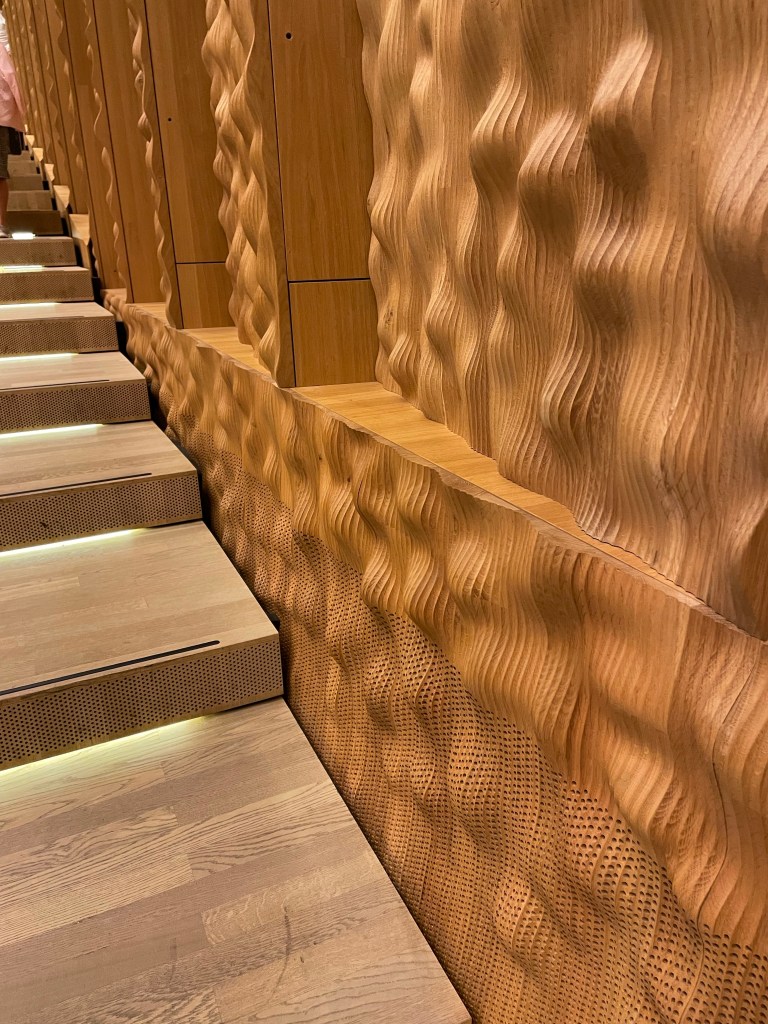
My primary interest in visiting Hamburg was the Elbphilharmonie, designed by Swiss architects Herzog and DeMeuron. In my book, it’s easily among the greatest modern buildings in the past hundred years.

It’s not flawless. But the experience is thrilling. As a destination, visitors marvel over its design and are overwhelmed by its prominence. Like a giant supercruise ship lifted out of the water, it sits on a promontory to the western edge of the city.
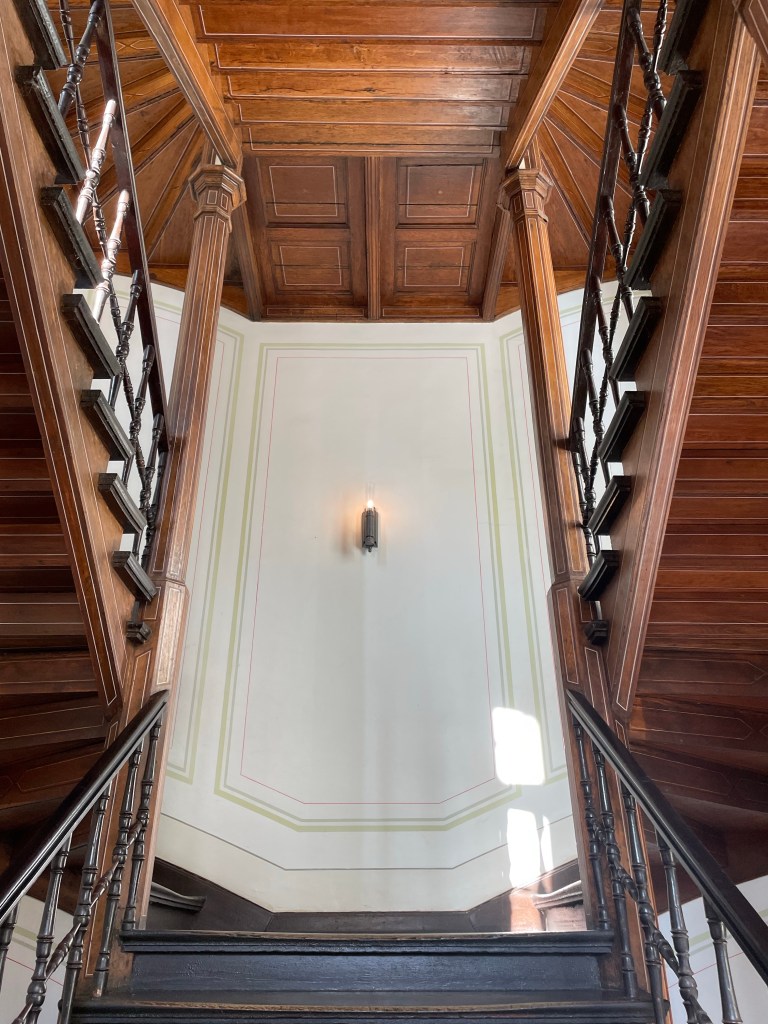
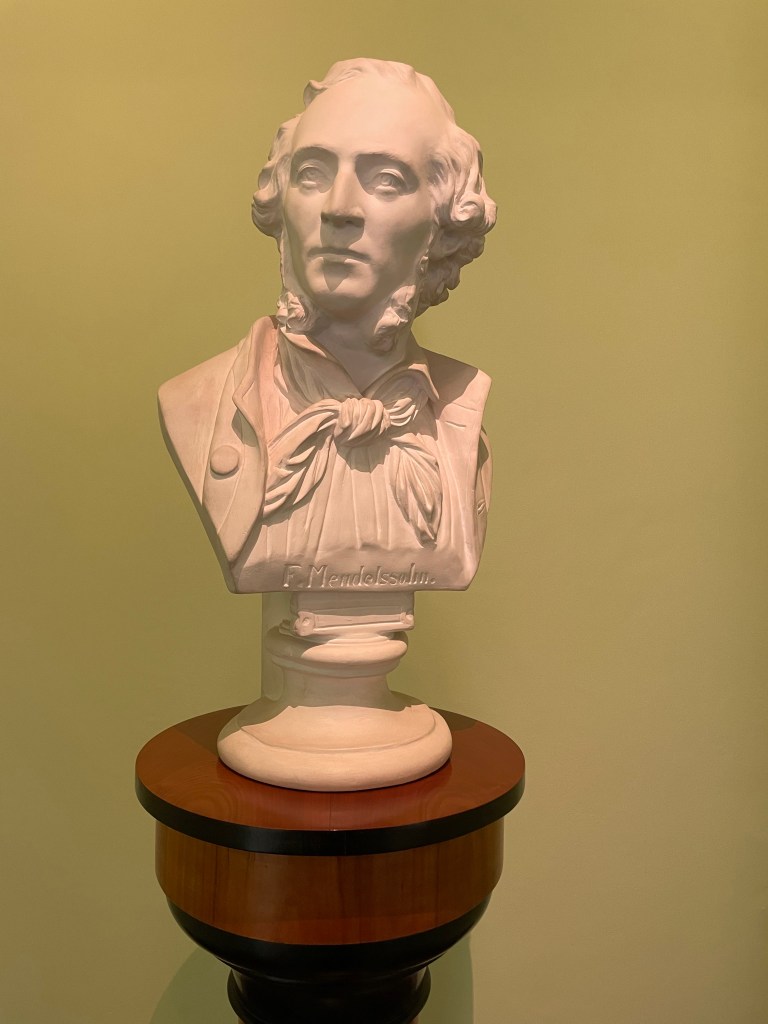
It’s now a destination point with tons of tourists from Luneburg to Buenos Aires. The size and massing establish its presence and its whimsical openings and surface treatment are intriguing,

There are few buildings I consider worthy from both interior and exterior perspectives. but this one exceeds my expectations. From the first encounter with the curve escalator to the 360 degree views of the harbor from the top, there is no comparable building in the world that combines an exciting amusement park with a inspirational view at the top of the world. Unless fans of bungee jumping argue that the sport is better. The results are the same.

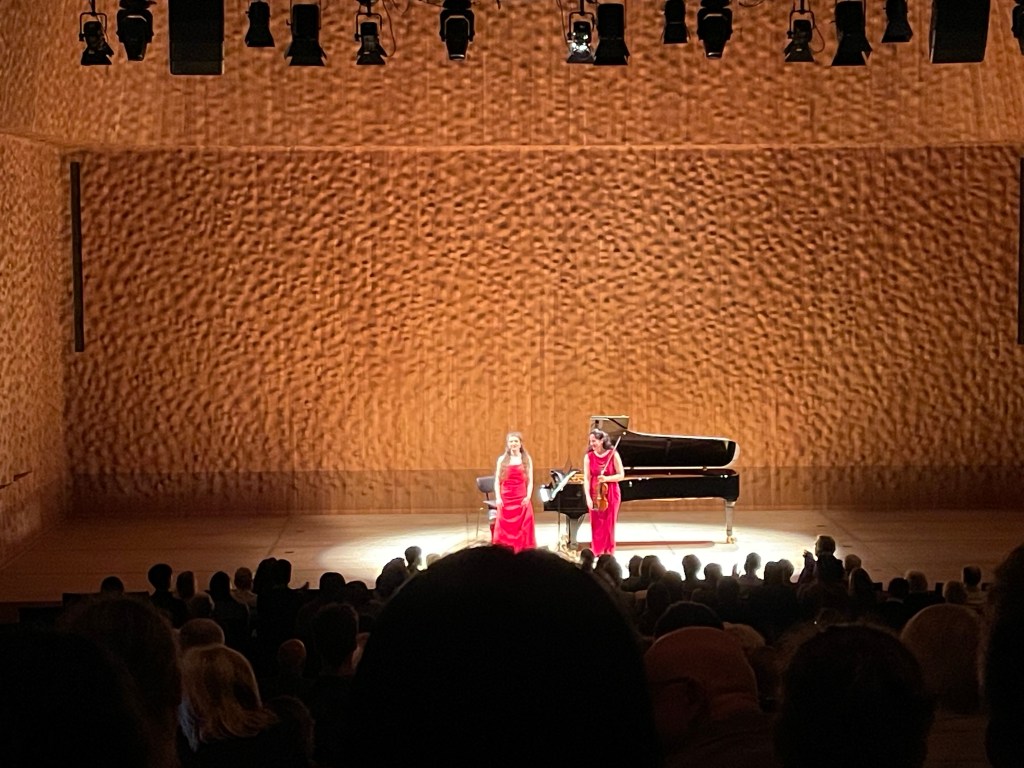
At the first performance there, I watched a rock star from the rafters. Anne Sophie Mutter and her Virtuosi concert took the sold-out audience over the top. Sightlines were so good you felt you were in a front seat and the sound quality, thanks to Japanese ingenuity, made you feel as if you had just cleaned the wax out of your ears.

Anne Sophie Mutter and
Virtuosi Performance to Sell Out Crowd

The second performance was in the Smaller Auditorium (Kleiner Saal). Quite a different but equally thrilling experience to that of the Larger Hall (Grosser Saal). The Mendelssohn Festival was being held simultaneously so the room and the chamber music fit perfectly.

Like other European cities that have established star-architect branding to attract tourists to museums, Hamburg took a risk and turned its attention to a music venue. It cleverly lifted the concert hall to the pinnacle of a high rise building by putting 5 levels of parking at the base and sandwiching a hotel in the middriff.

Unfortunately it seemed like exiting the garage is a nightmare for attendees, both pedestrian and vehicular. And I questioned putting the high headcount at the top. I suppose its no different than occupants in a high rise building. There’s no doubt the building is spectacular and deserves its place among the top, if not the top, of ten best concert halls in the world. My opinion.

Fine and Applied Arts Museum, Hamburg

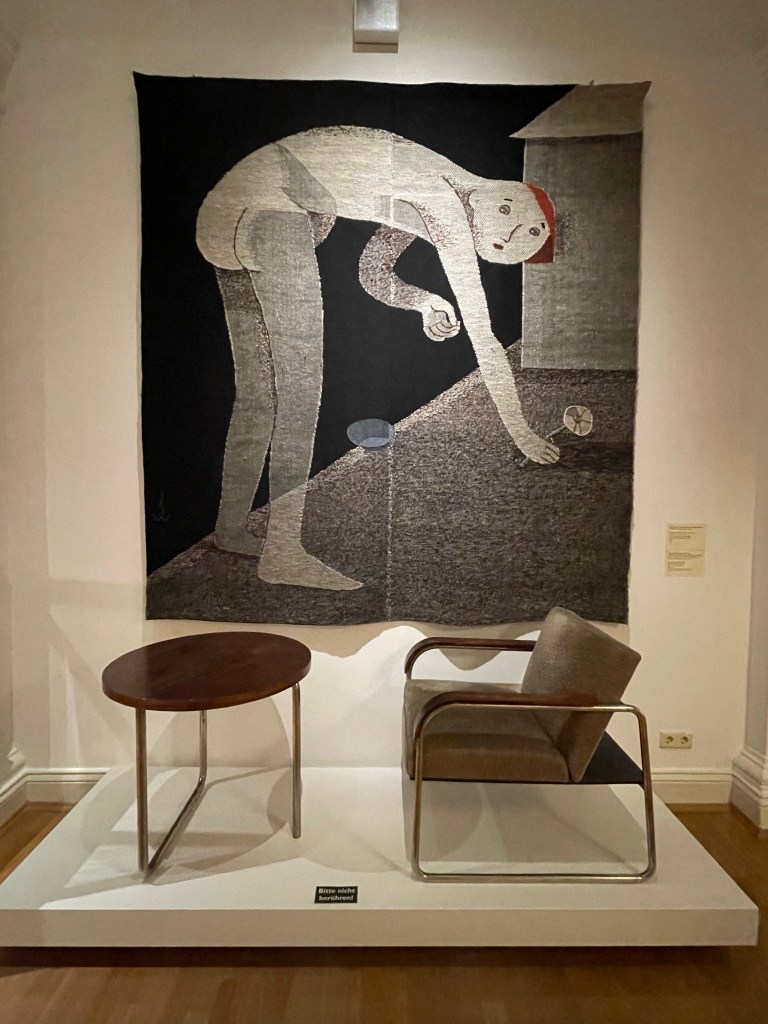
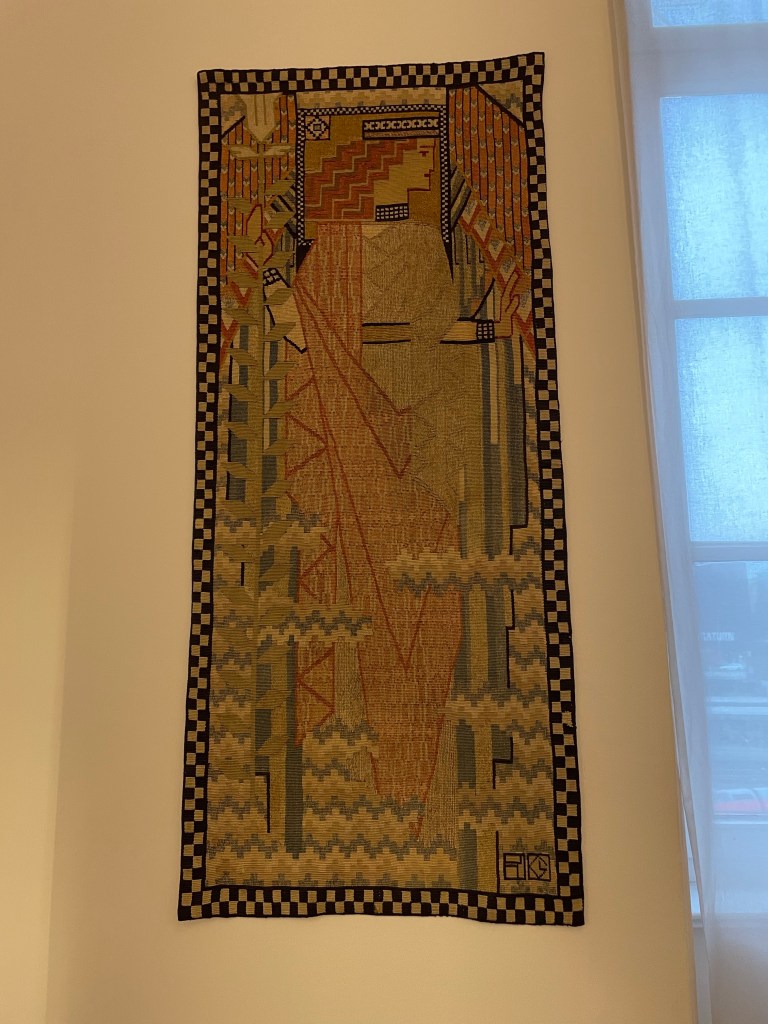
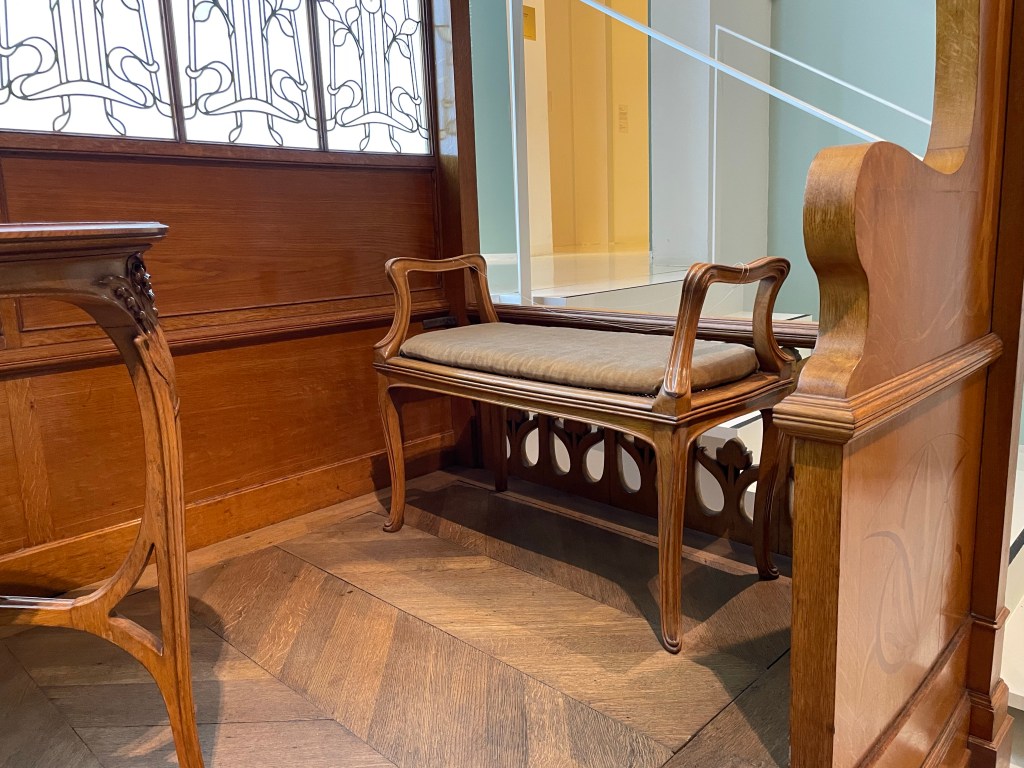
Wandering into the museum next to the train station was an oasis of German culture that I love. From the early beginnings of modern design and production of beautiful objects for the home, the roots of Ikea and Apple can ge found here. The tender, slender tendrils of Jugendstil (youthful style) represent the flowering of blending art and science, as it reflected the Art Nouveau movement and influenced the Moderne.

The fine tapestries demonstrate the traditions of fine hand craftsmanship. Art extended into the home and blended architectural elements like walls, doors and windows as well as furniture. It’s no winder you see influences of Frank Lloyd Wright everywhere in these museums!

You can learn more about the Jugendstil here: https://en.wikipedia.org/wiki/Jugendstil

Sesame Street Setups

This special exhibition at the Fine Arts Museum captures the delight in educating and training children. The models, sketches, and planning required extreme care and dedication by talented professionals. Kids could draw their own creative versions!

Around the corner from the train station is where the other half of Hamburg lives. Real food is sold in markets here.

Luneburg

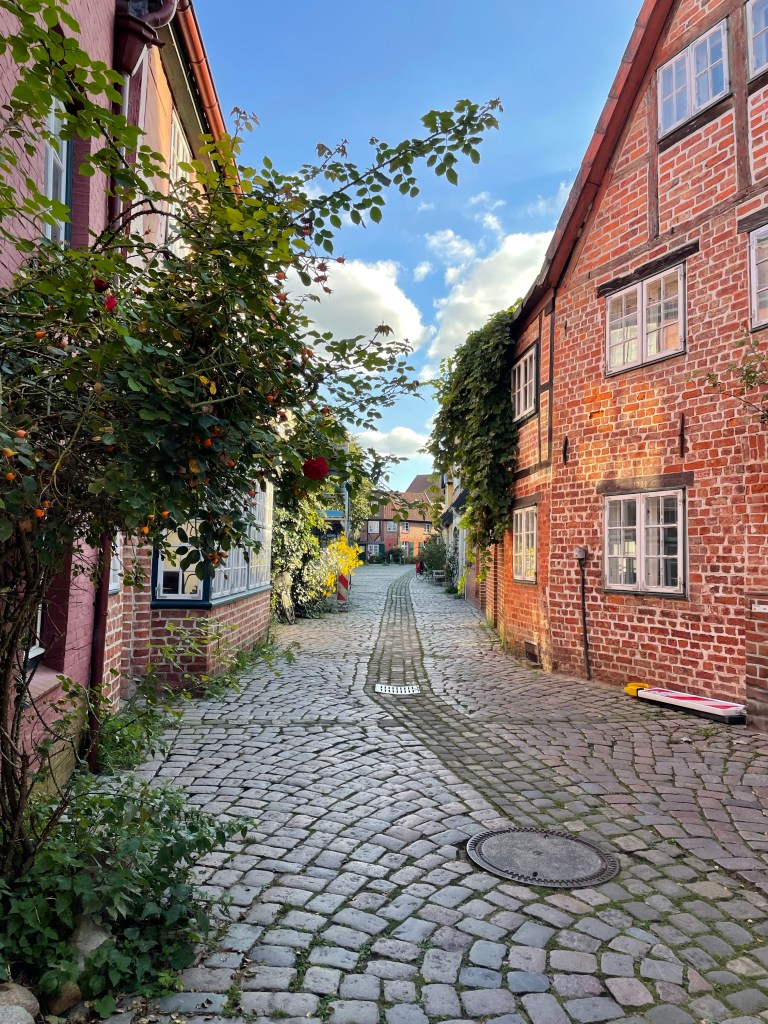
The Hanseatic city of Luneburg was a fine example of the wealth and commercial power of the Hanseatic league. Established to protect mutual trading interests of its members, the League was the most powerful from the 13th to the 15th centuries. Buildings in Luneburg have been preserved back to this period.

Bremen controlled the North Sea and Hamburg controlled the Baltic. Athough Luneburg was not a coastal seaport, it derived its prominence from the salt in the area. I loved how roofscapes and windows made you “look up”, as Steve Jobs said in the opera (R)evolution about cell phones..

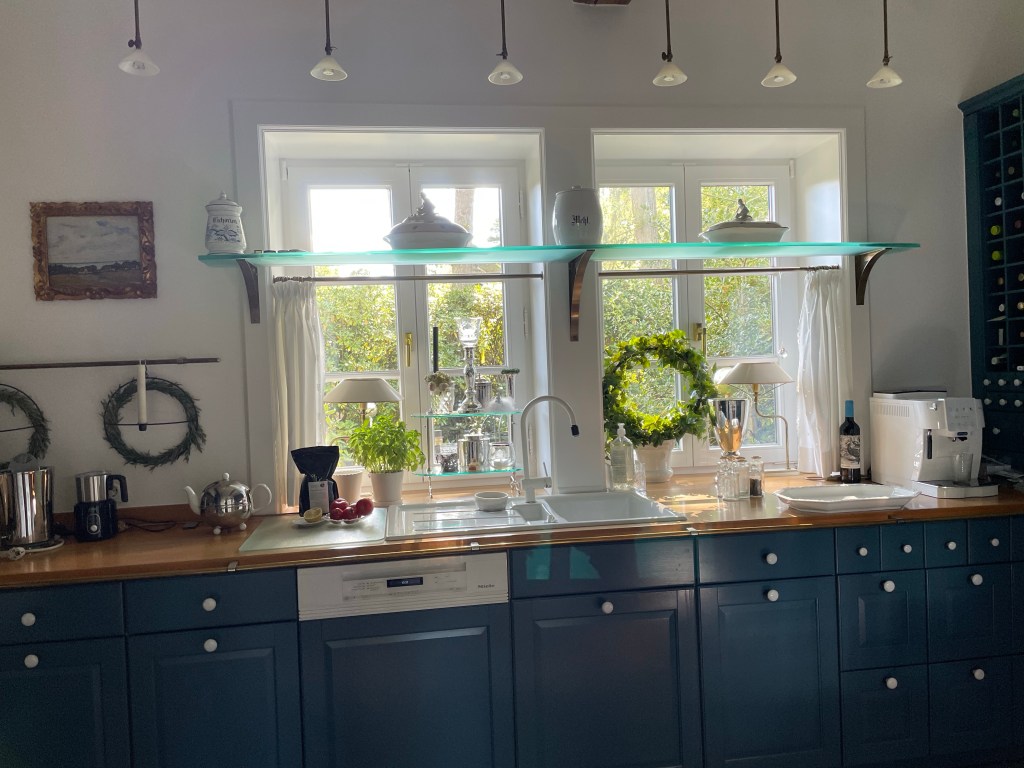
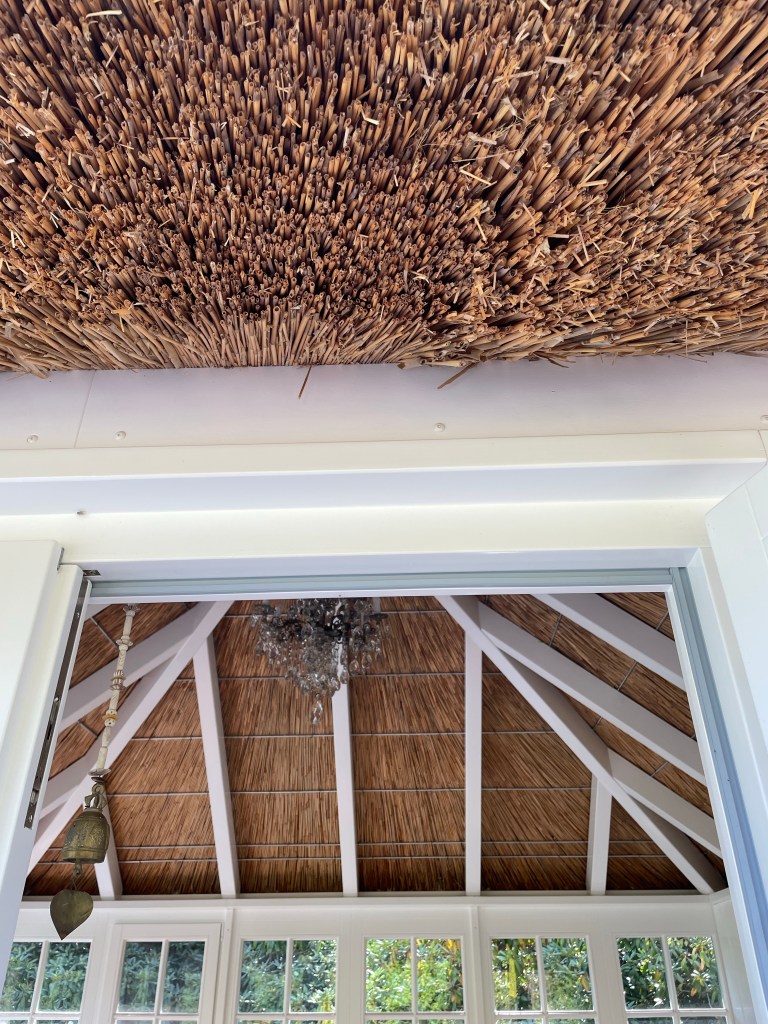
I was lucky enough to join my new German friend Annemarie to make a delivery to a client’s stately home on the outskirts of Luneburg. The thatched roof is a unique feature of homes in the area. Dedicated maintenance and care are required. The same roofing method was applied to the new pool house. The visit was a treat and a pleasure.

There’s only a couple more days to see a final performance at the Philharmonie, then back to Berlin to catch my flight back to San Francisco!

Leaping into Leipzig

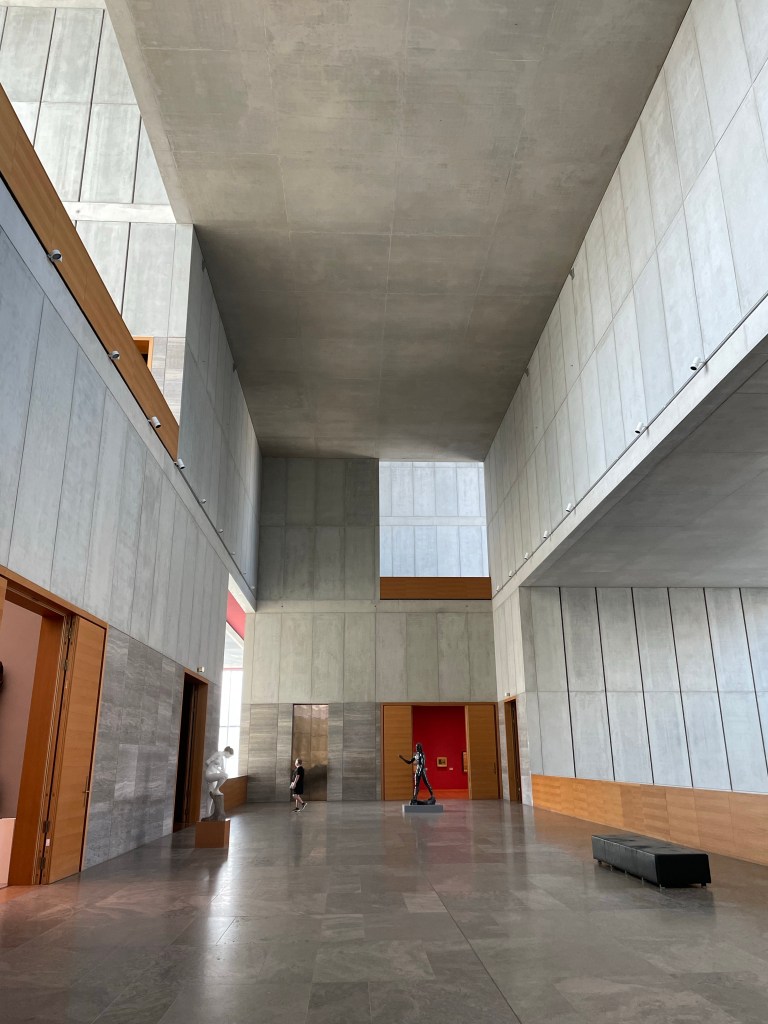
Modern Art Museum

Friends Hazel from Heidelberg and Vladimir from Meissen joined me in Leipzig for lively conversations. We also explored museums together. Each museum piece tells a story that connects to another. Collectively, they form a treasure hunt that makes museum-going so challenging and enjoyable.

This relatively new museum north of the town center was a vast repository for large-scale modern artwork. Current collections could barely fill the monumental four-story high volumes of space. The museum was clean and beautiful, but I did wonder how efficiently the building could be environmentally controlled.

For me, it is a struggle of conscience over desire. My recent training taught me that architects have a huge obligation to address climate change in every building, especially those like this one. Reducing the use of concrete and other processed materials for sustainability didn’t seem to be evident. Yet the building was purposeful and emotionally satisfying.

Mendelssohn House

The Music Trail in Leipzig links the homes of Bach, Mendelssohn, Schumann and 20 other sites that have musical significance. The entire round-trip takes more than a two-hour sprint. Instead, it’s much more digestible in small spurts. The influence is palpable. It’s no wonder that music can be heard in and around the streets at all times.

Although I had been to Leipzig twice before, I looked forward to renewing my vows to each composer. Mendelssohn traveled throughout Europe with his sister Fanny and his parents. They first traveled from Berlin to Naples and then returned through Switzerland to London. The composers’ privileged lives allowed him to create beautiful music.

More research is being devoted to the lives of influential and famous women like Clara Schumann and Fanny Mendelssohn. Although Schumann loved his wife Clara dearly, they had a tense professional relationship.

You could say that Schumann was actually jealous of her talent! She was trained as a concert pianist by her father, Carl Wieck, who was also Robert’s piano teacher. He was skeptical that Schumann could rise to the level of a concert pianist and tried to keep Schumann from seeing his daughter.

He even had a restraining order against Robert’s seeing Clara, but it didn’t stop the two lovers from meeting secretly. Finally, when Clara turned 18, Wieck consented to their wedding plans. Some of the sweetest music was created during Schumann’s love for Clara and his triumph over adversity

Schumann had another challenge in learning the piano. HIs fingers cramped up. He tried many methods to treat them. He gave up performing and initially turned to critiquing music. He used his father’s publishing business to help him launch his writings, and eventually published the music he composed himself.

Schumann’s life had a tragic ending. He could be diagnosed today with bi-polar disorder, but he preceded Freud and the advent of psycholanalysis. He and Clara had seven children, but he died at the age of 45. He left a legacy of beautiful music from the romantic era that he helped to create.

Laps in Leipzig

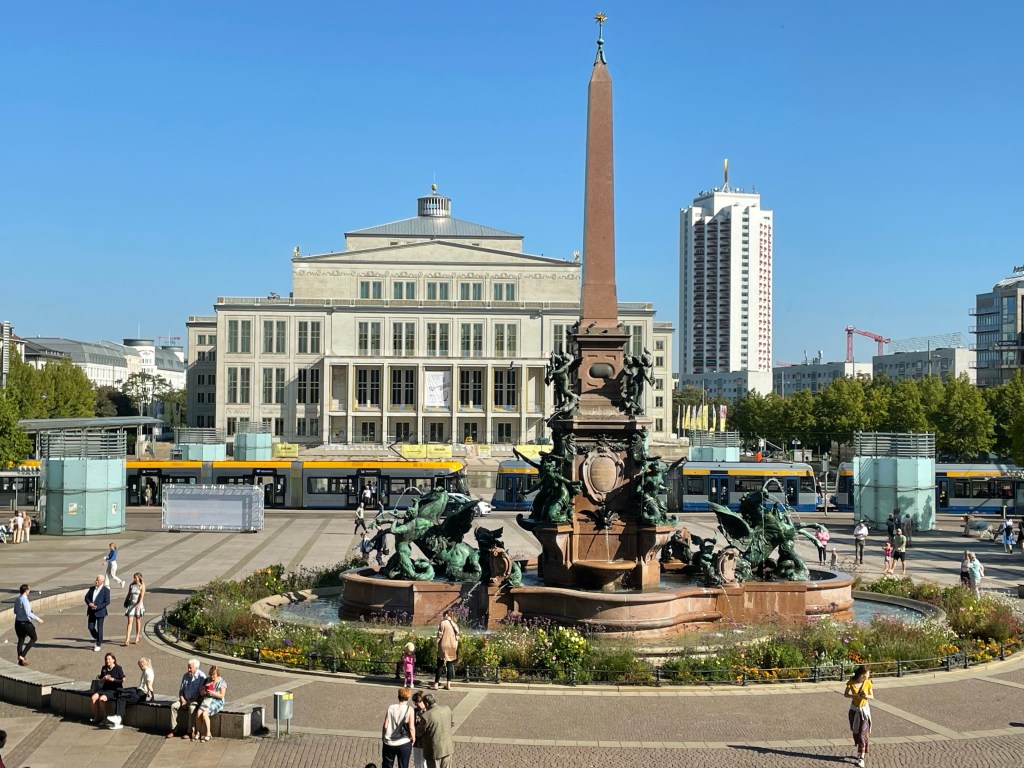
A great family event got kids out early Sunday morning to get fit and healthy. The race around the market plaza took determination, energy, and plenty of tears and smiles for extra flavor. Parents escorted the less brave, but in the end every child was a winner. I couldn’t resist taking a shot of a little German-Asian athlete proudly brandishing his medal.

Early Morning Race in Leipzig


Post Race

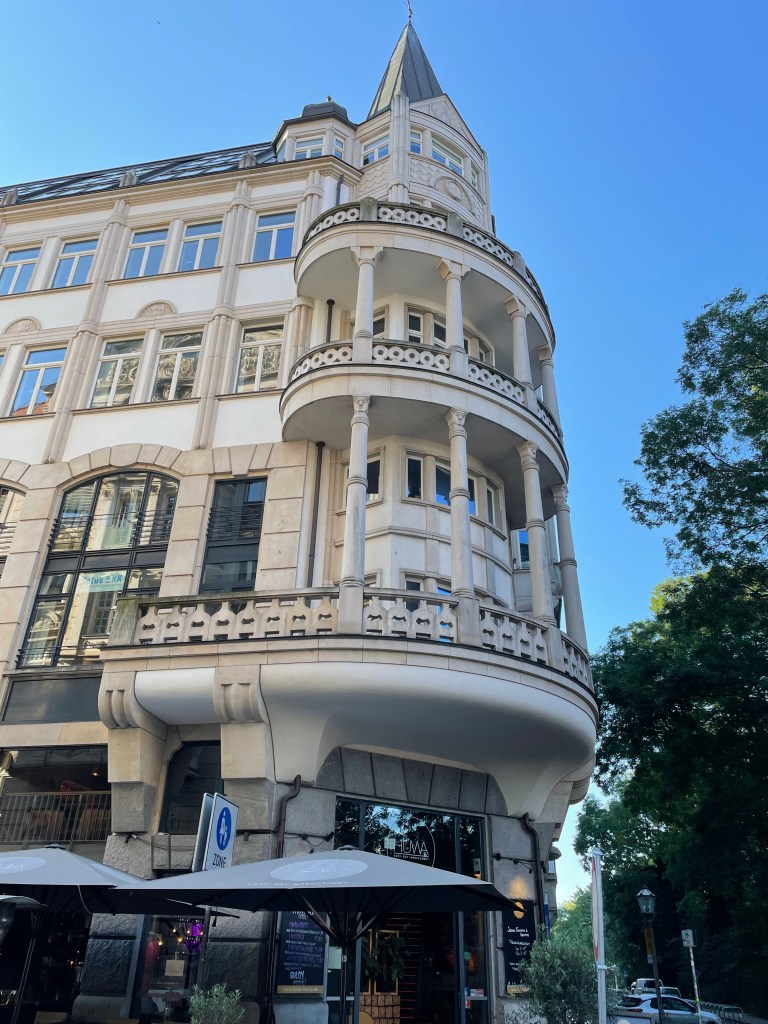
The Art Nouveau and Moderne buildings in the pedestrian zone are elegantly decorated with stone facing. The venue for annual book and trade fairs, Leipzig enjoys its status as a prominent city filled with commerce, art, music and culture.

Gewandhaus

Of course a concert was on the agenda during our visit to Leipzig. Like the Berlin Philharmonie, the Gewandhaus Concert Hall is a behemoth building better appreciated from within.

Conductor Herbert Blomstedt, now 96 years old, managed the concert with Berwald and Schubert pieces effortlessly. The elderly morning crowd greeted him with fondness and adoration. Blomstedt was conductor of the SF Symphony for ten years preceding Michael Tilson Thomas. He brought the orchestra to world prominence through his leadership.

Like Joana Mallwitz, Blomstedt acknowledged each soloist with intent and deliberation. It’s not something I had noticed before attending recent concerts in Germany.

Herbert Blomstedt commands
the Gewandhaus Orchestra to a full house

Mitte, Bitte

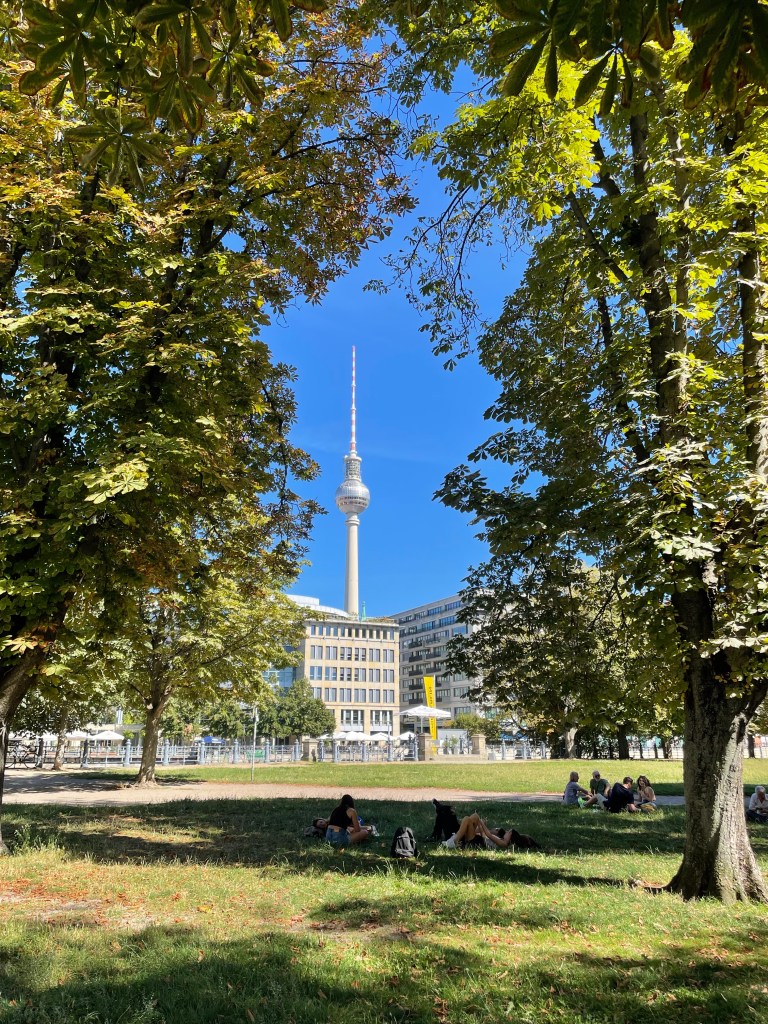
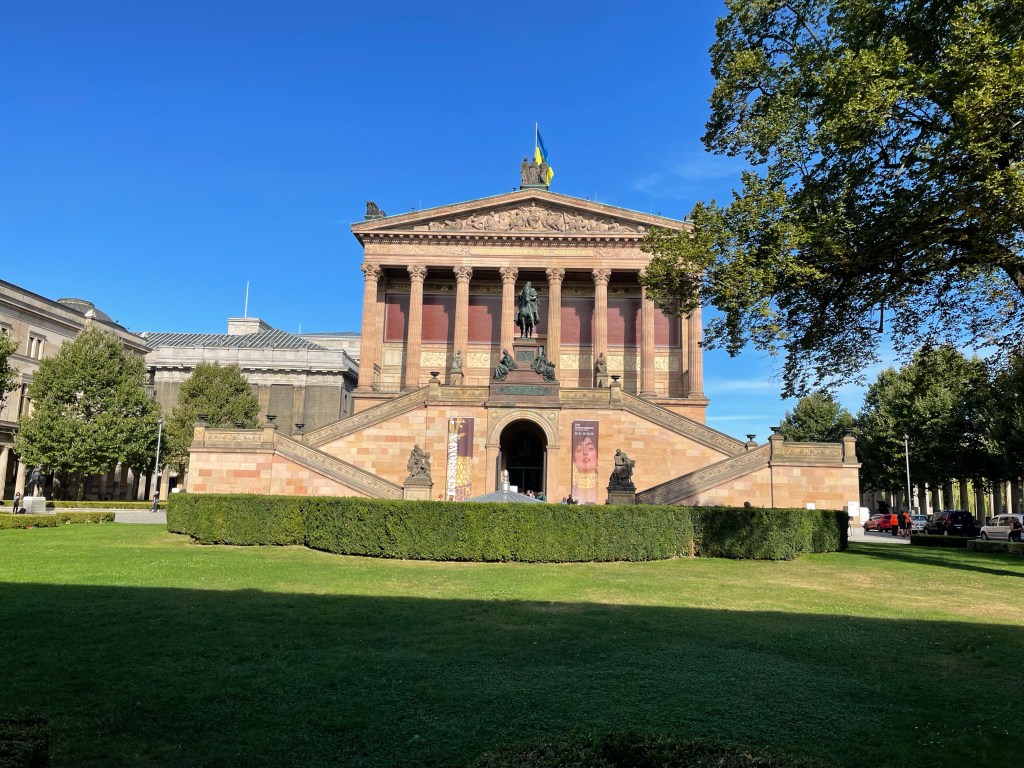
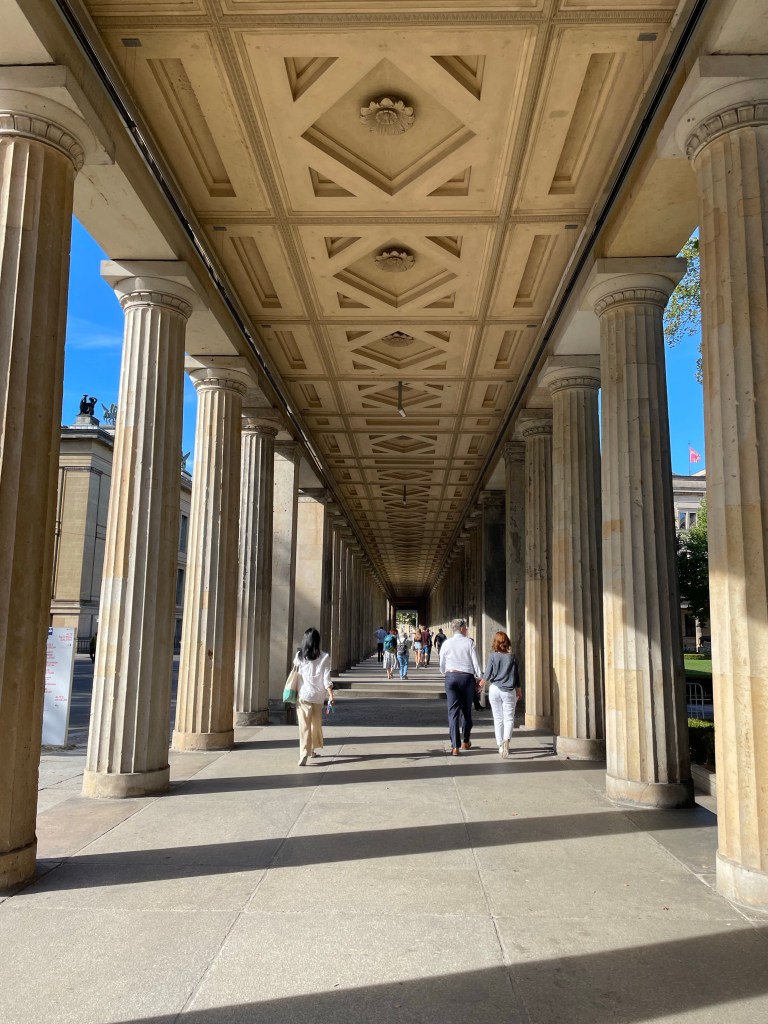
OK, this city has put me on total overload. I headed from Alexander Platz through Haecksher Markt to The Neues Museum. Along a leisurely walk surrounded by waterways and leafy green trees, I was reminded how beautiful the complex series of historic museums had become. Every building was renovated and preserved with the greatest detail and care.

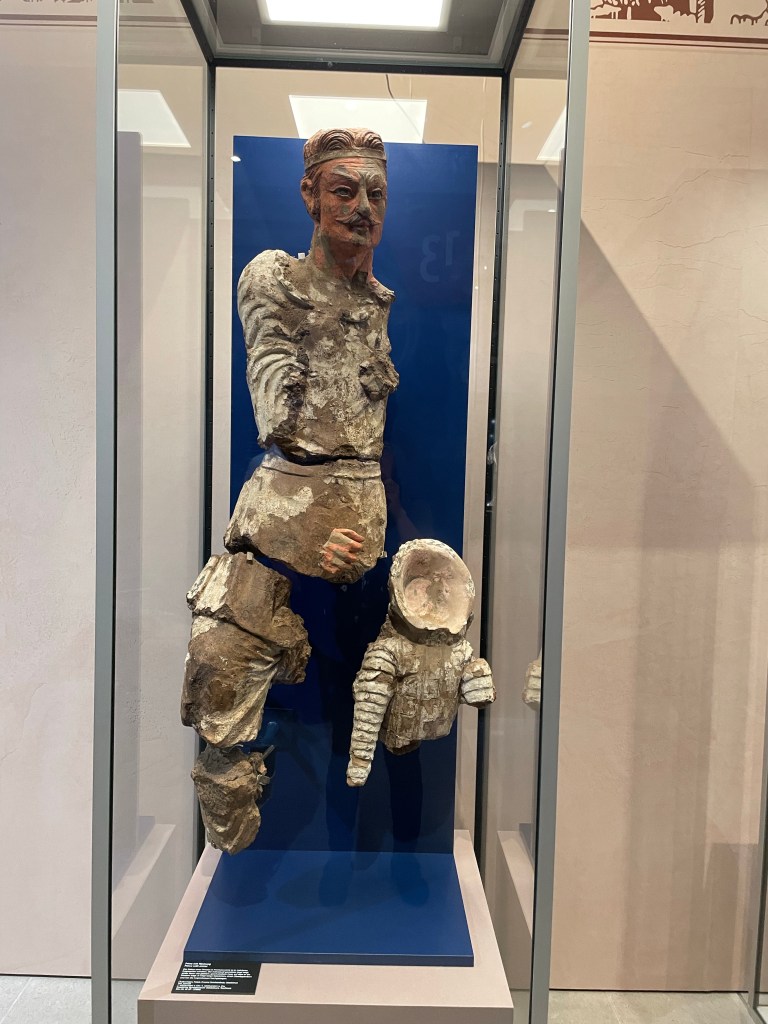
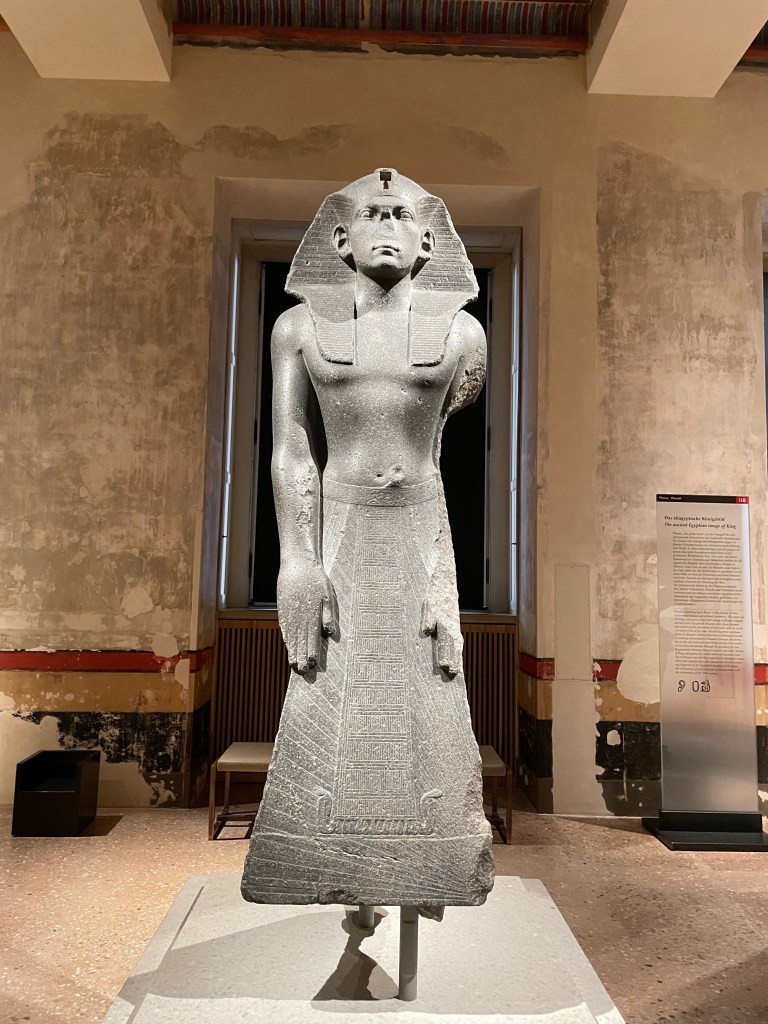
I found David Chipperfield’s integration of the Egyptian collection with the new wing very confusing. But the inspiring Archaeological Treasures of Uzbekistan exhibit compensated for the building’s shortcomings. The German museums distinguish themselves with superior curating and skill in educating the public with interesting, thorough, and thoughtful research. Most major exhibits are translated into English.

The exhibit introduced visitors to the early influences of buddhism in Central Asia before Alexander invaded and spread Greek culture throughout the area. Later, Arab invaders imposed Islamic culture after Persians brought Zoroastrianism, yet another religion, to this region.

Original Sogdians, a Turkic people, began and traded along the Silk Road. Journeys were not long transcontinental slogs imagined by Marco Polo’s travels. Initially, the Sogdians and others traded in short segments between two posts. Instead of traveling between a long string of pearls from one end to the other, they merely traded pearl to pearl.

Bokhara, Samarkand, and Kiva became wealthy cities from the silk brought by the Sogdian traders. The Silk Road stretched throughout the width of Uzbekistan, from the western Han Dynasty gateway that controlled trade in and out of China, through the trade cities, and on to Tehran and beyond.

Within the exhibit, a quiet sanctuary offered a place for reflection and solace. Visitors could post notes, questions and thoughts about the exhibit. It was the perfect moment to pause and refresh. I contributed a few of my own comments! I felt that I had flown on a magical carpet to Uzbekistan!

Berlin Philharmonie

Although I was able to sketch the Berlin Philharmonie (see previous post) from the outside, the chance to attend a concert inside seemed to elude me. I finally bought a ticket on the third visit to Berlin. The acoustics in the auditorium with more than 2000 seats provided a high quality, enjoyable performance.

An evening with the Israeli Philharmonic Orchestra
at the Berlin Philharmic
The Art Supply Dream World

Here’s a tip for my urban sketching buddies:

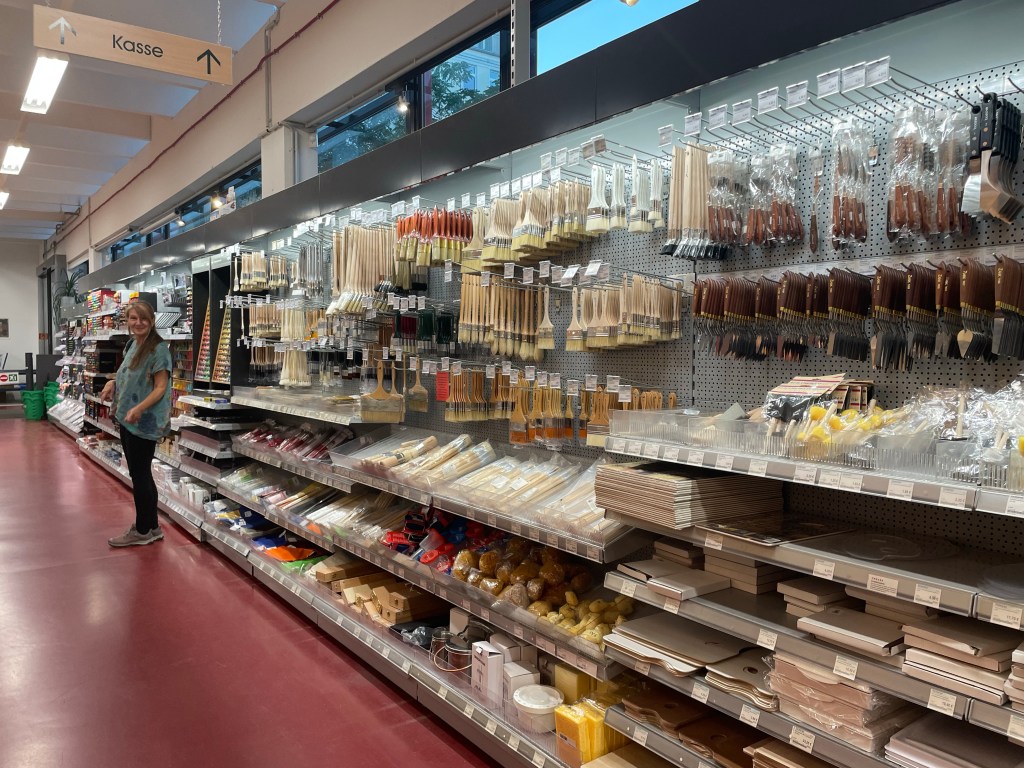
My vote for the best art supplier in the world is Boesner, a German store in Prenzlauer Berg (with branches in other German cities). It satisfies any and all aesthetic and technical needs for artists, including papers, paint, canvasses, brushes and everything else in between. Rooms full of sketch pads, imported papers of endless thicknesses and weights, and sets of watercolors, pastels or pencils increased the dilemma over what to choose. This was a top-flight, migraine-inducing experience!

The next stop is Leipzig, where many famous classical musicians such as Bach, Schumann, Mendelssohn and even Wagner, hung out and made music.

USK Berlin 2023

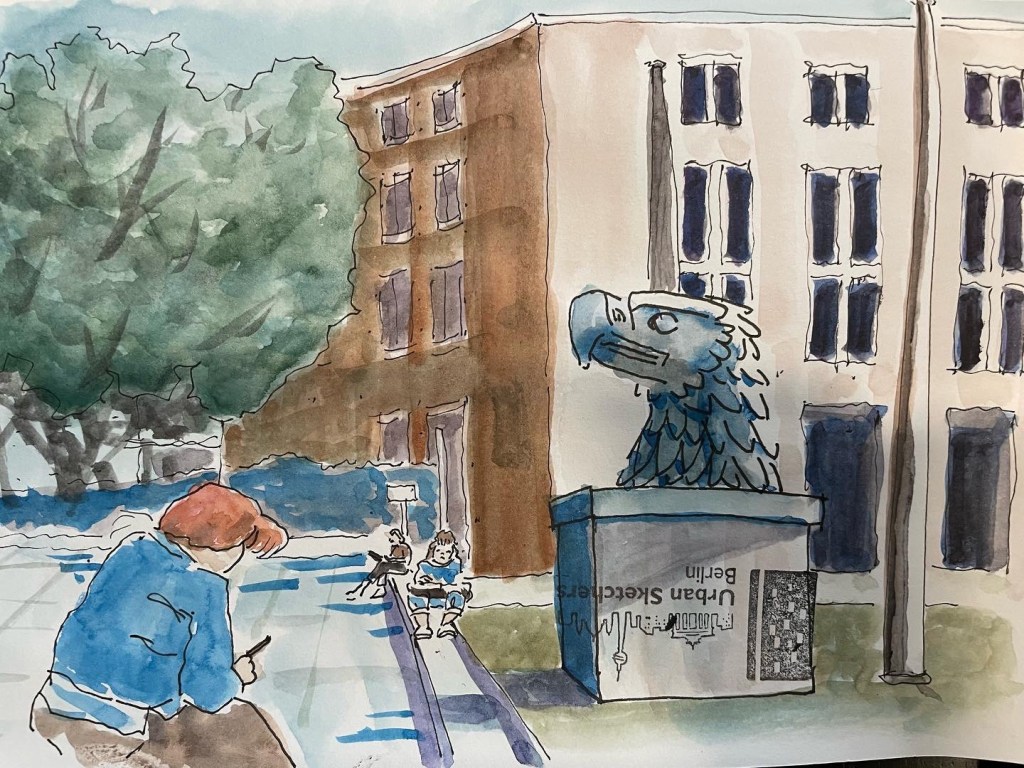
Oh My God. If this is any indication of German Planning, it wins the Nobel Prize! Over 950 participants descended on Berlin this weekend to sketch in over 60 venues planned throughout the city. Everything is free and the organizers simply wanted to avoid extensive sponsorships and risk exposure.

So they simply posted an email offering sketchers to sign up within a specified period of time in July. The response was overwhelming, but they delivered what they promised. Three meeting venues at the Kulture forum, Humboldt Forum and another location near the Brandenburg Gate gave everyone a place to connect informally. Organized sketch walks with tour guides were assigned to each participant.

My first assignment was site of the Templehof Airport, a Nazi creation. Nearby neighborhood housed a delightful Karl Muehlenhaupt Museum. His work, resembling that of March Chagall were child-like figures of gnomes and faces filled with “Liebe, Leid and Lebensfreude”, (Love, Passion and Lust for Life) that immediately grabs your attention and emotions.

A lot of what’s good about Germany hasn’t made it into translated material. This was one of them. Managing my own interpretation is a struggle, but even more rewarding when I discover the depth and earnestness of the German culture.

Today’s venture to the second site was more challenging. The Kurpark near the Golden Reindeer Monument in the park next to the at Rathaus Schoeneberg was outside of the center of the city. Several routes to get to it confused me with indecision, so a late arrival cost me the tour and a chance to meet others.

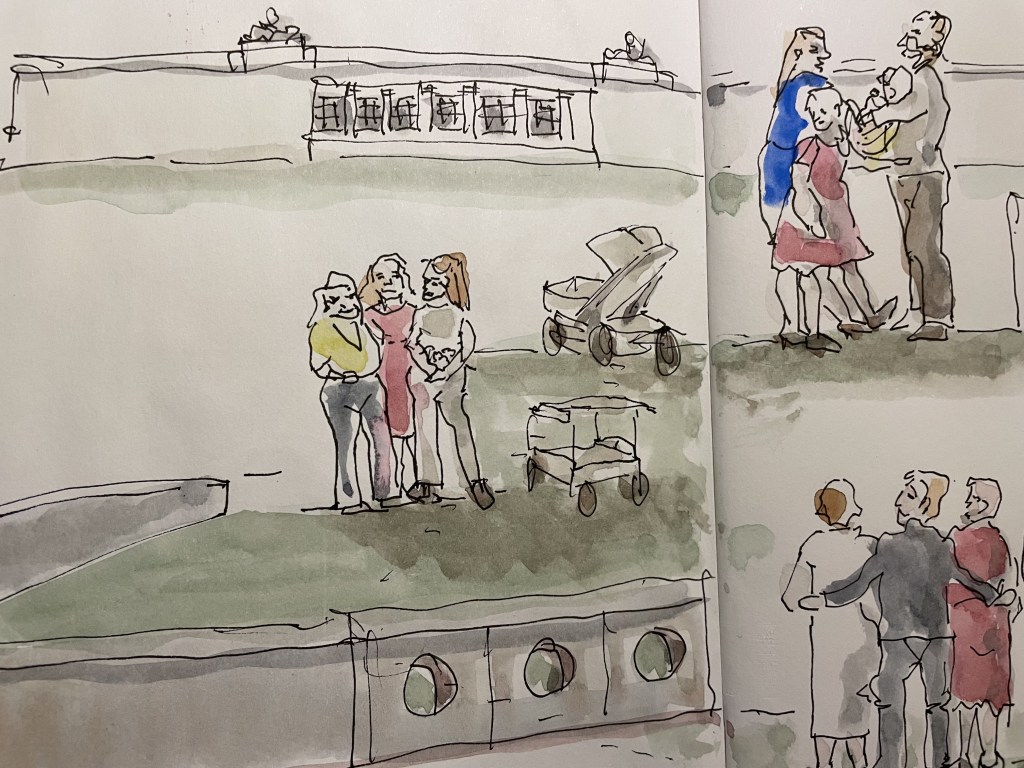
Nevertheless, I forged on to sketch as intended. Suddenly floods of wedding parties arrived as if staged for my benefit. They celebrated their free pop-up event with champagne and formal photo shoots. The park setting was merely a backdrop for me to focus on gestures of dressed-up guests and their animated conversations.

The Sketchers met for a photo shoot at the Kulture Forum the previous afternoon. It was a bit daunting to see so many dedicated and talented sketchers. Every sketch seemed more polished and intriguing! The German devotion to doing things well overwhelmed me, from the high-tech weightless sketching stool I spotted, to the super-organized backpacks everyone carried with all their supplies pared down to a minimum.

Bustling Berlin

I’d be disingenuous to claim that I was as dedicated as the German attendees to sketching in Berlin. I was distracted, and exhausted by the myriad events and historic sites beckoning to me.

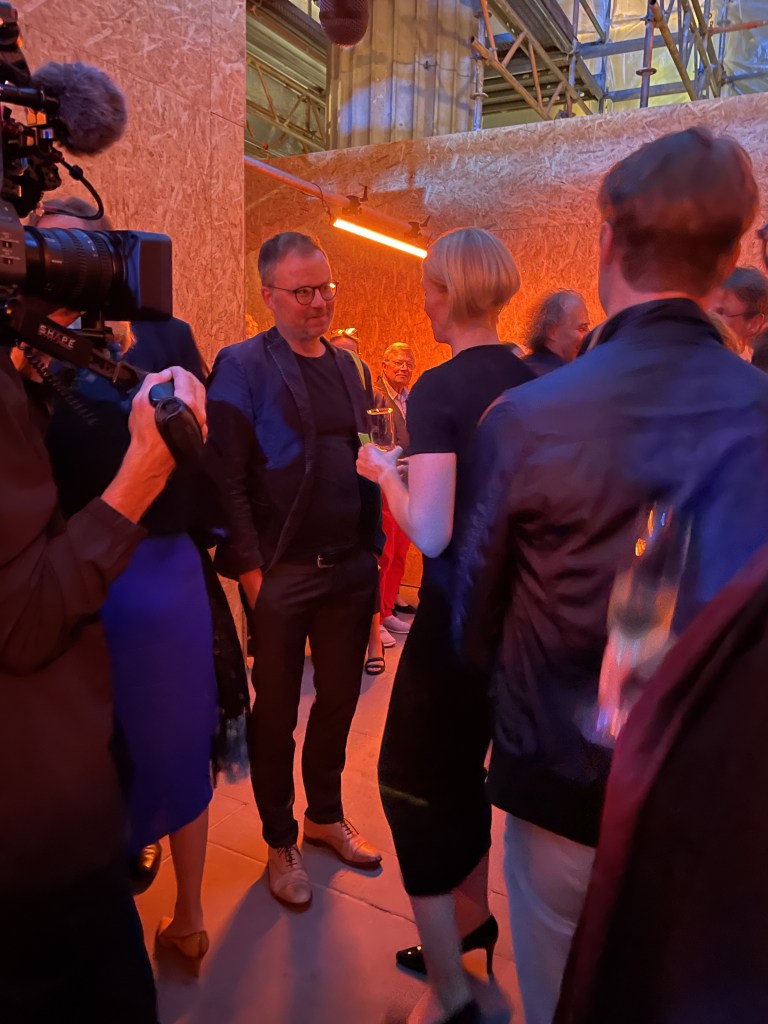
A special concert introducing rising star conductor Joana Mallwitz was held at the Berlin Konzerthaus was held with overwhelming support from the audience. Joana took her time to thank each and every soloist who performed, and took many bows herself. I was lucky enough to meet her and her partner Simon Bode at a reception after the performance.

Debut of Joana Mallwitz as conductor of the Berlin Konzerthaus Orchestra

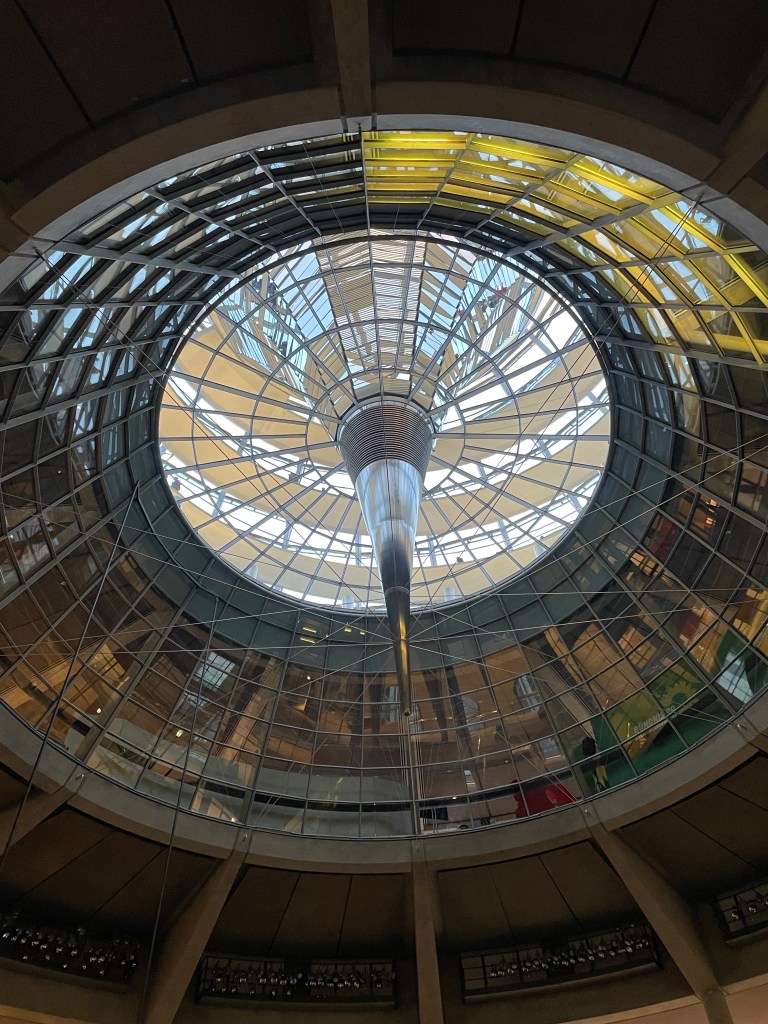
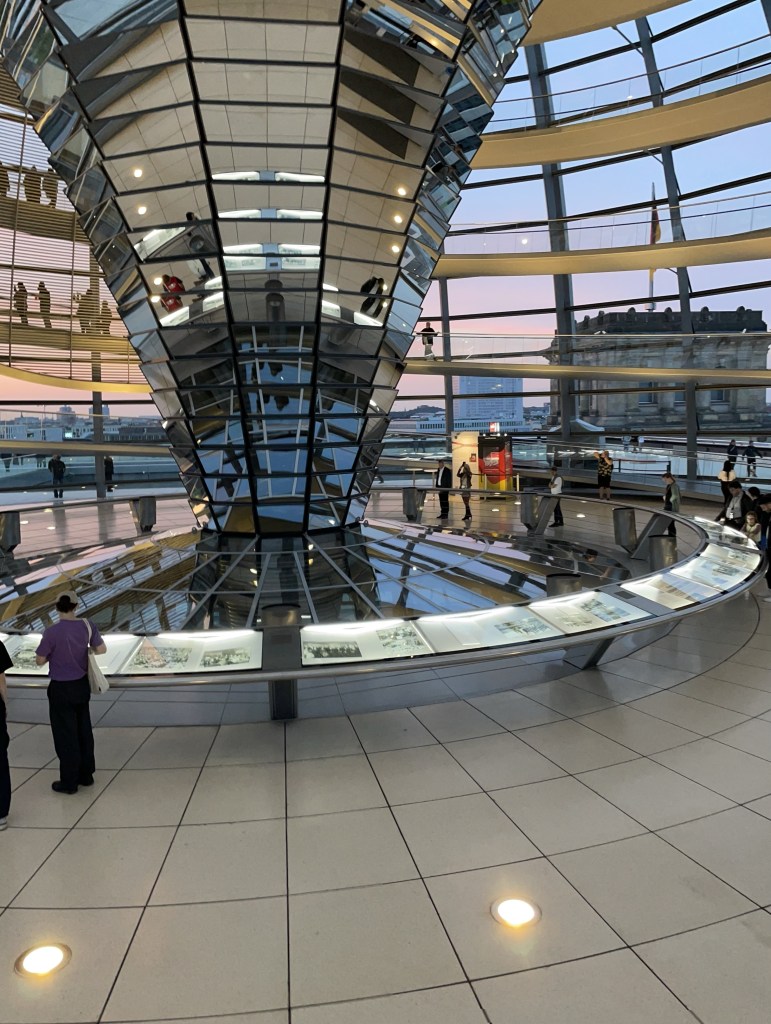
After the sketching photo shot, I raced over to an appointment to tour the Bundestag Building. The tour was tiring and boring at the end of the day, but I realized that I actually retained some of the information. Germany has 15 states that are represented in the Parliament, just like we have 50 states represented in Congress.

Before Perestroika in 1989, the Soviet Union also had 15 states. The Soviet Union was the third largest country after China and India, and larger in population than the US at the time (The Soviet Union had 300 million, and the USA had 250 million).

Today, Russia is just under 150 million, compared with that in the US at over 330 million. With Germany at slightly over 80 million, Russia is twice the size of Germany but half of its original mite. Ukraine is half the size of Germany or at about 40 milion people. It’s no wonder Russia is struggling to keep its former glory and trying to recapture some of the Ukraine.

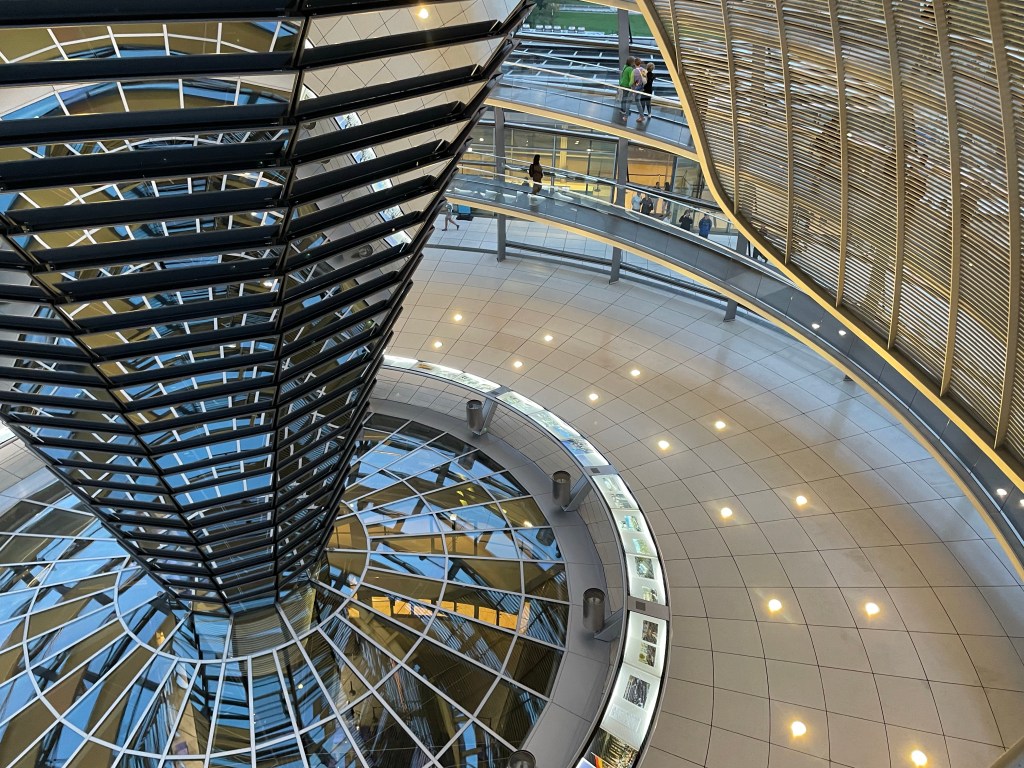
The current history of Germany is inevitably tied to Russia because of the division of Germany after WWII. The Bundestag building still displays relics of the Russians who took over Berlin in 1945. Graffiti was exposed by Bundestag architect Norman Foster who wanted to capture the historic takeover by the Russians. And the design of the building attempts to remind politicians that they work for the people, so the public at the top of the dome can watch over their leaders. Hmm….

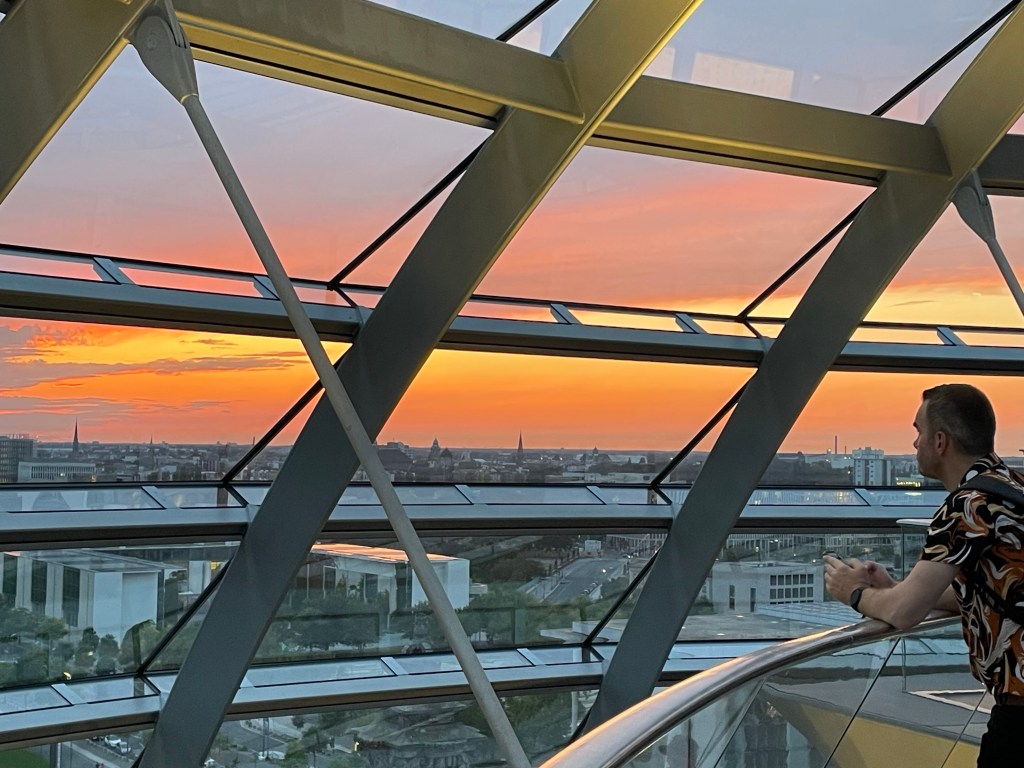
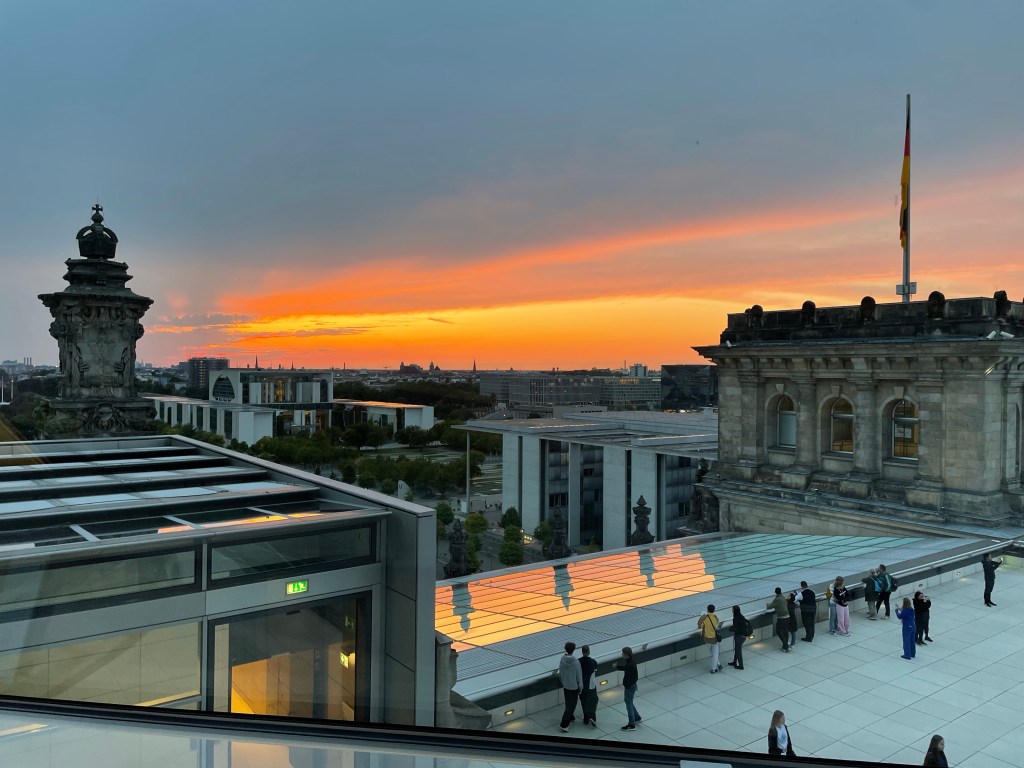
Being at the end of the day, the tour was tedious. Catching the sunset over Berlin made the trip worthwhile. Maybe the tour guide was a little too fixated on two young women who were together–one Russian and one Ukrainian. That did seem to inspire the rest of us to believe that the war will end one day soon.

A walk up the ramp at sunset

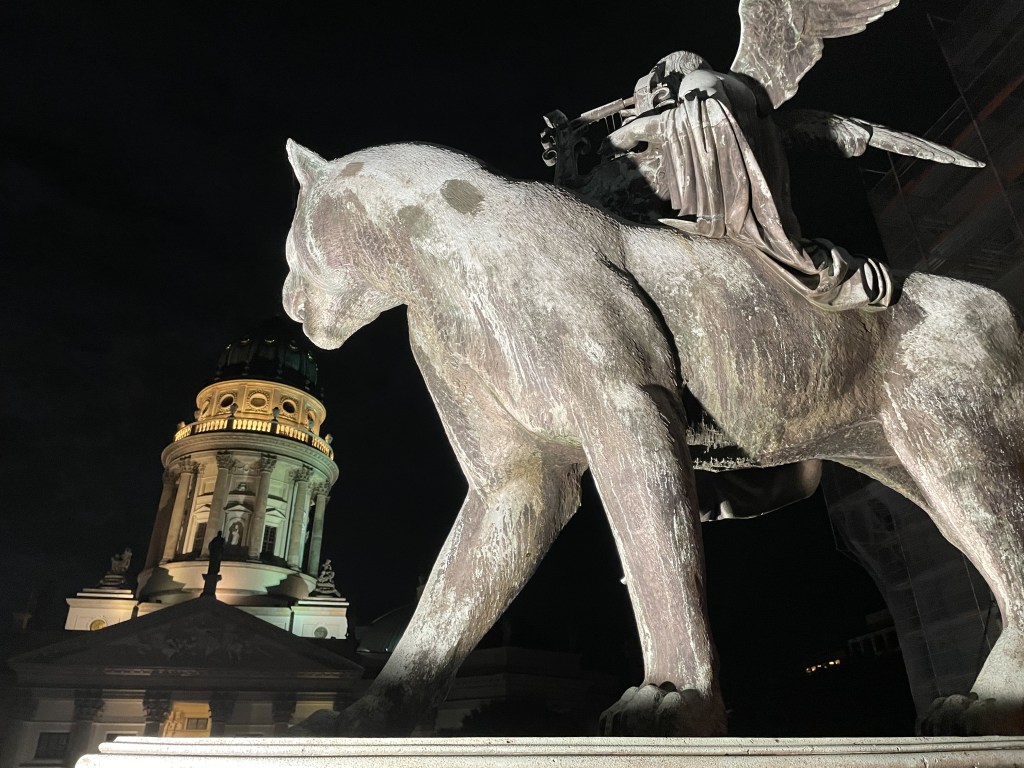
And of course I had to make a quick stop between U-Bahn changes to catch Brandenburg Tor.

Those who know me will wonder how I passed up two world-class opera performances at the Deutsche Oper. But I did. Maybe I’ll catch up at the free annual family event today in between the sketch exhibition, an open house at the Bundestag, or the Berlin Music Festival.